

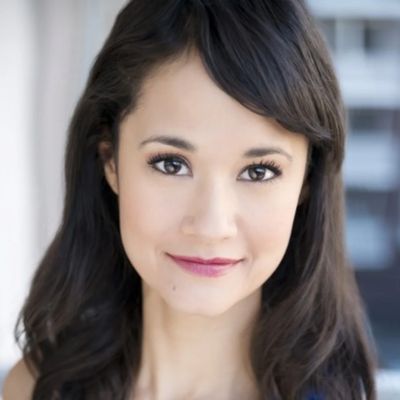
Take A Bow Thursday is here for the 23rd time with Ali Ewoldt! In this week's episode listeners learn that you don't have to be from NY to follow your dreams and that you don't have to go to school for acting to succeed in the business... Read More
From the show: Take A Bow
Guests
Featured Shows
About
Take A Bow Thursday is here for the 23rd time with Ali Ewoldt! In this week's episode listeners learn that you don't have to be from NY to follow your dreams and that you don't have to go to school for acting to succeed in the business. Ali shares her journey of always wanting to be an actor and then going to Yale for Psychology, then to perform at Disney Land, then headed to Broadway!
Transcript
This transcript was automatically generated and might contain errors.
[0:00] Eli Tokash: Hey everyone and welcome to Take A Bow Podcast. If this is your first time, then welcome. And if this is not your first time, then welcome back. I'm Sydney Lucas.
[0:08] Eli Tokash: And I'm Eli Tokash. And today we have on Ali Ewoldt. You may know her from Phantom. You may know her from The King and I. And she and I also did a benefit of the Secret Garden with previous guest, Max Von Essen. So she stopped by today and we had a blast. I mean, we talked about so many cool things, and we talked about how you don't have to go to school for theater to become an actor. She went for psychology, which you'll hear all about. So yeah, she really had some great things to say, so we're excited for you guys to listen. So without further ado, Ali Ewoldt, curtain up.
[1:14] Eli Tokash: On today's episode, we have yet another special guest. Today we have Ali Ewoldt, who you may have seen in Les Mis or Phantom of the Opera, as well as many other incredible shows. So please welcome to the podcast, Ali Ewoldt. Woohoo! Welcome!
[1:30] Ali Ewoldt: Hello, thank you for having me.
[1:32] Eli Tokash: Oh my gosh, thank you for coming on and talking to us. We're so excited.
[1:37] Eli Tokash: So, Ali, you and I actually met in the Secret Garden, and Max Von Essen, we had a previous guest on, and you've worked with him in Secret Garden as well as a couple other projects like West Side Story, right?
[1:50] Ali Ewoldt: Yeah, Max and I did West Side Story of PCLO together, and we did Les Mis on Broadway. We did the first revival of Les Mis at the Broadhurst together.
[1:57] Eli Tokash: Wow.
[1:58] Ali Ewoldt: Oh my god.
[1:58] Eli Tokash: Wow, so you were, oh wow, that's crazy.
[2:00] Ali Ewoldt: Yes, it's amazing.
[2:03] Eli Tokash: And you did Secret Garden. That's amazing.
[2:04] Ali Ewoldt: Yes. That Secret Garden was so lovely.
[2:08] Eli Tokash: Oh, with Rebecca Lucre, the one and only.
[2:10] Ali Ewoldt: I know. And it's like crazy with all of this stuff. Like that she has ALS now, and like I've been seeing videos and stuff of her, and it's been like so incredibly heartbreaking to see that because she's such an amazing human and so talented that I couldn't, I was shocked when I heard that she had ALS.
[2:30] Ali Ewoldt: Absolutely. She is just one of the best humans and also has one of the most beautiful voices ever. And Danny Bernstein is the best. And so those of you out there, go educate yourselves on ALS. I honestly didn't know that much. But we're trying now to, you can go to Iamalst.org, I believe. You can write to your representatives. They're trying to get some bills passed so that Rebecca can get some new treatments and so that everybody suffering from this disease can get some assistance. So she's an incredible person, just a true inspiration.
[3:06] Eli Tokash: Yes, please go check that out and just keep her in your thoughts and prayers and pray everything just goes well. So let's, we'll get started and we'll talk about your career a little bit. So let's start from the beginning. From the beginning, beginning. You're from Chicago. And we wanted to know, did you always love theater? What made you want to move to New York to pursue theater?
[3:30] Ali Ewoldt: So I was born outside of Chicago, and then I actually moved to the suburbs of New York when I was like two and a half or so. So I grew up. I was basically raised in Westchester County, a small town called Pleasantville. But the added bonus of being so close to New York City was I got to come in and see Broadway shows. And two of my aunts were living in Queens at the time. And so we would go and visit them in Jamaica State's Queens. And they had all of the VHS of every musical ever. You guys might know what VHS are. Okay. We're old enough. And so I got to learn about musicals that way, and I saw, I think I saw my first Broadway show, which was A Chorus Line when I was eight.
[4:20] Eli Tokash: It was A Chorus Line?
[4:22] Ali Ewoldt: Yes.
[4:22] Eli Tokash: Oh what a great first Broadway show.
[4:24] Ali Ewoldt: I know. Probably a little inappropriate for an eight-year-old, but it all worked. All the good stuff.
[4:31] Eli Tokash: That's awesome.
[4:32] Ali Ewoldt: And then I guess I started taking dance class when I was maybe two and a half or something, and started taking voice lessons when I was about 10. And I did only one professional show as a kid. It was the Yeston Kopit version of Phantom, the other version of the opera at the Westchester Broadway dinner theater. I played the little girl, which basically meant that I was, you know, in the ensemble, and I like skipped a few different scenes. Just the act of getting to be in a theater with professional equity actors doing this amazing show. It was Robert Cuccioli was our phantom. Watching them all work, I was kind of just sitting there like a little sponge and doing my homework backstage and trying to track what all the real professional actors were doing.
And then I happened to have this amazing public high school musical theater program with my voice teacher, Dr. Vellatino, who basically taught me everything that I know. And so I just performed with the high school. We were, I think, a class of about a hundred kids, so probably 400 in the high school total. And usually when we were doing a musical, there would be over a hundred kids in the cast, and then something like 50 in the crew, and then everybody in the town was involved, the quarterback of the football team. I actually did Kiss Me, Kate. So overall, musical theater was like a really worthwhile thing to do in Pleasantville, New York, which I'm super grateful for. And then I thought, well, it's a really challenging business.
I don't know, maybe I should also concentrate on academics. And so I actually went to Yale University as an undergrad. I was studying liberal arts. I ended up majoring in psychology and I performed all the time extracurricularly, and I kept taking voice lessons and I did summer stock over the summers and all sorts of weird performances all over campus. And when I was a senior, I was doing a production of The Marriage of Figaro with the graduate program with Yale Opera, and they needed a soprano to sing a minor role in the opera. And somebody in the audience happened to be a New York agent and was friends with someone in the cast who came up to him afterwards and said, "Ali sounds like she could maybe sing musical theater," and he said, "Actually, that's what she's interested in."
And so it was just super, super lucky, happened to be the right place at the right time, and so I auditioned for that agency, and they were willing to take me on and kind of decided to give it a go after that, and it's been many, many a year.
[7:27] Eli Tokash: Wait, so this high school thing, is this the, did was that a show that you were nominated for an award and like Norm Lewis presented it to you?
[7:37] Ali Ewoldt: Yes, yes, yes.
[7:38] Eli Tokash: No way, and then you ended up working with him. Like that's crazy.
[7:41] Ali Ewoldt: I know. So I did the King and I actually, which I got to do at Lincoln Center on Broadway with Cindy's brother. Just the minor, minor there. The first time I did the King and I was my senior year of high school. I played Tuptim, and it was the first year of these, like, I think they're called the Metro Awards now. At the time they called them the Helen Hayes high school awards. And Norm Lewis did indeed present me with my award, and we took a picture, and then, you know, cut to 2006 when Norm and I did the revival of Les Mis together, and it took me probably like a week and a half, maybe two, before I was brave enough to go up to him and be like, "Um, you probably don't remember this, but like, oh cool, you gave me an award, and here's the picture."
[8:34] Eli Tokash: That's awesome.
[8:35] Ali Ewoldt: He was super crazy.
[8:37] Eli Tokash: That's crazy how your career has literally gone like full circle. Like you were doing King and I in your high school and then did it on Broadway, and then Les Mis you did. Oh wait, no, Phantom, you did at your high school, you said it's a little girl, and then you're, I was in that. Like, that's crazy.
[8:52] Ali Ewoldt: Yes, the only Les Mis I did as a child can actually be found on the internet. It would be me reenacting the entire musical on my bed with my brother.
[9:02] Eli Tokash: No way.
[9:05] Ali Ewoldt: Yes. If you, I think if you Google Ali Ewoldt's Les Mis Home video, it should, um, mortifying. But I do the whole chain gang and I play both Valjean and Javert.
[9:17] Eli Tokash: How old were you?
[9:18] Ali Ewoldt: I don't know, like maybe 10.
[9:20] Eli Tokash: Oh my god.
[9:25] Ali Ewoldt: But also, I mean, that's awesome. It was a formative musical of my youth for sure.
[9:33] Eli Tokash: Sure. I'm looking that up the second we finish this interview.
[9:37] Ali Ewoldt: I know, you exposed yourself.
[9:39] Eli Tokash: I don't know. You gotta watch out there.
[9:41] Ali Ewoldt: In these times we need a little joy, we need a little, just trying to wait and everyone's, I love it.
[9:51] Eli Tokash: Okay, so you've literally, like, so you've played Cosette in Les Mis, you've played Maria in West Side Story, you've played Christine in Phantom. I mean, like, you've played like everyone's dream roles. Like, were any of these your dream roles? And like, do you have any more dream roles that you wish to play? Like, I want to know, I want to hear all about it.
[10:14] Ali Ewoldt: They were absolutely my dream roles. I saw Phantom for the first time when I was about 10. I guess 10 was like the year that I learned how to do everything. I totally was like, I wanna be Christine someday. And then, and the same with Les Mis, honestly, if I could have chosen, I would have been Eponine, but I've always been a soprano, so the soprano role was the one for me. And yeah, there were a bunch of others. I got to do The Fantasticks off Broadway. That was on my list. And I've really, I've been very fortunate of being able to kind of check off a lot of things in roles that I never expected to play, like Philia in Forum at the Muni or I just played Martha Jefferson in 1776 and was like, I didn't even know that was a role that I would be great for, but it was a blast. So I think, I mean, there are so many, there's so many that I haven't done yet. I would love maybe like a Music Man or do a real production of Secret Garden.
[11:18] Eli Tokash: Do you want to do Rose again or like a different role?
[11:23] Ali Ewoldt: I would love to do that show in any incarnation. I would love to be Lily someday, but Rose too. And then, you know, to originate something brand new, I think is kind of the dream. I feel like there must be something really exciting about getting to put your own stamp. You guys know more about this than I do, but what that's like to kind of, you know, build something from the ground up that's really beneficial.
[11:50] Eli Tokash: Or do you want to stick with theater or do you want to venture off into TV and movies?
[11:56] Ali Ewoldt: I mean, at this point, I would do anything. I definitely would love to do, I've done a little bit of TV film, but I would love to do more of that stuff. Even things like, you know, voiceovers and audiobooks or that thing. I feel like there's so many avenues where we can keep being creative that I would love to, you know, continue to explore. Anything that feels sort of soul fulfilling and something that brings me and other people joy.
[12:27] Eli Tokash: I'm game for, you know, I was about to say I love your voice. You have a super soothing, like just bright, wonderful voice. It's also very youthful, and I feel like you could just like play like a large range of characters on voiceovers.
[12:43] Ali Ewoldt: I love that! Anyone out there, do you want me to play a lovely cartoon? I'm available, let me know, please.
[12:55] Eli Tokash: Okay, so we gotta talk about this. You went to Yale University for psychology. Was that something that you knew you wanted to do? And also, on your website, you say it was surprisingly helpful for your career as an actor. In what ways has it proved useful?
[13:15] Ali Ewoldt: Okay, so in some ways, the reason I ended up being a psychology major, I think, was because I looked at the course catalog and I thought, oh, there are a lot of things in here that I'm interested in, and also the requirements are not as tough as a lot of other majors at Yale. And so I can fulfill these and still continue to perform elsewhere. So as opposed to some of my amazing roommates who were double majoring in very challenging things like missing race and migration and American studies with a focus on Latin America, like they were doing all sorts of wow. So in some ways, that's what it was. But I think fundamentally, I was drawn to psychology and all the psychology classes because they're so similar to what we do as actors.
It's just about understanding why people behave the way they do and what makes them tick and what factors into somebody's personality or how somebody reacts in any given situation. And so I think that's why I was drawn to psychology, but also why just even that innate curiosity about humans and how humans behave has been really helpful in, you know, a career in the theater where really we're just trying to understand these characters that we're playing and to create a sense of empathy for them to guess why they might be behaving the way they are. Plus, you know, part of that was a little cheeky because, you know, we theater folks need a little support. We're little artistic and a little, um, what is to say this without insulting myself? We're interesting characters, we're fascinating people on many levels, which makes us so open and so exciting and watched. We're emotional beings.
[15:07] Eli Tokash: Amen.
[15:08] Ali Ewoldt: Very emotional.
[15:10] Eli Tokash: Um, so Ali, like, so going back to like our little connection. So actually, I don't know if you know this, but like I'm from like outside of Pittsburgh, like really close to Pittsburgh. So like before I moved to New York, I did like all my shows at the PCLO. And so, like hearing like you and Max were at West Side Story there, I was like, oh my god, full circle. Um, yeah, I love Pittsburgh and I love the CLO, it's awesome. Um, but you and I, like we said earlier, did the concert of Secret Garden. But while we were doing that, we were actually, like the entire cast seemed to be in like other Broadway shows. So, like at that time, did you have any specific things that you were doing to like conserving your voice? Like, do you have any tips as far as, you know, how to take care of your voice, your body while doing other projects and other things?
[16:04] Ali Ewoldt: Yeah, yeah, double duty is no joke. And I was doing a lot of, because I was doing King and I at the time. And I think because I know it was such a long show, but because massively long show, yeah. Yes.
[16:17] Eli Tokash: And vocally.
[16:19] Ali Ewoldt: Yes. It like definitely vocally. The few bits that we got to sing, I was like, you know, singing high deeds every night. But, um, but because I was in the ensemble, I actually did have, I felt like I had enough bandwidth to also do other creative things on the side, which is why I wanted to do things like Secret Garden. Um, but I found that when I'm playing, say, Christine in Phantom of the Opera, or I've done a lot of Maria in West Side Story, um, I don't necessarily have that extra that I can spare. And so I think a lot of it has just been understanding myself and my body and what I can handle in any given situation and what, you know, sacrifices I have to make or not. Um, and the flip side being where do I need to be creative outside of the show that I'm doing to keep myself excited to be doing the show?
And to, as we know, you know, doing the same show eight times a week is really difficult if you're not in the right headspace for it. So sometimes for me, doing a show outside of the show that I was doing was actually what I needed to keep the creative juices flowing so that I could also be active in the show I was doing. Um, but, um, but yeah, I mean, it's all the boring things, it's sleep, it's a lot of sleep and a lot of her and stupid.
[17:35] Eli Tokash: Yeah, and um, you know, knowing sort of when you need to eat. Um, I was a big fan of massages and acupuncture and sort of anything, um, yoga, things that like kept my body energy flowing in a good way, and um, kind of helped to relieve some of the, um, some of the just swelling that happens from stress and from performing over and over again.
[18:02] Ali Ewoldt: Definitely.
[18:03] Eli Tokash: And also the vocal chops needed to play, for example, Christine and Phantom, and also Tupp Tim in King and I, which you understudy, but you also were in the ensemble. Um, the vocal vocal chops you need for those are just massive. Um, how do you keep your voice in shape and healthy? Do you have any routines or rituals that you do specifically for your voice?
[18:28] Ali Ewoldt: Yeah, I do. You know, I've had some great voice teachers over the years. Thank goodness. I was super lucky that I started off, you know, with this amazing teacher when I was a kid who gave me a great technique to build off of. Um, and you know, especially roles like that, my voice is kind of made for it. I just, you can hear it in my speaking voice. I'm a soprano through and through. It kind of, they sit already in a healthy place for me, which I think starts me off on the right foot. Um, but I definitely, you know, make sure that I warm up. I usually do a bit of a shower warm up first to get the steam flowing and like all the things moving off the cords, and um, I like warming up with a straw and lip trills and anything that kind of starts slowly to get the, um, the juices flowing and to get my vocal cords warmed up that way.
And then it's nice to have kind of a routine of, you know, this same. I do a lot of the same vocal exercises whenever I have to sing, which sometimes is every day, because then I can check in and say, oh, this feels a little funky today, or actually like this feels great, or you know, I can sort of gauge where I am in addition to warming myself up slowly that way.
[19:37] Eli Tokash: So wait, when you talk about warming up with the straw, do you mean like breathing exercises with the straw, or do you mean like actually like humming and like doing like vocal stuff with the straw?
[19:47] Ali Ewoldt: Yeah, I do um, I do humming stuff. So basically, like you just sort of put the straw on your bottom lip and attach to your top lip, and it's almost like it's like a very, um, very quiet buzz. Um, it's just to really focus your breath and it helps your chords come together in a healthy way, and then you can do scales, you can sing through if there's like a particularly hard passage that you're working on, and a lot of it is gauging the pressure that your lips need to put on the straw in order to sort of move, move up and down that way. I'm unfortunately not a vocal teacher, so I may be explaining this very poorly.
[20:22] Eli Tokash: No, it's great, it's great as someone whose voice is changing, you know. I can, I'm trying to like get all the options out there.
[20:31] Ali Ewoldt: Yeah, yeah. No, it's really, I think it's been like a newish technique that the teachers are really into these days, but it does like it does something where it takes a lot of the pressure off, but you're able to kind of manipulate um the chords. I mean, obviously the hardest thing that we do is the fact that we're relying on these two tiny pieces of tissue in our throats that we can't see or feel, right? So a lot of it is visualizing, figuring out ways to, you know, to get the airflow going and all of that stuff, um, and in ways that you know that feel nice and healthy.
[21:03] Eli Tokash: You know, having it heard put that way is so interesting because I think it's, people are so hard on themselves, especially singers, um, especially people in the business, um, hearing it put that way, like we're relying on these two little things in our throat, you gotta be patient with yourself, man.
[21:21] Ali Ewoldt: Yes, absolutely. And I need to learn that lesson as much as the next person. I think somebody said we're so great quote that of course I can't remember, but it's like perfectionism is like self-harm. Or so there, it's something about how you know we think, I think, you know, most of us in this business are perfectionists and we know what like our very best could be. But our very best is amazing, but like the next three tiers down are actually all pretty great too. Yeah. We happen to hold ourselves to these really high standards. But by not being kind to ourselves, if we're not exactly perfect every time, which frankly is impossible to be, particularly when you're doing eight shows a week. There's no way.
[22:00] Eli Tokash: No way you can be perfect.
[22:02] Ali Ewoldt: We're humans, it's just not possible. Um, we don't, if we don't allow ourselves to make mistakes, as we would, you know, we would allow a good friend of ours. We would never speak to a good friend the way that we speak to ourselves about today, you know. So I, so self-kindness is definitely um a continual life learning lesson for me as well as everyone else.
[22:26] Eli Tokash: Very much so.
[22:27] Ali Ewoldt: And we'll be learning it and trying to implement it for the rest of our lives.
[22:32] Eli Tokash: Um, going back to what you were saying about yoga and acupuncture, do certain shows um supply a sort of physical therapist or something like that to help people with like muscles?
[22:48] Ali Ewoldt: I've never been in a show that does, but um, I'm wondering if that is a thing you like to see.
[22:56] Eli Tokash: Yeah, it totally is a thing. It depends on the show. I think obviously like the more dance heavy shows tend to employ a physical therapist. At Phantom, we had somebody that came um once a week and you could sign up for appointments um and get like a little PT, maybe even 15 minutes, put some exercises and things, um, things to work on.
[23:16] Ali Ewoldt: The, um, and sometimes, I mean even it's nice particularly in a very long running show, I find that there are people who happen to also teach yoga who might say like, oh you know on this two show day come and meet me in the lobby.
[23:30] Eli Tokash: Um, that's nice.
[23:30] Ali Ewoldt: And we'll do some yoga together. And I think it's really nice just to get the body moving in a different way, especially, you know, with dancers or anybody doing repetitive movement. Um, that is so tough on your body to, you know, not that I know, not that I'm a dancer, but me having done a lot of shows with amazing dancers and sort of watching what they go through, right? Like they have to really take care to move their body in ways that are different than the show to keep that healthy um, healthy body energy and um keep their muscles.
[23:53] Eli Tokash: Yeah, it's so funny because like the shows that I've been a part of, like Pippin and Finding Neverland, like Pippin was obviously very acrobatic and like Finding Neverland had a dance heavy for the ensemble and like a lot of lifts and stuff like that. And like it is funny 'cause like every time that, uh, like of every week the PT schedule like came out, everyone was like fighting for a slot and we're like, it was so funny. They were like, I'll switch you, like, well, it was so funny.
[24:32] Ali Ewoldt: I love that.
[24:33] Eli Tokash: But when you were saying like they come in like once a week, the spots are obviously very limited. Um, especially because we have eight shows, like we have to take care of ourselves and not be at the theater because PT will happen at the theater.
[24:45] Ali Ewoldt: Um, and so like some people like have limited time, and it's funny like to remember that. I was, I when I was, I did the Westside tour for about a year, and I never went to PT for that very reason.
[24:58] Ali Ewoldt: Because I was like, I don't I think you more than I do. But what I think is interesting, um, which may be part of your question is part of the reason why I would get massages in acupuncture, um, particularly when I was playing Christine, was that I found that um, and this kind of ties back into the whole psychology thing, but you know, the character of say Christine is going through massive trauma throughout the course of the musical. She's almost always either running for her life, fighting for her life, falling in love, terrified, picking herself off off the floor. There's a lot of like um almost hyperventilating breathing, there's a lot of mourning the loss of her father. There's a lot of trauma in there.
Um, and I found that, you know, even though I myself knew that I wasn't going through that, that my body held on to it as if I was, because I was going through the motions, because I was producing tears, because I was breathing in a certain way, because I was tensing up in a certain way. And so I think part of why I really needed to take care of myself while I was doing that show was because my body thought that it was constantly in this heightened state, and that was just sort of increasing inflammation, doing all the things that we're not we're not really supposed to be in fight or flight, you know, eight times for sure. Um, and so a lot of it is a lot of the reason why we, if we're in these kind of very dramatic um situations, why we have to take care of our bodies that way, is because they think that it's going through all of this, and one of my favorite studies, and I think this is like very applicable to life in general, uh, that I um that I remember from Yale was that there's this pencil study, and basically they had two different groups of people, they were taking a test or something, and half of them had to hold a pencil in their mouth, like sideways.
But so, but the act of having the pencil actually made that group much happier because it made their mouth seem like they were smiling. Oh their brains into thinking they were happier. And so if that works for pencils, like imagine what it is like when we're crying, when we're doing all of these things, like our brains can't really differentiate between the emotions that we're feeling and the emotions we're acting out, if that makes any sense.
[27:14] Eli Tokash: Of course, that would have a tremendous physical impact on your body.
[27:17] Ali Ewoldt: You know what? My aunt, my mom always told me that. She always um, if I was especially nervous before something, and I was just kind of feeling down on myself, she would be like fake smile, and so I would. I would fake smile until I felt better. And it honestly worked.
[27:32] Eli Tokash: Yeah, I mean, I think fake it till you make it is absolutely totally power poses work. That's why, you know, like you do your little superhero pose, and it does, it makes you feel more brave, it makes you feel stronger because you're putting your body into this, you know, particular position.
[27:48] Ali Ewoldt: Yeah, definitely. So you so speaking of Phantom, you recently did a drive-in like perfor like concert performance for Phantom a few weeks ago. So, like after months of like not performing, and and like for okay, after months of not performing, what was that like? And like tell the audio like listeners um a little bit about this drive-in performance.
[28:16] Ali Ewoldt: Yeah, so um, so I got to do um this very unique performance. I've never done anything like this before. What happened was there was this lovely man named Jeremy who had an idea. He said, you know what? There's this empty warehouse and a giant parking lot in Astoria overlooking the river. Actually, you can see Roosevelt Island quite well from there inside of Manhattan, and um said, Uh, you know what, I'm gonna bring some sort of live performance to this space. And so he built himself a drive-in movie theater out of shipping containers and a blow-up um screen, giant screen, beautiful screen. And so I had a dressing room made out of a shipping container, and there was a shipping container where he housed about there were we had 11 orchestra members that were underneath there, so they were weather protected, and then on the other end, there were a couple of shipping containers that housed the projector.
And so we did um a number of performances. What they would do is they would play the um the Royal Albert Hall version of Phantom of the Opera, starring um Sierra Boggess and Ramin Karimloo, and then um when they would get to certain songs, they would mute the movie and they would videotape um myself and Derek Davis, who was playing the Phantom, singing the Phantom songs live. And people could come in their cars, they could come and sit on picnic benches, um, and they could actually get a little bit of a you know a live theatrical performance experience, but still be safe socially distant. Everybody had temperature checks and masks required, and we on the stage, Derek and I never got close to each other.
We were singing, you know, our orchestra members except for the wind players, all had masks on and so everybody was you know kept as as safe as possible but it meant that you know you could look up on this big um drive in movie screen and see me singing think of me or wishing you were somehow here again um and how many times did you do it I did it I think we performed seven times something like that oh wow it was over I thought it was like a one night thing no we did we did multiple weekends of it we did some singing because we had to kind of figure out all the logistics of the cameras and turning off the movie and turning us on and turning the movie back on and it totally was but they're trying to do more things right now they're actually doing um purple rain there with four four singers they're playing the movie of Purple Rain and some singers will sing some prince songs and I think they've got stuff planned for Halloween so they've got different things.
[30:47] Ali Ewoldt: So Radial Park um hopefully we'll you know we'll continue to to do some sort of live performance but really I mean the first day that I got to rehearse and I was in person with an orchestra and a conductor and a and this beautiful amazing singer Derek and like we got to look into each other's eyes and sing a duet that way. I know during this time it's been so hard. I don't know about you guys but I've been doing a lot of singing to the camera on my phone.
[31:16] Eli Tokash: Yeah together afterwards but you know with like a click track on my ear.
[31:20] Ali Ewoldt: Yeah with the little exactly and you just have to follow along you have no you can't you can't do a nice crescendo together or a guitar or something. And so the idea that we actually got to sing in real time, sharing, you know, sharing a space was just so soul fulfilling. I think it was really it was really wonderful. And the and our audience, I think also just had, you know, got to experience something. Some, you know, it's not, it's not Broadway yet, but um, but it's it's the idea that we're sharing something collectively together that we're getting to feel feelings in real time and feed off of each other's energy and be taken away, you know, sort of have a have a moment of escape and um and I think it was really it was really wonderful that I had I'm so grateful that I had that opportunity to do it. Um sustained me for you know for a little bit longer or however long.
[32:15] Eli Tokash: Of course.
[32:16] Ali Ewoldt: Yeah, I miss that. No not only looking people in the eye, but like singing with them in real time. It's been so long.
[32:23] Eli Tokash: It's so it's so nice. It's I've I've been fortunate. I've gotten to do a couple of things. I did um a dance festival upstate in Tivoli, New York, um, called Cotsban. I got to sing a couple of songs there.
[32:35] Ali Ewoldt: And it was the same, you know, the um we had um a Broadway performer Paul McGill came to watch and he had actually done a chorus line next door to um to Les Miz when I was there. We one of the fun things about Broadway shows, I don't know if this has happened with any of your theaters, but they some of them butt up against each other. And so when I was doing Les Miz, the cast of chorus line would like pop over either warm up with us before the show or or like come and watch. It was really cool. We just had the these little backstage doors that kind of aligned. And so that's how I knew Paul. But he said, you know, listening to applause for the first time in life like totally made him cry. Like he was so he was so moved with just getting to witness this, you know, live performance aspect.
And so I'm fortunate that I got to do, I got to do that. And then oddly enough, I just recently sang at the Wax museum. Um, my my friend, actually my friend Spencer Howard, who I did um West Side Story with at PCLO with Max Von Essen.
[33:38] Eli Tokash: Oh my gosh.
[33:39] Ali Ewoldt: Um Spencer was our Riff, and he now has this great company called Broadway Booker. And so he called me and he said, Um, would you be interested in singing a couple of songs at the wax museum? I was like, Yes, obviously. Of course we look at that.
[33:54] Eli Tokash: That's awesome.
[33:55] Ali Ewoldt: And so that was kind of fun. So they had because there are people that are going, I guess there are tourists in New York who are who are going, or just people who love to see wax figures. Um and so we were in this like big VIP room that was filled with the wax people. And so I was like, oh, I get to sing for Sandra Bullock and Bob Berg and certainly. Um and you know, there were there were live people in there too.
[34:20] Eli Tokash: And I was way up on a balcony um singing a couple songs to track, but even that was so fun to, you know, little little banter with the crowd.
[34:28] Ali Ewoldt: And it's like, oh, they can hear me in real time. You know, we're experiencing it. It's been so cool to like see how everyone's kind of like found ways to like perform and like still keep keep being creative and like the drive-in theater, like that's a genius. Like I never thought of that. And then like wax museum and like just little things here and there, and everyone's doing like virtual events now. It's just cool to see everyone come together to like try to bring everyone some entertainment.
[34:56] Ali Ewoldt: Yes, I agree. I mean, that's the thing, like it's it's great for us. We, you know, we're creative people. We we need to have comments, and it's it's amazing. Obviously, we've seen during this time how essential, in fact, the arts are. Unfortunately, the government is not treating us as such at the moment, but they will please government treat us as essential because that's what everybody's been getting through this pandemic has been you know watching Netflix listening to music reading books we we need art as a way to escape and to understand other people and you know I think that it's been obviously so amazing say like during the beginning of the of this Black Lives Matter movement um this spring the fact that we immediately had all of this art to go to to understand somebody else's perspective that wasn't our own to understand how somebody grew up what the challenges were you know in a way that that you just can't really accomplish in in other ways and it was so nice to be safe safe at home but learning all learning and growing so much yeah and being able to participate too.
[35:57] Eli Tokash: Definitely I I gotta ask speaking of concerts I I I want to know your perspective on this you've been in shows where you've performed eight nights a week um and you've also obviously concerts are normally a a one time thing or a just a few nights um I want to know from your perspective what's the difference between the two or if you get more nervous for one over the other.
[36:21] Ali Ewoldt: Yes that is a great question. I absolutely get more nervous for concerts down absolutely it's I think you know I love I love doing theater because it's this like beautiful collective group and we're doing it's I mean not not the concerts aren't teamwork in the same way but having a character having a story having this whole sort of um entity around you and you know you get to do it over and over again which means that you know I develop a a degree of comfort as opposed to I've been doing a lot of amazing concerts um particularly internationally but a lot of times it's you know fly to Taiwan the day after you get there go rehearse with the orchestra and then immediately you're coming and you've never heard these arrangements before and you don't know this orchestra and you know you don't speak the language you know there's so many factors and um there's that added pressure of feeling like it's you're selling yourself as opposed to being part of the show and I think that that I definitely put a lot more pressure on myself too of saying oh well these people came because you know my my name was on this thing and other people's names and that must mean that you know that they're gonna they're gonna judge me for me instead of instead of enjoying the this like beautiful theatrical experience.
[37:37] Ali Ewoldt: You feel more alone in it.
[37:39] Ali Ewoldt: Yeah, you really do. Um, and it's amazing to sing with a symphony like that. That is such a gift, and getting to travel, um, I miss so much during this time that has been, um, an amazing, amazing gift too. But I think I'm getting more used to it, but definitely the concerts make me really nervous.
[38:00] Eli Tokash: I'm the same way. It didn't matter how many performances I went on for, say, Fun Home. It didn't matter how many performances I went on. I was perfectly fine doing the show, and then, you know, normally it's on our off days, on like Mondays, where people ask you to, "Hey, come do this thing. Come sing, come do this benefit," and you're like, "Okay, well, I guess I'm going here."
[38:21] Ali Ewoldt: It's nerve-wracking. I don't know what it is. I've seen "Ring of Keys" thousands of times, literally thousands of times, and especially doing it eight nights a week, um, in Fun Home. But man, I don't know what it is about concerts, man. It's terrifying.
[38:38] Eli Tokash: Yeah, it's also they're out of context and all new environments, and I don't know. You don't have—I mean, I think that's why we love being actors so much too, right? It's because it's the whole lead-up. It's not just the big songs that you sing, but it's the entire process of creating your character and being in this story with other people, um, that you just don't get in concerts the same way.
[38:38] Ali Ewoldt: Totally. And it's interesting because people are like, "You don't get, like, nervous for doing a Broadway show?" Like, after you do it so many times, it's just like, "Oh, yeah, like I'm doing this thing again, and I'm just gonna go out and tell this beautiful story," and then, like, in front of, like, thousands of people. Whereas, like, concerts, it's like usually like a 54 Below or something like that, where it's like a hundred or so people. And it's funny how, like, that one-time thing is way more nerve-wracking than, like, performing on Broadway.
[39:33] Eli Tokash: It's bizarre, but that's just how it is.
[39:36] Ali Ewoldt: It's also Broadway's like a whole show. It's like an hour long. You would assume that you would be more nervous for the hour-long show as opposed to the, like, three-minute song that you do.
[39:47] Eli Tokash: But no, they're scary. They're interestingly scary.
[39:52] Ali Ewoldt: Agreed. And I think it's good to remember that that's a little— that's fairly universal, right? That, like, we've all had that experience. And I think even the people that I look at on social media saying, "Oh, well, they're so great at doing concerts," they probably get just as nervous as we do. And, um, and especially in a concert situation where you're singing, like, the greatest hits too, which also means that you're singing whatever the hardest song is, you know, totally out of context there. There's a lot of factors.
[40:21] Eli Tokash: There are a lot of reasons why it's hard.
[40:23] Ali Ewoldt: Yeah.
[40:25] Eli Tokash: Okay, Ali, I have to ask because I'm like a huge nerd for, like, Disney and Disney parks. And I saw that you, like, spent some time working as Jasmine in Disneyland. Like, so you were like a real-life princess, which is like not a big deal, but it's fine. Um, what was that like? Like, what was that? Did you perform there? And then were you, like, walking around the parks, or was it like just a performance? Like, I wanna know.
[40:54] Ali Ewoldt: Yes, it was amazing. So this was my first—it was my first major job out of college. Um, when I got in the agent, um, luckily with the opera thing, and, um, it was one of the first auditions they sent me out on. And it was for this stage show of Aladdin at Disney's California Adventure. It's no longer there. I think, uh, Frozen is there now, I believe, at the Hyperion Theater. Um, and so it was under—it was an AGVA, um, contract, which I believe is the American Guild of Variety Artists.
[41:23] Ali Ewoldt: Oh yes, it did. Very fancy, fairly obscure union, sister union to Equity. Um, but it was made so I was hired as the Jasmine understudy slash body double, which meant that part of my track was to fly, um, on a magic carpet from three stories up at the top of the auditorium in the middle of "A Whole New World."
[41:49] Ali Ewoldt: And so I was harnessed in. It was, you know, myself and the Aladdin body double, and we got to just, like, fly around the audience, which was the coolest thing. It was like a roller coaster, you know? And I would do—because we would do multiple shows a day, so sometimes it was like three or four times a day.
[42:06] Eli Tokash: Yeah.
[42:07] Ali Ewoldt: Just to, like, zoom around and to see all particularly all the kids really close up in the balconies, getting so excited and reaching for us. Like, it was such a blast. And then eventually I ended up doing—I would do, like, a couple days of my, like, five days a week. I would do, like, two days on stage as Jasmine, as the main Jasmine, and then, um, three days flying.
[42:29] Eli Tokash: So would the other girl play your body double when you were on?
[42:34] Ali Ewoldt: No, we had had some cast changes. There were always two—she was always double cast. Jasmine was. And so we just had different ensemble members who would cycle in. But what was amazing was, um, the two women when I first joined that I was understudying were, um, Dee Dee Magno Hall and Jenny Kwan, and both of these women are Filipino. I'm half Filipino, and I had grown up watching them on television. I watched Dee Dee on—she was on the Mickey Mouse Club right when it first came back before Britney Spears, and, um, Jenny Kwan was on the so-called California Dreams. And I remember very specifically seeing them on my TV, saying, "Wait a second, they look like me. They're Filipino. I'm Filipino. That's so cool that they're doing this."
[43:21] Ali Ewoldt: Like, this makes me believe that this is something that is possible in my life too. And then for my first job out of college to be working with them was just totally mind-blowing. And we had to, because of the nature of the way they had set up the dressing rooms, we were actually sharing a dressing room. They are the most generous, kind human beings that you will ever meet in your entire life. They taught me how to pin curl my hair, they prepped me for my Jasmine put-in, and were giving me all these tips and helping me with my makeup and all this stuff, and they didn't have to do that. Like, they were, you know, amazing performers. They'd both played Kim and Miss Saigon at this point, you know?
They were, um, they were beautiful stars, and they were so, so kind and really, I think, modeled for me, you know, the kind of performer that I wanted to be as well and the kind of human that I wanted to be. And so I'm so, so grateful. Like, just the loveliest people. And of course, I was completely geeking out the whole time. Yeah, yet another full circle moment. Like, that's crazy.
[44:21] Eli Tokash: Oh, that's wonderful.
[44:22] Ali Ewoldt: Yeah, it was really—it was a really special experience. Plus, like, I love Disney, and so you were part of the Disney magic. That's cool.
[44:31] Ali Ewoldt: It was so cool, and we were allowed to go and visit the parks whenever we wanted. That's the best part.
[44:38] Eli Tokash: It was so cool. We got to ride, like, in between shows, which probably was a terrible idea, doing, like, a cast-only opening of the Tower of Terror before they opened it to the general public.
[44:50] Ali Ewoldt: Oh wow.
[44:50] Eli Tokash: On and, like, ride on the Tower of Terror and then come back and do a show. I mean, I love—
[44:55] Ali Ewoldt: That's awesome for your voice to just scream bloody murder and then go sing.
[45:01] Eli Tokash: That's awesome.
[45:03] Ali Ewoldt: I've seen how to ride on roller coasters and not scream, which honestly is not as much fun but is better for the vocal health for sure.
[45:10] Eli Tokash: Sure, sure, sure. So you just had, like, a pass? You could just go anywhere in the—
[45:10] Ali Ewoldt: Yeah, and we could get friends and family in too. We had a certain number of sign-ins so we could get people in to, um, to experience the Disney magic. So I would pop over to, you know, Disneyland and watch my personal favorite show, which is Fantasmic.
[45:29] Eli Tokash: Oh yeah.
[45:30] Ali Ewoldt: It's like Fantasia, and Mickey is battling all of these great Disney villains, and it's got great music and fireworks and water show things, and I loved it.
[45:41] Eli Tokash: Did—if you haven't seen that, go watch it on YouTube. It's really cool.
[45:43] Ali Ewoldt: Okay.
[45:45] Eli Tokash: Yeah, it's really—my sister loves Disney, so she shows me it all the time.
[45:51] Ali Ewoldt: Literally.
[45:52] Eli Tokash: She—and then every time she watches it, she cries. Like, she literally loves it.
[45:57] Ali Ewoldt: I'm like, I mean, she worked at the Disney College program for a little bit in Florida.
[46:03] Eli Tokash: But like, that's, like, I guess that's why she cries because she has, like, memories and, like, she's like, "Oh, I miss it." But, like, that's, like, her favorite video to show me all the time. Literally, all the time.
[46:14] Ali Ewoldt: That's great.
[46:15] Eli Tokash: It's a great—I mean, they have so many, so many great things. And it was just—it was a lovely, it was such a lovely gig. And after I worked for Disney in California, I actually—my next job was working for Disney in Japan.
[46:28] Ali Ewoldt: Um, which was, uh, yeah, I worked—I worked there. It was called Tokyo DisneySea, which—so there was Disneyland and DisneySea. And so there I was doing, uh, it was like a Broadway review show, um, which was kind of interesting because particularly at the time, I think, um, the Japanese folks that came to watch our show didn't really know a lot about American musical theater. They've learned so much since, and now they're incredible, incredible fans. Um, but it was also, you know, just that I got to live in Japan for seven months and, um, work in a beautiful park. It was pretty cool.
[47:01] Eli Tokash: And the original, um, Disneyland job that you said that was your first job out of college?
[47:06] Ali Ewoldt: Yeah.
[47:07] Eli Tokash: And then the Tokyo was right after that?
[47:09] Ali Ewoldt: Mm-hmm.
[47:10] Eli Tokash: Yep.
[47:11] Ali Ewoldt: What in the world? That's so cool.
[47:13] Eli Tokash: Yeah, it was—I was very fortunate. And then I came back and actually got on the Les Mis tour. That was sort of the—that was the next thing.
[47:17] Ali Ewoldt: Oh my gosh.
[47:22] Eli Tokash: So it's just been one after another for you.
[47:23] Ali Ewoldt: I know. I mean, there have been plenty of periods of, you know, waiting for a job or, you know, continually auditioning since, but it was a pretty auspicious beginning. I was—I was very fortunate.
[47:32] Eli Tokash: It's wonderful. Speaking of, like, waiting around for a job, um, before we go, like, we want to leave listeners with something that, like, inspires them and, like, just keep their love for musical theater. Um, because this business can be, like, really hard and grueling, and you'll have periods of time where there's no work or anything like that. But, like, what is some advice that you could give listeners who are just thinking, like, of coming into the business, um, but, like, feels overwhelmed and, like, feels like it's too demanding and there's too many uncertainties?
[48:05] Ali Ewoldt: So, like, what advice do you give them? You know, it's—it is a lot, and it's overwhelming, and I think that's okay. I think it's okay to admit that there are challenges. Um, but if it's something that you're absolutely, um, passionate about, it's something that you love to do, then I think it's absolutely worth giving a go. You know, the benefits, um, at least in my personal experience, far outweigh the challenges. Um, but persistence is key. I literally auditioned to play Christine in Phantom of the Opera for 10 years.
[48:42] Eli Tokash: Whoa.
[48:42] Ali Ewoldt: I auditioned over and over again for different productions—for Vegas, for the tour, for Broadway, for the tour—but over a period of 10 years. And so by the time they came back to me for the audition that I ended up booking, I thought, you know, there's no way, you know, they've seen me and they don't seem to be interested. And thankfully, my agent said, you know, just show up and give it a try. And so I think that it's definitely evident—evidence that there's so—there's so little that we can control about whether or not we're gonna book the job, but the things that we can control are sort of where we have to put our energy, right? In taking voice lessons and feeling up on our technique, on working on our listening and acting skills, in doing all the things, in making sort of art on our own that, you know, nobody else is creating for us because we feel creative, because we care about things, and in strengthening the things that make us special and unique because we don't know, you know, what the person on the other side of the table is looking for. So we just have to keep continuing to be the best versions of ourselves and hope that, you know, at some point, just statistically, they are gonna find, you know, what they want in us.
[49:53] Ali Ewoldt: Um, and so I think that that also it's it's good to constantly remember that there's no one correct path. Just because you didn't book a job this one time doesn't mean you might not book it another time. Just because you haven't performed on Broadway doesn't mean that you can have a rich and fulfilling career doing a million other things in theater elsewhere. Um, just because you've been in one Broadway show doesn't mean you're gonna be in 10 Broadway shows immediately. There's so many different paths and um and it's not really worth it to compare our careers to other people because there's no there's no comparison. It's beyond apples to apples and oranges. It's just um that we all have to kind of go on our own journeys and and learn what we can along the way.
You know, in the in the interim, when I was auditioning for Phantom for 10 years, I wasn't sitting around being sad that I wasn't in Phantom. I was doing other shows. I was doing some weird small tiny productions, I was doing some concerts, I was doing some great other shows. Um, and I was willing to say yes and and explore different different opportunities and to be creative in in other ways. And then um, and then I continued to grow as an artist, and when it was time for me to be in Phantom, I was I was ready for that opportunity.
[51:02] Eli Tokash: Yeah.
[51:03] Ali Ewoldt: Like, stay ready so you don't have to get ready. I love I love that quote so much.
[51:07] Eli Tokash: Yes, yes, absolutely.
[51:09] Ali Ewoldt: Yeah. It's also like a lot about timing, like because I mean you auditioned for 10 years, so like that obviously means they like you if they keep bringing you back, right?
[51:19] Ali Ewoldt: Like that's a good sign.
[51:21] Eli Tokash: Absolutely.
[51:22] Ali Ewoldt: And I think I just wasn't right for what they needed in the company until I was right for it. And there was there was no way that I could control that. All I could control was my own preparation and was you know, showing up and being open and um and being as present as I could and and as true to myself as I could in those moments.
[51:41] Eli Tokash: Definitely.
[51:42] Ali Ewoldt: It's so funny. Almost every single audition that I've booked, I did not think that I would get. And I and I I went, I was like, I there's no use in me going in for it. Like, I'm just not gonna get it. And my manager and my mom would be like, just go in for it, just show up. Just that you you never know. It's not up to you. Let them decide that. You bring what you have to offer, you stay ready, you stay present, they will decide what they want. And then and then like almost everything that I've gotten that I I literally I literally didn't think that I would book. So I I think that that um goes to show that you just you don't know what they're looking for, and there's only so much that you can control, but the stuff that you think the person who you can control is yourself.
[52:26] Eli Tokash: Yes, yes, exactly that. Totally agree.
[52:28] Ali Ewoldt: Yeah. Well, thank you so much.
[52:31] Eli Tokash: Allie, thank you so much for coming on. Thank you so much for your insight and your wisdom and for sharing your story and your journey. This was truly insightful and so much fun.
[52:42] Ali Ewoldt: Oh my gosh, it was absolutely my pleasure to talk to you both and hear your voices and see your face. It makes my heart happy and warm.
[52:52] Eli Tokash: Us too. We're so thankful for that you were able to do this and come talk to us. So it was great catching up with you. And um it was yeah, I was just like so excited to see you again. So yay.
[53:04] Eli Tokash: Boom, bam, bam, bam, bad, bam, bum, bam, bam. Take a bow, Ally Ewold.
[53:13] Eli Tokash: That was that was a blast. I mean, so she had I mean, come on, she had so many great things to say. And the fact that she had just done a live concert for Phantom was one of the coolest things.
[53:28] Eli Tokash: So um that was exciting to hear all about and like to hear that guy to to hear about the guy who kind of started that and that he wants to go a little more uh expand on that and um I'm excited to see where that goes and what shows they do next.
[53:43] Ali Ewoldt: So it's gonna be interesting.
[53:44] Eli Tokash: Definitely keep your eye out for that.
[53:46] Ali Ewoldt: Yeah, and it's so cool how like the first job she had out of college was like Disney and she got to work in a theme park and then she got to like go and and ride rides when she wasn't working, like in between shows. That's the coolest thing. I love it. And the fact that she like taught herself not to scream on a roller coaster, I could never.
[54:07] Eli Tokash: Never. Yeah, I could literally never do that.
[54:10] Ali Ewoldt: I don't know about you. That would be no, that would be way too hard for me. I don't know why. I've I've never been the type to scream whenever I'm on a roller coaster. If you've ever seen me on a roller coaster, I am stern faced and silent.
[54:24] Eli Tokash: No way.
[54:25] Ali Ewoldt: Yeah, I just sit there. Like my eyes are closed. I it looks like I'm meditating.
[54:30] Eli Tokash: I've actually it's interesting 'cause like what I'm about to say, I it's I'm kinda like repeating what Ali said, but like I find roller coasters so much more like just fun, I guess, if I'm just like screaming bloody murder. Um but like also 'cause like it like freaks out my partner and like then like like you ever sitting back next to me and they're like and they get really into it too and I'm just like, oh yeah, this is the best.
[54:58] Ali Ewoldt: Of course.
[54:59] Eli Tokash: But I'm just like a loud person at the same time, so um but I actually there was one thing that Ali said that really, really stuck out to me. And it was interesting because I had never thought of it in that way, but it made total sense. So when she said that actors should be looked at as like essential workers, I was I was kinda like taken aback 'cause it's so true because during this pandemic, like that's what people have used to keep their mind off things. That's what people have used. Entertainment, uh uh movies, TV shows, uh soundtracks, music, all of that. And when she said that, I was just like, Wow, that is that is so accurate and um definitely I I don't think that um they get like people like that, like artists in general, um, don't aren't looked at as like that. Like they don't realize how important it like art is until until times like these, you know.
[56:03] Ali Ewoldt: Um Yeah, I mean definitely. I think w um something that we've learned during this whole year is that art is crucial. Um definitely and and um all forms even like painters, drawers, like all like literally everything.
[56:22] Eli Tokash: Yeah, yeah, yeah. It I mean I mean yeah exactly. It's it's um it's it's a way that brings us all together.
[56:30] Ali Ewoldt: Mm-hmm.
[56:31] Eli Tokash: Most definitely. Um yeah so when she said that I was just like wow that's that's really really just an amazing way to look at it. Um she doesn't she sound like she just sounds like a princess. I love her voice so much.
[56:45] Ali Ewoldt: Well it makes sense she did play Jasmine in Disney World.
[56:49] Eli Tokash: Exactly. Literally um kind of amazing I was like just soothed by her voice. I know this is like completely unrelated, but she has the most beautiful talking and singing voice.
[57:05] Ali Ewoldt: Yeah.
[57:06] Eli Tokash: Her singing voice is literally so high. It's insane.
[57:10] Ali Ewoldt: Oh yeah makes sense look at her credits, you know like fan of the opera, West Side Story uh King and I like uh Secret Garden like all of those I love it. And it was interesting too like I feel like a lot of people who were finding out don't um who s go into the business aren't actually from New York. So like people from like all over the world and across America even like they're all coming here to pursue a passion and like taking a ginormous risk. And it i I mean like I'm someone that can relate to that, but like it's pretty it's pretty amazing just to like think about that and being like, oh yeah, like I know that feeling. I know the sacrifices and the struggles that were faced and the the obstacles and all of that. So like kudos to everyone who's like really finding this passion and just wants to go after it and go all in because that's what it takes, you know.
[58:16] Ali Ewoldt: Yeah, definitely. And for Allie's case and a few others that we've interviewed on this podcast, it's worked out.
[58:26] Eli Tokash: So listen, what and Allie didn't even go to school for it. Like if art is really something you want to do, any type of art, like don't don't be shy, like don't hold back and just go in and go for it. Because we really need it right now, for sure.
[58:44] Ali Ewoldt: Yeah.
[58:45] Eli Tokash: And one more thing before we go. Um we have a couple people that we want to shout out from our Patreon.
[58:53] Ali Ewoldt: Yes.
[58:53] Eli Tokash: Um we want to shout out PCC, Patrick M and Brandon C. Thank you so much for being um patrons, for being uh these are these are people who are twenty dollar patrons and above, and we're so so grateful for you.
[59:10] Ali Ewoldt: Yes, thank you to everyone. We're grateful for all of our patrons as well.
[59:12] Eli Tokash: Yeah, thank you to everyone who's uh a patron of our podcast. I mean it's kind of crazy. It we've grown our Patreon a lot. Um so we're we're very grateful for that and we want to thank you guys because you guys are really helping us out and allowing us to keep on doing these every week. Um as well as like hopefully in like increasing your enjoyment of the podcast and um the excitement level that comes every Thursday or whenever whatever day you prefer to listen to this on um but yes we're we're very grateful and we just wanted to say thank you for your everything just your support your kindness and your yourselves.
[59:32] Ali Ewoldt: Yeah thank you so much and if if you aren't a patron a patron and you want to become a patron it's really cool go go check out our Patreon we have a bunch of different tiers for example uh and each tier has um different benefits for example that obviously the 20 um patron benefit gets uh gets many benefits but also a a shout out on a podcast episode um and there's a there's a tier for everyone so if you want to support the podcast and and and you like the podcast then go check that out if you want.
[59:32] Eli Tokash: Yeah and even follow us on Instagram like anything any way you can find a way to support us literally means the world to us.
[1:00:39] Ali Ewoldt: Yeah.
[1:00:39] Eli Tokash: Yeah so thank you guys. Yay well I think that about wraps this episode up and uh we look forward to having you all listen next next episode yay thank you Allie and thank you to you listeners we love you.
[1:00:56] Ali Ewoldt: See you next week.
[1:00:57] Eli Tokash: Bom bim bim bim bim bim sick beat him alright for our curtain call we wanted to give a few special thank yous to Nikki Torsha and CormcCollin on for our amazing music Giselle Boostos for designing our logo and Tessie Tokash and Sidney Lucas for editing our episodes. Feel free to subscribe and leave a review on whatever platform you are currently listening to us from.
[1:01:21] Eli Tokash: This podcast wouldn't be possible without the help of Dory Berenstein, Alan Seals, Brittany Bigelow, and Katie Rosen at the Broadway Podcast Network, as well as our top patrons Henry Friedman, Brian Thompson, PCC, and Patrick McNamara. Speaking of, if you enjoyed this week's episode of Take A Bow, go check us out on Patreon at patreon.com slash TAB and become a patron today. Through our Patreon, you will form a relationship with us and get an inside book on what goes into this podcast. To learn more about this podcast, visit BPN.fm forward slash take a bow and follow us on Instagram at takeabow podcast where you can contact us with any feedback, suggestions, or questions, and keep up with all things take a bow.
[1:02:05] Eli Tokash: See you next week.
[1:02:06] Ali Ewoldt: Bye everyone.
© Broadway Podcast Network, All Rights Reserved