

Tony nominee Ethan Slater (Spongebob) and Drama Desk Nominee Nick Blaemire have teamed up to create a new concept album Edge of the World. The two are both the lyricist and composer, and also starring in the album. Edge of the World drops tomorrow, August 5th, on all music platforms!.. Read More
From the show: Take A Bow
Guests
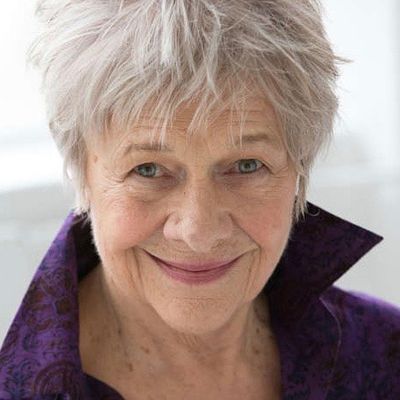


Featured Shows
About
Tony nominee Ethan Slater (Spongebob) and Drama Desk Nominee Nick Blaemire have teamed up to create a new concept album Edge of the World. The two are both the lyricist and composer, and also starring in the album. Edge of the World drops tomorrow, August 5th, on all music platforms!
Ethan, Nick, and Eli talking points include:
- Edge Of The World
- The art of collabortion
- Spongebob
- Assassins
- Space Dogs
- Cry-baby
- Glory Days
- Songwriting
- Pandemic Life
- ++ stuff ;) (it'll make sense as you listen)
Ethan Slater and Nick Blaemire, Curtain Up!
Connect with Ethan and Nick on Instagram: @ethanslater and @blaemire
Connect with Take A Bow on Instagram: @takeabowpodcast
Connect with host, Eli Tokash on Instagram: @tokash_eli
Produced by the Broadway Podcast Network
Edited by Tessie Tokash (@tessietokash)
Transcript
This transcript was automatically generated and might contain errors.
[0:00] Eli Tokash: Hello everyone and welcome to episode 63 of Take A Bow.
[0:05] Eli Tokash: I'm your host, Eli Tokash, and if you cannot tell by my voice already, I am so, so excited for this episode, and I'm so, so excited to talk about all that's coming in the Broadway community these next couple weeks.
[0:19] Eli Tokash: I mean, we are literally a month away from Broadway reopening.
[0:24] Eli Tokash: Like, it seems like it's still not real. I don't know. It just feels like we've been talking about this forever, and just to see that now we're just getting closer and closer and closer, and now the casts are coming out, and all of these protocols and everything, like you can just literally smell it in the air.
[0:43] Eli Tokash: And if you're in New York, you know exactly what I mean by that.
[0:47] Eli Tokash: And New York is becoming more and more alive, and it's just so wonderful to see.
[0:51] Eli Tokash: So I just cannot wait for everything that's happening and for this lovely episode with two incredible actors and songwriters, Ethan Slater, who played SpongeBob in SpongeBob the Musical, and of course, Nick Blaemire, who wrote and starred in two Broadway shows at once.
[1:12] Eli Tokash: Um, and then of course, it's just so mind-blowing. And he's still, and he also played Plankton in SpongeBob the Musical and the out-of-town try-out for Broadway, and then of course he got busy and couldn't do it on Broadway.
[1:25] Eli Tokash: It's gonna be a great episode, and I love talking about everything that's going on in their lives right now.
[1:30] Eli Tokash: They are currently collaborating on a specific project, and we definitely focus more on that than SpongeBob, but nonetheless, it's still an amazing, amazing episode.
[1:39] Eli Tokash: You'll learn so much. I know I did, it's literally a masterclass, and I literally told him that in the episode.
[1:44] Eli Tokash: It was wonderful, so stay tuned for a great episode.
[1:47] Eli Tokash: But first, we have to talk about all the news happening right now, right?
[1:51] Eli Tokash: Come on. Broadway theaters are mandating audiences to show proof of vaccination in order to come to the theater, and we'll also require a mask while in the theaters.
[2:02] Eli Tokash: And this is for both the cast and audience members.
[2:05] Eli Tokash: So I was happy to see this. I figured something like this would happen.
[2:09] Eli Tokash: I was hoping they weren't gonna get too lax too soon.
[2:12] Eli Tokash: And I do love the additional wearing a mask while you're in the theater.
[2:16] Eli Tokash: This was per the Broadway League and of course Actors Equity Association.
[2:21] Eli Tokash: And there will be an exception for children 12 or under for the vaccine requirement.
[2:26] Eli Tokash: However, they must show up with a negative COVID test 72 hours prior or within that 72-hour window of seeing the show.
[2:37] Eli Tokash: And like I said, this is per AEA and this is per the Broadway League as well.
[2:43] Eli Tokash: Um, so great stuff seeing going on there and the IATSE, which is like another union in the community.
[2:52] Eli Tokash: It's for like stage managers and all of the carpenters and everything like that, the additional backstage members, uh, they're also requiring the same thing and teaming up and encouraging them to all get vaccinated.
[3:06] Eli Tokash: Um, they're doing the proper things I think that are necessary in order to have this.
[3:11] Eli Tokash: And now New York City is going to be the first city in the United States that actually is gonna be requiring vaccines for entering gyms and restaurants, etc.
[3:20] Eli Tokash: So it's no surprise that the Broadway League came out with this and are requiring that for theaters as well.
[3:26] Eli Tokash: And it's, uh, I think it's a really great thing.
[3:28] Eli Tokash: But that's a reminder, uh, I actually have the Take A Bow mask on sale on the Take A Bow website.
[3:35] Eli Tokash: Uh, it's about like a 30% discount from what I normally sell it at, I believe.
[3:40] Eli Tokash: And, uh, so if you're gonna go to the theater, support your favorite podcast, you know.
[3:45] Eli Tokash: You know how it is. Just be like, "Oh, I have my theater-related mask of my favorite podcast."
[3:50] Eli Tokash: So go check it out at TakeABowPod.com.
[3:52] Eli Tokash: And speaking of Broadway reopening, huge, huge congratulations to the company and the creatives of Passover who made their Broadway debut last night on Wednesday, August 4th, and they started previews last night.
[4:10] Eli Tokash: So they're not officially opened, but they have started performances, and, uh, it's just another indication of how quickly and soon Broadway's coming back, which is all very exciting, and I cannot wait to go see this beautiful story and this beautiful piece of art in person because I saw it on Amazon Prime and it was just incredible, and it's a story that needs to be told, and it's literally gonna make you feel all of the emotions.
[4:34] Eli Tokash: It's gonna make you laugh, it's gonna make you cry, it's gonna make you do everything.
[4:38] Eli Tokash: And, uh, just a huge congratulations to everyone involved with former Take A Bow guest Cody Renard Richard.
[4:44] Eli Tokash: Stage managing it, and, uh, very exciting for him to be making his return to Broadway as well as everyone else involved in the show.
[4:52] Eli Tokash: Uh, I can't wait to see it and, uh, Passover, go check it out.
[4:56] Eli Tokash: It's a limited run and you don't want to miss it.
[4:58] Eli Tokash: Just yesterday, uh, Wednesday, August 4th, Bridgerton's breakout songwriting duo, Abigail Barlow and Emily Bear announced that they are going to be releasing a little concept album of the unofficial Bridgerton musical.
[5:14] Eli Tokash: Uh, and that's gonna be coming out next month, September 10th.
[5:18] Eli Tokash: Uh, that's very exciting.
[5:20] Eli Tokash: It's consisting of 15 original songs.
[5:22] Eli Tokash: Uh, and it's gonna, we're gonna see maybe some ideas for their musical or some of the songs that we saw last season, uh, maybe a little sneak peek of season two of Bridgerton.
[5:35] Eli Tokash: I don't know what we're gonna see.
[5:36] Eli Tokash: But it's all very exciting, and I guess they wanna try and somehow make a musical out of the show.
[5:43] Eli Tokash: And, uh, now everyone's talking about that, and who knows, maybe that's one of the first ones that we see on Broadway who started out making a concept album.
[5:52] Eli Tokash: Uh, I haven't heard anything of like a reading or a workshop yet.
[5:55] Eli Tokash: So it seems like literally these concept albums are the new like starts of Broadway shows, and, uh, we'll see what happens.
[6:04] Eli Tokash: Hopefully, um, these shows that are doing these things still get an original cast recording because I know like Fun Home, they did like an album, right, when they were in the public when they were off Broadway, and, uh, they didn't do one for the Broadway cast.
[6:23] Eli Tokash: So a little bit, uh, the cast is a little different, and they just didn't do a new album because the songs are the same and it had some of the same people, so I guess they just didn't bother with it because it obviously cost a lot of money and everything like that.
[6:36] Eli Tokash: But, uh, who knows?
[6:38] Eli Tokash: I don't know what this means, but it's gonna be interesting to watch and see how these shows play out with these new tactics that they are trying out to get their shows to Broadway.
[6:48] Eli Tokash: So very exciting for Bridgerton and keep an eye out for that September 10th.
[6:52] Eli Tokash: You may be thinking, what was she talking about all these like casts rolling out?
[6:58] Eli Tokash: Well, folks, we have some news, okay?
[7:02] Eli Tokash: Moulin Rouge found their new leading lady, Natalie Mendoza, will join the Broadway company of Moulin Rouge as Satine.
[7:11] Eli Tokash: And she, fun fact, she was actually, she starred in the movie Moulin Rouge.
[7:19] Eli Tokash: And she was one of the dancers.
[7:20] Eli Tokash: She starred as the China doll and the like featured Can Can dancer and whatnot.
[7:26] Eli Tokash: So very exciting for her to revisit this wonderful show of Moulin Rouge and all the catchy songs that are in it and this just incredible production.
[7:36] Eli Tokash: And then, and I mean, I don't know about anyone else.
[7:39] Eli Tokash: I don't know if you all saw this or the press pictures or whatnot.
[7:43] Eli Tokash: It looks incredible.
[7:44] Eli Tokash: I mean, they did some photos with her, and she looks amazing in the role, in the costume, on this in the set, everything.
[7:52] Eli Tokash: It just looks great.
[7:53] Eli Tokash: And of course, Aaron Tveit, Danny Burstein, they're all coming back.
[7:57] Eli Tokash: Uh, they announced their full cast, and I'm so happy because Fred Odgaard, who was on this podcast, and Julius, my dear, dear friend from Finding Neverland, uh, they're both gonna be in this show, and they've been dying to work together again since Finding Neverland, and I'm so happy they have the opportunity to do that now.
[8:14] Eli Tokash: And it just makes me even more excited to see this show that I hear is just electric every single night.
[8:21] Eli Tokash: And, uh, yeah, it's gonna be a great one, and, uh, I cannot wait to see this one.
[8:26] Eli Tokash: But if you want to see the whole cast, I'm not gonna say all of the casts, because there's a few that I want to mention, and it's just gonna take up too much time.
[8:33] Eli Tokash: So we're gonna go over to Hamilton, and it's great.
[8:36] Eli Tokash: It's great to see that all these shows bringing back some of the original people of these shows when it originally opened on Broadway, or just some of the people that have been with it from the beginning and whatnot.
[8:48] Eli Tokash: Miguel Cervantes is going to be Alexander Hamilton.
[8:51] Eli Tokash: I may have butchered his name, but I'm so sorry in advance.
[8:54] Eli Tokash: But yes, you all know who I'm talking about, I'm sure.
[8:57] Eli Tokash: Uh, Mandy Gonzalez is rejoining.
[8:59] Eli Tokash: Uh, James Monroe Iglehart is gonna be coming back.
[9:02] Eli Tokash: Um, Amber Ardolino, who did it in Chicago, is making her Broadway debut, uh, not her Broadway debut in Hamilton, but she's making her first appearance in Hamilton on Broadway, who was in Moulin Rouge, and now she's no longer in Moulin Rouge.
[9:15] Eli Tokash: Um, but yes, it's great to see hear those names.
[9:18] Eli Tokash: Uh, you and Morton is gonna be coming back as the king.
[9:22] Eli Tokash: Um, so just some of the people who weren't in it when the pandemic shut down, who were in it in the more beginning, uh, more towards the beginning stages and everything, are gonna be doing this beautiful show.
[9:35] Eli Tokash: Uh, and, uh, I'm very excited for that.
[9:37] Eli Tokash: And if we want to talk about doing it from like the very beginning, let's talk about Waitress because this cast got me so, so excited.
[9:46] Eli Tokash: Sara Bareilles is obviously gonna be playing Jenna.
[9:49] Eli Tokash: Drew Gehling is coming back to play Dr. Pomatter.
[9:52] Eli Tokash: I have to say this one kind of surprised me because I was expecting like, you know how like Sara Bareilles is doing this, and she's gonna be in a limited run, even though the show's a limited run, she's gonna be even more limited.
[10:03] Eli Tokash: Uh, um, she, I was expecting her to do it with Jason Mraz because I just know they have a wonderful relationship.
[10:09] Eli Tokash: They did it before that they were comfortable together and all of that.
[10:14] Eli Tokash: And I was like preparing for that.
[10:16] Eli Tokash: But when I saw Drew Gehling, I got even more excited.
[10:19] Eli Tokash: So Drew Gehling, who was the original original Dr. Pomatter, is gonna come back.
[10:24] Eli Tokash: Joe Tippett's gonna be Earl, Eric Anderson is coming back as Cal.
[10:27] Eli Tokash: Charity Angel Dawson is coming back.
[10:29] Eli Tokash: She's not gonna be in Mrs. Doubtfire, and she's coming back to Waitress.
[10:36] Eli Tokash: Caitlin Houlahan, who originated the role of Dawn, is coming back.
[10:36] Eli Tokash: Christopher Fitzgerald, who originated the role of Ogie, is coming back, and Dakin Matthews is gonna be Old Man Joe.
[10:43] Eli Tokash: So, and of course, they're bringing a lot of the ensemble back from when COVID did hit.
[10:49] Eli Tokash: It's great.
[10:49] Eli Tokash: I love to see all of these wonderful people back in the shows where they kind of got just like started it all out.
[10:57] Eli Tokash: So it's very exciting for me and to root all my friends, but also exciting for everyone else who didn't get the opportunity to see these shows, and they will be seeing the shows with the people who made the show what it is, you know?
[11:12] Eli Tokash: Uh, and I just think there's an added excitement to all of that.
[11:16] Eli Tokash: So stay tuned for more, I'm sure, as we get closer, as we continue to get closer, then more casts will be announced.
[11:23] Eli Tokash: I was happy to see that some of these were already being announced because I know some of them don't come out.
[11:28] Eli Tokash: Like the first one to open, the first shows to open are like Hadestown and whatnot, and they have yet to release their cast, so I was surprised to see which ones didn't and which ones did.
[11:40] Eli Tokash: Um, but that being said, it's all exciting, and, uh, I'll keep you all updated if you may or may not have seen it, and, uh, yeah, I like to be your little news anchor for 10 minutes every week.
[11:54] Eli Tokash: Okay, with that being said, let's talk about the drama dictionary word of the week.
[12:03] Eli Tokash: Okay, and this week's word of the week is going to be the green room.
[12:08] Eli Tokash: Okay, and I'm gonna say it's the green room because there's a lot of things going on right now, and you may know the green room.
[12:18] Eli Tokash: When I say the green room, I don't know what you all think of, but, um, there is a famous space in New York where it's called the Green Room 42, and that's kind of like a concert space where a lot of the Broadway stars go and it's like, uh, it's like 54 Below in a way.
[12:34] Eli Tokash: It's another little space for that. But this is not what I'm talking about. The green room in a Broadway theater is actually the like little hangout room, and it's like a room where it's no, it's a it's a dressing room, but it's no one's dressing room, it's just a communal dressing room, and that's where you can have that's where you celebrate birthdays, and that's where you have little little parties and events and whatnot with your cast, and every I don't know, uh every Saturday there's something called a snob, and I promise it's not what you think because it's not like bad people or anything or like obnoxious people, but it's Saturday night on Broadway, and uh every Saturday night the adults in the show have like a little toast after the show for an incredible week, and they try to let loose because they only have one more show at the end of the week and not eight more to go.
So they're kind of celebrating another week of success on Broadway and everything like that, and celebrating just a great time. It's a Saturday night, it's time to party, you know. Um, but it's just like a little like celebration. The green room is just a hangout room where it's just a communal dressing room for the entire cast, and it's no one, it's not uh obligated to anybody. That's where physical therapy happens when they come to the show, when they come to the theaters and whatnot. Um, unless of course you have like a giant dressing room and can like fit your physical therapy in there. Um, that's a different story. But yeah, so that's what a green room is, and I mentioned it because you may thinking you may be thinking of green room 42, and it's just that's not what it is, but with everything coming back, I know Green Room 42 just opened back up.
54 Below are having some incredible shows. They're also doing like uh a Tony Awards event, like a watch party event at 54 Below, and you can also live stream in. Um, and of course, uh Tavern on the Green has have been having a lot. I'm actually going to 54 Below tonight to see last week's guest, Antonio Cipriano. So I hope to see you there if you're listening to this uh episode before that. Um, it's gonna be so much fun. And uh in the day that I'm actually recording this, I'm gonna be seeing previous take about guest, Max Von Essen, at Tavern on the Green. So I have I'm not actually going to the Green Room 42, but with all these concerts coming out and with all everyone trying to perform and get ready for show shape, I guess you can say, I figured this would be a great, a great uh drama dictionary word of the week for this week.
So, with that being said, let's turn it over to the episode with the interview from none other than Ethan Slater and Nick Blemeyer. Curtain up this week I am joined by two multi-award nominated performing artists. One who is most well known for his work on the stage living in a pineapple under the sea, and the other is known as the youngest person ever to be starring in a show on Broadway while a show that he wrote was also on Broadway at the same time. It's insane. Uh now they are joining forces to write and star in Edge of the World. So everyone, welcome to Take A Bow. Ethan Slater and Nick Blemeyer.
[15:15] Ethan Slater: Hi everybody.
[16:08] Nick Blaemire: Thanks for having us.
[16:09] Ethan Slater: Oh my gosh, I'm so excited. These multi-person interviews are always fun and exciting with the whole virtual aspect of it all. Uh so we're just gonna we're just gonna get through it somehow, some way. And uh people at home understand that we are living in COVID times, and it's okay. Um, but I like to start off my episodes asking my guests or whoever I'm talking to, uh, kind of what inspired them to get into entertaining others and how they began their journey. Hmm. Whoever wants to start, go ahead.
[16:44] Nick Blaemire: I guess I can start. Um when I was really little, I I fell down two stairs and I started crying, and everybody looked at me, and then I noticed that everyone was looking at me, so I was like, oh, maybe if I make a lot of sound, I'll get a lot of attention. Uh and then I never stopped. Um that's why I love Cradfall. That's not that's actually that is sort of a true story. Uh, because like it was this family lore that it was just like this whore this like so sad, you know. But um, no, I think I was just I've always like been a little bit performative. Um, I did a lot of like school plays and I did things within class. Um, and I always loved doing it. Um, but I think probably the like the core of it was that my sister was really into the neighborhood theater.
Um, Nick and I actually both grew up in an area pretty close to each other. Oh, yeah, we didn't know each other until we lived in New York, but um, you know, and so my my sister was really into neighborhood theater, and she was doing uh The Wizard of Oz and she played Dorothy, and she needed a Todo, and so at four years old, they recruited me to play Toto in the neighborhood uh production. And it was awesome. Like I I was just like I remember also because like you know, it's just like all of the kids in the neighborhood sitting in someone's living room that to me was like palatial because you know it's just like I was such a little kid. And then like I would get to go um you know rehearse with my sister, and it was awesome.
[18:07] Eli Tokash: Oh, that is awesome. What about you, Nick?
[18:09] Nick Blaemire: I I just wanna I just wanna say that I I I imagine that Ethan was a dope Toto. Um I think it might be.
[18:17] Ethan Slater: I brought my all to it. I really did.
[18:17] Nick Blaemire: Yeah, I've always kind of wondered about Toto's story, and you know, maybe there's uh like a Toto biopic, biomusical with the music of Toto the band that could be interpolated. Like that would be amazing.
[18:30] Ethan Slater: You heard it here.
[18:31] Nick Blaemire: It's actually a really dark prequel.
[18:34] Ethan Slater: Yes, it's coming to Disney Plus.
[18:36] Nick Blaemire: Yeah, it's like why aren't you writing it? We gotta go. Come on.
[18:39] Ethan Slater: Yes, you know, really slow-mo.
[18:45] Nick Blaemire: Down in.
[18:48] Ethan Slater: Yeah, I see it. I really see it.
[18:50] Nick Blaemire: Um clicking your heels. So uh I as Ethan said, I grew up in DC uh too. We grew up like 10 minutes from each other. Um, and uh and I I remember I feel like the the bug for me was being in the audience. I remember seeing um a production of Midsummer Night's Dream when I was at the Kennedy Center when I was like super young, and and that in the fifth act, which they don't always do, the um the performance for the where the um where bottom and the and the players do the the show for the the uh court, the stage was this like just fire engine red and it was so stark and the performances were so alive and I just like wanted to be in the painting so bad um and I then I found out that you could be and um uh you know the the process of of sort of like turning the camera around to face me was what I think um it still sort of uh like unnerves me honestly like I think something I like about writing is the feeling of being the one like creating the magic trick um but that but acting is is so fulfilling and and to get to be inside the painting and to get to kind of have that uh that first hand experience of being the one to to like you know the the feeling of when when you play a magic trick on an audience and get to be the magician in the audience sort of uh reacts to it like that immediate response is really hard to give up right the the fun has been realizing that like you don't kind of you don't have to give it up you can be an actor and a writer and that those are two different kind of uh uh collaborative parts of you um that can that can like scratch two different itches right so Nick how do you like describe yourself like people ask you like what do you do like do you say that you're an actor and a writer like what do you tell them?
[20:56] Nick Blaemire: Honestly uh a friend my friend Damon Dono who I came up with who recently had like a a great year on Broadway. He was in um Oklahoma. Um but he and I both were you know like sort of uh wallowing in obscurity for some time and uh and he said uh really well he was like I'm just a person who does stuff.
[21:14] Ethan Slater: Yeah there's something about it that I I actually think it's like deceptively dumb comment but like it is it is very easy to overclassify and to sort of feel like the person that I am as an actor is not the person that I am as a writer and that uh you know I I I'm a teacher and I I'm uh I I'm a I I like collaborating with people and I really like make believe and I like blurring the lines too because like I you know Ethan and I both write pop music and have released some albums of of that kind of stuff and what I've realized is like whatever I'm learning about being a pop writer is influencing my writing as a narrative writer and uh is influencing my my performing and I love new work and I love uh theater as much as I love film and so I've been doing a lot of screenwriting and that's been fascinating too but they really are all in conversation and so I would say like I'm I'm becoming less and less uh like classified within myself as I get older just like it's like I I'd like to be able to do them all forever.
[22:27] Ethan Slater: Yeah.
[22:28] Nick Blaemire: You converse you converse with people and you tell stories.
[22:31] Ethan Slater: Yeah there you go.
[22:32] Nick Blaemire: Yeah I appreciate it. You know it's yeah I mean you do stuff of course you know that's also very fair very fair description.
[22:42] Eli Tokash: Um Ethan, what was it for you that kind of like got you into writing, were you kind of always someone who liked writing, or did that kind of start recently?
[22:50] Ethan Slater: Yeah, I I mean I've been writing um for as long as I've been acting, I think, really, like, you know, I've I was always like writing little poems, or uh I you know, as soon as I started playing guitar when I was in uh you know late elementary school, um I was writing songs, and you know, then in high school I started writing plays and you know, short one act plays and things. So it's it's it's always been uh a big part of my identity as an artist, also. And um you know, fortunately, the the thing that has given me sort of a a career in the arts is acting, and I like and I love acting, but that was definitely like the first thing that I was able to do where other people who were not like my classmates who are being forced to watch it were able to see it, you know.
[23:41] Nick Blaemire: Right.
[23:41] Ethan Slater: Um so yeah, I but I but I think similarly, like the the like multi-hyphen it question is is something that's like constantly in there, like even writing out a bio, it's one of my least favorite activities to do. It's just like do you say like Ethan, Ethan is an actor, writer, musician, um, like you know, no, like brother, son, you know, like but like how many things do you like put what order do you put it in? The order feels so important, right? Um because you know, but it actually maybe isn't. Uh and I think that that's the other thing is like how other people perceive you only sort of matters in terms of um, you know, getting work and getting paid to do work, like other people can you know will hire you for something, but as as an artist, like getting to be on both sides of it and getting to not um put those things in an order, but rather like be a different role when the opportunity comes up means um means that in times when you're like waiting for somebody to give you an opportunity, you can create your own opportunities.
Well, just because I I think that you know there is something to be said for the way that like the theatrical um like industrial complex is built, that like the thing that you meet first is acting, and it's the it's the gateway drug for so many of us, but is in some ways, you know, uh like it's it doesn't need to be the end all of the conversation.
[25:10] Ethan Slater: And I think that once you start seeing, and I I'm Eli, I'm sure you have a version of this, right? That like you've ended up becoming an interviewer, not because like that was the thing that you began the conversation with, but like that like it doesn't cancel out anything, it just evolves it, and you sort of realize like, oh, really, I'm an empath, and I'm like interested in people and I'm curious about things and I want to like represent them to other people.
[25:36] Ethan Slater: And I love what you're saying, Ethan, about like the classification, the order thing is so hard to wrestle out from under because in some ways it is most important how you define it when you're alone, um, and then when you have this like marketing tool to use, you know, that's when it becomes like maybe more useful, but it is it can be confusing.
[26:00] Ethan Slater: Well, it reminds me of a question that I feel like is a really great question that you get a lot in interviews, which is like, what's your dream role? Um, and like yeah, I love that question. It's a super fun question because like we're all consumers and we love doing these things. Like, like we love seeing other people do things, we want to take them on, it's what inspires us. But I feel like I always have the most cop-out of an answer, which is like my dream role is to develop something new with a writer who's like an idea. You know, like I and it's um it's never the most satisfying answer, but I think that the fact that that's always what I think about points to the fact that like what I actually love about theater, and what I love about filmmaking, and I love about you know all of it is like the development of a story and like the way that as a writer you are telling your story, or you're helping a director tell their story, you're helping the actors tell their stories.
As an actor, you're coming in and you're facilitating something else, and you're giving your voice to it, but really it's all in service of um finding someone's unique story and bringing the universality out in it. Um, or you know, or like really diving into the specificity, but like there's something really amazing about being able to come at it from both sides.
[27:15] Ethan Slater: Um, I want to stick I want to stick with this topic here. Like, this is this is great. Like, we have two very successful actors, but we also have two very successful writers right here. So, like, how do you feel like you guys and your writing and everything has helped you as actors tell stories of other people and everything like that?
[27:36] Nick Blaemire: Totally. I mean, it is, it's all related, and it does make you more aware as an actor of how you fit into the machine of the story and how what part and what weight you hold in it, and that was uh has been fascinating. I did a show called Found at the Atlantic in the in 2014, and I was the like ostensible lead of that show. Like it was about this guy named Davy Rothbard who created Found Magazine, which is uh a magazine that um is made up of like found letters and stuff on the street, and the ensemble embodies those letters, and Eli Bolan wrote some amazing songs that are hilarious, and Hunter Bell wrote lyrics and Lee Overtree wrote the book with Hunter and directed it, and it was a beautiful show, really, really funny.
But I I was I had to get over like week one that like I was the lead, but really I was the eyes. Like my job was to be there and do nothing as these as like Danny Pooty and Andrew Call and Molly Pope and um I mean some of the funniest people in New York played the characters of these letters, and that was a really good sort of ego lesson for me about you know the reason that we're doing all this is not for the applause, but is for the like silent transference that happens in the theater of these stories to people that we you know strangers um that like will hopefully change the way they look at the world, and like they I mean it certainly has been that way for me. I mean, I was talking about Midsummer Night's Dream, like seeing that absolutely change the way that I looked at the world, and everything that I see on some way kind of does like you're inviting those people into your into your eyes and your ears, and that's a very kind of vulnerable thing to do.
So, you know, when audiences don't like shows or you know, when I don't like a show, I I have to like acknowledge like that there's something there because I was opening myself up to love it, you know, and that it's a really tricky thing. So there's a responsibility that the writer has to create the whole world and then give it away to the actor, and that's an ego, you know, negotiation. And then as an actor to take the words and the music and to make it your own, but to understand that it is in service of an audience um processing it, you know, that that just it relegates you to a piece of the puzzle as opposed to like this is my moment, you know, and that's right, I think a was a good lesson.
[30:16] Nick Blaemire: Totally. And I and I will say that like the experience, the ego experience of being on multiple sides of the handoff, I think makes it an easier handoff in my experience. Like going in to work as an actor on something and having the writer be like, okay, I I understand why you think that's what it's supposed to say, but this is what I'm going for. Like, as like, you know, it's much easier as an actor having been in that position to be like, oh okay, got it. Um, as opposed to like, well, here's what I think it is. You know, like there's there's a real um an ego check by being able to actually put yourself in the other chair. Um maybe in a more positive way, a more positive um, you know, example of that is like um, you know, as a writer, when you're when you're writing something, being able to be like, okay, well, this role has fewer lines, right?
But as an but as some um when an actor takes over it, how do I make sure that it is like fully fleshed out and fully like a like a real true character? Not just from the writer perspective of like you know, moving chess pieces or from the writer perspective of like you know, everything else that goes into it, but from the actor perspective of I'm gonna have to chew on this. Um I think that there is like a uh a beneficial like understanding in those ego moments.
[31:36] Ethan Slater: Yeah. Well, let's talk about Edge of the World. I mean, so first of all, did you guys like have you guys been sitting and writing this for like a while, or has this been like a quarantine kind of thing you all picked up? Like, or a little bit of both?
[31:55] Nick Blaemire: Yeah, a little bit of both. I mean, uh, it's like this show is something that um, you know, I've been sort of working on in slowly in various iterations for a number of years, maybe like four years at this point. Oh wow. Um, but it really has hit a new stride when uh Nick came on to help work on it together, you know, and like that collaboration has been so important to like actually finding what the show is. Um and you know, and then you know, so we were working on it, we've been we've been um thinking through it and working on it for a little bit, and then you know, during quarantine, there was a moment of like, hey, this idea that we've been working through feels like really maybe almost too um isolationist for this moment of quarantine, like in a good way, like maybe we should work on it, maybe we should like find a way to like think about it and not make a piece that's like about pandemic or about quarantine, but use how we're feeling about that to like influence the story and all that, and so we really dove in in this new way, um, and you know, inspired by the constraints of we can't get in a rehearsal room, we can't do traditional development, we can't even you know be in the same room just to bounce ideas off each other, we can't like have our own little writer's room. We have to be right looking through a computer screen. So, how do we develop a musical in that space?
[33:23] Ethan Slater: Yeah, um, that's not just on a shared Google Doc. Um, and the more we got into it, the more we realized, like, oh, that well, this show is really about the music, and we've been developing for some time, and like we know we sort of know what the core of it is. Um, and so like let's let's use this as a way in.
[33:42] Nick Blaemire: Right. That seems right, Nick.
[33:45] Nick Blaemire: Yeah, I I love I I love it and appreciate it and agree. I mean, I I feel like I started writing in high school, and I uh, as you so kindly said earlier, had like a really insane trial by fire, like coming out of college into this business and and kind of having my first show, like my my college musical, like become this Broadway show, was both this like crazy honor, and it was also a crazy wake-up call about just how difficult storytelling actually is, and how like just because like you really want it to be good doesn't mean it just like becomes good, and like because like you have maybe a good idea or a couple good songs, like are you landing the punch of you know the emotional machinery that is a show that is the rise and fall of a plot and how do you show you know what the characters are going through and not tell and all these lessons that you know I didn't go to college for, and I I didn't go to uh writing school and neither did Ethan.
And so we've been learning them on the fly, and and what was really exciting to me about coming on to this project was that Ethan had figured out so much of the stuff that really gets people to the theater, like the world and the characters and the themes were all there, and then it was like, how do you use craft to put those themes forth in the most compelling way possible in the most economical way possible? And that's been stuff that I've really been studying since Glory Days um just over the last 10 years, just focusing on, you know, efficiency of storytelling and um and and so to be able to come to this and be fresh eyes for Ethan on something that he's been so passionate about and but be that kind of like slightly separated, you know, voice of dissension in the room of like yes, I love that song and I love that idea, but like what is it accomplishing in terms of the tumble forward?
That that was like a really fun way to push back and and force you, Ethan, to like answer the question. And then often he'd have an amazing answer and I'd be like, okay, well sold but now we now we know and there was so to walk into uh to quarantine unexpectedly of course with that kind of uh you know artistic goal in our brains became a really fun project and I think a lot of people felt this I mean obviously we're not the only people who were developing a musical during the pandemic but I think one thing that we realized really quickly was as Ethan said the way that this resonated almost too closely with with this that we're in without talking about it directly and um and that then this process of like okay well you know does this show even have a book like it's it's very much about isolation and nature and getting out of society um and the silence of the communion that that humans have with nature and then the the you know the moment that you sort of uh impose your humanity on nature and and change it and like we're living in a world of climate change and like that is yeah you know the ultimate manifestation of that overreach and sort of kind of back up and look at you know what happens when you take all of that away um became fascinating like what if we do that in silence between the songs which means that then the songs more dramatic heft and so to get to work on it as a concept album was this amazing uh opportunity to litigate the drama of it while you know not relying on sort of like previously conceived like linear ways of storytelling like can you tell this in a song that feels like a pop song that isn't uh playing by the rules of musical theater you know with capital M and a capital T but is is still telling you a story and is getting you somewhere by the end of it.
[37:53] Ethan Slater: Like can the album take you on a journey even if you don't even if you're not told what that journey is and that has been an amazing experiment and I'm so excited to see you know how people respond to that.
[38:06] Nick Blaemire: That is so freaking cool. I love how you're able to deal with so many topics like climate change and like the whole like quarantine vibe but like without touching on it. Like that just is so intriguing to me.
[38:18] Eli Tokash: There's a lot of things really intriguing about this album by the way that you guys are all coming out the cast is uh everything it's you two Lily Cooper and Norbert Leo Butz like that's like that's I'm obsessed. How what was that? What was that process like? Like uh when you were writing, like, were you like, oh, I hear this person like doing it, and then you just kind of yeah.
[38:43] Ethan Slater: Yeah, I mean, yeah, completely. But like also, I hear like I hear I hear him doing it, I hear Lily doing it. Like, I hope they're down. Right. We hadn't talked to them about it yet. We hadn't like this is just like uh sort of a dream thing, and almost like it in some ways, um, it almost felt like a joke because it was too perfect, right? Like I like I would we would be seeing something be like, man, can you imagine Norbert singing this? Like that would be amazing. And then, you know, he listened to the demos and was like, yeah, I'll sing this. And we're like, oh my god!
[39:18] Nick Blaemire: Yeah, that's amazing. Like truly, it was just this this sort of like uh I don't know, like a pinch me moment is uh really incredible. So yes, like in this really weird way, totally exactly who we'd hoped and pictured singing it.
[39:35] Eli Tokash: That's amazing. It's a good lesson of just like asking, you know, because I do think sometimes we vault the like importance of the people who change our lives, and it and yet they are you know, just like artists trying to make their way through and they're searching for stuff that feels true and feels right for them, and Norbert, uh I mean it was it was twofold. One one was that his schedule just happened to work. He was in Vancouver shooting a show called Debris on NBC that was like a network TV show, disaster show, and he was like, you know, uh like yes, I'm down for this, uh, but I like also miss singing, and I'm like making maybe gonna make an album, and I have all this time because I'm stuck in quarantine.
[40:21] Ethan Slater: So kind of like found right a moment that was good, oh or bad, actually, um, depending. And and also I think that he has able to articulate to us this feeling of, you know, I still really want to like wail. You know, I still sing like uh hard songs and emotionally tricky songs and musically tricky songs and and we we have, you know, that's very much like what we wanted make as well. And so to feel like we were kind of helping him scratch an itch um was just like an amazing you know uh a pinch me moment and same for Lily I mean Lily we had this crazy moment where Lily plays an expectant mother in the show and she sings this song about just like trying to imagine what um her life is gonna be once this kid uh shows up and when she got into the booth to record it in her apartment she unveiled her the fact that she's pregnant.
[41:27] Nick Blaemire: And it was just Oh my God. You know, I mean as two guys who are like absolutely not mothers and trying very much to um to honor the process of what we imagine that that passage of emotional um time to be to get suddenly this like firsthand perspective from her to help kind of um you know really look over the lyric and make sure we're being as authentic to that experience as we can suddenly like allowed like a a writer's voice in the room from her and then an interpreter's voice, and she just has this, you know, uh this i uh it's effortless for her to take on the character, you know, and and I think that's that's something that like Martin Scorsese talks about that you know, casting is you want like the coolest person for the part, maybe the fanciest person and the person who's gonna market the show and whatever.
But like if they don't intrinsically understand the character they're playing on some level, even if they're not totally that person, but if they get who that person is, then it's just gonna fall flat.
[42:35] Ethan Slater: And we got so lucky in the in the opposite, you know, to have two people who so get it.
[42:41] Eli Tokash: That's amazing. So you said that like she was recording in a studio in her apartment. Is that kind of how you guys all recorded this?
[42:51] Nick Blaemire: Yeah.
[42:52] Ethan Slater: Oh my goodness. Sort of like, you know, shoving clothes around in the closet and setting up our mic. Um then, like, you know, stepping outside to like stand in front of the AC for a little while and then going back in.
[43:04] Nick Blaemire: Right.
[43:06] Ethan Slater: Oh my god. Yeah, I mean, the Norbert the Norbert sessions we did was he was in a studio and we were all doom listening to him, crying. I was sitting right here, just like losing my mind as he from across the room is like nailing these songs in the first take, and then it's like, sorry, sorry, I know, I know, I'll fix it. You know, no real rehearsals, like everybody's alone, just like emailing questions, you know.
[43:32] Nick Blaemire: Oh I mean, but like speaking of like, you know, the the right um actors who like resonate with the role, like you know, those questions that Norbert was asking, you know, in between takes or before getting into the studio were like exactly coming from the right angle as an actor. And like his his voice is I I'm I don't know what his experience of singing is, but it seems effortless. You know, like when you listen to him, you're just like, oh, you are immediately easily without thinking about it, communicating deep emotion through your voice. Like it's just awesome. But he was also like coming at it with these incredible questions that were not just you know indicative of where we were coming from and reflective of it, but like probing deeper into okay, well, so obviously you mean this thing, but like what does that mean?
How can how do I sing it? And so, like getting somebody it just goes back to that same question before about like um the the actor and the writer relationship. Right. We got really lucky that I I guess not lucky, we we were working with two of the best actors singers in um in the world. But um, you know, it did feel like a really lucky experience to have somebody who's coming in with a baseline understanding, who's also asking all the right questions to um not just make the best record possible, but like tell the best story.
[44:51] Eli Tokash: Right. Now, I mean, you guys have both been a part of original casts and also like I guess the beginning stages of other productions and whatnot, but like so, how has those experiences helped you kind of start your own process? And I mean, you Nick, of course, went through it with Glory Days, um, but like just in those experiences that you've had, like how how um helpful have those been and those experiences that you've learned to create this new new piece.
[45:23] Nick Blaemire: Yeah, I mean, invaluable. Um, and a lot of the time it's like what not to do. Like you've been involved in some really big honking shows, and uh I I had an amazing time on SpongeBob, and I couldn't do uh the Broadway production because I got another job, uh, but I love developing that prod project because I think it was especially good at s at sort of retaining its like transgressive spirit through the process of being a commercial show but like that is just not always the case and a lot of the time it becomes much more about ego and and the process of like you know the getting the sheet music right more than show right and like trying to you know deal with the moving parts of like getting a set designed and and trying to figure out a Broadway run and schedules and whatever that stuff can subsume the artistic process and so I think I've gravitated to smaller stuff for that reason because I I like the feeling of something that feels like manageable like that we can really pull off an excellent version of this and that when you get you know further Oh did he just leave me no no no not you you're good there you there we go no worries um that like doing smaller stuff is great because it it just allows a lot of the bells and whistles to become secondary to the to the reason that you're there which is to tell a great story and then you know trying to like to to build up from there sounds much more fun to me than you know just uh it's really easy to dress up a show and not have actually fixed the show.
[45:27] Ethan Slater: And that happens so often that when you get to tech, it's like, oh boy, the writing is still a mess. Or like the songs are, you know, now they're orchestrated in a way where there's just like too much on it. I can't hear the core groove. And so I I've had enough of those experiences that it's become like just really important to me to make stuff that feels cohesive. Um that's been a real joy of this process.
[47:46] Nick Blaemire: Wow. Yeah, I mean, the other thing is like one of the development steps that's super fun to do as an actor, but maybe um a little less fun to do from the other side of the table is a 29-hour development reading.
[47:59] Ethan Slater: Yeah.
[47:59] Nick Blaemire: Um where like you have this like this notion going into it. Um, or maybe just me because I'm young and naive, but and slowly growing, um, jaded. But uh, you know, you have this notion going into a 29-hour reading where you're like, okay, got it got killer cast, got an awesome like music director. Like, we're gonna go in and we are going to learn so much about this show, and we are going to be able to like tear it apart and make changes, and then you spend 20 hours learning the music.
[48:29] Ethan Slater: Right spend nine hours, you know, rehearsing the script, and then you know, you perform it. And really what it was about was taking the thing that you had done all of the hours before those 29 hours and putting it on its feet to see it, um, which is valuable if that's what you're going in to do. Um, but I think that what one of the things about this process that was actually really helpful was we had 29 weeks, you know, like we weren't just it wasn't all the time in the room, but it was working on the material constantly and editing it and um knowing that we had an audience, so we like have to um be true to the audience, but we're not on a 29-hour time crunch, we're not on a three-week time crunch where we can't change it for the sake of the audience. We can be, we can make sure that our orchestrations are right, we can make sure all of these things are right and do it on um, you know, uh an artistically led timeline in this way.
[49:23] Nick Blaemire: That I think actually was weirdly true about SpongeBob. I think like there was there was this real element for SpongeBob of just like, hey, we don't need to do this. Nickelodeon's saying, like, we don't, we don't need this to happen, so we're only gonna do it if it's good. So let's like make it good. Um that's sort of what what Edge of the World felt like too, in a way, which is like, yes, we have a responsibility to the people who are gonna see it, and we have a responsibility to ourselves to make it like the best version of that, but we have an artistic responsibility to the story to make sure that we're honing in and making sure that this concept album, which is you know, a concept album of the show, um tells the story the best way possible.
[50:04] Eli Tokash: Right. So I don't remember exactly where that um little speech started, but you did great.
[50:10] Ethan Slater: Hopefully it came around. I think you're talking about time management in a way that is just I think so right that that's the biggest challenge about putting on a new musical is that suddenly at the beginning you feel like you have all the time in the world, and then all of a sudden you have no time, and the way that you parse and use your time over the course of it to give yourself space to let it breathe and tell you how it wants to change is so integral and so often not factored in.
[50:39] Ethan Slater: Um, and that you know, I mean it's also it's about money, and it's so hard to to you know get people in the same place and and rent space and whatever. And because the was deleting all of those line items from this process, suddenly it's like, oh, well, we can we can freely get together kind of whenever, and that opened up this this world of like, okay, what what is the best version of this concept album and where where does it get unclear and how can we fix that? And how can we listen to it from the perspective of, you know, someone like walking down the street, you know, on Spotify and and that, you know, then, you know, not that I want anyone to like run into a phone poll, but like they you know that they get lost in s in the song.
[51:26] Nick Blaemire: Right. And I think that's something that is just challenging about art in general is the the line between like making it good and making it true.
[51:36] Eli Tokash: Mm-hmm. Uh-huh. Well where can we where can people listen to these songs?
[51:41] Ethan Slater: Like you said on Spotify, but is there anywhere else?
[51:44] Nick Blaemire: Yeah, so it'll be on Spotify, Apple Music, I mean title, I think like just all all the all the all things on uh August sixth.
[51:53] Ethan Slater: Yes.
[51:54] Nick Blaemire: Anywhere you listen to music or Broadway records dot com.
[51:57] Ethan Slater: Yep is amazing. Um straight to it.
[51:59] Nick Blaemire: Yeah. Shout out to our label.
[52:02] Ethan Slater: Yes. Oh my god, record label, come on. Um you guys are just doing it all. Um well that's incredible. I'm so excited to listen to it. When it when we release this, it's actually gonna be tomorrow that it releases.
[52:15] Nick Blaemire: Um I don't know if that makes sense. But yeah. Um so very exciting. So people will hopefully listen to it and then be like, yeah stay tuned for tomorrow. Um and then but like we were talking about SpongeBob so I do want to ha I do want to talk about SpongeBob for a second.
[52:31] Eli Tokash: Uh Ethan, you put you played the title role of SpongeBob in SpongeBob. Um but what was it like just to like you said, I mean, like, it's this universally known character that you have to like play every night and beloved by kids all around the world. Like, just like what was it like? First of all, because it was just so vocally challenging, I'm sure. But also like physically challenging. I mean, you were climbing ladders and doing all kind of crazy stuff. Like, what just like what was that like every night?
[53:03] Ethan Slater: Oh, it was like super super fun. Yeah, it was like the most fun thing. And like, you know, um, you know, during rehearsals, uh Gavin Lee would constantly come up to me and be like, do less. Um, you're gonna regret this because it's you have to do it a lot.
[53:22] Eli Tokash: Right.
[53:22] Ethan Slater: And I was like, I'm fine, you know. I mean, actually, what really what happened was I was like, I know Gavin, but I can't stop. Like I don't know how to moderate. Um, and then we got on stage and we were doing it, and it was super hard and it was taxing and whatever, but it was also the thing that made it so fun to do. So I have zero regrets about making it difficult.
[53:43] Nick Blaemire: Um, I mean, like two like the two main caveats to that are like there was a huge support system in place for me, right? Like it really takes a village to make these shows, and it took a village, uh, you know, we had this like incredible community backstage on stage. Everyone was like really just like in it together. Um, but there are like a lot of people that are that are included in that that don't necessarily get shout-outs all the time. I went to PT four times a week.
[54:11] Ethan Slater: Oh my god.
[54:11] Nick Blaemire: Um, you know, one of those times I was gonna getting like an intense massage. I had a a voice teacher who I worked with once a week. Like I had all of these incredible people helping me stay healthy. Um and I was obviously doing my best to um do that as well. But anyway, the point being, I had a lot of help, I a lot of support um from everyone, and it was also the most fun thing in the world.
[54:37] Eli Tokash: Yeah. Oh my god. You were more tired than you were more tired than I've ever seen another. Like the the day that I came to see it on Broadway, we took a car home together, and you you I mean you were like you, you were down to chat and whatever, but like it was all under, I mean, this is the dumbest metaphor ever, but like you were underwater. It was it was very clear that like you know it's it's tough when a whole thing rides on you and and that you know there's like physical and and vocal and emotional, and then just like the fact that like you know, it's a multi-million dollar Broadway show. That they that once they decided to do it, then it's happening, and like, you know, I think they really lucked out in you because a thing that I admire about you is that you have a good strength of character, and that that is something that especially like a young star often, you know, it that's that's a thing that gets challenged in a fundamental way.
And we watched a lot of people over the years fall apart um in terms of their ego because of you know the the exposure, and I thought I thought you did a really good job navigating that amidst all these other things.
[55:51] Ethan Slater: So, you know, good ones, Nick.
[55:53] Nick Blaemire: I appreciate that.
[55:54] Eli Tokash: Take a bow, Ethan.
[55:57] Ethan Slater: Yeah, yeah. There you go. Um with Nick, I mean, I mentioned before you you were like the youngest person ever to have a Broadway show that you're acting in, and of course, one that you wrote. Like, I know I mean Ethan can attest, like when you're opening a Broadway show, like it's just madness, you know, like for weeks and uh you had to do that basically two times as much. Like I just like and of course you're making rewrites and whatnot and previews and like just like how what was that like just navigating all of that I can't imagine.
[56:33] Nick Blaemire: I mean honestly like it similar answer in that like it was the most fun ever and like I wouldn't change it for the world because on some level like I I would say and I think this is a challenge about being in theater is that so often you kind of feel under stimulated. You know, you you don't have a job or you have a job but it's not you it's not right and you're doing it to get somewhere else and you're getting to do theater and it's fun to go to the s the to the to the theater and and be on stage, but like is the show good or is your role good or is the cast cool and all those things. And so I was you know, I was overstimulated. I was stuck like unable to moderate. I am like my wife yells about uh yells at me about it all the time and uh it all started then.
Um I was you know uh I was like running up the street from the Marquee Theater to the Circle in the Square with like paper, you know, that I had like written on a break, uh from Cry Baby. And and I f in some ways it was it was amazing and I was able to really like improve the show from signature where we did it in DC at is our out of town tryout for Glory Days. Um and then in some ways, like I I I realized why, you know, people focus on one thing at a time. Um because I you think there there is a there's just we don't get that many shots, you know, and that was an amazing shot. And it was a crash course in this business and a crash course in craft, and I also had an amazing support system. And the day after Glory Days closed, I went back to Crybaby to do a matinee, and my whole dressing room station was covered in like notes and letters from people that I'd never met from the community who'd like dropped off just like good on you kind of.
And it was really lovely and it it sort of reminded me like this is a very rarefied special thing that we get to do, and like I want to do it for the rest of my life, and I'm not whatever rush I was in to get there, I feel like I let me be a uniquely uh a unique window into for the people listening that like it the the rush to get there is is not the point. Like we have this feeling of like I gotta do it now, I gotta do it now. And like, yes, we have limited time on earth and we have ideas that we want to see come to fruition and all that's true, but like what I learned in that moment uh of doing those two things was that like I I actually deprived both experiences a little bit of my full self.
I I'm I'm glad now and this pandemic has been, you know, both like crushingly sad and also kind of a joy because I'm moving slower and I'm getting to do a lot of stuff because I have more time in the day. Um but it's it is you know, it is a fascinating thing to sort of catch up with your dreams and like my dreams came true in that moment. And now it's okay. So what's the new dream? And like what is what is the point of the dreams that you have, you know, how can you use them to to uh you know create opportunities for other people and in a lot of ways like Glory Days was that it was the first time that I realized what a what an opportunity it is as a writer to like help build a room, you know, and like the guys who did Glory Days, James and and Steve, uh and Jesse Johnson and Adam Halpin, Alex Brightman, um Andrew Call, like who was also in found, mentioned him earlier, uh those are like my brothers, you know, and so that's that's another thing is that you're you're picking up barnacles along the way.
But underwater images is just but yeah, you pick up these people along the way and you build your community, and and so that really started then, and and now it's just about like keeping your community and and continuing to make stuff and and I met uh Lily on um on Spongebob with Ethan, and we all became like fast pals, and I did a reading with Norbert and you know, was like able to see like, oh, right, you know, this talk about a guy who's been doing it for a long time, um the original cast of Rent, and like you know, is is able to like make space in his self-estimation for two guys like us and hop onto his a show of ours just for the fun of it, really. Um that like reframes a lot of those, you know, like it's I gotta be, I gotta have a Tony, I gotta have a gazillion dollars. Like those dreams get reframed when you realize like what I'm really doing it for is like making the thing and making it as good as it possibly can be.
[1:01:21] Eli Tokash: Right. Wow. Oh my god, this is like a masterclass right now. I'm like reeling it. This is amazing. Okay, in Ethan, uh one last thing before we like before I let you go. I mean I've taken enough of your time. But I do want to ask um you before COVID shut down I'm I'm friends with Zell Morrow and Judy Kuhn and all those lovely people. They you were going to be appearing in Assassins with them at off Broadway um before this whole lovely uh mess that we've got ourselves into now.
[1:01:54] Ethan Slater: Um but blessing in disguise for you guys and for so many other people as well um you were gonna be an assassin. So tell me like how excited are you to be returning to the stage and like what was that like initial like oh I'm gonna be performing and whatnot and then they all got shut down. Like just walk me through it all.
[1:02:15] Ethan Slater: Yeah I mean we had two weeks of rehearsal before we got shut down and those two weeks were just absolutely outrageous. They were so fun. I mean the first day walking like you know talk about walking into a room and just being like overwhelmed by these artists that you've like seen on stage a million times um stars. Uh Judy is like a a legend from my high school also like I've she went to my high school. Whoa my god I've been like I've like not only been a fan of hers, but I've been like I can't like I hope that there's a reason for us to meet kind of fan of her.
[1:02:49] Ethan Slater: You know what I mean? So like it was just like an amazing experience and working with John Doyle is like another person who you know watching um Sweeney Todd and watching, you know, really honestly watching Company on PBS was like this huge moment for me in terms of like my love of theater and my love of music and theater and how it works together. So getting to work with him like was has been for those two weeks was like so eye-opening and beautiful to see like how organically this thing grows. Like he's so um sort of chill in this way about the fact that like you know, I'm playing guitar in the show for almost the whole show, and that's so overwhelming because it's Sondheim music, and like you know, Sondheim's like listening to me like do my best to play his weird time signatures and um you know, so all of it was like very intimidating, but there was like a real love about it and a real like you know, John being like, okay, yeah, yeah, this is gonna be impossible for the first couple weeks of rehearsal because you're doing four things at once when you're used to doing three things at once.
So um just like you know, mess up. It's cool. We're gonna find cool stuff when you mess up. Um so that was just like so amazing. Obviously, having to shut down was was pretty heartbreaking. Um for everyone losing their work and losing like it was all heartbreaking for a million reasons. Um and this was something that I'd been so deeply looking forward to. So the fact that we're gonna come back and be able to do it is pretty simple. Is there a time where like it was kind of up in the air? Was it always a plan to return?
[1:04:29] Nick Blaemire: They classic stage was awesome and adamant that if they were able to return, we would be coming back to the show. But you know, the financial hardships of being a non-profit theater um without an audience is like you know brutal. We weren't like no one was really sure what was gonna happen. And no, still we're not sure what's gonna happen. Like it's not um there we haven't had the triumphant comeback yet. Um or like I don't know if come back is the right word, but um you know come back changed and different and better. Um but like you know, that that's hopefully that's that's what's gonna happen, and that's the work that's happening. Um but you know, maybe maybe on August 5th, um everything will be different. But uh, you know, right now.
[1:05:22] Ethan Slater: So yeah, there was always a little bit of uncertainty. Um but their commitment to it was always pretty heartwarming and and helpful, and uh I I I just can't wait to do it. Yeah, I can't wait to be on stage. I can't wait to see those people again in person.
[1:05:37] Eli Tokash: Well, I'm sure I'm I know myself included, and I'm sure people at home listening to this are very excited to see you back on stage. See uh listen to uh Edge of the World and of course just like keep up with all the things that you two are doing. You guys are doing such amazing work and it's inspiring so many people, and I can't thank you enough for joining us joining me today, and of course the people at home. Um before I head out, before uh if you guys can let everyone know like your social media handles so that they can keep up with everything, Edge of the World, and of course what you guys are up to, please do so.
[1:06:11] Nick Blaemire: Uh yeah, so my uh socials are Blaemire, B L A E M I R E on Instagram and then Nick Blaemire on Twitter, and you're gonna see a lot of stuff there uh for a show called Space Dogs that I'm writing that I'm also in that is gonna be playing at MCC at the same time on Broadway as Ethan's show. So we're never gonna see each other, but uh come see us.
[1:06:38] Eli Tokash: You're writing and starring in this show, yeah, yeah.
[1:06:41] Nick Blaemire: So you're writing two shows at once.
[1:06:43] Ethan Slater: Oh, yeah, we're writing lots of stuff.
[1:06:45] Nick Blaemire: Two?
[1:06:47] Nick Blaemire: Oh my god.
[1:06:49] Nick Blaemire: I cannot imagine.
[1:06:50] Nick Blaemire: Oh, it's so funny. Um I'm so I'm so stoked about Space Dogs.
[1:06:53] Ethan Slater: Thanks, man. Yeah, I mean it's it's gonna be cool. And you know, if you if you uh come to either of our shows, you know, listen to Edge of the World on the way there, and we'll be like, oh well from afar.
[1:07:04] Nick Blaemire: Exactly. What about you, Ethan?
[1:07:06] Ethan Slater: Um, I'm on Instagram at Ethan Slater, and I'm on Twitter at Ethan S A Slater. Um, which it doesn't mean Ethan's a Slater, though you can go for it if it's true.
[1:07:20] Nick Blaemire: Oh my god.
[1:07:21] Ethan Slater: Uh yeah, I don't know. Yeah, so uh that's where I am. And yeah, there's gonna be Edge of the World stuff there. I I don't know, I guess we've already plugged Assassins.
[1:07:31] Nick Blaemire: Right.
[1:07:32] Ethan Slater: I'm pretty stoked about it. And so uh there's also like an amazing overlap there. Getting to work on Assassins, which is like an actor musician show and Edge of the World, where you know, I you know, I was playing the music, I'm playing it on guitar, and so like there's there's a real like I a learning, another um, you know, writer actor learning symbiosis thing.
[1:07:51] Nick Blaemire: Uh I love it.
[1:07:52] Eli Tokash: You were in training you were in training for Assassins while you were recording Edge of the World.
[1:07:56] Ethan Slater: Like you're primed and ready to get back to it.
[1:07:58] Nick Blaemire: Ain't that the truth?
[1:07:59] Ethan Slater: Look at these calluses.
[1:08:00] Nick Blaemire: There you go.
[1:08:02] Ethan Slater: And you were doing it in SpongeBob at the end there, too.
[1:08:04] Nick Blaemire: I mean, you're a pro at that.
[1:08:06] Ethan Slater: Come on.
[1:08:07] Eli Tokash: Oh, you can stage.
[1:08:09] Nick Blaemire: Right.
[1:08:10] Eli Tokash: Oh my god. Well, I cannot thank you both enough. I mean, this has just been an honor to talk to you guys and see just what you guys are all up to.
[1:08:19] Nick Blaemire: So, Space Dogs, everyone look out for Space Dogs, Assassins, and of course, Edge of the World, which will be coming out tomorrow.
[1:08:26] Eli Tokash: Um, stay tuned. Very exciting. And um, there you have it, folks. Take a bow Ethan Slater and Nick Blaemire.
[1:08:34] Nick Blaemire: Thank you both for coming.
[1:08:35] Ethan Slater: Oh my god.
[1:08:36] Nick Blaemire: Oh my god.
[1:08:38] Ethan Slater: Sorry, there's been a light late applause.
[1:08:40] Nick Blaemire: It's a tough crowd out there.
[1:08:41] Ethan Slater: I'm sorry.
[1:08:43] Nick Blaemire: Yes.
[1:08:44] Ethan Slater: Snaps, snaps and light.
[1:08:46] Nick Blaemire: Yeah, of course.
[1:08:46] Eli Tokash: Thank you guys. Take a bow Ethan Slater and Nick Blaemire.
[1:08:51] Ethan Slater: Oh my goodness.
[1:08:52] Nick Blaemire: Come on, y'all.
[1:08:54] Ethan Slater: Edge of the World is coming out tomorrow.
[1:08:57] Nick Blaemire: You need to listen to it.
[1:08:59] Eli Tokash: I swear to God, I'm not gonna tell you anything that's going on this week because all of your focus should be on Edge of the World. Cause some of these songs, I've got a little sneak peek of them. Some of these songs are just absolutely amazing. Just beautiful.
[1:09:13] Nick Blaemire: They're okay.
[1:09:14] Eli Tokash: First of all, I mean, you should you know you should know that they're gonna be beautiful, right? Ethan Slater and Nick Blaemire wrote them.
[1:09:20] Nick Blaemire: But of course, look who's singing them.
[1:09:22] Eli Tokash: Ethan Slater, Norbert Leo Butz, Lily Cooper, Nick Blaemire. I mean, come on. It just it's gonna be amazing. And I could not be more excited for this album. And I hope hope that something uh more comes of it, and we see it on a stage soon enough. It's gonna be so good.
[1:09:40] Nick Blaemire: I love that all of these shows who are kind of like trying to like make it on Broadway are kind of making up uh some concept albums. You know, we had In the Light last week with Antonio Cipriano and Jeremy Jordan and all these people, and now we got Edge of the World.
[1:09:56] Eli Tokash: So uh it's very interesting and a very uh tactical way to see uh if a show could get fast tracked, maybe and go on Broadway. So it's a I'm curious to see how it all works and see if it is something that will actually be effective and maybe a new trend in uh the this uh industry.
[1:10:16] Nick Blaemire: But I don't know.
[1:10:17] Eli Tokash: We will I guess we'll find out soon enough, won't we? Um but come on. Ethan Slater, Nick Blaemire, two uh award nominated actors, uh, and Ethan Slater was a winner, of course.
[1:10:29] Nick Blaemire: Uh I mean, just the writing process and how they were able to handle everything virtually.
[1:10:36] Eli Tokash: I mean, it just it goes it speaks for itself, right? I mean, everyone's been having some challenges during these times and trying to work virtually, but creating a whole album then virtually with writing and then producing and then singing, like it's just it's mind blowing and to see what these guys have been doing and for them taking their time to talk to me to help promote this and everything like that.
[1:11:01] Nick Blaemire: It was just uh it's it was amazing.
[1:11:03] Eli Tokash: It was an amazing feeling, and it was an amazing interview, an amazing time to talk to them. Uh I don't know.
[1:11:10] Nick Blaemire: I'm very excited.
[1:11:11] Eli Tokash: I don't know. The whole Lily Cooper story with her character and about being pregnant and then her helping them. It's just it seemed like everything for this was just perfectly timed, even though it wasn't like planned or anything like that.
[1:11:25] Nick Blaemire: Like, I'm just really excited, and uh yeah, I think it's gonna be something really, really great and something really, really magical and special.
[1:11:34] Eli Tokash: So go check out Edge of the World. I loved I love talking to Ethan about SpongeBob and what some of those memories were like, and of course, Assassins. And then of course, Nick, who was the youngest person to have a show that he wrote on Broadway, but also he was starring in a completely different show called Crybaby, which is one of the more popular shows of that time. Even though it had like a short stint, it was like it it's now been more and more talked about.
[1:12:02] Nick Blaemire: And I don't know, it was just it was wonderful, wonderful to hear all about it and just to hear their journeys and experiences.
[1:12:10] Eli Tokash: And I think that they're very relatable. Everything that they talked about in this episode was something very relatable, and I think that's why it stuck with me so much.
[1:12:19] Nick Blaemire: Um, as far as just learning everything and just being able to process everything that they were saying and really, really learn from it, just because you could be like, oh, well, something like that happened to me, or oh, I understand what this means because I had this.
[1:12:35] Eli Tokash: And so it they just kept it really real with me, and I I couldn't be more appreciative of that. And uh, I think it made for a great episode.
[1:12:42] Nick Blaemire: So I hope you all enjoyed it. I hope you all learned from it, and uh, I I know I definitely did. And we have some more wonderful episodes coming up in the future.
[1:12:51] Eli Tokash: So thank you all for listening to this week's episode. And I hope I hope to see you all next week. Thank you so much.
[1:12:58] Nick Blaemire: Uh thank you to all of our Patreon supporters. If you have not if you are not a Patreon supporter, please go to Patreon and look into it because we have some really cool things going on and some cool things to offer.
[1:13:11] Eli Tokash: Uh merchandise and everything, uh, a chance to work closer with Take A Bow, myself and everyone involved, um, and just so much more.
[1:13:20] Nick Blaemire: So go check out Patreon, go check out Edge of the World, go check it all out.
[1:13:24] Eli Tokash: Go check out TakeABowPodcast.com for merchandise. Also, the Patreon’s uh link to the website as well.
[1:13:30] Nick Blaemire: So if you can't, just go check it all out, check out the Take A Bow Podcast social media, check it all out.
[1:13:35] Eli Tokash: Have some fun, why don't you?
[1:13:36] Nick Blaemire: And subscribe to the podcast if you want to.
[1:13:38] Eli Tokash: It's completely free on whatever uh on whatever application you're listening to this on right now. So do yourselves a favor and uh have some fun.
[1:13:48] Nick Blaemire: And I cannot wait to uh meet everyone at these shows.
[1:13:52] Eli Tokash: And uh very exciting to just have Broadway back on our lives, y'all. I know it's a week away, but this energy that I'm giving right now, it's gonna be like this for the whole month, okay?
[1:14:06] Nick Blaemire: Because Broadway's coming back and it deserves it, and we should all be excited, and hopefully we'll get a little normalcy, and hopefully it works out well.
[1:14:13] Eli Tokash: So, thank you again for listening to this week's episode, and I hope to see you all next week. Bye everyone.
[1:14:19] Eli Tokash: For this episode's curtain call, I would like to recognize a few people who also deserve to take a bow. This podcast would not be possible without the help from Dory Berenstein, Brittany Bigelow, Katie Rosen, Alan Seales, and the team at the Broadway Podcast Network.
[1:14:32] Nick Blaemire: Next in line to Take A Bow is Tessie Tokash, who edits the audio and all the visuals for this podcast.
[1:14:38] Eli Tokash: A special thanks to patrons Brian Thompson, Pat McNamara, the listeners at PCC, as well as all the other patrons for their continued support.
[1:14:46] Nick Blaemire: If you're interested in becoming a patron, go to patreon.com slash TAB.
[1:14:52] Eli Tokash: And if you enjoyed this week's episode, don't forget to subscribe on the platform that you're currently listening to this on.
[1:14:58] Nick Blaemire: Also, feel free to give us a follow on Instagram at TakeABowPodcast.
[1:14:58] Eli Tokash: Take A Bow's logo is designed by Giselle Bustos, and the music is by Nikki Torsha and Cormac Collinon.
[1:15:09] Nick Blaemire: Bye everyone.
[1:15:10] Eli Tokash: Hope to see you next week.
© Broadway Podcast Network, All Rights Reserved