

The past is in the past and 2021 is no longer upon us, however Take A Bow had such a great year that we went to highlight some of YOUR favorite episodes into one big episode!.. Read More
From the show: Take A Bow
Guests


Featured Shows


About
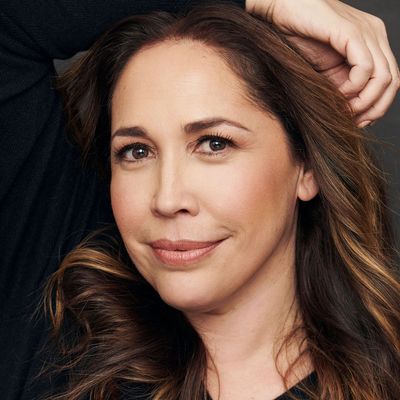
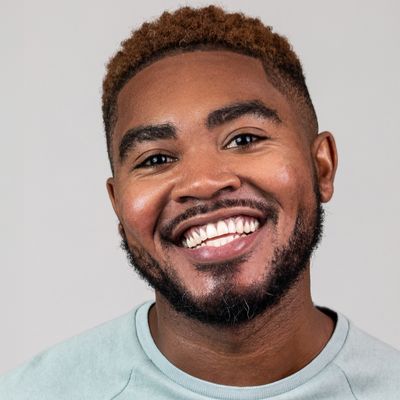
The past is in the past and 2021 is no longer upon us, however Take A Bow had such a great year that we went to highlight some of YOUR favorite episodes into one big episode! Hear from Andréa Burns, Carolee Carmello, Cody Renard Richard, and Bowen Yang as they all share stories of their year, how they relate to their craft, inspire you to get in touch with your talents, and so much more!
Best of 2021... Curtain Up!
Connect with Take A Bow on Instagram: @takeabowpodcast
Connect with host, Eli Tokash on Instagram: @tokash_eli
Produced by the Broadway Podcast Network
Edited by Tessie Tokash (@tessietokash)
Transcript
This transcript was automatically generated and might contain errors.
[0:00] Eli Tokash: Hello everyone and welcome to episode 85 of Take A Bow. I'm your host, Eli Tokash, and this week we have a very different episode, but it's gonna be a great episode because if you missed any of the episodes from 2021, we've got you covered before we start the new year of Take A Bow. We will be highlighting today our best episodes and favorite episodes and most listened to episodes of 2021. And uh I think that this will give you all an opportunity to catch up on uh your favorite episodes of your favorite podcast, of course. Um before we get into the new year and we start some new things for Take A Bow. Um I think we have a very exciting uh 2022 planned for everybody, and I'm just I can't wait to share it all with you.
Um, but before we get into all of that, we'll do a little 2021 rewind, and uh before we get to that rewind, we're gonna share you uh a bunch of news that's been going on with you all as always. Um this week uh once again there wasn't um crazy amount of news because a lot of the news has just been that oh you know, shows are canceling um performances due to this the of course pandemic that we're currently living through, and then of course um you know shows are closing, and so um it's just a it's a weird time for Broadway right now, and um I think that we I don't think talking to more people, I don't think that we will get the uh shutdown that I was talking about a couple weeks ago. Instead, I could see Broadway uh kind of taking a page out of the West Ends book uh that just recently announced that they will be reducing performance schedules from eight shows a week to six shows a week.
And some of the most famous shows are doing this, like Mary Poppins and Phantom of the Opera uh down in the West End. So I wouldn't be surprised if that becomes a new trend. And I think that this is something that uh was talked about at the start of this pandemic um when talking about what it would look like for Broadway to reopen. Um I think both Sydney and I, when she was here, uh, we both mentioned that uh this would be a strong possibility of doing uh reduced amount of shows, and the two shows a week is very tricky, especially because it's a quick turnaround for audience members and everything. No one can quickly uh clean the theater as thoroughly as they like to on a two-show day. Um, so I would not be surprised if Broadway looks to do this um instead of shutting down.
Maybe this is the next step uh before we do the shutdown, and maybe that could be like a hint that it's uh time to do that. But right now, um it appears that everything is going well and uh there's been less can and less cancellations. I think that um this the way that they've been doing it has been very safe and very uh they've caught it before it's gotten too far. Um and I think and another big piece of news that it was dealing with this pandemic, uh, once again was Mrs. Doubtfire, and they will be taking a three-month hiatus um for it and just taking a pause from doing performances. Um basically saying that before we want to let this Omicron pass so that um we can kind of start up new and not have to worry about a um hopefully they're they're basically planning on saying that we think by shutting down now it'll be um more beneficial to the show's longevity if we shut down now for a couple months and then instead of risking the you know half selling house that they're performing to uh due to the pandemic um and and closing down for good.
So that's kind of their rationale of it. Um it's very interesting. I don't know. I there may be more to it. I really think that they this could definitely have something more to it. Maybe like Rob McClure is you know, got something in the works and maybe doing a movie or something like that. I don't mean to start rumors, but I just think it's very odd for for that to happen um in such like uh a weird time. I know that they were dealing with a lot of COVID uh issues in that cast, especially. Um, but I just thought it was like no other show is doing that, and why would they be taking a three-month hiatus? So um I wouldn't be surprised if something like that is going on. Um obviously there could be more to it.
Obviously, that could be all there is to it, and they are just saying, listen, this is how we're feeling, and we're not selling tickets the way we'd like to right now. So maybe if we take a couple months that we can get back to to where we want to be. So it's very interesting and it's a very uh interesting approach. I don't know if it's gonna be a trend here with some of the new shows, but uh that's going on right now. So I just wanted to share that all with you if you didn't know already. Now we do have a few other pieces of news that I want to talk to you all about. Uh, one is being James Nuno Eichelhart will be stepping into the role as Billy Flynn in Chicago on Broadway, which is very exciting because honestly, I didn't know what was gonna happen with him because Freestyle Love Supreme obviously just recently closed on Broadway, which is another news that I wanted to talk about.
Happy closing to Freestyle Love Supreme. But Billy Flynn, uh James and Roe Eigelhart, he will be stepping into Chicago, staying put in New York, being on Broadway. I know he's a part of the Freestyle Love Supreme group, and I know that they announced that they were going out on tour uh prior to their closing on Broadway. So I didn't know if he was going to be touring with the group or not, but it does look like he's staying put in New York, obviously, um, as he will be put replacing Tom Hewitt in uh Chicago as Billy Flynn, and he will take over the role starting on January 17th. And I'll tell you what, this this Chicago show just continues to bring in some major, major star power. Uh the the cast right now is just absolutely incredible, and it seems like it's always been uh an incredible cast, and they always continue to find um incredible artists and performers to step into those roles, uh, even if it is for just a small amount of time.
But it doesn't look like that this is a limited engagement. Um it does look like his run is open-ended as of right now. Um, and he will be starting on January 17th. So go check out Chicago. I'm actually really excited to see him as Billy Flynn. I think that will be pretty amazing. Um and just one last piece uh before we turn it over to the interviews. Um Flying Over Sunset has announced that it will be closing early. Um they did not expect to end the Broadway run early, but the final performance will be on January 16th. Um, it started on December 13th, so it's just making um uh a one month, I guess, stint on Broadway. It's just finishing that, and that was uh I was excited to see that. I didn't get to see it, and I won't be able to see it before it closes.
Um, but that was a really exciting musical for me. Um, I definitely wanted to see it. Obviously, it's at Lincoln Center, it's by James LePine, Tom Kitt, uh Michael Corey, Michelle Dorrence. I mean, there are some incredible people involved in the making of the show, and then of course, there are some incredible people in the cast, such as uh Tony Yazbeck and um Carmen Kusak and uh a bunch of other Atticus Weir. Um there's a there's a few uh stars and rising stars in there for sure. So um I'm I'm sad I didn't get to see it. But uh we'll see what else uh is next and coming into Lincoln Center. I think it'll be interesting. And as always, I've kind of tried to be um looking at these unfortunate early closings to positives because obviously one of the reasons that uh we're not getting all of these new pieces of art right away and so quickly, and we're seeing more of the same stuff and revivals and jukebox and everything is because of the the need for theaters that is involved uh right now throughout uh Broadway, and obviously there's a limited amount, and some of them are staying and some of them aren't. So we need theaters to to continue to open um so that we can get some of those new pieces in, and um, I think it's just really exciting to uh see what else comes into, especially a theater like Lincoln Center.
Um, I think anything that goes into that definitely gets the the attention that it deserves. Um, so anyways, congratulations to everyone involved in Flying Over Sunset. Um unfortunately it's closing early, but uh happy closing, and uh we'll see what else comes to to the Lincoln Center. So that is all of the news I have for you folks today. I know that this is going to be a long episode, obviously, because we are combining so many different episodes. Um so I wanted to keep this short, and we're not gonna do any drama dictionary, and we're not gonna do any segments, the triple E segment or anything like that. Um, I just wanted to leave you with that, update you on some news if you haven't heard already.
Um, some of my favorite things that I've seen in the news, and uh yeah, and we'll I'll leave you all at that, and then I'll say a little quick goodbye at the end. But without further ado, we're gonna turn it over to the best of episode of 2021.
[9:54] Eli Tokash: Welcome to Take a Bow, Bowen Yang.
[9:57] Bowen Yang: Hi, Eli. Thank you for that intro.
[9:59] Eli Tokash: Oh my god, this is everything that I ever wanted.
[10:03] Bowen Yang: You're so welcome. I'm obsessed with the intros. I love hyping people up, and I feel like it's a great time to do that.
[10:08] Eli Tokash: It is, yeah, it's a great time. So let's talk about this whole journey that we've you've taken and that we're all watching you on.
[10:15] Bowen Yang: But that you and I have been, I thought you were gonna say that this journey that you and I have been on, because we've we we we've we've worked with each other, we have worked with each other, and it's in this stupid issue called John Glazer Loves Gear.
[10:27] Bowen Yang: Pretty dumb show, but we love it.
[10:28] Eli Tokash: It's it's amazing, it's everything that you want, and especially like with you as like Spurt, which is like the Spurt sports expert. And just like it's it's iconic.
[10:39] Bowen Yang: So it's it's amazing, and everything that you want. Before we get into all of this, let's start at like the beginning. Like what like why are we doing this? Like, why are we here? What got you into like comedy, theater, movies, all of that stuff?
[10:52] Bowen Yang: The way the place it started, I guess was when I first moved to the US. I so I was I I I was I was growing up in Canada in Montreal, where like the comedy there, the the French Canadian sensibility for comedy is like wacky wacky. It's like so strange. But like growing up, it was like watching like Mr. Bean with my parents because we didn't have cable. And so like that was like my like exposure. But then like we would we would like there's this festival in Montreal called Just for Laughs, and we would go and it like you know takes over the whole city, and then um we would go downtown and just like walk around and there would be like you know, outdoor stages where there'd be free comedy shows, and um I'd always be like, Oh my god, that just looks so fun.
But I that was like the first like seedling that was planted in my brain that I was like, ooh, is that something I want to do? And then we moved to the US, and then like I mean, but I just moved I just went to different schools, I kept like just changing schools growing up, and then but there was something that happened, especially when I moved from you know Quebec to Colorado, uh Aurora Colorado, Denver. Um like you just had to adapt, and then the way that you ingratiate yourself in like a new environment is is just by like trying to like be like a clown or something, or just be like you know, like just you know, just making people laugh is was just like the way that like I like tried to make friends.
I don't know how like how successful I was, but it was this identity that people like sort of like kind of threw at me, like by like the first month I was I was in the US, they were like, Oh Bowen, like I had cheered up enough girls who were crying at recess in the fourth grade, right? For people to be like, Bowen, you're funny, and I was like, Well, oh, okay, I guess I'm funny, and like I really ran with it.
[12:31] Bowen Yang: Yes, and then like really got into um like mad TV, which was this old sketch show back in the day, and SNL, and then there'd be this like block, like where I would watch like Seinfeld and The Simpsons and like all these like syndicated sitcoms. Right. And and that was sort of like my my way in, yeah.
[12:49] Eli Tokash: Yes, period. Uh all the icon iconic comedy shows of generation.
[12:54] Bowen Yang: Well, I guess like, yeah, the yeah, the yeah, you know, yeah, they're like timeless, they're like timeless TV, so like it's it's incredible. Um, but like talk to me, like you went to NYU in like the chemistry department, like yeah, like what what was that? Like, and then like how do you go from like doing that and then being like, Oh, I want to be a performer, I don't want to do this.
[13:16] Bowen Yang: It it was all I mean the chemistry thing was kind of like a ruse because I mean I in high school I I had this teacher who was my calculus teacher, who was also um an assistant director at this improv theater downtown in Denver. Oh my god, and he sponsored the improv group, so there was like the drama club in high school, and like all the kids like were hung out in drama club, but then like if you were like really funny and like really cool, you were part of the improv group, which like funneled it funnel funneled in from the drama club, and so there was always what was and of course you were part of the cool group, right? In the improv group. I mean, I was I auditioned my front my the first two years and I didn't get in, and then finally my junior and senior year I got in.
Of course, but it was like such a fight, and then um, but then that's when like I like but then that's when like I kind of got obsessed with like comedic performance and then and then like it like that was like my drive to like go to college. I I'd like I didn't know what I was gonna major in. And then I watched enough Grey's Anatomy to be like, I guess I could be a doctor that looks fun. I mean true I truly like had no like actual concept of like what it meant but I was like you know what I'm good at I'm good at science kind of and it's something that'll make my parents happy because they're raising an eyebrow at me liking improv this much like I would go like in high school I would go downtown to perform every now and then and they'd be they'd be like Bowen like this is this is kind of like taking up taking up a lot of your time like more like you should be you know just trying to like focus on like getting into college or just like doing stuff in college and I was like sure sure sure but then like when I would visit colleges I'd like always ask them like do you have an improv group here?
[14:52] Bowen Yang: Do you have like a comedy group here? And then and then I ended up going to NYU um and then there was an there was an improv group there that I really liked that I was like stalking on the internet in like Facebook days I would like I would like stalk them like right before I went to NYU in the spring before I went and then auditioned and then and then was on the improv group but then everyone else was a Tish kid at NYU.
[15:15] Eli Tokash: Right.
[15:15] Bowen Yang: I mean every every other every other kid in the improv and the sketch group at NYU were like were like Tish kids. But I was just you know this like odd person coming in from the chemistry department being like hey I like I like it comedy too comedy too. Um so yeah that was that was it but then but then the chemistry thing was like me sort of delaying like kind of like trying to like take cover behind like academics again. And like me being like I don't actually want to pursue I mean lying and telling people no this I think comedy's just a hobby, and I don't think I want to, you know, go through with it after college, but then I mean I secretly did, and then I graduated with I secret, yeah, and then I graduated with this chemistry degree, and then didn't really and then and then afterwards was like, Oh, I can't go to I can't go to med school.
I was taking my MCAP, which is just which is this exam you're supposed to take, uh, to like help you get into like that, just like is determines how um which med schools you get into. And I took the MCAP for the second time after I graduated college, and then I got to the short answer portion, and then I rem I remember this interview that Steve Carell did. Oh my god, he where he was yeah, like before he like there was a time where after he graduated college, he was thinking about going to law school because he was kind of struggling as a as an actor himself, and then he got to the essay portion of the law school application, and he was like, I can't do this.
[16:37] Eli Tokash: Right.
[16:37] Bowen Yang: And then I like had that I that I like inner that that quote like immediately came to me as I was taking this MCAT, and I was like, I can't do this. Like I like Steve Carell like took over my brain, and I was just like, I can't follow through. So then I avoided my test score, and then I left and I was like, I think I'm gonna try and I told my parents and they were very confused, but I was like, I think I'm gonna try and do this comedy thing and take classes and try to just books book stuff here and there on TV, like little under fives, like get into SAT, and then like and they'll be like, What are you gonna do about health insurance? I was like, Well, I gotta like get enough jobs to like you know uh just to get health insurance or whatever, and so that was that was it.
[17:17] Eli Tokash: Yeah, wow, we love that journey for you.
[17:20] Bowen Yang: What that's so that's so uh fun and like so unique that like I don't even know. Like chemistry, I could not. We love a smart actor.
[17:27] Eli Tokash: Um I don't know if I'm smart.
[17:31] Bowen Yang: If you're good at science, I consider you smart.
[17:35] Eli Tokash: Okay, yeah.
[17:36] Bowen Yang: Oh my god, this is incredible. And of course, Steve Correll, like who's not inspired by Steve Correlly? Everyone's inspired by Steve Carell.
[17:42] Eli Tokash: Do you have like do you have like a favorite like comedian who you like kind of like is a role model for you?
[17:48] Bowen Yang: I mean, growing up, it was a lot of it was a lot of like Margaret Show, like as a person, I was like, I couldn't believe like who she was and like what kind of jokes she was telling on stage. She's she's this like stand-up comedian who like had like a big like gay audience, and she talked about you know, she did impressions of her mom, she did impressions of her dad. She would she would always talk about um, you know, like if she had a k if she had a kid, she would want it to be she would want him to be gay and all this stuff. And it was like at the time, like this is like you know, like 15, 20 years ago. Like it just seemed like no one else was kind of talking about things in that way, and it just felt really kind of revolutionary.
And then it was her, it was um, you know, I mean, my era of SNL when I was growing up was like Will Farrell and Tina Faye and Molly Shannon and uh Maya Rudolph and Anna Gosteier, Rachel Dratch, Amy Polar. It was like that era, and like I really took to that, and then even in high and then in high school it was like Bill Hader, Christina Way, Gandhi Samberg. So like I grew up with like a really really crazy stretch of SNL, and I was like, but I never thought to myself, like, I'm gonna be on that show. It's I was just like, oh, I'm obsessed with this show, and I think I will just be a fan for the rest of my life. Because like I don't ever see myself, like I don't know that someone like me would ever be on that show or what they would do and like how they would fit in with the rest of the sensibility of the show.
And then that was like so so it was like it was like it was like that era of SNL was like people I really idolized. And then by the time I got to high school, that was when the office actually came out, and then I was watching, I was obsessed with the office.
[19:29] Eli Tokash: Yeah.
[19:30] Bowen Yang: Oh my god. And then that was basically that was and then like Sarah Silverman too is a stand like back back in the day, she was like really kind of like putting out such good stand-up, and she still does, but I mean that was a time when I was like, wow, like there was this like irreverence and there's this like sexuality in terms of her this woman, this like you know, woman who was like presenting herself as like a cute Jewish girl who like was talking about like all these like crazy really funny things that were like a little like a little outre, a little dirty, a little, you know, controversial. So I mean, all of that, that's like all like sort of sort of funneled in.
[20:08] Eli Tokash: I don't think right, absolutely. So, like, what did you do to like obviously you said like you want to you made the decision and you were like, okay, I want to get do this as an uh comedian and actor and whatever. Um so like you didn't like have those um like you didn't you're not coming from like the Tish School of the Arts or anything like that. So, like what did you do to like get your name out there and like you did a lot of live performances and stuff like that? Is that kind of how you is that kind of how you got your name out there?
[20:37] Bowen Yang: Yeah, and like I think that was like the best experience too, because like even I because I because I was in a sketch group with a lot of kids from Tish after I graduated, and even for them, it was like, oh, we're like this is like new for us, like the us like going to like doing these live shows at these these comedy theaters in the city. Um, this was like a new experience. I mean we were all learning together. It was it wasn't like anyone had a leg up on anybody. If anything, like I was coming from like an improv background where um I was kind of used to the idea of just like being like playing as part of a team as part of a unit, and like that was very like comfortable for me, but then but then all of us were kind of like taking classes out at like after college, and um at the time it was UCB, like UCB was um kind of like a big dog with the with their curriculum and just everyone wanted to like get on the house teams there, and yeah, I I kept auditioning, I kept auditioning year after year to be on their house teams. I never got on.
[21:31] Eli Tokash: Oh no.
[21:31] Bowen Yang: Well, it was at the time it was this thing where it was like the most important, it was an attainable goal for people, right? It was like you take enough classes at UCB, and then you you're eligible to audition for the house teams, which gets you noticed by you know, management, like represent like it gets you representation, it gets you booked for stuff, it gets you auditions. Um so it felt like that was like a ladder, like a rung on the ladder that was within reach, and everyone kind of tried to like zero in on that, and then it was just was just a lot of people, and I it was very competitive and there just wasn't room for me, and or I just didn't really do do the auditions that well. And so I ended up just I kept doing these shows with the sketch group I was in, and then by the time I had like been like rejected enough times from UCB, I was like, let me try and like there's this like new scene that's happening in Brooklyn that's like independent shows, like people going up on stage, either they're doing stand-up or they're doing an original character, and it's just them on stage alone in like the basement of a bar or like this like old like this like DIY space or like all these different like spaces, and so um and so then that's I kind of like gravitated towards that, and then at that point I met my met a lot of people, and a lot of them happened to be queer, and I was just like, Oh, there's like maybe there's like a fun way to like get all the get all the queers together and like do shows, and then like I would like, you know, like my friends and I would just like produce things where everyone would just be part of the same and and and in the same like lineup and all that, and then that was like where like community started to like actually be like built, and right you would see a lot of the same people, and you would just become friends and you would check in with each other and you would write together or do all these things.
And then that happened at the same time that I was like, but I got like a couple like one or two managers, and I bounced around between managers, but then they would I would like book things every now and then, booked Broad City, booked like high maintenance, and then I booked um and then booked John Glazer Loves Gear, and that's what that's where we met. Um it was very slow, gradual, you know, thing.
[23:32] Eli Tokash: Amazing. So wait, so like you when you do the these stand-up shows, like do you like prefer to kind of just like go in and improvise because that's kind of your background, or do you write it before?
[23:44] Bowen Yang: No, I mean like I would write like a stretch. I I wasn't even that good at stand-up. I would normally just do like bits like with like a slideshow, or like I would do I would do like some charactery things. Um I would do but but then I still did the the my favorite thing to do was still just like group shows where like we would do like you know um a uh a staged adaptation of an episode of like sex in the city or something with a bunch of like gay, gay comedians or like dumb conceptual, stupid conceptual things like that. And right, and yeah, and then like my friend Matt Rogers and I would do a lot of stuff together. He hosts possible three stuff, and then he and I like would like do really dumb bits as like you know, dirty like sewer rat like lip lip lip sync artists or something like that, and then it was just about like I I always preferred doing something on stage with someone else.
[24:40] Eli Tokash: Right.
[24:40] Bowen Yang: Whether it was just one person or like you know, seven. Um that was like that would that was the only difference. That's why I wasn't like totally going in as like with like the stand-up mentality because for a lot of standups for club comics especially it's like you're doing like you know three shows a night every night in the week you're going to clubs you're like running around and like doing all that and like that just like didn't seem like super sustainable for me because I was like working this like long day job like a nine to five and then by the end of the day I was so tired but I was like I guess I can rally for one show. So I would do like three shows a week at most and that is not a lot at all. But there's some there's some comedians who would like do like yeah like 10 shows a week or my God you know it was crazy. So I I was just I I found my pocket pretty quickly and then I just kind of stayed there.
[25:28] Eli Tokash: Uh huh.
[25:28] Bowen Yang: But but then that would but then that was still very it was still a very um educational thing where I I learned so much even from just from just that kind of place yeah.
[25:38] Eli Tokash: Yeah oh my god that's so cool. I love that we have I mean like as an actor I mean obviously like I'm no comedian by any means. But like it's so much easier just to have that extra person there and kind of like food off of them right of course. If you have you love like the whole like team I guess aspect of of what we do in performing.
[25:58] Bowen Yang: Yes.
[25:58] Eli Tokash: Um so totally understand that and now you kind of have like one big team at SNL which by the way oh my god I'm obsessed I I think I like heard or read somewhere that like you were in high school you were like I guess like nominator or like maybe in the year book like most likely to be on SNL and look where we are today.
[26:19] Bowen Yang: Oh my god, that's so funny.
[26:22] Eli Tokash: And and just the fact that like you were such a huge fan of the show and everything. So so you got to SNL, right? And you started out as like a writer, right?
[26:30] Bowen Yang: Mm-hmm.
[26:31] Eli Tokash: So yeah, like what is like what is that experience like? Like, what is it like to be in like a writing room at SNL and like kind of figuring it out as far as like which actors do which scene or everything like that?
[26:46] Bowen Yang: It's it's really interesting. Like it it kind of wasn't anything that I expected it to be because I mean you would hear all these legends like from like SNL in the past, where it'd be like, it's so it's such a crazy boys' club, and everyone's like everyone and everyone's doing cocaine and everyone's like doing all these things, and I'm like, oh my god, what am I in for? Um But uh you get there, and then it's like a lot of like really like thoughtful, quiet people who like you know, are just like trying to figure out it's it's and it's and even that was like a team sort of yeah, there was a team mentality there where like um you know you find people you collaborate with well, but then um after the sketches get picked for dress rehearsal on Wednesday night, Thursday and Friday, you're you're at rewrite tables um for the sketches that are picked, and you're just kind of sitting there with a with some other writers, and you're just you're just making you're just going through each sketch one by one throughout the entire day, just trying to figure out line by line, page by page, like how do you make this better?
And then it is like it's like everyone like doing like surgery on the same thing, and everyone kind of like trying to like collectively make something as good as possible, and like that kind of that was that was kind of really nice, and like I think that also like fed into like appealed to my like teamwork sensibility mentality thing, and so that was really interesting, and then you know, and then being a writer there, like even for just a year I learned so much and I wasn't sure because I got hi I I auditioned a few times and then they and then they hired me as a writer and then I called one of my friends who was there who's a writer there already I was like do you think I should take the job and he was like yes because I have already learned so much and it's already it's opened so many doors for me and I was like okay great and then yeah I really did learn so much in that first season to uh writing there because then by the time I got moved to the cast like I knew how the show worked I knew where to go who to talk to if an idea you know was got picked to go to the show on Saturday I was like I knew what my resources were and like if you're it takes a year no matter what no matter who you are whether you're on the cast or if you're a writer or if you're in the costume department or if you're in makeup it's like it takes a year to just get used to how yes crazy the show is just in terms of the pace of it and and and the workload and all that so um yeah it was it was I I'm really grateful that I had that season.
[29:16] Bowen Yang: So wait, did you mention that like you audition as like a writer or you were just like auditioning as a cast member and then you got hired to be a writer?
[29:25] Bowen Yang: I auditioned as a cast. I auditioned to like hopefully be in the cast, but I had submitted a writing packet to be a writer in the past and they were all really bad. Oh, I was like, I'm not gonna do that. And then like at one point my manager at the time, like four years ago, was like, hey, do you want to submit a tape for SNL? I was like, yeah, sure. They would never. I was like, I'll do it because they would never hire like a femme gay Asian guy. I was like, there's no lane for that. Like, why would they ever do that? And so I was like, let me just have fun with this tape. And so I put together a five-minute tape. Most of it I had written completely new. I like, I most of it was completely new.
I was, it wasn't like because normally like for a lot of sketch actors, like they're putting together like sketch characters that they've performed on stage and they know it's good and they know it gets laughs. I was starting kind of with a blank slate, and I was just like, I don't have like stock characters, what am I gonna do? So I just wrote like five minutes of new stuff, did it, put it on tape, submitted it, thinking, okay, whatever. I'm glad I did that exercise. I'm glad I pushed myself. I don't think anything's gonna come of this, but let me just send it out. And then I heard back, well, they now they want you to perform on live at UCB in front of an audience and producers are gonna be there.
I was like, oh, that's funny, okay, sure, I'll do it, why not? It'll go over terribly. And I did it, and then that was fun, and it kind of went over well, and I was like, interesting. And then at that point they were like, you should come and screen test in front of Lauren. And I was like, what? Like I just, I kept clearing every stage in a way that I was just like, this doesn't make any sense. And then this is 2017. I think this is right around the time, I think this was right around the time that I was doing, oh no, no, no, no, no, no, because I did that and then I got to the final meeting with Lauren after the screen test, and I think he like completely, he like was so checked out because it was the end of the day, and I was the last person he saw.
Right. And it was just like, where are you from? I was like, oh, I grew up in Denver, but I lived in Montreal, and he was like, oh, that's interesting, okay, bye. And like I truly, like, was like, I don't think I registered to him, and so I left being like, I didn't get the job, whatever. So then I didn't get it. So then I'm looking, I'm licking my wounds from like, you know, October to January. Yeah. Of twenty, uh, October of 2017 to January of 2018, being like, oh god, I suck. And then at that, but then at that point I booked John Glazer. Uh-huh. And then in March, because we shot that like in the winter and spring of 2018, right? Yeah. Yeah. Yeah. Yeah. It was bizarre. But then, but then by March 2018, right as I was rapping for John Glazer, I got a call being, I got new management, and I got a call being like, they want you to come in and screen test again with like five minutes of new stuff.
Oh my gosh. Um, for SNL. And they, because they might do a mid-season hire. Sometimes they do that. I was like, oh, interesting. And then at that point, me and Matt, Matt had also gotten a call to screen test. Oh my god, no way. I know. So like completely separately, like they were like, oh, we like that Matt Rogers guy because they had seen him do shows at UCB. And he had submitted a tape, and it was really funny. And so then he and I like auditioned like separately, but together, you know, like we were in the same group day, and we were both like, oh my god, like this would be a dream come true if like, you know, two best friends got it together. And then we both did it. We both did well, and then they were like, we're not gonna hire anybody from this round, but we're gonna bring you guys back in in August to audition for the new season.
I was like, okay, great. So then I had the whole summer to like write new stuff, and then me and Matt were just like running it, running it, running it for like, um, over like a month of just like reworking it. Yeah, um, our audition set, and then we did it, um, end of August, early September. We, uh, we went back into audition, and then, um, and then what happened was I got to the last Lauren meeting, and this time he remembered me, but Matt didn't move on, and so it was just this weird thing of like, oh, my best friend didn't get this. Right. This is so strange. It was, it was painful, and he, you know, was happy for me, but he was also very disappointed. And then that was a crazy time because I got to the Lauren meeting.
I think I, the meeting went well, and then I got the call, like, you know, Bowen's not gonna be on the cast, but he, we do want to hire him as a writer. And I was like, you know what? Sure, I'll take it. And I, I just quit my day job. I was like, I'll take it. And I had, I'd wanted, you know, I loved SNL for so long, and I wanted just any job in comedy that was like that. Um, and so then I, so then I wrote there for a season, but then Matt, but then that was just a period between me and Matt where we really had to like talk out like how we were feeling and right move through it, and then now we're on the other side and you know, he's doing great, and right we're both, we're both like really happy for the other person, but it was just a it was a really tough period where we were like not sure like what it was gonna be. Um so that yeah, that's basically it. That was, that was the process.
[34:29] Eli Tokash: Wow, that's crazy. This industry is like so bizarre, especially like because all the time you're going up like up again. So like it's such a bad thing to say, but like no, you aren't, yeah.
[34:40] Bowen Yang: Yeah, like you're friends, and it's like that's the one of the hardest things about it, and it just like kind of pins you guys against each other in a way, but like still being super supportive, and like honestly, like the way I look at it is like if they're not gonna take me, they better take my best, right?
[34:55] Eli Tokash: Right, like sure, yeah. So that's like I guess it's like a, uh, like a win-win in a way.
[35:02] Bowen Yang: Um, but yeah, this this process, man, this is so intense that this everything that you kind of went through, and like when when they asked you to be like a writer, did you ever think that it would open the possibility of you being a cast member?
[35:16] Bowen Yang: Maybe, but I was like, you know, I just want to do this job well. I want to do the job that they've asked me to do well, and I don't, and I like it truly throughout the entire season. I was like, I'm not gonna like I'm not this the job is so stressful that I didn't even have time to think about like, oh gosh, wouldn't it be so wouldn't it be so great if I was on the cast? It was truly just like, oh, I'm learning the ropes so quickly and it's so intense and overwhelming.
[35:37] Eli Tokash: Um that I don't, but I that that wasn't really on my mind. But yeah, I mean like you but like Eli, like you like is I feel like it's a it's it's not quite as bad as like a Broadway, you know, audition process too, right?
[35:49] Bowen Yang: Like does it sound like about the same?
[35:51] Eli Tokash: I mean I feel like I feel like Broadway auditions are like a whole other beast.
[35:55] Bowen Yang: Yeah, they really are. I mean you it just but it also like depends on like the project, like itself and like what h what you're doing. Like if you're going in for like Matilda and Matilda, you're gonna go through like eleven auditions in one round, you know, like it's just like madness.
[36:13] Bowen Yang: But like if you're in like honestly, like any role, you'll have like a minimum of at least like four auditions.
[36:20] Eli Tokash: So like per time.
[36:22] Bowen Yang: And that's if you like continue, of course. Like you know, you go through that obviously that first round and then hopefully you like continue.
[36:29] Eli Tokash: But yeah, it it ranges from like four auditions to like you could go to like twenty-four, because they have to do like dance calls, and then they have to do like music rehearsal, and then they have to do the like the sides and the lines and everything like that and test your acting ability.
[36:43] Bowen Yang: Like it's just like all the different factors.
[36:45] Eli Tokash: It's so hard.
[36:47] Bowen Yang: It's so hard, and it's so hard to like go so far to like be let down, you know? And like I'm sure like you experienced that with like that first set of auditions, going all the way to meeting Lauren and then kind of just like, oh well now what it's kind of like it's totally like that.
[37:07] Bowen Yang: A hundred percent. But even four times which is like the minimum for Broadway, like but like the thing that I still can't believe is like every single time like I screen tested four times total and then there were two auditions quote unquote to get up to the point of screen testing. Like each of those stages felt so high stakes.
[37:25] Eli Tokash: Oh yeah felt like this is it.
[37:28] Bowen Yang: Like I better nail it or else I'm not gonna get it and like it just it really kind of puts you in a crazy making place in your head where you're like I have to get this right and then like I don't know and like I people love to make fun of actors all the time.
[37:43] Eli Tokash: Right.
[37:43] Bowen Yang: For like how like whatever like just frivolous we are I don't know because it's 'cause it's like they see us it's like it's like you're seen and so it's like easy to make fun of us because it's like we're like in front of them and it's like it's like they're it's like there's someone that they don't they don't know and so it just whatever.
[37:57] Eli Tokash: So anyway that I I can go on and on about this.
[38:01] Bowen Yang: It's ridiculous. Cancel them but it's like but it's like but it's it's such a demanding thing to like yeah I'm not like saying like woe is us like boohoo where it's so hard to be an actor but it is like psychologically such a wild thing to to put yourself oh my god I'm currently doing a whole public policy paper for my senior year on mental illness in the or mental health in the entertainment industry because of like everything that like we've mentioned like as far as like going up against your best friends and feeling like you know like you you meet these it's like when your career and your personal life meets like it's just like it gets a lot.
[38:39] Bowen Yang: And you know like at the end of the day we're just the same people as you and the chemistry major at NYU and being lawyer and like all of these other places so like I don't know I I never understood like why people just like want to hurt people but like oh I whatever that's a whole nother conversation it is and um that's amazing that you're writing that though.
[39:02] Eli Tokash: Yeah I mean like listen there needs to be something like you know you're you just said it like it's hard in this industry to be someone at especially like at your uh at in a tier that you're in because you have even more eyes on you and like you're like it's just like the more eyes on you it's like the more difficult it becomes and like there's little to no resources for especially that are geared toward people of our like are like the creative the creative minds and everything like that.
[39:36] Bowen Yang: So like it's so it's I don't know it's really depressing that there's like there are resources but like at the end of the day no one really understands I guess unless you're like in the industry and like in this field and going through what another person's going through.
[39:53] Eli Tokash: So it's just like there just needs to be like more more research more education more resources more everything um for everyone but it's just yeah yeah specifically but specifically people in this industry it should be as standard as like like being in therapy let's say right be as standard as like having a headshot it's like it should be like exactly.
[40:15] Bowen Yang: Something on everyone's, you know and and everyone's sort of like professional sort of like environment.
[40:23] Eli Tokash: Right.
[40:23] Bowen Yang: So it's like you have that, yeah.
[40:25] Eli Tokash: And like I'm still a kid, so like I never really like understood the whole like healthcare system and everything like that.
[40:31] Bowen Yang: Like obviously, like my parents took care of that, but like in doing a lot of research, like a lot of the healthcare systems, like they don't like cover the whole therapy.
[40:40] Eli Tokash: And I'm like, what does that like that's basically the same thing?
[40:44] Bowen Yang: Like, how is that not included? So like that needs to change, like all of these things.
[40:49] Eli Tokash: I'm just like writing it down, breaking it down, and submitting them to like Congress people and unions and all of this.
[40:56] Bowen Yang: Amazing, amazing.
[40:58] Eli Tokash: I mean, yeah, it's I never thought I would be doing this, but um it's um mandatory in order to graduate, and I'm having the time of my life doing it as well.
[41:07] Bowen Yang: Good, good.
[41:08] Eli Tokash: Yeah, amazing.
[41:09] Bowen Yang: Yeah, so it's just what an industry that we're in.
[41:13] Eli Tokash: What have we done to ourselves?
[41:17] Bowen Yang: But it's a like performing and that and then it comes back to the baggage.
[41:21] Eli Tokash: Yeah.
[41:22] Bowen Yang: And that's what I like that's totally like what I said too.
[41:25] Bowen Yang: Like, all we're trying to do is like help other people be happy.
[41:30] Eli Tokash: Yet other people are gonna tear us down.
[41:33] Bowen Yang: Like where where does that come in to play?
[41:36] Eli Tokash: Like, I don't know how that adds up, but whatever.
[41:40] Bowen Yang: Whatever.
[41:41] Eli Tokash: We're we're gonna continue to make people laugh w and talk about SNL and everything like that.
[41:47] Bowen Yang: We're gonna continue to make people's days.
[41:49] Eli Tokash: Um so talk to us about like you had this iconic scene the coup a couple of weeks ago where you the it was literally like my favorite thing.
[42:01] Eli Tokash: You played the iceberg who sank the Titanic.
[42:04] Bowen Yang: First of all, the whole like costume and like the makeup and the getup, like everything about it was absolutely genius.
[42:11] Eli Tokash: So like, so like how does this work? Like when you, I guess, were you like told that you were gonna do like a skit about an iceberg who sunk the Titanic?
[42:21] Bowen Yang: Or like I mean, for for we for weekend update pieces, um, a lot of the times it's like whoever's whoever's whoever is on, it's like it's like their thing. I this was kind of the case, but it was mostly it was it was the idea, it was Anna Dresden's idea. She's one of the head writers, she's a genius. Oh my god. Um she's written so many, so many incredible things.
[42:44] Bowen Yang: But she texted me in February. She was like, you know, maybe for the April 10th show, because the sinking of the Titanic is was April 14th. She's like, maybe for the April 10th show because it'll feel topical. Because you always you kind of always want to be a little topical when you go on a weekend update, especially when it's a new especially when it's a new character.
[43:03] Bowen Yang: You're like, maybe if the I show so she texted me in February being like, maybe for the April 10th show, you come on as the iceberg that sank the Titanic, and you're wearing like this dumb iceberg costume, and you're like, and you're really standoffish, and you're like, I don't want to talk about that, like, and blah blah blah.
[43:21] And I was like, I was like, that is the craziest thing I've ever heard. Um but sure, let's revisit it in April. We both have like busy weeks, and so and so I let that rest, and then the April 10th show comes along, and then it's Monday, it's the Monday of that week, and then I was like, oh right, there was that idea that Anna had, and I texted her.
[43:43] I was on I was on set for Nora from Queens, but then I just I was I was in between setups, and I was just like, oh, let me text Anna and just be like, do you wanna do this? And so I texted her, hey, was that iceberg idea you texted me about a couple months ago real? Like, do you do you want to try and do it?
[43:55] She was like, Oh my god, I completely forgot about it um yeah why the hell not let's try it let's see we were both uh so so people just have to understand that the entire time both of us were like this is never going to make it on TV it's too crazy not that it was too crazy but it was just like it was like no one's gonna like how what is this gonna look like how is this gonna like like is there any like is like where is this gonna go and so we were both like okay let's just we're like you know what let's just have fun with the oh but another thing I should say too is that Anna was on my college improv group.
[44:34] No way yeah and then she she was like she was two years above me and then she graduated and then she was doing stuff around the city and we would uh we would go to see each other's shows we would book each other oh my god and she and then we would you know she and I would like be in shows where we would play crazy characters like she would play like a robot who like you know was a mom like like we would just play we would just like put on these really terrible costumes and be like I'm like I'm an old an old Hollywood actress who like is is like it was just like such like wild like because the the stakes were so low back then that we could try anything.
[45:10] Uh-huh and truly she and I like did this iceberg thing and by the way I'll fast forward to the end of the week after we did it on Saturday she like we like m met each other and in the halls and I was just like oh my god that was so fun and I was like thank you for writing that with me for for like coming up with the idea and she was like no like thank you like it felt like something that I would have done like you know 10 years ago yeah on like the the like indie circuit of just like going to like little bar like you know, little bar basement shows and like a character that we would have done like way back in the day, because now it's like the longer time you spend at SNL, the more like the more like the more the value systems of that place kind of like creep into your brain, and the more you're like, Oh, we could never do that, like that's too out there, that's too crazy.
[45:56] Right. And I think that's that's I think we kind of like succumbed to that in the beginning of the week where we were just like this is never gonna be good, like there's no way like they're gonna let us do this. So we wrote it, and then all we wrote in the script was he wears a little iceberg costume, and we didn't know what it would look like.
[46:12] And then we so then we wrote that on Tuesday, and then Wednesday we we did it at the table read, and it and it went okay. People like people like people liked it, and I a lot of writers specifically texted us. They were like, That iceberg thing was great. I hope it makes it.
[46:24] But I think there was but I think there was also like the sense that like from from the people who worked there, they were just like, How is this gonna work? Like, what is this gonna look like? Right. And so then, and so then throughout so then Thursday and Friday, we don't hear back from the producers, and normally they they let you know at some point in the week, especially Thursday and Friday, like it's gonna go.
[46:44] Like your weekend update piece is gonna go into the dress rehearsal show. We didn't hear anything at all. So then Friday night at that point I was like, okay, it's done. Like, it's it's not gonna be in the show.
[46:55] That's too bad. And so then I texted Anna, is like, well, R.I.P. to the iceberg, like oh no, let's maybe we try it again next year, like you know, who knows? And like, but anyway, that was a fun time. I was like, I was like, I really loved working on that with you.
[47:08] She was like, Me too. Like, it was just a fun, crazy, kooky time, and we just made each other laugh, and that's always the goal. And then Friday at midnight, Friday at midnight.
[47:18] Um, Lauren Lauren Michaels does this meeting with like the producers and the head writers, and then at midnight, Colin Jose texts me and he's like, Hey, I think we're gonna try the iceberg thing.
[47:28] Yes, oh my god. So I like it, but like the next, but normally you have plenty of time to prepare. And we had a whole c conceptual cost we'd have this whole costume we had to think up.
[47:36] And so me and Anna are texting each other until like 1 a.m. Oh Friday night for the next day to be like, okay, so let's let's do this for the costume and we should have a headpiece that looks like like this.
[47:47] And she was like, Do you want to do one like a white leather bomber jacket or do you want do you want do you want a light a white leather motorcycle jacket or do you want like a uh a blazer? And I was like, I think it should be a blazer, right?
[47:57] Because it's more it's more understated because if we if we come out on the leather jacket, then you kind of the audience might know that it's already like a pop star or something, and we wanted that to be a reveal. So we we it was just we made all these little mini decisions, and I was like, I should have like a white face with like blue, like undertones, like blue highlights.
[48:13] Sure. We were like doing all this stuff like Friday night, and then we were like, okay, let's do it, we'll do a rewrite table and then and during the day with all the writers. So then then on Saturday, um the day of the show.
[48:21] The day of the show where we're like we're rewriting it, we're taking pitches, and then we and then me and Anna, and so dress rehearsals at eight, and they normally weekend update needs changes like to the scripts by like seven.
[48:38] And so me and Anna are just sitting together in the small room, like masks on, just like going through each page, moving huge chunks.
[48:45] Oh my god. Like completely restructuring it. Um to like 720. Like we were like 20 minutes over the deadline, like 40 minutes before the show.
[48:56] Right. Before the before the dress rehearsal show, just making these huge changes, and I was running downstairs to the costume department to check on the headpiece and the costume.
[49:05] Um, and then they were like, Do you want more sequins? Do you want more, you know, stoning on the blazer? I was like, sure. I mean, it was just like it was just such a crazy rush.
[49:12] Yeah. And I felt the entire time I was like, this is gonna fail. I was like, this is coming this is coming together too haphazardly. I was like, I normally need more time than this and time than this.
[49:23] And then when Anna and I were writing the pages down, like right before the show started, we were just like, there were just moments we were both very stressed out, and she had a really stressed.
[49:31] She had uh a lot of other sketches that she was working on, and then we both just looked at each other multiple times, just bursting out laughing, being like, What are we doing?
[49:40] Like this is this is crazy. No way is this gonna be on TV. Like this is this is so like thrown together, like this is so crazy, and it's like 10 pages long.
[49:52] Normally weekend update pieces are like seven. We were like, This is so long. Like, there's every reason we're giving this every reason to get cut.
[50:01] Uh-huh. And then and then we did it at dress rehearsal, and then it like people laughed.
[50:05] We were like, Oh, okay, that kind of worked. Yeah. And then, and then we did, and then we did it at the air show, the live show.
[50:12] Yeah. And then it like, it was a hit. It was it, and then I was like, I can't believe I couldn't believe how on board the audience was.
[50:19] Oh my God. Like me, like, if you watch that back, like I'm truly like in the back of my mind, like, I'm truly surprised that people are like people get it.
[50:28] Right. Because truly, like the entire week, we were just like, people aren't gonna get it. And I don't know why, I don't know why we underestimated the audience in that way.
[50:34] But like, and like a lot of people at the show, like, well, like that's the concern, right? Is they tell you, you know, let's make it, let's let's let's change it in a way that makes the audience understand it better.
[50:44] And like that's what you're concerned with all the time. And so then the fact that it like went over the way it did is like such a surprise, like a delight to me.
[50:52] Right. It's such a lot, it's such a long story, but that's it. It's everything that I could ever ask for.
[50:57] Because obviously, like when you watch the video, like okay, first of all, anyone who hasn't seen it, like stop listening and like go watch Bo and Yang is the iceberg who sunk the Titanic because it's iconic and you should watch it and it's like comedy gold.
[51:11] Um, but like also like when I watched it, you totally like you couldn't you would not be able to know that like all of this was happening minutes before.
[51:21] Like you looked like calm as a cucumber. Not like, yeah, like you totally like pulled it off and it was amazing.
[51:28] Um and you were totally like confident, and that's what like made it. And honestly, I had no clue, but I wasn't totally on the side of the iceberg, first of all.
[51:37] Like honestly, like, hello, he was just like kind of chilling. I was just sitting there, I was just chilling.
[51:45] Yeah, she's just chilling, and like you bumped into me. So there's no need to for you everyone to attack you.
[51:51] And then the fact that you were just like plugging your like music career, like pop off. That's amazing.
[51:57] I'm just there to I'm I'm working on new projects. Let me talk about the new stuff.
[52:01] Right. There is things are happening, okay. Things are happening, and like I'm famous for other reasons, and I'm not just the iceberg who sunk the Titanic.
[52:11] Um, no, it's incredible. It's everything that like you ever wanted. No, seriously, like it was like it's just like those ideas that are just like who thinks of these?
[52:22] Like, who is the genius who like just randomly comes up with these and it's bow and yang and no, it's Anna, it's Anna Drezzan.
[52:31] It's Anna Dresden, too. Right. So that's incredible. So is that like usually like what the week of an SNL performer is?
[52:38] Yeah, and writer. Yeah, I'm yeah, I mean, uh my my there's this other writer who's one of my best friends, Sudy Green, and she sums it up really well.
[52:46] She's like, you know, the goal is, and it doesn't always work, and like people, you know, are very vocal about like when something is bad and they're like, that's that sucked, and whatever, but uh which is great, which is part of the SNL like you know experience.
[53:00] But like she was saying, like, you know, it it is um the end product is hopefully something where we're having a lot of fun, where whoever's on screen is having a lot of fun.
[53:11] But the the all the lead up to it is just so high pressure for whatever reason. It's like because you're you're you're you're getting a lot of people sort of you know breathing down your necks, telling you like this this won't work unless this happens, and it's just like but that's I mean that's the great thing about SNL too, is that for most of it you're given a lot of autonomy and you're given a lot of agency to like do your own thing and people leave you alone, but sometimes, but in the back of your head, you're always thinking, Oh, I wonder if this will work in the way that I want it to because of all these limitations, and so it's it's a lot of pressure in order to create something that makes it look like it's effortless.
[53:53] You know, does that make sense? Absolutely, and it takes it. That's just any and it takes the village, absolutely, but it but it but that's like what all like showbiz is, right?
[54:01] It's like especially live, especially live showbiz, yeah. Um with theater, yeah, for sure. Exactly.
[54:07] Yeah, it's everything everything changes literally night by night, and but like, but like at the same time, like your entire show is changing night by night.
[54:16] So like I I couldn't imagine like SNL and just like being in that. Well there's there's there's so much crossover between Broadway and SNL.
[54:24] Like a lot of our dressers, a lot of our dressers are Broadway dressers, a lot of the costume people are are that work on Broadway. It's like it's it's it's there's so much crossover, it's great.
[54:32] I love it. Yeah, well my god, I love that so much. I and I had no clue until like okay, let's get into it.
[54:39] Uh I listen I've been listening to Lost Caltristas, right? Yeah, like I I didn't realize like how big of like uh like how much you liked theater, like uh like oh yeah, yeah, in musical theater.
[54:51] Like, I was first of all, your Ben Platt episode, iconic. Iconic was so good.
[54:57] Yes, wait, so how long have you been doing Lost Call Teristas?
[55:01] Like five years? Five years, yeah, it's been a while.
[55:04] Oh my god, every episode is a dream. They have these the best segments, and the them you're just like laughing the whole time and like smiling.
[55:15] Um, and it's they have like the best guests on too. Like I said, Ben Platt, Taylor Trent, who was on take about.
[55:22] Oh my god, uh Molly Gordon. Oh my god, Taylor's a dream. All of the Evan Hansen's Molly's the Molly's a dream.
[55:29] Yes, oh my god, they're the best. I love them all so much.
[55:33] I was in like to did uh you see that like summer camp thing that Ben and Molly did together.
[55:39] They did yeah, I was in that like little YouTube video.
[55:43] Oh my god, hilarious. They're so funny.
[55:45] They tried to be like for those who like didn't see it, they tried to be like camp counselors and like teach a bunch of kids, um like a musical theater camp basically, and um just were absolutely like terrible counselors, so like they were making fun of like acting camps, basically, and it was amazing and everything that you wanted.
[56:07] Um, but literally, these episodes.
[56:10] First of all, how did this whole thing come about?
[56:13] Um, like what made you like want to start it? The name is amazing.
[56:18] Like, what was that? What inspired it? Oh my god.
[56:21] Um, we Matt and I like were like friends in college. He was on the sketch group, I was on the improv group.
[56:27] Okay. And then we were in the sketch group together after college too, and then we would we were just we were just performing a lot together.
[56:32] And then at one point, I I there was this uh uh small independent, but now they've really grown and they're they're wonderful.
[56:39] This this network called Forever Dog, and they reached out to me when they were just starting out, they were like, Um, would you want to do a podcast? Do you have any ideas?
[56:45] I was like, sure, here are the here are this here are these ideas. But like I said, like I'm always more comfortable with someone on stage next to me, and so I was like, Can I do it with my friend Matt?
[56:55] Like, sure, we they're just like, sure, we love him, because they had seen him perform too, or they had performed with him because the people who ran the the podcast were also performers, anyway.
[57:04] Um, but we we pitched them all these all these ideas that were really high concept, like a choose your own adventure podcast, or like um like a competition podcast for like you know, uh who like who could be America's next top podcast, like really like dumb, dumb but very complicated ideas at the same time, and then they were like, no, no, no, try something more low concept.
[57:27] Bowen Yang: Sure, and then Matt, Matt was just it was Matt's idea to just be like, let's just make it like a general pop culture podcast where we talk about anything we want, uh-huh, like whether it's current, whether it's not current, whatever.
[57:38] Bowen Yang: I was like, okay, sure. And then what would it be called? And he was like Los Culturistas, like fashionistas, but for culture, and I was like, Oh, okay, and then and then they were and then and then and then the and then the the network people got back to us. They were like, Do you have any segments? Like, we like we we kind of want like in the pitch, like segments for people to do, and we were just like, How about one called I don't think so, honey? Where because it was something that me and Matt said to each other all the time. Like as friends, we were like, we were like, I don't think so, honey. Like what you're doing right now, like, I don't think so, honey. Like it would just be like it was just this like vernacular that he and I shared, and so we were just like, let's like make that a segment, and then it became like a one-minute thing that we do at the end of the show.
Where it's just a structured rant, nothing complicated. I mean, the whole thing was so simple that I was just like, I don't think this is gonna work. Like it's there's there's not enough here, and then but I think the reason why it's the reason why we've done it for so long is because it is low concept because there's not that much work that goes into it that we can that we can just sort of like plug in and play um every week, and like I mean it's it's such a very easy but still like fulfilling thing, and then like we still get to try out like dumb bits, and we still get like I get to like hone in on like what like a sensibility is like what I'm bringing to like other places, so it's it's it's really great, and I'm really happy that it's just in my life.
[58:56] Bowen Yang: Yeah, and it's doing amazing. I mean, like so many, it's like so many people like know about it. Like I was text texting my friends about it, and I was like, You would love this podcast, and they were like, Oh, I've been listening to it. And wow, I was like, I'm late to the game.
[59:14] Bowen Yang: I'm no no, not at all. But honestly, like it is so funny, and it it's out every Wednesday, uh with a new episode. So tomorrow, oh wait, wait. So yesterday, because you guys will be listening to this on a Thursday. So yesterday they just became they just came out with a new uh episode, so go check that out, and it's on all platforms where you find that. Um but I mentioned so like I I obviously listened to the Ben Plat episode, and of course I went through the Broadway episodes first because I'm obsessed.
[59:48] Bowen Yang: That's your that's your that's your neighborhood. That's that's my hood. So and um like just hearing how much like you loved theater and everything like that like would you ever consider doing theater or anything like that.
[1:00:00] Bowen Yang: Oh my God. I would I would think about it it's just but that is its own crazy schedule. In some ways it's even more grueling than then SNL I mean and and I mean I just have like nothing but respect for for people who who do it like on that level. Like I don't know like the the eight shows a week thing or however many it is like I'm I'm just so excited that it's coming back and like I will be I will like wear every layer of PPE as long as I get to sit in the theater and watch theater. I don't I don't care that I have to wear a mask I'm like I just want to be there. I just want to like I just miss watching it um so so much that I mean I don't know that I would ever I don't know that I would do it I'm just so scared.
[1:00:44] Bowen Yang: I you know who I was talking to and I don't think she'd be upset if I shared this but like um you know I don't know but I I I was I we were blocking a sketch uh and I was me and Kate McKinnon were just sort of like standing there and just talking and then and then theater came up and then I was like I was like you have to I was like you have to do theater at some point right she was like no no no no no no no no I was like what do you mean she was like I'm I'm not as talent she was like I don't have like like truly like all of us think that like Broadway people are like otherworldly and their talent and then they're worth at work ethic that we're just like we could never like even deign to dream to do that but like I think I disagree with Kate.
I think Kate would be amazing. Um I just think I just think I have to like I don't know as much theater as I should is is also the thing. I didn't I didn't really grow up see grew up watching it that much because my parents just didn't know about it and we I wouldn't be taken to see it and stuff.
[1:01:41] Bowen Yang: So I'm playing a lot of catch up I mean and I also right and I mean I don't I I can't obviously like speak for it but I can't imagine that there's like as much theater in New York as there is in Quebec and Colorado and stuff like that. Like is there not really I mean like for in in in Denver we would get like some tour tour shows but like so you have a pass I do I do but I did they're just but they're I like I didn't get it I did like you know like I was always so jealous of the kids even who grew up in Denver who would like to be like yeah we're going to New York in the summer and we're gonna see all these shows and they'd be like oh I want to do that.
[1:02:13] Bowen Yang: I mean one time when Wicked first came out I was in high school um and we did a trip to New York to look at colleges for my sister who was two years older than me and we came to New York and Broadway tickets were too expensive for my parents they didn't want to that we didn't know what TKTS was like we didn't do we didn't go that route and so sure so then um but all I did was I begged we did two things that I had to do we did an NBC studio tour at 30 Rock because I loved SNL so much and I left and I left Conan O'Brien and you Conan O'Brien used to have his uh late late late night with Conan O'Brien there. So I saw those I went to those two studios they were empty because it was in the summer and no one was there but that was amazing and the other thing that I demanded we do was drive to the Gershwin theater and just so I could stand at the doors of Wicked and be like, this is where they do wicked. Like, I was so I I was such a I I I just I I didn't have like the access to theater that I wish I did, but like just being near it meant something to me.
[1:03:15] Bowen Yang: And yeah, that was just like a silly like teenage bowing memory that I have still.
[1:03:22] Eli Tokash: Oh my god, stop. I love that so much. The fact that you just like drove to see the theater.
[1:03:29] Bowen Yang: I know, isn't that so stupid?
[1:03:32] Eli Tokash: Was Wicked your first Broadway show that you saw?
[1:03:35] Bowen Yang: Uh what was I mean? I I didn't end up seeing it. I never I like I didn't end up seeing it. I just wanted to see the theater. I just wanted to see the theater. But the first Broadway show I saw was when I moved to New York for college, and it was it's so random. The first Broadway show I saw was Xanadu.
[1:03:50] Bowen Yang: Right. Um it was Carrie Butler and Cheyenne Jackson, but when I went, it was I forget who was, I forget who was Kira, the the lead. Um and then they had the understudy for Cheyenne, and so but I got to see um Maria Testa and Jackie Hoffman, and I was like, this is so fun. And they made jokes about Gypsy, they made jokes about Gypsy, which was playing next door, and I was like, this is I was like, this is incredible. Um but then ever since then I've like I've like I'm really proud of like I like I'm looking at my play bills right now, like I've got a bunch of them. Like I really like I'm late to the I'm late to the to the Broadway sort of like train, but I'm like I'm I'm I'm on it for life, you know. Like I just I just lie to love it so much.
[1:04:27] Eli Tokash: Oh my god, it's it's a dream. Uh you you there's nothing that ever like compares to live theater. Like really and even like uh my friend Sydney Lucas and I, who was the original like co-host, yes, she co-hosts this with me for like the first, like however many episodes, like the first like 40, I think. Um, and she and I obviously went to see SNL, and that was totally like a night at the theater, just without songs.
[1:04:56] Eli Tokash: Yeah, right. Like it was like songs, yeah. And honestly, like I found that even more like fulfilling and thrilling because you see this set being built as uh you're about to like watch something, like you're not just it's not like these effortless things, you see like how each thing really works when you go to SNL, and I loved that aspect of it. Like they really weren't hiding anything from you, and I thought that was like the coolest experience.
[1:05:24] Bowen Yang: It is cool because I got because I guess for Broadway, for most Broadway shows, they are trying to like not make you see the the technical mechanical aspects of it, right? But they're they're so important though, and sometimes I do want to know like how does the bubble machine work on Wicked? Like, how does this work? You know, like all of that.
[1:05:42] Eli Tokash: That's what I'm saying. And like, listen, like all of the theaters on Broadway were old movie theaters, like all of them. So, like, they're honestly like trying to keep that whole like movie aspect where it's just like an effortless story that's being brought to you, but like really chaos is going on, yeah, backstage, literally. Um, so and they just like try to like keep it like super chill and kind of like hush hush, and like no one ever like thinks of it unless you're like in the industry or like you notice this like stunning part of the show where you're just like, Oh my god, I want to know how that works.
[1:06:21] Bowen Yang: Right. And honestly, like I feel like that's why people who go to the theater are just kind of like, oh my god, I want to do that, instead of oh my god, I want to help make that, you know.
[1:06:32] Eli Tokash: Sure.
[1:06:33] Eli Tokash: And so like and so, like, that's where like SNL, I was like, Oh my god, I want to help like make that in a way. Like that was just an aspect that's like not seen, and I love that.
[1:06:45] Bowen Yang: Yeah, you're so right. I wonder, I wonder if things would have been different if I had seen something, maybe not SNL exactly, but seen something where they did, they were very um open about showing you the behind engineering the behind the scenes stuff. Because I think that I mean, like, you know, like you've been on like TV sets too. It's like most of the time you're there, you're you're you're spending like watching like the how the cameras are are set up and how like how many people it takes just to like make one thing happen, and it's just like oh, that is like such hard intense, satisfying work, and like if if people like knew the particulars of this, like there I would be like a better funnel into like someone like in their development being like, oh, I want to do that thing instead because that is I don't have to like think about like how I'm standing and like how I'm saying a line.
[1:07:37] Eli Tokash: Exactly. It's a different skill set, yeah.
[1:07:39] Bowen Yang: Yeah, so what again, what an industry that we've put ourselves in.
[1:07:45] Eli Tokash: We love this industry though.
[1:07:47] Eli Tokash: Um, I mean, listen, I've taken up more than enough of your time. We're at the hour already.
[1:07:54] Eli Tokash: Um I we haven't even talked about Nora from Queen.
[1:07:57] Bowen Yang: Okay, let me ask you, Anora from and then I'll let you go.
[1:08:02] Bowen Yang: Um let's see.
[1:08:04] Bowen Yang: Do um so you were currently doing uh double duty.
[1:08:10] Bowen Yang: I mean, well, uh, did you just wrap up doing season?
[1:08:14] Bowen Yang: Okay, we just wrapped season two.
[1:08:16] Eli Tokash: Oh my god, I can't imagine.
[1:08:18] Bowen Yang: So, like, really in a way, you're like doing triple duty because of like the whole podcast thing you have going on too. You're just like an icon in all aspects of the industry. We love it.
[1:08:29] Eli Tokash: Um like how do you okay?
[1:08:31] Eli Tokash: First of all, let talk about Edmund, because he's a king and he's absolutely hilarious.
[1:08:36] Bowen Yang: Oh my god, he's like Aquafina's cousin.
[1:08:38] Eli Tokash: Oh my god, I can't.
[1:08:40] Bowen Yang: Um and the the scene where you like see your uncle's something that maybe I shouldn't say.
[1:08:47] Eli Tokash: Oh yeah, right.
[1:08:47] Bowen Yang: Okay, great. No, it's okay.
[1:08:49] Bowen Yang: You said it for me. I love it.
[1:08:51] Bowen Yang: Um that is just like it was I I was on the floor. Like just running.
[1:08:56] Eli Tokash: Um so like first of all, talk about Edmund and talk about the antics of Nora from Queens and also like how you keep up with like doing all of these amazing projects.
[1:09:07] Bowen Yang: Oh my god. I mean, I first of all, I I love that that's so that's so nice, Eli.
[1:09:12] Bowen Yang: Yeah. Edmund Edmund is this like is like the person I would have become if I had like n denied myself like what I wanted to do. To like, you know, perform and do comedy. But like he's someone who's very like repressed and is very like driven by like, you know, mm success in like a very in like a very like tech techie like capitalist, like I want money way.
[1:09:37] Eli Tokash: Yes.
[1:09:37] Bowen Yang: Um and and he's in constant competition with Nora until they have to like come together and like figure some stuff out together because like they're a team all of a sudden because Nora gives Edmund this great idea for an app.
[1:09:50] Bowen Yang: Um, and then uh it was just really fun to like find that character with Nora, who like at this point is just like she's a she's an award winning actress, and it's like she she knows what she's doing, and I'm like every time I like do something with her, I would like learn something new, and she's just like so like patient and generous and like is present with you.
[1:10:11] Bowen Yang: And so, I mean, I don't know, it's uh it's just it was actually really nice to go from SNL and then on my breaks from SNL from that pace go to something that was structured differently, like a scripted sitcom, and just like using the skill set and changing it just a little bit.
[1:10:29] Bowen Yang: Um I mean it was I I mean I'm I'm very like I still need to like recover a little bit because it's been a lot of work, but yeah, um but it's it's just so much fun, and like she and then you know we wrapped on the season uh a couple weeks ago in LA, and she and I like she like she like shared a moment with me. She was just like, you know, like keep doing what you're doing, and like it was just like a very like I mean it's just just to like get her like sort of advice on stuff was just like sure the best.
[1:10:55] Bowen Yang: And she's I mean it's it's it's a fun show, it goes down easy, it's really silly.
[1:10:59] Eli Tokash: Yes, it's not it's not quite as dumb as as John Glazer loves gear, but it's um nothing can compare.
[1:10:59] Bowen Yang: Nothing can compare.
[1:11:08] Bowen Yang: But it's it's it's really fun, and like I I just um I I'm so lucky that I'm able to like do these multiple things at the same time, so that I'm learning from both, and I'm learning what to appreciate in both, and um like now I know like because some if you're stuck at one thing for too long, then you kind of think that this is all this is what the industry is like everywhere, sometimes and it's not that it's never the case, you know.
[1:11:31] Bowen Yang: Every project has its own identity, has its own way of making you work and think and all that stuff, right?
[1:11:37] Eli Tokash: And it's a great way to like keep things fresh, right?
[1:11:40] Bowen Yang: Yeah, like just keep you on your toes and just like appreciate each thing that you're doing, you know, in a way because doing the same thing over and over again can kind of get dry.
[1:11:50] Bowen Yang: Of course, always, but it's I but it's always but like honestly, like in this industry at the same time, it's like you never feel that because it's never the same you know but it's never the same yeah it it's just it's fun it's great times um but when you're a great time I'm obsessed with this oh my god you're thank you so much for like giving me the time to like come on and talk and like yeah it was great to catch up with you all of the things I know I haven't seen you in so long I know it literally was the last time the it was like I don't really know it was I think it was last year because it was still like pandemic like when j like just before we all needed to start wearing masks at SML.
[1:12:33] Bowen Yang: So like it was like it was like either like December of 2019 or January February 2020 that you guys that you and you and Sydney came and it was so fun. I was I fangirled out at Sydney I was like oh my god I was I didn't I didn't realize until like after she like left for me I was like wait I saw you in Funhome and I I just she's incredible.
[1:12:57] Bowen Yang: Yes you totally did it was the highlight and it was so funny because she tells the story when she was like hosting all the time we we tell this story where I was like fangirling over uh Keenan Thompson because I'm obsessed with the original Mighty Ducks um and so um then you like came out and you were like fangirling over Sydney and everything.
[1:13:21] Bowen Yang: I was showing I was like it was too funny it what a what a time what a fangirl circle.
[1:13:26] Bowen Yang: Yes oh my god and of course Sydney was fangirling over Kate Kate McKinnon. She's obsessed with her.
[1:13:32] Bowen Yang: She's literally like that is Sydney's role model. And so, like literally everyone was just like, oh my God, I love you.
[1:13:41] Bowen Yang: So cute. Yes, it was it was amazing. It was literally like one of the highlights of my life and Sydney's life. We talk about it all the time.
[1:13:50] Bowen Yang: You guys have to come back. Oh my god. I so want to. I'm so obsessed. I also just like I can't imagine like doing what you're doing and like with the protocols and everything like that. I can't imagine like the stress and like just like the overall like atmosphere with like the masks and everything like that.
[1:14:10] Bowen Yang: Like I couldn't imagine just working.
[1:14:13] Bowen Yang: Yeah. It's I mean, props to like the whole team at SNL, like literally cast, crew, everyone, writers. Um, because it it takes it takes everyone and takes a village a lot of work.
[1:14:25] Bowen Yang: Yeah. Yeah. Bowen, you're a dream. Thank you so much. Oh my god. Have a wonderful week. I can't wait because this Saturday. Well, first of all, yesterday, a new episode of Las Costurices came out. So go check that out.
[1:14:39] Bowen Yang: And of course, this Saturday, my queen Olivia Rodrigo is coming on SML with Key Michael Key, who I did Friends for College with. I'm like, oh my god!
[1:14:49] Bowen Yang: Yeah, I'm so excited for this week's episode. Amazing. Oh my god, it's gonna be everything. I can't wait. I'm so excited. I love you. Thank you so much for doing this.
[1:15:00] Bowen Yang: I can't wait for more episodes of Las Culturistas. Um and yeah, thanks for doing this.
[1:15:07] Bowen Yang: Of course, thanks for having me.
[1:15:09] Eli Tokash: Welcome to Take a Bow, Andréa Burns.
[1:15:12] Andréa Burns: Thank you, Eli. It's a pleasure to be here. I'm excited.
[1:15:15] Eli Tokash: Oh my goodness. I'm so excited. Was that correct? I just want to make sure that that was cool.
[1:15:19] Andréa Burns: Sounds good to me.
[1:15:20] Eli Tokash: Thank you. Yes. Oh my god, of course. So I'm I'm so excited to be talking to you today. Obviously, um, and doing some research for this little interview here. I I can see that West Side Story is a very big part of your life. Um do you kind of want to touch upon what West Side Story as a whole means to you?
[1:15:40] Andréa Burns: Yes, of course. Um I actually uh my very first professional job was um Maria in the European Tour of West Side Story. I actually um I left college to go do that. It was directed by Alan Johnson, who was Jerome Robbins uh era parent of the show. And uh so he was setting companies where he was the only person that Jerome Robbins had really trusted with the original um piece, and I got to do that. And uh yeah, and what what ended up happening over the years is that um I did the show for a very long time, and it subsequently introduced to me to my husband, who ended up playing Tony, and now we have a son who's half Jed, half shark.
[1:16:23] Eli Tokash: Oh my gosh, amazing. Yeah, I'm obsessed with that. That is fascinating. And then what kind of like I don't know, like you got into call like did you go to college for musical theater? Like, how did you get into like this whole like entertainment storytelling world?
[1:16:38] Andréa Burns: Um, I fell in love at a very early age with musical theater. I was um my dad loved movie musicals, so he would um show those to me. I think I saw West Side Story when I was six, and I remember thinking this is the first movie I've cried at. Oh, you know.
[1:16:54] Andréa Burns: Oh my god, I'm crying at a movie, you know, it was so little, but I remember that. And um, so he introduced me to musicals. I loved them, and I ended up going to a camp in the Catskills of New York called French Woods Festival of Performing Arts. Uh, that was um really devoted to uh theater and dance and music among all other kinds of uh camp activities. But I went when I was 11 and found my people and kind of never looked back. We did shows all the time, and I was able to meet some kids who were even like professional in the city and or acting teachers in the city, and I just fell in love and just wanted to soak up every little bit of it that I could. So started at an early age.
[1:17:39] Eli Tokash: That's awesome. Child performer. We loved it. Um not professional until I was 18, but hey, yeah, you know, it's still a part of the community and everything like that. I love that though. Um so I mean, obviously, you mentioned um that you you had done the European tour of West Side Story where you played Maria. Um I want to ask you what it was like to revisit this story um so many years later in a brand new role.
[1:18:10] Andréa Burns: It was uh an unbelievable experience, I must say, to walk into uh a rehearsal room because we did have rehearsal for this, which is unusual in movies, but we did rehearse it in um choreography and numbers like you would in a show ahead of time for weeks ahead of time. And um the core Jets and Sharks had been uh there longer than I had, you know, working on other numbers. Um, but the my first day I walked in and it was so wild to walk into a rehearsal room full of uh young people playing these roles that I recognize, right? That's like territory that I know, but um, I was deeply moved when I walked into the room and like all these kids kind of burst into applause.
[1:18:58] Andréa Burns: And I was so my breath was taken away because while I'm like simultaneously 18 and in a Westside story rehearsal room in my memory, I also remember that I have like 30 years on it and a career that I've built, and specifically for uh the Latinx performers, you know, I have been able to be part of something that that have that has encouraged them and inspired them to do what they do now. So it was profound, it was deep. Um the other thing that was uh unbelievable was we did a table read of the movie and uh sitting at that table with Rita Moreno, who Oh my god. Okay, so who I was lucky enough to have met uh before. But I was sitting there, we're reading, I'm like, wait, this is West Side Story, and Rita is in West Side Story, but Rita was in West Side Story, and I'm in West Side Story. There was this time space continuum of what is happening. Um it was just incredible, incredible.
[1:19:57] Andréa Burns: And uh one more fun fact is that when they did dance at the gym, because I did uh meet my husband, he's Tony and Maria, you know, back in the day, for it was our wedding anniversary when they were filming dance at the gym. And so I asked permission to visit the set and surprise him so we could go watch the filming of that. And that is also a memory that we will cherish forever.
[1:20:21] Eli Tokash: Oh my god. I love that. I'm so glad that they that was able to work out and they were able to let you do that. That's so cool. There's nothing better than like being able to like watch like your coworkers and like watching them do do what they love and just play along and tell the story that is so important, especially like a story like West Side Story. Um, I want to ask you, um what was okay so you have this relationship with West Side Story. So do you have like any like memories of Steven Sondheim that you would be able to share with us?
[1:20:58] Andréa Burns: Yes, of course. And I've worked with Steve before I did an off-Broadway musical called Saturday night with him. Yes that was an amazing experience because he was uh 70 years old and at the time it was for his 70th birthday and they were mounting this show that he'd written when he was like 25 and was supposed to get on Broadway. But as it turns out he was he was the newbie and this one producer who believed in him said let's do it I'm gonna get the guys who wrote the movie Casablanca the Epstein brothers to write the book imagine. And we're gonna produce it on Broadway.
[1:21:31] Andréa Burns: And as they were anticipating rehearsals that producer um died of a heart attack unfortunately and that show just died on the vine because nobody had ever heard of somebody called Steven Sondheim. So it wasn't until years later uh that we mounted it and mounted it and um I got to originate one of the roles and and he was so funny in that because he would say things in a way like he was a kid he'd say oh I'm gonna get you a better lyric for that. I never liked that lyric. I'm gonna fix it. I'm gonna fix it and I would think oh my God, this is a fantastic lyric. What are you talking about? Right? Right I feel like a little 25 year old kid was coming out. So that was an incredible experience to have with him.
[1:22:15] Andréa Burns: And um, I've known him through the years, but on this particular uh experience, just to see him working until the very end. I mean, America is a classic. It is an absolute, you know, standard musical theater classic. And we were in the room together. Uh, you know, he was retooling lyrics for that. And uh yeah, and I had the privilege of being in there and just he'd be like, try this lyric, sing this one, sing that one, see what it, you know, what's better. Um, he was always working to make things better till the very end.
[1:22:47] Andréa Burns: So that was a, you know, a true he is a true genius. And also, I know everyone throws that around, but he really is the reason so many of us are here. So to have been able to share space with him, um, and especially here full stuff in this full circle moment for me was profound. It was great.
[1:23:06] Eli Tokash: Wow, that's that's incredible. Especially like knowing if someone is like to his caliber, like he always just wanted to figure out a way to be better. I feel like really inspiring for like young kind of theater makers that wanna that wanna write or want to create and do whatever. Um that's that's incredible. Thank you for sharing that. Um so your big your big feature in the movie takes place during the song I feel pretty.
[1:23:33] Andréa Burns: Yes.
[1:23:33] Eli Tokash: Um, I want to ask you, you kind of like alluded to it that there was like a rehearsal process and everything, but I want to take me through like the whole like shooting of that, like how does that work? That's a pretty big number. And to be able to like film a musical number on film is like I'm sure tricky. Like how long did it take? What was it like?
[1:23:52] Andréa Burns: Um, well, it we rehearsed uh, you know, for about a week in the studio, and then when we got to set, I mean, what's so incredible about Steven Spielberg is he can have this whole fantastic thing set, and then he has a brilliant idea in the moment and says, Wait a minute, let's do this instead.
[1:24:09] Andréa Burns: So we had a big pivot actually with some of the staging in it right then and there that um ended up being very special and quite beautiful. Uh but yeah, I I think it's just like um whatever, you know, at this particular thing, you really do um you're at the feet of the master, man. Like, you know, you just do whatever he's like, we're like, oh, okay, we'll do this now.
[1:24:32] Andréa Burns: Um but it was um it was great. I mean, Justin Peck is such an extraordinary choreographer. He's done like the impossible, you know, which is to take this and somehow pay homage to not only Jerome Robbins, but Valentine and the people that Jerome Robbins the shoulders he stood on, and and yet also be making his own mark.
[1:24:54] Andréa Burns: And and uh, and I think with I feel pretty was really important to find the humor in all of it because uh obviously it's at the end of act, it sort of kicks off act two as we know it in the stage production, where some heavy things have happened at the end of act one for those of you who have never seen West Side Story, I won't spoil. But um, but uh it's really um so that was a a real focus for everybody was bringing a lot of humor to that number, and that's where I got to come in.
[1:25:24] Andréa Burns: And uh it was really fun. And and the best part of it was that I would have I think if I had been in a regular movie working with Steven Spielberg, I would have frozen on the spot and not been able to even open my mouth. But because it was familiar, it was like hometown turf for me.
[1:25:38] Andréa Burns: Yeah, um, he was so collaborative and we were able to like talk and say, Well, what about this? Would this be funny? How about this? Um, and that was tremendous. He was just so open and warm, and uh I mean, I'll remember it forever.
[1:25:59] Andréa Burns: Like you're you're kind of like creating this a new role again. Like, so when you were like approached to create a Fausta in the movie, what was kind of your reaction? Like just to be asked to be in the movie. And then like there is no I know West Side Story In and Out. I was like, what do you mean it's a role? What is that? There's not even any. Um that was just I was shocked first and foremost. I was like, what could I possibly? I did this show, it was my bread and butter for so long. Um, because for so many uh Latinx actors, you know, this was the one. I would say it was like, you know, Anita Maria Aldanza Vita. Those were the four roles, really. Uh Aurora, Spider Woman. Okay, five. Uh, right?
All ending in an A that were, you know, around. And so I was like, I I had done West Side Story for so long, I knew it inside out. I was like, I can't imagine what this is. And so um what's so beautiful is what Tony Kushner has done to sort of um fill in the spaces, the things that have kind of been left to the imagination in the old version, um, or maybe not addressed at all, where he's just kind of filled in um the the environment of that particular area uh in New York City, San Juan Hill, that was destroyed to create Lincoln Center uh performing arts, of course.
[1:27:27] Sure.
[1:27:28] Andréa Burns: Um, and uh and the the characters that live there and what they're going through and what they're facing. So um that was a really you know, so that's I'm I'm part of that community. And um again, in very few ways, like very brilliant small ways, he's done all these things that has have filled these gaps and also given you a better picture, particularly of the Latin people in the mus in the movie, in the story. You know, you just get a little bit more dimension, a lot more backstory, which of course um evokes a lot more compassion and empathy. And that I I just will forever be grateful to him for.
[1:28:07] I agree.
[1:28:08] Andréa Burns: And I think I was able to see the movie it amazing by the way. I I don't know if I said that.
[1:28:14] Yes, oh my God.
[1:28:15] Andréa Burns: But I feel like in on top of everything that Tony Kushner and Steven did to kind of fill in those holes, I think that having the representation of like actual Latinx performers up there telling this story elevated everything everything that transpired throughout the entire entire movie. So like kind of what was it like how cool was that for you to to collaborate with all of the other artists and to be able to to tell a authentic story and not a well how was how would this work and how would this work and it's it's just it's true to them.
[1:28:57] Well I've been very grateful in my career to be part of like two of the first Broadway musicals that are about Latin people written by Latin people with in the heights and on your feet and so having come from that experience of kind of no stories about us without us uh it was truly amazing to be on a set now where there is an understanding among everyone, um, among the among the non-Latinx community of how important it is to tell these stories truthfully and authentically and and with empathy and love.
[1:29:32] And that was um, you know, that was there was every day, you know, I felt that, and um, and now yeah, the conversation has changed and it's opened up, and it's not new, it's not, you know, it's just now it's open for the world to take in and discuss, and and now West Side Story will, you know, will include it's just so much more inclusive. And the young people who will see it now will be will know it to be that. And I think when they go back to the original movie, we'll love it too. But they'll have it's interesting, right? They might see this first and then see the older one later in life, but they'll have the basis of this and that that voice, that authentic Latinx voice, which I also want to mention, Julio Monge, the extraordinary uh translator of Tony Kushner's book who made this the Spanish so witty, authentic, joyful, fantastic. Um that that's that's gonna be in everyone's bones.
[1:30:34] So that's forever, which is amazing.
[1:30:37] Absolutely.
[1:30:39] Andréa Burns: Um, you kind of so you mentioned all of the the original movie. You you've been a part of uh productions of it on on the stage, and there's been so many versions of it done uh throughout the world and throughout the over the course of the years. Um, what kind of differentiates this brand new movie that that is currently playing in theaters and what makes you so excited for for audiences to see this version?
[1:31:06] I think it's a fuller story.
[1:31:09] It is there are many layers um in it.
[1:31:13] I think the theme is sometimes it's very easy to say oh well the the sharks versus the Jets and who's the good guy and who's the bad guy and you really I think in this movie you you realize that the the bad the only bad entity is fear and hate that's the only that's the villain and I feel that this particular story telling of the story really underlines that and I think it's a incredibly powerful message for our world right now yeah absolutely it it's so relevant and I'm glad that I know this m film has been kind of on the shelf for two years because of the pandemic um but I think it it there's something even more beautiful about it that it it did wait for the timing and for allowing people I was able to see it in theaters and I think it just I think it's a movie right now that should be seen in theaters you know it must be and Steven Spielberg insisted on it and when you see as you you've uh seen of course but when everyone who watches this sees frame by frame the love that was put into the visuals of this you just can't miss it you can't see it on a on a smaller TV you need to be enveloped in the whole whole world so it's a gift also like it's a reason to go back to the movie theater.
[1:31:13] It's a reason to go back and have that experience.
[1:32:34] It's worth yeah absolutely and especially like I don't know there was like an added kind of thing because it felt like I was at like a Broadway show because like in in my like the screening that I went to, like d after every musical number, everyone was clapping. Everyone, like when Rita Morano showed up on the screen, everyone was like, Yes! Like they were all fine. It was amazing. And it like you you just felt that sense of community again. And I think that that's so important in seeing a movie like this with the message that it has. Um it just like made the overall experience so much more enjoyable.
[1:33:12] Um I don't know.
[1:33:13] That that's good.
[1:33:14] Andréa Burns: I'm thrilled to hear that. I mean, that was my experience at the premiere too. I mean it's just Oh, I'm sure.
[1:33:19] Yeah, of course.
[1:33:20] Andréa Burns: But entrance applause for every single person. But um, but I think it's also a treat for I think anyone who is uh who doesn't know anything about Broadway will love it. And I think everyone who is a Broadway fan will really appreciate the cameos and you know, some Broadway favorites who show up in there, and um, and just the and of course knowing that some of our Broadway Titans have worked on it, um, Janine Jessori and Tony Kushner, what an incredible um marriage of Broadway and Hollywood, and it truly was a partnership.
[1:33:54] I think it's so cool because you weren't the only one who they who had kind of been associated with West Side Story before. There were a lot of people who they brought in from the this recent the most recent revival of West Side Story, and then uh the original production, like there was just like everyone had some sort of connection to the show.
[1:34:15] Yes.
[1:34:15] Andréa Burns: Um and I thought that that was something even even more special because you could really tell that each of them had a special connection and like a deep, deep, deep connection with their character. And uh I think that that was really special to see because it definitely translated on the screen.
[1:34:31] Um I think that really goes to our our producers.
[1:34:35] Yeah.
[1:34:35] Andréa Burns: Obviously, Steven Spielberg and Christy McCasco Krieger and and uh and Kevin McCollum. I mean, they they have such reverence.
[1:34:44] That's what the beauty is too for the history of this.
[1:34:47] And so while making something new, they paid such love and respect to the old.
[1:34:51] And I think it's appreciated by everyone.
[1:34:54] Yes, absolutely.
[1:34:55] Andréa Burns: And you mentioned, I I just want to talk about on your feet in the heights really quickly because you mentioned kind of what it meant to you for to you to be a part of those shows. You were you you were nominated and you won awards for being in those shows and kind of telling those stories, but like in a way, like take those away and just like tell me what it means to be a part of the show to tell those stories in a real true fashion.
[1:35:24] It means going to rehearsal and playing Latin people and recognizing your family members being represented. It means looking around and watching all of your Latinx performer friends be able to be their authentic selves and celebrate the gifts that their culture has given them because they actually have a uh a venue of and uh a platform, and by platform I mean a dance step, uh a way of a riff, a rhythm of a joke. These are all things that are very particular to a culture that may not have been understood by uh writers or directors outside of the culture, um, but were celebrated in these these instances. So that was the joy of it for me.
[1:36:13] Was it and by the way, you know, obviously the Latinx uh spectrum goes, you know, it's many different countries, many different dialects, right? Many different um uh customs, but for the most part, we were so united in seeing again um something that we just know to be our heritage represented truthfully, and um it was an incredible bonding time and an incredible gift to be able to show some of the best parts of ourselves to the world that were not necessarily asked for before.
[1:36:50] Right, absolutely.
[1:36:51] Andréa Burns: And I I just have one more question for you before you go because I know you have to go. Um, but is there a um kind of even more it does it make things even more special when you're able to originate a role over than like being able to take it over?
[1:37:08] Um yeah, it does, yes.
[1:37:10] You're taking it.
[1:37:10] Andréa Burns: I'm nodding because there's nothing like it. I mean, I've I have uh replaced before or I've done a role that is pre-existing, and there's magic in finding new things in that as well. But yeah, um it's it it's harder to create a role in the sense because you don't know if it works, right? So, and I think that's why it's so satisfying uh when and if it does, because you're just throwing choices out there, you're building things, you're trying things. Um there's a lot of love that goes into it, and also the possibilities.
[1:37:43] There's so many possibilities in the line in the words of students.
[1:37:47] Um in the beginning, right?
[1:37:49] I mean, sometimes I get sad when a show is frozen because I think, oh, okay, so Daniela's never gonna have the possibility of doing anything else. Like this is this now is done, you know, until the next iteration or you know, the next adaptation or something. But um that's that's the beauty of it is breathing breathing life, breathing blood and guts into something on the page. There's nothing like it.
[1:38:14] So would you like to see Fausta in in the future productions of West Side Story?
[1:38:19] I don't know about that.
[1:38:20] I don't know about I think she's, you know, I have great respect for the original production of West Side Story. I don't think that the musical has to change. I think this is this is an adaptation and it's a glorious one. And um yeah yeah and everything can exist at once.
[1:38:37] You know, that's the absolutely well Andrea, thank you so much for this.
[1:38:43] Thank you for giving me your time.
[1:38:45] Andréa Burns: I really appreciate it. It was such a great time and thank you for sharing all of these wonderful stories. I know a lot of people are going to enjoy them.
[1:38:51] You're very welcome Mila it's so nice to meet you.
[1:38:53] That's it's so great to meet you too.
[1:38:55] Andréa Burns: Thank you.
[1:38:56] Eli Tokash: Everyone welcome Joan Jackson to Take A Bow. How are you doing? First of all, I mean it's a crazy snow out there so we're all just trying to stay safe. How's it going with all of that?
[1:39:06] Joan Jackson: It's going good. It's it's an interesting time. You know I'm an introvert extrovert I like to tell people like I enjoy being in the house so days like this is the absolute best because I got my food. I got fully stocked the stuff or that I need for now for a few days at least and then you know it's just chilling watching Netflix and chilling.
[1:39:27] Yeah I know.
[1:39:28] Eli Tokash: Too bad this couldn't be like an actual like two week snowstorm because then people would actually quarantine.
[1:39:33] Joan Jackson: Maybe we would all be okay.
[1:39:38] Yeah for real.
[1:39:39] Eli Tokash: So Joan I have to ask when did you know that you wanted to be a performer?
[1:39:44] Joan Jackson: I feel like I didn't know for sure for sure until I actually like made it. I I was in college, but I know that the performing world had been in me all my life, ever since I could remember. And it goes all the way back to when I don't know about like five or six, and I discovered like my family discovered I could sing. My grandmother, she recorded the 1986 Soul Train Awards. And um I used to watch that over and over and over again and repeat. I knew every commercial, I knew everything.
[1:40:11] Oh my god.
[1:40:14] Joan Jackson: Like it was I knew that the whole take by heart. That was also like my introduction to like Whitney Houston, because that was her very first performance of You Give Good Love.
[1:40:24] Juwan: Stevie Wonder was on that award show, Deion Warwick, Luther Vandross, all my favorite gospel singers, you know, that I grew up loving. And so, you know, just that crash course itself, you know, had a passion for my love for music. And so honestly, music was my first love. And then that kind of naturally, you know, as you know, grade school and things started to happen. I started to get into like theater and then musical theater. And my very first theater show was in that seventh or eighth grade. That was I was in a high school version of Joseph and the Amazing Technicolor Dreamcoat. Of course, of course. So that was my very first like for real for real show.
[1:41:04] Eli Tokash: I love it. So wait, I have to ask because you mentioned it, so you started singing when you were super young, but when you were super young, did you kind of always have that kind of deep voice, or did it just like drastically, drastically change?
[1:41:18] Juwan: Absolutely not. So I used to sing really, really high. I had like real TV voice, and my voice changed to like 11, 12. And so one morning, it was kind of like night and day. Like I woke, I went to bed one day and then I woke up and it was like, Hey, how you doing? You know what I'm saying? Like, where did this come from? And so that was actually I was actually scared of it because like, you know, when you go through puberty, your mind and your body automatically tries to do what you used to could do with like your high voice. And so the notes that you try to hit, I can no longer hit, and I'm straining to get to them and I'm like, ugh, this is ugly. What I'm gonna do with it. How am I gonna maintain?
And so it was like a bit of refiguring trying to figure out how to use and what's this new voice of mine and for the longest I hated it. I hated it. Did not like it at all. So you know it wasn't until like my church, because I also grew up in a church, my choir director, he kind of like mentored me and like he was like, you got all this bottom range, so let's figure something out, you know, to do with it. And then from then on, I kind of started to embrace it.
[1:42:26] Eli Tokash: So that's awesome. That's so cool. So tell us a little bit about you and your background and then like we'll get into like the whole like Broadway spiel. But so you're actually from Detroit and you kind of like got your start in performing in a way on like the radio shows.
[1:42:42] Juwan: Yeah, yeah so born and raised in Detroit, Michigan and in college my senior year in college I did this radio show called the Just O Show. It was with a friend and it was a college campus radio show. We did it every Fridays and then you know that's kind of my introduction because I never even considered radio as a career path. And then I graduated and was kinda leaving home from church. Everything always happens after church by the way.
[1:43:12] Eli Tokash: Yeah of course.
[1:43:12] Juwan: In Detroit you know if you if anybody knows you know what Detroit's comedy is it's always like you either going to church service you're gonna go to Bible study is a midnight musical is a it's a something going on. So I was heavily involved in that. And so I was riding home from church and I was listening to the radio and this guy was on his name was the car man and he's like hey I'm looking for somebody to come and you know actually be my assistant and like if you want to get you know your feet wet and break into the radio industry but you don't know how this would be a good opportunity for you and if you're interested reach out and so of course I did I threw a shot at the wind and I met with him and at first you know he was very like stickler like I don't know if it's gonna work out but then after like talking to him for about an hour and a half like a 20 minute interview turned into two hours and like he hired me on the spot he was like I don't normally ever hire male assistants ever.
He was like because y'all are unreliable but he obviously saw something in me that was just like actually no I'm gonna take a chance on you and I'm glad he did and so from that like the next three years I got to you know travel the world and be across all types of markets. I was in Vegas I was in Mississippi I was in Chicago I was in Las Vegas like doing radio shows with him and it was an automotive talk show and I basically was there like youthful social media guy the person that was going to current events I was you know going to I used to fly to the different auto shows you know and get flu'd out as the girl says to to like cover like all the auto stuff and then that was kind of like my bug and then I kind of started doing my own little passion pieces and then I would bring my friends and like break their music on the radios and then that was like another a thing that we have to do which is fun because I was like, that's my passion.
I want to, you know, music is my love. And so I want to help people that I, you know, use my platform to help others. And so then I did that, and that's you know, then I kind of transitioned out and I auditioned for Motown and then moved to New York.
[1:45:15] Eli Tokash: So Motown was your like first professional audition then?
[1:45:18] Juwan: Yes, it was my it was my very first first professional audition. And honestly, my first professional music theater job before that, that summer before I filmed Sparkle, Whitney Houston's last movie.
[1:45:33] Eli Tokash: Oh, right.
[1:45:34] Juwan: Yeah, and I did that, and that was for a fun experience. So I was doing a lot of background work and stuff for that.
[1:45:39] Eli Tokash: Did you get to meet her?
[1:45:41] Juwan: I did get to meet Whitney.
[1:45:42] Eli Tokash: Oh my god, and you were talking about her like back in your younger days, so that's cool. Like you got to meet like your idol or something.
[1:45:48] Juwan: It's a full circle moment. I've had a lot of those in my lifetime over the last nine years, like a lot of full circle moments, you know, and that one in particular, like quick story about her. You know, we were on set and like right before we, you know, we went out, these PAs and everybody, there was kind of like threatening us, just like, don't talk to the actors, don't look at them, get out their way when they're coming towards you. And if you if we find you trying to engage or ask them for a picture or ask them for anything, you're getting kicked off set, right?
[1:46:16] Eli Tokash: Oh my god.
[1:46:17] Juwan: Like very much like that. And so we're like, okay, this is my first job. I ain't saying nothing. And the actors were the least bit that way. Like Jordan Sparks, you know, I was giving a wardrobe feed, and then she was we was like passing and she stopped by and had a whole conversation. She spoke, Derek Luke, he spoke, Tika Sumter and Carmen, you know, Carmen Omari Hartwick. They all were like so welcoming. But anyways, so Whitney Houston comes on set, and so everybody's waiting because that's honestly, the only reason I wanted to do the movie was to do Whitney Houston.
[1:46:49] Eli Tokash: Of course, of course.
[1:46:51] Juwan: She comes and she comes on set. So of course, everybody's clapping because it's like, it's Whitney Houston. You know, everybody stopped and clapped for Whitney Houston to come on. And as she obviously exactly. We're outside filming the church scene at this moment. So we're like spending six, seven hours filming this one scene. Of course. And so she comes out and like walks up, and the very first person she walks up and bumps into is me. And so she said, Hello, good morning. I said, Who are you talking to? She said, You. I said, Good morning. I said, Good morning, Miss Houston. How are you doing? She was like, Why are you acting so shallow? I was like, they told us not to talk to you because we don't I don't want to get kicked off set.
She was like, baby, you don't have to worry about that. She was like, You can speak. It's okay. And so my god. She kind of gave us permission to like, and so when she gave us permission, everybody else on the set kind of like quiet down, which also let me know the power of your top build cast. How you run the set. So however you act is how everybody else is gonna act. You know what I'm saying? And you know, when in between sets and cuts, I would watch her teach Jordan Sparks how to sing I Will Always Love You, and like just being stuck in a room, like in the corner with Whitney Houston and Jordan Sparks, just like the memories of that happening. It's just it was just great. Unbelievable.
[1:48:01] Eli Tokash: Yeah, but like your first thing, that's kind of like the big deal. I mean, that's crazy as ever. Best experience ever.
[1:48:08] Juwan: Oh my god.
[1:48:09] Eli Tokash: So then so you go after that and you go audition for Motown. Talk to us about your first ever audition.
[1:48:17] Juwan: So a funny story about that is I found that audition in the classifies of the newspaper at home, right? In Detroit.
[1:48:25] Eli Tokash: In Detroit.
[1:48:25] Juwan: So when I oh my god, what I would used to do, once I decided that I wanted to become a professional actor, every day I would go online and I would dedicate an hour of my time looking for auditions and looking for things. So I would go on the internet, I would you know, read the classifieds or any anything, and by happenstance, I wasn't even looking for an audition, I was actually looking for another job so I was looking and I found this it was like hey it was just clear they're a little small ad and was like we got this audition you want to try out try out to be this I'm like okay cool I emailed the people and I went out and they told us to prepare a song a Motown themed song and I at the time I was with my vocal coach and I was like well what do I need to do what do I want to do she gave me this song and I was a again a bass and so I optioned everything down so she helped me like transpose it to a lower key and I went in and I sang it and then I left not thinking anything of it and then they sent me an email the next week and it was like hey can you actually put this song on tape and then this these sides on tape and then I did it not thinking anything of it so my very first two auditions were in Detroit and then the third one was also at the Motown Museum so that I got to go to the Motown Museum.
[1:49:38] Eli Tokash: No way, you auditioned at the Motown?
[1:49:39] Juwan: I auditioned in Studio A in the Motown Museum.
[1:49:49] Eli Tokash: Yeah yeah that's freaking crazy.
[1:49:49] Juwan: It was crazy and I didn't understand the magnitude of it at the time you know I was just like oh whatever it's Motown I drive past it to go to work so I see it every day but I never understood the significance of me auditioning there for Motown the musical you know just how that adds to the story. And so I walk in that audition and Valencia Vic look who was playing Diana Ross and Brandon Victor Dixon they were in there and I can tell that had been a very, very long day because they were in there and they were just like sleeping, not paying attention now off in the corner, just like Valcia was knocked out, Brandon was kind of like, whatever. And Charles Randolph Wright, and then some people from O Town, they were in there. And so they're like, What are you gonna sing for us? I sang Papa was a Rolling Stone for them.
[1:50:32] Eli Tokash: Oh and as I You got to pick that?
[1:50:35] Juwan: Yeah, they gave that to you.
[1:50:36] Eli Tokash: No, I got to pick it.
[1:50:37] Juwan: Oh wow. And so when I started singing, Valcia and Brandon kind of like set up, like, wait. He's it, he's it. And Brandon said it out of his mouth. He's like, No, that's him. We found him. We found him. He that it's him, it's him. And they flew me out the next day. Well, not the next day, the following week. And then I auditioned in New York. But still, not I didn't know at the time it was a Broadway show.
[1:51:01] Eli Tokash: This is the whole crazy part about all this.
[1:51:03] Juwan: Right. You know, I didn't know it was a Broadway show until I booked it.
[1:51:06] Eli Tokash: So you thought it was a tour, correct?
[1:51:08] Juwan: No, I thought it was just another Detroit show. Because at the time I was doing a show called The Whiz of Motor.
[1:51:13] Eli Tokash: Oh.
[1:51:13] Juwan: And so I just was like, I just want to work and I want to get all the shows and all the plays I can and whatever I gotta do to not have this nine to five because during the week I was teaching theater to high schoolers and middle schoolers. That was like my main source of income. And so I was trying to transition out of all of that. And um, yeah, so I didn't know that I had booked a Broadway show until I actually booked it.
[1:51:36] Eli Tokash: What? That's freaking crazy.
[1:51:38] Juwan: Oh my god. I love that. But that's it was it's so much better, like not knowing like the whole pressure behind it, I guess.
[1:51:47] Eli Tokash: I literally so relaxed that way, and you know, you don't have to like freak yourself out or anything like that.
[1:51:54] Juwan: So that's pretty cool. And it's kind of one of those things is like, you know, because at the time, like I said, my life was so fruitful, and I had so many things going on. For me, it was just like, I'm just gonna do this thing. There's no pressure on it. I don't if I don't get it, there's gonna be something else. You know what I'm saying? Like some another opportunity is gonna come. So I think by having that mentality, you know, it actually pushed me further. And that's something I also have to remind myself, even now when I'm auditioning for things, kind of like have that same mentality that 25 year old Juwan had when he auditioned for your first Broadway show and you booked it, not knowing what it was, taking that pressure off of you. You know what I'm saying? I think that once we realize and once we unlock that tool and that key to life, we'll have everything we want.
[1:52:37] Eli Tokash: Yeah, it's so true. That's beautifully put. So you're coming from Detroit, uh-huh. And you pack your bags and you come to New York. What was like the biggest like shock to you? Like just like lifestyle, culture, shock, like all of that.
[1:52:53] Juwan: Well, you know, I always knew that I wanted to move to New York. So me moving, I had came out to visit my best friend at the time. He lived here, so I had been out here twice before. And so he stayed in Harlem, and I was like, when I move into New York, I'm staying in Harlem, you know, because I love Harlem. Harlem feels like Detroit to me. Harlem's coming back home. So I was like, I need to come here because this is more where I'm, you know, most where I feel comfortable at. And so I was like, I'm not coming here without a job though, because New York is expensive, and I do know that. So I started saving and planning for that. So when I did come out here, I came out here with a plan because some of so many of my friends, you know, moved out here to New York, and then six months later, six months later, they were back home.
It's like, oh, it didn't work out, or it's expensive, and I couldn't find a space. So I was like, that's not gonna be my story. And so, you know, I came and booked the job, and I was like, and I'm not going back. And so that's kind of like, but the shock, I think, was the trains, because before, you know, in the past nine years that I've been here, the rats were the, you know, they weren't as tamed as they were.
[1:54:05] Eli Tokash: Yeah.
[1:54:06] Juwan: So we'll go on the train platform and there's just rats zipping across, you know, all I was like, this ain't normal. This is not normal. You know, so that was the only thing for me. That was like a shell shock. I was like, y'all rats are like ants or like squirrels back home, you know. Like we see a squirrel, like their rat, their rats are squirrels.
[1:54:24] Eli Tokash: Oh really?
[1:54:25] Juwan: You know, so I was like, I cannot do that. Cause I, you know, funny story, I got bit by a rat when I was younger, younger.
[1:54:44] Juwan: And um, I went out there to feed my dog, and then so I usually dip my hand in a bag to get the scooper to scoop the food up. And so I dug my hand in the bag this time, and like something was moving. I'm like, what is you know, not thinking of it? So I was like, okay, maybe I'm tripping because it's night, it's late, whatever. So I dig my hand again, and then this time, like something bit my hand. So I'm like, well, I still not know maybe I cut myself or something. Oh my god. So my thoughts was like, okay, Juwan, just take the bag up and pour the food in the bowl instead of trying to dip your hand in it. So I picked the bag up and I pour, you know, start pouring the food in the bowl, and out drops a big black and white rat in the bowl.
And then I looked at my hand, I saw the rat, and I realized I got bit by a rat. That is terrifying. So my mother had to take me to the hospital, get tetanus shot the whole nine yards. Then I was like, I don't want to mess with it anymore. So I was petrified of rats.
[1:55:41] Eli Tokash: Oh my god, I couldn't imagine. That's absolutely terrifying. It's crazy. So you're in New York, and uh you're about to make your Broadway debut. Like come on, that's freaking crazy.
[1:55:54] Juwan: Yeah. And so you got the role of Melvin Franklin, one of the Temptations. Now, were you a fan of the Temptations before you started Motown? Obviously, probably because you sang "Papa's a Rolling Stone" for your audition. But yeah, so that was always like someone a group that you admired and looked up to.
[1:56:12] Juwan: Yeah, you know, the Temptations, Boyz II Men, Blackstreet, just all of those groups. I mean, these are groups that we grew I grew up on, you know, being from Motown, like I've always heard the music. We know and are familiar with their classic sound, but like more specifically, because Melvin, there aren't there weren't many basses for me to go to reference and to find singing similar singing styles of right and Melvin and Barry White's and um, Lou Rawls, you know, those were the ones that I kind of like referenced when it came to like figuring out like sound and how to like melodically sing a song, you know, instead of just like holding down like the bass line and the foundation of a you know of a song and so those are kind of people I turned to and would listen to.
Um, and so yeah, I did love it, but that was a big thing, and you know, you come to New York thinking that your traditional, you have this idea of what you think your Broadway experience, or like finally making it to the Super Bowl of theater is gonna be like you're like, okay, I made it, I'm about to be a star, I'm about to get a Tony, I'm about to do this. Like I just all of these things are about to happen.
[1:57:05] Juwan: I'm about to be over billboards, yeah. And it was the furthest from it.
[1:57:37] Eli Tokash: Oh my god. Well, I mean, to be fair, you literally make your Broadway debut not even knowing you were gonna audition for Broadway, and then sure enough, a couple weeks later, you're performing on a Tony's.
[1:57:49] Juwan: Yeah, so like, although you may not have like been nominated or won it, but like you performed. What was that like?
[1:57:54] Juwan: You know, performing in the Tony's was a dream come true. I just remember just that whole experience. I remember that year. I was just in a state of grateful and gratefulness, and so everything that was happening, it was like checking off childhood dreams and and and check marks that I had only dreamed of as a child, and so that was one of those moments where, and now I don't I have a picture, but it's a picture of myself, and at the time the guy who played little Michael Raymond. I'm holding him up, and like we're both like, yo, we made it. I'm so you know, we're so happy, and it's just like one of those moments like oh, I'm here. This is what I've been trying to do. It was just the best experience ever, you know.
[1:58:37] Juwan: That's awesome. I got to go backstage and hold the Tony's and like fake present, and yeah, it's just it wasn't that stage insane. It's the Radio City.
[1:58:47] Eli Tokash: Oh my god, very intimidating, you know. Even this even the second time around when I did it, you know, in 2020, I was just like, wow, okay. I came here as a uh ensemble person. Now I'm here as a uh a lead on Broadway.
[1:59:03] Juwan: Oh my god. And I get the first three minutes of the number to like be about me and my group members, like as a lead, this is insane and crazy.
[1:59:12] Eli Tokash: Yeah, you know. I mean, so Motown was literally one of the most influential groups that ultimately changed what popular music was and kind of changed the music culture. Can you talk a little bit like about what Motown means to you?
[1:59:27] Juwan: Yeah, Motown means Motown for me is family, honestly, at this point, you know, just not even knowing the people, you know, dead and alive. I feel like I have to have a connection with them because so long I've been working with them for you know, Barry Gordy has become like, you know, Uncle, you know, just family. Like I know I anytime I see him or run into him, or I can talk, call him and talk to him. It's always love, you know, Uncle Otis, uh, Smokey Robinson, like Martha Reeves, just everybody that I encounter now and I run into, because I was a part of that legacy, I don't know what I would do be without it today, honestly. You know what I'm saying? Like a lot of my music and who I am is influenced by the sound of Motown.
[2:00:16] Eli Tokash: Right.
[2:00:16] Juwan: In general, whether I knew it or not. You know, like you can go back and you can listen, you're like, oh my god, I know this song, but I didn't know it was a Motown artist. It's one of those things that it's Motown so much ingrained in my body and my my my DNA that you know I don't know who I would be without it.
[2:00:32] Eli Tokash: Yeah, I mean, I don't know who any of us would be. I mean, seriously, I feel like all of those songs you listen to today's song and they're completely different to what it was in the 50s, 40s, whatever, and all because of Motown in that period of time of amazing music. And it's cool to see like it's still being represented in some way today.
[2:00:53] Juwan: Yeah, and you can also I mean, even now, like when you play even any some of the most of the songs that you can play, they're still relevant today, which is exactly insane. So I'm like this timeless music, you know, and it always they were way ahead. Yeah, they were way ahead, but it also informs the music that I aspire to create because I'm realizing I see the music that they made in the 50s and the 60s that can still be played as a a top Billboard 100 single now. Like I want to create music like that that last through generation to generation. So, you know, it's just I use them as the blueprint.
[2:01:28] Eli Tokash: Absolutely. So you played Melvin Franklin in Motown. First of all, we need to get a like a count on how many times Melvin Franklin's gonna be said during this podcast. Um you play him in Motown and then you play him in Ain't Too Proud. What is it about like Melvin that is so easy for you to relate to and kind of tell his story and connect to him, other than your vocal chunks?
[2:01:54] Juwan: Yeah, I feel like Melvin, who Melvin was is similar to who I am. I feel like we are kindred spirits in a way. Um anybody I've ever encountered that knew Melvin always, you know, spoke nothing but light and love about him. I ran into one person who it was like Melvin was childish as hell. I was like, yeah, that sounds like me too. I can be childish sometimes, it's fine. Everybody's youthful, you know. But like it just speaks anytime I hear stories of like, oh my goodness, like me and this man was like almost alike and identical just in the way that I would hear like he's given and the way that you know, um he was that he was called everybody's best friend, and then you know, in high school, I was everybody's best friend labeled everybody's best friend in my my yearbook.
So I was like, you know, it's like it's so many connections that I see that Melvin and I had so I think that's what connects me to him and and he's so special to me because I feel like even when I play him this not putting on him it's just being you know because we're so much alike and so I just give myself and the essence of him flows out and so I think that's what's what relates me to him.
[2:03:07] Eli Tokash: Wow that's pretty neat. When did you when exactly did you join Ain't You Proud? Did you join it on when they came to Broadway?
[2:03:13] Juwan: No, I joined it right um after their run in Berkeley, California. Oh and I went on I was in DC, Toronto, and LA with them for the first like three city tour. And that was fun.
[2:03:28] Eli Tokash: Was everyone like in it at that time? Like who they ended up taking to Broadway?
[2:03:32] Juwan: Yeah, so the five of us on that three city tour were in the we were the original five, yeah.
[2:03:38] Eli Tokash: Yeah, so you could totally tell when I so I saw Ain't Too Proud, and I actually saw it twice, and it was actually funny because the first time I ever saw it, I was with my whole family, and I uh and including my grandparents, and after the show, I was like, they had like dinner reservations or whatever, and I was like, I'll meet up with you later. And I went to the stage door, and I only went just to take a picture with you. And after that, yeah, and as soon as you came out and you signed my playbill and I took a picture with you, I left to go meet them for the dinner reservations because I was like, that's all I wanted to meet.
[2:04:11] Juwan: Your essence, I mean, like it's so true. You totally tell the story of everyone's best friend, you know, that smile right there that you're doing, you know. Like you it's so just warming, and it's so like gravitating to watch. Um, so bravo, by the way.
[2:04:25] Juwan: I appreciate it. Thank you.
[2:04:26] Eli Tokash: Yeah, no, of course, but you can totally tell that you guys have this connection of brotherhood and everything throughout the show. And how I mean, how important is that time of the rehearsal process and the out of town tryouts and going through all of that, all of those journeys together?
[2:04:44] Juwan: Um, how important is that to build a foundation of a show, especially one like Ain't Too Proud?
[2:04:49] Juwan: Yeah, it's really important because Ain't Too Proud is kinda like an ensemble driven show. And so the most important thing that I think that everyone needs in the show to do and to have the experience that we all have is trust. And so I think that is the one most important thing that I was, you know, um seeking when trying to figure out the dynamic of it is like can I trust who's next to me? If I if I if something happens, can I trust that they'll be able to pick me up or like hold me down when when I can't hold myself up, like I need to trust them. And so, you know, the good thing and the blessing is that we were all friends before the show.
[2:05:28] Eli Tokash: Oh yeah.
[2:05:28] Juwan: So, you know, I worked with Ephraim in Motown. Ephraim was actually a Temptation with me. He played Otis Williams in Motown out of development. And so, you know, and then Jeremy Pope, like I knew him, like he Jeremy actually took my headshots one year. So that's you know, and then we became friends and like I was like, cool. And I knew Derek through other shows because him Derek and Ephraim were best friends. Um the only person honestly I did not know was James. So I kind of met James because of Ain't Too Proud. And but that was an easy jail because James Spirit is just, you know, so sweet and he's so cool, and so like, and he knows what he's doing. And so James was kinda like, you know, one of those people like, come on in, let's work together, let's figure it out.
And um, we just was a fit. And so the dynamic of the five of us is you could you could you couldn't cut us because we're so tight, and that was in out the show. Like, even like we just made sure we protected one another, and that's one thing that I think that's important, and people can actually feel like you said, when you they come on, you come and see the show, is that we are actually friends. We actually are having a really, really good time because we care and we love about each other, and the jokes are not contrived, they're actually real when something is happening. We're actually laughing because somebody did something, yeah.
[2:06:45] Eli Tokash: You know, and that's uh that's a blessing because you don't get to have that in those types of shows, you know. It's it and even to to go as far further as the ensemble. I knew half the ensemble there too. I was close friends with everybody, and so like we we're just tight-knit, like we know the goal, we know that everybody gets a featured moment, and everybody's responsible for passing the baton to the next person to keep the show moving. And so I think that those are the most important things, especially like when creating the show is that camaraderie and the trust that you have with the people that are next to you, right?
[2:07:19] Juwan: Wow, yeah, it's so true. So obviously, being a principal in an original Broadway cast production, um, you have to do a lot of press for a show. You've obviously done a lot. I feel like I see Ain't Too Proud over like in all locations at all times. And by the way, you always have the most fire suits on, like, you know, it's always different, and you always look fire, but listen, that's my pilot. Shout out to Harrison, right?
[2:07:45] Juwan: Yeah, I love it. It's sweet. I mean, the colors you pull off, man. I don't know, man. It's so good. Listen, I don't, you know what? I always, you know, funny story. I always fight him when it comes kind of style of me. He will pull something something. I'm like, no, I don't know about that one here. So he was like, trust me, trust me. You got you got this dark skin. Colors work for you. Colors is your thing. Trust me. I'm like, oh no. I like just give me the give me the black one. Or just give me something regular. But then I'm glad I always let up and he push, push, push, because you know, I it always becomes out like fantastic. And I yeah. Then I always go back and be like, you know, you was right. You were right.
[2:08:25] Eli Tokash: So what has been where yeah, I guess where or what has been your favorite place and event to perform at?
[2:08:33] Juwan: Well, we had this stint where Anna Wintour was calling us everywhere and like requesting for us. So anything, anything Anna Wintour wanted us to be to be in. Oh my god. We were there and we did. That's those are one of my favorite things. I always knew it was always gonna be a who's who, and then I always knew it was gonna be like high class and very legit and very great, and it was gonna be an experience. So that's that. But then like the TV show spots and things that we would do, those were fun too, because we just have fun and then like even though it'll be grueling, we have to wake up 5-6 a.m.
[2:09:06] Joan Jackson: To get there, and then you know, because I'm a base, I feel like we're all bases in the morning until we warm up. So just hearing like Jeremy and Ephraim at five o'clock in the morning with you know their vocal coach, you know, that was of the show, and she would be whipping them in shape, warming them up in the morning so they can be hitting these high notes and stuff, you know, that was always fun. Just like the time we always spent to each other. So yeah, sure. I know what you're talking about, man. There's Macy's Day, Thanksgiving, those parades and all of that. Like are not it's fun crazy. I mean, like they are fun, but like and it's so cool to like look back on, but that day is just like not it.
Oh my goodness, I was dead sick. Like one of those shows, I think it was the um good Good Day America or Oh yeah, uh one today show maybe. I was like definitely ill. Like no voice, no like no horrible. So I just remember like looking at the shows, and sometimes like my body recoils go like, oh, I wasn't feeling well. Like, how did I do that? Sure. But that's the price that we do for you know for the art that's the sacrifice we make and so you know, this is great memories.
[2:10:19] Eli Tokash: So as we've talked about, you've played Melvin in two different shows. Is there anything that you noticed the second time around about like how to add this to who Melvin is, or just as you continue to explore, um what was something that built?
[2:10:40] Joan Jackson: I just I think the nuances of him was the thing that built. It was the subtleties and the nuances because I remember from Motown, I used to in trying to discover because Melvin was just like a feature and he came in and off, so I never really had time to actually let it marinate in me because I also played because I was ensemble, I was also a miracle and I was also a commodore and I was also like whatever else that the show needed. So I never really had a time to marry who I wanted Melvin to be, but now coming to do this solely is just you know, me noticing just like the nuances and the things that I wouldn't have normal like gotten to do on stage with him and just subtleties, subtleties. Uh yeah, I mean, I feel like anytime you play a character, especially like I'm sure just how it's changed for since opening night to what it was the day before quarantine happened.
[2:11:37] Eli Tokash: Absolutely.
[2:11:38] Joan Jackson: Cause I had time because we started our very first show was in Bloomington, Indiana. And that was the very first time that I got to like actually do the whole show with the whole cast. And so they had this invited run and they invited like two thousand people out in this big old arena and I was like, oh I gotta do this in front of people. Yeah. And I don't know, I haven't got I haven't figured it out yet, you know. And so you know doing it for the first time, you know, after I finished I remember coming off like my once my last scene comes and I we die off because everybody dies. No spoiler alert because that's the truth it's true to the story. So yeah um my death scene as I'm coming off I just remember the audience clapping.
And I'm getting a round of applause, like an exit applause. And then the next day I remember when we were in like rehearsal and you know a note section session, the director stopped and was like Joan, I just want to let you know did you notice that you had an exit applause? I'm like yeah I'm like didn't everybody get one it was like that has never happened ever. Wow. And you know they did like I said they did it in Berkeley rep and so that's when I begin to understand that actually my character is somebody special. And so I just focus and figure out and start to continue to doing the work because the work is getting done and people are seeing it and feeling it. And so like let me continue to dive in and like become an onion and and peel layers and be complicated and be gentle and be funny and be all of these things that I know Melvin was. And so, you know, ever since, like, that's been my motivation.
[2:13:14] Eli Tokash: Wow. That's pretty cool.
[2:13:16] Joan Jackson: Yeah. Obviously, the temptations are kind of known for their moves. Do you consider yourself a dancer? Like more of a mover?
[2:13:25] Joan Jackson: Oh no, no. I will I'm a mover. I will say I'm so here's the thing. I remember my audition in Motown. They were like, Can you can you dance? Do you know choreography? Can you keep it up? I said, I'm a club dancer, I can dance in the club. Like I can dance behind somebody and keep the rhythm. Like you know, my mother, she taught me hustle, so back home we used to do like, you know, ballroom dancing and stuff like that. So I know all of those moves and I can do all that, but as far as anything else, I'm not good at and I literally had six weeks prior to joining the cast with just dancing and singing along to learn all that music and learn all the dance moves. Um, but I am nobody's dancer. No, you everything is like natural and and and innate. It's never it's I'm not classically trained at all. Did not take not one dance class um in college or anything. Like everything I'm I'm learning is self-taught.
[2:14:21] Eli Tokash: What did you go to college for?
[2:14:22] Joan Jackson: I went to college for uh biology, biochemistry.
[2:14:25] Eli Tokash: Oh wow.
[2:14:26] Joan Jackson: But then later on, probably my I end up finishing my degree because I switched me like my sophomore year, and I ended up switching my degree and major to theater communications, and then I kept my biology major.
[2:14:39] Eli Tokash: So okay.
[2:14:39] Joan Jackson: Yeah, yeah. Oh, minor, not major. And so I did that, but yeah, and I still even then I still I never took a dance class. Never.
[2:14:46] Eli Tokash: Yeah.
[2:14:47] Joan Jackson: It was just like always theories classes. It was like theory of a theater, theory of this, theory of that, but never like a physical movement class, never.
[2:14:55] Eli Tokash: That's hilarious that you say that because uh I'm currently in the college audition process and uh all of the schools that didn't require me to dance for musical theater, I auditioned for. Um, and then all the others were just drama.
[2:15:08] Joan Jackson: So I I totally feel that I was like, I'm not dancing for nobody.
[2:15:08] Eli Tokash: I'm not dancing for you, no.
[2:15:14] Joan Jackson: Why? In the room, like, oh, you're gonna teach it to me anyway. So why am I having to learn it?
[2:15:19] Eli Tokash: Right.
[2:15:20] Joan Jackson: So actually I I go to prof the professional performing art school, the PPAS, and I'm in the MT major, and we uh work with Rosie's Theater Kids.
[2:15:31] Eli Tokash: Yeah.
[2:15:32] Joan Jackson: That's one of our um, I guess like our our program heads.
[2:15:36] Eli Tokash: Uh-huh.
[2:15:37] Joan Jackson: And I saw that you do a lot of work with them. So, like, can you yeah, talk a little uh tal I'm interested in hearing about this because I I've worked with Jess Deteel and all of them so closely the past four years.
[2:15:46] Joan Jackson: So come on, that's yeah, yeah, Rosie's Theater Kids have bec uh is an organization now to me is so near and dear to my heart. I joined with them I'll probably want to say like the end of 2018, beginning of twenty nineteen, just because I realized that I one of my passions has always been keeping the arts and education, and so my publicists, I reached out to my publicist and was like, Hey, I wanna be a part of an organization so I can start giving back and mentoring, you know, because this is a platform that I want to amplify now with the success of where I'm going. And so if I can share light and use my celebrity or my influence to, you know, shine a light on organizations that I believe in, like let's do that now and find organization to help.
And so we went through a whole bunch of organizations and then we kind of and then we landed on Rosie's Theaters kids and you know, Lisa Dancer has been, you know, who's the artistic director and everything there. She and I have gotten just such a a cool relationship now but like I love it. Any any you know any time I can can mentor or give back or show up or say something or do something I have and they become that organization that anything that I raise money for just going to Rosie's theater skids because it's oh wow I believe in everything that that organization does they do you know they're really really great the kids they come out of there and they're just they're knowledgeable they're well mannered they're talented, gifted and you know they're giving back and going into the inner city helping the people who actually don't have it or in need it and so I've been with them now since 2018 19.
[2:17:23] Eli Tokash: Wow that's awesome I also uh read in your bio for Ain't you proud that you successfully helped implement a program for high schoolers who had a passion for the arts what can you talk a little bit about that as well?
[2:17:34] Joan Jackson: Yeah so it was an after school program where if you wanted to get into um arts and entertainment we had some college students that would come to different high schools around the city and we'll go and we'll teach essentially another class and then you'll get credit for it that can go toward you know um graduation as like an elective and then we'll also we were also given incentives so like college credit so like you can be essentially taking the class after school and then when you graduated you had a credit already to go once you get into college you know which was a great incentive that's awesome. But mainly because the schools that we're going in they really did have a thriving theater program.
And so we would go in and implement you know these programs and then like even help out the non-existent programs to kind of like revitalize them and so we'll come during the day helping the theater program do things and bring in awareness and then we'll have performances and you know showcases to help these kids we have scholarships we had mentoring programs we have all kinds of things and so it became really really successful and then we were over we were in over like 10 to 12 schools uh within the city it was really great.
[2:18:12] Eli Tokash: Okay it's really good so it's in New York well no it's in uh Michigan oh Michigan okay that's what I was figuring I was like is it in your hometown or is it in New York?
[2:18:51] Joan Jackson: Oh that's awesome. I mean Detroit sorry.
[2:18:51] Eli Tokash: I have to ask uh as well going back to Ain't You Proud and all of that what is it like to work with someone like Dominique Morrisot because Blood at the Root is one of my favorite plays and she I mean so like ever since I read that I've been a huge fan of her and that's actually something that Rosie's introduced me to uh that show and like ever since I've followed her work so it's it's incredible to see women guiding the way like being on a creative team and stuff like that. So like what is it like to collaborate with her and A Too Proud?
[2:19:20] Joan Jackson: You know Dominique is my home hometown homegirl. She's also from Detroit. The one thing I like about Dominique is that it it does does not matter what room that she's in she's always gonna speak her truth and the truth. You know and so just watching her maneuver in these rooms and these situations I always admire because anytime she opens her mouth you know what's gonna come out is gonna be powerful and you're gonna be take you're gonna take something away from it and you're like actually let me write this down so I can refer back to it. And so just the joy in the in the in that is inspiring. I remember like I was just trying to figure out my character when we were first first starting now. I was kind of like at like a I was conflicted a little bit.
And I was like, okay, so I feel I feel like he has a strong beginning, a strong end, but what's the middle? You know, because I don't want to turn him into a uh auxiliary character within this show and get lost in the shuffle. And now he kind of like he's like a throwaway character and he doesn't matter. So how can I make him matter? What is it within the story that you wrote that we either add or we can expound upon so I can kind of like we can give this man you know a little bit just doing so she went and she talked and we talked for about an hour. I remember walking around the DC streets just talking and just everything that she said to me just was like wow, okay, I didn't think of that. Okay, okay, cool, you know.
She's like, you know, use this moment. Um and she brought up the scene where Paul gets kicked off the group. Oh and I remember her saying she was like, in that moment, that is your climax, and that is when you know your character realization comes to to life. And she was like, This is you know, because up until that point, I'm agreeing with Melvin. I'm this mother's boy, you know, I'm always like, yes, yes, everything's cool. How you know, always kind of like just to sit bring the group together. But at this moment in the show, I was at my wits end, I was like, nah, I done had enough. Because you, you know, she's like, a moment and use that moment to catapult you into, you know, the next one.
And I was, you know, I thought about all the things she was saying, and I was like, wow, okay, well, let me let me do that. And I did it. It was like, it made a world of a difference, and it kind of gave me an understanding for Melvin, my character arc um throughout the show. It was like, oh, I'm no longer, I no longer feel like, oh, it's just another character in the show. But now, honestly, I feel like, Eli, that was the the moment those things where people start to look at Melvin, you know, as a leading man and as a lead versus like just David, Otis and uh Eddie. Because I felt like that's what it was, and I and I realized like, oh, people actually now want to know Melvin's story, and people are like, oh, and Joan, by the way, you know, but at first it wasn't like that.
I feel like, you know, I I worked so hard to make sure that he wasn't a forgettable character in the show, and Dominique helped me really bring that to life. And so it was just a joy at work where anytime I'm in the room with her, it's always a joy.
[2:22:27] Eli Tokash: Yeah, totally. I mean, I I've read so much of her work, and my my teacher, Greg Parenti, just he speaks so highly of her and everything like that. So like I've always been like a big fan, and then I saw that she like that's how literally that's how I found out that like uh about Ain't Too Proud was that Dominique was having a new show coming out on Broadway.
[2:22:47] Joan Jackson: Yeah.
[2:22:47] Eli Tokash: And like, yeah, so like that's like one of the first things I ever heard about Ain't Too Proud.
[2:22:52] Joan Jackson: So and then like after that, I was like, Oh, it's a temptation, this is awesome, like it's gonna be great.
[2:22:57] Eli Tokash: And and then of course you're in it, and so it's even better.
[2:23:00] Joan Jackson: Yeah, but that's awesome. Uh so we're living in a world that we have theater, right? And you could play like quite literally any role you ever wanted. It's one that's like not typecasted in any way, or like like even like for your voice or anything like that.
[2:23:18] Juwan: What would that one character be? And then follow up question if you had to play another legend like Melvin Franklin, what other one would you want to play?
[2:23:29] Juwan: Ooh, these are tough. They're really okay, sorry, sorry. Okay, I'm gonna go backwards. If I were to play any other legend, uh huh, even though I know it wouldn't necessarily be the type, but I probably would say James Earl Jones.
[2:23:45] Juwan: Oh Jones, we forget that he's one of those silent killers, like he is a legend and has done so many, and he is the pinnacle and the you know just a benchmark of where you look to like the gold standard in like anything low voice, anything voiceover, anything, whatever. You got your Darth Vader voice ready, exactly. And then if I can play any role, you know, I don't know. I haven't really thought about that. I don't know if you're considering it. Maybe maybe one that's not written yet, you know. Maybe you can be another original Broadway cast. I've been doing so good with original Broadway cast, so yeah, let's just continue down that role for that. But I don't know, I don't know. You know, I think it's interesting too.
Like, I don't think people understand the like how like what an honor just being in the original cast is like is. Because like I've been in three Broadway shows, but I've yet to been in original cast. So like that is like my next goal, because like that's like one of the coolest honors to say that you know, like I opened this show and I performed at the Tony's and I did like the and we were able to do press and everything like that. Like, I think it's one of the coolest things just being a part, and also like people don't understand also what really goes into putting up a show on stage. Let's win tears, I'll tell you that.
[2:25:10] Juwan: Yeah, I mean more tears than I think blood and sweat. Absolutely, and like I think that that just the process like being a part of a process that is so unique and goes through all a bunch of trial and errors, and oh, let's try this and let's try that, but oh that didn't work, but this did, and like all I just find that so fascinating to be in a room to see where all of these brains are working together and create this masterful piece that is the final product that we all see.
[2:25:43] Juwan: Oh thanks.
[2:25:44] Juwan: Yeah, no worries. Right. You know, and I was like, wow, I got a CD with my name in it and I'm featured and I'm singing on it. That's the very first like professionally released CD, you know, and so and you were nominated for a freaking Grammy because of it. Like for Ain't You Proud. I mean, like it just being in that original cast just like means so much and opens like a whole new for you, yeah, absolutely. Right. You know, and so I'm I mean, and that and that is you know just the goal I want you know, I see for myself. It's one of those things where also I tell people like shoot and and have raise the bar for yourself, you know. Like don't settle for just like oh okay, I'll be this and I mean for some people, don't get me wrong, that may work for them.
But for me specifically, that doesn't work for me. I always make sure that whatever the best is, that's what I'm going towards, you know, and I'm gonna work toward. I think it's important to have a standard for yourself.
[2:26:52] Juwan: Right. Absolutely. I mean you can only go as far as like your end goal, you know? Yeah. You're not gonna push yourself any like harder after that, so just reach for the stars. I I I guess in a cliché way.
[2:27:05] Juwan: Yeah. Um do you have any of those like pre-show rituals or you know, like you have to eat certain things or like whatever that you do when you're a part of a company on Broadway? I feel like I don't but I find myself doing the same thing every day. So what I what I normally used to do is I always have to get there. I never can get to the show and I try not to get to the show at half hour. I always want to get to the show before half hour so I can always like reset and like actually calm down and get my mind in a space of you know just like being able to flow.
[2:27:43] Juwan: And so with that being said, like I'm I love ginger ale so I always start with the ginger I'll drink a ginger ale at the top of the right before the show. And then intermission I'll drink and it has to be cold. It has to be a cold ginger. And then once I actually get on stage what I would do I would do the first number and then I'll go around and then that's usually because I always get I still get nervous on stage and so once I go around with the audience to my back I usually I'll say my prayers there. So I always have to say my prayers like on stage and I have to make sure that you know and so that I I guess that's a ritual that I yeah get into I guess.
[2:28:28] Juwan: That's awesome. You wait till you get on stage then?
[2:28:30] Juwan: Yeah wait till I get on stage.
[2:28:32] Juwan: Wow.
[2:28:33] Juwan: And then at my at the at my bow then I'm like thank you God. Thank you God. Thank you guys only because I'm also a religious guy. So I was like I just in just in a state of gratefulness and so I'll just make sure that I'm not taking it for granted because I know from now my my first show being closing so abruptly that right are I mean this is a blessing to have the show running and being successful. And so I just you know I just want to make sure that my gratitude is always flowing.
[2:29:03] Juwan: Absolutely but that's it but ginger ale ginger ale I also love Sour Patch Kids like candy and ginger ale like can't go no call wrong with those two.
[2:29:10] Juwan: Absolutely not I'm gonna have to try that ginger ale I mean that's a pretty good idea.
[2:29:15] Juwan: Yeah I'm a big Coca-Cola drinker but I I'll try ginger ale they often they always tease me because I was like, you know I said but ginger is good for you and I don't get sick like that y'all sick I'm not right doesn't it help like your stomach or whatever everything is different your vocal cords it helps your body just like I love it.
[2:29:36] Juwan: Now last question last question do you um I don't know how I'm trying to word this question right now but what it so I'm currently going through a vocal change myself and I obviously like you know like you said earlier in the show I can't reach the notes that I once hit and you know oftentimes it gets discouraged and so now you've really settled into like just let your voice be what it is. And so like I want to hear from you like what would you tell to like kids who are my age or going through puberty or are going to face it what do you tell them to like not get discouraged because there are still opportunities out there. You don't have to sing the highest note to have an opportunity. So what do you have to say about that?
[2:30:22] Juwan: Well I well I what I say is that you know I only can speak for myself but like you know once I realized that my voice was unique and I embraced the fact that I was different from everyone else. Then only then was I able to accept that I could do whatever I wanted to do. So with that being said, you know, I I tell people like, you know, what what makes you special is the insecurities that you feel like that is, you know, that you don't have just because everybody else, you know, has something and you see it, you know, like fine. They're one in three thousand. You know, when you come on and this anomaly and it's different, it's unique, you stick out, and people are more so, you know, to gravitate towards your uniqueness and your specialness.
So make sure that, you know, even in, you know, your voice is changing, still do the work. You know what I'm saying? Because that's important. It's important to do the work and to still like learn and continue to learn and continue to get better and to find the things and to find the people that are doing what you want to do or the thing that your voice has changed to do. Find them how they did it and that story and in that way. Identical won't work for you because that was their journey, but something that they did with along those things will work for you, and then grab gravitate towards that, learn it, study it, figure it out, and just you know, stay encouraged. I say everything is not gonna be for us.
Cause based, you know, we we usually like we need one bass singer, or we need, you know, a bass and baritone, like, you know, a second second tenor, like I also say, like, try to still push yourself to learn those other notes, even if you don't have it, just so you can be familiar with you can you don't have to live there, just be able to have some types of tricks and things that you can do that keeps you kind of working.
[2:32:15] Juwan: Absolutely. Thank you. That's awesome. Uh well, Juan, I I honestly I can't thank you enough. This has been a blast. Thank you for everything that you've done for high schoolers and Rosie Cedar kids and like you you just doing so much good for the art and just you being a performer and allowing to give people an escape and all of that. Like thank you so much. And you know, so many people look up to you, and I appreciate you for talking to me today.
[2:32:42] Juwan: Oh, I appreciate it. Thanks.
[2:32:44] Juwan: Of course. This is fun. I I I say thank you. And uh keep keep going at it and you know, doing what you're doing, your spirit is great. And I would have nothing but the best of success, man. This is dope.
[2:32:45] Juwan: Thank you.
[2:32:55] Juwan: Thank you.
[2:32:56] Juwan: I really appreciate that.
[2:32:57] Juwan: Of course.
[2:32:58] Eli Tokash: Welcome to Take A Bow Carolee Carmelo.
[2:33:01] Carolee Carmello: Woohoo!
[2:33:02] Carolee Carmello: Hi.
[2:33:03] Carolee Carmello: I'm so excited that we get to chat again.
[2:33:06] Carolee Carmello: Kara Lee played my grandmother in Finding Neverland, which was like her 13th Broadway show, not a big deal.
[2:33:13] Eli Tokash: Um that's where how we met.
[2:33:16] Eli Tokash: And I've said it before on this podcast.
[2:33:19] Eli Tokash: Like, when you're in a show with someone, you don't always ask them like those crazy questions that you kind of want to ask, but you like never get around to doing it.
[2:33:29] Eli Tokash: So I'm glad that today it kind of gives me an excuse to ask those questions.
[2:33:34] Eli Tokash: So before we get into your career, as long as I get to ask me.
[2:33:37] Carolee Carmello: Oh my god, of course.
[2:33:38] Carolee Carmello: Anything for you.
[2:33:39] Eli Tokash: Uh so before we get into your career, what inspired your career? Like, what made you want to be like on Broadway and what made you fall in love with theater?
[2:33:50] Carolee Carmello: Gosh, uh, you know, I've talked about this before, but it was a little bit ass backwards. I mean, I was um I don't think when I was growing up that I really understood that people made a living as an actor or in the theater.
[2:34:07] Carolee Carmello: I grew up in Albany, New York, and I had my my eyes set on a career in corporate America.
[2:34:15] Carolee Carmello: Like I I went to college for business administration.
[2:34:19] Carolee Carmello: I got my degree in business and and during college I did a few little shows.
[2:34:25] Carolee Carmello: I did a couple shows in my dormitory cafeteria, which is a couple of my god that's amazing.
[2:34:30] Carolee Carmello: The cafeteria.
[2:34:32] Carolee Carmello: I played Huddle in Figler on the Roof in my cafeteria.
[2:34:36] Carolee Carmello: And also Nancy in Oliver.
[2:34:38] Eli Tokash: Oh my god, we need to get videos of these I don't think Google cameras existed back then.
[2:34:45] Carolee Carmello: Oh my goodness that's amazing.
[2:34:48] Carolee Carmello: So that was just sort of dabbling and I I really was only doing it as a hobby.
[2:34:52] Carolee Carmello: And then um when I was a senior in college I was doing a community theater production of the music man and someone from a local dinner theater offered me a summer job which would have been the the summer after I graduated from college and it just seemed like a good idea to kind of clear my head and have a a fun summer doing something that was unrelated to studying and exams and all that stuff before I kind of figured out my next step.
[2:35:24] Carolee Carmello: But at that time I really had no intention of pursuing a career in theater.
[2:35:28] Carolee Carmello: I was just kind of using it as a palette cleanser and then I assumed I either like get an MBA or go to law school or just kind of get a job in some corporation somewhere.
[2:35:42] Carolee Carmello: That's that was my plan.
[2:35:43] Carolee Carmello: Oh how they've changed right about now I'm wishing I had gone to law school.
[2:35:51] Eli Tokash: I understand.
[2:35:52] Carolee Carmello: A little split or gig.
[2:35:54] Carolee Carmello: I think a lot of people are questioning their choices.
[2:35:56] Carolee Carmello: So yeah, I worked with all these people from New York, and they were like, you should try it.
[2:36:01] Carolee Carmello: You should move to New York and see what happens.
[2:36:03] Carolee Carmello: And so at that point I was, you know, whatever, 20 years old, 21 years old, and I thought this is probably the best time to make these kind of mistakes and get this out of my system.
[2:36:15] Carolee Carmello: So I moved to New York that fall.
[2:36:17] Carolee Carmello: It was, you know, a couple months after I graduated from college, and I just sort of took a chance and moved to the city with no training and no experience really.
[2:36:26] Carolee Carmello: I'm just a little community theater experience.
[2:36:29] Carolee Carmello: And I had that summer job, and I just started auditioning for things.
[2:36:34] Carolee Carmello: And and it was kind of, you know, I guess I didn't know what I didn't know.
[2:36:38] Carolee Carmello: So I was so naive that I I think I wasn't as scared as I should have been, really.
[2:36:45] Eli Tokash: Yeah, I get that.
[2:36:48] Carolee Carmello: So that's how it started.
[2:36:49] Carolee Carmello: And I just got a couple jobs, and every once in a while I would think, you know what, maybe now it's time to go get my MBA.
[2:36:56] Carolee Carmello: And then I would get another theater job that would kind of suck me back in.
[2:36:59] Carolee Carmello: And so now we're, you know, like 40 years later or something.
[2:37:03] Eli Tokash: Oh my gosh, here we are.
[2:37:05] Carolee Carmello: You made it.
[2:37:06] Eli Tokash: You made it.
[2:37:07] Eli Tokash: You made your Broadway debut at the age of 27, right?
[2:37:12] Carolee Carmello: Is that right?
[2:37:12] Carolee Carmello: I I don't even know.
[2:37:15] Carolee Carmello: That sounds about right.
[2:37:16] Carolee Carmello: I don't know what there's been too many.
[2:37:20] Eli Tokash: So talk me through that process of like coming to New York and you know, like there may have been like those times, like I guess touch upon those discouragements a little bit more and like what did you have to do to like just scrape and like make live paycheck to paycheck to pay rent and everything like that.
[2:37:37] Carolee Carmello: Yeah, yeah. I mean, those were definitely years when I was eating a lot of Campbell's Tomato. I had survival jobs like everybody else. I didn't I wasn't ever waiting tables, but I was one of those perfume sales girls in the department stores. I did a lot of that. That paid $10 an hour and I was grateful for it. And it was very flexible. Like if you had an audition you could say, you know, I can't be there until three o'clock or they you know they were pretty because they had a lot of actors working for them. And I remember a couple of temp jobs that were a little sketchy where they would send me down to they probably don't do anything like this anymore because it doesn't seem safe. But they would send a couple of us out with a tray of cigarettes to hand out free samples.
And I remember I one time they sent me down to like Wall Street area and I didn't know I had no idea where I was I was in some you know like cute little outfit with you know tights and heels and handing out cigarettes to random people for $10 an hour. So those kinds of jobs are definitely in my background. That's how I I managed to you know make up the difference between various theater jobs and unemployment.
[2:38:58] Eli Tokash: That's incredible. I mean actors I'm sure make fantastic salespeople like you know you you're you're just like you gotta just sell it, you know? And that's kind of what we do on stage.
[2:39:06] Carolee Carmello: Totally. So then you ended up making your Broadway debut in City of Angels and um w do you remember like just that feeling of your first Broadway show and stepping onto the stage for the first time?
[2:39:22] Carolee Carmello: I remember I was really impressed with the whole creative team. That was an incredible group of people. Um Michael Blakemore was the director and David Zippel was the lyricist who's still a good friend of mine. Larry Gelbart, who wrote Mash and all these amazing movies, he wrote the book, and Cy Coleman wrote the music, you know. So it was it was an incredible group of people to just be around. But I I have to say I wasn't particularly happy because I just didn't have anything to do in the show. I was an understudy for the most part, but my on stage, you know, day-to-day show was basically one line that I had, and I was off stage for you know, hours every night, just kind of going crazy. So I actually didn't stay in the show very long, even though I had finally gotten my Broadway show, and you would think that I would have been satisfied to stay there for a year or something, but I was really restless. I really wanted to play a role and you know, have a have a fun character to sink my teeth into.
[2:40:37] Carolee Carmello: So I was cast as the lead in the tour of chess. Uh-huh. And I decided to go do that. So I left City of Angels, I think about a month after we opened.
[2:40:48] Eli Tokash: Oh wow.
[2:40:49] Carolee Carmello: It was quick.
[2:40:50] Eli Tokash: Oh my gosh.
[2:40:51] Carolee Carmello: And they were kind of shocked. They were like, Yeah, excuse me.
[2:40:55] Eli Tokash: Oh my gosh, that's incredible. And now is on that chess tour, is that kind of that moment where you were like, Oh yeah, this is something that I can see myself doing for the rest of my life?
[2:41:06] Carolee Carmello: I think that was more, yeah, that felt more like satisfying. Like I had a I had a great I had great songs to sing. I mean I'm sure a lot of people who listen to this know the score of chess. The incredible songs and it was a great cast, Stephen Bogardis and Barbara Walsh and John Herrera and and we were, you know, traveling around the country doing this fun show and it felt more like I've made it. You know, that that was more of that moment than actually my Broadway debut was. I didn't I didn't feel as as happy or celebratory in City of Angels. Until I went back at the um later on in the run of City of Angels I was able to go back and play one of the leading characters. I played Oli for like the last nine months or so of the of the running that's incredible.
[2:41:56] Eli Tokash: Yeah and that felt great. That was really a nice full circle moment.
[2:42:00] Carolee Carmello: That's awesome. What a crazy like ten year period that was for you because you went from like being in your first Broadway show and you weren't like the happiest you say and then almost exactly ten years later this little show called Parade comes around and it g it gets you your first Tony nomination. Is that is that how that was I mean that that show really was one of the most amazing experiences of my life. It just was such a brilliant piece of writing. Jason Robert Brown is incredible. Unbelievable and Alfred Ure who wrote the book. Yeah. And Hal Prince of course but I had I I auditioned for them I knew Jason a little bit because I had done an off Broadway show called John and Jen.
[2:42:47] Carolee Carmello: Okay. And Jason had done the arrangements, the musical arrangements for that in the orchestration. Oh.
[2:42:53] Eli Tokash: So you knew him a little bit.
[2:42:53] Carolee Carmello: And so he knew me a little bit, and I don't know whether he recommended me or what, but I got an audition somehow for the first reading that they were doing of parade down in Philadelphia.
[2:43:05] Eli Tokash: Oh wow.
[2:43:06] Carolee Carmello: So I auditioned for for Hal and he was very nice, and I didn't really think I was gonna get it because I didn't feel like I was the physical type for that character so much, but but then they cast me and I it was it was a really tricky time because I had just given birth to my daughter, and they asked me to go to Philadelphia. It was just six months after my daughter was born.
[2:43:35] Eli Tokash: So I had to leave her as a six-month-old and you couldn't take her with you?
[2:43:41] Carolee Carmello: It not really, because we were gonna be working yeah you know, long days, and so it and it was only I think a week or a week and a half.
[2:43:51] Eli Tokash: Okay.
[2:43:52] Carolee Carmello: So she stayed home with her dad, and I went to Philadelphia. I know that you have done so many readings and workshops and stuff, and a lot of times you feel like, oh, this is pretty good, and a lot of times you don't. A lot of times you're like, wow, this is this is not great material. But that was one of those times when I just thought, oh my god, this is so good. Like I just kept looking around the room, wondering if everybody else was feeling the same thing. Like, this is really brilliant. And I remember riding the train home from Philadelphia with Herndon Lackey, who played um the prosecuting attorney, and I was like, Is this as good as I think it is? And he thought so too, but at the same time, you know, you just never know what's gonna be successful in this world and what's gonna, you know, make it to Broadway.
[2:44:44] Carolee Carmello: So years went on, you know, where we would do another workshop, and then we went to Canada and did a little thing. And then you know, every six months or so, I would go, I wonder if parade is ever gonna happen, you know. And then it finally did at Lincoln Center, and it was it was an amazing experience, and I just wish it had gone on longer. It didn't it didn't last as long as any of us wanted it to, but at least we did we did a cast recording and that was great, saved it for yeah for history.
[2:45:17] Eli Tokash: So that uh reading in Philadelphia, was that like the first ever reading? Were you with it since like the first?
[2:45:22] Carolee Carmello: I think I think it was, unless there was something that they did, you know, in somebody's apartment that I don't know about.
[2:45:31] Eli Tokash: Wow.
[2:45:31] Carolee Carmello: There might have been, you know, they might have just sung through it with some people that I'm not aware of. But there was a time, I mean, that this is a good a good story for for young actors and people who are, you know, sort of starting out because there was a time during this process where I forget how many readings and workshops we had already done, but we had done a few, and I got a phone call from Hal Prince, which you know is amazing in and of itself.
[2:46:00] Eli Tokash: Yeah.
[2:46:01] Carolee Carmello: Calls you up. But basically he was calling to tell me that he wasn't gonna use me anymore.
[2:46:07] Eli Tokash: Oh no.
[2:46:09] Carolee Carmello: He said, Look, you know, you're fantastic, you know, great work, kid, but uh, we're gonna go a different direction. Uh, you know, we wanna we wanna look for somebody who's a little more physically, you know, the type that Lucille Frank was, and and you know, but thank you for for everything you've done. And and look, we're gonna do one more reading uh in a couple of weeks and I I would love you to do it, but I just wanted you to know that it's not, you know, we're not gonna use you after that, basically was the conversation. And it was heartbreaking and I remember feeling like you know, what should I do? Like should I should I just say, no, if you're not gonna use me, then never mind, you know, I'll I'll find something else to do.
But the material was so good. I just loved it so much and I thought, well I'll have one more chance to sing those songs and uh and to work with Hal and to be around all those people. So I did it and as it turned out it was a good decision because they changed their mind after that and decided to keep me so I don't I don't know exactly what happened but I'm glad that I that I decided to swallow my pride, you know?
[2:47:27] Eli Tokash: Yeah.
[2:47:27] Carolee Carmello: That's awesome.
[2:47:28] Eli Tokash: W did it change drastically throughout the process?
[2:47:32] Carolee Carmello: I wouldn't say drastically. I mean there there definitely were changes. Things got got fleshed out that were a little you know kind of vague in the beginning and songs got added and things got shifted around but I I don't know if it was drastic changes during those pretty great right from the beginning.
[2:47:53] Eli Tokash: Yeah.
[2:47:54] Carolee Carmello: Hey I mean look at the team that you just named I mean how can it not be, you know, like it's it's insane.
[2:48:00] Eli Tokash: Well, you would think, but you know, I'm sure you've worked on projects where amazing people are are involved, and it just doesn't, you know, the alchemy of a show is so mysterious. Like you just don't know what's gonna work and what's not. It just it's hard to predict, and you can have an amazing group of talented people putting a show together, and it just doesn't come together. I don't know.
[2:48:25] Carolee Carmello: Absolutely, yeah, mysterious. Can you recall where you were when you like found out that you were nominated for your first Tony?
[2:48:33] Carolee Carmello: Uh yes, I was in California. I was doing a production of Bells Are Ringing with Steven Bogardis, and I remember because I was in LA, you know, there was a time difference, and I remember waking up in the morning, you know, whatever time, nine o'clock or something, and I thought, well, it's noon in New York and nobody's called me, so I guess I didn't get nominated. And then I checked in with my husband at the time, and he was like, Oh my god, you got nominated. I was like, why didn't you call me?
[2:49:07] Eli Tokash: No way, oh my gosh.
[2:49:10] Carolee Carmello: That's crazy.
[2:49:11] Eli Tokash: That's how you found out.
[2:49:13] Carolee Carmello: That's awesome. What a story. Well, that was back in the time when they didn't like broadcast the nominations, you know, online thing. So there I don't know if I would have woken up at, you know, 6 a.m. or whatever to to listen if that had been a possibility. But I knew something was happening that morning, and I just, you know, I was disappointed when I woke up and didn't have any phone calls.
[2:49:39] Eli Tokash: Oh my gosh, that's incredible. And then of course he was able to break the news to you.
[2:49:44] Carolee Carmello: That's awesome. So the the third show that I'm gonna mention is Finding Neverland. And that was that one. I don't know. I've never heard of it, but I heard it was like okay. I don't know.
[2:49:56] Eli Tokash: Oh yeah, it was a cool show. You should check it out. Listen to it.
[2:49:59] Carolee Carmello: Okay, okay. Yeah, I've heard the album is pretty great. So that was the show that we were able to do together. And one of my favorite memories with you from the show was playing like all kinds of silly games, and one of them like our favorite one was always bananagrams.
[2:50:18] Eli Tokash: Like how I wasn't there from like oh my god, stop it. She has it in her room. This is incredible.
[2:50:28] Carolee Carmello: Oh my god. Yes, I love it. I still love it. Yes, of course. How can you not?
[2:50:34] Eli Tokash: So I wasn't there from like the beginning. I joined like just after it opened. So like when I came, it was like already a thing. It was like, all right, we're gonna go play bananagrams with Carolee.
[2:50:47] Carolee Carmello: So like what like how did that start? Like, is that something you just bring to shows when you're like when you're in it?
[2:50:53] Carolee Carmello: I think I learned about it actually when we were doing the show pre-Broadway up in uh ART up in Cambridge. A bunch of people from the ensemble would sit in this little green room area which was just off the stage, and there was a coffee table there, and they would play at various times during the show. And so when I was off stage, which as you know was a lot of the show stage, I would, you know, check in and and maybe play around or two. And I just I think that's where I discovered the game, and and I'm not sure who introduced it. It might have been Josh Lehman.
[2:51:32] Eli Tokash: Oh, of course, somebody like that.
[2:51:34] Carolee Carmello: Because he was he was in that room a lot making people laugh.
[2:51:38] Eli Tokash: Cross-nitting, I'm sure.
[2:51:39] Carolee Carmello: But yeah, exactly. That was my favorite thing about Finding Neverland was playing with you guys during my offstage time. I mean, the show was nice and all, but I really loved hanging out with you guys and making goofy videos and playing games and running around the theater playing tricks on people and whatever.
[2:51:59] Andréa Burns: Absolutely. The dub smashes backstage when that was like hot. That was like our favorite thing. Making silly photos. We actually she sent me one before we got on today, and I'll definitely post it. But we were building like a pyramid. Poor Caroline, you had to put up with six crazy boys, like nonsense. Seven at one time. That was my favorite part. Put up with I was the instigator. I was always coming down to your dressing room, okay. You guys, here's my video for today. Here's my crazy idea. Who wants to be in this room? Yes, we loved it. We were like, wow, we're honored that like one of the adults like wants to like have fun with us, you know, and not just our Wrangler. I was probably pulling you out of studying because you guys were always like oh yeah, backstage doing schoolwork, and I would come downstairs to the room and go like, okay, I need four people to come upstairs with me.
Should we do math homework or should we do this video? It was a no-brainer for the kids, but it was tough for the child wrangler and the tutors. But that was another cool thing too, you know, like you actually were able like those bananagrams, we were able to count that as school for like however long we played. So that was like some. Yes. So we they were very nice to us. I mean, they weren't technically supposed to do that, but they were nice enough and they were like, well, it's an educational game, and so we can count it as like English and stuff like that. Yeah. And I mean, you'd always beat the pants off of us and like teach us new words and everything. So like it would totally work. We would definitely learn.
So I understand why they counted it now. I mean, you were practically our grandmother, our teacher, an instigator. You were everything to us, you know. Um, and then and then all of a sudden, so like what like I don't know, it was just something about Neverland that was just so special and brought like the cast together to where we could have all of those fun, crazy moments and create memories like that. Like, do you think that that is like a common thing throughout like all like just like the theater community and everything like that? Or was like what was it about Neverland?
[2:54:18] Carolee Carmello: I think a lot of shows do have that sort of family fun spirit about them. But for me, I loved being around you guys. That's what made it special. Like, not all shows have so many kids, you know. Sometimes you have you know, one or two, and I've loved those shows too, but because there was like a gang of you guys, right?
[2:54:47] Andréa Burns: Yeah, yeah, totally. And I think too, like, I've always said that like there was something about like Neverland too, just like the story of it and how like it just reminded you to play and just to have fun and find that inner kid, and like I mean, not to pat ourselves on the back, but the kids were definitely like, you know, kind of made that come into play even more, like from a backstage point of view, and I think just with that and the story and just like being reminded that it was okay to like find the inner child, like I just thought it like brought everyone together so much more and kind of made everyone just like more free and not just like, you know, you didn't really have to think about what you did. You could just go out and be yourself and have fun.
[2:55:34] Carolee Carmello: I think you're absolutely right. I think that part of the lesson of that show was try to enjoy life while you can, you know, 'cause you never know what's gonna happen.
[2:55:43] Andréa Burns: Yeah, so we did we had a good time while we were there.
[2:55:47] Carolee Carmello: Yeah, totally. We definitely made the most of like the year and a half or two years that we had together. But the reason that I brought these three shows up, Finding Everland Parade and City of Angels, you went from like playing like the star or like the daughter, like I guess like the teenager or whatever it may be, and then to a mom and then to a grandma. So, like, what is that like from an actor's point of view? Like, how does that affect your portrayal of a role and how does that affect your preparation and everything like that?
[2:56:19] Carolee Carmello: Yeah, this is a very timely mature question you ask, actually. Because it is. It's it's a hard thing for an actor. I think actually especially I don't wanna be sexist about it, but I think it especially hard for women in this business to age and to find satisfying work as you're aging, you know.
[2:56:42] Andréa Burns: Well, I don't think you've aged a bit, to be honest. Like you could totally be playing that teenager still.
[2:56:48] Carolee Carmello: Right. I'm gonna be in a production of Greece this summer. Come see.
[2:56:53] Andréa Burns: Yes, oh my god, please. We all need a little grease and Carolee Carmello in Greece right now. You know.
[2:57:01] Carolee Carmello: Um, but yeah, it's hard. I think it is it, you know, when you're when you're young, you look forward to growing into roles and and being able to play something that you see somebody else doing on stage, you know, and and you look forward to things. And at my age, you know, I've a year and a half away from 60. And I'm looking backwards more than forwards, you know. I'm thinking about the things that I've done and maybe hoping to do a couple of new things again, but uh it's it's it's really um you have to come to terms with it, I I guess. And it it's it's not been an easy process. I mean, I've been so grateful for the work that I've had, and I I'm at an age now where there's still you know, I mean, I got to play Mama Rose and Gypsy a few years a couple years ago at a summer stock theater, and there are great roles out there for people my age, but they're they're fewer and farther between, you know. So I have to kind of resign myself to the fact that it's not gonna be the same as it was in my twenties or thirties or even forties.
[2:58:14] Andréa Burns: It's sure it's different. So so grandmother roles are kind of what I'm stuck with now.
[2:58:20] Carolee Carmello: Well, listen, I mean, you just you most recently played Dolly Lee Levi and Hello Dolly. Like that's pretty amazing, right?
[2:58:29] Andréa Burns: That's true. Yeah, I mean, there those those roles, like I was just mentioning Mama Rose and Gypsy or Mame or Dolly. I mean, those are kind of from another era, you know, those musical yeah. The the golden age of musicals that starred Ethel Merman and Angela Lansbury and all those great divas, uh, they don't really write those shows anymore, you know. So they mostly right now anyway, are writing shows for younger people. And so you're you're in the prime, you know, uh target age of of what they're looking for. And I'm looking at shows that were written in the fifties and sixties and hoping that they'll get revived so I can push parts again.
[2:59:13] Andréa Burns: Yeah, totally. We mentioned Hello Dolly, so like let's just talk about it because I loved the fact that you were able to play Dolly and I'm so mad that I wasn't able to see you on the tour. But what what is it like to play that role? I mean, you mentioned you you did Finding Neverland and like you know, that wasn't a role that you were on stage the entire show, but with Dolly, you were literally on stage practically the entire show. So like did you have to change any of your habits of like eating, did you sleep and all of that? Like how would how did you manage it?
[2:59:45] Carolee Carmello: Oh yeah, it is it it was a little more um taxing than I was expecting it to be, you know, because when I think of Dolly, uh, you know, of course nowadays most people who have seen it have seen Bet Midler do it or or Bernada Peters, but I had thought of the Carol Channing version, which was the original Broadway company, and she did so many revivals of it. So I thought you know, how hard can this be if a year old woman can do it? And I was really surprised when I got into the nuts and bolts of it, how much energy it took. You know, it was really it was really a workout. I don't know if it's because I'm older now, but it was it definitely was, you know, at the end of the night I was wiped out.
[3:00:39] Andréa Burns: Yeah.
[3:00:40] Carolee Carmello: It was so fun. You know, it's such a funny script, and it's got you know, uh very kind of sweet, poignant moments too with all those beautiful um monologues that she has. So it was it was a thrill. I I was really sad. That was the show I was doing when COVID shut everything down. So it was sad to see that end, but you know, maybe I'll get to do that part again someday. It was really fun.
[3:01:07] Andréa Burns: Yeah, I mean, and then you were also like on tour with it too. Like, do you think that was also like that kind of added to like the tiredness, I guess? I don't know. That's just because you had to travel like on your day offs and everything like that, like do you think that had anything to do with it?
[3:01:25] Carolee Carmello: It might have. I didn't think about that. Yeah, you might be right, because we did mostly one week stops.
[3:01:31] Andréa Burns: Yeah.
[3:01:32] Carolee Carmello: Well, pretty much every day off we were moving to another city, and you know, you gotta pack every time and and find your way around the new city and where can I eat and what can I, you know, where can I work out and so yeah, it was a little extra stress, but it also was really cool because that show is such a kind of happy energy. It was nice to travel around the country with that because you know, the last few years in this country have been a little divided. I mean, the the the population of this country is is kind of you know, at each other's throats all the time. So it was really nice to travel around to all these different parts of the United States and bring them this kind of joyful experience. I wish it had gone on for a little longer, but I'm sure a lot of people feel that way about the shows they were doing at the time.
[3:02:28] Andréa Burns: Yeah, totally.
[3:02:29] Carolee Carmello: Yeah, and that's a great way to put it just to like connect everyone, you know, and just like go visit, even if it is for a week, you know, just like bring everyone together and you know, let the magic of theater do its thing. Like for two and a half hours everybody just forgets their troubles.
[3:02:46] Andréa Burns: And it didn't matter if you were Republican or Democrat or rich or poor or young or old. It was really uh just a happy show. So I think we we're gonna need some of that in the near future.
[3:02:59] Carolee Carmello: Yes, we need it right now.
[3:03:01] Andréa Burns: We need to need it right now. We're gonna have to a little longer I think.
[3:03:05] Carolee Carmello: So another a recent show that you did before you did Hello Dolly was Sweeney Todd. Now wait, before I even talk about these we're like Mrs. Lovett and Hello like Dolly were they like dream roles of yours? You know? Like I feel like those roles are just like so iconic in theater, you know?
[3:03:24] Carolee Carmello: They absolutely are. I don't I don't know if I really thought about like gosh I want to play those parts someday. I think when the opportunity came up I was very excited about it. But I don't know if it was ever something that I was like projecting, you know, into the universe to do. That production of Sweeney was so interesting.
[3:03:47] Andréa Burns: Yeah.
[3:03:47] Carolee Carmello: I really was excited about the idea of it even before I knew you know all the details. I was I just heard about this production that they did in London where they converted this actual pie shop into a little theater space.
[3:04:05] Andréa Burns: Right.
[3:04:06] Carolee Carmello: It was brilliant. And then they moved it to the West End and sort of built this little pie shop within the theater so that people walked in the door and felt like they were in this tiny little pie shop.
[3:04:16] Andréa Burns: Right.
[3:04:17] Carolee Carmello: Such a cool idea.
[3:04:20] Andréa Burns: Yeah, and it was just the eight of us in the cast. I mean, usually Sweeney has a big cast, you know, for all those huge vocal, you know, numbers. And only three musicians, and we had no microphones, and it was amazing. And we were in everybody's face. I mean, it was it was like your living room, you know, and every sitting on the couch and you're walking around like singing into everyone's face. It took some getting used to, I have to say.
[3:04:48] Andréa Burns: Yeah, I couldn't imagine.
[3:04:49] Carolee Carmello: I mean, it's cool like to it's cool when shows get revived and just see how like people like reimagine it all. Was that your first time doing a Sondheim musical?
[3:05:00] Carolee Carmello: The only other Sondheim musical I had done was Company. When I was younger, I played uh Marta who sings Another Hundred People. Yes. I did that in uh in a theater just outside of Detroit when I was in my twenties.
[3:05:17] Andréa Burns: My gosh.
[3:05:18] Carolee Carmello: That was the only other time. Yeah, it was exciting. Do you find like that like just Sondheim in general, like his work? Do you find that like I don't know, like a layer of challenge? I don't know like how to word it exactly, but it's just so different from like your typical theater stuff.
[3:05:34] Carolee Carmello: It's definitely challenging. I mean, I we only had three weeks to learn Sweeney Todd, and that was really, really hard. I had never done it before. Norm Lewis, who was playing Sweeney at the at the beginning of our run, he had done the role like a few years, like I think maybe ten years earlier. So it was kind of in his head a little bit, but for me, I was learning it all from scratch, and it was a lot. Yeah, it's it's complicated, intricate stuff, but it's so well written that once you kind of find the groove of it, it's it's easy to play because there's so much there. The hardest part, I have to say, was that Mr.
[3:06:17] Carolee Carmello: Sondheim himself came to our very first performance.
[3:06:21] Carolee Carmello: So Norm and I had had three weeks, like I said, to learn the show.
[3:06:26] Carolee Carmello: Oh my god.
[3:06:27] Carolee Carmello: And the first night they put us in, because I don't know if your listeners know, but when they opened the revival of this production in New York, they had the four leads from London.
[3:06:40] Carolee Carmello: They brought them over from London.
[3:06:41] Carolee Carmello: They were only allowed to stay, I think, six weeks or something.
[3:06:45] Carolee Carmello: So once they had to go back, they were replaced by American actors, and that's when we went in.
[3:06:50] Carolee Carmello: So Mr. Sondheim came to the very first performance that Norm and I were doing, and the space is so small that you know he's right there.
[3:07:00] Carolee Carmello: You could see his face in every reaction or non-reaction that he was doing.
[3:07:06] Carolee Carmello: Oh my god.
[3:07:07] Carolee Carmello: So it was so frightening.
[3:07:09] Carolee Carmello: And the worst part was that Norm had been, I think, doing a concert or something the day before, and he lost his voice in the middle of the show and had to step out.
[3:07:23] Carolee Carmello: And the other buddy who had never been on, and I had never rehearsed with, was on for the second act.
[3:07:30] Carolee Carmello: Oh my god.
[3:07:31] Eli Tokash: Well, that's always fun.
[3:07:32] Carolee Carmello: Oh, yeah.
[3:07:34] Carolee Carmello: Especially when Sondheim's in the audience.
[3:07:36] Carolee Carmello: I remember saying to him at intermission, I was like, okay, you know, it's not gonna be a problem.
[3:07:40] Carolee Carmello: I got you.
[3:07:41] Carolee Carmello: Don't worry, you know, it's his first time, it's gonna be fine.
[3:07:44] Carolee Carmello: And then I walked away and I was like, wait a minute, I don't know what I'm doing.
[3:07:49] Carolee Carmello: This is my first show too.
[3:07:51] Eli Tokash: Oh my gosh.
[3:07:52] Eli Tokash: That's amazing.
[3:07:53] Eli Tokash: That's so awesome.
[3:07:55] Eli Tokash: Do you still like get nervous, or was it like just the fact that Sondheim was there?
[3:08:00] Eli Tokash: Like, you know, like when opening any show, really.
[3:08:03] Carolee Carmello: I still get nervous if I feel like I'm not totally ready.
[3:08:10] Carolee Carmello: And that was definitely a time when I felt like I would have loved to have another week of rehearsal, you know what I mean?
[3:08:17] Eli Tokash: Yeah.
[3:08:18] Carolee Carmello: Because, like you said, the Sondheim score is so dense and it's so complicated, and I really didn't quite have it in my bones yet.
[3:08:28] Eli Tokash: Sure.
[3:08:28] Carolee Carmello: So yeah, I was very nervous.
[3:08:30] Carolee Carmello: I think I would have been nervous anyway had it not been, you know, Stephen Sondheim in the audience.
[3:08:36] Carolee Carmello: But then when they told us that it, you know, the nerves from here to here.
[3:08:42] Eli Tokash: Right.
[3:08:43] Eli Tokash: I totally understand that.
[3:08:44] Eli Tokash: That's insane that that had to happen on your first night.
[3:08:47] Carolee Carmello: Oh my god.
[3:08:48] Carolee Carmello: But what a story.
[3:08:49] Eli Tokash: It's like I love those.
[3:08:51] Eli Tokash: Like after the show, was there just like a sense of like relief, just like a weight off your back?
[3:08:58] Carolee Carmello: I think what we were waiting to hear what he thought, you know.
[3:09:05] Carolee Carmello: I don't think he stayed around to talk to us that night.
[3:09:10] Carolee Carmello: I think he left and we were expecting to get some notes from him, which we did get notes, but I think it took a couple of days.
[3:09:18] Carolee Carmello: So I don't believe I had a real sigh of relief until I heard that he was fairly satisfied with you know what we had done.
[3:09:27] Eli Tokash: That's incredible.
[3:09:29] Eli Tokash: Okay, okay, I guess I can do it then.
[3:09:32] Eli Tokash: Oh my gosh, that's I mean he's such a legend.
[3:09:35] Eli Tokash: Having him in any audience of any show that you would do, of course you'd be, you know, thinking about it, but when it's his own writing, and I know from his reputation how particular he is about things, yeah.
[3:09:51] Carolee Carmello: It was scary.
[3:09:52] Eli Tokash: Oh my gosh, I can't imagine.
[3:09:54] Eli Tokash: Oh my god.
[3:09:55] Eli Tokash: Just like the name like Steven Sondheim, like it like just like thinking about that is making me like nervous, you know.
[3:10:02] Eli Tokash: Like I don't know.
[3:10:04] Eli Tokash: Sweat on my upper lip right now.
[3:10:06] Carolee Carmello: Oh no.
[3:10:07] Carolee Carmello: I'm so sorry.
[3:10:07] Carolee Carmello: I didn't mean to like make you relive all of these nervous moments.
[3:10:12] Eli Tokash: Yeah, right.
[3:10:13] Eli Tokash: Oh my gosh, that's incredible.
[3:10:15] Eli Tokash: You then went on like we talked about Parade and you had your first Tony nomination there.
[3:10:21] Carolee Carmello: And then you did Scandalous and then or was it the other way around?
[3:10:26] Carolee Carmello: Was it Lestat first?
[3:10:29] Eli Tokash: List?
[3:10:30] Carolee Carmello: Yeah.
[3:10:30] Carolee Carmello: That and then the next nominee and then Scandalous.
[3:10:35] Eli Tokash: Okay, so like did that ever like just get old for you?
[3:10:41] Eli Tokash: Like that just hearing that you were nominated again and kind of just like going through that process and going through the Tony Awards and the press and all of that.
[3:10:49] Carolee Carmello: Like, or was it kind of just like after your third one you were kind of like eh?
[3:11:17] Carolee Carmello: No, it never got old.
[3:11:17] Carolee Carmello: Well, I guess what got old was the fact that each time I was nominated, the show that I was nominated for had already closed.
[3:11:17] Carolee Carmello: And every time I was like so disappointed because I couldn't enjoy that feeling of like doing the part that I was nominated for.
[3:11:15] Eli Tokash: Right.
[3:11:16] Carolee Carmello: So that was frustrating.
[3:11:17] Carolee Carmello: But no, it never got old.
[3:11:18] Carolee Carmello: I mean, it's such an honor to just be recognized by the people in your field and to feel like someone is watching what you have poured your heart and soul into and saying, yes, we think that's a good thing, you know.
[3:11:37] Eli Tokash: Yeah.
[3:11:38] Eli Tokash: I mean it it's never, you know, any time anybody tells you that they like what you're doing or that something was meaningful to them, you know, even when people talk to me at the stage door and say, you know, you really lifted my spirits tonight or whatever it is, that never gets old.
[3:11:56] Carolee Carmello: It's always a lovely thing to hear.
[3:11:58] Eli Tokash: Yeah.
[3:11:59] Eli Tokash: I mean, I know you weren't able to like, you know, get a nomination when the show was still going on, but at least you kind of knew that like, hey, I did my job, I did pretty good, right?
[3:12:12] Carolee Carmello: So that's always I guess rewarding.
[3:12:14] Carolee Carmello: Well, yeah.
[3:12:16] Carolee Carmello: I guess you're right.
[3:12:18] Carolee Carmello: So I mean, we've talked about this obviously, like you've been in shows for several years, so like you know, you did like Finding Neverland for a couple years and all these other shows, and then you've also done shows where they've closed with like before they've even ran for a year.
[3:12:35] Eli Tokash: Well, so like what have you found to be like I guess like a key to success for a show?
[3:12:40] Carolee Carmello: Oh wow.
[3:12:42] Carolee Carmello: Gosh, if I knew the answer to that, I think I would be a millionaire Broadway producer.
[3:12:51] Carolee Carmello: Yeah, I mean like we were saying before, it's so hard to know what's gonna make a show come together and even a show like Parade that I felt like really did come together and was really a beautiful, brilliantly written show, it still didn't have a long run because for whatever reason it didn't find its audience, you know, so it's just so hard to know.
[3:13:18] Carolee Carmello: I don't think I have the answer to that.
[3:13:20] Carolee Carmello: I think it's a combination of the writing and the time and what an audience is looking for, you know, I mean I did the show that I did for the longest amount of time probably was Mamma Mia, which I did for about four years.
[3:13:35] Eli Tokash: Oh my gosh.
[3:13:36] Carolee Carmello: And that opened right after September 11th.
[3:13:40] Eli Tokash: Oh wow.
[3:13:40] Carolee Carmello: And it was a show that just, you know, it was what people wanted, you know they wanted color and light and happiness and silliness and songs that they already knew from ABBA, you know it was just that perfect combination of what people needed at that moment in history.
[3:14:00] Carolee Carmello: It's just such a weird thing to try to figure out and I know greater minds than mine have tried to figure out what's gonna make a hit Broadway show.
[3:14:10] Carolee Carmello: I can't even begin to figure it out for me just like wanting to be a part of something, it's always about the writing and wanting to be involved with something that's well written.
[3:14:23] Carolee Carmello: But there are shows that are not well written that become big hits too.
[3:14:27] Carolee Carmello: And there are shows that are really great that just never make it.
[3:14:30] Eli Tokash: And it's interesting too like with Parade just how it didn't find its audience, you know, right away, but it seems like in today's climate it really kinda has found an audience and kinda is being talked about more and more.
[3:14:43] Carolee Carmello: It's interesting too like how musicals could be ahead of their time, you know?
[3:14:49] Carolee Carmello: That's true.
[3:14:50] Carolee Carmello: Yeah.
[3:14:50] Carolee Carmello: And it has had a life after the fact.
[3:14:54] Carolee Carmello: So that's satisfying in its own way.
[3:14:56] Eli Tokash: Yeah.
[3:14:57] Eli Tokash: You're right.
[3:14:57] Eli Tokash: Yeah.
[3:14:58] Eli Tokash: So let’s play a little game.
[3:15:00] Eli Tokash: Let's do some rapid fire questions.
[3:15:02] Eli Tokash: All of these questions that you actually may know who came up with all of these questions.
[3:15:07] Carolee Carmello: Do you remember Patrick McNamara?
[3:15:10] Carolee Carmello: He saw Finding Neverland a hundred and sixteen times.
[3:15:13] Eli Tokash: Oh my God.
[3:15:14] Carolee Carmello: He's a huge, he was a huge fan of Finding Neverland.
[3:15:17] Carolee Carmello: I do remember him.
[3:15:18] Carolee Carmello: I do.
[3:15:19] Carolee Carmello: Yes, he would always say in like the front row.
[3:15:21] Eli Tokash: Okay, yeah.
[3:15:22] Carolee Carmello: Yeah, yeah, he was the best.
[3:15:24] Carolee Carmello: Um, yeah he came up with these.
[3:15:24] Carolee Carmello: I had mentioned to like I have like a Patreon thing and so like I mentioned that you are coming on and like got a bunch of like questions submitted and so like some of them were from other people but this one was from Pat.
[3:15:43] Eli Tokash: All of these actually, so I figured let's just make a rapid fire questions out of them.
[3:15:49] Carolee Carmello: So he wants to know what's your favorite role that you've done so far.
[3:15:54] Carolee Carmello: Oh my gosh.
[3:15:55] Carolee Carmello: Well, I think there are two that are kind of tied and Parade is one of them for sure because it was the first time I ever created a role for Broadway for an original show.
[3:16:05] Carolee Carmello: The other one that's kind of the total opposite end of the spectrum, I think, was when I played Ella Peterson in Bells Are Ringing, which was the show that I did what I was just talking about when I got the nomination for Parade.
[3:16:18] Eli Tokash: Yeah.
[3:16:18] Carolee Carmello: It's kind of the opposite end of the world, but it's just so funny and so silly, and she gets to play all these different characters, and so I loved doing that.
[3:16:27] Carolee Carmello: But you know, when I'm doing something, I do enjoy the roles that I'm playing.
[3:16:31] Carolee Carmello: Like I loved doing Sweeney, and I loved doing Chess, and I loved, you know.
[3:16:35] Carolee Carmello: Those are the two that are top of the list, I think.
[3:16:38] Eli Tokash: Awesome.
[3:16:38] Eli Tokash: Okay, so what role have you not played yet that you aspire to play?
[3:16:43] Carolee Carmello: Oh gosh.
[3:16:44] Carolee Carmello: Well, you know, I'm kind of hoping there'll still be maybe some original thing that I don't even know about yet.
[3:16:52] Carolee Carmello: That's kind of the big dream.
[3:16:54] Carolee Carmello: But of the shows that exist in the world that I haven't done yet, I guess the one is Mame.
[3:17:02] Eli Tokash: I don't know, you know.
[3:17:03] Carolee Carmello: There aren't that many productions of Mame, but it's a fun role for somebody my age, and there aren't that many of those as we've said.
[3:17:12] Eli Tokash: Yes, of course.
[3:17:14] Eli Tokash: Yes, and we have to cross that off the bucket list.
[3:17:16] Eli Tokash: So whoever's out there and wants to put on a production of Mame, you know who to find.
[3:17:21] Carolee Carmello: Um, have you been to Greece in celebration of Mamma Mia?
[3:17:25] Carolee Carmello: No, but I always thought the producer should send us there on a vacation.
[3:17:29] Eli Tokash: Yeah.
[3:17:29] Carolee Carmello: Thank you.
[3:17:30] Carolee Carmello: Totally.
[3:17:31] Eli Tokash: Do some like, you know, we gotta do some research.
[3:17:33] Carolee Carmello: Totally.
[3:17:35] Eli Tokash: Oh my gosh.
[3:17:36] Eli Tokash: Incredible.
[3:17:37] Eli Tokash: Um, so and then oh, what was it like to be in an episode of Smash?
[3:17:42] Carolee Carmello: Oh, that was really fun.
[3:17:45] Carolee Carmello: But you know, it was kind of sad because I was playing Andy's mom and he was, it was the end of the series and they were killing him off.
[3:17:55] Eli Tokash: Yeah.
[3:17:55] Carolee Carmello: He got hit by a car, and I was playing his mom, and so it was very sad because we actually were only on like one little episode where it was happy, we were celebrating his opening night and everything, and then we were supposed to be in the episode where they were doing like the memorial service, but because the show was ending, they didn't have enough money to like hire more people, so they didn't even bring us on.
[3:18:22] Carolee Carmello: I was like, my god, killed and I'm not even at the memorial service.
[3:18:27] Eli Tokash: Oh no.
[3:18:28] Carolee Carmello: Oh my gosh, that's so funny.
[3:18:31] Eli Tokash: That's crazy how like that is how television works, really.
[3:18:36] Carolee Carmello: It's a budget thing, yeah.
[3:18:37] Carolee Carmello: Yeah, it's oh my god.
[3:18:38] Eli Tokash: Um, and then last one, do you have a favorite director that you've worked with?
[3:18:42] Carolee Carmello: Oh my gosh.
[3:18:43] Carolee Carmello: I've worked with so many wonderful people.
[3:18:46] Carolee Carmello: I think the one that comes to mind is Graziela Danielle.
[3:18:49] Carolee Carmello: She started out as a dancer and then became a choreographer and then became a director, and I first got to know her doing a show called Hello Again at Lincoln Center, which some people might know about because it's a show that gets done like in colleges and stuff.
[3:19:07] Carolee Carmello: She's just so passionate about storytelling and she's so supportive, you know.
[3:19:15] Carolee Carmello: Sometimes there are brilliant directors who don't really know how to talk to actors, but she's one of those people that can like get the best out of you while still making you feel good about yourself.
[3:19:27] Carolee Carmello: Like she doesn't use criticism as much as encouragement, you know, and I like.
[3:19:34] Eli Tokash: Aw.
[3:19:35] Carolee Carmello: That's awesome.
[3:19:36] Eli Tokash: What's her name again?
[3:19:37] Eli Tokash: Can you say one more time?
[3:19:39] Carolee Carmello: Graziela Danielle.
[3:19:40] Eli Tokash: Oh my gosh.
[3:19:40] Eli Tokash: Oh, that's awesome.
[3:19:42] Eli Tokash: I'll have to like look her up.
[3:19:42] Carolee Carmello: I also noticed too, um, like we've done like all musicals.
[3:19:47] Eli Tokash: Like would you ever consider doing like a play, or is it just, you know, something that you love about musicals?
[3:19:53] Carolee Carmello: I do love musicals, but I would definitely like to do a play.
[3:19:57] Carolee Carmello: I mean, I think, you know, it's really hard to make transitions in this business.
[3:20:03] Carolee Carmello: You know, hopefully you'll, you've had experience on screen and stage, so clearly you're better at that transition than I am.
[3:20:14] Carolee Carmello: But yeah, when casting people and directors see that you've done a lot of musicals, they have a tendency to not cast you in straight plays.
[3:20:23] Carolee Carmello: But I'd love to do one.
[3:20:24] Carolee Carmello: So hopefully there'll be an opportunity for that sometime in the future.
[3:20:28] Eli Tokash: Yeah.
[3:20:28] Eli Tokash: We gotta just like put it out there, you know.
[3:20:30] Eli Tokash: You gotta put it out in the universe, and maybe it'll happen, you know.
[3:20:33] Eli Tokash: Well, this has been incredible, and I've had a blast catching up with you.
[3:20:37] Eli Tokash: Um I'm so like excited that I was able to talk to you about all of these amazing things and like these things that you've done since Finding Neverland. Um it's been really cool. So I thank you for taking the time to chatting with me. And I know that everyone listening is just gonna absolutely love this episode, so thank you.
[3:20:56] Cody Renard Richard: You're so welcome. It was great to talk to you.
[3:20:59] Eli Tokash: Yay, Cody Renard Richard. Welcome to Take A Bow.
[3:21:02] Cody Renard Richard: Hi, thank you. Thanks for having me. I I'm so excited. So it's actually the first time I've interviewed a stage manager on the podcast, so I'm very excited to hear a new aspect and give listeners all of that great insight.
[3:21:17] Cody Renard Richard: Oh cool. It's always so weird hearing someone go through my resume. Like, oh wow, I did that, huh?
[3:21:22] Eli Tokash: Yeah, right. You're pretty cool, right? You've accomplished a lot. And so I would like to, you know, rewind a little bit. And I want to ask, what inspired you to like become a stage manager?
[3:21:37] Cody Renard Richard: Yeah, I actually started stage managing in high school. My high school theater director basically told me I should do it. So I was like, okay, you know, when you're in high school, it's very you're very impressionable. And she told me, she actually said to me, she said that I had a way of making people listen without yelling, and she thought that that would be useful in a stage manager. Of course, at the time, what I was 14, 15, I heard that I get to be in charge, and I like that. So I was like, sign me up. But you know, I loved it. I love the responsibility of it then, and I love it even more now. But at the time, it was something that allowed me to feel like I had like a sense of being needed and seen and whatnot, just because everybody came to me to like get a prop, or came to me to ask me a question, and I was like her assistant director, and I loved being that person that everyone came to. So that's kind of what got me interested in it. I had no idea what it really meant, but I was, you know, a huge part of the team at the time, so I kinda learned from there.
[3:22:42] Eli Tokash: Yeah, so you kind of like started out doing like school shows, or like was it uh in in high school, or was it like more like regional theater and stuff like that?
[3:22:51] Cody Renard Richard: No, it was in school. Um I do yeah, I went to Waller High School uh in Waller, Texas, and we did shows like Groovy the musical and Wagon's Wheels West and Kill War was here. Shows you've never heard of. We didn't get to do Grease or Big Little on the Roof or any of that.
[3:23:11] Eli Tokash: Right, right. Of course. I love that. So like you said, I mean, a stage manager literally like runs the show. Like there really is no show without the stage manager. I mean, like you said, you have tons of responsibilities. Do you have a favorite?
[3:23:26] Cody Renard Richard: Do I have a favorite? I guess I love I love getting to know people. I love collaborating and communicating with them. So that's my favorite part, I think, of stage managing is is getting to work with everyone on the production and kind of figuring out the way they communicate and what they need for me. That's always a fun game. So I love getting to figure out people and making sure that they are equipped with whatever they need to do their job to the best of their ability.
[3:23:55] Eli Tokash: Absolutely. Obviously, when you start like a new show, a stage manager's role is to really build their track. So like as an actor, like I've always been like told what to do and where to go and all of that, but like you have to like literally just figure out the places to be and formulate your own tracks. Do you like all the challenges that are like faced and always staying on your feet? Is that like a cool thing that you enjoy?
[3:24:20] Cody Renard Richard: Yeah, I love that. I mean, you're right, it's so cool. I love that. I love I love getting to figure it out. I love like it kind of starting as this big blank canvas, and then you know, as the director starts to paint, we're able to like pull a certain puzzle piece and like to put it together. Um that's one another favorite part of mine is getting to to see all like the you know you dump a toy chest out or like a a big Lego set and then start putting it together. I used to play Legos a lot when I was a kid. Um but I love I love like putting all the pieces together and seeing where things fit backstage and making sure that you know people are in a certain spot and I love that.
[3:24:58] Eli Tokash: I mean, do you have like any tricks that you've kind of like adapted as you've grown and like become the stage manager that you are today on like keeping track of all those responsibilities and like really like writing down your track or like how do you like manage to keep track of all your responsibilities, I guess?
[3:25:17] Cody Renard Richard: Yeah, well, I mean, first of all, you know, I make a lot of lists, I make a lot of notes because I can't always remember things. And I find that when I write things down, it's kind of like that muscle memory. So when someone talks about it, it like it triggers whatever I wrote down, I guess. So yeah, I mean I write a lot of lists. I also rely on the team, you know. I remember that I I'm not the only person who's having to figure this out, so I like collaborating with them and you know, asking them like what do you think about this? Or, you know, so that's kind of you know, making sure that that everyone is is putting some type of effort into it. But yeah, making a lot of lists and and as you make the list and try to figure things out, it's also about you know forward thinking, you know, wondering like if what if this decision is gonna affect, you know, when we get into tech or when we add on X, Y, and Z, or when you know the ensemble shows up if you're just working working with a certain group of people. So trying to be proactive in certain decisions, but also like checking, you know, where you are in the moment.
[3:26:17] Eli Tokash: For sure. I think that was a roundabout answer, but like a lot of cross-referencing, I guess.
[3:26:22] Cody Renard Richard: It totally makes sense. Yeah, I mean, you tied it together perfectly. And so clearly you have this incredible love for stage management, and you're giving back. So I can't wait to hear about this CRR scholarship that you've created for BIPOC community who are going into stage management in college. So, what inspired you to collaborate and create this outlet for other artists who want to go into stage management?
[3:26:49] Cody Renard Richard: I mean, one of the biggest things for me, especially within the last couple of years, is paying it forward. I recognize and I realize that I've been very fortunate in my career to just because I've been able to work and I've been able to sometimes choose the work that I get. You know, I don't have to say yes to everything, which is a blessing. And I know there's a lot of people who aren't that fortunate. I know, you know, so I've always whenever I had the chance, I will, you know, go speak at a school or like, you know, speak on a panel or like answer a question or show somebody around backstage. This is I feel like it's important to give people access to a world that they don't necessarily have access to.
So that's always been like a big passion of mine is paying it forward in some regard. A couple of years ago I got an email from my university saying, you know, donate to the alumni foundation. And I was like, I'm not donate to this. But but that email uh sparked I was like, maybe, you know, instead of donating to this foundation, I could like set up a scholarship fund. And and at that point I'll I'll all I wanted to do was sponsor one student, like give them a thousand dollars each semester of my own money just so I can like, you know, help them out. Because I I could I would not have been able to go to college without scholarship. Right. Because I come from a family that would not have been able to afford that.
I'm sure we would have figured it out, but th that type of money was not something that we had at all. So I knew the power of a scholarship. I knew like five hundred dollars could could change someone's life. As small as it sounds, but it can't. A thousand dollars, you know. So my go my goal was to do that, you know, and then 2020 happened, and you know, the world went on pause or the war the world got activated. Right. Either way, who depending on who you are, either you are paused or you got activated. Uh-huh. And I had time to think about a lot of things, and the this scholarship came back to my mind, and I was in talks with my university to do it, and then I was talking to my friend, and she just told me she was like, Why don't you dream bigger?
You always dream big. Like, why are you just stopping there? And then that is that pushed me to to do more, you know. And then I just started thinking about, you know, my journey as a black stage manager, specifically on Broadway, and how I've never had a mentor that looks like me. You know, I never even coming up, I didn't I haven't I haven't worked with that many other black stage managers or directors or producers even. And I understand that it's lack of resources and availability and all of these things, and I know the power of being seen, and I know the power of feeling seen, and I wanted to provide that for other people, you know. R regardless if they want to be on Broadway or work regionally or work wherever, I want to give them access to the people who are working, so they a know that they can do it, and B can get this knowledge that that's not really taught in schools.
So that's essentially like in a nutshell, I can go on and on, but that's really what pushed me to do it. And then I reached out to Broadway Advocacy Coalition who is doing amazing work, and I've done things with them and I've known them for years, and it just felt like the right partnership. They really pushed me to come up with the other part of the program, which is the mentorship capa uh capacity and all the work sessions that we're gonna do. The the program is for BIPOC students who are studying non-performance related degrees, so not just stage managers actually first, so anyone.
[3:30:11] Eli Tokash: Oh, okay.
[3:30:12] Cody Renard Richard: Yeah, so for designers, directors, general managers, we have a student who is a puppet maker coming in. You know, so I know that's it's so cool. Yeah, yeah. I don't know anything about making puppets, but I can learn from her, you know or learn from them, you know, so I'm I'm really excited. Uh so yeah, so that's what it is, essentially trying to honor and uplift the next generation of leaders of color, you know, people who I mean it's important to acknowledge the actors as well, but I feel like we do that a lot. And I do think there are a lot of initiatives that support that and and that's what we visibly see and I think that's what people normally talk about. So I'm excited that that so many people have embraced um my program and have embraced this conversation and I'm excited to see where it goes.
[3:30:56] Eli Tokash: Absolutely that's that's wild that it started kind of this year and you already and you it was a thought of sponsoring one person. And now ha exactly how many sponsors do you have? You have multiple.
[3:31:07] Cody Renard Richard: Yeah, so it it it's really wild. I'm not gonna lie I it is moves fast, right? Yeah and I think about it and I'm like wow this started as an idea of mine and it has you know manifested and transformed really into what it is, you know. So you we we just announced 15 scholars.
[3:31:27] Eli Tokash: Wow.
[3:31:28] Cody Renard Richard: There's 15 people in the program, which is really cool. After you know saying I want to do one, I was like okay if I can just raise 20 grand, you know, I can give X amount of money to people. We were able to give out sixty thousand dollars to fifteen students. And I'm still blown away by that. Because I, you know, dream big, yeah, but I was like 20 grand, maybe fifty, that'd be cool. But we were able to give each student a four thousand dollar grant, which was not what I had anticipated. And and if we can do that in a short amount of time, from September to what January, then I I ha I I can only imagine how it's gonna grow and I hope that people continue to support as the years come.
[3:32:06] Eli Tokash: So for the anyone who's listening that has the resources to be able to help and contribute to the scholarship program, where can they possibly donate and help out?
[3:32:17] Cody Renard Richard: Oh thank you. Yeah, absolutely. Um we take donations year round. But uh you can either go to uh BAC Broadway Advocacy coalition's website. There's a drop down menu for the scholarship. Or you can go to my personal website, Cody Renard.com slash scholarship, and there are uh ways to donate and engage and learn more about the students there too.
[3:32:37] Eli Tokash: I love that. It's incredible what you're doing 'cause on top of giving scholarships and everything, you're really taking the time to learn about each individual and really mentor each individual. So like on top of just helping them financially you're doing so much for so many people.
[3:32:53] Cody Renard Richard: Yeah, I mean I the the money is a huge factor in anyone's education. But I you know what's been really awesome is that most of the responses that I've gotten back from these 15 students that they're like, oh thanks for this opportunity. I'm really looking forward to connect with you. I'm really looking forward to the people you're gonna bring in. That makes it that much more special because it's it's the money's great. Obviously no one wants to turn down any type of money these days but I think it's it's more about the further advancement of themselves and you know meeting new people and also building a community within because everybody's from a different school. So they don't know these other students. So they'll be able to build a community within themselves. I think it's really cool.
[3:33:35] Eli Tokash: That's awesome. So like when a student applies it that they don't have to go to a certain school, right? They it could be any school.
[3:33:39] Cody Renard Richard: Any school, any school that offers a program where they can either major in the technical aspect or creative aspect of theater or have a concentration in it. So BA programs, BFA programs, we just open it up to community colleges.
[3:33:55] Eli Tokash: Wow.
[3:33:56] Cody Renard Richard: Because actually this is a was a learning moment for me. Um I modeled the program off of a different program that I saw and you know they excluded trade schools and community colleges and online schools. And I got this really really lovely message from a student at community college just saying that you know she felt like this was for lack of a better word she says she felt like this was a uh product of systemic racism and that you know some people don't have the resources to go to a full school but she is she is just as dedicated and where she is and I read that and I was like and I thanked her because that that was a moment of me you know not thinking that the types of people go to different schools and and the whole point of this program is to open it up for anyone who is serious about being a theater maker and giving them access to things that they wouldn't. So I I was very grateful that she wrote that and I you know we had a good conversation and so we opened it up to um not just accredited universities but also to community colleges as well.
[3:34:56] Eli Tokash: That's incredible. I mean it's it's incredible what you're doing really it it's so fascinating and it's just it's so true that it's I mean I have like a mentor you could say and like literally you I don't think people really understand what one person can do for you and just having that connection and resource that you can like reach out to that person when you're in a pinch and learn from them and someone who's had experience like you, like it just it goes so far and could literally like change a life. So like kudos to you. Uh it's awesome what you're doing. And uh speaking of schools and you know, college and everything, you actually teach at three universities, right?
[3:35:39] Cody Renard Richard: Kinda.
[3:35:40] Eli Tokash: Kind of. Okay. So how does that work? Because like, you know, I was a child actor on Broadway, and like the adult said, Oh, you guys, like, it's cool because kids have so much energy and everything like that. But like they were always like, I could never do it because I'm an adult. But now, like you're an adult who's like going to school, waking up at 7 a.m., like doing all the the whole the whole thing that people do. And so, like, I mean, how do you how do you do all of this? How do you run a scholarship program? How do you go to school and teach?
[3:36:10] Cody Renard Richard: Yeah, I mean, I mean, you know, it's it's passion, really. You know what I mean? It's like, you know, there's a there's a quote, I don't know who who first said this, but I I'm sure you've heard it. It's like people make time for the things that they want to make time for. And I think that is true. And any in a relationship in your life, in your work, you will make time for the things that you care about, the things that you want to make time for. There are so many things that I should be doing that I don't want to do because that's not what I care about right now. You know what I mean? So, like, I make time for the things I care about, and and a lot of these things are even if they're not passion projects, there are things that I really enjoy doing or really feel like I need to be doing, so I make time for it.
And that's really it, you know. There were you there are times when I'm exhausted, but also like I know that there are people who have worked way harder than me. So, like I also feel like it's my duty to continue to to give all that I can while I can, you know what I mean? So I enjoy I enjoy being able to teach a little bit, I enjoy working as a stage manager, I enjoy getting to mentor students. You know, these are all things that bring me joy and happiness. I I love that. So that's I make time for it, you know, even when I feel like there isn't time.
[3:37:24] Eli Tokash: Right. I find the time because there is, you know. It's all about the mindset, right?
[3:37:28] Cody Renard Richard: Totally, absolutely. So in in your words, uh, we'll we'll transition a little bit into like your experience and your background and everything like that. In your words, what exactly is a stage manager?
[3:37:42] Cody Renard Richard: Yeah, I would say a stage manager is the person who makes sure that everyone has what they're need, what they need. You know, um we are the the main facilitator of any production. You know, we talk to every department, we communicate with every department, we we make sure that everything happens as it should. Yeah, we're that we're that go-to person that that you can always come to information. And if we don't have it, we'll find it. You know, and there's a bunch of like technical things obviously that comes along with the job, but but uh for me, I I think the biggest thing is making sure that the vision and everything that is said at day one of rehearsal is carried out through the process. Whether that is just a theme, whether that is technical stuff, whether that is whatever, we we we facilitate and we assist and we make sure that all of that stuff happens on time as much as we can and it and that it happens, you know, in in a manner that that people want it to happen.
[3:38:43] Eli Tokash: Right. I mean, you guys literally, you running around constantly. So like, it's usually like a team of three or four, right? And you, but you gotta take care of forty people. Like you can only do, like you guys are constantly running around and making sure everyone has what they need and ever always taking care of, I don't know, stage managers like they blow my mind. I mean, because as a kid, you know, I wasn't on every show because of like the child labor laws and everything. So like my favorite thing to do was to like trail the stage managers. So there was like one time, especially like one of my favorite things that I always thought was so fascinating was how you all like called the show. Just like everything moved and everything happened and every light was switched on, all because of like you guys, and I was like, this is insane. Like I, I don't know. You guys just blow, blow me away.
[3:39:38] Cody Renard Richard: It's kinda like I know I keep saying that certain things my favorite part, but also I love calling a show. I love the thrill of saying go and then watching something happen. You know what I mean? Like, yeah I I I get so excited. I love calling shows. There was one time I was leaving the theater, I forget what show I was doing, but I was leaving and There's too many. I was leaving the stage door and and this parent and their child stopped me to sign their play bill and I was like, You don't want my stage, I'm the stage manager. And then she stopped saying, We do. And I was like, okay. And I was like, Do you even know what a stage manager does? And the little boy looked up at me and said, Yeah, you help make the magic happen.
And I oh my god. I did. It w it made my night. Uh and I was like, I don't know what I don't know where they're from or like what the parent has taught them. Right. Or whatever, but just like hearing this little kid say that was such a special and beautiful moment. And like as a stage, like oh wow, this kid knows what I do. That's really cool.
[3:40:36] Eli Tokash: Yeah, I mean, who knows? Maybe like he's gonna be a stage manager one day.
[3:40:41] Cody Renard Richard: Maybe. So, okay, you've stage managed twelve different shows and like all of them are vastly different. Um so stage manning a show like The Lion King with all of these meticulous set pieces and these props and the costumes and everything like that like what is so like different for like a stage manager to run a show like that.
[3:41:05] Cody Renard Richard: Yeah so for the Lion King I'm a substitute stage manager and I started that in 2015 I think and I go in and out of the show when someone is either you know has a personal day or sick or on vacation um so I'm like on call whenever I'm available. And that show technically is massive but also the show was created in the 90s. So it's interesting how like technology has changed on other shows that I've worked on but this show is still one of the biggest shows on Broadway, you know. But for that, for that show especially for me coming in and learning this new this new show and these new people is really just being what am I trying to say? Just being focused. Jesus why was that so hard? But you know like it's it's it's making sure that you remain focused because I'm not there all the time.
So it sometimes it's you know you forget things so you have to always you know either resort to your notes or just make sure that you are paying attention and because you're not there all the time like you might not remember the contingencies in case something goes wrong or like the cast may change or like you're not as familiar with everything as you would if you're doing the show eight times a week. So with that show, and especially with it being so big, you really have to just stay focused and stay like on top of, you know, after you do one cue, think about what's happening next and then walk look around and make sure everything is where it's supposed to be.
[3:42:29] Andréa Burns: That type of thing is like with a show like that, you have to constantly just be checking in with yourself and making sure that you're like going in the right place, doing the right thing and all of that.
[3:42:39] Carolee Carmello: Right.
[3:42:39] Eli Tokash: Right. And I'm sure like too with Lion King, like the set piece like everything really is just so big. Are there constantly like two stage managers or like two crew members, I guess like pop manager, whatever like do you ever like need help? Like sometimes you can like set pieces by yourself, but like sometimes in a show like Lion King they're so big like do you is it like a whole like team effort that you really have to collaborate?
[3:43:03] Cody Renard Richard: Yeah, I mean that show all the pieces are huge. Right. And um the crew on that show is is is pretty big. Also the theaters it's a big theater so there's room for a lot of people. I don't know how many people on the crew but I know that you know with the carpentry uh department and the props department there's a lot of people who move a lot of things around and set things and you know once something comes off stage it it automatically flies up into the air because there's no room to keep it on the floor. Wow. Um there's a lot of movement backstage. So it's a lot of it's us making sure that people are out of the way. But also the Lion King has been around for over 20 years now so it's kind of a machine. A lot of people have been there. Some people have been there from the beginning which is really crazy.
[3:43:44] Eli Tokash: Wow. So that's like twenty plus years, right?
[3:43:47] Cody Renard Richard: Yeah totally there's an actress who who opened the show and is still there. It's cool.
[3:43:52] Eli Tokash: Oh my god that's incredible. So you are still um you still like sub there? Like you're still like on I guess I don't know, call for them?
[3:44:03] Cody Renard Richard: Yeah.
[3:44:03] Eli Tokash: That's awesome.
[3:44:04] Cody Renard Richard: Yeah, I was there I was there in February before it's weird there's about to be February now. Oh my god I was there in February before the the shutdown in March. So like I was in and out whenever. Luckily, the good thing about that show because it's running for so long, whenever you know, I'm not working on a full-time show and if they need support, I'm able to go back and and work, which is nice.
[3:44:24] Eli Tokash: That was my next question. So like how does that work when you like are in a show? Do you just like you just can't sub there for that time?
[3:44:31] Cody Renard Richard: Yeah.
[3:44:31] Eli Tokash: Okay. So I started in 2015 and I and I had and I didn't go back for like three years.
[3:44:38] Cody Renard Richard: Oh wow.
[3:44:39] Eli Tokash: And and they didn't think it was that long because I guess when you're on a long running show, like what is time at all is all relative.
[3:44:45] Cody Renard Richard: Yeah.
[3:44:45] Eli Tokash: And they called me one day, I was like, Oh, you know, my shoulder's closed. I have like a couple months off. Let me know if you need anybody. I'm around. They're like, Great, can you come in tomorrow? And I was like, I don't remember this show. I was like, Can I get a training date? They're like, Oh, you remember it? It was just a couple months. Oh my god. I'm like, No, it's been two and a half, three years, babe. Like I need not even refer. That's crazy.
[3:45:08] Cody Renard Richard: Yeah.
[3:45:09] Eli Tokash: Do you kind of like have like a file, I guess, for each show with your notes and everything? Like, how do you stay up on that?
[3:45:16] Cody Renard Richard: Yeah, at one point I was subbing, um, I was a substitute stage manager for Lion King, Hamilton, and Dervin Hansen at the same time. So I had like different files so I can remember. Hamilton, it was easy because I was there for a long period of time, so that show is kinda like ingrained in me. Sure. But with uh Lion King and Durvan Hansen, I only go in when they need me, which sometimes could be once a week, sometimes it could be once every couple months, you know. So it was harder for me to like get back into the groove of figuring out, you know, what each show was. But yeah, I definitely have I have a I have my little note cards. I have like the the the run sheets that they print out on on in like a folder that I take, especially with Derrick Hanson.
I never run that show without my without my chick sheet because I'm I'm not there enough to remember it. Uh-huh. And it's uh yeah, it's a show I know the least, but I mean I know it, but I have to always have my notes just in case.
[3:46:10] Eli Tokash: So uh that's actually interesting. So you were talking about like the Lion King being 20 years and whatever, but like now you have like uh you're doing a show with like Dervin Hansen as well, who it just recently opened and kind of like changed, like had a whole new thing about the show in their digital, like how they had the projectors and everything like that.
[3:46:31] Cody Renard Richard: Yeah, so like does that affect like I guess anything like for the stage managers, like with with it being so like digitally reliant?
[3:46:41] Cody Renard Richard: More so for the stage managers who are calling the show. For me, I just I run the deck, I'm on deck with the cast. I I haven't learned to call Deervin Hansen. So for my responsibilities, the the projection and the video screens don't really come into play, other than when they fly into the to the stage, making sure that people are out of the way of them and making sure that they're moving at the right time. But other than that, I don't I don't have much of a um responsibility with them.
[3:47:08] Eli Tokash: Gotcha um as an assistant or the sub. But yeah, they really did, you know, they ushered in this whole new like video thing that a lot of shows are doing now.
[3:47:16] Eli Tokash: Yeah, right. It's cool to see like you know, you go to see Lion King because it's still on Broadway, and then like you go see Dervin Hansen and just like how much the Broadway culture kind of has changed in the past 20 years or whatever it is. It's pretty cool. So you also, like you mentioned, you worked on Hamilton, and you also were the PSM at Freestyle of Supreme. So, like, obviously, those are uh a lot of the same people kind of that aren't there every day. So, like, I don't know, kind of. But like, do you notice like a lot of similarities between like how it's ran like backstage because it's kind of the same people?
[3:48:00] Cody Renard Richard: Not at all.
[3:48:01] Eli Tokash: Really?
[3:48:02] Cody Renard Richard: Yeah, not at all. Only because you know, the structure of Freestyle is so different than any Broadway show that I have ever seen or been a part of. It is its own thing, right? Which is really amazing. But yeah, it's it's so different. I mean, other than the fact that like, you know, it's the same key players and they and they they interact the same. Right. But the atmosphere at Freestyle was very different than the atmosphere at Hamilton.
[3:48:30] Eli Tokash: Now, was that your first PSM?
[3:48:32] Cody Renard Richard: Yeah, it was my first PSM on Broadway. I've done it um off-Broadway and I've done it regionally. It was my first time getting to do it on Broadway.
[3:48:39] Eli Tokash: So, like, d were you just like going in super excited? Like, how is that for you?
[3:48:44] Cody Renard Richard: I mean, yeah, so that was amazing. It was a dream come true. I you I've known I wanted to PSM on Broadway for a very long time. Uh-huh. And I also knew that most PSMs on Broadway are much older than I am. Right. Or there are some who are in their 30s, a lot of them are not. So I just knew that it would be harder for me to get that position and get that job. And Freestyle came along. I did the show off Broadway, and announced it was moving to Broadway, and it all just felt right. You know what I mean? Like me getting that show, me doing that show, me knowing these people.
[3:49:19] Cody Renard Richard: I was like, this is the opportunity that just feels right. And then I got the call to PSM, the show on Broadway on my birthday.
[3:49:28] Eli Tokash: No way.
[3:49:28] Cody Renard Richard: Yeah. So I was like, this is this is completely meant to be. Like more so than anything I could think of, you know. So it just all really just fell into place. And it was hard. I mean, it was hard and I learned a lot and it was rewarding. And like I said, I learned a lot, but um, I loved it. It was yeah, I was excited every every single day I went to that theater. It was it was it was a dream come true. I know that's so cliche.
[3:49:51] Eli Tokash: No, yeah, it's it really was. That's awesome. So talk about so the difference between a PSM and an SM.
[3:49:59] Cody Renard Richard: So like the production stage manager and the stage manager. Yeah, so the production stage manager is more so the the face of the team slash production. They are the person who kinda corrals everything, you know. The PSM will start the rehearsal, the PSM uh sometimes set the tone for the day, they make sure that that that the director stays on schedule and that the cast is where they need to be and they're getting all the right information. So yeah, the PSM is the main communicator of the show. And then you know, there's a lot of administrative stuff that goes along with it. A lot of emails, you know, there's constantly, you know, because that's how we communicate the most, is email. So there's a lot of people asking questions and just so we really make sure that everybody stays on top of what they need to do while we're kind of staying on top of the rehearsal room and then tech and then moving forward.
[3:50:54] Eli Tokash: Right.
[3:50:54] Cody Renard Richard: Um yeah, the PSM really kind of takes the reins and and make and guides everyone and makes sure that we're all working towards the same goal. And while the assistant stage managers and the stage managers supports all of that, you know, they do a lot of the the the technical prop tracking and and the cast tracking and and supporting um you know small not small but supporting paperwork so so the PSM can can guide the room and be that person that is like pushing everything along.
[3:51:25] Eli Tokash: Right.
[3:51:25] Cody Renard Richard: Um so it's really a team effort without the assistance, the PSM, some PSMs won't be this strong, you know, so you have to really have people that compliment each other. And uh PSN they also do a lot of scheduling. Is that like something that you is that like another like added layer for you or that is like fun, or like is that something you you know you're not really interested in?
[3:51:49] Cody Renard Richard: Oh, it's it's it's great. I love it. It's like it depends on the show. Like some shows scheduling is easy and some shows it is because there's some directors I've worked with, like um Sammy Cannold, who's a younger director, but she's incredible. She maps out everything. We did a Vita together at City Center. Oh my god. So scheduling with her was a piece of cake. She would say we're gonna do this, this, this, and this. So I would just have to reformat, double check, make sure that the fittings didn't, you know, conflict, and then we'll send it off. Um, but other directors, you know, go with the flow and do it step by step. So it's a lot of like seeing what we got done and then creating the schedule for the next day. So it's a less a puzzle piece, really. Um, but I enjoy it. I love like it's all about problem solving. I love figuring things out and making sure that everyone gets a little bit of what they need.
[3:52:36] Eli Tokash: Um freestyle scheduling was crazy.
[3:52:38] Cody Renard Richard: Yeah, I bet. Only because we had no one was in the show. All I mean, there were we had a core group of people who did the show all the time, and then we had surprise all the time. I mean, they were surprised to the audience.
[3:52:52] Eli Tokash: Right.
[3:52:52] Cody Renard Richard: Most of the time they were not a surprise to me. There was a couple of times that you know I get an email, oh not an email. I get a text or a call from Chris Jackson or Lynn Manwell being like, hey I want to do the show tonight. Or can I go to I'm in town like Alex Lackamore too is like I'm in town can I play? You know, so like figuring out you know what the show looks like in order to get them on or sometimes telling them sorry we're full you can't right you know and they got it like they told and that's what I loved about it. They all like offered me that respect to say listen I would love to put you on but I can't or you can do this one game or come on whatever you know.
[3:53:30] Eli Tokash: Wow.
[3:53:31] Cody Renard Richard: Um but I'm such a yes person I try to make it all work for everybody you know everybody has a little a little and you know and Tommy Kale our director really empowered that he wanted everyone to to get a chance to eat is what he would say. We all need to eat right um really tried to make it work for everybody.
[3:53:46] Eli Tokash: Y'all also had like a really different schedule like compared to like the regular Broadway uh schedule I guess like the normal like eight o'clock seven o'clock whatever you guys had some like nine thirty shows right we sure did we had um I think off Broadway we had nine thirties and like six on Broadway I think we had seven o'clock and ten o'clocks.
[3:54:09] Cody Renard Richard: Yeah which was, you know, in theory we were like great we get two days off we can do that but by the time you get to that third we did seven and ten Saturday, Sunday and Monday. So by the time you get to that 10 o'clock show on Monday you're like who am I right? You know your eyes are cross and you know but then you get two days off and the show's only ninety minutes so it's nice but it's weird walking out of a theater at 11 30 midnight by just finishing your show and not you know sometimes you finish the show and you like you socialize and you you know wrap up.
[3:54:42] Eli Tokash: Right.
[3:54:42] Cody Renard Richard: But with this show we will be walking out at midnight because we had just finished the show and did the report so that was weird yeah weird yeah that's but that's so fun it just keeps you all on your toe you know yeah so you mentioned like you know you worked obviously on a bunch of Broadway shows in all of these different theaters but you've also worked at like City Center The Met Carnegie Hall like all of these fabulous theaters in famous theaters uh do you have like a favorite theater or like the one that like really helps being a stage manager like can really work well in like do you have anything like that does it affect anything you know what's funny so you started listing those and I know you didn't ask something I'm just gonna say because I think it's interesting okay um I have like a little goal uh that I want to work in you know all of what I deem to be like the famous institutions you know and and I and I and I wrote that down a long time ago but I forgot about it and then when I got to when I did the Tony Awards at Radio City I was like oh let me go back to my list and I was like wow I've been I've been able to you know Carnegie Hall uh Radio City City Center um the Mets Kennedy Center um all of these amazing places you know and I'm I'm still waiting on the beacon I'm still waiting in Lincoln Center and Park Lay Center oh because also the show at Madison Square Garden.
[3:56:05] Eli Tokash: Oh my god so it's like yeah it's it's been really cool to s to like be able to walk into these spaces and and and have work there. So anyway that's like a little goal of mine like a side I love that it's always good to set goals.
[3:56:16] Cody Renard Richard: Yeah, it's so fun. And it's just interesting to say, like, yeah, I I did something there.
[3:56:20] Eli Tokash: Yeah, I know those right you know what I mean yeah so anyone who's listening who can get get him in at the Lincoln Center, the beacon, all of these shows.
[3:56:28] Cody Renard Richard: Come on.
[3:56:28] Eli Tokash: Right, exactly. But my favorite theater in all of New York City that I've done shows at is City Center.
[3:56:35] Cody Renard Richard: I love New York City Center. It is wow. I love it. This it's just uh it and also now I've done I think five or six shows there now.
[3:56:42] Eli Tokash: Oh wow.
[3:56:43] Cody Renard Richard: It just feels like home, and I know the people, and I just love like the location. It's a beautiful theater. It's really, you know, I mean, the backstage is is is not that big, stage left, but stage right. There's so much room, and like we have our own office, and there's so many dressing rooms. It's just like and you know, the rehearsal spaces are in the theater. There's just so many pluses to working there, and they really give you um the resources and things for you to do your job. And so I love that. I love working there.
[3:57:15] Eli Tokash: That's awesome. You actually talked about uh the Tony Awards in Radio City Music Hall. What is that? Like, how do you stage manage the Tony Awards? Because there's little to no rehearsal time for that. So, like, what what goes into that? Like, what is a day of the Tony Awards?
[3:57:30] Cody Renard Richard: It's wild, it's wild. There are a lot of stage managers on the Tony's, I think upwards to like 15 or 20.
[3:57:37] Eli Tokash: No way.
[3:57:38] Cody Renard Richard: Yeah. And everyone has um a different responsibility. There's one person who oversees the entire show, um, which was not me. His name was Gary Hood for the year I did it, and he's done it a lot, and he's amazing at what he does. And then he hires, you know, he brings on his team, and and everyone has a very specific job.
[3:57:58] Eli Tokash: Right.
[3:57:59] Cody Renard Richard: Like with a show like that, you have to have people in the right place. You can't really have people running around because you it moves so quickly, you know. Whereas with theater, we rehearse, we know what's happening. With that, we do rehearse a little bit, but you need people stationed in order to push people, in order to make sure the awards are right, make sure that the scenery's moving, you know, right. So there's eyes on like every part of the stage and like there are some people who only do the pre-telecast, which is all the w awards that happen before the show, and then they kind of just assist with other things.
[3:58:30] Eli Tokash: Yeah, it's exactly that. Everyone has a very specific job, which is very important because there's so many moving pieces. Twenty nineteen was my first year doing the Tony, so I learned a lot. Um but it was you know it was amazing. It was a dream come true. It was really cool to get to a work on the Tony's and B around all of my friends and some people you know that I knew who were nominated and seeing them and watching them perform and come off stage like it was such a special moment I'll never forget it. It was really cool.
[3:59:02] Eli Tokash: That's awesome. So like the interesting thing too is like the Tony is are live and like I mean like obviously like theater is too but like there's a lot more than like five thousand people first of all that's like the biggest stage that you could possibly like perform live at and then there's a whole audience at home and everything did your history in working in live shows like Jesus Christ Superstar Hairspray Live and the whiz did that kind of like help in like because you know you already had like the whole live and filming aspect of it.
[3:59:36] Cody Renard Richard: Yeah I mean that's how I got the job.
[3:59:38] Eli Tokash: Oh yeah because you know television and theater are they're so separate and the the job itself is different in the way people approach it but that's how you know a spot opened up and I got the call like no one leaves the Tony Awards. These people have been doing it for years and years and years. It's a great gig a lot of them started in the theater and transition to TV so they love being around it. You know what I mean? So like everyone does the Tonies every year and that's the one award show that always happens in New York. You know, like the Grammys comes in and out and the VMAs come in and out so they get to do that and the Oscars are always in LA. So with um with the Tonies it's always in New York City. So they they they always do this show but a position opened up and I had just done this was 29 yeah I had just done Jesus Christ Superstar and they called me to do the Tonies as well.
[4:00:33] Eli Tokash: So yeah it's a v it's it's very similar in the way that it works with you know there's a commercial break so you have time to reset and like the terminology of figuring out how the rundown which is basically like a run sheet or like a run of show like figuring out how that works and the scheduling and all that stuff and you know working with the cameras and and yeah so it's interesting live TV musicals is is really what what got me um in the door with the Tony's that's awesome.
[4:00:58] Eli Tokash: These live musicals right how is that different to doing a show on a stage but like now you're on like a film set and you know you have to like angle things in a way that's like good enough for the camera and all of that like how did how do things shift?
[4:01:15] Cody Renard Richard: Well with the live musicals it's kind of broken out into a couple of sections. Like the first section is the the easiest part for me because we rehearse the show for two to five weeks. Normally like five weeks for a TV musical but we rehearse, you know, so we get to we get in the studio and we get to rehearse just like a Broadway show, you know, the director and the choreographer will will start to lay the groundwork and and we support them in that.
[4:01:45] Eli Tokash: Um and that's very much how we do it on Broadway and how we do it, you know, regionally. So that part is is like is like home. And I love that I love that it's able to start that way, so then I really feel comfortable with the people and I get to know the show, and then we add on the next layer, which we bring on more stage managers to move into the sound stage, you know, and and that is when we essentially re-block not reblock the show, but put everybody into place. You know, dry block the show with the camera director. So there's two directors. There's the the overall director who directs the show and blocks the show and and gives the actors their intentions and makes sure that the theme and the and everything and the creative vision is there, and then the camera director who works with the director before to like talk through all that stuff, comes in and then tells him, All right, this angle is what we really need to get this moment that you were talking about, and this angle is what we should do here, and like what do you think about this? And and they really start to like fold in their vision of what they see through the lens of a camera.
[4:02:45] Eli Tokash: So that's really cool getting to see both sides.
[4:02:48] Cody Renard Richard: And what's also interesting is that me being a Broadway theater stage manager, I'm used to helping a director in the creative way in the rehearsal room, not necessarily helping a director in a creative way to see through a camera lens, you know. But a lot of the TV stage managers, that's what they do. Uh yeah. So you know, it's a very different skill. And it was and I loved watching Gary, who's done a lot of the TV musicals, work with our director and see how he helps him figure things out and how he moves things around, you know. So that's really it. So we move in, we t we we block all the casts and we tell them there's gonna be a camera here, you need to make hit your marks here, and it's really important that they hit their marks because but if they don't you know the camera's off or like whatever you know what I mean right we spend a couple of weeks maybe two or maybe a week depends on the show how big the show is just re-blocking and and get everybody used to the set and then we bring on the cameras and we do camera blocking and the cameras start to like you know sometimes they interweave through the cast while they're dancing and sometimes they're so fun and and that's a whole another huge element but we spent the time doing all the other steps you know and then we do that and then and then it's really it then we do a run through a dress rehearsal and then that's the show.
[4:04:03] Cody Renard Richard: Unreal, so it's similar to theater if you think of it like rehearsal, tech previews, opening, but it's so different. You know, there's so much more elements that are added. But yeah. So you were talking about the whole like you, you know, you go into a rehearsal room and you're figuring it out and then you add more stage managers. So in that rehearsal room, you're are you like not only creating a track for yourself but also a couple other people essentially? Yeah, so there's usually two to three stage managers during the rehearsal process, which is normal for a Broadway show too. Right. But so we're in the rehearsal room just like looking at things and we're writing things down to like things are like someone we need to look for, look out for, you know, and then once we add on more, you know, one person will either take on like the people who are looking after the cast and like tell them like you're gonna be on this person, make sure that they need to do this, this and this and there'd be another person who's added on who takes care of like the technical stuff and they divide people up to like you're in charge of stage right and they, you know, check all the props and make sure that they have the right people and all of that type of thing. There's some people who just look at the flying stuff. So there's more people to go around in TV, so everyone's job is very specific once we start running the show, which is really great.
[4:05:21] Eli Tokash: Yeah, that's awesome. You know, something also like really cool and different that you've done is Cirque du Soleil. Like you, you know, you like what? Like, so I mean, although like that was on Broadway, you know, like it's a very different Broadway show than like your typical Broadway show. Like, what is that?
[4:05:38] Cody Renard Richard: Yeah, Cirque is intense. I mean, you know, these people who, you know, circus artists, we call them artists, you know. We never call circ um acrobats actors or singers or they're artists, you know. What they do is very, their artistry is insane. Right. What they do with their bodies is something I couldn't even dream of doing. But yeah, like it's everything that they do is high impact and the margin for error and injury is massive. So the amount of when I was talking about focus earlier, just as a sub, the amount of focus and trust you need on a Cirque du Soleil show is times a thousand. Because if the people on stage can't trust you as a stage manager calling these moving pieces while they're riding a unicycle, you know, with a girl on their shoulders, then you know, then they're not gonna be able to do their job.
Or like when they're juggling whatever, standing on top of a bar while things are moving around them, you know, if you call a light cue and they're looking up in the air when it's not supposed to move, that's gonna throw them off. So it's very, it's really important to build that trust because what they're doing on stage is very different from what we're used to in theater. You know, yes, you know, we there's acrobatics and a lot of musicals, but there's rarely people hanging upside down from a trapeze unless you're doing Pippin with Diane Paulus.
[4:07:04] Eli Tokash: You know I was in that production.
[4:07:06] Cody Renard Richard: Oh, you are? Yeah, so I know exactly what you mean.
[4:07:10] Eli Tokash: Yeah. I mean, but the thing is too like with Pippin our artists, they really changed to us. And like they really took the Broadway part of it and like the whole like oh this is a production and blah blah blah like we're telling a story and this is like a kind of like typical Broadway show but like y'all are doing your own thing still. So they kind of adjusted to us but like you had to like adjust to them.
[4:07:40] Cody Renard Richard: So like, yeah, that's that's a perfect way of saying it's like, you know, Diane took Pippin and infused the circus into Pippin. Right. You know, Paramore took Broadway and was like no no no no y'all gotta figure out how to fit within what we do.
[4:07:56] Eli Tokash: Interesting and what's hard about Cirque du Soleil is that there are a lot of things but like what I would say is that you know it takes a lot of time for these artists to train and they need to train on their equipment. And there's a lot of union rules that prohibit you know us being there for a certain amount of hours but they really need to be training sometimes at 10 AM and they need to be doing it multiple days a week not every day but you know so they need you know they breathe they eat breathe and sleep this in order to condition their bodies to do it all the time. So it was a lot of trying to figure out that schedule and making sure that we fit within the union rules and also fit within you know the rules and making sure that everyone had enough time away from the theater too.
But also give enough time to train and also train new people because there are injuries and we have to train backups and replacements and all that type of thing. So yeah, that was a lot too, just making sure that everyone had enough time to just perfect what they were doing around the show itself, you know.
[4:08:58] Eli Tokash: Absolutely. So it's interesting. This is the last question. Just to recap, I mean, you've literally worked on like some of the coolest shows on Broadway, and we didn't even get to like Motown and If Then and all of these incredible shows, they're all extremely, extremely different. However, all of them have just an incredible like message that they portray, and when people come to the show, they are just leaving the show just feeling reborn in like a way. And so is that really something that you consider when you're kind of applying or whatever, like when you're accepting a job?
[4:09:38] Cody Renard Richard: Yeah, I'm not gonna lie, there have been times where I've been offered a job and I'm like, well, I just need to work right now. So I'm gonna say yes. Right. There have been other times when I've been offered a job and I'm like, this does not feel right. I don't want to be, you know, I don't want to be sad eight times a week, you know. I don't want to, you know, go down this rabbit hole of what the subject matter of this certain show is. Right. Because, you know, sometimes I mean I can detach every once in a while, but sometimes you really get into a groove and you get invested in these things. So yeah, I do try to be conscientious of the shows that I work on. And I also it's also about the people who are doing them.
You know, I seek out certain shows. If there's a director that I really want to work with or an actor in the show that I really admire, I will, you know, seek it out and see if I can be involved. You know, sometimes it works out and sometimes it doesn't. But I do try to be intentional about it. Sometimes it's really just like, I'm available, that show's happening, let's do it. Right. But a lot of times, you know, I really try to be intentional. And sometimes it's like even without being intentional, just worked out, you know. Some shows just fell into my lap and I was like, wow, I really needed this at this time.
[4:10:53] Cody Renard Richard: Like Kinky Boots is not a show that I sought out really. And there was a time in my life I was going through a breakup. You know, I just closed this show that I didn't necessarily love, and I was just in this weird place, and the opportunity came and I was like, without even thinking about it, I said yes. And then I joined the show, and this show, I don't know if you got to see the show, but it's such a message of inclusivity and hope and like friendship and lifting people up, literally raise you up. I needed that message as Cody, and it was such a, it was so interesting that that show came at that time. So yeah, I mean, a lot of times I'm trying to be intentional, but sometimes I think it happens for me.
[4:11:40] Eli Tokash: Totally. And you gotta take care of yourself, you know.
[4:11:42] Cody Renard Richard: So yeah, I totally get that. That's awesome. Well, thank you so much for doing this. This was a blast talking to you and kind of hearing your story and your journey through all of this craziness that we've gotten ourselves into. Um I've always I've always actually felt like stage managers, you know, should like be able to join the cast and the curtain calls and everything like that, because really like they run the show. Like, like there's we're just the ones like on the stage, but like there's a whole nother show that happens, you know so like I always felt like they should be able to join the curtain call and take a bow so I'm excited that you know to have you on today and have you take a bow.
[4:12:07] Cody Renard Richard: Oh well thank you, yeah I appreciate but also I'll say you know watching the cast bow especially on show like Hamilton because they it's like one one it's one company bow really that me is is about for the show. Right. You know so like every time they take their big bow and you feel the audience like erupt into applause like I always feel that I'm like oh yeah I had a part in this you know what I mean so like we do get our you know if if it's it's a it's different but okay so thank you well I'm glad you you guys you like feel that you know you feed off that but it's so true like just what Hamilton has done in that curtain call like I know like we're we're getting a little off topic but like it's just it's so true that it's it's perfect because every show is such a team effort and it's not an individual effort and it's like when shows have those individual bows it kind of like takes away from that but like what Hamilton does at the end of the show is so beautiful so it totally makes sense that like you feel that way.
[4:13:24] Cody Renard Richard: And I would just remember this sometimes like I was there for women's, I don't know if it's women's history month March. Yeah, but there was a woman's day on Broadway and they invited all the women in the show, the stage managers, dressers, crew, everybody on stage town to take a big collective vow. All the men step took a step back, and all the women joined in front if they were on, you know, swings and they did a big collective vow. So there are also moments that happen like that too that I think are just so special.
[4:13:55] Eli Tokash: Yeah, that's what it's all about. I mean, you know, we gotta lift each other up and like continue to be there for each other no matter what. So yeah, well, thank you again. I could talk to you forever. But thank you. This was a blast. It was a pleasure meeting you.
[4:14:10] Cody Renard Richard: Of course, thank you.
[4:14:11] Eli Tokash: And there you have it, folks. That was some of the most listened to episodes of 2021, combined with our favorites, combined with um just star power in general and um everything else in between, some of the fun ones. Um, I hope you enjoyed it. And if you didn't listen to them already, I hope you enjoyed them. But if you did, I hope you enjoyed listening to them again, and thank you for listening to them again and sticking around and hearing some of those fun stories. Um, and all of the incredible questions and uh informational um conversations that we had, specifically with uh the stage manager Cody Renard Richard. Um, I think that that episode was definitely one of the best ones from 2021, and I think that it just provided a um a perspective that not a lot of people talk about and are not aware of, and I think that what he brought to his episode was just incredible.
So I'm very excited uh to have that be one of the most listened to episodes and see how curious everyone is to learn about stage management and everything like that. Um, but then of course, thank you to all the performers and artists that uh appeared in this episode and for listening to them and their stories and um their incredible highlights of their career that they were willing to talk about and share with all of us. So thanks again for listening. It was a great 2021, and uh I look forward to 2022 and continuing to grow this podcast and this brand of Take A Bow. Um, as always, if you enjoyed these episodes, give it a review, you know, give it a like, give it a rating on iTunes or any or or Apple Podcasts or wherever you may be listening to this on Spotify, wherever it may be, um, because that'll give us uh some of the uh 20 the things that we need for 2022.
Um, it'll give give us the awareness that um in order to grow the podcast and to have and to continue to produce the high quality content that we are currently making and to have on the high quality guest and everything else uh in between. And as always, follow us on social media um if you have it at Take A Bow Podcast and check out our website at takeaboutpod.com for um some more information, contact information and merchandise. And uh I look forward to sharing my 2022 with all of you. I uh always look forward to these weekly hangouts that we get to have through the podcast. And um that being said, I hope that everybody has a wonderful 2022, and I hope everyone sticks to their new year's resolution because that is my new year resolution is to actually stick to a resolution. Um so, anyways, thank you all for listening to this week, and I hope to see you all next week and in the future in 2022. Thanks everyone. Stay safe. Bye everyone, have a great week.
[4:17:00] Eli Tokash: For this episode's curtain call, I would like to recognize a few people who also deserve to take a bow. This podcast would not be possible without the help from Jory Bernstein, Brittany Bigelow, Katie Rosen, Alan Seales, and the team at the Broadway Podcast Network. Next in line to Take the Bow is Tessie Tokash, who edits the audio and all the visuals for this podcast. A special thanks to patrons Brian Thompson, Pat McNamara, the listeners at PCC, as well as all of the other patrons for their continued support. If you're interested in becoming a patron, go to patreon.com slash TAB. And if you enjoyed this week's episode, don't forget to subscribe on the platform that you're currently listening to this on. Also, feel free to give us a follow on Instagram at Take A Bow Podcast. Take A Bow's logo is designed by Giselle Bustos and the music is by Nikki Torsha and Cormac Collinon. Bye everyone. Hope to see you next week.
© Broadway Podcast Network, All Rights Reserved