

Triple threat Tony Award® nominee Tony Yazbeck joins the club’s Assistant Programming Director, Kevin Ferguson, for a chat about his upcoming Feinstein’s/54 Below show... Read More
From the show: The 54 Below Podcast
Featured Shows
About
Triple threat Tony Award® nominee Tony Yazbeck joins the club’s Assistant Programming Director, Kevin Ferguson, for a chat about his upcoming Feinstein’s/54 Below show. Tony and Kevin talk about dancing with prima ballerina Megan Fairchild, life on and the future of Broadway, and why Tony’s solo show at 54 Below will make you smile.
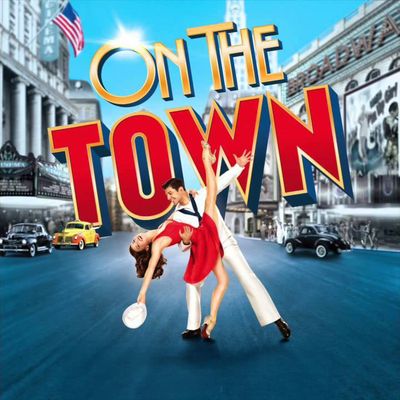
Tony Award® nominee Tony Yazbeck has starred in ten Broadway shows, including On The Town, Gypsy, and Prince of Broadway, among may others. Next up, Tony stars as Cary Grant in the highly anticipated new Broadway musical from James Lapine and Tom Kitt, Flying Over Sunset, opening this fall at Lincoln Center Theatre’s Vivian Beaumont Theatre.
For tickets to Tony’s show at Feinstein’s/54 Below, visit https://54below.com/events/tony-yazbeck-3/
Watch Tony’s sensational performance from On The Town to open the 2015 Tony Awards: https://youtu.be/ljo9h5f5Bl8
The Feinstein’s/54 Below podcast is hosted by Nella Vera and Kevin Ferguson, and produced by Bailey Everett and Michael Allan Galvez, with support from the Feinstein’s/54 Below marketing staff.
Original artwork design by Philip Romano.
Transcript
This transcript was automatically generated and might contain errors.
[0:00] Kevin Ferguson: Good evening, ladies and gentlemen. Welcome to the fabulous Feinstein's/54 Below. Before we get started this evening, just a polite reminder please take this moment to silence your cell phones. Also, there is no flash photography, please.
[0:23] Kevin Ferguson: Welcome to the Feinstein's/54 Below Podcast, where we take you behind the scenes at Broadway Supper Club. I'm Kevin Ferguson, the club's assistant programming director, and our guest today is a triple threat actor, singer, dancer who always wins his signature style at Feinstein's/54 Below, offering a little song, a little dance, and a whole lot of love. This Tony Award nominee, Tony Yazbeck, has starred in ten Broadway shows, including On the Town, Gypsy, and Prince of Broadway, so many things. Next up, Tony is planning on playing Cary Grant in the new Broadway musical Flying Over Sunset, opening this fall at the Vivian Beaumont Theater. Everybody, help me welcome the one, the only Tony Yazbeck.
[1:14] Tony Yazbeck: Welcome, Tony.
[1:15] Tony Yazbeck: Hi, Kevin. Thank you for welcoming me. Appreciate it. This is so exciting. I have seen your show at 54 Below a couple of times because I used to work with the front door team and the box office. I used to watch your show through the screen. You're just so talented. I'm so excited to get to chat with you.
[1:31] Tony Yazbeck: Oh, thank you. Thanks, Kevin. I, uh, you got to see me in many evolutions. I've come to 54 many times through the years. I'll never forget the first time I was there. You probably saw me all nervous pacing by the front door or something before my first entrance. Never had done it before.
[1:50] Kevin Ferguson: No, you've never looked nervous to me. You've always started and yeah, growing up a theater kid, tap dance was like my favorite thing, so seeing you do your thing is always so exciting.
[2:02] Tony Yazbeck: But thank you, thank you. I love putting song and dance on the stage. It's really fun. It's a small stage, but you get to jam-pack it with a lot of energy.
[2:11] Kevin Ferguson: Yeah, you do it so gracefully. It's so crazy. I tried to tap dance on the 54 Below stage one time and almost flew off the stage. So you nail it. It's such a tight space.
[2:21] Kevin Ferguson: But we're gonna talk all about your show and all about your tap dancing. But first, let's just talk about this feeling of coming out of 2020 and getting back on a stage. Is the 54 Below stage for your show gonna be your first time getting back on a stage since the pandemic, or have you been able to get back on one and how's that been since the shutdown?
[2:43] Tony Yazbeck: Well, I've been on a few stages. The first time I've had a stage with an audience was actually recently, about a week and a half ago in the Napa Valley region, and it was about a couple hundred people outside in the middle of a vineyard. So it wasn't quite a theater, but wow, seeing live faces for the first time. But it's been 18 months since Flying Over Sunset was shut down. Wow. That I'm finally seeing actual faces and not a Zoom recording. And then the second time was just recently in the Hamptons doing a Crazy for You concert out there with Susan Stroman. But this one for me, this is the first time with an audience in New York City. And it's gonna be quite emotional for me because New York is my city.
It's been my city since I was a kid. Since I first did my first Broadway show with Gypsy in Gypsy with Tyne Daly. I've seen so many evolutions of this city, and I've seen it be down and out and I've seen it be thriving. And we're in a place right now where we need some mending. But I've seen it come back and it's gonna come back again and I'm so excited to be a part of it.
[3:55] Kevin Ferguson: Yeah, we are excited to have you back. I feel like everyone is in this weird place of like, wow, I'm getting back on the stage. This is happening and it's really exciting and a little nerve-wracking, but I think mostly everyone is just really excited to finally either get back on a stage or see somebody back on a stage, you know what I mean?
[4:15] Tony Yazbeck: I think so. I think it's, um, I think we took a lot of it for granted early on, at least I did. I've always been one of those actors who just love to work, work, work, work. And sometimes we forget it's not just about the next thing we're doing or whose project is the best. Sometimes it's really just the simple act of connecting simply with an audience, what kind of magic that can inspire, you know, just out of the theater. Just it's how we can really relate to each other and say you're not alone. So I think this pandemic, you know, has brought a lot of silver linings for us in ways. There's been a lot of grief, a lot of loss, a lot of heartbrokenness, but you know what? I think we've been able to see some good things, like we've been able to get closer to our friends and family and we've been able to see what's most important. And hopefully as artists, we can instill that into what we're doing on the stage again.
[5:16] Tony Yazbeck: I know I am. I know it's even in this concert that I'm doing in 54, bringing my show there again. I know I have the ability to look at people differently out there and to share my gift for what I do in a much more intimate way, a much more honest way now. So there's definitely silver linings in it all. But yeah, it's been hard.
[5:41] Kevin Ferguson: Wow, we are so excited to come back as Broadway starts to amp up again and audiences get excited. Well, there's these beautiful venues like 54 Below, which is classic New York, that we're all gonna be excited to be performing in again. Look, the food is great there, the drink is great, people are gonna come and have a good time. I get to sing and dance for them, so I'm honored.
[6:05] Kevin Ferguson: Yeah, you said you know, Broadway coming back. That is such a crazy idea. I think everyone is still wrapping their brain around the fact that Broadway went away somewhere and now it's coming back. Is there a show since Broadway is now coming back, apart from your own that you're a part of that you're excited to see or see happen or excited to come to Broadway?
[6:28] Tony Yazbeck: I mean, I'm excited about all of them. I'm trying to think. I mean, there's some special ones. I think I had seen Hadestown the year before the pandemic sort of hit, and that really hit me on a lot of different levels with what we're going through. I think it's very of this time. I'd love to see Company coming back, not just because of some diva performances in there, but for what it really means to be with each other again. I don't think, and I know personally I'm not quite used to having a group of people around me and feeling that comfortable, and I want to. I want to feel that intimacy with people again. But to celebrate what it means to have community and any show that celebrates community in one form or another, it has a vote in my book. So I'm excited. I'm real excited.
[7:27] Kevin Ferguson: Yes. And that sense of community, that is definitely something that a lot of people on this podcast have brought up. The idea of Broadway's community just feeling very much like a family and feeling much tighter as a group than a lot of other industries, you know, the community of theater supporting each other. Now, where did you learn that idea of the community and everything? Were you always a theater kid? When did you start dancing? When did you start performing?
[7:56] Tony Yazbeck: Well, community to me actually came from Broadway. I had a really tough upbringing. I started dancing when I was four. Thank God I had dance to turn to, to express myself. It was almost like a therapeutic outlet for me before I ever felt any kind of spirituality or anything like that. I used it as a simple form of therapy. I, as a kid, because I had a sort of a chaotic childhood. We moved around a lot, parents got divorced when I was 11, and I did my first Broadway show. I always count Broadway as, you know, not just that Gypsy family, but Broadway as my second family. I always say it because I always feel at home and I never want to leave it. I feel isolated when I'm not around it. Whether I'm doing anything else in the world, traveling or, you know, if even if it's something for TV or film, it's not the same.
It's not the same kind of community. It's gonna be insane to feel that first day of rehearsal going back to Flying Over Sunset and seeing all these wonderful talented faces in the room and knowing we're about to put on a show for the first time. It's just part of my identity. It's where I belong. And frankly, I owe so much to my Broadway community. And I think there's a responsibility in all of us, but I just look at myself going, it's my responsibility to uplift the rest of us in my community to accept us, to feel a togetherness, so that there's no divide, but that we're really one strong union of Broadway performers, actors, crew members, musicians. We have a message for the world, and we want to change hearts and minds, and we have to be together to do it. So yeah, it's definitely been my second family.
[9:52] Kevin Ferguson: Yes, yes. And you know, I that is you described it perfectly just now. That is also what I feel from theater. I can go somewhere else, any other industry, and it just does not feel like they're moving as tight of a community as like the theater folks do, and I love that. And not only are we talented, we have a sense of community as the theater folks. That's great. And the fact that you're able to tap into that, and that's something that fuels you, it reads so much, Tony. When you perform, the energy you give off is just so strong. So you feeling the audience, we're feeling you too. And it's just so exciting to talk to you and hear you saying that kind of stuff.
[10:35] Tony Yazbeck: Thank you. Yeah, and it, you know, simply put, it's a lot of fun too. I mean, I wouldn't be doing this for 31 years or whatever I've been doing it professionally now if I wasn't having a blast doing it. It's a lot of work, and I've done some really tough jobs. People say, "What's the hardest job I ever did before?" Well, On the Town. I mean, it was the hardest thing I ever had to do. Yeah, you know, sing big legit arias and 10-minute ballets. So, but I wouldn't put myself through it and exhaust myself if I didn't have a blast doing it and feel like there was something possibly unearthly spiritually that I was giving to people and shaking them to their core. You know, it's ministry what we do on stage, no matter what we do.
There's part of us that, you know, we've been given these gifts, and I think it's up to us to give it back to people. That's our path. So, and that's my path. And whether it be a big stage like that or a small stage like 54 Below, it's a different message. It's a more intimate feeling of let me bring you into my living room and show you a little bit of what I do in my own studio time and tell you some stories maybe you haven't heard before, and possibly make you feel like you know you're gonna be okay, you're not alone. Those simple messages are always the strongest.
[12:03] Kevin Ferguson: Yes, definitely. And you just mentioned that On the Town was your hardest role. That was one of my questions, but it was hard, but you obviously now that you ended up getting a Tony Award nomination for that, and that is probably one of the most dance-elevated shows and singing and dancing, just that level of intensity. How did you prepare?
[12:24] Tony Yazbeck: I was in ballet class for a solid four or five months straight, like almost every day before I started because I knew this was gonna kick my butt. And I'm so glad I did that because I did walk into my first day feeling really in shape. Just even as a partner in ballet to partner someone like Megan Fairchild, who is with New York City Ballet, you know, I want to be my best, and my job is to support her in doing a 10-minute ballet where you're throwing her all over the stage. You want to feel in shape. You have a responsibility, a commitment to somebody else. So I wanted to do my part. But at the same time, you know, it was a very collaborative experience. Josh Bergasse was very collaborative as a choreographer.
He listened, he wanted to see all of our ideas, and I think that's why he was so great at what he did. Everybody, I mean, it really just takes a team of people, and that's why I thrived, because of the people around me. Other than that, though, I just I never knew a role existed like this where you could sing a huge Barry tenor legit song that was written by Bernstein, and then, you know, dance three or four ballets. That you don't see that much in musical theater. So I was so happy to find that because I did train classically, and I was a dancer my whole life. But yes, it was the hardest job I ever had, and frankly, I'll never forget like the last show we took our bows and I went down to my dressing room and I remember just kneeling down on my knees and just sobbing my eyes out, and somebody came in and said, "Are you okay?"
[14:05] Tony Yazbeck: I was like, Yeah. And they were like, Are you you know, what's wrong? I said, I never have to do that again. It was just the hardest thing I'd ever done. And to the point where I f not and not just that I I knew I I mean I knew I was gonna miss it. I knew it was one of the biggest things I'd ever experienced, but I knew I gave it everything I got, and I knew I would never regret a moment because I gave it all of my energy, and that's that's when you're sucking the marrow out of life in theater, when you feel like you've prepared, you've collaborated, you've given it at your all, and you committed to the very end. Um, and I think uh that that's what makes a good theater artist.
[14:49] Kevin Ferguson: Yeah, wow. I mean, leading up to On the Town, though, you had so much experience on Broadway with other performances. You started in the 1989 revival of Gypsy, and then came back for the 2008 revival, like you've done Gypsy twice already in different roles. How was that experience for you coming in as a newcomer and then coming back to the same show as somebody with a lot more under the belt?
[15:22] Tony Yazbeck: Well, uh Gypsy has always been my favorite show, and not just because obviously when you're a kid, you know, people say all the time things are heightened in life, your experiences are heightened. Uh you're much more hyper-vigilant of things around you. And um, sure, but I it just so happened that the show I was doing at the time was Gypsy. It was in fact arguably the best show created of all time, uh, with the best overture created of all time. Yeah, and so when you're a kid and you get to walk in the theater and you're getting dressed to a five-minute, you know, superstar overture. And you get to listen to that live every night. And arguably the best created theater of all time, the St. James Theater.
And um, I didn't know it, but I felt it in my bones. I knew this was special. That show introduced me to an understanding of what storytelling was. Because I'd always wanted to dance and maybe sing, and you know, I played the clarinet at the time, so I was a musical guy, but I didn't know what it meant to tell a story through that. And these performers did, and I watched them. I studied these performers. I studied Tyne Daly. And the reason why I was so excited to study them was because they were such kind, generous people. It wasn't just their craft, it was that they took me in and they saw me for me. And so it made me want to know more about them. And that that is the real secret of um of our business is you just have to be a kind person, a generous person.
And uh you pretty much succeed after that. But um, I watched these people, I watched Tyne, and then I watched Bobby Lambert, who played Tulsa, do All I Need is the Girl every night, and I just thought this is the best one act 10-minute scene in any show of all. It's gotta be like it's amazing, it's beautiful from beginning to end, and it's always stuck with me, and I always felt like I had the essence of that character in my bones. Um, this this guy who wasn't seen and didn't have the best childhood, and felt like he had a dream and an aspiration in him that no one else believed in but him.
[17:44] Wow. And all of these dreams that are not supported by anyone else. And he let it, he let that secret of a dream in to Louise in an alleyway and said, please don't squash my vulnerability right now, but I'm about to let you in on how much I dream of performing and singing and dancing and expressing myself. Wow. And she kept it close, and they formed a bond because you know, they found something they could connect in with each other. They weren't alone. I'd always felt that. Um I think it's beautiful. And so I took that with me as an adult and this show came back, and long story short, I I fought myself fought my way into the audition room. And I probably wasn't exactly what everyone thought Tulsa looked like, you know, coming from Oklahoma.
I mean, you know, slightly darker skinned, uh darker eyes, uh bigger guy, had some muscle on me at the time I was doing that, a chorus line on Broadway as Al, the merry guy, going from that to Tulsa, but I just felt like I knew the character and I I was grateful to to know that Arthur Lawrence believed in that as well and and took a chance on me. And it was uh sort of a role of a lifetime at that point.
[19:02] Kevin Ferguson: Yeah. Um the crazy thing is like you know, when you when you actually conquer your dreams and you play like your dream role at that time, it's hard to know what comes next. You have to start creating new dreams and figuring out what do you really want to do on this earth? How do you want to give back and help people? And how do you do that through your art? So uh that was that was the next journey was what to do after that. Because uh I sort of felt like I conquered the whole Gypsy lifelong child childhood dream thing, you know.
[19:34] Tony Yazbeck: Yeah, definitely. I feel like that is such an amazing story, and it's only one of your several amazing stories you have. Like, is there was there a mentor in those early days that you remember? Are you still in contact with them, or were you kind of just learning the ropes on your own?
[19:56] Tony Yazbeck: I've had so many mentors through the years, you know. My dance teachers, my first dance teacher, Garbus or so, Miss Gene Michelle, Miss Jean's School of Dance Arts in Bethlehem, Pennsylvania. All right. Uh those people believed in me. There's little tiny dance studio still thriving. And uh my modern teacher in college, Doug Betts, who taught me how to breathe, and realizing that the breath is everything, it's the breath is everything. Without the breath, we have nothing as artists, but some early mentors, too, for me, or um Bill T. Jones, uh, you know, being able to assist him in a few projects, and he challenged me and woke me up to what real art can be. Tina Landau has completely inspired me through her concept of viewpoints, and I take that with me in everything I do.
Susan Stroman now, the ability to collaborate with someone who's always prepared, yet always gracious and kind in every scenario, and how you can be both. You can be talented and insanely creative and yet kind and generous. You can't. Um, and so all of these people have helped to mold what kind of art I want to bring out into the world.
[21:07] Kevin Ferguson: Mm-hmm. Definitely. Well, I just feel it is reciprocated. The energy and all the knowledge and everything that was given to you. We it can we can see it. And even writers for the New York Times can see it. I'm gonna get this, I'm gonna read this quote directly from it because I don't want to mess it up. But there was uh Ben Brantley in the New York Times compared you to Fred Astaire and Gene Kelly and said, You are a complete romantic dancing actor or acting dancer who is expressive with your twirls and jetes as with your face and voice. How does hearing stuff like that about yourself being compared to Fred Astaire and Gene Kelly and being compared to this romantic dancer? Do you do you connect with that? Do you feel that? Do you agree? How do you feel when you saw that?
[22:00] Tony Yazbeck: You know, uh they're obviously my inspirations. Fred and Gene were always the first ones. That Gregory Hines was a huge one when I got into my teens and watched how someone like that could dance. I put, you know, what we all do, especially as tap dancers, all we do is steal things. We just take we take things from people we see and we try to make them our own. And we say they're that they're ours. They're not, they're they're stolen from our past generations and ancestors. And um all I can do is learn from what I like and what I don't like and take it on. And uh sometimes when I was younger, I always felt like, oh, I was born in the wrong era because of what I do, but at the same time, I feel a need for it in the current climate and where we are, whether it be using dance to just produce joy and happiness or take it dramatically somewhere where you know someone's in despair and needs to crawl out of it, whether it whatever it be, you know.
I I always send up a salute to these great people that have influenced me. You know, I I do I think I'm as good of a dancer as these people? No, no, no, no, no. I think that I've understood how to tell a story through it, and that's what people latch on to most. I think that's what being a good dancer is, though. It's not about kicking your head or doing 17 turns. Because guess what? I can't do any of that. I used to kick my head, but I can't, you know. I don't even try anymore. I I just try to tell the story, I make you believe I can. And that illusion that a story that is filled with vulnerability and honesty is leaps and bounds better than someone who can technically smash it on the dance floor.
Because it's the same thing as hearing somebody sing a high note. After two bars of music, what else are we looking at? We want to feel something, we want to be connected, we want to find that interesting quality that makes us want to sit back and listen for two hours. And so I just focus on that. I don't try to focus on being a being the best this and that. Because I mean, if you look at tap dance in general right now, tap dance is through the roof with the level of talent. It is gone. I mean, the amount of young people who are doing things I could never dream of even today, it's unbelievable. But now I now I challenge them and I say, okay, now tell a story. Now bring who you are through to it. Because that's the real challenge. And if you can meet your if you can marry your skill set to who you are deep down, then you've got something real artistic there.
[24:47] Kevin Ferguson: Now do you mentor anybody or do any any master classes or anything because I feel like this knowledge needs to be told to the children.
[24:54] Tony Yazbeck: Oh it's definitely got to be told to the children. It's it's part of uh it's part of what we have to do as artists. We've got to pass it on. Um I do I love to teach actually and um I enjoy there's a few organizations I've worked with through the years one of them being the Young Arts Foundation which is mostly stationed in Miami but they have different organizations all over the world that they work with but I I'm an alumni with them and I've directed and I've taught with them. Any young person who's in high school they should definitely go apply for the Young Arts Foundation. Wonderful scholarships and programs and everything but I I I do I I love it the the enjoyment I get out of it is that I I've watched someone blossom they come out of their shell you know they release all the demons that have been attacking them through the years all the people that say they can't do it.
You know it's so great to be able to release that from a young person because they got the rest of their lives still still to go. To watch that you know it really it inspires me and it honestly informs what everything I do as an actor I take it and I realize like oh I got more to go I got more to go here. Um so I find it to be almost prerequisite like the more I perform you know the more I realize okay now I need to stop and teach and help someone younger understand where to go next. It's like part of my job.
[26:17] Kevin Ferguson: Yes. It's how that community keeps growing. You're so knowledgeable of all of this information. You've been in the industry for so long at this point. Do you find any drastic differences between when you first came in and now in any aspect you said the talent is crazier, but is there any other thing you feel different in the culture?
[26:43] Tony Yazbeck: The idea of quote unquote Broadway has changed so much in my experience. You know, when I was a kid, you're watching, you know, I'm running from my parking garage to the St. James Stage door, and it's it's a mucky New York. You know, you got drug dealers and prostitutes, and it's it's the crime rate is high, and it's dirty, and you don't have any of those flashing lights, it's just a bunch of billboards, no LED signs yet, you know, all and and what's bizarre is I love it. And I don't don't get me wrong, there's there's nothing wrong with having a safe New York. Yes, we want that, but there's something old school uh in my heart about New York and Broadway that do it, do it. Did I know it was gonna evolve?
Yes, but did I want it to evolve in certain ways as much? No, I kind of want that feeling of what Broadway was to stick around. In in some ways it has, and it may be in some ways that's partly my job. I don't know. But it feels like in ways, it feels like there's a little, in my opinion, it's a little too much wink at the audience, and sort of this this behavior of like I I don't even know how to say it.
[28:01] Tony Yazbeck: It feels like an immature wink at the audience, how we're creating. I think this pandemic probably brought it down a little bit, and we're all just happy to get in there and simply do what we do, but there was something blood, sweat, and tears about old Broadway that I latched on to and wanted to be a part of that is not quite the way it is anymore. It's a little, to me, it's a little more overproduced now. There's probably way too many cooks in the kitchen for every show. And I'm not quite sure about the stories we're telling. You know, we got a million movies that are becoming musicals, and some of them are fantastic, don't get me wrong. I just, I question the legitimacy of are we truly taking original stories, original ideas, things that we have to tell, and putting them on the stage in a way where the music, the lyrics, the choreography, the direction, the actors can tell it in a way that it changes our viewpoints or uplifts humanity in a way that says we have to do this.
I don't know. I mean, it's a constant question I ask myself. Are we just doing Broadway to do it to say look at us belts, really high notes, or look at us dance, or look at us tell a joke, see we got you laughing. Now, mind you, we need to laugh right now. I mean, if there was a proponent of a musical comedy, it's me. Let's get crazy for you back on the stage. You know what I mean? Like, let's get these big musicals where we just sing and dance and laugh our butts off. We need it. It's the climate we need. But that being said, I just, I want us to, I want producers to have integrity and be mindful that there are a lot of scripts in the wings by insanely talented writers that are waiting for their shot. Let's give it to them.
[29:59] Kevin Ferguson: Yes.
[30:00] Tony Yazbeck: Yeah, I think it's amazing that all the new plays on Broadway are written by, you know, Black playwrights. I feel like we are definitely in some kind of Broadway shift right now. And I'm excited to see where it goes, you know, hoping all COVIDness stays calm. And that's the thing. You know, we all want to come to the theater, but we all want to feel like we have a safe theater to come to. But I think, you know, I think the Broadway League is doing a great job. I think we just ought to stick together. I think the trick of it is we cannot divide ourselves. We have to figure out a way to point out what is unjust and look at it and bring all of us together to fix it. We cannot divide anymore. As long as we're in that sort of energy shift, we're gonna make it, we're gonna kill it, and we're gonna evolve into a better community.
[30:55] Kevin Ferguson: Well, you're definitely gonna bring us together at Feinstein’s/54 Below. Can we, can you talk a little bit about how exciting that show is gonna be? Do you have some set list secrets you can let us know about, or are you keeping it all a surprise?
[31:08] Tony Yazbeck: Well, no, I, you know, through the years I used to have a long script and all these things I used to say, but nowadays I just enjoy the audience so much. I pick a bunch of songs that I think the audience for that day is gonna need to hear. And then we just kind of talk. I like the banter, I like to connect with the audience. I like to keep it light. And nowadays, I really just want to put a smile on people's faces. So I want joy to kick in. I want people to know that not only are artists like me working on their craft still so that they can be happier, but that we're all in it together. So part of my mission in doing a solo show is to sort of wake your soul up, wake your spirit up to know that it's got energy.
I like to infuse energy in people's souls when I sing and when I tap. And sometimes when I tap dance, it's interesting. You look out in the audience and they just, they actually physically wake up. Like it's like if they were just kind of expecting something, part of them feels a shift and a surprise and a jolt to their system. That's the part I love. I love waking those spirits.
[32:25] Kevin Ferguson: Yeah, I definitely always make the jokes with my friends who are in the audience. I can see you too. I can see your face. I don't know if nothing because I'm the one on stage, I can't see you. I can see how you are reacting, and it's always nice to see the audience of the energy that's for giving them, and everyone's just having a good time. I think we're really looking forward to your show. I think, do you have any like special guests, surprise guests, or is that, is it just gonna be Tony and the stage?
[32:53] Tony Yazbeck: We might have, yes, I might have some surprise guests. I can't say what it is because everyone's got like schedules and TV schedules gonna make sure everyone's not shooting something. Everyone's so damn talented, so I have to make sure they're free. But I'm hoping, I am hoping to bring up a guest that might sing and tap up, hopefully. But that being said, yeah, but honestly my set list is sort of a plethora of things. Right now I do a lot of Gershwin because frankly just gives me a lot of joy, and I think we need, we're in the mood for that. But I do take a few things from my first album, The Floor Above Me, and that's still in the show, but maybe some newer songs as well. I haven't even, we might even learn a couple songs between now and the 21st. So I'm open.
I've always challenged myself to see how tap dance can tell a story or forward a story that is maybe a pop song or something that is a little more contemporary than your standard classic song. So I'm always looking for a new way to do that.
[33:59] Kevin Ferguson: I mean, you are so talented. You act, you sing, you dance. Can you tell our listeners a fun skill that you have that a lot of people probably don't know? Tony Yazbeck is also really strong at, is it cooking, is it painting?
[34:16] Tony Yazbeck: Let's see, you guys.
[34:18] Kevin Ferguson: Or are you strong?
[34:19] Tony Yazbeck: Well, I did, last summer, I mean, I wasn't good, but now I'm good. Last summer, my wife and I redid our entire kitchen. We knocked down a wall, and we completely gutted our kitchen with the help of a great friend of ours, Chris Johnstone, who helped design it. And we did a full-on DIY kitchen reno with everything gutted, and I never thought I could do anything like that in my life. But when you're in a pandemic, you have some chance to do that. Just a little time. And we did it, we did it much way cheaper than hiring people, thank God. And that has changed my life and put a newfound respect on people who work with their hands and can craft and like build houses. It's just, that's just a beautiful art form to me. And so I have deep respect for that.
[35:12] Kevin Ferguson: Oh wow, look at that. Acting, singing, dancing, home renovation. Tony Yazbeck does it all! Is there a role that you feel like you still really want to play, a bucket list kind of role? Even if you know it's kind of like a miscast, do you have one?
[35:13] Tony Yazbeck: Sure. One that I think that I could sink my teeth into, I almost got the chance to do it a few years back, is George in Sunday in the Park with George. I've always been attracted to this musical. I've been listening to it since I was a kid, and there's something that I keep reconnecting to and finding new meaning and finding a deeper resonance in as I get older, being an artist and understanding how to give all of your energy to your art but also all of your energy to your relationships at the same time. And that sort of that balance, that juxtaposition, and how you work all of that has been a really interesting way of, I don't know, I just, I've always wanted to sink my teeth into that role and see what else I could find through that.
Part of me selfishly just wants to grow more as a person by playing that part. But at the same time, I mean, the music is stunning. James Lapine, who I'm working with now at Flying Over Sunset, he knows it's like my favorite show right now. I got to see the revival, the London cast revival back at Studio 54 years ago. Just cried my eyes out the entire show. People in the row were looking at me like, this guy is having a moment. And it just hit me like a ton of bricks. And you know, the song "Sunday," oh my gosh, if there's not a song and anthem that hits me so hard about where we're at as a community through this pandemic and how we just simply want to be together in peace in one community to be able to experience what life has to offer in a simple way, it's right now. And that song "Sunday" to me is all about that.
[37:35] Kevin Ferguson: It's such a beautiful song. So I could totally see you killing that role, like nailing it. Definitely, we gotta make that happen. Who do we gotta call? What phone numbers we gotta dial to make sure we see Sunday in the Park again?
[37:49] Tony Yazbeck: We got some rich friends, we gotta get some, anybody who owns a theater, you know, there's a lot of factors. No, we gotta get you to do Flying Over Sunset first, because I know everyone is really excited about that. It was shut down during the pandemic, so you gotta do that. Was there a weird feeling during the pandemic, just like being paused? Did it feel like that at all?
[38:11] Tony Yazbeck: Well, yeah, because we were supposed to have our first preview that the night we got shut down. We were supposed to have our first audience. We've been rehearsing for six weeks, and we were supposed to put a preview on at 7 p.m. and at 12:30, we were shut down. We were in our rehearsal, and I mean, the entire cast was heartbroken. Because you should have seen the faces as we go through the stage door thinking we have a show tonight, we can't wait to show them our first shot at this, and we're being called into the auditorium. What we thought was gonna be three weeks ended up being now eighteen months, nineteen months. Yeah, it was tough because, you know, I felt like we had a product that we could, we were really proud of, and I was really in shape.
And, you know, a couple months later I didn't feel as in shape, and I felt like what's gonna happen to our show? And all those feelings and doubts raged through your head as this pandemic went on about will Broadway ever come back? Will I ever do what I love again on stage? We've been just so isolated. I mean, we can all relate to all of the demons that have hit us through this, through the isolation and the fear and the doubt, and we've all had friends and family who have passed away from this. It's just been really hard. So just simply coming back to anything right now makes me the happiest person ever.
[39:43] Kevin Ferguson: Yeah, so I'm excited.
[39:46] Tony Yazbeck: Well, we are the happiest people ever here at Feinstein’s/54 Below because we know how busy you are and we know how crazy life has been getting back on a stage. So the fact that you're coming back, I know people are so excited. Like this, I'm excited for sure. I'll be there cheering you on. I think everyone, do yourself a favor and go get tickets to Tony's show at Feinstein’s/54 Below. It's gonna be on September 21st and September 22nd at 7 p.m. The box office is open. They will help you. Tony, is there anything you wanna say about your show before we head out?
[40:23] Tony Yazbeck: No, I mean if you guys wanna have a good time, have some good food and drink and watch some good singing and tap dancing, come hang out with me. I promise a good time. Let's get together again, people.
[40:37] Kevin Ferguson: All right. Well, you heard it here. You can catch Tony Yazbeck on September 21st and 22nd at 7 p.m. at Feinstein’s/54 Below. Come and enjoy an intimate evening of your musical favorites to brighten up your spirits, y'all, and infuse joy into your soul. Okay. If you didn't feel that, I don't know how you're gonna feel anything, okay? Get your tickets. Tony, this has been so exciting talking to you. Do you have any social media plugs that you would love to tell people to follow you on?
[41:09] Tony Yazbeck: Yeah, sure. I'm on Instagram and Twitter. You can find me there, Tony Yazbeck Official, I think. Something like that.
[41:15] Kevin Ferguson: All right. I don't know. I'm checking. You'll find me.
[41:18] Kevin Ferguson: All right, and I'm your host, Kevin Ferguson. You can find me on all social media platforms under Kevin Ferg underscore. Tony, it was so nice chit-chatting with you.
[41:27] Tony Yazbeck: Pleasure, Kevin. Thank you so much.
[41:28] Kevin Ferguson: Thanks again.
[41:33] Announcer: You've been listening to the Feinstein’s/54 Below podcast, part of the Broadway Podcast Network. Subscribe and rate us on Apple Podcasts or your favorite podcast app.
© Broadway Podcast Network, All Rights Reserved