

Drama Desk nominee and entertainment dynamo Ann Morrison talks about Merrily We Roll Along, Sondheim, and her multi-hyphenate work as an artist. Assistant Director of Programming Kevin Ferguson hosts. “From the first moment, she proved to be an entertainment dynamo.” -Steven Suskin, Playbill... Read More
From the show: The 54 Below Podcast
Featured Shows
About
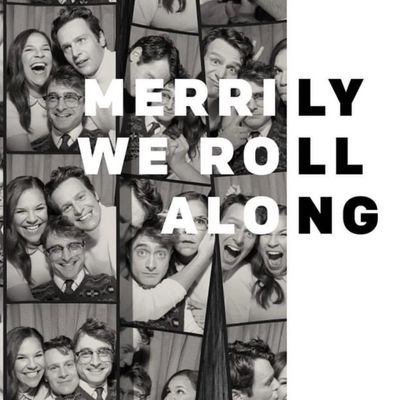
Drama Desk nominee and entertainment dynamo Ann Morrison talks about Merrily We Roll Along, Sondheim, and her multi-hyphenate work as an artist. Assistant Director of Programming Kevin Ferguson hosts.
“From the first moment, she proved to be an entertainment dynamo.” -Steven Suskin, Playbill
Ann Morrison is back in town with her new cabaret, including insights and never before heard tales of Merrily We Roll Along from the perspective of her award-winning character Mary Flynn. Forty years later and a few years wiser, in her signature playful and heartfelt style, Annie reprises the Stephen Sondheim songs she had the honor of introducing to the world.
For more information about Annie's upcoming in-person and livestreamed shows, visit 54below.com
The Feinstein’s/54 Below podcast is hosted by Nella Vera and Kevin Ferguson, produced by Michael Allan Galvez with support from the Feinstein’s/54 Below marketing staff.
Original artwork design by Philip Romano.
Follow Kevin Ferguson on Instagram at @K.Ferg_
Transcript
This transcript was automatically generated and might contain errors.
[0:00] Kevin Ferguson: Good evening, everyone. Welcome to the fabulous Feinstein's/54 Below. Before we get started this evening, just a polite reminder, please take this moment to silence your cell phones and also there's no flash photography, please.
[0:16] Kevin Ferguson: Hello everybody and welcome to the Feinstein's/54 Below podcast. My name is Kevin Ferguson. I'm an assistant programming director here at the club. And today's guest is the one and only Ann Morrison. Ann Morrison is back in town with her new cabaret, including insights and never before heard tales of Merrily We Roll Along from the perspective of her award-winning character, Mary Flynn. Forty years later, and a few years wiser, in her signature playful, heartfelt style, Annie reprises the Stephen Sondheim songs that she had the honor of introducing to the world. Everyone, please help me welcome the one and only Ann Morrison.
[0:56] Ann Morrison: Hello, Kevin.
[0:57] Kevin Ferguson: The crowd goes crazy.
[0:58] Ann Morrison: Crowd goes crazy.
[1:00] Kevin Ferguson: Most people are going, who? They're gonna find out after this podcast because you are legendary. You have been part of the Broadway scene for so long with iconic shows. We're gonna get into all of it.
[1:10] Ann Morrison: Okay.
[1:12] Kevin Ferguson: Okay, I'm ready.
[1:13] Ann Morrison: Yes.
[1:15] Kevin Ferguson: All right, Miss Morrison. Now, do people call you Annie or do people call you Ann?
[1:20] Ann Morrison: Professionally it's Anne, A-N, and not an E at the end of it. But the whole world calls me Annie. In fact, when people say Anne, I never turn around to look. And I think they're talking.
[1:33] Kevin Ferguson: Aren't you Ann Morrison?
[1:35] Ann Morrison: Yeah, but I'm really Annie. So yeah, Annie is perfectly all right.
[1:38] Kevin Ferguson: I love that.
[1:39] Ann Morrison: All right.
[1:39] Kevin Ferguson: Hey Annie.
[1:40] Ann Morrison: Okay.
[1:41] Ann Morrison: In fact, my last memory, my last memory of Stephen Sondheim was at Hal's memorial. Lonnie Price and Jim Walton and I were invited to come and sing "Old Friends" from Merrily. And I thought it was interesting because I thought, well, Daisy and Judy Prince, why that? It wasn't Hal's big hit show. And he said, "No," and I said, "That song is everything about my dad, even the fight in the middle of the song." So we're done. It was a glorious night. Limon Wells says, "Annie, you should have seen Steve's face for the whole thing. He was practically crying." So I come down to say thank you for inviting us, and Steve is shuffling, because he just turned 90. He's shuffling his feet along and he goes, "Annie." And that's my last memory of him.
[2:29] Kevin Ferguson: Wow.
[2:30] Ann Morrison: So he even called me Annie.
[2:32] Kevin Ferguson: Even Stephen Sondheim called you Annie.
[2:35] Ann Morrison: Well, listen, everybody, we got Annie on the podcast today, and she is ready. I want to hear more of those stories. Like there are so few people, yes, like Stephen Sondheim and just the other legends that you were evidently in your career is just so amazing. But let's get into it for the folks that don't know you at all. Let's go back. Let's talk about how all artists just went through that crazy thing called a quarantine.
[2:58] Kevin Ferguson: Okay. The world is finally back kind of as normal as I think it's gonna be. Is this your first time coming to 54 Below or getting on a stage since everything kind of went crazy in 2020, or have you had the opportunity of doing a little virtual performances?
[3:15] Ann Morrison: I have a theater company down here in Sarasota, Florida, where I base myself. Doesn't mean that I have here only, but this is where I hang my hat. And we have a little company called Sara Solo Productions, which celebrates solo artists. So my cohort, Blake Walton, and I decided to create this program because we were part of the United Solo Festival in New York, and I love solo theater. And when I say solo theater, I mean all aspects of it, whether it's spoken word, whether it's a solo play, autobiographical, biographical, whether it is a solo cabaret show, whether it's a solo musical. For me, a cabaret show is a solo musical. You name every kind of way of comedy, any way that someone's on stage alone to celebrate storytelling in their unique way is what we would celebrate.
And we wanted to help people develop their solo material. So we've decided to have a festival to get our community used to the idea of the patchwork quilt of kinds of solo performances there are. But always in the very beginning, helping people develop, helping people develop, helping people develop.
[4:20] Ann Morrison: So in 2020, I got a chance to do in our festival a show that got us involved in the United Solo Festival. It's a solo play called "Linda Lovely Goes to Broadway." And it was during a time that I was working with persons with developmental disabilities, and one of my little actresses was a woman with Down syndrome. And she was the reason I think I came to the planet. I was supposed to just meet this woman and have this amazing experience with her. And she created a musical. I screamed Stephen Sondheim several times. How do I help her write a musical? But I just stayed out of her way. And she always wanted to be Laurie in Oklahoma. And so I gave it she her Oklahoma was more like Rogers and Hammerstein meets Eugene Ionesco, which is fantastic.
Perfect. But I wrote a solo play about her mission in life. I work with people and I focus on what their deeper core mission might be. And working with her and her going into her Alzheimer's, I think I had a sense of that. And that's what the play's about. So it's not so much that we're exploring the minds of a person with Down syndrome or that she's going to Alzheimer's. We have to know that. But it's a much deeper journey. So I did it in 2020. It looked like we were gonna tour with it and then boom everything came to a halt. But we kept trying to figure out our company. So being live on stage was just recent. I mean for myself. I got a chance to do another cabaret show that I had done at 54 Below back in '18.
It was called "My Furniture Set." And again, I do cabaret I don't stand up and sing my favorite songs and it was written by so and so I don't. It's more like a little mini musical. And people go you're singing about furniture but it wasn't singing about furniture. I was telling personal story because we're all stimulated by furniture. And so I had a chance to do that one more time before I had a breakout even having been vaccinated and had my booster shot a little breakout but hey it was like gone. Boom. It was so that took the fear level away from me like I feel like oh hey now it feels like an endemic not a pandemic. Let's move on with stop being afraid. We can't do this anymore. We've got to buck up or we can't heal. We can't heal when we're in constant clutch of fear and pulling back.
[6:44] Kevin Ferguson: Yeah.
[6:44] Ann Morrison: So let's just relax and get going again.
[6:49] Kevin Ferguson: Yes, relax. I love that though it was very scary times for you you were still out here creating and helping other artists create. That's so awesome.
[6:58] Ann Morrison: Oh hey we went online you can with solo theater. I mean, we did a whole festival. We work in the schools too. We are in Booker High School, which is a visual and performing arts center, and we are now part of the curriculum. The juniors are learning solo theater development, which is great. It becomes their wild card getting into college. We work with a middle school that's also a performing arts school, doing an intergenerational program where they have to write monologues based on the elder that they just interviewed. And we're getting ready to scale it out and branch out doing stuff. It's very, very important. So all during that, we had to have those kids, we had to teach them online, and that was bizarre.
But they had to go away and create a so because they have to do 10 minutes of maybe a larger piece that they would do. It might be a cabaret style, it might be autobiographical solo play, it might be multimedia, it might be performance art, it might be spoken word. I mean, these kids really went for it. And because they had to have a camera, they created these amazing performance art pieces on film. So we learned a new step. I would never say again, hey, sure, if you want to do more multimedia behind you and interact with it, let's go for it. We learn a new tool. We learn how to stream, we learn. I'm just like, let's learn. What else can I learn? I become a nerd, I become a sound engineer nerd now.
[8:19] Kevin Ferguson: Yes, yes.
[8:21] Ann Morrison: The pandemic definitely taught us all a lot more about technology. And it to me, maybe I'm an optimist, but I felt that the experience, as horrific as it was, and we lost a lot of people on the planet. That's always a tragedy. But we had to stop and slow down and reassess who we really are. And I think we will never again be any generations like my dad's generation, which was you got a job, that was your career for your life, and that was what you did. We don't do that anymore. We are constantly reinventing ourselves all the time. And COVID really proved that we could have the courage to do so. Because things would collapse. Theaters had to collapse, they couldn't survive. But so everybody had to get really creative really fast and slow down and keep it simple.
[9:17] Ann Morrison: I missed the slowdown. The slowdown was so fun for me. I slowed all the way down. Cause you know, in New York City, you're go, go, go, go, go. So the idea of having that chance to slow down, I've really took advantage of it. Now the city's back and it's kind of moving to its same fast pace. And I'm like, wow, we had something special in those that time.
[9:36] Kevin Ferguson: Right.
[9:36] Ann Morrison: I was in New York for March the 10th, because I was at 54 Below doing a jazz concert and doing some Sondheim jazz, which was a lot of fun. So fun to be with a band and they were so fantastic. And get to play with my jazz voice that I like to play with every once in a while. But I it was so weird to be back in New York after so long. And to be in Times Square, what was kind of like this is the way Times Square should be. There shouldn't be this many people. I shouldn't have to fight past people going into MM store, you know.
[10:08] Kevin Ferguson: Right, right.
[10:09] Ann Morrison: But at the same time it was scary, so we didn't know to appreciate it. You know what I mean? It isn't in that weird way that we're able to appreciate it now. I'm just happy to hear because I like to ask all the artists that come on here like how that experience was for them. Cause I think for the listeners and theater fans, it is really good to hear that we all was there in it together, feeling the same kind of fears and taking the same kind of rest. But staying creative.
[10:35] Ann Morrison: Yeah, the creativity online that people were doing. They were finding ways to communicate through Zoom.
[10:40] Kevin Ferguson: Zoom, I will never give up Zoom.
[10:43] Ann Morrison: I don't want to do a little board meeting again in person.
[10:46] Kevin Ferguson: Right.
[10:46] Ann Morrison: Sorry. Zoom made their staple in the universe for sure. It was a smart, smart thing. I know some people are Zoom fatigued, but I don't care. I think I look better on Zoom than in person. Okay. You don't have to leave your house to go to a meeting. You can be right there on your couch. Come on, Zoom. My skin looks always so good. Put a little filter on it. Get out. No, and you don't need any kind of skin. No filter. Stunning.
[11:13] Kevin Ferguson: This is so exciting to have you though, because now you're back. And you have a new show full of in your description of your show, it says never before heard stories from Merrily We Roll Along.
[11:24] Ann Morrison: Which is the case.
[11:24] Kevin Ferguson: Well, if you're my friends.
[11:26] Ann Morrison: Right. Might have heard them. When Jennifer Tapper asked me if I would come and do a solo piece again. And I said, do you want me to come back and do my furniture set? Because I only did it one night. She said, sure. Or you could do a Sondheim thing. I like a Daddy. Or you could do a Sondheim thing. I think she's hinting something. I said, won't New York be tired of Sondheim by then? She goes, nope. Nope. They'll never be done with Sondheim. I went, okay. So I thought about it. I said, what would be a fun story to tell? And my cohort, Blake Walton, we used to be married. We have a son together, but we had this company together. He said he wanted to start interviewing me because, in the best worst thing that ever could have happened, documentary that Lonnie Price did beautifully together.
A lot of things went on the cutting room floor because he found this documentary tapes from the past. And I'm not really a part of any of that because my story started later. And he said, gee, I wish some people could hear one one on the cutting room floor. And oh yeah. I think I need to tell the cutting room floor stories.
[12:28] Kevin Ferguson: Yes.
[12:28] Ann Morrison: So that's what this is. Wow. It is. And I'm singing merrily backwards, like it is. I'm singing the songs that I sing, but as I say in the piece, I'm not a historian. I don't really care about the what happened stuff. You can read that in a book and there's plenty of them. I'm an actor and a storyteller. I'm more interested in how it felt. So the whole storytelling is from the perspective of what I can remember, since I say we only remember our last remember. What the feelings were. So now I can approach a song that even I sang in the show with a song being a different metaphor relating to the story that I might be telling. And that was a lot of fun to put together. So I get to reinvent for me some of that material.
And sing a little bit of other people's material that I didn't actually sing, but I'm using it in my storytelling to maybe have an emotional connection to something I just said. Because Sondheim already wrote it. I just have to re-look at it and put it in context of what the story I'm telling. It's really a lot of fun. And a parody.
[13:41] Kevin Ferguson: Yes. Yeah. I love that you take, you know, I love what you said about cabaret and how some people get up there and just sing their favorite song. And some people get up there and they do cabaret, but it's still a story the whole time.
[13:54] Ann Morrison: It's basically like a one-person musical.
[13:57] Kevin Ferguson: I love that idea.
[13:58] Ann Morrison: I am excited to hear these stories because I think just the story from the book that I read about you is impressive. Just the idea of Merrily We Roll Along was your Broadway debut, but you were also originating that role at the same time. Did you feel that at the moment, or was it kind of like you just booked another show? Did you feel the weight of the original role?
[14:19] Ann Morrison: I was already a professional actor. I had my union card, I've been working. I know that a lot of the cast, I mean Hal Prince and Judy Prince had the great idea. Wouldn't it be fun to do a show with high school kids? Because when you go to, and it wasn't till I saw Daisy Prince, their daughter, who did Merrily with us, but then go back and do her high school show. I know what they're talking about. It's that enthusiasm and rawness that's so fun, but you can't do that on Broadway without commenting on it in the way. It didn't quite work. I got it, I got it, I knew what he wanted, but I don't think you could pull it off. Because then it just looks like a high school show on Broadway, and why are you paying at that time top ticket price was thirty-five dollars.
[15:04] Kevin Ferguson: Oh my god, it was so expensive.
[15:06] Ann Morrison: I know, right? I wish. I mean, I wish. And the cool thing about Hal Prince, back in those days, he really encouraged the theater. So you in those days could for five dollars, you could buy a ticket and do standing room in the balcony, and for ten dollars you could do standing room in the orchestra, which is why during that whole preview period, people got a master class in musical theater development. It was really quite amazing. And I really thank Hal Prince for loving the theater that much and allowing students and people to have that chance to be part of it that way. I don't know if many producers do that now, but he was old school, he was an old dinosaur, and I'm gonna miss him so.
[15:49] Kevin Ferguson: Oh yeah. I mean, so legendary. I mean, that's why I think this call, this podcast is so fierce, and like you have direct connections and memories with legends in the Broadway world.
[16:01] Ann Morrison: Oh, and I've got hell stories that are fun.
[16:03] Kevin Ferguson: Oh yes, we'll have to come and see them.
[16:06] Ann Morrison: Okay, listen, I think that that is so fun because we know that you're reliving these moments with us, and just the joy to watch you retelling the stories. It's gonna be so fun. All right. And for me, I always say to my students who are developing a solo piece, make sure you have those aha moments in there so that it feels like you are discovering something too with the audience. Otherwise, you're just doing a TED talk. You're supposed to be, this is a theater piece. It needs to be theatrical. Allow you who are a character, you're playing yourself, but you're playing yourself. Allow you to have those aha moments. It's exciting and thrilling when the audience feels that you've made a connection as well. And so that's fun. I allow myself to rediscover and have several aha moments with the audience.
[16:58] Kevin Ferguson: Yeah. Well, speaking of aha moments, when was it that you realized I'm on Broadway? Did was there ever a moment when you like went from being a working actor to being a Broadway star in this new Stephen Sondheim? Did it ever feel like that or no?
[17:17] Ann Morrison: Well, I guess, yeah. I think we were just so in awe of what was happening. I came to New York after earning my union card through the Burt Reynolds Jupiter Theater. I mean, I had been there for 52 weeks, I've done five equity shows, so I really deserved my comfort. Burt Reynolds had said on the Dinosaur show, because he had featured all of the apprentices that were there. He said, Ann Morrison, this is the one that's gonna be on Broadway Island, I bet within a year. He was off six months. But I came to New York and I don't know, it just felt everything was right. I was supposed to be there at that time because this happened. You know, I've got my first off-Broadway show and then I got my first big regional show, which is a brand new musical called Keystone, working with Scott Bakula, you know, making his debut and stuff, you know.
So it was a fun time. And to think that I could be in a Stephen Sondheim Hal Prince musical, which I grew up with, I didn't think I could do it because I was gonna be turning twenty-five. I was too old.
[18:16] Kevin Ferguson: Yeah.
[18:16] Ann Morrison: But you'll get that story when you come and see the show.
[18:19] Kevin Ferguson: Yes, yes, yes. Okay, enough stories, because we gotta save the stories for the show. But I would love to know, because I love asking people this question, because I feel like it's a very hard question. So prepare yourself, Ann. Okay. What is your favorite Sondheim song to sing, to perform?
[18:37] Ann Morrison: I know, I know. I just asked so fast. That's a tough question. I don't know anyone who loves Sondheim can answer that properly.
[18:43] Kevin Ferguson: Right.
[18:44] Ann Morrison: But tell you the truth. Because I'll wake up in the morning and I will sing a song, "Stop Worrying Where You're Going, Move On." In fact, that's on the back of my car.
[18:51] Kevin Ferguson: Aw, that is brilliant to put on the back of a car.
[18:56] Ann Morrison: I mean, I'm gonna drive my car till it dies, you know. It's hilarious. I want to put all kinds of, I wanna write "This is Just a Moment in the Woods," or I mean, even "Cream of Wheat Has Lumps," or my favorite line is from "Now You Know" that I sang, which is "You Must Burn Your Bridges Now and Then or You'll Never Grow." I love that line.
[19:15] Kevin Ferguson: I love that line.
[19:17] Ann Morrison: That's true. I love that line. He wrote some real stuff.
[19:20] Kevin Ferguson: He wrote some real stuff.
[19:22] Ann Morrison: You know what I mean? If you like just really read the lyrics, you can start crying just from reading the lyrics, and then you hear the harmonies, and it's just like, I'm a mess. I'm a mess. Anytime I see Into the Woods, I'm a mess.
[19:29] Kevin Ferguson: I know.
[19:32] Ann Morrison: Well, and it's funny because when you're young and you appreciate musical theater and you're performing as a young person, you understand Sondheim as a young person. And then you have more life experience. And then you go back into that song and you go, oh, that's what that line meant. And you do that till you're 90 years old. Because life keeps filtering in. I mean, it was brilliant that way. I've been singing a line in the song for over and over and over again. And then one day I was singing it and it went, ah. Whoa. That's what that was about. I had no idea the depth, the layers of that particular line. You don't get it till you have some life experience.
[20:11] Kevin Ferguson: Yeah.
[20:12] Ann Morrison: And that's what I love about Sondheim.
[20:14] Kevin Ferguson: Oof. You're right. That's so true. It's so deep.
[20:17] Ann Morrison: So I don't know if I can answer that properly. I think when I wake up in the morning, it's a lyric of his will hit me. And I love the way he weds lyric and music. They're just so beautifully matched. When I do a vocal performance class with students, I'll say, let's just separate the lyric and the music. We'll explore what the lyrics are and blah blah blah and all that stuff you do. I said, All right, now let's just sing the tune and tell me what emotionally is going on. Because it's your emotional body that's a wetic to the words, right? Do they fight each other? Are you perhaps singing the lyric along with the music when maybe perhaps you should be fighting against it? Just to find another layer in it.
So sometimes I'll just hear a tune and all of a sudden, that's my favorite song at the time. It depends on the day. It depends on the weather. And Sondheim, if any of you women out there who sing Sondheim know, he favored the male keys. People will sing, how the hell did you sing "Old Friends," Annie?
[21:18] Kevin Ferguson: Right.
[21:19] Ann Morrison: I said, it was hard.
[21:21] Kevin Ferguson: But you're a star. You're so fierce. Of course, you like you just nailed that.
[21:28] Ann Morrison: I think it's so amazing because you've had such a full career. And most people, after having the accolades you have, they just sit down and chill. You know what I mean? But you—
[21:36] Ann Morrison: No, no, no, no.
[21:38] Kevin Ferguson: Yeah.
[21:39] Ann Morrison: So inventing myself.
[21:40] Kevin Ferguson: Yeah, I love that. Especially with the Kaleidoscape.
[21:43] Ann Morrison: Did I say that right? Kaleidoscape?
[21:45] Kevin Ferguson: Kaleidoscope.
[21:46] Ann Morrison: Kaleidoscope. Well, I'm not with anyone with that. I don't have that program anymore.
[21:49] Kevin Ferguson: Oh, okay.
[21:50] Ann Morrison: That was a period of time, yeah.
[21:51] Kevin Ferguson: Were you the co-founder at the time?
[21:54] Ann Morrison: Co-founder and the artistic director of that program for so I started that in 1995. I took that into about 2016, and I said, Okay, it's all yours, baby. I'm it's time to move on. I got a solo play out of it.
[22:07] Kevin Ferguson: Right. Do you remember the day or the event that made that inspired you to start that?
[22:13] Ann Morrison: Yeah. I was working doing cabaret, solo cabaret down here in a place here in Sarasota, which doesn't exist anymore. We don't have a really good listening room. I wish, you know what, okay, one of my dreams is to be the host of a listening room, cabaret listening room. Yes. Like I would love that. Anyway, there was a beautiful one down here. And my accompanist then, my musical director, and I said, Musical theater is a whole brain experience. Wouldn't it be great if we could create a musical theater program for some population of people that could really benefit with that whole brain experience? I at the time, because I'm dyslexic, thought maybe it'd be learning different kids. Well, a casting director told me, you know, Annie, half the industry is dyslexic.
That's like duh. Oh yeah, all right. That was done. But then we got involved with a theater company that was challenged to connect with some human resource organization to create something. And they said, hey, we love your idea of musical theater. And so that's where we got connected with persons with developmental disabilities. And I didn't know, I just say yes to everything and just dove in and realized I love this population. I love working with autistic people and people with Williams syndrome and Down syndrome and different forms of intellectual disabilities, which I hate that phrase. I know they didn't want to say mental retardation anymore, so they call it intellectual disability. And there's a lot of intellect they've got.
So I maybe cognitive or something, but intellectual disability. And me being dyslexic with my own disability. I had to really learn how to communicate to so many different people so we were all in the same place. Which was really challenging and fun to do. But yeah, that's what started it was how can musical theater, which to me is a whole, I mean you have the spoken lines of a play and then the character can no longer express themselves in words anymore. Their heart needs to expand and so they begin to sing and then their body can't contain themselves anymore. It becomes a spiritual experience in a way and then the body, it's just a whole brain experience, a whole brain and heart experience. There's such a connection going on there that yeah, it was like a duh. Yeah. That's the one is the moment. So that's how it got started.
[24:28] Kevin Ferguson: Yeah I love what you said about the connection to the heart and the brain, because you definitely can see it when you're in the audience and you see somebody on stage really connected to the piece and telling the story, and it just makes it so worthwhile.
[24:41] Ann Morrison: I tell one spooky story.
[24:43] Kevin Ferguson: Oh yes, please in my club act. Should I tell it now? Or should I save it?
[24:46] Ann Morrison: Ooh.
[24:49] Kevin Ferguson: How spooky is it?
[24:51] Ann Morrison: Well, it was this mysterious thing that happened. I'll tell it. If you come to the show, we want to hear it again anyway, I think.
[24:58] Kevin Ferguson: Yes.
[24:58] Ann Morrison: Or you can just go to the bathroom during that time. This is my character to bathroom. It's about mid-show. I need to go to the bathroom now. Oh, she's telling that story. I'll just go to the bathroom. People were always in my dressing room. I'd open my door after taking my costume off, and there'd be somebody in there. I was Mother Confessor. Okay. I opened my door, except I think that somebody was going to be there, and there was this little African American girl. She must have been about 13 years old standing there. And I went, hi. And she said, Are you a singer? And I said, Uh, yeah. Did you see the show tonight? I need to speak to the singer. Oh, I'm a singer. Did you see the show tonight?
God wants me to talk to the singer. And now I'm getting scared. Oh. Okay. Okay. Um. And she said, When I look into the face of people, I see the devil. I'm really scared. And I went, Oh. I said, Well, I look into the face of people, I see God. Hoping that was the—and she said, Oh, okay. Well, God wants you to know that it's through the singing. You have to do it through the singing. And I went, okay, okay. I uh I'll remember that. And she turned and she left. And I went, okay, okay. I went, I grabbed my purse and I went out in the hall and she was gone fast. And I, Lonnie, Lonnie, did you see a girl go? No, oh, you didn't see a girl. Okay. Uh, Jim, Jim, did you see—no, you didn't—you didn't see a girl go by?
Okay, run down the stairs. Uh, oh, uh, Beverly Randolph, she was a stage manager. Did you have—you didn't—you did you didn't see a girl come down the stairs? Okay. I go to Joe, who's the doorman. Joe, did you—did you—did you bring a girl in? She said, No, no, no, no girl came in here. Ann. That weird.
[26:40] Kevin Ferguson: That is so weird.
[26:44] Ann Morrison: Also, like, but you have to do it through the singing. Right. Like, it was so—the message was so strong. And I feel like for an artist, sometimes we beg for that signal, that sign, like, someone tell me that I'm supposed to be doing this artist thing. And then here's this random child in your room delivering a sign. Delivering a sign from above. That is crazy.
[27:11] Kevin Ferguson: Or somewhere.
[27:11] Ann Morrison: Or somewhere. Who knows?
[27:13] Kevin Ferguson: Or somewhere. Right.
[27:13] Ann Morrison: Yeah. Yeah. That is so, but you took her advice and you stuck with the singing.
[27:17] Ann Morrison: Something. Or well, I broke out something. Something comes out. If I sound horrible, just know it's through the singing. She told me to do it through the singing. I'm supposed to be bad right now.
[27:31] Kevin Ferguson: Oh my goodness. No, you have to tell that story. The audience is gonna go crazy.
[27:38] Ann Morrison: I wouldn't even hear it again. That is so creepy. Like, yeah. And you just made my brain. I mean, obviously you're a storyteller, but like I just pictured all of that, and I'm gonna have nightmares. So thank you.
[27:49] Ann Morrison: Go to sleepy. I'll come and sing you a lot of white tonight. Just call me up. Yes. Yes. Oh, and this is so exciting. Okay, wait, I have more questions because I know I want to pick your brain too about your process. Back to again the whole, you could be doing a cabaret number and just like singing a song, or you could be telling a story. Do you have a process that helps you bring your solo shows? Like, is there like a routine you usually do to build the story?
[28:17] Ann Morrison: Well, when I'm teaching cabaret development, I usually tell students to when you're first starting out, there's a wonderful little template that Liz Torres, and probably don't even people even know who she is, but she was an actress and I got a chance to work with her way, way back when we were doing Man of La Mancha. And she was a cabaret performer too. And she said, Annie, you should be doing cabaret. Here's my suggestion. If you get a 45-minute cabaret act together, and I'll give you a template, you have your audition material for a long time until you get older, and then you can create another one for the next template. But she said, I would suggest that the first song that you sing gives the audience the idea of what kind of evening they're gonna have.
Okay. Your second song is a bit of a throwaway because she meant meaning that the audience isn't quite ready to tune to you yet. So that's why it's good to maybe do a standard, but with your own spin on it if you want to, just so people can take that next step before. By the third number, they're yours if you're doing what you're supposed to be doing. Then you can go anywhere. You can have your emotional numbers, you can have your instructional numbers, you can do whatever you want to, so you have a full ray. When is your aha moment? When's your aha the song that you make that realization that things can change or whatever? What is your 11 o'clock number? And when you're done with your cabaret act, it's probably a good idea that your encore number, which mostly you're probably gonna end up doing anyway, you only cut it if it's gone too long, should be in contrast to what you just did.
Now, that saying, sometimes you can break those rules because I've been doing it for so long, but I sort of kind of keep to that. My show here is I won't give it away, but the song that I sing is from Merrily We Roll Along. And I originally thought I was gonna come in brassy, blah blah blah. But I realized, oh no, no, no, no. Now that I know how I'm telling the story, it needs to have a completely different tone to it. So that when you come on the stage, you kind of get an idea what kind of evening we might be having. And then I have some comedy, some things we can throw away a little bit, the things that are familiar, and then we can take the journey with me along. So for me, I like to get an idea of what the story arc needs to be.
What journey do I want to take? And then I'll if it's not Merrily's obvious, these are the that's my limitation. It has to be this show. Sort of. Right, right. Sorry. But usually then I will start finding the material that will help support, just like in a musical, you have your scene, and then the character can no longer express themselves in words. Their emotional life must be just like Shakespeare. You have your pros and your verses and your pros and your verses. That heightened thing happens when the music happens, all right. The song happens. You don't want your patter to be what you're going to sing. The song is a continuation of your journey. Quite often we tell people make sure you don't do that in your in your patter setup.
Yeah. Make sure the song is a continuation. Or it's about the emotional metaphor of what you just told me. Yeah. So that's kind of my process. And with Merrily, my limitation was I knew that it had to be Stephen Sondheim. There are some words that I say that are George Furth, but most of it's Ann Morrison. And we tell it backwards. And so a song is a metaphor to whatever story I'm telling I'm telling.
[31:35] Kevin Ferguson: Wow. Okay, I hope y'all just took notes, because that was the fastest master class I have ever taken in cabaret. I'm sitting here like, I need to remember that for my own shows. I need to slow the tape down. I just think it's so fascinating how you have broken it down to such a science. And the fact that you commented on the patter, because a lot of people think cabaret is just about the singing portion. But the patter is very important. You could lose a whole crowd if your patter's not right.
[32:09] Ann Morrison: Right. Well, I may lose the crowd because I have more patter. Well I could you stop talking and sing something again? Oh my goodness. I'm kidding. I'm kidding. And how do you know you've talked too much on the stage? Do you feel it? Or is it something that just comes naturally to you? How do you know when you're saying it's a good one?
[32:27] Ann Morrison: Well, I talk pretty fast. You have to listen quickly. As you can tell by talking to me. Yes. Yeah. If you're a slow listener, you're lost. Sorry, but you gotta keep up. No. I just go for it. I see what happens.
[32:41] Kevin Ferguson: It might just be because you're such a legend at this and you've had so much practice. Your solo shows have been written about to acclaim like they love you. I just feel like you have to mentor people now.
[32:55] Ann Morrison: This is a unique one. This is most definitely a unique cabaret show for me. Because it's everything that I do is personal anyway. I mean, I allow myself to be vulnerable. I'm not afraid to be vulnerable on stage. And there's gonna be a lot of that in this. And that part of me feels like once this is done, I can actually go on. Yes. Oh, I don't have to hold. There's still a little bit of this on my shoulders. A little bit. Aww. And I think being able to just finally say some things that I haven't been able to say or express. We'll be able to move on. Yeah. Stop worrying, where you're going. Move on. Don't get me crying, Ann. Come on now. Don't get me crying.
[33:39] Kevin Ferguson: All right. Do you perform? Do you perform?
[33:41] Ann Morrison: I do. I grew up a performer. My new passion is producing.
[33:46] Kevin Ferguson: Oh, great.
[33:47] Ann Morrison: Yeah, but I love cabaret. Well, do you want to do a solo piece? I'll help you develop it. Come on.
[33:53] Kevin Ferguson: Yes. That would be so fabulous. During the quarantine, me and my friends, we kind of put together a production company that we kind of like work under the umbrella of now. Just trying to bring shows and bring fun stories and just definitely gonna be having your advice in the back of my head.
[34:09] Ann Morrison: Well, hey, you and I are working together in the future, that's for sure. Let's do it. Go ahead and right now.
[34:14] Kevin Ferguson: All right. I feel like you guys heard it here. Okay, y'all heard it first. You heard it too. And when I call Ann and she's like, Who's Kevin? We're gonna listen to this podcast.
[34:23] Ann Morrison: Don't act like you don't know me, Ann.
[34:27] Ann Morrison: I'll never forget you.
[34:28] Kevin Ferguson: Oh, yay. Well, this has been so fabulous. I do want to ask you one last question that I just feel like I always just want to like just pick your brain about. Okay, my favorite color is green.
[34:40] Ann Morrison: Yeah, of course. No, okay. But you've been in the theater industry for so long. Is there anything that jumps right out to you that is kind of different now than it culture-wise or anything about the theater industry, Broadway industry that you feel like is a little different?
[34:56] Ann Morrison: Well I'll tell you, I was concerned about let's just talk about Broadway for a minute. Okay. Because it got it's just so expensive. When I got involved in theater, my parents were college professors in the theater. So I was dragged into the theater, kicking and screaming, kicking like a chorus-line dancer and screaming like Ethel Merman. But I loved it because my folks like to create stuff. They wrote three ballets, one opera, three musicals, art songs, theater, little all kinds of things happening. I thought that was normal. I think I've carried on that tradition in our family. I thought theater should be for everybody. And when it gets to be so expensive and out of the range that only certain elitist people can go, then something's wrong.
That worries me. And because of that, I mean a lot of people will not go to the theater. Oh, I don't go to the theater. Oh, why don't you go to the theater? Well, I could go to the movies or I could stay home and watch TV. Yeah. And that's a problem we're gonna have. We're having I don't see enough young people going to the theater. A, they're not getting it in school. As the arts programs are being stripped away. You might have music teachers coming in and art teachers, but we're not seeing a lot of dance in theater unless you're going to schools that are visual performing art schools. You know, we're in the brink of having more and more that of those cuts happen. So that's scary. And they're just young people who because they're don't they don't have it in their tradition, they don't go to that.
They much rather just go to a movie or just sing, we've got this now. Oh yeah. Do we have it right here? The whole internet in our pockets. And that scares me about a lot of young people who they don't know how I because I work with them a lot. They don't know how to socialize anymore. Theater kids do, because theater kids you peel them off the walls. But most kids don't know how to socialize. They're not having sex. I just found this out from some teachers. I said, wait, you're not having sex? It's the phone. No, that's the internet. It's the phone. It's the internet. And I think that we're gonna have to have therapy when they get older to know. I mean, because I think there are a lot of kids that have this have this attitude of I am privileged.
I have power. I can get you fired because you touched me wrong, or you didn't honor my pronoun, or all these things, which are fine for us to explore, but not to hurt other people by or have intolerance.
[37:25] Kevin Ferguson: Yeah. Right.
[37:26] Ann Morrison: I thought we were supposed to learn tolerance, not intolerance. It's interesting. We got some challenges coming up ahead. And on the theater, it's got to stay alive. Because there's nothing like there's nothing like being in the room with other people having an experience together. There is nothing like it. And you can have that in a movie theater, but then you're not having it with the actor. Right. And why I love solo theater so much, it is so terrifying. But what's brilliant about it is that you do connect with your audience so that when I'm on stage with another actor doing a play with many characters, I am a better actor because of my relationship with my audience. I don't know why to explain that.
I don't know why that makes sense, but it does. And I think when you do solo, you start to understand that you are naked. It is just you up there, and it's okay to make a mistake. It's okay. It's totally human. It's wonderful. In fact, the audiences enjoy that experience because you were vulnerable with them. You know, they got to be a part of that.
[38:35] Kevin Ferguson: Uh-huh.
[38:36] Ann Morrison: And when you're in a film, everything's fixed. It's fixed. And live theaters, you can be singing and dancing, and you sometimes have to hold up the set because it's falling down on you. And you have to make it work. Or the typewriter table falls over and the wheels break. Oh, am I giving away too much? I'm sitting here, I'm feeling like these are real moments from your real life.
[39:01] Ann Morrison: Oh, and but there's nothing like it. So please go to the theater. Go to the theater, y'all.
[39:09] Kevin Ferguson: No, it's definitely been a little bit emotional. Even with the super silly shows that I've seen since we've opened back up and seen the new shows on Broadway. Even the hilarious ones. I'm crying when at curtain call because we're all standing up in this theater, clapping for these actors all together again after not being able to do that for so long. It's been pretty emotional going to the theater.
[39:30] Ann Morrison: Yeah, and for those of us who are standing on the stage doing this for you, we are clapping at you because we had that example.
[39:39] Kevin Ferguson: No, I'm gonna start crying.
[39:40] Ann Morrison: I know what is between you and I would just see your cry emotional. No, no, but it is it definitely is I have theater in such a special place in my heart. So I feel you on the level of like we gotta do something to make this kind of more inclusive and for the artist again. Because right now it's getting right a little bit elitist, and the kids don't even get to do it in their schools anymore. It's just getting it's getting scary.
[40:04] Ann Morrison: No, no, it's not good.
[40:06] Kevin Ferguson: Oh, wow. Well, and let me tell you, this conversation has been so uplifting. I also am so happy we had this conversation. I'm so excited for your show, too. And everyone.
[40:16] Ann Morrison: Well, I adore you, so we gotta keep connected.
[40:19] Kevin Ferguson: Let's connect for sure. Because I am here. I'll definitely be in town for your show May 17th, everybody.
[40:26] Ann Morrison: May 17th, seven o'clock show.
[40:28] Kevin Ferguson: All right, yeah. All right. And it's gonna be fun.
[40:31] Ann Morrison: Yeah. It's as Blake says, it's gonna be historic.
[40:34] Kevin Ferguson: Yes. It's gonna be a part of history.
[40:36] Ann Morrison: Wow.
[40:38] Kevin Ferguson: Wow. Well, I know I've said this a million times, but one last question before we leave. Do you have a daily mantra or words you wake up and kind of like help you move through your day, or a saying that helps you move through your day to end out the podcast?
[40:51] Ann Morrison: Okay, now you know.
[40:53] Kevin Ferguson: Ooh.
[40:54] Ann Morrison: Okay, now you know.
[40:56] Kevin Ferguson: I love that.
[40:57] Ann Morrison: Yeah.
[40:58] Kevin Ferguson: And Annie, Miss Morrison, the one and only. Thank you so much.
[41:03] Ann Morrison: Yeah, come out and play with me, everybody. Come and play with me.
[41:07] Kevin Ferguson: Yes, we're gonna have fun. Come play with me. You can catch her show May 17th at 7 p.m. at the one and only Feinstein's/54 Below.
[41:16] Ann Morrison: Yeah. Check it out. Get those tickets. They're on sale right now.
[41:19] Kevin Ferguson: And I'm your host, Kevin Ferguson. Follow me on all social media, and we'll catch you next time. Say bye, Annie.
[41:25] Ann Morrison: Ciao.
[41:26] Kevin Ferguson: Yeah. Or here's to us.
[41:28] Ann Morrison: Yes!
[41:32] Announcer: You've been listening to the Feinstein's/54 Below podcast, part of the Broadway Podcast Network. Subscribe and rate us on Apple Podcasts or your favorite podcast app.
© Broadway Podcast Network, All Rights Reserved