

Tony Award® nominee Walter Willison talks about Danny Kaye and Two by Two, his Pippin debut as the titular role, and the upcoming Pippin 50th Anniversary reunion. Director of Marketing Nella Vera hosts... Read More
From the show: The 54 Below Podcast
Featured Shows
About
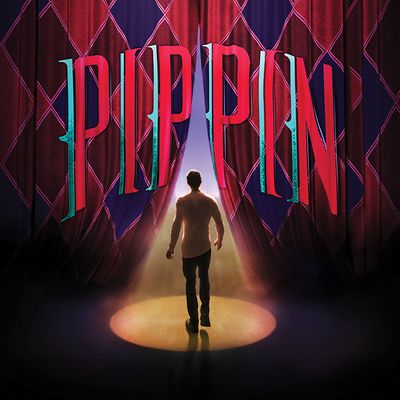
Tony Award® nominee Walter Willison talks about Danny Kaye and Two by Two, his Pippin debut as the titular role, and the upcoming Pippin 50th Anniversary reunion. Director of Marketing Nella Vera hosts.
For more information about Walter's upcoming Pippin 50th reunion show at 54 Below, visit 54Below.com/Pippin
The 54 Below Podcast is hosted by Nella Vera and Kevin Ferguson, and produced by Michael Allan Galvez, with support from the 54 Below marketing staff.
Original artwork design by Philip Romano.
Follow Nella on Twitter and Instagram at @spinstripes.
Transcript
This transcript was automatically generated and might contain errors.
[0:00] Nella Vera: Good evening, everyone. Welcome to the fabulous 54 Below. Before we get started this evening, just a polite reminder, please take this moment to silence your cell phones and also there is no flash photography, please. Welcome to the 54 Below podcast. I'm Nella Vera, the club's director of marketing. Our guest today is Walter Willison, who received a Tony Award nomination for his Broadway debut in Two by Two. His Broadway credits also include Norman Is That You, Wild and Wonderful, Grand Hotel, and of course the original Broadway production of Pippin, in which he was a standby for the title role before taking over as Pippin himself. On February 6th and 7th, Walter is returning to 54 Below to celebrate that iconic musical's 50th anniversary. Walter Willison, welcome to our podcast.
[0:54] Walter Willison: Well, thank you, Nella. I'm happy to be here.
[0:57] Nella Vera: So you were nominated for a Tony for your Broadway debut in Two by Two, a true musical theater dream. What was that experience like?
[1:06] Walter Willison: Oh, wow. Um, it was pretty incredible. Um, I actually got the call at uh 6:30. Craig Zayden, who was uh writing for After Dark magazine, was it where they announced it was different than, you know, that we didn't have computers or iPhones or anything. So he called me from Schubert Alley. He just came from the meeting and said, "You got nominated for a Tony." Uh, nobody knew at the theater, so I didn't tell anybody till the next day. Um, it was a wonderful experience. It was so, it was so, I don't know, it was like a dream. Unfortunately, it was kind of marred because our leading man star Danny Kaye was quite difficult and was not very happy about the fact that I was nominated and he wasn't. But um, gosh.
Yeah, it was he was really, he was really, I've talked about that too much on other, you know, on other podcasts and interviews, but he was um, as I think everybody's read or heard, really not a very nice happy man. So uh, so I, you know, he forbid anybody from publicity um, publicizing it. There were no announcements in front of the theater, so it was kind of disappointing in that way, but for the community it was great, and I was on TV and it was, you know, uh, it was just a great, great experience. It was a great, it was my dream. It was my dream, and it was a great part. Richard Rodgers, Peter Stone, Martin Charnin, I mean Joe Layton directing who just won Emmy Awards for the Barbara Streisand special.
So it was a dream team. Uh, for 1970, that was the dream team of Broadway. And um, and I've been identified with those songs ever since. So it's pretty cool. It was pretty cool. Yeah, it was great. It was great and I, as Karen Ziemba says, once you're nominated for a Tony or an Oscar, you have two extra words in front of your name for the rest of your life, you know. Tony nominee Walter. And that's pretty cool.
[2:56] Nella Vera: That's true, and it's pretty cool. I mean, definitely. I know we've heard stories about the production and they're part of kind of our theater lore. Um, including the fact that Danny Kaye, you know, who you mentioned was a comic and often improvised a lot of his bits. How did the cast adjust to that?
[3:16] Walter Willison: Well, it wasn't so much that he was a comic. Uh, let me try to give you the short version. He was, when the show opened out of town, he was terrified because he hadn't been on stage in a musical for such a long time. And he was really good. He was quite brilliant on the show. When it opened on opening night, he was quite brilliant. And he got rave reviews. Um, the cast all got excellent reviews. I got wonderful notices, the kind you dream about as a kid or as an adult. And um, and you know, they always knock the books, they knock the book, but uh, Dick's music got nice reviews, everything was terrific. But Danny just was very undisciplined. And early on in the run, he started screwing around in Ed Living a little bit, but it was uh, was really irritating to everybody.
And then it got to be February, and um, it got to be January. He was screwing around. Dick Cabot, he'd been on the Dick Cabot show the night before, and Dick Cabot said to him, "Oh, you're so graceful when you dance around," and Danny started to do his little Wizard of Oz dance that he would do on the TV show. And the next night, and Dick Cabot was in the audience. So Danny spent the entire performance making a size to Dick Cabot. And when he got to the big title song, he had a little dance number, and he started doing his little dance number, and um, and he screwed himself up, he uh pulled a tendon, and literally on stage his legs started swelling up. We sat on the arc while everybody else danced around, yeah.
And uh, the stage manager brought the curtain down at the end of the number, he went out to the hospital and he had a torn tendon. And he had, yeah, and he was out of the show for two weeks. Harry Gauz was in the show, dude did his part for two weeks, and of course, you know, you can't imagine today, but in 1970, Danny Kaye was like a superstar like Judy Garland and like, you know, Hugh Jackman. And uh, so people were coming to see Danny Kaye. They did not want to see Harry Goss. But when Danny Kaye came back into the show, he was wearing this plastic cast that was Velcroed on, and uh, it gave him the excuse to do everything that he hadn't been permitted to do. And the minute Joe Layton, we had two days of rehearsal to just, Joe's idea was restage the show like the man who came to dinner is in a wheelchair.
So why can't Noah be on crutches and in a wheelchair? Because he ate, he becomes 600 and he becomes 90. So when he was 600, he would be in the wheelchair. When he was 90, he'd be on the crutches, and they had appropriate David Hayes designed appropriate biblical looking crutches and wheelchair. But when Joe started to restage the show to accommodate that, every time something came up that Danny had never liked or had fought about and didn't want to do, he would say, "Oh, my leg, oh, I don't know if I can do this." Oh god. Oh my god. And so, yeah, so the second day of rehearsal, um, we were on stage, and the stage manager got a call, and he came on stage. So Joe's been called to California to work on a movie, so I'm gonna finish restaging the show.
Well, I called Joe right after the rehearsal. Of course, he hadn't. He said, "He's won, he's finally won." He fought for all these things in rehearsal that he couldn't get. Uh, and he won some battles, lost some other ones, and now if Joe asked him to do anything he didn't want to do, he would say, "Oh, my leg, my leg." And so, of course, he came on stage and you know, said, "I'm glad to be here tonight, I'm glad to be anywhere," and it was downhill from there. And funny thing was years later, a decade I ran into Dick Cabot, and we talked about it as I had not seen him in got 30 years. And Dick said, you know, the funny thing about that, he said he hated, he couldn't stand Danny Kaye. And so the only reason he said the crack to him about on his show about "you're so graceful" is because he couldn't think of anything else to say. So that's what provoked Danny into doing that dance, but it got worse and worse and worse.
[7:17] Walter Willison: And the week when I was nominated for Tony, he wouldn't, he didn't wouldn't go on with me that afternoon. He wouldn't do the show if I went on. So I was not permitted to go on it uh because Danny Kaye said it was either him or me. Um, when I went to the, yeah, when I went to the Tony Award party, they said that the reason that they said Danny Kaye had not been nominated because the Tony Award is for maintaining a level of excellence in the theater. And it was the first and only time in history they nominated um a replacement. They nominated Larry Kurt for Company, who would replace Dean Jones early in the run. Uh, and it was Larry Kurt, Bobby Van and Hal Linden who won. And Larry got Danny's nomination, and Ray Harris told me who was on the committee, said, you know, um, if Danny had been nominated, he would have won because a major part of the um critics had seen Danny when the show opened, and he was brilliant, but he did not deserve to win a Tony because it's for maintaining a level of excellence in the theater, which he was not doing. So they purposely did not nominate him.
[8:24] Walter Willison: Wow. And after the awards, Joan Copeland said to me, "Best thing that ever happened to you was you were nominated for a Tony. Best thing that ever happened to you is you didn't win the Tony because Danny's plane is all fueled up." You know, he had his own plane. He's at, he and he's all packed and he was ready to leave. If you had won the Tony tonight, he was hopping his plane to California, and uh the show would have closed tomorrow. And that was the truth. The week later, next week there were letters in the New York Times complaining about two actors, James Coco and in uh the Neil Simon play, and um and Danny and saying we paid the outrageous price of $22 to for a ticket to see this show. And Danny Kaye is screwing around.
And they said the only one who isn't screwing around is Walter Willison, who plays the young romantic lead. Well, that was, you know, then Danny started doing even worse things on stage. And he, for the next nine months, he continued to do his nonsense. And it's very sad because when he did the show correctly, he was really good. By the end of the nine months, if you hear the recording of the last performance, he was all over the map. He was making tempos go fast, he was insulting Joan Copeland on stage. It was a real embarrassment. Um, Dick Rogers was, well, the interesting thing is Dick Rogers became like a grandfather to me for the rest of his life. I did many shows for him. He was a wonderful man.
Uh, I loved him very much. Joe Layton was my surrogate father. He and his wife Evelyn were like my surrogate parents again for the rest of his life. I did a movie for him. Marty Charnin until he died a couple years ago, was one of my dearest friends. Uh, all the cast remained close. Uh, Madeline until she died, Michael Carmer's in California teaching now, and Trisha O'Neill and I are still very, very close, like family. So we all bonded and we all became very close. It was us against him, you know?
[10:11] Walter Willison: Yeah. So um, Martin Gottfried wrote a great book about Danny Kaye that has several chapters on it. And uh, he interviewed everybody that was alive then, so he has everybody's viewpoint. And the interesting thing is at the end of the chapter, at the end of the section about Two by Two, Marty says the thing was the only person who wasn't afraid of him was Walter Willison. And that was the truth. He had the muscle of the show, and they were all afraid of what he would do. I wasn't afraid. It was like, hey, don't screw up my show. You know, I'm a, my dream. I'm a romantic leading man on Broadway. I have these incredible songs. I'm stopping the show twice a night. It's my dream. I got rave reviews. I got a Tony nomination. Don't screw it up. And I stopped talking to him.
[10:55] Walter Willison: Yeah. Right after the Tonys, he did something even more uncommon. Right after he came back into the show, actually, way before the Tonys, he did something that was pretty unconscionable. He um, Joan Copeland dies in the second act, and he was wearing that. It was the Tuesday after he came back in on Thursday. This is before the Tonys. And uh, Joan Copeland died. Her character Esther dies in the second act. He sings this beautiful touching song called "Hey Girly." The family, the other kids are all crying, and uh, he then kissed, he says he kisses her goodbye, and I walk over to him, and it's the first time the father and son have come together, they've been fighting for two hours. And they finally come together, he calls for his son, and as he's getting up to leave, I'm standing behind him.
Joan Copeland's passed out on this ramp, and he stands up and I put my arm around him, we walk off. Well, this particular performance, this is he came back in Thursday, the next Tuesday. He slipped, and his cast slipped and hit that platform she was on, which must have hurt like hell because it was, you know, yeah, he had, you know, I know what it's like because I just fractured an arm and I just whacked my thing yesterday on something, and it hurts like hell. So I must have, but he fell into me and I caught him. Now, to the audience, that just looked like grief. You know, his wife has just died, he stands up, and instead of me putting my arm around him, he fell into me. I caught him and helped him off.
Well, he fell into me, and in Danny's mind, he was never wrong. So he said, I don't know if I can say this, I'll say it. You can beep it out. He said, "Let go of me, you fucking asshole," and shoved me against the set.
[12:31] Walter Willison: Oh my god. He was wearing a body mic. Yeah, he shoved me against the set, fell against the set, slammed me against the wooden arc. The audience gasped. This huge gasp came out of the audience, like you know, and um, and I thought I'm either gonna never talk to him again or I will um, or I'll tell him off. And I, you can't tell him off, you're 22 years old, you know. Uh, but never talked to him again. And I didn't talk to him till right before right when I left the show to do the Bernstein Mass in uh in Washington. Um, I, I didn't talk to him again, and that was a couple months before the Tonys that that happened. So I was already not speaking to him by the time that it happened because it was in, it's in books, you read about it in books, it was in the trades.
Of course, then we didn't have the internet, but it was all over the post and the news the next day. Craig Zayden wrote her about it in After Dark. Yeah, you know, how shocking that Danny Kaye did this. But uh, yeah, and we hear those stories, you know, through it's oral history of the theater. We hear them from, you know, people who were around and who have told other people and they passed down to us. It couldn't have, it couldn't have happened, you know, it couldn't happen today. The equity would not permit such behavior, but he was the muscle of a show, and um, and he got away with it.
[13:46] Walter Willison: You know, Maureen Stapleton and Betsy von Furstenberg were doing the Gingerbread Lady across the street, and when he wouldn't let me go on that day, when he told the stage manager he refused to go on when I was nominated, I went to the dressing room and Betsy said, "Well, you've got to go to equity." Equity, you've got to take him up on charges, which of course they wouldn't do, you know, and he was too powerful at the time. Yeah, so you know, well, you have amazing memories anyway, right? No, it was a blessing and a curse. And I must tell you, when I read about this on Facebook, it's very disconcerting because, you know, a lot of people will say, you know, which you said earlier, because he was, oh, well, he was rewriting.
Peter Stone wrote those funny lines from No, Peter Stone wrote no, none of that, none of the lips he said, and oh, but you know, Danny Kaye, you know, he had to do it because the book was not good. That's not true. I've done the show four times now myself and played Noah. It works like Flynn. I did it with George Rosenstock; he was brilliant. I've seen it many times. It's a good book and an emotional book, and it's funny. And there are plenty of laughs. He just was an unhappy, a very deeply troubled, unhappy man. And, but as I said, it gave me a career; it was a turning point in my life, and everybody else in the show was just phenomenal, and we all bonded together because of, you know, because of what we made, the shared experience. So that's the short version. There's a lot more to it, but you know, thanks so much for sharing that. That's so fascinating.
[15:19] Nella Vera: Let's talk about Pippin. You were the standby for John Rubenstein, and then you took over the role, so you had a chance to see the show develop and the character being created. What adjustments did you make when you took over the role?
[15:34] Walter Willison: Well, to go back a little bit, you know, Pippin was in 1972, so by then I had done Norman Is That You. I'd done Two by Two, got the Tony nomination. Then after that, I had done Leonard Bernstein wrote two roles for me in the mass, which Stephen Schwartz had written lyrics to. Steve had written the lyrics to, collaborated with Lenny on the lyrics, which opened the Kennedy Center in Washington. And there were 22 Broadway people, and there were only half as many roles. So every night, every performance, they would switch. Well, in my case, I had a big solo as my ensemble character, a big number. And then when I wasn't doing that, I was doing The Celebrant. So I had just come off that, and then a show called Wild and Wonderful, which was not a success.
But Ryan King was in the chorus, which is when we first met, and I said, "Gee, you should work for Bob Fosse. You're a perfect Fosse dancer." And she said, "Oh, I've always wanted to," you know. Well, then the following year, Pippin wasn't on my radar. I was like, other things were happening. I was going out to do Two by Two in Summer Stock. I was going out to do Prince Charming in Snow White and the Seven Dwarfs for Disney at the Muni. And then I read this little article in Variety on the right-hand page. It said Irene Ryan was doing Pippin. And I went, "Oh God, I love Irene Ryan, Granny and the Beverly Hillbillies." Now I really wanted to do the show. I wasn't interested in Fosse or anything; I just wanted to do that part.
Well, as fate would have it, about two days later, I got a phone call from Julie Hughes asking me to do a table read of the show and play Pippin. And this is like several months before rehearsal, about three months before rehearsal at Broadway Arts. All notable Broadway people sitting around a table. Edith Meiser played Granny and Melon Sokel played Catherine. Very different script. Steve Schwartz sat at the piano, played all the songs. It was for Bob Fosse and the entire creative team. And we read through the entire show. And it was a pre-production reading. And after that, I said to Julie Hughes, "I'm really now I really kinda wanna do this. I really kind of love this part." And she said, "Well, it's been cast.
This new kid Johnny Rubenstein's doing it." And John and I knew each other because we'd been roommates; in fact, we toured together in On a Clear Day You Can See Forever a couple years earlier. So with various leading men, Howard Keel, John Raik, John Erickson, Bill Hayes, and then we finally got to LA with John Cullum and Tammy Grimes, who did the West Coast premiere in LA and San Francisco. So we were good friends and sort of as a small clique, you know how there's a clique of kids and you always want to get ahead. Johnny, it was me in California, it was me and John Rubenstein, Judy Kay, and a couple others that ended up, thank God, going on and having hard dreams come true on Broadway. So I wanted to do it because of Irene.
And after I did that read-through, the next day I got a call from Julie saying, "Bobby wants to know if you'd be interested in standing by." And I said, "Sure," because I really wanted to work with Irene Ryan. So I went to the—I got the deal, did the deal, got the job, went to the first rehearsal. She was the first person I saw sitting there, and I said, "I came out of the elevator; they were all doing a reading," and she was sitting on a little chair, and I said, "Oh, I love you," and she said, "I love you too." And I said, "Well, I'm covering Pippin, and you'll see a lot of me." And she said, "Well, thank God I'll have a man on the road." And we did become best friends. I was with her all the time.
And it was great because I wasn't in the show, but I got to watch everything. So I really did get, as you say, get to watch the development of the show. I watched, you know, I sit there taking notes all the time. I was sort of like a fly on the wall. And I overheard Stuart and Bobby talking about why something was being done, why this is being done, why that was being staged a certain way. So it was a great learning experience. And John and I are very, very different. I mean, the first day after that first day after I met Irene, the next person actually I saw was Annie Reinking came running out of the room saying, "You told me I should work with Bob Fosse. Now here we are," and he was covering Catherine.
She said, "We're gonna be working together a lot." And then John came out, and John came up to me and said, "What are you doing here? You got a Tony nomination last year. What are you doing standing by for me?" And I said, "Well, first of all, I wonder with Irene Ryan, and it's gonna be a hit." He said, "You really think so?" I said, "Yeah, it's Bob Fosse, Steven Schwartz, you know, great cast, of course it's gonna be a hit." So, "Well, I hope you're right," and thank God I was. But we're very, very different, you know, we're very different kinds of actors or a different kind of performer. And it was nice to be allowed the freedom to be that, you know. I didn't have to, you know, in many times when they were—and also standbys were different.
You know, I know I think people know nowadays because standbys have saved Broadway during the pandemic. But you know, a standby back in 1970, you didn't—once the show you were at the theater every night for previews and rehearsals. Once the show opened, it was a great gig because you came in once a week on a Thursday, ran the show, and collected your paycheck. And that was it. And they would find you. They would call you; you call at six at night, check in. "Am I on?" And they said, "No, you're not, but where are you gonna be?" You'd say, "Oh, I'm having dinner at my friends; here's the phone number." Or "I'll be watching this; I'll be watching Applause; I'll be in, you know, on a the row C C one or something."
And if they needed you, they would come to the theater and they would track you down. They would find you. You didn't have cell phones, you know. Joy Franz, who joined the show as Standby for Catherine a few months later, said that after I left the show, she said that she had a pager. I never got a pager. I just checked in. But if they needed you, they found you, you know. Yeah. So it was a great gig. And then I would, you know, hang. I could do other shows; I could do a club act; I could, you know, audition for other things. And so it was a great experience for me. And then, of course, hanging out with Irene Ryan, that was really the important part of it for me because she was alone in New York City.
It was her first time she'd been here in 20 years. She'd just come off 10 years of starring in The Beverly Hillbillies. She'd just come off of six months starring in a Vegas Act, and her dream was to do a Broadway show. I didn't know at first that she had had a problem; she had a minor stroke, but nobody knew. And she basically just needed a friend, you know. She didn't have an entourage and a team like nowadays; everybody has their team nowadays and their entourage and their secretary. She came by herself, you know, and she was 69, which is probably the equivalent of like I would say 89, 95 today, you know, because people were older back then, and people stay youthful much longer now. So that was a great experience. Going on was a great experience.
[22:42] Nella Vera: Talk about like the first time you performed as Pippin on Broadway.
[22:48] Walter Willison: Okay, well, tell us about that. That was pretty great because I found out at 6:30 that I was going on, and you know, shows were at 8:30 then, and I found out at 6:30 I was going on and got to the theater, was getting in my makeup, and my two friends, two close friends, Barbara Custer and Liz Spear, came into my dressing room because, of course, then you could just walk backstage in your friend's dressing room. So they came in and they said, "Well, when you take over a show, you really take over a show." And I said, "What are you talking about?" They said, "Well, all of 45th Street is blocked off. There are policemen on horseback; there's yellow tape." It turned out the mayor of Moscow was coming to the show that night.
So it was a very big deal. So I went on, did the show; everything was great. It was great being on stage with Irene. That was just a thrill because her scene actually when Bobby did a great thing in rehearsal. Jumping back for a second, he used me. If John was busy doing a big dance number in a room or rehearsing something, then he would grab me and take me into another room to work on a scene. And I was the first thing I did, and I was the first one that Irene's scene was staged with. So I got to be with her. I think the first time she did it with John was in the first run-through. So I was kind of lucky because I got to do that scene with her. So doing it on stage with her, saying the joy when she brought down the house was incredible.
And everything went great until I got to On the Right Track with Ben Vereen, which is a dance. And I had never worn the costume before, and the pants were very, very tight, tight-knit leggings that fit you skin-tight, and there were bell bottoms, but they had a strap that went all the way around them that kept them tight to your legs below the knee. Well, the dresser forgot to put the strap on. Oh no. So there's stretch pants. So as I'm dancing with Ben Vereen, my pants start to get longer. And the longer they get, the harder it is not to step on them. The audience sees what's going on. So the audience is—they realize my pants are getting longer; God forbid they should fall off. And I'm just trying to pull them up and not let them stretch.
Ben is looking and like, "What the hell is going on?" He has not a clue. And you know, the audience is laughing, but they're with me. And by the end of the number, then I was still brought down the house like I'd always do with John. But the audience, you know, is laughing as well. So anyway, but we got through it. But it was kind of scary because I just didn't know. Oh, yeah, those have to be tied up. So that happened, but everything else was fine. After the show, the Mayor of Moscow came back on stage, congratulated all of us, congratulated Irene and me, and asked us if we'd come and sing in Russia. Can you imagine? And now in 1972, being invited to sing in Russia was—yeah, no, I don't think so.
Now, you know, no, I don't think so. So even now we forget about it. Like five years ago. Yeah, forget about it, really now. You know, but it was if you even knew somebody from Russia back in 1972, forget it, you were out of politics. So, but yeah, then I walked off stage after that. So first, you know, it was a great experience going on, great, incredible audience. And the plus was that, and one of the reasons they had cast me was that, you know, sometimes when they announced the understudy of the standby's going on, the audience will groan or whatever because they don't know who it is, even if it's somebody fabulous. But in those days, you know, people like Helen Gallagher and Gretchen Weiler, who had started Broadway shows, would stand by for Kitty Carlisle in Applause.
So they would have like a comparable name or somebody that was known, you know. So because I had done Two by Two and it became very popular in the previous year, when I went on, the audience did leave. They went, "Oh yeah, that guy," you know. So that was good. So I would—they were on my side from the start, which was really good. And then when I walked off stage, I ran smack dab into Lucie Arnaz, whom I had never met, who had come backstage to introduce herself and say hello. She was there with her then-boyfriend Jim Bailey, and she and I became the best of friends, like instantly became best of friends. We have remained friends all these years. She's always been one of my closest friends. She's, you know, we're always there for me.
And what was kind of amazing is then 42 years later, I get this phone call from Lucie saying, "Well, you want to come to my opening night at Pippin because I was at your opening night in Pippin." So of course I did, and I was like third row on the aisle, and it was surreal.
[27:29] Walter Willison: I mean, here it is 42 years later. Now I'm watching, she watched my opening night as Pippin. Now I'm watching her opening night as Granny, who she'd been playing on tour, and at the time I she had seen me in Pippin, Grammy, Irene Ryan, was my best friend. And Lucy is now I bet one of my best friends. So it was quite, it was like, I don't know, full circle or something. Yeah. It was pretty, it was pretty cool, you know. And um, I also got Josh Logan was also at that performance and uh and cast me in a show the next day. He came and stood in the back, which is what people did back in those days. The next day, the uh the ushers after the show said, Oh my god, Josh Logan was here. He has to stand in the back.
You know, and I I don't know if people even realize who Josh Logan is nowadays, but he, you know, won a Pulitzer Prize for writing South Pacific and directing South Pacific, and he directed picnic, and you know, yeah. So uh so we so all those things that you think won't happen when you take over a show on opening night, you expect to get mention of the tri papers, you expect to get meet great people, you expect to maybe somebody's gonna call and offer you a job the next day. You don't expect it when you take over as a standby, but I was kind of like the theater gods looked over me and and uh and all these wonderful things happened because of my going on at Pippin. So it led to so many other wonderful things, you know, in my life. It was great.
[28:55] Walter Willison: What else would you like to know? I'm talking too much.
[28:58] Nella Vera: No, it's all amazing. I I wanted to ask you, um, I mean, it's clearly the impact that one show has had on your life, and I think every actor has that experience. They always have that one experience that becomes a pivotal moment for them and kind of charts the rest of their life in a a certain direction. Um, and having done this podcast, you know, I've heard so many of those stories. I wanted to ask you about Pippin itself, the show. Like, why do you think it has endured after all this time? It's so popular, it's done all the time, you know, in schools and colleges and community theaters, and and you know, major revivals are happening in in the big theaters across the country as well as recently on Broadway. What it what is it about this show that you think um makes it so beloved and and timeless in a way?
[29:50] Walter Willison: That's a very good question. Well, I think it's a couple things. I think it's because Motown did a record that while it doesn't sound like most Broadway cast recordings, and the arrangements are backup singers were added, they did backup vocals to sweeten the the real singers in the show. Um the arrangements were tweaked, they weren't necessarily the show arrangements, they were made more poppy. Um John, in fact, sings Corn of the Sky, not like he sang it in the show, but like a quiet sort of pop singer of the day, uh, which he was asked to do. And so it was accessible, I believe, to kids, because first of all, it's about a prince. It's also about it's a so it's a fairy tale, but it's also about a uh young man who is going through the various things.
What's gonna work for me? You know, is it do I need to go to war? Is that gonna work? No, that doesn't work. Well, what about politics? No, that doesn't work. Well, what about sex? You know, no, that doesn't work either. You know, mean mindingless mean mindless sex or meaningless sex. Uh that doesn't work. Uh so, well, what's next? You know, well, I'm stuck now with this woman and this kid, that isn't it, so I'll leave. But then when he's offered the ultimate, which is okay, which is what they've been leading towards, we're gonna kill you, kill yourself, because that's the ultimate fulfillment, uh, and he goes, wait a minute, I'll take the wife and the kid. You know, it's not so bad, you know, to to just have a wonderful life with a wife and a child and and a family.
There are other things in life besides being extraordinary and the most famous, successful person in the world. So I have read some things online that I find interesting because with the teenage suicide rate up today, it's very tragic. And there are a lot of kids who are struggling with this issue. And a lot of kids who feel like that character feels. So I think they relate to this kid. And the fact that he decides not to do it, I think is an uplifting message for for kids. You know what I mean? I think they're not intimidated by the show. You know, it's not South Pacific, it's not Hio Penza, it's not uh, you know, they're accessible songs. Every kid auditions with Corn of the Sky. To this day, it's still one of the most popular audition songs.
Uh because it's uh it's a wonderful I Want song. It's a great song. Johnny sings it brilliantly, but it's just a great song. And um, and I think young men, it's the ideal part for a young boy. So kid in high school, man, that's I want to do that at my school, you know, or my community theater. Plus, it has parts for character actors, plus it has, you know, sexy parts. Now, I've been told that they of obviously when they do it in high school and things like that, I don't think they quite realize how scandalous it was when it opened, because there were even critics who said, Oh my god, this is you know too sexy, too vulgar, you know, too shocking. These women are, you know, too sexy, they're scantily clad, but all that's gone today, you know. I mean, for kids today when they do it, it's just it ha it works on so many levels. So I think it's um I think it's every kid's dream show to do, don't you?
[32:55] Nella Vera: I mean, how do you feel about it? I mean, I think for me, the thing about it is that it's exactly what you just said, it's accessible and it can support so many visions. That's what I love about it. It can be a circus, it can be this, it can be that, it can be, you know, very um realistic, but it it can be very fantastical, and it can support all those visions and still be an awesome show, regardless. And I think that's what makes it like so. If you're you know, if you're in a community theater you're in your college and you don't have you know the funds to do a huge physical production, it doesn't matter because it can be very simple but it can also be kind of fun and you know we saw the Broadway revival which was a literal circus and it it can work with all of that on it or with none of it.
I worked on Pipin at Center Theater Group when we did it with Def West Theater and it was amazing with Def West and and you know Charlemagne was played by the actor who won the Oscar last year for Coda. Wow um and so you know it was a wonderful wonderful production with uh you know actors who performed in ASL but also performed you know with voices um so I think that's the thing about it is that it's so malleable and kind of it was brilliant to create a show that could exist in almost any under any vision any ecosystem that you put it in you know and I think that's what makes it makes people want to produce it over and over again.
[34:26] Walter Willison: I think so too and you know it's interesting because the first show that I told you I did the reading of the first script it was more like Camelot. You know Steve had done a version called Pip and Pippin in college and it was more of a traditional traditional kind of musical you know blackouts lights up and very much more camelot ish is my what I keep alluding to. And then Bob contributed to it and and made it a through composed and added a lot of elements to it and um and also you have to keep in mind something that's interesting too you know kids are never gonna stop thinking I want to be something big and important, and how do I find that? It's never going to change. But back then something else was going on, and that was that the same thing in two by two.
Well, my character in two by two is basically a flower child, Noah's youngest son. We were in the middle of the Vietnam War. He believed God shouldn't destroy the world. And his song, Something Somewhere in Two by Two, my song, my first song, is you know, there's got to be something that you like. Please don't destroy the world. Um it's and in the end, the solution is it's up to man to make or break the world. And that so e so kids related to two being two by two because they related to that kid who thought God shouldn't destroy the world. Because we were afraid the Vietnam War was the end of the world. We were afraid we're all gonna get killed, terrible things are gonna happen. Well, that was baby stuff compared to what's going on now.
So sadly, and the same with Pippen, Pippin has a big war number, and it's big it's a sorry uh satirical, it's a protest, it's a war protest number. And again, the Vietnam War was still going on, you know, and we were facing political problems with Watergate, you know, and there's a section about politics. So it deals with all the things that you would wish by now were outdated and we don't have those problems anymore. But alas, we still have please political problems. We still are facing war, we still are facing, you know, the threat of extinction, we still are facing so many problems that are addressed in a in in this show in a maybe more light-hearted way, but nonetheless are addressed. And I think kids relate to that, particularly kids relate to that.
And it because it's about a group of players, it does work in in many, many different ways. Uh, I think there was a production in London where they did it as a uh a computer game, whether that worked or not, it was still was a noble effort. And like you said, you know, it could be done on a uh the set was Tony Walton's set was spectacular, but deceptively simple. It was gorgeous, but it could be done in a very simple set, you know, and it could be done without Bob Fossey's fantastic choreography. You know, it's the telling of the story, and and I think it, yeah, I think it's a it's a universal themes. Um kids relate to it. Kids relate to it, and adults relate to it.
[37:21] Nella Vera: That's right.
[37:22] Walter Willison: You know who was really good in the show too.
[37:24] Nella Vera: What?
[37:25] Walter Willison: I was gonna say the the you mentioned the 60s, and it's funny because I have so many young people work for me, and you know, I I c find myself constantly apologizing for the state of the world that we're leaving them in. But then the only thing that I can think to say is that, you know, there is hope because we uh, you know, the US survived the 60s. And so this too is survivable. It seems terrible, but I I can't imagine what it was like to go through the 60s and see all your friends going to war and see, you know, the sort of the sexual revolution happening, but also the fact that uh, you know, a whole segment of the population was not treated equally. I mean, just you know, we have our problems now too, but we I just somehow have to hang on to hope that we made it through the sixties, and we hopefully will survive this era as well, this era of change.
[38:19] Walter Willison: Well, you know, even in the 60s there was something else going on that even is addressed in this show. I had a really good friend in high school, a wonderful girl named Merth Carpenter, very talented actress, and um, and we had stayed in touch, but she went to protest the Vietnam War in Washington, and she was in but she was so high on whatever drugs she was taking that she did what Pippin is is what they want Pippin to do, that he doesn't is she literally set herself on fire in front of the White House. Oh my gosh and killed herself, yeah, because in a protest to the war. I how her mind ever got to that place is terrifying. But she did it. So the idea of somebody doing something in protest, it's was not so far fetched back then. No. Um not so far fetched now either.
[39:03] Walter Willison: But now I think we're facing just some of the i it's uh you know, I I was directing a young girl in something a couple of years ago before the pandemic, and and I was talking to Joanna Rush, who's my assistant director slash choreographer, and Joanna, and I were talking about what was going on and the state of the world and all that, and she overheard us, and she said, Yeah, you know, you don't know what it's like, you know, to wake up every day. She did you know, when when I'm 50 years old, there may not be a world. There may not be a planet. It may be after the apocalypse. And that is one thing that through all the things we went through in the 60s and 70s, through all of that, um, we never had to worry about going to school and getting shot.
We never were we were afraid to go to school for other reasons, because of bullies and things like that. But there wasn't that horrific fear and that threat. How it must feel to be parents didn't have to worry about sending their kids to school. We didn't have to worry about that. And I don't think there was ever a point when any of us thought, gee, when I'm 50 years old, will the world still be here? We never had that fear. So kids live today with a lot more. It is true. Yeah, burdensome tub than they did back then. But as you say, I believe there's hope.
[40:17] Walter Willison: Yeah. I'm in Gen Xer, so I didn't believe the world would be here uh at this time because of the Cold War, you know, because of nuclear weapons. And so, you know, that was my era, the 80s, and just thinking, oh my God, the planet's gonna be blown up. And you know, we're hanging in there, and uh luckily we have wonderful things, you know, we have art and we have musicals and we have you know beautiful things that to celebrate that we are here and I agree.
[40:44] Nella Vera: I agree. Uh so you're producing the concert um Yeah at 54 Below, you know, we're celebrating uh Pippin, uh the 50th anniversary. So and this is the second reunion concert that you've organized. The first was the Grand Hotel reunion in 2015, which I actually was able to see and was incredible.
[41:04] Walter Willison: Oh you saw it. Oh that was before I was working here, believe it or not. Um what inspired you to put together this reunion? Well last year I got an an email, a message from Candy Brown, who was in the show, saying, Well, I guess we'll see each other soon because um we'll obviously do something for our 50th anniversary reunion.
[41:27] Walter Willison: And then nothing was happening, and nothing was happening, nothing was happening. And then in May of last year for Rob Schneider, I did um I stayed pretty much in lockdown until then. I went out and got a haircut, got my vaccinations. Otherwise, otherwise I stayed in lockdown. There was just nothing to do, all the jobs had fallen through because of the pandemic. And Rod asked me to do my songs from Two by Two in an event called 10 years of musical theater history at 54 Below, celebrating your 10th anniversary. And when I was doing the show, I kept thinking, God, I love this room. This is such a great space. I would really like to do something in this room. And this I Candy had written me that thing about we'd probably be getting together, and I said, I said, Well, what about doing Pippin?
And and Rob said, Well, I'm I'm too many other things going on, I'm too busy. So I can't take on anything else this year. And so I thought about it some more and thought about it some more. And and then I got a couple more emails from people in the cast, and nothing was being done. And I thought, this is 50 years. And at that point, there were still 13 of us left in the show. There are now 12. There were 13 of us left. And I thought, we should do, we gotta do something. So I wrote Jennifer, and Jennifer loved the Jennifer Ashley Tepper, sweetheart, loved the idea, and uh was very supportive. And I contacted, I had contacted actually most of the people first and said, if we did this, would you do this?
And everybody was really enthusiastic and on board, um, especially John Rubinstein, he's just the best. But all of them, all of them were incredibly supportive and excited because um attention has to be paid. I mean, how many times do you get to go see a concert with the people you've listened to on a cast record for 50 years? All those kids that did the shows in high school that are now adults, everybody, well, they've listened to John Rubinstein sing "Corner of the Sky" for 50 years on that cast recording. How often do you get to see that person who is now you know in his 70s singing the songs he introduced? It's like seeing Judy Garland sing "Over the Rainbow" or something, you know? Yeah.
So absolutely. Judy, so John is also John did the tour, you know. He was he played, I must say, I never thought Charlemagne was a very good part. And then I saw John play it when he took over the role on Broadway, and he turned that part into King Lear. He was astonishing, he's such a brilliant actor. And um, so what when you saw the Grand Hotel concert, it was really cool because we were still age-appropriate for all the parts, so we could do sort of a tab version of the show because there already is a narrator in the show. The doctor already narrates it, and tell the story and play the parts we had played. Lilian Montevideo was breathtaking, as I'm sure you remember. She was something good.
Unbelievable, right? So with this show, obviously, we can't tell the story because we're all not age-appropriate for the parts. So it's it's although it will be still a little bit immersive, it's a different kind of concert because it's a concert of hearing people sing the songs they sang on Broadway. Um, I mean, Candy Brown, Sheryl Clark, Gene Foote, Jennifer Nairn Smith, and Pamela Seuser were those were in the show. You saw them if you saw the Broadway show. You know, you saw them if you saw the PBS version. You saw them, you know, they're sort of they became also they became the Flossy Dancers. Up until Pippin, dancers that dance for Bob Fosse, but there were no people that were called, oh, you're a Flossy dancer.
Exactly. The Flossy Dancers who went on, they all went on to work with Bob in Chicago. The women were in Chicago. Gene Foote directed the show in it's in uh Mexico and in London, and um, you know, they've all gone to on to distinguished careers in their own right. And then we have Will McMillan, who was standby for the little boy, Theo. We keep calling him the young, and he's now 60. But he's like the young boy in the show, you know? Yeah, and he's gonna do something special. And Leland Palmer, who retired, you know, who the last Broadway show she did was Pippin. She she went to LA. Uh she left the show after a year. She went to LA and did um, of course, she was in All That Jazz, did uh the movie Najinski with is it Najitsky with?
No, Valentino. Uh Valentina with Nuriev. She um did a lot of stage shows out there on TV film. And then she retired 40 years ago. She lives in a small town in California where she teaches acting, community theater, and then she performs occasionally with her daughter Pearl. And uh so this is the first time she will be back on a New York stage in 50 years doing a song that she introduced. And in her case it's very it's very personal to her because she was very unhappy with the recording because of the time constraints on records back then. Steve sped up her song. Oh my god. So she doesn't she does when she sings you her "Spread a Little Sunshine" on the record she sounds like Minnie Mouse. So Leland was heartbroken when she got the record and went oh my god it doesn't sound like me and Steve said well there wasn't enough room on the record it was either speed it up or not use it but so for 50 years she's had a broken heart because she does so finally she gets to redeem herself and sing it like she really sings it you know because she was she inspired me from the show Your Own Thing one of the first shows I ever did she was in she was great and um and Joy Franz was the first uh after after after uh Ann Reinking left the show uh Joy Franz became standby for Catherine as I was standby for Pippin and she um she covered Jill she covered Betty and then she played it at the end of the room for a couple years so Joy was wasn't there from day one but she was she's the first one that's still around that was there playing that part so she pretty much was she was with the original cast.
[47:15] Nella Vera: So it's a good thing. What a heartbreaking story about Leland. And for the for the young people that are listening, we want to say that that there's no room. It's because it's a vinyl record and there's limited space on it. Um which we don't have now obviously because songs can be as long as you want but back then everything had to fit on a vinyl record and that's why songs were only three minutes long for the you know the singles were 45s. So um yeah you had a limited you had you had a limited space that's why in the in Pippin you don't hear dance music. You don't hear uh a lot of the numbers because also it was Motown so they were creating a different kind of record but you don't hear buttons of numbers sometimes there's fade outs you know um it's a deceptive record it doesn't really capture the spirit of the Broadway show and in this case had to squeeze in just to get her number on the record because also her number is a it's a form that Bob Fosse later developed even further in in Chicago in the Roxy Hart number and uh when she Leland does the number in the actual show she sings a little bit of the song she does a little bit of plot she's manipulating the story and then she sings a little bit more of the song then she manipulates some more plot more dialogue then it goes back into the song again.
So it's an entire like I don't know must be at least a 12 minute sequence of the show but it's like a little two and a half minute song on the record. So um and she's quite talented. I mean she's really happy doing what she does. She has a wonderful daughter she raised and she she uh she's pretty amazing person. She does a lot of wonderful great things for the community and and uh and is so happy she just decided you know she started before mo a lot of us, because she was in the chorus of Little Me for Bob Fosse. And then she did Your Own Thing and and uh she was a but she was a a Michael Bennett dancer in the beginning before she did Your Own Thing. So she just 40 years ago decided, you know, I've done all these wonderful things. I think I want to. And she'd been nominated for a Tony Award for Pippin. She decided it was time to just take a step back. And she's and now she's coming back. You know.
[49:27] Walter Willison: Um, for fans that can't make it in person, uh, we're thrilled to say that the show is going to be live streamed as well. Is that why right saying that? Yes. Yes, you are. And what's really cool about that is uh they've decided to do it the first we well, we were gonna do just two performances, and then we sold out in like 30 minutes or something. So Jennifer asked if we would do a second night. So that's when the second night was added, which also sold out very quickly. So then um Jennifer and everybody, you all worked it out so that we could do a streaming performance, but it's gonna be the first performance on the second night, February 7th. So we will have had two shows under our belts to make all our mistakes and make it tighter.
And by the time we do it'll be the third performance. And I also think it's great because you know, when you do four performances, the first night's exciting, but then you're gonna only have to go back how to recreate that excitement the second night. But streaming it, it's a whole new excitement. It's like we have something new to look forward to, and all our friends in Podunk, Iowa and around the world, even. I have as a fan base in Australia. I do a radio show there pretty frequently. And uh great. There are a lot of fans in Australia that love musical theater that are gonna be watching too. So it's a great opportunity, and it only streams at one time, you know, it's not like on demand later.
Yep. So if anybody wants to see it, they'll be able to see it. And I've seen streaming things for 54 Below, and the technique, the technical aspects are great. I mean, the the camera work is really exceptional. They they don't miss a trick. So I'm sure it's gonna be done exceptionally well.
[51:00] Nella Vera: Yeah. Yeah we do have a great team and it's so exciting for us to to be streaming this particular show because we know that well there's no place like 54 Below because well but also you know there's no place like it because it's not just a nightclub first of all the design is beautiful. It's very classy it's like a speakeasy from the 1920s with Texas guy and its pictures all over. But what I also love about it is that it's not an app it's really somewhere between a nightclub and a theater. You know what I mean? It's a theater experience when you go to 54 Below. And uh I like that I mean it because of the layout of the room you can do things there that you can't do in other nightclubs you know and because the technical aspects of her are for are all you know state of the art uh you have it's a pretty great place. I love it. I love it every time I appear there and I'm I love doing Grand Hotel there and I'm really excited about this.
[51:54] Walter Willison: Well we definitely love having you I forgot to mention Michael Levine our brilliant musical director who does it Michael Levine is our brilliant musical director he does a lot of shows at 54 Below he did the 10 years of musical comedy he's also a theater archivist at Thorian and he's doing he's doing a a fame show coming up a fame a reunion coming up shortly and Michael is our musical director and he's just kind of brilliant. So I will tell you that I love Michael because he is my neighbor we live in the same building.
[52:23] Nella Vera: Oh my gosh so I pass you by every time I go to see him we probably have been in the elevator together and not known it Walter I bet you we have.
[52:31] Walter Willison: That's incredible. So he's yeah, he's he's the best. I mean, all of these people, I can't wait. You know, none all of us. I this is the first time. Well, there's one person, Shane Nickerson, who played Little Boy, he's no longer performing. One person in California, Catherine Dobie, who's not able to be with us, and we lost to Corthaz in just the a couple weeks ago, Richard Corthaz who was in the original cast. But these ten people, or one, two, three, four, five, six, seven, eight, including myself, nine. Um, we have never we have not been together in one room in fifty years, you know, or forty-five years say, and uh no more than 45 years, yeah, 50 years. So um it's it's uh pretty special. And yeah, and I wanted to say something else.
I'm also singing the show, but John's doing Pippin, but I'm doing we're doing something kind of special together, John and I, and then um with Joy. And uh and my section, I'm actually paying tribute to Irene Ryan. So my section is the tribute to Irene. I'm hosting and narrating, but also paying tribute to Irene, which brings me a great deal of joy because I loved her very much. And you know, she left the show six months into the run because she um her illness, her brain tumor got the best of her, and she went to California and uh and into the hospital for six weeks and then left us, you know. But her dream was through a Broadway show, and she got to do it and she changed my life in innumerable ways, too many to even go into here, but uh, but I liked her very much, so it's giving me great personal pleasure to be able to go on stage and pay tribute to her as part of our as part of our event.
[54:12] Nella Vera: Well, we couldn't be more excited to celebrate this night with you. Uh so again, thank you so much for joining us.
[54:20] Walter Willison: Uh for everybody listening. Thank you, Mela. Don't miss Pippin, the 50th anniversary original Broadway cast reunion concert at 54 Below on February 6th and 7th at 7 p.m. and at 9:30 p.m. Streaming live on February 7th at 7 p.m. Eastern Time. Tickets and information, 54below.com. Not to be missed. Once in a lifetime event.
[54:46] Nella Vera: You've been listening to the 54 Below Podcast, part of the Broadway Podcast Network. Subscribe and rate us on Apple Podcasts or your favorite podcast app.
© Broadway Podcast Network, All Rights Reserved