

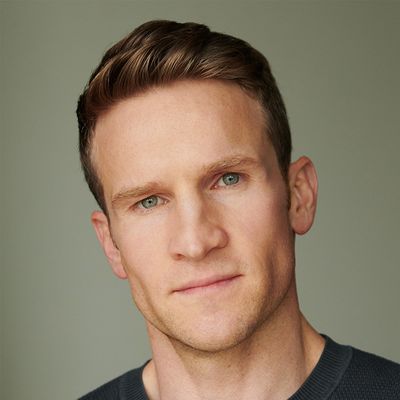
Broadway star Claybourne Elder (Company, The Gilded Age) joins Robert Peterpaul to discuss the random act of kindness that changed his life, working as an actor with Stephen Sondheim, and using his platform to pay it forward... Read More
From the show: The Art of Kindness: Pop Culture & Positivity with Robert Peterpaul
Guests
Featured Shows

About
Broadway star Claybourne Elder (Company, The Gilded Age) joins Robert Peterpaul to discuss the random act of kindness that changed his life, working as an actor with Stephen Sondheim, and using his platform to pay it forward.
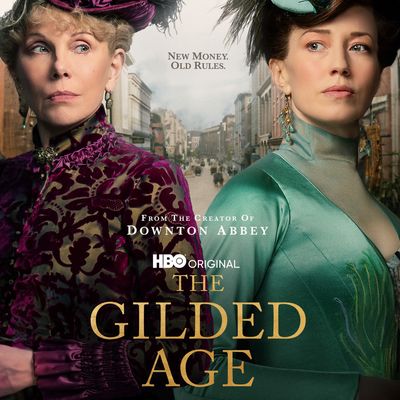
Claybourne Elder is an actor, singer and writer who was born and raised in Utah. He made his Broadway debut in 2011 with the musical Bonnie & Clyde. The following year, he earned some well-deserved acclaim in the play One Arm, receiving a Drama Desk Award nomination. Clay went on to appear in Sunday in the Park with George opposite Jake Gyllenhaal, Torch Song and most recently Stephen Sondheim’s revival of Company. Though he’s most known today as one of Broadway’s brightest stars, Clay also has a notable onscreen presence, making memorable appearances in series like The Carrie Diaries and more recently, HBO Max’s hit show The Gilded Age.
Got kindness tips or stories? Please email us:
artofkindnesspodcast@gmail.com
Follow Clay
Follow us
Transcript
This transcript was automatically generated and might contain errors.
[0:06] Robert Peterpaul: Hello, beautiful people. Welcome to The Art of Kindness, where we have compassionate conversations with artists from all areas of the entertainment industry who are using their voice to spread joy and make this big spinning planet in the sky a better place to be.
[0:21] Robert Peterpaul: I'm Robert Peterpaul, and I'm so glad you're here.
[0:35] Robert Peterpaul: Hello, friends! Welcome back to The Art of Kindness, the AOK. Today's episode is all about random acts of kindness. Yes, the AOK is tackling rocks, Ray Oaks, Rayokes. Ha! Random acts of kindness. Does that work? Oh, I don't know. Today's guest is Broadway's star Claybourne Elder, who has one of the most beautiful full circle stories about random acts of kindness that I have ever heard in my entire life. So you're in for a real treat.
[1:04] Robert Peterpaul: Claybourne Elder is an actor, singer, and writer who was born and raised in Utah. After earning a degree in dramaturgy and directing from the University of Utah, Clay was off to the Great White Way. He hustled through the audition circuit, eventually making his Broadway's debut in 2011 with the fiery musical Bonnie and Clyde. The following year, he received some well-deserved acclaim in the play One Arm, nabbing a Drama Desk Award nomination. Clay went on to appear in Sunday in the Park with George, opposite Jake Gyllenhaal, which I had the privilege of seeing them in, and it was wonderful. Torch Song, and most recently, Stephen Sondheim's revival of Company. Though he's most known today as one of Broadway's's brightest stars, Clay also has a notable on-screen presence, making memorable appearances in series like The Carrie Diaries and now HBO Max's hit show, The Gilded Age.
I highly recommend watching the latter and then going to see the previously mentioned Company on Broadway's. Clay is really the talk of the town. Clay's story was all over the news, but even if you heard it before, we really dive in and get some updates. So I think you'll find it incredibly interesting. Although, full disclosure, this chat was recorded about a month ago. So by the way, Clay so kindly follows us on Instagram at Art of Kindness Pod and at Robert Peterpaul. Do you? Hmm. Do you want to stay in the loop? Come and join our kindness community. I would love to see you there, and I really love connecting with our listeners. It would also be a wonderful place for you to share kindness tips, stories, and just give me overall feedback on the show because I want to make sure that you guys are getting a lot out of this and enjoying every episode. Now, if you are enjoying every episode, you may want to leave a five-star review. Without further ado, please enjoy the kind Claybourne Elder.
[3:13] Robert Peterpaul: Hi! Clay! I'm so glad we could finally do this. I feel like I've been wanting to talk to you for so long.
[3:19] Claybourne Elder: I know. Finally. I feel like we first talked about it, I don't know, months ago. Thank you for having me.
[3:24] Robert Peterpaul: Of course. So how are you doing, first of all? Because I know you were just recovering from COVID, right?
[3:29] Claybourne Elder: Yeah, I got. I was I came down with it, tested positive, I guess is the what I should say. You know, after waiting for two years for Company to come to Broadway's finally and all this stuff. To have to take a break from it was very hard. So, but I you know, the silver lining is that it was over the holidays, so I got to spend Christmas with my husband and my son and really have like some quality time there. But I was out of the show for 10 days and I had kind of mild symptoms, so I was okay. And also my husband and son had already had COVID. Oh, so I could quarantine with them or isolate with them, I should say. So that made it a lot easier to get through.
[4:09] Robert Peterpaul: Yeah. Well, it's good you could see the positive because I feel like that's such a depressing situation. You're living your dream and you're in this amazing show and it's finally coming back, and then it's like boom. How did you feel to get back in the swing of it? You know, doing a full Broadway's show. I'm sure there was some gratitude, and then you know, for me, it's like just living in that fear of is someone else gonna get it, are we gonna shut down? Is probably a whole extra layer of craziness.
[4:34] Claybourne Elder: Yeah. Well, I should say, first of all, the most amazing part of that experience was that I have an incredible understudy, and we have incredible understudies and swings on our show. And they are not only all stars, you know, of their own right, but they're incredibly hard workers who have been ready from the start to jump on for us. And the safety that comes as a performer knowing that your understudy is incredible, is what is great because I knew that the show was going to be in fantastic hands. And we've had three or four understudies, you know, go on. In fact, my understudy when he went on, it was his third principal role in the show.
[5:21] Claybourne Elder: Wow. Yeah, he had gone on for two other people. So it was, you know, like it's a challenging job, and they were all fantastic. So I should say that first. But also coming back to the show in general, yeah, it was a wild rush of emotions. And I think all of us feel now more than ever that anything is possible and that you should, you know, hang on to the moments that you have with something because we don't know. You know, we feel fairly certain that we're doing okay and that we're gonna be around, but anything could happen, you know. We feel fairly certain that we're doing okay and that we're gonna be around, but anything could happen, you know. All of Broadway's could be shut down for all we know at any time.
I mean, we're not at risk of that right now, but just in the it happened once when we thought it was impossible, and it did, and now here we are. So we are I think we all are taking it from that kind of with that belief that we really should be enjoying every single day and every single performance.
[6:14] Robert Peterpaul: Yeah. Well, I love that you started off giving understudies credit because understudies, swings, all these people that I think a lot of audience members don't realize. Well, now they're getting some attention, which is great, but they don't realize how hard that job really is, and even just the word understudy, I've never loved having under in there. I think we could brainstorm a better word.
[6:33] Claybourne Elder: Co-study, co-co-interstudy, yeah.
[6:36] Claybourne Elder: Yeah, a wonder study, something like that. I think these people are really carrying Broadway's right now in a lot of ways, and hopefully, like you said, it's just gonna keep getting better and better and everything will be fine. But the thing is, you know, we don't know. But I do know, not because I've seen it, unfortunately yet. I hope to, but I've heard that you just steal the show and you are incredible in Company. I've heard it from so many people.
[6:57] Claybourne Elder: Thank you. I'm sure I don't steal the show, but I we have an incredible group of people who many of whom I've actually looked up to much of my life, and I have a hard time not telling them that because I don't want to come across so nerdy. Yeah, but I mean, they know that, but it's such a fantastic group of people. And I hope you do come to see it. I would love for you to be there.
[7:19] Robert Peterpaul: I've been dying to see it. I did have the opportunity to see you in Sunday in the Park with George, which was such a perfect production in so many ways. And what I remember about you is you achieved such striking stillness as the soldier, which obviously comes with the territory, but it was so blended perfectly. You guys really all were blended wonderfully, like the actual painting itself.
[7:42] Claybourne Elder: Thank you.
[7:43] Robert Peterpaul: Which I thought was amazing. But I guess before I just keep complimenting you for hours and hours, I love to start out asking how are you at taking compliments as someone who I'm guessing gets a lot of them?
[7:56] Claybourne Elder: Oh, I get compliments from time to time. But you know, one of my intentions of this year is to not, well actually it's been something I've thought about for a long time, but I actually really thought about it around this new year that I'm going to try to be better at just accepting compliments politely rather than immediately trying to deflect them. Like all of us do, many of us do, but oh yeah, you know, I think the most gracious thing actually can be to just nicely accept the compliment and the offering that that person is giving you. It's like reading reviews, which I don't do. But you know, like smart the good reviews, the bad reviews are gonna be the only thing you remember, and the good reviews are never going to be as good as you want them to be, and they're just going to be, you know. I love compliments. I think that we should all be complimenting more, each other more. But yeah, so thank you. Thank you very much.
[8:48] Claybourne Elder: There you go.
[8:50] Robert Peterpaul: I love that. It is it's really hard, and most people have a hard time with them as I'm finding out on this podcast. And I think for me, part of it is that you want to give one back to the person, but within the arts, you don't always necessarily know that person. It might be someone at the stage door just shouting you're amazing at you. And so I think that's part of it too. It's like that awkwardness of can I say thank you? Does that make me seem humble or is that weird? You know what I mean?
[9:11] Claybourne Elder: Yeah. When somebody yells you're incredible, and on the inside you're just like, No, I'm not.
[9:18] Robert Peterpaul: That's amazing, though. We just need people driving by us on the street all the time, shouting out you're incredible out the window.
[9:23] Claybourne Elder: Which there is. Have you seen that? That drive-by kindness?
[9:26] Claybourne Elder: Um yes, I have. It's so good. And some of them are quite funny.
[9:30] Claybourne Elder: Yeah. And I love that people accept them. The people in those videos are really good at accepting them. Because I feel like if someone did that to me, I would immediately think they were making fun of me or something.
[9:38] Robert Peterpaul: Oh, for sure.
[9:40] Claybourne Elder: Yeah, right.
[9:41] Claybourne Elder: Yeah. But I'm okay. I'll give you one more compliment, I guess, before we really dive in. And that is, I first, I guess, sort of met you via Zoom when you were doing a cooking class for Dash.
[9:51] Claybourne Elder: Right.
[9:51] Robert Peterpaul: Yeah. And you were just, I mean, you're such a great performer that I wasn't surprised, but you were just so infectious and literally carried this Zoom, which you know, Zooms can already be a little bit draining sometimes. Of nobody, everybody was sent these ingredients to make, I think it was some kind of hash brown sweet potato thing in an air fryer.
[10:11] Claybourne Elder: Oh, yes, yes, that's right.
[10:13] Robert Peterpaul: Which was delicious. And I might be giving too many details, but I love talking about food. It's great, please. And literally nobody had their cameras on. And so I felt bad. I turned my camera on, even though I have the tiniest kitchen in the world. I put my phone in a kitchen cabinet. It was barely balancing. And I tried to do this with you, and I think halfway through my phone like flew down into the airplane.
[10:32] Claybourne Elder: I was gonna say I remember when it fell out.
[10:34] Robert Peterpaul: Oh no, and I was like, ah and all these journalists are on, and it was just super embarrassing. But you were so kind about it, and I was just really impressed how you kept the show going, and it didn't seem to affect you at all that nobody was participating. And I think that's a cool quality.
[10:50] Claybourne Elder: Well, thank you. You know, it's been working for I'm the brand spokesperson for Dash and working for them. I've been doing, you know, I do a lot of like presentations and things, and because it's all virtual right now, I've had and I do, you know, like live streams a lot on Amazon and different things.
[11:06] Claybourne Elder: And I've had to get used to that experience of performing with absolutely no response from anyone. There's that old piece of advice that is a picture of the audience in their underwear. I'm not picturing them in their underwear, but there have been times in which I have printed off photos of my friends and I put them on the wall behind the camera so that I just pretend like I'm doing it for my friends.
[11:28] Robert Peterpaul: Yeah.
[11:29] Claybourne Elder: And that has really been fun and helped me a lot. But I've loved, I thank you for coming to that class. I have so much fun doing those classes.
[11:36] Robert Peterpaul: Oh, thank you for teaching it. And I actually think that's wonderful advice for self-tapes too, sometimes, depending on who you're supposed to be speaking with off camera. You know, sometimes we can't get a reader, and some of us have to record the lines on our phone and play it, which isn't great.
[11:49] Claybourne Elder: Oh, yeah.
[11:50] Robert Peterpaul: You know, but if you have a picture of someone you love, it kind of centers you also sometimes I will like if I'm self-taping, sometimes I will say the name of a person that I know or that I'm friends with that reminds me of the character that I'm supposed to be acting across from. And it's so funny when I watch the tapes back, I immediately see myself kind of like sink down into a real zone because it reminds me what it's like to talk to a real person rather than this imagined scenario that I've made up in my head.
[12:18] Claybourne Elder: Yeah.
[12:19] Robert Peterpaul: What it would be like, how I would actually speak to a real person rather than an idea.
[12:23] Claybourne Elder: Yeah. Wait, in real life, you don't have a ring light in between you and people always with a camera.
[12:28] Claybourne Elder: That's how I talk to people.
[12:30] Robert Peterpaul: Right now, right now I've just got like one, I'm just like a half a face right now. Shining light.
[12:36] Claybourne Elder: Oh, it looks great.
[12:38] Robert Peterpaul: Oh, I think that's awesome advice. But and I think we'll get into hopefully more of that. But I guess to start out on the kindness train, as someone who I think is such a kind and positive person, how would you define kindness?
[12:50] Claybourne Elder: I think that kindness is treating other people how you would like to be treated. And that can mean in an ideal world of like random acts of kindness, I can tell you the story of the man who gave me $200 on the street to see Sweeney Todd once. And that's how I think of it. And it's that's something that's very hard to remember at times, you know, in like high pressure situations. Like when we're in the theater, when we're in tech week and we're all exhausted and we just and the director has to get something out of you that you need, you know, and I feel like at those times kindness goes an extra long way. And I find that people who can really find kindness in those times are the people that I look up to a lot.
[13:32] Robert Peterpaul: Yeah, that's so true. And that can be hard when we're stuck in those crazy moments ourselves and we have that tunnel vision. But sometimes if you have an intention in your head or if you could step outside yourself and do something kind for someone, you know, bring them their favorite candy at 11 p.m. when you're teching a crazy scene, or whatever it is, I think it just makes the whole environment a lot more positive. And I definitely want to ask you about that story that you brought up.
[13:55] Claybourne Elder: Yes.
[13:56] Robert Peterpaul: I will. But before that, I guess growing up, do you think kindness was something you learned from your family at home, or is it more so something that you've kind of practiced over the years and really focused on?
[14:07] Claybourne Elder: I think I can say this without hyperbole that my father is the kindest person I've ever met.
[14:14] Claybourne Elder: Oh and I say that partially because lots of people tell me that because he is he is a truly truly wonderfully kind person and you know I was raised in the Mormon church I haven't been Mormon for a very long time but when I became a father you know you start to really think about how you were raised and what made you the way you are and we had a lot of conversations my husband and I about how could we instill those same some of those same principles that we find in he's Jewish and you know in organized religions of any kind without the organized religion and the other things that come along with it that we don't necessarily believe.
[14:56] Claybourne Elder: And as a Mormon I will say you know like I will say Mormons are the happiest people I know and oftentimes the most kind people I know. They may have a lot of other problems but they are some of the kindest and happiest people I know. And so I loved that part of my childhood and I really try hard to instill those things uh with my son now as he gets older.
[15:21] Robert Peterpaul: Yeah and your son Bo, right? He's so so adorable and I love that you share all these happy moments on social media about him and I can't wait for people to go up to him and say your dad is the kindest person I've ever met because I think this is going to be a family cycle that just keeps going.
[15:37] Claybourne Elder: It is hard though with these organized religions. I mean I was raised Catholic every religion at the core I like to think has a principle of kindness and treating others with respect, but it's kind of like you gotta take what you like and leave the rest. So I've just started to say my religion is kindness.
[15:53] Robert Peterpaul: Which I realize I think the Palai Lama says.
[15:57] Claybourne Elder: That's well, I equate you two. It's great. I think so much. You know, that's my goal. Your entry point into the arts wasn't necessarily performing. It was more being a cartoonist or you wanted to be a violinist, right?
[16:10] Claybourne Elder: Yeah, yeah. I growing up, I was really, really into cartoons from an early age. And my mom still talks about how I memorized who drew which characters and who voiced which characters, and I would tell her, you know, like at five, I was spouting off like you know, who voiced Bugs Bunny and who was voicing the Disney characters, all these things.
[16:33] Robert Peterpaul: Oh, like Mickey and Minnie. Did you know they were married in real life?
[16:36] Claybourne Elder: The voices.
[16:37] Robert Peterpaul: Yeah.
[16:38] Claybourne Elder: Come on. I'm sorry. Just had to interject.
[16:40] Claybourne Elder: Yeah. But when I was in like fifth grade, I realized I couldn't draw to save my life, and I still am just terrible. I can't, I cannot put the physical world down on paper. I'm not good at it. And I know that that people can practice and get better, but I thought when I was in fifth grade that that was just never gonna happen. And I was studying violin at the time, and I studied violin really, really hard for about 12 years. And then um, speaking of the antithesis of kindness, I had a violin teacher that I had been waiting for I had been waiting for months and months and months to start studying with this this man who was the expert virtuosic teacher, and I had one lesson with him in which he told me that I should have been a cellist and my hands were too big and I never will be very good. And it was crushing, and that was the first year I did a musical, and I sort of put my violin down for five or six years.
[17:36] Robert Peterpaul: Wow, so you almost in a very mean way kind of guided you onto a beautiful path.
[17:41] Claybourne Elder: It's true, it's true. Yeah, I feel like I was destined to be in the theater like it or not, you know, that I would have found it another way, but that was the beginning.
[17:50] Robert Peterpaul: See, now I'm picturing you doing between these Dash and Amazon Live things where you do your own little one-man show. I need to see you do a one-man show where you draw and you play the violin and you sing and you fly around. Would you ever do a one uh person show? Because I feel like that's probably one of the most challenging things to do as a performer.
[18:08] Claybourne Elder: You know, I've done I had a solo show that was just like a cabaret act that I did um around for a long time, and I loved doing it so much. You know, and it it it is not unlike those classes, sort of where it's like I get to have an hour where I get to like be with an audience and feel them out and talk about things that they're interested in, you know. I love it very much. But one of the best things I think I've ever done is uh one year my husband and I, and my best friend who's been my best friend forever. She and I and she and I were in a band together. We like we had like a little folk band in which I played I played the fiddle. And we at Eric Eric, my husband, ran the Kansas City Repertory Theater for 10 years.
Wow. And one Christmas we did a production of the Santa Land Diaries. You know, which is like a 70 minute monologue, but we added all these musical segments in the middle where she and I would like sing funny versions of Christmas carols and Christmas songs, and I was playing my violin and banjo, and she was singing and we were doing the other, and then I would go back to doing uh Santa Land Diaries, and it was so much fun. Um and I am not the traditional kind of person who would get cast in the Santa Land Diaries, but that I think kind of made it really fun.
[19:21] Robert Peterpaul: I think that always makes it better when it's kind of casting against type. I mean, I hate the word type, but I think it's the only way to describe it.
[19:27] Claybourne Elder: Yeah, yeah. Awesome. You know what's funny is we had just had Leslie Margarita on here and her I love her. Ah who is queen of kindness. She oh my gosh, she's wonderful. She really I love her Aunt Leslie says. Like wants you. I love all of those. Yes, we talked about that, which was really kind of cool to break that down. But she had done Whose Holiday, the one woman show.
[19:47] Robert Peterpaul: I saw it, yeah.
[19:48] Claybourne Elder: Yeah, also Christmas. And she was saying the audience, like you kind of just said, really becomes your other castmate in a lot of ways.
[19:55] Robert Peterpaul: Yeah, for sure. So as you were at first hustling and auditioning, what acts of kindness or random acts of kindness sort of stand out as changing the trajectory of your career?
[20:05] Claybourne Elder: Oh, that's so easy to point to. You know, when I first moved to New York, my degree is in dramaturgy. I did not study performance. Uh I studied it for a while, but that's my degree is not in performance. And that gives you like a very big picture, I think. Yeah, you know, like I describe myself sometimes as an actor dramaturg because I do use it very much in my, you know, in my process now. But I came to the city and I didn't know anybody. I just I got my equity card at a regional theater, but I didn't have an agent. I didn't I truly didn't know any performers in the city. I like a couple of people that I had worked with at this summer theater, but that's it. So I started just going to every audition I could and working a million terrible jobs.
I was a tutor, I was a bartender, I was all I mean, just everything. I started going to all the open calls that I could go to, like sometimes two or three a day. And I just started talking to everyone in line around me and asking them what they were doing and what their jobs, survival jobs were, and where they were living and how they found auditions. And you know, I just started talking to people. And I ended up with this kind of little crew of people, because we would go to all the same auditions, and I'm still friends with them, with many of them actually today. I sort of gave myself a year and said that I'm going to audition for a year and see what happens. And about seven months in, I was so exhausted.
I mean, if you can imagine that I truly auditioning that many times was exhausting. And it was at a time when there were a lot more open calls than there are now. And get there at like 5 a.m. to get your spot in line. Oh my gosh. I don't know if this is still the system, but you would go to the equity building every day. They would post new auditions, and they were just clipboards that they would hang on this wall, and you would have to go sign up for a slot. Because you could you could sign up for an actual time slot to audition, so you didn't have to wait in line. So me and these other guys who I would see every day because we all were auditioning for the same stuff, started signing each other up.
We would like all text each other and be like, hey, do you want in on this? Sign up, sign up, sign up, sign up. So one of these guys signed me up for an audition for Road Show at the public theater, which was Stephen Sondheim's last new musical. And the day of the audition, you know, it was down at the public theater, which I had never been there before. I didn't know where it was. I was confused. I was living in Queens. It seemed so far away. I was so tired. And just and my friend Ron DeStefano, who came to see me in company the other night, called me up and was like, get your lazy butt out of bed and do this audition right now. Because you can you you can do this, and let's come to the audition, we'll go get lunch afterwards, and it'll be fine.
We'll make it fun. I was like, oh, okay. And I went to that audition and everything went wrong. I, you know, like the headshots were in the wrong order. So while I was singing my song, the casting director was looking at somebody else's resume. And I had to say, like, hey, I'm sorry, but you're looking at the wrong headshot. Anyway, bye. He was like, stop, stop, stop, wait, come back. And he called me back for that show. And I was like, that's very nice. Then they kept calling me back and kept calling back and kept calling back. And finally one day Stephen Sondheim was in the room. And I was like, oh my gosh, they are serious about this. Wow. And then I'll never forget the casting director calling me directly months later and saying, Hey, I don't have your agent's information, so I'm calling you directly, but you've got the job. Can you give me their information? And I was like, agent, what's that? And um that whole process and just getting cast at all involved so many random acts of kindness.
[23:34] Robert Peterpaul: Yeah.
[23:34] Claybourne Elder: The guy who signed me up, Billy, Ron DeStefano for calling me that day, that casting director for taking a total chance on somebody who was a nobody and had never worked professionally, really. The director John Doyle, Stephen Sondheim, all of these people who were like, We trust ourselves enough to cast this person because we think he's the right person, even if he doesn't have a Tony nomination. And you know, I've remember sitting outside really for the final, the final call and sitting around with a bunch of guys I had seen in Broadway's shows and watched on the Tony Awards and thought, yeah, there's just no way. That's no way. Yeah, you know, and maybe that made it good in that I just went in and was like, I'm never gonna get this job, so I'm just gonna go in and have fun.
So many people gave me a chance when I was, you know, quote unquote nobody at that point, that it's easy for me to say that you know, kindness really played a huge part in how I got into the professional world.
[24:30] Claybourne Elder: Yeah, and I think that's such a beautiful example of people doing acts of kindness and being kind and hopefully not expecting anything back, but then getting it back because you're such a kind person that all these people wanted to help you.
[24:43] Robert Peterpaul: Well, maybe. Yeah, you know, it's I think I think there's something to that for sure. Yeah, that's a beautiful story. And another story that I'm obsessed with that we kind of touched on is this 360 Sondheimy people on the street, Patty Lapone moment. Could you just please take us through that story? I love how it made headlines because we need more good news. And a lot of the times the good news doesn't make the headlines. So it was really cool to just see that floating around.
[25:09] Claybourne Elder: I mean, it is it still continues to be the craziest thing that's ever happened to me, but one of the craziest coincidences of my life. Basically, 15 years ago, I came to New York on a visit just to come and see shows. It was only my second time I'd ever been to New York. And I went to see 25th Annual Putnam County Spelling B standing room because it's all I could afford. And me and my boyfriend at the time were the only two people in the standing room. And you know, that theater is in three quarters, so the audience can see each other from across the way. And after the show, I walked outside, and this man and his friend, this woman came up to me and said, You two look like you were enjoying the show way more than the people in the expensive seats.
Here's 200. Go buy yourself tickets to Sweeney Todd tomorrow. It will change your life. And I kind of didn't know what to do. I was so surprised. And I the only thing I could think of was, do you mind if I take a picture with you? It was like, yeah, sure. So we all took a picture together, didn't exchange names, nothing, went away. Went and saw Sweeney Todd, you know, directed by John Doyle, starring Michael Cerberus, Patty Lapone. My first job ever in New York was John Doyle directing a sweet a Stephen Sondheim musical. I played across from Michael Cerberus. So at that time, I couldn't stop thinking about that man. Part of the things I talked about with John Doyle was I saw Sweeney Todd. It was incredible.
And you know, I don't know that that's why I got the job, but it certainly helped me in knowing what John Doyle's work was like and you know being able to talk to him about it. And at that point I tried to find him. There was a pub, there was like a playbill article published. Like it was like, do you know this, you know, good deed doer? And no one ever found him. And so cut to today, I was out of the show for COVID for 10 days. And on my return to the show, I decided to buy two tickets to the show and give them away on Instagram because of this story. And I posted the picture of the man and said, you know, this is the man who gave me tickets, and little did he know that he was buying me a ticket to a Patty Lapone show, and then I would be starring with her in a Broadway's show later in life.
[27:17] Claybourne Elder: Yeah. And first thing that happened was somebody asked me if they could donate so that I could give away more than two tickets. So I said, sure. And I gave him my Venmo, and he Venmo'd me $700 to buy more tickets for people. And then somebody tweeted my Venmo account and it went out on Instagram, and people just started sending me money to buy people tickets. And now over a hundred people, I bought tickets for over a hundred people, and I'm still buying more tickets for people. And it's incredibly moving on many fronts. But just that these strangers are giving me a stranger money because they know they trust that I'm going to buy these tickets for people who couldn't afford to come see the show otherwise.
And then I am buying tickets for strangers. My only stipulations for the giveaway are that I don't know you, that you're over 18 and vaccinated, and that you promised me you couldn't come see the show otherwise. And it's just a good faith system. You know, like I'm just trusting that that's if you're gonna enter. And 900 people entered the first time, 450 people entered the second time. So I'm I'm giving away these tickets to people. It's been incredible. They've come to see the show. They're the most amazing audiences. I I meet them all afterwards and take a picture with them outside. So I have these pictures on my dressing room wall of these, all these people that have come to see the show for free.
I feel like I'm the vessel of that kindness. The kindness is actually not mine, it is the people who are giving the money to do it. And all of these strangers that have given me money to buy tickets has been very, very moving. The second big thing that happened is that I posted this picture, and Doug Sills, who I work on a TV show called The Gilded Age that's coming out in a couple of weeks. Yes. And he and I had shot the Gilded Age together, and he called me up and said, I know that guy. We've been friends for 25 years.
[29:13] Claybourne Elder: Do you want to connect with him?
[29:15] Robert Peterpaul: And the chills.
[29:16] Claybourne Elder: Oh my gosh, it took me.
[29:17] Robert Peterpaul: Even though I know the story.
[29:19] Claybourne Elder: Oh geez, yeah, like I didn't know. I was, I said, you know, yes. I said, would you mind connecting us all? And um he put us on a three-way FaceTime and didn't tell the man's name is Mark Howell, who gave me the tickets, and he didn't tell me why, or didn't tell Mark why, just set us all up.
[29:36] Claybourne Elder: And I got to tell Mark who I was. And the minute I said you gave me like you out, we saw Putnam County spelling bee, he knew exactly who I was and started crying, and I started crying. And you know, I we've been texting every single day. We're gonna be friends. Um, he's an amazing, amazing person.
[29:54] Claybourne Elder: I texted him yesterday. It's so strange to me because you know we all have those friends that we even if we don't see them for years, we sort of just pick up where we left off. That's what it feels like with him.
[30:06] Claybourne Elder: Wow. And you know, I got to tell him that because of him, you know, uh uh now over a hundred people are seeing my show for free because of him and because one day he decided to do this thing. It it's not only the most amazing coincidence of my life, but it's a situation in which the like direct ripple effect of something kind that someone did, I have been able to watch go out into the world and affect a lot of other people's lives.
[30:35] Claybourne Elder: And that has been um incredibly moving and a beautiful thing to be a part of.
[30:40] Robert Peterpaul: Yeah, wow, I'm speechless. That is 360 degrees of theater magic.
[30:46] Robert Peterpaul: And I hope it's something that you continue and maybe you expand and need help with, you know, and it becomes a whole thing because that is just incredible.
[30:54] Robert Peterpaul: Do you want to shout your venmo out on here?
[30:56] Claybourne Elder: No, I will. I will. It's at Claiborne-Elder.
[31:03] Claybourne Elder: Okay. And if you send me money, just make sure you say it's for tickets. When people started venmoing my me and my uh venmoing me money, that's a hard time.
[31:10] Claybourne Elder: Venmoing me money. That could be your your warmup tonight. Um it got to like six thousand dollars.
[31:19] Claybourne Elder: And I said to my husband, you know, this is too much. Uh I need to, I'm just gonna start, I'm just gonna send money back to people, um because it's too much.
[31:29] Claybourne Elder: And he was like, Why is it too much? Or what it what about it is too much. And I realized that really, like, I was kind of scared of the responsibility of it all, you know, that like which um and again, the responsibility just being the facilitator of it, but also, I was kind of I was really excited and almost felt like I was getting so much joy from doing it that I almost felt bad taking these people's money and not giving them anything in return.
[31:55] Claybourne Elder: You know, they don't know that, you know, other than a picture. I've been, you know, posting pictures of the people who come and he said to me, wouldn't it be wonderful if all 900 of those people who really, really wanted to see the show but couldn't go, got to go.
[32:12] Claybourne Elder: And I thought, yeah, yeah, you're totally right. And maybe that's my goal. I don't know that that'll happen. But you know that well that that it's been a really, you know, in incredibly, I don't know, I keep saying it's incredibly moving, but that's the that's the only way I can describe it almost.
[32:28] Claybourne Elder: And so also what I've started to do now is I've reached out to these people. I feel like these people who have gotten to come see the show and I are like in a club now, you know, like I feel connected to them in a way.
[32:28] Claybourne Elder: I've reached out to them and said, Hey, if you don't mind now that you've come to see the show, would you just write down your story of why it means something to you and try to make it as concise as possible, but just a short little tell me why it meant something to you and send it to me.
[32:55] Claybourne Elder: And I'm gathering all of those right now, and I'm going to send them out to these all of the people who gave me money so that they kind of can experience they can have a first-hand experience of the joy that they've given all these people because I really want them to feel that and to feel what that reward feels like, which I've got to experience, you know.
[33:11] Claybourne Elder: I've I'm getting the direct messages from these people back telling me this means so much to me, it's my birthday. Um, and this means so much to me. I company is my favorite show, and I never knew how I was gonna see it.
[33:23] Claybourne Elder: I've also had some really moving things happen in which one person who won tickets, I reached out to say that she won, and she was like, you know, I really thought about this, and I can probably afford to come to the show.
[33:34] Claybourne Elder: And I think somebody else really deserves to get to come for free. So please pass this on to somebody else. I was like, that's beautiful. Because who wouldn't want to win free tickets? You know, anybody would, but to say, no, I realize that this is an act of kindness, that this needs to go to somebody else.
[33:52] Claybourne Elder: And another guy won tickets and he only could use one of them. So he went to the comments and chose a random person and reached out to them and said, Hey, I won one ticket. Do you want the other tickets? And so now they're both coming together, which I think is a wonderful.
[34:06] Claybourne Elder: I hope they're friends for life, because that's beautiful. That really is.
[34:10] Claybourne Elder: It's just also exciting because, like you said, it's a chain reaction, and so all 900 of these people are probably going to be inspired to do something kind for somebody else that you'll never even necessarily hear about.
[34:21] Claybourne Elder: And it might not have anything to do with the theater, but it's something that's going to keep snowballing, I hope. And I would love to see on every major ticketing website, telecharge, whatever it is, a little add-on when you're checking out that says donate money for someone, you know, underprivileged.
[34:36] Robert Peterpaul: Wouldn't that be beautiful?
[34:38] Claybourne Elder: Yeah, it just be amazing.
[34:40] Robert Peterpaul: This is something you're getting started.
[34:41] Claybourne Elder: Well, yeah, it really is. And you know, there's a lot of me and my husband have talked a lot about what we could do to keep this going, and that's our hope.
[34:48] Claybourne Elder: You know, like that it would expand beyond this, this one production this one time, and would be something we could continue on somehow.
[34:56] Robert Peterpaul: Yeah.
[34:57] Claybourne Elder: And and what you said about the ripple effect of it has been really something that has been really impressed on my mind, which is that kindness takes a lot of bravery because to be kind often means stepping outside of social norms.
[35:12] Claybourne Elder: Like it took a lot of bravery for someone even just to walk up to me and say, Hey, here's $200. Like the rejection that could be involved, like being scared, it's scary to put yourself out in that sort of way, terrifying.
[35:26] Claybourne Elder: And I think that until you see it done, it's like any scary thing, you know, that when you see it done, you are much more likely to do it.
[35:35] Robert Peterpaul: 100%.
[35:36] Claybourne Elder: And you know, and I and I think would I have done this if that man hadn't given me that money that one time? I honestly can say I don't know that I would.
[35:46] Claybourne Elder: Because what we think is possible can be very difficult to see if we haven't seen a glimmer of it somewhere else. And, you know, I think that the bravest people are the people that are kind and do kind things they've never seen done before because that is so scary.
[36:03] Robert Peterpaul: Yeah, it's so scary to do that.
[36:06] Claybourne Elder: And so I I hope that this, you know, I I I like to think, and sorry, I'm very moved by it, but I like to think of you know what these people might go out and do that would be so much better than seeing a free Broadway's show that might save someone's life, you know, that might that can really help people.
[36:25] Claybourne Elder: So it is not just like about it being fun to see a Broadway's show for free. I might never hear any of those stories.
[36:33] Claybourne Elder: And maybe it's better, like good and bad reviews, to just imagine what's happening rather than to know.
[36:41] Robert Peterpaul: Yeah.
[36:41] Claybourne Elder: But I just hope that I hope that it does inspire somebody to do something.
[36:45] Claybourne Elder: And again, you know, I like I don't feel responsible for that inspiration. I feel like these people who've given me money to do it um are the people who who have really done that.
[36:54] Robert Peterpaul: Well, you you really took the torch, I feel like, from the person that bought you the free tickets and then you're passing it on to all these people who now have their own torches and hopefully we'll pass it on.
[37:03] Claybourne Elder: I feel like it wasn't something that stemmed out of vanity or anything else that you know the complexity of humanity boasts if that makes sense.
[37:12] Claybourne Elder: So I think that's also why you're the perfect vessel as you called it for this.
[37:16] Claybourne Elder: And don't you find that at the root of the arts is vulnerability which like you said is really paired with kindness because I know for me and this is nothing revolutionary or anything but I've purchased breakfast you know for displaced people on the street who don't have a home and sometimes I've gotten it thrown back at me and for real right oh yeah and and I think that shows too that acts of kindness aren't perfect but when we do these small acts it's it's more the pursuit and striving to do it because all together and you've you've done your part we can make a big change you know it's not about donating a million dollars.
[37:53] Claybourne Elder: So I just think this is such a beautiful story and I hope everybody listening will donate or if you can't donate that's okay too just do an act of kindness in honor of Clay here.
[38:03] Claybourne Elder: Well thank you thanks that would be the most wonderful gift and what's wild about that story too is the Sondheim of it all which I just think makes it so chilling because now you're starring opposite Patty Lapone in a Sondheim show and I know the the irony is not you know gone past you.
[38:21] Claybourne Elder: He forever changed the landscape of the arts and with him sadly passing away during your run I can't imagine the feelings that you all must have had what was it like, I guess, first of all, to perform the show after you found that out, that first show after?
[38:37] Claybourne Elder: Well, you know, Stephen Sondheim has been such a huge part of my life for so long. Not only when I was a child because I was obsessed with so many of his shows growing up. But then once I, you know, once I was in one of his original casts, and um, which even though it was just a small, you know, it was at the public theater, it ran for four months.
[38:58] Claybourne Elder: It was not like a huge thing, but but that kind of became, you know, like my stamp. And I've done 12 professional productions of Stephen Sondheim musicals, including I've done Sunday in the Park with George three different times.
[39:11] Claybourne Elder: And um, because of that, you know, he has continued to be a part of my life and has always written me nice messages or he sent telegrams, he sent me telegram on opening nights sometimes, which was so who knew they even still made telegrams, but they do, and it was always so exciting.
[39:28] Claybourne Elder: But you know, like I also know people that were like friends with him. And I don't think I wasn't, I didn't really get to be friends, friends with him. But you know, he was this constant person in my life because I was always doing his stuff.
[39:41] Claybourne Elder: So I was always emailing him and asking him questions, which he was, as everyone knows, he was so incredible with correspondence and always wrote everyone back.
[39:48] Claybourne Elder: And um really amazing. And I had also become good friends with his husband. And when we found out he passed, no no one was surprised because yes, he had gotten he was very old.
[40:01] Claybourne Elder: You know, I mean, any person who is over 90 years old, it is not a surprise. Uh, because you know that age, you know, happens. But it came so quickly.
[40:12] Claybourne Elder: He had just been there. You know, Steve hated opening nights, but loved first previews. He loved first previews. And he was there on our first preview.
[40:20] Claybourne Elder: And after the show, he stood at the back of the house with us, the whole cast, for hours talking to us all, just sort of letting everybody talk to him.
[40:33] Claybourne Elder: And, you know, it was it was wonderful. And he was so alive and great and seemed so great that it just was very sudden.
[40:40] Claybourne Elder: You know, obviously that first night back, we all started the show on stage. Um there was, you know, the they raised the curtain and Patty was there, and we were all standing on stage before the show started.
[40:52] Claybourne Elder: And she just said, you know, we would we want to dedicate this show, the rest of this run to Steve. And on opening night, they left the seat.
[40:59] Claybourne Elder: He was in empty uh for him on opening night. But this was before then. And you know, at every single chord and every single song and every moment, it was it was like he was there with us and and still, you know, sitting in the theater laughing at us.
[41:13] Claybourne Elder: And it still feels that way. Hearing the song Being Alive sung, you know, we it was, I don't want to say it was hard to get through because it was a really joyful celebration, and we all knew that.
[41:15] Claybourne Elder: And we all knew that this was a chance to really celebrate this person. But um, there was a lot of crying. There was a lot of crying for many days after that.
[41:32] Robert Peterpaul: Yeah, I can imagine.
[41:34] Claybourne Elder: How special to be there and a part of one of his works during this time.
[41:39] Claybourne Elder: And you certainly had such a wonderful relationship with his work, like you said, and his legacy, and of course, knowing him personally.
[41:45] Robert Peterpaul: Is there a lesson or just something that immediately pops into your mind when you look back at what he's taught you or how he's affected you as a person?
[41:54] Claybourne Elder: Yeah, there's always one story that comes to my mind, which is I, you know, having been trained as an actor and a dramaturg. Like I didn't take voice lessons my whole life and in college, uh, all through college.
[42:05] Claybourne Elder: I was always very stressed about my singing voice during Roadshow. And um, there was this one big song that I sang called Talent, and he was there with us every day at rehearsal.
[42:16] Claybourne Elder: And I expressed concern about how high the song was. I was like, I just feel like it's a little too high for me. I don't know. So he was like, okay, we'll drop it down.
[42:23] Claybourne Elder: So we dropped it down a whole step. And then over the next two weeks, he started slipping the music director half step up, half step up, half step without telling me to the point that it got to be a whole step above where I was singing it before with the original key.
[42:40] Claybourne Elder: And it got to that point, and we were running the show, and I was like, I'm sorry, can we stop? This seems this seems really high. Is this uh is this the old key or something?
[42:51] Claybourne Elder: Because it seemed, I'm sorry, but it's really, really high. And Steve was just like, that's a whole step above where it was. So I think that you're okay singing in the original key.
[43:00] Claybourne Elder: To me, you know, he and I think he's this way with a lot of people, but he believed in me more than I believed in myself, for sure.
[43:08] Robert Peterpaul: 100%.
[43:10] Claybourne Elder: And speaking of brave, I think that the bravest people in the theater on that side of the table are people that cast no name, nobodies, because that means they trust themselves.
[43:24] Claybourne Elder: They know what they want and they they can they can believe in a person. I feel like people get afraid and just cast stars because they're like, they're proven, they're proven talent.
[43:34] Claybourne Elder: But when you get people who are like, I think it says a lot about them. I mean, not that this is not this is a very that's a very blanket statement, but I think it takes a very brave, brave writer, director to cast somebody who they just truly believe is the right person for it.
[43:48] Claybourne Elder: Yes, I agree. And um, you know, and I think that that was at the heart of who Steve was was he always had the most amazing collaborators who were often young people who he just saw something in. He pied, you know, like he pioneered the careers of so many people and was such a huge part of so many people's careers. Um you know Lynn Manuel being one of the huge examples that you know he was such a champion of his work. And so that's that's the story that always sticks out to me the most.
[44:14] Robert Peterpaul: That's such a beautiful story. All these parallels it really strikes me in the timing. I mean Tick Tick Boom had just recently been released or was released a week I can't remember but yeah really is like he's the core of that film and that story and that musical and he just seemed like such a special person. So you're lucky you got to work with him and you've worked with so many of these incredible Titans which you are yourself, but you know these people that have been around that we've looked up to from Patty Lapone of course to now Christine Baransky I saw in the Gilded Age, which you touched on what what is my question? I think I I would love to know if you've seen a through line in all these really celebrated people that you've worked with that you think has gotten them to where they are.
[44:57] Claybourne Elder: You know I think the through line I see is that there is no through line. I think that that sort of would imply that there's like a way a thing that makes you makes you successful or something almost which is you know I always say that success is the cross section of talent and luck. Because we all know some really talented people who just haven't been lucky who just haven't had the day in which the show that needed them was there. Way more talented people than me. So much more talented. I've been very lucky in that I I was the right person for that thing. And that got me in that door. I think that the most talented people to me, or the most the most successful in the way that I would view success are the people that that are buoyant that bounce back from defeat.
Because I know I know so many people who have who have just been beaten down by defeat. And um and that is okay too, because it's not for everybody to do this sort of thing. And we face a lot of rejection that feels very personal on a daily basis.
[47:03] Claybourne Elder: It is hard. You have to learn to master rejection like you get calluses on your fingers when you're learning the guitar. You just have to get used to it. And it's yeah, never fun. But once you kind of can reach that place, it ends up being fun and freeing in a lot of ways because you just you don't care, and it's not as weighted, and you're just being yourself. I don't even know. I don't know why I'm no, yeah, and it's and you realize it's not personal.
[47:25] Robert Peterpaul: That's exactly right. You realize it's not personal. And I have seen too, I guess, the more quote unquote successful people that I've interviewed or that I've worked with, I see a lot of them really the people that are very celebrated tend to be the really kind people that get to keep working over and over again. And there's certainly some exceptions that we've all encountered. With your career in mind and everything we've just talked about, do you see any ways that the theater industry can be improved directly to make it a better and more positive place?
[47:56] Claybourne Elder: Yes. And um I feel like we are moving down that path now, and we have a long, long way to go. But I think that um making the theater a more inclusive place is sort of at a it's about time. Um we do that. And I know things are changing, and I want to say they are changing because I feel like that's very important to not assume that they're never going to change. You know, to to just say like, you know, but when you look at five years ago till now, there are lots of things that are a lot better. We still have a long, long way to go, but we are trying. And I think that that's what makes our business different than a lot of others, is that we're really trying. And I think that there are systems of accountability now and an expectation of what that what rooms are gonna look like that we are now finally starting to from the from the highest person, highest status person in the room to the lowest, that we are starting to expect that and realize that it's our right to expect that. And um, and I think that it just takes a it's going to take some time. It's gonna take some time to work out how it all happens, but we're working towards it.
[49:10] Robert Peterpaul: Yeah, I like to think so. And I think it's important too to celebrate these milestones and the growth we have had, which has been expedited a little bit since 2020, I think, which is great. It's purging, but you know, we can't we can also get caught up in the opposite, which is we need to fix this, we need to fix that. But it is important to step back and say, oh wow, this this wasn't happening, you know, five years ago or whatever. So I love that. All right, Clay. Now it's time for a surprise game. If you're down to play, it's really easy and it'll be really quick. I promise. Actually, yours is gonna be, I think yours is gonna be really easy. So it's called the compliment game. Everyone's beautiful in their own way. It's the compliments game on me.
[49:51] Claybourne Elder: Yay, okay. It's the compliment. Compliment, yay! Mump. Basically, I creepily reached out to somebody in your life to get a quote about you and what they love most about you.
[50:06] Claybourne Elder: Oh my gosh. Oh my gosh. So I'm gonna read you the quote, and then you just have to guess who said it. And you can ask me yes or no questions. I probably don't even know any hints, and I don't even know how I'll be able to help you, but I'll try. And then we'll see it three guesses just to keep it three guesses. Okay. Some rules up in there. Oh, this is so funny. This is a great game. This is hilarious. All right, good. All right, cool. Tell Mattel. Let's produce it. All right. Uh Clay is not only ridiculously kind, but he also has a very pleasing odor.
[50:41] Robert Peterpaul: My husband.
[50:42] Claybourne Elder: Yeah, it's your husband, Eric. This is something we say to each other.
[50:49] Claybourne Elder: Okay, I'm gonna need to break this down because I've been looking at this sentence for a while and I I'm just curious. He's so ridiculous. It's actually from it's a quote from a movie or something. It is like you have a pleasing odor. Is it the sound? Somebody likes somebody or something.
[51:05] Robert Peterpaul: No, but it is something like that. And it is our it is one of it's sort of like our inside joke of what we say to each other.
[51:12] Claybourne Elder: Oh. Uh uh. That's what he said. He was like, he's gonna get it in a second. It was so kind that he took the time to do this, and I really appreciate it, Eric. What do you feel like you've learned from him and then you know, sharing your son Bo? Has that taught you something specific on kindness?
[51:29] Claybourne Elder: Yeah, I mean, I think this is true of any parent, but being a parent teaches you about patience in ways that you just didn't know existed, and um because it just it takes a a lot of compassion and um patience. It just takes a lot of patience to teach a little being who doesn't know anything about the world, you know, but also things are so simple to him that I see him, you know, produce acts of kindness that are so incredibly sweet because he doesn't know really how to manipulate yet, you know. So he does nice things just because he thinks they're nice, and it's beautiful.
[52:13] Robert Peterpaul: It's beautiful to watch that simplicity about behavior.
[52:18] Claybourne Elder: He's so lucky to have you.
[52:20] Claybourne Elder: Oh, geez. I feel lucky to have him. He's a great kid.
[52:23] Robert Peterpaul: Yeah. I was saying that last night. I mean, we don't have kids. I've had a hamster, but I said to my fiance, we were trying to watch a movie, and then the dishwasher was so loud, and I just thought, imagine having kids is like trying to watch a movie when there's a really loud blaring noise and just being patient with it. And I don't know, it's probably 10 times crazier than that at moments.
[52:43] Claybourne Elder: That's that's a good start. That's a good start. Okay, cool. So maybe I'll just get used to that. There's truth in that. Well, you've been so generous with your time. I would just love if before we sign off, if you could please leave us with a tangible kindness tip or wellness tip that you think our listeners could learn from and then take with them and incorporate into their life.
[53:02] Claybourne Elder: Yes. You know, I believe that kindness is not just about things you can give people, but the way you accept things from people. And I think that accepting people's intention as coming from a positive place. Assume positive intention at all times. Oftentimes, especially in a world where we communicate a lot over text message and get email, tone gets lost, people get upset, and it's easy to start to assume the worst of someone. But when you assume that they have positive intention, that they are trying to be nice, it really does open up a lot of vulnerability and a and a in a way to connect about things. So that would be my piece of advice is assume positive intention in all.
[53:49] Robert Peterpaul: I love that. That's such a beautiful way to frame life because I think our brains can be wired negatively a lot of the time, and you automatically assume someone hates you if they haven't answered your email in a week. But it's probably just that their inbox is a black hole, and maybe you can send a little reminder.
[54:04] Claybourne Elder: Very true. Well, you're so good. Like Sondheim, as you mentioned before, you're really good about getting back, which I think is.
[54:10] Claybourne Elder: I try. I try to be.
[54:11] Robert Peterpaul: Oh, thank you. Well, I thank you so much for your time. And in all seriousness, I was sitting here before we started hoping to have a positive intention of saying, Alright, I've been excited to talk to him. I don't even know. I was getting all tongue twisted. This was fantastic. You're you're fantastic at this. This is good. You're so I think what you're doing is really good.
[54:12] Claybourne Elder: Thank you so much. And I think you're all around fantastic. And I seriously, I feel very grateful that we have you as a star in this industry that we can look up to because you're just such a wonderful role model. So thank you for everything you do.
[54:41] Claybourne Elder: And I can't believe that's very kind of you. What you do next? Please let me know when you come to the show too.
[54:46] Robert Peterpaul: Yes, I definitely will. We'll break a leg this week and see how.
[54:50] Claybourne Elder: Thank you. Thanks so much.
[54:52] Claybourne Elder: Thank you so much.
[54:59] Robert Peterpaul: And now it's time for your kindness tip of the week. Since we're talking all about random acts of kindness within the arts today, one random act of kindness you can do is to support an artist on the rise. And because February is black history month, today's kindness tip is to celebrate black voices. I recently wrote an article for casting networks on five ways to celebrate black history month in the arts. I'll share them with you now for some inspiration.
[55:31] Robert Peterpaul: Number one, learn about black history through the arts. Educate yourself on black history in your preferred learning style. If you're auditory, listen to a podcast. What what? If you're a visual learner, find documentaries or films on a topic underneath the Black History Month umbrella. There are countless ways to expand your mind on the subject through artistic efforts.
[55:52] Robert Peterpaul: Number two, support black business owners. Black owned businesses are amplified in the media this time of year, making it easier than ever to find and support them. Relating to the entertainment industry, consider donating to a black creators's film fundraising campaign, or purchasing a painting from a black artist on Etsy. If your budget is tight, simply spreading the word about black businesses on social media or to friends in real life is a lovely way to support.
[56:20] Robert Peterpaul: Number three, read books by black authors. Literature is one of the most wonderful avenues to honor black voices and stories all year long. Your local bookstore or library hopefully has a Black History Month section you can browse. And if they don't, perhaps ask the manager why. I recommend reading Octavia E. Butler's Kindred, which is currently being adapted for the small screen. My literature guru, Cassie, told me to read it and I loved it.
[56:47] Robert Peterpaul: Number four, watch black-centered TV shows and films. One of the most fun routes for people in the entertainment industry to celebrate this month is by doing our next favorite thing to making art. Watching art. Most major streaming platforms from Netflix to HBO Max have curated libraries dedicated to black stories. While watching films that chronicle the realities of racism is important, it is equally vital to celebrate black joy. And 2022 sees lots of TV shows and movies that do just that.
[57:18] Robert Peterpaul: Number five, support black organizations. The best way to support any community is through giving. Depending on your status, consider giving your time as a volunteer, making a monetary donation, or better yet, both. Since we're celebrating this month through the lens of the entertainment business, consider supporting an organization centered there. On a nationwide scale, Ava Duvernay's array as well as the NAACP are wonderful options. Of course, it's always optimal to lift up your local organizations. From film festivals to local chapters of major charities, do your due diligence.
[57:54] Robert Peterpaul: Well, that's a tongue twister. Do your due diligence. Oh, okay. Do you have a kindness tip you'd like to share? Please email us at artofkindnesspodcast at gmail.com. As always, thank you so much for listening. Oh, audio hug. We'll be back next Monday to bow out of February with you all. Until then, everything's gonna be A okay.
© Broadway Podcast Network, All Rights Reserved