

Broadway star Daniel Yearwood joins The Art of Kindness with Robert Peterpaul to discuss stepping into the Tony-winning sensation that is Stephen Sondheim's Sweeney Todd starring Josh Groban, acts of kindness, lessons from his time in Hamilton and more... Read More
From the show: The Art of Kindness: Pop Culture & Positivity with Robert Peterpaul
Guests

Featured Shows
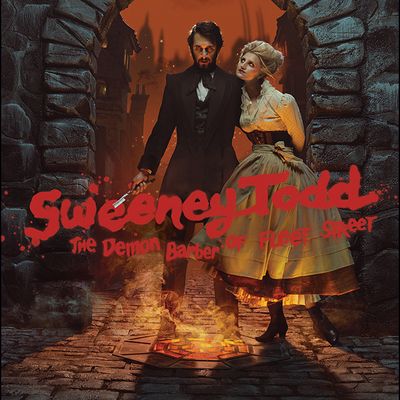

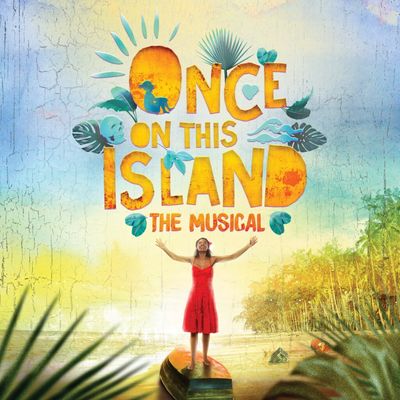
About
Broadway star Daniel Yearwood joins The Art of Kindness with Robert Peterpaul to discuss stepping into the Tony-winning sensation that is Stephen Sondheim's Sweeney Todd starring Josh Groban, acts of kindness, lessons from his time in Hamilton and more.
Daniel Yearwood is a born and raised New Yorker who fell in love with performing at a young age. He burst onto the Broadway with Once on This Island and gained much recognition for his portrayal of John Laurens / Philip Hamilton in Hamilton. Daniel is now waltzing down Fleet Street in the hit Tony-winning revival of Sweeney Todd. He plays the ever-hopeful and in love ANT-O-KNEE Hope, opposite the titular Josh Groban and Annaleigh Ashford.
Got kindness tips or stories? Please email us:
artofkindnesspodcast@gmail.com
Follow Daniel
Follow us
@artofkindnesspod / @robpeterpaul
(https://www.buymeacoffee.com/theaok)
Music:
"Awake" by Ricky Alvarez & "Sunshine" by Lemon Music Studio.
We are supported by the Broadway Podcast Network.
Transcript
This transcript was automatically generated and might contain errors.
[0:00] Robert Peterpaul: Hello, beautiful people! Welcome to The Art of Kindness, where we have compassionate conversations with artists from all areas of the entertainment industry who are using their voice to spread joy and make this big, spinning planet in the universe a better place to be. I'm Robert Peterpaul, and I'm so glad you're here!
[0:30] Robert Peterpaul: We're back! Hope everyone has fallen into the swing of things. Huh? See what I did there? We're approaching a lot of excitement here at the AOK as we near episode 100! The big 100! I can't believe it. So many tricks, not treats, are in store for you, friends. You might even say we're baking up a pie filled with surprises.
[0:59] Robert Peterpaul: Speaking of pie, attend the tale of AOK! We have the best guest in London today, all the way from Fleet Street. Please welcome my new friend, Daniel Yearwood.
[1:29] Daniel Yearwood: Hamilton!
[2:00] Robert Peterpaul: He was wonderful.
[2:02] Robert Peterpaul: As are all of the lovely folks who have left us 5-star reviews here on Apple Podcasts. I appreciate it more than you know. Please stay tuned after the interview for your Kindness Tip of the Week with me, and connect with us on social media at ArtofKindnessPod.
[2:18] Robert Peterpaul: Now, without further ado, please welcome the delightful Daniel Yearwood.
[2:30] Daniel Yearwood: Hello!
[2:31] Robert Peterpaul: Hello!
[2:32] Daniel Yearwood: How you doing?
[2:33] Robert Peterpaul: How are you?
[2:34] Daniel Yearwood: I'm great, I'm great. Quick question, would you prefer, I call you by your first name, last name, in terms of…
[2:40] Robert Peterpaul: Oh yeah, Robert's great, Rob, whatever comes out. Pick one, Peter, Paul, it's totally up to you. Dealer's choice, obviously. What about you, Daniel, Dan?
[2:49] Daniel Yearwood: Okay, awesome. I'm so excited to talk to you.
[2:51] Robert Peterpaul: I can't wait. How are you doing today?
[2:53] Daniel Yearwood: You know, I'm hanging in. I feel like you're going to bring some extra sunshine to my day, just from what I've heard about you. You seem like such a ball of light in this wild industry.
[3:01] Robert Peterpaul: Thank you so much.
[3:02] Daniel Yearwood: I'm so excited to meet you. Where are you? Are you in your apartment at home?
[3:05] Daniel Yearwood: I'm in my apartment.
[3:07] Daniel Yearwood: Yes. So I live in Harlem. I grew up in Harlem. We'll get to that. But yeah, I'm up on 136th and Lenox and having a wonderful time, a beautiful day today.
[3:16] Robert Peterpaul: It is, right?
[3:17] Daniel Yearwood: Very, very grateful and very excited to jump in.
[3:20] Robert Peterpaul: Yeah, me too. I just kind of like to start off by saying thank you so much.
[3:23] Daniel Yearwood: Thank you.
[3:25] Robert Peterpaul: I'm so excited to talk to you. I grew up in Harlem. We'll get to that. But yeah, I'm up on 136th and Lenox and having a wonderful time, a beautiful day today.
[3:30] Daniel Yearwood: It is, right?
[3:31] Robert Peterpaul: Very, very grateful and very excited to jump in.
[3:34] Daniel Yearwood: Yeah, me too. I just kind of like to slip into the conversation and have a chat with my new friend here. Again, I'm so excited to talk to you.
[3:41] Robert Peterpaul: I had the privilege of seeing Sweeney Todd, I think right before the Tony. So I saw it just before you stepped in. And it was my favorite show this season.
[3:50] Robert Peterpaul: I mean, it was electrifying from the full orchestra to all the wacky, wonderful, grounded performances.
[3:57] Robert Peterpaul: I have to go back to see you now if I can get a ticket. I mean, it's like impossible. It's the hot ticket in town.
[4:01] Robert Peterpaul: It's just such an exquisite production. And I'm sure you yourself are getting so much praise now for the show.
[4:07] Robert Peterpaul: So Daniel, the first question I always like to ask my performing friends here is how are you at taking compliments?
[4:14] Daniel Yearwood: Because I feel like receiving compliments is a tricky dance and it definitely comes with kindness.
[4:19] Daniel Yearwood: That is an excellent question.
[4:22] Daniel Yearwood: Ironically, typically I've been one to deflect at times, but really at times it's being able to accept it, receive and allow the heart to be open and vulnerable enough to go, hey, OK, you do not have to be living in a place of insecurity. You can really just genuinely take in the love and receive the love that people are giving.
[4:44] Daniel Yearwood: And, you know, it's interesting because as far as kindness goes and the kind of character people that we meet, people we interact with, you know, there are some times where you realize, oh, OK, was this compliment genuine or not? And then there's other times you're just like, don't overthink it. Just like receive it. Say yes. Thank you. And reciprocate.
[5:04] Daniel Yearwood: But it's definitely a beautiful experience. And being a part of the show, there have been a ton of wonderful compliments. And I am forever indebted and grateful to this cast and creative team for bringing me into the fold and into the Sweeney family.
[5:19] Robert Peterpaul: Oh, you deserve it. And, you know, why not believe them all, right?
[5:23] Robert Peterpaul: It's like we can get in our own head and overthink every single thing that somebody says to us. At least I know I can.
[5:28] Robert Peterpaul: And at the end of the day, it's like just receive the positivity, receive the joy because it'll fill you up. And then on the days when maybe you get the opposite, you can remember those positive moments and it'll just steer you in a better direction, I think.
[5:40] Robert Peterpaul: You know, I've heard from so many people. You're just such a positive, kind, really wonderful person.
[5:45] Robert Peterpaul: And I could see it in your smile. You have such a big, bright smile that I feel like it's always on your face.
[5:49] Daniel Yearwood: And I'm the same. I have like a resting, smiling face.
[5:52] Daniel Yearwood: I mean, I also have a resting weirdo face, which I'm sure you'll see as well.
[5:55] Daniel Yearwood: But I've been told, like, I probably keep my stress in my smile. I don't know.
[5:58] Daniel Yearwood: But I just appreciate that.
[5:59] Daniel Yearwood: All the cheeks, you know what I mean?
[6:01] Robert Peterpaul: Yeah. Yeah. It's like the side cheeks.
[6:03] Daniel Yearwood: Cheekbones are livid.
[6:05] Robert Peterpaul: I know our faces are just going to like burst open one day, probably.
[6:08] Daniel Yearwood: It's just so much smiling. But I love that. And I feel like in its own way, you know, smiling is an act of kindness.
[6:14] Robert Peterpaul: So to kind of unlock the door of today's conversation, I would love to know for you, my friend, what is your definition of kindness?
[6:21] Daniel Yearwood: If you had to define it.
[6:22] Daniel Yearwood: I would define kindness as the ability to step outside of oneself and to recognize the beauty and the wonder in everyone around you.
[6:35] Daniel Yearwood: And to know that there are things that you can do to uplift people around you.
[6:41] Daniel Yearwood: I was thinking about this the other day. You know, trust can be earned.
[6:45] Daniel Yearwood: Yes, sure. I think kindness and love are free.
[6:48] Daniel Yearwood: They're gifts to be given and to be received.
[6:51] Daniel Yearwood: And in a world that, you know, has gone through quite a bit of turmoil over the last couple of years, it's beautiful to recognize that there are positive influences that we can have on each other on a day to day.
[7:04] Daniel Yearwood: As simple as, you know, a polite gesture, like opening a door for somebody you know is struggling to get into a space, paying compliments, being able to just touch base, tell somebody you love them, who you do, being able to touch base and know that like, they could use this today.
[7:21] Daniel Yearwood: They could use a little bit of light and encouragement and love. And the more random they act, I think it's a beautiful thing because it's never really about a self-centered anything. It's about what you can give and how you can be open to others.
[7:36] Robert Peterpaul: Yeah, I love that. I think it's sort of like be intentional with your words and your kindness, but you can be random with who you pick.
[7:42] Robert Peterpaul: You know, you could be at the line at Trader Joe's. I say this all the time on here, but checking out and just telling the person you love their t-shirt or, you know, I mean, it can get tricky if you're like, you have such beautiful eyes. I don't know. You got to read the room, you know, you may be.
[7:53] Daniel Yearwood: Absolutely.
[7:54] Robert Peterpaul: But if you're being genuine and the intention is there, I think people at the end of the day are going to accept that. And then it is that ripple effect, you know, and I think it's also OK to want it back.
[8:04] Robert Peterpaul: I mean, it's not why you do it. It's not because you want something, but it's perfectly fine to hold a door open for someone and then want to smile back and want to feel the kindness.
[8:12] Robert Peterpaul: And we do get it back, which is the most wild part of all. So when people aren't kind, I don't I don't get that.
[8:17] Daniel Yearwood: I've never had a an interaction of kindness where I feel like someone got mad at me because I smiled at them.
[8:22] Daniel Yearwood: You know what I mean? Maybe when I was wearing my mask during the pandemic and I was trying to smile at everybody walking by and my eyes were like bulging out of my face and people might have thought that was weird.
[8:31] Robert Peterpaul: But we hit the eyebrow smile where it's not really.
[8:34] Daniel Yearwood: It's like I was like in my hair.
[8:38] Daniel Yearwood: I was thinking of Tyra Banks. I was like smizing. Am I smizing? I don't know.
[8:41] Daniel Yearwood: I was like falling down. But I love that definition. And I really appreciate you sharing that.
[8:46] Robert Peterpaul: You know, I think you mentioned acts of kindness. What are your favorite ways to, I guess, show kindness and love? Do you have a certain kind of love language?
[8:55] Daniel Yearwood: Me and my siblings have a really wonderful relationship for the there's three of us.
[8:59] Daniel Yearwood: I'm the eldest of three. And oh, my gosh.
[9:04] Daniel Yearwood: Well, four. But yeah, we can tangulate it. But growing up in Harlem. OK, it was the three of you.
[9:08] Daniel Yearwood: It was the three of us. And, you know, we all went to the same middle school, elementary school, and we went different ways in high school.
[9:15] Daniel Yearwood: And we're very nerdy individuals. And so, you know, for my brother and I, we do word puzzles every day and we'll talk to each other about like, OK, this is what this week's was.
[9:27] Daniel Yearwood: And being able to just touch base and go, OK, this is how I'm feeling today. This word applies in this way because my sister and I, she is incredible.
[9:38] Daniel Yearwood: She's just finished her graduate at Hampton University. And the two of us, we play board games all the time and we show up to each other's apartments.
[9:49] Robert Peterpaul: And what's your favorite game?
[9:52] Daniel Yearwood: Bananagrams. Bananagrams is under. I love Bananagrams. Yes, I love it.
[9:57] Daniel Yearwood: But yeah, we'll cook meals for each other and we'll go on walks and just be able to discuss and hold space for each other about what's going on in life.
[10:06] Daniel Yearwood: You know, sometimes it's not about an agenda. It's just being present and being able to say I am here available with and for you.
[10:14] Daniel Yearwood: And I'm somebody who my mind runs a mile a minute. They know it. I feel that my brother is the same way.
[10:20] Daniel Yearwood: And so being able to just breathe with each other, take each other in and go, hey, it's going to be OK.
[10:26] Daniel Yearwood: Life has its issues of its own. But when we approach it with a certain level of joy, love and kindness, then it's going to be all right.
[10:35] Robert Peterpaul: Mm hmm. Everyone rewind that and listen again.
[10:37] Robert Peterpaul: I know I'm going to do that when I listen back later and cringe at my own voice and then just bask in yours, because I feel like I need to write that on a post-it, put it on my face.
[10:44] Robert Peterpaul: That's such a hard lesson to learn, that just your presence is a gift.
[10:48] Robert Peterpaul: You know, as someone who personally feels like I have to be doing something, I have to find the solution to people's problems. Just being there with them is is the solution. It's connecting. It's human connection.
[10:59] Daniel Yearwood: I think that's so beautiful. And I also think I'm going to try and send you. Have you played Ransom Notes? Because if you like word games.
[11:05] Daniel Yearwood: No, but please. Pretty please. I'm here for it.
[11:09] Robert Peterpaul: Oh, it is so good. It's it's like the Ransom Notes that murderers.
[11:12] Robert Peterpaul: Well, this sounds like it's not fun, but that murderers then, you know, with the different words cut out from magazines, they're a little magnet to get your own tray and then you get a prompt and you have to like make a.
[11:21] Robert Peterpaul: It's it's so good. OK. OK. And that fits it.
[11:24] Daniel Yearwood: Yeah. They don't sponsor this podcast, but maybe they will now. I don't know.
[11:27] Robert Peterpaul: Come on. Give us a sponsorship. Yeah. I love that you and your siblings are so close, though. That is truly wonderful. So thank you for sharing that.
[11:34] Robert Peterpaul: You know, as we kind of waltz down toward Fleet Street, I first want to stop at some of your career highlights and just see where the arts and kindness have kind of met along the way.
[11:41] Robert Peterpaul: Yeah. As you enter the arts, you know, I know early on you even had a referral to a camp that kind of changed your life growing up. I was reading about that. But, you know, from then to maybe even being on Broadway, do you feel like there was an act of kindness that kind of changed your trajectory along the way and kind of set you on this path?
[12:01] Daniel Yearwood: I hope there were a lot. Yes. No, no. There are multiple. That's why I was running through the roll. I was like, OK. I mean, first, one of my high school teachers, Colleen Hawks Pierce, she had seen me, this shy kid walking into an audition. And she's the one who, you know, was a proponent.
[12:22] Daniel Yearwood: I discovered musical theatre relatively late, late, as if there is a date or time stamp that it needs to start or end. But I was in high school, a junior, and she really wanted to push me and she saw potential and chose to uplift. And at Rutgers, there was a beautiful family member, I won't give her full name, but I call her Auntie Sharon. And she's the one who helped pay for the tuition. I had gotten a partial scholarship, but her generosity was what even got me to the point where I was able to explore and learn, you know, a basis of some of what I do and what we all do as artists in this industry. And then as far as like, once Broadway had become a reality and that dream coming to fruition, I'll never forget my first day of rehearsal with Once on this Island. And Kenita...
[13:25] Robert Peterpaul: Which I saw and was so magical. That was such a beautiful production.
[13:27] Daniel Yearwood: It was incredible. Life changing, truly, as are pretty much everything that Michael Arden has a hand on. I respect his work. He's a brilliant, brilliant, brilliant man. But Kenita, day one, I remember walking in and her smile and the light and the joy in her eyes. I mean, she gave me this big hug and looked me in the eye and was like, you're our family now. You deserve to be here. You are loved. And let's make art together. And her love and light, it's shown on stage every single day. But it was beautiful to keep up and keep in touch with her, even after the show was closed, to see how she's doing and then how her life is continuing to grow and the beautiful things that she's going to continue to do.
But yeah, I mean, community. It's a huge, huge thing. I think that community lives definitely within the building in the sense of a cast. Yes. And a company as a whole. That when we walk into the sanctuary of the theatre, that we get to hold each other up. And I think that continuing to live in that space, knowing that each one of us comes from a varying degree of backgrounds, we have no idea what people have been through, where they are on that particular day, when walking into the space, just being able to hold a moment and go, okay, when I cross this threshold, and I'm in this building and this theatre, lead with love. And know that the camaraderie, you know, it's yes, the beauty of storytelling. But it's the beauty of sharing the humanity in what we all do with each other, and holding respect and regard for one another. Yeah.
[15:14] Robert Peterpaul: Yeah. And kind of reconnecting to that, because I feel like as a society with social media and all these things that are supposed to bring us closer together, we might have disconnected a little bit, we got to plug it back in, plug it in, plug it in. Live through a screen. Yeah, exactly. Thank you. And, but you really you hit the nail on the head with community, because I feel like that's at the intersection of kindness and the arts. And even we talk a lot about on here about how there's only really two emotions when you distill it down, you know, love or fear.
[15:41] Daniel Yearwood: There we yes, there we go. And I think as artists, sometimes we can be fear driven when we're starting out, because we think we have competition, we think we got to get the role, we have to focus on our headshots, our resume, it's very insular. And you forget that this is a community. And when you lean into the love, and instead of walking into an audition room scared, you say, oh, there's that person, I saw the last one, I'm going to say hi, you know, it's it's a totally different outlook. So I think that's such an important thing to remember. And it just takes one person in any room to kind of shine that light on someone like you had during Once on this Island. And it's life changing. So when you're going into these rooms, just shine your light, not in a toxic way.
Keep it on. Yeah, we all need new light bulbs. Sometimes that's okay, too. But I appreciate that story. You know, I think the the hams of the world would come for me if I didn't just touch on the pop culture phenomenon that is Hamilton, which you were in on Broadway. So I would love to know this might be a big question. But is there a life lesson you feel like you took away from your time working on that mega hit show?
[16:38] Daniel Yearwood: Many, many lessons. You know, the work never stops. And process is an ongoing thing. And process versus perfection are two very different goals. And the idea of perfection, shed it as quickly and as gracefully as you can. I know I had to, because there was such a high regard. I've looked at the original cast with this respect of almost putting them on a pedestal and then pillars in our industry because of how their work had changed so much of the dynamic of what this industry has kind of shifted into. And we have so many more means and lanes of growth to go. But it was majestic to witness that and then to become a part of that fold and be a part of this family at Ham. It was one of the best experiences I've ever had in my life.
But I had to very quickly let go of the concept of perfection. And that process is ever changing and everlasting. You know, from the day are right here right now, for the rest of our days, continue to be open to learning, experiencing things new, fresh. And when we reopened after pandemic, it was a beautiful experience being able to spend time where it wasn't a bunch of different people coming from different companies. It felt like we were creating it or recreating it for the first time in a room. I know everything was already established, things were learned. But in reopening, I mean, without going into too many details, when we got back, every day started with meditation amongst the group of us, like the whole cast, the company, we would spend a couple of minutes every day, just being able to ground ourselves as a community, being able to touch base with how each of us were, so that we were able to hold space, knowing that we were all coming off of a really intense year and a half of, you know, vacancy at the Rogers, vacancy in every theater, everyone isolated, feeling as though the world completely closed.
Yes, everything was shut down. But, you know, thanks to digitalized communication, like we were able to keep in touch. Yes. But the human to human connection of like being in the presence of people. It was slightly daunting. Yeah. Because we still had some answers, not all the answers.
[19:20] Robert Peterpaul: And I know I tend to do very quickly and...
[19:27] Daniel Yearwood: Oh, no, I've run down any road with you. Listen, you can tangent all you want, I think.
[19:33] Daniel Yearwood: Yeah, no, that's important to bring up. Because as artists, too, there's some guilt that comes with that, you know, you're living your dream on Broadway, but then you're kind of like, I want to stay home, like, there's like some anxiety in that. And out of safety, too, just like it was rampant. And, you know, to the listeners, whenever this podcast episodes drops, please keep wearing your masks, please. I know, it's like, as we come out of summer, it's sort of, it's still around, and you're not hearing much about it. But now the theatre community is starting to hear about it, because it's going around again. And we do have better procedures in place. But at the end of the day, it makes you so grateful to be able to be in the presence of other people and have these experiences on stage.
I also want to touch on the fact that you used the word majestic just randomly. And I loved that. It made me feel magical. I don't know why. So thanks for dropping that word out here. I'm a big word person, too.
[20:26] Robert Peterpaul: Wordle, maybe?
[20:28] Daniel Yearwood: Yeah, wordle, isn't it? Oh, do you get the word of the day, by the way? I meant to ask you that.
[20:32] Robert Peterpaul: I haven't done the word of the day. What is it through?
[20:34] Daniel Yearwood: Merriam-Webster. You pop your email in, they will send you a word every day. And it just starts with a day?
[20:39] Robert Peterpaul: Yeah, it's just definition, word, use it in a sentence. And then I try and, we kind of have a challenge where we try and use it during the day, which I maybe did for like a week and then I forgot. But you know what? It's great to get it. It's great to get it. I recommend it.
[20:51] Daniel Yearwood: I very much look forward to it.
[20:53] Robert Peterpaul: Okay, cool. You know, I guess looking at that community, I think that'll bring us to your new theatre family, your new theatre community in Sweeney Todd. Congratulations again on joining the cast. First of all, I have a lot of questions sort of about dissecting what we've already talked about. But what's it been like for you to step into the role of Antony? Not Anthony, everyone. Antony Hope. And not Antony, I said like, Toe. It's okay.
[21:18] Daniel Yearwood: It's all good. I love it. I love it.
[21:23] Daniel Yearwood: I know, you're like, I'm sorry, I'm going on tangents. I'm like, I am, this is full of chaos on the other side of the Zoom. So do whatever you want. We're having a good time. Antony's been a dream come true. And it's been a very, very wild ride. Just in terms of double dutying, for those who don't know, it's a blessing to be able to work on multiple projects at the same time. And so the overlap of, you know, my time at Hamm coming to an end, and then being able to go across the street and spend time with Sweeney, it was bittersweet. It was very bittersweet. And a beautiful close to one chapter and a start to another. I had a couple of people in the cast who I had known beforehand, and to watch them shine and be brilliant alongside every single person in that building.
It's been an immaculate, immaculate journey. I'm so grateful. And honestly, Sondheim, no one's perfect. We've already talked about this. But he's pretty damn close. And it's truly a beautiful, beautiful experience getting to watch and now be a part of this rendition and take on Sweeney Todd, and to see the integrity and the passion and the love that every single person in this building has for what we get a chance to do every night. And it does all stem from Sondheim. I mean, at the end of the day, this is a very fresh sort of darkly enchanting production. But the laughs that people are getting, the moments that are hitting us, they're coming from his text, you know? I mean, Anna Lee Ashford's mile a minute bits are all derived from the text.
So it's a... And she is a complete and utter genius. I'm obsessed with her. That performance, I was rooting for her at the Tonys. Not that that's the end all be all. But you know, I just, I was blown away by her performance. I mean, everybody's obviously, but you know, her, like, she's falling down the stairs. She's break dancing, kind of. Her ability to give the audience a beat to really then crack up and let it settle in. I mean, just a genius. And so talented. I mean, it's crazy, her voice. Anyway, I want to ask you about working with them as well. But, you know, stepping in as a replacement, this kind of goes to what we were just talking about, which is shredding the perfection of it all.
And I feel like replacement, I would love to find a better word for that. I don't know why that is an understudy. I want to like find different words for, I feel like. I mean, I know that the terminology is what it is. And I will say, like, I think pride cometh before a fall to be told that I'm still in process. And still in a space of being able to shed and leave it a door, you know, insecurities from time to time. And this is not the time to go into, you know, here's my past and here's why. Here we go.
[24:11] Daniel Yearwood: No, but it is a daily, you know, choice every single day to walk in a spirit of freedom, in a spirit of acceptance of like, okay, it's not about control. It's about being present, being kind, being loving, showing up, doing the work, and showing respect to every single person in the building. And knowing that the work and who we are, how we're doing it is more than enough.
[24:44] Daniel Yearwood: We have everything to share, nothing to prove. If that makes sense. I heard that from a mentor of mine, where when we're trying to prove something, it means it's coming from a place of ego, versus when it's just about sharing, it can come a little bit more from the heart.
[25:01] Robert Peterpaul: Yeah, I love that. I need to write that down. I think as I've gotten older, too, one of the best lessons I've learned, and I'm still learning, I'm really not good at it at all, is just admitting that you're wrong, and you're not right, or just saying, I don't know, and not proving yourself. Knowing that also, I don't know is an acceptable answer, point blank, period. You know, it's okay to admit, I don't have the answer right now. And if I don't have the answer, it doesn't mean to rush and try to finagle something together, just to be like, okay, this is a satisfying solution, versus being like, patience is a wonderful thing to go, okay, take a beat, take a breath. And as, you know, life lessons, the journey reveals things. It's beautiful to sit with and reflect on the back end and go, okay, and this is how I can grow from this.
[25:57] Daniel Yearwood: And I'm learning from you and my guests. I had T. Oliver Reed, who's amazing on here, a bunch of episodes back, and he—
[26:03] Robert Peterpaul: I love T.
[26:05] Daniel Yearwood: Such a fun guy. So complex, so many facets. He's funny, he's inspiring. I mean, he's a human, so I guess it makes sense that he would be complex, but I don't know what I'm saying. But he was the one that kind of hit that over the head for me. I asked him a question. He has the Black Theatre Coalition, which is this amazing initiative. And I was just trying to—I know no one has the answer to a lot of these questions, but I was trying to just start a conversation about it. And he fully was like, I've learned in my age to just say, I don't know. And then we kind of talked about it, but that just blew my mind because I feel like, especially in these situations where someone's—you're having a conversation or interviewing someone, not everyone can do that.
And I respected that so much. So now I'm trying to do that. Left and right, I'm like, I don't know. I don't know. And I really don't know. I don't. So I think that's such a beautiful lesson that you kind of already have a handle on.
[26:56] Robert Peterpaul: Going into Sweeney, I would love to know if you got any advice for sort of the current trend of the industry that I love. One positive side to being a performer now is that for the most part, they really want you to bring yourself to it. They're hiring you for you and kind of letting you shine through the role. Did you get any advice for making the role your own while kind of staying true to the production you're stepping into?
[27:16] Daniel Yearwood: Yes. And a lot of that had to do with how I was approaching certain vocal elements as well as physicality. But really, it's—you hit the nail on the head earlier. And it's not a, if I may, like a humble brag of just like, I'm grateful for the joy that exists within and the light that I try to bring to people's days with my smile and a level of optimism, you know, that Anthony's supposed to have. And he's quite literally a hope in a pretty despair-driven, almost hellish place, you know, where there's greed, there's sorrow, there's shame involved in some of these characters and the romance and the journey that Joanna and Anthony get to take. One of the fewer, like, lighter moments in terms of levity, comedy across the entire thing.
It's amazing. But to know that stepping into this role, a lot of the encouragement came just like, hey, be you. Like, know that what you're bringing to the table, who you are, is who we also see Anthony as being. It's been a very interesting process. And I can take ownership of my own shortcomings in terms of sometimes not being able to get out of my own head.
[28:50] Robert Peterpaul: See, people say be you, but I feel like that is one of the hardest things to do, especially as a performer. Even just, you know, I think I saw Helen Mirren once walk into a room, sit down, it was for like an ad for those masterclass things online. And she said, what I just did is one of the hardest things to do, walking in the room as yourself and introducing yourself. And I wondered what you've learned about that, you know, especially I'm very similar in that I feel like I get a role, I break it down and I try and think what's similar to me, maybe what's different, what colors I need to add or take away. And I'm a very smiley person as well. And a lot of the times I feel like people are like, you're just, you're having so much joy up there. Like, why are you smiling? Like, you know what I mean? So how for you are you kind of grounding Anthony? I mean, it is a perfect fit in the hope optimistic sense, but I don't know. I don't even know if that makes sense.
[29:38] Daniel Yearwood: No, it does. It does. I mean, I don't take for granted the blessing it is to also be a Black man playing Anthony and the historical time period in which we are playing it does not get lost on me that Anthony is a sailor. And so what that then means and how I've been able to craft what points in the show is it very much heady, brainy, clearly he has in the version that I think I've tried to craft, there's a level of intuition, ingenuity, you can do anything on the fly. Textually we joke, Anthony's like the Tarzan of the show in which he kind of just like swings in from a vine is like, I'm here. I love you. We have to go. But for real, there's an ever-present pace of how much do I want to relish where I've been, who I am in this place. And then that is all changed on a dime. The moment he sees Joanna, and then it becomes about, oh my gosh, how can I overcome this clear obstacle and the judge, but knowing that that love is the only thing he wants to live for.
[30:56] Daniel Yearwood: I was having a discussion with a couple of friends the other day that every relationship in the show is in some way, shape or form transactional. And the intent behind it varies from character to character. But I think that with my Anthony, it very much lives in a place of Sweeney, this is what I want from you, refuge, safety, just long enough to do this thing. I know you had your story about your wife. I don't really ask about it. You just kind of dip. But it's a beautiful experience knowing that as someone who's also been very heady, the juxtaposition of that is also then for someone who is a sailor, finding the courage to be steadfast and strident in the pursuit of the thing he knows he wants and needs most, which is the love of Joanna. I don't know if that answers the question.
[31:48] Robert Peterpaul: No, that's brilliant. I mean, I have like 80 more questions now. I'm like, well, at least the theater historically stems with these sailor terms. You know, you see the ropes off stage, maybe you're like, that's my boat I'm going to. No, I don't know what I'm talking about.
[32:00] Daniel Yearwood: Well, just to get more intricate about it, just like, you know, when we look at the triangular safe trade, and what was happening at that time, when Anthony hears the end of Greenfinch and Little Bird, you know, for me, I've crafted the fact that like, I lost my mom to said slave trip. And though I don't necessarily know the context of the entirety of the song, and Joanna's full past, I know that she's missing and has lost something in her life that then kind of informs this new way of looking to the lyric, like, I feel you, Joanna, like, I empathize, I see who you are. And I want to love you and take you away. You poor little bird.
[32:41] Robert Peterpaul: No, that's beautiful. No, I was just picturing the bird in the cage. I mean, all these characters are kind of like caged birds looking for the transaction that will open the door and set them free. You know, they're all just trying to survive. I mean, Mrs. Lovett gets that rep the most, but I think you're right. It's really every character. And that's kind of every person in life. We all just want to get by with happiness and love and feeling these things, you know, without getting too personal. I was wondering for you, because your titular, well, it's not your titular song, but Joanna, it's the song of the character is so iconic. You don't have to get too into it. But I was just wondering, are you as a nerdy actor, are you the type of actor that kind of substitutes things?
Do you have a completely different story? I mean, you say Joanna so many times in that song that I imagine you're seeing different things, you're feeling different things throughout it. Yeah, what's kind of your process with that?
[33:29] Daniel Yearwood: So I mean, in terms of breaking down, I mean, it's an iconic, iconic song. But in terms of breaking down what each one means, you know, when it comes to technique-wise, technique, first of all, the way in which it's being sung, a gentleness in whether it's straight tone into vibrato, all vibrato, because I think with each time I sing her name, there's just like a little bit more courage, because I didn't know her name until this beggar woman tells me. And the fact that, and Marie does it so brilliantly, as she enters stage as Joanna, there's still a very nervous energy. And by the end of the first chorus before Judge enters, there's a calmness that starts to kind of settle in before he disrupts it.
And for that first half of the song, it really is just, okay, maybe, I don't know, I'm fully laying it all on the line without a guarantee of whether or not she'll even entertain and for why. And then when the Judge kind of comes in, and you see the interaction with the Beatle. At that point, for me, it kind of explodes to, yes, the love and the romance, but also the context of what I know, policing in America has been. Technically, Anthony doesn't know this, he hasn't met the cops till Act Two, but it's infused with a little bit more of like, okay, I see the danger that you're in. And I've seen the danger occur itself across the many lifetimes of Anthony's travels. And at that point, it becomes a literal mission.
[35:24] Daniel Yearwood: Yeah, I'm sorry.
[35:27] Robert Peterpaul: No, no, it's good. It's just like, it's one of those do or die situations, where I don't think I'll have rest. I don't think I can rest until I know that you are safe. And until that day, I will literally come back time and time again to check in. And obviously, it's a Chekhovian moment where, you know, they talk about it, but did you ever see it happen on stage? But as far as when you get to then Act Two, those Joannas, it's despair with a sliver of hope. No pun intended. Hoping to just hear her voice again and see her face. And it's all he has in terms of how to find her, discover her, just keep calling out her name.
[36:55] Daniel Yearwood: Yeah, and it's so brilliantly aided by the score too, obviously, not just the lyrics, but it's sort of that, that motion is in the music, you know, you can feel it vibrating. And just mentioning, you know, even the Act Two with Beatle as a 2023 audience member, those moments do hit differently, you know, watching Jordan Fisher in that scene, there's something extra powerful about it, like not being in the text, but just seeing it. I mean, I don't know, I'm not the one to speak on it. But it was, I felt what you said, I felt that as an audience member. It landed with me the first time I'd seen the show as well. Watching Jordan was fantastic. He was excellent. And I wish I'd seen it like 18 more times. Just because he's unreal.
[37:07] Daniel Yearwood: One of our incredible alternates, I think the alternate, Nick Christopher, went on. And even doing the show with Nick, it hits on a whole nother level when both Sweeney and Nancy are both Black. And to see what the law is capable of doing to any person, but then the implications of what it bears story-wise when the law is preying upon Black members of society. That race or color should always be inherent in every production of Sondheim. I think the beauty of Sondheim is anyone can get cast in any of these roles, because he writes brilliant people, or he wrote brilliant people. You never see archetypes with him. Everyone is a fully fleshed out being with freedom, because of the text, to take it to an even deeper level. But his roadmap, it's impeccable. It's beautiful. And I'm incredibly grateful and honored to be able to do this show and do this role nightly.
[38:11] Robert Peterpaul: I'm so excited for you. And watching Josh, you know, speaking of him, his performance was a lot more grounded than I've seen other Sweeneys be. I mean, there's wonderful, twisted, you know, we have the Johnny Depp of it all on screen. We have, you know, these amazing performers that have tackled the role. But there was just something a lot more grounded and emotional about watching him, I think, in this show that really balanced Annaleigh, you know, kind of wacky, bubbly, but also grounded performance. So yeah, there's a lot of depth all around. And I can imagine what you're saying was true with him gone. But, you know, at the end of the day, I think the end of the show, what we're saying with these survivalists, ultimately, I think, speaks to people choosing how people should choose love over fear. Because Anthony is there. He's the one that's been choosing love this whole show. We have the people that maybe have been acting out of fear or revenge or whatever it is.
[39:05] Daniel Yearwood: Right. You know, maybe lighting up burning, you know, it's like, kind of, it speaks to that. I'm just realizing as we're talking, I don't know why I needed to say that, which is great, because kindness is often seen as a weakness. So yes, it almost is equated with being too meek. And I'd argue that it's a very, I don't want to say oxymoronic phrase, but when the concept of like killing somebody with kindness, it's like, well, that's aggressive. However, you know, if anything, I feel like you're actually k-wording the fear that lives inside of people. You know, hate is not the opposite of love, like we talked about earlier, it's fear. And so when you have a moment where you're hitting a brick wall, and you're realizing, okay, this person can't get through to them, I'm just going to keep being kind.
And eventually, like time heals all wounds. I get that it's an antiquated and or overused phrase sometimes. But I think there's a reason for it, you know, that it's still a phrase that we hear today, because you're hitting the nail on the head. I mean, it's, it's spot on. And I want to be very respectful of your time. So I did want to also ask you about Josh and Analeigh, just working with them, since they're kind of the two at the top of this production. You know, what did you learn from them stepping in and getting to watch their brilliance kind of up close?
[40:30] Daniel Yearwood: Breath is everything. And not just breath, in terms of vocal support, breath in space, knowing that the timing that Analeigh is able to accomplish night after night. And then Little Priest, the chemistry between the two of them is profound. There are multiple days where I'll just go to the green room and watch, because they are, it's ridiculous to watch how beautiful they are together on stage. And the love it and the Sweeney that they've created, it's profound. There are definitely days still where I'll be next to Josh, I'm like, you're Josh Groban. But there's a kind of sorrow that lives within his Sweeney that is so beautiful to watch and experience alongside him each and every day, where it's almost as though he doesn't want to hate.
In fact, fighting to choose, I don't know if you can call it love, but the way in which survival manifests itself isn't fully to a degree where it's like, yo, you could kill anybody right now. And it's drawn out over the course of the show. So much so that watching him explode and hearing him from the wings, there are nights where I'm holding back tears before we enter, because the journey feels so complete, and so sorrowful. I mean, there's a moment, I don't want to spoil the show for someone who hasn't seen it, but there's something that happens in a choice that he makes, where you watch him resign his life, because he has nothing left to live for. And the entire journey he takes, I am truly, lack of a better word, obsessed, but I respect and honor everything about his craft.
[42:21] Robert Peterpaul: Yeah. And I think he almost portrays it in a way that you can tell he thinks he's choosing love. He thinks he's choosing the love of his life who's gone and, you know, defending her and in a way trying to heal from that, but under it is not, it's not the way to go about it by any means. But, you know, there's no right way to handle those situations, I think, in life until you're in someone's shoes. And he's bringing that to the role, which is beautiful. I feel like there's some shows where everybody comes out for their bow, and you can feel certain performers carrying the entire two and a half, three hour performance you watched, the whole story is still like with them walking out. And you can just see just the feet of it all.
And that's what I felt at that bow. I mean, everybody, like you said, had this beautiful arc. And it is such a community-based show the way it's being done from, I don't even know, I guess movement is the right word, movement, choreo, whatever you want to call it. It's just so, it's not viewpoints, but you know what I mean. It's just very- I think the team is called Shapes.
[43:24] Daniel Yearwood: Shapes. I love that. I was like, oh, all the movers out there, you better run to those open calls. But I loved it from top to bottom. Anyway, I could just talk about it for hours. You know, I really appreciated reading in the bio that was sent over to me. It might be in the playbill, you have a Bible verse, which I don't need to read it to, I'll just read it. There's a lot of different interpretations of the verse, but the one I pasted here in my notes is, whatever you do, work at it with all your heart as working for the Lord, not for human masters. You know, what's your advice out there for listeners who I think dream of following their heart and doing things from their heart, but are maybe fear-based, are afraid? You know, I think following a dream takes a lot of courage, and then sticking with it takes even more.
[44:08] Daniel Yearwood: Yes, continue to stay true to who you are. And whenever put in a position where you have to compromise your character, don't. It's not worth it. The integrity of who you are is enough. And what you bring to the table, your light, no one can be you. There is one of you on this planet. You know, whether it's walking into an audition room, into a masterclass, a callback, just showing up who you are is more than enough. And every opportunity that we have to play in any capacity, it means we woke up that day. We got to live to see another day. And ultimately, I believe when you're choosing love over fear, it's going to work out in the long run, because any and everything that you do, it'll feel whole. And I mean, on a more logistical level, I think, how specific do we want to get?
[45:12] Robert Peterpaul: As specific as you want. I think tangible advice is kind of the best kind, because people can be inspired by these quotes, but kind of latching on to things, whatever you want to say would be wonderful.
[45:19] Daniel Yearwood: Headshots, resumes, they'll speak for themselves, because of what's on the paper. But when you show up ready to work, excited to do the work, and may not always be every day, you know, some days are going to be more arduous than others, but not giving up hope, knowing that the dream and the passion is worth it. Keep your head down in the sense of staying humble. And find a community and a group of people that you love and trust, who know that you'll be able to carry them with the same kindness that they carry you on your down days. You know, not Sweeney, but sometimes, put it best, no one is alone.
[46:01] Robert Peterpaul: I always think of that. It's such a simple phrase, but it's so true. And when you have that community, I think they can take your hot air balloon down to the landing place of everything you're saying. If you're not being humble, they'll bring it down in an uplifting way, I guess, maybe not down is the right word. If you're- They'll ground you.
[46:19] Daniel Yearwood: Ground you in a place where you feel a little bit more steadfast. Because ironically, yes, it feels like we can almost lose our footing because of how grand or excited or wild an experience might have been. It's like, okay, hey, hey, hey, remember that you're also not your work.
[46:38] Robert Peterpaul: Yes, that's such an important lesson. You can get swept away. You're not your work. And I think, it's like in some ways, your work can represent you, like you're saying before, you don't want to sign up for something where you're compromising who you are, which I had a sort of a situation like that recently with a project. And it is your community that you can bounce these things off of, and they can validate the fact that, you know, when in doubt, don't. We think out of scarcity, we have to say yes, a lot of the time. We think that a certain name or project or whatever it is might get us somewhere. And then when we get to that place, we can kind of remedy the other stuff. But it's like, if you carry yourself with that integrity, like you're saying, my nanny always says, my grandma, who's the best always says, watch what comes into the void, you know, what's for you will come to you. So I, yeah, I couldn't agree more with that. Thank you, nanny. Again, I want to respect your time. But really quickly, if you do have a moment, I would love to play a surprise game.
[47:30] Daniel Yearwood: Okay, let's play. Come on.
[47:36] Robert Peterpaul: Okay, it's not much of a game. Sorry to get you excited. It's called the compliment game. And basically, Daniel, I reached out to someone in your life for a compliment or a loving statement about you. I'm going to read it to you. And then you have to guess who said it. Everyone's beautiful in their own way. It's the compliment game on VEA. Okay, it's the compliment. Compliment game.
[48:00] Daniel Yearwood: Okay. Now you can ask me yes or no questions. I want to dive right in here. Because honestly, usually I put a lot of feelers out. And then depending when interviews come together, I get maybe a response or two, you got three, which I think speaks to who you are. A lot of the times I usually only ever do one, but these were nice. So I'm going to include them all. So we're going to start with an easier one. Okay. And I might have to give you hints, because I just asked for a sentence. And sometimes, you know, you probably have a lot of people that feel this way. Okay. Anyway, wrote myself in. I'll read you the first one. Okay. Daniel is such a present scene partner. And he always has the best dad jokes.
[48:40] Daniel Yearwood: Is this person in Sweeney?
[48:41] Robert Peterpaul: Yes.
[48:42] Daniel Yearwood: Is it Maria Bilbao?
[48:43] Robert Peterpaul: It is Maria. Maria. Yes.
[48:47] Daniel Yearwood: That's not a girl. We share dad jokes over on the bridge. There's ladies and their sensitivities.
[48:56] Robert Peterpaul: Yes.
[48:57] Daniel Yearwood: I try to bring one in every day, because it's such a heavy, heavy show. Lots of grief. And so just to bring a moment of levity and lightness in a scene that's pretty high stakes of like, a judge could be coming in any moment.
[49:13] Robert Peterpaul: Oh, let's calm it down. Have some light. Anyway.
[49:28] Robert Peterpaul: Daniel is light personified. I am so thankful to know him. Yes, he is an otherworldly performer, but he's also just the best human in the world. I'm so lucky to have him in my family.
[49:50] Daniel Yearwood: I'm sure a lot of people feel that way about you.
[50:01] Robert Peterpaul: I will say the I don't know, and then I will ask for a said hint.
[50:05] Daniel Yearwood: Okay, the hint might give it away. Well, okay. All right.
[50:09] Robert Peterpaul: Is this still Sweeney family?
[50:11] Daniel Yearwood: No.
[50:12] Robert Peterpaul: Okay, okay.
[50:14] Daniel Yearwood: Well, the hint is we went on a road trip over the pandemic.
[50:18] Robert Peterpaul: Is this person in an incredible musical called Carolina Change?
[50:25] Daniel Yearwood: I think so. I should have looked up.
[50:27] Robert Peterpaul: The incredible Sammy Williams?
[50:30] Daniel Yearwood: Yes, Sammy. She goes by on Instagram.
[50:33] Robert Peterpaul: Yeah, yeah, yeah. Sammy on Instagram. Yes, yes, yes, yes, yes, yes. Yes, it is. It is.
[50:37] Daniel Yearwood: Yes. Oh, I love Sammy so much.
[50:39] Robert Peterpaul: Yes. Thank you, Sammy. I know I sometimes I'll DM just because it's quicker, and I sent a bunch of weird DMs, but luckily they got back, and she was so sweet. She said you went to Maine.
[50:48] Daniel Yearwood: I love her so much. Yes, Maine. Quizasana. Shout out Quizasana Resort.
[50:53] Robert Peterpaul: What?
[50:54] Daniel Yearwood: I worked there a couple of summers during college, and they have, it's kind of like turkey dancing, where performers, they do different jobs, dining room, cabin boy, cabin man, chambermaids. We all do that stuff during the day, but at night, we come together in the music hall, and we perform for guests, and as a city kid, it was great to just like get out into nature for three whole months and be able to serve, while also knowing that there was a camaraderie that was built amongst each of the casts there, and we got to know each other very well over the course of those summers, and it was a blast. Couldn't have thought a better way to spend that time, and our road trip was so, so fantastic. We bought the tunes the entire way up when we got up there.
[51:45] Robert Peterpaul: Amazing. I don't spoil you with all of the details.
[51:50] Daniel Yearwood: Oh, I love it. No, that sounds like a magical way to spend your summer, you know, and road trips are just the best, especially during the pandemic. I remember we were doing pandemic parades when it was really bad, just going in our car, driving by friends' houses, and waving and, you know, throwing candy or something, hoping it landed, but that's so fun. Were you in the city over pandemic?
[52:07] Robert Peterpaul: I was in Connecticut.
[52:11] Daniel Yearwood: Okay.
[52:12] Robert Peterpaul: Yeah. Were you?
[52:13] Daniel Yearwood: I was.
[52:16] Robert Peterpaul: Oh, no, I'm just gonna say all my friends that were there. I mean, it was really hard, I know. I mean, I didn't live in Harlem. I would visit Harlem, like, once or twice a month, just to, like, have a COVID safety hang with some friends on the river, but, like, knowing that when six, seven o'clock rolled around, and the nurses, the doctors were changing over, to hear the support, and to be a part of the crowds who were literally just commending the work that was being done, literally saving lives. Most of my time was spent up in the Bronx, over by Jacoby, Jacoby Hospital, and it was similar up there. We didn't have as many people with pots and pans. So we made some noise. Shout out to the Heights. Shout out to Manhattan. Y'all held it down. Y'all were incredible.
[53:07] Daniel Yearwood: Yeah, that was so special. My cousin was a nurse in the city during that time, and she would send us videos, and she would do it herself, you know, on her days off, she would go to the balcony, and hear the whole neighborhood banging the pots, and, you know, it was like everyone was auditioning for Stomp, but no, it was so magical.
[53:22] Robert Peterpaul: Out of curiosity, I think they just closed, like, in this calendar year. But I've seen it three times, and it's incredible.
[53:32] Daniel Yearwood: Oh, yeah.
[53:33] Robert Peterpaul: Is your sister full time?
[53:36] Daniel Yearwood: Oh, it was my cousin, my cousin Kat.
[53:37] Robert Peterpaul: Cousin, sorry.
[53:39] Daniel Yearwood: She was at, yeah, she was at NYU. I do have a sister as well, who is in Brooklyn, but she is not a nurse. She nurses food. She works in the food industry. There's no joke there. I was trying to make a dad joke. I don't know. But, yeah, my cousin Kat, she just had a baby. So she's now getting to kind of relax and be with the baby. But, you know, shout out to all the, everybody working in the medical industry during that time. I mean, whoo, talk about the people leading with kindness and keeping this world spinning around.
[54:07] Robert Peterpaul: You have, speaking of you, one more, one more quote I'm going to read to you before we part. Here it is. It's nice. Okay. Dear Daniel, I love you to the moon and back. I pray you sing with an anointing that causes you to become one with every note, every phrase, every breath.
[54:26] Daniel Yearwood: That's 100% my mom.
[54:28] Robert Peterpaul: Yes, Lisa.
[54:30] Daniel Yearwood: I love you. I love you so much.
[54:35] Robert Peterpaul: She's an amazing real estate agent in the Bronx, right?
[54:38] Daniel Yearwood: Yes. My mom is a real estate agent in the Bronx. Been holding it down for the last 18 years. As a real estate agent, been holding it down 28 years as one of the best moms on the planet.
[54:52] Robert Peterpaul: You seem so lucky. Just even in our DMing, I could tell that she's a special person and the epitome of what love and kindness manifests itself as. I mean, I couldn't ask for a better example. Yes, mama's boy.
[55:07] Daniel Yearwood: No, mama.
[55:08] Robert Peterpaul: No, but shameless about it because it's a beautiful thing to watch how she's navigated portions of her life and the love that she gives everyone unequivocally. It's a brilliant example to be like, hey, goals, live more like that every single day. I really want to just say thank you for reaching out to some of the people from my circle, my life, and grateful that they reached back out with compliments. I love how you buck-ended. How do you proceed? How do you do with them? And I'm like-
[55:45] Daniel Yearwood: You're doing great.
[55:45] Robert Peterpaul: Listen, I'd like to do a full circle journey and kind of give people a little gift for coming on here and hanging out with the weirdo that is me. But she is-
[55:52] Daniel Yearwood: You are incredible.
[55:53] Robert Peterpaul: Oh, thank you. I appreciate her. And she's so lucky to have you. I mean, parental relationships can be complicated, but to have a son who's openly showing that love and respect back, that's a really important thing for people.
[56:06] Daniel Yearwood: Relationships can be complicated, but just showing people the love that you have for them while they're still here is-
[56:10] Robert Peterpaul: Cherishing.
[56:14] Daniel Yearwood: Cherishing. That's the word. There we go. And speaking of words, I would love if you had a final word that you could share with listeners about kindness. This can be a tangible kindness tip that you would like for people to incorporate into their day. Or if you can't think of one of those on the spot, a mantra that you feel like re-centers you. It can be a lesson you learned from Mama the Wonderful Lisa, real estate agent in the Bronx, if you're looking, anybody out there.
[56:40] Daniel Yearwood: Each breath you take is an opportunity to bring a renewed sense of life to yourself and also, when given the opportunity, to breathe life into others.
[56:49] Robert Peterpaul: That is so beautiful.
[56:51] Daniel Yearwood: Or, thank you. I hope it was profound.
[56:55] Robert Peterpaul: Well, in these moments, in any moment, taking a breath is the remedy, I think. So I absolutely love that. I absolutely admire you. I'm so grateful we're in an industry where you are a role model for people out there because you are leading with kindness and sunshine. Everybody go follow him on Instagram. I mean, just go on your page, that beautiful smile that you're radiating through my phone speaks for itself, my man. So thank you for all you're doing. And I wish you a fantastic rest of your run in Sweeney Todd. Everybody go see it if you can. I think it's like sold out forever, but I'm going to try and go back.
[57:27] Daniel Yearwood: Thank you so much, Rob. Shout out to all the listeners. Y'all have an incredible, incredible person here. You're in good hands. And I hope that you continue to follow along his journey as he continues to interview so many more artists that all appreciate and respect and love the way that you show up with the kindness in your heart and the work that you bring to the table and who you are. It's amazing. And I hope to get to know you beyond the screen.
[57:55] Robert Peterpaul: Oh, me too. I would love that.
[57:57] Daniel Yearwood: Thank you so much for everything.
[57:58] Robert Peterpaul: You filled up my cup. Listen, approaching episode 100. So you are in a special category of the 90s. You'll be in there. And I'm so grateful to have been doing this for a little while now. And I receive your kind word. You can tell I'm getting awkward because I can't take a compliment, even though I ask people every single episode how to do it.
[58:16] Daniel Yearwood: It's okay. I got you. I got you.
[58:20] Robert Peterpaul: Yeah, but I also I literally also don't know how to leave a Zoom. So I'll just keep I'm just going to be in here forever. And we'll hang out. You could take me on stage with you. We'll have a good time. I'll eat some pie.
[58:30] Daniel Yearwood: Hell yeah. Come on.
[58:32] Robert Peterpaul: Yeah, I heard the pies. I've eaten the pies. It's like an egg mix.
[58:35] Daniel Yearwood: Oh, I've heard it's not the most delectable.
[58:41] Robert Peterpaul: I have heard so I've I've evaded there. There are a couple things that like I want to try. Yeah, don't know if I will. I would love to try the pie just like once. And then I really want to try the shoot. But like, that's a different situation entirely. You know, you need to get like a stage manager.
[58:58] Daniel Yearwood: Yeah, just so it'll it'll it'll be a dream. Another dream within the incredible dream that it is to be in the show and a huge shout out to this entire cast. Everyone is absolutely fantastic. And it's been an absolute blessing and an honor to be welcomed into the family.
[59:17] Robert Peterpaul: And I’m so grateful for what's to come in terms of the rest of this run.
[59:21] Daniel Yearwood: Me too. And I hope when I come back, you just fly down the shoot all of a sudden and you're just eating pie in a scene. I mean, that would be great. You got to try the pie. And I feel like if you try the pie, it's first of all a bucket list item and you should film yourself and do a reaction video so we can all see what it tastes like.
[59:33] Robert Peterpaul: I'll see what I could do. I'm gonna try to talk. Talk to some people.
[59:39] Daniel Yearwood: Okay, talk to the people. I would love that. Thank you so much. Again, this was awesome.
[59:44] Robert Peterpaul: Thank you so much, Daniel. Appreciate you. You're the best.
[59:47] Daniel Yearwood: Appreciate you too. Have a great run tonight. Bye.
[59:57] Robert Peterpaul: And now it's time for your kindness tip of the week.
[1:00:04] Robert Peterpaul: Hello, hello. Your kindness tip of the week is to assess your delivery in conversations. The way things are delivered is important. Whether you have good news, bad news, or something in between. Really think about the way you're communicating. A little while back, I worked with someone on a project who I know is a kind-hearted, wonderful person. However, they were in a position of power and were ruffling some feathers with the way they delivered notes to people on the production. The notes weren't even necessarily hurtful or mean. It was just the delivery was a little too intense. By no means am I saying that everybody should walk around sugarcoating everything. Trust me, I sugarcoat so much, I give people cavities.
I could wear a sugar coat during the dead of winter and be warm, okay? Ooh, a sugar coat, but I'd probably eat it. Yeah, and then I'd get more cavities. I just think we could put our kindness lens on and make sure we're not inadvertently hurting people. Okay, on a literal level, if a package is delivered poorly and beaten up, your product is broken. On a less dramatic level, I think this can happen with our souls, you know? So be kind, friends. Don't break others. Thank you all for kindly sharing space with me today. I am so grateful for you. Aw, audio hug! Until next time, please remember, everything's gonna be A-okay.
© Broadway Podcast Network, All Rights Reserved