

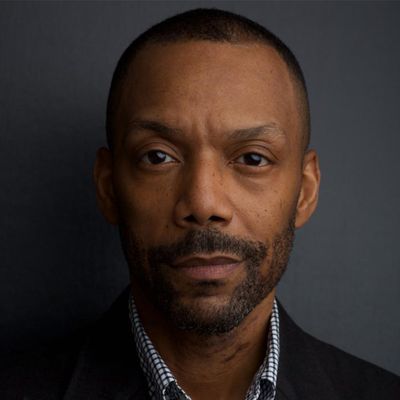
Happy Black History Month! Broadway star T. Oliver Reid joins The Art of Kindness with Robert Peterpaul podcast to discuss the art of listening to others, advice for actors, co-founding The Black Theatre Coalition and much more... Read More
From the show: The Art of Kindness: Pop Culture & Positivity with Robert Peterpaul
Guests
Featured Shows




About
Happy Black History Month! Broadway star T. Oliver Reid joins The Art of Kindness with Robert Peterpaul podcast to discuss the art of listening to others, advice for actors, co-founding The Black Theatre Coalition and much more.
Today's guest is Performer, Director, Producer, Teacher, Activist and, overall, Broadway sensation Timothy Oliver Reid. Timothy or T. has spent the past 20 years working on Broadway in acclaimed musicals like Once On This Island, Sunset Boulevard, After Midnight, Sister Act, Mary Poppins, The Wedding Singer; Chicago, La Cage Aux Folles, Never Gonna Dance, Thoroughly Modern Millie, Follies, Kiss Me, Kate, and Hadestown.
T. is also an accomplished cabaret artist and multiple award winner for his solo show, “Drop Me Off In Harlem” which he directed, wrote, and starred in. He has produced and directed concerts for iconic places like Feinstein’s 54 Below. In addition, he has a glittering breadth of film and television work, as well. Most recently choreographing for films like Netflix’s White Noise and the rom-com Bros.
Most importantly, T. gives back. He is a co-founder and artistic director for the Black Theatre Coalition, which aims to remove the “ILLUSION OF INCLUSION” in the American Theatre, by building a sustainable ethical roadmap that will increase employment opportunities for Black theatre professionals. He is also a regarded teacher and on faculty at Rider University, NYU-Tisch’s Grad Acting Program, and Columbia University School of the Arts’ Grad Acting program. He also sits on the Board of Visitors for the University of North Carolina School of the Arts.
Got kindness tips or stories? Please email us:
artofkindnesspodcast@gmail.com
Follow Timothy
Follow us
@artofkindnesspod / @robpeterpaul
(https://www.buymeacoffee.com/theaok)
Music:
"Awake" by Ricky Alvarez & "Sunshine" by Lemon Music Studio.
We are supported by the Broadway Podcast Network.
Transcript
This transcript was automatically generated and might contain errors.
[0:06] Robert Peterpaul: Hello, beautiful people. Welcome to the Art of Kindness, where we have compassionate conversations with artists from all areas of the entertainment industry who are using their voice to spread joy and make this big spinning planet in the sky a better place to be.
[0:21] Robert Peterpaul: I'm Robert Peterpaul, and I'm so glad you're here. Hello, hello. Happy February! It's Black History Month when we spotlight the remarkable achievements and contributions of black individuals who have shaped our world in countless ways. Specifically here at the AOK, we love celebrating the achievements of black creators and artists in our business all year long.
[0:54] Robert Peterpaul: Speaking of artists who are shaping the world, we have a very special guest joining us today in performer, director, producer, teacher, activist, and overall Broadway sensation, Timothy Oliver Reid. Timothy or T has spent the past 20 years working on Broadway in acclaimed shows like Once on This Island, Sunset Boulevard, After Midnight, Sister Act, Mary Poppins, The Wedding Singer, Chicago, La Cage Aux Folles, Never Gonna Dance, Thoroughly Modern Millie, Follies, Kiss Me, Kate, and Hadestown. I first saw T in the latter, lighting up the stage as Hermes. He walked a long road to hell. Get it? With Hadestown, playing multiple roles over his years and acting as the dance captain and associate choreographer.
He's a man of many talents and is also an accomplished cabaret artist and multiple award winner for his solo show, Drop Me Off in Harlem, which he directed, wrote, and starred in. He has produced and directed concerts for iconic venues like Feinstein's 54 Below. I got to perform in a show with him there for Planned Parenthood, and it was amazing. T has a glittering breadth of film and television work as well, most recently choreographing for films like Netflix's White Noise and the rom-com Bros. Most importantly, T gives back. He is a co-founder and artistic director for the Black Theatre Coalition, which aims to remove the illusion of inclusion in the American theatre by building a sustainable ethical roadmap that will increase employment opportunities for black theatre professionals.
T is also a regarded teacher and on faculty at Rider University, NYU-Tisch’s Grad Acting Program, and Columbia University School of the Arts’ Grad Acting program. He also sits on the Board of Visitors for the University of North Carolina School of the Arts. Needless to say, he is busy. He took the time out of that whirling schedule to chat with me from the gym. In fact, just a heads up, you can literally hear the gym in the background. Quite a bit. But what he has to say is just so valuable, so please listen up. He shares so many wonderful stories and nuggets of wisdom from working on Broadway to teaching young artists. Now without further ado, please welcome the terrific T. Oliver Reid.
[3:47] Robert Peterpaul: I was blown away by you at the 54 Below concert when you sang Make Them Hear You, which we did in honor for Planned Parenthood. And I had seen you in Hadestown, you know, I think one of your last weeks.
[3:59] T. Oliver Reid: Oh wow, okay.
[4:00] Robert Peterpaul: Yeah. And so just to see you up close and then do that song was kind of transformative in a lot of ways. And I'm a big fan of you and I love your work and I love what you do outside of the theater to also promote kindness and change in the arts in a lot of ways. So I thought this was a great fit. But before I kind of just keep complimenting you for hours and hours, I would love to ask you, and I will insert a really long complimentary bio about you later on. I won't make you sit here while I do that.
[4:26] T. Oliver Reid: Cool.
[4:27] Robert Peterpaul: But I would love to ask you just to start off how are you at taking compliments? Because I'm guessing you get a lot of them.
[4:38] T. Oliver Reid: So there's a lot, you know, a lot of deflecting when someone gets a compliment. But I'm doing my best now to say thank you and be appreciative of it because it's always coming from a good place. And so I try not to do my best not to—two things. I do my best not to use the word try because that always says to me that someone is not going to do something when they say they're gonna try to do something, that's the easy out. So I am always attempting to now just accept what's coming at me in the best possible way.
[5:11] Robert Peterpaul: I love that. Not using the word try, just doing it. And you also you think about the number of people that the number of times someone says you, oh, oh yeah, I'll try and do that, or I'll try and do this, and then they don't do it or they don't show up. And so for me, it's like what I want to do is to remove that word from my vocabulary. So either I'm gonna do something or I'm not. I'm gonna show up somewhere or I'm not, and to be okay with saying that as opposed to having people sort of hanging in this limbo area because they're not sure exactly what I'm gonna do. And I think in a lot of ways, it's just our society is built on ceremonies. So when we say we're gonna start doing something, it's almost like we're waiting for a ceremony or a sign or something. But in reality, you just gotta start doing it. And it starts a little unhinged and hectic and on a smaller scale, but then you're just doing it. You're not trying, you're doing it at your level.
[5:59] T. Oliver Reid: Absolutely. Yeah, absolutely. I love that. You're already dropping knowledge.
[6:04] T. Oliver Reid: But I love what you just said because it is for me the thing that I have to remind myself every day now. It's like if I have a like a morsel of an idea, it doesn't mean that anybody else has that idea. So I may be the person that has to act on that idea and to get something started. And it may be a little hectic at the beginning. It may feel like you know, you're flying, you know, driving without a seatbelt, flying without, you know, knowing where you're going without rings on the plane, but it is that moment of like someone has to be the first voice, someone has to step forward and say, this is the direction that we want to go in. This is the path for all of us. But I just happen to be the person who helps support and push and get us going for those first couple of steps.
[6:48] T. Oliver Reid: I think we glamorize things in a lot of ways because it's funny you said just hitting the ground running and flying by the seat of your pants. I'll never forget one of my first day jobs in the city was a tour guide, and it was a new tour, and we were putting it together, it was a bus tour, and suddenly I just had to do it in front of the producers on a flying bus through New York City, and it was like, just do it. Never been done before. But it's the kind of thing where it's so true, you're not trying, you're just you're doing it. But you can get in your head, which I do want to touch on with you too, you know, not getting in your own way, especially since you're a teacher now and all that. But before we kind of go down these rabbit holes.
[7:21] T. Oliver Reid: Oh, sorry.
[7:23] Robert Peterpaul: We're so excited. I like it.
[7:24] T. Oliver Reid: I know, I know me too.
[7:26] Robert Peterpaul: I know we're gonna get back to this, so we'll come back around to it.
[7:28] T. Oliver Reid: Oh yeah, no, I just I'd love to ask at the top since the show is all about kindness and it which is kind of a big umbrella and then everything underneath it. What is your definition of kindness? I know it's kind of a big question, but what comes to your mind?
[7:41] T. Oliver Reid: Generosity of spirit, and in a big way it is treating people the way that I want them to treat me. And one of the one of the phrases that I say a lot, and I hope she never takes offense to it, is like, is that I want you to treat Audra the way you treat me, not me the way you treat Audra. I don't need to feel extra special. I want you to treat everyone like they are human beings and like we are all worthy of a thank you and a please and a hell door and a moment of happiness or moment of sorrow. We all deserve that, and for us to look at it that way and to be as open and willing to allow people to have the days that they are having, whether they are good or bad, and hope that they will do the same for you.
[8:24] Robert Peterpaul: Yeah, and it's such a funny thing that we hold up. I mean, I love that we hold up people in the arts, and it certainly deserves then there are doctors and nurses and teachers who were just not even treating with an ounce of respect. And so it's such a weird dynamic that I'm sure you probably see both sides of since you are a teacher too, in a lot of ways. But anyway, I love that you said that because it is true. We're all just humans, and some humans can do some things really well, and others can do other things really well.
[8:51] T. Oliver Reid: Yeah. And listen, and we should applaud them. We should absolutely we should absolutely be able to give those compliments, tell people how great we think they are at what they do. However, it shouldn't—I don't think that that means putting certain people necessarily on such high pedestals because as you just said there are other people who are doing exactly what they are meant to do. And they are doing it at the highest levels and we never think of that. Why are we not thinking of that? And again, why are we not treating everyone with that same level of respect and kindness? Why are we not looking everyone in the eye when we talk to them or when we're walking down the streets? I know you've heard many times like you know when especially when we're talking about people who are without homes or facing any type of adversity is like sometimes it's just looking someone in the eye and a smile that will change a day. We can do that for everybody.
[9:41] Robert Peterpaul: Yeah. We talk a lot about that on here actually because it's such a—we love kindness tips and that's such a simple way to just change someone's day, ask them how they are, meet them with eye contact, wave to them. And sometimes people are nervous and awkward when you do it. It's like you do that dance of are we going to wave, are we going to say hello, and then you do it and people are kind of like a little bit freaked out because they're not used to that kind of kindness, especially in New York City when everyone's rushing and going, you know.
[10:06] T. Oliver Reid: Yeah.
[10:07] Robert Peterpaul: Yeah. So it is important at all around—had you moved here or were you—
[10:07] T. Oliver Reid: I was pretty young. I was doing an off-Broadway show and we actually went around and we sell at the different firehouses, which was—it was at the York Theatre. It was kind of a magical time. We went down to Ground Zero and I'll never forget all the debris in the air, but yeah, I'm not sure what you're getting at. But people were just so kind during that time.
[10:35] Robert Peterpaul: Well, no, absolutely. And it is, it was that two or three months after. Do you remember like when you were there was no pushing on the trains, there was no shoving and all that. It literally is like people were looking at each other in the eye because we had, I think we all had this stalf is like we don't know how long we really have. And so there was a lot more sort of like looking around the people and smiles and head nods and being aware. I remember it was probably like then that like December that somebody pushed me getting on the train. I was like, oh, we're back. It's good, we're back. New York is back. But there was this time that it's like, how do we—how we were progressing through our lives every day and spending a little more time to really see the people who were around us? Because they may have been the last people that we saw.
[11:19] T. Oliver Reid: Yeah. So I think there was something that was going on that really affected us in a way that made us respond in a way that was much more kind, much more thoughtful.
[11:29] Robert Peterpaul: Yeah, it's like we fall into these trends. I mean, even with the pandemic, I think in the beginning, everyone was treating everyone else with such kindness, and there was—we're all in this together, and we were clapping outside for the nurses as if they were just giving a beautiful performance, which they were in a lot of ways, and I think that's so incredible. But then we kind of let it go. And I almost wonder if it's because they say there's those two emotions at the core, love and fear. And I think a lot of us maybe don't realize that we're living in constant fear. And so when we show love, it's like a trend we can't sustain it. I mean, by the time this airs, I think it'll be February, Black History Month. I mean, it's important to have these months, but we have these trends, and then it's like it goes out the radar. I don't know why we can't sustain these things through our whole life.
[12:12] T. Oliver Reid: And it might be because we have that fear instead of love bubbling underneath.
[12:16] Robert Peterpaul: I don't even know if that makes sense, but—
[12:16] T. Oliver Reid: No, it does make sense, and there is something to the fact that, you know, I felt like maybe our lives are so full that there is fear that we can't hold on to all the things that we need to. And if we compartmentalize and we're only gonna deal with this in this month, we're only gonna deal with this here, we're only gonna deal with this group of people when we have to, then we can live in this place that feels much more comfortable to us, but it's not a place that's open to like full love because we are blocking off emotions, we're blocking off possible connections with people because this is the lane that feels so comfortable to me, and I know it, and I don't have to change a thing, and I don't have to think about how I'm saying what I'm saying.
I can just be here and be happy. But yeah, but that may not be fulfillment at the end of the day. That may not be allowing you to be the human being that you actually are meant to be because you're holding on because of that fear to this thing that you already know as opposed to stepping out on faith, stepping out in what the universe has already said to you.
[13:25] T. Oliver Reid: And I again, the Andre the Shield said this, and I live by it now. It's like the universe is conspiring with you. And it truly is if you're open to the possibility and you're willing to step or jump or leap or run, the universe already has the path. You just have to jump into the—you have to jump into the river and kind of, you know, ride that stream and see what's gonna happen. But you have to be willing to do that.
[13:52] Robert Peterpaul: I'm glad you said that. And that's the difference between the fear and the love.
[13:55] T. Oliver Reid: Yeah, I mean you—I heard you mention that on another podcast when I was preparing for this, and it literally changed my whole day just hearing you say that. It's such a powerful sentiment because a lot of the times we look at what goes wrong in our day versus what goes right. And there are a lot of things that go right from being able to bend upward out of bed and take a first step out of bed, you know, right from there. There are so many more things that go right. So I think it's important to look—what I think with that, even the things that we think are wrong, in some ways for me, it's like it's the universe telling you that was not the journey that you needed to be on. So let's turn around and go back the other direction because that is going to be—that's when you get the yes, as opposed to what goes like a slap in the face.
Sometimes that slap in the face is truly just—and again, it's whether you think God or universe or whatever, however you believe it is, that is that higher power's way of saying to us like that's not the journey that you're supposed to be on.
[14:48] T. Oliver Reid: So let's let's let's find that journey again. And it's so vital to reframe that as artists because we get no's all the time. I mean, we get nothings all the time, really. You just don't hear that anything. It's more radio silence than a no. If you get a no, you're like, oh, at least they're talking to me. So I to but today I want to focus on that love and some of the yeses. And I think it's really cool because your career seemed to almost almost start out with an act of kindness, which is that when you were at University of North Carolina School for the Arts. Yes, and your opera teacher, I heard you tell this beautiful story, you know, recommended you for the Once On This Island tour, which I think is such a beautiful act of kindness.
Since you yourself are a teacher now, I was wondering how you're trying to continue that sort of mentorship vibe, or if you approach your students in a certain way where you feel like you're able to kind of help them as this Broadway success story who's doing so many great things.
[15:43] T. Oliver Reid: It it's it's a little twofold. I mean, there are days that I walk into class and they're all like, it's it's Broadway's T. Oliver Reid. And I was like, yes, I'm but it's also Rider University's T. Oliver Reid, because that's why I'm here to make sure that I'm a part of the journey for them. And my goal is always to be able to impart whatever wisdom I have and things that I've learned over, you know, the past couple of decades working on Broadway. It's like it's about being able to share that with another generation. So that's the basis of everything. And there is the especially with you know the seniors as they're getting ready to get out into the world, is like I want to make sure that you are ready to audition, you are ready to book work and you understand what that means and how to hold on to a job.
And then when there are moments where like if I hear you know that certain casting directors are working on something or looking for people and they're and they're right, people in that senior class or who have just graduated, or people or kids from other universities that I know, it's like I'm recommending them because I know one, I know what the work they do, I know where they are talent-wise, and I know that they are ready. And if I know that they are ready and serious about it, then I am ready to do my part. But I mean I also do that with friends who are in the business, you know, there I was thinking about this the other day. There are so many times that people say they will help you or say they will make an introduction and they don't. So that when you so for me, it's like when I find people when I do it for others, or when people do it for me, that thank you is a real and true thank you because a lot of people will say they will do something, but fewer people will actually write the email, send the text, call someone and say, I need to connect you with this person, because there again, there is, I think, a bit of that fear of is this person going to take a job from me?
Is this person going to take an opportunity away? And I'm always like, if it's mine, it's mine. If it's yours, it's yours. So me connecting you with someone is not going to change your trajectory, not going to change mine, not going to change what is supposed to happen, what the universe has planned for either of us. So why shouldn't I, why should I not just do my part?
[18:01] T. Oliver Reid: Exactly. And what we don't realize too is that it actually adds to us in a lot of ways. You get that love and kindness back. And oh yeah, by referring someone, you're kind of also bumping up your reputation as a nice person. Which is not why we do it, but it is kind of funny because we think it's going to take away from us in some ways, but it actually at the end of the day doesn't, and it's so important to lift each other up.
[18:18] T. Oliver Reid: Yeah. Absolutely. And I mean, I told the students all the time, it's like you have to be, you have to be good human beings.
[18:23] T. Oliver Reid: Yeah. And then I told a story um years ago. I was auditioning for uh the national tour that was it's gonna be based in Canada for a while. I can't think of the name of it right now. I will think of it in a moment, Dirty Dancing the Tour.
[18:40] T. Oliver Reid: Oh, okay. So auditioning it took me a minute. Uh I'll just do that. I walked into the rehearsal studios. I hold a door for some woman. She had a bunch of stuff in her hands, blah, blah, blah. We get to the elevator, I hold a door. There are bunches in the elevator, she smiles at me, I smile at her. We get upstairs, we part, go different directions. I go and change into um whatever I was gonna audition in that day. Walk into the room, she's the producer of Dirty Dancing the Musical. And she's smiling at me, and I was like, I have no doubt. I mean, I was happy with the way I auditioned that day, but I have no doubt that that little bit of kindness bumps. It is a moment for people like we like, we like what we like what he did.
We like that we're we can probably work with them, and it's gonna be a fun and enjoyable experience and not something that's gonna be feeling like something that feels like it's pulling teeth every day of my life because they're they're difficult to work with.
[19:32] T. Oliver Reid: Yeah, and it's hard to reframe your mind after taking all these classes to not go for the job. I think you have to learn to go for the friends. And I think that's something in life. It's just go to meet somebody else and lead with love. And you might not be friends, but you're both humans on this earth, and we can help each other in a lot of ways, whether it's holding the door or giving someone a job, which is part of it. But I love that you teach your students that. And I think also there are so many classes that I've taken and that a lot of people have taken, where sometimes it's like the teacher's ego that's the thing, and that's what you're really there to just applaud. But there's a lack of mental health awareness and things that are going on in the world in the classroom.
And so I was wondering for you, if there are certain things you teach your students mindset-wise, whether it's how to get out of their own heads, which is kind of a funny statement because you're always gonna be in your head, but you know what how to get out of your own way and be kinder to yourself. Do you have any advice for that? We have a lot of performers that listen to the podcast. So anything you could kind of drop would be helpful.
[20:30] T. Oliver Reid: I mean, I mean the biggest thing for me is is owning the emotion that you're in at the time that you're in it. So that because we get so we numb ourselves so many times to the how are you doing? Oh, I'm fine. Well, I'm fine. Everything is fine. And for me, I tell them always like, don't live in that place so that you and your body and your emotions understand when you when you are fine, when you're having a great day, when you're having a horrible day and why that day is horrible, so that you can you can focus in and say, This is this emotion, this is where I am right now in this moment. And I'm gonna live in this moment, and then I'm gonna get out of this moment. But if everything is fine, you numb yourself and you don't know what's a good day and a bad day, and then you find yourself one, trying to find those emotions on stage, and two, not understanding why your body and your emotions are pulling you in a place that feels like it's depression or feeling like you're you're having a down day.
It is it's about being able to own where you are when you're there. So I can say I'm I'm sad today, but I won't I won't necessarily be sad tomorrow. Tomorrow is a brand new day, new experiences, or when you have one of those days where you've gotten 16 no's or no responses at all, and you're wondering if that is, you know, reflection of your talent. It's like, no, that's just the day. There are 10 people who are having their own days, and yes, it is compiled on you to feel like there are 10 no's or 10 nothings, but that's just 10 other people trying to make it through their day. So for me, yeah, it really is just owning, owning where you are when you're there.
[22:01] T. Oliver Reid: And I ask them truthfully every class is like, how are you doing today? And you know, sometimes their students were like, I'm really having a bad day. It's like, do you need do you need to be outside more than you need to be in this class right now? If you need to go take a walk for 15 minutes and come back, I'm totally fine with that. If you need to go and have this time by yourself instead of being in this class, I understand that. And I'd rather you take care of yourself now than have it build up and become something much larger later.
[22:30] T. Oliver Reid: That's so beautiful and important because you're teaching them to acknowledge that and have that awareness. I mean, even I have this beautiful custom planner, my wife maybe now, I don't know where it is, but every day they have stars and you could fill it in how your day was. And each day I'm like, oh my God, five out of five. That's actually it's not true.
[22:47] T. Oliver Reid: Yeah. So it's like we're we want to put that that blanket of comfort on. And even the lesson you're teaching them is so valuable for auditions because just being able to come from where you are is automatically gonna start the scene off in a more authentic place. And if you find that you're sad, you know, it might work for the scene, it might not, but then at least you know to go take a walk, put on a Dolly Parton song, walk around, dance or something like that, and get out of it. So I think that's really really such a valuable lesson.
[23:14] T. Oliver Reid: And I love what you just said about the audition though, because it is that thing for me. It's like I've always I always am in the mindset, like you get you go in there wherever you go in. So if you're wherever you start the day, it's like how how are you going to use that emotion, that feeling to propel you to where you need to be. And again, it's rare that we live our lives in a I am down in a dump sad all day. I am joyful, happy, to doing cartwheels all day. We go back and forth. So to find that jumping off point that may, if you're in a sad place but you don't need to be for this song, that sadness brings you to a memory that makes you smile. What is that so that we can we start to use all of those things?
And it's also hard for college students because you know, most of them are you know, 18 to 22. There's a lot of life that hasn't been lived yet. There are a lot of broken hearts that haven't happened yet. There are a lot there's a lot of pain and suffering and deaths that have not happened yet that are things that as we get older we're able to pull from. But for me, it's like, but use what you already know. Use that first love, use that first breakup and and how do you continue to use those and and find the sadness, but also find the happiness. Go back to that, go back to the snapshot of when the relationship was happy. And so that you can hold on to that and use that go back, then go forward to the place where maybe it wasn't and use that when you need to. Because they're all our memories, they're all part of who we are, and and to negate any of that negates the journey, the journey that each of us is on. And it's also just more interesting to watch.
[24:47] T. Oliver Reid: I mean, that's something I loved watching about you in Hadestown. And I wrestle with the word present because I'm like, what does it even really mean? But I think it for the most part means what we all think it means. And I'm not gonna say that definition now because I totally know what it means. But just watching you in Hadestown, you know, you started from where you were and and with the audience and and you were feeling the energy that was given to you, and then you were able to tell the story and take it on a journey, which I so love to see as I always want to say Hermes as or Maze is what I think the character I saw. And I know you've played different roles throughout that. But as this this sort of ringleader, this sort of trying to be a mentor to Orpheus, you had just had such a journey with the show overall. What's one, I guess, lesson or takeaway you have from your experience with Hadestown?
[25:35] T. Oliver Reid: Oh honestly, I think well, there's so many, but I the one that that pops into my head first really is it's the the art of listening. And I think part of that is as you just said, is listening to the the energy of the audience and and where they are and if that means for me really being aware of the text so that I am not I am not glossing over anything or or blowing past something because there's a lot of information that people really need to get. But a huge part of it was was the listening to to Reed, listening to Andre when he was still in the show because it's like there there are moments that like you have to find your voice, otherwise it just feels like you're you're filling in for someone and they were there were many nights of you know repetitive listening to the text.
It's like that's not how I say that. And that's not the rest and that's also not the response that I give to hearing that from Reed or hearing that hearing something from Persephone, whether that be Amber or or Joel. So it really is about like how how are you listening? And I think a part of that is also that that being present. And for me, being present doesn't mean that you are why I am always here. It means you are in the moment. As human beings, we we look away, we blink, we have to refocus. All of those things are still are still happening on stage when you are are present. And there are so many days that I and I again I was I you know I'd be on stage every once and I was like, how does how does this person do it?
Or how does this person do it? Because I feel like tonight I am can constantly refocusing myself because I'm not feeling completely present. But that's how we are in life. We have those moments where it's like whatever's going on, it's like I have to refocus and get present in this moment that I'm at. I have to get back to where I need to be because I'm not I'm not listening as intently as I want to. I'm missing part of a story. I'm I'm not I'm not present for what's happening around me, and that and that is something that more and more I'm I'm really aware of and really it changing my life to to be in those moments. And some of those moments are being around family when big when big things are happening, when being around friends when things are happening, when friends are getting married, when when their babies are you know being born and their baby stars and things, those are moments that you're not getting back.
And it's something also that I learned late, you know, the first part of my career was like each of the week. Don't miss a show, no matter what, you gotta show up, gotta do this. And I was missing moments that were that could have been pivotal in my life. And I also and so I made the decisions like when there's something big happening, I just can't miss those anymore. I have to be a human being before I need to be any of those other things on stage.
[28:18] T. Oliver Reid: Yeah, it's so true. I mean it's it's the point of life, obviously, is are your loved ones and these things and doing what you love, but when that overshadows everything else, it's hard. And I hope that's something that our industry takes more into consideration because there are so many people that want to do all of these jobs that that are within the arts that we have. And if we could let some of them in, maybe it could give us more forgiving schedules so people could have a life on the outside and it could feed each other. I love that you said you're putting that first now. And I love seeing I think Tova and Funny Girl posted something saying, you know, today's Mother's Day, and I'm taking off to be with my family.
Like just little things like that remind us all that that's the point of life, and it actually allows you to be a better artist. And it's true with being present as well, like you were saying, it's learning that it's okay to break patterns because I think we're taught from a young age, A plus B equals C. And then when you're on stage, you're following the recipe, and then you're thinking about what you're gonna have for dinner in your head because you're just going through the motions. But it it is so important to break the patterns and just be from from where you are, like you're saying.
[29:18] T. Oliver Reid: Yeah, for sure. And and and it's and it's not easy to break the patterns, but it is possible. I mean, yeah, one one of the big and I I don't make New Year's resolutions because we know by February they're they've changed. So for me, it's like it is just a moment for me to remember that there are things that I want to do and and I and there's the person that I want to be as I continue to grow.
[29:39] T. Oliver Reid: But this year, one of the things was uh because I think we we get into the place where we live and we live in that petty place, and it can get really dark and really really ugly so quickly.
[29:53] Robert Peterpaul: And you hear all that noise in the background.
[29:54] T. Oliver Reid: I hope not.
[29:56] Robert Peterpaul: Oh yeah, I was like, is there a tap dance going on back there?
[30:00] T. Oliver Reid: Let's let's let's hold for a second to see what's okay.
[30:02] Robert Peterpaul: If I I don't know what she's over there hammering, but oh she is literally hammering.
[30:11] T. Oliver Reid: Oh she's she's making a chopped salad, so that's what that was.
[30:14] Robert Peterpaul: Okay.
[30:14] T. Oliver Reid: Well that listen, that's important. We gotta nourish ourselves. Every time I do this podcast, it's like people decide to mow their lawn. There's like my cats will fly around. Um it's always a fun time. But yeah, no, that's okay. I can't hear it anymore. So I think cool.
[30:29] Robert Peterpaul: Yeah, she's just up.
[30:30] T. Oliver Reid: Yeah. So it is it is the uh because we live in this place that feels like we want to be petty all the time. And I'm like, I'm all for a few moments of we could have a good laugh and something petty. I can't live in that place. And one of the things I have started doing if it feels like it's coming at more people is like, just so you understand, I'm gonna be happy this year. That's what I'm gonna be. So if that's where you wanna be, that's totally fine. I'm just not going there with you. And then that's the end of that conversation because before we do it once and then we do it again, and then it feels like it's a full day of why is there so much negativity? Why am I feeling so like this? And it's because we get caught in that circle of like it feels good to be cutesy petty, blah blah blah.
And I do it. We all do it, and that's okay. It's gonna happen. But if there is a difference in doing, I think there's a difference in doing it occasionally and finding ourselves living in that place that everything feels like it requires negative critical commentary that is not coming from that place of this actually may be helpful for you, or this is my understanding, my belief, however, dot dot dot. But yeah, I just I just don't want to live there anymore.
[31:40] Robert Peterpaul: Yeah, I don't blame you. I think that's great. And I mean there's just such a difference in between venting and being mean. And I think a lot of the times these fast rehearsal processes, or I mean, I just did a workshop of something, or there it was a certain situation where you know there's people in the room that just wanna talk shit about the other people on the production team or how the rehearsal process is going, and you're just like, this is wasting so much time, and I'd rather we can get to know each other and we can go in there and be positive and just deal with what we're what we have, you know?
[32:08] T. Oliver Reid: Yeah. So you're right. I mean, that's a good, I know you said it's not a resolution, but that's a good thing to strive for. And sometimes it takes cutting certain people out of your schedule.
[32:19] Robert Peterpaul: Yes, as much.
[32:20] T. Oliver Reid: Absolutely, not too large. And as much as you can, because again, like as you said, like there's gonna be times that you'll work with people that they live in that place, and you have to decide how much of your energy and time you can give to that emotional journey that they're on and to that person. And sometimes you may be able to say, I'm giving them, I'm giving them the full day because we're doing all these scenes together, or you're giving them we are working together, so I will focus on those scenes, but when we are not working together, I've got to come over here because that energy is getting in the way of what I need to do and who I want to be. So it's just yeah, and it's and I think that that's a healthy way of being able to work because we're not always gonna work with people that we like.
We hope that we will be able to, but there are gonna be times that you work for someone who just is in a different place on a different wavelength, walks through life differently than you do, and you need to and get to decide how you want to interface with them.
[33:18] Robert Peterpaul: Yeah, and while you may find you like certain things about them, which is a nice trait to find that in people, you have to realize that also the other traits are sucking you dry like a vampire, and you don't have to give them your blood, you know what I'm saying? So I think that's good advice.
[33:29] T. Oliver Reid: Yeah, absolutely.
[33:32] Robert Peterpaul: Yeah, I heard you recently on, I think it was the Black Business of Broadway, our sister podcast here at the Broadway Podcast Network. And you said something. You said reality can be whatever we want it to be. And it gave me goosebumps. And you didn't even pause. It was just like in one of your beautiful soliloquies that you were saying while the podcast. And I just thought that was such a wonderful way to define reality because it doesn't have to be, you know, people say, oh, being on Broadway, that's a dream. That's a dream world.
[34:00] T. Oliver Reid: Yeah.
[34:02] Robert Peterpaul: That can be your reality.
[34:03] T. Oliver Reid: Yeah, absolutely.
[34:05] Robert Peterpaul: So you're kind of putting that into action. You co-founded the Black Theatre Coalition in 2019. Let me rack my was it?
[34:13] T. Oliver Reid: Uh the well, we yeah. So we we started having conversations about what about some things that we thought could be fixed in the industry in 2019. Uh we officially started uh ETC in July of 2020.
[34:30] Robert Peterpaul: Officially.
[34:30] T. Oliver Reid: Okay, cool. Okay, there we go. I think I to I memorized something off the website that probably just listen, I'm in the arts, I'm not a numbers dude. But I love I love the mission there, you know, and how how you're dismantling the way society is now and and racism and and all the wonderful work you're doing. You've already done so much good for the industry.
[34:47] Robert Peterpaul: And I've thank you.
[34:50] T. Oliver Reid: Yeah, of course, I truly mean that. I guess if you want to shout you and the team out, what have you are you proudest of so far with that initiative?
[34:58] T. Oliver Reid: It's again, there's so many great things. I think the thing that fills fills me F-I-L-L-S with the most pride is you know, when we when we get, you know, an email or a call or something back from one of our past fellows in there, and one in particular who is really great with every time something happens, she sends an email or a text, and it's like, just so you understand, you have changed my life. A year and a half ago, I had resigned myself to the fact that this was never going to happen to me. And because of these fellowships, I have opportunities in rooms that I never expected that I was going to be in. And this is someone who has you know started working on uh our directing fellow, Tanisha Florida, who started working on company, revival the company, and then moved to Death of a Salesman and now is working on Bats Cinderella.
And it is that thing, it's like we are we are changing lives, uh, and in the process changing our industry because we're we're making room for other stories, other truths in a way that we we didn't have before the pandemic. And we need those stories. We need these human experiences that are not all homogenous, not all it can't all, it can't all be just this lane anymore. And we want it, we want to have more stories of the human experience, and whether that's you know, African American experience or Asian experience or or Latin experience or white experience, we want to make sure that people can come into rooms and see what that feels like and looks like as a human being, and knowing that I understand that mother and father because because I have one, I have a mother and father, or I had them before they before they left this planet, this realm.
It's like what do what does that mean and what does that look like for us? And how do we make sure that we are telling those stories and and allowing young people to see themselves on stage and backstage and in front of house and in all of these, all these jobs that make our industry work. If they don't know that that's a possibility, then they're never going to reach for that star. They're only gonna reach for the thing that they see and think that that's the lane that they're supposed to be in. But there are there's so many opportunities, and we wanna make sure that there are you know young girls who never thought that they could be a sound designer. Now we'll hopefully realize that that's a possibility for them.
[37:19] Robert Peterpaul: Yeah, and it's so I guess funny's not the word, but it's wild because it takes reality to change reality to kind of go back to your quote. So to bring the reality of, I guess Broadway, for instance, with proper representation across the board, which we got a long way to go still, but because of initiatives like yours, it's it's changing. We have to take the reality of the people whose stories there are and the people that are actually already there and it's already real. So it's it's kind of a funny, like paradoxical thing in a lot of ways. But we're so grateful that there are initiatives like yours that are dedicated to doing this and it is changing the world. And that was a kindness tip right there of the lovely person that actually emailed you. Because how quick are we all to email Grubhub when our order's late, like when things go wrong, we're so quick to email, but to send an email about something just positive is is really cool.
[38:09] T. Oliver Reid: It is, and it's it's well, this is like, and for me, it's also like to be able to take that time and stop and it not just be a oh, it's another text for me to read, but to actually read the text and and to and to let that sink into my day of this is it, this is a good thing, and this is a something that you have done that has actually changed someone's life for for the better. And sink in.
[38:32] Robert Peterpaul: Yeah, for sure. Because we let the other sink in. No problem, no problem. We get so hard.
[38:39] T. Oliver Reid: Yeah, it pours right over us.
[38:41] Robert Peterpaul: Yeah, I really love that. And I love how you're using your art as a tool to change the world again, which I think is the art at its finest. Something I kind of always wrangle with. And I don't even know if I'll be able to properly say this question, but I would love your perspective on the fact that when we create these things, it could be the most impactful, beautiful, properly represented piece of art. But a lot of the times the people's minds who we really need to affect and change would never come to see that show just because of the marketing of who's in it. You know, I think of even like, remember that film Don't Look Up that was recently out about climate change, which had Meryl Streep and all these openly liberal people. It's like the people we need to reach aren't gonna go see that movie. So I wonder for you if you see any way we can unite audiences and people on different sides of the issues and then bring them that art.
[39:35] T. Oliver Reid: That's yeah, that's a I know it's a hard question. It is, it is uh what one of the things I'm I'm really getting much better with is saying I don't know. So that is one of the things I'll say. Like I don't I don't have that answer, but one something that I I think about all the time is is the how do we have conversations with people who have differing views from us, uh, and in that way that we are really able to listen again to to what their struggles are, what they're saying, what they're telling us they want to see or don't want to see, who they want to be and don't want to be, and getting that information and then and asking a lot of whys, and then seeing if there's some middle realm and if there is, how do we how do we go from there?
With theater, it is these, I think it's sometimes like you have to the artist has to do the work that feels the most right for them. And then the other, I think the others around a production have to do their parts as well. And that is that is going to be a lot with marketing and PR and every and everyone else's to make sure that everyone understands that they are welcome to sit in those seats and to experience this moment. And it may not be a moment that they think that has any connection to them, but again, that human experience, you're gonna you could see someone on stage that reminds you of someone that you know and it's like and that is the connection. But if you never if you never go into the theater, if you never get into that seed, if you never go and see that movie because you think it's just gonna be a lot of people harping at you over climate change and you don't believe in it.
We never grow. We never, we never start to close that divide. And that is truly, you know, for me one one of one of the goals of of this life. It's like how do how do we continue to close the divides between whether it's the haves and the have nots, it's the the red and the blue, the the I like theater, I don't, I like musical theater, I don't. It's like I I have a couple friends who are always like, yeah, I don't really like musical theater, and then you send them to the right show and they're like, oh yeah, I really like that show. I really I really like that. So it's like, oh, you need you need to be spoon-fed musical theater. You're not ready for the big opening number yet. You need you need the you know, the warm yourself up to it, and then and then we'll get into a a pseudo dance number.
I got that. So now it's now it's how do we begin, how do we begin to do that same thing to to the greater community, that spoonful of sugar in the medicine, so that they we can we can get them into the seats and then we begin to and I don't want to say teach them because it then it feels like it feels a little things begin to let them experience what theater can be, what the arts can be for making us better, better humans.
[42:18] Robert Peterpaul: Yeah, and it's so important too because we need all these communities and these different initiatives, but then a lot of the times we love categories as humans and they serve us, but they're double-edged swords because the show could have so many things that are relatable. And as humans, there are so many more things that unite us than that don't. But if the show's pegged as a certain type of show or marketed a certain way, those people aren't going to come see it because they'll think, oh, it's like what you just said, them preaching at me the whole time. So it is such a weird hard thing because then without those categories, we're not as connected. I mean, there's you know, so it's it's it is hard. And nobody, I don't think anybody knows otherwise this probably would be solved.
[42:55] T. Oliver Reid: Yeah. And again, for me, it's like that that's for me is also the reason to just be able to say, you know, I I don't know the answer to that, as opposed to to pretending and and saying something that that's not not true to me and not true to what what we really need to happen. But we do have we we have so many moments in in in life that we feel like we have to fill the space, we have to say something, and I don't think it's always necessary. I think there are some times we can just sort of sit in the moment and what is the answer to that question? I don't know. We'll we we will all continue to to sit and ponder and and wait for the universe to give one of us that spark that says this is the direction we need to go to get to the answer.
[43:39] Robert Peterpaul: It's similar to what you said at the top of the show, which is that you're not trying, you're doing, and it's like you don't know what you're doing. I I just heard Emerald Fennel, I think her name, the woman that wrote Promising Young Woman, and she said, people asked her all these questions on the press circuit, like, what is the answer to toxic masculinity or whatever topics she was exploring. And she said, I'm comfortable saying I don't know, but through my art, I'm exploring things I don't know. And that's how we get closer to knowing. So yeah, it's it's not uh lost on me that none of us know. And I think that's important just to say that in this world, we always need an answer.
[44:14] T. Oliver Reid: Yeah, and it's like I think I love that the you know the exploring the options because that's for me, it's like I feel like that's what we're doing in.
[44:21] T. Oliver Reid: And when we get to an option that is, you know, a stop sign, that means there's another route that we have to go down. And I so I I also live in this place now. It's like I'm either succeeding or I'm learning, uh, not and not failing because we we all you think that failing is as if there's something wrong with us, something wrong and experience is like, so let's turn that around. I either am going to succeed the first time or I'm going to learn from that experience, so that when I come back with another option, maybe I'm getting closer to the answer I want. Maybe I'm getting closer to the answer to that question. Closer to answers. I think that'll be your biography one day. Maybe the title we can put in.
I love that. I love that. Getting closer. Anyway, not just Black History Month in February, but all year round, do you have any advice for I guess specifically even just the allies in there or people looking to amplify and support what you're doing besides just donating to a cause? Do you see room for specific things that people can do more of?
[45:21] T. Oliver Reid: I do. I I I I think it is always asking the questions like, does the room look like the world around me? And if if you live in a world where there are only white men and women, then we have to change that. But if you live in the room that live, if you live in a world that looks like, you know, 57th Street to 14th Street and all different colors and sizes, etc., and that's great. But if you were working in a room where it doesn't look like that, we have to always ask ourselves the questions like why why are these people not disrupted? Why, why, why does this room look like it looked in in 1951? That's that's an issue. So for I think for us it is the always just always having someone in the room, one that can ask that question of all of us, so we don't we don't forget.
We don't forget that we have to do better. We have to pivot and change the way that we have worked for almost a hundred years of theater in on Broadway and the Broadway. Are there people who are non-binary? Are all these things now in this room so that we are we are growing and and making sure that we're telling stories, other stories and stories that people want to want to see in here.
[46:39] Robert Peterpaul: Yeah, that's wonderful advice. And I I think this time of year award season, which all these award shows certainly need a lot of work and who they're nominating and who's uh whatever, and the categories even. But an interesting exercise sometimes too is just to look at who your picks are. Uh, not picks are like the Disney who you would vote to win at these parties and whatever, what movies you've actually seen, and if they're all people that just look like you, well then you're you're not very diverse with your taste of stories.
[47:08] T. Oliver Reid: Absolutely. That's something maybe just to do this time of year. Uh, but I know we're closing in on time, and you gotta go chop your own salad, probably. So uh I would love to quickly play a surprise game if you're down.
[47:19] T. Oliver Reid: Okay, okay.
[47:20] Robert Peterpaul: Okay, it's called the compliment game because you did not get enough compliments at the top of the show, and we've got to work on how you're receiving them. And basically, don't worry, they're not from me. This little awkward shrub on the other end of the Zoom. They are from people in your life that I reached out to get a loving statement about you. I'm gonna read you that statement.
[47:42] Robert Peterpaul: Okay. I'll give you some hints if I have them. I probably don't because I don't know these people. Okay, but they're wonderful people. Um, you actually got two, these people got right back, which is great. And we'll say maybe you just get like three guesses.
[47:54] T. Oliver Reid: Okay.
[47:54] Robert Peterpaul: And you can ask me yes or no questions again, but I don't really know.
[47:57] T. Oliver Reid: Okay, okay. Everyone's beautiful in their own way. It's the compliments game on me.
[48:01] Robert Peterpaul: Yay, okay. It's the compliment. Compliment, yay! Bomb. So here's your first one. Okay. And they're they're short, so don't worry. Okay. Even though he sometimes gets on my nerves, every Tuesday and Friday morning, he has a heart of gold and would fight tooth and nail for equality and opportunity for all.
[48:24] T. Oliver Reid: That would be Warren Adams.
[48:26] Robert Peterpaul: Yes!
[48:27] T. Oliver Reid: Yes, yes, yes. Look at you, you nailed it. Warren Adams, your co-founder.
[48:33] T. Oliver Reid: Yes, yes with BTC. What do you feel about Warren?
[48:37] T. Oliver Reid: No, it it he's amazing, and he he is a wonderful human being. And it is part of the reason that I think that our organization has been able to do what we have, and that we work so well together is that we have absolutely different personalities. He has the very same personality as my partner. Uh they they are born a week apart. So it is the and you know, my my my daytime and then evening or or dealing with that same personality. But it it's your work and your home husbands.
[49:04] Robert Peterpaul: Yeah.
[49:05] T. Oliver Reid: So but but it is it has kept us honest about how how we're working and and what we're trying to achieve, so that so that neither of us strays too far from the mission that that we wanted uh in in 2019 and in in 2020 when when we officially got our you know our 501c3 status from from the bigger IRS.
[49:27] Robert Peterpaul: Thank you.
[49:28] T. Oliver Reid: Oh yeah which is amazing to get so congratulations.
[49:32] T. Oliver Reid: Thank you thank you. And thank you Warren we have one more I'm gonna read it to you and I think you'll get this one too. This one's a little bit you might need a hint for this one because I'm sure a lot of people feel this way about you. T is an extremely kind soul and understands the value of human connection working alongside him to change the industry and the number of lives has been a dream in so so many ways.
[49:55] Robert Peterpaul: And I can give you the hint which might give it away but I think you'll you may need it.
[49:59] T. Oliver Reid: Yeah what's the hint?
[50:01] Robert Peterpaul: The hint is Nebraska is where this person is from is that Nick yes Nick oh Nick Mr. Wickham yes yes Nick Wickham he was very excited too I I was DMing these people based off of the founders on your website I was like this would be meaningful.
[50:25] T. Oliver Reid: Well I almost asked you yeah do you know you must know Marissa Perry from because you did sister yeah I was gonna ask her together yeah I love her. We're friendly but I was like I thought these people would be great and they're you know they're they're doing the good work with you so yeah there you go at least you know they like you too we love that but again it's like it it is you know you know this a part of this conversation is like treating people with kindness. And it's again for me, it's like it's not do it's not about trying to do extra for one person and not for someone else. Like how how do we do our part and in treating people like human beings and allowing them to be where they are when they are in those places and to know that we want we want that same respect, we want that same kindness, we want that we want to be able to have those same moments uh and not be judged solely on the you had a bad day. It was a bad day, tomorrow won't be that.
[51:17] T. Oliver Reid: So I I do my best to to treat people well, treat people the way that I want them to me. So yeah, and learning too, everybody was raised differently. And I mean, I always come into my Zooms like screaming people's names and waving and smiling, and that's just who I am. But I also know not everyone is like that, so they might just smile and say hello politely, like a normal person.
[51:40] T. Oliver Reid: Well, and nor normally I would as well, but because I'm in the gym, I'm trying not to scream because I feel like I'm like everyone is.
[51:46] Robert Peterpaul: Oh no, your your love is was quite friendly. I'm just saying in general, like sometimes we read people and we're like, oh, they don't like me because of a certain action, but that's just the action that we think equals like whatever.
[51:56] T. Oliver Reid: So yeah, yeah, and and that for me is like if you if you you were born with a different mother, and you can have different ideas on a lot of things. Your siblings all probably have similar ideas on things, mine as well, but mine and Jeremiah's totally different, and it is that it's like you have to you have to be open to it and saying we we we come at things differently, and that's okay.
[52:18] Robert Peterpaul: It is okay, yeah, because we're all different people.
[52:21] T. Oliver Reid: Yes. Before you go, I just have two more things. The first that I did want to ask you earlier, and then we went down 100 rabbit holes that I loved and had a great time in, is uh a story about an act of kindness on Broadway. So I know you've gone on last minute, I know you've kind of done it all, or it could just be in theater in general, it doesn't have to be on Broadway, but this is the Broadway podcast network. So if you have any stories you could share about a time maybe a fellow performer really did something kind for you, or someone backstage or whatever comes to your mind.
[52:47] T. Oliver Reid: Honestly, I'll say Rachel Chapkin. Uh last year when I got COVID, uh, you know, she's busy doing 8,000 things, and she'd already set me a midst of saying she was thinking of me, but I hope that I was doing well we were because Jeremiah and I got at the same time. And then she sent me this delightfully huge uh gift card from Door Dash. And it was that oh and it was it was one of this like we were fine, we have plenty of food in our apartment. It wasn't that we needed something, but it was one of those things. That's one uh March Champion years ago with Folly's. Uh she called me her angel because w we had some issues with an elevator one night, and I lifted her out of the elevator so that she didn't fall to the basement.
And so she always just went above and beyond. Um I think one of the special moments, like not in the theater. I was on the train one day, and this group of kids were staring at me, and I was like, they think I'm somebody else. I'll go whatever we're getting off at 50th Street, and they one of the guys comes up to me and is like, you T. Oliver Reid. And I'm like, Yeah. He's like, we talked about you in our class at school. I can't believe we're we're meeting. So it was one of those things, it's like, and but it is that you you forget that you're changing people's lives or that peep that you're inspiring people to do what it is they want to do. So I mean, I think those are the ones that really stick out, especially those days where it's like, I'm so tired, I don't want to do the show or whatever's going on, and you remind yourself that for me, it's like this is someone's first Broadway show.
This is someone's last Broadway show. Someone saved everything they had so that they can come see this one show this year. So we have to be in those moments as well. And remember that. It's not, it's not necessarily always just about us.
[54:27] Robert Peterpaul: Well, unfortunately, there are some people in the arts that don't always remember that. So I'm glad you at least are reminding yourself and remember and are receptive to it because that's the reason we're all here at the end of the day.
[54:36] T. Oliver Reid: Absolutely. And, you know, unfortunately, there are people that can be closed off to that. So thank you for doing that. I hope you always keep doing that. I'm sure you will. I have loved getting to talk with you and hear all the salads being made in the background. Please just leave us with a tangible kindness or wellness tip that our listeners can take with them and then incorporate into their day.
[54:58] T. Oliver Reid: Uh I think this will be a wellness one. And for me, it is uh when you when you wake up in the morning, first thing, when wait, take one deep breath once you realize that you're actually awake and focused. I just say thank you. Because there, you know, there are a lot of people who didn't wake up. There are a lot of people who are not having the wonderful experiences you're having. So it's just a thank you to the universe for what has what has happened and what's about to happen.
[55:23] Robert Peterpaul: I love that. I needed that this morning because I literally did not want to get out of bed. And my cats were screaming on the other side of the door that they wanted food. They're like, I'm like, no. So it is, it is such a gift and a great reminder. And it it's always these just really simple things that make a difference when you kind of incorporate them into your life. So everybody try to do that when you can. T, thank you so much. I am just so glad we have someone who's not only a role model on stage and talented, but a great person offstage and teaching people. I'm so glad you're in the classroom because we need people like literally.
[55:57] T. Oliver Reid: Literally.
[55:58] Robert Peterpaul: Yeah. So thank you so much. And thank you for being on the show.
[56:02] T. Oliver Reid: My pleasure. Thank you for having me.
[56:03] Robert Peterpaul: Of course. I'll keep you posted when it comes out.
[56:05] T. Oliver Reid: Thank you. And it's good to see you again. And and congratulations on on the marriage. Because you're still you're still what six months now?
[56:11] Robert Peterpaul: Yeah, it was November, no, November 11th. So like three.
[56:15] T. Oliver Reid: Oh wow. Okay. I can't count.
[56:18] Robert Peterpaul: 1111.
[56:19] T. Oliver Reid: No, yeah, because you you said you had you all you had just gotten married right before we did the concert, like the week before.
[56:25] Robert Peterpaul: Yes. That was such a blur because we got married, and then of course, as it is, I had booked this like role in this movie in LA.
[56:32] T. Oliver Reid: Yeah.
[56:32] Robert Peterpaul: And we had to leave the day after our wedding, fly to LA, and then fly back to start this workshop. Then we had the content. It's like when it rains, of course, and then there's nothing.
[56:39] T. Oliver Reid: Yeah.
[56:40] Robert Peterpaul: There's there's there's rest for the yeah, there's rest for the next thing.
[56:43] T. Oliver Reid: That's yes, it's not nothing, it's rest.
[56:46] Robert Peterpaul: Look at that. Well, I can't wait to see what you do next. You're always doing so much. She's non-stop. I'm sending her good energy for today because I know you're you're running around and I appreciate you squeezing us in.
[56:58] T. Oliver Reid: Thank you so much.
[56:58] Robert Peterpaul: Thank you. Go have a salad.
[57:00] T. Oliver Reid: Thank you. Going too.
[57:01] Robert Peterpaul: I'll talk to you later.
[57:02] T. Oliver Reid: Bye.
[57:03] Robert Peterpaul: Bye.
[57:08] Robert Peterpaul: And now it's time for your kindness tip of the week. Since we're celebrating Black History Month, today's kindness tip is to educate yourself and others on the contributions and accomplishments of black individuals throughout history. Now that's a tall order, right? But you can do this by reading books, watching documentaries, or attending local events that highlight these stories. It's so important. All the major streamers right now, like Netflix and Hulu, have curated these wonderful lists of content from Black Voices. So definitely check those out. You can do this from your couch. You can also support black owned businesses and organizations, or volunteer in black communities to make a positive impact.
Try checking out T's wonderful organization, the Black Theater Coalition, okay? How about that for one thing? By acknowledging and uplifting the black community, we can all play a role in promoting kindness and equality. This tip is, of course, something you can do all year long, not just for one month.
[58:21] Robert Peterpaul: But can't promise anything. In the meantime, you can find us on Instagram at Art of KindnessPod or at Rob Peter Paul and let us know what kinds of episodes you enjoy the most. I would love to hear from you. Oh, audio hug. Sending love to you all, and until next time, please remember everything is going to be a okay.
© Broadway Podcast Network, All Rights Reserved