

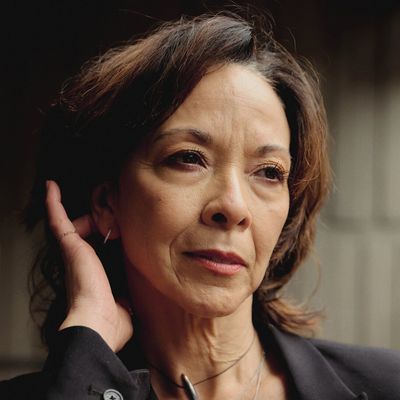
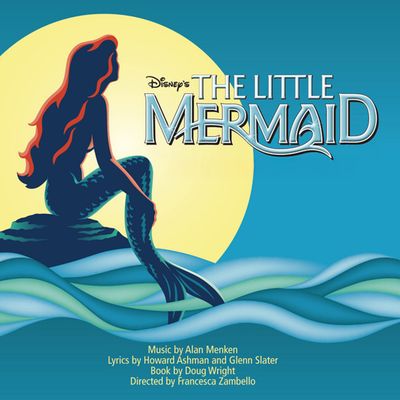
Broadway Director & Choreographer JoAnn M. Hunter (Bad Cinderella, School of Rock) joins The Art of Kindness with Robert Peterpaul to discuss creating kind communities in theatre, her magical new production of Disney's The Little Mermaid at Paper Mill Playhouse, why she only wants to work with compassionate people and more... Read More
From the show: The Art of Kindness: Pop Culture & Positivity with Robert Peterpaul
Guests
Featured Shows

About
Broadway Director & Choreographer JoAnn M. Hunter (Bad Cinderella, School of Rock) joins The Art of Kindness with Robert Peterpaul to discuss creating kind communities in theatre, her magical new production of Disney's The Little Mermaid at Paper Mill Playhouse, why she only wants to work with compassionate people and more.
JOANN M. HUNTER (Director & Choreographer). Always an honor and treat to be back at Paper Mill Playhouse! Over 30 Broadway, West End, and Australian first-class credits. Directed and choreographed at Carnegie Hall and the Kennedy Center. Early and infant stages: director-choreographer of Jo: The Little Women Musical, Yasuke: The Legend of the Black Samurai, and Birds of New York by Sophie B. Hawkins. I have worked with some extraordinary creatives in my career. How very lucky was I. In honing my craft, I keep my mentors in my heart. I am proud to be a Japanese American woman, and am more than just that.
Follow JoAnn
Follow us
Transcript
This transcript was automatically generated and might contain errors.
[0:00] JoAnn M. Hunter: Hello everyone. My name is JoAnn M. Hunter, and you are listening to The Art of Kindness.
[0:12] Robert Peterpaul: Hello, beautiful people. Welcome to The Art of Kindness, where we have compassionate conversations with artists from all areas of the entertainment industry who are using their voice to spread joy and make this big spinning planet in the universe a better place to be. I'm Robert Peterpaul, and I'm so glad you're here.
[0:44] Robert Peterpaul: Hello, friends. I'm coming to you on this post-Tony's Monday, with a little pick-me-up. Because the seaweed is always greener. Okay, today's guest is the joyful JoAnn M. Hunter.
[1:01] Robert Peterpaul: JoAnn M. Hunter is a distinguished director and choreographer whose kindness radiates through the art that she creates. She's racked up over 30 Broadway, West End, and Australian credits. Born in Japan and raised in Rhode Island, JoAnn's journey began with a passion for dance that blossomed into a remarkable Broadway career.
[1:24] Robert Peterpaul: As a performer, she's appeared in over a dozen Broadway shows, from Guys and Dolls to Chicago. JoAnn now leads companies as a director and choreographer. You've seen her put her dancing stamp on shows like School of Rock, Bad Cinderella, and Barry Manilow's Harmony in recent years. I hope you harmonized with me as I said that. She's also directed and choreographed at esteemed venues like Carnegie Hall and the Kennedy Center.
[1:54] Robert Peterpaul: Most recently, JoAnn dives under the sea, putting her kind Triton touch on Disney's The Little Mermaid. I was fortunate enough to catch this lovely production at the Paper Mill Playhouse with my nanny, and we had such a magical time. Be a part of the Little Mermaid's world through June 29th at the beautiful Paper Mill Playhouse in New Jersey. See our show notes for more information.
[2:29] Robert Peterpaul: Where they walk, up where they run, up where they stay all day in the sun. Wish I could be part of that world. I feel like I met a kindred spirit in JoAnn and am so grateful for our time together. This is a must-listen for any creative out there, so please share it with your creative friends. I also feel so grateful that you have chosen to spend this audio time with me, friend. So whether you're on a walk, driving in a car, going through the grocery store, or just sitting and having a listen, thank you for being here. Without further ado, please welcome the jubilant JoAnn M. Hunter.
[3:38] JoAnn M. Hunter: Thank you. It was a feat. It was a feat to be had, but it was great. It was a good group of human beings. We just had a ball. We laughed. It was hard, but it was great. I can't, I have no complaints. Only complaint is I wish I had a little bit more time, but that's, don't we all? Don't we always?
[4:00] Robert Peterpaul: It's funny because when Paper Mill was talking to me about the show, they said exactly that. They were like, I think most people would be a great fit for The Art of Kindness because it's truly such a great group of human beings. And why I really wanted to talk to you is because I just admire your generosity of spirit and in sort of seeing your career from afar and listening to your interviews. I just feel like you move through this industry with such joy and passion for what you do, and sometimes that gets lost in the business sauce, you know what I mean? So I'm really excited to talk to you today. Thank you for being here.
[4:33] JoAnn M. Hunter: Well, thank you for those lovely words. I really appreciate that. And yes, I love the idea. I love that they get lost in the sauce. I'm so using that. I'm stealing that.
[4:42] JoAnn M. Hunter: You're absolutely right. It can happen easily without even you thinking about it at times, I think.
[4:49] Robert Peterpaul: Yeah, because you sort of start in this playful childlike state, and you just love what you do, and then all this business stuff hits you, and you kind of can harden a little bit. And you gotta break free of that sometimes. It's hard.
[4:59] JoAnn M. Hunter: Absolutely, we can do it. And now that I've sort of given you a compliment, I guess, how are you at taking compliments? Because I feel like it goes hand in hand with kindness in the arts.
[5:11] JoAnn M. Hunter: You know what? That's a good question. Listen, I'm not gonna lie to you. Of course I love a compliment. Who doesn't? Absolutely. I think, and you know, I try to, I'm better at or I'm getting better at saying thank you. I really appreciate it, as opposed to trying to deflect, which is easy for me. And it's also just, I think it's just the way I was brought up, like all of those things that have informed my being, you know.
[5:37] JoAnn M. Hunter: But you know, like I said, I do love a compliment. I was in the studio once. What was I? I think we were in auditions. Think about this, JoAnn. Oh my, I can't remember. Think things. Oh, it was during rehearsal for Love Life, and one of my stage managers, who I love, said something really, she goes, please, with all due respect. She was like, I think she was very lovely. She goes, you look so sexy in this photo. And I was like, she goes, I mean, I don't mean to be, and I said, if you're gonna give me a compliment like that, you do not need to worry about HR or anything. I will take it.
[6:10] JoAnn M. Hunter: Yeah, don't take it back, please say it again. Don't take it back. That was the, and I just, she was so cute. Oh my gosh, she's so cute.
[6:19] Robert Peterpaul: Oh, I love that. I love that so much. You know, it's funny just hearing you say, think about this, JoAnn. I think a lot of us aren't the kindest in the way we speak to ourselves. And you sort of had like a kind demeanor with yourself just there. But I wonder, do you think about the way you speak to yourself? Like, do you sort of intentionally speak to yourself with kindness, or has that been a journey as well?
[6:38] JoAnn M. Hunter: I think it's been a journey, and I think it continues to be a journey. I think most of us, I'll say, especially in our business, but I think a lot of people are hard on themselves. Especially when you feel like you, when I'm in the room and I'm in a position of the leader, but those were quotations in case you were wondering, you know, or in front of the room, you know, I feel a huge responsibility to take care of people in the room. I want them to bring out their, I want to help bring out their best because it only does the good of the entire product to make that happen, right?
[7:21] JoAnn M. Hunter: So, and in doing that, it can be hard just because with time constraints and all of those, like you had said, the business and all of that stuff that you have to do, and I'm very good at compartmentalizing. Like I'm like, okay, boom, I'll deal with that situation next, I'll deal with that. But I think sometimes I get, I want to do more in a short time. I didn't, and it's not that I yell at myself, but sometimes I will say to myself in the mirror, get your shit together, JoAnn, relax, breathe, or just like breathe. Just let it go. Breathe. You know, I do have to say that it's not the end of the world. Breathe, we'll figure it out. But I am better, I am definitely better at doing that than I was when I was younger.
[8:05] JoAnn M. Hunter: And I, you know, I grew up in, my mother's Japanese, my father was of Irish-Scottish descent. So we grew up in a household that, and the Irish part that did not speak or say complimentary or those lovely things that you think families do, and the Japanese forget it, you know, it's like that there's no emotion shown. So I think that, like I had said earlier, that all of that informs how I am today. And so I just have to figure out a good balance on how to deal with that. But yeah, I mean, you know, therapy helps, so it's okay.
[8:39] Robert Peterpaul: Yeah, I mean it helps us all, hopefully. Listen, JoAnn, I got therapy right after this.
[8:43] JoAnn M. Hunter: Well, no, this is my therapy, so get ready. Here I go.
[8:46] Robert Peterpaul: No, what I would love to know, you know, speaking of growing up, you grew up in Rhode Island. I don't need to tell you that just down the road. What is your definition of kindness and how do you think it's changed over the years from growing up in Rhode Island to now working in this very fun but fast-paced industry?
[9:03] JoAnn M. Hunter: Right. Oh, my definition of kindness? Well, I think my definition of kindness is empathy, compassion, and listening, understanding, respect, all of those things. I think all of those combined together brings out the best in other people and hopefully yourself. So to me, that's all of those elements combined make kindness, not just giving a gift or, you know, those are lovely, lovely gestures of kindness, but are they really truly kindness? I think kindness is the combo of many things.
[9:39] Robert Peterpaul: Well, that combo, not the dance combos that you lead, but that combo I think makes for a perfect rehearsal room. And I want to get into your kind leadership style. But before we get there, I mentioned this to you before we got on the mic here. You have a CVS-like receipt long resume of credits from making your Broadway debut with Jerome Robbins, I believe, and Shogun all the way up to choreographing 2023's Bad Cinderella with my friend Linady.
[10:04] JoAnn M. Hunter: Oh, I love her.
[10:06] Robert Peterpaul: Looking at your trajectory, this is a bigger question, but is there an act of kindness that you feel like stands out as getting you to where you are today?
[10:18] JoAnn M. Hunter: Oh heavens. I don't, wow, that's what that is an intense good and meta question. I'm sure there were a lot, but whatever pops into the brain at first.
[10:29] JoAnn M. Hunter: Well, I think, you know what, I've been very lucky. My first dance teacher was Nancy, her name is Nancy LaFay DeChico. And she was so good to me. You know, strict, I mean old school strict, but always kind, always respectful, always feeding you to be your best, and you wanted to be your best. You know, and dancers' mentality is like you do what you're told, but it was never to the point of, it never felt like a mean thing, or you know, you hear of those old school, you know, the ballet mistress with her. I mean, now I have taken classes with ballet mistresses with their stick. So I was fortunate that my first mentor was incredible that way.
[11:15] JoAnn M. Hunter: And I had an incredible acting mentor, Charlie Kakasakis, who is no longer with us, who's also, you know, just what I got from them is they try to get the best out of you. So to me, I carry all of that with me. You know, and I've worked with strict, I've worked with Jerry Robbins, who was crazy, but I personally never had when I worked with Jerry one-on-one or in a small group, he was always so kind, great and kind. But I saw him also in the room with a lot of people and not necessarily so great and kind. And I just, I'm, and I've worked with dance teachers who yelled and other creatives who yelled. And I'm not gonna say, oh, that was the worst thing ever in my life, because all of those experiences have informed how I am today.
[12:09] JoAnn M. Hunter: I'm not a yeller. Usually I lose my temper once, maybe twice in a rehearsal process, and it's usually during tech, which makes sense.
[12:17] Robert Peterpaul: Listen, we're all running on dreams and no sleep, yeah.
[12:21] JoAnn M. Hunter: Yes, and but I am, I think I'm very, very patient. I just think that's in my nature. I don't think I've, I think I was just born lucky that I have a lot of patience. I also, when I was 16 years old, my dance teacher had me teach young kids. You know, like I was like a student teacher. So I learned how to, you know, learn to teach and talk and be in a room with a bunch of four and five-year-olds who you have to have.
[12:50] Robert Peterpaul: Which you are right now, by the way.
[12:53] JoAnn M. Hunter: And right here too. You know, I think that experience teaches you patience and understanding. And here's the thing, you know, and I said to my associate director, Joe Von Dancebury, you know, when I interviewed with him, I said to him, I'm gonna tell you one thing.
[13:11] JoAnn M. Hunter: I said, I must have fun in the room. It is an absolute prerequisite for me because you know, regular life can be tough. And right now it's a little kooky, but we're in a room for seven hours a day, and for those seven hours, you get to play practice. It's not the real world. I don't care what type of show you're doing, whether it's fluff, whether it's a Disney show, whether it's something intense, it's still for that amount of time, it is still make-believe. It may be reflective on society, it may parallel society, but it is still and it's a finite time. And in that finite time, to me, it's important to have fun with everybody and to laugh. I love to laugh. I love a good joke. I love a good dirty joke, but I have to be very careful.
[14:10] Robert Peterpaul: Hey, there's no censorship here. We can let them fly.
[14:11] JoAnn M. Hunter: No, I will. What if I just told a crazy joke right now? I want to sing "I Love to Laugh" now by Mary Poppins. That'd be a good audition song. Make that crazy. I feel like working on a Disney show, at least on the Disney shows I've worked on, it's a little bit easier to snap into the fun because in those serious moments, you're like, wait, we're talking about mermaid fins. Like, let's walk it back a little bit. This is for families and children.
[14:34] Robert Peterpaul: Completely.
[14:35] JoAnn M. Hunter: You're absolutely right. And you know, there's some beautiful storytelling. Disney knows what they're doing, right? They know what they're doing. And yes, it's fun and joyful, but there's also, and which we try to delve into, there's also a lesson and an arc in the show, but still keeping it joyful. And you can do both. Even in a serious show, you know, I think good dramas, levity, finding levity within that drama is key.
[15:05] Robert Peterpaul: Yeah.
[15:06] JoAnn M. Hunter: And the same thing in a comedy. You've gotta find the oomph, the depth also, which all of it just brings out either the fun and the joy or the funny, or it brings out the drama more. But you have to have a good balance. And that's storytelling, and that's drama, and that's what people, because if nothing happens, what's the point of watching?
[15:25] Robert Peterpaul: Exactly.
[15:25] JoAnn M. Hunter: Yeah, and that's why I think genre is a whole other conversation that can be so silly, and it feels like it's melding now in this world. We don't have as strict of genres anymore, which is nice in a way, although confusing for the consumer.
[15:37] Robert Peterpaul: But I think you did a fin-tastic job.
[15:40] JoAnn M. Hunter: Oh, I'm gonna say that. Drop it like it's under the sink.
[15:43] Robert Peterpaul: Oh, you just did.
[15:44] JoAnn M. Hunter: Yeah, I'm a corn ball. Someone give me the cane. I should go.
[15:47] Robert Peterpaul: Bye. I'd love to touch on your transition before we get into The Little Mermaid a little bit more. I'd love to talk about your transition from being a part of companies to leading them, because in looking at your career and sort of like trying to analyze it, I feel like it happened really early. You became a dance captain from the jump. How do you think having that performer in your head still and being a part of companies in that way shapes the way that you lead now as a director and choreographer?
[16:18] JoAnn M. Hunter: I think that, okay, that's a great question. And I'm gonna start this with saying you don't have to have been a performer to be a good leader, to be a good director or choreographer. I don't think so. But I do, for me, I absolutely think it's helped me because I know 100% what it's like to be on the other side of the line. I know what it's like to be a performer. I know what my job was. I know what my job was to be a dance captain. My job was to be the eyes and ears of that choreographer, the director, you know what I mean? To keep things, I know what my job was to be an associate, to help be the muse to tell the story of the director or choreographer under their umbrella. So I feel like I have a great, not advantage, but a great pool of knowledge for the lack of a better phrasing. No, it's helped me be a better leader, has informed me when I lead a room. Absolutely, hands down.
[17:23] JoAnn M. Hunter: And also, you know, when I'm reading a script, I read it as if I'm the actor. Okay, what's, you know? First of all, I have to, I know what my point of view is as the director, what I feel like I want to say, like, and how this is, think about this. But I also know what would this mean? Like, how would you do this? So how could you, can you, is it a possibility to motivate yourself to, I need you to get over here? Like what, like all of that, when I'm reading a script, I absolutely do that. Not the first time I read the script, probably like the fourth or fifth time I take it on as the performer. I think it's helped me tremendously. Same thing when I choreograph, if I can't do it at least once, and these days only once, years ago I'd be like, I can do it, then I don't necessarily think it's good.
And I have to also do it physically to understand that my storytelling makes sense in my movement. And if so, that for me, that is me personally. And like I said, you don't have to be that or have done that to be a good creator and leader in a room. I don't think you do, but I think it has definitely made me understand, just me personally, understand an actor and a dancer more because I have been there in those shoes many times.
[18:40] Robert Peterpaul: In those shoes, yeah. I think that's so special, and I wish in life that we just had that as humans, you know, we were all able to experience that a bit more. And this is how my brain works. I started thinking about A Chorus Line when you were talking because of that, you know, artist mentality. And then I was tempted to say fantastic fan kicks, which was a stupid joke, and then I still said it, JoAnn. But I love it. There was a point. I okay, this might sound really random, but would you ever play Zach in A Chorus Line now? Because in like a gender-bent, let's put it out there, let's should we produce this? Because I feel like you have that different perspective now, and that would be really cool.
[19:20] JoAnn M. Hunter: Why? And you know, I think that's great. And also when you think about A Chorus Line, you know, Zach, you know, you never see Zach till, till, um, what's his name breaks down. Yeah, right? And you see, oh my goodness, I just got goosebumps. And also, you know that that show's written so well. You see the compassion. You see he gets, you know, you never see him, and then also he walks on stage for that young cat, right? I mean, that's because, you know, it's that, I think that's a great, I think that's great. I love that. I would totally play Zach.
[19:55] Robert Peterpaul: Yeah, and then as long as I got to dance a little bit, well, wait a minute, let me see. You could do the finale again. Zach sometimes does the finale.
[20:02] JoAnn M. Hunter: I would love that. No, it's a perfect example of sort of someone in leadership actually seeing someone. And I wonder too, for you now, specifically in audition rooms, as a performer, we can get so in our heads, especially more so now in the fast-paced kind of open call circuit, because we're not as in person as much anymore. I think people get a little bit more nervous, there's lots going on, you get such a quick amount of time, people are tired, they're eating snacks, they're not even looking at you. You know, I mean, you've experienced everything, I think, from being typed out with Cats like eight times you've said. What advice do you have for performers auditioning hoping to work at an amazing theater like Paper Mill or on Broadway?
[20:44] JoAnn M. Hunter: I think, you know what, first of all, yeah, I think in-person auditions are key. And I know we went through 2020 and we did what we could, which was fantastic to keep things going, but I, with all my heart and soul, I hate online auditions because I am a person that feels energy. I want to talk to you, I want to have a, even if it's five minutes, just to say, hi, how are you? Just give a note, make the adjustment. And that's, you know, you can video yourself and you can edit and edit and edit, but theater is not edit and edit, edit. What you do that night is what the audience sees. And I, for me, I want to see the actor, the dancer make the adjustment so that I understand, one, that they understand if they don't make an adjustment the first time, a lot of times I think, oh, it's very possible me that I was not clear or I did, so I'll give them a second chance. Usually the third time that they don't make an adjustment, it makes me go, how are they gonna be in the rehearsal room?
[21:51] JoAnn M. Hunter: See, I, to me in live, and I always say this, and I say this in every audition I am able to hold. I should put this on a t-shirt, it's my mantra. I am never interested in what you can't do, ever. I am only interested in what you can do. So I don't give a rat poop about mistakes. You know what I mean? I don't see, I don't expect you to be perfect in an audition. I don't expect you to be perfect the first couple of weeks of rehearsal. But what I do expect from a professional is the work ethic and the compassion and kindness towards your fellow actor. And you see that in a rehearsal room. I mean, excuse me, in an audition room.
[22:39] Robert Peterpaul: Yeah, I was gonna say, are you flagging how people are acting, asking the assistant, how are they to the other actors in the hallway?
[22:46] JoAnn M. Hunter: Absolutely. And or if I have a question and I ask, I've done this several times, and you know, Strowman does this too. If she doesn't know somebody, she will look at their, and she will call us. She's called me a couple of times. I've called certain people a couple of times, going, okay, I've heard one thing about this person. Have you had this experience? No, never heard it, never had it. Okay, great. And then so, all right, I've heard two different stories, I'm gonna give them a chance, and it ended up being great. But I want to tell actors misbehaving, not just actors, many, all everybody in whatever department you're in, misbehavior gets around. This is a tiny industry, it's so tiny. And the last thing I think anybody wants to be with in a room is a room with any type of, what I call, like swiping the energy out of the space or negativity. Listen, we all have bad days. Absolutely, but being in the room watching dancers or actors work with one another in live space in the audition space is so informative to me.
[24:06] JoAnn M. Hunter: And I clock, I watch every, I watch how they act, I watch how they watch other people. So it's, and I've been so lucky, Robert. I've been so lucky. I'm gonna say 99% of the time I've been in a rehearsal process where I've had such a great time. And Mermaid has been yet another. And every time I think, oh, this is the, oh, that'll never work with a company that great again, and then it happens, and I'm like, so, but I think that's because I am very, I want to see you live. It's very rare that I'll hire someone just through video, unless of course we had to, you know, when we had to.
[24:48] Robert Peterpaul: Yeah, I'm definitely an in-person person too. I just feel like there's that human connection that we miss, you know, besides spiraling with a camera and trying to figure out your lighting and all this stuff and sweating and then trying to dance in like a tiny room, and you know, it's just it's not conducive to what we do. But what is conducive is you plus The Little Mermaid. Let's dive under the sea. Because I have to say, seeing this production of The Little Mermaid, it was actually on a personal note, so special to me because Paper Mill was my hometown theater growing up. I trained there a little bit as a young artist, and then my grandma used to take me to see shows there. We saw so many shows there, and this was a full circle moment because I actually started crying when it started, like to myself, because I got to take my grandma to see this show, and my nanny, who's listening right now, probably, hi nanny.
Hi, and she's the best. And the way she put it was what a gift that you all gave to us with this joyful day at the theater in this very trying time. And so I just wanted to start from a place of gratitude because I looked around and I actually didn't even hear a kid cry. Like everyone was just laughing, the kids are dancing, there's bubbles, and it's like that magic that you don't get until it opens, having the children there. And a director once said it's always someone's first show, always someone's last show. But at a kid's show like this, 90% of them, it's their first show. And that is just so incredibly special, you know, but it's also a massive show, and there's big numbers.
[26:18] JoAnn M. Hunter: There's a lot of tech elements. What was your approach for handling this massive iconic show as a kind leader? What did you sort of go in with? Well, you know what? I am now that I monologued at you, sorry, that was a lot. I loved your monologuing. I mean, you know what knowing my time constraints, knowing what we had, you just have to go in very prepared. I knew I wanted to get through act one in a certain amount of time, so I had time to act two. Now, of course, I never had time to real finesse certain things, and so what it is, it is those things are frustrating, but you gotta let go of them. You I gotta let go, JoAnn. And in tech rehearsal, I went through with my state, my PSM and my associates.
Okay, this is first session, this is my goal. This is my ultimate goal, the penultimate, I'll deal if we can get through this part. And we stayed true to it. There's one session we were back. We fell back, and so the next session we made up with it. And you know what? When it came time for the invited run, which was a Wednesday, and we hadn't finished teching the show. And so I said, I made I said, We are only gonna run act one, and they had their donors there, and I said, they will watch act one, and then we will tell them to leave, and then I will continue finishing teching act two. And that's what we did and because it is for you. I know that can be hard too to push back against the theater.
It is, and I know what they did and we were doing we were doing press and all that, so they at least got all their press and they got a B-roll for Act One. And I so understand that, but it is such a high technical show. Um, we have so little time. I the actors have to feel good because if they don't, the show will not succeed. That is the bottom line. You know what I mean? We all want to get it done, get it done, but if they're not if they don't feel confident, then the show is just gonna be mediocre. And who I don't want to do mediocre. I just so I and again that's going back to what I said before, I feel a huge responsibility in taking care of the people in the room. I really do. I feel like I've got to make sure everyone feels good.
Now listen I'm not gonna pamper you by no means but I'm there I always say to the actors I am always open to a conversation. I might not always agree or but that doesn't mean we can't talk and I have to I that's important to me. And also I think when you when you say that to people and that's whether it's your actors or your designers um you'll you'll get a better product.
[28:58] Robert Peterpaul: Yeah.
[28:59] JoAnn M. Hunter: Because people understand that all right sh if this doesn't work there with certain tech elements I go that's not gonna work and I'm sitting there and my um Kelly Ty who was my set coordinator and he also redesigned some things for me which I love because I there's certain things I just we you know we changed and um you know we're sitting there and I'm like this and I go I have a okay this is I have a thought and I would go to him I so so I can make this simpler blah and I would go let's look at this. Can we bring these scenery on I'm gonna isolate this moment here blah blah blah and he was like JoAnn I love that and so we all work together you know what I mean because you you open up the dialogue to go all right we I I'm I'm fairly smart but I don't know everything. And I my wheelhouse is a s is this your wheelhouse is that. Let's see where our Ven Venn diagram comes together. We can figure this out.
[29:50] Robert Peterpaul: Yeah, I love that mindset because none of us know anything, but together we know everything. And I think if you're able to collaborate and have that mindset as a leader, it just it's what theater is. And it always bums me out when you don't have a leader that thinks that way.
[30:05] JoAnn M. Hunter: But I will say I was even thinking, you know, as a performer, you watch things a little differently. And I I mean I had the best time. I was thinking of everybody with the harnesses as someone who's worn a harness and the audience doesn't know you're ha you have that donut on for a long time, not just when you're flying. Okay. Yeah, like like a diaper. Like a di it literally is like a metal diaper and doing choreo and that and all that's like you got bruises, all these things. So I mean, despite ruining the magic about that, I will say there's no kids listening probably. There's a lot of flying in this show. And I I wonder with that sort of technical element, how much that adds to just like your feeling of that responsibility because that's a I mean, people are in the air, they're flying.
I loved how the bubbles followed Triton every time that he came on. Like there's really fun things that are happening. But at the same time, singing part of your world up in the air, I'm I bow down. What a beautiful performer.
[30:56] Robert Peterpaul: I mean, I do.
[30:57] JoAnn M. Hunter: Oh, she's magnificent. You know, and I I left I had Paul Rubin, who did all the flying. He's I've known him for years. We did my first Broadway show together. He flew Peter Penn in Jerome Robbins Broadway. We poured together a few times. I adore him. And in honesty, I there was supposed to be more flying, but we had to cut it because we didn't have time because all the flying now is programmed, which I didn't know until I started doing production meetings. I went, what? Where's the fly guy doing this? And so that programming takes a long, long time. So we only had again a very small amount of time. So some of the programming had been done before. And in part of your world, I was like to Paul, I want to change it.
I said, I'd like the beginning, but sh you know I I was like she has to cause she has to come down I said it has to have an emotional drive to it when she goes back up in the air you know and so he was like he was game the only the only reason if he wouldn't be game is time is time constraint you know I mean and and money you know I mean and it's like because this show is not a new show it doesn't have um enhanced money from a from a commercial producer you know this is paper mill producing so you always you all of those things that people don't know and don't think about nor should they really no should have the actor we have to worry about that's not their job to worry about it but all of those things have to determine how you end up what you end up doing for the show what you give up what you go all right we can't do it you know so um but luckily Paul was great and Molly Tynes his a Wagner her married name she um she's as her his associate and she I've hired her like five times she's a gorgeous dancer so having her help with teaching the the flying was so key because because she's a dancer she understands body so it was great so I I was so lucky language this true you know I mean to to help with all the flying and Ryan who did all the programming backstage it was it's intense and they were there at eight o'clock in the morning programming I show up at nine and they go okay show me and you know they would that Molly would get in and we do the fly and I was like okay and you know before any actor got there we were there tech we were dry checking that that element, you know, and then we dry tech scenery and okay, let's, you know.
[33:20] JoAnn M. Hunter: So it's just um you you have to take all of that into consideration, knowing that is an added element of of tech. Luckily, the you know, there was no there was no um things coming up from the floor. A lot of my scenery is actor driven, you know, which I love because I know I can control that. And we love it too, we get a little pay bump. You know, I mean, but I can and also I find it incredibly theatrical. And I'm not a I'm not a person that loves a palette. So I was like, this. There were there, and I was like, take them off. I want it actor driven, like the the do boudoir scene. I was like, I want the this the screen to be able to turn, so they had to redesign it for me, they had to restress it.
I was like, I want the actor to be able to do it. I don't want it, I'm just not a palette girl. It's just it's just my aesthetic, you know. But um, but you just feels good to do it's like action, like as an actor. It feels good to move something. You can make a choice when you move it off, you know.
[34:14] Robert Peterpaul: I agree. I totally agree with you.
[34:15] JoAnn M. Hunter: And and it's just usually nine times out of ten, it's more theatrical because it dances. Yes, you know.
[34:22] Robert Peterpaul: Well, just like everyone on the stage, I mean, it blew my mind that not as many people were on wires because you have them doing this body roll constantly, and everyone's a little unique and yet it all melts together so nicely. What okay, what do you call that move? When you're in the rehearsal room, what are you saying?
[34:37] JoAnn M. Hunter: Do the Well, you know what I said, you know what? I go, so we're here's the here's the hard part of Little Mermaid. 75% of the show takes place underwater or in the water. And I go, how do we do that? How you know, it's like, how do we do that if we're not in a tank of water, if we're not, if we're not um circled sole? You know, and I said, So in water, when you're in water, I said if you you've gone swimming, you've been in a pool, you know that there's always a resistance, always. And it's it's 350 degrees, 360 degrees around you, all over, right? So how many degrees? So you there's always there's in even when you're idle in water, you're never idle. There's always movement, even in a pool where there's no wave, there's no wind, your body, because your body, so that was like finding that, you know, and luckily, you know, and and the the mermaid dresses, you know, they they were able to go up, but I go, I don't want up.
That looks like a butterfly. They need to stay low, because you know, the yeah, any I picture of a mermaid, her fin is from waist down. So that's you know, trying to find the movement, and luckily fabric helps with that idea.
[35:46] Robert Peterpaul: Oh, yeah, that beautiful it reminded me of the witches in hocus pocus. It was the same sort of like tule material.
[35:53] JoAnn M. Hunter: Yeah, you know, so you you do that, and then like each each when they fly, like the the flounder, she has her own way, she can't move like Ariel, she's also quirky. So, you know, I was saying casting, by the way. I was like this, going, should she, you know, can these be her fins? So she moves a little more quirky because she's quirky. You know, and then the scuttle, who's a bird, of course, would move very differently because he lives above, he lives above ground and in the sky. So his his motion would be different. And and he's also quirky. So he needed to, we needed to find those kind of moments. And then, of course, Triton is grand, and he his moving is simple, because you know, when you got that kind of power, you don't need to do anything.
[36:35] Robert Peterpaul: There you go.
[36:36] JoAnn M. Hunter: Like Meryl Streep and Devil Bears Prada.
[36:38] Robert Peterpaul: There you go.
[36:39] JoAnn M. Hunter: Exactly. Except throw all your different coats on the desk when she walks in to fly.
[36:43] Robert Peterpaul: Yeah, right. And now they've got a musical, they're making a sequel to that now.
[36:47] JoAnn M. Hunter: It's so so brilliant. I love hearing about that. And yeah, you mentioned flounder, brilliant casting. I loved I loved that.
[36:52] Robert Peterpaul: Wasn't she? Isn't she fantastic?
[36:54] JoAnn M. Hunter: Yes, so fantastic. Love she came in, right? And I was like, who's she? And you know, I'm looking at resume and go, she's here for Flounder. I go, oh. And we had seen a couple other flounders, so met male, male identifying, and um, they were great. But the number, as you remember, that number sits so high in a female voice. So when you have a male voice, you either you have to take it down the octave. And to I was just like, it just loses its oomph. Yeah. I was just like, and so when she came in and she could sing it in the key and like wail, I went not only did I love her sound and her talent, but I go, This is this is perfect. She's so great. And we were doing the scene, and I kept saying to um Aubrey, I go, remember, you are smitten with her, right?
We're smitten. And I didn't want to hire. They asked me, Do you want a little boy? And I I didn't know the show, right? So I read the script and I go, No, I'm not I don't want I don't want a little boy having a little boy crush on her. I wanted somebody that was her friend, that they were equals in a way, so they had a conversation. So Ariel relies on her friend Flounder, like they as opposed to a little boy following her around like like you know, deer and headlights. I was like, that didn't interest me. I wanted more to see that pull of this beautiful this relationship with this other fish with Ariel, even though she loves this, still her pull that I don't belong here. Doesn't mean I don't love you any less.
I don't think you view of any less of a friend, but I don't belong here. And uh and that's why f I put Flounder in his many little scenes because I just wanted to see that she's always part of Ariel's world.
[38:40] Robert Peterpaul: Well, yeah, and there were so many heartbreaking moments, and it really grounded that and made it a lot more real for me than watching obviously the cartoon or the movie. And in speaking of that, like not belonging, which I think is a major theme in this show, it's finding your people, finding your voice, and and I I wonder, you mentioned it at the top a little bit, but we can use the show as an example. What are the things you do sort of on day one or week one to create a community as as someone who I know growing up you found your community in dance and then the arts and theater? Are there tangible things that you go in doing every process? Is it different every process? Just to try and like immediately make everybody feel like they're one little family under the sea.
[39:20] JoAnn M. Hunter: Yes, you know what I I try to do, I don't always do it, but I try to do what you know, there's always like a meet and greet, and I I usually a lot of times I will ask if we have time, you know, they say everyone goes around and say who who who you are and what you're doing, what like what's your part of the show, you know, whether you're a designer, blah blah.
[39:38] JoAnn M. Hunter: And I say, can you tell me one thing about yourself that we might not know? Just some people are hysterical, you're like, what? All these fun little quirky things that you hear. And I think to me that's fun. And also, I mean, I always like to bring in a lovely Levan cookie to rehearsal to see so everyone can speak into my heart, yeah. I know, right? Yes, biggest sweet tooth right here. I'm always, I'm very much a, oh, had an audition. I'll go to Schmackery's. No reward. Yes, yeah, I think, and like I said, I just think always like I don't sit behind a table because I don't know. I feel okay, I'm gonna reveal something about me. And I would also, why don't I like sitting behind the table? Because part of me always feels like I'm not worthy to be sitting behind the table.
I need to be up with everybody. I need to feel like I'm part of them and not like, oh, this person sitting on a chair, you know, and they go, do you join? You want to hire a chair? I go, No, I do not want to sit high. I do not if I want a scepter. If I need to see, I stand on a chair. So I can see. But I just, I feel like, oh, that's so not, it's just, yeah. I feel like I'm always going, am I really doing this? Am I really right to lead this room? You know, those are all those, and I, you know, we all go through them. We all feel that imposter syndrome or that every person says, or you're not good enough or you don't belong. And you know what? It never stops.
[41:23] Robert Peterpaul: Yeah.
[41:23] JoAnn M. Hunter: Yeah, well, I'm sorry, it never stops, but I do feel like that is what makes you worthy. I think the people that feel that, the people that aren't sitting on a high throne and sort of like dictating things to people and feel like they're better than everybody. To me, that's not what this community is about. I love the people like you that get out there, they want to be a part of it. And even if you do sit behind the table sometimes, it's like that feeling of wanting to be a part of it is, I don't know, that's worth everything to me. So I think that's special.
[41:55] Robert Peterpaul: Thank you.
[41:55] JoAnn M. Hunter: Thank you. As I was saying, I thought, oh, I think I know like that. I need to go to therapy on that one. No, it's, you know what it's like we all have these moments of, oh, I feel comfortable, now I'm not comfortable, now I feel imposter syndrome. But I guess that's just like the process, and then you tell a story and then it starts all over again.
[42:15] Robert Peterpaul: All over again.
[42:15] JoAnn M. Hunter: And then your people come and they see your beautiful bio in the playbill that I want to touch on, which you did something so beautiful. You kindly thanked all the mentors you've had over the years that you keep in your heart. And I would love to know as you're a mentor now, what are your thoughts on mentorship and now being a mentor as someone who has an associate and an assistant and sort of is now at the top of the food chain?
[42:41] JoAnn M. Hunter: Oh my goodness. I think you know what you, the old adage ill phrase, you lead by example. You have to. And I am adamant about leading by example, you know, and I expect everybody who's in the room and my associates to also be kind. And you know, not that people can walk all over you. There's a whole different, that's a whole different thing, but I expect the people in my that are around me to treat everyone with respect because when 99% of the time you treat someone with respect, they will respect you back. I do, I believe that. I do believe that. And so that's important to me. I don't, I don't ever think of myself as a mentor because you know it, I'm not worthy. Oh my God. But I, um like, and I that's why it's important to me to have really good people and not just good talent-wise, but good humans around me.
[43:44] JoAnn M. Hunter: Oh, I thought that bug was on my screen. It was, oh, I think it was telling me too. Even though we're not together, I'm like, uh no, I think that's special. You know, there's actually science behind all that. There's science behind why being a kind leader is actually quote unquote better. It's better for your well-being for others' well-being, why being kind. X, Y, and Z. There's so many things from this wonderful organization I work with called kindness.org that studies, I talk about it every episode. Sorry, everybody. Kindness from a scientific standpoint out in Oxford. And it's interesting because it gets such a soft reputation, but kindness doesn't have to be soft. Kindness, I think, is meeting the moment in an authentic way and doing something that betters the community and the whole.
And sometimes that's, you know, you gotta lay down the law. I wonder you for you, we touched on this a little too, but how do you handle those difficult moments? You know, we mentioned a really tech heavy show throughout this conversation where you know, you're sitting there, all of a sudden the wire stops. I don't know what happened during this process. But how do you handle these difficult moments when things are going wrong with kindness?
[44:49] JoAnn M. Hunter: And kindness can be complicated in this instance. My head goes in my hands and I'm like, shit. You know, um, but there's, there's one we had one show in previews. It was our second show where it was, it wasn't it was not our best. We had a lot of things go wrong, a lot of cues, a lot of, you know, a lot of mishaps and this what's I always call the second show blues. And you know, I was gonna, I said, yeah, I want to call a production meeting, but I was just to say thank you. But I was like, no, we're calling a production meeting. I want everybody because and you know what? I, and I don't, like I said, I don't lose my temper, but I also, like you said, just kindness doesn't need to be soft. I also don't like to yell.
So, you know, I said, I always, I always try to remember to say thank you. Everyone, thank you so much. Everyone, thank you. And then I said something like, so that was the second show blues, you know. And I said, you know, and I said, uh, there were a lot of things that went wrong, a lot of cues, some of the same cues being called wrong, blah, blah, blah, you know, and um, and then I, and I could feel the quite because normally I'm, I'm I like to laugh, we make jokes, but I can feel all the team. I get everyone just like this. And uh, and I said, you know, I go, so how do we rectify this? What do we need to do to make sure this doesn't happen again? What do we need? Do we need and then the uh Laura Green, who's the production supervisor for paper mill said, Do you want to come in and drive tech tomorrow morning?
And I said, Do I want to come in and drive tech tomorrow morning? It was before Matt and I go, no. But I go, but what? And then my uh Kelly Ty, who was my set coordinate, he goes, We had the same notes. We, you know, intermission. I was like, boom, boom, boom. We talked about it. He said, JoAnn, let me come in early, let me go through everything with our stage manager. And I said, Great. He said, then you come in, and then well, I said, okay. I was like, I just I want to know that we have a plan. Yeah, you know, and um, and then we I said, Thank you so much, and we all left, and then I went my lighting desire, Charlie. And I always then I always feel horrible. I feel like, oh my god, I really like I found it.
[45:44] Robert Peterpaul: Yeah.
[45:44] JoAnn M. Hunter: And then I said to my Charlie, I go, was that, was that too mean? Was I mean? He looked at me and goes, JoAnn, that was so polite. I am, we're the same. I like think I'm being really like, and then people are like, You're that is still very friendly. And I'm okay. I was like, really? He goes, Yes. I go, okay. But I just because I'm not, it takes a lot for me to get there.
[47:36] Robert Peterpaul: Yeah.
[47:36] JoAnn M. Hunter: So and that's listen, it's not that I don't lose my temper. I can lose my temper, but I do find that losing your temper doesn't do any good. It doesn't do, it doesn't do any good. So yeah, that's um, that's no, there's like an old adage about that. My dad, well, I think I actually always say it to my dad because you know, we're from Jersey and traffic can be a little crack-gray and kooky. But there's the people that drive and make it to their destination happy, and then there's the people that let all the hiccups along the way of the drive get to them, and they arrive and they're in a bad mood. And it's sort of like you can let these things go. And I know I've been in shows. I did one recently, there was a conveyor belt thing, the conveyor belt wasn't working.
The poor director eventually just had to let us go for the day because it was getting really intense, and that stuff sucks. But then I see a show, and I'm like, these little moments of, oh, um, Scuttle's little fin got stuck on the seaweed. Like, there's like little things like that that it's so special. You're like, oh, this is a live show. This is not AI. And I think part of it, like, you know, it's stressful, but it also makes it, it's special. It makes it like one of a kind. So there's that too that I always try to remember.
[48:47] Robert Peterpaul: I love that.
[48:47] JoAnn M. Hunter: I love that you said that. You're absolutely right. And I forget sometimes, especially, you know, when you're in it or part of it, you're like, oh God, it wasn't a perfect show, it didn't go well. But as an audience member, you're like, oh man, I was there when blah, blah, blah. I was there when the show stopped. I was there. I think the normal audience who don't get to see all the ins and outs of making theater, like you're absolutely right. And you're absolutely right. Every show is different, and that's what makes theater unique more than anything. Anything live is so unique. You know, you can't edit it. You can't go back to the edit room. You can't put it on pause. It's what you see is what you get.
[49:28] Robert Peterpaul: Exactly.
[49:28] JoAnn M. Hunter: Like Saturday Night Live, my favorite moments are when they laugh.
[49:31] Robert Peterpaul: Oh.
[49:31] JoAnn M. Hunter: When they break.
[49:33] Robert Peterpaul: Me too.
[49:34] JoAnn M. Hunter: I know. So good. And when they, I've like, I've got to watch rehearsals before. And when they break and laugh, it is just the most electric, funniest human thing. It's funnier than just like a perfect sketch, in my opinion. It's like you're all a part of like a little secret, you know?
[49:49] Robert Peterpaul: Right.
[49:50] JoAnn M. Hunter: And um, I do know I have to let you go to work, but I would just love if we could end our time together by you sharing a tangible kindness tip. So something you would like everybody listening to do on their own corner that you think could contribute to building a kinder world.
[49:50] JoAnn M. Hunter: A tangible kindness tip. I think a smile. I think a smile, walking down the street, seeing something that is funny or cute or you like and just acknowledging it. You know, I mean, I sometimes I walk down the street and someone will say to me, Oh my god, I love your hat. Oh, great, you look fabulous. And I I'm like, thank you. A complete stranger. And I think that is an amazing act of kindness. And someone not, and especially in New York City, when we've got our blinders on because we're go, go, go. When you take the time just to acknowledge another human being, that's an activator.
[50:47] Robert Peterpaul: I love that. Especially in the arts, too, right? It's like you could give someone a compliment before their audition. That could actually change the whole way the audition goes. You could give it to someone on the first day of rehearsals, and maybe they're nervous and that just breaks the ice, and now they have a little friend. Like I think that's so powerful. And I'm gonna sound like such a nerd now. I was just reading up on the science behind smiling. And actually, when you smile during a conversation, the other person is more likely to smile and match you, and it just leads to like a brighter interaction. So there is science and research that shows all this stuff to be true.
[51:19] JoAnn M. Hunter: So I love that you said that. I think that's a great tip.
[51:22] JoAnn M. Hunter: I thank you very much. And that makes sense because isn't it a yawn is also contagious?
[51:28] Robert Peterpaul: Oh yeah.
[51:30] JoAnn M. Hunter: I'm sure you see that as a director during tech week. Everyone's like, you're like, and now for notes, and everyone's like, uh-huh.
[51:36] Robert Peterpaul: I know.
[51:36] JoAnn M. Hunter: I know I love when people try so hard. They're like, they try so hard not to yawn because you know, because you feel you feel bad, but you also don't want to be disrespectful. But it makes sense that smile is contagious. Why wouldn't it be? That makes total sense. I like that.
[51:50] Robert Peterpaul: Well, your energy is contagious. I had the best time talking with you, and I'm so grateful that we could share this time together, and also as a performer that we have leaders like you in the industry because we need more people that are out there leading with kindness. So thank you.
[52:03] JoAnn M. Hunter: Well, that's I thank you very much. I'm gonna take that compliment.
[52:07] Robert Peterpaul: Take it, take it and also remember that someone thought you were sexy in that photo, okay? Don't forget it.
[52:11] JoAnn M. Hunter: Yes.
[52:15] JoAnn M. Hunter: Thank you very much. Thank you. You're an icon. I so appreciate this.
[52:19] JoAnn M. Hunter: Oh my god, this was such a pleasure. Thank you, thank you, thank you.
[52:23] Robert Peterpaul: Until next time, remember, everything is gonna be a okay.
© Broadway Podcast Network, All Rights Reserved