

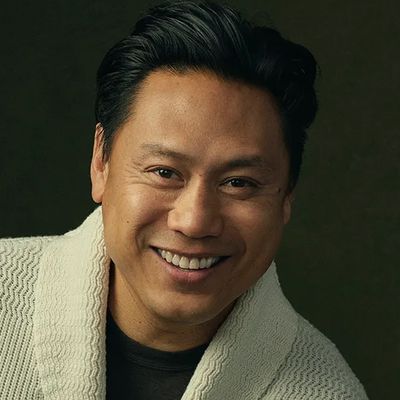
Wicked: For Good movie is in theaters this week, so please enjoy this wonderful conversation from the AOK library with the film's director Jon M. Chu. He and Robert Peterpaul to discuss being a kind leader on set, acts of kindness from Ariana Grande and Cynthia Erivo, his spellbinding memoir Viewfinder and more... Read More
From the show: The Art of Kindness: Pop Culture & Positivity with Robert Peterpaul
Guests
Featured Shows
About
Wicked: For Good movie is in theaters this week, so please enjoy this wonderful conversation from the AOK library with the film's director Jon M. Chu. He and Robert Peterpaul to discuss being a kind leader on set, acts of kindness from Ariana Grande and Cynthia Erivo, his spellbinding memoir Viewfinder and more. Rejoicify - this is a thought-provoking chat filled with STAR-studded surprise guests! We're OBSESSULATED!
Jon M. Chu is known for his visually stunning blockbuster films, as well as his kinetic work across various genres from groundbreaking series to commercials and films. Additionally, his unique storytelling ability has earned him the honor of inclusion on the Hollywood Reporter’s Power 100 list as well as Variety’s New Hollywood Leaders.
Most recently, Chu directed Universal Pictures’ critically acclaimed WICKED 1 & 2, starring Oscar-nominees Cynthia Erivo and Ariana Grande. Part 1 of the feature-film adaptation of the record-breaking musical phenomenon released in theaters on November 22 and quickly became a box-office hit, becoming the highest-grossing Broadway adaption in domestic box office history in its second week earning over $350 million globally. His memoir, Viewfinder, is his journey from growing up in the Silicon Valley to transitioning to Hollywood and helming major studio projects, released Summer 2024. The book is an uplifting tale of belonging, creativity and learning to see who you truly are.
His other projects include the critically acclaimed adaptation of Lin-Manuel Miranda’s Tony Award-winning musical IN THE HEIGHTS for Warner Bros. Studios as well as the worldwide phenomenon CRAZY RICH ASIANS, which was nominated for numerous awards, including a SAG Award, a Golden Globe and PGA Award. It is one of the top 10 highest grossing romantic comedies of all time and the highest in a decade. It was also the first contemporary studio picture in more than 25 years to feature an all-Asian cast and opened a new chapter in Asian-American representation in Hollywood.
Chu is attached to direct the highly anticipated biopic for Britney Spears based on her memoir, The Woman in Me, with Universal. He is also in development on Dr. Seuss’ OH, THE PLACES YOU’LL GO! with Warner Bros and JJ Abrams’ Bad Robot, which will be his first animated film. His previous films include GI. JOE: RETALIATION, NOW YOU SEE ME 2, JUSTIN BIEBER’S NEVER SAY NEVER and many more representing over 1.3 billion dollars in the worldwide box office.
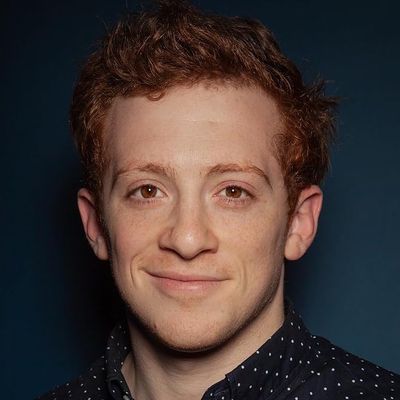
Thank you to Ariana Grande, Cynthia Erivo, Ethan Slater, Michelle Yeoh and Simon Hayes for the special surprise, and to Welcome to Times Square for supporting our Big Apple dreams.
Follow Jon:
Follow us:
@artofkindnesspod / @robpeterpaul
youtube.com/@artofkindnesspodcast
(https://www.buymeacoffee.com/theaok)
Got kindness tips or stories? Want to just say hi? Please email us:
artofkindnesspodcast@gmail.com
Music:
"Awake" by Ricky Alvarez & "Sunshine" by Lemon Music Studio.
Let us be glad. Let us be grateful.
Transcript
This transcript was automatically generated and might contain errors.
[0:06] Robert Peterpaul: Hello, beautiful people. Welcome to the Art of Kindness, where we have compassionate conversations with artists from all areas of the entertainment industry who are using their voice to spread joy and make this big spinning planet in the universe a better place to be. I'm Robert Peterpaul, and I'm so glad you're here.
[0:50] Robert Peterpaul: But I had the honor of being inducted into the Kindness Hall of Fame through the Kindness is Free organization under the Boys and Girls Club of America. All someone had to say to me was Kindness Hall of Fame, and Cassie and I hopped on a plane to LAX. It was truly, in all seriousness, a standout day at Tournament House in Pasadena with some of the kindest people on the planet. And I don't have the words to describe how grateful I am. Just know it's now a core memory. And we'll be sure to share more soon. But for now, please head to Kindness is free.org and check out their fantastic mission. Also know that they have changed me for good.
[1:42] Robert Peterpaul: Speaking of for good, you know where this is going, friend. Happy Wicked For Good season! Last World Kindness Week graced us with the first magnificent movie musical installment, and we were fortunate to share space with the acclaimed and kind director Jon M. Chu. In honor of part two being released, I used my grimmery to unearth our conversation from the AOK library because he shares so many wonderful nuggets, and I know you will be obsessed. We focused on John's journey, how he led with kindness on the set of Wicked, and even have some surprises from Glinda and Alphabet themselves. So without further ado, please enjoy a re-release of our Wicked Conversation with the joyful Jon M. Chu.
[2:51] Robert Peterpaul: Well, first of all, congratulations on Wicked. I mean, I cannot put into words how much I loved this movie and so many of your other projects.
[2:59] Jon M. Chu: Oh, thank you.
[2:59] Robert Peterpaul: Including, I'll say your brand new memoir, Viewfinder.
[3:03] Jon M. Chu: Thank you.
[3:04] Jon M. Chu: Thank you very much.
[3:05] Robert Peterpaul: Yes, I listened to the audiobook, which was so fun because it's your voice.
[3:08] Jon M. Chu: Oh, I'm so sorry you had to hear my voice for 20 hours or whatever it is.
[3:13] Robert Peterpaul: No, it was great. I loved it. It gave it more personality.
[3:16] Jon M. Chu: Yes.
[3:16] Robert Peterpaul: And had like 15 pages of questions for you, which don't worry, I trimmed it down. But we got a lot of yellow brick road to cover today, so I'll stop complimenting you. I mean, I honestly like I probably won't. But basically, Jon, I just want to start by thanking you for being a leader in the entertainment industry who I feel like really values and leads with kindness and humanity above everything else.
[3:39] Jon M. Chu: Thank you.
[3:39] Jon M. Chu: Because I don't remember reading about kindness that much in the entertainment industry before you sort of had this platform.
[3:48] Jon M. Chu: So I just thank you. I really cannot say enough about that.
[3:51] Jon M. Chu: That means a lot. That means a lot. You know, I think that that's the way the business should be. I think creativity and art can be from kindness, even though people sort of tend to, they're like, what's art supposed to be, you know, uh supposed to be torture? And I love those that kind of art too, but I do think there's another road for that. And I think that puts a lot of pressure on the work to be that much better. And so something for like Wicked, we had such a great experience. I remember in the edit room being like, then this work better be incredible. Otherwise, people are just gonna walk away, be like, wow, that was a nice experience, but the movie sucked. And we made it very clear that we need to make this movie soar so that we can be an advocate for that kind of workspace.
[4:32] Robert Peterpaul: And I love, I think in your book you had a quote. I wrote down so many quotes and they're posted all over my brain mentally and probably honestly on my door later today. But you had a line about that in your book about how sometimes being more empathetic and kind can cost something, whether it's the production or time, but it makes all the difference. And I just I love that approach. And I hope you've been feeling all the love for Wicked. Now that I've complimented you and so many people have, how are you at receiving compliments?
[5:01] Jon M. Chu: I'm I have a protective shell for sure.
[5:03] Jon M. Chu: Okay. Because I know how fast it can come and go. This has been a sustained couple weeks, and so I'm starting to let it in and I'm starting to, you know, I have shifted my currency for what I do from audience to what I feel compelled to make for my children or for myself. And I think that that helps protect me. And but so when people I'm getting this like pouring like this outpouring of love, I have to do a little bit of work to let it in a little bit. But it's very nice. It's very nice. I'm also working on movie two right now, so I'm like super focused of like what do I gotta do? I gotta get done.
[5:49] Robert Peterpaul: So yeah, I mean this was a later question I had for you but since you brought it up I was wondering getting all that love and feedback and kind of different perspectives about the movie as you're going back in to edit the second part does that affect you at all? Like how do you kind of cancel that out?
[6:05] Jon M. Chu: I don't know how I don't know to be honest yet because I did I cut both of them last year so I could get a roadmap of where we're headed so that everything is intentional for the next chapter of it. Then I put it to the side. So I haven't reopened that box. And so I have to assume that yes it will affect me in some way that people are seeing the details that I thought maybe they wouldn't see and the performances of the things that I love, the little nuances of right or little things from her from Alphabet that like I'm gonna want to probably put more of those things in. So we'll have to see. I'm trying to stay disciplined but it's always fun to like know what people like about their characters.
[6:47] Robert Peterpaul: Oh yeah, I mean to quote baby Nessa yeah we laughed about that every day on set we had so much fun with that one line yep yeah and but you never I never knew the audience would pick up on it.
[7:02] Jon M. Chu: So it's so buddy.
[7:03] Jon M. Chu: So good. I cackled. I was like, wow, that sucked me in. I was already here in, but I was like, okay, that's that's my best friend.
[7:10] Robert Peterpaul: You know, it's kind of interesting to talk to you about compliments. It's something we always start with on this show, having read Viewfinder, because you discussed this moment where you encountered one of your heroes, one of the Steves in your life, Steve Jobs, and you kind of struggled to find the right words. As I feel like I probably did like the Muppet I am at the top of the show trying to tell you how much I admire you. Being on the other side of that now and having admirers come up to you or you know, DM you and this social media landscape. What kind words do you find are the ones that really break through that shell and stick with you and hit you the most?
[7:47] Jon M. Chu: I think people I've gotten hit a lot in the last couple weeks of very personal stories. Ones that I you know metaphorically hit.
[7:57] Jon M. Chu: Yeah, metaphorically hit. Everybody at home. No one's actually coming to the street with me yet. But I um although throwing stories at people, that's a great image. Just like throwing books just journals.
[8:05] Robert Peterpaul: Yeah.
[8:09] Jon M. Chu: Stop with the journals. Now I'm imagining laptops coming at me. So anyway. And then it sucks you into the story, or like your grandma throws the trash bin at you like you talk about in your book, and then you know, this magical trash bin silly. This is silly. The best part is when they're talking about like being a child at the movie theater again. Like it brought me back to a moment where I felt like I was a child watching a movie and being enamored by it. That has moved me more than I thought it would, because that's why I got into movies. That's the feeling of awe when you're m and I was showing my daughter, I was like, we were watching it and I was watching someone's mouth open, like watching it.
I was like, see that, that you're doing. I was like, that's called awe. And that's what I'm trying to do with my audience at every moment. And she was like, Oh, okay. She was, it's just been so beautiful to see people have awe. And especially for Cynthia and Ari. Like when in Defiant Gravity, when she's up there, I see people like crying through their tears, cheering and standing up. In an audience that doesn't even know I'm there, it is the most beautiful thing. I like retracted my recliner AMC special seat. I was like flying, it was amazing. And you can see you can get this dose of the awe on TikTok because people are sharing their reactions to certain moments of the film that you know maybe we'll talk about on here.
But I love that you mentioned that. To get sort of into kindness to set the context for our conversation today, what is your definition of kindness if you're looking at kindness through your viewfinder there? And how do you think it's changed over the years?
[9:35] Jon M. Chu: It's interesting. I have such a interesting relationship with the word kindness because it has such a negative connotation to other people too. Like feels naive to say kind. And that really makes me sad because to me, I think kindness is listening. I think kindness is seeing. And it doesn't mean you are prioritizing somebody over yourself. I think it just might mean like through the matrix of our rat race and through what's pumping us to go forward and do the next thing, do the next thing. Like you're taking a moment to look at somebody and acknowledge their existence in their own matrix. And I think to me, those can come in small moments, in big moments, and that is a strong thing to be able to stop the flow to stop for somebody.
And that is to me, that is strong. And so I wish there was another word for kindness that was as simple as kindness that didn't have the negative connotation of people being like, oh, that's like I don't know, that's like cowtowing to somebody that's I don't know what it is, but I think that's the thing for me.
[10:54] Robert Peterpaul: That's interesting. You know, when there is research and there's so much science that literally shows kind leaders are more effective. I mean, I could yak your ear off all day about how kindness in the world is actually a lot more powerful. I think kindness is confidence. I think kindness when you can actually stop down means you don't have to run the race. You can take the time to look at somebody. And I think that that penetrates, actually.
[11:16] Jon M. Chu: Yeah, and it's very vulnerable, right?
[11:18] Robert Peterpaul: Yeah. What I see when I saw working with Cynthia and Ari, and we talked about power, because that's what the each of them in the characters were trying to search for and get, and the power, maybe they misinterpreted how they get that power, and how they treat each other was going to be and these two women coming in, Cynthia Erivo and Ariana Grande have so much power. Yeah, and how are we going to come together with wicked, which is also has a huge power. How are we all gonna fit together? And we decided up front that we are, I know people make fun of giving space, but we are going to give each other the space to speak and to try things and to maybe do something that might be humiliating for a moment if we do it wrong, but also the space to erase and put back and forgive and give grace.
And that well, as soon as we opened up that conversation between each other of how we were going to work together, then the work could be done in the best and the best foundation to build off of. And we do that to this day, to the edit, to this day, to press. We can even talk about call each other. Hey, you said this thing, do you want me to position it in any way? You want me to say it in any way? Am I saying it wrong? Well, actually, it didn't happen like that. Like, those conversations are really fascinating to have with people that you work so closely with and have such a respect for. It's no ego in there.
[11:49] Jon M. Chu: Yeah.
[11:49] Robert Peterpaul: Space to erase and give grace, you said. I feel like you were spitting poetry at me there. I liked that a lot.
[12:46] Jon M. Chu: I like that too.
[12:48] Robert Peterpaul: Okay. Well, you know, much like I guess Alphabet to kind of go to the beginning of your journey for a second, is you've spoken about feeling like an outsider at times, although reading your book, like there's so much joy and love throughout your childhood and the way you embrace technology in this school that seems so dreamy. We're filmmakers are sort of the Regina Georges walking down the hallway. Not that you're mean, but that you're popular. And so I wonder, you know, your parents opened this Chinese restaurant, which it's on my bucket list to go to now. It's like a dream of mine.
[13:15] Jon M. Chu: Yes.
[13:16] Robert Peterpaul: Chef Chu's and this philosophy to not only fill stomachs, but to fill hearts, and yet never complain, you know. In this vein, what do you think they taught you about kindness growing up?
[13:28] Jon M. Chu: It's interesting because, you know, I have an autistic brother, and so it was everywhere we go, and I he's my older brother, so everywhere we go, people are staring, people are which isn't a bad thing necessarily, but or people react in other ways as well. And I think I would always, as the youngest of that family, I would observe you're observing a lie, and I would look at people and I'd be like, stop judging, you have no idea in my head. And I think I wanted them to give us that grace. I think I wanted them to like, yeah, we have five crazy kids running around a restaurant, and we're a Chinese family going into a whatever nice restaurant. And I wanted those other families who were staring at us, those other patrons, to just give us some, give us some grace to exist and say, you know what? They're trying their best. And I wanted that so badly that I always said, I'm never gonna be those people.
[14:36] Jon M. Chu: I'm never gonna be that. I want I I want to be the person that that actually says, Oh, you guys need help. You want me to open the door for you guys to come in? Oh, great. Hey, let me get you, yeah, let me get you some more napkins for that. Like to me, that was that was more admirable. And so I guess that that's where my um that's where my North Star is, I guess, when I think of who I looked up to of people who did that, who wanted who talked to my brother, who said, Hey, how are you doing? How you you know, and and and didn't make him feel like he was strange or different or or avoided him. To me, I despised those people. So I think that was deep, deep in me in that.
[15:17] Robert Peterpaul: Thanks for sharing that. I I can really relate because I'm my younger brother growing up had cancer, and toward the end, it he really sort of like we don't have to go too much into this, but just changed the way he looked. And everywhere we went, we I had a very similar experience. Even the overly kind people, it was almost like patronizing in a way. And so just that coming from where you are and really seeing people as as people, as you're saying, is a special skill. And I will shout out Tanner from Love on the Spectrum, who we just had on here the other day. And I think shows like that are helping, and it shows the power of entertainment.
[15:48] Jon M. Chu: And so, as we kind of fly over your career, maybe on like a a a a branch woven broomstick. I don't know, I love the way the broom looks.
[15:56] Robert Peterpaul: Mangrove roots, those are mangrove roots.
[15:58] Jon M. Chu: Because we found that mangrove, we went through all different woods and how, but the mangrove roots, what I found one mangroves are so important to our environment. I didn't realize how that was, whether it's uh I was in we were in um Malaysia and I did a tour of the mangrove uh things there, and then they're in the salt water and they're amazing, amazing plants. But when the two roots touch each other, they actually merge into one. So much to the fact that scientists, when they take the DNA of the of that tree after that, they can't tell if it's actually one or it's become or actually one or two anymore. And so to me that was that so talked about friendships in our life or Alphabet and Glinda and then so we chose that um as as something we we wanted to go into.
[16:38] Robert Peterpaul: Oh, that's so powerful. I'm so glad I blacked out and started talking about the branches welfare together because I didn't know that.
[16:43] Jon M. Chu: Yeah. You should have seen all the broomsticks that we went through. It was a lot.
[16:48] Robert Peterpaul: Well, it's such an iconic item for witches, and I I loved how it it looked like a broom, but it felt very different. And and you put your own stamp on it there. And you know, what I was getting to, you flying over your career is is there an act of kindness that stands out to you as changing your trajectory? I plucked a few from your book, and it doesn't have to be from your book, but what's the first one that comes to your mind?
[17:09] Jon M. Chu: Well, the first one that comes to my mind is people at the restaurant giving my family um digital video cards and computers because they were there's the tech is uh you know, it's the Silicon Valley, so they had all this tech and they knew that I was making videos, and so I got software and hardware to make videos for free. I had no access, I didn't even know, I wouldn't know how to what to buy. And they would give it to me, and I learned the grammar of audio visual story time. Now everyone has a phone, so they can do it, but back then you did not have access to it. So I I learned the beginnings were from the kindness of people, strangers who gave us this equipment and stuff. So I would say that's the first one.
Another one I would say was I mean, little things in film school when you're making when you're making a movie, little donations from the Panda Express or the Subway or the person that's letting you shoot in their house. Like, why would you let a student film crew come into your house and destroy the floors? Like, but they let us. And those things made huge differences to us. And that's another thing. I I was always like, I want to be one of those people. And I I'm almost sort of clocking it. Like, I want to be one of those people who are so kind to let us do that. Uh and the third thing I would say is Steven Spielberg reaching out when he saw my short film, and that that changed the trajectory of my life.
[18:29] Robert Peterpaul: Yeah. Oh, I want to get into that lesson as well, you with the other Steven. But everybody, please read this book because it's chock full of acts of kindness. I mean, I picked out so many from your dad buying you the audio or sound mixer from Sharper Image, which I used to love that catalog. So I I really appreciated that being a through line throughout the book. And you know, a lot of Viewfinder is also about really honing your perspective as a creative, being authentic in life is just a great kindness, I think. What to yourself and to others? What's your advice on figuring out your perspective in this world and not letting other things get in the way of it, especially with all the trends that we experience now?
[19:09] Jon M. Chu: Yeah. I mean, I think that pursuing kindness can sound nice and easy, but actually pursuing kindness is really hard and difficult and may cause some turmoil in your life because in order to find yourself, in order to find that center, you have to go through the fire. You have to actually confront the stories that are structured in your brain that keep you uh keep you wanting to prove yourself to somebody or something or to yourself or whoever that you're not worthy. But you have to get through that stuff and you have to sort of tear it down. And that takes really hard work. Um even confronting the things like I think about my parents, and I love my parents, and they told us a story that thank God I had in my life to pull me forward.
But it's also things that have held me back. Those stories helped me back. What they expected us to prove ourselves to this community that we belonged. We have to be something in order for us to be belong. To me, at a certain age, that no longer applies. At a certain age, um it's not about being accepted, it's about bel actually belonging. And I and I and I find that um I had to that was it felt like a betrayal to tear those stories down in my head. And but it was necessary to find the new one for my children. And I still feel guilty about even talking about it. But I do know that not complaining is not the way to go. That helped me survive to a certain point. Thank God I I I did that. But when you're in a position of power eventually, then you do have a then you do have a platform and a responsibility to complain and to make the change.
And so I that road to your authentic self, which sounds so easy and bubbly and nice, like a bubble bath is not a bubble bath, it's a fire. But when you get there, you can relax and surrender to to yourself, to who you are, and um and and allow things in. And and hopefully kindness comes from that. I I think it does. It's like the popping of Glinda's bubble, which you talked about, and for some reason that I never picked up on that.
[21:16] Robert Peterpaul: Yeah, and we'll see where, you know, I I love in the end of this movie that we don't know where her her journey's just beginning, you know? Seeing she's seen the truth now. And what do you become when you know the truth? And is she ready? Um, because you she doesn't have to. She can live in that bubble. She can do work for the wizard and do her thing. But when Yeah. When it gets tough, what do you what are you gonna do? There's a lot of parallels too with Alphabet, like what you were just saying, and your whole life really. And you know, Viewfinder lands in odds with you preparing for Wicked. Yeah, a movie that it feels like your whole life really leads up to, having read the book. And now that we're at Wicked, I do wanna ask you a few questions about that that little movie, you know, just uh while we're here, might as well.
[21:58] Jon M. Chu: I feel like I almost had a kind of wish you did. I know someone gave me a soundboard, and it's not it's actually not a good idea because uh I'm containing myself. I'm glad I don't have a soundboard because I would have used the the whole dive. I would have done like laughs or my jokes. I would have done that. Thank you. Okay, well, now that you said that, I'm gonna make it my new project.
[22:22] Robert Peterpaul: Okay, so I feel like this often doesn't happen, but you know, when I heard I was gonna get to interview you, like I said, I got so excited, I had so many questions, and then I put a lot of pressure on myself. And I've heard you openly talk about kind of like keeping the flying monkeys of pressure at bay during Wicked. Yeah. And I just wonder, I mean, what I felt was probably 700,000 million billion multiplied times whatever. I would love to hear about your relationship with pressure on this massive project. You know, what do you think you learned about being under pressure as an artist having been on the other side of this now?
[22:56] Jon M. Chu: Okay, so I'll I'll talk about what my experience was with it, and then I'll tell you about the new thing I learned in the last few days that I just love.
[23:03] Robert Peterpaul: Oh, okay, I'm excited.
[23:04] Jon M. Chu: Um, okay, so so dealing with the pressure, I mean I do like pressure. I do like people saying that's never gonna happen because that's my whole life. I'm like, you don't think it's gonna happen? Get ready, let's freaking go. Like to me, it's a motivator, even though at first when I heard those things growing up, it was not fun. But I have overcome enough and I have enough confidence that I'm like, uh I'm gonna be here, guys, whether you like it or not. So you get on board or whatever. And so to me, it's a motivator when they say, You're gonna do another step up movie, you're gonna get pigeonholed as a dance director. And I'm like, they can't pigeonhole me. They can they yeah, they're gonna say that, but I can do whatever.
It doesn't matter. I'm gonna, I'm gonna do all sorts of movies, don't worry. Well, oh my gosh, you're gonna do another musical. They're gonna only want musicals from you. Well, that would be amazing if that were the case. If I could do more more musicals, great. Oh, you're gonna say you're Asian American now, you're only gonna get Asian American movies and blah, blah, blah. And great, wonderful. Don't worry. I I'm I'm a bigger storyteller than that. It doesn't matter. So to me, the pressure is temporary when you know you're in this game for a long time. That it's just you're you're in one chapter right now, and you have many chapters to go. So that's how I tell myself in my story of my brain to get through it.
[24:29] Jon M. Chu: I also have heard this new thing that I I actually really do believe in. It was um stress or worry is the misuse of imagination. And as artists, we have a big imagination. So when you worry, you create a hundred stories about what could go wrong. But that's using your imagination in the wrong place. You can shift that usage of your brain into making the thing. And you have so much room to make the thing. And I think that's what I did on every step of making this movie was whenever I felt that. One, I did believe in my fundamentals of this. I had seen Wicked, I knew what to protect. I may not know all the details of every single line, but I knew the soul of it that I wanted to get across. And so every time I would get worried or had a sleepless night, I would focus, I would shift my focus to the thing that I needed to do the next day.
And said, okay, well, let's worry about not that. Let's worry about, hey, what's interesting about this scene the next day? And then I could just focus my my brain power on that. The good thing about our brains, it is linear. It is not nonlinear as computers are. So we when you focus on something, your brain has to go there and it can't go anywhere else. So that's that's what I'm using more often than not, I think.
[25:49] Robert Peterpaul: Yeah, that recalibration is is pretty brilliant because you you can make your brain worry about sort of granular things in the scene you have the next day versus worrying if you're good enough to lead the scene. That's why I think creation is so freeing. You know, when you're writing or when you're drawing, like you feel so free because now you're and you're you're not thinking about all the other stuff. It's it's so present. And um, I feel very honored to be making movies because I get to be present a lot. I have to be present a lot. Um in pre-production, I have to plan and developing after plan and da-da-da. And but then uh shooting, I have to be so there that day that I nothing can get in my way.
[26:25] Jon M. Chu: Well, you know, speaking of being present, it seems like you were very present. This is a terrible transition during your welcome dinner that you had for Wicked. And I feel like that set a kind tone for the process. You know, it's already a part of the lore that Cynthia and Ari sang together at this dinner and it was magical and you spoke and we've heard everybody talk about it. But I kind of drew a parallel, I guess, between this dinner and your your parents hosting dinners and filling stomachs and hearts. You know, what brought you, I guess, to set the tone in this way and start kind of building a community? I don't know if it's something you do on every project, but I feel like it's set a great tone.
[27:01] Jon M. Chu: I don't do it on every project necessarily, but I what I've learned over my projects is you set the tone as early as you can. You know, you have like a two-week honeymoon period where everyone's sort of getting used to each other's boundaries and what we're what our what our roles are. And so what I've learned is you don't wait to set that. And so and and what I'm a big believer in is process, and I'm a believer in um open door policy of if you're stressed, I will t you please let me know. I will tell you how uh why I'm stressed. We will find a way through this scene together, and but I will also protect you if you are veering into a place that I think this movie shouldn't go. I will, I'm not gonna be shy about telling you where I think it should head and you shouldn't be shy about and we'll find some way.
And if it means us doing it two different ways, then that's what it means. Like we're making art, this is we're making it together. And so I I feel like setting that tone early so that people aren't tiptoeing around something, being as, you know, I I like to tell my actors, hey, I need you in 15 minutes, but I might be another 10 minutes because this other thing is happening, and I hope that I'm done. But if by five minutes I think it's gonna happen, I'll I'll give you a heads up. Instead of saying make sure they're there 10 minutes before, so they're just sitting there when they're waiting. Like, I think honesty is the way that um well, I think if people people distrust is the thing that like spoils creativity anyway.
So the more open I can be and say, hey, I'm human, I'm not, there's no I don't believe in genius. I believe in genius be you know, making making genius things because if the everything intersects at a certain moment, maybe that can happen. But I am not some gift from God that has all the answers. I don't, and you don't have all the answers, but together we may have bits of the answers that together is something that none of us could have done alone, which is what a movie is. And so I I very much believe in that process, and I very much like to set that tone early so that everyone feels comfortable and nobody feels like we're hiding anything throughout. And I also may even say, hey, at a certain point I might hide a certain stress because I don't want that to be in your character. Are you okay with that? Yes. In fact, there's they'll say, I don't want to know anything about that day.
[29:13] Jon M. Chu: I just want to act that day.
[29:14] Robert Peterpaul: Great.
[29:15] Jon M. Chu: And that and so it's just finding each everybody's currency of how what why that what they're trying to get out of this project, so that I can help deliver that to them while at the same time communicating what I need from this.
[29:28] Robert Peterpaul: Well, I'd like to set the record straight that I do have all the answers because I have your book, Viewfinder. And, you know, I think that reminds me of the Brene Brown quote is it, you know, clear is kind, unclear is unkind.
[29:40] Jon M. Chu: I love that.
[29:41] Robert Peterpaul: Yeah, I think there's a lot of power in that. And you know, you got into it already, but something I'm really curious about with you, someone who's being hailed as kind leader in Viewfinder, you have this moment you talk about with Steven Spielberg that we touched on earlier, and I won't spoil the whole thing, read the book. But basically, you came to the conclusion that you can have a giant scale movie leading with kindness. And I wonder, you know, whether it's like hanging up joy signs on CRAZY RICH ASIANS or dancing around in Wicked. You know, are there things that, and we can use Wicked as the example here, that going into a production like you, you set to make sure you're leading with kindness?
[30:18] Jon M. Chu: Yes, prep, prep, prep, prep, prep. Wisdom and preparation allows kindness. If you are not prepared, if you don't know what's happening, if you really don't know what's happening, and you are behind the ball, that does not leave room for you to see other people. You're just you're the you know, the whole mountain is coming at you. So that's the only thing you're looking at. And so I think that that is, you know, precursor to kindness is a lot of hard work. There's a lot of prep. It's a lot of doing your homework. It doesn't just come out of thin air.
[30:52] Robert Peterpaul: Yeah, like magic.
[30:54] Jon M. Chu: No, that's a great point because when you're prepared, you do you might not get a stress when things go wrong because you're sort of prepared for X1.
[31:00] Jon M. Chu: Absolutely. I saw, you know, when Ari was coming into audition, I saw this car just circling like 20 minutes before. I was like blasting Wicked. I'm like, who the heck is that? And then as I rolled down the window, is Ariana Grande, and she was there 20 minutes before every single, not just not just the auditions, but even when we were shooting, she was always there 20, 30 minutes before, just saying hello to everybody. I think that I don't know if she will admit this, but I think that's her way of preparing her mentality that day and feeling relaxed and allowing kindness because if she just showed up and was rushing, she wouldn't have the calm to be kind in her work. And I think that that was her method of doing that. And I felt that. And I appreciate it, and everybody appreciated it. And so I think that there's a lot to be said about everybody's different methods of finding that.
[31:23] Robert Peterpaul: Yeah, the calm to be kind. That's really cool.
[31:52] Jon M. Chu: Yeah. And I think she was blasting "One Short Day," which I think it was that.
[31:56] Robert Peterpaul: I gotta ask you about "One Short Day" because you're a kid, you see Wicked, and you see Idina and Kristen, and then all these years later, you're leading them on a giant set in London. I mean, I imagine that felt like out of body to have this surprise campaign.
[32:10] Jon M. Chu: In the middle of the night, because we snuck them in in the middle of the night, and it was like all when the sun was down and had this e no one could know about it, and so all the drones weren't up because all the paparazzi were all around and they weren't there that day, and we're shooting and it's raining, so we're under this canopy, so it's really intimate, and they're in this beautiful dresses and they're coming out, and to see them on stage again. Maybe the last time I saw them live on stage was before they went to Broadway when I saw them in San Francisco, and you have them and you're inside a real Emerald City that like has the steps, has the fountain, has the stage, and you're like, and everyone's dressed in Emerald City.
It was surreal, like you entered the movie. And they couldn't have been more generous with their time with their kindness to both Cynthia and Ari to me. And it felt like a very nice healing time for everybody to like come together. It was nice. Kindness to all of us, a gift.
[33:07] Robert Peterpaul: I mean, that's what everybody I think is really reacting to on TikTok is that surprise moment. And I just I wonder too. Well, first of all, was it always gonna be "One Short Day" where you had all these little cameos or we had tried a different bunch of different things, and not that they we never presented it to them, but we of course we like went through a bunch of different things of how we could include them. None of it felt sufficient enough because we always came back to they're at the top of their game. Like if they're in this movie, let's we want to see them do something. We want to show like the strength of them, but it couldn't be so much that it took over the movie, you know, and they have a big presence.
So, like, okay, what and we had this section when we needed to tell backstory of the Grimary of the history of Oz, how wizard guy, like we needed that information anyway. And originally it was supposed to be like a amusement park ride. It was supposed to be like a, um, I hope it is one day small world. You're supposed to get in the thing and it's supposed to go through and you see this little pop-up book stories of how Oz came to be and how the wizard came down and they weren't in it. And then when we said, Hey, what about this area? And Steven was like, Yes, I know exactly what to do. Just give me give me a night or two. And he came back with this song and working with Winnie. And I was like, Yeah, that's awesome. If they would do that, that would be awesome. And they came in, agreed right away and went to work.
[34:18] Robert Peterpaul: Wow. So, how do you in these giant moments of your career that I'm sure feel out of body, not get in your own head? Do you struggle with that at all?
[34:27] Jon M. Chu: Yeah, I mean, I think not that you should, just good creativity involves struggling. Yeah, but I have a lot of good people. I surround myself with people I really trust and that I've worked with in the past, and then I try to include some new people so to learn to get that to learn and work with them again later. But like Myron, our editor, I really trust Alice, our DP, I've worked with since since college. Chris, our choreographer, I've known for 15 years. We worked together all these years. So there's a group of people that if I'm stuck on something, I un that they know my heart, they know my intention, and they can sort of decipher when I'm going down a crazy road or when I'm making sense about something, or if I haven't nailed it yet, that I'm itching at something that David Nixay, a producer, this is my sixth movie with him, and he can tell if I'm like itching at something that isn't feeling right, and he won't let me back down on it, but he'll help me resolve what it is that I need to that I need to solve because sometimes it's just the symptom. And so I think that that's that's what allows me to not get hung up on it, is because I can have people that sort of diagnose it with me.
[35:41] Robert Peterpaul: Yeah, that community reminds me of the summit you had before you met Steven Spielberg with your friends, you know, early on in the book, which people should read again.
[35:49] Jon M. Chu: Well, you know a lot about my life.
[35:50] Robert Peterpaul: It's very, uh...
[35:50] Jon M. Chu: Yeah, I wonder how, you know.
[35:53] Robert Peterpaul: I like to my research.
[35:56] Jon M. Chu: I um, you know, I do something a little similar when I have like a self-tape and I feel like I'm getting whatever, I'll like play a Dolly Parton song and like shake it out. And I love that on Wicked I noticed you had this like dance or something. Can you can you just tell the story of that? Because I've seen clips of the song playing and y'all dancing in the Emerald City, but what's up with that?
[36:13] Jon M. Chu: I don't even actually know the name of the song, but they play it and everybody gets down. I mean, it like the place lights up. And I think it was like every Friday, if we had dancers that they would play it, and doesn't matter what time of day, like what outfit, what set, everyone would start dancing, and it was so fun. And we they blast it on the big speakers, and it was just a really nice release. And we have great dancers on set all the time. So you get to see, and even like the grips and the thing, that they're all dancing too. And so it was it we had those moments throughout. I mean, it was a long shoot. So we were it was like summer camp together. Like we all lived together basically on the set, and those moments sort of brought at one, you got to see people in a different light than just working. And two, it just let out some steam. It was really fun. Those were the best.
[37:05] Robert Peterpaul: Well, now you're reminding me too, not to again know too much about your life. But one thing I loved about this like emerald gift that is Wicked is how you really let us spend so much time in each scene. And you mentioned like dancing these beats, you know, having read your book. I'm now curious about, and I don't know if this will make sense, but the silent beats of Wicked. You know, and for listeners, your tap teacher told you the most powerful beat of a song, I think is the one you don't hear, the one you supply yourself. Not that you don't know this. Can you name a silent beat from Wicked that I guess touched your heart the most?
[37:38] Jon M. Chu: Oh, I mean, we have so many silent. I mean, that that the silence in this movie is everything in it. It's all the nerve endings. I mean, "Ozdust" is probably the most silent moment. It was it's uncomfortable and it forces the audience to exit from the show and enter themselves in how they feel about the silence. And um, it's risky because in the show she does a funny dance, and so you if you know the show, you you expect to laugh a little bit. And if you laugh, then you're gonna be ashamed of it a few moments later. And if you don't, you're just gonna be on this you're not you're gonna be on this cusp of you don't know where you're supposed to feel, and then "Alphabet" will lead you where to go.
But it's it's it that to me was a really powerful moment and tough to get through because you know, the studio feels uncomfortable about it. The even the background artists are like, How what are we supposed to do? Or I was like, you have to laugh at her. Like they're getting emotional about it. Because Cynthia's going through real shit on in that moment. And so same same with same with Glinda. So that's one of the ones. And then I also love in "Defying Gravity." There's so many. The moment where she's falling out the window, or even the moment where she says, Something has changed within me, something's not the same. And or where she's right before that, she says, I know. And there's this long pause that that's you expect the song to come in, and she holds it. And it's those little moments that I think express the hole that they're trying to fill.
[39:21] Robert Peterpaul: Yeah. Well, that holding of space. I know I said I wasn't gonna bring it up, but the movie singer, actually, right about there. And the film adaptation does it so beautifully. And I love all those little added moments, you know, with Bach even in "Dancing Through Life." You kind of added a few lines that I felt like were maybe in his inner monologue, but just played so beautifully, you know. I have to mention obviously the two shimmering stars at the center that we've talked about here today, Cynthia and Ari. Can you share acts of kindness on set from either one of them?
[39:46] Jon M. Chu: All the time. Cynthia, she was like, Jon, you need to wear moisturizer, and I'm giving and I I've been told that my whole life, but I don't like stuff on my skin. And she gave me, she kept giving me moisturizer. So now I moisturize my skin and it feels great, and I love it. So she's she's a caretaker. I mean, Cynthia will send me like flowers at home for no reason. And um, so she's she's very much gifting is her love language for sure. Um and Michelle Yeoh would send me baskets of fruit for my kids and myself, like really good high-end fruit. It was amazing. And Ari would check in on me. Like when everyone's worried about things and I'm worried about things, she would she would always check in on me.
She's like, hey, are you okay? Hey, let's just sit here and let's just like think. Or like, let's just let's just sit in silence. Or hey, do you want to talk about anything? I was she was always checking in on me. Um, she read my tarot cards, she'd make us laugh. She'd make the whole crew laugh. And she was never she was always worried about that the crew was having a good time. And I think she may needed that for her space of Glinda, but she was very much Glinda the good throughout. It was never like let me stay in my mode and get out of my way. It was none none none of that. It was she would pop around and hang out even days she wasn't shooting, she would hang out, and that that everybody appreciates that because it's Ariana Grande, who's like hanging out, and um I don't know if she's conscious of what that means to people, but it means a lot.
[41:28] Robert Peterpaul: It's so special, and you see it throughout the whole press tour, which I'm like, give an Oscar for the best digital footprint film of the year because they're really good at that job. I mean, that's the job we knew they were good at, and um, and so the fact that they we made a great movie, and they're they're showing a whole new side to them, is really I mean, all new chapters are opening up for you. It's so good, and kind of as we we near the end of our little chapter together. I don't know why I'm with these transitions today. I do, because I do it every time. Okay, I have a game that I like to play to make people hopefully feel good and have fun. It's called the compliment game, usually.
[42:01] Jon M. Chu: Okay.
[42:02] Robert Peterpaul: But for this, we're gonna call it a grimoire of compliments. Everyone's beautiful in their own way. It's the compliments, game mommy.
[42:06] Jon M. Chu: Yay, okay.
[42:08] Robert Peterpaul: It's the compliment.
[42:10] Jon M. Chu: Compliment, yay.
[42:14] Robert Peterpaul: And basically, Jon, I reached out, I'm so excited, to some people in your life for a loving statement or a compliment about you.
[42:22] Jon M. Chu: Wow.
[42:22] Robert Peterpaul: And I'm gonna read it to you, and then you have to guess who said it.
[42:25] Jon M. Chu: Oh, wow. Okay, let's go.
[42:28] Robert Peterpaul: This is Okay, let's go. And they're all Wicked themed, so don't, you know, don't worry about having to think of like every person in the universe that loves you. I will say you get yes or no guesses, maybe three of them. We uh, you know, we have a lot to get through. I usually put out feelers in hopes to get one, and literally everyone and their mother was like, I love Jon. So you you have a bunch, which is really exciting.
[42:50] Jon M. Chu: I hope one is their mother. I hope one is Joan.
[42:51] Robert Peterpaul: Well, you'll see.
[42:54] Robert Peterpaul: So Okay. So I'm gonna read you your first one, and then you just have to guess who said it. You can ask me yes or no questions, but I don't I mean, what do I know?
[43:02] Jon M. Chu: Everything about you, but nothing maybe about these people.
[43:05] Jon M. Chu: Okay. So this is sort of like a director compliment.
[43:08] Robert Peterpaul: Oh.
[43:09] Jon M. Chu: Most visionary, dynamic, collaborative, and creative. He always sets a happy tone on set. He creates a place where we allow our creativity to flourish. John has certainly matured and grown even more in confidence, still retaining his boyish, infectious charm. I am so happy to see what a wonderful family man he is, and having such an amazing wife and beautiful children. And there's one more sentence that I think might give it away if you need a hint.
[43:43] Robert Peterpaul: Um, can you read the beginning again? Because I think it feels like someone who has known me for a long time.
[43:49] Jon M. Chu: So it's either like it's either like a David Nicksay, who's my producer, I've worked with for many movies. He was there for my first movie, or they're talking about my family. I mean, that sounds like a Michelle Yo thing because she is very much all about my children more than me. And um Who's such an icon? And I will say the end is by the way, his mom, his mom and I are besties. So it is Michelle Yo! Woo! Yes for sure. Ding ding ding. Oh, I should I have a soundboard. Come on. Okay. Okay. That was crazy. That one came in today. Thank you. Which I was so excited about. Michelle's so great. Okay, here's your next one.
[44:30] Jon M. Chu: John, thanks for creating such a happy, nurturing, and creative space for all departments to work in. The playfulness you encourage on set created such a supportive atmosphere for all of us and made the wicked crew feel like a family. This one might be a little tougher. Someone who likes to play on set.
[44:55] Jon M. Chu: Um I don't think it's Nathan who likes to play on set. Um you read the beginning again?
[45:07] Jon M. Chu: Yes. I'm taking this very seriously because I'm not. No, I'm I I love this. John, thanks for creating such a happy, nurturing, and creative space for all departments to work in. It's very official.
[45:20] Jon M. Chu: Yeah, this one was a DM. I slid into this person's DMs. So interesting. Because it feels a little formal. You were on set to play. Thanks. I will say what I'm wearing is almost like a hint for this one.
[45:35] Jon M. Chu: Oh, is that Simon Hayes?
[45:37] Jon M. Chu: Yeah, it is. Whoa! That's funny. That was good. Yeah, I could see that at Simon because it is so formal, but he's a funny guy. He's very um respectful in that way. But he drives in on a motorcycle. He's amazing. I don't know if he's amazing. But he's he he he writes like the most detailed behind the scene stuff of the sound. He recorded all the live sound and like Oh, yeah. He's very good. He's the best of the best. That's so cool to read his posts. It's fascinating. Oh, and he sent an edit too. He was like, edit, and then he sent a new version. It was so fun. Thank you, Simon.
[46:08] Jon M. Chu: Okay. That sounds like Simon now that I put the yes. That's I think you'll get this one. This one's has a very specific cadence. And I I mean this one's like poetry, kind of. What I love about John is how fiercely he loves, how fiercely he loves the work, how fiercely he loves his family, how fiercely he loves his crew, and how fiercely he loves his cast.
[46:31] Jon M. Chu: And honestly, I feel fiercely loved by him too. He sees the pains and hurts and grit and grind and makes so much tender room for it all and allows for the processing of it all. A safe haven is created, and freedom to share shows up. I love John fiercely. Always will, he has changed my life.
[46:55] Jon M. Chu: That's Cynthia. Always will. That's Cynthia Erivo.
[46:57] Jon M. Chu: Yes, it is Cynthia Erivo. I could feel that. I could feel that for him. And it's a good thing we were a little delayed, which is why we're gonna go a little over because had I been on with you, I wouldn't have gotten that in time. It came in like as I was waiting.
[47:14] Jon M. Chu: Okay. I love it. Okay, so now, sorry, this is you have two more. Okay. Which again, usually people get one. Isn't that funny that's why I can feel her voice through those things? It's so funny. I know, I wanted to have an accent, but I spared you. I was like, don't stop.
[47:28] Jon M. Chu: What I love most about John is the way he treats everybody that he crosses paths with, no matter who they are, whether they are number one on the call sheet or a stranger on the street, or just anybody. He treats everyone with kindness and care and respect and curiosity, and he is a person who values the magic of human connection and is able to find goodness in everyone.
[47:53] Jon M. Chu: Um I was I I was actually gonna say Ethan at first, but because it sounds Ethan-y, but I think it's Ari.
[48:00] Jon M. Chu: It's Ariana Grande. I can't believe they responded. I mean, I can because they love you, but they are the best. I mean, I I uh I, you know, we're so close. We we we walked through together, linked arms in all the fears and all the pressures, and um, and they're all really freaking warriors.
[48:25] Jon M. Chu: And I don't think there's not one day that I did not have the best, most fulfilling creative um process with people that I love more than those two. It was it was beautiful.
[48:40] Jon M. Chu: That's so sweet. I'm tempted to be like, right, or right, yep. Um, yes.
[48:47] Jon M. Chu: Okay, okay, this is your last one.
[48:49] Jon M. Chu: Yep. This is also a great one. Is this your last one though?
[48:52] Jon M. Chu: Yes, it is.
[48:53] Jon M. Chu: The thing that makes everybody who's ever worked with him only want to work with him, only again in the future forevermore, is that he has an incredibly generous collaborator. He is eternally a student, he's always learning, he's really unprecious about it.
[49:10] Jon M. Chu: The example I will give that I always thought was really beautiful was when he told me that the only difference between directing a $10,000 movie and a $150 million movie was time. And there's a bit more, but I didn't want to spoil it.
[49:24] Jon M. Chu: Who is that?
[49:27] Jon M. Chu: I was gonna say Myron, our editor at first. But that doesn't that end doesn't sound like him. This is, I can say, a cast member as well.
[49:40] Jon M. Chu: Um it could be Bowen or Johnny, but I think I'm gonna go with Is it Johnny or Bowen?
[49:56] Jon M. Chu: I don't know. I'm gonna go with um. I'm gonna go with Johnny.
[50:01] Jon M. Chu: Okay, let's find out. This is a fun one.
[50:05] Ethan Slater: Hey John, I hope they're playing this for you after you've guessed uh whether it was me or not. I just for the record, this is take 78. It's been an absolute nightmare trying to narrow down the thing that I want to say about you.
[50:18] Ethan Slater: Um But here's what I was gonna say about Jon M. Chu. The thing that makes everybody who's ever worked with him only want to work with him again uh in the future forevermore, is that he is an incredibly generous collaborator. He is eternally a student.
[50:37] Ethan Slater: He's always learning and he's learning from others, and he is um you know, really unprecious about it. And the example that I will give that I always thought was really beautiful, was um when he told me that the only difference between directing a $10,000 movie and a hundred and fifty million dollar movie was time.
[51:01] Ethan Slater: Um and then he would let me sit next to him at the monitor and watch him work. Um with all the pressures of everything going on around him he still made it a priority to be a a friend and a teacher and a student all at once. I've always appreciated that about him and I hope this is like anything at all. I hope you can use it.
[51:26] Jon M. Chu: Um yeah thank you all yeah thank you all. Thank you Ethan we had him on here a while back. He's such a gem.
[51:33] Jon M. Chu: I love Ethan you you've worked with him you've talked with him what yeah I've well in in the Broadway community but we had him on the podcast a little while back and his I mean his episode is so good the way he talks about kindness.
[51:43] Jon M. Chu: It's just Ethan is the best. Like I always said when we hired him I was like we'd be friends with this movie or without this movie. Like he's such a good heart and he loves the work and I love hanging with him and I should have known that was him because if he had that one extra line I would have known but um I know I kept it out.
[52:04] Jon M. Chu: Yeah he's made it's so good right he's so great and he's so talented and he's a director like definitely can't wait.
[52:13] Jon M. Chu: Oh I can't wait what I mean what an amazing group of humans that you put together for this film. And it's kind of fun to put together a group of friends and you're like who do I want as my friends?
[52:21] Jon M. Chu: Let's do it seems like it and also having just I read the wicked book right before I saw the movie too the way you display the friendships on screen versus, and it's I guess it's harder to do it on stage.
[52:33] Jon M. Chu: It's so wonderful. I mean, there's shots of them running together, and then we've got so much of that footage that we didn't put in the movie, and I'm so I and yeah, there's a lot of those those moments that um maybe will come back to us, but but they're so fun when we had those days.
[52:47] Jon M. Chu: We're just like, let's just bring a camera, we're going to the woods. Let's go. It's so good.
[52:52] Jon M. Chu: Also the way you balance the old and the new. I mean, I think that maybe speaks to how you grew up in Silicon Valley, not again to like talk about you to yourself, but I just did.
[53:00] Jon M. Chu: I mean, what was your process for that? Honoring the Wizard of Oz movie and the book and the musical, but also making it on the right.
[53:06] Jon M. Chu: I think that's just who we are. I think that's just like the the it's the same thing with like when I look at the diversity of our cast, or um to me, it's uh or even the diversity of the movement of the dance.
[53:17] Jon M. Chu: It's like we we live in a world of of of of many things, of many influences. So you now classic dance doesn't have to be in a timeless movie, doesn't have to be from you it doesn't have to be from ballet or jazz.
[53:32] Jon M. Chu: It can be a mix of the what the new language of movement is. It can be popping, it can be flexing, it can be all these things, and it can be elevated to that level um to be crystallized as a part of our language forevermore.
[53:46] Jon M. Chu: I'm gonna use and Ethan's language there. Um and I and I so and and I and I think that's so so and and that it goes with our casting that that that we can have um uh a Madam Morrible and Michelle Yo and Cynthia Erivo as our alphabet, um, and Bowen Yang as our Fiyero, and like Nessa Rose as somebody who actually uses a wheelchair with with Marissa adding this whole new dimension to this character and I and teaching us so many ways of what ableism is like and how you know how how story is built around ableism sometimes.
[54:21] Jon M. Chu: And so for me, it's just normalizing this. You don't have to preach about it, we don't have to write articles about it, but it's like it's just is and I love that about this movie that it's wicked is the thing, and everything else just is. It is in Oz.
[54:38] Jon M. Chu: I love that. That's probably why it's so special. I I rewatched Wizard of Oz last night, and I think I noticed for the first time the dedication at the beginning where it says this kindly philosophy.
[54:48] Jon M. Chu: And I feel like you have such a kindly philosophy that I I so admire and appreciate. And I can't wait to see part two.
[54:55] Jon M. Chu: And uh before we we part ways, may I just geek out about one other project that you're maybe set to direct and you could tell me no if we can't talk about it.
[55:03] Jon M. Chu: I probably can't talk a lot about it.
[55:04] Jon M. Chu: Oh, okay, okay. So Joseph and the Amazing Technicolor Dreamcoat. I I did I played Joseph, and what I took from him was that he's just an outcast in a different way. Like he's he's relentlessly optimistic and faithful and a dreamer.
[55:17] Jon M. Chu: And so I feel like to have that film being made now when it feels like the American dream is so tricky, and you know, there's all these other layers to it that I don't need to tell you. Can you, I guess, just share your perspective or anything on this story?
[55:29] Jon M. Chu: I'm not sure what you can talk about.
[55:30] Jon M. Chu: I can't talk a lot about it other than you're you're scratching at the right things that I find fascinating about him. I I love dreams, I love stories about dreamers.
[55:38] Jon M. Chu: I love stories about people who feel like they don't belong because maybe they're part of a different path than everyone around them. That that speaks very deeply to me, and I and Joseph, I mean, that show is just so fun.
[55:53] Jon M. Chu: I really want to do an absurd musical, something where anything can dance, whether it's the couch or the wall. And I just love the the things that are possible in Joseph.
[56:03] Jon M. Chu: Is it's a language that most musicals don't allow itself to be. And I'm excited for that. And working with um Andrew, Sir Andrew Lloyd Webber and Sir Tim Rice is like a dream.
[56:14] Jon M. Chu: And um it's a hard one. We're we're I'm trying to crack it fully, but we have some big concepts for it and some great character things that I think make it feel relevant and uh urgent as well. But we're we're still working on it.
[56:26] Jon M. Chu: Okay. I can't wait. It's in great hands. I'm so excited about that.
[56:30] Jon M. Chu: I'm also excited, I meant to tell you this. I got an email uh media alert today. I don't know if you probably know this, but everything from Wizard of Oz is on sale.
[56:37] Jon M. Chu: You can buy the red slippers for like a million dollars. I don't know if you if you want them.
[56:40] Jon M. Chu: Okay. But I figured you should know that in case you do.
[56:45] Jon M. Chu: I know. Who are we gonna get to get that for us?
[56:47] Jon M. Chu: I know. As it started, GoFundMe, and I think we can make it happen.
[56:50] Jon M. Chu: John, this has been such a pleasure. And I would love if we could end our time together just by you sharing a tangible kindness tip.
[56:57] Jon M. Chu: So something that you think everybody could do on their own corner to make the world a brighter place. Um I would say it's what I tell my kids in the morning when they're dropping off at school.
[57:12] Jon M. Chu: I said, you know, um, at the end of the day, tell me, you know, two things that you've done kind to somebody, and then tell me two things that two kindness, two kind things that were done to you.
[57:26] Jon M. Chu: Because I think kind things are happening all around us. We're just not necessarily aware or our radar isn't up to accept it. And so I think it's um for my kids, it's nice to create a structure for being aware of the kindness that's around them to give and to receive.
[57:32] Jon M. Chu: And so I think that that's sometimes we need a little structure to help recognize what's happening.
[57:45] Jon M. Chu: Yeah, that's well said. Because I feel like we stop when something goes wrong, but we're not always clocking. Oh, wait, someone held the door open for me when I walked in here, but we see that. It's so easy to have the bad things in our minds, but Yeah.
[57:56] Jon M. Chu: Well, thank you for all the good things. I mean, you don't need me to say this, but I just feel like you are you are more than enough. You are brilliant, and you're the kind of role model that I think we actually need more of in this industry.
[58:06] Jon M. Chu: So thank you for being you. Thank you for this podcast. Appreciate it.
[58:10] Jon M. Chu: Thank you. I appreciate you.
[58:12] Jon M. Chu: See ya.
[58:13] Jon M. Chu: Until next time, remember, everything is gonna be a okay.
© Broadway Podcast Network, All Rights Reserved