

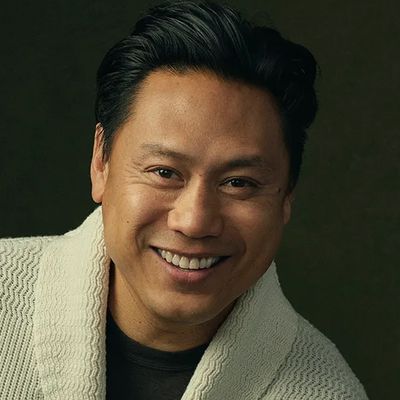
Wicked movie director Jon M. Chu joins The Art of Kindness podcast with Robert Peterpaul to discuss being a kind leader on set, acts of kindness from Ariana Grande and Cynthia Erivo, his spellbinding memoir Viewfinder and more... Read More
From the show: The Art of Kindness: Pop Culture & Positivity with Robert Peterpaul
Guests

Featured Shows
About
Wicked movie director Jon M. Chu joins The Art of Kindness podcast with Robert Peterpaul to discuss being a kind leader on set, acts of kindness from Ariana Grande and Cynthia Erivo, his spellbinding memoir Viewfinder and more. Rejoicify - this is a thought-provoking chat filled with STAR-studded surprise guests!
Jon M. Chu is known for his visually stunning blockbuster films, as well as his kinetic work across various genres from groundbreaking series to commercials and films. Additionally, his unique storytelling ability has earned him the honor of inclusion on the Hollywood Reporter’s Power 100 list as well as Variety’s New Hollywood Leaders.
Most recently, Chu directed Universal Pictures’ critically acclaimed WICKED, starring Oscar-nominated actress Cynthia Erivo and Ariana Grande. Part 1 of the feature-film adaptation of the record-breaking musical phenomenon released in theaters on November 22 and quickly became a box-office hit, becoming the highest-grossing Broadway adaption in domestic box office history in its second week earning over $350 million globally. His memoir, Viewfinder, is his journey from growing up in the Silicon Valley to transitioning to Hollywood and helming major studio projects, released Summer 2024. The book is an uplifting tale of belonging, creativity and learning to see who you truly are.
His recent projects include the critically acclaimed adaptation of Lin-Manuel Miranda’s Tony Award-winning musical IN THE HEIGHTS for Warner Bros. Studios as well as the worldwide phenomenon CRAZY RICH ASIANS, which was nominated for numerous awards, including a SAG Award, a Golden Globe and PGA Award. It is one of the top 10 highest grossing romantic comedies of all time and the highest in a decade. It was also the first contemporary studio picture in more than 25 years to feature an all-Asian cast and opened a new chapter in Asian-American representation in Hollywood.
Chu is in post-production on WICKED: PART TWO, which is set to release on November 21, 2025, and is attached to develop to direct the highly anticipated biopic for Britney Spears based on her memoir, The Woman in Me, with Universal. He is also in development on Dr. Seuss’ OH, THE PLACES YOU’LL GO! with Warner Bros and JJ Abrams’ Bad Robot, which will be his first animated film. His previous films include GI. JOE: RETALIATION, NOW YOU SEE ME 2, JUSTIN BIEBER’S NEVER SAY NEVER and many more representing over 1.3 billion dollars in the worldwide box office.
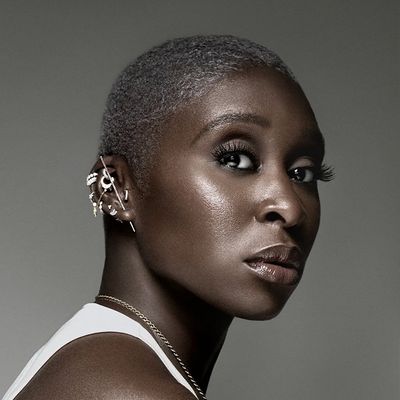
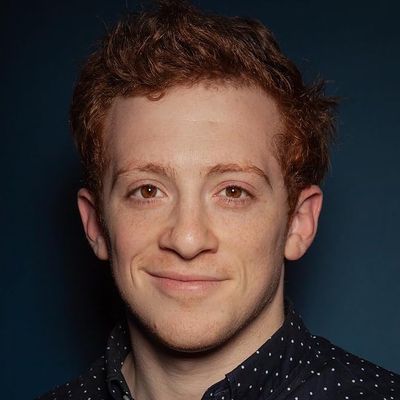
Thank you to Ariana Grande, Cynthia Erivo, Ethan Slater, Michelle Yeoh and Simon Hayes for the special surprise, and to Welcome to Times Square for supporting our Big Apple dreams.
Follow Jon:
Follow us:
@artofkindnesspod / @robpeterpaul
youtube.com/@artofkindnesspodcast
(https://www.buymeacoffee.com/theaok)
Got kindness tips or stories? Want to just say hi? Please email us:
artofkindnesspodcast@gmail.com
Music:
"Awake" by Ricky Alvarez & "Sunshine" by Lemon Music Studio.
Let us be glad. Let us be grateful.
Transcript
This transcript was automatically generated and might contain errors.
[0:00] Robert Peterpaul: Hi, friend. How are you doing today? I'm feeling inspired. Amidst the hustle and the bustle of this holiday season, I've been fortunate to witness so much beautiful creativity. Does anyone else feel like art is kind of popping off? Firstly, is that a word? Firstly, we saw Sunset Boulevard on Broadway and holy Norma, Cassie and I both looked at each other at intermission and we said this was the best show that we've ever seen in our lives. And we've been lucky to see a lot of shows. I guess besides the Dolly Parton hologram show at Dollywood. I mean, come on. This is a run don't walk situation, people. I would also say the same about another masterpiece we watched in the same week. This was an embarrassment of riches.
And we had popcorn this time to celebrate my mom's birthday. Hi, mom. We all flew to Wicked on opening day. Yes, I made sure to get those tickets well in advance. And we were blown away. Like many of you, this musical means a lot to me. You know, it came out as I was just getting into musical theater as a kid. And I almost thought that I'd gotten the gist of the movie from the incredible marketing blitz. But there were still so many surprises. It's by far the best movie musical I've seen probably since Wizard of Oz. It's innovative and fresh, but it has that old Hollywood magic. It delivers on all levels. And that's in large part due to today's glorious guest. I can't even beat around the poppy bush anymore.
Today's guest is the wickedly talented visionary Jon M. Chu. Jon M. Chu witnessed a technological revolution growing up in Silicon Valley. This upbringing influenced his forward-thinking and optimistic mindset for the future. Known for his visually stunning blockbuster films and other mediums, Mr. Chu's unique storytelling ability earned him a spot on The Hollywood Reporter's coveted Power 100 list, as well as Variety's New Hollywood Leaders. Some of his recent directing projects include the critically acclaimed adaptation of Lin-Manuel Miranda's Tony Award-winning musical In the Heights, as well as the worldwide phenomenon Crazy Rich Asians, which also might become a musical, and was nominated for numerous awards, including a SAG Award, a Golden Globe, and a PGA Award.
It is one of the top 10 highest-grossing romantic comedies of all time and the highest in a decade. It was also the first contemporary studio picture in more than 25 years to feature an all-Asian cast and opened a new chapter in Asian-American representation in Hollywood. Most recently, you may have heard Mr. Chu helmed Universal Pictures' Wicked, starring Cynthia Erivo and Ariana Grande. Part one of the feature film adaptation of the musical phenomenon released in theaters on November 22nd, happy birthday mom, and quickly became a box office hit, becoming the highest-grossing Broadway adaptation in domestic box office history. That's right, musicals break records. By the time this airs, I'm sure it will have broken even more records.
It's so good. And don't you get your ruby slippers in a twister. We talk a lot about it. Chu is in post-production on Wicked Part 2, which is set to release on November 21st, 2025, and I am currently standing in line at my local AMC waiting. He's also attached to develop the highly anticipated biopic for Britney Spears based on her memoir, The Woman in Me with Universal. He's in development on Dr. Seuss' Oh, the Places You'll Go, which I did get for my high school graduation. I know I think everybody did. That's with Warner Brothers and J.J. Abrams' Bad Robot, and it will be his first animated film. Chu's previous films include G.I. Joe: Retaliation, Now You See Me 2, Justin Bieber's Never Say Never, and many more representing over $1.3 billion in worldwide box office hits.
You also may know him from the Step Up franchise, okay? If you want to learn more about Jon or are simply a human looking to grow your seeds of creativity, I highly recommend reading his memoir, Viewfinder, which is an uplifting tale about learning who you are and then putting your unique stamp on the world. I got so many nuggets of wisdom from reading that book and then also our conversation from his thoughts on being a kind leader, dispelling stress during the creative process, the kindness of preparation, defying the odds with Wicked. It's all so thrillifying. Because I spoke with Jon M. Chu, I have been changed.
[5:52] Jon M. Chu: I know, it's so silly. For good.
[6:01] Robert Peterpaul: Who gave me a microphone? My dad did for Christmas. If you're an avid listener, well, thank you. You know we love getting silly on here. And if you're new to our little kindness community, welcome! Audio hug! Thank you for tuning in, and I hope you'll stick around for more unhinged, positively kind of fun. And maybe share the show with a friend or leave a little five-star review. It would be a holiday gift. Speaking of gifts, we play a surprise game during our show called the Compliment Game, which is kind of my way of trying to thank the guest for their time. And time is the greatest gift. So how do you repay that? Compliments? Now, I have to say, this compliment game is star-studded. You are not ready.
For the people we got to compliment him. Stick around until the end, because whoa! I can't believe the people that sent in compliments. Seriously. I mean, I can, because Jon is great. But stay tuned for that. And for your post-interview kindness tip of the week, you can also catch The Art of Kindness podcast shining bright in Times Square on a billboard! Ah! Yes, thanks to the generosity of Welcome to Times Square, kindness is spreading through New York City's brightest area! Go catch this little Muppet! Woo! It's wild. Now without further ado, please join me in holding space for this wonderful conversation with the joyful Jon M. Chu.
[7:45] Robert Peterpaul: Well, first of all, congratulations on Wicked. I mean, I cannot put into words how much I loved this movie and so many of your other projects, including, I'll say, your brand new memoir, Viewfinder.
[8:03] Jon M. Chu: Oh, thank you. Thank you very much. Yes, I listened to the audiobook, which was so fun, because it's your voice.
[8:07] Jon M. Chu: Oh, I'm so sorry you had to hear my voice for 20 hours or whatever it is.
[8:13] Robert Peterpaul: No, it was great. I loved it. It gave it more personality. And I had like 15 pages of questions for you, which don't worry, I trimmed it down. But we got a lot of Yellow Brick Road to cover today. So I'll just I'll stop complimenting you. I mean, I honestly like I probably won't. But basically, Jon, I just want to start by thanking you for being a leader in the entertainment industry who I feel like really values and leads with kindness and humanity above everything else. Because I don't remember reading about kindness that much in the entertainment industry before you sort of had this platform. So I just thank you. I really cannot say enough about that.
[8:47] Jon M. Chu: It means a lot. That means a lot. You know, I think that that's the way the business should be. I think creativity and art can be from kindness, even though people sort of tend to they're like, what's art supposed to be, you know, supposed to be torture. And I love that kind of art, too. But I do think there's another road for that. And I think that puts a lot of pressure on the work to be that much better. And so something for like Wicked, we had such a great experience. I remember in the edit room being like, then this work better be incredible. Otherwise, people are just going to walk away, be like, wow, that was a nice experience. But the movie sucked. It made very clear that we need to make this movie soar so that we can be an advocate for that kind of workspace.
[9:29] Robert Peterpaul: And I love I think in your book you had a quote, I wrote down so many quotes and they're posted all over my brain mentally and probably honestly on my door later today. But you had a line about that in your book about how sometimes being more empathetic and kind can cost something, whether it's the production or time, but it makes all the difference. And I just I love that approach. And I hope you've been feeling all the love for Wicked now that I've complimented you and so many people have. How are you at receiving compliments?
[9:57] Jon M. Chu: I have a protective shell, for sure, because I know how fast it can come and go. This has been a sustained couple of weeks, and so I'm starting to let it in and I'm starting to, you know, I have shifted my currency for what I do from audience to what I feel compelled to make for my children or for myself. And I think that that helps protect me. And so when people I'm getting this like imploring like this outpouring of love, I have to do a little bit of work to let it in a little bit. But it's very nice. It's very nice. I'm also working on movie two right now, so I'm like super focused. I'm like, what do I got to do? I got to get done.
[10:46] Robert Peterpaul: So, yeah, I mean, this was a later question I had for you. But since you brought it up, I was wondering getting all that love and feedback and kind of different perspectives about the movie as you're going back into edit the second part, does that affect you at all? Like how do you kind of cancel that out?
[10:59] Jon M. Chu: I don't know. I don't know, to be honest yet, because I cut both of them last year so I could get a roadmap of where we're headed so that everything is intentional for the next chapter of it. Then I put it to the side. So I haven't reopened that box. And so I have to assume that, yes, it will affect me in some way, that people are seeing the details that I thought maybe they wouldn't see and the performances of the things that I love, the little nuances of right or little things from her from Elphaba that like I'm going to want to probably put more of those things in. So we'll have to see. I'm trying to stay disciplined, but it's always fun to know what people like about their characters.
[11:44] Robert Peterpaul: Oh, yeah. I mean, to quote baby Nessa.
[11:46] Jon M. Chu: Yeah, we laughed about that every day on set. We had so much fun with that.
[11:52] Robert Peterpaul: One line. Yep.
[11:54] Jon M. Chu: Yeah. And but you never I never knew the audience would pick up on that.
[11:58] Robert Peterpaul: So it's so good.
[12:00] Jon M. Chu: I cackled. I was like, well, that sucked me in. I was already in. But I was like, okay, that's my best friend. You know, it's kind of interesting to talk to you about compliments. It's something we always start with on this show. Having read Viewfinder because you discuss this moment where you encountered one of your heroes, one of the Steve's in your life, Steve Jobs, and you kind of struggled to find the right words, as I feel like I probably did, like the Muppet I am at the top of the show trying to tell you how much I admire you being on the other side of that now and having admirers come up to you or, you know, DM you in this social media landscape. What kind words do you find are the ones that really break through that shell and stick with you and hit you the most?
[12:44] Jon M. Chu: I think people I've gotten hit a lot in the last couple of weeks of very personal stories. Once that I... You know, metaphorically hit everybody at home, no, no, no one's actually coming to the street with me yet, but I love throwing stories at people, that's a great image, just like throwing books, just journal takes you into the story.
[14:06] Jon M. Chu: I like retracted my recliner AMC special seat. I was like flying. It was amazing. And you can see you can get this dose of the awe on TikTok because people are sharing their reactions to certain moments of the film that, you know, maybe we'll talk about on here. But I love that you mentioned that. To get sort of into kindness to set the context for our conversation today. What is your definition of kindness? If you're looking at kindness through your viewfinder there? And how do you think it's changed over the years?
[14:33] Jon M. Chu: It's interesting. I have such an interesting relationship with the word kindness because it has such a negative connotation to other people to like, feels naive to say kind. And that really makes me sad. Because, to me, I think kindness is listening. I think kindness is seeing. And it doesn't mean you are prioritizing somebody over yourself. I think it just might mean like, through the matrix of our rat race, and through what's pumping us to go forward and do the next thing, do the next thing. Like, you're taking a moment to look at somebody and acknowledge their existence in their own matrix. And I think to me, those can come in small moments in big moments. And that is, that is a strong thing to be able to stop the flow to stop for somebody.
And that is, to me, that is strong. And so I wish there was another word for kindness, that was as simple as kindness, that didn't have the negative connotation of people being like, oh, that's like, I don't know, that's like kowtowing to somebody. I don't know what it is. But that's, that's the thing for me.
[15:50] Jon M. Chu: That's interesting. You know, when there is research, and there's so much science that literally shows, yes, kind leaders are more effective. I mean, I could yak your ear off all day about how kindness in the world is actually a lot more powerful. I think kindness is confidence. I think kindness, when you can actually stop down means you don't have to run the race, you can take the time to look at somebody. And I think that that, that, that penetrates, actually.
[16:12] Robert Peterpaul: Yeah, and it's very vulnerable, right?
[16:14] Jon M. Chu: To be kind.
[16:44] Robert Peterpaul: Yeah.
[17:14] Jon M. Chu: Yeah, space to erase and give grace, you said. I feel like you're spitting poetry at me there. I liked that a lot.
[17:43] Robert Peterpaul: Well, you know, much like, I guess, Elphaba, to kind of go to the beginning of your journey for a second is you've spoken about feeling like an outsider at times, although reading your book, like there's so much joy and love throughout your childhood and the way you embrace technology in this school that seems so dreamy, where filmmakers are sort of the Regina Georges walking down the hallway, not that you're mean, but that you're popular. And so I wonder, you know, your parents opened this Chinese restaurant, which it's on my bucket list to go to now. It's like a dream of mine.
[18:11] Jon M. Chu: Yes.
[18:12] Jon M. Chu: Chef Chew's. And this philosophy to not only fill stomachs, but to fill hearts and yet never complain, you know, in this vein, what do you think they taught you about kindness growing up?
[18:23] Jon M. Chu: It's interesting because, you know, I have an autistic brother. And so it was everywhere we go, and he's my older brother. So everywhere we go, people are staring, people are, which isn't a bad thing necessarily, but or people react in other ways as well. And I think I would always as the youngest of that family, I would observe you're observing a lot. And I would look at people and I'd be like, stop judging. You have no idea in my head. And I think I wanted them to give us that grace. I think I wanted them to like, yeah, we have five crazy kids running around a restaurant and we're a Chinese family going into a whatever nice restaurant. And I wanted those other families who were staring at us, those other patrons to just give us some grace to exist and say, you know what, they're trying their best.
And I wanted that so badly that I always said, I'm never going to be those people. I'm never going to be that. I want to be the person that actually says, oh, you guys need help? You want me to open the door for you guys to come in? Oh, great. Hey, let me get you some more napkins for that. Like, to me, that was that was more admirable. And so I guess that that's where my that's where my North Star is, I guess, when I think of who I looked up to, of people who did that, who wanted to talk to my brother, who said, hey, how are you doing? And didn't make him feel like he was strange or different or avoided him. To me, I despised those people. So I think that was deep, deep in me in that.
[20:12] Robert Peterpaul: Yeah, thanks for sharing that. I, I can really relate because my younger brother growing up had cancer. And toward the end, it really sort of like we don't have to go too much into this, but just changed the way he looked. Yeah. And everywhere we went, we I had a very similar experience, even the overly kind people, it was almost like patronizing in a way. Yeah. And so just that coming from where you are and really seeing people as people, as you're saying, is a special skill.
[20:36] Jon M. Chu: Yeah. And I will shout out Tanner from Love on the Spectrum, who we just had on here the other day. And I think shows like that are helping and it shows the power of entertainment. And so as we kind of fly over your career, maybe I'm like a branch woven broomstick.
[20:51] Jon M. Chu: Yeah, I love it the way the broom looks.
[20:51] Jon M. Chu: Mangrove roots. Those are mangrove roots because we found that mangrove we went through all different woods and how but the mangrove roots I found one mangroves are so important to our environment. I didn't realize how that was, whether it's I was in we were in Malaysia and I did a tour of the mangrove things there and they're in the saltwater and they're amazing, amazing plants. But when the two roots touch each other, they actually merge into one. So much to the fact that scientists, when they take the DNA of the of that tree after that, they can't tell if it's actually one or it's actually one or two anymore. And so to me, that was that so talked about friendships in our life or Elphaba and Glinda in that. So we chose that as something we wanted to go into. So, oh, that's so powerful. I'm so glad I blacked out and started talking about the branches woven together because I didn't know that I did.
[21:41] Robert Peterpaul: All the broomsticks that we went there, it was a lot.
[21:43] Jon M. Chu: Well, it's such an iconic item for witches. And I loved how it looked like a broom, but it felt very different. And you put your own stamp on it there. Yeah. And, you know, what I was getting to you flying over your career is, is there an act of kindness that stands out to you as changing your trajectory? I plucked a few from your book and it doesn't have to be from your book. But what's the first one that comes to your mind?
[22:05] Jon M. Chu: Well, the first one that comes to my mind is people at the restaurant giving my family digital video cards and computers because they detect is, you know, it's the Silicon Valley. So they had all this tech and they knew that I was making videos. And so I got software and hardware to make videos for free. I had no access. I didn't even know. I wouldn't know how to what to buy. And they would give it to me and I learned the grammar of audiovisual storytelling. Now everyone has a phone so they can do it. But back then you did not have access to it. So I learned the beginnings were from the kindness of people, strangers who gave us this equipment and stuff. So I would say that's the first one.
[22:42] Jon M. Chu: Another one I would say was, I mean, little things in film school when you're making when you're making a movie, little donations from the Panda Express or the subway or the person that's letting you shoot in their house. Like, why would you let a student film crew come into your house and destroy it? But they let us and those things made huge differences to us. And that's another thing I was always like, I want to be one of those people. And I'm more sort of clocking it like I want to be one of those people who are so kind to let us do that. And the third thing I would say is Steven Spielberg reaching out when he saw my short film and that that changed the trajectory of my life.
[23:25] Robert Peterpaul: Yeah. Oh, I want to get into that lesson as well. You with the other Steven. But everybody, please read this book because it's chock full of acts of kindness. I mean, I picked out so many from your dad buying you the audio or sound mixer from Sharper Image, which I used to love that catalog. So I really appreciated that being a through line throughout the book. And, you know, a lot of Viewfinder is also about really honing your perspective as a creative. Being authentic in life is just a great kindness, I think. What's to yourself and to others? What's your advice on figuring out your perspective in this world and not letting other things get in the way of it, especially with all the trends that we experience now?
[24:04] Jon M. Chu: Yeah.
[24:34] Jon M. Chu: Yeah.
[25:05] Jon M. Chu: That no longer applies at a certain age.
[25:08] Jon M. Chu: It's not about being accepted. It's about actually belonging. And I find that I had to. That was it felt like a betrayal to tear those stories down in my head. And but it was necessary to find the new one for my children. And I still feel guilty about even talking about it. But I do know that not complaining is not the way to go. That helped me survive to a certain point. Thank God I did that. But when you're in a position of power, eventually, then you do have a then you do have a platform and a responsibility to complain and to make the change. And so that road to your authentic self, which sounds so easy and bubbly and nice, like a bubble bath is not a bubble bath. It's a fire. But when you get there, you can relax and surrender to to yourself, to who you are and and and allow things in. And hopefully kindness comes from that. I think it does.
[26:06] Jon M. Chu: It's like the popping of Glinda's bubble, which you talked about. And for some reason that I never picked up on.
[26:12] Jon M. Chu: Yeah, and we'll see where you know, I love in the end of this movie that we don't know where her journey is just beginning, you know, seeing she's seen the truth now. And what do you become when you know the truth? And is she ready? Because she doesn't have to, she can live in that bubble. She can do work for the wizard and do her thing. But when, yeah, when it gets tough, what are you gonna do? There's a lot of parallels too with Elphaba, like what you were just saying, and your whole life really, and you know, Viewfinder lands in Oz with you preparing for Wicked. Yeah, a movie that it feels like your whole life really leads up to having read the book. And now that we're at Wicked, I do want to ask you a few questions about that, that little movie, you know, just while we're here might as well.
I feel like I kind of wish you did. I know someone gave me a soundboard and it's not, it's actually not a good idea. Because I'm containing myself. I don't have a soundboard because I would have used it the whole time. I would have done laughs. I know, folks. Thank you. Okay, well, now that you said that, I'm gonna make it my new project. Okay, so I feel like this often doesn't happen. But you know, when I heard I was gonna get to interview you, like I said, I got so excited. I had so many questions. And then I put a lot of pressure on myself. And I've heard you openly talk about kind of like, keeping the flying monkeys of pressure at bay during Wicked. Yeah. And I just wonder, I mean, what I felt was probably 700,000 million billion multiplied times whatever.
I would love to hear about your relationship with pressure on this massive project. You know, what do you think you learned about being under pressure as an artist having been on the other side of this now?
[27:53] Jon M. Chu: Okay, so I'll talk about what my experience was with it. And then I'll tell you about a new thing I learned in the last few days that I just love. Oh, okay. I'm excited. Okay, so dealing with the pressure. I mean, I do like pressure. I do like people saying that's never gonna happen. Because that's my whole life. I'm like, you don't think it's gonna happen. Get ready. Let's freaking go. Like to me, it's a motivator. Even though at first, when I heard those things growing up, it was not fun. But I have overcome enough. And I have enough confidence that I'm like, I'm gonna be here, guys, whether you like it or not. So you get on board or whatever. And so to me, it's a motivator. When they say you're gonna do another step up movie, you're gonna get pigeonholed as a dance director.
And I'm like, they can't pigeonhole me. They can. Yeah, they're gonna say that. But I can do whatever. Doesn't matter. I'm gonna I'm gonna do all sorts of movies. Don't worry. Oh, my gosh, you can do another musical. They're gonna only want musicals for me. Well, that would be amazing. If that were the case, if I could do more, more musicals, great. Oh, you're gonna say you're Asian American. Now you're only gonna get Asian American movies and blah, blah, blah. Great. Wonderful. Don't worry. I'm a bigger storyteller that doesn't matter. So to me, the pressure is temporary when you know you're in this game for a long time that it's just you're in one chapter right now and you have many chapters to go.
So that's how I tell myself in my story of my brain to get through it. I also have heard this new thing that I actually really do believe in it was stress or worry is the misuse of imagination. Hmm. And as artists, we have a big imagination. So when you worry you create 100 stories about what could go wrong. But that's using your imagination in the wrong place. You can shift that usage of your brain into making the thing and you have so much room to make the thing and I think that's what I did on every step of making this movie was whenever I felt that one I did believe in my fundamentals of this I had seen wicked I knew what to protect. I may not know all the details of every single line but I knew the soul of it that I wanted to get across.
And so every time I would get worried or had a sleepless night I would focus I would shift my focus to the thing that I needed to do the next day and said okay, well, let's worry about not that. Let's worry about hey, what's interesting about the scene the next day and then I could focus my brain power on that. The good thing about our brains it is linear it is not nonlinear as computers are so we when you focus on something your brain has to go there and it can't go anywhere else. So that's that's what I'm using more often than not.
[30:45] Robert Peterpaul: Yeah, that recalibration is pretty brilliant because you can make your brain worry about sort of granular things. Yeah, in the scene you have the next day versus worrying if you're good enough to lead the scene.
[30:56] Jon M. Chu: That's why I think creation is so freeing. You know, when you're writing, or when you're drawing, like you feel so free, because now you're and you're not thinking about all the other stuff. It's it's so present. And I feel very honored to be making movies because I get to be present a lot. I have to be present a lot. In pre production, I have to plan and developing at the plan and done. But then shooting I have to be so there that day that I nothing can get in my way.
[31:21] Robert Peterpaul: Hmm. Well, you know, speaking of being present, it seems like you were very present. This is a terrible transition during your welcome dinner that you had for Wicked. And I feel like that set a kind tone for the process. You know, it's already a part of the lore that Cynthia and Ari sang together at this dinner. And it was magical. And you spoke and we've heard everybody talk about it. But I kind of drew a parallel, I guess, between this dinner and your your parents hosting dinners and filling stomachs and hearts. You know, what brought you I guess, to set the tone in this way and start kind of building a community? I don't know if it's something you do on every project, but I feel like it's set a great tone.
[32:01] Jon M. Chu: I don't do it on every project necessarily. But I what I've learned over my projects is you set the tone as early as you can, you know, you have like a two week honeymoon period, where everyone's sort of getting used to each other's boundaries and what we're, what our what our roles are. And so what I've learned is you don't wait to set that. And so and and what I'm a big believer in is process. And I'm a believer in open door policy. If you're stressed, I will, you please let me know, I will tell you how, why I'm stressed, we will find a way through this scene together. And but I will also protect you if you are veering into a place that I think this movie shouldn't go, I will, I'm not going to be shy about telling you where I think it should head.
And you shouldn't be shy about it, we'll find some way. And if it means us doing it two different ways. And that's what it means. Like we're making art, this is we're making it together. And so I feel like setting that tone early so that people aren't tiptoeing around something being as you know, I like to tell my actors, hey, I need you in 15 minutes. But I might be another 10 minutes because this other thing is happening. And I hope that I'm done. But if by five minutes, I think it's gonna have I'll give you a heads up. Instead of saying make sure that they're 10 minutes before so they're just sitting there when they're waiting. Like, I think honesty is the way that well, I think that people people distrust is the thing that like spoils creativity anyway.
So the more open I can be and say, hey, I'm human. I'm not there's no I don't believe in genius. I believe in genius bit, you know, making, making genius things because if everything intersects at a certain moment, maybe that can happen. But I am not some gift from God that has all the answers. I don't. And you don't have all the answers. But together, we may have bits of the answers that together is something that none of us could have done alone, which is what a movie is. And so I very much believe in that process. And I very much like to set that tone early, so that everyone feels comfortable and nobody feels like we're hiding anything throughout. And I also may even say, hey, a certain point, I might hide a certain stress because I don't want that to be in your character.
Are you okay with that? Yes. In fact, there's they'll say, I don't want to know anything about that day. I just want to act that day. Great. And that and so it's just finding each everybody's currency of what why that what they're trying to get out of this project, so that I can help deliver that to them. Well, at the same time, communicating what I need from this.
[34:25] Robert Peterpaul: Well, I'd like to set the record straight that I do have all the answers because I have your book Viewfinder. And, you know, I think that reminds me of the Brené Brown quote, is it you know, clear is kind, unclear is unkind. I love that. Yeah, I think there's a lot of power in that. And you know, you got into it already. But something I'm really curious about with you, someone who's being hailed as kind leader, in Viewfinder, you have this moment you talk about with Steven Spielberg that we touched on earlier, and I won't spoil the whole thing, read the book. But basically, you came to the conclusion that you can have a giant scale movie, leading with kindness. And I wonder, you know, whether it's like hanging up joy signs on Crazy Rich Asians or dancing around in Wicked, you know, are there things that and we can use Wicked as the example here, that going into production, like you set to make sure you're leading with kindness?
[35:14] Jon M. Chu: Yes, prep, prep, prep, prep, prep, wisdom, wisdom and preparation allows kindness. You are if you are not prepared, if you don't know what's happening, if you really don't know what's happening, and you are behind the ball, that does not leave room for you to see other people, you're just you're, you know, the whole mountains coming at you. So that's the only thing you're looking at. And so I think that that is your precursor to kindness is a lot of hard work. There's a lot of prep, it's a lot of doing your homework. It doesn't just come out of thin air.
[35:48] Robert Peterpaul: Yeah, like magic. No, that's a great point. Because when you're prepared, you might not get stressed when things go wrong, because you're sort of prepared for x, y, and z. I saw you know, when when Ari was coming into audition, I saw this car just circling like 20 minutes before actually lasting Wicked. I'm like, Who the heck is that? And then it's like rolled down the window is Ariana Grande. And she was there 20 minutes before every single, not just not just the auditions, but even when we were shooting, she was always there 20, 30 minutes before, just saying hello to everybody. I think that I don't know if she will admit this, but I think that's her way of preparing her mentality that day, and feeling relaxed, and allowing kindness, because if she just showed up and was rushing, she wouldn't have the calm to be kind in her work.
And I think that that was her method of doing that. And I felt that. And I appreciate it, and everybody appreciated it. So I think that there's, there's a lot to be said about everybody's different methods of finding that.
[36:45] Robert Peterpaul: Yeah, the calm to be kind. That's really cool. Yeah. And I think she was blasting "One Short Day," which I think it was that I got to ask you about "One Short Day," because you're a kid, you see Wicked, and you see Idina and Kristen, and then all these years later, you're leading them on a giant set in London. I mean, I imagine that felt like out of body to have the surprise camp.
[37:06] Jon M. Chu: Yeah, in the middle of the night, because we snuck them in in the middle of the night. It was like all when the sun was down, and no one could know about it. And so all the drones weren't up because all the paparazzi were all around. They weren't there that day. And we're shooting and it's raining. So we're under this canopy. So it's really intimate. And they're in this beautiful dresses, and they're coming out and to see them on stage. And maybe the last time I saw them live on stage was before they went to Broadway when I saw them in San Francisco. And, and you have them and you're inside a real Emerald City that like has the steps has the fountain has the stage and you're like, and everyone's dressed in Emerald City.
It was surreal, like you entered the movie. And they couldn't have been more generous with their time with their, their kindness to both Cynthia and Ari to me. And it felt like a very nice healing time for everybody to like, come together. Yeah, it healed all of us nice kindness to all of us a gift. I mean, that's what everybody I think is really reacting to on TikTok is that surprise moment. And I just, I wonder too, well, first of all, was it always going to be "One Short Day" where you had all these little cameos or we had tried a different bunch of different things. And not that they we never presented it to them. But we of course, we like went through a bunch of different things of how we could include them.
None of it felt sufficient enough. Because we always came back to they're at the top of their game. Like if they're in this movie, let's, we want to see them do something. We want to show like the strength of them. But it couldn't be so much that it took over the movie, you know, they have a big presence. So like, okay, what? And we had this section when we needed to tell backstory of the grimmery of the history of Oz how wizard guy like we needed that information anyway. And originally, it was supposed to be like a amusement park ride. It was supposed to be like, I hope it is one day small world, you're supposed to get in the thing. And it's supposed to go through and you see this little pop up book stories of, of how Oz came to be and how the wizard came down.
And they weren't in it. And then when we said, Hey, what about this area? And Steven was like, Yes, I know exactly what to do. Just give me give me a night or two. And he came back with this, the song and working with Winnie. And I was like, yeah, that's awesome. They would do that. That'd be awesome. And they came in agreed right away. Wow. So how do you in these giant moments of your career?
[39:17] Robert Peterpaul: Welcome back to The Art of Kindness. I’m your host, Robert Peterpaul, and today we have the incredible Jon M. Chu joining us.
[39:47] Robert Peterpaul: Jon is not only a talented director but also a kind leader in the industry, and I can't wait to dive into his journey and the magic he creates on set.
[40:17] Robert Peterpaul: Jon, thank you so much for being here today.
[40:25] Robert Peterpaul: I want to start by talking about your experience directing the film adaptation of Wicked.
[40:33] Robert Peterpaul: What does it mean to you to lead with kindness on set, especially with such a star-studded cast?
[40:51] Robert Peterpaul: I know you’ve worked with amazing talents like Ariana Grande and Cynthia Erivo.
[41:09] Robert Peterpaul: Can you share some acts of kindness that you’ve witnessed from them during the filming process?
[41:20] Robert Peterpaul: It must be inspiring to see that kind of positivity in such a high-pressure environment.
[41:30] Robert Peterpaul: Also, I’m really excited to hear about your memoir, Viewfinder.
[41:40] Robert Peterpaul: What inspired you to write it, and what do you hope readers take away from your story?
[42:02] Robert Peterpaul: It sounds like a beautiful journey of self-discovery and creativity.
[42:12] Robert Peterpaul: I’m curious, how has your upbringing in Silicon Valley influenced your work in Hollywood?
[42:22] Robert Peterpaul: And what lessons have you learned along the way that you carry into your projects?
[42:32] Robert Peterpaul: I think it’s fascinating how your background shapes your storytelling.
[42:42] Robert Peterpaul: Speaking of storytelling, your work on Crazy Rich Asians was groundbreaking.
[42:52] Robert Peterpaul: How did that project impact your perspective on representation in film?
[43:02] Robert Peterpaul: And what do you think the future holds for Asian-American representation in Hollywood?
[43:12] Robert Peterpaul: It’s such an important conversation, and I appreciate your insights.
[43:22] Robert Peterpaul: As you continue to work on projects like Wicked: Part Two and the Britney Spears biopic, what excites you the most about these upcoming films?
[43:32] Robert Peterpaul: I can only imagine the creative possibilities!
[43:42] Robert Peterpaul: Thank you again for sharing your time and thoughts with us today, Jon.
[43:52] Robert Peterpaul: I’m looking forward to seeing all the magic you create in the future.
[44:02] Robert Peterpaul: Before we wrap up, is there anything else you’d like to share with our listeners about kindness in the industry?
[44:12] Robert Peterpaul: Your perspective is so valuable, and I know our audience will appreciate it.
[44:22] Robert Peterpaul: Thank you once again for being a part of The Art of Kindness.
[44:32] Robert Peterpaul: It’s been a pleasure having you on the show.
[44:42] Robert Peterpaul: Until next time, let’s continue to spread kindness and positivity in everything we do.
[44:52] Robert Peterpaul: Take care, everyone!
[52:24] Ethan Slater: What I love most about Jon is the way he treats everybody that he crosses paths with, no matter who they are, whether they are number one on the call sheet, or a stranger on the street, or just anybody. He treats everyone with kindness and care and respect and curiosity. And he is a person who values the magic of human connection and is able to find goodness in everyone.
[52:49] Jon M. Chu: I was actually going to say Ethan at first, but because it sounds Ethan-y, but I think it's Ari. It's Ariana Grande. I can't believe they responded. I mean, I can hope they love you, but they are the best. I mean, we're so close. We walked through together, linked arms in all the fears and all the pressures.
[53:16] Jon M. Chu: And they're all really freaking warriors. And there's not one day that I did not have the best, most fulfilling creative process with people that I love more than those two. It was beautiful.
[53:36] Robert Peterpaul: That's so sweet. I'm tempted to be like, right, right. Yep. Okay. Okay. This is your last one. Yep. This is also a great one. Is this your last one? Yes, it is. Okay.
[53:48] Ethan Slater: The thing that makes everybody who's ever worked with him only want to work with him only again in the future forevermore is that he has an incredibly generous collaborator. He is eternally a student. He's always learning. He's really unprecious about it.
[54:05] Ethan Slater: The example I will give that I always thought was really beautiful was when he told me that the only difference between directing a $10,000 movie and a $150 million movie was time. And there's a bit more, but I didn't want to spoil it.
[54:19] Jon M. Chu: Who is that? I was gonna say Myron, our editor at first. But that doesn't—that N doesn't sound like him. This is, I can say, a cast member as well.
[54:33] Ethan Slater: Um, it could be Bowen or Johnny, but I think I'm gonna go with—is it Johnny or Bowen? I don't know. I'm gonna go with, um, I'm gonna go with Johnny.
[54:59] Jon M. Chu: Okay, let's find out. This is a fun one.
[55:01] Ethan Slater: Hey, John. I hope they're playing this for you after you've guessed whether it was me or not. Just for the record, this is take 78. It's been an absolute nightmare trying to narrow down the thing that I want to say about you.
[55:15] Ethan Slater: But here's what I'm gonna say about John Chu. The thing that makes everybody who's ever worked with him only want to work with him again in the future, forevermore, is that he is an incredibly generous collaborator.
[55:30] Ethan Slater: He is eternally a student. He's always learning, and he's learning from others, and he is, um, you know, really unprecious about it. And the example that I will give that I always thought was really beautiful was when he told me that the only difference between directing a $10,000 movie and a $150 million movie was time.
[55:58] Ethan Slater: And then he would let me sit next to him at the monitor and watch him work. With all of the pressures of everything going on around him, he still made it a priority to be a friend and a teacher and a student all at once. I've always appreciated that about him, and I hope this is like anything at all. I hope you can use it. Yeah, thank you all.
[56:25] Jon M. Chu: Thank you, Ethan. We had him on here a while back. He's such a gem. I love Ethan. You've worked with him. You've talked with him. What? Yeah, well, in the Broadway community, but we had him on the podcast a little while back, and his I mean, his episode is so good the way he talks about kindness. It's just Ethan is the best. Like, I always said when we hired him, I was like, like, we'd be friends with this movie or without this movie.
[56:51] Jon M. Chu: Like he's such a good heart and he loves the work and I love hanging with him and I should have known that was him because if he had that one extra line, I wouldn't know. But I know I kept it out. Yeah, he's made it feel good, right? He's so great. He's so talented and he's a director like definitely can't wait.
[57:09] Robert Peterpaul: Oh, I can't wait. I mean, what an amazing group of humans that you put together for this film and put together a group of friends. You're like, who do I want as my friends?
[57:18] Jon M. Chu: It seems like it and also having just I read the Wicked book right before I saw the movie to the way you display the friendships on screen versus and it's I guess it's harder to do it on stage. So wonderful. I mean, there's shots of them running together.
[57:32] Jon M. Chu: We have so much of that footage that we didn't put in the movie. And so yeah, there's a lot of those moments that maybe will come back to us. But but they're so fun when we had those days. We're just like, let's bring a camera. We're going to the woods. Let's go.
[57:47] Robert Peterpaul: It's so good. Also, the way you balance the old and the new. I mean, I think that maybe speaks to how you grew up in Silicon Valley. Not again to like talk about you to yourself, but I just did. I mean, what was your process for that? Honoring the Wizard of Oz movie and the book and the musical, but also making it.
[58:02] Jon M. Chu: I think that's just who we are. I think that's just like the same thing with like when I look at the diversity of our cast, or to me, it's or even the diversity of the movement of the dance. It's like we live in a world of, of many things, of many influences.
[58:20] Jon M. Chu: So now classic dance doesn't have to in a timeless movie doesn't have to be from it doesn't have to be from ballet or jazz. It can be a mix of the what the new language of movement is. It can be popping. It can be flexing. It can be all these things and it can be elevated to that level to be crystallized as a part of our language forevermore.
[58:41] Jon M. Chu: I'm going to use Ethan's language there. And I and I so and I think that's so so and then that goes with our casting that that that we can have a Madame Morrible and Michelle Yeoh and Cynthia Erivo as our Elphaba and Bowen Yang as our Fanny and like Nessa Rose is somebody who actually uses a wheelchair with with Marissa adding this whole new dimension to this character and I and teaching us so much so many ways of thinking.
[59:11] Jon M. Chu: What ableism is like and how you know how story is built around ableism sometimes and so for me, it's just normalizing this is the you don't have to preach about it. We don't have to write articles about it, but it's like it's just is and I love that about this movie that it's wicked is the thing and everything else just is.
[59:32] Robert Peterpaul: I love that. That's probably why it's so special. I rewatched Wizards of Oz last night and I think I noticed for the first time the dedication at the beginning where it says this kindly philosophy and I feel like you have such a kindly philosophy that I so admire and appreciate and I can't wait to see part two. And before we we part ways, may I just geek out about one other project that you're maybe set to direct and you could tell me no if we can't talk about it.
[59:59] Jon M. Chu: Probably can't talk a lot about it.
[1:00:00] Robert Peterpaul: Oh, okay. Okay. So Joseph and the amazing Technicolor Dreamcoat I did I played Joseph and what I took from him was that he's just an outcast in a different way. Like he's he's relentlessly optimistic and faithful and a dreamer. And so I feel like to have that film being made now when it feels like the American dream is so tricky and you know, there's all these other layers to it that I don't need to tell you. Can you I guess just share your perspective or anything on this story? I'm not sure what you can talk about.
[1:00:26] Jon M. Chu: I can't talk a lot about it other than you're scratching at the right things that I find fascinating about him. I love dreams. I love stories about dreamers. I love stories about people who feel like they don't belong because maybe they're part of a different path and everyone around them that speaks very deeply to me and I and Joseph I mean that show is just so fun.
[1:00:49] Jon M. Chu: I really want to do an absurd musical something where anything can dance whether it's the couch or the wall and I just love the things that are possible in Joseph is it's a language that most musicals don't allow itself to be and I'm excited for that and working with Andrew Sir Andrew Lloyd Webber and Sir Tim Rice is like a dream and it's a hard one.
[1:01:12] Jon M. Chu: I'm trying to crack it fully but we have some big concepts for it and some great character things that I think make it feel relevant and urgent as well but we're still working on it.
[1:01:22] Robert Peterpaul: Okay, I can't wait. It's in great hands. I'm so excited about that. I'm also excited. I meant to tell you this. I got an email a media alert today. I don't know if you probably know this but everything from Wizard of Oz is on sale. You can buy the red the red slippers for like a million dollars. I don't know if you if you want them. Okay, but I figured you should know that in case you do.
[1:01:40] Jon M. Chu: I know we're gonna get to get that first. I know I started GoFundMe and I think we can make it happen. John this has been such a pleasure and I would love if we could end our time together just by you sharing a tangible kindness tip. So something that you think everybody could do on their own corner to make the world a brighter place.
[1:01:58] Jon M. Chu: I would say it is what I tell my kids in the morning when they're dropping off at school. I said, you know, at the end of the day, tell me, you know, two things that you've done kind to somebody, and then tell me two things to kindness to kind things that were done to you, because I think kind things are happening all around us. We're just not necessarily aware or our radar isn't up to accept it.
[1:02:28] Jon M. Chu: And so I think it's for my kids. It's nice to create a structure for being aware of the kindness that's around them to give and to receive. And so I think that that's sometimes we need a little structure to help recognize what's happening.
[1:02:45] Robert Peterpaul: Yeah, that's well said, because I feel like we stop when something goes wrong, but we're not always clocking. Oh, wait, someone held the door open for me when I walked in here before something went wrong. So easy to have the bad things in our minds. But yeah, well, thank you for all the good things. I mean, you don't need me to say this, but I just feel like you are you are more than enough. You are brilliant. And you're the kind of role model that I think we actually need more of in this industry. So thank you for being you. Thank you for this podcast. Thank you. I appreciate you. See ya.
[1:03:15] Robert Peterpaul: And now it's time for your kindness tip of the week.
[1:03:46] Robert Peterpaul: She chooses to be kind. She chooses to fight for what's right, even when it's not popular, even when it's hard.
[1:03:56] Robert Peterpaul: Elphaba teaches us that kindness isn't about blending in or following the crowd. It's about standing firm in who you are and lifting others up along the way.
[1:04:08] Robert Peterpaul: In a world, well, I feel like I'm doing a movie trailer in a world that often values perfection over conformity. True kindness can sometimes feel like an act of rebellion.
[1:04:20] Robert Peterpaul: But remember, kindness doesn't need to look the same for everyone. It's about showing up authentically, whether that means offering a smile to a stranger or standing up for someone who needs help.
[1:04:34] Robert Peterpaul: And as we discussed with John, that's not always easy, right? I know it can be a struggle. I'm learning every day alongside you all.
[1:04:43] Robert Peterpaul: So please take a moment to ask yourself, how can you show kindness even when it's tough?
[1:04:51] Robert Peterpaul: Like our girl Elphaba, you don't have to fit in to make a difference.
[1:04:56] Robert Peterpaul: Sometimes being brave enough to stand alone as your true self and to defy gravity as we know it is the kindest thing you can do to build a better world.
[1:05:09] Robert Peterpaul: I appreciate you all, and I hope you remember, until next time, everything's gonna be A-OK.
© Broadway Podcast Network, All Rights Reserved