

Sponsored by Audible. Get your FREE AUDIOBOOK at www.audibletrial.com/MusicalswithCheese. We're Alive, We're Alive, we are SO alive!.. Read More
From the show: Musicals with Cheese
Featured Shows
About
Sponsored by Audible. Get your FREE AUDIOBOOK at www.audibletrial.com/MusicalswithCheese
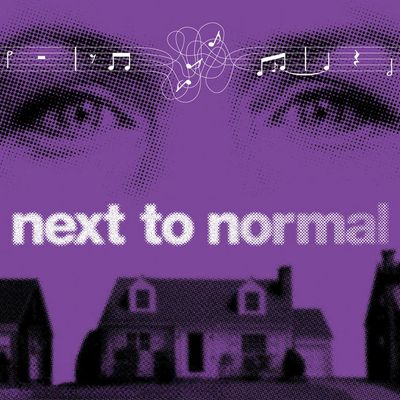
We're Alive, We're Alive, we are SO alive! This week Jess & Andrew cover Brian Yorkey and Tom Kitt's 2008 rock musical "Next to Normal." The duo covers the musicals history, representation of the medical science, musical representation, and somehow they talk about Shaggy from Scooby Doo. It's really one crazy fun episode that is not to be missed.
Links:
Listen to "Next to Normal Broadway Cast Recording" Now!
Musicals with Cheese on Twitter
Musicals w/ Cheese on Instagram
Email us at musicaltheatrelives@gmail.com
Transcript
This transcript was automatically generated and might contain errors.
[0:00] Jess McInally: Today's show is brought to you by Audible.
[0:02] Jess McInally: Audible is offering our listeners a free audiobook with a 30-day trial membership.
[0:07] Andrew DeWolf: What?
[0:19] Jess McInally: Just go to AudibleTrial.com slash musicals with cheese and browse the unmatched selection of audio programs.
[0:19] Jess McInally: Unmatched! Download a title free and start listening.
[0:19] Jess McInally: It's that easy. Free title, start listening, boys!
[0:19] Jess McInally: Uh go to AudibleTrial.com slash musicals with cheese.
[0:22] Jess McInally: AudibleTrial.com slash musicals with cheese.
[0:26] Jess McInally: What are we like a cheap fucking car commercial?
[0:29] Jess McInally: Mattress sales?
[0:31] Jess McInally: Like Hello, I'm Jess McInally.
[0:41] Andrew DeWolf: And I'm Andrew DeWolf.
[0:43] Jess McInally: And welcome to Musicals with Cheese, a podcast where I try to get Andrew to like musical theater more.
[0:48] Jess McInally: How are you today, Andrew?
[0:49] Andrew DeWolf: I'm doing fantastic. How are you doing, Jess?
[0:54] Jess McInally: Up the energy.
[0:55] Jess McInally: Do you know why?
[0:55] Jess McInally: Cause I'm manic.
[0:57] Andrew DeWolf: Ah, I'm depressive, so we're we're kind of we're we're gonna even out.
[1:01] Jess McInally: Yeah, we'll we'll be fine.
[1:07] Jess McInally: So Andrew.
[1:08] Andrew DeWolf: Yeah.
[1:09] Jess McInally: What musical are we talking about this week?
[1:11] Andrew DeWolf: Um, we are talking about uh Dear Evan Hansen uh part one.
[1:18] Jess McInally: The prequel.
[1:19] Andrew DeWolf: So this is the Dear Evan Hansen prequel.
[1:21] Jess McInally: Is this the Dear Evan Hansen cinematic universe?
[1:24] Andrew DeWolf: I think it is part of Dear Evan Hansen, like cinematically, uh, but this is pre-internet.
[1:30] Jess McInally: Mm-hmm.
[1:31] Andrew DeWolf: So this is Dear Evan Hansen when all you had was Red Bull and books.
[1:35] Jess McInally: Yeah, and Doritos. Alright.
[1:37] Jess McInally: This week we are talking about Brian Yorkey and Tom Kitt's's Next to Normal.
[1:50] Andrew DeWolf: Every day is death and another and another perk.
[2:06] Jess McInally: Next to Normal is a 2008 American rock musical with a book and lyrics by Brian Yorkey and music by Tom Kitt's. The story centers on a mother who struggles with worsening bipolar disorder and the effects that her illness and its management have had on her family.
[2:22] Jess McInally: The musical also addresses the issue of grief, suicide, drug abuse, ethics and modern psychiatry, and the underbelly of suburban life.
[2:33] Jess McInally: Next to Normal received several workshop performances before its off-Broadway debut, winning the Outer Critics Circle Award for Outstanding New Score and receiving the Drama Desk Award nominations for Outstanding Actress for Alice Ripley and Outstanding Score.
[2:47] Jess McInally: After an off-Broadway run, the show played at the Arena Stage in its temporary venue in Virginia from November of 2008 to January of 2009.
[2:57] Jess McInally: The musical opened on Broadway in April of 2009. It was nominated for 11 2009 Tony Awards and won three: Best Original Score, Best Orchestration, and Best Performance by a Leading Actress in a Musical for Alice Ripley. It also won the 2010 Pulitzer Prize for Drama, becoming the eighth musical in history to receive the honor.
[3:18] Jess McInally: The previous musical to win the Pulitzer Prize was Rent in 1996, which was also directed by Michael Greif. In awarding the prize to Kitt and Yorkey, the Pulitzer Board called the show a powerful rock musical that grapples with mental illness in a suburban family and expands the scope of the subject matter for musicals.
[3:42] Jess McInally: They did it. So Andrew, tell me a little bit about Next to Normal and your general thoughts about it up front.
[3:50] Andrew DeWolf: When I was watching it, I was getting kind of a Falsettos mixed with a better version of Dear Evan Hansen kind of feel to it. You got the family dynamic, the mother who is losing her grip. Um and then you have the dead kid.
[4:11] Andrew DeWolf: Spoilers!
[4:12] Jess McInally: I was actually gonna save that.
[4:13] Andrew DeWolf: Why would you save that? That's like God.
[4:17] Andrew DeWolf: That's like an important twist.
[4:19] Jess McInally: Whatever.
[4:20] Andrew DeWolf: If it yeah. There's a dead kid in this.
[4:25] Jess McInally: I didn't say which one it was.
[4:27] Andrew DeWolf: Ghost son.
[4:30] Jess McInally: Oh, now you're just gonna come right out with it. Fuck it, it said ghost son.
[4:33] Andrew DeWolf: It's said. Alright, there's a ghost son in this. There's not really much else to it, right? I mean, there is, but there is a lot more to it than that, but that is the broad strokes of the show.
[4:45] Jess McInally: Yeah.
[4:46] Jess McInally: So what'd you think of Next to Normal? Because this is not like really anything that we've done before, because it's like a contemporary musical that's done very well.
[4:56] Andrew DeWolf: I thought it was okay. Um to be honest, I know a lot of the praise for the show comes from the subject matter of it, but I think the subject matter for me is kind of a turn off. Uh so it kind of I I I didn't really fall in love with the show because of it.
[5:14] Jess McInally: Now, why was that?
[5:16] Andrew DeWolf: Well done. I I I mean, I'm just not a huge fan of things that are about mental illness. Um, you have like stuff that blows up like uh like Thirteen Reasons Why and Dear Evan Hansen, where they talk about mental illness so people love it, but to me it's like I don't like it because it talks about those things, and personally I just uh I I don't I don't really like those subjects.
[5:45] Andrew DeWolf: It's too kind of touchy.
[5:46] Jess McInally: But a lot of people deal with mental illness. I mean, I've dealt with my own mental illnesses in the past, and I feel that having these types of shows kind of normalizes it.
[5:55] Andrew DeWolf: Yeah, I suppose so. And things like this show that it's normal, treatable, and you can figure out a way to have a life that's fulfilling despite the issues that come from the mental illness.
[6:06] Jess McInally: Does it?
[6:07] Andrew DeWolf: I mean, this show kind of says the opposite that your life is gonna get fucking destroyed and there's almost no recovery.
[6:15] Jess McInally: Really?
[6:16] Andrew DeWolf: But I mean, okay, at the start of the show she has a family. At the end of the show, she doesn't, and everything's gone.
[6:23] Jess McInally: But that's her choice.
[6:25] Andrew DeWolf: That is her choice. She has the autonomy to make that choice.
[6:28] Jess McInally: Agreed. But you could say that it is a detrimental thing that has happened to her.
[6:37] Andrew DeWolf: I wouldn't say that. I mean, we'll go into that a little later. But I think it's her finally saying I'm not gonna worry about you guys. I'm gonna worry about myself for a change.
[6:47] Jess McInally: I don't know. I it's just I I don't see it that way. It's more of a I Mental illness is terrifying for me. I've never really had any, which maybe that's why I'm scared of it, but to me, this whole scenario is like a fucking horror story. It's like this thing you can't control comes in and destroys your life, and there's nothing you can do about it, and it's like holy fuck.
[7:18] Andrew DeWolf: But it doesn't really destroy her life though. The whole show is her having a mental fucking episode.
[7:24] Jess McInally: It's well I think it's only exacerbated by the way that her husband treats her.
[7:30] Andrew DeWolf: Ha what is I don't understand what he does that's bad. He does everything he should do.
[7:35] Jess McInally: Alright, do you wanna go through the plot and I can explain to you exactly where he goes wrong and where exactly the representation of this disease is effective.
[7:46] Andrew DeWolf: Sure, because maybe I just don't understand.
[7:49] Jess McInally: That is very, very probable. And I'm not trying to be like you don't understand, and I'm gonna explain it to you, sir.
[7:56] Andrew DeWolf: Yeah, come on. Jess mansplain this whole fucking story to me, please. Hurry up.
[8:01] Jess McInally: Alright. Every day is just on Diana. Um we see her son like coming in late and she has a conversation with him, and pretty much for the first third of Act One, it's just her and the son talking alone.
[8:28] Jess McInally: They do some stage tricks to make it seem like that she's talking oh, he's a part of the family, but really he's a figment of her own hallucinations.
[8:37] Andrew DeWolf: I'm glad that they revealed that early on, because it would have been a twist that we've all seen before if it was just revealed at the end.
[8:46] Jess McInally: Oh, he wasn't real. Oh shit.
[8:48] Andrew DeWolf: Sixth sense.
[8:49] Jess McInally: Yes. And she has a living, real daughter, Natalie, who is a bit of a kind of neurotic type, trying to get all A's, trying to work hard, piano and all that, because she wants to get out of her house, basically.
[9:07] Andrew DeWolf: She's working hard so she doesn't have to deal with the crazy people in her house.
[9:11] Jess McInally: Yeah. And then she falls in love with some stoner kid.
[9:15] Andrew DeWolf: Yes, Henry. I mean, this whole the Henry plot, I I don't know why that's really a thing.
[9:21] Jess McInally: Um, they're supposed to be the reflection of Dan and Diana, basically.
[9:26] Andrew DeWolf: How so?
[9:27] Jess McInally: You have the male figure that is designed basically to help the female when she falls. Either because of drug abuse or whatever sort of things, or mental illness.
[9:42] Jess McInally: And you have that both with Henry and Diana. And that's reflected in the second act when both Diana and Natalie are in the electricity when she has ECT done on her, and the fact that um in a promise where both the men in these women's lives are like, I promise to be there for you, and blah blah blah blah blah. It's my job to help you.
[10:03] Jess McInally: And both of them finally decide learn eventually that they need to keep their space in whatever things they eventually need to help figure out for themselves as well.
[10:16] Andrew DeWolf: So it's reflective stories. Whereas Diana is afraid that she'll never see normality.
[10:22] Jess McInally: Um Natalie's afraid that she is crazy and doesn't know it, or in her own words, or that she has a mental disorder and she just isn't aware of it yet.
[10:33] Andrew DeWolf: Or that she secretly likes jazz.
[10:35] Jess McInally: Yes. Cause that is a metaphor used in Act One.
[10:39] Andrew DeWolf: That's nice.
[10:41] Jess McInally: I mean, for jazz.
[10:43] Andrew DeWolf: I am totally pretending you didn't say it that way.
[10:46] Jess McInally: It's just that the thing with jazz is how do you ever know if you got it right? It's just making shit up.
[10:51] Andrew DeWolf: Which is also known as the act of creation.
[10:54] Jess McInally: Oh, you're one of those pretentious stoner types.
[10:57] Andrew DeWolf: Wrong, I'm not pretentious. I'm definitely not classical.
[11:02] Jess McInally: So rigid and structured. There's no room for improvisation. You have to play the notes on the page.
[11:08] Andrew DeWolf: Yeah, and what did Mozart know anyway? He should have just smoked a bowl and jammed on Twinkle Twinkle Little Star.
[11:14] Jess McInally: Classical music getting the shaft again.
[11:16] Andrew DeWolf: Always a negative metaphor for classical music.
[11:19] Jess McInally: I mean classical music is used as structure and perfection in the way that Natalie wants her life to be.
[11:27] Andrew DeWolf: And jazz represents improvisation and craziness as what her life currently is.
[11:32] Jess McInally: You know, you improvise in classical music, right? People know that, right?
[11:36] Andrew DeWolf: I don't play classical music.
[11:37] Jess McInally: Like when you do when you do solo piece of classical music, you do improvise on it. That that's an actual thing. I just want to put that out there.
[11:44] Andrew DeWolf: Like you jazz is not the only music you improvise on.
[11:47] Jess McInally: Just throwing it out there so people know.
[11:49] Andrew DeWolf: Yep, yep. We're an educational podcast, the more you know.
[11:52] Jess McInally: We're we're educational, because that that did kind of peeve me.
[11:55] Jess McInally: And I'm tired of seeing classical music being shown as like, oh, it's that boring one where you play what's on the page and that's it.
[12:02] Andrew DeWolf: But Diana had a freak out in one morning while making everyone's sandwiches and just started making sandwiches on the floor and all over.
[12:10] Jess McInally: So her husband, Dan, is like, okay, we need to take you to the hospital.
[12:15] Jess McInally: And she's just all over the place there as well.
[12:20] Jess McInally: Like, like not quite. All these pills are either numbing her, making her constipated, and all the side effects are worse than her actual manic feelings.
[12:29] Andrew DeWolf: Goodman Diana, second adjustment after three weeks. Delusions less frequent, but depressive state worse.
[12:35] Andrew DeWolf: I'm nauseous and I'm constipated completely lost my appetite and gained six pounds, which, you know, is just not fair.
[12:44] Jess McInally: I'm not really sure what to do with that.
[12:46] Andrew DeWolf: What do you mean? What's the message there? Like, what is the message there?
[12:49] Andrew DeWolf: Like, don't take your pills because they numb you.
[12:52] Jess McInally: The message there is it's not an exact science, and basically we're using humans as guinea pigs.
[13:04] Andrew DeWolf: Yeah, I mean that's that is true, but what's the alternative?
[13:09] Jess McInally: Um, it definitely does not say that medication is bad. It just says that it's not quite where it should be, and that's an issue.
[13:18] Andrew DeWolf: Yeah, but with that sort of thing, the only way to progress is to get is to keep doing this until we get something that works.
[13:26] Jess McInally: Yes, but we should be using humans as guinea pigs.
[13:29] Andrew DeWolf: But we also need to get these people help. It's crazy. Mental health is such a crazy thing where the only way to figure out what works is to try it on humans.
[13:38] Jess McInally: Cause it's unlike animal testing it that that just won't work.
[13:42] Andrew DeWolf: Yeah, so like what like what I'm saying, like we can't use humans as guinea pigs, but at the same time we have to. So like what's the message?
[13:49] Jess McInally: Like, oh, this is bad, but there's no alternative?
[13:52] Andrew DeWolf: You see, this is one of my few issues with this show, which is I don't think it quite knows what it wants to say about the pharmacology world.
[14:02] Jess McInally: Um, but I enjoy much more what it has to say about the family dynamic of dealing with this disease.
[14:08] Jess McInally: Like, Act Two is a much stronger section of the story than the like indictment of pharmaceuticals.
[14:15] Andrew DeWolf: Yeah, like I don't really like personally I don't like the criticisms on medication and I see that all the time in media where it's like, Oh, they're just pumping these mental health patients full of meds and it's just bad.
[14:31] Jess McInally: But it's like what's the alternative? They just fucking they live with mental illness. Like that's obviously a worse alternative, so uh I think the family dynamic in this is where it actually is good though I agree with you on that. I think that's the strongest part of that. And originally the show started as a like ten minute opera literally just about the indictment of pharmaceuticals called um being electric or feeling electric. Where it was all about electro shock therapy and all that. And eventually they discovered that the family dynamic was the more interesting thing and I think the only thing that really makes this a musical is the daughter character.
[15:14] Andrew DeWolf: Yeah, that I know Andrew is a hundred percent gonna disagree with me about this, but she is the main character and the hero of the story. I mean she gets the I want song. She has the drive. I mean I think I disagree with you on what makes someone a main character, but I think that yes she probably is the protagonist. I don't think she's the main character. The main character is the person that gets the most screen time.
[15:43] Jess McInally: I'm just saying she's the one with an obvious goal. She's the one with the drive and trying her best to get through it, and the one with hurdles. Where everyone just else just kinda falls through life, and the other alternative main character we have basically is no longer herself for a majority of the second act.
[16:01] Andrew DeWolf: Yeah.
[16:01] Jess McInally: But I think that she still is the focus.
[16:05] Andrew DeWolf: Yeah. I don't it's hard to figure out this show. This show is a very strange anomaly. It both follows the rules of musical theater structure and breaks them very like w hand in hand. Um Natalie and her stoner boyfriend Henry officially start dating. And I think it's a really cute scene where he basically is like, I will do my best to be the best person I can be for you. It feels genuine, and I I like that scene a lot. I like their relationship a lot through this. It's much healthier than Dan and Diana's, at least.
[16:39] Jess McInally: Is this before or after he uh wants to use uh her mother's drugs?
[16:43] Andrew DeWolf: Um he doesn't this is before, but he doesn't want to use the mother's drugs. He's just like other people would have done this. I don't do that because I like weed. What a good person. But Natalie He walks Natalie home and Dan pulls him in and be like, Oh, this is your boyfriend, let's have him for dinner. Let's come on in. I don't accept no. Let's have dinner together. Natalie, and this must be Henry. A pleasure to finally meet you. Come in, why don't you join us for dinner?
[17:09] Jess McInally: Um, Dad, Henry can't really stay. He's got um It's gonna be good. Homework, it's gonna be good. Surgery.
[17:19] Andrew DeWolf: Eat and talk and laugh and joke my hot my brood and me.
[17:22] Jess McInally: I like the dad character.
[17:24] Andrew DeWolf: You like Dan?
[17:25] Jess McInally: Yeah, I think he's very nice, and he's he tries very hard.
[17:27] Andrew DeWolf: Well, the thing is he tries to fit in his idea of what is normal. He wants he's a lot like Marvin, except not as bad. Marvin from Falsettos. He wants his tight-knit family, he wants the m wife making dinner, he wants the daughter and her boyfriend all coming in, and we're all gonna be normal. It's gonna be good.
[17:44] Jess McInally: Okay, well, m I mean, Marvin is a asshole though, who beats his wife.
[17:50] Andrew DeWolf: Dan is an asshole who manipulates his wife.
[17:54] Jess McInally: Into doing what?
[17:55] Andrew DeWolf: Into believing some things aren't true and some things are, and using like the disabilities of her situation against her to try to m reach his normality.
[18:05] Jess McInally: What what are some examples?
[18:07] Andrew DeWolf: We'll come to it in Act Two.
[18:09] Jess McInally: I mean, in Act Two, I remember that he doesn't tell her about the sun.
[18:13] Andrew DeWolf: Yes.
[18:14] Jess McInally: But I can kind of understand that though, because he's trying to avoid having her fall back into her mental illness.
[18:20] Andrew DeWolf: Which she ends up doing once the sun gets brought up.
[18:22] Jess McInally: Yes, but just because someone has a mental illness doesn't mean you should be able you manipulating him the way you do.
[18:28] Andrew DeWolf: He wasn't manipulating her, he was trying to help her.
[18:30] Jess McInally: See, that's where that fine line comes down. Like, if this thing is like part of what you view as crazy, like, is manipulating her to like avoid that and like hide parts of her life.
[18:47] Andrew DeWolf: I mean, you can't deny that. She's literally hallucinating someone and has been for the past what, seventeen years? That's a major problem. And he's also like resentful of her for having this. Like, he's like kind of assisting her the best he can, but resentful for her being like this in the first place.
[19:10] Jess McInally: I feel like everyone, like if you were in that same situation, you probably would be as well.
[19:15] Andrew DeWolf: Yes, but when when you're stuck into a situation where you have to take care of someone, there's gonna be some feeling of like, man, I wish I didn't have to do this.
[19:25] Jess McInally: But the fact is, like, he rushed into the relationship early on, demanded that she marry him, um, and basically admits that the only reason why he liked her mania is because he enjoyed the sex.
[19:37] Andrew DeWolf: Do I not remember this part?
[19:39] Jess McInally: It was in Who's Crazy.
[19:41] Andrew DeWolf: Oh geez.
[19:42] Jess McInally: So I just so I sometimes miss sucking plot points that are literally only a lyric in a song.
[19:48] Andrew DeWolf: Yeah.
[19:51] Jess McInally: So, at this dinner.
[19:52] Andrew DeWolf: I mean, it's hard to fucking lyrics go by so quickly. It's hard to like pick up every little detail that's spat out like in just one line, you know.
[20:01] Jess McInally: Like, I don't remember that part of the show because they never talk about it again.
[20:05] Andrew DeWolf: So Diana, like, after like feeling numb from all this medication, flushes them down the toilet at this um basically the reassurance of her figment of our imagination son, who will consistently promote her doing the worst possible thing for her throughout the entire show.
[20:23] Jess McInally: Yeah, the son is uh the son is definitely the antagonist.
[20:27] Andrew DeWolf: He's the devil on her shoulder being like, You sh you should flush your meds. You should kill yourself so we can be together.
[20:34] Jess McInally: Yeah, he's uh he's a bad influence.
[20:37] Andrew DeWolf: Yes, and it's very interesting to see that played out. Um, but because she flushes her meds, um, she brings out a birthday cake for her dead son, who died when he was an infant and now exists as basically a figment of her imagination.
[20:54] Jess McInally: And the Natalie, her daughter, just freaks out and is like, Fuck this, I'm done, I'm going upstairs, and Henry's like, Well, I gotta deal with that. And Dan's like, dude, sh she's not here anymore. We need to take you to the doctor, and I've been here your whole goddamn life figuring this out, and you don't know what it's like to be me.
[21:15] Jess McInally: And she's like, You don't know what it's like to be me either. It's just a really sad moment. And then it's like accompanied by this rock riff, basically.
[21:25] Andrew DeWolf: Is that a is this a common thing, like parents hallucinating their dead children?
[21:31] Jess McInally: I can only imagine it must be. I can't imagine it's not.
[21:36] Andrew DeWolf: Like it doesn't seem crazy. But basically, the song, the sh scene turns into a competition between Dan and the figment of the imagination's son, about who is the most emotionally, sexually, and altogether more thrilling person to be with.
[21:52] Jess McInally: And believe it or not, this figment of Diana's imagination is a sexual figure. There's a reason why, like, one of the early scenes we see him, we see him shirtless and showing off his abs and all that. And the way that he looks at her is in a sexual nature, because like all diseases, he is representing everything that she is looking for.
[22:13] Andrew DeWolf: Oh boy, this this incestual and mental illness, this uh can we we have put a trigger warning here or yes, it is dark, but in the end of that scene, like she chooses her son over her husband.
[22:29] Jess McInally: Everything's so bad. This this show is so depressing, Jess.
[22:33] Andrew DeWolf: But a few days later a few days later, Dan takes her to a new doctor, Dr. Madden, and as she keeps going to these therapy sessions, her son just asserts his presence, singing the song, I'm alive.
[22:39] Jess McInally: I'm alive, I'm alive, I'm so alive. I'll tell you the truth if you let me try. You're alive, I'm alive, and I'll show you why I'm alive.
[23:02] Andrew DeWolf: It's a pretty good song.
[23:04] Jess McInally: It is, but it's really like it's a villain song, basically. It's really catchy. Um, but yeah, it's basically just like her hallucinating this kid who's just screaming at her.
[23:20] Andrew DeWolf: Uh, which is not good.
[23:23] Jess McInally: And the daughter describes her feeling of inadequacy to this son that's dead. Like, he's this perfect thing, and I am literally nothing to my mother.
[23:35] Andrew DeWolf: Why do we always talk about the heavy ones?
[23:39] Jess McInally: Literally, last week we talked about love never dies, so shut the fuck up.
[23:43] Andrew DeWolf: You're right, you're right, but what do I say here, Jess?
[23:47] Jess McInally: How do I make this comedic?
[23:49] Andrew DeWolf: This show, you you cannot make it comedic.
[23:52] Jess McInally: Although, ironically, the version that I watched, there was several times where people were laughing, so I guess I guess it is funny.
[23:59] Andrew DeWolf: I mean, this show does have some pretty pretty good laugh moments in it. It's not a depressing like experience to watch.
[24:08] Jess McInally: I mean, I personally thought it was depressing.
[24:11] Andrew DeWolf: I don't know. Maybe maybe seeing it live is different, but watching it, it was like it's just watching this fucking destruction of this family and this woman just falling apart.
[24:20] Jess McInally: Oh my goodness. The therapist starts doing these hallucination trials on her, which makes her feel drained every time she comes home. She is just destroyed every time she goes to therapy at this point. Because, like, she's going through these hallucinations. On top of that, she's going through therapy that involves like induced hallucinations.
[24:42] Andrew DeWolf: And finally, Diana decides it's time to let her son go.
[24:47] Jess McInally: And she tries to clean out her son's things, and she finds a music box that plays a tune, and suddenly g her son Gabe comes out in a suit and starts dancing with her.
[24:59] Andrew DeWolf: And after the song's over, he invites her to come to a world away f a world with him.
[25:06] Jess McInally: And at the end of the song, we discover what that means. And it means that she tried to kill herself.
[25:12] Andrew DeWolf: I like that Jeff slaughter when he says that she tried to kill herself.
[25:21] Jess McInally: It was meant to be a pause for dramatic effect, but I'm but he chuckled.
[25:27] Andrew DeWolf: Jess, it's not funny.
[25:31] Jess McInally: She tries to kill herself, but it's a seduction song. Basically, it's him using his sexiness to convince her, like, hey, would I lie yes?
[25:42] Andrew DeWolf: And it's effective enough where she does try to kill herself, and she is sedated at the hospital, and the doctors are now recommending ECT, which is electro shock treatment, basically.
[25:56] Jess McInally: Now I've heard ECT is very effective, but in this in this show it portrays it as almost like a fucking brain wipe.
[26:02] Andrew DeWolf: It can be. It can lead to a lot of memory loss. Some are more lasting than others. But I I've heard of this actually a good treatment.
[26:11] Jess McInally: It can be, yes, it can be. Although they're comparing it to uh one flew over the cuckoo's nest, which is obviously a negative portrayal of uh ECT, yeah.
[26:20] Andrew DeWolf: This sort of treatment.
[26:22] Jess McInally: So I don't know. It seems like it seems like this show wants to have a negative portrayal of both mental mental illness, which is fair, but also a mega negative portrayal of the uh things that help solve that.
[26:34] Andrew DeWolf: So it's like everything is just negative.
[26:37] Jess McInally: Well, the thing is the doctor is never portrayed as willfully like indignant, mean, or trying to hurt anybody.
[26:45] Andrew DeWolf: I I like the doctor.
[26:47] Jess McInally: I feel like the doctor's one of the more sympathetic, actively trying to help her situation.
[26:52] Andrew DeWolf: I mean, that is true, but they do all also have her hallucinate him like coming on to her and shit like that, which can be seen as like a negative show too.
[27:02] Jess McInally: So And it does show the ECT has worked when she comes out of it, despite the side effects.
[27:09] Andrew DeWolf: Doesn't really, though, because she goes back into it once she's remembers who her son was.
[27:14] Jess McInally: And I've never had to face the world without her at my sight.
[27:19] Andrew DeWolf: Now I'm strolling right beside her as the black hole opens by.
[27:52] Jess McInally: Like, I just want everything to be normal.
[27:55] Andrew DeWolf: But it's also him saying I don't want to be alone.
[27:59] Jess McInally: Like having her be well is the only way I cannot be alone.
[28:07] Andrew DeWolf: Like, it's shines a light on Dan's l like fear of being alone.
[28:12] Jess McInally: I feel really bad for Dan in this, and I guess maybe I missed all the fucking shit about him in that one song, but everything you see of him is like he's just he's suffering with her and it it sucks.
[28:25] Andrew DeWolf: Yes, but he's manipulative, like when he sings the light in the darkness, convincing her to sign the papers, allowing her to get electro shock treatment.
[28:33] Jess McInally: That's a manipulation treatment. That's not like emotionally driven, like really at all.
[28:39] Andrew DeWolf: I mean he's manipulating her into doing something that will help her, though.
[28:44] Jess McInally: So I I'm not sure I can really count that against him.
[28:46] Andrew DeWolf: I mean, I'm not saying he's the worst person, like Dan or fucking Marvin from Falsettos is a much worse person than Dan.
[28:54] Jess McInally: But Dan is all only out for himself, basically.
[28:58] Andrew DeWolf: I don't think he is. I really don't. I think he wants normality, and he sees that as the same as happiness.
[29:07] Jess McInally: Okay, but who doesn't want normality? I think most people would like a normal life.
[29:11] Andrew DeWolf: Yes, but his definition of normal might be not what she wants to be. That's why the title is Next to Normal.
[29:18] Jess McInally: Like, I can't give you normal, but I can give you pretty sure the title is Next to Normal because isn't that like something that people call mental illness sometimes? I mean, for the longest time the title was Feeling Electric. And then they just like, uh, Next to Normal works.
[29:31] Andrew DeWolf: So that's the end of Act One. I don't think that he does anything that bad in this show.
[29:36] Jess McInally: I really... so Act Two starts with Dan's ECT treatment, where she's gone under electricity, and she's like, and it's probably my favorite song in the show, "Wish I Were Here," where she's just like, Whoa, this is some fucked up shit. And at the same time, her daughter Natalie is taking a lot of pills. Like she stole her mother's pills and started taking them and like going out clubbing with Henry, and he's like, Uh, I don't think this is a good idea, and she's like, Fuck you, I'm doing this anyway.
[30:10] Andrew DeWolf: It wasn't a good idea.
[30:11] Jess McInally: Yeah, it wasn't a good idea. Cause she comes home like passed out, Henry had to drag her home. But in the time that she was on the drugs that her mom was in ECT, they have an interaction like, oh, this is weird. And it's just a cool, fun song. Act Two opener doesn't mean much.
[30:32] Andrew DeWolf: Yeah, and then Diana forgets everything. She wakes up from her ECT treatments, and she doesn't remember the last 18 years. The last thing she remembers is having a beer with her soon-to-be boyfriend, and then it's all gone, and now she's married to that guy, and they've got a daughter together. It's all erased.
[30:51] Jess McInally: Is that how it works?
[30:54] Andrew DeWolf: I mean, it can be how it works. Like, there is memory loss involved in ECT, because it technically is just brain damage.
[31:01] Jess McInally: Yeah, I don't know. I'm not sure how accurate it is. I’m not one to say. It sucks. Again, it's just another depressing thing that happens in this depressing show, Jess.
[31:10] Andrew DeWolf: But the doctor convinces Dan that it's normal and that to use mementos, photos, and all that. And Dan gathers together photos, but selectively choosing to remove some photos from telling her about her past. Manipulating her to think that, oh, Natalie's our only daughter, and that's all there ever was.
[31:31] Jess McInally: Yeah, I mean, God forbid he doesn't tell her about the cause of her mental illness.
[31:36] Andrew DeWolf: It's a part of her life, though.
[31:38] Jess McInally: Yeah, it's the thing that ruined her life.
[31:40] Andrew DeWolf: I wouldn't tell her about it either. Even the doctor suggests that she should know about it. Maybe in time.
[31:47] Jess McInally: It had been months, and she was not getting better, and she was just feeling worse and worse about herself, and Dan still hid it from her.
[31:53] Andrew DeWolf: I would have hid it too. I don't know. Maybe I'm a bad person. She has been suffering with this for 16 years.
[32:00] Jess McInally: Or more, 17 years. Uh, committed—almost committed suicide over it. Like, maybe it's something she shouldn't know about.
[32:10] Andrew DeWolf: A moment I like is when Gabe, their son, is like standing over him, and she's basically methodically planning, like basically a crazy Bond villain.
[32:22] ⚠ About 4 minutes of audio could not be automatically transcribed.
[35:52] Jess McInally: I can't give you a life that's normal, but maybe something next to normal would be okay. And Natalie finally agrees to go to the dance with Henry.
[36:00] Andrew DeWolf: Um good for her. At least someone has something good happen to them.
[36:05] Jess McInally: And he's like, I'm not gonna leave you. I love you the way that you are, and I don't want to mess this up. I will be the best person I can for you. Which really is a good message for men out there. Just be the best person you can for your people. You're not gonna be perfect, no one ever will be, but be the best version of yourself you can for them.
[36:26] Andrew DeWolf: Uh try try your best.
[36:28] Jess McInally: Fuck you, Andrew. Alright, so Diana comes home to Dan, who's just sitting alone in the dark, and she's like, I'm leaving you. I need to figure myself out before I can even like deal with a husband or daughter and all that. I need to figure out who I am. So I'm gonna take it take a chance on leaving. It's that or stay or die. And she despite the fact she loves her husband, she needs to figure out how she's gonna live her life. So she goes to live with her parents, and Dan is left alone in the darkness. And Andrew, what happens next?
[37:04] Andrew DeWolf: He's also crazy, I guess. So I guess now he also needs to get treatment. So I wonder if mental illness is contagious.
[37:20] Jess McInally: I think traumatic experience causes mental illness. So Natalie comes in to find her father weeping alone in the dark, and she's like, Hey, it's just you and me, and we're gonna figure this out because we're strong and we're awesome. And she's gonna help her dad the same way that he helped her mom. And give them both the normal life they both deserved. Um yeah. And then it goes to Diana and and she's not better. She's working on it. He goes to Dr. Madden trying to like figure out some information on how Diana's doing because you know he can't just live his own life, and Dr. Madden's like, yeah, she's doing treatments, but maybe you should see someone.
[38:04] Andrew DeWolf: Yeah. He probably should. This whole show just makes me sad.
[38:08] Jess McInally: Why does it make you sad?
[38:10] Andrew DeWolf: What do you mean, why does it make me sad?
[38:13] Jess McInally: It ends on a pretty upbeat note.
[38:15] Andrew DeWolf: By whose measure.
[38:16] Jess McInally: I don't know, they all find their like happiness. He finds happiness in his daughter and her new boyfriend and all that. She finds or Diana finds happiness in figuring out her own herself.
[38:28] Andrew DeWolf: Literally no one is happy at the end of this. I'm not sure what you're talking about. The only person who maybe is happy is Natalie.
[38:35] Jess McInally: What about Gabe? Gabe's pretty happy.
[38:37] Andrew DeWolf: Gabe doesn't exist. He's dead.
[38:39] Jess McInally: He's still staring over the family in the end.
[38:41] Andrew DeWolf: Oh, which is not a good thing. What do you what do you think of this show's portrayal of mental illness?
[38:48] Jess McInally: I think it's accurate, but has probably a lot of issues, especially in the 11 years it's been since it originally came out. I I I can't there's not it's not that bad. Um and honestly, as someone who's never suffered from anything in terms of mental illness, I I obviously don't have the most um experience to speak from, so I don't really want to judge too much, but all I can say is that this whole show made me very sad. And I and I also I will say that I I did really dislike the portrayal of medicine as uh like a bad influence, um, or as like something that is not good. Um that I think that is kind of bad.
[39:34] Andrew DeWolf: I mean, a lot of antidepressants aren't effective, and quite often they cause people to to go into even higher mania or depressiveness that even leads to suicide. So I think it's made a lot of strides in a 11 years from when it was originally performed in 2008, but still there's still a long way to go as far as like medication is.
[39:58] Jess McInally: Yes, but if you take this show at face value, it it's almost you you could come away with the uh thought that you should just not seek treatment because if you seek treatment, bad things will happen.
[40:11] Andrew DeWolf: Well, that's fair. Well, Andrew, do you want to go into a mid-show announcement?
[40:15] Jess McInally: Uh sure.
[40:20] Andrew DeWolf: Hi guys, sorry to interrupt you in the middle of the show, but today's show is brought to you by Audible. Audible is offering our listeners a free audiobook with a 30-day free trial membership. Just go to AudibleTrial.com slash musicals with cheese and browse the unmatched selection of audio programs. Download a title free and start listening. It's that easy. Go to Audibletrial.com slash musicals with cheese to get started today. Why Audible? Audible content includes an unmatched selection of audiobooks, original audio shows, news, comedy, and more from the leading audiobook publishers, broadcasters, and entertainers. This week we're recommending The Broken Places by Ace Atkins, narrated by Brian Darcy James, who was in the original off Broadway cast of Next to Normal and later returned to the Broadway cast.
To download your free audiobook today, go to Audible Trial.com slash musicals with cheese. Again, that's Audibletrial.com slash musicals with cheese for your free audiobook. Thank you. Let's get back to the show, fellas.
[41:22] ♪ Musical number ♪
[41:42] Jess McInally: Andrew, do you want to talk about the songs?
[41:45] Andrew DeWolf: Oh boy, howdy, would I much rather talk about the songs than the story. Alright, so the first one I want to talk about, really, is um I am the one between Dan Gabe and Diana, where basically Dan is like, I've been here this whole time. Believe me, I love you. And Gabe is like, come on, I'm your son. I'm also sexy. Yeah. And it rides that it rides that line very well between like cringy and like affective. I did like the song very much. I think it was a very effective and intense moment. Um where it's like they're kind of fighting for her, basically.
[42:30] Jess McInally: Yeah. It it's the right use of rock in this musical, which I think is not always used right in this show. As far as plot-wise, it works very well, where it's like uh Dan is is the one who wants to help her. Gabe doesn't want to help her, but she's tempted more by Gabe, more so.
[42:50] Andrew DeWolf: Because it's the mania. It is a representation of the mania. And I feel like the show, especially in moments like this, it's it wants to show that like mental illness is it's very hard to help people that have it. Unless they really want to help themselves or or something like that. I'm not I'm not really sure what to say on that.
[43:15] Jess McInally: I think it's most supposed to show how seductive that that mental illness can be.
[43:23] Jess McInally: Where like even people who want to help you just can't reach past it. Uh, so it's just very difficult. Um I think "I'm Alive" does that as well, where basically the doctors are trying to help her, and the mental illness is just screaming over it, like this catchy song, like, oh, isn't it way better to just not get help?
[43:48] Andrew DeWolf: Exactly. It's like, here's a catchy rock song that will drown out any dissenting voices, no matter what.
[43:55] Jess McInally: And it's also just like he's pole dancing throughout it, so it's also like the sexual tantalization of it.
[44:01] Andrew DeWolf: Yeah, yeah. It's uh as far as how they portray mental illness, I think they do it very well through the music and through the staging. Um I think that is a very how they do it is very interesting. As far as their messages in it, that's probably where I'm not hugely in favor, but as far as how they do it, it's very well done.
[44:25] Jess McInally: I agree, and I think the use of music to represent it is very effective as well.
[44:30] Andrew DeWolf: Yeah. I think where especially when we're talking about the plot, I think where I'm really uh not agreeing with how they represent it is more in the messaging as far as um it's just it's very hopeless. This musical is it seems like it's like there is no help. Like you can't doctors won't be able to help you, uh even advanced medical treatments will not help you. It's like I it's like holy shit. I get it, but it's sad. Do you get what I'm saying?
[45:03] Jess McInally: I get what you're saying. Am I am I wrong here? Let me know if I'm wrong and why.
[45:08] Andrew DeWolf: I don't think I don't think you're wrong, but I think that it's Well, it's I mean, maybe I'm overthinking it, maybe, but uh when I'm when I'm interpreting something like this, I'm thinking, well, I mean, what is the moral here? What are they trying to tell me? And the only thing I can get out of it is that if you have a mental illness like this, you're fucked. Uh you know, and it's it's scary and it's sad, and it that might maybe that is the message they were going for, because I mean in real life, uh it's it's not too much different.
[45:43] Jess McInally: I think they're saying it's complicated and there's no effective official answer.
[45:48] Andrew DeWolf: Yeah, yeah, that that's probably a better way of putting it. I am so wait, you never will be too when I was a child and a moment of dread. Someone simply said your child one of the main songs that breaks my heart is "How Could I Ever Forget?"
[46:33] Jess McInally: Which is Dan and Diana basically describing the day that their son died.
[46:38] Andrew DeWolf: Yeah, and that's a very emotional and impactful one. It's one of the times where it's a little pulled back. This along with "I've Been," which I feel "I've Been" is a little bit more rocky, and I feel it's a little less effective. This one is very it's the joy of suntime like describes specificity. Like I pulled my coat over my old nightgown. They said babies cry, and then he laid there so still. Like those descriptive, the specific descriptions are what makes this song so heartbreaking.
[47:12] Jess McInally: Yeah. I mean, it's hard to talk about a child dying, especially like a baby without it being sad. But seeing parents doing the right things about it. Like they took it to the doctors and they say, Oh, babies cry.
[47:26] Andrew DeWolf: Yeah. Yet another example of them dissing on medical practitioners.
[47:31] Jess McInally: I mean, but the thing is, Dr. Madden is always showing it to the cause hates medicine.
[47:38] Andrew DeWolf: I don't think it hates medicine, but it is very critical of medicine.
[47:46] Jess McInally: Agreed. I think we need more positive portrayals of...
[47:49] Andrew DeWolf: Yeah, but I mean you get anti-vaxxers by having shows like this where there's very negative portrayals of medicine. Where it's like, well, they couldn't solve that issue with the baby, and oh, those pills didn't do anything, and you know.
[48:07] Jess McInally: So what I'm saying is they should make an inverse of this where medicine saves the day.
[48:13] Andrew DeWolf: I guess it's just not very dramatic, though.
[48:16] Jess McInally: Day after day. Give me clouds and rain and ray. Give me pain if that's what's real. It's the prize we paint. Let's talk about the final song I really want to talk about. And that's "Light," which is basically like using light as a metaphor for like let's just live our lives in the best way we possibly can.
[48:43] Andrew DeWolf: The uh this is a closer, right? Where Natalie is like What do you think of it?
[48:47] Jess McInally: I think it's a strange way to end the show. I'm not sure how effective it is. I don't remember it having too much of an impact on me, to be honest.
[48:56] Andrew DeWolf: It feels like a feel-good leave them smiling, but it feels a little disingenuous too.
[49:01] Jess McInally: Well, the thing is that there's really not much to smile about at the end here. Um, so it's like you can't really put a feel-good I it maybe it would have been a a better show if if they ended it with more of a bittersweet song that's like, well, I guess it's not that bad, but it's pretty bad. You know, that kind of song.
[49:18] Andrew DeWolf: It kinda is that song in the end, like, y we'll we'll make it, I guess. Like, I still have problems, but you're my favorite problem.
[49:28] Jess McInally: Oh boy. That's how Natalie describes Henry.
[49:32] Andrew DeWolf: I mean, Henry's pretty intolerable, so all I can well, not all I can remember, but the main thing I think about when I think of Henry is his opening scene, where he basically just comes into her practice room and talks shit about classical music, and it makes me feel sad.
[49:47] Jess McInally: That's all you can think about when you think about Henry.
[49:50] Andrew DeWolf: Yeah, he's like, oh, he's that stoner guy that doesn't like classical music because it requires skill. Then he flirts with a smart girl.
[49:56] Jess McInally: Yeah. And then makes her not like classical music too.
[50:00] Andrew DeWolf: Uh, you know. In media, there's a lot of shows where there's a smart woman who's with a dumb guy.
[50:06] Jess McInally: Yeah, Adam Sandler movies.
[50:08] Andrew DeWolf: Although that just in like sitcoms and shit like that and commercials and I don't know. I usually see them as like fat guy with pretty girl, but this one it's like nerdy, quiet, I don't wanna deal with fucking anyone girl with like the goofy stoner guy.
[50:25] Jess McInally: Yeah, you mean Velma with Scooby-Doo?
[50:27] Andrew DeWolf: Fuck.
[50:31] Jess McInally: Or with Scooby, fuck. No, I mean Shaggy and Scooby are a package deal. We both know this.
[50:39] Andrew DeWolf: Also, I'm not gonna do the Shaggy meme. Uh that is a dead meme. Do not ask me.
[50:44] Jess McInally: Did you just call Shaggy Shaggy Doo? Do you know what his real last name is, you fucker?
[50:49] Andrew DeWolf: Yeah, do.
[50:50] Jess McInally: No, his last name is Rogers. His real name is Gorfo Rogers. Shaggy is his nickname, you fucking moron.
[50:59] Andrew DeWolf: Um Rogers is his middle name. Do is his last name. Get it right, you fucking scum.
[51:06] Jess McInally: His name is Shaggy Norville Rogers.
[51:10] Andrew DeWolf: No, no. Shaggy Norville Rogers do is his real name.
[51:14] Jess McInally: You're fucking wrong!
[51:16] Andrew DeWolf: Not wrong, that's correct.
[51:18] Jess McInally: Uh, fine. Can we please spread this fact around Twitter, please?
[51:26] Andrew DeWolf: Oh god. Shaggy Doo, that is his real last name.
[51:31] Jess McInally: I don't need a life, that's normal. That's way too far away. But something next to normal would be okay.
[51:44] Andrew DeWolf: Yes, something next to normal. That's the thing I'd like to try. Close enough to normal to get by.
[52:02] Jess McInally: So, Andrew, what is your overall thoughts of "Next to Normal"?
[52:06] Andrew DeWolf: I think the music is very good. I like a lot of the staging. Um, obviously the performances and the version I watched was uh were all um, you know, very, very good. Um I personally don't love the subject matter. Um, but that's that is more of a me thing, and I know there's a lot of people out there that really like uh this subject. So if you if you do enjoy it, you probably like it more than I did. Um yeah, I mean, I I kinda went hard on it, but I think it was just kind of the even out with Jess, who was uh not going to go hard on it.
[52:48] Jess McInally: Um I love this musical.
[52:51] Andrew DeWolf: Yeah, so I was kind of just trying to give a a little bit of a second opinion. But in all reality, I think it was pretty good. Uh I'd probably rate it around where I rate "Falsettos," which is kind of like a like I'm not in love with it, but it's definitely not bad, um, sort of thing. It's just more of a not my taste.
[53:12] Jess McInally: Fun fact whenever we do "Fun Home," this is gonna be Andrew's opinion on it.
[53:17] Andrew DeWolf: Most likely if it's about this exact same subject matter and performed in the same way, very likely.
[53:23] Jess McInally: Well, I love "Next to Normal." "Next to Normal" is one of my one of those seminal pieces in my early musical theater world. Um I really have very little things to complain about aside from the fact that a lot of its reaction to the medical field is very dated, very much trapped in 2008.
[53:44] Andrew DeWolf: But another thing I have an issue with in the specific Broadway recordings is this show belongs in a much smaller setting. Like I've seen this several times in community theaters and all that, and that is the way to experience "Next to Normal." That is the best way to experience it. It is a great show for like low budget community and college theater, and you can get great performances out of young actors. And I think if you're gonna go see it, um see it that way. It's a great experience.
[54:20] Jess McInally: "Next to Normal." Highly recommended. Andrew, what is your cheese rating?
[54:25] Andrew DeWolf: Um, I'm gonna give it um like uh Italian, like a four cheese mix, because uh I'm very I have a very mixed opinion about it. That's that's it. That's all I've got.
[54:41] Jess McInally: I am going to give it Lady Jane, which is from British Columbia, and it's a type of brie. And it is earthy and mushroom flavored, and I like mushrooms, so I think adding mushroom debris is the best way to interpret it. So I give it Lady Jane's because there's a lot of women in this show. And by a lot I mean two. With the Brie as the base, you have that that one thing that no one likes as the base, which is uh hating on medicine.
[55:14] Andrew DeWolf: Yes, medicine is good. Get medicated if you have depression. I love you. I love all of you. Vaccinate your kids. Bring your kids to doctors.
[55:24] Jess McInally: Yes, take your kids to doctors. Make sure they get vaccinated. Take care of everyone. Don't don't listen to this show. Medicine is trying to help you.
[55:35] Andrew DeWolf: Yes, don't listen to Jenny McCarthy either.
[55:38] Jess McInally: Um definitely don't listen to Jenny McCarthy. She is much worse than this show.
[55:41] Andrew DeWolf: Yes, Jenny McCarthy is a bad person.
[55:43] Jess McInally: Jenny McCarthy is actually a bad person, and I am literally upset that she's still famous. Also, Donald Trump is our president, and he has also endorsed anti-vaxx in the past. He is a terrible person as well.
[55:52] Andrew DeWolf: Yes, and uh honestly I would say uh anti-vaxx is uh probably of the top three thing three worst things he's ever done, and he's done a lot of bad things.
[56:03] Jess McInally: Yeah, he put children in cages.
[56:04] Andrew DeWolf: Yeah, well, I mean, putting children in cages, getting children killed by the measles, uh, they're they're kind of pretty close.
[56:12] Jess McInally: So, hey, folks, today's show is brought to you by Audible. Audible is offering our listeners a free audiobook with a 30-day free trial membership. Just go to Audibletrial.com slash musicals with cheese and browse the unmatched selection of audio programs. Download a title free and start listening. It's that easy go to audibletrial dot com slash musicals with cheese.
[56:35] Andrew DeWolf: Yeah bitch thanks everybody for watching our show or listening to our show. We don't really have anything to watch um uh check us out on iTunes Spotify and Stitcher with some reviews for us please um we are on Twitter at cheesy musicals we're on Instagram at musicals with cheese our YouTube page is musical theater lives and you can hit us up with an email at musical theater lives at gmail dot com we do also have a Patreon what is that at?
[57:04] Jess McInally: Um that's at mus uh musicals with cheese so yeah if you'd like to give us your money feel free don't you don't have to our title card was created by Jolene Casco. Her Instagram is uh Jolene Casco and she is very uh very talented and we will see you guys on the next show hopefully all right thank you guys for listening to music I'm Jess McInally and I'm Andrew DeWolf.
[57:32] Andrew DeWolf: And we'll see you next time on Musicals with Cheese.
[57:32] Jess McInally: Yeah and forgive me if I offended you. I I know not what I say.
© Broadway Podcast Network, All Rights Reserved