

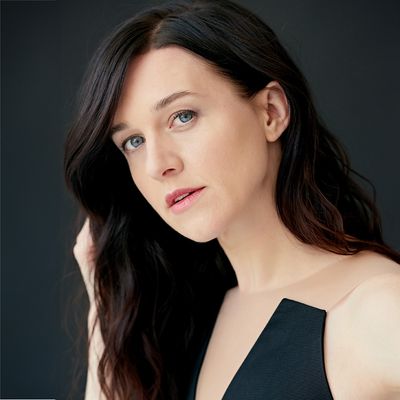
Lena Hall, inimitable actress and singer and the realest rock-chick you've ever met, sits down for a candid conversation about what happens after you win a Tony Award, work culture in the arts, giving 100%, social media, and her ideas for the future of the theater... Read More
From the show: The Come Up
Guests
Featured Shows

About
Lena Hall, inimitable actress and singer and the realest rock-chick you've ever met, sits down for a candid conversation about what happens after you win a Tony Award, work culture in the arts, giving 100%, social media, and her ideas for the future of the theater.
At the time of release, Lena is starring as Audrey in the off-broadway hit: Little Shop of Horrors.
Lena is a Tony award winner and Grammy Award nominee currently starring on the hit TNT television series “Snowpiercer” as Miss Audrey (4 Seasons). Broadway: Hedwig and the Angry Inch ( Tony Award winner for featured actress in a musical); Kinky Boots ( Nicola, original cast), 42nd St, Dracula, Tarzan, CATS. Off Broadway: How to Transcend A Happy Marriage (Lincoln Center), Toxic Avenger ( New World Stages) among others. TV and Film: “Girls” ( HBO), “Good Girls Revolt” (Amazon) and the starring role in the critically acclaimed feature film, “Becks” ( LA Film Festival winner). Lena toured the US and Canada alongside Josh Groban (Stages Tour), played her sold-out one-woman show(s) from The Carlyle to San Francisco and has multiple solo albums on all streaming platforms.
IG: @lenarockerhall
On The Come Up, host Matt Rodin sits with creative people to find out where they’re at, today, in the journey of becoming who they are. What unfolds are often inspiring, transcendental, and candid conversations about the reality of being a growing artist.
Matt believes that love is who we are. He taps into people’s light so that we can form deeper connections with ourselves and one another. He’s a queer maker of music, media, characters, and campfires. As an actor, Matt recently starred in Hedwig and the Angry Inch at Milwaukee Rep, and the upcoming musical film BEAU. In 2020, he released his first live solo album, Matt Rodin: Live at Home. Matt has also worked as a content producer and consultant for The Tony Awards, The Smithsonian Institute, SoulCycle, Hamilton, Cynthia Erivo, Ingrid Michaelson, Playbill, Broadway.com, Dear Evan Hansen, Write Out Loud, and more.
The Come Up is presented by Broadway Podcast Network
Transcript
This transcript was automatically generated and might contain errors.
[0:00] Matt Rodin: Hey, thanks for hitting play. Welcome to The Come Up. My name is Matt. And in this episode, a conversation with Tony Award winner, Lena Hall.
[0:10] Matt Rodin: See, once you win a Tony, that tag always precedes your name, which is one of the many things we talked about when we recorded this back in October of 2022. Lena, recovering from a cold, was returning to her run as Audrey in the off-Broadway hit Little Shop of Horrors. I am so thankful that Lena was so forthright and honest about what her journey from the Bay Area to Broadway to television and film and now back to off-Broadway has really been like. I think you'll find her candidness and perspectives surprising and inspiring. And so now here is Lena Hall.
[1:00] Lena Hall: Have you been doing the show? Did you do the show through the cold or did you take days off?
[1:05] Lena Hall: I actually took um so I got it on like Friday night, and I was gonna soldier through the shows, you know, as we did in the day.
[1:14] Lena Hall: Yep. We would soldier on through the shows. Um, but then I was like, I do make out with Rob McClure. So I would prefer not to have like snot all over him. It's kind of disgusting.
[1:25] Lena Hall: Yeah. Um, and also, you know, now it's much more acceptable to call out of the show when you are ill. Um, it wasn't before.
[1:36] Lena Hall: It is, yeah. It's a huge, huge change. There's not, you're not given like the nth degree anymore. It's just like, okay, get better. You know, take care of yourself. Um, big, big change.
[1:48] Lena Hall: Pre-pandemic, it was like, and I always say BC because before COVID.
[1:53] Lena Hall: Before COVID, yeah. BC, it was, it was just like, if you never missed a show, that was a badge of honor. If you did the show and you had a stomach flu and you were throwing up off the side of the, and there were stories of that, and people were like, it's so amazing. Like, you know, and I mean, looking back, I'm like, yeah, no, it's not amazing. Cause then you got the rest of the sick, like the rest of the class sick.
[2:15] Matt Rodin: Yeah, right.
[2:16] Lena Hall: Um, so you took the break.
[2:20] Lena Hall: I did, I did, and I was sick. Not COVID, though.
[2:24] Lena Hall: So thank God. Not COVID, no. Although unpopular opinion, I would have rather had COVID.
[2:30] Lena Hall: Than the just cold, nasty.
[2:34] Matt Rodin: Mm-hmm.
[2:34] Lena Hall: Yeah. I've found that with COVID, my experience with COVID is that I will have two days where I feel gross and I'm just kind of sleepy. And um, and I don't want to do anything. And then, like, literally on the third day, I'm like, that's it. I'm good.
[2:52] Matt Rodin: That's right. I'm happy.
[2:53] Lena Hall: Have you had it once or once or twice?
[2:55] Lena Hall: Or man. I'm pretty sure it's all been the same, like Omicron, just different, the two different versions of Omicron.
[3:04] Matt Rodin: Um how has the run been otherwise? Like how other than the COVID of it all, how has it been?
[3:09] Lena Hall: Amazing. I have missed being on stage. Like, because it's been like TV.
[3:14] Matt Rodin: It's TV, like that's primarily what you've been doing.
[3:17] Lena Hall: Yeah. And it's interesting because um we as theater actors are always yearning for that big TV film break.
[3:26] Matt Rodin: Isn't that interesting?
[3:28] Lena Hall: That's that's gonna make us a star and a name, and then we're gonna be able to do that and do whatever we want on Broadway, right?
[3:28] Matt Rodin: Right, right.
[3:35] Lena Hall: Wow, no, TV film is very different. Wasn't like that. It's not going to make you an instant star. That one thing that we think. And it the same mentality I feel like goes into before you're in a Broadway show or before your first equity show. You we have this idealized version of if I just book that one show, that's it.
[3:59] Matt Rodin: Yeah.
[4:00] Lena Hall: I'm gonna be a star. This and that, like all the doors are gonna open.
[4:05] Matt Rodin: Yeah.
[4:06] Lena Hall: I'll be happy. I'll be happy.
[4:08] Lena Hall: Yeah. And um, you know, like I feel my bills will be paid.
[4:13] Matt Rodin: I yeah, sometimes, yes.
[4:15] Lena Hall: Sometimes sometimes, yes. Um, but honestly, like it is not the smoking gun. Like it does not solve any problems, actually. It will just it will just open up your mind to it will it will open up the door and you will get to see what the industry actually is on that first one.
[4:33] Lena Hall: And the reality is often a very difficult pill to swallow.
[4:41] Lena Hall: Yeah, because it's been idealized in our head for so long, and the yearn and the want and the desire for it, and the thinking that that was what you would need in order to get to that echelon or whatever you need of your career, and um really the it's not like it's all about like it's all the full journey to get there, but it it's never ending no matter how big a gig it is, and no matter how famous you are, either there's always someone who has more than you who has what you want, who you know, so it's that, and who has what you idealize to be like exactly what it is you want or your dream.
[5:24] Matt Rodin: Right.
[5:24] Lena Hall: There's like that person that you know, or that career or idea of something, yeah, so or that person that you hate because they're always getting all the jobs that you want, right?
[5:34] Lena Hall: Um, but I tell you, like, um this was my first experience being a series regular in a TV show.
[5:45] Matt Rodin: Yeah.
[5:46] Lena Hall: And I didn't know the ins and outs of I had filmed on TV shows and done a film before, so I kind of knew the business a little bit, but I didn't know just how limiting that contract was. I didn't know like the logistics of it. I didn't know the reality of it.
[6:01] Lena Hall: The reality, right? The reality.
[6:03] Matt Rodin: Right.
[6:03] Lena Hall: And the reality of that was, and some people love this, right? But it's definitely not for someone like me. The reality was I would work maybe once a week.
[6:15] Lena Hall: Maybe if I was lucky. Once a week. And I was, you know, stuck in Vancouver. Coming from doing eight shows a week.
[6:26] Lena Hall: Yeah, once a week, and like I would get my sides like pretty much the day before. So there was not like not like you can go and do like all this deep work on your character or anything. Like you are waiting for the updated sides because things change so much as they're writing them and filming them.
[6:42] Lena Hall: And like you've zero, zero control, very little input, you know, just being there and being your person, that's the input because they often write around who you are and who you show up as.
[7:00] Lena Hall: Sitting around not being able to do anything else. Um, and only working once a week for you know, five months out of the year, and then not being able to do Broadway or anything because you gotta go back because they're because they were like, Well, we don't know when we're gonna start filming yet, so you can't do that, right?
[7:22] Lena Hall: So they have my life in their hand, and they were they were first choice. If I could do it again, I would do a much different contract. Um now you know, but now I know I know obviously like learning is really very central to this business, but just yeah, you know, like the show premiered and it was COVID, and we were doing press, but then the show kind of you know stalled out, and what I thought was gonna be something that was going to push me into like a new space, um just kind of pulled suck to the air out of you know, the the momentum that I had in New York kind of sucked the air out.
[8:06] Matt Rodin: So um how has that been like navigating emotionally?
[8:12] Lena Hall: It's it um I am like I am like um I'm a workhorse, so when I have when I have a schedule, um, like an eight show a week schedule seems impossible really honestly. We're only working three hours out of the day. You get a routine and you get into like a routine, you get a great routine, you have your show you look forward to at night, and then all throughout the day, like I fill my day with extracurriculars like I mean press and interviews, things like that, but then I can also write and work on my own projects or work on one woman's shows or work on albums or something like that.
[8:44] Lena Hall: But because I have a schedule, I can pack so much more in, and I know I know how I don't know. For me, like my for my mental health, I need a schedule.
[8:56] Lena Hall: Having such an open where I didn't know when I was working next because they could never come knock on your door, they're like, okay, you're up. They're like, yeah, they're like, why aren't you on set today? I was like, I'm not called. They're like, oh, whoops. Can you get here in an hour? I'm like, yeah, that's why they never want you to leave the country.
[9:13] Matt Rodin: Right.
[9:14] Lena Hall: Um, but like the the set life is very, very different. I did a film though, I will say, I did an indie film, made no money on it. It's called Bex.
[9:25] Lena Hall: And we film nonstop for like five weeks, and that was amazing. Because I was like, I was in every shot, like I had the weekend.
[9:35] Matt Rodin: You were like working.
[9:36] Lena Hall: I was working, yeah. I was working 15 hours a day. Like, you know, it was intense, it was hard, it was amazing. It was short, it was five-week period, and then it was done.
[9:45] Lena Hall: Done. And then I had you know the movie to look forward to. But on the other side of that, so being a series regular, but being really far down on the list, um is is much different.
[9:59] Lena Hall: So if you if you like not working and just like hanging out, and you can like put a schedule together for yourself, and it doesn't make you crazy. Some people some people can't, some people really like thrive.
[10:08] Matt Rodin: Some people thrive like that, yeah.
[10:09] Lena Hall: I'm not, I don't. But now you know, but now I know, yeah.
[10:14] Lena Hall: And um, and so like I was really trying to like keep writing and keep doing kind of all these other things that I was doing, but I found myself getting really upset because they didn't have a schedule for me to work around, so I could never really plan anything out.
[10:29] Lena Hall: And I was trying to juggle like my husband in New York being in Vancouver, trying to see him.
[10:36] Matt Rodin: Right, because you weren't even in New York.
[10:38] Lena Hall: No, yeah, you weren't even at home.
[10:40] Lena Hall: No, mm-mm.
[10:40] Lena Hall: Yeah. And like trying to get them to give me a schedule so I could plan a trip to see my husband. Like if that was basically all my time was used trying to keep my marriage alive.
[10:55] Lena Hall: You know, which is so important to me. Um while I did the show and and it's great, and some people love it and some people don't, but you know, I have some amazing scenes.
[10:57] Lena Hall: I have some amazing like and the fact that they let me sing. Yeah, I'm proud of my work that I did in the show. I'm proud of the character.
[11:16] Lena Hall: Like I love, I love all the I love that I got the costumes. Like I love I I were I did more costume fittings than I did filming. No joke.
[11:16] Matt Rodin: I love that.
[11:29] Lena Hall: Um but um, but I think like I think next time, if I ever book another TV show, who knows?
[11:40] Lena Hall: I may never, I don't know. Um honestly love this business. We literally just don't know.
[11:45] Matt Rodin: Yeah, I know. When people are like, what are you doing next? I'm like, you're like Forget it. Question mark.
[11:51] Lena Hall: Literally. Like just couldn't tell you.
[11:55] Lena Hall: Yeah. Let me know if you find out.
[11:57] Matt Rodin: Yeah.
[11:58] Lena Hall: But if I'm ever in that situation again where I'm looking like I'm able to book a series regular in a show, I definitely want to make sure I'm higher up on the list.
[12:07] Matt Rodin: Yeah.
[12:08] Lena Hall: So that I'm actually working really hard every week. Um for season four, I had an episode where it was like my episode.
[12:17] Matt Rodin: Yeah.
[12:17] Lena Hall: And so I worked every single day in a week.
[12:20] Lena Hall: And I was like, You loved it.
[12:21] Lena Hall: I was like, this is amazing.
[12:23] Matt Rodin: Yeah, right.
[12:24] Lena Hall: Of course. This is amazing.
[12:26] Lena Hall: Yeah, right. Like, I'm getting momentum. I feel like I'm able to like do something, you know, and able to get a good performance and all that kind of stuff.
[12:35] Lena Hall: And um, it wasn't feeling um like I didn't feel so stagnated and so stagnated in my like because then you sit there and you're just like, you're not at home, you don't have your things, you're you're in a foreign country and it is Canada, but it's still a foreign country.
[12:52] Matt Rodin: Country, you're right.
[12:53] Lena Hall: You're just kind of like, I have way too much time to think about my life choices.
[12:58] Matt Rodin: Right, exactly, which is dangerous.
[13:00] Lena Hall: That's like a that's like sometimes not a great, that's like I don't need that. Honestly, I had that pandemic.
[13:05] Lena Hall: Like, I don't I don't need all that time again to sit and like just think.
[13:08] Matt Rodin: I'm I was I'm so relieved that that you went there yourself about talking about the broken expectation of like there's this idea of uh really anything, it could be a job, but I think in our case, Broadway is sort of like the easy access point to get into where it's like, oh, once I do that, then I'll be happy, right?
[13:31] Matt Rodin: Then I'll be okay. And similar to what your experience was, it sounds like with doing a series where you were like, oh, well, I'm gonna book a TV show and then I'm gonna be X, Y, or Z, or I'm gonna have this, these doors open.
[13:42] Matt Rodin: And like going through that process of the realization of what the reality is, it's it's not it's hard, it's tough.
[13:51] Lena Hall: It's tough on people. Did you have that when you booked your first Broadway show?
[13:57] Lena Hall: Like, or did that did that take more time?
[13:59] Lena Hall: Well, for me, Broadway was different because I never had the chance to idealize a Broadway show.
[14:05] Lena Hall: Oh, that's interesting.
[14:07] Lena Hall: Yeah, because I was in high school and I was doing theater in in like high school and like all throughout high school, and I knew about it because of my sister.
[14:17] Lena Hall: And touring shows would come through and and audition, and so we would audition for them, but it was never like I had never seen the Tonies. I'd never social media.
[14:28] Lena Hall: There wasn't like there wasn't social media, yeah.
[14:31] Lena Hall: This is back in the 1990s. And um all I knew was that I loved musical theater. I knew of Patti LuPone, and I knew of like Phantom of the Opera, you know, like I knew of all that because I was doing theater. I had theater friends, and we were all obsessed with theater, right? And um, and so like I was actually just had graduated high school. I was still 17, and I was like, well, I guess maybe I I was I didn't know what it was gonna do with my life. So it was like I mean didn't think theater like musical theater could be a career, yeah. It's kind of nice to not like to not be able to do that. Right, yeah. And I was just I didn't want to go to school for theater. It was like I was kind of like into like I don't know, psychology or or yeah, sound like an artist.
You know, um I was terrible, uh I was not good in school, but that is beyond. Um so it was like, well, maybe I'll go to community college and see what it's like. See like, you know, test some things out and see if I find a passion that isn't um performing arts because I was performing all the time anyway, and I had been performing since I was the age of two because of my family and all that kind of stuff.
[15:54] Yeah. So um, so it was just kind of a way of life. And um, and then uh, and then Cats was like had a random big audition, and um the first national, I think, was in tour, or it was the first national or the fourth national tour was a few. First tour. It was the fourth bus and truck. Um, they were in town having auditions, and a friend of mine was just like called me on my house the house phone and was like, Lena, you gotta get down here.
[16:24] Yeah. And so we just went on a whim. I had a book, you know, like from auditioning for my musical theater like after school program thing. And I had a headshot, like um, and I went in and like literally two days after they two days after I turned 18, they called me and they offered me the tour, and then I was on tour and I was like, Well, this is really cool. I loved it. I loved, loved it.
[16:52] Yeah, I loved it. I loved doing Cats. You're 18 too, right? You're like, I'm seeing the country, and I'm yeah, I mean it couldn't have been like a cooler. Like, I just I made lots of friends and I had so much fun, and the only time I ever missed my parents was for Thanksgiving. Um, that was the only time. And but like, yeah, to go off and to actually go to college of Cats, like that's I went to the college of Cats essentially.
[17:22] Um, but like I started off as a swing, and then I think two months later, they offered me an onstage role, um, which actually caused a lot of animosity in the girls' dressing room. In the girls' dressing room, yeah. Because I was so young, and there were all these girls who had been there forever, and they were like, What the fuck? I went to school for this. They're like, it's my turn, right? And I just like jumped up.
[17:48] Um, and then I mean, talk about animosity. Um, then a year later, it I didn't even ask. I didn't even know they moved me to the Broadway company. Whoa. So I didn't have the time. I had never been to New York. Oh my god. I didn't know what I was going to. So I had no idea of that now.
[18:13] On the contrary, TV film I had been dreaming about since I was that's really interesting. Since I um, you know, was started going through puberty. Yeah. Because I had a huge crush on Jonathan Brandis. And I was like, all right, so I need to marry Jonathan Brandis. The only way I'm gonna be able to marry Jonathan Brandis is if I can be in TV film, get with his agency, and then meet him.
[18:44] It's the whole plan, yeah. Love this. The only reason, like the reason I started obsessing over TV film was because I wanted to marry Jonathan Brandis. Okay, great. Yeah. And then, like, and then and I kept that kind of dream. Jonathan Brandis kind of faded off into the background as I got older, even though the idealized version of TV film for me was so that I was on the same echelon as someone who was that famous so that they would marry me.
[19:14] Right, right, right, right, right. It was still that. That was that's been idealized for me forever. Oh, if I could just do that, I'll be famous. Like, I'll be famous, I'll be well known, people will know who I am, and then I'll be able to do anything I want, like get any job I want. Um, people will see that I'm talented, like oh well, that's interesting too.
[19:35] Right. People will see people will see that what I can do. What I can do like who I can, yeah, right. Yeah. And um, and uh no, that is I'm I'm I'm a little, yeah. People can that I got to sing on the show that so people could definitely see what I can do. But um, but I think the audience was has been a bit limited. There's so much going on in TV film, it's definitely not the same business as it used to be.
[20:01] Not even five years ago. Yeah, not even five years ago. And that it the over saturation of it all really makes us um anyone who's in a show, unless you are the face of the show, you are going to sink more into the background than you really thought. It's not the smoking gun. It is not, and unless it's a water cooler show where I mean that doesn't really exist anymore, but like unless it's like a highly Twitterized Game of Thrones, correct.
[20:29] Right. Unless it's something like that, you are you're gonna get lost in the shuffle. Yeah, and it you gotta go to the next show. So it's it's again, it it's this it's the same thing as playing the lottery. You you can't win the lottery unless you play, so you have to keep playing.
[20:47] So you you keep doing those self-tapes, you keep auditioning, you just keep putting yourself out there in the hopes that one day there will be this kind of smoking gun that gets you up to another echelon, but it won't be what you are thinking it's going to be. Like, and I've started to ask the question, like for what, right? To what end, right?
[21:06] Like what like I can keep climbing the ladder, right? Because you're saying you said earlier, like there's always gonna be someone who has more, there's always gonna be more money a bigger show whatever it is that but that doesn't end like there's that's that's why this this is called The Come Up because it's just like all we're always always like but it's realization that like it's just you kind of have to like be where you're at and that it's not gonna be this you know maybe and listen when it is when you do have the experience of being a part of something like really beautiful and wholesome and like fulfilling like it's delicious like it's so sweet um but that at least I found that's not that's not all the time like that's just not that's not how this works all the time.
[21:53] No yeah the fulfilling part comes honestly it it comes more if you focus on the exterior things so you know if you are a creative person and you want to be creative you do not look to uh commercial Broadway commercial TV or commercial film to fill that say it to the people in the back you do your own projects that bring you joy that you control because that's the thing is like that's key key yeah you have no control over any of these other things I'm telling you like after I won a Tony it was like this is it's what I was gonna say like was that like was that another thing where you were like oh once I get that like I'm set I'm good yeah and I saw all these doors did open so I was getting asked to be put on tape for these mat like right you're getting opportunities yeah right wow like and and I did, and then and I realized like, oh, I'm not, I'm you know, I was now on the table with people who are movie stars, and I was like, ah, it's a tough one to break into if what you have is you know the ability to look like a man and like do that really well.
[23:11] Like I really nailed that. Yeah, like a lot of times it's like, oh, you're so amazing. I just don't know where to put you. Like, how do I like where do you go? Um, so there's a lot of discovery of that. And then also, like I was cast in other films where I was leading these other independent films, but they never got made.
[23:31] Wow. That's so like you see like all this momentum and the things. And sometimes this stuff just falls apart. And like honestly, like there's been so many things that have fallen apart. Um, and uh, and so like I'm like, you know what? Like, I just gotta, I just gotta like, I don't know, because it it's it's hard when you see someone else's stuff happening and you had stuff and it fell apart, you know.
[24:03] Um do you feel like though, um, I'll say I feel like that's why the making your own stuff, taking control of your own projects, whatever that is, to me, that's like vital. And so many people that I know who have been in uh a Broadway show or or a T or whatever it is, they end up being like, well, I I have to have projects going on outside.
[24:29] Because as fun as this is, as great of a job as this is, it's not necessarily artistically fulfilling for a creative person, you know what I mean? Who like really is like like someone like you, and like who's really had creativity forever, right? Like it's just you're wanting to get it out.
[24:45] Yeah. It really depends on the show, too. Right. Cause like um, I think before I started doing like before the name changed. So when I was still Selena Carvajal, I uh Yes, I recall the two the 2008 show.
[25:06] Yeah, wait, you you were on TV. What are you talking about? Wait a second. I want when you talk about Legally Blonde was a was a was a smash hit. Come on.
[25:15] It's still a smash hit. Absolutely. I was like, wow, I can't believe this is it will never die. Like it's become like the the stub of legends. And I'm like, I'm like, you know, there's there is something to be said for timing as well.
[25:32] Like I think about Hedwig and exactly when it happened during social media time. Social media was not yet what it is today. If Hedwig had happened, perhaps two years later.
[25:49] Interesting. Two years later. It does feel like it was re like recent, but it really wasn't quite in the height of it all. No, not quite, not quite. It just missed it. And that's the thing.
[26:00] Like, that's what's so interesting. So if I had done Hedwig just a little bit further into when social media was happening, I would have a much higher follower count because of Neil, because the show's success.
[26:15] And we probably would have done a pro shot because that didn't exist then. We didn't do a pro shot. That didn't exist then. So we would have done a pro shot, which then everyone would have seen what I do.
[26:27] Right. Again, I would have a much broader audience. But to reconcile inside yourself. It's great. I mean, like, well, I had a lot to think about when I was trapped in Vancouver for during COVID.
[26:39] Um, but like, you know, it's really interesting. So timing is everything, and luck has a lot to do with it. And the luck for me has been, I've had a lot of luck, like a lot of luck. But timing has been interesting because I've just missed these kind of waves of things that are happening.
[26:56] And I have never done a pro shot. Even Kinky Boots didn't get a pro shot until later when they did it. Yes. And like I didn't get to do the pro shot. Like, and I created that role.
[27:08] And, you know, and that like, and it's um, it's sad because I'm like, well, like I want to be a part of this pro shot community. I've always been the pro shot community, even I want people to see what I can do, like globally.
[27:22] I do feel though that like I have a big kind of it's not a chip on my shoulder, but it's a you know, um I have a bone to pick with Equity SAG-AFTRA and all the all of the unions as well as the producers and um I just a bone to pick with the entire everybody who's a micro.
[27:44] Yeah, streaming like a Broadway show is so expensive to see, it's so insanely expensive to see. It it it leaves so many people out of the cold and out of the experience, and or out in the cold and out of the experience of being able to go and see live theater.
[28:04] Yep. You get to see a pro shot, but again, a pro shot is not live theater. No, it's not humans in a room, it's not live theater, yeah. And I feel like the future of Broadway, and this is only my opinion, in order for the future of Broadway shows to be better and not just back to the future.
[28:28] Not that it's a bad musical, but just it's Twister the Musical, like you know, like all these movies getting made into musical or like Jersey Boys, Beautiful, like jukebox musicals. Some real new voices and new shows with good composer, like good new stuff.
[28:48] Interesting, yeah. You've got to open the scope of the people who can see it.
[29:04] Lena Hall: She did, yeah. Less than a week ago. You listen to the album, right? You get obsessed with the album. You can sing the album front to back. Yep. She puts out a music video. You see the music video. Oh my god, it's amazing. She puts out, you know, like I don't know, like a shot of her concert, whatever. Oh my god. Would you would you watch it if like she streamed a concert? You totally tune in if she streamed a concert, right? Yeah. And then if she came to your town, you go. Would you totally buy a p uh to see it live then? If you saw the live stream, it but you could go see it live in person too. Would you guys depend on how much it depends on how much it costs? How much it costs, but then also like you you would be excited because you know what you of course, and that's what I feel like um the like who whoever's in charge of this, like they think that if streaming a live show on Broadway, this, yep.
You know, like let's say you only stream a Friday night show, but you f you stream Friday nights weekly, so people can see what happens live in the theater. Yep. They get a pretty cool front row ticket where you get shots that maybe not this people, you know, it's a little different, but you get like one shot you can watch or two side shots, and it's it's just three cameras set up and you get good sound, right? It's just three cameras, and but you also can hear the audience, yeah, right. And you pay like a pay-per-view ticket. Yep. You get the album. You get stoked about the show. So if you can come to New York and actually buy a ticket to the show, you're going to buy a ticket to the show that you know and love and have been watching.
It's not gonna hurt. It's not gonna hurt the business. People are going to come to watch it live no matter what, because but you will get a bigger audience of people who want to come and see it live if you expand the audience in general. Yeah, and not only that, you get revenue every week from an outside source that is worldwide. You can also you're selling one ticket 75 times or 200 times. Exactly. So you're you're like the limit does not exist. Like you can you can sell that ticket, you can sell that one seat. That camera's taking up one seat. One seat. You could sell that to I could sell that seat 200, 500, a thousand times. You could sell that one seat a million times. Yeah, there you go.
For one night. Yeah. Do you know how many people would stream Hamilton? How many people would stream six? How many people would have streamed? Oh what is that streaming? But you're saying if it's you're saying if it's live is what you're saying. If it's live. Got it. Got it. Pro shots are fine. There's a there's a there's a play that's doing this. There is a play in New York that this season is doing this. I don't know what it is, but I saw the press release like two weeks ago that there's a play that's streaming like Friday and Saturday nights or something like that that they're streaming, and it's brilliant. Because I agree with you. I do think it's not gonna hurt sales. And it makes it more accessible because it will bolster sales, actually.
You could sell merch. My god, you would make so much money online merch. Like it doesn't, you don't have to be there and like it to me, it would just open up a huge opportunity financially. Not only that, then the producers have the ability to sell an unknown show. Huh. So you can come in with an unknown show. Yep, have the album catch fire, like the one that what is that show? I'm trying to think of it. Stephen Brackett Be More Chill. Be more chill. Yeah, where the album like went crazy. Went crazy, they brought it to Broadway, and of course they missed out on the opportunity of streaming it to keep it open. Yep. Because I think if they sh they were they were offering a streaming night, then all those tweens who bought those albums and were obsessing over the albums, they would have streamed that every night, like every week.
Yep. Because you once you when you get a fanatic fan. Yeah, when you get a fanatic fan, they come all the time. And if you can capture that across the United States, in Canada, Mexico, all over the world, like you could even have subtitles going for in different languages, other languages. And and really you haven't I think your perspective on this is interesting because you you saw what a fandom feels like, right? You you you have people coming back to the show over and over and over right. So you've seen that, like, and imagine people all over the country all over the world being able to come back on whatever it is every Friday night or every you know what I mean but seeing the live performance that's the piece that I haven't heard from people before that it's like it's a live stream of that thing and I do think what's really interesting is that the conversation we're having right now we're gonna be having a different conversation in five and ten years because something is gonna something has to change.
I hope I hope I hope or someone has to be on the forefront of this like this this it it can't continue. You know what I mean? Like it's it's clearly at least from my perspective something isn't working right like something is broken in the system. Yeah I think Little Shop would do so much better too if they offered one night where you could stream show um because again it's like you're exhausting just this tiny area and while you have fans coming to see the show from out of town it is so expensive. And you're coming in you're getting a hotel you're the whole thing. It's really unattainable for a lot of people a lot of people and now of course because of the economy and because of the dollar being really strong you aren't getting people from overseas you know as much as you would um because it's so expensive for them to see the shows now because they don't have a strong euro anymore.
Yeah. And like um I I'm sure maybe someone's talking about it. I might I might not be like on the forefront of this. I'm I'm I've been thinking about it a lot. And and it was true. Well, I love that you're so excited about it too. I love that you're like this this is something that you're even thinking about. You know what I mean? Well, the thing is is like if you do a pro shot, which is great, um, you lose the audience reaction, and you also lose the spontaneity of what actually happens in that right, that one night on that night. Right. Yeah. And lots of things happen on that stage every single night. Um, I think that's also, I mean, I that to me, that's what makes live theater what it is.
That's I mean, even concerts too. Like, I think it's this subconscious thing that we we don't necessarily know, but we feel that like anything can happen. This is happening this one time. There's this moment in um Music Man that I don't know if you've seen, but like there's this moment in Music Man where they like intentionally break, like Hugh and Sutton, they break in and like during a scene. And everyone in the audience feel it's like, oh my god, like, you know, oh, we're watching them. And then my mom saw it like, you know, months after we saw it, and she was like, So they they were on stage and and they like started la and I was like, oh yeah, no, no, like it's it's a bit like it's like, wait, it's but but that feeling though of being like, Oh, I'm in the room when something interesting is happening.
This has never happened before. This that I think is what like is underneath so much of why we love the thing. Mm-hmm. Yeah, yeah. And imagine if you can share this with a huge broad audience. Then not only that, then you won't have theater performers being like, if only I could book that TV show and then comes back to all that. So I can get that lead in that Broadway show. Since the only people that they're hiring are these fucking film and you know, like, you know, like that frustration of of not feeling good enough to be cast as the lead in your own community shows because you don't have the ticket pull. Yeah, right. Wow. Um, you don't have it's it's literally only about money, it's about money.
That's it. We're talking about commercial, we're talking about commercial theater, commercial theater, yeah. This is all about money and how to make money, and I get it. But at least this time, if you do have live streaming, you can make a household name out of extremely talented New York Broadway performers who will then become stars in their own right as they should. Right. Because if there's anything that takes the most talent on the planet, yeah, it is a Broadway show. And I know I feel like in the Broadway community, it's it's the most talented people on the planet. Oh my god. And only one percent of them ever make it to the you know, Lynn Manwell. I mean, that's like point oh one percent.
I would even say I would say the one percent or the five percent are the people that are able to have like a consistent living, are able to like make a life from being uh I mean, because again, you're waiting for an opportunity to come to you, you're waiting for someone to open that door for you. Yeah, um, but you're right, and that like that could be the thing that changes it. That like, you know, peep you can make a household name, like you said out of anybody. And we're there now, and you don't yes, and you don't have to hire some TikTok star who has millions of followers because you think that they're going to sell tickets, and they're not going to because their audience is online. Which by the way, is happened time and time and time and time again.
It's not, it's not going to it hasn't worked. It doesn't yeah. And and people can smell that this person isn't, you know, and so then it forces us as actors to do something that we don't do well. Um some people do, but like I don't do social media well because I want to do something that I'm good at, which is I don't know. And and I think this is important. Social media is like that's like a skill. It is it it's a total skill. And not only that it is extremely time consuming way more time consuming than we know. It's these people's lives. It's the 247 I mean I I know many influencers and I would never want their life because that's your whole life dictates their life is that specifically right.
And they have to keep it going obviously. I mean it and they make great money and they have a huge following and they have a great reach but like you know that it wasn't I do desire that but I also don't desire that life like you know so there's then the algorithm block that keeps us all from getting you know any kind of and it's fucking with our mental health like etc etc like it go it it goes deep. It goes really it goes very yeah very deep that not feeling good enough not feeling like you'll ever get cast again I mean oh yeah trust me I I did an experiment where um where I stayed off social media for a month. I'm off right now I'm I'm on a break right now. Yeah. I did, I did, I was like, I'm to I can't. I'm gonna how different did you feel?
Oh my God. Isn't it wild? Two days, two days off. And I was like, I'm a different person. Yeah, I'm so happy. I'm happy. Wow, look at my life. Wow, my undercurrent of anxiety and misery is gone. And I didn't even, it's it's yeah, I really it's shocking actually what it's like to like not have it for a second and see. Yep. But and the other pitfall, which I think is what we're talking about here, is that like there is this talk about this idea. There's this idea that we have to be on. We feel like, oh, I'm one video away. I'm one job, I'm one Tony, I'm one Broadway show away from that next level of my career. So I have to be on social media. I have to be posting all the time. I thought once I got to 50,000 followers, that would change things.
Did it make you happy? Like, are you good? You never need to like work on yourself again. Like, you're good. No, not so much. No, I'm like, oh, I guess it's a hundred thousand followers. Right. It doesn't, it doesn't end.
[41:48] Matt Rodin: So, with all that said, how is it feeling doing an off-Broadway show that's running really? I mean, it's doing really well. It's like been consistently, I mean, you're running, still running, and like how how has that been in the context of all this? Like, how is that feeling to you?
[42:01] Lena Hall: I love it. Yeah. First of all, I mean, well, the show itself is just iconic. Were you a fan of the show? Were you a fan of the piece before? Yeah. Um, my sister and I had watched the film a bunch, and um, I knew the score backwards and forwards, because me and my musical theater friends, we would always sing suddenly Seymour, right? Um, but I always wanted to play the plant. Uh that was always like my dream role was the plan. I was like, well, I'll never do the show because I'm not an Audrey. Um yeah, say more about that. Never thought I was an Audrey because I only ever knew Ellen Green's version. And um, which is the literal version that everybody knows she, you know, she's that's what she's known for.
She made such an such a stamp on it that that's how everyone models their Audries after. That's how I've always seen it done. A little blonde, you know, with that little voice, the squeaky voice, and um That's not you, and like people say she's ditzy and like all this kind of stuff, and I I um I hadn't seen the off-bouway production, and I also didn't know the actual ending. Um, but I got offered fun. Yeah, I got offered the show, and um actually had a conversation with Michael Mayer, and Michael Mayer was like, Would you ever consider Little Shop of Horse? And I was like, I yeah, for you, yeah. I'm gonna do anything for you, yeah.
[43:32] Lena Hall: Um and so, and so then a long while later, he asked me to do the show, and I was like, Oh, yes, absolutely. I was gonna go see the show before I sign my contract, but I didn't. Um, I was just like, yes, let's do it. I I need to get back on the stage. Yeah, you're ready. Like, I I need to be back in a show, and this is perfect because I'm not developing anything. I can just kind of slot on it. Slip right out. Yeah. And um so my I did my first day of rehearsal first. And I went in and I was still having not seen it. Still having not seen it. And I was like, I mean, like they were like, yeah, characterization-wise. It was just like a vocal rehearsal, and I was like singing it really soft and kind of, you know, little thought it should be.
Yeah. And then um, and then we're like, okay, yeah. And then I went and saw the show that night, and I saw Tammy do it. And that was when I was like, okay, okay, okay, great. Amazing. So don't have to do that. I was like, you just completely did the utter complete opposite of anything that anyone ever does with this character. And while I didn't always agree with her choices all the time, she did something so so special on that stage as well. Um, in that like she made such a strong choice that people either hated it or loved it. And love. I like that's a good thing. That takes so much that takes balls. It takes balls, um, balls of steel to do that, to not to not care, to be so into your choice and so like there with it that you don't care if someone hates it or loves it.
Like you are going to play that character and it doesn't matter what anyone thinks. And that takes that that's that's some cajonas right there. And like I super respect her for that. And I love that she did that because it was like it was like you may do anything you want. And I was like, okay, so I need to really look at this now. Um and uh, and that that was just like my first day of rehearsal. So then I started thinking about the character, and I spent spent three or two weeks, because only three weeks of rehearsal. I spent two weeks of going like to date nights with my husband, and he was just like, what's wrong? And I'm like, I'm just trying to figure out what I'm gonna do with this character because now I don't know what to do because I can do anything I want, and like I'm like up to my own devices, because also I was like, Well, what's the accent?
They're like, whatever. Like, oh, so I really could do whatever I want, which is a little like too much freedom. Yeah, I was like, Well, where are we? They're like, Well, New York, but you know, uh Tammy does New Jersey, but that's where she's from, so she uses her own accent, you know, and they're like, and then there's the Ellen Green. I was like, I was like, oh fuck, what the fuck am I gonna do? Um so but reading the script, I was like, first of all, A, she's not a duds at all. B she's super insecure. She was grew up in Skate Row, um in uh a terrible place, uh, with a mother and no father, and um probably has you know, probably does have like you know, major relationship issues, abandonment issues, and you know, huge self-esteem issues.
Um and so I was like, oh, this girl is real. Um, she's real, like this the way the character is written is actually so much more kind of grounded and tangible, and like a person that I knew. Like I had been. Yeah, I was like, well, I've been around. I've been there where I've been in a really bad relationship and thought that that's all that I deserved and didn't want to leave because I thought no one would love me, you know, or like I didn't deserve that love. I mean, we get rejected all the time. Like no, most, no, mostly. We well, yeah, exactly. I think out of every 400 self tapes I do, I get one. Anyway, but so I was like, wow, I I understand this character way more than I thought I would.
Lyrically, the way she's written her songs. I mean, what she says and suddenly Seymour never really dawned on me until I started doing it. Saying the words, right? Yeah, I was like, whoa, okay. Like this guy is like, I'm here for you, I love you so much. And she's like, hold on, like, I it's gonna take me a minute to get there because I'm uh I'm like really fucked up human being. I've been through some shit. Like, that's what she's saying. I'm like, damn. It's like so like, damn. Anyway, um, so yeah, so reading the script, and I was just like, oh wow. So then I was like, all right, so she's gonna be super grounded for me. She's going to be very grounded in, you know, my realities. But I need to figure out her, her um, I often find my characterization comes physically, and um, that often helps with vocally the characterization as well.
And so um, so I thought, I was I was just like, all right, well, Cindy Lopper. But Cindy when she's not on, when it's just her talking to you. And because I did kinky boots, I've had many conversations with her, and um, it's different than what you get when she's stinching when she's it's when she's Cynthia, like it's a different person. Similar, but and the accent's still there, but it's it's more grounded, much more grounded. And um, and so it was that coupled with um I asked for them to find me the highest heels they could find that were like the thinnest, highest stiletto they could find. And I wanted to be super cinched in um a corset uh as well. I really wanted that like kind of 1960s, like, you know, bombshell, but the horror, the B movie horror bombshell vibe.
Because I wanted her to feel like, you know, physically, I wanted you to feel like she's tipping over, you know, she's really unstable. Um, she's a tough girl, but she's physically, yeah, hanging on by a thread, but also physically unstable and very insecure. So the the dresses are built anyway, in that they like ride up a lot, but I was like, oh, you know, feels good as her character because she's so insecure that she keeps pushing them down. Like, and that's part of her physicality is like the constantly like pushing the dress down over her knees for some reason, like that makes her feel comfortable. Like, but the dress always like slips up, right? So I think all of these things coupled together, made my Audrey into what it is.
And do you are you finding uh that it's fulfilling? Are you finding that it's like it's helping up? It's interesting because because of the way the show ends, it leaves you kind of a bummer, and it's this the end of the show is um I don't know if people know if so, spoiler alert it ends where she's really really concerned about Seymour, because he's kind of going nuts and she doesn't know why, and um and she's like high on sleeping pills, and and then like sacrifices herself. Um she knows she's because she gets kind of eaten by the plant, but then he saves her, but she's dying anyway, and so she sacrifices herself to give him everything he ever wanted, like to be like, you deserve the world, feed me to the plant.
It's the one way I can be with you because at least when you're watering the plant, taking care of the plant, you know I'm there. Which is like it's so sad, and she just and then that's it. Then she dies. Then she dies, and then he feeds her to the plant, and it's like, and then that's and then I'm the plant, and then I'm a plant. Like, you know what I mean? Like then your dream comes true. You got to be the plant. Like you always were. Exactly. I'm like, it's a total bummer. Like, it's like a total bummer. And a lot of people, when the show is over, they're they're so sad. Yeah, it's not a it's not an uplifter. It is not, no. Whereas like, let's say Hedwig, where yeah, I was like upset, insecure, like really a beaten-down man, like, but at the end, I get the catharsis of coming into what I always should have been, and singing the end and having a rock star moment.
Yeah, of course. So that that is it's like, and then as Hedwig too, because I got to play both roles, but as Hedwig, at the end, you get to strip away all that shit. You become yourself, you become who you truly really are, and you walk up off that stage again, another rock star ending. So that you end the show with such a high catharsis that you don't come down after that show for hours later. I mean, and everyone is just like you're amazing, right? Yeah, right. And this one, it's like, oh great job really dying. That sucked, you know what I mean? And it was really, it was really heartwarming and amazing, because Alan Mankin came and saw it, and I didn't know he was in the house, and um better that way.
Thank God. Yeah, right. Thank God. Um usually I'm I'm okay. I usually I'm fine with it, but I'm kind of I'm happy he didn't. I didn't know, but he was just, you know, he was really amazing, and he just he was just like you made me cry a million times in the show. I was like, okay. He's like, I've never known. You know the showed kind of, Alan Megan. Yeah, I was like, yeah. He's like, he's he was just like, I've never cried watching Audrey. But I mean, he was just like, you cried, and you're quite possibly the best Audrey I've ever seen. And that was super val like that's the validation, right? Where it's like, all right, I'm just gonna stay the course and keep doing what I'm doing, where my instincts are are right, you know, like my are working.
Yeah, when I when I second guess myself is when everything goes kind of awry, because that's like it's like gotta come from the truth that I found, like, and what I've found on my own digging. Um, because if I don't and I do something someone else has done, then it becomes a caricature and not and not more rooted, like the thing, like the rooted in reality, the the the grounding of a character. Your reality. Yeah, the rooting of my reality and the grounding of the character for me. And honestly, like Tammy did the same thing, and probably Ellen Green did the same thing. Like they rooted it in their own reality, and and it came from a very real place. And that, like, to me is like the key to really like becoming so three-dimensional, like of a character that it just like that it it can grab an audience's like at the end of the day.
Well, you think you're witnessing you're witnessing something really happening. Yeah. Yeah. Rather than just like a picture of something. Yeah, yeah. So, you know, if I've learned anything from the last few shows that I've done, it's just like it has to come from me, and it has to like I have to do the down the deep work on it, and and it always ends up being like a a good choice. And it feels well, it feels feels right. Yeah, feels right and and people connect with it. Yeah. Like if people weren't connecting with it, you know, they wouldn't be so upset when I tried to. Right when you die, they'd be like, okay, well, she died. Yeah, they'd be like, that's fine. This the second guessing thing is so interesting too.
Like, do you find that that is also the case life-wise? Yeah. I mean, I second guess all my choices all the time. It's a constant struggle. I think everybody. I mean, I second guess my career choices all the time. Hindsight 2020. Yeah. But hindsight 2020 is not um, it is not good to do a rumination of it over and over again, uh, hindsight 29. Yeah, that's never good. It's all it's always good to go, uh, next time I'm going to learn from that. Like next time it's going, I'm I'm going to make a different decision or at least change this so that it's, you know, I'm not sure. I also find too that I'm like similar to what we're talking about with the choices you're making in the show, like, I'm always like, oh, that was what was true for me in that moment.
Like that was what that choice was what I was true in for me. Right there and then. And that's all I like. As long as I'm staying true to myself, right? As long as I'm like being honest with where I'm at, that's why I like start by like just checking in, being like, I'm not, no, I'm great today. It's like, no, I'm and which that might be the case, but it's like as long as I'm honest about where I'm at, yeah. Then I I can trust that whatever is gonna happen, like this is okay.
[58:01] Lena Hall: This is what it's gonna be, you know.
[58:03] Yeah, it's all uh for anyone to think that anyone has it easy in the business, it's a really it's a complex, complex thing.
[58:17] There are people who appear to have it much easier in the business, but they have their own struggles that are exactly really difficult for them.
[58:27] Everybody's got their own shit, you know.
[58:29] Yeah, and it's better to covet what you have than to covet what someone else does because you are not there, you are not them.
[58:37] You are not, you know, you're not on their whatever their path is, and whatever it's so interesting because while we are all human beings, we are all the same that way.
[58:48] Um everyone is such an individual.
[58:52] Like there's not one person who has the same life as anybody else.
[58:56] And I always think it's funny when people try to like box everyone into these little boxes that like so they can figure them out and put them into a box.
[59:06] It's easier, right?
[59:07] It's like it's like easier to sort our world into boxes because it means things like more it's not, but it's not, it's like no nuanced and gray and it's completely like individual in every sense of the word.
[59:24] No, one person is going through the same thing, like same experience that I am.
[59:28] Even if they're next to me having the same life, they're still having their own.
[59:33] Going to the same audition.
[59:35] It's just it's not it's not the same.
[59:37] It's impossible it's impossible to do.
[59:40] Yeah.
[59:40] So don't compare in despair.
[59:42] As best you can.
[59:43] As best you can.
[59:44] It's hard with social media.
[59:46] Yeah.
[59:47] Right?
[59:47] It's a new world.
[59:48] I mean, that's the thing.
[59:49] Like, it's not, you know, I mean, again, different challenges than there were 20 years ago.
[59:53] But now we're in a space where we see what everybody's doing all the time.
[59:57] Right.
[59:58] And I, and what I've been saying lately is even if I don't necessarily feel the the the mini stab that happens when I see someone post, like, oh, look at my face on a marquee for the first time, which like I'm happy for you.
[1:00:09] When after I see 50 of those, all of a sudden I'm like, why do I feel like fucking shit?
[1:00:16] Yeah.
[1:00:17] And like and I think it's accumulation that happens.
[1:00:21] Unlike subconsciously.
[1:00:23] Yeah, it's not like you have ill will for anyone.
[1:00:26] No.
[1:00:26] You don't have ill will.
[1:00:28] I mean, I do have ill will for Vanessa Hudgens.
[1:00:33] I'm kidding.
[1:00:34] I'm kidding.
[1:00:35] But like she's casting everything I missed.
[1:00:40] Yeah, right.
[1:00:41] I'm like, she was Gigi.
[1:00:43] I mean, she was Gigi.
[1:00:44] I mean, come on.
[1:00:45] I mean, I look, I love Vanessa Hudgens, and I love the Princess Switch.
[1:00:49] I'm obsessed with the Princess Switch 4.
[1:00:52] I hope she does the Princess Switch, the musical.
[1:00:54] Like, come on.
[1:00:56] But can we please guess someone?
[1:00:58] Someone else, someone else's.
[1:01:00] Right.
[1:01:00] It doesn't even have to be me.
[1:01:02] It's just, you know, but you know, I will say it's refreshing to hear you say all that because I think it's easy to believe, like we've been talking about, that when you hit a certain point, when you win the Tony Award, that you're immune, that you're good, that you're set.
[1:01:16] No.
[1:01:17] The Tony's interesting because when you win a Tony Award, suddenly you become this really precious commodity.
[1:01:28] And then you're like, they're like, no, you're too good for that.
[1:01:28] You're too good for that.
[1:01:32] Don't do that.
[1:01:32] You're too good for that.
[1:01:33] You're like, I just want to work.
[1:01:34] You're like, I just really want to do a job.
[1:01:36] Hey, can I work, please?
[1:01:39] You're gonna do this film and star in it.
[1:01:41] Oh, wait, no, it's not happening.
[1:01:43] Sorry, that year of your life is gone.
[1:01:44] Right.
[1:01:45] See, everybody's got their own shit.
[1:01:48] Yeah.
[1:01:49] Like, no one's immune, like you were saying.
[1:01:51] It's just like it doesn't end.
[1:01:52] And I'm like, and I I'm like, I I get really mad when people are like, they've fallen from grace because they're doing this.
[1:01:59] And I'm like, they just want to fucking do something that they like and they work and they want to work.
[1:02:04] Like let someone work just because I have a Tony Award doesn't mean I don't want to work.
[1:02:10] Like, I want to work.
[1:02:12] I want to work so bad.
[1:02:14] Like, I love it.
[1:02:16] You love working.
[1:02:17] Yeah, you love it.
[1:02:19] Of course.
[1:02:20] Of course.
[1:02:20] That's I mean, listen, I I think also to have longevity, I really do think that's what you kind of have to have.
[1:02:25] That grit of like really wanting to work.
[1:02:28] No, eight shows a week is not for the faint of heart.
[1:02:31] Like, that's it's not some legit shit.
[1:02:35] But I do need to point out something that really kind of ruffled my feathers.
[1:02:41] My feathers don't get ruffled too much.
[1:02:43] I make jokes a lot, but it's hard to ruffle my feathers.
[1:02:47] Yeah.
[1:02:48] Um, but there was that that article that came out.
[1:02:53] I think I know the one you're talking talking about.
[1:02:55] Yeah, 1770, 65%.
[1:02:57] Um, and um how do you feel about that?
[1:03:01] First of all, everyone's like, I don't understand why you have to just give a hundred percent and this and that and the other.
[1:03:07] There's like this.
[1:03:08] I'm like, guys, if you are consciously on stage giving 75% or whatever, then you are not doing your job.
[1:03:23] If you are consciously, oh, that's interesting.
[1:03:27] Because as a performer, like, and and I know many of performers like this, and I'm like this too.
[1:03:32] I could be shit tired and come to work and be like, fuck, I'm never gonna get through this show.
[1:03:37] I feel like shit.
[1:03:40] The minute I put my feet on stage, I'm like, I'm gonna go ahead and take it easy.
[1:03:44] The minute I put my foot on stage, boing!
[1:03:47] Yeah, you're out.
[1:03:48] Yeah, right.
[1:03:49] Can't even like nothing.
[1:03:51] You can't hold back all the way, even if I'm in the background.
[1:03:54] I'm like, on.
[1:03:55] Because the minute I feel that energy of the audience, it's like suddenly, like something takes over me.
[1:04:03] And I've seen so many, like, I had a conversation Ari, Ari in our show in Little Shop, like she um Oh, Groover, what a fucking star.
[1:04:14] She was like having medical problems and actually had to go to the hospital for a minute, you know.
[1:04:21] Yep.
[1:04:22] She came back to the show like the next day, and she's like, I'm not feeling I was like, look, girl, like your half is like everybody's like hundred percent.
[1:04:32] You can definitely like, you're good, you're good.
[1:04:35] You're so fierce.
[1:04:36] Like you can, and she couldn't.
[1:04:38] Like she stepped on stage and it was like, sing like Ari was there.
[1:04:42] There was no, there was no holding back, no nothing, even though she was exhausted.
[1:04:47] And she has energy for after the show for her life.
[1:04:50] It's not, it's not something that she she doesn't need to save anything.
[1:04:55] Well, that's well, that's what I was gonna say.
[1:04:56] Is I think that's what people think what that means, right?
[1:05:00] Is that like you have to save the energy so that you can have like a real life.
[1:05:03] You don't.
[1:05:04] You don't, there's no energy for real life energy and theater energy on stage energy are two different things.
[1:05:11] And if and if like, and it really does depend on the show.
[1:05:16] If you are, I like I do not, and this is very again.
[1:05:24] I told you I was like my fucking feathers were so ruffled.
[1:05:28] Um I do not respect a performer who because they're not in the front, just mail it in because they want to save their energy.
[1:05:37] I say, well, then you are not actually in the moment, then you're not doing the show.
[1:05:40] What the fuck?
[1:05:42] Like, if you don't give yourself time to do the show, the whole show, like for two weeks, give it all your percentage or whatever, you will get the stamina, and then you will have the stamina to do everything else in your life.
[1:05:57] But the moment you start holding back and holding back and holding back, you'll never get through it, and you'll never get the stamina, and you'll just have to keep holding back more, holding back more.
[1:06:05] It doesn't work like that.
[1:06:07] Like, you can't consciously hold back on stage.
[1:06:11] And if you do, then you are not actually in the show.
[1:06:17] There's a difference, I also think between there there's a there's an there's this thought that like 100% means like blowing it out.
[1:06:24] You're right, like going like like going ham, right?
[1:06:28] No, for me a hundred percent, and I think what you're talking about for me, a hundred percent means like showing up as I am in that moment.
[1:06:35] Like I I am, this is this is where I'm at today.
[1:06:38] This is the character today.
[1:06:40] This is today, this is the role.
[1:06:42] I have I have a like a cold.
[1:06:46] Right.
[1:06:46] I'm a mute, I'm a walking mucus machine.
[1:06:49] And like Audrey is like But that's the truth of her today.
[1:06:57] Yes, the character choices and like being in the moment and like That to me is what the 100% means.
[1:07:03] It's like I'm just showing up wholly.
[1:07:05] I'm showing up fully today where I am.
[1:07:07] Yeah.
[1:07:08] Um not blowing it out.
[1:07:09] Yes, it's not blowing it out.
[1:07:11] It's not blowing out your voice.
[1:07:12] It's not blowing, you know.
[1:07:13] It is you are focused, you're listening, you're there.
[1:07:18] You are not thinking about the things that you have to do after the show.
[1:07:23] You're not which is what that article to me, and I think that's what you're saying.
[1:07:26] That's what that 75 read as.
[1:07:28] Read as.
[1:07:29] And she also was like, to clarify the 75%, it's 75% for the show, and then 5% to sleep, and 5%.
[1:07:36] I'm like, no, you're not looping that shit in.
[1:07:40] Like what the like the hardest show on the planet is Hedwig and the Angry Inch, playing Hedwig, doing Hedwig and the Angry Inch.
[1:07:48] When you are off the stage from that show, you feel like you have been hit by a truck.
[1:07:54] But I guarantee you, the minute you step on that stage as Hedwig, the character takes over.
[1:08:01] You are not aware of anything but like that show, that moment in that space, telling that complex story, being that complex human being.
[1:08:13] If that complex human being like hurt their knee and is doing a whole show, sitting with their leg up.
[1:08:19] They're giving 100% being like playing Yitzhak, where you're sitting in the dark the whole time.
[1:08:29] Was I not giving a hundred percent when I was sitting in the dark?
[1:08:32] You better believe I was listening intentionally, like really like in the show, constantly in character, because if I broke character ever, people would be able to tell.
[1:08:44] Well, that's what I was gonna say.
[1:08:46] You've been, I should say, I've been at shows where I see people giving 75, 65%, 50%.
[1:08:55] We you can sniff it.
[1:08:56] It's not like, and it's distracting, and then I'm not present because then I'm like, oh, you're thinking about what you're doing for dinner tonight.
[1:09:02] Yeah, or it just is like, and it reflects really poorly on the rest of us.
[1:09:06] Like it's like I don't want someone to come to a show and go, well, the cast look tired.
[1:09:12] Which by the way, I've said before, not about a show you're in, but I've seen a show and I've left and been like, that was dusty.
[1:09:18] Yeah, and and no one should feel that way.
[1:09:21] And that it's well, not when I'm paying X amount for a ticket.
[1:09:25] There are people who can give a hundred percent and have um, and literally just be giving like face and arm, and like they may be exhausted, they may not be able to kick their leg and do the flips or you know, sustain the high note as long as they used to, or do the riff or whatever, like, but they're still in the character on the stage, giving uh it.
[1:09:50] So when people the the problem, so the biggest problem I have is that there was a conversation of like, well, no one should have to give a hundred percent of their stuff on stage and this and that, and like well, but we but we talked about this, Selena.
[1:10:04] We we literally that's how we started this conversation was that you were like, I had a cold, and I said the show, no, the show must not go on.
[1:10:12] That's not we're not in that mentality anymore.
[1:10:14] Like, I'm gonna go take care of myself.
[1:10:16] Yeah.
[1:10:17] And then when I come back, I'm gonna give 100%.
[1:10:19] And that's what we mean when we talk about 100%.
[1:10:21] Right.
[1:10:22] Is that it's like it it's showing up as you are that day, you know, not not saying, Well, I have to go on, you know, it is it that's to me, that's the mentality that I don't I don't want to be a part of it.
[1:10:36] That's the more toxic mentality, but the mentality of coming to work, people are saying that the toxic 100% mentality is like coming to work and having to do 100%.
[1:10:46] And I'm like, y'all know that it's not it, it's not the same.
[1:10:51] It's it's it's a completely different thing.
[1:10:54] And if you think that it's okay to like phone it in on the stage, like, well, people are paying a shit ton of money.
[1:11:00] It doesn't matter if they went to TKTS and got a half price ticket.
[1:11:04] That's how much they could fucking afford.
[1:11:06] Girl, it's still expensive.
[1:11:07] Okay.
[1:11:07] Yeah, it's expensive.
[1:11:08] So fucking do yourself a favor.
[1:11:10] And like also, it's fun if it's not fun.
[1:11:14] That was what I was gonna say.
[1:11:16] Isn't it like fun?
[1:11:17] Like, isn't it that's like the whole point is to be able to be like, yeah, like wow, I'm tired, but like kind of fun that I get to like go on and just like give it.
[1:11:24] Yeah, exactly.
[1:11:25] I mean, it's it's fun that I get to like die, even though I'm like so sad, and like I'm like kind of like really kind of sad of after the show, but that's it.
[1:11:34] But that's also why right, and like that's part of, I mean, I don't think this is everybody's story, but like that's the reason why we do it.
[1:11:40] It's like you want it, you want to have that full experience.
[1:11:40] You want to have the full arc, you know, you want to be present in that moment because it's interesting.
[1:11:47] You're like, oh, something's happening right now.
[1:11:49] This is happening right now.
[1:11:50] Yeah.
[1:11:51] Um, not thinking about what's what what I ate for lunch or what are we doing tomorrow.
[1:11:56] You know what I mean?
[1:11:57] Like, yeah.
[1:11:58] That's so interesting.
[1:11:59] Well, I appreciate you sharing that that it ruffled your feathers because I know a lot of people are feeling like they don't know what how what they can say, how much they can say, you know, it's like a delicate.
[1:12:08] You can't have a centralized view on anything anymore because then you can't express it because then you're just gonna get your ass handed to you.
[1:12:16] And that's also something that's really difficult in our society today, is that, you know, a lot of us have kind of more of like, well, I mean, there's there's some points, but like I don't agree because this and that, and it is very nuanced, obviously, and I don't actually really know her, so I don't know exactly what she was saying.
[1:12:34] Lena Hall: But I think that the problem is is that it's that conversation where it was like the toxic hundred percent. And I was like, this is not a good conversation to have, because then you're saying it's okay to like fucking phone in a show. And I Well, I'd rather you call out if you're if you're not gonna if you can't if you can't go. No matter what kind of a lead you are, no matter if you're on the ensemble, it doesn't matter who you are in the show, creative, crew, anybody you're all together in this thing. It is a family, it is a family. And so even if you think that there's problems with the family, and there's always problems with the family, no matter what you do, it creates more of an animosity within the within the the Well, and you've been in a lot of companies.
You've been in a lot, you've been in a lot of workplaces, you know what the environment's like. You you you you understand how that dynamic works. It's a family. And how delicate. Yeah. It is. It is, yeah. And and it it can be a very toxic family. And you know, there's a ton, like, there's so much I have to say on like dressing room rhetoric and how really toxic dressing room rhetoric can get because actors often get into this mindset. And I do too. But I do it a lot less because now I've have this weird awareness with it. And so I'm kind of more listening. I also haven't been in like a kind of a girls' dressing room for a long time. But when I was, um there's and it's a taught rhetoric, too.
Oh, that's interesting. It's taught. Um we are taught to criticize our show and talk about it in the dressing room constantly. It's it's just it's it's taught just because it's happened. So if you're new, and you're in the show, then you're going to hear it and you're gonna think it's a you talk shit about your show, how you could do things better, what would be better, you know, what would I want to do, or like, you know, everybody talks about why are they doing this? They could have had this opportunity to do that and that-da-da-da-da. They should have, could have, would have is like a very broad thing that happens in the dressing room rhetoric. Um that toxic idea of um the toxic compare and despair happens a lot in the dressing rooms.
Um, you know, that feeling of lack, like you deserve a lot more and aren't are getting the shit out of the stick. That is taught in the dressing room. You start hearing people complain, it makes you think, and then you start to complain, and then it becomes a complain soup. But as a person in a show, I am not the outside eyes of a show. I am not the director of the show. And this is honestly, when you are in a show, as much as we wanted to have a lot of creative input, and we do get to have creative input, but there's things that we don't get to have creative input on, and that's okay. It's okay, y'all. It is okay. It's okay. But I liken it to um a painter using a brush and having paints and painting on a canvas.
The actors are the colors of the paint. The director is the one holding the brush. He chooses the color of paint and he puts it where he wants it to go with the brush. And as paint, then we get to kind of move into that idea, right? We get to be, you know, we get we get to be fluid in that and like move around a little bit. Yeah. And it makes this beautiful canvas that we can't see from being on the canvas. Correct. So that's the thing is like we have to remember that we are the paint. If you want to be the painter, then go on that journey and do things where you can be the painter. But like, really, you've got to trust in your painter and not, you know, and like to give to stop yourself from giving in to the rhetoric that happens in the dressing room, which is why aren't they doing that?
That would be so much better. I don't understand why they're doing that. Don't they see, like, don't they understand how that can be offensive? Don't they understand this? Don't they see that? Complain, complain, complain. It happens. It is it is a thing that is like this this weird. It's like an animal. You know what I mean? It's like start, it's like the plant. It's like it's like the plant in Little Shop. One person starts complaining and it feeds the plant, and then the next person starts and it gets bigger and bigger and bigger. And then by the time it's like everyone is miserable. And it doesn't have to be like that because you know, it doesn't have to be like that. But that's and that's and that's why people complain about like people being toxically positive about their show.
I'm like, yes, please be positive about your show because you are stuck there for a year. If you're not positive, suddenly you're gonna hate your job, and like you don't want that. So you need to be positive in the moment, but it's so hard to do that if everybody's complaining. And the same thing happens on TV film. People complain about the scripts, people complain about their characters, people complain that they don't have enough of arc for their character. Why are they doing this or why are they doing that? If you want to get on the other side, go direct, go right, write your own things, but you do not have control. You signed up to be the paint, not the painter. So do your role, be the paint and be fluid.
You'll find freedom and you'll find the fluidity of things that you can do creatively on your own with character choices or something like that. If they give you a note, you can take a note and you can actually make it your own to fight things and complain about things, and to complain. It is not going to make the industry any better. It will make it. And it's gonna make you feel like shit. It's gonna make you feel like shit. Exactly. And it's like actors are not supposed to be in charge of the show. Say it again. Actors are not supposed to be in charge of the show, but we are in charge of what we can be in charge of, and that's enough. Because to interpret something that maybe you don't think works, but then to make it work, that's the creativity.
That's the job. That's what makes it so exciting and thrilling. Getting a note where you're like, wait, what? You want me to do what? And you're like, I mean, I'll try it. And like, give it your all, do the note. And it maybe see what happens. See what happens. But sometimes you can find a way to do that note where you're like, oh, I can do it this way, and it makes more sense to me. And then it's like, oh wait, okay, yeah. And then I found that from that note. And that's really crazy because you know, I wouldn't have thought of that if I hadn't gotten this shitty note. Like, we are the paint. We're the paint. We are the paint. Be watercolor. Fluid. Yeah. It's all good. It's all good. Then you can enjoy your job more.
Then you'll get a little more creative set satisfaction out of it too. Because, like, as writers as well, it's like, it's it's always hard to take notes, no matter who you are. It is hard to take notes. But the best way to look at a note is that it's there because something is not working, and you definitely want what you do to work. So something's not working, and whether you or not you agree with the note, there is something in there that maybe that person's not pointing to the the thing that is actually the issue, but you'll find it. Yeah. It takes a minute. And that trust. And that is my book. Yeah, I was like, I say, you got Isa, you got a book. You're you got a you're ready, girl. Let's go.
The painter. I mean, but we'll say too, you know, I was thinking this is also happening at academics too. This is happening in schools too. Is that where we we we feel like, oh, we I should well, why isn't why isn't and what and I I want to be clear, like I'm not talking about like accepting abuse. That's not what I'm that's not what we're talking about here. What we're talking about is coming from what you were saying, like a lack mindset or an abundance mindset, right? Choosing. Um, I've heard a great acronym for God is gratitude over drama. Is can I come from a space? That sounds like AA. It is. Can I come from a space? So we're we and and listen, I I think that is so useful, right? Like, can I choose acceptance, right?
Acceptance is the answer to all my problems today. I know you know that one. And the truth is when I can come from a space of abundance and gratitude, right? Again, not accepting abuse, that's not what I'm talking about here. But when I can come from a space of gratitude and look at the things in my life that are right, you were saying earlier, look at my life. Look at my life, and not picking apart every little thing, all of a sudden, the beauty that I've I've I've seen on psychedelics, all of a sudden, I don't need to be taking a mushroom to to to see how beautiful all this is, to see how wonderful my life is, to feel the love and the reason why I got into theater in the first place was because of the acceptance and because of the joy.
And like the fun, right? Like that's that like I it's supposed to be like you said, it's supposed to be fun. It should be fun. It's called someone says it called a it's called a play for a reason. Yeah. And again, we're not talking about toxic work, like we're not talking about accepting abuse. That's that's not what we're talking about. It's knowing your boundaries and being able to stick up for your boundaries. Yes. And those boundaries do not include getting a note you don't agree with. Yeah, or complaining about the direction. Like if someone gives you a note and it's horribly offensive, then that's actually that's a different problem. Um, but if it's a note you don't agree with, but if it's a note you don't agree with, and if or don't understand, yeah, and if the show's not going in the direction you thought it was gonna go, like, or if the the director is making choices you wouldn't have made, you know.
But what but you laughing is is exactly the answer. It's like find the joy, find the humanity. I'm not holier than thou, my god. Oh no. Like, you know, like I'm I've certainly I have moments of horribleness, and I'm not a perfect person. Um complaining, right? Like it's not like it's not like we're you're not immune from this. Yeah, I found myself I'll complain every once in a while. I'm in a girl's dressing room for the first time again in years, and I'm hearing it, and I and I'm feeling, you know, and I'm like remembering. I'm just like remembering when I was like 18 years old, and it's my first show, and I was so on the road, on the road with cats. On the road, and I was hearing these girls talk about how shitty their lives are or how like complaining about this other person is like I was like oh and then by the time I got to what was it Tarzan I was like I am fucking miserable this is my fourth Broadway show and I am miserable and I'm not sure if something isn't something right something is not right here.
I shouldn't be miserable because I am actually like doing these Broadway shows and I should be happy like what's going on what do I want and I realized like it's the rhetoric in the dressing room that'll really get you down. It's like a it's like any job. It's like the if the work culture is is shitty then you're gonna feel shitty. So if we want to fix anything that's toxic it's not the toxic hundred percent it's the toxic complaints in the dressing room look at yourself. Again and again I'm just like it's a it's it's like owning it's like owning your side of the street and be like what can I keep your street clean it's a meeting we're in a meeting right now I mean listen that's that's what happens with me always it always devolves or evolves.
I don't know I don't know why they're it always gets there. But you know honestly though it's it's nice to to be able to to to talk about it in a way that that you you understand you know and like and and you get it and and to hear it um used in the context of of what we do. Because I think a lot of times it can feel separate and to be able to apply the you know all of it to the work um that's that's really what it's about is like carrying it over into the rest of our lives. And and and similarly like that's what we were talking about before of all of this all of this like the the second guessing and the complaining and and and the questioning and the self-identity and trusting yourself all the things that we've been talking about like they all apply to our work but they also apply to us like in real life and that's what I think has really been that's that that to me is like what I'm what I'm taking away from all this is that like there is joy and and and and and and it's hard and it's never enough quote unquote so it's about finding the the the joy and the gratitude and and the fulfillment you know for yourself in where whatever moment you're in inside yourself. Yeah not needing that outside validation you know it's nice to hear from Alan Menckin that like you're the best he's ever seen but without that you'd be okay.
© Broadway Podcast Network, All Rights Reserved