

Actor and writer Nikki Massoud shares her experiences with the dark side, how community is changing in the pandemic, time, and delving into playwriting,.. Read More
From the show: The Compass
Featured Shows
About
Actor and writer Nikki Massoud shares her experiences with the dark side, how community is changing in the pandemic, time, and delving into playwriting,
Transcript
This transcript was automatically generated and might contain errors.
[0:00] Leah Walsh: Hi, and welcome to The Compass, the podcast documenting the struggles of life as an artist. I'm Leah Walsh. Hi everyone. My guest today is Nikki Massoud. She is a talented actor and writer based in New York City. We met maybe four years ago or so at the podcast. We were both randomly at a friend's film screening. I was talking to the person next to me, and Nikki was seated in front of me and turned around because she recognized my voice from listening to The Compass and introduced herself. So I've been following her career since then. I'm so excited for everything she has going. She's about to be performing as an actor in a new play at Playwrights Horizons called Wish You Were Here, so please check that out. And you can also look up her website, NikkiMassoud.com to see what she has going on. I hope you enjoy the 182nd episode of The Compass.
[1:18] Nikki Massoud: I think the easiest way to tackle that question is to say what the dark side is first, and then kind of because it can be so many things. It all comes down to one thing, which is time. The feeling that I am running out of time. The feeling that my time is being wasted. The feeling that my time is not within my control. The feeling that I'm behind because I, you know, those people are ahead of me. What was I doing? I should have this, this, and this done by now. It always has to do with time. And I feel like during the pandemic, one thing that I kind of realized was that I think time is the most precious resource that we have, actually. Like we spend so much of our lives worrying about money and, you know, like people and all these other things that obviously matter, but if you don't have time, none of that is important.
So there's something about—and I feel like there were times when we were in the middle of, you know, our version of lockdown where people wanted time to go by faster. People talk about killing time, which is such a violent thing when you think about like killing time, and like it's so um, it's wrong. You know, people will be like, um, you know, I have friends who will be like, well, I'm really 30 because those two years don't count. I'm like, no, those two years do count. They have to count. Um and so yeah, I think a lot of my darkness comes from my relationship to time and the way that I kind of deal with that is um I think like by doing things that feel um like there are little nuggets of things that I can do that I feel like make me feel like oh I got something done today or I did something that made me feel better like I don't know um cleaning weirdly like I'm like I cleaned the bathroom today that's an accomplishment right something that you can actually tangibly see exactly yes and it makes you feel better right and like or I changed my sheets or um you know and it doesn't cost anything right and then once you've done it even if it's like one small thing like you dusted a shelf you look at it and every time you see it you feel better because it's you know something about your physical surroundings has changed.
[3:27] Nikki Massoud: I also love like going for a walk going outside to Prospect Park because luckily I live so close and like there's something about kind of trees and birds and dogs and like small kids like there's something about being around all of that that makes me feel like even if it's only half an hour it feels so um it changes your relationship to time there's something about it that just makes time feel softer and more um nourishing I think. I think that is one of the things that's made the pandemic so tough is that we for a lot of us we're just stuck in one place.
[5:24] Leah Walsh: Yeah.
[5:24] Nikki Massoud: For whole days at a time. And I think part of the way that we mark time is those different places we need to go throughout the day. And that schedule that also changes location.
[5:35] Leah Walsh: Yeah.
[5:35] Nikki Massoud: That's so interesting that you articulate that as the thing that you deal with with the dark side that it's all about time. Do you feel like most of it is um kind of the different deadlines that society puts on us? Or is it kind of your own feeling of like the time is passing and I want to make the most of it? It's hard to know which is which, isn't it?
[6:00] Nikki Massoud: Yeah. It's really hard to know. I mean, some of it for sure, like uh career stuff is definitely nonsense. Like the career stuff, like, oh, you have to book this kind of job by this age, or you're not a real, you know, art not a real actor, or not a reality. Well, especially as a woman too. There's like the undercurrent that if it doesn't happen by this age, it's not gonna happen because of all of the sexist ideas out there.
[6:26] Leah Walsh: Yes, which is uh one thing that makes me feel like better about the state of humanity right now is seeing so many women who are quote unquote past the, you know, I don't know if you've seen that like Julia Louis-Dreyfus sketch. I think it was SNL where she's celebrating her birthday and they're like, it's her last fuckable day. And she's like, I don't know if we're allowed to say that on the podcast. You know, like she's eating the cake and they're like, after this day, no sex ever again.
[6:53] Nikki Massoud: Um, but like there are so many women who are past that totally fake deadline who are just like killing it. Just, you know, absolutely, like Olivia Coleman is just like, you know what I mean? Like, there are so many women who are who are doing that, and that makes me really happy.
[7:13] Nikki Massoud: Um, but I do think here's where I struggle is I think if you're a woman and and having a family is important to you and having like a child biologically is important to you, that is a deadline that is real kind of because it is also economic, you know, which is tricky, right? Because, you know, I think if you're if you're independently wealthy, then you can kind of have a kid at any time and have a full-time nanny and have a know that that kid will have health insurance and a home, and you know, you can divide that um because it's labor, you know, like it's it's real labor, and like I think, or if you're the you know, if you're a woman who can afford to freeze her eggs, if you're a woman who can afford a surrogate, like all those things change your relationship to that.
[8:08] Nikki Massoud: But if you do not have the money to do that, if you don't have the resources to do that, then that deadline is real for you. And and I think part of the career panic comes from like, okay, well, if I haven't made it to a certain point before I have this kid, then I'm gonna have this kid, and then I'm gonna be like sleep deprived. I'm gonna have this huge other priority, and like people will also treat me poorly, especially in our industry, because like, you know, uh I mean you hear all these crazy stories about like you know, Carrie Perloff having to like hide her baby in another room while she was breastfeeding because Harold Pinter didn't want to like, you know what I mean? Like you hear these stories and you're like, how did women do this?
[8:56] Nikki Massoud: Um, so you know, I think that the career panic and the biological deadline are related, unfortunately. And I also think they all go back to the problems of capitalism.
[9:08] Leah Walsh: So we solved everything.
[9:13] Nikki Massoud: Yeah, exactly. Done and done. Um, yeah, just um it really is true though. I mean, like, my I have family um on my mom's side who emigrated to France, and like I remember going to visit and like, you know, this woman like worked at a perfume counter, but like she knew that her child had health insurance every day. She dropped this baby off at the crash, which was like a beautiful, clean, well-staffed, state-run daycare.
[9:44] Nikki Massoud: Like that would completely change your children. That she could afford on the job she was working. Yeah, because it was the government, like because they, you know, I think that just completely changes your feelings around deadlines.
[9:59] Leah Walsh: Totally when you know that. There's so many things I want to talk about. Are you how are you feeling at this moment? I want to know how you've been doing through the pandemic, but also just talking about time. I'm curious if you're feeling like you're leaning a little more towards like the grind at the moment, or if you've um I know people have been talking a lot about kind of rediscovering the importance of rest and like giving that importance, and I'm I'm leaning more on that side at this point. How where are you feeling pulled right now? Are you feeling uh driven towards multitasking or like driven towards balance?
[10:46] Nikki Massoud: So I think what's tricky is that I I never really had I guess there were a few months at the beginning, maybe six months, where first three months of the pandemic, I was um fortunately trapped with my like drama school classmates who are like my friends of like 10 years. We've been roommates in New York for a long time and we really trusted each other. And so like sorry about the noise. Um but then after that, there were three months when I was back home with my family in Maryland. And at that point, throughout that, I was sort of starting to record audiobooks in like my closet, in you know, whatever insulated fake you know, booth space I could find.
[11:44] Nikki Massoud: And I was tutoring online and I was writing my first play. So there's a level on which I was kind of multitasking in the way that I think everybody was to some extent, like I I think many people, even when they were trapped at home, were multitasking. Because, you know, even if your tasks weren't like go to five appointments and then see a play and pick up, you know, like I think you were still kind of um, you know, it it was things like who's going to the grocery store, and like how do we, you know, does that make sense?
[12:30] Nikki Massoud: Like, I I feel like the multitasking unfortunately never stopped.
[12:33] Leah Walsh: Right.
[12:34] Nikki Massoud: The mental weight was always there.
[12:36] Nikki Massoud: Right. And like even if you spent a whole day scrolling on your phone, which I think people, parents really couldn't, and you know, it was things like cooking. It was things like unloading the dishwasher, it was things like, you know, like there's always some noise. Um, and the money anxiety and all of that, like I I almost feel like I'm not being very articulate right now, but like when we were in isolation, I feel like there was always a noise for me. I tend towards anxiety. I tend towards anxiety, like they say, you know, you either tend towards anxiety or depression, and I tend towards anxiety. And so there was this just buzzing, and it was a quieter buzzing when we were in lockdown, right?
[13:28] Nikki Massoud: But there was always this like worry about something, keep on top of something, check the news, you know, like are you the and then as things opened up, as things got more quote unquote normal, the buzzing got louder, but I never feel like the buzzing really stopped.
[13:52] Nikki Massoud: Um and for some people, I feel like anyway, so that's I feel like I'm not really answering your question. Yeah, um, right now, uh what I feel is that I am multitasking, but I am very protective of my boundaries, and I'm more protective of my boundaries than I've ever been in my entire life.
[14:16] Nikki Massoud: So like this was really the first time where I'm sort of meeting with um writers' reps, you know, agents and managers, and like this is the first time in my life that I was like, I'm not responding to that email that you sent on a Saturday. I and on Monday morning, I'm going to email you and say the best time to email me about business is during the week.
[14:38] Nikki Massoud: Like, I mean, good for you. Never, like, never before. Like, if you sent me like a self-tape on Saturday night, I would be like, Yes. I'll like how many takes do you want? I'll like, you know what I mean? Like, and it's just like I do find that very hard to deal with, to be honest.
[15:00] Nikki Massoud: Like the the whole self-tape culture. Um, there it's talking about time. There's that pressure built into it of like you have to get it in in this amount of time, you don't have enough time to really memorize it, like pressure, pressure, pressure. Well, and like what's cool is that there are these hacks that people have figured out, you know.
[15:18] Nikki Massoud: Like, people have like, they're like, Oh, I've got a like little teleprompter where like my partner like scrolls down on the laptop and I'm just reading the lines of the, you know, like there are people who figured out how to kind of do that, which is very cool, but I have never been good at that.
[15:33] Nikki Massoud: Like, I've always needed to sort of integrate the lines, and um, I don't know if you saw there was this announcement that in the UK they've now changed the rules so that you can only like if you expect to tape back within three days, it can only be a certain number of pages.
[15:51] Nikki Massoud: I saw that. I think that's a great rule. I think that is such a great rule. And the same was there were like, if if it's more than seven pages, it has to be this number of days. Like they made these rules, and I was like, this would be life-changing. This would be so life-changing.
[16:07] Nikki Massoud: Um and I also think like I I developed a perhaps unique hatred for it during the pandemic because I'm single. And so, like, even when I was living with my parents and my brother, it was torture. Like, it was so like silly being like, and we've all done it, and I will undoubtedly do it again, but like getting my brother to like read with me on a commercial tape or something, like so silly.
[16:34] Nikki Massoud: Or when you have to keep calling people for the favor, yeah. Oh, it's so and it's a pandemic, so you're asking them to expose themselves, or you're doing it on Zoom, which I'm like, this is so gross because like you can't you you're not like breathing with the person, the timing is off, you don't see their body language, like all these things that they taught us in school are just off the table.
[16:58] Nikki Massoud: And I think all the time, Leah, about how people book things, and I'm like, that's also your scene partner. And like your theme partner is often your life partner. Like, how many people do we know? Where I'm like, listen, like your partner, the second you got this tape, dropped everything they were doing and made as many takes as you needed.
[17:22] Nikki Massoud: It's definitely dedication. Yes, and like you gave you outfit notes, and like I truly believe I I am always very keen on like congratulating the partner whenever that happened. But I'm like, this is also your accomplishment. Good job, you know?
[17:38] Leah Walsh: I mean, as someone who's married to another actor, I will say that like if in in in just the supportive partner way, it's a win for both of us, but there's also that like dedication of knowing how much it takes as an actor and helping with the tape and knowing how invested we both are in it.
[17:56] Nikki Massoud: That I definitely take that as a win for both of us when Frankie books something. It is. It is objectively a win for both. It was a team like it was a team enterprise.
[18:08] Nikki Massoud: Um and I think it should definitely be treated that way. Um there's nothing wrong with that. It's just like, you know, um, I I think too often we buy into this narrative of like, you know, uh, you know, oh, this person this this like one person is a shooting star. And I'm like, I mean, they are, but there's usually a community of people around them who are making that possible for them.
[18:36] Leah Walsh: Totally. Um yeah, I mean, how wonderful for both of you also to have like a scene partner who like knows you so well, is beautifully trained, like knows how to give you notes, right?
[18:51] Nikki Massoud: Yeah, it's a real gift. So wait, you just wrote your first play during lockdown?
[19:00] Nikki Massoud: Yes. Have you been a were you a writer? Um, like in different forms before that.
[19:07] Nikki Massoud: Well, I mean, I did uh our program included playwriting classes, which was very cool.
[19:15] Nikki Massoud: Right, brown brown trinity, just for everybody listening, right?
[19:18] Nikki Massoud: Yes. Um, that MFA program um always had both directing training and and writing training, which I think is really important, and I think that all actors should that should be part of any MFA.
[19:32] Nikki Massoud: So, you know, we did that. And then I was always somebody who kept a journal and I, you know, wrote bad poetry. And, you know, but that was something where you know how people used to ask you, like, what's your hobby? And you'd be like, I'm an actor, I have no hobbies.
[19:51] Nikki Massoud: Like everything I do feeds my art. But like I also had no time for anything else. Exactly. I'm like, when in this 18-hour day of rehearsing and classes and whatever, do I have time? But there is this like thing of, oh, I have something that is not commercial.
[20:06] Nikki Massoud: I'm not selling it, no one will ever see it. It just belongs to me. And so I did have that in the form of my journal for many years. And um I think I took, you know, like a a workshop with Heather Rafo at CUNY, like a writing workshop with her.
[20:26] Nikki Massoud: Um, but in general, I just didn't think of myself that way. And basically what happened is that I was reading submissions for the coupe. You know how they have people like read all of the and of course everyone was submitting their plays because it was the summer of 2020 and everyone had written a play.
[20:46] Nikki Massoud: And so my job was to read the play, write a report on it, like summarize it, and then like either recommend that the next person up the ladder read it or not. And I'm reading these submissions, and at some point I was like, you know, that maybe mine is not so bad.
[21:02] Nikki Massoud: Because some of these are like, some of them were amazing, but some of them were like really rough. So I was like, well, maybe I can just, you know. So I I sent it to them, and then that was it. Like we started sort of Zoom workshopping it.
[21:18] Leah Walsh: Um this was the one that you had written during lockdown, or had you started this back at school.
[21:23] Nikki Massoud: This was one where I think the idea had sort of been cooking for a while, and maybe I had a scene, but then lockdown happened, and it was the combination of lockdown and the protests happening.
[21:37] Nikki Massoud: Because at this point I was in, I was in this small town called Bethesda outside DC. It's I swear it's like 20 minutes drive from, you know, the city. And the protests were happening. They were fully happening.
[21:51] Nikki Massoud: And I I mean, both of my parents are like I I was not, my dad was sick and my mom like is a cancer survivor. Like I really wasn't in a position where I could put them at risk by going out into big crowds and like but I was so you know, I was reading and talking and thinking about this, and I was sitting in this suburb.
[22:20] Nikki Massoud: By the time I was in high school, we had ended up in this like middle class model minority suburb. And I was thinking so much about the model minority myth that we are raised on. This idea of like, well, you know, if you are educated enough and you your English is perfect and you adhere to certain beauty standards and you follow these, you know, like if you do all these things, then you will be safe.
[22:53] Nikki Massoud: And so I was just I was taking stock of and thinking about these ways in which many quote unquote model minorities align themselves with white supremacy, become complicit in white supremacy in upholding it because of this effort, this desire for safety.
[23:19] Nikki Massoud: And at this, I was taking classes, Sessi and I both had wanted to do some workshops with Haruna Lee with this amazing like writer and teacher, um, specifically for non-black people of color, and like to talk about what our place was in this movement.
[23:39] Nikki Massoud: Because on the one hand, we were like, well, our voices are not actually like we we shouldn't, we do not need to be yelling, we should not, we should be amplifying other people, but on the other hand, there was this thing of like, well, we have to take a responsibility for like anti-blackness in our own communities, we have to deal with you know our own colorism, our own internalized race, you know, like all these things, and so I between all of that, you know, I I just trapped in my room on my computer all the time, I felt like I had to write.
[24:16] Leah Walsh: That's amazing. But right now, you're did you get a like a fellowship at The Atlantic? Is that what you're doing now with your writing?
[24:26] Nikki Massoud: So basically, they um I got a a City Artist Corps grant um last summer, and so I was able to have my first in person um workshop of of this play. And of course, hilariously, the City Artist Corps is like, you have to spend this money in two months.
[24:46] Nikki Massoud: And you're like, I I can't like no director is available for two the next two months. Like they're all booked right now. And like all these actors were but you know, it was fall of 2021 when things were getting going.
[24:59] Nikki Massoud: And so I was like, okay, I can get everything we want for one day. Everyone we want for one day. And all the studios are also, it's so depressing. Like all of the simple studios closed, Shetler studios closed, all of these places we would normally book to rehearse and practice are closed, with the exception of Ripley Greer and 440 Studios, which is only open on weekends.
[25:24] Nikki Massoud: And of course, all these people were only available on a Monday. So we ended up doing the play at Ripley Greer and like following COVID guidelines, you know, we had to be in like a a space of a certain size and only have a certain number of seats.
[25:42] Nikki Massoud: And it just so happened that Abby Katz from Atlantic knew my director, Perone Yusuf Zada. She was invited. She happened to be free on a Monday night and she came to the reading. And um, so that was the beginning of this relationship with Atlantic, and that was how I ended up getting the commission.
[26:01] Leah Walsh: Amazing. That's so exciting.
[26:03] Nikki Massoud: Thank you. I mean, it was it was definitely uh I feel very lucky that that it worked out that way.
[26:11] Nikki Massoud: Um, you know, and I don't know. I mean, I I do think it is an example of the community being so important, like the the fabric of our community because that is I didn't know Abby, like the only reason that that happened is because of this, you know, friend and this collaborator that I had.
[26:33] Nikki Massoud: And what I feel is that when we were in lockdown and over the past two years, our community has become like a sweater that's sort of stretched out. You know, the knit with like the holes being bigger, and like maybe some of the connections have snapped, and you know, and what I'm feeling right now is it's almost like we're in the dryer and like it's sort of shrinking back together a little bit.
[27:02] Nikki Massoud: But it's in a funny shape. Like there are bumps and you know what I mean. I love this analogy. It's you know, I just I miss it so much. I honestly like we've still been being very, very cautious since our daughter can't be vaccinated yet, and I just miss seeing people. It's been virtual for so long. It's so hard. And you know the community's still there for you.
[27:30] Leah Walsh: Yeah.
[27:31] Nikki Massoud: But it isn't tangible. No, I think that you know, parents of tiny humans have really y'all have y'all are champions, and it has been really unfair, you know, the way that I I mean, we could talk about that all day, obviously, but you know, I think that um, you know, I'm so grateful. Like I'm so grateful that you're like, you know, you made a person and you're keeping them safe, and like someday they're going to vote, and like, you know what I mean? Like, that's I mean, that's my job, but I do wish, I just wish there was a little bit more mindfulness about like the fact, I mean, again, we won't talk about this forever. The fact that these mask mandates are getting lifted right now, like probably a month before our kids can get vaccinated. It's like, can't you just wait so these things can overlap just a little bit so that there's not even less places that I can take my kid because now nobody's wearing masks?
[28:37] Leah Walsh: Yeah, yeah.
[28:38] Nikki Massoud: I mean, no, I mean it's I completely agree. And I think that um it's very funny to me that we are simultaneously having this conversation about the declining birth rate in most western industrialized nations, but particularly in America. And I'm like, well, you know, maybe you should uh consider, you know. There's always those articles that come out, and I'm always like, yes, obviously, all of these things, but I do I just I wonder, like, is the conversation happening? Is it ever getting above this certain level? Or is it just one of those things that's like well, that's like so many things. That's a women's issue somehow.
[29:31] Leah Walsh: It's just women.
[29:32] Nikki Massoud: It is remarkable that so many of those headlines are like, why are women deciding not to do this? And I'm like, well, first of all, last time I checked, it takes more than one lady to make a person. Last time I checked, and you know, second, I'm like, well, I I I think there is this kind of um how do I put this? We I mean, we have actually rarely been able to maintain our own population on the birth rate alone. Immigration was helping us for a very long time, and now it's not because we have decided to, you know, restrict immigration more, even more than we have in the past.
[30:18] Leah Walsh: Um I think that um I think the conversation is happening because again, capitalism. Like, I just think there's this awareness of who's going to keep us all afloat after a certain point. And also real estate. I don't know if you saw there was this amazing article in the Wall Street Journal about how all these boomers are, you know, with McMansions, for example, want to sell their homes. They want to sell their homes at a profit and they want to move to a nice little, you know, little apartment and and have everything be more convenient, but they can't sell them because we are not buying them, because we cannot afford them, and also we are not having babies.
[31:05] Nikki Massoud: I did not read this.
[31:07] Leah Walsh: Yes, this is a real and and it's funny because there are people in the comments who are like, ugh, like millennials have no taste and home, like they have no desire for homes. I'm like, we are the people who are the market for HGTV, so that's nonsense. Like we love, like we we are the people who like look at real estate porn. No, the reality is that, you know, I think there are a lot of it would be one thing if these were all people saying, I choose not to have a child because there are other things in my life that are more important to me right now, and it's never something that I've ever wanted. It's never crossed my mind. That's one thing. That's perfectly fine.
[31:43] Nikki Massoud: But what we're seeing is actually many people reporting that they would like to have children, but feeling that they cannot afford them. And that is an entirely different problem. And it is that it is a problem. I also think there's like a sort of shadow problem in that if you look at the stats, men are so ill-informed about their own fertility. Like I I was working as a personal assistant to a woman who was doing research on this. And it turns out that if you look at men over 45, uh, on average, it takes them. I I hope this is all correct. I can like pull up the article and cite this, but like, you know, they're in this particular study, it took them four times as long to get a woman pregnant.
[32:38] Leah Walsh: And it's for sure that like your chances of miscarriages, your chances of birth defects, your chances of schizophrenia, these things go up as a man gets older, regardless of the age of the partner.
[32:54] Nikki Massoud: And we never hear about that. And we don't hear about that.
[32:58] Leah Walsh: That's exactly right.
[32:58] Nikki Massoud: And I think women from the time we're very young are constantly bombarded with this messaging about how we have this very specific timeline. But I don't think men have that message. They they sort of assume that they can always find a younger partner and always do that later. And the reality is that that's not what's happening. It's harder and harder. And I think that's also doing a disservice to men. Because if you do want a child and that's a priority for you, then you should know that it would be best to make it happen if you can before a certain age. You know.
[33:34] Leah Walsh: Um interesting.
[33:36] Nikki Massoud: It is interesting. I mean, I I also think so much of it is economic. Like I think I mean, I think that's the biggest part. Like you said, it just really is the biggest part. And it's hard, it's hard to even fathom since we live in New York City that like it's it's um, you know, on a different scale, but it affects everyone everywhere in the country. And you know, it's just so extreme in New York that you're like, well, maybe it's only here. Maybe it's just because I choose to live in New York that things are so hard, but it's you know, it's on just on a different scale everywhere else, because salaries are also not as high in other places and everything's kind of um to scale.
[34:17] Leah Walsh: Yeah.
[34:18] Nikki Massoud: And of course, I chose to be an artist. The thing of like, I chose to be an artist instead of a doctor or an engineer.
[34:24] Leah Walsh: Exactly.
[34:25] Nikki Massoud: It's my fault, it's my fault.
[34:27] Leah Walsh: Yeah.
[34:27] Nikki Massoud: Um, what do your parents think about your choice to um be an artist for your career?
[34:34] Nikki Massoud: Yeah, it's it's a very complicated, ongoing conversation. Um I think, you know, like many immigrants, there's the thing, and and and not immigrants, actually, like there is a thing of like, can my child make a living? Like, is is my child going to have security? Um I do think the the immigration complicates it in that you have this sense of like my parents sacrificed so much, which means that I have to achieve something something, whatever that means, and somehow make that sacrifice worthwhile.
[35:21] Nikki Massoud: And uh so I I was like always a kid who really loved storytelling and make-believe and you know, lived in books, and um and I started out actually as a singer. I was in choir and I did musicals and I, you know, studied opera, and I applied for conservatories when I was, you know, at the right age, and basically I also applied to the school where my dad taught because I knew that if I got in there, I would be able to get to you know, free tuition, no day.
[36:00] Nikki Massoud: Um, and luckily I got in there, which was really nice, and I also ended up getting callbacks to these um music schools. So I went to these callbacks and uh I did not do as well as I had hoped. I mean, part of it was just that like I I'm a soprano, I'm a lyric soprano, which is a very common voice type. And I was going to many of these alone, and you see, like, you know, there are girls who I mean, you must see this at Juilliard all the time, like, even at such a young age, they're really seasoned, they've done music festivals, they know how to answer in interviews, their moms are fluffing their dresses and stuff.
[36:43] Leah Walsh: Yes.
[36:44] Nikki Massoud: And I was not like that. Um, and you know, and they also knew that uh I was told from the beginning that I would have to have a full scholarship if I went to any of these schools. There was no way I would, you know. And so I ended up getting offered a uh, you know, a scholarship for opera at my local state school.
[37:06] Nikki Massoud: And it was a full ride, which was amazing, but it was not, you know, uh an Eastman, it was not a no Berlin, it was not. And my dad basically was like, if you do this, you um you wanna make sure that you're really good at it because if you're not really good at it, then you will be eaten alive, basically.
[37:33] Nikki Massoud: Um so I and I believed that at the time I was like, well, yeah, I guess I just wasn't good enough. And I went to this liberal arts school, very good liberal art school, and I just didn't touch a play. They didn't really have a music program. I didn't touch a play, I didn't touch any singing, I was pre-med, and I was miserable for the first semester, really miserable. And then I sort of by accident, like they were doing a they were doing a bluegrass chamber opera called Wisconsin Death Trip.
[38:14] Nikki Massoud: And I I think they they sort of folded me in because I could sing at the last minute. And from then on, I I kind of became, you know, a fixture in the in the drama department, which and the theater at this school, because it's a political school in DC, was very politically oriented. So we got to see things like um Belarus Free Theater and you know, like the civilians came. And I I think when I was 19, I ended up getting a scholarship to go to Bada. You know how they have this summer program where you can go to Oxford, and I happened to be in a group with the most incredible people.
[38:51] Nikki Massoud: They put me in the Chekhov group with like Chris Myers and Dave Einjoy Randolph and like this incredible, and so and they were all in these great schools, they were all in MFA programs and they knew how to do all these cool things and they knew about Beckett, and I was like, wow, like maybe. And whenever we had a day off at Bada, you could just book a private with the teachers. And so I just got to the point where like people were taking the channel to Paris, and I was like, I have a private at 10, then I have a private at noon, and then I have a private at three. Like I was just like doing this all day.
[39:27] Nikki Massoud: And at some point, someone was like, you know, I think you really like this. Maybe you should maybe you should do this. Um, James Bundy was one of my teachers, like, you know, all of that. And so from then on, I think I was like, okay, it's the theater, capital T. And, you know, I ended up, and and my dad, again, my parents were like, well, now you have a liberal arts degree. So again, if you get a scholarship, if you get into the one of these schools, that's fine, as long as it doesn't, you know, put you into a ton of debt because there was a lot of emphasis on that.
[40:04] Nikki Massoud: Um, and so yeah, that was sort of how I ended up on this path. It's been very complicated. I mean, my dad has compared this profession to gambling, which it is. I should, you know, it's not wrong.
[40:18] Nikki Massoud: It's not wrong. And he also has always felt for years that I should be a writer, which is very ironic to me because like writing is such a risky profession and like also makes no money.
[40:29] Leah Walsh: Is he picturing it in a different format?
[40:32] Nikki Massoud: Yes, I think he's picturing it as like I have something. I think he's picturing it as I have a nine to five job and then write the great American novel at night.
[40:39] Leah Walsh: Oh I think I think that's what he's thinking.
[40:41] Nikki Massoud: Because he himself is an academic who like writes books at night. Like that's what he teaches. Um he teaches psychology.
[40:48] Leah Walsh: Um coming together.
[40:52] Nikki Massoud: It's all coming together.
[40:54] Leah Walsh: Yeah, absolutely.
[40:57] Nikki Massoud: Yes. It's it's very ironic because one of his most popular classes is the psychology of literature, and he teaches Hamlet and Jane Austen and like all these in that class.
[41:09] Leah Walsh: And what does your mom do?
[41:11] Nikki Massoud: My mom is a scientist, so she is a biochemist. When I was a kid, she um she actually uh worked at the NIH. She was a researcher, um, and so and now she's a patent examiner. So, you know, she's she's the person stamping those patents.
[41:31] Nikki Massoud: Um also there have been a lot of those during the pandemic, the same way that everyone has been like writing a play. Everyone was like, now is the time, I'm going to invent something, which is cool.
[41:43] Leah Walsh: That's really interesting.
[41:44] Nikki Massoud: Um, parents, it's always so complicated.
[41:48] Leah Walsh: Yes, yes, it is.
[41:51] Leah Walsh: Um well, you're about to start rehearsals for a show. Is this your first show in two years since everything?
[42:00] Nikki Massoud: Yes. I mean, to be fair, this play, so this play was supposed to Wish You Were Here is the play by Sanaz Tusi. It's a wonderful play. Um it's a Playwrights Horizons, is that it's a Playwrights Horizons.
[42:13] Nikki Massoud: It's basically like it's about our moms, so it's very personal. It's about like a group of Iranian women who are all kind of early twenties, right when the revolution happens in 1979. And it's really delightful because it's it's so different from the sort of grief porn woman crying in a hijab sort of narrat, you know, it's like they're, you know, like it's joyful, it's funny, they're making like period jokes, and you know, like they're being like, you know, girls, and then basically what happens is the political whatever it is is very subtle.
[42:48] Nikki Massoud: Over the course of the play, it gradually you're like, oh, the Jewish one disappeared. One of them died, one of them escaped. Like you're watching this narrow down until at the end there's only one left. Um spoiler alert.
[43:03] Nikki Massoud: Still come, it's so good. But anyway, it was supposed to be at Williamstown. It got canceled, pushed back and then canceled at Williamstown, and then we ended up recording a version of it for Audible.
[43:14] Leah Walsh: Oh.
[43:15] Nikki Massoud: Um, which was cool. Um, you know, we just like all got into our little blanket forts at home and they somehow rigged a recording of us. Um, but yes, this is the first time I'll be doing anything. I also didn't book any television during the pandemic. There were some people who were so good about that and you know.
[43:34] Nikki Massoud: I think I think social media also made it seem like everybody was booking something, and it was actually like no, it's still a pandemic. A lot of people have not worked.
[43:44] Leah Walsh: Yeah.
[43:45] Nikki Massoud: Um, and you know, I was lucky about the audiobook work that really kind of saved my butt. I was tutoring in person for probably too much of the pandemic and taking the train quite a long way, in some cases an hour and a half, um, to kind of get to my tutoring jobs.
[44:04] Nikki Massoud: Uh, but the audiobooks really helped because you know, it's just you alone in a room, you're isolated, you're very safe. Um, your biggest worry is like the noises that the rats are making in the wall or the washing machine, or like, is your neighbor on the stairs? Is the dog barking? You know, stuff like that.
[44:25] Leah Walsh: That's great.
[44:26] Nikki Massoud: Um, well, so excited about that play. I want to come see it.
[44:30] Leah Walsh: Oh, please do.
[44:31] Nikki Massoud: Yes. Are you feeling all excited, or is there a little bit of like residual nervousness of like, what is it like to be in a rehearsal room again?
[44:42] Nikki Massoud: Well, I am excited because I really love the the group that's working on the show. Like I'm so excited to see those women every day. It's like GT Up Church and like all these wonderful Iranian actresses, and you know, I I'm excited about that, but I will admit I am nervous in that, you know, prior to this, if I got sick with COVID, I live alone. I record alone in a booth, no one's gonna get hurt, no one's gonna lose money, nobody's gonna no one's job is compromised.
[45:16] Nikki Massoud: I think what worries me is like with a play like this, as I'm sure you've seen, like there's so many plays that have been delayed or, you know, cancelled or because of people getting sick. Um, and obviously there's also the safety, you know, you you don't want to, you know, God forbid you like infect the costume designer who infects her husband who's immune compromised, you know, like all of that.
[45:46] Nikki Massoud: But I I am nervous about that. Um artistically, I am not as nervous because fortunately I am like a fun supporting character. Like I'm I'm not in every scene, I'm not carrying the play, which is sort of ideal. Um, and I don't know.
[46:05] Nikki Massoud: I I am also a little bit nervous about like finding time to write because you know, it's six days a week, and you know how it is when you're in a process like that, you want to be like researching and thinking about it, and you know, yeah, it is.
[46:23] Nikki Massoud: Um, but I'm mostly excited to share it with people because it is like 95 minutes of work that makes me really, really it's just juicy and delicious and funny and irreverent, and I think we all need that right now.
[46:41] Leah Walsh: Right. Since we're getting to the end of our time, there's two questions, quick questions I usually ask at the end. I feel like there was so much more we could talk about. Is there anything that you really wanted to make sure we spoke about before we finish up that I didn't bring up?
[46:58] Nikki Massoud: I know there's more we could have touched on, but anything that you really wanted to talk about today?
[47:04] Nikki Massoud: Um I think the only thing that I would say is um uh one thing that I learned through this like writing coming to writing at this point is ask Abbott for Costello. Like ask people for things. Worst thing they can do is say no.
[47:30] Nikki Massoud: Like, I do know what I mean. Like, I think there's so much of like, I don't want to be rude. I don't want them to think, you know, but but like it's really surprising who will help you sometimes.
[47:44] Nikki Massoud: Like, I ended up getting dinner with Martina Maioc of all people, because on the day I got the news about the commission, I there was like a LARC get together and she was there. And she was so generous and like met with me and talked to me, and like, she's so good and she has a Pulitzer, she's like busy.
[48:01] Nikki Massoud: Like, you never know who might just say, like, you know what? Today's the day. I'm gonna take this person out for coffee and talk to them about the thing they're trying to do.
[48:12] Leah Walsh: Exactly.
[48:13] Nikki Massoud: Um be audacious, why not?
[48:19] Leah Walsh: Um, okay. So if you are kind of in that dark place, uninspired place. Are there any tangible things that you reach for again and again that kind of help pull you out of it? Like books you reread or music you listen to or places you go, things like that.
[48:38] Nikki Massoud: Yes. Yes, yes, yes, yes, yes. Um, so um the book Big Magic by Elizabeth Gilbert is really marvelous. There are sections where I'm like, Elizabeth, like that's nonsense. Like, she'll be like, you can just get a group of friends together for free and start a writer's group. I'm like, Elizabeth, like, not always.
[48:56] Nikki Massoud: But there are sections of that book, particularly where she talks about inspiration and ideas coming to you and like letting things flow through you that are so valuable and lovely. Um, Anna DeVere Smith's Letters to a Young Artist. There's an amazing, just like one paragraph chapter called Keeping the Faith. Cannot recommend it enough.
[49:18] Nikki Massoud: Um, and in terms of kind of I like to have a playlist, I like to visualize on the subway. Like I think it's nice, you know, at any given time to have a song or two that you come back to and just visualize what you want.
[49:36] Nikki Massoud: And you know, I don't I don't like using the word manifesting lightly because I know it has a very specific religious connotation, but the idea that when you picture something, we know this is true for athletes, right? You picture something and it's more likely that you'll be able to do it.
[49:52] Nikki Massoud: So I I really believe in that. And uh yeah, I mean, if you really want some like quick tingles, like some quick endorphins, I really recommend Aquarium by Camille Saint-Saëns. It's like from Carnival of the Animals, and it's like a two-minute piece. It's really like just um sparkly and fascinating and mysterious, and I recommend that.
[50:18] Leah Walsh: Thank you.
[50:20] Leah Walsh: And then is there any piece of art that you've taken in lately? A play, a book, a TV show, whatever that you want to recommend.
[50:29] Nikki Massoud: Oh, yeah. Oh gosh. Well, there's so many, I mean, for people who can go do things in person who feel comfortable doing that right now, strapping on a K95 and being in a there's so many wonderful things happening off Broadway right now.
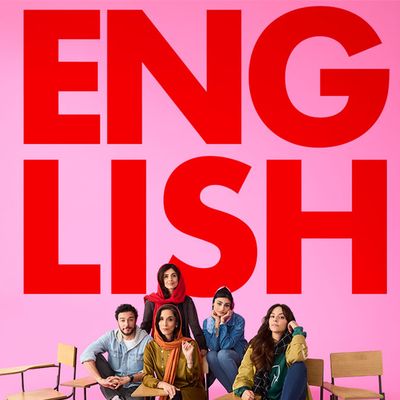
[50:42] Nikki Massoud: Um, on Sugarland New York Theater Workshop, is like magical. Um, Tambo and Bones, Audacious. Um, I just saw English, which is Sanaz Tusi's other play at Atlantic. That is a really tender Chekhovian, beautiful piece.
[50:57] Nikki Massoud: Um, I think if you are not in that place, um things to watch on a screen or engage with on a screen, um, the book Mexican Gothic is like delicious and like just it is gross also because it is a gothic, but like it's it's so thrilling. It's so thrilling and escapist and and also somehow like taps into so many dark things about our real world.
[51:23] Nikki Massoud: Um let me think. I mean, there's some great audiobooks too. I always try to put those in.
[51:30] Nikki Massoud: Um, if you're feeling like, you know, like that way inclined. The Sally Rooney novels, you know, conversations with friends and normal people. They and I think even her most her newest one, they all have a marvelous Irish narrator.
[51:45] Nikki Massoud: Um, and those are such like complicated, sexy, like good books to read if you are just like interested in human nature and like they sound very good for the winter too.
[52:00] Nikki Massoud: They are, they're perfect for winter. Um, and they uh there's just something about them, you don't feel alone listening to them because they're so um honest and and kind of messy and tender.
[52:15] Leah Walsh: Wonderful.
[52:16] Leah Walsh: Nikki, thank you so much. This was I feel like this is a long time coming, and I really appreciate your time.
[52:22] Nikki Massoud: Thank you so much. This podcast has meant a lot to me and helped me through some hard times. So I'm really grateful to be here.
[52:36] Leah Walsh: Thank you for listening to the Compass Podcast. If you find these conversations valuable to your life as an artist and would like to support the ongoing production at the Compass, please consider becoming a patron at patreon.com slash The Compass Podcast.
[52:50] Leah Walsh: Pledges start at as little as one dollar a month, and anything you can give would be greatly appreciated. Also, if you have a moment, please review and follow in iTunes.
[52:59] Leah Walsh: Every little bit helps other listeners to find the podcast.
[53:14] Leah Walsh: See you next time.
© Broadway Podcast Network, All Rights Reserved