

Mark-Eugene and David dive into the topic of stage fright with special guest Dylan Glick. Later, they’re joined by first-time picture book authors—and sisters-in-law—Phillipa Soo and Maris Pasquale Doran to discuss their empowering children’s book Piper Chen Sings... Read More
From the show: The Drama Book Show!
Guests
Featured Shows

About
Mark-Eugene and David dive into the topic of stage fright with special guest Dylan Glick. Later, they’re joined by first-time picture book authors—and sisters-in-law—Phillipa Soo and Maris Pasquale Doran to discuss their empowering children’s book Piper Chen Sings.
Inspired by Soo’s own childhood experiences, the story follows a young girl who must overcome her nerves when chosen to sing a solo at her school concert. With support from her beloved Nai Nai, Piper finds the confidence to shine.
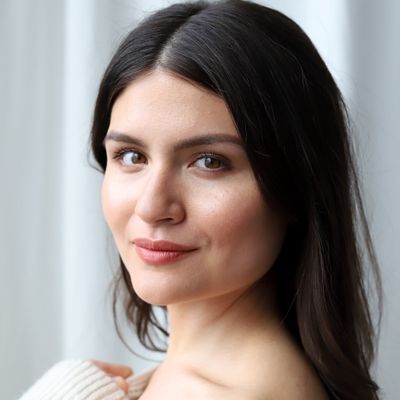
Phillipa Soo is a Tony-nominated, Grammy-winning, and Emmy-nominated actress best known for originating “Eliza” in Hamilton, with additional credits in Into the Woods, Camelot, One True Loves, Over the Moon, Dopesick, and Shining Girls.
Maris Pasquale Doran, LCSW, is a psychotherapist and lecturer at Columbia University. Piper Chen Sings is her debut publication.
Transcript
This transcript was automatically generated and might contain errors.
[0:18] Mark-Eugene Garcia: Hello and welcome to The Drama Book Show.
[0:20] David Rigano: My name is David Rigano.
[0:22] Mark-Eugene Garcia: And this is season two, episode four.
[0:26] David Rigano: Yeah.
[0:26] Mark-Eugene Garcia: Four.
[0:27] David Rigano: Yeah.
[0:28] Mark-Eugene Garcia: And we're here.
[0:29] David Rigano: We're here with a special guest.
[0:31] Dylan Glick: Hi.
[0:32] Mark-Eugene Garcia: Also from the Drama Bookshop. Happy to have you here, Dylan.
[0:35] Dylan Glick: Happy to be here, Mark.
[0:38] Mark-Eugene Garcia: And today's episode is Piper Chen Sings-- by Phillipa Soo and Maris Pasquale Doran, illustrated by Keen Ling.
[0:49] David Rigano: This was a cool event.
[0:50] Mark-Eugene Garcia: This was a really cool event.
[0:52] David Rigano: Yeah.
[0:52] Mark-Eugene Garcia: And it was one of the ones that we had kids here, which is always exciting.
[0:57] David Rigano: And it was my second Skylar sister that I got to interview.
[1:04] Mark-Eugene Garcia: We just need a Peggy.
[1:05] David Rigano: Yes.
[1:06] Mark-Eugene Garcia: I wonder if I made that joke on the last episode.
[1:08] David Rigano: But we just needed Peggy.
[1:11] Mark-Eugene Garcia: Any Peggy listeners in the audience?
[1:12] David Rigano: Yeah.
[1:13] Mark-Eugene Garcia: Please write a book and we can.
[1:15] David Rigano: Or just come on down and like Dylan, be a special guest.
[1:19] Mark-Eugene Garcia: Please.
[1:20] David Rigano: Exactly.
[1:21] Mark-Eugene Garcia: Something I loved about this book is that it covers stage fright, which is something that I think we all go through.
[1:26] David Rigano: That everyone goes through.
[1:27] Mark-Eugene Garcia: And it's not really talked about.
[1:30] David Rigano: Yeah, it's talked about in this hush kind of way.
[1:33] Mark-Eugene Garcia: And it's something that like I, I'm one who's who always is like, I totally get stage fright all the time.
[1:38] David Rigano: Every time.
[1:38] Mark-Eugene Garcia: Yes. And then other people are like, oh no, not me.
[1:42] David Rigano: Couldn't be me.
[1:43] Mark-Eugene Garcia: Yeah. And I'm just like, no, don't we all?
[1:46] David Rigano: Yeah.
[1:47] Mark-Eugene Garcia: Um, it's so interesting how we don't talk about it.
[1:50] David Rigano: And it's nice that there is a book that brings it up to kids so they can get into this business knowing, hey, this is something that's gonna happen.
[1:59] Mark-Eugene Garcia: And this is ways to deal with it.
[2:01] David Rigano: Yeah, and like just understanding that you are not alone.
[2:09] Mark-Eugene Garcia: Like stage fright can be a very lonely feeling.
[2:11] David Rigano: Truly.
[2:12] Mark-Eugene Garcia: And to have this and understand, maybe even before it happens to you, that this is totally normal.
[2:20] David Rigano: Yeah, because I think there's been times even backstage where I feel it coming on, and like someone who I'm in the show with would be like, Are you okay?
[2:26] Mark-Eugene Garcia: I'm like, Yeah, totally fine.
[2:27] David Rigano: I'm great.
[2:28] Mark-Eugene Garcia: Right, I'm good. And I like why not tell them like, oh no, actually, I'm terrified right now.
[2:34] David Rigano: I feel like there are so many stories like nowadays that are so, this is one of the stories that like if I was a kid reading this, I would feel so like seen and like also like, I don't know, it's just such a nice thing to like have like in your pocket if you're a kid reading this book.
[2:34] Mark-Eugene Garcia: Like, I don't know, you know what I mean?
[2:50] David Rigano: No, truly, and it's like very much like our last one, like JJ's Audition Adventure.
[2:55] Mark-Eugene Garcia: Um, it's something that kids need to hear.
[2:58] David Rigano: Like, uh, I think for us, I, well, different for me because I'm significantly older than Dylan, but like going into this is when I was younger, it was like completely blind.
[3:06] Mark-Eugene Garcia: It was just like, no, this is it. You go, you do your thing.
[3:09] David Rigano: There was nothing to teach me about rejection or to teach me about stage fright or any of these things that we deal with, and then we have these books that are now out here that say, hey, this is part of it and part of you.
[3:20] Mark-Eugene Garcia: And I think that another great thing about the way that this is presented, this is a good thing for adults too.
[3:20] David Rigano: Like we talked about that with JJ's Audition. Um, it's not just that it's really sweet and fun for the adult, like this is a good reminder for all of us, and this is about not overcoming your fears, it's about becoming familiar with your fears, utilizing the energy.
[3:50] Mark-Eugene Garcia: And I don't want to give it away because they're gonna read the book.
[3:54] David Rigano: I remember, and it was the four like you breathe, yes, the whole breathing.
[4:00] Mark-Eugene Garcia: And I immediately took that away.
[4:02] David Rigano: Like I took that and used that and have used that since.
[4:05] Mark-Eugene Garcia: And it's like some serious time that whether it's about to present something, whether I am performing in something, anything like that, where I'll just actually, you can't see me doing this because you're listening, but I will do the full, oh, breathe, hold, for like just it, it's became part of me.
[4:20] David Rigano: Yeah, you can breathe along.
[4:21] Mark-Eugene Garcia: She does it with, so you listeners at home, you can breathe along with Maris when she does the activity.
[4:27] David Rigano: And I suggest you do.
[4:28] Mark-Eugene Garcia: I say take it with you. It is a valuable tool to have in your back pocket for many situations that not just stage fright, anything where anxiety is part of your day or part of the task ahead to have this technique of just breathing and being aware and being in the moment.
[4:46] David Rigano: It's, it was really a beautiful moment.
[4:48] Mark-Eugene Garcia: Acknowledging your own anxiety, yes.
[4:52] David Rigano: And saying hello to it.
[4:54] Mark-Eugene Garcia: Hello, you old friends.
[4:55] David Rigano: My own shoulder.
[4:57] Mark-Eugene Garcia: Like sitting on your shoulder, you know.
[4:58] David Rigano: My anxiety and I are, you again.
[5:02] Mark-Eugene Garcia: Yes.
[5:03] David Rigano: My relationship with my anxiety is like the two leads of Death Becomes Her, the hits, the hits now musical, yeah, frenemies.
[5:11] Mark-Eugene Garcia: Let's listen to our authors talk about it.
[5:14] David Rigano: Yes.
[5:14] Mark-Eugene Garcia: Let's dive right in.
[5:16] David Rigano: Please help me.
[5:16] Mark-Eugene Garcia: Welcome, Maris and Phillipa.
[5:28] David Rigano: Thank you for being here, everyone.
[5:31] Mark-Eugene Garcia: So thank you for joining us.
[5:33] David Rigano: To start out, should we all hear the book?
[5:36] Maris Pasquale Doran: Yes.
[5:37] Phillipa Soo: Do you guys want to hear the book?
[5:38] Audience Member: Yeah.
[5:40] Maris Pasquale Doran: Awesome.
[5:41] Phillipa Soo: Let's do it.
[5:45] Maris Pasquale Doran: And if you have yours, you might want to follow along.
[5:50] Phillipa Soo: Gorgeous little stage and movies.
[5:53] Maris Pasquale Doran: Y'all ready?
[5:55] Phillipa Soo: Piper Chen sings.
[5:59] Maris Pasquale Doran: This is Piper Chen.
[6:02] Phillipa Soo: Piper loves to sing.
[6:04] Maris Pasquale Doran: She twirls through rooms, bounces up the stairs, and hops foot to foot, always singing out a tune.
[6:14] Phillipa Soo: She sings good morning to the peaking sun and good night to the cresting moon.
[6:20] Maris Pasquale Doran: She sings to the orange-chusted robins whistling outside her window and to the chanting frogs in the faraway pond.
[6:29] Phillipa Soo: And they sing back to her.
[6:32] Maris Pasquale Doran: Piper performs with her closest friends with Sadi on back up.
[6:37] Phillipa Soo: Always.
[6:39] Maris Pasquale Doran: She listens to Nyma's homemade jumps at pop as they cook and hums with pleasure as she eats them.
[6:46] Phillipa Soo: She hears the world's riche sounds as beats and rhythms and adds her voice to its orchestra.
[6:54] Maris Pasquale Doran: On a bright spring morning, Piper scoots to school, slapping her foot against the pavement and popping her pen into the beat.
[7:03] Phillipa Soo: When Ms. Lopez takes attendance, Piper belts out, here.
[7:08] Maris Pasquale Doran: She practices her whistle when she colors and cuts.
[7:12] Phillipa Soo: And hums quietly while looking at her perfect book.
[7:18] Maris Pasquale Doran: In her favorite class, Piper stands tall and is focused.
[7:23] Phillipa Soo: She feels the chorus of voices vibrating through her.
[7:27] Maris Pasquale Doran: When the class takes a break, Mr. Harris asks Piper if she wants to sing one of the solos in the spring.
[7:34] Phillipa Soo: Piper gets her excitement answer.
[7:37] Maris Pasquale Doran: Yes!
[7:39] Phillipa Soo: Yet when they start practicing again, something doesn't feel right.
[7:45] Maris Pasquale Doran: Piper is suddenly frozen, and she can only sing in a word whisper.
[7:51] Phillipa Soo: If you feel nervous, Piper, that is normal, Mr. Harris assures her.
[7:55] Maris Pasquale Doran: You have the choice to sing a solo or sing with the class.
[8:01] Phillipa Soo: Just come what you decide next time we meet.
[8:06] Maris Pasquale Doran: When Piper returns home from school that day, she does not twirl through the rooms, bounce up the stairs, or hop foot to foot.
[8:15] Phillipa Soo: Piper is not singing.
[8:20] Maris Pasquale Doran: Listening to the tune from Nanai's piano, Piper does not hum along.
[8:26] Phillipa Soo: She does not sing one note.
[8:29] Maris Pasquale Doran: Nanai is sitting upright at the piano bench as she often does, one foot resting on the pedal, never wiggling or even rattling her teacup.
[8:39] Phillipa Soo: She starts playing their favorite song.
[8:43] Maris Pasquale Doran: Piper, I know you are there, but you aren't singing.
[8:48] Phillipa Soo: Piper climbs next to Nanai and tells her about the solo.
[8:53] Maris Pasquale Doran: What if I forget the words?
[8:55] Phillipa Soo: What if I sound like a frog?
[8:58] Maris Pasquale Doran: She says.
[8:59] Phillipa Soo: When they practice, I felt like butterflies were having a dance party in my belly.
[9:04] Maris Pasquale Doran: What if they come back?
[9:06] Phillipa Soo: Nanai pauses for playing and smiles.
[9:10] Maris Pasquale Doran: She says to Piper.
[9:12] Phillipa Soo: What is Huti?
[9:14] Maris Pasquale Doran: asks Piper.
[9:16] Phillipa Soo: It is the Chinese word for butterfly.
[9:19] Maris Pasquale Doran: Answers Nanai.
[9:22] Phillipa Soo: I remember being your age the very first time I touched piano keys.
[9:27] Maris Pasquale Doran: Rang along to the rain beat against the window.
[9:31] Phillipa Soo: Nanai plays the keys to sound like raindrops and Piper giggles.
[9:37] Maris Pasquale Doran: Before my first piano recital, the butterflies danced in me too.
[9:42] Phillipa Soo: Go away, Huti, I beg, but they just flew faster.
[9:46] Maris Pasquale Doran: They would only settle once I began to play.
[9:52] Phillipa Soo: Eventually I realized the butterflies visited to calm me.
[9:59] Maris Pasquale Doran: They flacked fast when I left China and traveled to America.
[10:03] Phillipa Soo: And I felt them flooding the day I graduated from music school.
[10:07] Maris Pasquale Doran: They flew through me when I married Jordi again.
[10:10] Phillipa Soo: They hovered over us when we rocked your father to sleep.
[10:22] Maris Pasquale Doran: Then when they greet me, I read them back.
[10:26] Phillipa Soo: Hello, Huti.
[10:27] Maris Pasquale Doran: Anyhow.
[10:29] Phillipa Soo: Piper, do you want to sing the solo?
[10:34] Maris Pasquale Doran: Piper blinks and thinks.
[10:38] Phillipa Soo: And nods.
[10:40] Maris Pasquale Doran: Nanai resumes playing their favorite song, and Piper finally sings alive.
[10:47] Phillipa Soo: Weeks later, on the night of the show, Piper feels the butterflies slapping their wings side to side.
[10:56] Maris Pasquale Doran: When it is her class's turn to sing, they walk out slowly.
[11:00] Phillipa Soo: Piper sees the spotlight shining with the bright welcoming sun and its reflection on stage like the inviting moon.
[11:10] Maris Pasquale Doran: She hums to herself.
[11:13] Phillipa Soo: Hello, yeah.
[11:17] Maris Pasquale Doran: Piper steps into the glow.
[11:20] Phillipa Soo: The butterflies rest, and she sings.
[11:24] Maris Pasquale Doran: She sings like she sings to her stuffed animals and Sadi the dog.
[11:30] Phillipa Soo: The sun and moon and stars, the trees and birds and frogs.
[11:36] Maris Pasquale Doran: She sings because she loves to sing.
[11:39] Phillipa Soo: And her love is alive in that moment.
[11:41] Maris Pasquale Doran: Fluttering through her family and friends and her loving Nana.
[11:47] Phillipa Soo: Fluttering up and out into the world.
[11:51] Maris Pasquale Doran: The end.
[12:00] David Rigano: I love that story.
[12:01] Mark-Eugene Garcia: Thank you.
[12:02] David Rigano: I want to talk to you a little bit about the book, but first, I just want to know from all our attendees.
[12:10] Is there anybody here who likes to sing?
[12:14] Or dance?
[12:15] Or play an instrument?
[12:17] Or act on stage?
[12:19] Or get up and perform in any way?
[12:22] Audience Member: Me too.
[12:23] David Rigano: Is there anybody here who has ever felt the Huti before you're supposed to go on and perform?
[12:33] Audience Member: Yeah, me too.
[12:35] David Rigano: I think I hope that this book has already helped me.
[12:38] I read it the other day in preparation.
[12:40] And I said, Oh, I'm gonna, I'm gonna start using some of these.
[12:43] Mark-Eugene Garcia: Where was the inspiration to start writing the book in the first place?
[12:47] Phillipa Soo: We'd all started at a family Christmas party in 2018.
[12:52] Maris Pasquale Doran: Maris and I were off in the corner having a cup of cheer and discussing the fact that we both were very passionate about children's literature.
[13:02] Phillipa Soo: At the time, there was a Liza Hamilton children's book that had come out that I had written an after before.
[13:08] Maris Pasquale Doran: And since that moment had always been thinking of thanks to Random House and our publisher there, Lee Wade, had been encouraged by her to come to her if we had ever had an idea for a children's book.
[13:18] Phillipa Soo: And so I was telling this Maris, and at the time, Maris, her boys were both at the age when they were reading books like this, and so many books like this.
[13:28] Maris Pasquale Doran: And Maris herself was swaying the idea of writing some word books herself.
[13:33] Phillipa Soo: And she was telling me about them, and I essentially said, Let's try and write a children's book together.
[13:37] Maris Pasquale Doran: Why not?
[13:38] Phillipa Soo: Why not?
[13:39] Maris Pasquale Doran: And it became a very fruitful, long but fruitful and fulfilling journey, which started with just a conversation that ended up with this idea of Piper around 2021.
[13:51] Phillipa Soo: So we had gone through a lot of ideas and had taken some time.
[13:55] Maris Pasquale Doran: There was a crazy thing called a pandemic that had happened in between.
[13:58] Phillipa Soo: Right.
[13:59] Maris Pasquale Doran: That thing.
[14:00] Phillipa Soo: And we settled on the idea of Piper.
[14:02] Maris Pasquale Doran: It became very clear to us that we wanted to tell a story about a real little girl and an Asian American girl.
[14:10] Phillipa Soo: And especially during that time, it felt important to us to have a message that was not just an entertaining book and a beautiful book, but a book that could maybe be useful and helpful that we could offer something to young people and their parents at a time when there was a lot of really hard things to process going on.
[14:28] Maris Pasquale Doran: Exactly.
[14:29] Mark-Eugene Garcia: You said it will.
[14:31] Phillipa Soo: That's how it began.
[14:32] Maris Pasquale Doran: Awesome.
[14:33] Mark-Eugene Garcia: And from each of your backgrounds, what did you bring to the creation of the story? Were there different things that were important to each of you to say we have to make sure that we get this in here as you're building the story around Piper?
[14:49] Phillipa Soo: I think just generally the idea was that Piper was my mini avatar. That she was inspired by a younger version of myself, but became very important to us that we wanted to create a character that existed in her own right. That she's not me, she's herself.
[15:05] Phillipa Soo: And I think that the idea of stage fright came along after a bunch of conversations about my own experience as a kid, and we stuck with this one story that is very similar to Piper's story. One spring sing, but I had a dance recital and I was very nervous to go on and I didn't go on. And my teacher said, "Will you bow at the class?" And I said, "Nope." I was very young. But I was like, "No, I really don't want to." So she said, "Will you do a special bow with me?" And I said, "Okay, that sounds good." And so I went out and I took a bow with Miss Lisa, wherever she is. I have so much gratitude towards her, and I stood up and I looked out and I saw the audience. You're once smiling, I was like, "Oh, that's not so bad." But that was the sort of aim for the idea.
[16:01] Maris Pasquale Doran: Exactly. We knew that it had to be real and to really face things that real people, and especially young people, are going to face and how we can speak to them. So this is a very universal concept, very specific in Piper, right? For her as being on stage. It's a more kind of theatrical. Using her voice is something that she loves. It's universal that we feel nervous often. And what can our emotions say to us?
[16:27] Maris Pasquale Doran: And Phillipa and I often talk about both of our works, and I use mindfulness a lot in my practice. And so really speak about mindfulness to young people and their grown-ups. Seem to be very important as a message and to talk to kids and grown-ups about holding two emotions at once, right? She's nervous and she's excited. And the fact that we are able to hold two emotions that sometimes seem very opposed, and we can hold them both together, and to take that time to pause and reflect and acknowledge, and then have agency to choose how we want to move forward in our lives, knowing ourselves to be deeply curious about ourselves and where we come from, the nice story, etc.
[17:41] Phillipa Soo: But this is what worked for this young character, and it may be something to work for you as well when you're in these moments. But that the takeaway really being listen, be aware, figure out what's right for you and how you want to live in your life and your world that you get to build.
[17:58] Phillipa Soo: That's so wonderful. And I've been there, and I've especially saying those conflicting emotions, and then to bring up another musical that you've been in, I have frequently said in those kind of situations, "Oh, I'm Little Red Riding Hood right now." Excited and scared.
[18:12] Maris Pasquale Doran: Yeah, and sometimes it's hard to know which gets to drive.
[18:17] Dylan Glick: I want to just let everyone know. I'm gonna open it up in a second to some questions if anyone's been thinking of anything, and now would be the time to like figure out and formulate it. But one thing that I want to know, and because I often I look at our youth section and I go, my goodness, if I had this selection of what we had when I was a kid. So, how do you feel having if you had this as a kid, how would that have impacted you, helped you? What would it have meant to you to have something like this?
[18:52] Phillipa Soo: Oh gosh, I would have felt so seen in many ways, and I think that's why I'm so proud of this book, because not only do I see myself in her physically, but I feel seen in her struggle, and that living in a gray area, living in between two emotions, feeling big emotions, is something that we all experience, and I'm not alone in that feeling. But this book I say a lot, this book is oftentimes I think of it as the response to the question of what would you tell your younger self? And I really wish that I could just hand her this book. Because I think you have to see it to believe it. Sometimes so if you see yourself in a book in a character, whether it's because of their cultural background or the way they conduct themselves through life, I think that gives you permission to just go further into examining yourself.
[19:50] Maris Pasquale Doran: And yeah, sometimes feeling those really big feelings at a young age, just knowing that someone else has gone through this makes it easier for you to, "Oh, someone else has gone through this and come out the other side. I can too." These are skills, and that's the thing, right? These are skills. We have to, we're learning to emotionally regulate. Most of us are learning now. People often have asked me about my practice and assume I work with adults in my private practice. And adults were looking a lot at what happened when we were kids. We're looking at a lot of these same things and these same themes, we're looking at emotional regulation, we're looking at having those skills. And so when we have the opportunity to be in the small part of maybe some of that skill building, it's an honor.
[20:35] Dylan Glick: Does anybody have any questions for either of our guests tonight?
[20:39] Audience Member: Yes.
[20:44] Audience Member: How did it feel like when you finished it?
[20:51] Phillipa Soo: It felt awesome.
[20:55] Phillipa Soo: That's a short version. It felt awesome. Although it's a really great question about writing a book. And certainly probably lots of creative forms that it's hard to know when it's finished. There was certainly a time that we had to find submit our final manuscript, our final piece, but then getting to have all of these beautiful moments thereafter have all been so special. Getting to see the illustrations certainly come to life, getting to see it found for the first time. It's not necessarily a beginning and an end. It's a beginning and then all these other parts. This being one of them, getting to share it with everyone, especially people who audiences that are young has been a whole other beginning of the process.
[21:44] Maris Pasquale Doran: Yeah, like this process would not be complete without you being here. This is the whole point, right? We started with a chat at a Christmas party, and we ended up here, and hopefully you will take this conversation that you heard today, and you'll carry it on through your life to somebody else who may be curious about their butterflies or their feelings. And I think that's why stories are so powerful because their beginning is their end, is their beginning, is their end. If they just keep going, they keep going.
[22:20] Dylan Glick: Is there anyone here who likes to write stories or plays or songs or musicals?
[22:27] Audience Member: So another on that, not just the how did it feel when you were finished, but like you were saying, there's so many steps to done, and there's so many versions of there's oh, I finished a draft, oh, I finished the next draft. And I do want to I want to talk a little bit about the I think this is a good point to talk about your illustrator who the illustrations that you saw are so gorgeous.
[22:49] Phillipa Soo: Chin Lang is a visual developmental artist as well as an illustrator and author of children's books. Recent books include A Day for Sand Castles, written by John Arno Lawson, Clover, which was the award winner of the prestigious Governor General Literary Award, written by Nadine Robert, and her author illustrator debut, I am small. She lives in Toronto with her husband and her son.
[23:13] Maris Pasquale Doran: And I'm sure that part of the process of writing this isn't just figuring out the text, but figuring out the layout, figuring out when there's something that do we say this with words, or do we say this with pictures? So, what is that process that gets you to that feeling when you know you're done?
[23:33] Phillipa Soo: Oh, it's a beautiful, very long process, but ultimately we were lucky that we had such we had such luck in being presented with Chin as a possible illustrator, and she was one of our first choices that we were given, and it was like, yes, that's it. I think our only notes to our publisher to Lee was that we were looking for something that felt handmade, that felt nostalgic, that felt timeless, and in terms of the color, we definitely have a lot of back and forth about color, sometimes about things that Piper was wearing, like sometimes she's wearing a dress, but could she wear pants sometimes? And Chin was so unbelievably collaborative.
[24:13] Phillipa Soo: And we also sent her some pictures of me from childhood of myself, very cute. And she really got it. She really captured, I think, that very nostalgic timeless feeling that we get when we look back at pictures of ourselves. But it's also new in its own way, which I love. So it was a lot of small pieces here and there, and then one day it was just done. It was incredible. We had received like little pieces throughout like about a year, and then one day it was just here's the PDF of all of the images. It was incredible.
[24:47] Maris Pasquale Doran: Did anyone else get a little bit hungry looking at the illustrations when Nai Nai was cooking?
[24:51] Audience Member: The dumplings.
[24:52] Maris Pasquale Doran: Oh, they looked. I wanted to pull those right off the page.
[24:56] Phillipa Soo: Yeah, I know.
[24:57] Maris Pasquale Doran: Yeah, she captured that feeling. She captured all the feelings really well. That's the thing is we could give little more margin of what we see or what we hump. Because that is definitely was a part of our learning curve. I think our first draft was like so long. Seven times longer than pictures of what was supposed to be. That was a big piece of saying, okay, the whole of this is a visual, pull this in the visual, being able to make notes in the margin, and then Chin making notes and bringing life. It was a really beautiful process to watch.
[25:29] Dylan Glick: I know we had some more questions that you guys saw on.
[25:31] Audience Member: Yeah, what's your question?
[25:34] Audience Member: Do you still get stage fright now?
[25:37] Phillipa Soo: Yes.
[25:44] Phillipa Soo: I do get those nervous butterfly in the belly feelings. And sometimes it's very unpleasant. But there's two things that I do. One is I remember to breathe. I remember to breathe because in those moments sometimes I think, "Oh my god, I don't think we're taking a breath for a minute." And the second thing that I do is practice my gratitude. I just remember that I'm so incredibly lucky and honored that I get to do this as my job, that I get to tell stories and I get to communicate with people and hopefully change people in some way, shape, or form through the storytelling that I'm about to do, which is quite an honor to me.
[26:31] Phillipa Soo: And so I just have gratitude that I can do that. And it makes me feel less. The production, this audience, the world, the tech that it's just everything's so much bigger than just me in this moment. And so that's how I find my little private corner moment of peace.
[27:00] Phillipa Soo: But we actually did a really cool thing. We were just at the LA Times book festival. And Maris guided us through some square breathing. Do you guys know what square breathing is? Have you guys ever done it? Do you want to try some square breathing right now with us?
[27:15] Maris Pasquale Doran: Sometimes we'll call it box breathing. We're calling it butterfly. Box breathing. So the idea is that when you're feeling nervous or maybe overwhelmed or something like that, but our breath can be very grounding. And here's bonus use that word a lot, right? What the heck is that meaning? It's like just being here now.
[27:37] Phillipa Soo: Love the way that you put that. We're just in your private corner of the world. And okay. And a big way to do that is to use your breath. And so box breathing or square breathing. You can actually make a trace of your finger. Up for your breathing in for four.
[27:53] Maris Pasquale Doran: And then you hold it for four.
[27:55] Phillipa Soo: And then you breathe it out for four.
[27:57] Maris Pasquale Doran: And then you pause for four.
[27:59] Phillipa Soo: So we'll get it going ready. You breathe in.
[28:03] Audience Member: Two, three, four.
[28:06] Phillipa Soo: Hold two, three, four.
[28:09] Maris Pasquale Doran: Breathe out, two, three, four, pause.
[28:15] Phillipa Soo: Two, three, four. You can do that in rounds. And the scientists show us that it works. And anyone you talk to them will typically say. And it works, right? This is something you may have to do a few different rounds of, but it can be calming and centered into yourself. It's a great tool. And one that I love that you use by our age.
[28:35] Maris Pasquale Doran: Let's make sure Phillipa Suexy.
[28:40] Phillipa Soo: Yeah.
[28:41] Maris Pasquale Doran: Got my little cigarette on.
[28:43] Phillipa Soo: I love it. And this goes back also to the, "Oh, if I know that someone else, if I know that Antonio Wardnellini from Hamilton feels this, I guess it's okay for me to feel this as well."
[29:00] Phillipa Soo: How is it different or not different or better or worse when you are in like a long runner? When you're doing the show every single night, when you're doing it eight times a week. The first, for those of you who may not know, we have a preview process, which is a couple of weeks, and then we have our opening night, which is where all the friends and family are there, the show is frozen, which means we're not changing the show anymore. We're keeping it as it is, and eventually critics have their reviews, but I don't pay attention to that. In those first couple of previews, which are truly the first couple of times that we do the show in front of an audience, like a paying audience, I get so nervous.
Mostly because I just want to remember everything. I just want to get it right, which is not necessarily a great practice for myself. I have to work at that, not getting things right all the time. I think I'm a little bit of a perfectionist, which is not always helpful in making art because you have to be vulnerable. And that's what something like singing or acting or performing is requiring you to do because you can sense how someone's feeling. If someone's nervous, you can feel it, right? And I don't want that to get in the way of telling a story, which I've worked so hard to craft and I think is so important, that's why I'm there. I put that, I think, as a priority, and that definitely helps.
And then I also get nervous weirdly when my dearest friends are there, but in a different way, in an excited, nervous way. Mostly thinking, I wonder what Nolan's thinking now. I wonder if he's watching this number and thinking, Oh, I really like that dress. Or oh, I wonder what a package of that chance number and I was like, right, oh my god, tell the story. And then actually, as the run goes on, it's you get more and more comfortable. It feels it's sometimes it feels like I'm just walking into my living room. That's uncomfortable it feels, and that's the feeling that I'm striving for. But you don't want to get too comfortable because then you forget the stakes. This character is not comfortable.
I, the actor, should be comfortable, but this character might be very uncomfortable depending on what's happening to them. To answer your question, casually burning some letters, throwing the letters into the fire without care. No, actually you bring up a really good thing, which is like something like fire on stage, which is very nervous-making, and you have a system in place so that you can do your work so that you don't have to be nervous about the fire. Your character could be nervous about burning something that's very precious to them, but you shouldn't be nervous about catching a fire and turning into a ball of flames. You know what I mean? And that's more about work environment and just making that sure that you feel safe and healthy in your work environment so that as the actor I can go to places that might be scary emotionally for me. But I'm putting myself there, if that makes sense.
[32:02] Maris Pasquale Doran: You are your own safety net.
[32:03] Phillipa Soo: Exactly.
[32:04] Maris Pasquale Doran: Yeah. I mean, I know we had some more hands. Do you have other questions?
[32:09] Audience Member: Yes. As a fellow perfectionist, I'm wondering how it felt to get feedback and have to make changes on something that was so important to you through the process of writing a book or acting in general.
[32:29] Phillipa Soo: Well, the book, I think we were really fortunate where something that Phillipa and I brought was to be confident, excited, we followed this process, loved this process, and we were students of the process. We knew that we were in beautiful hands of Lee and at Random House. We knew that Chin was creating something gorgeous yourself. Each person was doing their piece. We were also fortunate that most of our feedback was less content or story and more this is 80,000 times longer than the book was supposed to be. I think thankfully it didn't feel personally like something was a problem. It felt like there's a structure and a format of people who know this is their version of the expertise, and our role is to bring our story within that format, and within that structure that they're there to guide and to help us.
So not being threatened by feedback, but seeing that feedback as really increasing our runway of what we can do with the book. I think just generally with this book and being an artist in general, it's been a process of understanding and redefining what failure means. That failure is a way for us to learn, especially at an early stage in an artist's project, whether you're writing a book or you're reversing a play, you have to go to places that might not make sense, places that might be messy. Because if you're inventing something new, how can you expect it to be exactly the right way the first time that you do it? That's just I see it like cooking. You have to try different things. You have to just see what you like first off, and then see what flavors that you can add into it.
But there is a point where you need feedback, you need someone to be like, you can't add this much pepper, otherwise it's just gonna taste like pepper, right? I don't take it personally. I see it as a tool, tools, not rules, right? It's a way for me to interpret and figure out what I'm trying to say, and it's helpful because I'm only one brain and body and heart. I need other people. I think that's why our collaboration was so wonderful to me, because having Maris to not only just talk to and have an amazing time with, but as a sounding board for these ideas, because sometimes as a writer, and somebody said that you were writers, you feel really like in the dark, and you don't know, you don't know where you're gonna go with something, and it's really scary, and there is value to that, but eventually you have to share it with people, and like I said, in fact, you share it with a bunch of people who are all gonna have their own opinions about it. So I think it's like practice the world seeing it, you have to be able to share it with somebody who you trust first before you can share it with the world.
[33:49] Audience Member: Yeah. As creatives, when you're writing a book about stage fright, this is a new venture for you. Did you use the book yourself to get through the process in the sense of I'm writing a book for the first time, there's ups and downs. How did you cope with those ups and downs?
[35:47] Phillipa Soo: There's only so many squares you can get.
[35:49] Maris Pasquale Doran: Yeah.
[35:50] Phillipa Soo: Yeah, I think well, we were constantly like we would be talking about something, especially once the book was finished. We would be talking about an event that was coming up, or our launch event, or there were a couple of TV appearances that you did. I definitely was telling myself, pinch, do you remember how to accept the butterflies? Accept that this exciting feeling is happening to you because the minute that I'm pretending like it's not happening is the minute that I'm like, ah, I'm like spinning off, it's not a good situation for me. Yes, I'm constantly reminding myself to use this tool that I actually that we thought of. But it's easy to forget, and it's also I think a great example of how these kinds of books and of recognizing your feelings is really a practice.
Maris can speak to this, she has a practice in which she is practicing her psychotherapy, but you gotta do it every day. You gotta practice it in order for it to work. Yes, to answer your question. Certainly doing it. I think also the fact that we were so fortunate to have such a beautiful collaborative process really helps, and to know that we were totally safe within each other. Because we joked at the beginning, but truly, we were really there's a lot going on in 2018 and 2019. We're talking pre-pandemic, there was a lot going on, right? About how do we address this world with children? And we had a lot of concepts and ideas, and it was teachers say it often, or I sure hope they do. Grown-ups say it all the time.
I sure hope they do. No bad idea. Be safe. Let's explore, let's try this. What if she did this? What if she did this? And then sitting with it for a while. And being okay and safe to throw anything out there, and then being okay and safe to be like, I don't know, now that we sat on this, maybe that's not right. Maybe that's not it. Maybe that's not the thing, right? And to keep checking in with each other in this way to be able to have that trust. So it's significantly less isolating or scary or alone. But something that I do think is really interesting about this process, especially a picture book, because it does take so long from how high submitted to seeing it, is that all of a sudden I got nervous to oh, it's gonna be out in the world.
And in the beginning, we thought so often about my boys and Piper and Mommy writing a book, and that's special enough, period. End of sentence. If just they were the two readers, that would be ending up. But they're not anyhow, everyone's probably bookshop, and it's been amazing. But that part too of oh wow, this is vulnerable. This is vulnerable. We wrote something into people bringing our expertise and bringing our thoughts and suggestions and bringing what we feel is really important to try to talk to young people about into the world. That part feels really more vulnerable, probably more than any of the actual writing.
[38:44] Audience Member: Thank you for that. I and I love that what you get to is welcoming the feelings in. I know I've been there with my anxiety where I like I greet it, but I'm usually like and then what you were talking about about like getting the feedback and getting yourself excited to learn something. I know that I wrote a play and I had a little reading, I had a bunch of friends in my house, and then they started asking me questions about the play, and I went, Oh, I don't know. Yeah, they said, What did this person do when this happened? Who was at this event that you talked about? And who said this at the and I went, I don't know. And rather than going, oh my god, I don't know, I failed as a writer, I go, look at all of these things I have to put you've given me toys.
Look at all of this that I have to have fun with moving forward. Yeah, and I know that I address my writing that way, and I know that I do not address getting on stage. So I love that it's that has anyone here had that, try to welcome those feelings in. Has it worked for you?
[39:47] Audience Member: Okay, good. Any other keeping an eye on time? Any other questions?
[39:52] Audience Member: Yes, I'm here. Mine's not a question as much as a statement. I just want to say the Hamilton changed my life, my family's life forever, so I want to thank you. But the same token, I'm fortunate enough that this is the second time I've been to a reading here. The first one was Allie Stroker, and between Allie and yourself and what you're using your platform for to create important books like this for young girls like my daughter. I'm even more appreciative, so thank you.
[40:19] Phillipa Soo: Thank you for saying that. Thank you for sharing that. And we've got another question here.
[40:24] Audience Member: Yeah, good question. If I could tell you in one sentence, it was an honor and so much fun. And a lot of hard work. But I feel incredibly, like I said, lucky that I get to do this as my job. And I also feel proud of myself because I studied really hard and went to drama school. I took a lot of classes. I tried a lot of things that didn't necessarily go the way that I wanted it to go, but I learned a lot. And I'm grateful for all of it.
[41:00] Phillipa Soo: If I can piggyback on that and I'm coming over here, obviously Hamilton, I don't know if you sat there at the first rehearsal, the first reading or something, and you went, Oh, this is a juggernaut. This is something amazing. But it was. You were in the proverbial room where it happened, and no one else knew what was gonna come out of this. And then Into the Woods obviously is a very beloved and dear show that a lot of people go into knowing the entire score by heart. And then Camelot is a very beloved show that you got to do a version of that no one knew. So with those three very kind of distinct kinds of shows, do your butterflies show up in different ways?
[41:44] Phillipa Soo: Oh boy, do they.
[41:59] Phillipa Soo: And when you're like, oh I know that show, I know that song. I sing it in my car sometimes. And then I get into the rehearsal room and I'm like, I know this, I'm familiar with this. Just so you know that song for me is Times Are Hard for Dreamer. I'm like, yes, and then if I get up to like actually singing, I'm like, I know the words of people singing it with me in my ear, but see, I was like, okay, I know that your fault is gonna be a hard one. Because do you guys know it? It's five different characters and they're all like singing over each other, and I was like, okay, that's gonna be hard, and it was pretty hard. But it was even just the stuff that I thought I knew. Because Sondheim is a genius, and no two lines are ever the same.
And so a lot of my journey was finding tricky ways to remember what I was supposed to say and sing, which involved very sneaky, intricate choreography that nobody knew that I was putting into the show, except me, because it was the only way that I was going to remember everything. I was so nervous. I tell you, David, I was like, I was telling my husband, I was like, Steve, I think I quit. I think I have to quit. I don't think I can do it. I think it's not gonna happen, it's not gonna come out. And he was like, No, it's gonna be fine, you're gonna get through it. You might make some mistakes, but you know what you're doing, and that's what honestly, that's what the preview process is for. Truly. Yes, it's a paid audience, but it's really for us to understand what we're doing.
[43:29] Dylan Glick: How are we to know where all the laughs are gonna be and what parts are gonna be what quick changes are gonna be the most difficult? We gotta learn that sometime, and so it happens in front of people, which is insane. But it's honestly so thrilling, and also like I put myself there. Like, like it's really scary, and I also have to remember like I said yes to the job. I knew I only had 10 days of rehearsal, and I felt equipped to handle it. I just I had to leave with that. I had no other choice.
[44:02] Phillipa Soo: And we had a question right here. What do you think my first solo song is?
[44:12] Maris Pasquale Doran: I think it can be anything. It's something that definitely brings her joy. I think it's a song that she can like sing out. I think it's a song that brings her to a place when she sings it. I think she's a very I we imagined her as a very imaginative person. There were a couple ideas that we had that we had to scrap. One was her sailing on ships that were in the shape of dumplings, like these big dumpling ships and the piano piano keys that were a sidewalk. All these worlds that we saw her going in, and I actually, now that you asked that question, what's her what is the song? I think the song is that it's ethereal and curious and imaginative, and I think it brings her a huge amount of joy. And it was intentionally both that song and the favorite song with Nan and I are not identified. This is that that's the interpretation piece of to be almost more related in a sense.
[45:17] Phillipa Soo: Yeah, I think everyone has their own version of what that song is. Although there is an audiobook, and there is some original music. Philippa narrates the audiobook, and there's orchestral. Yeah, like an intro and an outro. That's written by my dear friend Or Mathias, who I work with a lot. He's a music director and composer, and that's original music, which was devised.
[45:40] Maris Pasquale Doran: Yes. So that was for the audiobook, that's a fun extra.
[45:44] Phillipa Soo: Yeah.
[45:46] Dylan Glick: My dumpling ship would sink. We've established that I can't resist. I would eat my work through the bottom of it.
[45:52] Maris Pasquale Doran: And it was a little bit more. I was just gonna say, I love the story. I had not read it yet. And I'm a teacher, a mother of two who could have really used this book, and I'm gonna get one for each of them to have. Did Nai Nai, is that is that how you say it?
[46:09] Phillipa Soo: Story from her, and I loved how you added the wedding and US citizen and all those pieces to it makes it like the butterflies are there, but that's just part of life in you.
[46:23] Maris Pasquale Doran: Yeah, she was very much inspired by my own Nai Nai, my own grandmother on my father's side. But this Nai Nai, I think, especially to Piper, you know, she's showing her love for these stories, and especially through language. We toyed with at the beginning of the how many Chinese words should we include? And it became clear to us that we didn't want to over-explain these words, that these words were a part of the fabric of who Piper is and who her family is.
[47:00] Phillipa Soo: And I think a lot of first generation and second generation households or immigrant households, you're really negotiating two languages at once, and if you're like me and you're going to my Chinese side of the family, everybody is speaking a different language, and you're only picking up little things here and there. It wasn't until I got older that I realized how valuable it was to be in a situation where I was actually like completely fine being uncomfortable. Didn't know what anybody was saying, didn't know when is the food coming out, who is that relative, who am I talking about? And then being immersed in a world that was so different from my American culture to embrace the Chinese culture that was so much a part of my dad and his side of the family was so important to me. And to be able to show it through Piper's story and not have to over-explain it was something that I think we're really proud of in this book.
[47:57] Maris Pasquale Doran: I love it. It's great. And you can do all your other ideas in your own.
[48:04] Dylan Glick: And we had we were talking about this, we had Mandy Gonzalez here a couple of weeks ago. And she was talking about the character in her first book who moves to New York with her Abuelita, and she was explaining to us similarly which parts of that character she's now. This part of this character and this history of this character is my abuela, but the sass of this character and the way this character, that's my bubby on this side. And she talked about taking all of those sides of her family and creating this new character.
[48:27] Phillipa Soo: Well, my Nai Nai did play the piano, and she was also a painter. And so like Chin, when the illustrations came through with Chin's work, we got to see a little bit. I was like, my grandmother painted with watercolor. So this feels like her point.
[48:49] Maris Pasquale Doran: And too, interjecting your goal. We were really we talk a lot about my sons and larching family. I don't know. We talked a lot about my kids, and it was so important, especially at that time, remember, right? That we had a story that someone like a fellow Pasquale could see herself in, and like my boys who look like me, will see themselves, maybe not in her culture ethnicity, but in the storyline. And to become more curious about and this character, and that is just this is the whole story. This is the backdrop. The storyline isn't about her history and culture, it's the backdrop of it. It is the moments of Nai Nai.
[49:33] Phillipa Soo: So thank you for that. Those vignettes were added to certain point to really talk about that and talk about becoming a US citizen. And that all of us have that story at different points throughout our family histories, right? And to become curious about that, like I said before about each other and about ourselves. So that was something we really wanted to be a piece of it that was important and yet just a part of the tapestry of the story.
[49:57] Maris Pasquale Doran: And it was so organic. It does just feel like you understand the family dynamic by the way that the Chinese words are just there, the way that these characters would have used multilingual in their family. And there was no now, wait, is that not it? It felt so natural.
[50:17] Phillipa Soo: Thank you.
[50:18] Dylan Glick: Welcome, of course. Um yeah, we've got time for I think one more, and you're gonna you're gonna get a little bit of time. I know we we could stay here, we stay here all night.
[50:28] Phillipa Soo: I know that I could.
[50:30] Dylan Glick: You're we're all you're gonna have a little bit of one-on-one time when I we are gonna have to be moving these super, you're gonna have to get some one-on-one time, but I'm gonna do one more question right here, and then we'll do some. Thank you both. This is such a treat. And I just was curious if you could speak briefly about what you do when you're stuck.
[50:48] Mark-Eugene Garcia: So you're both in the business of working with characters, you create characters, you analyze characters, and what do you do when you are stuck? When you don't understand either how to bring a character to life or a certain aspect of that character, or you don't understand how to help someone through his or her or their own stuckness. What do you do? Because we all experience getting stuck in different ways in life. And if we want to move forward, we have to figure out a way through it. So I'm curious what you've been doing.
[51:33] Maris Pasquale Doran: Because Dana is a peer and other psychotherapists who've extraordinarily talented, and I often we speak when I'm stuck. But that's actually real, very much real. It's like speaking to another and getting out of that space, right? You're so narrow often in that stuck place. It's so narrow, especially with clients, it's repetitive, you're more rigid in a space, and to be able to zoom out and see from a more macro lens can be really helpful in our line of work.
[52:02] Phillipa Soo: And I think in terms of the writing, a lot of that was space and time, right? Especially some of the ideas we've had that we're still working on and having fun with, but we're like, we're not sure here. Let's put this to bed. Let's go on a hike. Let's talk in a week. Let's write let this marinate and see how this feels moving forward to step away, to step back and to get more of a wide lens can be really helpful, I think, to help see whether that's via in all seriousness, consultation with others that you trust, and or taking that actual physical space and time away.
[52:39] Maris Pasquale Doran: I also felt the schedule that we had as writing partners was very important because we had we have to do that.
[52:44] Phillipa Soo: We were accountable.
[52:45] Maris Pasquale Doran: Yeah. So scrap this idea, or let's say that we didn't do anything today but talk about what we were thinking. We'll come back in a week, we'll come back in two weeks. We'll just make sure that we always have this standard. By the way, we wrote most of this book over the world was at the time.
[53:03] Phillipa Soo: But I also think in those moments of stuckness, I turn to art forms. I turn to people in general, my family members that are not artists, and hearing what they have to say about sparflies. Just out of curiosity. Just knowing that every I actually think it's impossible to be actually stuck. Because I think if you're just keeping your eyes open and are aware of the world around you, there is something there to help you move forward.
[53:39] Maris Pasquale Doran: I think stuck can sometimes feel like it's something that's happening to you, but I feel like a lot of the time it's just what you're choosing to do with your time, really. That you can be non-productive, you can be messy and imperfect, and you can have a lot of ideas that are probably not the idea that you want to land on, but that's not stuck. That's work. That's a lot of work, right?
[54:07] Phillipa Soo: So I think it's about reframing this idea of being stuck as maybe an opportunity to say, Oh, I need to go see a play that has nothing to do with what I'm trying to write about, or a character. If I'm trying to become a character and I'm in a lot of darkness because of what the character is going through, that's when I'm like, I need to go play laser tag with my friends. You know what I mean? I need to get out of this in some other way.
[54:34] Dylan Glick: Yeah, because you're listening.
[54:35] Phillipa Soo: See, I'm at that time.
[54:40] Mark-Eugene Garcia: Wrap it up.
[54:41] Dylan Glick: Because you're listening, right? And it's and it can be that I'm stuck in how do I bet out? And we become caught with how do I get out? And what it sounds like we do so beautiful, no surprise is what is this? Maybe this isn't stuff that I want to listen. What do I need? What is it for acting me? How can I listen and then move forward in a way that's right uniquely for me?
[55:05] Maris Pasquale Doran: And this does sound like it's been intimate joked all evening, but this does sound like a fantastic topic for a second book. If you so choose to write one, and if you do, we hope that you'll be back here at the drama bookshop.
[55:20] Phillipa Soo: Thank you so much for coming.
[55:25] Audience Member: That was awesome.
[55:26] Dylan Glick: Yeah.
[55:27] Phillipa Soo: Oh my gosh. I love the acknowledgement of anxiety and the acknowledgement of stage fright and just and the butterflies specifically.
[55:34] Maris Pasquale Doran: Yeah.
[55:35] Dylan Glick: Um because we get everyone's different. I don't think I get butterflies, I just get you know the shakes.
[55:40] Phillipa Soo: Um real.
[55:43] Maris Pasquale Doran: The shakes and the sweats.
[55:45] Dylan Glick: And the sweats are real.
[55:47] Phillipa Soo: I hate it because nausea is real.
[55:49] Maris Pasquale Doran: Oh, see, I get the sweats, and then I sweat because I'm sweating, and then that's a continuous cycle, and then yeah, I it's hate it.
[55:58] Phillipa Soo: And then that's why it's nice to have something that says, you know, like no, acknowledge it, go with it.
[56:02] Maris Pasquale Doran: Yes.
[56:05] Phillipa Soo: I feel like my my thing when I get really anxious is my mouth gets super dry, and it is I am like not like when I'm speaking, it is I'm like speaking through jello. Like that is my that is how I know I am like super anxious.
[56:19] Maris Pasquale Doran: So for if I read this as a kid to like know to like be able to sit with it and acknowledge it is oh it's revolutionary.
[56:24] Phillipa Soo: It's great.
[56:25] Maris Pasquale Doran: Yeah, I think that's part of the performance is is just making it part of it, making the the anxiety become energy and the energy become the performance.
[56:35] Phillipa Soo: But it's still at this advanced age, I'm still like dealing with that.
[56:38] Maris Pasquale Doran: And I think we all do.
[56:40] Dylan Glick: That's true.
[56:41] Mark-Eugene Garcia: One of these days.
[56:44] Mark-Eugene Garcia: Well, let's talk about next week, David.
[56:46] David Rigano: All right. Next week we're gonna delve into the work of Duncan Flaster.
[56:51] Mark-Eugene Garcia: Yes, who has three plays on our shelf and multiple other plays out in the world, and is a playwright that I absolutely love.
[56:59] David Rigano: And you've I was just gonna say, isn't he a playwright that you've worked with?
[57:04] Mark-Eugene Garcia: Yes, he's a playwright I've worked with, and I'm so excited to discuss him and the many journeys we've taken together because they've just been wonderful. But I'm very excited to talk about him, talk about his work, and excited for you to experience that.
[57:16] David Rigano: So remember, follow us on Instagram at drama bookshow podcast. Follow the drama bookshop on eventbrite so that you will always get notified when we add another live in-person event.
[57:28] Mark-Eugene Garcia: And remember, all of the books and plays we talk about on the podcast can be found here at the bookshop.
[57:34] David Rigano: And so can we.
[57:35] Mark-Eugene Garcia: And we will see you at the bookshop.
© Broadway Podcast Network, All Rights Reserved