

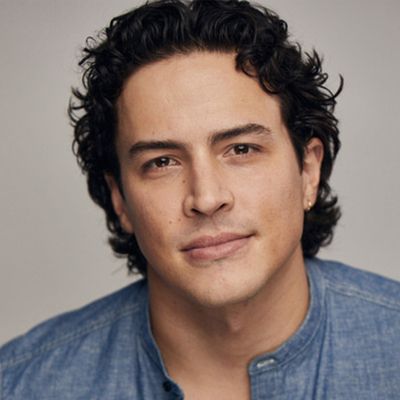
On this week’s show, we speak with Jacob Dickey, who is currently in the ensemble of Disney’s “Aladdin” on Broadway where he also covers the roles of Aladdin and Kassim... Read More
From the show: The Fabulous Invalid
Guests
Featured Shows
About
On this week’s show, we speak with Jacob Dickey, who is currently in the ensemble of Disney’s “Aladdin” on Broadway where he also covers the roles of Aladdin and Kassim. We talk with Jacob about what it is like working on his first Broadway show, covering multiple roles, being in a long run of a show, “Aladdin Camp,” and his love for biscuits. Before that, Rob and Jamie welcome back Leslie Kritzer. And later in the show, Rob takes us through a little history of Disney Theatrical Productions and the New Amsterdam Theatre This week’s music: Coronet Man from “Funny Girl,” All That’s Known from “Spring Awakening," When You Believe from "Prince of Egypt" (featuring Jacob Dickey), Arabian Night’s, Proud of Your Boy (featuring Jacob Dickey) and Babkak, Omar, Aladdin, Kassim all from Disney’s “Aladdin."
Transcript
This transcript was automatically generated and might contain errors.
[0:00] Jamie DuMont: I'm Jamie DuMont.
[0:01] Rob Russo: I'm Rob Russo.
[0:02] Leslie Kritzer: And I am Leslie Kritzer.
[0:04] Jamie DuMont: And this is the Fabulous Invalid.
[0:21] Jamie DuMont: Today I am very sorry to say that Jennifer Smart is busy working, but Leslie Kritzer is back.
[0:29] Leslie Kritzer: It's welcome back.
[0:31] Leslie Kritzer: Thank you.
[0:31] Leslie Kritzer: Thank you. I was in DC and then had other stuff.
[0:36] Leslie Kritzer: So I'm so excited to be back. And it was so great to see you guys when you came down to see Beetlejuice.
[0:40] Rob Russo: Thank you so much.
[0:41] Jamie DuMont: Oh my gosh. It was so great to be down and see you in Beetlejuice.
[0:45] Leslie Kritzer: It was nice. That was really, really, really, really great.
[0:48] Leslie Kritzer: That feels like forever ago.
[0:49] Rob Russo: And it really wasn't.
[0:50] Leslie Kritzer: It wasn't, but it feels like seven years ago.
[0:53] Jamie DuMont: Yeah, right. A lot has happened. Did you take a vacation after Beetlejuice? Did you get some rest?
[0:56] Leslie Kritzer: I did. I got some. I took one week right before Christmas, the week before Christmas, I went to Tulum.
[1:02] Rob Russo: Ooh.
[1:03] Leslie Kritzer: Um, which was great. Definitely a culinary destination. My friend is a chef there, Jamie.
[1:09] Jamie DuMont: Ah, excellent.
[1:09] Leslie Kritzer: And so I saw her opening her getting ready to open her new restaurant, which is really incredible. I did that. Went to Cleveland, visited some family there. Um my family here. So it's nice. And and it's been uh it's I'm ready to go. I'm ready to start rehearsal on the 14th. I'm like.
[1:26] Rob Russo: Is that when you guys start?
[1:28] Leslie Kritzer: Yes. Uh uh February 14th.
[1:31] Rob Russo: You did a lab, right?
[1:32] Leslie Kritzer: We did. It wasn't a lab because our union is striking the labs. It was a negotiated production contract work lab for three weeks.
[1:41] Rob Russo: So we cool.
[1:42] Leslie Kritzer: We got paid production contract rehearsal salary.
[1:45] Rob Russo: Excellent.
[1:46] Leslie Kritzer: Which was very nice. Thank you. And um yeah, a lot of changes, a lot of new stuff. So you guys will be hearing all about that. And um, yeah, I'm sure.
[1:55] Rob Russo: Wow, and you'll get you so on the 14th, you'll roll, you kind of dig into the thick of it and really get going.
[2:00] Leslie Kritzer: Yeah, yeah.
[2:01] Rob Russo: So when do you get into the theater?
[2:02] Leslie Kritzer: Um let's see. So we start on the 14th, probably like three, four weeks of rehearsal, and then and then tech.
[2:10] Rob Russo: It's that short, three to four weeks of rehearsal.
[2:11] Leslie Kritzer: Three to four, four weeks, four weeks, yeah. We have four weeks, five weeks of previews.
[2:16] Leslie Kritzer: Our first preview is March 28th.
[2:17] Rob Russo: I know.
[2:18] Leslie Kritzer: That's good.
[2:19] Rob Russo: Okay, that was my next question.
[2:20] Leslie Kritzer: Yeah, March 28th. And so I've never done a show in the winter garden. I'm very excited.
[2:25] Jamie DuMont: It's a beautiful theater.
[2:26] Leslie Kritzer: Yes, the funny girls are. I went to see one of the Follies Theater.
[2:29] Jamie DuMont: I'm sorry.
[2:30] Leslie Kritzer: Okay, wait.
[2:32] Leslie Kritzer: It's the Cats.
[2:34] Jamie DuMont: Yeah.
[2:35] Leslie Kritzer: It's the original.
[2:36] Jamie DuMont: Well, yes, it's the it's Funny Girls Before.
[2:38] Leslie Kritzer: Yes, Funny Girl was before. And yes, it's the original Folly's Theater. It's the theater of MAME.
[2:43] Rob Russo: As Rob said, it's the theater of cats.
[2:45] Leslie Kritzer: Right show.
[2:49] Rob Russo: That was a it was a big deal. Cats at the winter garden.
[2:51] Leslie Kritzer: Cats bless a big deal.
[2:52] Rob Russo: No, no, no. I'm I know. I'm I don't minimize it. I'm excited. It's a great theater. And it's a and it's a you have a big, massive stage. And it's the widest orchestra on Broadway.
[3:02] Leslie Kritzer: Um, so you know, when you go into a theater with the principals, there's a pecking order of who gets first choice and everything. So I said, well, maybe I'll get a really good dressing room if you put me on the top floor because no one likes to walk up that many steps.
[3:14] Leslie Kritzer: So I said, I'll take the top, Maddie.
[3:16] Rob Russo: And your legs are gonna look hot, right?
[3:18] Leslie Kritzer: It's a good workout.
[3:19] Rob Russo: That's a Stairmaster Express.
[3:20] Leslie Kritzer: Well, the best part about the winter garden is um right uh stage right, when you walk off stage, there's a little nook that was Barbara Sprassan's dressing room for four.
[3:30] Leslie Kritzer: And but they finished it. They they changed it, right?
[3:32] Rob Russo: Oh, I I I the space is still there, but yes, it has been re renovated. It was used, I think, for School of Rock as like a quick exchange spot. Um, but you can still go and stand in the space, and it's pretty cool.
[3:42] Leslie Kritzer: A pot of blue novel folks.
[3:52] Rob Russo: Oh, he's shy on height.
[3:55] Leslie Kritzer: He's shot on Wade.
[3:58] Rob Russo: But he's the only man can make my coffee percolator.
[4:07] Leslie Kritzer: Play.
[4:19] Jamie DuMont: What else is going on, guys?
[4:21] Rob Russo: Well, I have to ask you, did you put your house on the market? Are you moving back to New York? What's going on? There was a lot of drama last night on your Instagram.
[4:27] Leslie Kritzer: I mean, I I I wound up eating a whole bag of pop chips just because I was so mad. And I've been working so hard. I had a bag of pop chips, a Coke Zero, which I never drank anymore. I was so angry. No, I mean, I don't know, guys. I put seven years of time in New Jersey. I kind of want to come back.
[4:42] Rob Russo: You've done your time. You love your house though, right?
[4:46] Leslie Kritzer: I do. It's just a lot of and I'm not complaining because literally, like white girl beyond white girl problems. It's just, it is a it's I have a lot of friends who want to move to the burbs. Um, a lot of them who have children, which is great because there's schools. Um, I do not have kids. It's just a lot of work to have a home.
[5:00] Jamie DuMont: Yeah.
[5:03] Leslie Kritzer: And it is a lot of upkeep. So when you're in our lifestyle, you don't I don't have as much time for it to for the flexibility.
[5:10] Jamie DuMont: Yeah.
[5:11] Leslie Kritzer: And so I'd like to have the best of both worlds. I'd like to have a Pieter Terre in New York and a house, and please um send me four million dollars. Thank you.
[5:19] Rob Russo: My dream is an apartment uptown and a and an apartment downtown, you know, that way.
[5:24] Leslie Kritzer: That is hilarious.
[5:25] Rob Russo: Right.
[5:26] Leslie Kritzer: Yeah.
[5:26] Leslie Kritzer: That's my piedate, right?
[5:27] Rob Russo: The closest I can get to that is my husband is a is a born and bred Los Angelino and he loves to drive a car. And we've owned a car in the city most of the time that we've lived here.
[5:37] Leslie Kritzer: And there was a very long period of time where he would drive to work. And we had a garage downtown in near our apartment, and then he had a garage on 42nd Street near the office, and he would drive from one garage to the next.
[5:51] Rob Russo: And it would take now, mind you, we live above the Wall Street two three stop. So you're talking 11 minutes on a train or 45 in a car, and he would drive every single day, like the knucklehead that he had.
[6:05] Leslie Kritzer: And I bet the combined rent on those two a parking garage has equaled your mortgage.
[6:09] Rob Russo: No, because I negotiated a deal because when the economy when the economy fell out in 2008 and everybody was freaking out, I called the garage company. I was like, This look, this is what I'm gonna pay, right? I need a garage downtown and I need a garage here, and I'm gonna pay this amount and I'm gonna pay a year in advance, and then you're gonna we're gonna lock in this deal. And they did.
[6:29] Leslie Kritzer: They were like, okay, the art of the deal.
[6:32] Rob Russo: Do not say that.
[6:34] Leslie Kritzer: Little Donald Trump on our head.
[6:35] Rob Russo: No.
[6:36] Leslie Kritzer: Oh my god, and time.
[6:37] Rob Russo: Take it or leave it.
[6:38] Leslie Kritzer: Fucking nut job. I love driving though.
[6:40] Leslie Kritzer: It's very zen.
[6:41] Rob Russo: It's very zen.
[6:42] Leslie Kritzer: It's very zen. You can kind of come down. You have your life.
[6:45] Rob Russo: Do you have a car?
[6:46] Leslie Kritzer: I do, of course.
[6:47] Rob Russo: Of course, of course.
[6:48] Leslie Kritzer: Yes.
[6:49] Leslie Kritzer: And that's one thing I would miss getting in my car, going to Target, getting in my car, and driving home. Like, but and I also love driving in the city, and I'd have a car here also. I I would love that. I like driving in the city because of the challenge. I've driven here my whole life, so like my husband will it's like driving Miss Daisy. I he will not drive in the city. He's like, Don't make me do it. Don't make me. I was like, seriously. He would make me drive in the city after surgery.
[7:11] Rob Russo: No, he's Daisy.
[7:12] Leslie Kritzer: He's easy.
[7:13] Rob Russo: Okay.
[7:13] Rob Russo: He's even Daisy in the suburbs.
[7:16] Leslie Kritzer: Driving Miss Vadim.
[7:18] Rob Russo: God, you're the worst.
[7:19] Leslie Kritzer: Yeah, he's the worst driver. He's such a breaker. I'm like, oh my God, drive this car. So I I drive most of the time. But he is a good long distance driver. So when we go to Cleveland, he drives.
[7:29] Rob Russo: So that's all I got.
[7:30] Leslie Kritzer: That's all you got.
[7:31] Jamie DuMont: All right. Well, on that note, I think maybe we should uh welcome our guest.
[7:35] Rob Russo: Yes.
[7:35] Leslie Kritzer: Yes.
[7:36] Jamie DuMont: Oh, we're excited.
[7:37] Rob Russo: Cool.
[7:37] Leslie Kritzer: Well, what kind of pop chips were they, though?
[7:40] Leslie Kritzer: Seesaw.
[7:47] Jamie DuMont: Today we are very pleased to have Jacob Dickey. Jacob is currently in the ensemble of Aladdin on Broadway. This summer he played Moses in Steven Schwartz's The Prince of Egypt. He is a lover of both dogs and cats.
[8:02] Jacob Dickey: Okay, so you need to you need to explain that a little bit. What does that mean?
[8:05] Jacob Dickey: Dogs and cats. Um I well, just because everybody's like, are you a dog person? Are you a cat person? And I am I'm just very much equally in love with both. I think I am a cat. Like personality-wise, I'm more of a cat spirit animal. Personality wise, I'm more of a cat, but then dogs just bring so much joy to my life. So I connect with cats, but I'm in love with dogs. So as Aaron Kaufman taught me a couple of weeks ago, you can like more than one thing.
[8:31] Leslie Kritzer: Thank you.
[8:32] Jamie DuMont: This was news to Jamie.
[8:33] Jacob Dickey: Yes, I do. No, I'm a very black and white person.
[8:36] Jacob Dickey: You are.
[8:37] Jacob Dickey: This or that. And it's like cats, nothing else. Motherfucker, dogs go away. Cats.
[8:43] Jacob Dickey: That's just how my my brain works. But but now I know you can like what you can do. And so I dogs and cats, yeah.
[8:52] Jamie DuMont: Well, Jacob, thank you so much for joining us.
[8:54] Jacob Dickey: Yeah, thank you for having me.
[8:55] Jamie DuMont: Around the table here today. Um before we dive into the really hard-hitting questions, really like serious deep questions. We always like to start off with a couple fun, sort of you know, out of the box ones.
[9:05] Jacob Dickey: Okay.
[9:06] Jamie DuMont: Um, so as you're performing on Broadway eight times a week, um, what do you do to relax?
[9:12] Jacob Dickey: Um I feel like my realization is very typical. I'm the type of person just I don't like to go out a lot. So my relaxation is like alone time on my couch, watching probably like extraordinary homes on Netflix. Anything with British hosts is very calming to me. So you know, Great British Bake Off is um I'm all caught up. But that's my that's my like if I could watch that every night and just sit on the couch with like tea, then that would be it.
[9:42] Leslie Kritzer: I've never watched it.
[9:43] Jacob Dickey: Oh, am I missing yes.
[9:45] Leslie Kritzer: Oh my god, I think it's a good idea.
[9:46] Jacob Dickey: It's the most pleasant competition show inexalistic.
[9:50] Leslie Kritzer: Yes.
[9:51] Jacob Dickey: But isn't it it's so much more though?
[9:53] Leslie Kritzer: It's so much more.
[9:55] Jacob Dickey: What makes it special is that it's it's not about the drama. Like American competition shows are like bah, like she melted my ice cream on perfect. Right, right, right. But this one is truly like, do you want some help? And it's all in a British accent, and like it's just really nice.
[10:11] Leslie Kritzer: Oh, okay.
[10:12] Jacob Dickey: People are obsessed.
[10:13] Leslie Kritzer: No, it's a real phenomenon.
[10:15] Jacob Dickey: It's a like a huge phenomenon.
[10:17] Leslie Kritzer: It's a big deal.
[10:17] Jamie DuMont: All right.
[10:18] Jamie DuMont: So taking a step back to um baby Jacob.
[10:22] Jacob Dickey: Baby.
[10:23] Jamie DuMont: Um you were raised in a military family, right?
[10:25] Jacob Dickey: I was.
[10:26] Jacob Dickey: Yeah, so that means you moved around a lot as a kid, or yeah.
[10:29] Jacob Dickey: Um I was born in California and we moved, I think we moved eight times by the time I was a junior in high school. Um we lived in Germany for three years. But Virginia Beach was like our last junior year to now.
[10:42] Leslie Kritzer: So Virginia's really home.
[10:44] Jacob Dickey: Yeah.
[10:45] Jacob Dickey: Yeah.
[10:45] Jacob Dickey: Yeah.
[10:45] Jacob Dickey: And um my mom was in the military, my dad is in the military, and my younger brother, all in the Marine Corps.
[10:50] Leslie Kritzer: Oh wow.
[10:51] Jacob Dickey: Oh my god.
[10:51] Jacob Dickey: Yeah. And my older brother is a gay chef, and here I am.
[10:55] Leslie Kritzer: So tucked in the middle.
[10:57] Jacob Dickey: Where is he a chef?
[10:58] Jacob Dickey: Uh LA.
[10:59] Leslie Kritzer: Oh wow.
[11:00] Jacob Dickey: Yeah, he was actually chef here. He opened up Bobby Flay's restaurant in Soho.
[11:05] Leslie Kritzer: And then went out west.
[11:07] Jacob Dickey: So I was a chef, professional.
[11:08] Jacob Dickey: For many years.
[11:10] Leslie Kritzer: Hence the onion tarts.
[11:11] Jacob Dickey: And I I actually worked for Bobby Flay.
[11:13] Leslie Kritzer: No way.
[11:14] Jacob Dickey: I did. I did, I did. Yeah, he opened um Gato when it opened, I don't know, like 43 or 4 years ago.
[11:21] Leslie Kritzer: And now he's out in LA. We should swap horror stories.
[11:25] Jacob Dickey: Oh my gosh.
[11:27] Jacob Dickey: Um yeah. I actually worked for Bobby Flay in a in a in a failed venture. He he tried to start his own catering company. This was 20 years ago. Um and it did not go well. Um so it was not a pleasant experience. But uh but he's a brilliant chef. I don't mean to say he's not anyway.
[11:44] Leslie Kritzer: Oh no, sure.
[11:45] Jacob Dickey: We died for how did from your family having this military background, how did this start for you?
[11:50] Jacob Dickey: I mean, that's like so interesting.
[11:52] Jacob Dickey: Yeah. I mean, uh my family's all very musical. So my dad like plays the drums and the guitar, and younger brother's a guitar, my mom grew up singing, but n none of them were theater people, none of them were performers in any way. Um I kind of I don't know, I just kind of fell into it because I started singing in church. My family's also Protestant. I was raised Protestant Christian. Um, and I was homeschooled.
[12:29] Jamie DuMont: Because I don't think anybody at this table knows what that is.
[12:31] Rob Russo: I mean, we know what it is, obviously.
[12:33] Jamie DuMont: But the experience.
[12:34] Jacob Dickey: Yeah. I was homeschooled till seventh grade.
[12:36] Rob Russo: Um, was that because you were moving so much?
[12:38] Jacob Dickey: Yeah, sure. Exactly. It was just easier that way. My older brother had really bad experiences as a young, young kid with public schools, and my mom just immediately was like, uh-uh, I don't want that. And so she and we were already moving around. So she homeschooled me and my two brothers, um, me until eighth grade, and you know, kind of fluctuating out there. But um, I lived for it. It was amazing. We could we woke up at nine, finished our schooling at noon, and played all day. And then I did community theater, and we could go do all the activities with our church, and that's where I was singing. Um, a lot of that was because I was homeschooled.
[13:14] Jamie DuMont: Right. Was it a difficult transition going from being homeschooled into a proper I assume it was a public school?
[13:21] Jacob Dickey: Yeah, it was it was in Germany, it was actually it was in Germany.
[13:24] Jamie DuMont: So that's a double what do you speak German?
[13:26] Jacob Dickey: No, nine. So it was an American school, presumably.
[13:30] Jamie DuMont: It was, it was on an American base. But was that diff was that a difficult transition after being homeschooled, and then suddenly you're in a classroom with other children and different sets of rules and uh no, it was for for my younger brother and I, it was a very welcome change. We were raised very social, like we played sports and like I said, community theater, so we were always hanging out with other kids our age, even if we weren't doing school with them. Um but by the time we got to eighth and my younger brother's sixth grade, we were just so ready to like go to public school and have a backpack and like be cool kids. Um, so we loved it. We we lived for it. My older brother too, he just he always hated school, but even if he excelled at it.
[14:20] ♪ Musical number: "All That’s Known" — performed by Jacob Dickey ♪
[15:16] Rob Russo: So you started in Aladdin two years ago in the ensemble.
[15:19] Jacob Dickey: Yeah.
[15:20] Rob Russo: And then you left to play Aladdin in Chicago for six weeks or eight weeks or whatever it was.
[15:27] Jacob Dickey: Uh yeah, two months.
[15:28] Rob Russo: Yeah.
[15:28] Jacob Dickey: Two months.
[15:29] Rob Russo: Yeah, eight weeks. And then you came back to the show and you've been doing it ever since, on and off. But then you also took a break and went to Tuacon, which is the big amphitheater in Utah.
[15:41] Jacob Dickey: St. George, St. George.
[15:42] Rob Russo: Uh yes. St. George, Utah.
[15:45] Jamie DuMont: Yeah, I've been there.
[15:46] Jacob Dickey: Oh, yeah.
[15:48] Rob Russo: I saw Little Mermaid there years ago. Probably four or five, six, I don't know.
[15:53] Jamie DuMont: Is this a testing ground for Disney properties?
[15:55] Jacob Dickey: So they um actually it kind of is.
[15:58] Rob Russo: Yeah, well, they're doing it.
[15:59] Jamie DuMont: I hadn't heard of it.
[15:59] Jacob Dickey: Yeah, they're doing tell us about Tuacon.
[16:02] Jacob Dickey: Okay, so I did. I took a leave of absence for it was a very long leave of absence. It was five and a half months to do Prince of Egypt.
[16:08] Rob Russo: Yeah.
[16:09] Jacob Dickey: That's awesome.
[16:09] Rob Russo: It was amazing. Uh five and a half months to do Prince of Egypt because it's in a musical. Stephen George was working with it. And I was like, this is like I said, I was raised as a Christian homeschool military kid, so like Prince of Egypt was my Aladdin. And so Moses was an epic dream role that I thought would never happen because it wasn't a stage adaptation. And then it was, and then I got Moses, so it was incredible. But yeah, Tuacon is truly in the middle of like Red Canyons.
[16:39] Jamie DuMont: That's genius.
[16:40] Jacob Dickey: It's per it was perfect for being a big thing. It's beautiful.
[16:42] Rob Russo: Oh my god.
[16:43] Jacob Dickey: Oh my gosh. It is beautiful.
[16:45] Jamie DuMont: Oh they didn't have they didn't have any set, but they did.
[16:47] Jacob Dickey: But it's a massive open air amphitheater, right?
[16:50] Rob Russo: It's outdoors.
[16:51] Jacob Dickey: Yeah, I mean, it must be three, four thousand.
[16:54] Rob Russo: I think it's like three thousand.
[16:56] Jacob Dickey: It's about three thousand.
[16:58] Rob Russo: You're surrounded by these beautiful red cliffs everywhere.
[17:02] Jacob Dickey: It's in Utah.
[17:04] Jamie DuMont: Right.
[17:04] Jacob Dickey: That's brilliant.
[17:05] Rob Russo: Oh my gosh.
[17:05] Jacob Dickey: Yeah, running through actual sand. It'll never be, I mean, atmospherically that.
[17:10] Rob Russo: No, no, it'll never be.
[17:12] Jacob Dickey: And they have all this waters that they can do.
[17:14] Rob Russo: They flood the stage.
[17:15] Jacob Dickey: Oh, that's right.
[17:16] Rob Russo: Yeah, they do have this weird water feature thing.
[17:18] Jacob Dickey: Yeah, water can come over the hill or they have like a waterfall that then floods into the bottom of the.
[17:23] Rob Russo: Yeah, they use that.
[17:24] Jamie DuMont: Can we do a road trip to Utah for the it's like a two-hour drive from Vegas?
[17:30] Jacob Dickey: That's what we did. We went to Vegas for an hour and a half. Um there's like one fancy restaurant in town.
[17:36] Rob Russo: Um there is the Painted Pony.
[17:38] Jacob Dickey: Yes!
[17:38] Rob Russo: Yes, yes, yes.
[17:40] Jacob Dickey: Okay.
[17:42] Rob Russo: You're a New Yorker and you're in the middle of Utah, you're gonna find that one local place.
[17:45] Jacob Dickey: Yes.
[17:45] Rob Russo: You're gonna find the Painted Pony.
[17:46] Jacob Dickey: You're gonna find the painted pony.
[17:50] Jamie DuMont: It sounds more like a whorehouse.
[17:52] Rob Russo: Saloon.
[17:53] Jamie DuMont: Okay, so you're you're in Utah, you're doing this role. I should say that your Moses did not look like the Heston Charlton Heston Moses, but we're all used to. Your Moses was a little younger and hipper younger and prettier. But um so you're doing the show, open air theater. There have to be some kinds of horror stories in terms of weather-related things.
[18:15] Jacob Dickey: Well, I mean, to me, the horror story was just like every day because it the temperature in it's the Utah Desert. Fluctuates, right? Well, it doesn't fluctuate as much as I thought it would. But we had we would start our shows at sunset, which in the summer was 8:45. So we started shows at 8:45, and I think we had our hottest show starting at 108 degrees.
[18:35] Jamie DuMont: Right.
[18:36] Jacob Dickey: You don't do that.
[18:37] Jamie DuMont: How did you do that?
[18:38] Jacob Dickey: You just I don't I won an award at the end of the season for drinking the most water during a show because they had water bottles all over the stage because Moses also in that production, I left the stage for 10 minutes in a three-hour musical.
[18:50] Jamie DuMont: Wow.
[18:50] Jacob Dickey: And for some reason ran out of every scene. Um literally just like sprinting.
[18:56] Jamie DuMont: So that was your direction?
[18:58] Jacob Dickey: That was my direction. Was like and run and run up those stairs.
[19:02] Jamie DuMont: It was very those tablets.
[19:03] Jacob Dickey: It's just like high stakes. Um just so much water. And actually, it took a it took me like two months into the run to really figure out how my voice works in that environment. And then the weather shifted. And by the end of the season, we had a show that started at 50 degrees in total darkness.
[19:23] Jamie DuMont: Wow.
[19:23] Jacob Dickey: And I was wearing just a skirt. So um, yeah, that was one of those experiences, like, if I can do this, I think Aladdin is uh fine. I think I can do Aladdin.
[19:33] Jamie DuMont: Yeah, literally.
[19:34] Jacob Dickey: In an air conditioned, yeah, heated.
[19:37] Jamie DuMont: What a shift.
[19:37] Jacob Dickey: They'll make the Muni look like nothing, right?
[19:40] Jamie DuMont: No, I don't know.
[19:41] Jacob Dickey: No, no.
[19:42] Jamie DuMont: I got my credit card there.
[19:43] Jacob Dickey: And that is, I mean, it's hot, but not that humid, right?
[19:45] Jamie DuMont: Well, it was it was hot, but dry heat. When I was in Vegas this past year, we hit it hit that 110 degree mark. And we were in the little stupid outlet mall, and we were, I was like, I am sitting in Michael Kors until this thing passes. Like, because it is so it's you feel faint. You I don't know how you did that.
[20:02] Jacob Dickey: Well, I think mainly for me it was okay because like I said, I in the first act, I'm truly just wearing a skirt, so it was kind of nice, but then we're breezy.
[20:10] Jamie DuMont: Very breezy, and shorts and a neat.
[20:13] Rob Russo: Would you go back?
[20:14] Jacob Dickey: I would go back for the right show. Yeah, yeah. That's why I went out there for the show, not for the theater.
[20:19] Jamie DuMont: So is the this was a revised version of Prince of Egypt, right? This or a reworked version?
[20:24] Jacob Dickey: Yeah, it's the third iteration of the stage version. So they had done one in Palo Alto, one in somewhere uh somewhere overseas. Um, and this was the first like full-scale epic let's do it like the movie as best we can. Yeah, um, so yeah, it was reworked. Um, it wasn't we weren't workshopping it or anything, but Steven did come in and fix some things that needed to be fixed, and um, I mean that was a dream.
[20:52] Rob Russo: That's why does it is there a life for the show beyond this?
[20:56] Jacob Dickey: Yeah, rumor is there is.
[20:57] Rob Russo: Oh, good.
[20:58] Jacob Dickey: No one really knows what or when. Um, but him and producers and everybody came to see it really liked that style of the show because it's that's how I imagined it. I mean, it's full out, it's one of the most epic stories ever.
[21:52] Rob Russo: How did Aladdin happen? Can I ask that?
[21:58] Jacob Dickey: In Aladdin. Um, Aladdin was my debut, and uh two years ago.
[22:05] Jacob Dickey: It's a city where a peace nobody can turn out to be a noble somebody.
[22:13] Jacob Dickey: It's a place where a princess would give up a crown for true love, but her father the Sultan is a stickler from the ancient ways, and our heroes' pals are as thick as thieves.
[22:24] Jacob Dickey: Adorable, but thieves.
[22:27] Jacob Dickey: Oh, and did I mention everybody?
[22:44] Jacob Dickey: More often than not, or harder than us, in a lot of good ways.
[23:26] Jamie DuMont: Tell us a little bit about Aladdin Camp.
[23:29] Jacob Dickey: Oh, Aladdin Camp. Right. It's pretty much just they do it for Aladdin and Genie. Um, and they get a they have a pool of actors that they would like to at some point see for Aladdin or maybe for Aladdin covers, what have you. And you just come in, and for me, there were eight of us who could all potentially play Aladdin. And we just through four days worked on the songs, went on the scenes with the associates, um, saw the show, learned some of the dance. Pretty much we just he they just prepped us very intensely for the final audition. And usually in Aladdin Camp you film it and it's kind of just like put on record. Um when I did it, Casey Nicola was there to see it at the end.
[24:08] Jamie DuMont: Um is that unusual?
[24:10] Jacob Dickey: I g I guess it was. I he just happened to be in town and was like, yeah, I'm gonna come see the finals.
[24:17] Rob Russo: Um depends on what replacement it is.
[24:20] Jacob Dickey: Right.
[24:20] Rob Russo: Sure, yeah.
[24:21] Jacob Dickey: Depends on the order.
[24:22] Rob Russo: If it's like a sixth replacement, yes, it would be rare. But if it's a second, no, he would be there the entire the the team, like him and Casey Hush, and they would all be there. It depends on how who the how many replacements.
[24:36] Jacob Dickey: Right.
[24:36] Rob Russo: Because at this point, Aladdin, uh now Aladdin has been on Broadway, what, five years?
[24:40] Jacob Dickey: Yeah, coming up in the five year interview.
[24:42] Rob Russo: And so we're talking about we're talking about three years into the run, more or less, is when you're doing Aladdin count.
[24:48] Jacob Dickey: Yeah.
[24:49] Rob Russo: Yeah, and then that was when they were like, we don't have any spots open right now, but this is for the future. And then it just worked out that Rodney Ingram left to play role two weeks later.
[24:59] Jacob Dickey: And then they called me in, and then I started the next day.
[25:02] Jamie DuMont: So you started as ensemble, but also as a cover, correct?
[25:05] Jacob Dickey: I started as an ensemble cover, but it was a time when Adam Jacobs was leaving to do the tour, and we had a gap between when Telly came in.
[25:12] Jacob Dickey: So there was a three-month, more than that gap where we didn't have an Aladdin. So they really prepped me for Aladdin, um, which worked out because my debut was actually as Aladdin.
[25:22] Jamie DuMont: Oh.
[25:23] Jacob Dickey: Yeah. Straight to the top, baby. Uh, titular character. My first step.
[25:28] Jacob Dickey: Yeah, it was the day after my put-in. The Josh Delacruz, who was this cover and who was on for Aladdin for that month, lost his voice. And they were like, "Well, you've done your put-in, you want to go on?"
[25:40] Jamie DuMont: Oh my god.
[25:41] Jacob Dickey: Okay, so you've got to tell us about that performance. What was it like? I mean, talk us through that day from finding out that you're gonna be—first of all, wait, did the put-in, did all of the people show up for the put-in? Were there a lot of—because sometimes when you go on, just for people that don't know, when you have a put-in, a lot of times, sometimes not all of the real people are there.
[25:59] Jacob Dickey: Right. Sometimes swings that are covering those people come and do those tracks. It doesn't mean that the actual company all the time is really there.
[26:08] Jamie DuMont: Yeah, most often it's like that.
[26:09] Jacob Dickey: Right. So sometimes you're not doing it like with, you know, when I did Hairspray and I had a put-in for Tracy. I don't believe that Harvey was at my put-in the first time, or um, whoever—no, it wasn't Harvey. Um, Bruce Vilanch. Um, I don't know if he was there, but there were people that weren't there. So you do a put-in for people that don't know, it's not like you're getting the full experience.
[26:30] Jamie DuMont: Yeah.
[26:31] Jacob Dickey: So you covered Tracy.
[26:32] Jacob Dickey: I covered Tracy, I covered Velma, and I covered the female authority figure.
[26:38] Jamie DuMont: Yes.
[26:38] Jacob Dickey: That's a wide swap. That was my problem. Basically, all the principal female characters.
[26:43] Jamie DuMont: Did you ever—I'm sorry?
[26:44] Jacob Dickey: Oh, hold on, Jacob. We'll get back to you in a second. And it's really tough when you have a put-in and you don't have all of the real people that are gonna be in your actual show. So it's—you kind of have to like—but you at this point, you're so ready.
[26:58] Jacob Dickey: Right. That was so now continue to—yeah, yeah, yeah.
[27:01] Jacob Dickey: So that was the thing. I mean, they had to because they were so nervous a situation like this would happen because coverage was so limited. Um, they fully—my first three weeks of rehearsal were just Aladdin.
[27:12] Jacob Dickey: Um, and everything he has to do.
[27:14] Jamie DuMont: And this is your three weeks of rehearsal post Aladdin Camp.
[27:19] Jacob Dickey: This is when you were actually hired for the role.
[27:22] Jacob Dickey: Yes, yes. So you really are prepared more so than you may have been without camp and—right.
[27:28] Jacob Dickey: I mean, oh, sure. Yeah, yeah, yeah. Yeah. I mean, the materials are his big songs and, you know, the scenes are his big scenes. So I was as prepared as possible. And I think—I think actually Courtney Reed was at my put-in, which was very helpful because her scenes with Jasmine are super important and carpet and all that stuff.
[27:46] Jamie DuMont: Yeah.
[27:47] Jacob Dickey: Um, but yeah, I got a call at 10:30 in the morning. It was a Saturday matinee. And they were just like, "Hey, how do you feel about it?" And I actually, looking back on it, was—I just like immediately went zen. I just immediately was like, "Yeah, this is—yeah. Like, this is what you wanted to do your whole life. You've done three weeks of rehearsal solely on this part, and you feel ready," and I just did it.
[28:13] Jamie DuMont: Wow.
[28:14] Jacob Dickey: I only almost cried once.
[28:16] Jamie DuMont: When was that?
[28:17] Jacob Dickey: Uh, "Proud of Your Boy."
[29:13] Jamie DuMont: The song "Proud of Your Boy"?
[29:13] Jacob Dickey: At the end. The end of Act One is—I just felt it. It's yeah, it's just kind of like you're center stage, right at the edge of the stage in this like beautiful costume, singing to your mom.
[29:13] Jacob Dickey: "Be that I've been a louse and a loafer. You won't get a fight here, no ma'am. Say I'm a gold brick, a goof-off, no good, but that couldn't be all that I am. Water falls under the bridge, let it pass, let it go. There's no good reason that you should believe me, not yet. I know soon I'll make you proud of your boy. Though I can't make myself taller or smarter or handsome or why I'll do my best. What else can I do? Since I wasn't born perfect like that or you, mom, I will try to try to make you proud of your boy."
[29:37] Jacob Dickey: So that was my debut, and it was actually also my boyfriend's birthday, and he got to see me as my upper Broadway debut.
[29:43] Jamie DuMont: Wow, good present.
[29:45] Jacob Dickey: It was a good present. And then he said "Sunday in the Park with George" that night, which was my gift to him.
[29:50] Jamie DuMont: How did you celebrate?
[29:51] Jacob Dickey: No, I—I was so worried I was gonna go on Sunday. So you—I'm gonna go back to bed. I gotta go to bed.
[29:57] Jamie DuMont: No, I didn't, no, I didn't.
[29:59] Jacob Dickey: But you went on in the ensemble, right?
[30:01] Jacob Dickey: A week later, my official debut.
[30:03] Jamie DuMont: Got it.
[30:03] Jacob Dickey: Which was way more nerve-wracking than Aladdin. Because Aladdin, like you, if you end up at center stage, like you're on left stage a little bit. Yeah, it doesn't matter, the spot will follow you, but when you're in the ensemble for a show like this, with like—and my track is you're holding a pole, you throw the pole, you pick up the thing, you push the thing, you toss this guy, you catch Aladdin on the thing. So that was a lot of details.
[30:24] Jamie DuMont: Very nerve, yes.
[30:26] Jacob Dickey: And a lot of costume changes.
[30:28] Jamie DuMont: Yeah.
[30:29] Jacob Dickey: A lot of—that's a huge ensemble.
[30:31] Jamie DuMont: It's huge and a huge amount of dressers.
[30:34] Jamie DuMont: Do you tap dance?
[30:35] Jacob Dickey: You learned, right?
[30:38] Jacob Dickey: You don't have to answer that.
[30:39] Jacob Dickey: On Broadway.
[30:41] Jamie DuMont: No, I am not mic'd.
[30:43] Jacob Dickey: We have those things where like there's half the ensemble's mic'd who have very clean sounds.
[30:47] Jamie DuMont: Right.
[30:48] Jacob Dickey: Um, no, I don't have clean sounds.
[30:50] Jamie DuMont: Mic'd meaning their feet are mic'd?
[30:51] Jacob Dickey: Their feet are mic'd because of mic wired down their leg.
[30:54] Jamie DuMont: Really?
[30:54] Jacob Dickey: I've—that started with "42nd Street."
[30:56] Jamie DuMont: Wow, I didn't know that.
[30:57] Jacob Dickey: Yeah. Yeah, that was the "42nd Street" revival, was the first show to mic the taps. There's eight of us—eight of us, not me, but eight of the ensemble are mic'd and have super clean perfect sounds. And then the other of us, you know, I can sell it.
[31:10] Jamie DuMont: So do you have taps on your shoes? Are you just doing the movement?
[31:12] Jacob Dickey: So you can have taps. You are making sounds.
[31:15] Jacob Dickey: Yes, yes. We're all making just not mic'd.
[31:17] Jamie DuMont: Yes.
[31:17] Jacob Dickey: We didn't do that in "Elf" when we had taps, we didn't have—um.
[31:20] Jamie DuMont: Do you know mics?
[31:21] Jacob Dickey: Not—we had four mics. It wasn't a Disney production.
[31:22] Jamie DuMont: Oh, yeah.
[31:24] Jacob Dickey: That wasn't Disney. Didn't you want to get it? They've thought of everything.
[31:28] Jamie DuMont: I think it's also a specific, like, you know.
[31:31] Jacob Dickey: Well, I don't know the reason. We should find that out.
[31:33] Jamie DuMont: Rob, that's right. Rob's gonna find that.
[31:35] Jacob Dickey: I'm gonna do some research on that.
[31:36] Jamie DuMont: But okay, so I have a—all right, I have a tap question. Because this is just because I'm always curious. How do you walk on stage with taps on your shoes and not make tapping sounds?
[31:46] Jacob Dickey: Um, I don't.
[31:48] Jacob Dickey: I—I would—I actually have a segment before where I do have to walk and do this magic trick with the box in taps.
[31:54] Jacob Dickey: Um, but you just can't hear that in the audience when there's just two of you.
[31:58] Jamie DuMont: Because there's just two of us on stage with taps.
[32:00] Jacob Dickey: Okay.
[32:01] Jacob Dickey: So there's no special walk to match?
[32:04] Jacob Dickey: I think there is. It's kind of like a heel-toe situation.
[32:07] Jacob Dickey: Yeah, you kind of like it. Kind of heel-toe it.
[32:10] Jamie DuMont: Okay.
[32:11] Jacob Dickey: Yeah, I think there is, but there's the only moment where there's people on stage in our show who have taps who aren't tapping. There's just two of us spinning a box around. So I don't—we've never gotten a note on it.
[32:21] Jamie DuMont: You actually find like if you put on a pair of tap shoes, you would instinctually—it's like walking across trying not to make noise in a room.
[32:28] Jacob Dickey: Yeah.
[32:28] Jacob Dickey: Like you'd instinctually know—you'd feel it.
[32:28] Jamie DuMont: You'd feel it, you'd know how to do it.
[32:32] Jacob Dickey: Okay. Well, that's always—I, you know, hey, I tapped in high school. I was Tulsa in "Gypsy." I learned how to tap for that, but, uh, but you know, not well, and I don't remember any of it. But I've always wanted it, so thank you for indulging me, you two on that question.
[32:45] Jamie DuMont: Uh, I'm a huge, huge fan of Aladdin. I think it's—I love the movie. I love the stage version. I just—it's one of those stories that it's, you know, it just gets me here. I don't know what it, you know, the misfit boy, all of that stuff. And I mean, it's funny when you break it down, right? Like, he does have some, you know, he does skate some moral thin ice, you know, here and there. He's a big buyer.
[33:10] Jacob Dickey: For one.
[33:13] Jamie DuMont: We're gonna say it on this podcast.
[33:16] Jacob Dickey: But very charming.
[33:18] Jamie DuMont: I don't want to get you in trouble.
[33:20] Jacob Dickey: No, that's—but um, but it's a b—it's—I just love that production. I just—I think it's a great story, and I think Disney did a great job with it. And Casey Nicholaw, for my money, it's just the—you can't have a better director-choreographer.
[33:30] Jacob Dickey: I'm wrong.
[33:33] Jamie DuMont: No, he knows how to sell a number. It's beautiful. And he really knows how to—he knows comedy. He knows how to let people be funny and do what they do and then kind of tweak around you, which is—I love him for that.
[33:48] Jacob Dickey: You've worked with him.
[33:49] Jacob Dickey: Yeah, I've done two shows with him.
[33:52] Jamie DuMont: Oh my god, I'm—
[33:52] Jacob Dickey: Yeah, "Something Rotten!" and um, "Elf."
[33:56] Jamie DuMont: Yeah, but I—when I even when I saw "Prom," he did "Prom," right?
[34:00] Jacob Dickey: Yeah.
[34:01] Jamie DuMont: He let those group of actors, which are some of the funniest people on the planet.
[34:04] Jacob Dickey: Literally them.
[34:05] Jamie DuMont: Yeah, yep. And I just—I was like, oh, you know, that he gets out of the way and then tweaks around it. And it's just—and it's the tweaking. He's a master of managing the tone of a piece. And he'll still come back. They told me, you know, Brooks and all that, he'll still come back and be like, "Oh, okay, guys."
[34:20] Jacob Dickey: Yeah.
[34:21] Jamie DuMont: You know, but I'm sure he does that.
[34:22] Jacob Dickey: Well, that—and that's why the genie is so funny in our show, because he allowed James to be as ridiculous and absurd and have as much fun as he can.
[34:29] Jamie DuMont: And now every genie since then has been doing that in their own way.
[34:33] Jacob Dickey: Right. And that's why he steals the show. He's brilliant.
[34:36] Jamie DuMont: Yeah. I was there the night after he won his Tony and he pulled it out of his pocket. You know, there's a moment in the show where he's—when the—in this—in the show, the genie pulls out like a Statue of Liberty or something.
[34:47] Jacob Dickey: Statue of Liberty.
[34:47] Jamie DuMont: And he pulled out his Tony.
[34:50] Jacob Dickey: I was also there the night that, um, and I will get her name wrong, Marisha Wallace.
[34:56] Jacob Dickey: Marshallah Marissa Wallace went on as Kassim.
[35:00] Jamie DuMont: Yeah.
[35:01] Jacob Dickey: Our only female Babkak.
[35:03] Jamie DuMont: She was a big thing.
[35:03] Jacob Dickey: We're not Babkak, yeah.
[35:04] Jamie DuMont: Yeah, so I love her.
[35:06] Jacob Dickey: Probably last minute, you know, whatever.
[35:08] Jamie DuMont: I wasn't there for this, but I've heard it's—yeah, it's a legend.
[35:11] Jacob Dickey: Jamie Groban Aladdin a lot, apparently.
[35:13] Jamie DuMont: So name a memorable performance.
[35:16] Jacob Dickey: He might have been there.
[35:17] Jacob Dickey: I am a—I am a freak.
[35:26] Jacob Dickey: A good pals, Blood Brothers, me and three others.
[35:31] Jacob Dickey: Babkak, Omar.
[35:36] Jacob Dickey: For friends, not a closer.
[35:38] Jacob Dickey: Get mad.
[35:39] Jacob Dickey: Heck no, sir.
[35:41] Jacob Dickey: Not us, four stronger permanent team.
[35:45] Jacob Dickey: Four guys out pounding the pavements of Bag Rubber.
[35:55] Jacob Dickey: To stay this lazy and play like crazy.
[36:00] Jacob Dickey: Babkak, Omar, Aladdin, Kassim.
[36:07] Jamie DuMont: I have a question. You are on social media. I like this question. Your social media handle is Big Ugly Jacob. What does that mean?
[36:18] Jacob Dickey: There's a story there, huh?
[36:18] Jacob Dickey: There has to be something.
[36:22] Jacob Dickey: It's from high school. One of my best friends, we were in drama class playing charades, and I was standing up on the stage with a clue trying to think of something to do. And she just screamed out Big Ugly Jacob in the middle of the theater.
[36:39] Jacob Dickey: And ever since then, all my friends in high school called me Big Ugly Jacob. And then I—it was my email for a very too long.
[36:45] Jacob Dickey: Yeah. biguglyjacob@gmail.com.
[36:47] Jamie DuMont: Yes, biguglyjacob@gmail.com. So anybody who wants to email you—
[36:50] Jacob Dickey: Well, not anymore, though.
[36:51] Jamie DuMont: Not anymore.
[36:52] Jacob Dickey: Not anymore.
[36:55] Jacob Dickey: Yes. No, but I just—even like I'm not gonna change it. It's so—I've had a lot of people being like, "What? That's so sad." I'm like, "No, it's—I don't actually think I'm—no, it—yes, I think so." I think if you look at the handle, you're like, "What the fuck?"
[37:11] Jacob Dickey: And then when you follow you on social media, you definitely don't think that's—uh, I mean, I'm not saying you're narcissistic, but you definitely don't think of yourself as ugly.
[37:19] Jacob Dickey: I don't think of myself as a hideous—not at all. I don't think it's clear that it's—but it's clear that there's a story, which is why I asked. I said we'd have the hard-hitting questions. That was part of that.
[37:27] Jamie DuMont: All right, so I got a really hard one. So um anyone who knows me knows that I am technically challenged. I just recently got on Spotify, mostly because Rob Russo um and Rob, I have a question because I've been using it also more. So we'll we'll do a little session. Well, all right, since we're since we're saying that, I will also say that the fabulous invalid is finally on Spotify as of this week. So yay to that. Very exciting. So this morning when I was having my coffee and I was trolling you on the internet, um, as I do research, preparation. Yes. Um, I noticed that you have a Spotify public playlist.
[38:02] Rob Russo: Yes.
[38:03] Jamie DuMont: Right. Okay, and two things that I noticed. One, you like Christmas music like a lot.
[38:09] Rob Russo: Okay.
[38:09] Jamie DuMont: Okay, yes. So here's the thing. I don't really know how Spotify works. Like, I listen, all my music is on Spotify, but when it comes to public playlists or stuff, I that was made years ago by my boyfriend and I.
[38:23] Rob Russo: Okay.
[38:23] Jamie DuMont: When we were long distance, and we just have never made it non-public.
[38:27] Rob Russo: Okay.
[38:28] Jamie DuMont: But yes, it is our. So I don't need to ask about the Celine Dion and all that. Like, I can just leave that alone.
[38:31] Rob Russo: I mean, you can ask about Celine Diana, I thought it's a good idea.
[38:34] Jamie DuMont: I think I'll leave it alone. But I do want to know, you have a playlist, and I think maybe you don't know now, but um called My Hero. What is that? Are those are those songs? Are they like heroes?
[38:45] Rob Russo: So they're like artists you respond to, or no, that was I mean, my boyfriend and I have been together for seven years.
[38:52] Jamie DuMont: Yeah.
[38:52] Rob Russo: And long distance many, many times, as it goes.
[38:56] Jamie DuMont: Is he an actor as well?
[38:56] Rob Russo: He's an actor as well, yeah.
[38:58] Jamie DuMont: So there you go. But that playlist specifically, we um we along with the Christmas playlist, we decided to make one time we were long distance. We're like, we should make each other playlists. Like just like what we listen to when we think of the other person. And that one is one I made for Sean, because I don't know when I started calling him my hero, but he called I call him my hero and he calls me his prince. Um super mushy. We don't actually know where either of those came from years later now, but they're very sweet.
[39:26] Jamie DuMont: It happens like that. You don't remember.
[39:28] Rob Russo: Yeah, no idea.
[39:29] Jamie DuMont: It doesn't matter. You know, my um my big ugly Jacob is trout. So my husband calls me trout, and it's my email, it's my everything is trout or trout in NYC. And and again, it you know, it's for me, it's not a very interesting story. We were just on a an early date 25 years ago, and he looked at me and said, Trout? And I said yes. And then we laughed, and that was it.
[39:51] Rob Russo: That's it.
[39:51] Jamie DuMont: It's not a great story, right? But these things stick, right? These these names with your partners or your friends or whatnot. Um, all right. Well, we want to let you get out of here fairly soon so you can go do your do your job.
[40:06] Jacob Dickey: Absolutely.
[40:09] Jamie DuMont: Um I live in Washington Heights. And do you have a favorite restaurant in New York?
[40:13] Jacob Dickey: Favorite restaurant in New York.
[40:14] Jamie DuMont: At the top of your head.
[40:16] Jacob Dickey: Can I have two? One for brunch and okay.
[40:20] Jamie DuMont: This is what we love.
[40:21] Jacob Dickey: You really are gay.
[40:21] Jacob Dickey: I am so gay. Um Brunches, it's kind of basic, but it's not because it's amazing. It's Jacob's Pickles.
[40:26] Jamie DuMont: Yes, okay.
[40:27] Jacob Dickey: Um I went there for my birthday brunch. They had the funfetti biscuit, which is their special biscuit.
[40:31] Jamie DuMont: What's the season? I'd just love to know this is a fun fetti biscuit.
[40:34] Jacob Dickey: I am taking notes. Biscuits are big.
[40:36] Jacob Dickey: Um, yes, that's my favorite brunch spot. And it's worth the wait, I think. And actually, okay. Wait, is it fun fetty like like the cakes?
[40:43] Jacob Dickey: Well, so they do yeah, with sprinkles. Yeah. They do a special biscuit. I love, I can do a podcast about Jake's biscuits. Um they do a special biscuit like every season, I think. And this one is funfetti. They had the one I've had is s'mores, they had like an apple cinnamon one. It's so sorry. But then my favorite, which is funny because now Sean and I've been vegetarian for a few months now, but uh word? Cafe cubana. Um Cuban sandwich is my all time favorite meal of all time.
[41:12] Jamie DuMont: Where is Cafe Cubana?
[41:13] Jacob Dickey: It's in so is it cafe cubana, cafe habana? I always mix up the name, but it's in Soho.
[41:19] Jamie DuMont: So we're gonna ask our final question that we ask everyone. Bum bum bum. And that is what is that show that did it for you? Was there a particular show or movie that made you want to go into this profession?
[41:30] Jacob Dickey: I think for me, I I don't know if it made me want to go into the profession, but it's the one that's I remember watching the most as a kid was singing in the rain. It was my mom's favorite. Um I actually recently realized that. This goes back way back to the question of how he came. I recently realized that I was my mom's movie buddy because my brothers didn't like the movies she watched, but I would always watch old movies with her, and they were always frequently musicals. And so I realized it was like an epiphany, I had that sitting and watching movies with my mom is where my love for musicals came from. And singing in the rain was always hard to top, right?
[42:09] Jamie DuMont: Yeah, it just always stuck with me in the imagery, and when she's on the ladder with her big like thing blowing in the back scarf blowing.
[42:16] Jacob Dickey: Yes. It's a it's a perfect film. What's your favorite film?
[42:20] Jamie DuMont: Oh, that's a big question.
[42:23] Jacob Dickey: Top two.
[42:24] Jamie DuMont: Brunch or dinner.
[42:25] Jacob Dickey: Brunch or dinner. Do I have a brunch movie?
[42:27] Jamie DuMont: Yes, I said top two.
[42:28] Jacob Dickey: That's a really hard question. Okay. I love movies and I watch all types of movies, but my all-time favorite movie that I can watch and have watched a million times is You've Got Mail.
[42:38] Jamie DuMont: Okay.
[42:38] Jacob Dickey: For me, that was like growing up like that's New York and that's love.
[42:43] Jamie DuMont: Did that make you want to move to New York?
[42:44] Jacob Dickey: A hundred percent. To move to New York and like sharpen bouquets of pencils and all that stuff. And um, that's my all-time favorite.
[42:54] Jacob Dickey: Well, when I walked by Cafe Lalo for the first time moving to the city, I freaked out. I didn't even know I was on that.
[43:00] Jamie DuMont: It's not?
[43:01] Jacob Dickey: Is it I thought it was still there?
[43:02] Jamie DuMont: I walked by and it was gone.
[43:04] Jacob Dickey: I haven't heard I don't know. I don't keep track of Cafe Walla, but I would have looked that up.
[43:10] Jamie DuMont: Okay, we're gonna Google that right now while you tell us what your other favorite what you what's your dinner, what's your dinner movie?
[43:14] Jacob Dickey: What's my dinner movie? Oh I you know what? I one of my all times favorite is Stranger Than Fiction.
[43:24] Jacob Dickey: Oh, I never saw that.
[43:26] Jacob Dickey: Will Ferrell, Maggie Jillan Hall. Um it's just an incredible movie. Yeah. And I love the vibe and I love the story, and I love the ending, and um also I think uh Emma Thompson, Stamba Thompson. Totally robbed of an Oscar nomination for that movie because it's one of my favorite performances of hers, which is saying a lot because she's incredible.
[43:47] Jamie DuMont: Yeah, but that her performance in that uh smoking cigarettes in the rain, it's like all I can think about.
[43:53] Jacob Dickey: Oh now I want to watch this movie.
[43:55] Jamie DuMont: Yeah, I have to watch it.
[43:56] Jacob Dickey: It's and Maggie Jillen Hall. Ugh. She's such a badass. Okay, well, finally, I was mistaken. I'm sorry, Cafe Lalo, you are still open.
[44:01] Jamie DuMont: Okay.
[44:03] Jacob Dickey: You're open until 3 a.m. If anybody wants like peanut butter cake. After the show, if you want to do that, that place is insane.
[44:11] Jamie DuMont: Yeah. Okay. Well, Jacob Dickey, you are delightful. Thank you so much for coming down and um and being a little silly with us.
[44:19] Jacob Dickey: Yeah, thank you for having me.
[44:20] Jamie DuMont: Thank you.
[44:25] Rob Russo: Rob here with you may be wondering. Jacob Dickey is currently in the ensemble of Aladdin at the New Amsterdam Theater, one of 10 shows that Disney Theatrical Productions has presented on Broadway since its founding in 1993, under the leadership of Peter Schneider and Thomas Schumacher, its current president. You may be wondering about Disney's history on Broadway and the role it played in restoring the New Amsterdam Theater, a jewel of 42nd Street, back to legitimacy in the 1990s. While today The Lion King may be the show most people associate with Disney on Broadway, you must remember it was Beauty and the Beast that came first. Following the Smash Academy Award-winning success of the animated feature in 1991, adapting Beauty and the Beast for the stage was a no-brainer.
Especially since its critically acclaimed score was written by Alan Mankin and Howard Ashman, musical theater writers who had made their name in the early 80s with the runaway off-Broadway hit Little Shop of Horrors, and then had been recruited to Hollywood by Disney to pen the score for The Little Mermaid and then Beauty and the Beast. New York Times critic Frank Rich had called Mencken and Ashman's score to the film the best Broadway musical score of 1991. And so, Michael Eisner, president of Disney, greenlit a Broadway musical adaptation, which opened at the Palace Theater on April 18th, 1994, and ran a whopping 5,461 performances, closing in July 2007. Signaling its commitment to live theater on Broadway, as part of the 42nd Street Development Project to revitalize the Times Square area, Disney entered into a 49-year lease with the city to take possession of the decrepit New Amsterdam Theater in 1995, launching a $34 million restoration project.
Built in 1902 and 1903 by leading impresarios Erlinger and Claw, the New Amsterdam had opened as the largest theater in New York and was home to the famous Ziegfeld Follies from 1913 to 1927. From its Beaux-Arts facade to the stunning Art Nouveau interior, in its heyday, the New Amsterdam was heralded as one of the most gorgeous theaters in New York, if not the world, celebrated for its architecture and decor, and its infamous rooftop gardens that featured more risque entertainment. By 1937, the New Amsterdam was converted into a movie theater, its elaborate facade destroyed and replaced by an art deco marquee, thus beginning its decades-long descent into disrepair, stripping the once palatial auditorium of all its grandeur.
Designated a landmark in 1979 but closed in 1981, Broadway theater owner Jimmy Niederlander bought the New Amsterdam in 1982 with the intention of restoring it. But that project proved to be cost prohibitive. Keep in mind, Times Square was still bombed out, and Broadway, though on the upswing, was still not booming like it is today. The Schuberts had considered the New Amsterdam as a possible home for the musical Cats, but the presence of prostitutes and drug dealers right outside on 42nd Street killed that idea, especially for a family musical. Several years later, Niederlander gave Hal Prince a tour of the theater, pitching it as the perfect house for the Phantom of the Opera. But once again, the neighborhood was deemed too seedy and unsafe.
Crushed by real estate taxes and the potential cost of renovation, in 1992, Niederlander turned the theater back over to the city, whose 42nd Street development project was looking for ways to preserve the historic nature of the area while cleaning it up. Big tenants like Disney, AMC, which took over the old Empire Theater, and Madame Tussauds were the perfect solution. With them as beachheads, the tide began to turn, and by the early 2000s, 42nd Street was booming again. Clean, safe, and now a major destination for tourists from all around the world. Once facing total destruction, Disney meticulously restored the New Amsterdam Theater back to its former glory, triumphantly reopening on May 18th, 1997, with a concert of Alan Mencken and Tim Rice's musical King David.
The Lion King, Disney's second broadband production, opened that fall and is still running on Broadway, having moved to the Minskkoff Theater in 2006 to make room for Mary Poppins, which then closed in 2013. The New Amsterdam served as the inspiration for Moss Hart and George S. Kaufman's play, The Fabulous Invalid. And the story of its glorious birth, decline, and rebirth is the perfect embodiment of the idea behind the title of the play and our podcast. Today, the New Amsterdam is the proud home to Aladdin, where you can see Jacob Dickey perform eight times a week.
[49:01] Leslie Kritzer: Hi, it's Leslie here. That's our show. Thanks for listening, and you can hear us anytime on iTunes. The Fabulous Invalid is a production of OM, etc., and the Fabulous Invalid LLC. Our theme music is by Lucky Chops, and today's episode was edited and engineered by Aaron Kaufman. Find us online at thefabulousinvalid.com and on social media at Fabulous Invalid. And be sure to tune in next Wednesday.
© Broadway Podcast Network, All Rights Reserved