

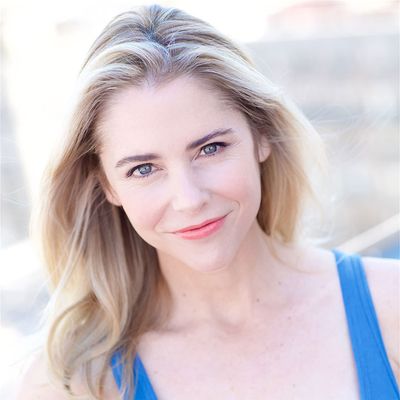
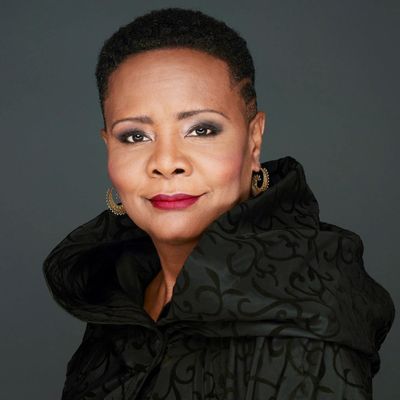
Donna welcomes beloved actor Kerry Butler, acclaimed Tony-winning actor/activist Tonya Pinkins and maestro lyricist/book writer Nell Benjamin to Sardis. Over lunch, these super power women chat about the twists and turns in their careers, their lives and Broadway... Read More
From the show: The Ladies Who Lunch with Donna McKechnie
Guests

Featured Shows
Videos
About
Donna welcomes beloved actor Kerry Butler, acclaimed Tony-winning actor/activist Tonya Pinkins and maestro lyricist/book writer Nell Benjamin to Sardis. Over lunch, these super power women chat about the twists and turns in their careers, their lives and Broadway.
Tony-Nominee Kerry Butler was most recently seen on Broadway in "Beetlejuice". Other unforgettable roles include: “Mean Girls”, “Disaster!”, “Catch Me If You Can”, “Xanadu”, “Little Shop”, “Hairspray” and “Bat Boy”.
Tonya Pinkins, a Tony-winning actor and host of the Broadway Podcast Network Podcast “You Can’t Say That’, has been celebrated for her work in “Caroline, Or Change”, “Jelly’s Last Jam”, “Play On!”, “Radio Golf”, “Holler If Ya Hear Me” and “The Wild Party”.
Tony-Nominee and Olivier Award winner Nell Benjamin is a lyricist, writer and composer has been recognized for her work on “Mean Girls”, “Legally Blonde”, “The Explorers Club”, “Sarah Plain and Tall” and “Cam Jansen”.
Produced by Dori Berinstein and Alan Seales, music composed by Matthew Sklar.
Part of the Broadway Podcast Network.
Every episode is recorded live at the legendary Sardi's restaurant, 234 W 44th St, New York, NY 10036. Thank you so very much to Max Klimavicius, Sean Ricketts, Beth Shafeman and the entire Sardi’s family for your tremendous kindness and delicious cuisine!
Transcript
This transcript was automatically generated and might contain errors.
[0:27] Donna McKechnie: Well, thank you for being here today. I'm so thrilled to see each and everyone here because I'm a big fan. I'm sitting here with Kerry Butler, Nell Benjamin, and Tonya Pinkins. And we're at Sardi's Restaurant in the heart of the theater district. My favorite place, almost, yeah, pretty much up there. You know, they don't have opening nights here as much anymore.
[0:50] Kerry Butler: No.
[0:50] Donna McKechnie: I mean, I've had a lot of celebrations here. It's like my life flashes before me, really, when I come here. But that's okay. So that's why I want to bring it back here. And um, here we and look at you. Oh, yeah. They've given us a set, isn't this adorable? They've lifted the put us on the stage. Another element I just want to share with you before we jump in, um, is this table was Vincent Sardi's family table.
[1:18] Tonya Pinkins: Oh.
[1:19] Donna McKechnie: And they use it really for just and the first show and I they didn't have a uh a cover and uh um and it was kind of like a work of art with all the doodlings and scratches.
[1:35] Kerry Butler: Oh, yeah.
[1:36] Donna McKechnie: And then I think Max came in and said, "We don't like we want to have a really nice restaurant look." So anyway, Kerry Butler. Oh my gosh. I had to take notes as I said, because I mean every time I know that you're in a show, I have to see it because you are so wonderful.
[1:54] Kerry Butler: Oh my goodness, thank you.
[1:56] Donna McKechnie: I mean, and I'm a big fan because uh right now you're in Beetlejuice.
[2:00] Kerry Butler: Yes.
[2:00] Donna McKechnie: And I was there, I think it was just before it opened.
[2:03] Kerry Butler: Oh.
[2:04] Donna McKechnie: And how was that tech?
[2:07] Kerry Butler: Oh my gosh. Well, the tech actually was very smooth, but there is a lot of uh magic and scary. Not gonna lie to you.
[2:19] Donna McKechnie: Did you see that the show yet?
[2:20] Kerry Butler: Oh my god.
[2:21] Donna McKechnie: And you know, this was an early audience, but there were people that had been there many times already.
[2:27] Kerry Butler: Yeah, the audience dresses up, people go bananas like every night, so it's fine.
[2:33] Donna McKechnie: So um, and meeting you yesterday for the first time was a thrill in a special way because of your podcast too.
[2:41] Kerry Butler: Oh yes, yes, I just started.
[2:43] Donna McKechnie: Yeah, what is the name of that?
[2:44] Kerry Butler: Um, it's called Breaking Broadway, and it's really because I get asked on my Instagram every day, how do I make it in the business? What do I do? So it's fun. I'm just interviewing people like casting directors and agents and really from a ground up, so people who don't live anywhere near the city will know how to find out about auditions, how we need it.
[3:04] Donna McKechnie: Yeah. Excellent. Okay, so I'm just gonna what we've got Blood Brothers. Was that your first thing?
[3:09] Kerry Butler: That was my first crowding show.
[3:10] Donna McKechnie: Yeah. And then two years of Beauty and the Beast.
[3:12] Kerry Butler: You went from that to Les Mis and Bat Boy, which I'm really sorry I missed seeing that.
[3:18] Kerry Butler: Yeah, it was great.
[3:18] Donna McKechnie: And uh like Bat Boy from Weekly World movies.
[3:21] Kerry Butler: Yes, yes, Nell's husband.
[3:24] Tonya Pinkins: That's right.
[3:25] Kerry Butler: Did you meet them, my husband?
[3:29] Tonya Pinkins: No, no, they um but uh two people he was working with at the Actors Gang saw this article. We're like, there should be a play about him, uh, and maybe we should have some music. And Larry said, no, there should be a musical about him. So they developed it all together, and Kerry was very good.
[3:48] Kerry Butler: I just started writing for weekends.
[3:50] Donna McKechnie: And then I saw Xanadu.
[3:52] Kerry Butler: Oh my god, and you learned how to skate in that show?
[3:55] Kerry Butler: I did, I did.
[3:56] Donna McKechnie: Wait, you didn't already know how to skate?
[3:58] Kerry Butler: No.
[3:58] Donna McKechnie: Well, when they called up, they were like, "Can you roller skate?" And my husband was listening, I was like, "Yeah, I can roller skate." And I had one, he's like, "Honey, did you just tell them you could roller skate?" And I was like, "Yeah, when I was nine, I used to go to roller skating birthday parties." And so then I had to do all kinds of tricks, and it was yeah, every day I was nervous I was gonna break a leg. But it was such a good news, yes.
[4:22] Kerry Butler: Three people did break legs before we opened.
[4:25] Donna McKechnie: So, how did you wish people good luck?
[4:32] Kerry Butler: But you know, that uh that show, uh uh, it was it was fantastic. And how long did that last?
[4:37] Kerry Butler: Um, I feel like maybe a year.
[4:40] Donna McKechnie: Yeah. Um Rock of Ages I missed. Now that how how was that experience?
[4:46] Kerry Butler: That was like a uh it was fun in that like I was getting to live out my rock and roll dreams. You know, like I got to perform all these fun 80s songs and sing, but at the same time, I was playing a stripper, and like it felt like I was a stripper, so it was a little demoralizing by the end. I was like, oh my gosh.
[5:04] Donna McKechnie: I really got into the character.
[5:06] Kerry Butler: Yeah.
[5:06] Donna McKechnie: Because you're a great actress.
[5:08] Kerry Butler: I just have to say actor now.
[5:10] Donna McKechnie: I have to be politically that's your show, right? Politically correct.
[5:12] Kerry Butler: You can't say that, the show where you can.
[5:16] Donna McKechnie: Yeah. But you are because then when I saw well, well, let's let's see, Catch Me If You Can, all these awards, the Drama Desk Awards, and The Call was the first play.
[5:28] Kerry Butler: It wasn't the first. The Best Man was the first one that I had to do with Angela Lansbury and James Earl Jones. But The Call was very close to my heart because that was at Playwrights Horizons, and it was about a family who adopts from Africa, and I adopted my daughters from Africa.
[5:42] Tonya Pinkins: Wow.
[5:43] Kerry Butler: So it was very personal. That was that wow, at the same time. That was I had already adopted my daughters. Right. And I went in for the audition, and I was like, yeah, I know this. Yes, yes. Um, but I still had to go through, you know, I had to go and callbacks and things like that, but I ended up getting it.
[5:57] Donna McKechnie: Wonderful.
[5:58] Kerry Butler: Yeah. And Under My Skin. Then I saw but that was uh I was off Broadway.
[6:04] Tonya Pinkins: Right, right.
[6:04] Kerry Butler: Yes, fun. And Disaster, I was able to see that, and then flipped for Mean Girls.
[6:11] Kerry Butler: Oh, yeah that was fantastic.
[6:13] Donna McKechnie: And I didn't even know it was you, and I was, you know, following you, you know, and then I went, is that Kerry? Who's that?
[6:21] Kerry Butler: Oh, it was great. The way you define this is the, you know, the way you define the characters.
[6:27] Donna McKechnie: Oh thank you. And you're so funny.
[6:29] Kerry Butler: Thanks.
[6:29] Donna McKechnie: But it's the acting, it starts with the acting, doesn't it?
[6:32] Kerry Butler: Yeah, for sure.
[6:33] Donna McKechnie: For sure.
[6:35] Kerry Butler: So Oak and I have this like Oklahoma in Europe.
[6:38] Donna McKechnie: Was that your first profession?
[6:41] Kerry Butler: We did the whole show in English, um, and then we did the finale in German. So it was so we learned Oklahoma Dynafelda, Vegasikens. We just learned it. We just learned it in the different languages that we went to. So I learned it in Italian and German. Like, think about it like that?
[7:01] Tonya Pinkins: No, kappa LAC you had to know.
[7:02] Kerry Butler: It doesn't fit.
[7:03] Donna McKechnie: As a lyricist, this is intriguing.
[7:05] Kerry Butler: Yeah, yeah.
[7:06] Donna McKechnie: Wait a minute, back up. You had to learn languages and for the sort of Oklahoma in the country that we went to.
[7:14] Kerry Butler: I see.
[7:14] Donna McKechnie: That's yeah, that's really everything else was in English, which wasn't great for comedy when you're in Germany and doing Oklahoma. But it was a fantastic experience.
[7:23] Tonya Pinkins: Right, yes.
[7:24] Donna McKechnie: Crazy. You know, they're doing a chorus line in Spain, Antonio Banderas. I keep mentioning it because I'm I'm so madly in love with him. And what but what he's doing, and he has given a theater to his birth town, Malaga, and they're opening next month, and he's going to play Zach. And he's so smart. He had he's doing the same thing, but in reverse. They're doing the whole show in Spanish.
[7:44] Kerry Butler: Oh.
[7:51] Donna McKechnie: And then the finale, um, and it was his idea at one, is in English because he said everybody knows and it scans. And it scans better, yeah.
[8:03] Kerry Butler: Yeah, the translations are tricky.
[8:06] Donna McKechnie: Actually, I have a funny translation story that someone told, I think Rusty Mowry told me, and it's about Hairspray, that when they were translating Hairspray into German, there's a line where um Velma von Tussel, who thinks she's defeated Tracy, says, you know, you're not getting on the show or whatever. Game set match.
[8:27] Kerry Butler: Oh, yeah.
[8:29] Donna McKechnie: And apparently the translators told them we don't say that. I was like, you don't say game set. I wasn't me, but someone said it's a game set match. And they're like, no, but we have we have something else that we can put there. So they put this phrase there that means like game over, but literally translates as cage closed monkey dead.
[8:50] Kerry Butler: Oh and it's it's I just want to make it a thing. I want to make it a thing in English, too.
[8:54] Donna McKechnie: Cage closed monkey dead.
[8:58] Kerry Butler: That's so funny. And when we translated when we had Legally Blonde translated into German, we asked those translators, I was like, is this story true? And they're like, Yeah, it's true.
[9:07] Donna McKechnie: Yeah, no, no, that makes sense. They knew the phrase.
[9:09] Kerry Butler: I don't even want to ask about that reference. Cage closed monkey dead. Was the cage closed first? Like, I don't know if the monkey was dead already or the cage closed somehow. There's it just it raises so many questions.
[9:20] Tonya Pinkins: Yes.
[9:21] Kerry Butler: As a good lyrics show.
[9:22] Donna McKechnie: Another way that theater brings us together. So I had I found this, and uh, I think you know, but it's the way I feel, and I would just and I love the fact that it was a Times reviewer that said this about you. Ms. But Miss Butler is the rare Broadway ingenue who is as funny as she is pretty, and she sings gloriously too.
[9:45] Kerry Butler: Charles Isherwood.
[9:47] Donna McKechnie: That's fantastic. Yeah, that's a good one. And I missed Hairspray. Glad you didn't read one of the bad ones.
[9:55] Kerry Butler: We all had them. I can't imagine you having a bad review. It's too you're too good. Even in Hairspray, which I also I think that was the first time I saw you. Maybe, yes, probably.
[10:05] Kerry Butler: And that character was so for a young, I mean, you were young. I mean, you're young now, but you were really young.
[10:13] Kerry Butler: I was the oldest one out of our cast, but yeah, it was it was amazing.
[10:21] Donna McKechnie: And a great one. I loved it. So it's really fun. So Nell, I I said it before, but congratulations on uh Half Time. I was thrilled to I love that score.
[10:32] Nell Benjamin: I know.
[10:33] Donna McKechnie: And one of my the highlights for me uh of that year, of if if more than a year, certainly, uh, even now, people are calling me um because they loved the score so much before I even heard it you know it was wonderful to watch and to work with you and Matthew Sklar who the composer uh on that new song and and mix things up and change I mean it was like that's my favorite part of course you know being in the room creating finding that process that it's hard to find anymore you know the time the luxury of time that we we used to have right um so yes so I this was I have to refer to my notes I have to know you're I didn't know well you're a composer as well lyricist and a playwright lyricist libretist right here playwright is like fancy for bookwriter.
[11:26] Nell Benjamin: So these are just little so Legally Blonde but that's what you did with the Lawrence O'Keefe and um Tony Best Original Score nomination.
[11:38] Donna McKechnie: Nomination yeah and then Mean Girls where you uh nomination best lyrics uh because of Win Dixie I've heard so much about this.
[11:48] Nell Benjamin: Yeah we just did it up at Goodspeed right um it was a beautiful production it's a very sweet it's a great book if you don't know the book um and uh uh so it's essentially about is it going to I don't know where you know you never know where the things are going but but we were really pleased to have the show we had up there and it's generated a lot of excitement so hopefully yeah, you know someone will see it at some point.
[12:14] Donna McKechnie: And then well all these all these shows that I've heard about, but I wasn't privy to to be there at the time. Dave in Washington was at the Arena Stage.
[12:23] Nell Benjamin: Yeah, yeah, that was really fun.
[12:25] Donna McKechnie: Yeah. And The Explorers Club.
[12:27] Nell Benjamin: Explorers Club at Manhattan Theater.
[12:29] Donna McKechnie: I loved that.
[12:30] Nell Benjamin: Thank you.
[12:30] Donna McKechnie: I love that. That was fun. That was just like letting your kid go out there and that was a that was your I mean what the where did you get that where did that come? How did that come to you?
[12:41] Nell Benjamin: Um the 'cause I love the subject of it, you know. So the the original inspiration was um a friend of mine who's a rather brilliant scientist who had had a lot of struggles uh being treated as a scientist because she was female. Um and so she would tell me these crazy stories and um you know, so that was kind of the idea.
[13:04] Donna McKechnie: But the old boys club.
[13:05] Nell Benjamin: Yeah, the old boys club kind of thing. So I thought if we had a literal old boys' club, that would be fun. And I've always been a fan of like these crazy explorers clubs and uh the idea of these sort of um this period where uh science was mostly sort of a cheerful rich dilettants who would go out and be like, you know, uh you know, I found this guy. And do all this sort of stuff. And they were, you know, sort of lurching towards uh scientific reason, but so blinkered by their own uh prejudices in a lot of cases and and just upbringing and stuff like that. And which of course we all still are, you know.
[13:45] Donna McKechnie: Yes.
[13:45] Nell Benjamin: Um when you do something like science. But so I just thought it'd be really, really super fun and um uh any in a play that had like a bar smack in the center that was very much about cocktail culture was also very interesting.
[13:58] Donna McKechnie: And that yeah, eighteen seventy-nine?
[14:01] Nell Benjamin: Um the turn of the century, which is believe it's seventy-three.
[14:05] Nell Benjamin: Okay. I'd have to l it's I don't remember offhand. But it was it was nerdy and fun in every possible way for me. It was like my my steampunk nerdiness. My um there was also a bunch of incredible stories about women who go into the sciences. There was a very uh the name is gonna fly right out of my head as I tell you this story, but there was a woman who was a very accomplished mathematician and astronomer, and she wanted to use um a telescope in Italy that was in a monastery. So she petitioned the Vatican so that she could use their telescope. Uh and they, you know, they said an unaccompanied female with all these men around. And they said, well, you can use the telescope, but only during the day.
Which for those people who do astronomy which is utterly useless. So they've been so they were so concerned about her virtue and the virtue of the monks who presumably. Was it really the virtue of when we think about the scandals we're going with now? She wasn't really. Right, she wasn't even, you know, but but the I guess the idea with the impropriety of this lone woman being surrounded by men. Yeah, but this is what I love about even a mean girls when it came through, you know, you empower women and girls. I mean that that's it's an it's it's a great thing because it it's an entertainment, you know, you serve it up, but then the message is there. And uh so it's like when you think of that, I I would love to see the day when the empowering is is there, and then there's no threat. Do you know what I mean? When we're the threat of of uh what is the threat of a woman doing what women want to do? What where is the threat? It's uh that's a power game, you know.
[15:49] Tonya Pinkins: Yeah, well, we have to build a community of women who are comfortable being powerful and other women who are comfortable being around powerful women. So it's like building that community of powerful women enjoying the community. The men not wanting to keep the the place.
[16:03] Nell Benjamin: Yeah, I I've I've been thinking a very long time about why we as women surrender our power sort of voluntarily. We are animals, and in nature, there are just so many species where a male would not think of approaching a female in any way. They would get killed, they would get eaten. But somehow we as human females have um dismantled that particular self-provation self-preservation instinct in order to catch a man, I guess. Because in nature we would be like, ha, don't you dare come near us, and we just mothers, right?
[16:39] Kerry Butler: Right. Instead, we're looking for legislation to protect us, and it's like asking the fox to protect us. Like that doesn't make sense to me. There's uh so how did she solve was the problem solved? Is she did she what my friends?
[16:52] Nell Benjamin: Yeah. Oh yeah, she just does she did her work and she's a brilliant genius, you know, doctor of physics, astrophysics, and she's launched satellites for Eason. That's like that's the key. Just keep doing the work, right? But then also there's other things that come up like kids and family and you know, uh how does that that's obviously not something we explored in Explorers Club, but that does change what you're able to do, how you're able to do it, unless you're lucky enough to work with powerful women who say, nope, that's part of it. And I'm going to I'm if you're going out of town with a show, I'll find you an extra room for your kids to be with you. And I will make allowances for the fact that the first week of school you can't have rehearsal because you'll be involved in the world.
[17:36] Tonya Pinkins: Exactly. Um, these things can be worked out. And and it's so interesting that what I'm learning, uh what I mean, thank you very much really good last time too um it is like we were talking to Bethlehem and she took time out to have her two kids I I believe and um you know lived with that threat of I might I not I might not be able to get back or find you know backtracking or I I'm gonna miss out or whatever that great opportunity is and she came back just fine if you live long enough I think you find that you can and you had I'm I'm listening to and some of the things you were talking about when your acting teacher said don't have right my my acting teacher Bill Esper. He was great in every other way but it's well he was great even in that he was honest and it was absolutely true I was pregnant with my first son during the class and I birthed him and came back and would carry him around in my little fanny pack while I was doing the the object exercises. He like grew up in Bill's acting class and then he went grew up in took Bill's acting class and Bill.
[18:43] Kerry Butler: You already had a career at that point um was this career had I had a career I'd been on soap operas and stuff like that. So I've been working professionally since I was like twelve and he just said you know if you have these he said don't have any more he said because it takes time to raise a child and he said everyone who is coming up with you they will have progressed in their careers beyond you and you would just will never catch up. And that is absolutely true.
[19:13] Tonya Pinkins: Uh-huh but I don't regret having my children. So I did the jobs that I was supposed to do, and for me, a life has always been more important than a career because a career is not a life.
[19:24] Nell Benjamin: Yeah. Right. And it cannot sustain you.
[19:26] Tonya Pinkins: Yes. But also as an artist, everything you are, you can only act so much, you know. Everything you are reflects in in what you do.
[19:32] Nell Benjamin: Yes. Yes. And there's I I I had to take a break, I mean it was forced, but uh when I got really ill, but it was all about not giving myself a a chance to be, you know, s to enjoy myself enough. And my body just stopped. But um, but I think what you're saying is true, but but when you do step back and gather your resources and then come back to the fold, there's so many opportunities, and now at my age, my gosh, um, I had no idea I would be working into my 70s.
[20:09] Kerry Butler: Yes. Yes. But you have to also you have to keep creating the demand too, you know.
[20:16] Tonya Pinkins: But a life is very important. I mean, to balance to be able to balance that out, uh, and I was never good at I was always struggling to survive. But anyway, enough about me, as they say.
[20:29] Nell Benjamin: What do you think about me?
[20:30] Kerry Butler: Yeah. I just want to cover just a couple things with Nell because uh I I I wish I had seen this too, and this might be still touring. Uh Sarah Plain and Tall that you
[20:38] Nell Benjamin: Oh, thank you. No, that is not still running.
[20:43] Kerry Butler: Okay. But that got such good response and um Dallas Theatre Center, and we did that with Theater Works USA, which was one of the first um uh places to actually hire me to do anything. So I'm very fond of USA.
[21:00] Nell Benjamin: Sorry.
[21:00] Kerry Butler: That's all right. Um Bonapet, everyone. Um and the and these are interesting facts that I for me they were really interesting. That you've got all these wonderful, like the Clebad Foundation Award and the Cleveland.
[21:15] Nell Benjamin: The Cleban i is a very strong reason why I'm why I do what I do, because I was lucky enough to win the Clean, which was both um enough money to live and finish Sarah among other shows that I was working on and do a great deal of work on Explorers Club uh way back when. But also this um affirmation that said someone thinks what you do is is good.
[21:40] Kerry Butler: Yes. Yes.
[21:40] Nell Benjamin: Um that was huge. I'm very grateful to the to the Cleaveband and to Ed Cleban for setting it up in the first place many, many years ago. So yeah.
[21:49] Kerry Butler: He was gr a great person and a great lyricist. I didn't know him, but he's I I loved him so much, and he was the unsung hero, I think, for a chorus line.
[21:57] Nell Benjamin: Oh, his lyrics on that.
[21:59] Kerry Butler: Yeah. So and then there was the Jonathan Larson Grant and likewise, yeah. I love the the support that you can get because people think that when they see us in our, you know, finery and our presentation and our performances that are well rehearsed, they think that life is just great and we live a carefree life.
[22:22] Nell Benjamin: And it's you know, it's it's just easy, you know.
[22:25] Kerry Butler: So we know that's not true, but um and they want to think that because it's an it's an escape from their own lives. They want to think that there's some other place that one day they could go and it would be different.
[22:36] Tonya Pinkins: Well, one of the things I love about sharing um the uh the the ups and downs, you know, that we all have the we all go through it, I think. Uh but it's wonderful, it's encouraging and inspiring for someone like a younger generation or you know, women who are struggling with aging, you know, and then they want to keep singing and and they've got it everything changes. I have a new voice teacher because your chords get thicker. Everything, your body changes.
[23:07] Kerry Butler: Yeah. Well I can still sing a high C.
[23:10] Tonya Pinkins: But you know Did you get a lower voice?
[23:13] Kerry Butler: What? Did you get a lower voice?
[23:16] Tonya Pinkins: I did.
[23:17] Kerry Butler: Me too.
[23:17] Tonya Pinkins: Yeah. But that's it.
[23:18] Kerry Butler: I like almost a baritone.
[23:19] Tonya Pinkins: That's that's great. But I mean as a non-performer it's so vocal talk is so interesting to me really.
[23:26] Nell Benjamin: No, it really is because we write musicals and you just write what you write and then if it tortures someone that's not your problem. Um but it's but oh it's true this is the general thought and and I think there's also been a trend towards much more difficult scores particularly for women. So for me trying to learn a little bit about how people take care of their voices and what they can and can't do becomes kind of important because sure I could write you this fabulous song but unless you're Carrie Butler like it can wreck your voice within a month you know and that's not what you want.
[23:58] Kerry Butler: You know the the interesting thing my teacher Derek uh Rosenblatt also works my building and he works with Alex Bright now. Yes a lot of people but he was you know be and I went to him because I I said I started it you know I had a light uh soprano and I was one of those belters that worked with actually worked with Ethel Merman and but before microphones. So I was just it was all that big big sound and high you know but I went to him and I said, look I want to be able to keep singing, but I want to be able to blend that, you know, that passad. I want to be able to make it that one voice. And so the transition isn't rough it that it that it goes right up in its place and is you know reflex and everything. Anyway, sorry for all that.
[24:46] Nell Benjamin: Nope. That's what I said. This is interesting to me. And because I wanted to be able not to sing mean girls, but you know, that's n I couldn't do it anyway. But but to be able to keep singing, you know, just to be able to keep doing, because I love it so much.
[25:01] Kerry Butler: Yeah. Um, but he worked with Alex Brightman, and um I said, how when he was in the other the other show, the the rock uh school of rock, I saw him and I went, How does he do that eight times a week? I think he can't do that. I mean, he you know, he should have a career. He shouldn't be this shouldn't be his last show.
[25:22] Nell Benjamin: And uh he worked out, did you know this that they filmed extra, yeah, to make sure he's singing how to they they filmed how did you can have it? Right for insurance purposes too, you know, because in Betelgeuse he ha does this raspy voice the whole time. So if the whole show is on his shoulders and he's out then, so they scoped him doing the voice, and he has he doesn't have an extra um fold, fla he's a flap that most people don't know how to work. It's not on the cord. He doesn't hurt at all. Right. It's not it's like it's right here, it's not on the chords, it's not around the court, that's like right here, and he has learned or he's now trained himself, yeah, to do it to so he can feel it. So when you see in the film, and I saw it at Derek's when you see the film, you see a na a natural sound where you see the accords approximating it.
[26:15] Kerry Butler: Yeah, of the scope.
[26:17] Nell Benjamin: No, this is astonishing. This is not talking. I thought it was phenomenal because I was really concerned about him because he's such a great performance. You know, do you know have you ever heard Layla Hathaway who can sing two notes simultaneously she can she can harmonise with two quartz. She can hit two she can harmonize with that. That's a cultural thing. And I wonder if that she has something like that because it's amazing when you hear her hitting two notes at the same time.
[26:42] Kerry Butler: Well there's a there's I I mean I actually saw when he was using these muscles and when he wasn't when it was just the chords approximate his normal and there's a is a certain thing it's like when you have to growl or scream like when you have to scream in the script yeah yeah I finally learned how to do it. I was losing my voice when I did dark shadows I had to scream all the time and uh you have to scre and Larry blank taught taught me you know the music director that you have to scream on pitch.
[27:14] Tonya Pinkins: Yeah if you go for singing thinking if you go for a pitch then you can scream hit your tongue out of the way hit hit your tongue out of the way. You know like instinct when you're scared you will pull your tongue back.
[27:26] Kerry Butler: Okay.
[27:27] Tonya Pinkins: But so you go ah kind of I don't know if my tongue was out of the way but I was trying to think I feel like if you're in dangerous situation that's a better way to scream than the scared way to scream. Because that would actually I'd be like I'm not loving you.
[27:40] Kerry Butler: Oh you have the power you have a voice okay I don't I can't wait to get you but I just want to cover so when you went to uh um I have to have one bite of my crab tea um when you went to after you were here you went to Harvard and you met your husband at Harvard and then you went to after right you went to I went to college at yeah and I met him there in college. And then you guys went to um California and wrote for television for the city.
[28:10] Nell Benjamin: Well, we were so we both went, I did not write for I wish I'd written for television for a decade. No, I went to California. He was there working with the actors' gang. He was actually working in theater, but he also did um uh uh USC film scoring school. Um and I worked here for a while and I did graduate school here, and then uh decided I I so you know what with college costing what it costs and um things like that. I did not I did not think I would be able to make a living writing. So it so I loved to do it, but I didn't think I'd be able to do it. So I went into banking. And uh and I did that for a while, and I did grad school and then I did banking. And I and it was incredibly interesting, and I met very fascinating people and they loved what they did.
They really loved it. They could watch the markets. I went on a trading floor, which was super exciting with brilliant people, and they just would love it. And I did not love it. And so I thought, well, I could, you know, I could do well in this, um, but it's not what I love. Numbers, that's a whole other part of the that's a separate part of the brain, I think, because I don't really know. No, I think numbers are very similar to music, yes. And language and stuff. Yeah, I don't think it's that yeah different forms. But um, but it's more like, you know, I don't know, it's just if you if you love the problems of how do I say, you know, hedge my risk, or you know, where do I think this is gonna go or how do I think this is gonna work, then then you love that problem or you love that game. And if you love the problem of how do I say this in a certain way, that's a different game. Um and one that I like better.
[29:50] Tonya Pinkins: I like the way you put that. Love the problem because I try to tell my kids all the time that life is just learning how to solve problems. And if you want to have a really big life you have to be willing to accept some really big problems.
[30:02] Nell Benjamin: Yeah, that's a great thing.
[30:03] Tonya Pinkins: Yeah.
[30:04] Nell Benjamin: And the to me the harder it is to solve the more fun it is to work on. So when people say, you know, well you should do this as a musical thought is can I see it as a musical already? Is it easy? And if it's easy I'm less tempted.
[30:18] Tonya Pinkins: Yeah.
[30:18] Nell Benjamin: When someone pitches me the weirdest idea ever and you're like that's what I want that one for you.
[30:23] Tonya Pinkins: Oh yeah?
[30:24] Nell Benjamin: Mm-hmm. Because of the challenge too. And it's like sometimes I go, what am I what am I gonna be able to give this and what is it going to give me? What what is it? The fear, it's like I've always been most successful when I've walked into the fear.
[30:40] Tonya Pinkins: Me too.
[30:40] Nell Benjamin: Walked forward.
[30:42] Tonya Pinkins: Yes.
[30:42] Nell Benjamin: And I'm a and I'm terrified a lot of the time.
[30:45] Tonya Pinkins: Yes.
[30:46] Nell Benjamin: But it's like I don't know it's like a modus operandi at this point, you know, I don't know how else to do it. Otherwise I'm not interested.
[30:52] Tonya Pinkins: Agreed.
[30:53] Nell Benjamin: I get bored or something. If it's there's no challenge, something that I can fail at, I'm not interested in the job.
[30:59] Tonya Pinkins: And we want to get better too, don't we?
[31:01] Nell Benjamin: Yeah.
[31:02] Tonya Pinkins: Um I have to you know Tina Faye, I'm gonna be jumping all over because I can't wait to jump away. I'm uh I'm jump I'm already in Jelly's Last Jam in my head. Um but how is that with that that you've worked with so many different um composer writers.
[31:20] Nell Benjamin: That's that's a that's a challenge isn't it to uh how do you uh well it depends with my with my style of working it's uh easy because he he's a genius and uh and it's fantastic. The only the only downside of working with your husband is you can't come home at night and complain about the idiots at work.
[31:39] Tonya Pinkins: Um but he is so that's you know, we already have a shorthand and we have the same sense of humor.
[31:48] Nell Benjamin: I'm curious about the words come first, the music, everybody's a little different.
[31:52] Tonya Pinkins: Everybody's different, yeah.
[31:53] Nell Benjamin: But you start with part of the words, like the first one.
[31:56] Tonya Pinkins: I start.
[31:58] Nell Benjamin: I mean, you s for us um and in most situations actually, or start with the moment. Um because what what is the moment here where a song will take a character from point A to point B to point C, as opposed to a song that will maybe restate an emotion that's already happened, which I don't find so interesting. Like so you don't want to keep playing the condition.
[32:21] Tonya Pinkins: No, you know, even if you're like, oh, I have a great phrase or I have a great tune or I have a great whatever.
[32:25] Nell Benjamin: I kind of feel that for musical theater, unlike for some other kinds of songs like pop or things like that. It's not about sitting necessarily in emotion, it's about watching a character make a decision or do something.
[32:36] Tonya Pinkins: Like a beginning, a middle, and then a resolve.
[32:39] Nell Benjamin: Right, to say I'm feeling this is just step one. But to say I'm feeling this, so what am I gonna do about it is what kind of grips me when I'm watching a song. So uh so yeah, the moment where we say, okay, this is a big decision, this should be a song, or this is uh a moment where they're trying to accomplish this, so that should be a song.
[32:57] Tonya Pinkins: And then and then start throwing words out.
[32:59] Nell Benjamin: And I I like to hand a finished lyric to a composer. That's what I like, because I'm a crazy uh control freak perfectionist. So I like to make sure it's like exactly what you're fast that if they did that, it would be I would be fine with it, like if they didn't touch it.
[33:16] Tonya Pinkins: Of course, they never don't touch it, particularly with my husband, who then returns it in a way that's made it better, which makes me competitive, and then I get another draft and so we're always kind of throwing our A game at each other.
[33:27] Nell Benjamin: That's what I'm saying, though. I think that makes it better. And then some things stick and some things deep. Some things fall away, or something you think is the most brilliant idea ever, and then the person that you trust most in the room says, I I don't even get that joke. And you're like, really? All right.
[33:43] Tonya Pinkins: Um but yeah, but but I've also been lucky, not just in worrying with Larry. I've worked with Jeff Richmond on Mean Girls, and he is a brilliant composer, and he's also Tina Faye's husband.
[33:52] Nell Benjamin: Yes, yes, and Tina as well, which I can talk more about in a second, but uh Tom Kitt and Matthew Sklar.
[33:58] Tonya Pinkins: Yes, yeah, Matt, I I'm in love with him.
[34:01] Nell Benjamin: Oh, he's wonderful, yeah. I mean these are all the things. But Tom Kidd, that that's a whole different was that a different working uh it's always different because they're different people, but these are people steeped in how musicals and music work, and they're the kind of composers that I think are great, which are they have a sense of how and dunk in cheek as well, like th how the words are gonna sit on the music and what they're gonna do for the show, as opposed to sort of handing you a tune and saying, Here's the tune.
[34:30] Tonya Pinkins: Right.
[34:31] Nell Benjamin: So they're putting it in. People of like mind that they respect the same things.
[34:35] Tonya Pinkins: Yeah, and we've and I feel very comfortable telling them I find this an interesting idea for a song, or I don't find that an interesting idea for a song, which doesn't mean it's a bad idea for a song, it's just me personally. I'm not gonna generate a good lyric because it bores me.
[34:49] Nell Benjamin: Yeah.
[34:49] Tonya Pinkins: Um so that's I I actually feel very lucky to have worked with so many different and smart and talented people.
[34:58] Nell Benjamin: Yeah.
[34:58] Tonya Pinkins: Yeah.
[34:59] Nell Benjamin: And that I that's theater. The collaboration is what makes it fun.
[35:01] Tonya Pinkins: Yes, exactly.
[35:04] Nell Benjamin: Kind of going off on your own and writing your memoirs.
[35:06] Tonya Pinkins: Yes.
[35:07] Nell Benjamin: Um, it's much more fun to be in a room with a bunch of smart, fun people and and solve the problem than on your own. And that that is that is the best, I think.
[35:15] Tonya Pinkins: And and I uh gee, well anyway, I I have to read this quote because this this jumped out at me. Because it has to do with the mean girls, you know, the message that you give to all of your, you know, through all of your work, because you care so much about the the as we all do in our work, the human condition, you know, and the theater that brings us all together.
[35:36] Nell Benjamin: And this is uh one of the can't read my own writing.
[35:41] Tonya Pinkins: It's very late.
[35:43] Nell Benjamin: Uh one of the roughest things you can do in life is stand up for someone you have no stake with, and it's the necessary courage to have.
[35:52] Tonya Pinkins: Yeah.
[35:53] Nell Benjamin: And that's I love that.
[35:54] Tonya Pinkins: That just went well, that's well, that's hard.
[35:56] Nell Benjamin: That's what it is, right? It's some, you know, maybe you have the courage to stand up for yourself. But it's when you talk about these uh bullying situations or situations in school or wherever, or you know, in life in our often very unjust world, the hardest thing to do is to have no stake in someone to actively know that it will actually hurt you to stand up for that person and still have to do something.
[36:21] Tonya Pinkins: Do the right thing.
[36:22] Nell Benjamin: And I'm not naturally that person. I'm in many ways a very deep coward, and I've had to make myself something like that.
[36:29] Tonya Pinkins: Yeah.
[36:29] Nell Benjamin: Whereas my daughter, and I th I like she she's amazing to me. She'll like go up to the people on the playground if there's something going on. She's like a full foot shorter than everybody else. And she's like, he said no. Leave him alone. And I was just like, Where does that come from?
[36:47] Tonya Pinkins: And that came from you.
[36:49] Nell Benjamin: I I wish, but no, but you're love. But it's obviously the love and support.
[36:52] Tonya Pinkins: That you don't just want to do it.
[36:57] Nell Benjamin: It's what she brought into the world, right? But I also think it's a changing time. I mean, she was raised with mean girls, frankly.
[37:02] Tonya Pinkins: Uh and and these are the messages that we're putting out there.
[37:05] Nell Benjamin: And uh, you know, I don't know that mean girls made her brave, but I do think that Tina Fay and her whole being a woman comedy world, uh, people like her are s are sending the message that like we're gonna be who we're gonna be, and we're gonna do it in a way that is decent and kind, and we're gonna have comedy that's about making the world better, not comedy that's about um sniping at people and bringing them down.
[37:30] Tonya Pinkins: We're not gonna punch down.
[37:32] Nell Benjamin: We're gonna punch up.
[37:33] Tonya Pinkins: Right.
[37:34] Nell Benjamin: I love my punch gestures, I'm sorry. She uh and I was surprised at this that she in in a an article I read said that she didn't want to be the only woman in the room in the workplace.
[37:46] Tonya Pinkins: Now I remember hearing stories.
[37:49] Nell Benjamin: I was lucky to work with Nancy Ford and Gretchen Cryer and you and uh Carolyn Lee. I did some TV with her.
[37:55] Tonya Pinkins: Oh my gosh.
[37:57] Nell Benjamin: And uh Dorothy Fields I never met, but I would hear I love her lyrics, and I I heard stories that she was in the day uh of the old boys' club. She was the only woman.
[38:07] Tonya Pinkins: And she had a you know, she had a real challenge with that.
[38:12] Nell Benjamin: I think there was there's certainly a generation where just to get one woman in was incredible.
[38:17] Tonya Pinkins: Right.
[38:18] Nell Benjamin: But it's better now.
[38:19] Tonya Pinkins: But that much better, I don't I don't think.
[38:21] Nell Benjamin: And we're working on it.
[38:22] Tonya Pinkins: But Tina when she told this, she told it it I remember it very vividly, the variety of women in the arts, powerful women, it's one of those women in in the title in somewhere, and she told this great story.
[38:34] Nell Benjamin: Um and because she's funny, she said uh she said that I would be the only woman in the room and when I would try and hire other women, it would be like I asked to get a cappuccino machine and they'd be like oh no we already have one of those like we don't need two of those and then they and they said and God forbid the cappuccino machine was like a little didn't work so well they'd be like no no no we tried that cappuccino machines don't work in this situation she's like I will not be the cappuccino machine so that's the chant that when I'm when I'm lucky enough to be considered for a project I'm like who can I who can I bring in with me and that's a hundred percent due I think to hearing that story from Dina is just understanding oh wait because I never thought I'm like it's not my responsibility to make sure other people that's right but it is my responsibility yes so that is uh at these times anyway I think um you know there was it reminds me of there was uh do you know the the Cuban pianist um Alisa de la Roca?
[39:32] Tonya Pinkins: I do not know.
[39:32] Nell Benjamin: She was a great I mean I remember my psychiatrist telling me this story because we were talking about some of these issues and she was a fantastic pianist and there was this haughty conductor who said would go around saying I can always tell when it's a male or female playing on a recording because men are just better.
[39:55] Tonya Pinkins: And I don't know if he meant in terms of the strong left hand or whatever.
[40:00] Nell Benjamin: Yeah he the the whole point of this story and the funny part is that uh um he listened to her recording and he said that is not a woman that's you know so well there was a very famous situation that happened with a lot of symphony orchestras.
[40:18] Tonya Pinkins: Now people audition behind a screen.
[40:20] Nell Benjamin: Right.
[40:20] Tonya Pinkins: So you can't tell if it's male or female.
[40:22] Nell Benjamin: And since they started doing that, we have upped the number of women in the symphony orchestras.
[40:27] Tonya Pinkins: When did that happen?
[40:28] Nell Benjamin: Uh I don't know. I read it in one while ago. It's about 10 or 15 years. Like a Malcolm Gladwell book, like Blink, I think I read about it in.
[40:35] Tonya Pinkins: So I just know everything we're talking about.
[40:43] Nell Benjamin: I mean, it it's uh you were so compelling to me to see you on stage when I first saw you.
[40:49] Tonya Pinkins: Jelly's Last Jam.
[40:49] Nell Benjamin: I feel the same way about you.
[40:52] Tonya Pinkins: And everything you are and I would try to dance in my life.
[40:56] Nell Benjamin: And last night I had been watching because I had missed uh I was out of the country, I think when you did Caroline or Change.
[41:04] Tonya Pinkins: Um and I was watching all the and you know what performances don't always come across on film with that kind of you know edge and excitement and everything, but I was so moved by it.
[41:17] Nell Benjamin: Uh I think it was maybe the opening night or uh uh you know, Carolina Change.
[41:22] Tonya Pinkins: Do you don't watch those?
[41:23] Nell Benjamin: Um no.
[41:24] Tonya Pinkins: Okay.
[41:25] Nell Benjamin: I have a hard time with it, but uh it was so uh everything I want to be in life.
[41:32] Tonya Pinkins: In other words, you you know that you the power of your conviction, your passion, and then to and so I was watch reading about you and watching all these things, and uh she will all of a sudden she appears last night and Dori Berinstein's our wonderful producers get together for the the um the what is it Broadway I got Broadway podcasting Broadway Podcast.com and and you appeared and I almost burst into tears because I had so much uh you know, new I your your performance was so fresh with me.
[42:08] Nell Benjamin: Um so and Jelly's Last Jam was the first.
[42:12] Tonya Pinkins: Now that was not your first show.
[42:14] Nell Benjamin: No, Merrily We Roll Along was my first Broadway show.
[42:16] Kerry Butler: Really?
[42:17] Nell Benjamin: Yeah.
[42:17] Kerry Butler: The original one.
[42:19] Nell Benjamin: Wow.
[42:20] Tonya Pinkins: And you're being from Chicago, you did some, did you do you did some work with Goodman Theater?
[42:26] Nell Benjamin: Um, my very first professional play, I was 16. I did Death and the King's Horseman, the world premiere of Laysinka's play, and Gregory Mosher directed it, and I went to the Kennedy Center in my senior year.
[42:37] Kerry Butler: Wow.
[42:38] Nell Benjamin: And then I booked Merrily when I was 19 over Christmas break of my freshman year at Carnegie Mellon.
[42:44] Kerry Butler: Because everybody was young in that production.
[42:45] Nell Benjamin: That was not really.
[42:47] Kerry Butler: But that was the press.
[42:50] Nell Benjamin: That was the best.
[42:51] Tonya Pinkins: Okay.
[42:52] Nell Benjamin: The things you learn at lunch.
[42:55] Kerry Butler: But then, but then that was kind of going imploding, right?
[42:59] Nell Benjamin: That show they had to make changes and it started one way, and as does happen.
[43:05] Kerry Butler: Yeah.
[43:06] Nell Benjamin: You know, I was at my osteopath, the comiopath the other day, and he was explaining to me the history of those two forms of medicine, and he used this word in a way I'd never been used before, which was that it was clairvoyant. And I was like, Oh, that's what I am. I am clairvoyant. And so I remember getting that show, and it wasn't gonna start for a year before I went to college, and I just I didn't ever think that people were like, Oh, you're gonna be a star and the show's gonna sit. And I was like, we'll see. You know, I just I don't know, I had that kind of feeling. And I always dreamed those were the two people I most dreamed of in my life to ever work with Hal Prince and Steve Sondheim.
Wouldn't you so to get to do that was amazing. And I think as weird as it sounds, to watch the two greatest people in the genre fail was the biggest gift I could have ever gotten because thereafter failing just didn't mean that anything. It was like they're great. And they failed. And they'll be great again. And so it's like for me, it's like failing. If you're not failing, you're not really trying hard enough.
[44:06] Tonya Pinkins: That's a good point.
[44:06] Nell Benjamin: Yeah.
[44:07] Kerry Butler: Not failing and not learning. That's a great lesson I to take. I mean, because uh, yeah, not to have those expectations, too. To focus on what is important, you know.
[44:20] Tonya Pinkins: Yeah, your next job was what was Joe, what was that?
[44:23] Nell Benjamin: Oh gosh, I don't know. I've done like nine Broadway shows. So I'm let me refer to my...
[44:29] Kerry Butler: After that one, I don't know. Merrily, then I don't know.
[44:33] Tonya Pinkins: We have a lot in common. We have Beakram in common too, but I'm gonna uh, yes, the um, um, Caucasian Chalk Circle. Was that the first time you worked with George?
[44:42] Nell Benjamin: No, C. Wolf. I met George C. Wolf when I was on the soap opera, I think it was on As the World Turns, and a friend of mine, Kija Bostik, said, You must meet this man, he's so brilliant. And he was um in the NYU musical theater program.
[44:57] Kerry Butler: Oh my gosh.
[44:58] Nell Benjamin: So I met him and I read what would become The Colored Museum, and it was just the most extraordinary writing I'd ever read, and invited him to write my nightclub act at what was then Sweetwater's on uh Amsterdam Avenue. And so he wrote this nightclub act for me, and it was fantastic, but what it wasn't to me was it wasn't The Colored Museum, these crazy characters who were prescient, and um, and so I thanked him for making this thing, but I was trying to say I wish I had some of those crazy characters, and however I explained that to him, he heard it as me attacking his writing, and he didn't come see the show, and he didn't speak to me for the next seven years, during which he became the George C. Wolf. And I couldn't even get an audition for anything he had done.
[45:46] Tonya Pinkins: Oh my lord.
[45:46] Nell Benjamin: So that you're not going to be able to do that. But we were both drawn to each other, obviously. I've worked with him more than anyone in my career, and there's just nobody more thrilling to work with as an artist. He's also clairvoyant and brilliant and funny. And once you've worked with him, he spoiled you for life. I just want to work with him so much. I just want to work with him. And I hope I do. But I have to tell you the funny story. When I um when my dear friend Tommy Walsh, we were doing a he was directing me in a show that I put together. And this is when George first got to the public theater, and I had a meeting set up, and I was really excited but very nervous because I didn't know if I would fit into what he was trying to do there.
[46:31] Nell Benjamin: And as it turned out, I was right about that. But we get in the office, and you know how those meetings are. I'm very it's really hard for me to, you know, to talk about what I'm doing, what as you know, do a what did they call it? Give a good meeting. Yeah, bitch. But I sat there and Tommy was great with me, and George is sitting there like this, and he goes, You don't remember me, do you?
[46:56] Nell Benjamin: Yeah, and that was my That was I I just went, oh my god. I've been in my little ego bubble too long. I can't I've worked with him, no, I haven't worked with him. And I said, uh, gee, George, I don't know. I I I I I remind me, you know, I'm just like falling apart. And he said, I was an apprentice at Williamstown when you were doing uh Threepenny Opera with Raul Julia. And I went, an apprentice. First of all, there's so many of them there's so many. And no, I didn't remember him. And he, you know, because they would do everything. They would sleep in a house together, they would paint the sets, they would build the sets, and then they had them as extras. They wear these big monk, you know brown sacks on their head. And um, but I thought that but he had fun with that.
[47:48] Kerry Butler: Yeah.
[47:50] Nell Benjamin: But it was like a j was it a sort of like a pleasant joke to put you here, or was it a power move to sort of put you not at ease?
[47:57] Kerry Butler: Well, I just think he was having fun with it, you know. Uh no, it wasn't to put me at ease. No, I don't think. But I really sort of funny that in an industry that is dedicated to communication, there's so many miscommunications off stage. It's just very I have such respect for him and admire what you know what what he does. He's just a great director.
[48:19] Tonya Pinkins: But that's amazing. What I love is that Jelly's Last Jam, which was a phenomenal show with a phenomenal cast, and that was your Tony Award-winning performance, and uh the what you went through, it's like you've talked about it before, but to have that was that a fear, you know, she kept everything kind of like close to the chest, you know, your rehearsals.
[48:46] Nell Benjamin: Oh when you finally it's a yeah, it's a little you were being protective or no, I I hadn't, as I said, George and I had gone like seven years of not communicating. Right, and then he called me and asked me to come in as a you know, like to replace someone who was leaving Caucasian Chalk Circle, which was in mask. We used to call it Slaving and Gonav at the public. And in the middle of that rehearsal, one day he asked me to come over to Susan Birkenhead's house and to read a couple scenes, and all I was given was a couple of scenes, and they were scenes that read like bad um bum b-um bum bad um bum you know you can read the comedy on a thing so I went in I read the scenes and I got the bad um bumps and um and we were closing that weekend and and I was like a Saturday and like well we'd like you to go to uh LA and do this new play Jelly's Last Jam at the taper.
[49:32] Kerry Butler: Cool like I'm back in with George C. Wolf who is now the George C. Wolf. And so I didn't read the script until I was on the plane going to LA and I was with it I had a nursing baby with me and I arrived there and I know nothing about this and what I arrived to was a group of people who had been working on the show for several years. Oh and the girl who had been playing this role in those workshops was now in the chorus. So this is the room I walk into and that's a hard one. Right and also in the course of reading the play I realized that this was going to be my first opportunity not to play an ingenue and so there was the challenge of that but I was in a cold room and so not only was I in a cold room but I was also wanting to do something I'd never done before.
So I kind of just didn't do anything in rehearsals and I'd go home and I'd work it all out but I was afraid to try anything in rehearsals because I could see everybody looking at me like why did they hire her sh you know she's awful there's a lot of criticism in the air you could feel the energy that was just a lot of judgment and I was just like if I start this and I get one note on it I just won't have the confidence to commit to what I've dreamed of and I was like can I make it to the first read you know the first run through if I can make it to the first run through. The night before the first run through, Mary Bond Davis was having a cabaret on Sunset Boulevard, and uh George and I's cars arrived at the same time. He didn't tell me this till ten years later, but he had already decided he was going to fire me the next day.
[51:00] Tonya Pinkins: Oh my gosh.
[51:03] Nell Benjamin: But our cars arriving at the same time, he felt he's very spiritual. So he felt like the car arrival at the same time was a sign he should let me get through the first run through. And so I, you know, did that first run through and brought in everything I had been dreaming, and it was like you would have thought that would have been a wonderful thing. It was like the shit hit the fan. It was like people who had discounted me and dismissed me were pissed that I was now gonna be a force to be reckoned with, and it ruined all their plans. And so, yeah.
[51:36] Kerry Butler: But it I love happy endings to that story because how do you get fired four or five times in one show?
[51:43] Nell Benjamin: I don't know how I mean that it's just like that's a record, that's a world's record. I feel like I have a saying that people don't go into theater because they don't like drama. So, like you have big personalities, and if you can get like 40% on a stage, you're doing you do a lot of things.
[51:58] Tonya Pinkins: Yeah, yeah, there was big, big personalities. And you know, some of the things that I went through on that one, I I don't know if they still I mean they probably do still happen today, but I remember uh Obababa Tunde did it in LA and Gregory Hines was doing it on Broadway, and his wife was producing. So uh everybody was walking around whispering, Ooh, I heard you and Greg are gonna do the Kama Sutra on stage. And it was getting me very s nervous. And um I asked one of the men who was an old friend of mine if he would be sure to be in the room with me because I was just nervous about doing this bedroom scene with him. And um, we get to that scene, and there's the stage management team, everybody's men.
I'm the only woman in the room. My friend who I'd asked to be in the room wasn't in the room, and we're in this room, and then the rumor was also that I was not Gregory's choice, he wanted someone else. Uh so it was just a lot of awkwardness to go into this scene, and um I remember that I disassociated. It was the first time I understood what disassociation was. They had brought a four-poster bed set piece in the room, and um I remember Greg and and um George having this conversation, and I remember leaving my body, and I was like at the top of the four-poster bed watching myself laughing. I was in horror and Greg was like, okay, so this is the point where I'm gonna fuck her in the ass. And here's where she's gonna be sucking my dick, and I'm just like ha ha ha ha ha ha ha ha ha waiting to get to the break.
Whereupon I went and I called my manager and I said, I'm not doing the show, just let me out of the show, and they put me on a phone number producer. I'm like, but we need it to be hot, we gotta raise five million dollars. And I was like, I can't do it, and so I got to be uh the bad cop, and it became that those the reason Greg couldn't have what he wanted was because I wouldn't do it. And so literally, Greg did not speak to me in public for the entire time we did that show, and it was it was this really clean demarcation because on stage, masterful to work with. I mean the play, the chemistry, spectacular. As soon as we left that stage, I did not exist.
[54:10] Tonya Pinkins: Wow.
[54:11] Nell Benjamin: Wow.
[54:12] Tonya Pinkins: Well, I have actually I won't go into it at this point in time. But I've actually experienced that. I know what you're talking about. I do have a reference for that.
[54:20] Nell Benjamin: And that you oh my god.
[54:22] Tonya Pinkins: But yeah, I I'm you know when George ever like talk about what happened.
[54:28] Nell Benjamin: Nope.
[54:28] Tonya Pinkins: Wow.
[54:29] Nell Benjamin: Not even to this day.
[54:30] Tonya Pinkins: Wow.
[54:31] Nell Benjamin: Really?
[54:31] Tonya Pinkins: Never.
[54:32] Nell Benjamin: And you would never bring it up.
[54:33] Tonya Pinkins: It's you know, it's so far in the past now, and I survived it, and you know, it's like one of those like I earned my stripe stories, yeah. You know what I mean? So it's like I survived it.
[54:40] Kerry Butler: But a Tony Warren.
[54:44] Nell Benjamin: Yeah, it's but you know, but you use all of that so well in your work now. I mean, you work with uh you you're you volunteer, is that right?
[54:52] Tonya Pinkins: I was a rape crisis counselor back in the early 80s, and um I just right now I'm in the midst of I have a show that opened last night called Truth and Reconciliation of Women, which was my uh it was the most exciting thing. Like it was as good as winning a Tony. I didn't want to go to sleep after last night because I dreamed this up and I asked a lot of playwrights and songwriters to write plays by and about women and the way women oppress one another, and then for them to play God and model how that would be healed. So I have over 20 plays, and we're doing like seven of them at the tank with songs. Amanda Green and Shayna Tau wrote this crazy song that ends the evening. And uh yeah, so I'm just gonna be able to do that.
[55:31] Kerry Butler: Congratulations empowering each other and last night was that is it gonna be are we gonna be able to do that?
[55:35] Tonya Pinkins: Yeah, tonight again. I'm like, I can't wait. It's all this weekend.
[55:38] Kerry Butler: Congratulations.
[55:39] Tonya Pinkins: Yeah, so that's um that is my passion. I I host women's circles and I'm interested in rebuilding the sacred feminine power that uh has been sublimated and lost. And so I do a lot of work around the world uh about women's power.
[55:55] Nell Benjamin: All these uh Michael John LaChiusa is another spiritual person.
[56:00] Tonya Pinkins: Is he?
[56:01] Nell Benjamin: Do you know him?
[56:02] Tonya Pinkins: Uh-uh.
[56:03] Nell Benjamin: I mean uh yeah, yeah.
[56:05] Tonya Pinkins: Uh sorry about that.
[56:08] Nell Benjamin: I know.
[56:09] Tonya Pinkins: I was afraid I was gonna be the one that's a good thing.
[56:13] Nell Benjamin: Both of us were like, okay, let're gonna go down. Um but um you did The Wild Party with a great uh another great company, Michael John LaChiusa.
[56:22] Nell Benjamin: That that score, I just think he's an uh jazz opera. I mean, it's just great. But he has an and I did it in London, um, but short-lived, and uh, you know, but it was kind of experimental uh for this theater. But he came over and we had um lunch, and I don't think I'm speaking out of school, but he has he he he sees people. He sees image, he sees like spirits. Yeah, yeah. He sees your aura, your aura, he can see aura and but other things come to him. And I said, I never that's fantastic. He said, I don't, you know, bring it out a lot because it scares people. It just you know they they don't but he um but I had a wonderful session with him because he saw my grandmother. Wow and he didn't say it was your grandmother, but I knew it was, you know. But he's he's a very special person.
[57:21] Tonya Pinkins: Yeah, I love Michael John the kids. And he teaches I've never taught with him, but I are you teaching at NYU now?
[57:28] Kerry Butler: I teach at NYU and I teach at um National Musical Theater Institute, and I love what you were saying about how you like to write a story because that's what I really teach all my students is that when you come in and do the song, tell us the story. I mean, we know you got a voice, you got the audition. Right, but where are you? Who are you talking to? What do you want? And as we're tracking the song, are you getting it? Are you failing? We want to see the journey of the character through the song. That's that's what we're going to see. And so that's what I teach in my music performance classes.
[57:58] Nell Benjamin: Great. Because I find sometimes, especially with younger singers with great voices, sort of what's out there on the voice and America's Got Talent, things like that, is just have this incredible voice, which of course is essential and great, but there's just an art to telling a story in a song. And I'd rather see a good storyteller than a great voice anytime. And of course you can have both, but someone has to tell you to have both.
[58:23] Tonya Pinkins: Right. And nothing. And also, even if sometimes they understand it in theory, everything is very, and maybe it's our culture, everything is like uh result-oriented. So when you have a wonderful, um, I used to teach, and I try to teach more, but um uh you have an opportunity to work with younger people, uh younger artists, and help them not forget to discover along the way, and not go, you know, take that journey in a song in a real experienced way and not get for you know go for the result of it.
[58:58] Kerry Butler: Yeah, and I think what is what do you think? Is it is the is the demand out there in our professional theater that you have to go in and be that you know I feel like a lot with my students, I teach third year advanced scene study. I think that there's so much about school that still is about getting things right. And so what I found by the time they get to me, they've forgotten the joy of why they went into it. And so what I try to do in the class is I'm like, no, just bring in what excites you. And it takes them uh almost a month to realize that I honestly mean that, that I I'm not looking, there's no right way, like I don't believe there's a right way, there's just your way, and you know it's your way because you're excited to get in the room and play with us, and then it's like you'll show me that way, and I'll be like, okay, now show me another way.
Like what other way am I excited? And so that's how I work with my students. I really try to encourage them to keep finding what about this work is going to sustain you in a career because if it's not enjoyable you're going to leave the business. There's too many other things that aren't the work that will give you a reason to walk away from the work. But if you just can't wait to get out there that will sustain you in this business. It's too hard.
[1:00:08] Tonya Pinkins: It's too hard. You have to really love it right.
[1:00:10] Kerry Butler: Yeah you gotta love it. But also like Broadway I tell students like Broadway can't be your goal. You have to love doing it and be happy doing it wherever because so many people get to Broadway and then they're miserable because they thought this was going to make them happy and and feel some brokenness that will only be healed you know on their own. And I always laugh at people I'm like most of these theaters are kinda old and run down. The regionals are really nice.
[1:00:39] Nell Benjamin: In eight a week. Let's not forget eight shows a week I'm kind of enjoying the concert life at this moment.
[1:00:46] Kerry Butler: Yeah three shows and then let's take a break.
[1:00:50] Tonya Pinkins: Yes. Um and what you wrote a book I did.
[1:00:53] Kerry Butler: Called Get Over Yourself.
[1:00:55] Tonya Pinkins: Is that for is that a teaching tool?
[1:00:57] Kerry Butler: Uh it's that for kids or for all of us. It's for adults it's a it's a I like I said I don't know what I do but I feel like our bodies are our laboratory and that we can you know we can ask our bodies and it'll tell us what is gonna work for us. So it's a kind of a manual about the ways in which we get in our own way and uh figuring out how to get out of our way. And a lot of it is about like what's your word medicine? What are the things you're saying to yourself and what is that yes bringing into your word medicine?
[1:01:28] Nell Benjamin: Your word medicine.
[1:01:29] Kerry Butler: I love that. That's a great thought. I gotta go to work versus I get to go to work. You know, that that bringing that energy of granite to an affirmative way about what you do, it's huge.
[1:01:40] Tonya Pinkins: Speaking of uniform, I've I come up against this all the time with students, but also especially dancers, young dancers, because to do what they do you you have to have a lot of criticism. You have to you're always reaching for something that's not possible. So to keep yourself going, you have to, you know, nothing's good enough. And if you grow up or have that in your, you know, home life at all, there's so much criticism that it stops someone from, you know it I don't know, it just it just it reflects everywhere.
[1:02:13] Kerry Butler: There's a kind I I had a student last week who um I don't know how to explain it, but it's that clairvoyant thing. I can just I just can s energetically feel people. I intuit things about people, and you know, she just was so interesting, and I was like, you are just really you like to be in control, and she could do everything well. She could, you know, bop mop to the sky, like she was funny, but it was controlled. And I was saying, I need you to figure out how to surprise yourself, and I really understood that because when I do clown work, the clown the funny in the clown is the moment when the clown doesn't know. It's that moment of what's next. That's the funny. And my control freak had learned to make that adjustment so fast that you never got to see that in me. Which meant I couldn't be funny because I wasn't allowing myself to be in the moment where I didn't know at a loss.
[1:03:11] Tonya Pinkins: Exactly.
[1:03:12] Kerry Butler: And that's the thing.
[1:03:13] Tonya Pinkins: Which is why you go see a clown.
[1:03:15] Kerry Butler: Exactly.
[1:03:15] Nell Benjamin: And so I had to work to let this defense that saved my life go in order to progress in my clown work.
[1:03:22] Tonya Pinkins: It's a little love you toss in there.
[1:03:24] Kerry Butler: Yeah.
[1:03:24] Tonya Pinkins: A little acceptance. It's such a vulnerable and intimate business that you really want to bring positivity into the room, and you want to be with people who bring positivity in the room. And there's so many little ways that you don't like certainly when you're around a writer's table, like remember how I said I like to solve the problems. So sometimes I approach an idea or pitch like it's a problem. So I'm gonna say, well, what if we did this in act two? And my first brain reaction is, okay, what's that gonna mess up about act one? And how am I gonna change this? And that, and what I realized about myself very late in life was that that was the energy I then put to the person who had just pitched that to me. That that I would be like, okay, well, what's gonna be wrong with that? And what's gonna be, you know, that's there's so I was just saying no.
[1:04:10] Kerry Butler: Yeah, basically.
[1:04:11] Tonya Pinkins: And what I meant to say, sorry, was just or what you should say is yes, what a good idea. Thank you for pitching it, thank you for being comfortable for pitching it. Now let's figure it out together.
[1:04:21] Kerry Butler: Now I want to riff on that.
[1:04:22] Tonya Pinkins: Please, because I also at this point in my life have uh given myself the name I am coyote medicine, and I feel like I have a thing that you talk about that I do the same thing. I see the big picture. So I'm in the room, I love this collaboration, and everybody puts everything together, and I can see all the holes. So, like for me, I always want to see my understudy because if I think if they're really good, I've got tunnel vision creating it. They see everything I'm doing, they can steal all that, but they see what I don't see because I'm in the tunnel. So then I go see them, I got my stuff, I got their stuff. One of the show stopping moments I had in play on came from seeing my understudy. She did something.
I went up to her, I said, that was fabulous. I'm stealing it. Watch what I do with it tonight. It became a stop the show moment. So I feel like this thing you're talking about is the same thing I'm talking about. Once I see all the ideas everybody does, I see the holes. And so I feel like that is a very good energy to bring. It's the turtle energy, it's the coyote energy that's just like adding to it.
[1:05:27] Kerry Butler: For me, like when someone goes, That's really good, I go, praise sandwich, you're about to give me a criticism. So like you're playing that's what you do. Like for me, I'm like, no.
[1:05:33] Tonya Pinkins: And no, because I'd rather I like the direct.
[1:05:37] Kerry Butler: I don't know. I feel like the first when someone brings something out of themselves and offers it up as a writer.
[1:05:44] Tonya Pinkins: I just smacked my microphone.
[1:05:46] Kerry Butler: When someone brings something out and offers it up in the room, that's a really vulnerable moment. And they deserve a little respect for even having the courage to do that.
[1:05:54] Tonya Pinkins: And I didn't mean to not give them respect.
[1:05:57] Kerry Butler: Actually, I respect somebody when I start picking apart their idea because I'm actually engaging with them.
[1:06:01] Tonya Pinkins: Yes, absolutely.
[1:06:02] Kerry Butler: But it doesn't feel that way to the other person.
[1:06:04] Tonya Pinkins: And guess what? We're in a business of collaboration, and you should care about the other person's feelings and you should treat them with the range. It's part of it.
[1:06:11] Kerry Butler: It's hard not to be reactive sometimes. I have to watch myself all the time.
[1:06:15] Tonya Pinkins: And also what I think you're talking about is it's right, it's like the one arm's length. When you're in it, I I I believe for me, I need a director because I can't at a certain point in time I can't tell. But when you are able to stand back in that situation and see your understudy, it's like being being able to be objective in spite of yourself, you know.
[1:06:36] Kerry Butler: So do you purposefully call out to see your understudy?
[1:06:39] Tonya Pinkins: Sometimes.
[1:06:41] Kerry Butler: I also have been an understudy, so I want them to get to go on.
[1:06:43] Tonya Pinkins: Like so miserable.
[1:06:47] Kerry Butler: Of course.
[1:06:50] Tonya Pinkins: I want to be.
[1:06:52] Kerry Butler: Yeah.
[1:06:53] Tonya Pinkins: So fascinating.
[1:06:56] Kerry Butler: Um yeah, I'd rather watch someone else than me do it. That's that's my whole thing.
[1:07:00] Tonya Pinkins: So um I like the feeling when I feel that way.
[1:07:04] Kerry Butler: I don't like the feeling when I leave and go, Oh God, I need to do that because I could do that so much better than that. I prefer that feeling when I'm like, they were so good. I'm gonna do that.
[1:07:11] Tonya Pinkins: Wow, that's that's inspiring.
[1:07:13] Kerry Butler: You got inspired.
[1:07:14] Tonya Pinkins: I like to be inspired by people.
[1:07:15] Kerry Butler: So this is something, a quote I've that you said. Um tell me if I got this right, because I believe this too, that theater is the greatest power.
[1:07:27] Tonya Pinkins: Um you can oh my gosh, wait.
[1:07:33] Kerry Butler: Oh, from a stage you can you can uh integrate in the theater in a way that doesn't exist in the world.
[1:07:41] Tonya Pinkins: You can in integrate in terms of you can be uh the community reflecting what explain that a little bit.
[1:07:48] Nell Benjamin: So that quote is actually from my truth and reconciliation plays. Um I'm really fascinated by neuroscience and the fact that they know that the brain does not show us the world as it is, it shows us a prediction of the world based on the files that we have. And the only way to change the brain, which is the amygdala, which is where all our emotions are, is through an experience. Like the amygdala does not shift except in response to an experience. And so in creating these plays, I feel like when you're in the theater, it's the only form of entertainment where you're actually having an experience with people. So putting people of different cultures, different generations together, I feel like the audience has an experience of something that then becomes a file in their mind. So when they get in a situation, they actually have a new file and a new prediction of how that might go. So that's what I'm trying to do with the truth and reconciliation.
[1:08:40] Tonya Pinkins: Fantastic.
[1:08:41] Kerry Butler: It's great.
[1:08:42] Nell Benjamin: And it changes people's lives.
[1:08:44] Tonya Pinkins: I hope so.
[1:08:45] Kerry Butler: Like uh very quickly.
[1:08:47] Nell Benjamin: I hope so.
[1:08:48] Kerry Butler: You have an experience.
[1:08:49] Nell Benjamin: You have an experience.
[1:08:50] Kerry Butler: Yeah.
[1:08:51] Nell Benjamin: If you put it out there, it can be real. Right?
[1:08:54] Kerry Butler: Yeah.
[1:08:54] Tonya Pinkins: If you put your ideal out there, I think about it with Sesame Street.
[1:08:58] Nell Benjamin: Oh, I love Sesame Street.
[1:08:59] Kerry Butler: Uh well, you know, if you put lessons of like kindness and stuff like that out there, that becomes part of the culture.
[1:09:06] Tonya Pinkins: And people, I don't know, it just gets into your brain, as you said.
[1:09:09] Kerry Butler: It gives you a file, and you say, if I'm in this situation, maybe I should behave a little more like Grover and a little less like a complete jerk.
[1:09:17] Nell Benjamin: Yeah.
[1:09:18] Tonya Pinkins: Right.
[1:09:18] Kerry Butler: So like all of these plays we have, they're women in different situations, and in each one, they figure out a way to work it out. You know, and so I feel like we're modeling that for an audience that they might have a situation in their life that they couldn't see a path to a working it out, and they do in this. And that's so different than most theaters. We really like to put the problem because it's exciting. We love to play the problem. And these plays have the problems, but I was really interested in the solutions as well. That's what I asked my my writers for.
[1:09:46] Tonya Pinkins: Well, that matches up with you said something else.
[1:09:49] Nell Benjamin: I have the worst writing.
[1:09:52] Tonya Pinkins: For my third actor for the rest of my life, I think you said, I speak my truth and do whatever I can as an artist for the evolution of social justice.
[1:10:02] Nell Benjamin: I said that?
[1:10:04] Tonya Pinkins: It's beautiful.
[1:10:07] Nell Benjamin: I think that, you know, with or without me, uh the whole universe is evolving towards higher levels of good. And so I want to, as much as possible hold that as a truth so that that's my contribution that I'm holding the sacred space and the energy for everything to be good and evolving towards higher and higher levels of completion.
[1:10:26] Kerry Butler: Yeah. And sometimes that's telling someone that something doesn't work. Because dissatisfaction is the seed of evolution. When we're dissatisfied with something, we want something better. And so we're going to be able to do that. Well, to me, it's like you keep your integrity. You, you, I do. You, it, it whatever the cost might be there, but you make strides. Because we're only have ourselves, and the only thing we can fix is ourselves. So, um, that's the thing I try to tell my students. Like Bill Esper said, if you go into an audition and you did that thing that turned you on and they didn't hire you, be grateful because they didn't appreciate it and they were gonna make you miserable trying to get you to do something else.
[1:11:05] Tonya Pinkins: That's a great way to look at it. Good way to look at it. Because we don't know why we get hired sometimes or why we don't get it, you know.
[1:11:11] Kerry Butler: Yeah.
[1:11:12] Tonya Pinkins: So can I jump over?
[1:11:14] Kerry Butler: Just jump thank you for I mean, that that is, uh, um you one of my questions, I had all these questions, but I don't need them obviously. Um what interests me, and I think I hope you know, other people listening or watching would, um, how we how we do what we do, what sparked the attraction? I mean, some people are three years old when they start working professionally, really well. My mom put me into commercials, but then she wanted me to have a normal childhood, so I stopped.
[1:11:41] Tonya Pinkins: Yeah, for four.
[1:11:46] Kerry Butler: And then I saw Annie and I begged her to let me do it again, and so yeah, we've been doing it. But that was where do you where where do you, uh, where how did you say to yourself, I want to be an actress? Where did that come from?
[1:11:57] Tonya Pinkins: I just knew when I saw Annie, I just knew.
[1:12:00] Kerry Butler: But when you were three.
[1:12:01] Tonya Pinkins: No, my mom did that.
[1:12:03] Kerry Butler: Oh, okay. Yes. That was just to get money for college.
[1:12:05] Tonya Pinkins: Oh, okay.
[1:12:06] Kerry Butler: So nine-year-old, nine-year-old me was when I decided this was what I wanted to do and didn't want to do anything else.
[1:12:11] Tonya Pinkins: Right. After Annie.
[1:12:14] Kerry Butler: And you know, just certainly there was a lot of people.
[1:12:17] Tonya Pinkins: Which one?
[1:12:17] Kerry Butler: Andrea McCarthy.
[1:12:19] Tonya Pinkins: Oh.
[1:12:20] Kerry Butler: Well. Listen to her a lot growing up.
[1:12:24] Tonya Pinkins: Right.
[1:12:24] Kerry Butler: And then, and then, uh, I feel like we probably all had times where we've been like, that's it. I'm done. I'm gonna go be a social worker.
[1:12:33] Tonya Pinkins: Yeah. Definitely.
[1:12:34] Kerry Butler: But then I think it's, uh, important to constantly surrender because then that's when it comes back to you, and you're not like this desperate person. You're like, okay, well, I guess I'm meant to do this for a little bit longer.
[1:12:46] Tonya Pinkins: Yeah.
[1:12:47] Kerry Butler: I used to quit every year in my mind. I would honestly say to myself, and I was here alone trying to prove myself to my parents because I, you know, ran away, and I had to show them that I could take care of myself and they weren't gonna be there. They didn't want me to be doing this. But I, I went, I have no personality for this business, and every year it was so hard. And I thought I have to find something else to do, but nothing else mattered as much. I mean, to you know, I so I went to therapy and then I was fine.
[1:13:19] Tonya Pinkins: Not really.
[1:13:23] Kerry Butler: So, uh, I'm gonna talk a little bit as we're winding down. Oh my gosh, I'm so stimulated about this talk. I want to go out and do wonderful things. Um, what is your podcast about? You're doing all the plays again tonight.
[1:13:39] Tonya Pinkins: Are we gonna be able to see it?
[1:13:40] Kerry Butler: Uh, uh, come tonight.
[1:13:42] Tonya Pinkins: Come tonight.
[1:13:42] Kerry Butler: We w we are we're definitely videoing these and hopefully, uh, we will they'll broadcast somewhere or stream somewhere because I said I've got twenty some plays and I'll probably ask you to write something for me.
[1:13:54] Tonya Pinkins: I will. I'll love to write.
[1:13:56] Kerry Butler: Oh yeah. I would love to have a piece of work by you. I yeah, I love Legally Blonde so much. I love that movie and the musical with such a beautiful execution of that, you know, so hard to take things and move them to different genres, but I thought that you did that so expertly.
[1:14:10] Tonya Pinkins: Thank you. Thank you very much.
[1:14:12] Kerry Butler: Yeah, but you asked me a question, I don't remember what the fuck is that.
[1:14:15] Tonya Pinkins: Oh my podcast. Um, you know, I have opinions about things. I have opinions and, uh, people tend to tell me things they've never said before. So, um, last year I did like 46 Me Too interviews and, you know, learned a lot of things about what's possible, what is technologically possible, and so I'll be interviewing people and talking about things in the theater that aren't so much the press of the theater and the selling of shows, but really, um, intimately talking about what it's like as an artist to work in this business and, um, you know, negotiate through, uh, tough things. It people just tell me things that they just don't say. So I, I'm often that voice in the room that's speaking people's truth that they don't say. So I hope in this interview people will be comfortable enough to speak some of those truths and feel safe.
[1:15:13] Tonya Pinkins: This is a terrible story, but it's kinda funny. Um, my mother suffered from mental illness all her life. And this is just exhibit how people talk when they're with me. And, um, one time I went home to visit her, and she was talking about the evil entity in the house. And, uh, all I knew was I was gonna enter into that with her, whatever that was. And I was like, Well, if the evil entity is in the house, maybe it would be good if you got out of the house and you could build some strength to, uh, manage the evil entity. And so I suggested that we find some residential in treatment centers and that she could check herself in and check herself out, and that didn't really work for her, but finally I was able to convince her to go meet someone, and so we did, and I asked to sit in on the intake interview, and so she felt so comfortable in the intake interview with me that when she excused herself to go to the bathroom, the doctor's like, Oh, she won't be leaving.
So she comes back and she's like, I don't like this place, the doors are locked, I have to go. At which point it's not in my hands anymore. And so they kept my mother there, and she really believed that I had had her committed, which I hadn't had anything to do with it. So, in order to keep someone, they have to be interviewed by two doctors. And of course, when the next doctor came in, she knew how to say exactly what was necessary to get out. But just to say that people tend to just be really open when they're with me, and sometimes it gets them committed.
[1:16:40] Kerry Butler: Oh my gosh. Now I'm having second thoughts about this whole world.
[1:16:46] Tonya Pinkins: But I would, I would, I would go on that show. I would talk to you because you, you make me very comfortable. I relate to it. Maybe that's a proof.
[1:16:53] Kerry Butler: Well, come on my show. I don't know if you can't show but now I mean, so you love writing.
[1:16:59] Tonya Pinkins: I love writing.
[1:16:59] Kerry Butler: You're so good. But was there any moment of inspiration or that changed you? Or is it or a mentor that or you, you had an inclination? Um, how was there an, were you young?
[1:17:12] Tonya Pinkins: Um, I always was writing. I always was reading and I always was writing, but, um, as a kid.
[1:17:18] Kerry Butler: As a kid, yeah, I would write little stories for my classmates. Um, things like that.
[1:17:22] Tonya Pinkins: Yeah.
[1:17:23] Kerry Butler: Cast everybody in a long running soap opera that I kept in a spiral notebook. Uh, and people would come and be like, What are we doing this week? What's happening this week? Um, so I, I just enjoyed doing it. Um, did you ever, I mean while you're doing it, and I mean, which is fabulous, it would just stay in the back of your mind that you just would keep doing it, or did you have a projection of what you didn't at a certain point in time when as you were growing up, you know.
[1:17:51] Tonya Pinkins: I didn't ever think that I would be a professional writer. I, you know, you sort of hoped, but, uh, but I didn't know how that happened. And it was, um, actually Larry, um, my husband, Larry O'Keefe, who when I was, I was working in banking and, uh, he was out in Los Angeles, and he's like, Are you gonna do this? And I said, I don't know, you know, I'm making good money, I'm here with my family, you're out in LA. He's like, you know, everybody out here. Um, and they're all just trying. And it's like maybe you should try. Maybe I already do it. He was already doing it. Um, and the fact that he had the confidence in me to say, like, come out, we'll figure it out. Um, and I bet something will happen for you.
And I didn't actually get a job writing when I got out there. I got a job working for an agency because I didn't know how entertainment worked, and I thought I still had a very school mindset, which I have in general, which is figure out what the assignment is and go and do the assignment. And so I was like, okay, I have to figure out how the entertainment industry works, first of all.
[1:19:00] Kerry Butler: That's right.
[1:18:58] Tonya Pinkins: Um, and then that's a great way to do it. That's very clever.
[1:19:01] Kerry Butler: Right. So I was, so I said, How do you know how do you learn? And they're like, Oh, go work for an agency. So I worked for the charming psychopaths at that agency for some time and realized nobody really does know how this industry works. Um, William Goldman's my favorite book, Nobody Knows Anything. Is that the name of it? Is it a big one?
[1:19:18] Kerry Butler: No, that's a byline.
[1:19:22] Tonya Pinkins: The screen, yes, and that my, and I underlined every time he said that, which was a couple times, nobody knows anything. And I thought that's, you can apply that to just about everything.
[1:19:31] Kerry Butler: Yeah.
[1:19:31] Tonya Pinkins: So, but the good news about nobody knowing anything is that if you make your own path with some sense, if you, if you literally say, Everybody follow me, people will generally do it if you just project enough confidence. Now, usually that's a terrible thing.
[1:19:44] Kerry Butler: It's a cult leader.
[1:19:45] Tonya Pinkins: Yeah. But sometimes to say, we're gonna go this way because it's gonna be a good way to go, and people come with you, and there's the, you know, I have a too. This reminds me of a very funny story I have to tell you. We're probably keeping the waiters up, but, um, my, I have that it's a survival thing with me when I came here so young. Um, that I had to act, I felt, it just fell into it, like I knew what I was doing all the time, so that I would walk with purpose, so that people, you know, some guy, you know, homeless man wouldn't kind of creep around and say, What do you, you want to sit down for a minute? Um, I had to walk with purpose, never make eye contact, and it just I fell into this thing instinctually.
And, um, so I didn't even know I had it as much as I did, but my sister and I went on vacation in Saint Martinique, I think, and in this beautiful, you know, place, a villa, and there's a pool, and we're out when and it's a bonding, a sister bonding, and, uh, because I left home and, uh, and we're having a great time and and she's my little sister, five years younger, and she said, and she's going to dive in and with the two of us at the pool at night after dinner. It was just lovely. And she goes, Is this the deep end? And I said, sure. And she dove in, and it wasn't the deep end.
[1:21:05] Kerry Butler: Oh my god.
[1:21:06] Tonya Pinkins: I know, and came up and like very quickly, and I'm sitting there in shock horror, and she said, You said it was the deep end. Luckily she was talking. And I said, You're listening to me. And I went, that's when I, I started waking up a little bit and going, I have to like really pay attention. Um, going to Paris for the first time, I would get out of the car, never been there before, and I started walking, like I knew where I was going. And, and my friend said, Donna, we're going this way. Where, where are you going? I went, Oh, I thought it was this way. I mean, it's a, it's something that I, I don't do anymore. But anyway, but it protected you.
[1:21:47] Kerry Butler: It protected you for a long time.
[1:21:50] Tonya Pinkins: Move with purpose regardless of where you're going.
[1:21:52] Kerry Butler: That's right. I wanted to jump on your writing story because I did that as a kid. I used to write when I was like, I wrote my first novel when I was like six, and I kept writing, and I went to a small school of like 35 kids that we all went from first grade to eighth together. And so by the time we got to fourth grade, I would be handing out the str, you know, people's sections so they find out. Was it was a story about when we grew up, we were gonna go on this, uh, reunion, and it was kind of like the last of Sheila, but everybody was getting raped and murdered and stuff like that, because I love horror. And my fourth grade teacher f found, uh, saw somebody with it, and she collected all of the pieces, and it was something I'd hunt and pecked on a typewriter, so there was only one copy in existence, and she stood up in front of the class and she ripped it to shreds and threw it in one of those big grey garbage cans. And I then went home and destroyed all my paintings, all my art. I destroyed everything.
[1:22:51] Tonya Pinkins: You know, my writing. That's again affirmation. Yeah is such a small thing to put out there, but it's such has such a big impact. My husband saying, I think you can make it. What did that cost him? Two seconds of his time, and it changed my life. Um, you know, it's, it really out, trying not to automatically look at them and be like, well, what's the problem with your idea? to be like, okay. Even if you think it's like the worst idea ever, and be like, how is it not the worst idea ever? Because it might not be. Certainly, it will mean a lot to that person if you engage.
[1:23:23] Kerry Butler: Yeah. I just feel like if a small effort yields a big reward, make it. And then I, I, I want to thank you all for being here. And I'm gonna get this to go because I couldn't. So we don't have the champagne, but I wanted the champagne. We, we have water, but it's, uh, we're not, uh, superstitious, are we? I just want to do a toast and say thank you for coming. And here's to us onward and upward. Thank you for the same. I'll be here to thank you.
© Broadway Podcast Network, All Rights Reserved