

Ever wondered how a beloved Disney movie is transformed into a dazzling musical phenomenon? Find out in this first episode on the unlikely journey of ALADDIN to Broadway. Prepare to be surprised as we reveal the challenges that nearly derailed the entire production... Read More
From the show: The Magical Making of Disney's Aladdin on Broadway
Guests
Featured Artists
Featured Shows
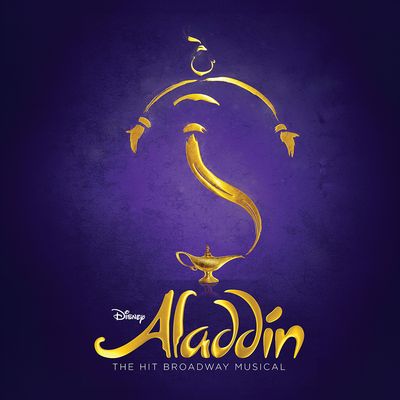
About
Ever wondered how a beloved Disney movie is transformed into a dazzling musical phenomenon? Find out in this first episode on the unlikely journey of ALADDIN to Broadway.
Prepare to be surprised as we reveal the challenges that nearly derailed the entire production. Through exclusive interviews with the key players who brought ALADDIN to life, you'll hear firsthand about the journey from Seattle to Toronto, and ultimately, Broadway. Join us as we celebrate the unwavering determination and remarkable collaboration that pushed ALADDIN past every hurdle.
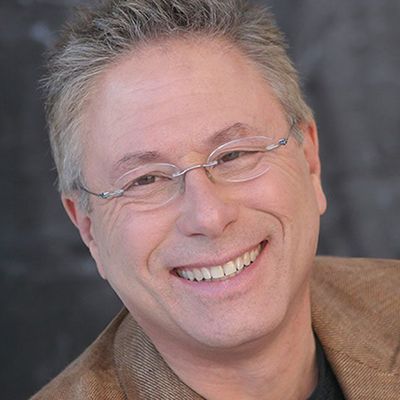
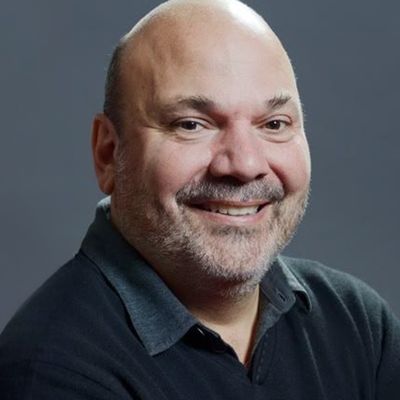
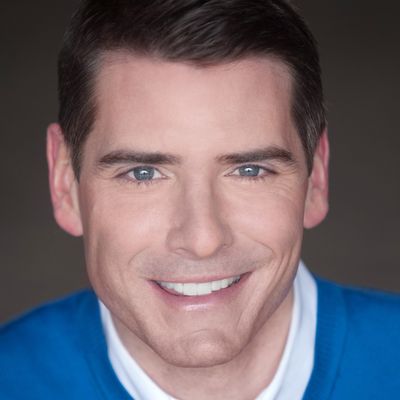
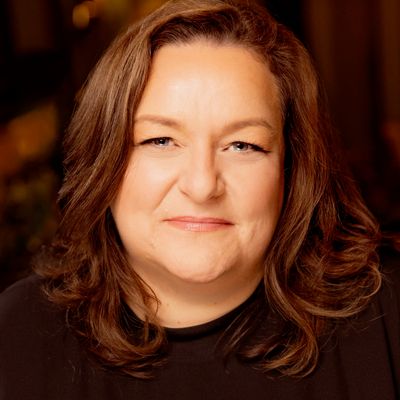
We'll sit down with Thomas Schumacher (Producer), Anne Quart (Producer), Casey Nicholaw (Director/Choreographer), Chad Beguelin (Lyricist/Bookwriter), and Alan Menken (Composer). Through their insightful conversations, you'll gain a unique perspective on the creative process, the power of teamwork, and the magic that goes into crafting an enduring Broadway hit.
Transcript
This transcript was automatically generated and might contain errors.
[0:00] Frank DiLella: Welcome to The Magical Making of Aladdin, the podcast that pulls back the curtain on the untold story behind one of Disney's most beloved films and its journey to becoming a Broadway sensation. Imagine the Disney classics that shaped your childhood, with Aladdin shining as a jewel among them. But did you know the full-length stage production we know and love almost never happened? Starting as a humble idea in 2011, this ambitious show faced a rocky road, including their pre-Broadway run in Toronto, where critics all agreed on one thing. It should not go to Broadway. Yet, through sheer determination and a leap of faith, the team pressed on, making changes up to the last possible moment. When Aladdin finally opened on Broadway in March of 2014 to rave reviews, it became clear that the team's sheer grit and perseverance had finally paid off.
A decade later, on March 20, 2024, Aladdin celebrated its 10th anniversary, cementing its place in the history books of Broadway. Join me, Frank DiLella, as I delve into this incredible transformation, sharing exclusive insights and behind-the-scenes stories that Disney has never revealed before. This is your all-access pass to the magic, drama, and triumph of bringing Aladdin to the Broadway stage. Stay tuned, because you won't want to miss a single moment of this enchanting journey. This is Episode 1, Aladdin from Screen to Stage.
[2:07] Frank DiLella: I can think of no better way to start our conversation than by bringing legendary songwriter Alan Menken into the studio, the person who, alongside the late great Howard Ashman, first developed the concept and songs for the animated film released back in 1992. Today, he is possibly the person with the most knowledge of how it was first created. Alan, what was the original concept for Aladdin? Because it's much different compared to what we eventually saw on screen and even the stage show today.
[2:30] Alan Menken: The original concept was, it was like a buddy picture. It was Aladdin and his three sidekicks, Babkak, Omar, and Kasim. And they were street performers just trying to make a buck on the streets of Agrabah. And the princess was just kind of like, was it Hedy Lamarr and Bob Hope in Bing Crosby Road Pictures? That kind of a character. So we had all these songs that, when it was decided that we really wanted to be more of a romance and more of a sort of a traditional approach to the storytelling, the mother got cut and the sidekicks got cut.
[3:04] Frank DiLella: Wow. I didn't realize there was almost a mother character for Aladdin, but you were originally working with Howard Ashman on the film and he had to step away from working on what became the final version, right?
[3:18] Alan Menken: Howard was not able to participate in that really because he was too sick. And after he passed away, I came back and told me there had been these changes. And then I teamed with Tim Rice to finish the movie. Then when the opportunity to do the Broadway show came along, there was a treatment that was pretty faithful to the picture. And I said, no, no, guys, no. We have to go back and incorporate the material that Howard and I, because we would have lost Proud of Your Boy and Babkak, Omar, Aladdin, Kasim and High Adventure. And those were intrinsic to the characters and also just for stage, it was a goldmine.
[4:22] Frank DiLella: I want to now bring in Tom Schumacher and Anne Quart, two people who were pivotal to the creation and ultimate success of Aladdin on Broadway. Tom is the chief creative officer at Disney Theatrical Group and former head of Walt Disney Animation Studios, and Anne is the executive producer for Aladdin. Tom, go back to the very beginning of where the concept for a full-length Aladdin stage show came from. Isn't the idea attributed to a random comment from Chris Montan, who, for those who don't know, is the president of Walt Disney Music and the person who was responsible for executive producing the music of the Aladdin animated film?
[5:05] Tom Schumacher: Chris Montan, who's had various roles at Disney, but every one of the 20-odd movies I worked on and every stage show, Chris Montan has been in charge of the music. He's a music producer and one of my dearest friends in the whole world. And he'd flown in from L.A. to watch the workshop version we did of the show with a full cast, and we could hear it out loud. And we're in the middle of Act Two and the song High Adventure, which is a pure theater song, not in the movie. And he turns to me in the middle of High Adventure, and we're all eating it up, and he turns and goes, why isn't this show on Broadway? And I couldn't stop thinking that, if we can make this work, this will go to Broadway.
[5:47] Frank DiLella: But how did you proceed with the development of the full-length stage production without anyone knowing Broadway was possibly the end goal?
[5:54] Tom Schumacher: We have a kids' version of it that has been performed in schools, like a junior edition, like an hour-long one. And people kept coming to us saying, could we have a two-hour version? And what a lot of these regional theaters were thinking was, if we had a full-length version with an intermission, we could use it and replace the annual Christmas carol in our theater. So they're thinking of a holiday show, what songs we put in, how could they expand, because they were using ours and kind of filling it out, the student one. And we said, you know, we can do that, because there's probably a market there.
[6:24] Frank DiLella: All right. So you want to make a full-length stage production, and you were already working with book writer and lyricist Chad Begulin on the script for the stage adaptation, but you still hadn't yet solidified who would work on the music. How did Alan decide to come on board and start working with Chad?
[6:38] Tom Schumacher: Alan called me and said, hey, are you going to do a full-length Aladdin? I said, oh, Alan, and he was so busy, I said, at the moment. And I said, you don't really want to be involved, blah, blah, blah. He said, well, let me at least read it. And so I sent him a copy of what we were doing. And he called me and he said, you know, the fact is, what you've created here is pretty horrible. But I got to meet this Chad Begulin guy because I want to work with him. So Chad took the train up to Alan's house and spent the day with Alan. And Alan opened his drawers, if you will, and pulled out all this stuff from Howard that they had created for the movie originally, which even had two genies. And there were so many things. But Babkak, Omar, Aladdin, Kasim, all these things that we put in were from either drafts of the movie or a version of the movie that we actually put up when we screened it and cut, including Proud of Your Boy and things like that.
[7:43] Frank DiLella: And pretty early on in the process, the show's amazing director Casey Nicholaw came onto the project just to get it to Seattle. Is that right?
[7:50] Tom Schumacher: Casey came in when the late Steve Fickinger, who was working here, Steve and Casey and I all slightly overlapped in generations at UCLA. That's when they had met.
[8:01] Frank DiLella: All right, real quick, Steve Fickinger, for those who don't know, was a longtime creative executive with Disney Theatrical Group, who helped start the development of the stage version of Aladdin, among many other shows. Steve did a meeting with Casey and brought me in and said, Casey would be great for this. And then Anne and I began to show him what we had done in a lab, which had just been directed by staff. Because we decided to do a regional production of Aladdin in Seattle only, just to see if it had legs for licensing. And so the only remit for Casey was to come in and stage it in Seattle and see if the audience cares was really what we set out to do.
[8:42] Chad Begulin: Thank you for joining us. I want to switch over to you. What was going on with the stage production of Aladdin from your perspective in these early days before Seattle?
[8:47] Chad Begulin: It was going to be used for licensing. There was no talk of Broadway or anything. So I did a draft, met with Alan Menken. He said, you know, I have an ulterior motive. I want to get as much of the cut Howard Ashman lyrics into the stage version. So that was what the main task for Seattle was, to sort of get these songs in and make it seem as if they were always, you know, it was always meant to be this way.
[9:21] Frank DiLella: How did you guys decide, you know, where to slot in songs we know from the film versus writing new material?
[9:26] Chad Begulin: Well, the first thing to do was to figure out how to fit the cut songs in because we sort of knew where, you know, Whole New World is going to go and Arabian Nights is going to go. We knew we wanted Proud of Your Boy, but we knew we didn't want to create a mother character, which was in the animated feature. Yeah, you know, early days. So we sort of decided that would be his, I want song. And then we knew sort of where Babkak, Omar, Aladdin, Kassim would go, because that would have to be right before he meets Jasmine. And we knew High Adventure would be when they decide to storm the palace. But it just really was, you know, Alan, Casey and me going, oh, there's a hole here. Somebody should probably sing.
Do we, you know, there was this whole debate. Do we actually have Aladdin and Jasmine sing together before Whole New World? Will that undercut it? It's very funny because Tom Schumacher is very, very specific about his notes. I said, do we end Act One on a downer? You know, someone's in danger. Is it that thing that you do in musicals or is it just up happy, happy, happy? And he's like, oh, no, it's, he's just turned into Prince Ali. He's excited. We know it's going to backfire. Curtain. That's sort of how we decided, you know, where the songs would go. It would just, it would just be like, this book scene is going on forever. Can I sing some of this information? You know, but yeah, it was known songs first, the cut songs next.
And then Somebody's Got Your Back was the last thing we wrote and Casey's like we need something here, we need something. And we went into the basement of the new M and like he does, Alan in five seconds played it. I recorded it on my phone and went into the show like three days later.
[11:04] Frank DiLella: Wow. Yeah. Just like amazing how he does it.
[11:19] Chad Begulin: Yeah. Yeah. I have, you know, we talk about the situation. We talk about what we want it to feel like in Casey was, you know, I want it to be a buddy number. I want it to be old musical theater. But then, yeah, then I go away and come back with stuff and people will say, yeah, more of that, or not so much, or, you know, and then I just keep tinkering with it.
[11:49] Frank DiLella: In terms of the animated feature, how much of that did you have access to with putting together the stage version, even the cut stuff, and also the influence of Robin Williams for the character of Genie?
[11:53] Chad Begulin: Well, I wasn't given any footage. Alan, on the first day we met, gave me Howard Ashman's original treatment. And that informed sort of how we were going to get away from Robin Williams and the Genie because no one can top him. No one wants to see an imitation. And their original concept was that the Genie was a Cab Calloway type character. We thought that was amazing because we wouldn't even try to do what Robin Williams did in the movie. And it also sort of set the tone for the rest of the show that were, you know, we sort of the costumes have that sort of flashback feel to them.
[12:33] Frank DiLella: I'm curious, just for fun, do you remember any of the original concepts that never made it into either the film or the stage production?
[12:42] Chad Begulin: Jasmine was a minor character. There was this other character that I think was named Gabby.
[12:50] Chad Beguelin: There were two genies. There was a genie of the ring. You know, there was the lamp and then the ring. There were all of these things that, you know, were so completely different from the actual finished feature film. And some of it, like I said, was really, really helpful. And some of it was just like, this is, we're not adding another genie. But it was fascinating and really interesting to see sort of behind the curtain.
[13:27] Casey Nicholaw: Thank you too for joining us today. As Tom and Anne mentioned, your initial goal was just to get the production on its feet in Seattle to see if this concept would even work. And Broadway was never quote or unquote, the goal. So what was that experience like for you and just sort of paint the scene of Seattle?
[13:46] Casey Nicholaw: It was great. You know, we had a really good time. It ended up being the cast that we had here. Courtney Reed was in it. Courtney, Adam, James. Jonathan Freeman. Don Darrow Rivera, who was from Seattle. And then we had a different ensemble there.
[14:01] Chad Beguelin: Much different from what we see now.
[14:03] Casey Nicholaw: So much different. It was sort of, you know, it was sort of done like sort of like a buddy comedy. It was kind of more meta. Like one of the lines at the beginning was like, where's Aladdin? They're like, well, he should be coming any second. And then some guy walks by with like a vendor's pull with playbills on it. He goes, oh, it seems like it's coming up in the next scene. And then he swung out on a rope and it was really sad because he was like six inches off the floor. It was like, it was a little crazy. There was no tap in it.
[14:35] Chad Beguelin: No tap.
[14:36] Casey Nicholaw: Tom Schumacher was like, are you crazy? You have to have tap in front like me. I was like, oh, okay. And the magic carpet?
[14:42] Chad Beguelin: Was a mattress on a stick.
[14:43] Casey Nicholaw: Right. And it was really a mattress on a stick. It really was. It was so sad. It was like, hey, lean to the right. I can show you the world. Lean to the left. It was like, it was, it was pretty sad.
[14:55] Chad Beguelin: Not so magical.
[14:56] Casey Nicholaw: Not very magical. But you know, we sort of knew that going into it. You know, we're like, let's make it pretty. We didn't always be so tilty. And there were just lots of lanterns around it. So it was a beautiful picture, but it was not like flying all over the place.
[15:15] Tom Schumacher: Don't go anywhere. We'll be right back after this break.
[15:25] Tom Schumacher: What did you learn coming out of Seattle that you knew you wanted to continue building on when you got to Toronto?
[15:32] Anne Quart: We learned a lot.
[15:33] Tom Schumacher: Yeah, in Seattle. The first big thing we learned was how to play the genie. And because everyone had said over and over again, because it had been theme park versions and stuff, that the two biggest problems you'll have with this show, and the reason not to do it, was the flying carpet, which was impossible to be able to achieve something charming, and the genie, because having people do impersonations of Robin Williams doesn't work. But I knew, and I was the only one who knew, because my very first day, 36 and a half years ago at the Walt Disney Company, Gary Trousdale, who later went on to direct Beauty and the Beast with Kirk Wise, Gary pitched, so I would see what a storyboard is, he pitched Friend Like Me.
And it was still being performed as if it was Fats Waller meets Cab Calloway, which is, you know, that was the model, this Harlem Renaissance idea that Howard Ashman brought to it, that then later morphed into Robin as a shapeshifter. But that original idea, I knew if we went back to it, it was in the DNA of it, and it would give us a window into how to produce it. And there's no question that idea worked, because the audience loved the genie the minute he came on stage. It was pretty clear that the audience responded to Casey's choreography, to the music, and to the genie and most of the characters.
[16:56] Chad Beguelin: All right, we make it through the Seattle run. How was the show received out there? And did you think that would be the end of the process?
[17:04] Casey Nicholaw: We didn't get panned in Seattle, we didn't get raves in Seattle, but it was encouraging enough to continue working on the show, or at least so the powers that be thought. We walked out of Seattle thinking, okay, there's definitely a show there. We don't have it, we have a lot of work to do. There's a different mindset, I think, when you walk in and you see this huge set, and you see all these special effects, and in Seattle we didn't have that. So I think it was sort of felt that, you know, we're working on the script and the score here, we're not working on all the bells and whistles. So I don't know if they sort of gave us a pass a little bit. It felt, you know, encouraging, but you're not there yet.
[17:47] Casey Nicholaw: Seattle was meant to end in Seattle, and so we had no idea what was going to happen. I mean, everyone hoped it would go to Broadway, and then time just kind of kept going by. I think it was like a year later, we got a call saying, you know, we want to do like a little presentation for Bob Iger, and sort of the Disney folks from LA. And then they told us after that, you know what, we're going to go to Toronto. So we did, like, I put together, I changed some numbers around, and did stuff, and showed it to them, and then they gave us the go-ahead to go to Toronto.
[18:28] Tom Schumacher: So at this point, it's 2012. You've done a presentation for Bob Iger, the CEO of Disney. You then seem to greenlight the idea of moving the show to Broadway. The next step for the show is the traditional out-of-town production, where a lot of shows with their sights set on Broadway will add lots of new material, cut what isn't working, and use the time basically as a big development workshop in front of a real audience. So Toronto then became Aladdin's official out-of-town tryout, the pre-Broadway run, if you will. Casey, give us a little more insight into how Toronto was, because as I remember, a lot was put back into the show after Seattle, which may have introduced a significant number of issues. How was Toronto from your point of view?
[19:16] Casey Nicholaw: It was good, but it was not quite working. I mean, when it was first conceived as an animated feature, Howard Ashman and Alan Menken, when they first conceived it, it was like a big musical comedy. And then Howard passed away, and then they made it sort of more into an action-adventure with a few songs. There were a lot of songs that were cut that weren't used, and so we were planning on putting them all back into the show, and they were in the show in Seattle, they were in the show in Toronto. No one wanted to see Babcock, Omar, and Kasim narrate the show. All right, and that's what's happening in Seattle, and what was happening in Toronto as well. And so basically, every time we had to change the set, the curtain would come in, and those three guys would come and go, and the genie was out, and they soon were good pals, and they liked to all this stuff, and no one cared.
They really didn't care. It was an issue in the movie too, that the genie doesn't come out for 40 minutes, or 45 minutes. But the movie had the benefit of having Robin Williams' voice as the peddler guy.
[20:28] Chad Beguelin: Okay, so we're well into the Toronto production now. It's very clear that there is not a lot that's working. The reviews are not great, and can you speak to what was going on at that time?
[20:39] Casey Nicholaw: It wasn't going well at all in Toronto. We had ideas about how to make it work, but it wasn't obvious. And I think despite everybody feeling very stressed by all that, in those moments, Casey cut a number and rechanged a number, and Alan cut a song, and we changed an editor structure, and everybody gave up something they had created, Chad as well, for the whole, and I think without that sacrifice, it would never have been what it became.
[21:04] Anne Quart: I want to touch on the cast for a second, specifically James Monroe Iglehart, who of course went on to win a Tony Award for originating Genie on Broadway. Can you speak to what was happening with James and the rest of the cast during this time in Toronto?
[21:19] Anne Quart: I think James was super nervous about taking on the personification, live and in person, of the genie, when he himself, he's such a huge Disney nerd, and was super worried that the audience was not going to love him as the genie. I think that was a real thing for him. And the trust that developed between Casey and James in Seattle, without that, we probably wouldn't have had the journey in Toronto and New York that we did. Because I think they fell in love with each other. I think James trusted that Casey knew what the genie needed to be and had his hands around the piece. So then when we got to Toronto, and suddenly, you know, wasn't working, and then he becomes the top of the show. There was always this enormous trust in this dialogue that James really took Casey's notes to be like, I know you know where we need to go.
And James could feel it. He, you know, the theatre was dead quiet until we got to Find Like Me. I mean, you've experienced this live. So James could feel the fact that the audience suddenly came to be. So he everybody knew there was no secrets, what was happening. They knew we were grappling. And in that, that mood of what Anne's talking about, James became an extraordinary company leader.
[22:33] Tom Schumacher: Yeah. And, you know, anyone who's been through a show, there's a moment when people start to lose faith. And they're on the show. They love each other, they may love the production, they may love singing those songs, but the thing isn't coming together. And there was a lot of agitation in the company about this doesn't work. And I thought it was my next big Broadway show. And I thought I was coming to New York. And I came up here to Canada in the middle of winter to do this. And technically, it was very, it was rough. We were stopping a lot. So there was also not any faith that it was going to be what it was supposed to be. Huge automation problems and stuff trying to get the opening numbers to work right that first big whole opening sequence of the show in Agrabah, we couldn't get the buildings to work around it.
It was it was it was nauseatingly terrifying. It was I mean, we joke about it now, because as you know, tragedy plus time equals comedy. But in the moment, it was awful. And James held that company together. But he did not know that he would open the show. And that Arabian Nights would be his song, where he would introduce you to the world. And that whole idea of introducing to the world to meet Jasmine, Aladdin and Jafar and Iago, that in the Sultan and Jasmine, all that was still to come.
[23:58] Chad Beguelin: So you close in Toronto, the show needs work. Casey is calling you saying we need to fix things very fast. You go back into the rehearsal room and start from the bottom up.
[24:09] Chad Beguelin: Yeah, we questioned every single thing. We questioned every song we questioned. Why isn't this working? And that's when we really started to see that we're telling the story. We're not showing it with these reprises. Our leading lady isn't likable because she has this song where she's trying to be unlikable. We had Manny Azenberg, you know, great, great producer and mind. And he came and saw the show after the reviews. And he said, it's the first 30 minutes. It's the first 30 minutes. After that, you're golden. And so we really, really focused on that because it made a lot of sense. When you get to Friend Like Me, even in Toronto, even after the bad reviews, they still went insane. And, you know, there were things that there was a section in Friend Like Me called genie or no genie based on deal or no deal.
You know, there were things that did not work. So it was really just that first half of act one where we were just like, everything's on the table, like everything is up for grabs, and we've just got to make it better.
[25:10] Casey Nicholaw: Yeah, yeah. And even, you know, for example, High Adventure, I think it was like five minutes longer than it is now. It was just everybody had to be brutal with themselves and go like, this is too long. This isn't working. This, that's not funny. You know, that was a big part of it is that everybody had to just be vulnerable and be like, okay, help me make it better.
[25:41] Chad Beguelin: Tale as old as time. Thank you. Thank you very much.
[25:46] Frank DiLella: True as it can be. I want to go back to building the "Friend Like Me" number. You know, when I've watched it, whether here in New York or on the road, it is spectacular. How long did it take to build that number?
[25:57] Chad Beguelin: A long time, you know, and then once we added tap in it, we had to add, like, you know, there's the whole sort of medley that the Genie does of Alan Menken songs.
[26:08] Frank DiLella: Didn't Glenn Kelly, who is the dancing music arranger, have a lot to do with that, too?
[26:12] Chad Beguelin: It was actually Glenn Kelly's idea to go like, would it be funny if he sang "Beauty and the Beast"? I said, yes, that would be funny. I don't know if Alan will go for it. And then so we did it for Alan. And suddenly, you know, James was going, "Tale as old as time." And we thought it was hysterical. And Alan was like, no, no, no, it's all wrong. It's all wrong. Like what? He goes, it needs to be a medley of Alan Menken songs. Oh, my God. I love it. I love it. And you get a little "Little Mermaid."
[26:37] Frank DiLella: We did. We got a little "Little Mermaid" in there. We got a little "Pocahontas."
[26:39] Chad Beguelin: Yeah, that's right. That's right.
[26:46] Frank DiLella: Tom and Anne, Disney has produced many shows on Broadway over the years. It's not uncommon on the show's road to Broadway that it faces significant challenges that must be overcome, similarly to the challenges Aladdin faced in Toronto. Were there any learnings from over the years that came to mind while you were in this tough spot with Aladdin?
[27:05] Thomas Schumacher: Disney Theatrical learned a huge lesson from the late Isabel Stevenson, who used to run the American Theatre Wing, because we were in trouble with another show, "Aida," which went on to have great success on Broadway. And it was total chaos. And I was having lunch while it was out of town with Isabel. And Isabel Stevenson, you know, she'd been a dancer in her youth and then ran the wing. And people didn't realize how deeply engaged she was in shows. But she did this thing called working in the theater. People would talk about their shows. And we're having lunch. "Aida" is going on in Chicago. And Isabel said, How's it going? I said, It's a mess. She goes, Why are you here having lunch with me?
And I said, Well, it's a mess. And she's and she wagged her finger at me, literally wagged her finger at me and said, Do your job. And I went back to my apartment here in New York and called the whole team and said, The closing weekend, we're all going to gather in Chicago. And we're going to sort this out. Right. Chicago is where "Aida" did one of its out of town productions. Everybody showed up. Everyone was there. And we restructured the whole show. And that has lived with us this idea that we don't have to quit, that you can actually do it. And if everybody is putting the show first, and thinking I've been making here, you know, Grammys, and you got a Tony now, and he's got eight Oscars.
The fact that Alan would say, Look, if this song doesn't work, we're going to cut it. If this one's not working this, and Chad's like, I will rewrite this lyric seven more times. Everybody was so willing to give up anything to make the show stronger and to keep creating. And without that, you have nothing. And in fairness, Casey, because he's so vulnerable as a human, makes that possible for us to as Isabel would say, do your job.
[28:49] Frank DiLella: Stay tuned. We'll be back with more about Aladdin after this commercial break.
[29:06] Frank DiLella: Now we're moving to New York at the New Amsterdam Theatre on Broadway, we think. How tight was that timeline?
[29:12] Thomas Schumacher: We had three weeks coming Toronto to New York. So it was, we had time, but we had to be used wisely, or we weren't going to get through everything we needed together.
[29:20] Frank DiLella: What exactly did you change from Toronto to New York?
[29:23] Thomas Schumacher: So there was a handful of things. I mean, Casey re, we, the number "Babkak Omar Kassim," Casey completely re-staged and re-choreographed. We had a narrative structure, which was the Babkak Omar Kassim were essentially storytellers who would show up and tell you what you just seen, which of course, no audience in history wants to have happened. And they had camels, and we thought it was gonna be funny, and it totally wasn't. So we got rid of the narrative structure.
[29:45] Chad Beguelin: Well, they were puppet camels that they wore. And then we put the genie at the top. Now, by the way, that was interesting, because before we even went to Toronto, we knew we needed the genie at the top. And we couldn't figure it out. And Chad and Casey spent a weekend or two nights during a week, and we were at my house, trying to figure out how to do it. And every idea, nothing stuck. And then we got to Toronto and saw it. And it became just so clear what we wanted to change. The thing was, how do you do it without stepping on the entrance for "Friend Like Me"? You want to save the "Friend Like Me" entrance. So how do you have him? You can't have him as a genie. So then we created this little moment where he could show up and just essentially start telling our story.
[30:28] Frank DiLella: Wait, isn't there a funny story about James Monroe Iglehart being given these script changes in some strange way?
[30:35] Chad Beguelin: How does this go in? Casey writes him a note, don't read this to get on the airplane. And then there's another note that says, wait till the airplane takes off or something. Several steps. So that he would not have to hold a secret. Because it also meant we were cutting Babkak, Omar, and Kassim by half, because they were narrators of the show. So their roles were being adjusted. They're still fantastic parts. And nobody bailed. And they were shiningly great. But it was huge restructuring. And James found out about that when he got onto the plane, and it took off.
[31:10] Thomas Schumacher: As we came into New York, and we watched what Kass did in the studio, and we watched it come together, we started to have more hope that we maybe had something. And then the invited dress in New York, something happened that during that performance that we kind of went, I think maybe we've cracked it. And we did have an external thing happening, external to Disney theatrical, which is that our great champion and supporter Bob Iger had seen it in Toronto and went, this is a miss. It doesn't work. He'd come to the first matinee. It was full of kids. And they were sitting there going, what's this? There was no identifying with it. And it didn't land. And Bob sat with us. Bob Iger sat with us afterwards and went, guys, this doesn't work.
He'd really lost faith in it. And it took a long time to convince them. And it was frankly, a leap of faith for him to say, you know what? If you guys really believe in this, go forward, which was great because he said, if you really believe you can turn this around.
[32:11] Frank DiLella: So I guess it's safe to say that Bob Iger was right.
[32:13] Thomas Schumacher: Well, about 12 feet from where we are sitting right now, after the show was the happiest meeting because we did this dress rehearsal. The community was here. It was a community run through. We were here and we came up afterwards and the room was just bouncing. And they literally cheered when Casey came in because he'd gone backstage to see everybody. Casey came in and Bob and everyone was here. I mean, the fact that the chairman of the Walt Disney Company was watching this and here in the room with us and said, my God, what you've done is so great. And everyone, everyone at every level from the cast to the crew, to Casey, to his team, the producing, everybody came together and nailed it.
[33:03] Frank DiLella: Well, obviously you made it to opening night and well beyond. To get to the one year mark for a Broadway show is nowadays a big deal. But to get to the 10 year mark, that's unheard of. The show is doing amazing numbers at the box office. You just celebrated in glorious form and fashion back in March. How does that feel and what is the secret to the success of Aladdin?
[33:26] Casey Nicholaw: Well, I mean, how does it feel? It's interesting because it wasn't a foregone conclusion. When we were in Toronto and Tom talked about the vulnerability of where we were, I remember a very specific day when he and I walked around the block in the cold and we made a decision that we were going to keep going. So there was a lot of vulnerability. So it feels earned and earned because everybody sacrificed in order to make it good. But I think the thing with Aladdin, and we've been lucky with this on a couple of shows, is that the team love each other very much and they're so happy to always be back in a room together. So the success of it comes from the fact that Casey's here working on the show five times a year.
He's still in final auditions. We still have Chad. In certain moments in time, we rewritten certain lines and Chad's happy to rewrite a line and they're in it. And it's worked on every single day. I think people maybe think that a show that runs for a decade goes on autopilot, but it's worked on every day. We relook at the casting all the time. We relook at, does it feel fresh? Does it feel contemporary? Are the lines the right? All the time. And I think it has to be that. Another thing I would add to that is we're very lucky because the show has been successful. We can keep reinvesting in it. But when you walk away and just leave it, it's not going to be able to do that. But as Anne says, this group is happy to come together, happy to be back in the room with it. We've reinvented how the music is played in different countries, how the orchestra is composed, how that structure... What the carpet is in different places.
[35:01] Thomas Schumacher: The carpet. Yeah, because you have the illusion of the carpet in the big productions. But we knew we couldn't play smaller markets and load that illusion in because that illusion is really complicated. And the audience is having a ball looking at it in a different version because they've invested in the show.
[35:16] Frank DiLella: What do the next 10 years look like?
[35:20] Thomas Schumacher: Well, we are running on Broadway. We just finished a US tour. We're running a UK tour, Madrid, and we're about to open in Korea. Further markets for the slightly smaller version of it, markets we haven't been able to play yet. But I think it has another go. It feels like a perennial title with time in between.
[35:35] Chad Beguelin: I would say that my sort of final thought about why Aladdin got to 10 years is the show invites you to be a little less cynical because it knows who you are when you come in, right? Mostly adult, mostly, mostly adult, which I think surprises people who don't come to see our shows. But vastly, the vast majority is adults, many speaking foreign languages because they grew up with the movie, so they think they can follow it or they've seen it at home. But they come in and they're allowed by what Casey and Chad and Alan have done, which is to say, we know you know what this story is going to be. We're going to present it in a way. And it's the genie's opening. He makes fun of us even a little bit, chides us for coming, which says, I can relax and I can laugh at myself for loving this so much.
And then I can rub shoulders with the person I came with and snuggle up when they sing "Whole New World" because that still means so much to people. And, you know, what's to come? I don't know. But we are so lucky because we work in a space where the show's happening and we all walk in when we're leaving, if we're leaving late at night, and go in and listen to that audience laugh or cheer or have fun when the curtain goes up and the genie comes out, the audience roars. And I watch that so often, just to see who's in the house, how's the show playing? What's it look like? And then one of us will say, we need to do an adjustment with the lights because, you know, Lance is doing the work.
[37:12] Frank DiLella: Thanks for listening to episode one of The Magical Making of Aladdin. Be sure to get tickets to see Aladdin the Musical on Broadway or any of the international productions by visiting aladdinthemusical.com. Special thanks to our guests for this episode, Casey Nicholaw, Chad Beguelin, Alan Menken, Tom Schumacher, and Anne Quart. Make sure to stay tuned for the next episode featuring Adam Jacobs, Courtney Reed, Adi Roy, and Sonia Bulsara, all about becoming Aladdin and Jasmine. This episode is produced by Dory Bernstein, Alan Seales, and Kim Garris on behalf of the Broadway Podcast Network in partnership with Disney Theatrical Group. Audio engineered by Alan Seales and Sarah Goodman. Edited and sound designed by Alan Seales. Additional production design and content edits by Disney Theatrical Group and Natalie Ott and Molly Barson from Situation Interactive. And I'm your host, Frank DiLella.
[38:06] Frank DiLella: I just love a happy ending!
© Broadway Podcast Network, All Rights Reserved