

Ryan Scott Oliver is a musical theatre composer and lyricist. He is a 2011 Lucille Lortel Award Nominee and the recipient of both the 2009 Jonathan Larson Grant and the 2008 Richard Rodgers Award for Musical Theater.He is also creator of the blog Crazytown... Read More
From the show: The Producer's Perspective Podcast with Ken Davenport
Guests
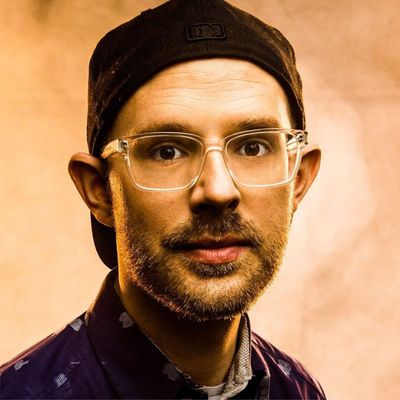
About
Ryan Scott Oliver is a musical theatre composer and lyricist. He is a 2011 Lucille Lortel Award Nominee and the recipient of both the 2009 Jonathan Larson Grant and the 2008 Richard Rodgers Award for Musical Theater.He is also creator of the blog Crazytown. Oliver's work has been heard at the Writers Guild Awards, Off-Broadway in TheatreWorksUSA's We the People, and countless showcases. Along with actress Lindsay Mendez, he founded and currently runs Actor Therapy: a five-week training experience for young actors in NYC.
Ryan has built an amazing career of super cool projects from Darling to 35mm to Jasper In Deadland, all of which are performed all over the world. Recently, he passed over 1 million streams on Spotify. And he hasn’t yet made his Broadway debut. It’s coming, but how has he done what he has done in the meantime? We found out on this podcast. We also discussed:
- Why he decided to go into musical theatre rather than join some of his peers in pop music.
- How he found a balance between making money and pursuing the projects he’s really passionate about . . . and how you can too.
- His pros and cons of grad school.
- Why he founded the super successful Actor Training Program Actor Therapy with Broadway Star Lindsay Mendez.
- The reasons why feedback from fellow writers is so important.
This week's episode is brought to you by Yum Yum Too, a Thai restaurant in Hell’s Kitchen, committed to friendly service and a hip atmosphere. It is the perfect location for a quick lunch, after work drink, or pre-theatre dinner. Visit them at: www.yumtoo.com.
Keep up with me: @KenDavenportBway
Transcript
This transcript was automatically generated and might contain errors.
[0:00] Ken Davenport: I wanna be a producer with a hit show on Broadway.
[0:07] Ken Davenport: You're listening to the Producers Perspective Podcast with your host, Tony Award winner, Ken Davenport.
[0:13] Ken Davenport: Hey everybody, it's Ken Davenport here. Welcome to this week's podcast with Ryan Scott Oliver, a composer lyricist who's won just about every single emerging musical theater writer award there is. So you want to tune in to this one. He's gonna tell you all about his process. But before we get there, let me tell you that yum yum, this week's podcast is brought to you one of my favorite wing places in the city.
[0:42] Ken Davenport: Three floors of fantastic dining and drinking pleasure. Uh they do special events, they have trivia nights, they have expertly crafted barfare. Some of my favorite things to eat are on that menu. Uh it's been there over a decade now in one of the theater districts' most popular afterwork and nightlife venues. Yeah, it's one of those places you walk by in 8th Avenue and there are just people like spilling out into the streets. Probably because they're there for the wings. Check it out, social, and thank you to social for sponsoring the podcast. And now on to Ryan Scott Oliver.
[1:31] Ken Davenport: And we've got a super talented guest on the podcast today, a very, very popular composer, lyricist, and artist, and entrepreneur, as I call him on the scene. And listen, I'm very excited. Look, we've talked to lots of multiple Tony winners, Academy Award winners, a lot of people who are mid or late career, to put it very politely. Uh, and this is a guy who I believe is gonna win multiple Tony's, and we're catching him after he's gotten a lot of success, but still very early on is his career and a lot of good stuff to come. He's one of these writers that all of us producers are watching and just waiting for that big show to come from him. You can learn more about him at his website. RyanScottOliver.com. And that's his voice. Please welcome Ryan Scott Oliver to the podcast.
[2:17] Ryan Scott Oliver: Welcome, Ryan.
[2:17] Ryan Scott Oliver: Glad to be here.
[2:18] Ken Davenport: So Ryan was called The Future of Broadway by Entertainment Weekly, and he's won every musical theater award known to man or woman. From the Jonathan Larson Award to the Richard Rodgers to multiple Ascap Awards. Some of the musicals on his resume, Jasper in Deadland, which I saw was fantastic.
[2:35] Ryan Scott Oliver: Thank you.
[2:36] Ken Davenport: 35mm and Darling, which is where I first learned about you.
[2:44] Ryan Scott Oliver: I know that like carries a different weight now.
[2:46] Ken Davenport: It does.
[2:47] Ryan Scott Oliver: You do it and you're like, oh, this will just be fine. And then it comes back to haunt you.
[2:52] Ken Davenport: I'm sorry for mentioning that.
[2:53] Ryan Scott Oliver: No, it's great. No, it was a blast. It was, and it's also funny. Um, I think I have a clip of it somewhere on YouTube. And the people that we have had doing it are you know, Lindsay Mendez, Alex Brightman, Jay Johnson, like all of these incredible, you know. I think I was supposed to be on it, or they somebody contacted me and said we're looking for some producers are you interested in on this? And I was like, no way, because what happens if Donald Trump becomes president one day?
[3:19] Ken Davenport: Right.
[3:19] Ryan Scott Oliver: I didn't say that. Uh I didn't work out for whatever reason it didn't want me. Anyway, uh, so look, you are in the world of musical theater writers. You're a relatively young writer.
[3:31] Ken Davenport: Relatively.
[3:32] Ryan Scott Oliver: Why does a young writer, someone who's as talented as you are, go into the theater as opposed to writing pop music, which you have such a great popular music sensibility?
[3:43] Ryan Scott Oliver: Sure. Phil, like all that. Why did you choose the theater?
[3:46] Ryan Scott Oliver: You know, there are songwriters and there are composers, and there are dramatists. And I, you know, I've it took me a while to sort of pinpoint why I like certain stories and why I like writing certain styles of musical of theater. And I'm a dramatist, and I really I like to tell stories with my music, with my lyrics. Um, you know, I when I first got to New York City 13 years ago, I came here for graduate musical theater writing at NYU. And when I got here, I had never written a pop song or a rock song or a cabaret song. Not a single thing. I had been writing like art songs and like The Crucible the Musical, which was quite good. I just want to point that out.
[4:32] Ryan Scott Oliver: Yeah, I want to read that later.
[4:33] Ryan Scott Oliver: For sure, yeah. Um, and uh and when I got here, I I was looking at some of my peers, some of my peers who are, you know, who were also very young at the time and and and but doing well, had already like made their way on the scene. And I realized if I wanted to be competitive, I needed to learn to write rock and pop. And when I say cabaret, I mean standalone songs. And so I sort of had to kind of catch up really, really quickly. Um, but as the years went on, and I and I would do certain jobs for certain great, wonderful big corporations, and I would do certain stories, and I I would go, I'm not really right for some of these things, and I'm really right for these other things. And my taste sort of uh irised in, and I and and my own sense of self really irised in.
Um I was dating someone who's a producer at a time, and and he had a job, he had a show that was like 60s themed. This was years ago, like 15 years ago. And he, and I was like, you know, Ricky, why can't I be in the show, basically? Like, why can't you consider me for this particular thing? And he was like, Well, I just don't think you do 60s pastiche. And I'm like, well, I'm a composer, I should be able to do anything. And it took me a really, really long time to sort of go, you know what, it's okay to not do everything as long as you do something really, really well. And I just realized that I, the kinds of there are stories at this point that I go, this one's for me. And sometimes I get those jobs, and sometimes I don't get those jobs.
But what I've learned is I'm better at when people approach me for certain jobs, certain stories, and I just go, you know what, Adam Guettel would do this so much better than I would. So here's his phone number, please give him a call. And it it took me a little bit to to settle into that being okay. And also, you know, I thank you for saying I'm relatively young. I I doesn't feel that way these days, but I'm 34 and I, you know, for me, I I just feel like it's time for me to like, I'd rather do one great thing every five years than just like just keep myself busy, you know.
[6:39] Ken Davenport: It's hard though when to say no to someone's offering an artist a job that could pay money that could get you notoriety, to say no to that.
[6:48] Ryan Scott Oliver: Yeah.
[6:49] Ken Davenport: How do you do that?
[6:50] Ryan Scott Oliver: You know, well, it's a combo of of several great things, and and uh I love your term entrepreneur because I feel like and what I whenever I talk to young artists about business and staying afloat, and I first thing I tell them is money is the thing that will send you home. If you can't learn to manage your own money, you can't learn to sort of collect enough gigs that give you flexibility and freedom to work and pursue the things that you want to do, that's what that's why you're gonna go home. It's not because someone says you're not talented and you're never gonna make it here on Broadway. It's literally because you just run out of financial steam. And so for me, it's it was about creating a picture of my life where I could collect enough things that help me stay afloat.
Um, you know, one includes, you know, the which I'm sure we'll talk about, um, the company I have with Lindsay Mendez called Actor Therapy, which is, I mean, I guess it's a survival job, but it doesn't feel like that at all. I mean, we love what we do, we love this business, and that is really, really helpful. The other thing is I I got uh I I just began working with a wonderful, wonderful uh new agent, and she has helped me pick my projects a little bit more effectively. And I one project I I have done, which is not really on anyone's radar because it's the cruise ship market, but um uh Warren Carlyle uh created a show called Havana for Norwegian cruise lines. And so I wrote some songs and some lyrics for that show.
And so, and it's running on three ships. So it I I receive money from that every month, and and it was you know cruise ship money, as they say, and as any actor will tell you, uh, and for writers, it's just the same. So those two things really allow me to kind of go like, I can I can sort of do what I want to do. I and I and and and also to the point where there, if there's a uh uh something that I want to buy the rights for, that I want it to be like my project and and and kind of and work on my own dime labor of love, I can totally do that. Um, and then of course I'm also married to a wonderful photographer who's doing quite well, Matthew Murphy. So, you know, so that those are my tactics. Marry well every time.
[8:56] Ken Davenport: Marry well, have a company and get a cruise ship. Uh so let's just talk about when you did first arrive in New York. And let's just pretend no one is listening right now.
[9:07] Ryan Scott Oliver: Great.
[9:07] Ken Davenport: What did you think about your graduate school program? What were the benefits from it? Who were the difficulties and challenges? He's grimacing right now. How much the thought bubble above his head, how much can I say?
[9:20] Ryan Scott Oliver: Well, I'll say lots of things and I'll put lots of space in between all the things so you can make easy edits. Going to school for art, you know, there's the craft aspect of it, teaching you how to do the thing that you need to do. But then there's this other element, which is taste. And I think you can't really teach taste. And I'm not gonna say you either have it or you don't. Um, Stephen King has this great book, which I prescribe to all of my uh writers when I teach writing, um, called On Writing. And he says something that when I read it, it really bugged me. And then it wasn't until later I understood what he said. He said, I can this book and I can make you a good writer, but I can't make you a great writer.
And I think a graduate program that's in, especially in creative work, sort of different than a performing uh program. I think it can be really difficult when tuition is as high as it is, and above and above all, you know, the school's priority is the school. As much as any school would like to say that the priority is their students. And that can that can make things messy, especially when we're in a really, really, really commercial art form. That there at some point, you know, there can't be a right or wrong perspective, right? Because, you know, when we when we think of some of the biggest hits of the last 30 years, it's like what what was commercial, right? You know, it it turned out it was commercial after it won all the Tony Awards, right?
As you know. And I feel like for me, the experience of graduate school, and I I think I don't think I'm alone in this. Um, it it can be tricky. You have to learn, you have to learn from your teachers, and there are moments when you have to learn in spite of your instructors to say, I'm being told this. Like, as an example, our program, you know, one of the first things they said, this was many, many years ago, was composer lyricists. No book writer will want to give up their lyric writing to you. So get used to just writing music. Was pretty much, I'm not gonna say that was word for word, but that's pretty much how it went. Um, and you know, tell that to the long list of brilliant composer lyricists who that is that is how they excel.
And the and because for me as a writer, you know, people, you know, the the age-old question, what's what comes first, music or lyrics. For me, it's a little bit of music, a little bit of lyric, a little bit of music, a little bit of lyric. When I write a lyric, I have a rhythm in my head. It's very difficult for me to divorce the process of composing from the process of lyric writing, or vice versa. So for me, I feel like the program, like so many creative writing programs, it is designed to generally support. And that can make someone who feels like either they need more involvement or less involvement, right? Like get in my way more or stay out of my way. It can make that difficult for that, for those people.
Um so you know, but but I here, I wouldn't be in New York if without that program. I wouldn't, I wouldn't have come. I I think I was too much of a baby. I'm from Los Angeles, and I've noticed that when you're from a small town, it's so much easier, I find for artists to get out of town because you're like, well, I'm definitely not staying here. But when you're from a Chicago or from a Seattle or from a Los Angeles, you're just you're like already in a city that where things are happening. So it can be difficult sometimes to leave. And and without NYU, I don't know that I would have, I don't know that I would have gotten out of town. So I'm glad, I'm glad, I am glad I went to graduate school.
I'm thrilled at the degree that I have, and it allowed me, and this is interesting. I mean, it allowed me to teach at Pace University where I taught for eight years in the musical theater program, and I taught theory, I taught business of acting, I taught for most of the time I taught musical theater writing, and that has been the greatest uh academic joy of my life was actually teaching, and I have more swag from Pace University than I have from UCLA where I went undergraduate or NYU, and again, no diss to either of those institutions. I just felt pace, I like what pace, and no, no program is perfect, but I I felt I would I would have wanted to go there if I was a performer. I would have wanted to go to that school based on I just think how they're running things there. And pace then becomes one of those things that you collect that allows you to keep doing what you do and saying no to other things.
[14:03] Ken Davenport: Absolutely. So when you got here, or you graduate, or maybe while you were still in school, how did you get noticed? Like, what did you do to market yourself, quote unquote? Was it a conscious thought?
[14:17] Ryan Scott Oliver: You know, I liked to say that jealousy is fuel. And, you know, I had peers in grad school that when someone would do well or achieve higher or do better, it would be debilitating. They'd be like, I want to go home and take a nap. And for me, that was like, well, I've gotta, I've gotta figure out how to do that too. Like I've gotta strategize, I've gotta, it made me work harder. And I mean, to the point, I won't name names, but a couple of my peers, they announced in some blast, like our show has been produced in 46 institutions all over the country. And I said, I want that. So I literally stayed up all night emailing like every university that their show had ever been done, and saying, like, hey, I have this show too, here's this CD.
And silly, it is so it is so ridiculous and so silly that I did that. But it was for me, it was it was like I it made me it made me see what was possible even more. And that's the other thing I'll say is that you know, at NYU, I was cycle 16 at NYU, the you know, a two-year cycle. And it's I think it's really true that you travel with your peer group. And when my peers are doing well, it makes me work harder. Like, you know, some people are saying, Don't you wish that your peers would, you know, have a fall? And I'm like, absolutely not. Way back in the day when Benjamin Pask and Justin Paul had Dogfight at Second Stage with my then and now best friend Lindsay Mendez, you know, it was it was a moment of like, it was, you know, of course, I wanted Lindsay's, you know, original role to be with me, you know, after doing Godspell and doing you know so many other great things.
But I was like, you know, I remember saying, you know, this is going to open the door for the rest of us, you know, that people will say, Well, I want one of them, right? I want one of those fancy pantsy, you know, young writers to write me a new show. So for me, that was a huge fire under me.
[16:22] Ryan Scott Oliver: Uh, when I was in grad school, to more directly answer your question. When I was in grad school, the Rusty Tube program in the second program, you write a full-length musical, as I'm sure you know. And my collaborator Kirsten Gunther and I wrote a show called Mrs. Sharp. And at that time it was called A Live of Ten. And we, I think we weren't supposed to do this, but we were already applying for every award we could possibly apply for. And while we were in school, we got the at the time it was the Disney ASCAP musical theater workshop with Steven Schwartz and Michael Kirker. And when we booked it, some of our faculty were a little like, oh, you don't want to do that. Like it's really early, it's really early for the show.
And we were like, no, we're gonna do that. So we did, and for some strange reason, um, someone from Carnegie Mellon was there. And they were unbeknownst to all of us, they were looking for a show to do with the students at Carnegie Mellon and work with Steven Schwartz uh as part of this whole process. And it always baffles me that my darkest, seediest work is what people are attracted to. And they picked Mrs. Sharp, which very briefly is based on the Pamela Smart uh teacher student sex scandal and murder trial, about a uh very attractive uh female teacher who seduces her student into murdering her husband. And it's a comedy. And so we ended up doing it under the guidance of Steven Schwartz at Carnegie Mellon, all while we're in school.
And that was really life-changing. It was really, really, really life-changing for us. And uh we won the Richard Rogers Award the following fall, and got to do it at Playwrights Horizons. Michael Grife directed it, Jane Krakowski starred in it as the teacher. Again, all of this really, really, really life-changing stuff. And all while really, really early in my career, and you know, it definitely spoiled me. It really spoiled me. It made me think like, oh, it's always gonna be this easy. Mrs. Sharp was the first show I wrote in New York. It's not the first, you know, full-length piece of theater I created, but it was the first, it was the first kind of post-understanding how to do the job. And uh, and then I wrote Darling, which was a much more um uh difficult piece to to get off the ground.
And it was just very different processes. So all of that is to say, you know, I didn't, I didn't, I didn't wait. I didn't, I couldn't wait. I still, I still can't wait. I just I I life's so short, you know, you just gotta do stuff.
[18:52] Ken Davenport: And okay, so flash forward several years later, do you find you're having to make sure you're out there now? Are you more conscious of having to make sure you're in the right places and marketed and social media and all that stuff to make sure that people are remembering who you are and where you are?
[19:14] Ryan Scott Oliver: That's a great way to say it. I think that there's truth in that. I mean, I definitely think that, like I I notice in my body when I get a good call, good phone call about something good is happening. I got I bought booked that job, or so-and-so wants something good from me. I have this urge to go home and sleep. Like I have this urge to go home and nap. And that tells me, like, oh, it's like I can rest when the work is done, right? And so yeah, I I when when things are a little bit more, you know, when my the treadmill of my life is a little bit, you know, 3.2, and I'm kind of like uh just walking, I definitely feel like I've got to be more present. I've gotta, I've gotta show, I've gotta, I've gotta have things out there, gotta put things out there. Um and when I'm a little bit busier, um it's it's it's uh it's easier to it's easier to sort of just focus and not and not work so hard, if that makes sense.
[20:09] Ken Davenport: So you got spoiled a little bit. We heard this from Joe Miconis, actually, who did my podcast a few weeks ago, said something very similar with the black suits, which kind of took off, and he was like, oh look, I'm going to Broadway. And that didn't happen.
[20:22] Ryan Scott Oliver: Right.
[20:22] Ken Davenport: Uh so you get spoiled early. None of the shows have made it to Broadway yet.
[20:28] Ryan Scott Oliver: Nope.
[20:29] Ken Davenport: When you're all alone at night, yeah. What do you think about that? What do you does it bug you? Does it make you angry? Does it fuel you? Does it do you not think about it?
[20:41] Ryan Scott Oliver: I would say I think about it. I would say it the the machine, the ramp of getting a show to Broadway. Of course I'm telling you this, is it's so tricky. And and and case in point, in terms of the shows that I've worked on. Jasper in Deadland was a show that I wrote for uh a summer program that I was artistic director of in Pasadena, a small, small, small program. And I wrote it for fun. I was like, I wanted to learn how to write book. I was like, I want to be able to have intelligent conversations with my book writers. So I wrote it. Years passed, and then uh Carl Reichel at Prospect Theater Company was like, Do you have anything that I can look at? Showed her Jasper, she was like, This is interesting to me.
I brought on my dear friend Brandon Ivey, um, and we put it off Broadway, and out of nowhere we get sort of some love letters from the incredible Al Hattaf family uh who uh produce a lot, and and uh among the many places they produce in the Fifth Avenue Theater in Seattle. And then suddenly the show, which you know had been seen by 800 teenagers in Pasadena, was now being seen nightly by thousands of people at the massive Fifth Avenue Theater in Seattle. And if you had told me of all of my shows, that would be the show that would be at the biggest theater in relatively short form, I would have I would have said, I I can't believe that. I really couldn't believe that. And you know, there every gig that I've gotten came out of nowhere.
Every gig that I got, I've gotten came out of nowhere. And, you know, case in point, like again, but going back to the the early years, um, some reps from Disney saw one of my concerts, like my second or third concert in New York City at Joe's Pub. And the two shows that were featured were Mrs. Sharp, which I just mentioned, and Darling, which is uh for those of you at home who have never heard of the show, um, you're definitely not alone. But it's about uh it's uh, you know, yet another spin on the Peter Pan story, and where P it's 1920s, and Peter Pan is basically a rent boy who kidnaps this very wealthy girl from her upstairs bedroom and takes her into a CD world of sex jazz and a mysterious powder called Fairy Dust.
In any case, the whole show is my teacher student sex scandal musical and my boy prostitute Peter Pan musical. And Disney calls me and goes, Do you want to work for us? So that literally made no sense to me. And I said, you know what? There's just absolutely no rhyme or reason to to any of this. And it, and maybe the rhyme or reason is you just gotta keep working hard. And you just gotta keep making good work. And people will decide. You know, it's I I am because of some of the awards that I've won, I get to be a reader for a lot of them. And I sympathize with producers and I sympathize with directors. And you know, why you said, you know, doesn't make you angry. It I it can't make me angry when I do the same thing when I'm listening to to uh earlier stage writers than myself, and I listen to their work and I go, I'm not sure this is ready yet.
And I just know that from 30 seconds in. And it's it's taste. It's taste. And there's no accounting for it. And so the truth is is that any, for all I know, a show from my past will get dug up by someone who just it's the second coming for them. And there it is on Broadway 15 years later, right? Um what's interesting about some of my shows is you know, I wrote a show called We Foxes, which was the first show I would say that sort of began, I would call there this sort of a second writing period in my life. Um, and it's a sung through Southern Gothic thriller, kind of Sweeney Todd meets like once, or like Floyd Collins or something. And it's a show that is so massive and seems so unproducible.
But for the first four years of its life, I just kept getting development opportunities. I think we did it at 13 universities. We did 15 readings, none of which I said, like none of which were me putting them on. They were all other people putting them on. And it was one of those things where it's like, I, you know, my agent says, like, I think some of these shows should be go to sleep. We should just let them fall asleep in a drawer and close the door and lock it. And and the truth is is that as long as people are interested in them, who uh you just never know when that producer is gonna come out of the woodwork and say, apparently this is the thing that I want to do right now. So no, it's the anger, frustration is it's just not, it's not, it's not helpful.
[25:42] Ryan Scott Oliver: Yeah, I love what you it's just about doing the work, just continuing to do shit, as I sometimes say. Something will attract somebody in the meetup and you'll be like, oh wait, I wasn't even thinking about that anymore.
[25:54] Ken Davenport: Absolutely. Is Jasper done? Is it licensed?
[25:56] Ryan Scott Oliver: It's licensed. There's a production in Germany that's coming out in German that's happening early next year, which we're very excited about. And then a production in I think South Korea, I think.
[26:06] Ken Davenport: I have not heard anything about this.
[26:08] Ryan Scott Oliver: I just looked on, I just got a notice from Samuel French, who licenses it, that it was there, and I was like, oh well, I guess they're doing it in English. Or I mean, because I think if there's a translation, I think that usually have to like show it to me, not that I would really know how good it was.
[26:22] Ken Davenport: Yeah, that's happened to me too.
[26:23] Ryan Scott Oliver: Yeah. So you're making a living, even though these shows have not landed where everyone thinks they have to land in order to be a success. I mean, you look at, you know, so many great creatives, I think create a lot of smaller pieces that are very, very producible.
[26:42] Ken Davenport: Any of the many, many, many brilliant off-Broadway shows from the last 15 years, 20 years that, you know, creatives can just keep collecting those.
[26:50] Ryan Scott Oliver: And I have another show called 35mm, which between that and Jasper are licensed quite a bit, and it feels nice. It feels nice to go like, oh, this is all passive income, which, you know, for us entrepreneurs, having any passive income you can get is just, I think, super duper key to having the time to create the work that you really want to create.
[27:14] Ken Davenport: So let's get into that a little bit. Tell us more, you mentioned it before, but tell us a little bit about Actor Therapy and how it started, uh, and how you built the business. A lot of people wouldn't think that fancy composers like yourself could create a business that you have and a successful one. So just tell us about why and how.
[27:34] Ryan Scott Oliver: Well, Lindsay Mendez uh and I had been uh best friends for a couple of years, and uh we had some time on our hands, and we uh she had received a couple of emails from people saying, you know, do you teach privately? And you know, I've taught for since I was 18 years old, and I love to teach. But it's funny, I don't like teaching one on one. I don't know why. I think it's I used to, you know, as so many of us, I you know, I started out as a performer, and I think I enjoy talking to a large large group of people as opposed to just one person. And then Lindsay and I started corralling our strengths, what we knew. Um, you know, I've never acted professionally, I so I didn't know very much about sort of what that was, uh, but I but I know writing, I know the creation of a song, I know the interpretation of a song, I know what I expect from from actors, and then also I have always been really interested in business, and I've been very interested as I as I mentioned earlier, in in the artistic management of money and how a young artist who, by definition, is a freelancer, right?
[28:40] Ryan Scott Oliver: Uh, is you create uh a system in their life where they can make money and have the time to do the things they want to do.
[28:52] Ryan Scott Oliver: Meanwhile, Lindsay had you know, at that point, I think she had worked with Joe Mantello, which was a huge turning point for her, I think as an actor, and it really got her, and and and then since then, along the way, directors more than anybody have really I think informed her uh our artistry and her understanding of this craft.
[29:13] Ryan Scott Oliver: So putting those things together, we started with eight students in 2012, and slowly we built and built and built and built, and now we have our program is basically five weeks, it's constructed for five weeks. You take one class a week for five weeks, and you it's it's it's you design you really we work with you to design the the program that you need, depending on where you're at in your career, where you're at in your training.
[29:41] Ryan Scott Oliver: Um it's anything from you come to us, you know. We've had people with a couple of Broadway credits who want to sort of go, like, but I'm not booking principal work, so what is you know, help me with that? People who are just got to the city, they've never had a real audition book. We help them with that. Uh, people who don't understand, they say, like, I get callbacks, but I don't book the job, or something's up with my technique.
[30:05] Ryan Scott Oliver: And it's usually those are some of our favorite examples because we see the student, we're like, well, for one thing, you have this habit or that habit, or your focus is way too high, and you're not bringing us into the room with you, it's whatever it is. And so uh at this point, we have, you know, we run about seven or eight sessions a year, and we have about a hundred students every session, and it's a two-hour class, so we are teaching you know three to four days a week.
[30:30] Ryan Scott Oliver: And what's great is that we have at this point, you know, Lindsay and I don't have the time to teach every single class. So we have great, great additional faculty members. Alexander Geminiani just joined our faculty, um, Sierra Bogas, Adam Chandler Barrat, um, Steven Sposito, director, Kirsten White's been in a billion Broadway shows.
[30:48] Ryan Scott Oliver: Um, some really, really, really tremendous teachers who uh I think we we all have different perspectives, right? Sierra Bogas, for example, she's never gonna give you a vocal note, she's only gonna give you a dramatic note, even if it's to affect a vocal change, right? Whereas Lindsay at this point does teach voice on her on the her on the side and has a really wonderful understanding of of the instrument and gives tons of like vocal notes to to students.
[31:19] Ryan Scott Oliver: So we we were able to bring in all these wonderful teachers for these wonderful, wonderful students, and we really focus mostly on the personal aspect because we don't wanna teach people that like there's one way to go on Broadway, right? And it really is going saying, What do we think our casting director friends, our director friends, what do we think they would say if you got in front of their table?
[31:44] Ryan Scott Oliver: So that's how we run the program. We now also do a summer intensive and a winter intensive, which is just starting. And those are, you know, those are deeply focused, and you know, they run for two weeks. And the the company, we've been really proud of how it's flourished and the response. And of the 80 to 100 regular students we have uh in each session, three quarters of them are returning students.
[32:09] Ryan Scott Oliver: So they're not, it's not like we get 100 new students every session. We don't need to, we only need about 20 or 25 new students per session. And that that has been, you know, it's really, it's really, really, really exciting to to be this sort of community with these students. And we we really love the company and we love our kids.
[32:28] Ken Davenport: And how does working with actors like that or in a rehearsal process, but I'm just how interested in how that's affected your writing?
[32:36] Ryan Scott Oliver: Uh-huh. Like working with all these people and you're getting such an insight into the writer's or the actor's process.
[32:42] Ken Davenport: Yeah, has that influenced how you write for people?
[32:47] Ryan Scott Oliver: For me, the the way that actors have affected my work is the more polished the actor is, the more I'm able to sort of see what's not working and what could be improved about my work, right? So working when Lindsay and I work on a song that I've that is a new song that I've just written, she has a lot of thoughts.
[33:12] Ryan Scott Oliver: And I 95% of the time take all of her solutions. Alex Brightman, we worked together a ton uh when I first got here. Same thing. Would improvise, would suggest, and great taste. These actors have great, great, great taste. And of course, Alex is also now a writer in his own right. And that has been really, really has been helpful across the board.
[33:35] Ryan Scott Oliver: And when I work with actors, if they sometimes when they make a mistake, I'm like, oh, that's more interesting than what I wrote. Or I sometimes they'll go they'll get self-conscious because they'll say, like, you know, I don't want you to have to change the key, but this is a little too high for me. And I'm like, I want to change the key. You're the voice that I wrote this for, right? Or you're the voice that is doing this, and this needs to hug you, right?
[33:55] Ryan Scott Oliver: So to speak. The biggest thing I will say, in terms of what is affecting working with people that have affected my writing, working with directors has really helped me. Uh, on Havana, the project I did with Warren Carlisle, you know, he has such a great ear for entertainment.
[34:09] Ryan Scott Oliver: And I think writers at our worst can sometimes get a little self-indulgent. And Warren has absolutely no time for your self-indulgence. And of course, he'll he's the nicest man in the world, so he'll never say that. But I wrote a B section for this thing in for the opening number of Havana. And he was like, I think you need to cut about four bars, but not just like just cut four bars because I'm bored, cut this bar and so that the line connects, we get to the B section faster, and cut the, you know, don't hold the note out so long and build to this like as though he were a composer.
[34:39] Ryan Scott Oliver: And he was completely spot on and right. And it's definitely made me go, oh, I need to get to things faster. Um, and then teaching writing. I mean, you know, by your students, you'll be taught teaching writing has been so illuminating because you see young writers making all the same mistakes you did, making doing things that you thought you were being so original when you thought of doing that early on in your career, and watching them do it, you go, like, oh, that I see now that's kind of everybody does that thing, right?
[35:10] Ryan Scott Oliver: So maybe I need to move past this. Um, and then getting inspired by their their as young people, they're there, and they're a great midway point between the teenage fans, right, and then the mid-20-something creative.
[35:25] Ryan Scott Oliver: So these 18 to 22-year-old young writers are really, really, really insightful about what young people are excited about, and then what writing needs to become, you know, in the next decade. So that's been really, really, really uh informative for me.
[35:47] Ken Davenport: Is that even more important when you are writing book music lyrics, music lyrics? It's just how how you maintain your objectivity when you're doing multiple things. How much do you depend on the feedback from all these folks during the process?
[36:01] Ryan Scott Oliver: Yeah. Well, I've been the last six or so years, I've a cut, I'd say half of my projects have been me writing book musical lyrics because they're stories that they're original stories that I just I had to tell, and I had the time and passion to tell them.
[36:17] Ryan Scott Oliver: On those pieces, I spend so I spend a year researching, and I spend about three or four months writing treatments and auditioning my treatments with my friends, reading the treat, like having I call them a treatment party, where like I buy a bunch of pizza and a bunch of booze, and I have three or four friends come over and I pitch the show to them.
[36:35] Ryan Scott Oliver: A lot, you know, in Creativity Inc., which is the story of the founding of Pixar, they talk about the brain trust. And uh the idea of having peers that are brilliant writers in their own right, hear the idea out of your mouth, um, has always been really, really, really helpful for me.
[36:53] Ryan Scott Oliver: And then once I write the thing, I present the first 45 minutes of it, and I get tons of feedback, and that is very in 45 minutes at NYU, they did 20 minutes, and I don't think you can truly get to the meat of a show in 20 minutes.
[37:08] Ryan Scott Oliver: Yeah, you get the first 10 minutes, that's very exciting, but 45 minutes by 45 minutes in, because it's kind of like in in rougher drafts, 45 minutes is really where you wish act one was ending, right?
[37:19] Ken Davenport: Yeah.
[37:20] Ryan Scott Oliver: So that is a great point to show people something and to get their take, and it is really usually very informative about the way the rest of the piece needs to be constructed. And when I do full drafts, I'll do table readings, just text.
[37:35] Ryan Scott Oliver: Um, you know, as someone who came to book writing later in my career, you know, I think my music, which I think is at this point in my career, I think is stronger. I don't want my music to sort of like cover up the rough spots, so to speak.
[37:47] Ryan Scott Oliver: So I just do the text, read the text, and I I give everyone a pen and I say, when you're bored because you're not in this scene, please mark up this script, suggest cuts, suggest where you're, you know, put stars by things that are it's interesting to you, lyrics that stand out to you, jokes that you think are funny, jokes that you think are bad, right?
[38:05] Ryan Scott Oliver: If you have a note like you hate this character, please like write me a monologue in the middle of the page that just says I hate this guy for all of these reasons, and then I collect all of that data from the eight or nine brilliant actors that I'm working with, and then I and that is how I make my second draft, which is before, you know, and just for your reference, like I'm not even gonna show this to a producer until I'm on like my fourth or fifth draft.
[38:26] Ryan Scott Oliver: I want I spend so much time trying to get out the obvious BS out of the way. Um and that and that process has been really helpful. When I work with when I'm when I'm doing same music and lyrics and working with a book writer, I really I deeply rely on my director and I deeply rely on my collaborators.
[38:46] Ryan Scott Oliver: And I've gotten, as I've gotten more secure in my work, I've I've become a better collaborator in that I'm not so precious anymore, you know. I used to get really hung up on, you know, but it's my but it's my score, right?
[39:02] Ryan Scott Oliver: I got so hung up on this idea of like of seeing, you know, the scores on the bookshelf and like really taking myself far too seriously. And as time has gone on, it's become much more apparent that I have to let go of a lot of that and trust other people, and that's been really freeing.
[39:23] Ken Davenport: Alright, my last question, which is my genie question.
[39:27] Ryan Scott Oliver: Yeah.
[39:27] Ken Davenport: I want you to imagine the genie from Aladdin comes to visit you. Or Tinkerbell comes to visit you. And uh grants you one wish. What's the one thing about Broadway that drives you nuts, does get you angry, upset, that makes you want to flip a table over that you'd ask the genie to wish away in an instant. What should we change?
[39:49] Ryan Scott Oliver: What should we change? What would you change, really?
[39:55] Ryan Scott Oliver: My first reaction is that I want there to be more theaters. Some more theaters. I'm sure you've covered at some point in your life why we don't have more theaters. Um, but I just I think there should be more opportunity.
[40:13] Ryan Scott Oliver: I think they don't have to be big theaters. Right. But just more theaters. Um, I think there's I think it is so hard to get a show on Broadway. It is so hard to keep a show on Broadway. And it shouldn't be, it shouldn't be that hard, especially when quality can vary some it be would be one thing if you make it to Broadway and your show is, you know, totally polished and totally ready.
[40:44] Ryan Scott Oliver: And it's just not always that way, right? Not every show is developed the same way and to the same level of success. And so when Broadway does end up feeling like it's a money game, right? It feels to me, and and maybe this is a naive statement, it feels to me that in the film world, it is so much easier to get a small film of that is of incredible value into uh the arms of consumers.
[41:13] Ryan Scott Oliver: And in our industry, it is just so difficult to I mean, it's 12 million dollars, 15 million dollars, right, or whatever it is. You know, it's it's it it should it shouldn't it there should be there should be alternative paths. And I don't know that off off Broadway and off Broadway are the same paths that they maybe once were.
[41:37] Ryan Scott Oliver: Um so I just I think more opportunity, more opportunity.
[41:42] Ken Davenport: As someone who is recently told that all the theaters were booked and I'm not sure when I'll get one next, I agree with you. And really it's this question of whether this imaginary wall that separates Broadway from the rest of the theater world will ever come crumbling down.
[41:59] Ryan Scott Oliver: Yeah.
[41:59] Ken Davenport: Uh, because in our minds, and in the minds of audiences and stars and so much, it's like, oh, I must go to Broadway. Well, there will come a time hopefully when that won't be the case. They can, oh, I must go do a show.
[42:10] Ryan Scott Oliver: Yeah.
[42:11] Ken Davenport: And I must go see a show instead of this Broadway status. Need to do something about that. But that's for another podcast. Thank you so much for joining us, Ryan. For everyone out there, go check out Ryan ScottOliver.com, check out Darling, fantastic score in Jasper and Deadland.
[42:26] Ken Davenport: And actor therapy as well. New sessions starting every single year. Check it out. Thanks for joining us, and we'll see you next time. Look out Broadway here, I come.
© Broadway Podcast Network, All Rights Reserved