

Kurt Deutsch is an actor, director, record producer, and film producer. He is the Senior Vice President for Theatrical & Catalog Development for Warner/Chappell Music, and President of Sh-K-Boom Records, a division of Warner Arts Music... Read More
From the show: The Producer's Perspective Podcast with Ken Davenport
Featured Shows

About
Kurt Deutsch is an actor, director, record producer, and film producer. He is the Senior Vice President for Theatrical & Catalog Development for Warner/Chappell Music, and President of Sh-K-Boom Records, a division of Warner Arts Music.
The past 20 years have wreaked havoc on the music industry, and cast albums have become an endangered species as a result. Luckily, one guy saw this change coming. And back in the early part of the millennium, Kurt struck out on his own, and with Broadway actress Sherie Rene Scott he founded the independent label Sh-K-Boom Records. Its mission? Save Broadway music, one cast album at a time.
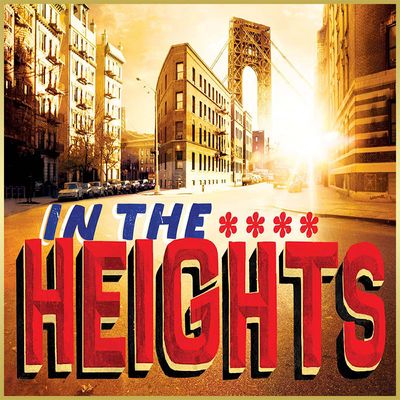
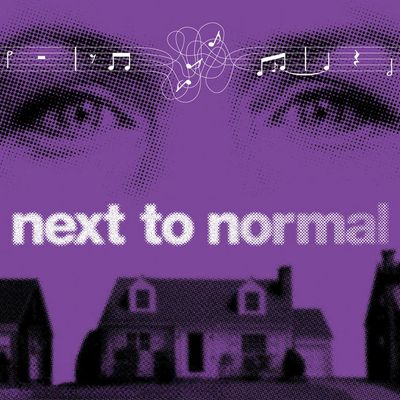
Since then, Sh-K-Boom and its upstart sister label Ghostlight Records have grabbed the lion’s share of the cast album biz away from the big “studio” companies, recording big hits like The Book of Mormon, In the Heights, Next to Normal and many more.
And Kurt sat down with me for this week’s episode to talk about . . .
- The state of the cast album and why every show needs one.
- Why albums should be part of a show’s capitalization, not an afterthought (he changed my mind on this one).
- What we will sell at the merch stands when CDs are no longer made.
- How to get an album for sale by opening night.
- Why if you’re writing a show, you have to have a demo.
Keep up with me: @KenDavenportBway
Transcript
This transcript was automatically generated and might contain errors.
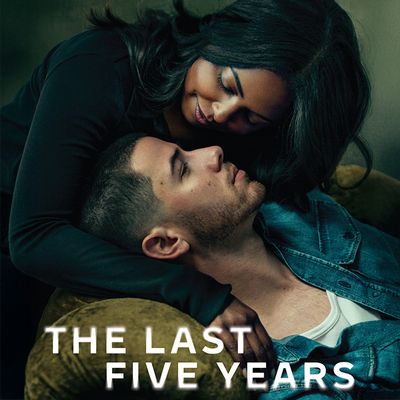
[0:10] Ken Davenport: Hello, everybody. Welcome back to the Producer's Perspective podcast. I'm Ken Davenport. Today's guest has done a lot of things in this business, which is a theme for a lot of our guests actually. But this guy has been an actor on Broadway in shows like A Few Good Men, which I'm still angling to bring back. He's directed, he's a producer as well, having just produced The Last Five Years movie. But he's most well known for being the founder of one of the leading cast album companies on Broadway, Sh-K-Boom Records. Welcome, Grammy Award winner Kurt Deutsch.
[0:42] Kurt Deutsch: Hello.
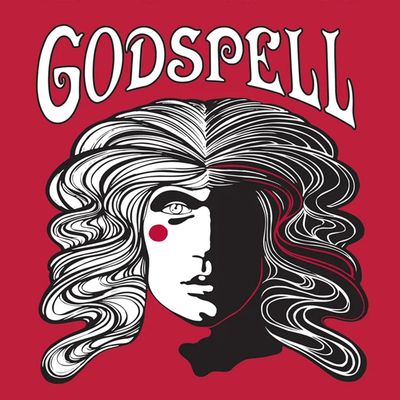
[0:44] Ken Davenport: So let me tell you a little bit about the story of how I met Kurt. It was 2005, I think, and I got an email saying, "Hey Ken, I hear you're doing the show called Alter Boys. I want to talk to you about it." So we met at the Café Luxembourg, which is right across the street from my house. We had a burger, and he said my favorite words, which are, "Hey Ken, we're doing something completely different over at Sh-K-Boom." He had a great idea and a new model for doing cast albums, and we did Alter Boys, of course. The album is great, go pick it up on Sh-K-Boom. Since then, Kurt has gone on through Sh-K-Boom and Ghostlight Records, his other label. They've done everything from The Book of Mormon, Newsies, In the Heights, Next to Normal, Elf, my production of Godspell, and many, many more, including a ton of solo albums for Broadway artists, including Sutton Foster, Alice Ripley, Adam Pascal. It's a lot of albums, Kurt. How many albums have you done, do you think now?
[1:40] Kurt Deutsch: I think in our catalog, there's over 150 albums.
[1:45] Ken Davenport: 150. That's a lot. So tell me what the impetus was for starting Sh-K-Boom. How it all started for a guy who was an actor and a producer.
[1:55] Kurt Deutsch: Well, originally we started it in, I guess, 1999, 2000, and Sherry Rene Scott, who co-founded the label with me, and Adam Pascal were doing Aida. And there was, I think, cast albums were not even part of the picture initially. It was really about after Rent, there was this new generation of Broadway fans because of the internet, and a new generation of Broadway artists who didn't necessarily want to grow up and just do show tune records. So we had this idea to start a label for artists who are bridging the gap between rock and roll and theater. And so that's how Sh-K-Boom really started. It started as a kind of a united artist for Broadway actors to do their own thing. So Adam Pascal wrote his own music, Alice Ripley wrote her own music, and Sherry had this idea for an album called Men I've Had featuring songs by the composers she worked with, who happened to be like Elton John and Pete Townsend, and so covers of those albums.
And so that's really how it all started. We felt like because they were doing eight shows a week on Broadway, we would be able to have a built-in audience for these artists. And so we put their websites in their bios and basically said, "You know, I have a solo album, go to Sherry Rene Scott dot com and buy it," and Disney was able to sell the solo records in the theater. So basically that's how that's the genesis of how it all started, and then we started doing cast albums a few years later as I learned more about the music industry.
[3:51] Ken Davenport: What was the first cast album you did?
[3:53] Kurt Deutsch: The first cast album we did was The Last Five Years, the off-Broadway production of The Last Five Years. And basically the idea, you know, I read this book called Everything You Ever Wanted to Know About the Music Business or something like that. It's one of those kind of like how to succeed in business. It's like everything you want to know about the music business by a guy named Donald Passman, I think was his name. Anyway, how to start your own record label. And we were in my second bedroom just working, and basically what I found out was the recording contracts were so unfair to the artists. Really, artists make their money not necessarily from the sale of their records; they make their money from touring or from the publishing of the songs.
And so the royalty is very, very, very small. Historically, Broadway cast albums, major labels would do them, and the producer or the show wouldn't necessarily make a lot of money off of the cast album. I couldn't believe that a producer would give one of their most major assets away. And so we created a profit-sharing structure and an ability for producers to co-own or own the master recordings and share in the profits much, much earlier. And so that's really how it all started. With The Last Five Years, Ariel Tepper and Marty Bell were the producers, and I basically went to them and said, "Hey, I love this show, I think it's a masterpiece. Why don't we just put the money up, pay for it, and hopefully we'll make some money off of this record?"
And so that was really the first cast album we did that way, and that was when we kind of invented the model, and since then, that album has made a lot of money. We made a movie of it, and because of the album, it's had hundreds and hundreds of productions around the world, and it's been great.
[6:04] Ken Davenport: So before that, you were literally in your bedroom reading. You didn't have a music recording background; you didn't go to school for any of this stuff?
[6:10] Kurt Deutsch: No, no, I was an actor. I was an actor pretty much all my life, and then I went to college for directing. I always did musicals in the summer. I knew musical theater, I cared deeply about musical theater, I wanted to produce, I wanted to direct, I wanted to do all of those things, and acting was just how I made money doing television. But then when Sherry and I married, we met doing Randy Newman's musical Faust, and I was living in Los Angeles at the time, and then we moved back to New York. I did my Sex and the City and I did my Law and Order and I did the things that at that time filmed here, and I just wanted more. So we had this idea to start this company, and that's kind of how it all happened.
[7:10] Ken Davenport: Was it hard to convince Marty and Ariel to take a stab at it?
[7:14] Kurt Deutsch: You know, the album was not the most expensive record to make. So it wasn't hard actually because it was very natural. Marty, you know, I think what's hard is that when a lot of producers are so used to the old way, but when I showed them what, you know, if we sold this amount of units, what you could make. The thing is, it's not like a hit record that's going to sell a lot of units and then not ever sell again. The Last Five Years sells every week a hundred records. It's been that way since 2002. It just continually sells because people are discovering these things. There's a revival, or Jason has a new musical, or Sherry or Norbert are in a show. It just constantly regenerates because there are always musical theater students who want to discover it.
Now that the movie is out, it's having a whole new rebirth. I look at cast albums as kind of annuities; they're not flash in the pans. They're things that are going to have a very, very long shelf life and a long tail, basically the way that I look at it.
[8:40] Ken Davenport: That was one of the things I was most excited about doing with the Godspell album because I knew there would probably not be another major Godspell production. There had only been the original in terms of a first-class recording, and that show, which is done all over the place and all the time, will live on for decades and decades.
[8:58] Kurt Deutsch: Yeah.
[8:59] Ken Davenport: How much did that Last Five Years album cost to make back then?
[9:03] Kurt Deutsch: I think that album cost around $90,000, something like that. And for me, I remember when you made the pitch to me, one of the comparisons I thought of was that the big studio, quote-unquote, cast albums seemed to never make money in a way that people describe it like Hollywood. There was all this different accounting, and it seemed that they never made money, which of course the cast recording made money.
[9:29] Kurt Deutsch: Yeah, yeah. I mean, the way that the royalty structure works in the old traditional way is very, very weighted for the record label. The artist, and in the case of cast albums, the artist is the Broadway show, has a very small royalty. Basically, what ends up happening is, I mean, I remember drawing diagrams to you and explaining it like in a pie. The simplest way I can say is that let's just say that you get ten dollars in the door, and it costs a hundred thousand dollars to make a record, and you have a ten percent royalty. One dollar goes to the artist in a little piggy bank, and nine dollars goes to the record label, essentially.
[10:19] Kurt Deutsch: And when that one dollar reaches a hundred thousand dollars, that's when the royalty for the show would kick in.
[10:28] Kurt Deutsch: Meanwhile, the label will have made $900,000.
[10:32] Kurt Deutsch: That's the simplest way that I can describe it, but it seemed very, very unfair to me.
[10:37] Kurt Deutsch: So, so basically what I said was, why don't we just all do it together? You know, and when it pays its money back, then we all share in it.
[10:46] Kurt Deutsch: I mean, that just seems fair, you know, it just seems more fair.
[10:50] Kurt Deutsch: And you know, we often talk about the recruitment rate of Broadway shows being one out of five. On average, what do you think the recoupment rate is for albums these days?
[11:00] Kurt Deutsch: Music has changed so drastically over the past. I mean, when I first started making these records, we were still doing it on tape, you know, it's like now it's all digital.
[11:08] Kurt Deutsch: Um, Amazon and iTunes, Amazon was just starting, iTunes was nonexistent, and streaming, of course, was completely out of the picture, there's no YouTube or anything like that.
[11:19] Kurt Deutsch: So things have changed drastically over the last, you know, even two years.
[11:25] Kurt Deutsch: Um, but you know, a show that has a limited run, um, that is being preserved for not necessarily to make money, um, doesn't make its money back.
[11:39] Kurt Deutsch: A show, you know, because if let's just say it was a show like um Giant, for example, which was Michael John LaChiusa's um beautiful musical at the Public Theater, it's to me just like his score is a masterpiece.
[11:54] Kurt Deutsch: And you know, and it was paid for by, you know, a foundation.
[11:58] Kurt Deutsch: The album was paid for by a foundation in the Public Theater, Ted Shen Family Foundation, and he's there to support Michael John and the Public, and never thought that it would make its money back, you know.
[12:08] Kurt Deutsch: So it's, you know, without a cast album, it's as if the musical doesn't exist, you know.
[12:14] Kurt Deutsch: So that's there for licensing purposes, it's there for a lot of other things.
[12:18] Kurt Deutsch: But a show like Book of Mormon or, you know, name a hit Broadway musical that runs for years and years and has multiple companies and that just continues to run, those will make its money back.
[12:32] Kurt Deutsch: So I do, I think of things very differently in terms of, okay, what is the purpose?
[12:37] Kurt Deutsch: And I'm pretty honest with the producers, and I say, you know, I don't think that this is gonna make its money back, but I know how important it is for you to have a record for marketing purposes, for future licensing, for all of those things.
[12:50] Kurt Deutsch: So you need to record it and we'll figure out the most economical way that you can record it.
[12:56] Kurt Deutsch: But for a show that I think will make money, I'll say, you know, we should do this, and I think that this is a really good investment, and you're gonna make money on this thing.
[13:06] Kurt Deutsch: So, and it seems like the recording of albums has become a lot easier in the past 10, 20 years, just the physical recording of it.
[13:16] Kurt Deutsch: It has and it hasn't. I mean, it's easy to, you know, now you can mix a record anywhere.
[13:21] Kurt Deutsch: Um, you can, but you still need it, especially for cast albums, you need the recording studio to be able to actually, you need a big recording studio to bring a giant cast of, you know, however big a cast is and band and everything like that.
[13:34] Kurt Deutsch: And unfortunately, the recording studios in New York are dwindling.
[13:39] Kurt Deutsch: You know, we used to have some amazing recording studios, the Hit Factory and, you know, lots of great places, but space is hard to come by now, and so yeah, we have to just kind of really figure out how we're gonna record it in the best way.
[13:56] Kurt Deutsch: Um, so that's it, it's easier to record, but it's harder to figure out where to record now.
[14:03] Ken Davenport: When do you think a producer should start thinking about doing an album?
[14:07] Ken Davenport: Like where in the process?
[14:08] Ken Davenport: It seems to me that every musical has an album when it gets to a certain place off-Broadway or Broadway. When should a producer start planning that?
[14:17] Kurt Deutsch: Well, there's a twofold answer.
[14:19] Kurt Deutsch: I think that when you're raising money for the show, you should put the cast album in your capitalization budget no matter what.
[14:19] Kurt Deutsch: You should put the budget for the cast album in your capitalization budget, and you should actually negotiate the mechanical rights.
[14:32] Kurt Deutsch: You should negotiate all of the stuff with the authors from the get-go.
[14:38] Kurt Deutsch: And secondly, you should record the album when the show is frozen, when the show is not going to have any more changes, when it's done, and you're ready to launch.
[14:50] Kurt Deutsch: I think that it makes sense to maybe lay down a few tracks as kind of demo recordings or for marketing purposes, maybe one or two or three songs, you know, prior to kind of as your marketing campaign goes.
[15:03] Kurt Deutsch: But for the most part, I wouldn't release an original cast album.
[15:07] Kurt Deutsch: The revival is different.
[15:08] Kurt Deutsch: An original cast album until the show is actually complete, and that's what you want to put out into the world.
[15:16] Kurt Deutsch: So let's just go back to this building it into the budget, because this is a trend that I've been seeing.
[15:20] Kurt Deutsch: Some producers do, some people like to keep it separate, raise money for it separately.
[15:25] Kurt Deutsch: But by putting it into that original budget, then the show owns that album, so all the investors in that show are getting the benefit of that album for years and years, whether or not the show is a hit.
[15:37] Ken Davenport: Yeah.
[15:37] Ken Davenport: So that's what you recommend.
[15:39] Kurt Deutsch: I would recommend doing it that way because you don't have to worry about it.
[15:42] Kurt Deutsch: I even tell not-for-profit theaters, you know, if you're gonna produce a new musical, you know, whether it's at the Public or Playwrights Horizons or the Roundabout or wherever it is, it's like I know money is hard to come by, you know, and you're putting all the money into the production and everything, but you know you're gonna need the record.
[15:59] Kurt Deutsch: And so you're scrambling around trying to find a label to put the money in, or trying to find this person to do, but just know that you're gonna make the record, know that it's going to happen, and just earmark that and know that it's gonna be there because ultimately put it, I don't care where you put it, put it in the marketing budget.
[16:19] Kurt Deutsch: You need that music to sell a musical.
[16:21] Kurt Deutsch: You know, and if you can offset it maybe down the road, then and somebody wants to come in, like me or a guy says, Hey, I'd like a piece of the record or whatever it is, then you don't necessarily have to put, you know, put all of it in, but just know that it's there, it's like a safety net, so that you don't have to worry about it.
[16:38] Ken Davenport: It's such a smart idea.
[16:40] Ken Davenport: And look, I traditionally have built them separately.
[16:42] Ken Davenport: I put my album separate.
[16:43] Ken Davenport: But now that I think about it, you know, I think our initial reaction of producers, like, oh, don't give me another couple hundred thousand dollars to raise.
[16:50] Ken Davenport: I don't want to do that.
[16:52] Ken Davenport: But the fact is it is such a safety net, partly because if the show isn't received well in the first couple months, and you're still gonna want to do the album.
[17:00] Ken Davenport: Right.
[17:00] Ken Davenport: And then you're really gonna be in trouble in terms of raising that money because every investor is gonna say, Well, how long is it gonna run on Broadway?
[17:08] Ken Davenport: Because I'm sure you'll tell us that shows sell the most albums when you're doing eight shows a week and two thousand people a night are seeing.
[17:14] Kurt Deutsch: Exactly.
[17:15] Kurt Deutsch: Yeah, yeah.
[17:15] Kurt Deutsch: They do.
[17:16] Kurt Deutsch: They sell, you know, you can guarantee that you're gonna sell a few hundred records a week, whether, you know, as long as the show is running on Broadway and it's a hit, you know.
[17:27] Kurt Deutsch: So I just think that um it makes a lot of sense to just not worry.
[17:33] Kurt Deutsch: And it was the same thing that I said, you know, and when I initially kind of came up with the model when I would talk to producers, they would say, they said exactly what you're saying.
[17:44] Kurt Deutsch: It's like I don't want to have to worry about raising the money because these albums never make money.
[17:48] Kurt Deutsch: And I'm like, yes, they do make money.
[17:50] Kurt Deutsch: It's just that you're not seeing it.
[17:52] Kurt Deutsch: So, and you know, and there's a lot of producers who feel that the traditional way um is the right way.
[17:59] Kurt Deutsch: And no, but things have changed now.
[18:01] Kurt Deutsch: Distribution is so easy, and you just put it out there, and it, and and they, so I mean the thing that's hard now is really the economics because of the streaming services and how we're getting paid, whether it's Spotify or Apple Music, and there's just a lot, people don't feel like they should be paying for music anymore.
[18:22] Kurt Deutsch: So that's the hard challenge for any label, I think, really, is how are people gonna buy or how are people consuming, you know, CDs are gonna be gone.
[18:34] Kurt Deutsch: I mean, they don't even put CD players in computers anymore.
[18:36] Kurt Deutsch: So it's like those are gonna be gone.
[18:39] Kurt Deutsch: So it's like really how are we going to monetize music um in the long term?
[18:44] Kurt Deutsch: And I think that the union contracts have to change.
[18:48] Kurt Deutsch: I think that a lot of things have to change given what's going on for the future.
[18:52] Ken Davenport: And what do you think the future looks like if you could take a look 10 years, 20 years into the future in terms of music?
[19:00] Kurt Deutsch: I think it's gonna be subscription-based.
[19:03] Kurt Deutsch: Um, I mean, artists are not gonna stop creating, and so music is always going to exist.
[19:08] Kurt Deutsch: But I think that we're gonna have to adapt with the cost of how things are being made.
[19:15] Kurt Deutsch: Um, and I think that what's going to end up happening is, is like with Apple, if it's Apple or whatever, it's all gonna be subscription-based.
[19:24] Kurt Deutsch: So you're gonna see millions of millions of millions of people subscribing to Apple Music, right?
[19:30] Kurt Deutsch: That's why Spotify doesn't really exist because it's ad-generated right now.
[19:34] Kurt Deutsch: There's not enough subscribers to really pay.
[19:37] Kurt Deutsch: But once there's one company, whether it's Apple or whoever it is, and there's 80 million people or 100 million people subscribing to that service, then you're going to see, I think, a more equitable distribution of the money.
[20:07] Kurt Deutsch: If the CD disappears, what the hell are we going to sell in the theaters?
[20:12] Ken Davenport: Anything?
[20:13] Kurt Deutsch: Well, I mean, it's interesting because I've thought that what you're going to end up selling is a poster with a little, you know, a little code that says, you know, here's the record, or a t-shirt that has a, you know, a little code that, you know, you...
[20:32] Kurt Deutsch: I mean, if for me, what my dream would be is that everybody who buys a ticket gets an email and it's the and the record is given to them. And you take a few dollars off of the ticket price that goes towards paying back the record, and then everybody makes money because you're number one spreading the word of the music for all everybody who goes to see the show, they have that to listen to. Hey, I saw this great show, listen to this music, then they're gonna buy a ticket and they're gonna get the record. So it's like you I just feel like that's the way to do it. And if you did it that way and you gave four dollars or whatever, and they feel like they got it for free, but you gave four dollars to back to the record or the capitalization, then you're will have paid back your record in you know three months, basically, because all those people will have seen it.
So I think that would be a great thing to do if you can do that. You'll probably have to say something to the theater owners and everybody else who gets a piece of that. But you know what? Sometimes if you own the thing, you can do whatever you want to do with it.
[21:34] Kurt Deutsch: It's a very cool idea. Now, look, you've worked with a lot of producers, you're a producer yourself. What are some of the characteristics of your favorite producers working today? Like, what does it take to be a successful producer on Broadway, do you think today? Flexibility, imagination, collaboration, obviously brains, um, you know, because you've got to you know be smart and understand how it works. But I think that the people that I've worked with who are forward thinking, who really think about you know what the future of the theater is, who their audience is, who they're trying to attract, how what's happening in social media and you know the digital age, you know, you I think you have to be on top of all of that stuff, but then you also have to be able to communicate to the artists and the composers and the creators and your collaborators um the message that you're trying to get across in order to build the best show that you possibly can. I think that would be my takeaway from it.
[22:37] Kurt Deutsch: You've been observing Broadway, both as a fan, I'm sure, but also both as a professional. What do you think the current state of the music is on Broadway right now? Someone who's recorded all these great albums. Well, I mean, it's amazing because you know, you look at a show like Hamilton, and you see how Lynn has his roots in traditional musical theater so deeply, but he also has his roots in popular culture, and it's very exciting how he's how he's blended that. And I think that a lot of the young composers that are coming up, whether it's you know, Joe Iconis or Jason Robert Brown or Tom Kitt, all of these guys are rooted in traditional theater. They love it. But Joe, you hear Ben Folds in his music, or Jason Robert Brown, there's a lot of Joni Mitchell.
I mean, it's like the there's the thing that's amazing about these guys, and it's what I said about you know, when I started when I started the label with even the performers, they are able to create a vocabulary, the best composers, they're able to create a vocabulary using um and storytelling using uh all of the influences of today, whatever it whether whatever it demands, and then they they put their own spin on it, like Janine Tesori, same thing. It's like she has her own style, but you can hear all of her roots in other in other music, whether it's Sondheim, whether it's pop music, it's just it's just it's it's amazing how these young composers are just drawing from all of their influences to create this new sound, I think.
[24:23] Kurt Deutsch: What I love about those three guys that you just mentioned, Tom and Joe and Jason, and how they roots in traditional musical theater, but also pop. All three of those guys have their own bands that they play in, right? Which I think is very very interesting.
[24:38] Kurt Deutsch: Uh, what would be your advice to people with a show that they're developing right now? Something new they've written, they're trying to get it onto off Broadway or Broadway. How do they record something? Do they hire a label? Do they do something simple? What's the best way to um? It's an interesting thing because I was on the board of the Weston Theater up in Vermont and we created an award for um musicals, new musicals. And the award is basically you go up to Weston, you work for a week developing uh a musical, and what you you don't get money, you don't get anything, but what you get is these actors and a piano player rehearsing a 30-minute concert, and then they come down to New York and I produce a demo for them.
And so what they get out of it is a professionally produced demo that they can then submit to Ryan Bell, you know, all of these the O'Neill or or for grants or or for or whatever, but to create a very um spare demo recording uh where you can give it to some investors who might be interested, but you but it's not just a composer sitting in his living room with a tape recorder, you know, because that that's just never going to sound sound good. I don't think you need to have a lot of instruments on it. I think having other actors, real actors sing on it, is valuable. And the quality, even if it's just a piano or a guitar or simple, just really simple, so you hear the lyrics, you hear the basic melody, and you hear good performances. I think that's key.
[26:16] Kurt Deutsch: Okay, Kurt, we're up to my last question now, which has been affectionately referred to as my genie question that I ask all my guests. I want you to imagine that the genie from Aladdin knocks on your door and says, Kurt Deutsch, you've done such an amazing job at preserving so many great shows, some that may have disappeared if it wasn't for you. I want to thank you for that by granting you one wish. What is the one thing that drives you so crazy about Broadway, keeps you up at night, makes you so angry? What's the one thing you wish could just disappear or change in the snap of a finger? Hard one. But um I guess when it comes to my business or my core business, um, which is the preserving of original cast recordings, is that we somehow collectively, the musicians union, the actors union, and um the producers of the shows, and we figure out a way to understand that these albums are marketing tools and for the future of the shows and historical documents, and um and that we don't think of them as uh giant paychecks so these records actually don't have to cost $400,000 to make, they cost a lot less to make and um are there for history.
And if they do make money, then everybody shares in the making of money. Um but unfortunately, all the contracts were signed or negotiated in a time when Broadway was kind of the pop music of the day, and they were selling hundreds and thousands of millions of units, so and they haven't really adapted to what's going on now. So I just wish that people under you know, except you think of these actors, the actors want the record, you know, because they want to say, hey this was me and this show and this is my cast album that I'm on and the fans want it and musicians do too you know hey I want to I I'm proud of my work and this was my work you know and and so I think everybody wants that but unfortunately it's very hard to get unions um to understand that times are changing and and this is really all for posterity so I really wish that we could all just get in a room and figure out how to how to just make these records a lot more cheaply so that everybody so we can preserve all these things.
[28:51] Kurt Deutsch: Well the theater is known as an industry that doesn't change very rapidly yet at the same time you're working in an industry in the music industry that's changing at the speed of light. Yeah yeah yeah and you know and in in pop records and and indie records cost you know and they cost basically nothing you know I mean like in terms of production you know it's because you've got a guy who's creating electronic sounds in his in his room and you know and it's like they don't necessarily even use real musicians you know so it's just it's a whole different it's a whole different world and um you know and I and I respect Broadway and I respect theaters I respect the actors and I respect everybody and all the musicians and but I just feel like the original cast album is something that needs to be preserved and we need to figure out a way to make it cost effectively because without it um you know without the record nobody nobody will be able to listen to these things in the long term.
[29:48] Ken Davenport: Yeah, you're a hundred percent right about that. If they can't listen to it, they won't want to do it. On top of that, we'll have less productions. So making sure we keep these cast albums going and produced for every musical that comes out is essential, I think. Uh, Kurt, thank you so much for being with us. Cast albums are indeed an endangered species these days. Uh, you've dedicated so much time to making sure that so many shows, again, that may not have been preserved, are preserved for current generations and future generations. Uh, and we thank you for that. Thanks to all of you for listening. Coming up on next week's episode, we're going out on the road again with one of the leading presenters of Broadway Entertainment in the country. Tune in and don't forget to subscribe.
© Broadway Podcast Network, All Rights Reserved