

Duncan Sheik is an American singer-songwriter and composer. He is known for his 1996 debut single "Barely Breathing", which earned him a Grammy Award nomination for Best Male Pop Vocal Performance... Read More
From the show: The Producer's Perspective Podcast with Ken Davenport
Guests

Featured Shows
About
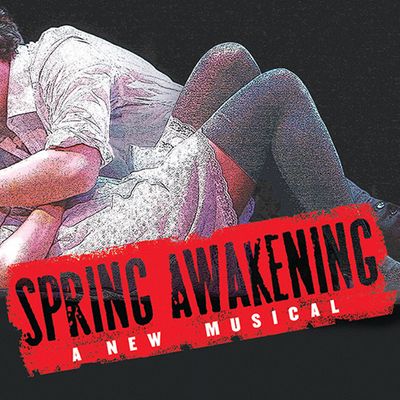
Duncan Sheik is an American singer-songwriter and composer. He is known for his 1996 debut single "Barely Breathing", which earned him a Grammy Award nomination for Best Male Pop Vocal Performance. He has composed music for motion pictures and the Broadway stage, winning Tony Awards for Best Original Score and Best Orchestrations for his work on the 2006 musical Spring Awakening.
Tune in and listen to Duncan talk about all things related to his pre-Broadway and Broadway career, including:
- How four guys in a van made him second guess the pop music world.
- Why his dislike for musicals made him want to write one.
- What he’d say to other popular artists who want to write for musical theater.
- What a Broadway musical should sound like.
- What to do when you hate your own show.
Duncan ushered in a new era of music for Broadway with his score for Spring Awakening. And in this podcast, you’ll hear just how he did it.
Keep up with me: @KenDavenportBway
Transcript
This transcript was automatically generated and might contain errors.
[0:00] Ken Davenport: I wanna be a producer with a hit show on Broadway.
[0:07] Ken Davenport: I wanna be a producer.
[0:10] Ken Davenport: Hey everybody, before we jump into this week's podcast, not sure if you know, but I actually have a theater on 45th Street.
[0:10] Ken Davenport: It's where Daddy Long Legs is playing right now. But what you may not know is above Daddy Long Legs, there's this really cool 60 seat black box.
[0:24] Ken Davenport: I'll tell you a little secret. Al Pacino and David Mamet rehearsed China Doll there. It's a really cool spot. It's available for rent. Check it out, DavenportTheater.com.
[0:35] Ken Davenport: Now on to the podcast. Hello everybody, Ken Davenport here. Welcome back to the Producer's Perspective podcast.
[0:41] Ken Davenport: This is week number three of Spring Awakening Month. We've already heard from director Michael Arden and bookwriter and lyricist Steven Sater. And this week I'm thrilled to have the composer of Spring Awakening himself, the Maestro, Tony Award winner, Grammy Award winner, chart-topping Duncan Sheik. Welcome, Duncan.
[1:00] Duncan Sheik: Thank you so much.
[1:01] Ken Davenport: Now obviously you had this hugely popular music career before Spring Awakening. So before we even get into the spring stuff, let's go way back. How did you get started writing music, playing music in the first place?
[1:15] Duncan Sheik: Well, to make a very long story very short, I started playing guitar when I was five years old. And my grandmother was a pretty fantastic pianist. She was born in Scotland and she was this very dramatic artistic woman, and she was very supportive of my various kind of musical endeavors. So I started playing guitar when I was five, and there was always pianos in the house. So I was always banging on the piano in some kind of, you know, aggressive and not very rigorous way, but I was always encouraged by her. And then kind of when I was 12, 13, 14, I started to get into the electronics and gear, so to speak. So I started playing with analog synthesizers and drum machines and guitar pedals and all that kind of stuff.
So I actually was, you know, as a pretty young kid, I was like using a lot of the technology. And I wasn't a very, I was a very unruly music student in terms of like sight reading and, you know, playing other people's music, but I really had fun kind of creating my own stuff using various kinds of technology that I could get my hands on, you know, in the 80s, let's say.
[2:30] Ken Davenport: And when did you write your first song?
[2:32] Duncan Sheik: Well, that's hard. It's hard to say. Like I really, I did also sing a lot as a young kid, and I was in musicals like when I was in grade school. So I was in Annie and I was in The Muppet Show, and I did Barnum, and I did The Artful Dodger in Oliver when I was like 12. So I sang kind of up to that point, and then I think when my voice changed, I got incredibly self-conscious about my singing voice, and I stopped singing for probably seven years or so, and I was just kind of making music, you know, instrumental music and stuff. And then when I was really my freshman year in college, I was going to Brown. I had kind of, you know, I bought a decent microphone and I had a four-track recorder, and in the secrecy of the recording studio at Brown, I started singing again, you know, as a 19-year-old.
And so I guess that was the first proper song I wrote was at 19. And actually that song, again, very long story, but it made its way to a music publisher in LA, this guy named Dick Rudolph, and he really liked it, and he invited me out to Los Angeles to go talk about like, you know, getting a publishing deal together. So it was sort of like, you know, first shot, best shot. And actually that deal didn't happen when I was 19, but it gave me the kind of impetus to say I should probably keep doing this.
[4:02] Ken Davenport: And I'm sure it was a long story, but how just in brief, how did it get there? Because so many people try to, the only business I can think of that's harder than Broadway is actually the music business.
[4:11] Duncan Sheik: Yeah, it was nepotism. Dick's son was one of my classmates at Brown, and people actually know Dick's daughter really well, it's Maya Rudolph, who's been on Saturday Night Live. But anyway, Maya's dad, Dick Rudolph, he was a very big music publisher, and he was married to Minnie Riperton. So, you know, I had written this song, Dick's son, who's my classmate, heard the song, and he loved it, and he sent it to his dad and said, "Dad, you gotta sign this, my friend who's at school with me." So that was the beginning of that whole process.
[4:48] Ken Davenport: At 19.
[4:49] Duncan Sheik: At 19. And then ultimately, like again, totally nepotistic. But my other really good friend was Tracy Ross, who's Diana Ross's daughter. And when I finally did get signed to a proper label in Los Angeles, it was sort of through Diana Ross and her lawyer that I was able to do that. So there definitely is a little bit of a "who you know" factor in all of this, but the weird thing is, like I wasn't, you know, it wasn't I wasn't really making music that was similar to Diana Ross or Minnie Riperton in any way, but somehow it sort of worked out.
[5:25] Ken Davenport: So you get signed and you release your first album, and how old were you when that debuted?
[5:31] Duncan Sheik: I was 26.
[5:32] Ken Davenport: 26, yeah.
[5:33] Duncan Sheik: I made it when I was 25 and it came out when I was 26. And then boom, something very special happens and "Barely Breathing" hits the charts.
[5:41] Duncan Sheik: 55 weeks on the top hundred charts.
[5:43] Ken Davenport: Yeah. What was that like?
[5:46] Duncan Sheik: Yeah. I mean, it was great, but my memory of that time is really it's a lot about like being in a van with four other kind of, you know, not very hygienic musician friends of my same age and staying in really horrible hotels. And like I was selling a lot of records, and I had a song on the radio a lot, and people were like, "Ah, this is amazing, you're famous, you're rich." And I wasn't, you know, it just didn't really work that way, you know. And so it was a lot of cognitive dissonance, to be honest, of people like thinking you were much more successful than maybe you actually were. And I think that kind of fed into my discontent with the pop music world in general that kind of sent me down this kind of crazy road that where I ended up, you know, doing writing music for theater.
[6:49] Ken Davenport: When you wrote "Barely Breathing," did you know, like could you, were you writing it and be like, "Oh, this is great. This one's gonna take off"?
[6:55] Duncan Sheik: No, no, very much a case of I had written a set of songs that I was excited about, Atlantic was excited about, my producer Rupert Hine really liked. And this is a very kind of almost cliché music business story where at the end of the process, Ron Shapiro, the guy who was the head of Atlantic who had really signed me, he was like, "We need one more up-tempo song on the record." And I was sort of like rolling my eyes and going, "Ugh, okay." And I was, you know, going through like some very typical 26-year-old relationship shenanigans. And so I wrote this very heart-on-my-sleeve kind of song about this particular girl. And I felt that it was a little bit, I always felt it was a little bit throwaway and not particularly that cool or that great, but it sort of worked, and I was like, "Okay, let's put it on the record."
But then when we had recorded it, finally, all the kind of the business people, because we made the record in France and London, so all the Atlantic people from New York and the Warner Brothers people from London, they were all like, "Ch-ching." They were all saying like, "Oh, it's a hit, it's a hit, it's it." And I was like, "Okay, you know, go with God. I don't know what to tell you."
[8:22] Ken Davenport: And we're, you know, weirdly, like I, this was, and again, this was the beginning of my kind of struggle with like being a pop artist versus being, you know, somebody who wants to write art songs in some way. Like, you know, I didn't, I wasn't that interested in being on Top 40 radio. I was happy to take the checks, I was happy to get all the benefits of it, but I wanted to be Jeff Buckley or Björk or Radiohead. Like those were the things that were inspiring to me. So it was odd to be on Top 40 Radio at that particular moment, because I didn't feel a lot of kinship with a lot of those other artists.
[8:59] Ken Davenport: So last I heard, Radiohead has not written a musical. So although there was something with Jeff Buckley's songs a couple years ago. So how did you go from wanting to be Radiohead in that world to transitioning to writing for musical theater?
[9:15] Duncan Sheik: Well, in fact, Tom York has written the music for the Roundabout's Pinter play this season.
[9:22] Ken Davenport: Okay.
[9:22] Duncan Sheik: So actually he's biting my stee. I love it. No, but I, so I'll get back to that story. So around 1999, I had finished my second album cycle, and I was very disillusioned at that point, where I was just like, it was the, you know, that was the moment of Britney Spears and Christina Aguilera and Backstreet Boys and NSYNC, and no offense to any of those artists or their fans, but it just had nothing to do with the music that I was into, and I just felt like, you know, what am I, you know, what am I gonna do? And I'm a practicing Buddhist and have been since 1989, and I happened to meet another Buddhist, this guy, Steven Sater, who is a playwright, and you know, at the time was also in a way like a, I guess a struggling playwright.
You could say he could have had some successes, but he was, you know, trying to get his next thing going. And again, very long story, very short. He handed me a copy of maybe the Ted Hughes translation of Spring Awakening, and he said, "Read this play, and you know, maybe we should try and adapt it as a musical."
[10:41] Ken Davenport: And when you read it, did you go, "Oh yeah, this is all me. I got this"?
[10:45] Duncan Sheik: Well, I was not at that moment, I feel bad about because I've told the story nine million times, but I was not particularly a fan of musical theater in 1999. Even things like Rent, which I know was like nominally like a rock musical, it just to me it was like this is musical theater dressed up in rock clothing, and it's not really for me. But when I read the play, I thought, well, you know, there is something cool here, and it's a weird play, and it is sort of, you know, it's expressionistic and it's absurdist and it's racy and it's very kind of cutting, and it's sort of a rebuke of late 19th century German society and the hypocrisy and the ridiculousness of their belief systems and their behavior, and especially the behavior of parents and teachers and clergy towards the kids that they interacted with.
And so that aspect of it, that kind of like punk rock aspect of it for lack of a better word, that appealed to me very much. And that I thought, well, you know, if it's okay that I write music that stylistically is interesting to me and has nothing to do with what's going on in the rest of the musical theater right now, then let's do it. You know, so that was my answer to him. And Stephen was cool, he was good about it. And very quickly, Michael Mayer came on board and had to say Michael Mayer was great about it. You know, and he's the biggest musical theater aficionado of them all, but he was very much in support of it having a totally modern sound.
[12:30] Ken Davenport: So that was great.
[12:32] Ken Davenport: Yeah, it's certainly that I remember seeing it for the first time and thinking, I have never heard music like this on a Broadway stage before. What was the first song you wrote for? Do you remember?
[12:42] Duncan Sheik: There was "The Word," I believe was one of them, "Mama Who Bore Me" was one of them. I think "Mirror Blue Night" might have been one of them. And there was one other song that was called "Comet on Its Way," which is a metaphor you can probably figure out if you want. That was since cut from the show, but it's a pretty good song.
[13:05] Ken Davenport: Any tracks of it anywhere?
[13:06] Duncan Sheik: It exists somewhere. Steven probably has it.
[13:08] Ken Davenport: Yeah, I'll have to hit him up for a bootleg.
[13:11] Duncan Sheik: Yes.
[13:11] Ken Davenport: So in the last 20 years, a lot of artists from the quote-unquote pop world have tried to come over. And you're one of the very few that have actually pulled it off successfully. Why do you think that is?
[13:25] Duncan Sheik: Well, look, again, I think my a combination of like naiveté and bravado and kind of, you know, obnoxious self-righteousness in some way, I think is really what made it work, and also just being lucky to have the really the right set of collaborators during that process of me learning how to play well with others.
[13:53] Duncan Sheik: Um you know, I didn't go to college and study musical theater composition, like I didn't even know what those rules were to begin with. So I wasn't it wasn't like I was trying to break the rules, I just didn't know what they were. I just wanted to write like really good songs, and I wanted to help tell the story, but I wasn't interested. To me, I don't care that the songs forward the action of the story or the plot. I'm not I didn't come from that world, so that was never for me. It was just like, can I hear a really great song that emotionally moves me and and gets me more kind of attached to this character and and understand this character more. So you know, that was sort of the naivete part.
And then also it was just my doggedness of saying, no, like I don't I please the drums should not be mic'd this way. The guitars should not sound this way. The synthesizers can't be cheesy fucking synthesizers from the 80s. And it's not just music that you know, it's just kind of like, okay, this it's rock music with you know, in parentheses. I forced, well, myself and everybody else to be really strict about that stuff. And I and I think that that did have a good effect on the show overall. It was hot and but it was really hard to do that. It was a lot of there were many battles fought.
[15:28] Ken Davenport: Do you think we've gotten Broadway as a whole has gotten better at this?
[15:32] Duncan Sheik: Very, very, very much better. You know, and and I and I can point to a ton of things, but you know, specifically once, where it was like, you know, I loved the movie and um and they did a really respectful job of turning that into a into a show that respected the aesthetics of what those songs really are meant to be. And obviously Hamilton has been this huge juggernaut, and it's just a very smart thing that Lynn has done where he's found a way, again, it's like it's almost like the opposite thing of what I did, where he's found a way of using of using the kind of hip-hop vernacular to to have to have dialogue in the music where it doesn't sound cheesy and stupid, you know, and and that's completely genius.
So I uh I was talking to another producer recently, and and they said it's clear like the audiences out there, they do not want the Bog standard musical anymore. They want really interesting, cool, different things now. So whether it's curious incident of the dog in the nighttime or let the right one in at St. Anne's, you know, that again, these are plays, but but they're really like very progressive, very different ways of doing theater and telling stories and and also with really, really cool scores. To me, you know, theater has become this very exciting medium. Yeah, we're definitely outgrowing the Rogers and Hammerstein, Arthur Miller, Fourth Wall.
[17:00] Duncan Sheik: Yeah, and I and and I love I mean I'm don't don't get me wrong, I I like you know, one of Steven and I, one of the first shows we went to when we decided to do Spring Awakening was Poor Game Best at Lincoln Center, and and I think we got a lot out of that, you know. So I I'm not disrespecting the past at all. It's just you know, you do you you do need to always be moving things forward, and if you move things forward, then you're gonna create new audiences, and you know, I think that's what Lynn has done amazingly well, and certainly Steven and I are trying to do, and um we've got to fight the good fight for the theater. Uh so here you were, this writer from the age of five and twelve and nineteen in the studio brown all by yourself and writing songs, and then all of a sudden it's your writing with someone else.
[17:47] Ken Davenport: Yeah, a story and a lyricist.
[17:49] Duncan Sheik: Yeah. Was that mind blowing? Was that difficult?
[17:52] Duncan Sheik: It was it was weirdly very easy. Um I always found writing lyrics to be the more painstaking part of the process. So having somebody kind of just, you know, hand me a lyric and give me a context for that lyric was a huge leg up in a way. It was like, you know, immediately you've got you've got all this information to play with. And in Stephen's case, it happened to be really beautifully written and eccentric but awesome kind of information to play with and and enigmatic and odd and all the things that are, you know, that that can be inspiring as a as a composer. So it was great to to kind of have lyrics and not have to because I w when I write music for myself, I always write music first, and I kind of graft the lyrics onto the music.
And that could often be just like really not fun in the sense that I I wasn't often clear what I what I wanted to say. You know, it was very inchoate, and I was I was just sort of like I like this vibe of the song, and this is a cool melody, and these are cool chords and these are cool sounds, but I wasn't always so clear about specifically what I wanted to say, certainly when I was making records as a twenty six year old. Um, but having somebody who's whose life is words, you know, who literally just is in love with words and the relationship of words and the sound of words. Having somebody like that to work with was a real gift.
[19:26] Duncan Sheik: So it took you guys a while to write it.
[19:30] Ken Davenport: Yes.
[19:31] Duncan Sheik: We wrote a few songs. Michael Mayer came on board very quickly. And we had a first workshop at La Jolla in 19 maybe this was 2000, 99, 2000. And um, and I think at that time by the time we finished La Jolla, we had maybe 10 songs, which was like sort of half of the show. And then the next year we were able to go to Sundance in 2000. At that point, we probably finished the first full draft. So we had like version one of the show was kind of two years into it. So that's pretty normal, I suppose. And at that point, then the roundabout uh got involved and they they gave us a couple workshops. And so we did two workshops in New York that were pretty fancy, blown-out workshops, and we had Michael's server, and had all kinds, you know, we had all kinds of cool people involved, and and it seemed like it was really gonna happen, and then it didn't happen.
Kind of it it it fell apart as these things sometimes do. I remember getting a phone call from Stephen, maybe this is like 2003, 2004, and he was just like, Well, the roundabout is you know, has said that they're not gonna do the show, you know. And so at that point we were like, it was five years of work that was just okay, you know, we're done. I don't you know, I didn't know what to say. I was you know, off trying to make my next record at that point. It was probably my fifth record while museum. So I was like, Alright, well, I'm not sure what to say.
[21:01] Duncan Sheik: Uh and then and then Tom Hulse kind of came around. I think you know, Michael Mayer got Tom Hulse to kind of come around, and and Tom kind of came in and said, Why don't we do a concert version of this at Lincoln Center? So that was like 2005. We we had like a one night only concert version we did there. It was like the American Songbook series. And we, you know, we we played that one show, and at that show, Neil Pepe and Ira Pittleman were there. And uh at the end of it, I think Ira and Neil shook hands and we had a we had our spot at the Atlantic.
[21:40] Ken Davenport: So from the Sundance production to the eventual Broadway production, how much of it changed? Just to give us an idea of the rewriting process in those number of years.
[21:51] Duncan Sheik: Yeah, I mean, I think probably 70% of the songs were there in Sundance. I mean, if I think about it, Mama Who Bore Me was there, Touch Me was there, uh, let me go through it, you know. I I believe was certainly there. Let's see, kind of going through it, you know, Purple Summer was certainly there. There were a lot of the big songs were were there from the beginning, but many things got written. I think many things got written kind of around the time between let's say Lincoln Center and Broadway. Many things did get written. So I don't know, maybe it's like 50% existed, and 50% was developed over that kind of two years. It's a little bit of a blur. And some of these things, you know, they they they evolve and they change and they they kind of go through different permutations. So it's hard to specifically remember which songs got written when.
[22:52] Duncan Sheik: So, you know, it was it was a ton of it was a ton of work, but it eventually became really fun to do. And when the curtain rose metaphorically on the Atlantic production, I'll ask you the same question I did about barely breathing. Did you were you or not even on the opening night?
[23:07] Ken Davenport: So there was no audience, the dress rehearsal.
[23:09] Duncan Sheik: Yeah. Were you like, oh shit, we crush this. This is gonna be good.
[23:13] Duncan Sheik: Well no, so yeah, so let me back up one second. There I will say that there were like a couple moments in in in the development process where like we would do a workshop presentation, and I would shake my head and I would say, Oh my god, this is awful. Like this is so god awful and so bad, really. What what have I gotten myself into? So there were there were many of those moments. And that but I will say when at The Atlantic, it was like the first day they got in costume and we had Christine Jones sets were up, and and then they did the Bitch of Living like with the full band, and I don't know whether it was Zitzprobe or whatever it was, but it was like the first day you saw the whole thing kind of put together.
Um but it was maybe before tech, it was right before tech, and they did the bitch of living with Bill T's choreography, and it and that's when I did like Stephen and I went like we had an elbow each other and said, holy shit, like this could really work. Um but that and but that was the first moment, it really was like after five years of working on it, where I finally felt like, oh yeah, this is what this is supposed to be.
[24:21] Ken Davenport: So those moments where you thought it was god awful, I have them all the time. I go through this every show I've ever done. I go through this, I hate my show day, I love my show, I hate my show. But how do you get through the I god, I hate this?
[24:37] Duncan Sheik: Yeah, well, that's I mean, that's the thing I uh look that this was my first my first rodeo, so I didn't I I didn't know how to deal with that with that feeling. Now, you know, I've I've developed many other musicals and and now I sort of know how to kind of manage my emotional responses. Um but at the time I didn't, and I was just I was you know, I would just be like, you know, oh this was a complete waste of my time. But I think but I think there was something inside both Steven and myself where we kind of harbored this hope that there was a real kernel of something there that would really affect people, and we held on to that. You know, I think when Steven was super down, I think I was sort of like, look, let's, you know, we'll keep work on it. And when I was just like, oh, this is terrible, Stephen would say, No, there's something really great here. So we sort of propped each other up.
[25:31] Ken Davenport: Well, thank goodness you did. Because obviously the results were unbelievably extraordinary, not just in terms of its quote unquote success and awards, but you moved a lot of people and changed a lot of lives and changed the face of musical theater for sure. And now here it is back again.
[25:47] Duncan Sheik: Yeah. Did you ever think it would come back so quickly?
[25:50] Duncan Sheik: Definitely not. Uh when I saw the show in in downtown Los Angeles, you know, a little over a year ago, I thought it was amazing. I loved it. I was a big fan of it from right off the bat, but I did nowhere in my mind did I think, oh, we're we're headed to Broadway at all. But I I thought like oh, this is an incredible version of the show, and I didn't expect to be as moved as I was, and you know, I don't I don't want to reiterate all of the stuff that we've said about about the ASL aspect of it, but that was just a we'll just say it once, it was a hugely surprisingly beautiful revelation to have that layer in the show. So that happened and then I think you know Michael being Michael and you know and the Deaf West producers, you know, they had the opportunity to do it at Annenberg and and I went and saw it there.
And I have to say it was a tough transition to that theater because um it was like going to a a real kind of proper regional theater space which is and this had was a show that was like in a black box with the upright piano moving around and you know it was it was very kind of handmade and then all of a sudden it was like in a proper space and and it was tricky like you know during the during the previews like there were major issues but Michael got it together and the the cast and and the musicians were always great but it took a minute for the show to settle in there. But then when it did it was like oh it revealed itself to really work even in a more kind of quote unquote pro context.
[27:34] Duncan Sheik: No, it's still, you know, I think, you know, by the time they sorted out the problems, it was like, oh, there's this thing is still really fantastic. And then, um, you know, not to get too inside baseball, but you know, once there was this idea that we were, you know, coming to Broadway, I think they were also like, ooh, you know, this is a great version of the show, but is it ready for Broadway? You know, a lot of us were asking that question. I was too, I'll tell you a little secret. I said, yes, I want to move the show. And I was like, what should I just say? But anyway, so, but I also knew like there's something incredibly special about this band and this set of actors. Like I'm sort of attached to the band because I'm a composer, but also these actors.
And so when it all worked out that we had this opportunity to come to Brooks Atkinson, I was in support of it right off the bat. I have to say, I was like, there's gonna be challenges, and who knows what's gonna happen, but could be amazing. Could be amazing. And in fact, you know, and I take zero credit for this. You know, once we did get into that theater, and I saw the, you know, the bear, I saw the first preview. It was just like Michael knocked it out of the park. The cast knocked it out of the park. I take zero credit for it, but it was just like, whoa, this thing is really, it's beyond my wildest dreams, good and affecting, and you know, it was, and the part of me was a little bit like, this is gonna sound horrible, but part of me was like, oh, if I never do anything again, at least I've done this. Listen, I've said that myself to many people. It's just a very special thing that I'm very proud to have produced for sure.
[29:23] Ken Davenport: Um, but this is a busy year for you, so Spring now, American Psycho this, uh, spring.
[29:29] Duncan Sheik: Yeah, yeah, February will start previews, I think.
[29:32] Ken Davenport: Yeah. And you're writing some more shows, you've got an album coming out. Do you switch hats between writing theater and pop music? Is there a switch or are you just whatever comes out comes out?
[29:43] Duncan Sheik: Uh, you know, this year has been a lot of going back and forth just because I had to finish my record, Ledger Domain, and you know, I'm going on tour in November and I'm playing at Carnegie Hall at the end of November, so I kind of have to keep my eye on that ball too, more than usual. But it's been good. I mean, I like, I actually really like being able to move back and forth between the two worlds and it kind of keeps me sane and it keeps, it gives me a good perspective, like when you, because you can kind of get wrapped up in musical theater ease in some way. And you can also get wrapped up in like pop music BS. And so the two things are like, they're good correctives of one another in a certain way. So, um, it's been nice to be able to do both.
[30:32] Ken Davenport: Do you do Spring songs in concert? Do you guys musical theaters?
[30:35] Duncan Sheik: Yeah, I mean, I'll definitely, I've played "Bitch of Living" quite a bit and "Touch Me" fair amount, and you know, if I have a girl singing with me, we'll do "Mama Gormi" and sometimes, you know, I'll play shows. I like, I played a show, where was I, somewhere in Northern California, and there were a bunch of kids who were like theater kids from the college and they had done "Spring Awakening." And you know, I said, is any, does anybody here like know "Touch Me?" You know, and I'll like, I'll just, you know, a gaggle of kids will come on stage and we'll play the song, you know, in the show, which is great, which is really incredibly funny.
[31:15] Ken Davenport: Yeah.
[31:15] Duncan Sheik: And so, yeah, so a little, I'll do a little bit of that. But I don't, I don't overdo it.
[31:21] Ken Davenport: So when you're touring, I took my wife to a Chris Young concert for our anniversary, and I just found it very interesting to sit back and watch a rock concert, country rock in that case. Anything that you think Broadway can learn from the touring rock world that you guys are doing much better than we do?
[31:41] Duncan Sheik: Well, I, okay, I'll give you the converse, the obverse of that first. I think there's a lot that the rock world can kind of learn from Broadway, and or certainly I've learned from Broadway, which is that there's this, you know, there's an amazing thing of having a group of talented people who are handling costumes and choreography and lighting and movement, and you know, in a rock concert you don't necessarily have narrative, but this idea that you have like really smart people who are helping you create like a show. You know, I came from a rock world where it was just like four guys getting on stage with their instruments and playing it, and that's it. And if the music is good, then I think that's okay, but ultimately it's not that compelling as a multimedia, you know, event.
So for me coming into the musical theater, it was like amazing to have that ability to work with those kinds of people. I do think, I'm not gonna name names, but I to this day I go to shows, I go to musical theater shows and I'm scratching my head as to, you know, why, and this, gosh, I'm gonna get myself in trouble. I don't want to get myself in trouble. But I do feel like when you go to a rock concert, there's an intensity and an immediacy to the sound, and there's a kind of a, you know, the sound of the instruments is usually, hopefully with the right kinds of rock bands, really luxurious and awesome and great, even if it's four musicians on stage. And I often, you know, unfortunately go to musical theater where, you know, everything just sounds so small and thin and not interesting, and I think maybe there's this sense that like, oh, we need to hear every syllable of every lyric because, you know, this is the song and there's this kind of like this weird inability to just be like muscular about how a musical is supposed to sound.
Um, and I, again, I'm not, I shouldn't generalize, but I often feel like sound design is where you have like really, really awesome people in the rock world and it's been like pulling teeth, I think, to get some of the musical theater folks to make the shows sound the way that a younger audience is going to be psyched about it. And this may be, you know, maybe generational and maybe I remember doing "Whisper House" in San Diego and Dan Moises Schreier did our sound there and he's amazing. And I pushed him to make it like pretty rocky and pretty intense. And there were audiences at the Old Globe. I heard them come out and they were like, ah, it was so loud I couldn't hear the singers, you know, and they were like really, really upset about that.
You know, so I think there is a slightly kind of generational or, you know, genre kind of bias that goes into that stuff and it's been a tough battle to fight all the way along the way. But weirdly coming back to "Spring Awakening," this version of the show is a pretty acoustic sounding version of the show. It's almost more organic than the original in a way and it really suits the show really well. So I don't know. I think, you know, I, this is not, I'm not giving very good advice, but I do think, you know, theater producers and people who make theater should keep their eye on the ball of what the kinds of music that the people in the poppy popular culture are listening to more than they currently do.
[35:22] Ken Davenport: So, uh, since you're on giving advice right now, I'm gonna ask you to give some more. Um, because I think you give very good advice. Normally I would ask a writer like you, oh, what's, uh, some advice you could give to all the writers out there? But I'm not gonna ask that. I'm gonna ask you to give advice to a very specific group.
[35:39] Duncan Sheik: Okay.
[35:39] Ken Davenport: I want you to imagine you're at a support group for pop music writers and you're giving a lecture to all of them because they want to write for the musical theater. What would you say to successful pop music writers on how they can transition to the world of musical theater? Because right, as I often say, writing a three-minute song is much different than writing a three-hour musical.
[36:02] Duncan Sheik: Of course. Well, the big thing is collaboration and being able to work with people who you're excited about and where you can bounce ideas off of each other, and you need to learn to kind of play well with each other to, you know, keep your eye on the ball of what the larger thing needs to be. So it's all about collaboration. It's, you know, there are very, very few people who successfully do it all themselves. So that's one thing. But I think the other thing too is to be, you know, be true to thine own self. Like be true to the music that you're excited about. And just because you're, uh, you know, going from the world of pop music to writing for theater, it doesn't mean you need to kind of change the genre in which you write, or you need to slavishly write music that is within the normal construct of the musical theater canon.
Just write great songs and have some smart people around you that can help those songs tell the story of this larger arc that hopefully your show will have. So it's like about being really collaborative, but also being really strict with yourself that you're not just making bad aesthetic decisions for the sake of old school rules.
[37:20] Ken Davenport: Okay, last question, which has now been called my infamous genie question. I want you to imagine that the genie from Aladdin comes to visit you and says, Duncan, you've done a great job, such a great job at being in both worlds and advancing musical theater and advancing probably back and forth. I want to grant you one wish. One wish. You cannot wish for other wishes. Don't try that. Uh, what's the one thing that drives you so crazy about Broadway? The thing that'll keep you up at night that makes you so mad, you're one of the nicest guys I've ever met, actually, especially for someone as successful as you are. Uh, you're just such a nice guy. What makes you fucking mad that you would ask this genie to change?
[38:07] Duncan Sheik: Um, I think the musical theater is this amazing medium, and I'm like really honored to have been welcomed into this world, like as a kind of an outsider. And I love like my compatriots, and you know, I can be sort of obnoxious about the way things sound, like they're, you know, they're not like rock enough or they're not authentic enough, or they're kind of too fuddy-duddy duty, or they're too wussy. I can be really obnoxious about all that stuff. But I think that's my own subjectivity, and I really like I need to probably just chill about that because, um, because it's not very productive. But what I do think is, you know, and this I don't need a genie to do this. I just think that like it's important to move the form forward always, and to be brave about the choices that you make and to do things that are different and compelling and they're not rule bound, but that clearly are gonna move an audience.
So, you know, when I've, the shows that I've seen this past couple years that I've been really excited about, which I've mentioned, you know, whether it's "Curious Incident" or "Let the Right One In," or, you know, any of these things, you know, they've all done things in a very, very different, fresh way. And I think that's the key to all of this is you just, you gotta keep the form moving forward. Um, and then we have a healthy business, actually, I think, right? And it's amazing in a world where the music business has halved itself and the movie business is like terrified of what's gonna happen because of digital distribution, but we have a business that's like about live entertainment, and that's, you can't turn that into zeros and ones, and so I think we're very lucky to have this amazing medium that will hopefully always exist because it's built on this interaction of a live audience and an amazing set of actors and creators. Um, the key is to make sure it doesn't get hide-bound and keep moving it forward and doing the cool shit.
[38:48] Ken Davenport: I love that answer. You don't need a genie. You can push the boundaries yourself.
[40:22] Duncan Sheik: That's it, yes.
[40:22] Ken Davenport: We all can do that. Well, listen, I want to thank you for your time and thank you for pushing the boundaries of musical theater. We are all better off for it, and for the fact that you were feeling disassociated with the pop music world with four guys in a van. Thank God for that. And thank God they were not hygienic. So thank you.
[40:40] Duncan Sheik: Thanks to all of you for listening. Next week, Spring Awakening Month continues. Our brilliant choreographer, Spencer Liff, will join us. You can learn how the movement and the ASL were integrated. When you tune in next week, thanks so much. Just a reminder if you're looking for space, don't forget to check out the Davenport Theater, DavenportTheater.com. If you've got a reading, a workshop, or hey, you just want to rent the place to hang out for a couple hours, check it out. We'd love to have you.
© Broadway Podcast Network, All Rights Reserved