

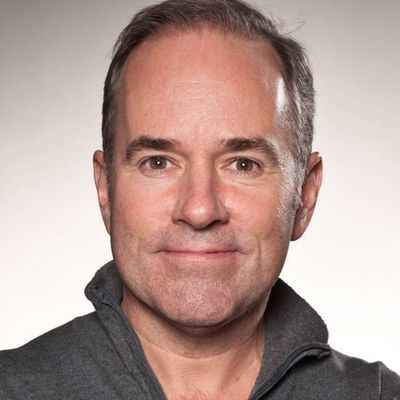
Stephen Flaherty is a composer of musical theatre and film. He works most often in collaboration with the lyricist/book writer Lynn Ahrens... Read More
From the show: The Producer's Perspective Podcast with Ken Davenport
Guests
Featured Shows

About
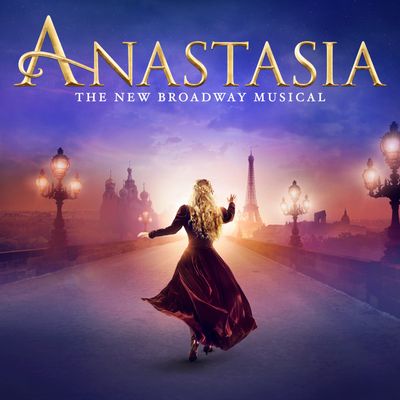
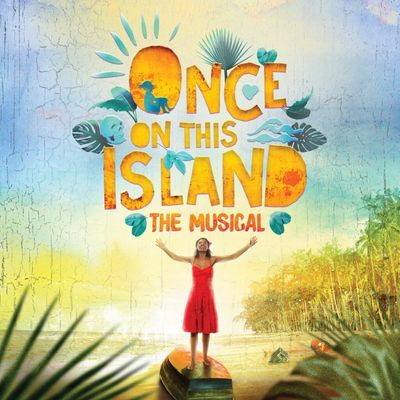
Stephen Flaherty is a composer of musical theatre and film. He works most often in collaboration with the lyricist/book writer Lynn Ahrens. They are best known for writing the Broadway musicals Ragtime, which was nominated for thirteen Tony Awards, two Grammy Awards, and won the Tony for Best Original Score; Once On This Island, which won the Tony Award for Best Revival Of A Musical, the Olivier Award for London's Best Musical, and was nominated for a Grammy Award and eight Tony Awards; and Seussical, which was nominated for a Grammy and is now one of the most performed shows in America. Flaherty was also nominated for two Academy Awards and two Golden Globe Awards (with Lynn Ahrens) for his songs and song score for the animated film musical Anastasia.
We had Lynn Ahrens on the podcast a few weeks ago, which makes today the first time we’ve ever had a musical theater songwriting team on the show at separate times. So now hear Stephen’s perspective on how they do what they do and . . .
- How Stephen Sondheim helped him find a Lyricist (and why if he hadn’t listened his career might be very different today).
- Why he’s never experienced Writer’s block, and how you can get through it if you have it.
- The animated movie he wrote that may never see the light of day, and how it inspired another one.
- Why not having his first two shows produced was a good thing.
- The speed writing 11 day audition process he and Lynn went through to be chosen to write Ragtime.
Keep up with me: @KenDavenportBway
Transcript
This transcript was automatically generated and might contain errors.
[0:00] Ken Davenport: I wanna be a producer with a hit show on Broadway.
[0:07] Ken Davenport: I wanna be a producer.
[0:09] Ken Davenport: Hey everybody, just one quick question before we get to this week's podcast. Are you enjoying these podcasts? If so, do me a favor. Go on to iTunes right now and give us a big fat, juicy five-star rating, or however many stars they have, I'm not even sure. Or write us a great review. It's the best way to promote theater to the rest of the web. Thanks so much for listening.
[0:30] Ken Davenport: Hello, everybody, Ken Davenport here. You're listening to the Producer's Perspective podcast. I am so excited for today's guest because he's one of my favorite composers and part of one of the greatest musical theater writing teams we have today. Ladies and listeners, welcome to the podcast, Tony Award-winning composer Stephen Flaherty. Welcome, Stephen.
[0:48] Stephen Flaherty: Hey, thanks for having me. Great to be here.
[0:51] Ken Davenport: So I first came to know Stephen's work when I wandered into the Booth Theater back in 1991. I was a sophomore at NYU. I didn't know what I was in for. It turned out I was in for one of the most joyous nights I've ever had in the theater. It was singing Once On This Island, and it remains to this day one of my favorites. In addition to Once On This Island, some of Stephen and his collaborator Lynn Ahrens's early work includes Lucky Stiff, My Favorite Year, which, side note, Larger Than Life was one of my audition songs when I was an actor. And then of course, Seussical, the monumental Ragtime, which I was lucky enough to be the associate company manager on, Rocky and what I call their Lincoln Center shows, A Man of No Importance, Dessa Rose, Glorious Ones, and so on.
And upcoming, about to open in a few months out of town, Anastasia, based on the movie which featured his songs, including the Oscar-nominated "Journey to the Past," and on and on and on. I could go on for days with that good research.
[1:47] Stephen Flaherty: Very good, Ken.
[1:48] Ken Davenport: But enough bio stuff. Let's get to the juicy questions and answers. Tell us, when did you know you wanted to write for the theater?
[1:56] Stephen Flaherty: Oh, yeah, you know, it's funny, I never thought of it as writing. I thought of it as making stuff up. And I think I've been making stuff up ever since I was a kid. I started playing piano at age seven. I started making stuff up whenever I was twelve, and I wrote my first musical whenever I was 14, and we did it in my high school, and it was hilarious.
[2:18] Ken Davenport: What was it called?
[2:19] Stephen Flaherty: It was called Pitts, because I grew up in Pittsburgh, and each scene took place in a different locale, different neighborhood of my hometown, and each number was written in a completely different musical vocabulary, and each number was written in a different color ink. So, of course, the big gospel spectacular was, you know, the final scene, and we had a country western song, a rock and roll song, and it was the most fun I've ever had in my life. And oddly, there was a subplot that involved Siamese twins, and this was way before Sideshow.
[2:49] Ken Davenport: So will we see a revival of Pitts?
[2:52] Stephen Flaherty: No, you will not. You would not. But it was the kind of thing that two friends of mine who were in the drama department had gotten what they said were roles that weren't large enough for their talents that year. They decided to write their own show, and they said, "Do you want to write music?" And I had never really thought of writing music, you know, but it's clearly I was a theater kid, and we were a bit of a hit, you know, at my little school, and I had a wonderful music teacher and a wonderful drama teacher, and they both said you should do more of that, and so I did. And this is all I've ever wanted to do. Since I was a kid, I just was obsessed with theater, and I had to be part of it. And also, you know, because you're a producer, the recent revival of Godspell, that is the first professional show that I ever saw.
It came through my town. We were taken to it because, you know, it starred Jesus. And so the nuns from my parochial school took us to see the Jesus musical, Godspell, and it hit me like a ton of bricks, and I just thought I have to somehow be a part of that.
[3:08] Ken Davenport: So you said clearly I was a theater kid, and I hear this a lot from people that do the nerd.
[4:08] Stephen Flaherty: We're nerds, let's face it, yeah.
[4:10] Ken Davenport: So what is it that so clearly said you were a theater kid? What about the theater? Like you're obviously an incredibly talented composer, and even back then, obviously you had a flair for music. Why the theater not say, I want to write like the Beatles, I want to write...
[4:21] Stephen Flaherty: I honestly think because theater and musical theater in particular combines so many art forms, and it's this American mongrel art form. And at the time as a kid, I was drawing, I was painting, I was trying to write stories, I was learning music, I was trying to write music, I was putting on odd little shows in my basement. And I think all of that stuff, I thought I can use all of this in creating musical theater. And also for me personally, I was not kind of like a team sport kind of kid. You know, I was a personal best kind of a kid. I was really good at figure skating, but in terms of the team, I liked being part of a community, I liked being part of a team, and I loved creating something with my friends, and I loved creating something as part of a community, and I started and I never stopped, and like I'm lucky it worked out because I can't do anything else. This is all I can do, you know.
[5:26] Ken Davenport: So you're a career in figure skating or a career in the theater.
[5:34] Stephen Flaherty: That's right.
[5:35] Ken Davenport: You leave high school, you're the hit of the high school. What happened after high school?
[5:39] Stephen Flaherty: Well, it's an interesting thing. It dawned on me slowly that the musical star of each high school then goes to college, and then if you're lucky, you become the musical star of the college, and then you come to New York, and it's a series of being thrown to the bottom of the barrel, and it's very humbling. And I was pretty much self-taught, and I needed to get some technique. And so I went to CCM, Cincinnati College Conservatory of Music, and at that time, in the 80s, they didn't have a program for writers of musical theater. So I basically went there and studied classical composition, orchestration, conducting, took some theater classes, and basically started making my little shows there. And I had no collaborator because, you know, this is Ohio, you know, there's nobody to play with.
So I became a book writer and a lyricist and a music director and a composer, and it was a wonderful time at that school because there were so many talented people there. I was a freshman and Faith Prince was a senior, and Jason Graae was there, and it was an amazing group of repertory players, and we would do student-based shows, and then whenever I came to New York, I had my little group of repertory players from Cincinnati, and so they became the cast of Lynn's and my first musical, which was Bedazzled, which was based on the Peter Cook Dudley Moore. And she said, "Where are you finding these amazing people?" And I said, "They're my classmates," and it was a good thing that we all moved as a group to the city.
[7:16] Ken Davenport: Any chance of us seeing a revival of Bedazzled?
[7:19] Stephen Flaherty: Well, you know, it's an interesting thing. Lynn and I, I guess it was two years ago we did a series of concerts at 54 Below because it had dawned on us slowly that we had been collaborating for 30 years, which is kind of impossible for me to believe, but that's true. And we thought it would be really fun just to celebrate it because it was such a big round number. And so we thought we'll do it at 54 Below, and we wanted it to be equidistant between my birthday and her birthday, and we thought it would make it like a celebration month and invite people that we worked with, people that we wanted to work with, and we wanted to do some early songs. So we had actually two Bedazzled songs that we did as part of the evening, and then we did two songs that we had written that year, and we thought it would be kind of really cool to have songs that were written in the first year of our writing, and songs in the last, and you know, to that point the last.
And God, what a fun time that was. And I should point out it's a live CD. You can get this. It's called Erns and Flaherty: Nice Fighting You, which is a lyric from Lucky Stiff. We'll put a link to that when we put up this podcast.
[8:32] Ken Davenport: So let's talk about Lynn. Obviously, Lynn did a podcast with me a few weeks ago.
[8:37] Stephen Flaherty: She loved it too.
[8:38] Ken Davenport: Oh, good. Did you listen?
[8:39] Stephen Flaherty: I haven't heard it, no.
[8:40] Ken Davenport: Oh good. I feel like I'm about to do one of those dating shows where I've talked to one partner on this side, and now I'm gonna ask you.
[8:49] Stephen Flaherty: Well, you know, our answers are gonna be totally different. We thought if we would ever write a book, it would have to be like a he said, she said, and you could read Lynn's from this cover, and then you'd flip the cover over, and then in my version, and I guess it would be like an amazing Rashomon story, like somewhere between these two tellings is what went down.
[9:10] Ken Davenport: You're gonna get an interest from a publisher after they hear this for sure. That book sounds fun.
[9:15] Stephen Flaherty: So you meet her at the BMI workshop, right?
[9:18] Stephen Flaherty: Yeah.
[9:18] Ken Davenport: And what did you think when you met her? Were you like, oh, this is the one?
[9:23] Stephen Flaherty: I shouldn't say this, but I found this to be true in a lot of workshops and a lot of musical theater programs. There's always a lot of terrific or, you know, good composers, and there's always one good lyricist in any class, and that's usually been my experience. And she was so fresh in her approach to what she did. It was like it was really different from what I would do. And my idea of what writing was about, I had a beard that year. You know, I was like, or would wear black, I had a beard. I would like lock myself in the monastic kind of room and somehow summon the muse, and I would write music. And she came from a totally different background. She came from like the commercial and pop music world, and she would write on her feet.
She would literally throw ideas around, and it was much more of an improvisatory kind of background, which was totally different, you know, where I would score it all to paper. And at that time, well, you know, I had never really collaborated, you know, and I have to backpedal too. But the first week I was here, I got to go and meet Stephen Sondheim, believe it or not. Yeah, at his home. And I had a little cassette because that's what we had back then. We had things that were called cassettes. And I gave him a couple of my tunes. And the short of it, or at least what I got from the critique, was that he felt that I had a gift for music and musical counterpoint, and he didn't like my lyrics. You know, he didn't care for them.
So I thought, okay, maybe I should try, you know, this working with another lyricist. It could shake things up, it could lead to a new or an exciting thing. And so in BMI you do these class assignments, and there's one every week. And it was literally the last class assignment, and I had not collaborated yet. And Lynn was walking down the street, and I was maybe almost a block away, and I projected very far. And I said, "Lynn, do you want to write a song together? Let's do this last song together." And she goes, "Really? Yeah, oh, okay." And we had never... It was an interesting first meeting because, like she denies this, but she said, "All right, so make, let's hear something, make something up."
And I was not used to creating in front of another person, you know. It was like, ooh, I don't, you know, I felt kind of naked, honestly. And it was such a different way to find a song, to find a piece of music, and I realized, oh, I get it. Like we both have a hand on the driving wheel, and we're trying to find a way that we can connect to find the song. And I must say our first song was not good, but the process of creating it was great. And after that, we said, oh, we should try to find a project, and that's when we began writing Bedazzled, and we just had so much fun, and it was a totally different way of working for me.
[12:30] Stephen Flaherty: And uh and I think the whole thing about collaboration is, you know, why even collaborate? And it's because you can find something that you wouldn't have been able to create on your own. That's what I think, you know. And uh so we just started and we didn't stop, and that was my first year in New York.
[12:49] Ken Davenport: I love that statement because it's a very selfless statement coming from an artist, especially someone who's been doing it all before that.
[12:57] Stephen Flaherty: Yeah, you know, and it's a tricky thing because to face a blank piece of paper or a blank screen each day, you know, you have to have either balls of brass or a huge ego or an incredible immense faith, you know, that somehow an idea will come and manifest itself, or all three, you know, and I really think that writing is an enormous leap of faith.
[13:21] Stephen Flaherty: And um, after all of these years, I can't honestly tell you how it works. Because there is this there is an element of mystery uh that I think is wonderful, and I don't want to overanalyze or analyze that at all because it it is alchemy and it is mysterious, and uh ideas fly in the side door at weird times and odd places, and um I think it's I think it's really exciting. And I think working, you know, with Lynn and I have worked with young writers a lot recently, actually for for like a decade and a half now, and um you can teach them technique and you can teach them how to analyze the work of others, you can teach them how to have an idea or where ideas come from, and I honestly don't know where they come from, and that's been part of the fun. And like and no day is the same as the day that precedes it either. So each each one of our writing days is you're starting from scratch. And I I love that.
[14:16] Ken Davenport: So it's you said it's part of the fun, but there have gotta be those days when you stare at the blank page and nothing comes out. How do you deal with the famous writer's block if it ever pops up?
[14:28] Stephen Flaherty: You know what? I've never really had writer's block. I shouldn't say that because now that I have said that, you know, please don't. It's like you're seeing sclerous. It's like you're tempting fate, but I I always believe that it that it is a leap of faith, and I that there's more where that came from. And as a young writer, I used to freeze up sometimes because I would get to say measure 16. And you know, at measure 16 there's a fork in the road, and if you go make choice A, the piece becomes that, and or choice B, it becomes a different kind of thing. And rather than just making a choice or blindly going forward, I I would not know which choice was the right choice, as if there were anything, you know, that was right or wrong.
And and Lynn's very she loves to rewrite, and and I think the the craft of writing reveals you know, reveals the song. So we might we might try many different approaches until we find the the the approach that actually works for any given song moment. So I I think believing that there are many different ways to get to where you need to go, I think that that's a valuable thing to know.
[15:37] Ken Davenport: Is your process for writing with Lynn the same as it was back then? How do you approach something now versus how do you approach something?
[15:46] Stephen Flaherty: Well, you know, it's an interesting thing because we tried we had starts, actually false starts at a couple early shows. Like we we uh we wrote a song score for for Bedazzled that became sort of spoken about a lot around town. Everyone wanted to hear the hear that show. Uh we had a producers that wanted to produce that show. We could never get the rights to that show. So that never happened, and then we worked on our follow-up was an original idea that we were actually writing with George C. Wolf. And this is like George C. Wolf pre the colored museum pre the public theater. And that was like an interesting notion in certain in search of a plot that we never found. And so all of these things, and and you know, Lynn is like she she comes from um the commercial world, which moves much faster than my you know, my monastic upbringing of music.
So uh then we began working on a third show, and we hadn't been produced at that point. And I actually think that was an asset because I think it allowed us the time to get to know one another, to get to know one another's processes, which which at the beginning were very different. And um, you know, we got to date longer before we, you know, were at that altar, and I think that was a great idea, you know, and we got to know one another, and uh, I think it deepened our relationship and it deepened our uh our writing craft. And I think if I had just come into New York, met Lynn in the first month, and I did, within six months I'm writing with her, and the very first thing I try to write uh got produced, which all of these things are happening, I think it would have given me like an incredibly distorted view of how things happen, you know.
And I think having something not get produced, it makes it it gives you a little more resilience, you know. And so um it was it was maybe five years until we had our first show produced, which was Lucky Stiff.
[17:44] Ken Davenport: It's so funny you say that about uh Pesik and Paul were on just a couple of weeks ago. They were great. They are fantastic, but they they talked about getting a show up, it happened very quickly for them, and how they felt like they made some mistakes early on, and it was very difficult to get through that and on to their next show because it happened so fast.
[18:02] Stephen Flaherty: Well, you know, uh Lynn and I co-founded a program at the Dramatist Skill, which is an amazing program. It's called The Dramatist Guild Fellows, and it's one of the few programs here in New York City uh for composers, librettists, lyricists, and playwrights. Because usually in a lot of the writing programs in New York, they tend to ghettoize the play, the the word people, the playwrights, and then the music people are in in like their own little clubhouse, and uh never the twain meet, and this program it's it's astounding, it's very it's very intimate. Uh there's uh mentorship, uh there's um uh opportunities to basically uh ghost writers and ghost um performers as guests. Uh it's all about the process.
And uh Pasik and Paul were our youngest dramatist guild fellows. They were right out of college, and they were like so amazingly talented, and uh it was great to see them as kids, and now I'm I I was just talking about their new show at Second Stage. I can't wait to see it. I'm gonna try to see it next week. Talking about Dear Evan Hansen, but we're getting back to you now.
[19:12] Ken Davenport: You're such a generous R as you're uh talking about other people and how great they are. Um, what I love about your scores is the diversity of them from the Caribbean rhythms of Once in the Silence to Ragtime. And you actually just talked about pits, how pits had different gospel country.
[19:28] Stephen Flaherty: Yeah. How do you access those different stuff? Do you do research before? What's the process of getting into the scores?
[19:35] Stephen Flaherty: Um, I'm just really open to all kinds of music, and my playlist is crazy all over the map. And even as a young kid growing up, um, I wasn't really a rock and roller, but I was an RB kid. And we had one of the great RB stations in Pittsburgh called WAMO. And my father couldn't stand this, couldn't stand that kind of music. So he would give me the keys to the car, and I'd be like seven. And I'd be like a seven-year-old starting up the engine and listening to the radio in that car. And it was it was amazing. So I I really uh responded to rhythm and responded to those kinds of rhythms. And then at the then a little later I began studying classically, so I had a classical piano background. I spent a summer working in Nashville, Tennessee, so I picked up a lot of uh stuff down there.
Uh I began studying you know music theater scores, and um I think honestly, I I never like to repeat myself, and and I know that Lynn and I, in uh looking at material, we try to find something that we've not done before, you know, and I I think that that keeps it fresh. Uh the process of writing the shows is always different, and it's always is dictated by uh the subject matter and the musical materials like like uh Once in the Island was a show that didn't want to be written at the piano, you know, where ragtime was a show that had to be written at the piano, you know, for for uh a lot of that that music. And um I I'm just fascinated by it.
[21:07] Stephen Flaherty: I I actually did a uh somewhat experimental, really cool piece this past summer at uh The Old Globe in San Diego called In Your Arms, and uh it was Chris Christopher Gately, uh the wonderful choreographer choreographer, who came up with the the notion of let's do a theme and variation show all about dance, uh, and and it was his really cool idea to come up with one topic, which is romantic destiny, and then he went to ten different playwrights and said, You can write on this theme, it can be uh any gender, any culture, any time period, any story, uh any style, comedy, tragedy, um, and uh the only the only thing is you can't use words. So they would they were writing basically scenarios that then would be all danced, and so we had ten of them, and e the stories were so wildly different, and then I would have to find some way to translate uh each playwright's uh individual story and their point of view and their approach uh into music, and so each of them was it was really like writing a complete musical, and it took us seven years to get the to get the show together because we would only do maybe two at a time, three at a time, uh because they were all over the map.
Uh like Douglas Carter Bean wrote a piece, uh New York City in the Roaring Twenties at a drag ball at Webster Hall, and I thought, okay, know how to do that. And then uh then uh uh there would be uh a piece by Alfred Urey, and it was uh about young love in 1950 in Atlanta, Georgia, in a Cadillac, and uh up on Lover's Lane, I thought, oh, I can't I I know how to do that, and uh then David Henry Wang early on threw me a huge uh curveball. Uh it was a piece set in modern-day Shanghai in a techno club, and then what then the lead actor uh uh somebody puts a uh drug in his drink, he's transported back in time to the Ming Dynasty. He had written it for a friend of his who was a star of the Peking opera, and he said it's really important to have martial arts in this piece, and I just thought I just thought that is the wildest thing I've ever heard.
And I was that I was so scared for the longest time about that particular piece, and then finding a new way to approach it, uh, it actually became great, great fun. And and it became a favorite, you know, and and the thing that scared me most was the thing that that probably gave me the most joy in the in the long run.
[23:51] Ken Davenport: Do you think any subject can be made a musical? You think any story or does a musical require a certain something? And if so, what's that something that you look for?
[24:03] Stephen Flaherty: Well, I I almost feel that it needs to have some sort of heightened quality, you know, whether it's in the language or uh I I think the hardest thing to translate into musical terms is something that's very kitchen sink. And for me personally, um uh after writing Ragtime, uh, which was a wonderful experience for all of us, and we love working with Terrence McNally, and he said, you know, we should absolutely do another show, but we figured ragtime is so that you couldn't do a show larger than ragtime. So we thought, why don't we do the exact opposite thing? We'll do a miniature show. And he said, Is there a kind of music that you're interested in? And you know, as you know, the the Irish people in ragtime are the villains, and so we were just cutting all of their music, you know, those evil Irish people.
And of course, I'm an Irish American. My parents were not happy that like that the language of and the poetry and the music of my people had been cut, you know, from this quintessentially American show. So I thought, you know, I I would like to try my hand at doing something Irish. And uh I said to Terrence, I said, we should look at different things. Uh and I said, I'm not interested in doing the potato famine musical. I said, but I would like to do something uh that has an Irish color or Irish flair. And uh Terrence found a uh a small independent film called A Man of No Importance uh that starred um Albert Finney, uh Brenda Fricker, Rufus Sewell, and uh it was all about the creation of theater and was all about the love of friendship, and it was a man's uh coming out story, and it was very naturalistic, and I couldn't for the life of me get music out of that because it because it was so naturalistic, and I I said, I I can't find the heightened quality, I don't know how to get them get them singing, and also the the lead character who in our show was uh played by Roger Reese uh was so secretive, and he didn't really have a scene partner to talk about what he was feeling, you know, in his heart.
So it was a virtually impossible getting this guy guy to sing. And then Terrence gave us a great gift. He made uh a surround for the show, so the entire show uh took place in one instant in the main character's mind, and it was him remembering what had happened uh in in the past couple of weeks to to bring him to what was a low point uh for him.
[26:40] Stephen Flaherty: And also, uh, the character of Oscar Wilde is mentioned in the film; he's not in the film, and Terence put him right in the show. So all of a sudden there was a fantasy character, uh, Oscar Wilde, and he was Alfie Byrne, our hero, uh, his scene partner. And the minute Oscar Wilde was allowed to be in the room with him, the music just poured out, and it was the most amazing thing. I couldn't understand, I couldn't get this character to sing at all before, and now I couldn't get him to shut up, you know, because he had Oscar Wilde there, and, uh, Terence is a funny guy because, you know, he'll write a scene which will inspire a song, and, um, usually whenever we're presenting the song, you know, it's a lot of information to analyze, so he tends to be very analytical.
And every single song I've ever played for him, he's never said, "Wow, can I hear that again?" Never once. This is the entire score of Ragtime, never once. And, uh, I had written with Lynn a song called "Man in the Mirror," which was, uh, our character of Alfie Byrne singing to his reflection, but in fact, he's singing to Oscar Wilde, and, uh, he drops a huge plot bomb at the end of the song, and Terence just lit up. He goes, "Oh my god, that's our show, that's the sound of our show. Will you please play it again?" The only time, you know, and, uh, come on, "Wheels of a Dream," "Daddy's." No, no, no. No, that is not, not above, and he blushes whenever I bring this up, but I think he was so taken because I, I don't, because I, because it had been such a struggle to find the musical core or the sound or a way to get music to come out, and that, that was cracking the nut.
And then the show wrote itself quite quickly after that. And for those of you out here who don't know it, go get that recording. It's a terrific score in one of my favorite streets of Dublin. Uh, having Stephen Pasquale sing that, I will never forget that moment.
[28:35] Ken Davenport: So I'm gonna ask you one of my James Lipton questions, speaking of some of your most memorable songs. I want you to imagine that the Smithsonian calls you. Okay, and says, "Stephen, we have room for one of your songs in the institute, just one." Which one of all the songs that you've written would you want preserved?
[28:58] Stephen Flaherty: You know, that's a hard question because I always think of songwriting and creating theater as like parenting, and hopefully it's good parenting. And it's like you never want to pick a favorite, you know, like you never want to pick son number two over son number three or, you know, whatever. Um, I would think, I would think it would have to be something from Ragtime, though, because, um, that show came to us as a gift, and I, some, some of your listeners may know, um, some might not, but you know, that was a show that we had to audition to get. And it was a, it was a majorly crazy story to get the show. And I was so happy that that was part of it because I remember reading in the New York Times that, uh, the theatrical rights for the novel Ragtime had been acquired, and I'm like, "Shit."
Like, Candor and Abrahams, kind of like, "Oh, with that show, oh, those lucky guys." And whenever they just opened it up to basically a songwriting derby, I think there were maybe twelve teams. And, um, we got a beautifully written, uh, treatment by Terrence McNally that was 65 pages, and you could write, uh, well, basically you had this, the assignment was you had to write four songs based on Terrence's treatment. And we knew in order to get the, to get this job, which I was obsessed with. I was, I was so passionate about it, uh, because I had been a ragtime piano player since I was 12. Remember the sting? Remember that? Yeah, and like all the little kids were like playing "The Entertainer," and I loved it.
I just thought to try to take that kind of music and yet make it sound fresh again and reinvent it, and it was about America and about, uh, all of these different ingredients in one, you know, in one stew. I, I just, I just thought I'd really want to do this. And we had 11 days to write, arrange, produce, record, mix, stick it on a cassette back in the day of a cassette, and hand it in. And, and the day we had to hand it in was the opening night of Showboat. I mean, it was all this crazy theatrical Garth Drabinsky timeline, and we started counting the days that we had to do all of that. We had 11 working days. So being practical, you know, we just decided, you know, I, I will write two songs music first, and Lynn would write two songs lyric first.
We would swap, and, uh, three of the four songs are in the show. And so I, I think for me personally, I think I would probably pick the title song, which, which is also opens the show, and it's, uh, it's Ragtime. And, um, I would pick it because I remember the process of writing that song, and it was there with such velocity, with such passion, it wound up being 10 minutes long; it was like incredibly long this song, and also, uh, just trying to see with only so many musical ingredients how you could tell that much story, uh, that much about the theme, that much about the musical character of the evening, and somehow make it a cohesive, exciting opening. And that was a music first one, you know. So, uh, that was, I, I just remember that as being an exciting, thrilling time, you know, writing that.
[32:22] Ken Davenport: What were the other two songs? Everyone's dying to know.
[32:24] Stephen Flaherty: Oh, oh, the other two? Well, uh, it's a song that we close, uh, act one with, uh, called "Till We Reach That Day," and, uh, that was an interesting one because that, that also was music first, and it was gonna be this, the, uh, funeral of Audra McDonald's character Sarah, and so I wrote like a gospel-tinged, uh, song that would be sung by the ensemble, and Lynn said, "Well, you know, it sounds so hopeful." And I said, "Well, I said they're feeling rage, but yeah, this is something that would be sung, you know, something like in this flavor." And she said, "Well, I think that the subtext of rage has to start bubbling forward." So I go, "Great idea." So I, I wrote, uh, this really angry ragtime figure that was what Colehouse was thinking, and then eventually other people, and eventually it became a song like we can't allow this to happen anymore in this country, and having those two kinds of music at odds with one another was really what made the song.
And I listened to this demo to this day, and I'm like, "Why is that demo better than what we had on either recording?" And I had forgotten we had a secret ingredient. And here it is. Um, on the alto line, singing, like right at the edge of it, was Billy Porter. So he was singing the women's parts, and I'm like, "That was the secret ingredient." That's why it never had that, because Billy Porter was never singing that line ever again in any version of the show. And that, but that demo was hot. Oh, that then the, then the last, then the other song is a song called, uh, "Gliding," which is, uh, Tata and his daughter, the immigrant character. I, I tell a lot of people that one of my greatest memories in the theater was I was the associate company manager on that show, and, um, our office was in the basement of the Ford Center.
I remember it well. And whereas some people would take a coffee break or a smoke break, I would take a break and just watch the show because it was such a magical production. It was, it was an incredible time for all of us. I think all of us that were able to get near that show, it changed our lives, I think really for the better.
[34:34] Ken Davenport: What did you think when Garth went bankrupt, went to jail, all this nonsense?
[34:40] Stephen Flaherty: Well, you know, every single day that I worked with Garth was an exciting day. And if you would say, "What is his talent?" I would say his talent was making other people excited. And, and it was, it was, first of all, he had amazing taste. Secondly, I always felt I was so protected, you know, by him, that he, he would not let the show off the tracks. You know, it was a very extravagant time, and we couldn't fully understand how we were able to get these enormous orchestras, and, uh, he, uh, commissioned, uh, a suite of music from, from the piece, which was really cool because I was able to just look at the music for music's sake without, you know, having to serve story or the book. And I created a big symphonic piece with William David Brown, our inspired orchestrator, and we recorded it with an orchestra like 65, and that's like, "How's that happening?" And none of it quite made sense, but it, but we, we were just loving every moment while it lasted. So, you know, he's a complicated guy.
[35:48] Ken Davenport: Is that what you like to get out of producers? What, when you, you've worked with a lot of them from Garth to Barry Weissler, very different styles and types.
[35:56] Stephen Flaherty: Yeah, and Andre Bishop, we've done many, many shows, uh, with Andre both at Playwrights Horizons and, uh, Lincoln Center. So, what do you look for from that relationship? Like what would make you want to work with a producer today?
[36:10] Stephen Flaherty: Or I always, I always think I, I bring it back to good parenting. I think each show is individual; it has its own personality. I think you need to deliver exactly the uniqueness of that show, and I don't think it's possible nor advisable to make a musical or any piece of theater, all shows to all people, because once you start doing that, its individuality flies out the window. I mean, once in the signal is so special because it followed no rules. And it was very much its own kind of show, kind of score, kind of storytelling. And, uh, and the creation of the show was absolutely, absolutely pure. We never designed that show to be, "Now, this will be a Broadway show." We were just creating something with people that we loved.
And it was about creating, um, magic out of nothing. And that's what the show was. And, uh, the fastest writing I've ever done. We wrote the whole show in six months, you know, and then changed one song on its way to production. And, uh, I think that was good producing. That was Andre Bishop at Playwrights Horizons. He never, he, he created, uh, a safe space in which we could try new things. And, uh, early on, uh, we had a mentor, and it was Alfred Urey, who, uh, you know, wrote, uh, The Robber Bridegroom, which is having a wonderful revival right now. And he said, "Remember your show is so unique, throw out every single rule that you ever learned at BMI." He said, "It has its own rules, it has its own logic.
You don't need the comic song for the parents in slot number two, you know." And, uh, I think he was just saying let the show be its own unique self, and that's great advice. And if you are lucky to find a producer who can encourage that, then that's gold. I think you get in trouble whenever, you know, the marketing is leading the show, you know.
[38:10] Ken Davenport: And, and of course, I'm not saying marketing is not important; it is, but, you know, I, I think the most important thing is the uniqueness of the show and allowing for that.
[38:20] Ken Davenport: Of all your shows, which is the one that's changed the most during previews?
[38:24] Stephen Flaherty: Oh wow. I would say I know the one with the changed the most from the beginning of the writing till we got on a stage. That was The Glorious Ones, which is a show that took us 13 years to bring to an audience, and, uh, it, it was really hard, and I couldn't figure out why it was so difficult, and it was very Candide-like. So we started it out, it was, and there's so many incidents, so many characters, and, and we started out as a quite a large scaled show. And we did a first reading, uh, at Lincoln Center, I believe in 1993. And people say, "How long did it take that show to be written?" And I said, "Let me just put it this way. The ingenue was played by Donna Murphy in the first reading. That's all you need to know about that show."
And it's also about changing of, uh, theatrical tastes and trends, and it's about these young Turks who come in in this world of theater, and they basically steal the theater or morph it or change it, uh, from, uh, the more, uh, established artists.
[39:47] Stephen Flaherty: So there's an older artist and his lady friend, and a younger, uh a younger young Turk in his muse. And we started out writing that show, and I thought I totally get this young Turk character, I understand it, and then it took us 13 years. So by the end of it, I go, I'm totally relating with the middle-aged character. I really get his story, and I think it was actually a blessing. It took that long because I was able to understand every aspect, but that changed the most. It started out as a large, large scale show, and by the time we reached Lincoln Center, it was seven characters playing all of these different parts in their style. And we had actually we were at the point where we were going to give it up because we couldn't crack the nut of the show.
We had some amazingly exciting and beautiful songs, but we didn't have a show that we could make work. And oddly, to her great credit, Francine Prose, the novelist, she said, I know you've been working all these years and you keep renewing the rights for this novel, and you know, I've never heard any of the songs. So before you give it up and let it go, I'd like to hear some of the songs. And we thought that's a fair request. So she and her husband came to Lynn's apartment, and we just started playing through a couple of the songs from The Glorious Ones, and she after the first song was in tears. Let me hear more, let me hear more. And she was like so effusive, so unbelievably supportive. And she said it ha she said these songs are like one act plays.
This has to be in a theater. And we said, Well, I said, no offense, but we can't find a way to lasso your plot. I said, the plot is driving us mad. And so she basically said, like, throw out what you want, use what you will. And she was amazingly generous, and that helped us crack the nut of The Glorious Ones. Incredible.
[41:45] Ken Davenport: And now you're just a couple months away from your newest piece.
[41:51] Stephen Flaherty: I am starting rehearsal in two weeks from today. So when you wrote the song for Anastasia for the movie, did you have any idea that you'd be a few weeks away from the original trailer?
[42:03] Stephen Flaherty: No, no, no. It came out of the blue. We had been developing an animated film musical for Disney, and this would tell you something about timing, you know. Because as you, well, I don't want to go there, but anyhow. I'll go there. Okay. So we were working on an idea that I thought was a really cool idea. It was about the migration of whales, and it was about community. And as we all know, the whales communicate through song, so they literally do sing, they literally communicate that way, larger than life. And I had been for my own fun, believe it or not, listening to these amazing Roger Payne recordings of the whale singing. Elaborate, elaborate tunes, like really amazing melodies. And I thought, oh, it could be about fathers and sons.
It's literally about a journey, it's literally about a migration. And we started working on the piece, and it starts out with the whales singing, and then it becomes the sound of the human voice, and then bit by bit they're singing lyrics. And we loved working on it. And of course, you can see this coming like a train. They were working on another animal musical at the same time Disney was. And so it was something that I don't think anyone's ever heard of. It was called The Lion King. And so there was the whale show, The Lion King, and I shouldn't say this, but I'm gonna say it. There is a wonderful scene in The Lion King that was from our whale project. You may remember it. It's like whenever he looks up and sees his father in the sky as a constellation. I found it even more moving when it was whales. But I just put it out there. I just put it out there with no judgment.
[43:45] Stephen Flaherty: I try not to laugh at these podcasts, but I can't recall. I know, and then you think like The Lion King, and then you think he would have bypassed that, and then Ragtime comes out, and we open this amazing show with the best cast ever, and we were across the street from The Lion King, the stage musical, and it's like that crazy show is just like biting, you know, it's Pac-Man at my rear. So anyhow, we let go, but because of the people we met at Disney, we got a chance to work on a piece for 20th Century Fox which would become Anastasia, and I loved the world. I love the fact that there was a mysterious element to it. I found that amazing, and it was a really great experience for us. And these films take a long, a long time.
This took four years, and so we were actually writing Ragtime simultaneously to Anastasia. So in the time it took us to write 35 songs that reached the stage of Ragtime, we wrote six songs, I believe, and made it into the movie, which tells you that's like a little window into like the difference of process. But the experience, the world, all that was fantastic. And then all these years later, we were approached, is this something that you'd like to do for the stage? And I think we both love the material so much, but I think if we were to go with it, we wanted to reconceive for the stage. We didn't want it to be here is an animated film that we're going to put like frame by frame into a theatrical telling.
And also, as some of you may know, the film did play rather fast and loose with Russian history. You know, Rasputin did not rise from the grave. He was not accompanied by an albino bat and these colorful green minions that would break into song. That did not happen as far as I know. So we thought it would be interesting to go a little more back to what the story was. So I actually think the stage musical, even though we have five songs from the motion picture, it's really a new show, and it's inspired by the legend of Anastasia. And this is our third show with Terrence McNally, so that's been great. And I think Terrence was interested only if we could treat the show as if it were an original musical.
So even though we have a song like Journey to the Past is in the show, it's used in an entirely different context than the film, and I actually think it's stronger. So, you know, we're excited. We're two weeks and we roll up our sleeves and hear it sing. So it's wonderful.
[46:37] Ken Davenport: Incredible. So it opens in Hartford in just weeks, and then hopefully Broadway later on this next season, perhaps.
[46:46] Stephen Flaherty: Yeah, yeah. Maybe, yeah, yeah. So if you're in the Hartford area, we begin performances May 12th, we open officially the 27th, and then we're running into June. And we're excited. This is the first time we've worked with Darko Trezniak, who did Gentleman's Guide, and he's a wonderful director, and he's kind of the perfect director for this piece. And it's wonderful going back to that, you know. And I thought it could be difficult, you know, because that was a world that we were quite involved in 20 years ago, you know, musically. But I had done so much research that it was and must have been like in me, and it was actually very fluid writing, and we were right back into that world, and you know, I've been able to go deeper musically, which is exciting.
[47:44] Ken Davenport: Oh, I'll definitely be there for that. Okay, last question. I call this my genie question.
[47:48] Stephen Flaherty: Uh-oh.
[47:49] Ken Davenport: I want you to imagine genies are good, don't be scared. I want you to imagine. Is this about Aladdin?
[47:54] Stephen Flaherty: Well, sort of.
[47:55] Ken Davenport: Okay. But it's not about The Lion King. So it's Disney. I feel like I'm in a safe space then. Mustafa knocks on your door.
[48:02] Stephen Flaherty: Yeah, that's right.
[48:03] Ken Davenport: The genie comes to you and says, Stephen, your contributions to the American musical theater have just been so incredible. I want to thank you for that.
[48:11] Stephen Flaherty: Thank you, Gene.
[48:12] Ken Davenport: I want to grant you one wish.
[48:14] Stephen Flaherty: Ah.
[48:15] Ken Davenport: Now, Stephen, you're such a positive person. You look at everything's fun, even when you're faced with challenges. Well, what makes you angry? What is the one thing about Broadway that keeps you up at night that frustrates you so much that makes you mad that you would ask this genie to change with the road of his lamp?
[48:35] Stephen Flaherty: Yeah, yeah, I don't understand why there can only be one hit. And I use that, I'm putting quotes around that word per season. You know, I don't understand that. There, I think the theater landscape used to be there was a whole variety of different exciting work, you know, in any given season, and now it seems like either you're a hit or you tank, you know, and there's like, well, like whatever happened to any sense of middle ground, whatever happened to the numbers of two through nine, you know, and I don't understand that, you know, and I find a healthier atmosphere in the regional theater, and I find a healthier atmosphere in terms of not only for the working condition and for the creative aspect but for the audiences too in off-Broadway.
You know, I remember the season that it was like I saw two shows. I saw a show on Friday and a show on Saturday. I saw Rent on Friday at New York Theater Workshop and I saw Floyd Collins at Playwright's Horizons on Saturday. Amazing shows totally having their own sense of self, totally the voice of their individual creators and as different as anything. And I like, I'd like to think that the adventuresome work will continue, you know, and this season it's actually been there's been some really cool stuff, but I find that most of my exciting nights in the theater are not on Broadway, you know, and I wish I don't know what it is maybe it's just because the cost of making musicals is so great now. I mean, what's your theory? I don't know.
[50:54] Stephen Flaherty: Yeah, we're become because it's so expensive it's getting harder and harder to take risks, but luckily something burst through like Hamilton and hopefully convinces all of us out there to go like, well maybe we should take or Fun Home. We've seen some, I mean look at the public theater that these past two years. I mean it's like prime, a prime example of creating a safe creative space for artists to do their work and frankly it's, you know, musicals are slow cookers. You know, some happen very, very rapidly, a lot, most, you know, have to be developed and nurtured over time, you know, and that Oscar and that institution, they've created that, and it's such exciting work, such a variety of work.
And I remember seeing Hamilton Downtown, and I thought this is the kind of show that Joe Papp loved because it respects the history of the art form and makes it new and the cross-cultural aspect of it, and just the boldness and the freshness, and within those first five seconds, it has such a strong identity and sense of self, you know, and none of that is by chance, you know, and a lot of it is by producer. I mean, not to discredit Lynn Manuel and his talented collaborators, but for Oscar to create that environment for that to happen, it's special.
[51:36] Ken Davenport: Well, thank you so much for being here and for being such an incredible positive spirit in the American Musical Theater. If you listeners are not excited about being involved in the theater after listening to Stephen talk today, I don't know what will get you there. Thank you so much for spending your time with us. We look forward to Anastasia.
[51:52] Stephen Flaherty: Oh, and you know, I like to play one degree of separation between my current guest and my next guest.
[51:57] Ken Davenport: Oh, your next guest is Meredith Blair of the Booking Group, which I believe booked the tours of Ragtime and Seussical. So there's always a connection there.
[52:06] Stephen Flaherty: There always is.
[52:09] Ken Davenport: It's like two degrees of Ken Davenport.
[52:12] Stephen Flaherty: I like that game.
[52:14] Ken Davenport: We'll play that next week. Thanks so much for listening, everybody. Don't forget to subscribe. We'll see you next time.
[52:19] Ken Davenport: Okay, everybody. This podcast is over, so now you know what to do. Go on to iTunes, give us a great rating. Thanks so much. We'll see you next time.
[52:32] Ken Davenport: Broadway here I come.
© Broadway Podcast Network, All Rights Reserved