

The Broadway season is heating up, and correspondent Rob Nicholson was front and center at the Meet the Nominees presentation for the Chita Rivera Awards! From the ballroom to the backstage buzz, Rob caught up with some of the incredible artists bringing dance and movement to life on stage and screen this year... Read More
From the show: The Roundtable with Robert Bannon
Guests
Featured Shows

About
The Broadway season is heating up, and correspondent Rob Nicholson was front and center at the Meet the Nominees presentation for the Chita Rivera Awards! From the ballroom to the backstage buzz, Rob caught up with some of the incredible artists bringing dance and movement to life on stage and screen this year.
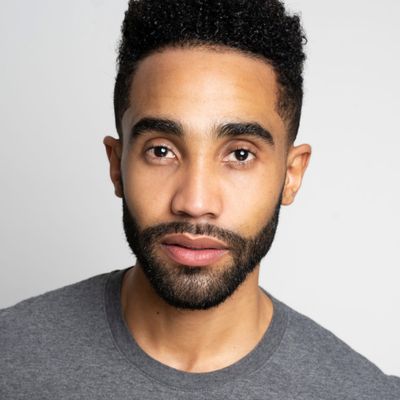
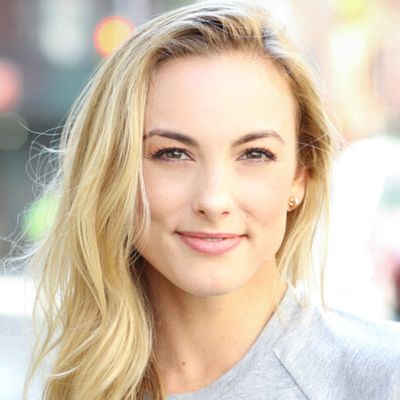
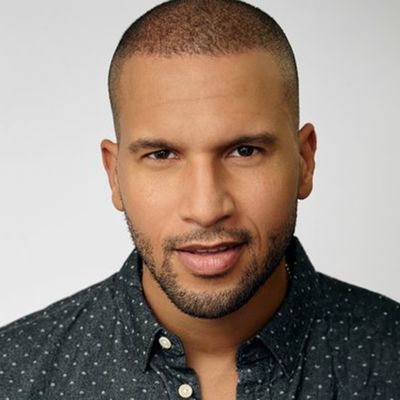
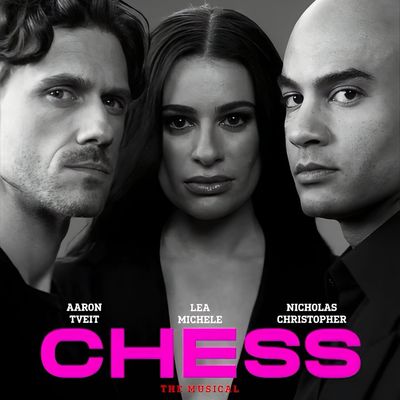
First up, the jellicle magic of Cats: The Jellicle Ball! Rob chatted with nominees Sydney James Harcourt, Jonathan Burke, and Brandon Burks about reinventing the iconic musical, the electric energy audiences are feeling every night, and what it means to celebrate movement, storytelling, and individuality through one of theater’s most beloved scores. Then, Rob moved from the junkyard to the chessboard with Chess nominee Sarah Meahl, who shared insight into the passion, precision, and powerhouse vocals fueling the highly talked-about production.
And the conversation didn’t stop there! Filmmaker Cody Williams joined the show to discuss Playing The Palace, the moving documentary capturing the heart, history, and impact of one of Broadway’s most legendary spaces. From preserving theatrical legacy to spotlighting the artists who make the magic happen, the film is already creating major conversation in the theater community.
Follow us on social media @RobertMBannon or go to www.ROBERTBANNON.com for more!
Watch and listen to The Roundtable with Robert Bannon on Broadway Podcast Network, YouTube, iHeartRadio, Spotify, Apple Podcasts, and BroadwayWorld at TheRoundtable.org.
#ChitaRiveraAwards #CatsTheJellicleBall #ChessBroadway #PlayingThePalace #Broadway #TheRoundtable #RobertBannon #SydneyJamesHarcourt #JonathanBurke #BrandonBurks #SarahMeahl #CodyWilliams #Theater
Transcript
This transcript was automatically generated and might contain errors.
[0:00] Robert Bannon: Are you ready? It's The Roundtable with me, Robert Bannon.
[0:09] Robert Bannon: Hey everybody, it's Robert Bannon and this is The Roundtable. It is awards season here on Broadway.
[0:15] Robert Bannon: We had so much fun this season talking to some of our favorites.
[0:20] Robert Bannon: Literally some of our favorites are nominated and some of our favorite shows as well.
[0:25] Robert Bannon: So awards season is a lot more than Tony's. There's a lot of awards. Drama Desk, Drama League, Outer Critics, Lortel, and the Chita Rivera Awards for Dance.
[0:35] Robert Bannon: Well, my incredible team is Adrian and John. Michael Mendes started with us this year and making his Roundtable debut is my friend Rob Nicholson.
[0:44] Robert Bannon: Rob is a podcaster and actor, a great guy who hit the streets getting interviews with some of our favorite people.
[0:52] Robert Bannon: Let's kick it off with the Chita Award Meet the Nominee Event.
[0:57] Robert Bannon: We met some of the nominees, including three superstars from Cats.
[1:02] Robert Bannon: Friend to the show, Jonathan Burke. We love Jonathan. Brandon Burks.
[1:08] Robert Bannon: And then Sydney James Harcourt, rum-tum-ticker himself, who's been stealing the show every night over at Cats the Jellicle Ball.
[1:19] Sydney James Harcourt: We have taken the story of Cats. Same music. Actually, the music, that's the incredible thing. We did not change the lyrics. We really did not change the music.
[1:29] Sydney James Harcourt: But we set the story in the world of Broadway, which was something about black and brown trans women in New York City in the 80s.
[1:37] Sydney James Harcourt: And has been known across the world now as an underground art form to celebrate black and brown queer people.
[1:47] Sydney James Harcourt: A place for us to shine, to get our tens, is what we call it, if you will.
[1:52] Sydney James Harcourt: And it's now become really well-renowned. And so in the show, we are human beings, not cats, just as cats.
[2:00] Sydney James Harcourt: No tails, no ears. But we do wear some furs.
[2:04] Sydney James Harcourt: Competing to win the ball for the night. So it's called Golden Prize.
[2:08] Sydney James Harcourt: And so we walk all the different categories of ballroom, like body, runway, tag team performance, and virgin vogue.
[2:15] Sydney James Harcourt: And it's a beautiful celebration of our culture and community.
[2:19] Robert Bannon: Now, as amazing and as much of a historical figure as Chita Rivera is, I'm not going to let you name her when I ask you this next question, which is, who are your biggest influences growing up, becoming the dancer that you are?
[2:34] Robert Bannon: And ultimately, you know, being nominated for an award tonight. Who are your people?
[2:40] Sydney James Harcourt: Well, I love Sammy Davis, Jr. I love Wayne King, Gwen Verdon, Ben Vereen. He was a huge inspiration.
[2:52] Sydney James Harcourt: Honestly, Andre DeShields, who was in the show with me. Beautiful mover and dancer.
[2:59] Sydney James Harcourt: And all the dance teachers that I had growing up. I'm just grateful to them. And they really inspired me.
[3:07] Robert Bannon: Now, one more question. Chita was known for clearing the way for the next generation of performers and really giving them a space. For anyone listening or watching tonight, what advice would you give them?
[3:23] Sydney James Harcourt: The greatest advice is to always be yourself. To trust yourself, trust your individuality. Let that shine through in the room you go in. Don't be afraid to stand out and express who you are. And that is always going to win.
[3:39] Robert Bannon: Thank you so much for your time. Congratulations on the nomination. Wish you luck in the future. Thank you.
[3:44] Sydney James Harcourt: I appreciate it. Thank you very much.
[3:50] Sydney James Harcourt: I'm Sidney James Harcourt. I play the long-tongued pugger in Cats, the Jellicle Ghoul.
[3:57] Sydney James Harcourt: Well, we call it a bit of a reinvention. It's, you know, it's all of the words, all of the notes. Nothing changed. We've added some like house beats. There's some, you know, other things.
[4:12] Sydney James Harcourt: It's the text, in the same way that you take a Shakespeare text, put it in a new time, set it with a new meaning.
[4:20] Sydney James Harcourt: The development process, we knew we were going to do ballroom, and that was going to be the world that we were in. So everybody had their category, everybody had their archetype.
[4:30] Sydney James Harcourt: For me, they wanted pretty boy realness, they wanted it to have a pop star feel, so I started with icons like Prince, like Usher, and even George Michael.
[4:44] Sydney James Harcourt: We were giving like sort of a fluidity in their sexuality, but then also giving that superstar like accessible masculinity that translates to everybody who watches them.
[5:02] Sydney James Harcourt: And then the development process itself was so wonderful and unique. Really this idea that the best idea in the room wins. From the swing, to the director, to the associate, to whoever is talking about the Mad Hatter, how do we develop the scene.
[5:21] Sydney James Harcourt: We're talking about a Macavity scene where the cops are going to rush in. What is most realistic? What would happen at a ball? There would be times where we would, you know, be in something and somebody from the ballroom community would go, this would never happen at a ball, so I'm just letting you know right now, and then we would stop.
[5:37] Sydney James Harcourt: So full collaboration.
[5:38] Sydney James Harcourt: Full collaboration, and a lot of people say best idea wins, but there gets to a certain point where they're like, okay, we don't have time for this right now.
[5:48] Sydney James Harcourt: Even until the last day of tech, we were still doing that, where anybody who had a thought on how to make the show more realistic, more dynamic, any idea, and, you know, I really learned a lot of that from Andre De Shields in this show.
[6:05] Sydney James Harcourt: He has a way of coming into a scene rehearsal and then saying, well, you know, I sort of see it a little differently. And then through the work that he's done in the preparation that he's done on his character, he can really show, like, what's going on.
[6:23] Sydney James Harcourt: And that was a big lesson for me that, you know, you come in with a lot of ideas, you come in with a really great concept of what's going to work for your character, and then if you can have this room where it's fertile for the actor's imagination, then the sky's the limit on what you're able to do.
[6:40] Robert Bannon: And one final question. Chita was known throughout her career as someone who paved the way and made the way for the new generation. To anybody watching or listening tonight, what advice would you give them?
[6:55] Sydney James Harcourt: Don't let any perceived limitations on what you think this industry will allow inform the choices that you make, how you want to present yourself in a room. Go in with your authenticity, always. I used to erase myself sometimes walking into rooms because I didn't want to be perceived as gay, walking into a room.
[7:21] Sydney James Harcourt: And I thought that was going to not get me the job. And here, in the biggest success I've had in my career yet, it's all about all of the things that I am. And so I'm happy to, in the way that Chita did, open the door, break the ceiling for other actors who are like me. And, hey, you might be the next one who's doing it.
[7:43] Robert Bannon: Thank you so much for your time. Best of luck going forward. And we'll be waiting on you. Thank you so much.
[8:13] Sydney James Harcourt: And I'm so grateful to be doing Gene Kelly, because it's really kind of been a rival.
[8:30] Robert Bannon: Chita was known throughout her career for making room for the next generation of people and giving them the space to grow as performers. What advice would you give anybody watching or listening tonight from yourself, from you to them?
[8:45] Sydney James Harcourt: This is my 10th year in New York. I feel like I just made it up this year, how to truly be authentic. And I think an audience can tell when you're being fully yourself, and they resonate with that.
[9:09] Sydney James Harcourt: And so I think authenticity was really what gives you that power, is being so uniquely you. And I think that was who Chita was. But she also was able to look behind to make sure that people knew that they had access and opportunity to that.
[9:23] Sydney James Harcourt: And so any kid who comes to see the show, any student of mine, anyone who looks up to me and comes to the stage door and has seen it up front, I will just find them and really lean into their little magic sauce that they have, because I think that makes them a good performer.
[9:26] Sydney James Harcourt: Thank you. Nice to be here.
[9:29] Robert Bannon: Well, we wish you the best of luck. Thank you so much for your time.
[9:29] Robert Bannon: How fun are they? They got a whole slew of Tony nominations, as well as all of these incredible Chita Rivera Award nominations. Up next, we have Sarah Meehl. Sarah is over at Chess. And then we have Cody Williams, because what's fun about the Chita Awards is that the Chita Awards also honor dance and documentary. So take a listen to what they had to say. A real fascinating conversation.
[9:52] Sarah Meehl: My name is Sarah Meehl, and I am nominated for Chess as an Outstanding Dancer.
[9:58] Robert Bannon: Now, this is your first revival of Chess, is it not?
[10:01] Sarah Meehl: Yes, it is. It's the first revival ever.
[10:05] Robert Bannon: Tell me a little bit about the development process, what it was like for you as a dancer.
[10:13] Sarah Meehl: The process was cool. This is my sixth show on stage in a Broadway show, and I usually have done a lab or a reading of a show prior. This is the first time I hadn't done that. This is the first time I just booked the show and jumped right into rehearsal.
[10:32] Sarah Meehl: I went in cold, and I didn't really know the story of Chess until I got the scripts. I mean, I did my research, but until you read the new updated script, you don't know. So that was my experience, was booking Chess and starting rehearsals.
[10:47] Sarah Meehl: I had a feature in Act Two that I did with two amazing dancers. It was a pas de trois, and it was done on a raised platform that was eight feet tall. We were in the bus, and it was a beautiful ballet, and it got cut in previews.
[11:06] Sarah Meehl: We worked really hard on this piece, and I'm just highlighting this moment because it was a really interesting process for me, where you start with the show, and then things got paired back and paired back and paired back as we began to go into previews.
[11:20] Sarah Meehl: By the time we opened, it was a totally different show than where we started, but it told a better story. It was more concise and clear. I'm really proud of the story we're telling now on stage, and I understand, from a director's point of view and a choreographer's point of view, why we would make those changes.
[11:36] Sarah Meehl: So I'm learning a lot in each process I go through as a dancer in a Broadway show, and I feel like I'm just getting smarter and smarter in terms of becoming an artist. Who wants to eventually choreograph?
[11:53] Sarah Meehl: If you don't learn something new every day, you're not doing the job right anyway.
[11:57] Sarah Meehl: I'm still learning new things every single day, and we've done that show like 200 times.
[12:03] Sarah Meehl: And you're not allowed to say cheetah. You're not allowed to say cheetah. Who were your biggest influences growing up, becoming the dancer that you are today?
[12:14] Sarah Meehl: Gene Kelly. And I'm saying Gene Kelly first because I still aspire to dance like him. I love that I can dance like that. I love that I can dance masculine or feminine, or however I choose. And I think it's really powerful and exciting. So he was my main favorite.
[12:39] Cody Williams: Anything she's ever choreographed, any dream ballet, I wanted to stand like her dancers. And I remember being a small child and being really influenced by the dream ballets I was watching. I'm also really, really, oh God, I mean, I could really go on here. Michael Jackson really inspired me. I watched his story on DVD every day. And I watched Cats every day. And I know the whole thing reversed because I was staring at the TV screen. And so I know Cats backwards. But all of those were some of my greatest childhood memories of growing up and trying to emulate those people and those shows and that style. Now, you said that you learned something from every production that you're in. Chita was known for paving the way for the next generation.
She cleared the room for them and made a lot of things possible for them. For anyone watching tonight, what advice would you give them out there? Sage advice, and not that you're Sage. I am Sage. And I have a lot of advice and I have a lot to say. I'm not from New Jersey, are you? No. Okay. I'm going to tell you where I'm from. I would say, do your research. Know your history. If you don't know what's happened before, how do you know how to pave the way? How do you know how to move forward? You can't have looked back and seen what worked or didn't work. Learn from the greats. How are you going to pave your own way in the world? Not just your own way, but your way for others. You gotta not only pave your own way, but pave the way so that you can bring everyone with you.
And you can't do it if you don't know what happened before you. Do your research. Know how they danced. Know what decisions were made. That's it. Thank you so much for taking the time for us, Cody Williams, and for a direction of a documentary, Playing the Palace.
[14:48] Cody Williams: So Cody, how does it feel to be nominated for a Cheeto Award? Honestly, being nominated for a Cheeto Award is a huge thrill for me. I used to be a dancer on Broadway. I retired in 2017, and I actually was a nominee in the first year of the Cheeto Awards for dancing in Sweet Charity Off-Broadway with Sutton Foster. So having been retired for now like nine years, it was shocking for people like you that you've been nominated for a Cheeto again. So it's really cool to be back with this community for this ceremony. So one of the things that Cheeta is known for is she really cleared the way for other dancers of the next generation. Now, if someone's watching tonight or listening tonight, what advice would you give that person?
You know, I am a big believer that if you want to be a performer on Broadway, you should find somebody who you think reminds you of yourself in 10 years. If they look like you, maybe they came from the sort of area or background that you came from, figure out their story and try to emulate. It would be something to wake up and do every day to get to those same levels that that person came to. When I was doing that, there was no social media. And so it was very sort of like you meet somebody, you know somebody. But now, you know, if you're a young competition dancer in Florida looking at someone like Sarah Meahl, you can see her on social media. You can emulate those steps to like become the next Sarah Meahl.
So that's what I would say. Find your mentor and try to like emulate what they've done. And finally, what does Cheeta Rivera mean to you? Well, this is a unique one. I was doing a production of West Side Story at Paper Mill Playhouse, choreographed by Alex Sanchez, who knew Cheeta pretty well. And he had had a disagreement with a lot of the cast members who had done the show on Broadway. So one day, Cheeta came to see a rehearsal. We're all very excited. What it actually was, was an ambush. Cheeta was there to tell us off. And so Cheeta means this sweet old lady coming in, scolding us, which for me was a delight. We then later became friends. I produced Crank Delilah's On Stage on New York One for some years. And throughout that time, we became friends. So she was always such a sweet presence, an icon. But my initial interactions with Cheeta Rivera were getting in trouble.
[17:12] Cody Williams: Thank you so much for your time. We wish you best of luck. Last but not least, we have the actual award ceremony. Not the award awards. That's coming up and we hope to be there as well. But the certificate giving, the awards, the announcing, the whole shebang about what is going to happen and who's nominated. Who better to present and be a part of this than Dancing Queen herself, Bebe Neuwirth. Bebe Neuwirth is here to tell us all about the event, listen to what she had to say, and then we'll check out the Cheeta Awards later this month, right here on The Roundtable. Thank you so much for being here. The best is yet to come. Please help me welcome the one and only Bebe Neuwirth.
[18:08] Bebe Neuwirth: Congratulations on being in this room. Joe, it's so exciting what's going on with the Cheetahs. Just thrilling as it grows and expands and gets more and more helpful and supportive of dancers. It really is one of the most exciting nights of the season is that award show. One of the, I just want to say, I will get to this, one of the very nice journalists just asked me, when did you start dancing? And I said, five. I was five. And they said, why? I couldn't not. I think that's the answer. And then they said, why is this night so important? I said, it's for the dancers and I'm a dancer and it's so good to be here in the family and in the family and supporting the family and welcoming new people into the family.
So that's it. Here are some nominees. The Outstanding Choreography in a Feature Film. The nominees are for Kiss of the Spider Woman, choreographers Sergio Trujillo and Christopher Scott. Michael, choreographers Anthony Taluega and Richmond Taluega. Sinners Choreography, Akamon Jones. The Testament of Ann Lee, choreographer Celia Rolson Hall. And Wicked for Good, choreographer Christopher Scott.
[20:00] Bebe Neuwirth: Now for Outstanding Direction of a Dance Documentary. They are for Dick Van Dyke, 100th Celebration, director Steve Boettcher. For Martha Graham Dance Company, We Are Our Time, Part One, American Spirit, Part Two, Athletes of God, directors Peter Schnall and Cindy Reedy. Playing the Palace, director Cody Williams. Strange Journey, the Story of Rocky Horror, director Linus O'Brien. And Tangle My Passion, director Dr. Monica Krajewski.
[20:56] Bebe Neuwirth: And now for the Broadway nomination. Outstanding Dancer in a Broadway Show. The nominees are Jonathan Burke from Cats the Jellicle Boy. Baby Byrne, Cats the Jellicle Boy. Max Clayton, Schmigadoon. Zachary Downer, Schmigadoon. Sidney James Harcourt, Cats the Jellicle Boy. Dove, am I saying this right? Dava? Deva? Deva, and I will never forget it. Deva Huesca, Cats the Jellicle Boy. Robert Silk Mason, Cats the Jellicle Boy. Isabel McCullough, Schmigadoon. Sarah Meahl, Chess. Constantine Roussouli, Titanic. Leighton Williams, Titanic. Lyrica Woodruff, Schmigadoon. Those are just really fun words to say.
[22:31] Bebe Neuwirth: Okay, Outstanding Choreographer in a Broadway Show. Christopher Gattelli, Schmigadoon. Lauren Lataro, Chess. Eleanor Scott, Ragtime. Eleanor Scott, Titanic. Ani Klaj, The Rocky Horror Show. Omari Wiles, Arturo Lyons, Cats the Jellicle Ball. Now, for Outstanding Ensemble in a Broadway Show, I have to say something else. I have to say something. This is my favorite category, and the reason is because, you know, remember when Broadway came back, and everybody was saying, look at how the ensemble saves the show, and the swings are saving the show, and the understudies are saving the show. And we're all like, yes, that's what we do. That's what the ensemble does. That's what swings do. We are excellent at our jobs.
I want to say also that the ensemble, it's the lifeblood of these shows. You can have somebody, you know, setting their hair on fire downstage center, but, you know, if the ensemble upstage is not tight, and clean, and just as emotionally invested, and strong as the person downstage center, it frays at the integrity of the show, and it's the ensemble that buoys up the show, and makes the show live. Woo-hoo!
[24:21] Bebe Neuwirth: Well then, the Ensemble in a Broadway Show, the nominees are Cats, the Jellicle Ball, Chess, Ragtime, Schmigadoon, The Rocky Horror Show, and Titanic. So congratulations, every single nominee. Congratulations to anyone, ever, anywhere, who dances on a Broadway stage. It's hard work, and we're really good at it.
© Broadway Podcast Network, All Rights Reserved