

In the latest bonus episode from The Spark File, Susan and Laura snuggle up with actor/singer/dancer/truth-teller, Jonathan Groff. Jonathan shares his visceral responses to most everything, including his approach to choosing roles and relationships... Read More
From the show: The Spark File with Susan Blackwell and Laura Camien
Guests

Featured Shows
About
In the latest bonus episode from The Spark File, Susan and Laura snuggle up with actor/singer/dancer/truth-teller, Jonathan Groff. Jonathan shares his visceral responses to most everything, including his approach to choosing roles and relationships. We talk the bravery of coming out, and the importance of telling one's own truth.
CONTENT WARNING: Sexually explicit language
Transcript
This transcript was automatically generated and might contain errors.
[0:00] Laura Camien: This is Part 1 of our interview with Jonathan Groff.
[0:03] Susan Blackwell: Listen, it contains profanity and adult content. Please use your discretion.
[0:30] Laura Camien: Welcome to The Spark File, your one-stop-nom-nom for creative inspiration. I'm Laura Camien.
[0:44] Susan Blackwell: And I'm Susan Blackwell. If you're joining us for the first time, welcome. You may be asking yourself, what exactly is a Spark File? Where do I get one? What do I file in it? These are good questions, and we have answers. Yes, we do. A Spark File is the place where you consistently collect all of your inspirations and fascinations. And if you're like us and you're making shit all the time, you know that sometimes the wellspring of inspiration can run a little dry. And that is why we're here to refill it. We are on the lookout for fresh ideas, images, and inspiration that spark our creativity and pique our curiosity. Things that inspire us to get up off of our asses and make things like this podcast or a one-night-only concert that raises funds for an arts organization near and dear to your heart.
Or a depiction of a Britpop King George that gives millions of people an incurable case of the earworms. Or an eight-minute gender-bending singing and tap dancing homage to your favorite Broadway star. Or an exacting, nuanced portrayal of an obsessed FBI profiler who gets his mind blown up real good by a notorious serial killer. On today's Makersode, we're going to talk to someone who really sparks us. And that someone is Jonathan Groff. Jonathan, welcome to The Spark File.
[2:05] Jonathan Groff: I feel so sparked already. That intro is so evocative.
[2:09] Susan Blackwell: That intro is a tight 17 minutes.
[2:15] Laura Camien: And we have to wrap.
[2:16] Susan Blackwell: And that's a wrap on The Spark File. Jonathan, real quick, The Spark File price of admission. Tell us a creative risk you've recently taken. It could be something that scared you, something that made you nervous, or something that wasn't perfect but it was progress.
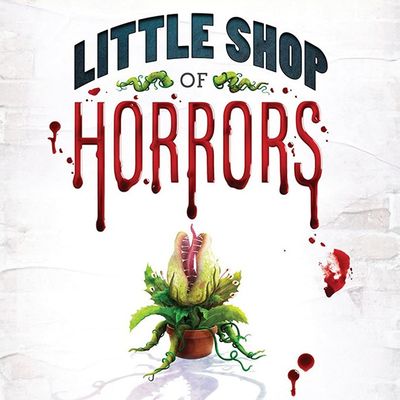
[2:29] Jonathan Groff: This is a really specific one because I'm rehearsing for Little Shop of Horrors off Broadway right now. And I have a thing where I feel incredibly self-conscious in the rehearsal room. But when I hit the stage, it's like I feel so much more comfortable. And so the thing that I was really focusing on the last week was trying to be brave in the rehearsal room, the way that I feel on stage. And I bring it into the room and sort of put myself out there. And in this one particular moment, I'm hugging Tammy Blanchard, who's incredible, who plays Audrey at the end of the show. And my face is in her neck. And I could feel like I wanted to cry, like I was, I could feel the emotion coming up in my throat.
And I felt myself push it down because feeling self-conscious in the rehearsal room. I was like, everyone's gonna see me cry. That's so embarrassing. And then I took a deep breath and was like, no, dude, let it fly. Let it fly. And let it go. Let it go. You must get that pun 17 million times a week. I'm so sorry.
[3:48] Susan Blackwell: Don't be sorry. But that's what it was. I let it go. And on the flip side, there were still moments where I wish I could let it go in our run through. And I felt like I didn't do it.
[3:59] Laura Camien: You're a little butthole.
[4:00] Jonathan Groff: No, I felt self-conscious and I just let the moment go by and I didn't put it out there.
[4:04] Susan Blackwell: What is it about the rehearsal room? I love that you know yourself well enough to get that specific. And I'm curious, like, have you thought about what is it?
[4:11] Jonathan Groff: I think it—I never went to college. I never studied acting in a room before. It's always been on the job training. And so when it's in a room with, you know, like it's the lighting, and it's the P this like small group of people watching, I feel like happy to talk about what's going on. And I do release and perform in the room. But I can't go—I can't like fully a bit like lose myself fully until I'm under fluorescent lights.
[4:42] Laura Camien: Yeah, people looking at you.
[4:43] Jonathan Groff: The tribunal is too close.
[4:44] Susan Blackwell: Yes. Under in street clothes under like work. Yes. It's too visible.
[4:48] Jonathan Groff: Yeah. Yeah. When we get on stage.
[4:54] Susan Blackwell: Yes, exactly. I love that, though. You were challenging yourself. You were like, dude, you caught yourself and you were like—
[5:05] Jonathan Groff: I was like, come on, like, it'll be better on stage if you can start that process of releasing now. And I did in some ways, but it still is not where I feel my most comfortable but progress, progress. That's you. Well done. You are admitted to the spark file. Officially. Now for people who don't know you, can you tell us a little bit about how you identify creatively? Like how do you describe the mix of things that you do?
[5:25] Jonathan Groff: Yeah, I would say that I'm an actor, singer, dancer. I would say I'm more of an interpretive artist, as opposed to a creative artist. So I get really excited when I read a piece of music or a piece of writing that inspires me to perform, or I see a play and I think I want to play that part or I want to be on stage. I don't so much sit alone at home with a laptop and write out ideas and like write lines and create things out of nothing. Yeah, I think I'm more of an interpretive artist.
[6:08] Susan Blackwell: I will challenge you slightly and say that you will build a concert, you will. And I know sometimes that's kind of a crazy quilt of interpretive artists, but it's sewn together with the hand of a creative artist.
[6:21] Jonathan Groff: That's true. That's true. I do do that. And certainly also in like a rehearsal room, or when you're on set and you're improvising lines, then it is true that I'm making stuff up, so to speak. But it still is like from something even with a concert, like I can't really create a concert unless I know what city it is I'm performing in and what it is, what the point of it is. Like I can't, I've tried to just do concerts and I can't do them unless I think really specifically about who am I doing this for. And then I can kind of create from there, but I don't just like sit at home and daydream about stories and ideas.
[7:14] Laura Camien: You need a more specific assignment or prompt, it sounds like.
[7:20] Jonathan Groff: Yes.
[7:21] Laura Camien: It would be interesting. You've never done an album, have you?
[7:26] Jonathan Groff: No. And you're making a face like, that can fuck itself. Yeah, you're like, just for the listener. Your face was like, no thank you. Because I think to myself, so right, so if I do an album, I don't write music. So if I had something to say and I was writing original music, I could see making an album. But I'm going to be the 878th person to sing like, just in time. I think of it being a really like cheesy Broadway album and I just like, I can't, I just feel like there's other people that sing better than me that I would love to hear like Idina sing every song I've ever heard before because her voice is so unique and extraordinary. I'm not trying to downsell my singing ability, but there's just some people that have phenomenal instruments that I want to hear sing all the songs and reinterpret all the songs in a way I've never heard.
[8:17] Susan Blackwell: I hear all that. I just, jumping back to this thing that you said about, I can build a concert if I know what city I'm performing, what is the point? Where is it set and what is the point? And I just think if you had a little bit more of a specific assignment, you could probably respond to it more fully.
[8:39] Jonathan Groff: Right, right. Interesting.
[8:41] Laura Camien: There are a lot of studies on that actually of like, you know, certain people that can create more prolifically when there are no limits, you know, there's nothing on the, nothing listed that I have to do. And then other people that are like, the more you pile on about specificity, it has to be this and this and this, and then their minds get going.
[9:02] Jonathan Groff: Yes. I would say I lean more that direction of like, you show me the sort of rules and then I can feel free within them. It's also why I love theater. It's that even though it's the same words every night, I feel so released by that. And I feel like anything can happen. I can take chances. I can be vulnerable because I have this set thing that I'm saying so I can ride the wave of that and let things come up because it's almost like the words are a source of spark and security at the same time because it's the same thing every night.
[9:39] Susan Blackwell: Yeah. Interesting. When did you start thinking of yourself as a creative person?
[9:48] Jonathan Groff: Created a lot. And we, you know, three, four, five years old with my brother putting on plays in my dad's barn. We had an old giant video camera.
[10:01] Laura Camien: What?
[10:03] Jonathan Groff: Rested on your shoulder.
[10:03] Laura Camien: One of those giant, yes. And my brother and I would make videos together. And I also really remember playing with my friend, Andy Reinier, when I was a kid.
[10:15] Susan Blackwell: Hey, Andy.
[10:16] Jonathan Groff: Hi, Andy. And I really remember going into the woods with our friend Chris behind his house and playing pretend and playing Robin Hood and playing I Love Lucy randomly because I was obsessed with I Love Lucy. I was like, you're Ricky, I'm Lucy. And I really remember the feeling being then seven, eight, nine of playing pretend and getting completely lost in it. And I remember the feeling of coming out of pretend and being back in real life. And acting to me is like trying to go to that place of pretend that I had as a kid, where it was like, I just sort of left my body and was in...
[11:00] Susan Blackwell: Kind of bashed.
[11:01] Jonathan Groff: Yes.
[11:02] Susan Blackwell: And when you were talking earlier about being in rehearsal and being like in the rehearsal room and that self-consciousness and something wants to come up and you're like, no. And you're like, yes. It is trying to get back to that, isn't it?
[11:15] Jonathan Groff: Trying to get back to that. Yeah.
[11:16] Susan Blackwell: Just we're all alone in the woods here.
[11:19] Jonathan Groff: Exactly.
[11:20] Susan Blackwell: I'm observed.
[11:21] Jonathan Groff: Yes. That's when I think all of us do our best work. When you're not aware, you just catch fire and you look back and go, what was that?
[11:34] Jonathan Groff: One of my greatest compliments for actors, to my taste, to my thinking, is when I can watch someone and I'm like, good goddamn, they look completely unobserved. They look completely unobserved. And it's something that I'm sort of like, I feel like I rarely arrive at. Rarely.
[11:54] Susan Blackwell: Sometimes it shows up too, like they're unrecognizable in a way that's not put on, but you've never seen their face fall into that.
[12:04] Jonathan Groff: Yeah, right.
[12:05] Susan Blackwell: Because they're not thinking about what their face is doing anymore. They're just like letting it rip.
[12:09] Jonathan Groff: Totally.
[12:10] Susan Blackwell: So you were a little when you... Did you realize it was creativity or were you just like, this is play?
[12:16] Jonathan Groff: This is play. Yeah, it's just play. It's all I wanted to do.
[12:20] Susan Blackwell: Was your brother the director? Was there anyone who directed the shows?
[12:25] Jonathan Groff: He was more of the... Yeah, he was definitely more of the director of the shows. And he also ran the video camera and spliced together how it would appear and disappear.
[12:37] Susan Blackwell: I've seen some tasty footage of you in full...
[12:42] Jonathan Groff: Drag.
[12:42] Susan Blackwell: Drag.
[12:43] Jonathan Groff: Yeah.
[12:43] Susan Blackwell: As a little, little...
[12:45] Jonathan Groff: Mary Poppins.
[12:47] Susan Blackwell: Yes.
[12:47] Jonathan Groff: Dorothy.
[12:48] Susan Blackwell: Did you get that dress from your neighbor?
[12:52] Jonathan Groff: Good memory, Susan. I really wanted to be Cinderella.
[12:55] Susan Blackwell: I'll never forget you in Tiny Drag.
[12:59] Jonathan Groff: Unforgettable.
[13:00] Susan Blackwell: New segment, by the way, Tiny Drag.
[13:02] Jonathan Groff: Tiny Drag. That would be great to see all adults as little people in drag.
[13:08] Susan Blackwell: Tiny Drag.
[13:08] Jonathan Groff: Tiny Drag. The dress for Tiny Drag was Afton Hess's mom, Sue Hess.
[13:13] Susan Blackwell: Hey, Afton. Hey, Sue.
[13:16] Jonathan Groff: Hey, ladies. It was a white dress. It was a beautiful little white dress that was my both Alice and Cinderella dress whenever I wanted to be there.
[13:27] Susan Blackwell: And I loved how accepting you were. I was struck by how... I don't know. I don't think your parents, either of your parents or your brother, seemed to give a shit. They were just like...
[13:37] Jonathan Groff: Didn't care.
[13:38] Susan Blackwell: You look great. You sound great, kid.
[13:39] Jonathan Groff: They got me the carpet bag for Mary Poppins. It was in the wig and the lipstick.
[13:44] Susan Blackwell: Oh, my God. We need this video.
[13:45] Jonathan Groff: I interrupted you. You were going to say something about your brother making cuts where it would be like you would appear and disappear.
[13:49] Jonathan Groff: Yeah. You would hit record, and then it'd be like, and now I disappear. And then he would press stop record, and then I would leave, and then he would record again. So then in the video, it looked like I disappeared.
[14:01] Susan Blackwell: Special effects.
[14:02] Jonathan Groff: Yeah, we really adored that.
[14:04] Susan Blackwell: High tech. High tech.
[14:05] Jonathan Groff: Jonathan, I was thinking about you recently, not in a creepy or weird way, but thinking about you recently, and I made a few realizations.
[14:15] Jonathan Groff: My eight-year-old niece is obsessed with you from Frozen.
[14:19] Susan Blackwell: Love it. Okay.
[14:20] Laura Camien: My 16-year-old niece is obsessed with you from Glee. My college best friend is obsessed with you from Looking. My significant other is obsessed with you from Hamilton and cannot stop singing the song. And Susan and I are obsessed with you, fully obsessed with you from Mindhunter. Your personal tagline is Jonathan Groff, a little something for everyone. How do you decide what projects are right? I mean, you have such an incredible breadth of type of project. What speaks to you?
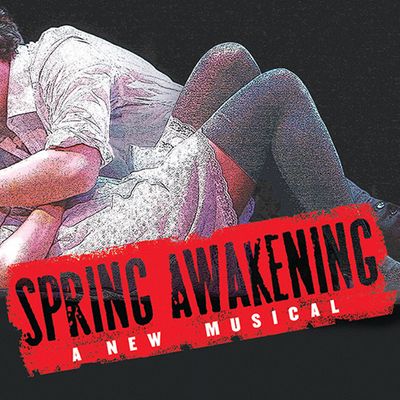
[15:08] Jonathan Groff: I feel, first of all, super lucky. There's so much luck that goes into all of those things. Even like working with Michael Mayer right now on Little Shop. We worked together on Spring Awakening 14 years ago. And I look at him every day and I just think, thank you. Like thank you so much for choosing me.
[15:29] Laura Camien: Yes.
[15:30] Jonathan Groff: Thank you for choosing me. That's a life changer, him casting you in that. And also choosing me now. I just am like, there's so many talented people and there's so many great projects, but I feel really like, just like, thank you. Because one of the things that Mindhunter really reminded me of is we had a revolving door of a phenomenal company of actors that came through. Some of which I'd seen before in things, some of which I had no idea who the F they were. And they were all so good. And I'm sitting there and I'm like, these people are so talented, but you don't know their name or they don't have the...
[16:11] Laura Camien: Right.
[16:12] Jonathan Groff: And so I'm continually like, thank you, universe, world, whatever. I feel super grateful to be able to be in all those things. A lot of luck involved. And then as far as choosing it, it's like I just, when I get like a boner when I'm reading something and I start getting excited and I think like, sorry, Little Shop is on the brain because we're just in the middle of it. But when Michael called and said, and I listened to it and that was back in May. And I've listened to the album at least once the entire way through every single day since May. And even today we did our final run through in the rehearsal space and I came home to clean my apartment before you guys got here. And I listened to the entire score of Little Shop of Horrors.
It's like obsessed, I'm literally obsessed with it. And so if something like that happens, then it's sort of also like when I was learning the lines for the Mindhunter audition, I knew that I really wanted to do it because it was like play as a kid where I'm like, okay, let me learn. It was like 50 pages of sides.
[17:26] Laura Camien: And did you have to be completely off book?
[17:28] Jonathan Groff: They didn't say, but I always am off book for every audition.
[17:31] Laura Camien: That's the one audition, David Fincher, where they tell you, they told me anyway, you have to be off book, have to be off book.
[17:40] Jonathan Groff: Maybe they did tell me that.
[17:42] Laura Camien: Maybe they did, it was a lot.
[17:43] Jonathan Groff: It was 50 pages of sides. And I was like, okay, let me learn this. Jesus Christ. But it went by like two hours. I'm sitting there for two hours and it felt like five minutes because I was so enjoying learning it. And then when we would shoot it, when we would do those long 15 page scenes and we would do long days, the day would feel like two hours. And it's like the same thing as play. The play, it's like always trying to get to that state of mind. And so the potential for that or the heartbeat of that is what I guess would draw me to the things that I've been able to do.
[18:19] Laura Camien: There's something that you keep coming back to, this note you keep playing about when you become so engrossed in something and you get that little creativity boner, your words, not mine. And you get that little, where time sort of takes on a different dimension.
[18:37] Jonathan Groff: Yeah.
[18:39] Jonathan Groff: Like from playing in the woods, that's sort of unobserved.
[18:42] Jonathan Groff: Yes. It's like having really great sex when you meet someone and you're making out with them. And you're like, oh my God, we've been making out for three hours. And the beginning of a relationship when you're like, whoa, or you're having, or even like conversation with a really good friend. And you're like, where did that last three hours go? I felt like we're not done talking. When you have those cool connections with the few people that you get to have that with in life or whatever, it's all to me, like wrapped up in the same thing. That's where I want the creative thing. And there is so many distractions and things that can, like blocks, like you were saying, or things that get in your way that it's sometimes like you really, for me at least, I really have to go, I'm gonna lose myself in this if it's the last thing I do, I swear to God, because that's what I'm here for.
I'm not interested in anything else. I've never been drawn to anything for money or because I thought it was cool or I've only pursued stuff to get to that lose yourself state. That's really the only reason I'm doing it. And once you feel that, do you feel a sense of certainty? And then there's no going back. You're like, I know this is the project for me. I say yes to it. Or do you live a little bit in uncertainty? Like, I don't know.
[20:07] Jonathan Groff: Yeah, I remember when I did, when I was gonna do Looking, I felt scared a little bit before that one. That one, it was the director, Andrew Haig, I'd seen his movie Weekend. And I was like, I'll do anything that that director asked me to do. And then it was like reading the scene about anal douching and reading the scene about uncut dicks. And I was like, this is so intense.
[20:30] Laura Camien: When I said anything.
[20:33] Jonathan Groff: Everything I learned about anal douching I learned from you. I'm not kidding.
[20:38] Laura Camien: Yes, that's true.
[20:39] Jonathan Groff: Yes, we have had many a talk about that.
[20:42] Jonathan Groff: That's actually true. And so my hand is sweating right now. And so that's one where I felt like, whoa, I'm gonna put my head on the ground and put my ass in the air and pretend to put this water douche up my ass for all time on screen. That's really intense.
[21:02] Laura Camien: Wait, this was your audition?
[21:07] Jonathan Groff: No, that was in the show, in the episode.
[21:10] Laura Camien: But in the audition, I did feel hot, not in a sexy way, because it was a scene where I was hitting on this guy.
[21:16] Jonathan Groff: That's risk, baby.
[21:16] Laura Camien: That's creative risk, I think.
[21:19] Jonathan Groff: And I was like, sweat. And I was like, this is exciting. But it was, it was, it was also made me feel scared and nervous. So it wasn't like slam dunk, I want to do this. I was like, I think I want to do this. But it's so well, well, well, I just like, always be seen as the anal douche guy. After this, once you do something on TV.
[21:43] Laura Camien: Can you ever take that back?
[21:45] Jonathan Groff: To Kamien's point, you've done so many other things that I feel like that's just one stripe in your rainbow, baby. I'm going to go off road for just one second. I'm struck by how often you speak in visceral terms. You're talking about how your body felt or, you know, physical sensations. Do you feel like you live your personal life also just responding viscerally to the world?
[22:12] Jonathan Groff: Yes and no. I think I'm very analytical in life. I definitely think before I speak, I probably am more of a head first person.
[22:24] Laura Camien: Interesting.
[22:25] Jonathan Groff: Just sort of I think the way that I was raised and coming from Pennsylvania and being closed, gay closeted until I was 23. I just can like I'm a compartmentalizer. That being said, like I'd really let it go and spin class and I like physically with people. I'm a toucher. I'm a hugger. When I when I talk, I do a lot of gesticulating. I you know, I'm like with like a boyfriend. It's very physical. So in certain ways, I sweat a lot. In certain ways, I am visceral in my life. But I would say that really that that as a person, I'm probably I think a lot. I think a lot before I do, as opposed to like, I say whatever I don't. I'm not unfiltered. And when I feel safe, I can let go. But but I think just sort of my like general state of being is to think about everything before.
[23:26] Laura Camien: Yeah, you may be thoughtful, but I think you're just outside observer. I feel like you are super visceral. I remember having conversations with you about well, I love it. Like I as a teacher, I'm always trying to get young writers or makers to tune into things that give them feelings. And sometimes that can be scary for people. But we're like, no, actually lean into it because it's you're getting a lot of good information from that. And some creative raw material.
[23:56] Jonathan Groff: Yeah, I remember having conversations with you where I would be like, what about what? What would you think about dating film, the blind name? And you would be like, Oh, no, no, no, no. I have like a pheromonal react. No.
[24:08] Laura Camien: Yes. I know exactly who you're talking about. This is a blind. I know. I'm not gonna say the protection of all of this is to say, I feel like you do know what's had to do with smell.
[24:20] Jonathan Groff: That's right. Yes, that's right. But I remember you specifically had a full body response to even the suggestion and it was based on the word I believe you used at the time was it was like a smell slash pheromone thing. But I do think you strike me as somebody who is thoughtful for sure, but also visceral and kinesthetic. I don't know that word. I can't define it. Sorry.
[24:50] Jonathan Groff: Back to you on the definition.
[24:51] Laura Camien: Back to you on that. I also, this is totally off road, but you told me the funniest fucking story. I think it's when you were doing, what's the show you did with Kelsey Grammer?
[25:01] Jonathan Groff: Boss.
[25:02] Laura Camien: You were doing Boss and you had a sex scene with a female co star and her vag patch, like you were supposed to be like fake going down on her and her vag patch just was like, like it gave out and just went boop and fell off.
[25:20] Jonathan Groff: Yep. And I was like, your patch came off.
[25:24] Jonathan Groff: She just emailed me a week ago about Mindhunter.
[25:26] Laura Camien: Oh my gosh.
[25:27] Jonathan Groff: That actress.
[25:27] Laura Camien: Well, don't out her.
[25:30] Jonathan Groff: Jonathan, when you reflect, Jonathan, everybody calm down. Jonathan, when you reflect on your personal life thus far, can we just get a clean take?
[25:41] Jonathan Groff: Yeah, yeah. Sorry.
[25:42] Laura Camien: Okay.
[25:45] Jonathan Groff: Get it all out, everybody. When you reflect on your personal life thus far, is there a line of demarcation, an event or a chapter that defines before this happened and after this happened in your personal life?
[26:03] Jonathan Groff: The big one is when I came out of the closet and, or I guess being out and not being out are the two.
[26:10] Laura Camien: So you said you were 23?
[26:12] Jonathan Groff: I was 23.
[26:13] Laura Camien: And how did that go down?
[26:16] Jonathan Groff: So basically, it's actually related to the creative process. And another reason I say thank you to Michael Mayer is I was in the closet all during Spring Awakening. And I was playing this character that was very sexually open and a rebel and I was having sex with Leah every night and cumming inside of her. So orgasming on stage every night. I was literally on Broadway doing an orgasm. But in real life, bare ass out being like, oh, like doing a cum face.
[26:44] Laura Camien: Just so you know, Jonathan just did a great cum face.
[26:57] Jonathan Groff: I've done so many cum faces. I'm looking, I did a lot of cum faces. You bury them.
[27:02] Jonathan Groff: Mindhunter.
[27:03] Jonathan Groff: So much sex. Yeah, a lot of sex.
[27:04] Laura Camien: Do you even get nervous when you have a sex scene on the schedule at all?
[27:07] Jonathan Groff: I don't get nervous.
[27:09] Laura Camien: I would love to borrow that from you. Not that anybody wants to film me doing a sex scene. But do you ever think like, what's my face look like right now?
[27:17] Jonathan Groff: You don't.
[27:18] Jonathan Groff: I think like, it's sort of that release thing. I get to like kind of recreate it, especially with looking because it was gay. And you don't get to see a lot of gay intimacy outside of porn. And so showing with like on that show was a lot about having eye contact with each other and telling the story of connecting. It was about intimacy more than it was about sex. So looking into Raul's eyes while he fake went down on me and then pretending to ejaculate in his mouth while looking in his eyes was actually such an awesome opportunity for just for the two of us. It was just so cool. Like when are you going to get to do that?
[28:00] Laura Camien: You've really lived an interesting life. I'm not being facetious. You've created and have had opportunities to do really interesting stuff in your creativity.
[28:15] Jonathan Groff: But wait, you were talking about on stage, Spring Awakening.
[28:18] Jonathan Groff: Oh, yeah, yeah. Gay, gay, gay. So the character was like a rebel and sexually free. And I was doing an old face every night and having sex and, you know, and all that. And then when I left Spring Awakening, I felt like I had cultivated this side of my personality via this character. I'm not method at all.
[28:41] Jonathan Groff: But you know what? You get to, everybody, everybody listening, you get to decide what timing is right for you. That's right. Totally. And I got to a point where I felt like it was more painful to keep the secret than it was to let it go. And when I hit that moment, I released it. And then I can say in retrospect, I went, wow, I was carrying so much on my shoulders that I didn't have to, that I didn't feel like it necessarily in the moment, because it was compartmentalized and whatever. And then once I came out, I was like, oh my god. And I, no one ever told me, like, no agent said, like, this is going to be, don't, you can't come out, or, you know, hide who you are, whatever. But I did feel like, I'm going to come out, and it's probably going to mean that I'm only going to do off-Broadway plays for the rest of my life, and I'm not going to be, and I felt—
[32:03] Susan Blackwell: Did you think that consciously?
[32:04] Jonathan Groff: Yeah. I felt, it was like, I fell in love when I was 23, 24, and I looked at that person that I was in love with, and I thought to myself, this is before I came out, like, publicly. And I thought to myself, I would rather have this be real and out, so to speak, than, this is so great. This is better than fake life. And so I'd rather have this be real and take a hit in my career than the other way around. And then it turned out that coming out was amazing for my career, and looking was one of the most incredible experiences I ever had. And now it's, now also it's 11 years later, and the world has changed in such a major way, which is amazing.
[32:54] Laura Camien: How do you think that coming out has affected you creatively?
[33:00] Jonathan Groff: It just, like, I feel almost even now, in the last couple of years, the coming out process was long for me, because when I came out, I wasn't proud, and also didn't like the fact that I was gay. Even though I was coming out, I was like, I'm gay, and I don't want to be gay, but it just—here's the truth about me. Yeah, and I don't feel good about it, and it didn't feel good. It felt like a relief that I was no longer keeping a secret, but I didn't feel excited to be gay at all.
[33:31] Susan Blackwell: Celebratory.
[33:32] Jonathan Groff: Yeah, I was like, I'm gay, sorry. That's how it kind of felt. And then it was like a year, like the shame, like getting rid of the shame, getting rid of the shame. And then when I did looking, and suddenly we're having to do like the douching, and the talking about the three ways, and monogamy, and uncut dicks, and all of a sudden it was like, now we're talking about gay stuff all the time, that I really kind of started to own my identity, and sort of start to figure out how I felt about all that stuff, and where I fit in all of it, and what resonated with me, and what didn't. And when I came out to my parents, I said, I'm gay, but I'm not going to be in a gay pride parade or anything. And when I was doing looking, I was the grand marshal of the gay pride parade in New York.
And even that, I was like, almost not going to do it, because it felt just like a little too intense. And then I did it, and it felt incredible. And it sort of like broke through that thing. And then as far as the way that it articulated itself creatively, it's like every part of yourself is so valuable whenever you show up to a room, and being to create something. So I could now talk about, my boyfriend said this when I was having sex with a guy. And even when it's—
[34:50] Laura Camien: Oh my God, yes.
[34:51] Jonathan Groff: Yeah, all of that stuff could be part of the work. And even when it was a straight relationship, I would say, well, when I was... And then she would say, oh, I can relate to that, and you sort of find the universal things. And there's just like, you can be so honest and bring really specific things to a creative process because you can be open. I've never heard that articulated quite that same way, where as an interpretive and a creative you bring yourself to your work. And if you have compartmentalized a piece of yourself, and you won't bring it into conversations, and you steer conversations away from that, that is a major treasure trove that you are not mining. And that takes energy, too. It takes an enormous amount of capacity.
[35:36] Susan Blackwell: So true.
[35:37] Jonathan Groff: And to avoid—
[35:39] Laura Camien: So true.
[35:40] Jonathan Groff: You're blocking so much.
[35:42] Jonathan Groff: What was confusing about it during Spring Awakening is like, I was closeted, but I was having so much success. And it was like, I'm closeted, but my dream is coming true at the same time. So I think in a weird way, at that time I was equating, well, then it must be good that I'm in the closet because everything I ever wanted in my life is coming true. And I sort of was like, okay, so that... And once I came out and things got messier and more blurred, it in the long run was amazing. But in the short run of being unemployed and being out of the closet and feeling like, what just happened? Everything was going so great, but it was sort of a thing that made me think of that when you just said that. It's like you block energy and sometimes you can get success from that.
[36:45] Susan Blackwell: Sometimes people don't have sex while they create because they want to save their energy or whatever.
[36:50] Jonathan Groff: But what I learned was I deblocked it and then it took a second to get that well flowing at years actually. But then once I got, once it all kind of osmosis, then I could be who I was and really take the years that it took to come to terms with that and then also create at the same time. Then you start to really tap into your superpower of like, oh, this now I feel like I can bring everything. And even though it worked, it was blocked and I was hiding and I was lying and it was working and it was successful. It took that years of sort of cleaning out the tubes to really go to the next level and get deeper. Susan talks about this in our workshops a lot. You talk about when there is a block or there's that thing you're afraid to look at or afraid to do.
If you can remove it, like what's right behind it, there might be the genius, might be the superpower. You just can't get to it until you get it out of the way. And it might take a while for it to appear and you might go through a bad spell and you might think like, oh fuck, I just pulled out the Jenga piece and the whole thing fell. And it's like, yeah, that's the whole point. Because all that was holding you in one creative spot and you pulled it out and it fell and now you feel like you've got nothing. But then there's that, you're building up from the beginning again. It's like starting from square one. And it takes commitment and bravery and patience. Real faith too.
[38:38] Jonathan Groff: Sometimes that harder choice is the better choice in the meeting in the long term. I had a conversation with a guy who is in the closet and he was saying, I can't decide. He had people around him that he works with, it was like part of his business, saying don't come out of the closet because it's going to be bad for business. I was like, oh my God, okay. And I could understand what he was talking about. It's like, okay, I could see in that situation how that could create waves and be problematic in the situation you're in. And then I asked my brilliant friend, Andrew Haig, who was our director of looking, I was like, oh man, I just had dinner with this guy last night who said that people in his circle told him to stay in the closet and that it would be bad for business if he came out of the closet.
And I kind of understood what he was talking about. And it broke my heart because you could see from a business perspective, their point of view. And I said, Andrew, what do you think about that? And he said, I think if he comes out now, it will hurt him in the short run and help him in the long run. And if he doesn't come out now, it will help him in the short run and hurt him in the long run.
[39:55] Susan Blackwell: I agree with that.
[39:56] Jonathan Groff: You look at it that way. It's so true. It's like, yes, the immediate thing, the immediate future that you can see, it may be beneficial. But deep down, owning who you are and speaking your truth will always, in the long run, even if you can't see it right now, service you down the line. But it's hard to, like you said, Susan, have faith in that and the patience for that. I also like to just, when we have conversations like this, I just want to say, if there is somebody who's listening to this, and if telling a truth like this would put you in harm's way, if it would make you unsafe because of the familial situation you're in or the social situation you're in, you want to take care of your safety first. But if it is a situation where it's just fear, like fear not founded in you coming into harm's way, but just that fear that we all have to tell our truth, whatever that truth is, just look at that distinction. But stay safe.
[41:00] Laura Camien: That's so true.
[41:01] Jonathan Groff: Stay safe.
[41:02] Laura Camien: Yeah.
[41:03] Jonathan Groff: And there's a time and a place for everything, like you said.
[41:04] Susan Blackwell: Yeah, yeah. And I wouldn't change a thing. I wasn't ready to come out until I came out at 23. I wouldn't have wanted to come out at 19. It was like, at the right time. I think it's so interesting that you told yourself a story that you were going to be sort of, well, I'm going to do that, and I'm going to act in off-Broadway plays for the rest of my life. And really, what happened, and I'm not saying this is the entire reason you've had all the success you've had. I think there's a lot of contributing factors to that. But I think there's something about telling one's truth and being your whole self that makes it possible for you to have the breadth, professionally, that Laura just talked us through.
[41:48] Jonathan Groff: Yeah.
[41:49] Laura Camien: Speaking of that, did I just cut you off?
[41:53] Jonathan Groff: No, I was just going to say, it's like all boats rise that you always say when you tell your truth. It's like all boats rise. I feel like all the little boats inside of you, and then all of us around you, like when we hear you talking about doing something that was hard, and you required bravery, and how it's turned out for you so far, it inspires me, and inspires me to be more brave.
[42:18] Jonathan Groff: Yeah.
[42:19] Laura Camien: Me too.
[42:20] Jonathan Groff: Crying in the rehearsal room. When I bump into something that inspires me, I dump it in the spark file. Could be something that I want to make, or how I want to be. I pump it in my spark file. I jump into my spark file. Let's open up the spark file.
[42:51] Jonathan Groff: That was part one of our interview with Jonathan Groff. Part two will be available next week, unless you're in the future, then it's available now. Until then, give it a listen, and find out what's sparking Jonathan Groff these days.
© Broadway Podcast Network, All Rights Reserved