

This week, Susan and Laura are thrilled to talk all things Broadway with someone who has loved theatre since birth, and spent their lives amplifying the joy of it - Paul Wontorek, Editor-in-Chief of Broadway.com!.. Read More
From the show: The Spark File with Susan Blackwell and Laura Camien
Guests
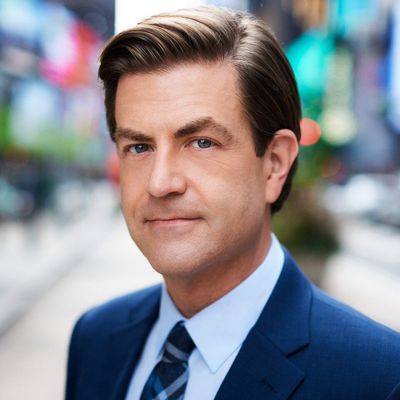
Featured Shows
About
This week, Susan and Laura are thrilled to talk all things Broadway with someone who has loved theatre since birth, and spent their lives amplifying the joy of it - Paul Wontorek, Editor-in-Chief of Broadway.com!
Transcript
This transcript was automatically generated and might contain errors.
[0:10] Susan Blackwell: When I bump into something that inspires me, I jump in my spark file.
[0:18] Laura Camien: Spark file to be something that I wanna make or how I wanna be.
[0:23] Susan Blackwell: I pump it in my spark spot.
[0:28] Laura Camien: I jump into my sparks.
[0:32] Susan Blackwell: Let's open up the spark file.
[0:37] Laura Camien: Welcome to the Spark File, where we believe that everyone is creative, but smart creative people don't go it alone.
[0:43] Laura Camien: I'm Laura Camien.
[0:44] Susan Blackwell: And I'm Susan Blackwell.
[0:45] Laura Camien: If you're joining us for the first time, welcome.
[0:47] Susan Blackwell: But you may be asking yourself, what exactly is a spark file?
[0:51] Laura Camien: Where do I get one?
[0:53] Susan Blackwell: Where do I file in it?
[0:54] Laura Camien: These are such good questions.
[0:56] Susan Blackwell: And we actually do have answers.
[0:57] Laura Camien: We do.
[0:58] Susan Blackwell: A Spark File is a place where you consistently collect all of your inspirations and fascinations.
[1:03] Laura Camien: And if you're like us and you're making stuff all the time, you know that sometimes the wellspring of inspiration can run a little dry.
[1:11] Susan Blackwell: We're here to refill it.
[1:14] Laura Camien: We are on the lookout for fresh ideas, images, and inspiration that spark our creativity and pique our curiosity, things that inspire us to get up off of our asses and make things like this podcast.
[1:28] Susan Blackwell: Or a website that spotlights the best theater artists on Broadway.
[1:33] Laura Camien: Or several thoughtfully conceived web series that capture Broadway's brightest at their best.
[1:40] Susan Blackwell: Or a magazine that centers and celebrates what you love.
[1:45] Laura Camien: Or a Broadway performance that simultaneously makes your dreams come true and makes your pants fill with poo.
[1:54] Susan Blackwell: Oh, Suce!
[1:58] Laura Camien: On today's Maker Sword, we're gonna talk to someone who truly sparks us.
[2:02] Susan Blackwell: And that someone is Paul Wontorek.
[2:05] Laura Camien: Paul!
[2:06] Susan Blackwell: Welcome to the Spark File.
[2:10] Paul Wontorek: Hi.
[2:11] Paul Wontorek: Hi, ladies.
[2:12] Paul Wontorek: Hi, how are you doing?
[2:13] Paul Wontorek: I'm I'm nervous.
[2:14] Paul Wontorek: I'm not usually the one being interviewed.
[2:17] Susan Blackwell: I feel you.
[2:18] Susan Blackwell: I would much rather be in the interviewer's chair.
[2:21] Paul Wontorek: I think being inner, I'm I'm a little bit like, give me this job, but today you've got to take it.
[2:26] Paul Wontorek: You've got to sit there, you gotta take it.
[2:28] Susan Blackwell: Mostly we're kind and mostly we're gentle.
[2:31] Paul Wontorek: Not always, but mostly.
[2:33] Laura Camien: P dubs, we are so happy that you're joining us today.
[2:36] Laura Camien: And we're gonna start with the basics.
[2:39] Laura Camien: Where are you right now and how are you right now, but for reals?
[2:44] Paul Wontorek: First of all, you just revealed my Peloton name, which is P dubs.
[2:48] Paul Wontorek: Which like which is like something that only like three people have ever even said that.
[2:53] Paul Wontorek: And I love that you just said that.
[2:55] Laura Camien: Does that mean someone could find you and like race you on Peloton now that they know that you're P dubs?
[2:59] Paul Wontorek: Is that what that means?
[3:01] Paul Wontorek: I don't really understand the whole thing.
[3:02] Paul Wontorek: I don't like interacting with people on Peloton, but people always ask me what my name is, and now they know it's P dubs.
[3:08] Laura Camien: There you go.
[3:08] Laura Camien: The cat's out of the bag.
[3:10] Paul Wontorek: So uh I am in my lovely home in the Catskill Mountains in upstate New York.
[3:19] Paul Wontorek: And I'm doing great.
[3:21] Laura Camien: Oh, that's love answers.
[3:23] Laura Camien: Hey, before we go any further, we do have to request the Spark File price of admission.
[3:28] Laura Camien: Can you tell us a creative risk that you have taken recently?
[3:32] Paul Wontorek: Okay.
[3:33] Paul Wontorek: Uh like four hours ago.
[3:34] Paul Wontorek: Four hours ago.
[3:36] Paul Wontorek: Oh, recent.
[3:37] Laura Camien: Yeah, brush.
[3:38] Laura Camien: We got a hot one here.
[3:40] Paul Wontorek: So what I did is something I've been doing often.
[3:45] Paul Wontorek: I went live on Instagram.
[3:48] Paul Wontorek: This was something.
[3:49] Paul Wontorek: This was I I love your reactions, Susan.
[3:52] Paul Wontorek: I don't know about it.
[3:54] Paul Wontorek: Uh it is it's something I've watched other people do, and I've always been sort of terrified about it, and and didn't know what I would ever do live on Instagram.
[4:06] Paul Wontorek: I didn't, you know, I didn't want to like walk around my house or show myself shaving or brushing my teeth.
[4:12] Susan Blackwell: Um and I want to take it.
[4:14] Paul Wontorek: I will say you could have showed your you've sent me video before of just you styling your hair.
[4:19] Paul Wontorek: I think for my birthday last year, I was like, for my birthday, you set it up.
[4:23] Paul Wontorek: I was like, how do you do your hair?
[4:25] Paul Wontorek: And you're like, happy birthday, here you go.
[4:27] Paul Wontorek: And it and it was just like it wasn't sped up.
[4:31] Paul Wontorek: It was just two straight minutes of you styling your hair to perfection, I might add.
[4:31] Paul Wontorek: To perfection.
[4:37] Susan Blackwell: That's not what she wanted to do today on Instagram live.
[4:40] Paul Wontorek: That's not what we were talking about.
[4:42] Susan Blackwell: But your hair is amazing.
[4:43] Susan Blackwell: And you have a real like Jason Bateman look.
[4:45] Susan Blackwell: Has anyone ever said that?
[4:47] Paul Wontorek: And I mean that in the highest compliment.
[4:49] Paul Wontorek: I mean that in the hottest possible sense.
[4:51] Paul Wontorek: Hottest compliment.
[4:53] Paul Wontorek: I mean, really.
[4:54] Paul Wontorek: I used to get Matthew Perry all the time, and I didn't ever understand.
[4:59] Paul Wontorek: Jason Bateman is a new one.
[5:00] Paul Wontorek: I'll take it.
[5:00] Paul Wontorek: I'm into it.
[5:03] Susan Blackwell: So no, what what I'm doing on Instagram live.
[5:06] Paul Wontorek: So I recently inherited an enormous collection of Broadway themed vinyl.
[5:13] Laura Camien: Wow.
[5:15] Laura Camien: That's cool.
[5:15] Laura Camien: That's fun.
[5:16] Paul Wontorek: Like a lot.
[5:17] Paul Wontorek: Like a really rare collection.
[5:19] Paul Wontorek: Um, my a good friend of mine, Michael, his husband uh uh of 49 years, Nick died recently.
[5:29] Paul Wontorek: And he had this amazing collection.
[5:31] Paul Wontorek: And Michael gave it to me because he thought that it'd be in good hands.
[5:35] Paul Wontorek: So, what I've been doing is taking a random vinyl album, putting it on my turntable and going live and uh teaching people about and and researching things myself.
[5:48] Laura Camien: Yeah.
[5:48] Laura Camien: So today I did it with Raisin, the 1974 best musical winner, the musical version of a Raisin in the Sun, which I actually had never listened to before.
[5:58] Paul Wontorek: So I did a little research before I went live because I want them to be educational and informative.
[6:03] Paul Wontorek: And we listened to the album together, and I sort of talk to people.
[6:07] Paul Wontorek: And it's it's fun.
[6:08] Paul Wontorek: But it was terrible.
[6:11] Paul Wontorek: If you're gonna go live on Instagram, that's like the best use of that platform.
[6:16] Paul Wontorek: Like something fun, something surprising, something educational.
[6:20] Laura Camien: That's just delightful.
[6:22] Laura Camien: How long are you live though?
[6:23] Paul Wontorek: A whole album.
[6:24] Paul Wontorek: That's a long so I I jump around a little bit.
[6:27] Paul Wontorek: Uh and double discs are just too much.
[6:31] Paul Wontorek: Sometimes sometimes it goes on too long.
[6:34] Paul Wontorek: Um, but what's but what's been interesting about it is I've really loved digging into the research and reminding myself of why I love Broadway with these scores and really like uh teaching myself at the same time, but I've it's also inspired so many other things inside me that I would have never guessed.
[6:53] Paul Wontorek: Just by hitting that live button, my brain is just working in different ways now, and I'm coming up with other things I want to do.
[7:00] Paul Wontorek: And so I think the lesson is just sort of go for it and don't be afraid of making a fool of yourself.
[7:07] Susan Blackwell: It's also great practice just to talk.
[7:09] Paul Wontorek: It is good practice to talk.
[7:10] Susan Blackwell: Now you're gonna be like, Madonna, like, why live off camera?
[7:14] Paul Wontorek: Why didn't Warren Warren Beatty?
[7:19] Paul Wontorek: Warren Beatty was very upset about that.
[7:20] Paul Wontorek: Yeah.
[7:22] Paul Wontorek: Still holding a grudge.
[7:24] Susan Blackwell: I will say, in addition to being, I think, like a really good spark generator and practice and brain stimulator, it's also a beautiful uh remembrance of your friend who passed away.
[7:40] Laura Camien: It's lovely.
[7:41] Laura Camien: What a beautiful thing.
[7:42] Paul Wontorek: Yeah, I think you are officially admitted into the Spark File.
[7:47] Paul Wontorek: That's a pretty phenomenal answer, I have to say.
[7:53] Laura Camien: And the door slid wide open, wide open for you, Paul.
[7:57] Laura Camien: It's beautiful in here.
[8:00] Paul Wontorek: Tell the people what you see.
[8:01] Paul Wontorek: It's encrusted and Swarovski crystal.
[8:07] Laura Camien: Hey, for people who don't know you, can you tell us how do you identify creatively?
[8:13] Laura Camien: Like when people ask, what do you do?
[8:15] Paul Wontorek: How do you answer that?
[8:17] Paul Wontorek: So my go-to is always just to say I'm a journalist.
[8:21] Paul Wontorek: Which is which is that makes you sound very classy.
[8:24] Paul Wontorek: Well, the funny thing is when I met my boyfriend on Bumble, my profile said I was a journalist.
[8:31] Laura Camien: Was your profile name P Dubs?
[8:33] Paul Wontorek: P Dubs 69.
[8:35] Paul Wontorek: No.
[8:39] Paul Wontorek: But he be he's a civilian.
[8:41] Paul Wontorek: He's not in show business.
[8:42] Laura Camien: Oh.
[8:43] Paul Wontorek: So he assumed I was like a war correspondent.
[8:46] Paul Wontorek: Like in his brain, like and in fairness.
[8:49] Paul Wontorek: Yeah.
[8:50] Paul Wontorek: Hey, there are days.
[8:52] Paul Wontorek: So he just immediately went to something really important and serious.
[8:56] Paul Wontorek: Um, although he did also, once he saw me, he actually recognized me from uh an infamous Patti LuPone interview I did once.
[9:04] Paul Wontorek: A clip which went viral, and he actually recognized me from that.
[9:07] Paul Wontorek: But wow.
[9:08] Paul Wontorek: So journalist is sort of my catch-all.
[9:10] Paul Wontorek: I'm really proud of the title, editor in chief, because it just sounds very important, and I've always loved that title.
[9:17] Paul Wontorek: I'm also a talk show host.
[9:21] Paul Wontorek: I'm a TV producer, I'm creative director.
[9:23] Paul Wontorek: I like the Don Draper side of me.
[9:25] Paul Wontorek: Um correspondent, reporter, I'm all kinds of things, but journalist is sort of my catch-all.
[9:31] Laura Camien: Yeah.
[9:31] Laura Camien: Nice.
[9:32] Laura Camien: You're multi-passionate.
[9:33] Laura Camien: And how long have you been at Broadway.com?
[9:37] Paul Wontorek: So 2020 was supposed to be my year of anniversaries.
[9:42] Paul Wontorek: Um it was marking 30 years in New York City.
[9:48] Paul Wontorek: Great.
[9:48] Paul Wontorek: 20 years at Broadway.com.
[9:50] Paul Wontorek: Wow.
[9:51] Paul Wontorek: And 10 years doing my talk show Show People.
[9:54] Paul Wontorek: So that was it was it was all even numbers.
[9:58] Paul Wontorek: And then the pandemic hit, and although all those anniversaries still count true.
[10:04] Paul Wontorek: Yeah.
[10:05] Paul Wontorek: But it just, you know, it wasn't celebrated in the same way.
[10:07] Paul Wontorek: So I now have passed 21 years at Broadway.com.
[10:12] Laura Camien: Wow.
[10:12] Laura Camien: Congrats.
[10:13] Susan Blackwell: Significant.
[10:15] Laura Camien: And the editor in chief.
[10:17] Susan Blackwell: Hail to the chief.
[10:19] Laura Camien: What was your how old were you when you started there?
[10:21] Paul Wontorek: And what was your first job there?
[10:23] Paul Wontorek: So I started there when I was 27.
[10:28] Paul Wontorek: Cute.
[10:29] Paul Wontorek: And I am uh, yeah, do the math.
[10:32] Paul Wontorek: Yes, I am 48.
[10:33] Laura Camien: Yes.
[10:33] Laura Camien: I'm bad at math, but okay.
[10:36] Paul Wontorek: Uh and my first job was really editor in chief.
[10:39] Paul Wontorek: I I stuff I there was uh there was about a month where I was a managing editor, but the person who was editor in chief left before the website launched.
[10:48] Paul Wontorek: And so when Broadway.com launched, I was the editor in chief.
[10:51] Paul Wontorek: I don't know if there are any other editor in chiefs in publishing that have been doing the job that long.
[10:59] Paul Wontorek: I actually don't know.
[11:00] Paul Wontorek: And that you launched it, like you've been literally the editor in chief since its inception.
[11:05] Paul Wontorek: Yeah, I feel extremely tied to it.
[11:08] Paul Wontorek: Yeah.
[11:08] Paul Wontorek: Uh to the brand, to the name.
[11:10] Paul Wontorek: I take a lot of pride in it.
[11:12] Paul Wontorek: But I'm my own person as well.
[11:13] Paul Wontorek: So you know, it's it's interesting.
[11:15] Laura Camien: Oh, we're gonna get into it.
[11:17] Laura Camien: Um, full disclosure for our listeners, you and I have collaborated together for years at Broadway.com.
[11:25] Laura Camien: And as editor-in-chief that you are, you invited me to do some on-camera correspondence work with you years ago, just some silly stuff.
[11:32] Laura Camien: And that grew into some other silly stuff of us working together for over 10 years.
[11:37] Susan Blackwell: We have done side by side by Susan Blackwell.
[11:40] Laura Camien: And then behind the scenes, you've brought me into work with your staff and coach them.
[11:43] Laura Camien: And we've partnered on so much together, so many things that I'm so proud of.
[11:49] Susan Blackwell: And I I have a policy, just a life policy.
[11:52] Susan Blackwell: I think it's important to say what you mean to say to people when you have a chance.
[11:55] Susan Blackwell: So let me take this opportunity to thank you for all the adventures you've brought me into.
[12:01] Susan Blackwell: There is no question here, it's just gratitude.
[12:04] Susan Blackwell: Like yeah, but I also just want to acknowledge to the listeners what a what a big part of my life you have been for like the past 10 years and how much fun we've had together making shit.
[12:17] Paul Wontorek: That's very sweet.
[12:18] Paul Wontorek: I I adore you, and I love all of the opportunities to get to watch you do your thing.
[12:25] Paul Wontorek: I love you know the constant collaboration, uh, you know, just constantly growing, right?
[12:29] Paul Wontorek: It's like an ongoing thing all these years.
[12:31] Paul Wontorek: And I cherish you as a friend as well.
[12:36] Susan Blackwell: Likewise, and back, I like to mirror it back to you.
[12:39] Susan Blackwell: It's so fun to watch you, and then we're gonna stop like just polishing each other's knob.
[12:45] Laura Camien: Like, but just buttering each other's bread.
[12:48] Susan Blackwell: It's so fun to watch you have all your all the things you've made and all the success at Broadway.com.
[12:55] Susan Blackwell: But then, like you said, you're just one of those people, and it's the reason why we wanted you on the podcast.
[13:00] Susan Blackwell: You're just like one of the most creative people that I know personally.
[13:05] Susan Blackwell: You are sort of endlessly creative.
[13:08] Susan Blackwell: So anyway, let's get into it.
[13:10] Susan Blackwell: Let's let's talk about why and how and where and can you um maybe start with telling us tell us a story, Paul.
[13:20] Laura Camien: Paul, tell us a story.
[13:21] Laura Camien: Tell us a story about the first time you saw a theater piece that changed your life.
[13:28] Paul Wontorek: Well, I was I grew up in Connecticut, so I was exposed to theater.
[13:33] Paul Wontorek: My parents, my parents brought me to the city, and we saw Grease, Annie, Cats, you know, those those are those are the three you had to see.
[13:42] Paul Wontorek: Um that was the order. Check this. And I I have to say, and then I really started getting involved myself, and I I was doing some work up when I was in high school. I was actually volunteering at Theater Works, which is an equity theater in oh no. Sorry, Henry's bringing his toy. Henry, we have uh all dogs allowed policy. All dogs allowed. And we're gonna keep all of it in. The sound too. That's right. Get it, Henry. Get it. He was he was like sound asleep. And then the minute he saw I was doing something important. He's like, are you podcasting? Henry, come here. Come here. Come here. Hold on. I'm gonna give him something. You're gonna edit this, right? No. All of it stays in. Okay. Heroine.
Um then when I was in high school, I actually started doing volunteer work for this equity company Theaterworks, which was just starting up, and it's still a great company in Hartford. A lot of uh great performers and talents work at. So I wound up creating a circle of friends in because of this theater group, other people that loved theater, people much older than me, but I would start hanging out with you know people in their 30s and 40s, and I was I didn't even have my driver's license at first. And then I got my driver's license and would hang out with them, and I would go to bars with them after the show. But I wasn't I wasn't drinking, I just had Sprite. And we started going to theater in New York together without my parents all the time.
So I I started to really constantly go to New York and really seeing a lot of things in the late 80s, but the show that really uh blew my mind was Grand Hotel. That's always the go-to show that I talk about because it was the it was theater magic. It was everything that I personally love. It I I love heightened emotions, heightened visuals, sets, costumes, drama. Like I love all of that. And I remember specifically the feeling of we were in the front mezzanine of the Martin Beck, now the Al Hirschfeld, and I remember feeling like I was walking on air, walking around the show. Like I remember it just so so vividly. So that it was Grand Hotel. It's always Grand Hotel. Forever and always.
[16:10] Laura Camien: Was there a time ever that you thought you might want to be a performer? Or did you always know like you would have a relationship to Broadway, but what that relationship might be? Did you have clarity on that?
[16:20] Paul Wontorek: The answer is hell no. Never wanted to be anywhere near, never wanted the attention on me. Even putting myself on camera was a huge leap for me at Broadway.com. And it happened many years into my time there. Never wanted to be a performer. And that's unusual among Broadway journalists. Most of them definitely were in the high school shows. I was doing props of high school show.
[16:47] Laura Camien: You were instrumental even then.
[16:48] Paul Wontorek: Yes. Yes. Because of your passion for theater, you started creating theater-related content from a pretty young age. Can you tell us about some of that early stuff that you were making?
[17:02] Paul Wontorek: So when I was in high school, when I started seeing a lot of theater, I started obsessively following the business of theater. I would every Friday I remember driving on my way to high school. I was going to the newsstand and buying the Friday New York Times, the weekend section because it had the column. And I remember, you know, I remember reading the Phantom of the Opera Review the day it came out. And I remember I started following the business side of it.
[17:37] Laura Camien: Ah, that's fascinating.
[17:38] Paul Wontorek: And also starting to write about it. Uh for like the school paper. I was I was also an art student. I almost went to art school. I was really like a I was a I would draw, I would do a lot of graphic design. And I don't think I knew that. I think it would have been a very different path now because I didn't really have technical skills. Like I I couldn't draw, you know, the bowl of fruit correctly. It was more of a graphical visual skill. And because we weren't like doing computer graphics at that time, I feel like it could have been a whole different path for me.
[18:12] Laura Camien: It's an interesting thing though, because now you're in this position, this perfect position for yourself where you can have a vision and then direct somebody else to execute the vision.
[18:25] Paul Wontorek: That's what I love. That's yeah, that's that's what I love more than anything. Just bossing people around like that.
[18:30] Laura Camien: Yeah. So can you tell us about like some of the early stuff that you made?
[18:36] Paul Wontorek: It was writing about Broadway. It was not that different from what I'm I was doing now. And then when I came to New York City to go to school at Fordham at Lincoln Center, I immediately joined the school paper and I started writing Broadway reviews. And I would also be reviewing the student production.
[18:57] Laura Camien: So was there anyone else? I'm curious. Like, did you have to like um compete to get the role of the critic in, you know, at the paper, or was it like a wide open field and you were like, oh, this is what I want to do. I'm doing it.
[19:11] Paul Wontorek: Honestly, my whole career, I don't really feel like I've been competing with people to get things. It's all just sort of fallen into place. And so when I when I was writing for the school paper, no, there weren't other people that were interested in theater at that time. And then I started interning within a year, I started an internship at Theater Week Magazine, which was a big magazine in the 80s and 90s. And very quickly got an opportunity to write reviews for them. And then I got to write a cover story with Debbie Gibson in early 1992 when she was going into Le Miserab. And that's a gift that was my first huge. My first big star moment. So I really was, and yeah, there were other writers there that I was, I guess competing with, but I was also just sort of there. And I I don't know. I feel like I've just always been sort of adaptable and in the right place and willing to do the hard work, honestly.
[20:08] Laura Camien: It's interesting to me though, because from a really, really young age, you've had a pretty clear personal vision. And yes, in the right place at the right time, yes, you know, stepping into opportunities as doors open, but also there was something inside of you that was really clear about what you liked and what you wanted to do from a pretty young age.
[20:31] Paul Wontorek: I just never thought I could make a career of it. So when I graduated college, I would do jobs. I I worked in advertising because I really went much more on the design element. So I would run like the design department and an ad agency. I would work in marketing.
[20:48] Laura Camien: I wait, when you were yeah, what, like when you were 12? Like when were you running the design? When were you living these lives?
[20:55] Paul Wontorek: Were you like 24 or something?
[20:57] Paul Wontorek: Yeah, like in my, yeah, exactly. In my my early 20s. And I also, but I would always write about Broadway on the side. I would always take freelance jobs, writing for these different magazines. And I even, but I just never thought it would be a career. But I even started my own magazine in 1995, 96. And I all my friends just helped me out and I designed the whole thing myself, laid the whole thing out. I got a photographer, Deborah Lopez, and she took photos of.
[21:29] Laura Camien: Oh my God, Deborah Lopez took my first headshots.
[21:32] Paul Wontorek: Really? Deborah was my, she did all sorts of amazing photography for me. She's a great photographer. I would write, you know, the cover stories. My friends would write things. But and then the best part was I was doing it at one point. I was working for this like marketing company on Park Avenue South. And I would work like the night show. I feel like I would work until like eight o'clock at night, maybe. It was an off hour. And then I would stay there until two or three in the morning using all their equipment, all their computers, all their printers. Sometimes I even had friends come into the office at night and I ran it as like my magazine's office at night. And no one ever knew.
[22:18] Laura Camien: Oh my God. Yes, Laura Camien and I, I hope we don't get retroactively fired, but have produced so many shows out of the offices where we've worked.
[22:19] Paul Wontorek: Yes. Yes, the phone calling, the wheeling, the dealing. Printing scripts. Yes, baby. That's how you do it. Were you just this young renegade upstart blazing your own trail? Or were there mentors that were sort of helping you get there along the way?
[22:44] Paul Wontorek: You know, a lot of this has really come into focus for me very recently as as I've gotten older, and I've really started like, especially in the last year, I've I've really looked back a lot on my whole journey to get where I am. And I and I because I've never really had close relationships with teachers. It's interesting. I always saw education as just sort of like what I had to do to get to what I really wanted to do. So I would go to class and then I would go and do the amazing things at night and all the things I really wanted to do. So I I think I always kind of had a distant relationship with teachers.
[23:24] Laura Camien: But I absolutely, when I look back, did you guys see The Inheritance on Broadway? Matthew Lopez's. You love that show, but no, I didn't see it.
[23:32] Paul Wontorek: That play like rocked rocked me. Like, and there was very specifically there's a relationship in it between the main character Eric and this older gay man Walter. And and I found the relationship so moving because it's really kind of what the heart of what the inheritance is about, which is sort of the passing down of generations of gay men from like an older generation to a younger generation. And when I really start thinking back, I had that in a in a lot of different ways. Um, like when I was working in that theater company uh when I was in high school, theater works, they would bring all these actors in from New York City, and there was this actor named Mark Shannon, who's no longer with us, and he really I was his dresser.
My my one experience being a dresser, and and we just built this amazing friendship, and he was from New York City, and his partner was our Tyler Gatchell, who was a big general manager on Broadway. And so he was like probably the first gay man I ever met, but he also was someone working on, he was in Jesus Christ Superstar on Broadway. And so he was someone who was actually in this in this world. And then, you know, he kept this friendship up with me where he would like, he would write me letters like from Andrew Lloyd Weber's Sidmonton Estate. He'd be like, oh, we're at Sidminton. And I was like, and I would be like, oh my God. And then when I would go to New York, he would get me tickets.
And then when I moved to New York, he also always took me to theater. And he definitely was a mentor of mine. And then the man Michael Alasa I mentioned earlier, who's the one whose whose husband uh inherited, speaking of the inheritance, this amazing record collection from. He ran this theater in the East Village called the Duo Theater. Um, still does, or and he um, I used to work there. I I wrote an article about it, about this show called Born to Rumba, which was this amazing musical that played off Broadway for many years, and it was kind of like cabaret set in Havana, pre-Castro Havana, Cuba. And it sparked uh an interest in Cuba, which I which I still have. But I became, he became someone who's very much opened me up to Broadway, uh, Broadway shows, learned so much about Broadway, and then there was another guy there, Al D. Rodriguez, who was I became really good friends with, who was one of the actors in the show.
And he also, when I started writing, he would I I you remember phones? I used to be on the phone with my friend Al. G mean phones. We used to talk like a phone. We used to talk on the phone all night. Like we used to, and I when I, whenever I would write like my freelance articles, I'd interview somebody for a a magazine. Al would literally like, I would read him the article when I finished writing it. And he would help me rewrite them. Like he was such a sounding board for me. And he's no longer with us anymore either. So it's been interesting. I've really been sort of thinking about all of these really uh influential people in my life. And but it's interesting how it was very separate from it's it's street education. It wasn't the education I was getting in class.
[26:52] Laura Camien: You know what I find so uh interesting about that is sometimes people can believe, falsely believe that they sort of got themselves there and they did it. They did it on their own. They have this like false notion of this.
[27:08] Susan Blackwell: And I love that you have this awareness that they were actually these people along the way. And I'm saying this just not because I think it's interesting, but also I ask myself and I ask y'all who are listening to this like who has helped you and who could you help if you see somebody and you're like that kid's got Moxie, how you can support people along the way, and how you can reach back and thank people in the way that you just did so beautifully.
[27:39] Paul Wontorek: Well, you know, actually, when I spoke to my friend Michael when his husband died, he said to me, Oh, Nick and I have always been so proud of you. And he said, We watched we watched that, we watched the Sondheim concert you made. We watched it so many times, and we were just so proud of you. And it's so moving when you because you know, people don't talk like that to each other enough in day-to-day life, and it takes these big emotional moments to have those conversations sometimes.
[28:09] Paul Wontorek: I want to have those conversations all the time, all the time. Those are the best and most important ones. I keep thinking also about how you're describing what I think a lot of people can relate to is this like there's work and then there's this hustle outside of work to do the thing that you know really fuels you and feeds your soul that you love. I'm curious to know, like when the day arrived that your life was structured, your work was the thing that you loved. Like, how did you adapt to that? Was that a strange sensation to be like, oh my gosh, now this stuff that I was doing, you know, on my own, because I love it, like this is now what I wake up and do.
[28:58] Paul Wontorek: Well, because it was the internet in the year 2000, we spent the first four or five years thinking that it was going to fold at any minute. You know what I mean? You know, the internet spot. It's just yeah, it's a good thing. There was no comfort really. It took probably a good 10 years before it started feeling like I guess this job is kind of staying. There's some good security here. But the danger is that it's very easy to make it your entire life. And I definitely dated my career for a real long time. It took a real long well, and of course, the horrible inside joke of that is that my start date at Broadway.com is Valentine's Day, the year 2000. So I used to always joke that like that was my lover, Broadway.com. But um the so yeah finding a work-life balance has been the biggest challenge and it feels good that I think I finally have pulled it off.
[30:10] Susan Blackwell: That's good. Well done. Um I'll say one of the reasons I'm proud to work for Broadway.com is because I love my peeps there, but also because I think the quality I've said this to you so many times, Paul, but I think that the quality of the content is it is creative and it's polished, and I believe you all are making things that are a cut above. And you have been generating content for a long time. And I have witnessed over the years this deep trust and confidence that you have in yourself that you have no scarcity of ideas. I've you're one of the few people I know who is just like, I got a million of them. And once I use those, I'll make more. Which has always been a point of fascination for me with you. So I just wonder how do you remain inspired? How are you pulling off this magic trick, this sort of bottomless well of inspiration and ideas?
[31:16] Paul Wontorek: Well, the most important thing is having a fantastic team of people. I'm really proud of the I I'm constantly inspired by the people on my team. Now, this is not the easiest thing to talk about right now because this the team has reduced thanks to COVID. So that's actually probably the hardest thing. Yeah, the hardest thing to not have everybody on the team. But you know, Beth Stevens has been my managing editor for 21 years. She started right after me. She and I are an amazing team. We're able to sit down and just things just flow. I like to find inspiration. A lot of the inspiration comes from outside of the Broadway community. I'm not really I don't spend that much time looking at what other people creating content about Broadway are doing. I don't feel like I'm ever really doing that.
[32:11] Susan Blackwell: Yeah, you always have your nose in like film and uh you yes, that is true.
[32:19] Paul Wontorek: Yeah, that is true about you. That's right. And so a lot of times people will say, like, oh, did you see what this one did or this one did? And I'm just kind of like, no, I haven't seen like and they don't believe me. They think I'm like lying. I'm like, no, I'm really not paying attention. I'm really focused on, and then at the end of the day, we're creating content that is promoting shows at the end of the day. So a lot of the inspiration has to come from the actual material, yeah, and from the people. The I've always been inspired by the creative stars of Broadway. And that when I first started, my inspiration really came from Vanity Fair, and that I was really looking more that direction.
And I felt like nobody was covering Broadway in a way that acknowledged how exciting I found all of the talents of Broadway to be. I felt like I felt like all of the other journalistic outlets were treating them like workers within an industry. And I wanted to, I wanted them to be stars, and I wanted to sort of like elevate them and act like they were stars, the stars I saw in my eyes.
[33:24] Paul Wontorek: So now that's all shifted because now there's so much, you know, that's always the interesting thing. Social media has changed so much. People being able to create their own content. And it was very different 21 years ago when we were first looking at it. And so, but yeah, the inspiration comes from outside. Right now I'm really inspired by this old Broadway vinyl and Hollywood movies. I found myself really like immersing. I've had to sort of surround myself recently with reminding myself of the things that initially inspired me. And that's what I'm getting from this Broadway vinyl. It's from my I love reading the I used to discover I didn't see that much theater when I was a kid. I would discover plays by reading them and imagining them.
And I would read the libretto of musicals coming from Andrew Lloyd Webber or old musicals, and I would get this vinyl and I would read it and I would study what it said. So I'm trying to like recapture that a little bit right now and surrounding myself a little bit with those things that I think sparked me when I first fell in love with all this.
[34:37] Susan Blackwell: Yeah. This is so amazing because um Suze knows this. I've been rereading Twyla Tharp's uh The Creative Habit, which you know is like a 20-year-old book. And I'm just like, oh, I'll just I don't know, just see does any of does this hold up? And there's this entire section in there where she's like, um, a lot of times people think they need to look forward for inspiration, like out and forward. And she has an entire chapter about memory and looking back and really calling from that lived experience from those memories, unearthing those memories with those sensations like from when you first went to the theater um that just makes so much sense to me though that that gift of vinyl is a gift to all of us because I'm imagining like what's gonna come of it out of your brain it's exciting and also it was terrifying because I am a minimalist so I'm not really big on clutter so the concept of having these boxes of but I found a great way to organize them and it's it's not you know so that that but it was also terrifying because of that.
[35:02] Paul Wontorek: Wow wow you've made um so many things like you've just been at this for long enough to like really spread your wings and do a lot is there something that you've made at Broadway.com that you are particularly proud of um there are a lot of things as you mentioned um like side by side I guess I mean I just feel like that's in block well you know there's that one definitely has top of the that has the best theme song that definitely has the best theme song um I personally am very proud obviously of these interviews I've done um show people which is because when I started doing them there was no opportunity for long form interviews with Broadway actors like you would only see Broadway actors if they went on Rosie O'Donnell or if they got to sing on the Today Show and then they spoke for like two minutes. You never heard much from them. That was really novel.
[36:50] Paul Wontorek: Yeah, Rosie O'Donnell was like, what a like it was a revolutionary idea to have theater people on national television. But now you can hear two-hour interviews with any Broadway performer whenever you want, thanks to podcasts. I mean, and Instagram live videos. And so, but at the time that felt really special. But I'm also really proud of this series called Character Study that we've done, which is a that's beautiful. That's a beautiful thing. I love the video, I love the talent that I've been able to find in my time there. Whether it's illustrators or video artists or um directors or writers or editors, there's all these amazing people that I've been able to collaborate with. And um character study was a way of I'm also I love documentary film. I could easily see myself directing a documentary film at some point.
[37:48] Susan Blackwell: Please do, please do.
[37:50] Paul Wontorek: But these are sort of little docu mini docuseries where you're watching an actor turn from the they they enter as themselves into the theater and then they walk out as as their character, and you can it's a voiceover, it's a voiceover where they're talking about the process. And when I started making those and beautiful, beautifully shot and edited, but when I started making those, I really wanted something that I imagined like can you imagine if you can go on YouTube right now and find one of Patti LuPone Backstage at Evita? Like the history. I love creating things that last. I love the I really love leaving things behind, and I love finding uh things from the past that were left behind. And so I I'm really that's like when something like Clubhouse comes around. I think like that's so temporary. There's no like archive. Like it's just it just happens in mid and that that sort of stuff terrifies me because I love making content, but I also love it to live on.
[38:54] Susan Blackwell: Well, you have literally archived the 20 years of Broadway like never before, you know. Prior to that, there's so many lost years of like maybe scraps that we can find, scraps of information or scraps of video, kinoscopes. It's fun. The other thing that's fun, I'm serious, like these weird, like that weird glowy black and white sort of footage. One of the things that's fun too, it's just occurring to me in real time is I think this is true for you, Paul. I think it's true for me as well, that there's a lot of people, the majority of people that if you're a kid and you love theater or you love Broadway, you're not getting into New York. The majority of, you know, you live in Japan or you live in Scotland or you live in Scottsdale, Arizona.
And things like the interviews that you have done and even the wack-doo stuff that I've done with you for Broadway.com, now that we've been doing this for quite a long time, don't people come up to you all the time and say, before I ever could make it to New York to see a Broadway show, I felt like I was included in this community because of the interviews that you were making. So it's that's a fun reach too. Like that you reached your virtual hand across the country or across around the globe, and gave people a chance to come into something. I think that is a gift that Broadway.com has created that you have created for a lot of people.
[40:33] Paul Wontorek: Yeah. Again, not a question, just me talking. The amazing turning point was when the stars of shows told me that they grew up watching.
[40:43] Paul Wontorek: Yeah. That's when I was like, oh crap, I've been doing this a long time.
[40:58] Paul Wontorek: So it's been interesting because I was actually on vacation when the shutdown happened. I was in the country of Jordan. Whoa. Uh stay staying in a bubble hotel in the middle of a desert in Wadi Rum. Wow. You roll. So it was crazy. Um so I came back. When I came back, Broadway was shut down. So I immediately just came upstate to my home. And I think I initially just jumped in and started doing things like, okay, nothing's different. We're still doing this. We're doing this. We're doing this. We're doing our live show every day. And we're, and and I remember I think my staff had a different relationship because they had been in the office and were watching it all sort of slowly shut down and you know, yeah, hearing about people getting COVID and all these experiences.
And they were kind of like, is it appropriate that we're going live on I was like, well, we're gonna make it appropriate. We're gonna be there and we're gonna sort of just keep up some normalcy. That was the initial goal. Sort of like, let's just keep keep going. And so I actually jumped into some big pro, you know. I did this Rosie O'Donnell show. That happened like a week into the shutdown. Yeah, yeah. Because Eric Bergen called me and he had approached Rosie O'Donnell and he said, Do you want to do this live show? So I said, Great. I don't know really how to do that, but I figured it out and I ran the entire thing and kept the whole thing going live and learned how to do that. And then I did this reading of Lips Together, Teeth Apart, the Terrence McNally play right after he died.
And that had an amazing cast of people. Um, and then the Sondheim concert, and then Buyer and Seller, Michael Urie. So I started just like I was working on one big thing after the next, and then I started working on a Tony special that hasn't aired yet. But like there's been one big project after the next. And it I actually had to get to a point where I was like, okay, you need to like sort of accept the world now. You kind of have to actually like breathe and really focus on what you're what you're working on. Because I was doing a lot of that um not with the with my entire staff like I normally would, because you can't do it all remote, you know. A lot of it was just me. I was yeah, just doing a lot of it here.
So um, so I felt very creative at first, and then I sort of like was trying to navigate where I was, and now I now I feel like I'm the right level of creative, and I feel like um we're keeping things going, we're keeping things interesting. We're producing a weekly television show now called Broadway Profiles that's a syndicated show, and I'm doing a lot of interviews for that. That's sort of the main focus right now, yeah. But um it's it's I I'm starting to feel more creative. I'm starting to, you know, I mean, it's starting to feel inspired in me a little bit.
[43:57] Laura Camien: Something that listeners and even Broadway.com fans may not know about you, Paul, is that you are hard of hearing. And if you're comfortable talking about it, can you tell us a bit about your hearing loss and how it's impacted your work and your creativity?
[44:14] Paul Wontorek: Yeah, I would love to talk about it. I used to never want to talk about it. And now I actually in recent years have been encouraged to sort of own it. Um and I used to always just sort of say, I'm deaf. I used to just always just like say that to people, and I I don't say that anymore because I'm not deaf. I'm hard of hearing. Um and and I it's it's interesting uh as a journalist. It's interesting how it comes up. Like, for example, I was just sent a screener of In the Heights, the film, which is you know, coming out, which I was very excited, yeah, very excited to see. And it was great. But I will say I usually require closed captioning. Yeah. To to what I I usually have the closed captioning on my television.
Yep. And it's just become sort of just it's just a given. And when I got the screener, I re immediately you realize like, oh, there's not gonna be closed captioning on this rough cut for press people. You know what I mean? Yeah. So it comes up in ways that people don't realize. They don't, they don't people don't realize they that um there's so many specific things like that that make it difficult. Also, also you know, being at a Broadway opening night party. Oh my gosh, is a social nightmare for me.
[45:45] Laura Camien: Well, you and I have been we you and I have done big events like that where it'll be the two of us inner like tag team interviewing somebody between us, yeah, and we'll position you so that your the ear that has better hearing will be closer to the action that you need to hear. But I've seen the struggle, like I've seen you have to navigate that.
[46:11] Paul Wontorek: And I have to say, like it seems it like it would be very tiring in a situation like that to try to kind of keep up with it. I've had to fake it a lot. I I I have faked moments in interviews my entire career. There have been moments where I don't sometimes um I have watched an interview later on and said, Oh, that's what happened there. Sometimes it's a miss and and I also I I fought wearing hearing aids for a very long time. And I finally started wearing hearing aids that were like buried inside my ear, so I don't want anyone to see them. And then, you know, the quality level is not the same as wearing an over-the-ear hearing aid. And then I finally had a moment um that thanks to being in a great relationship and having a partner who was very supportive of it as well, where I was just like, I don't, I don't care about people knowing I'm wearing a hearing aid, you know.
But it is it's a it's a social thing, it's so different from glasses. I mean, glasses are so having bad eyesight is so socially acceptable. It's a different world, and everyone just equates uh hearing aids with being old and and you know, being an older person who who needs them because they're old. And I've actually, I don't know where it started. I finally saw like a an a hearing expert, and he basically told me nothing. He said, he basically said, like one in a thousand people just have crap hearing, and it's just gonna keep getting worse, and you're one of those people, and there's no reason for it. It just is what it is.
[47:55] Paul Wontorek: Yeah, very insightful. I'm glad I found the best guy there was in Manhattan. Um so you know, you have to just sort of figure it out on your own, and you have to have pride in yourself. And I don't know, and but I also think socially, because parties are a nightmare, because the options are either I go to an opening night party without wearing hearing aids, and I'm basically just hearing a loud level of noise all night. And and people, if they yell into my ear, they I can probably hear them, or I wear a hearing aid and it's just like deafening levels of noise. And and so what I was getting at is I I know for a fact that many people think of me as very aloof. And I and a lot of that comes from the way I act when I'm in these social situations, and I and I know that, and I avoid conversation a lot of times.
Because I instead of, and by the way, you have no idea how many people, if you say to them, even in the quietest room, if you get some low talker come up to you, and they and then you say, I'm I'm sorry, I'm hard of hearing, can you speak up? You don't know what percentage of people literally then say it at the exact same volume. They do not adjust. They literally just don't listen, like they just assume. But also socially, I have also come to realize that I have intentionally been drawn to people whose voices I can hear. So my I have chosen relationships and that that are people that I can communicate with, and I have avoided people who I have no idea what they're saying. And that's just fascinating because it took me a long time to realize that.
But but I'm in fantasy land right now because I'm wearing I'm in COVID. I'm in my house. All the voices I hear are all electronic. I can adjust the volume everywhere in everyone is wearing you know air earbuds at all times. And I am in complete control of all volumes in my environment right now. So it's been heaven in that sense.
[47:56] Laura Camien: So insightful.
[50:12] Laura Camien: Wow.
[50:13] Paul Wontorek: Yeah. It's it's interesting. I actually think I can there are times just because we have spent so much time together, where I can I have seen exactly what you're describing, where I can I can see when you haven't heard, and it's either something I've said or somebody something someone else has said, and you are just going to like keep the social ball in the air and keep it moving. And it's it's a good reminder. I think it's a good reminder for me and Laura and people who speak publicly, and people who just speak as they move through the world, which is all of us, to remember that not everybody can hear the same way that you can hear. Not everybody can see the same way that you can see. I think it's a really, really good reminder. And I'm glad you're feeling more comfortable about just talking about it and just being at peace with it.
[51:19] Paul Wontorek: You know what's real, I just remembered one of the first, like I think the first week that I got my my over the ear hearing aids, I wore them to work, and I was doing an interview on Live of Five on Broadway.com with a big music star, actually. And I did the interview with him, and it ended, and and at the very end he said, Oh, I saw your hearing aid. And he just said that to me. And I was just so like thrown, you know what I mean? Because I never I'd never like spoken. Most people just avoid saying something or you know, yeah, but he had very and I was like, Oh, yeah. And he said, My son wears, my son wears the same hearing aids. And then I and then I was like, oh, so I so I was able to have this conversation with him.
And then actually, like a week later, I saw him in the theater district with his son, who's like a little boy wearing hearing aids. And but it was so interesting to uh interact um in the open about it and to talk about it with someone. So now I'm now I I do I think people need to understand that hearing loss happens in people of all ages and and um as a society, I think we do have to sort of be a little people. Also, just love to make fun of it, you know what I mean? Like, I mean, I think people with bad hearing, bad eyesight deal with this as well, but you know, even people are very close to me. People can be really loose with their words about like, oh, he's deaf, he he didn't hear you, you know, like this this constant. And so I have um now I'm in a place where I I want to be really direct about it and be really open and direct with people about it.
[53:04] Laura Camien: I love it. I love talking about it actually.
[53:06] Paul Wontorek: I love that you love talking about it. That makes me so happy. I I just love any time for myself and for anybody, there's a freedom in that self-acceptance that I I just love it. I love it for you. I love it for all the people listening. I love it for me, I love it for Laura. I think it's great. Yeah, I think, and the more that we talk about those things, you know, that we maybe have been self-conscious about the more freedom we give to everyone else. Like, gosh, oh you you've experienced that too, me too. And we can only do that when we like shine a light on it. So thank you for talking to us about it.
[53:46] Laura Camien: Absolutely. Hey, hey, this is an entirely different topic. This is a say, this is a total saying. Can you tell us what it felt like to make a one night only appearance on Broadway in the musical The Prom? Did you do that? Did you make a one night only appear? Was that you?
[54:06] Paul Wontorek: So listen to me. I was approached.
[54:21] Paul Wontorek: And I was asked, they said, we want to do this special thing where the opening scene, there's a reporter on stage, we want to use people from the Broadway community. Would you be willing to do it? And I immediately went into panic mode because I was just like, this is horrifying, but I love The Prom. Like I loved that show. So I don't know that I would have done it for any other show, to be totally honest. Grand Hotel. Yeah, maybe Grand Hotel. Maybe in the lobby of the hotel. And I got to do scenes with Beth Leavel and Brooks Ashmanskas. Like it was like so. That's what so I said yes. And then I began shitting myself. I shot myself nightly. I did not sleep nightly. And I studied my lines, and yes, I did it.
And I have to say that the buildup to it was horrifying. But then the minute that it was over, I was like, oh, I could do that again. Oh, welcome to the show. Because maybe I do want to be a performer. Well, the panic, the panic came from honestly not having a tech rehearsal. Because it was the panic came from not knowing what it felt like to have the lights on me and not knowing what it felt like to hear the actual orchestra. And of course, because of my hearing issues, I also was afraid I would miss the music cue where I start talking. There are my really happy concerns like that, but it, and I cherish the photo I have backstage with the cast because I love everyone with them.
[56:08] Laura Camien: I'd love that you've been like you've been on Broadway. And I when you talk about these things like doing that, like shitting yourself in preparation for that one night only thing. And even like with your hearing, I think this these are the kinds of things that expand our empathy. That's really, you know what I mean? Like when you're like, oh, this is what it's like to be this scared to do something, or this is what it's like to talk about something that wasn't easy for me to talk about before. I just feel like it's so empathy expanding those things.
[56:39] Paul Wontorek: It is, and to feel that and do it anyway. Like you said yes to it. You said yes, and you kept saying yes. Like you could have canceled at any time in those six weeks, but you were like, I'm doing it.
[56:51] Laura Camien: Yeah.
[56:52] Paul Wontorek: I had to cancel. I dehydrated myself because I shit myself for six weeks.
[56:58] Laura Camien: So Paul, we're fascinated. We are fascinated on this podcast with the topic of failure or perceived failure. Can you tell us about something creative that you've attempted that you perceive as a failure and how you process that and what you learn from that?
[57:16] Paul Wontorek: It was April 26, 2020. It was the night of the Sondheim concert. It was Take Me to the World. That to me felt that to me felt like a horrible failure.
[57:25] Laura Camien: What?
[57:26] Paul Wontorek: Well, because it didn't go up on time. I'm sure you remember. It was like the stuff of legend that it's funny, that's not what I remember about it.
[57:36] Laura Camien: So that's great.
[57:38] Paul Wontorek: That now but you'll never forget it.
[57:40] Laura Camien: Yeah.
[57:40] Paul Wontorek: That's how it is now remembered. But in the moment, I felt so much pressure to not only Raul Esparza, who came to me with the idea of doing this concert, and Mary Mitchell Campbell, Bill Curran, our other producer, to them, I felt a responsibility.
[58:00] Laura Camien: Yeah.
[58:01] Paul Wontorek: But to Steven Sondheim and every musical theater performer who I ever loved who turned in all this amazing material to us. And there was a Zoom call with everybody. That I one of my one of my regrets is that I was not able to be in this moment because there was a Zoom call that happened right before the show was supposed to go live. And I was sitting in front of my computer trying to finish the show while being on my phone on this Zoom call where every again, every Broadway icon I've ever loved on a Zoom call, and Steven Sondheim sharing special lyrics he wrote to "Sunday in the Park with George" about the concert, and like and like not being able to take that moment in because I just wanted to say to all of them, by the way, it's probably not happening on time.
But I was still sort of I was still operating under this hope that I was going. It was all about getting this "Ladies Who Lunch" number, which I'm sure you've heard of. That number was not finished until I think I got the final edit. I want to say an hour or two before the concert. And that was performed by Meryl Streep, Audra McDonald, Christine Baranski. And you were like, come on, this is the anchor of this piece. Well, we knew that that was the surprise. That was the big element of surprise that we're but there were so many amazing things, but it was really just I knew it was crazy, I knew we weren't gonna finish it, I knew we weren't gonna meet the deadline. So when we didn't, because what actually happened is it went live once, and then Raul was on camera and there was no audio and that and then I had to shut it down, and then it had to go live again. It was it was horrible. It was horrible and emotionally very difficult for me.
[1:00:06] Laura Camien: Yeah, but I but I but I I have a very steady my boyfriend was running in circles around my house. Like what you know, what is happening, what is happening, what where's the show? I was staying pretty calm, and then we figured it out, and then like there were some segments that were supposed to go live, and I just immediately wrote to Mary Mitchell Campbell and Raul Esparza and said, Can you please film those segments and I'll edit them in live? Like if you film them, I can edit them in. So I knew a lot of news.
[1:00:34] Paul Wontorek: Yes, it yeah, it was Holly Hunter, man. There was some last minute scrambling to figure out, run them with that video tape.
[1:00:42] Laura Camien: Oh my god.
[1:00:42] Paul Wontorek: Sliding under the file cabinet, getting in there. By the way, over a hundred thousand people waiting for the concert to start. Like I could see the numbers. I can see. And I and I'm sitting in my guest room in my house. It was it was it was a mess. So by the time the concert ended, I knew people liked it. Yes, but it still took, you know, the next that night and then the next day, and then I got some beautiful emails from people. And I I don't know if you have this experience, but people don't email and congratulate as much as we none of us do. None of us congratulate each other as much as they're onto the next. We're busy, busy.
[1:01:27] Laura Camien: Yeah.
[1:01:28] Paul Wontorek: So the fact that so the fact that I got all these beautiful notes and letters and the and press attention and so it was great, but but I still can't completely speak about the experience. Well, I hope I I just did, but I had a recently I had a meeting with Raul and Mary Mitchell Campbell and Bill, and I there's certain things I was just like, can we stop? We stopped talking about this. I don't want to go through the nitty-gritty of that night. I don't I just want to sort of Yeah, yeah.
[1:01:59] Laura Camien: Yeah, I'm very very proud of it now.
[1:02:01] Paul Wontorek: It's interesting because what you're I think what happened to you in that night was this huge chemical dump of adrenaline and cortisol in your system. And that just takes time to wash out of one system. Um what did you learn from it? What what what how might you operate differently in the future?
[1:02:21] Paul Wontorek: Uh I think I should have been a little more vocal about the deadlines. You know, it was a fine, it's a fine line when you're A doing charity work, right? It was a it was a charity for Artists Striving to End Poverty, Mary Mitchell's organization. And when you're working with people doing charity work, you know, there's the the whip is that much less less of a less of a snap on it because you know, if they're a little late, if it takes a little longer, yeah. I do vividly remember saying to Raul the Monday before the Sunday night concert, so a full week before I remember saying to him Monday morning, I think we should maybe delay it. I do remember saying that. Like I had that, I do remember having that insight at that point.
[1:03:16] Laura Camien: Yeah.
[1:03:17] Paul Wontorek: But we were kind of in too far. And I just thought, okay, what the heck? We're gonna figure this out. And you knew during the week, honestly, it started to feel okay, and then different. It's just so I think the lesson would be to stand my ground a little bit. Because at the end of the day, I was the director, and my name was on it as the director. And so I should have sort of put my foot down and said, No, that's that's great, but actually, this is what we actually need to do. And instead of I think I can get a little bit passive about big personalities sometimes, and and also people I admire and people who are stars and all those extra elements, but also at the end of the day, they all needed me to hit the button to make it go live.
[1:04:11] Laura Camien: Yeah, that's right.
[1:04:12] Paul Wontorek: So I think it was just kind of it's kind of owning owning your place in the process and and being vocal about what you need, about what everybody needs. Everybody has their own needs to get something done.
[1:04:25] Laura Camien: That's right.
[1:04:26] Paul Wontorek: And your favorite, what was your favorite segment from that concert? You say yours, I'll say mine. Ready on the count of three. One, two, three, Elizabeth Stanley.
[1:04:40] Laura Camien: So I love Elizabeth Stanley. She was she was incredible. And by the way, Mr. Sondheim really loved that performance. We love you, Elizabeth Stanley, listener to the podcast. And but that's not why I said Elizabeth's name. I said it because that performance was a masterclass. I mean, I could name there, aren't weak performances in that night. Like I love the entire thing.
[1:05:04] Paul Wontorek: But the reason why I said it takes two, which is Ben Platt and Beanie Feldstein.
[1:05:09] Laura Camien: Yeah.
[1:05:17] Paul Wontorek: Because they had choreographed some like moves separately together. And so when we first saw the footage together and realized that they were actually that they had planned it out. I think that just like spoke to me because you know I know that they're like theater kids that grew up loving Broadway together and doing that in their bedrooms.
[1:05:37] Laura Camien: Yeah.
[1:05:38] Paul Wontorek: So I love the idea. I love the idea that they put that extra level of thought into it. So that's why that just popped in my head first.
[1:05:45] Laura Camien: Yes.
[1:05:47] Paul Wontorek: That's a very good answer. We shall accept the answer.
[1:05:50] Laura Camien: Yes.
[1:05:50] Paul Wontorek: Hey, is there a creative thing that you know you absolutely need to do before you're done?
[1:05:57] Laura Camien: Before I'm done with my with my career.
[1:06:00] Paul Wontorek: Yeah.
[1:06:00] Laura Camien: Or before you're dead.
[1:06:01] Paul Wontorek: Or before you're done. I have like right now, I have like 15 things in my head that are percolating.
[1:06:09] Laura Camien: Pick one.
[1:06:10] Paul Wontorek: I well, I I can't specifically.
[1:06:18] Laura Camien: Oh, that's really it's really hard.
[1:06:21] Paul Wontorek: I don't, I don't know. I don't know that I think about things in the in sense of oh man. I mean, there might be a book, there might be some podcasts, there might be some TV projects with a documentary film. I don't know.
[1:06:37] Laura Camien: Yeah.
[1:06:38] Paul Wontorek: It's uh I I no, I guess the short answer is no, that there isn't like a thing that I'm that I I really feel like I have creatively satisfied a lot of like itches in me. I think right now, be like I said about the looking back, the history stuff we talked about. Yep, I really I feel like I have always kind of taken for granted, and this came out of these live videos I've been doing. I feel like I've taken for granted my interest in history and in sharing history with people. I think I'm really good at looking at the history of something and diluting what makes it an interesting narrative. And I and I so I'm starting to realize, I think I just took for granted, I think I thought, like, well, everyone does that. Everyone thinks that way about history and and theater history. And now I'm starting to realize, no, wait a minute, that's actually something you're good at.
[1:07:32] Laura Camien: Yeah.
[1:07:32] Paul Wontorek: So I definitely have some interest in some projects that would exploit that a little bit. Um I love introducing I with these live videos, you know, people have been joining me, and I don't schedule them, I just suddenly go live, and sometimes the same people are there, and they say little things to me, like, oh, uh, you know, thank you.
[1:07:56] Paul Wontorek: It's thank you for introducing me to that. I didn't know anything about that, and that was so fascinating. And this show sounds really great, and I'm really into this. And another friend of mine, actually, Deborah Lopez, photographer Deborah Lopez from texted me last week a picture of her husband, who's a musician on his phone, looking at one of my videos, and she wrote to me and she said, He's obsessed with your videos. You're literally teaching him about Broadway. He just finds it so interesting, and he didn't even know they cared. And he's finding it really interesting the way you're doing it. And I was like, okay, that's the best reaction I could have ever gotten from this like straight Irish rocker guy. Like I, you know, so Deborah Lopez made Bono. I didn't know that.
[1:08:44] Laura Camien: Yeah, Bono, Deborah Lopez.
[1:08:46] Paul Wontorek: So that's definitely something that I'm going to explore. That's not really a specific answer, but it's a focus. In the future, you'll be looking to the past. The answer is more. I'll be doing more.
[1:08:58] Susan Blackwell: That's right. I like it. So, Paul, you've been in the creativity business for a while. Give us some good creative advice.
[1:09:07] Paul Wontorek: Well, to jump off what I just said, don't assume that other people have the same perspective you have. Like, like I think it takes or that they have the bravery to share that. You know what I mean? That so I think you have to really um sort of figure out what you're interested in and what your take is on it, and just go for it. And don't don't don't immediately put like um rules up or or sort of how how things have to be defined. I feel like I did that that a lot um earlier in my uh career. I would also say that um don't do it for people, you know, giving you likes or positive comments, or you know what I mean? You don't I I've never really had that in my DNA. I feel like I've always feel like I'm sort of just doing things for myself to express myself, and I think that's that's really um important to to figure out what that is. I also think that people should make things. I mean, you guys talk about this all the time, but like there are so many tools now for people to make things.
[1:10:20] Laura Camien: Yes.
[1:10:21] Paul Wontorek: If I wanted to have this career, if I you know, if I was 20 years old now, I'm sure I would be creating all kinds of content. It's free.
[1:10:29] Susan Blackwell: That's right.
[1:10:30] Paul Wontorek: I made a I made a magazine in the 90s that I basically wrote and designed myself. But the reason why I couldn't keep doing it was because I had to pay two grand to the printer to print it on paper, and now that's not necessary.
[1:10:46] Laura Camien: No need, yeah.
[1:10:49] Paul Wontorek: But also when you're a lot of people say, like, I want to do what you do, I want to I want to be covering Broadway. And I always say, like, well, make sure you're doing it with a professional mindset or the mindset of whatever you want to be seen. Because I feel like a lot of people just start creating things in kind of like a sloppy, especially in social media. They just sort of like jump in and like, and it's fine to like play around with it a little bit. But if you want to be seen as someone who is offering their opinions of the theater world, then pay attention to what what you're actually putting out there with your name on it. And I think I think that I think that's pretty important too to to sort of think about the long, what's the end game? What's the long game?
[1:11:32] Laura Camien: Quality based to be doing though.
[1:11:35] Paul Wontorek: Quality, that's right.
[1:11:36] Laura Camien: Quality, sure, yeah.
[1:11:38] Paul Wontorek: Yeah, I like it. Here's a question we ask all of our guests. We don't say this to everyone, but we'll say this to you. You work really fucking hard. You work really hard. What's it all for?
[1:11:51] Paul Wontorek: Um what's it all for? What's it all for? Going out on a light note. I mean, I said it before, but I actually leaving something behind is actually important to me. I really love having all of my I know YouTube will outlive us all. And I love having my videos out there, and I love having my interviews, and I love that people can maybe discover what I did many, many years from now. Um so that that is important to me. Um obviously create a fulfillment. I think I I would have said, you know, one thing that's really shifted is a lot of people that get involved in the Broadway community, they they're sort of dazzled by the Chobiz element and stars and the, you know, and I definitely was very excited a lot of times about the stars and and um trying to like uh meet meet meet all kinds of stars, get time with stars, try to build relationships with stars sometimes.
And a lot of that has sort of like fallen off a little bit. It's like I'm just kind of like, we're all I mean, no one having said all of this, Bernadette Peters still wows me. And I and I I have worked with her on, I helped her bring Broadway barks to the internet last year, and I told myself this year, I was like, I don't think I can put I used to be really careful with my time. And then I get an email from Bernadette Peters, and I'm like, I'll do it, but I'll do it to him. It's on for Bernadette Peters. It's on her Bernardette Peters. She still has some pull over me.
[1:13:41] Laura Camien: Okay.
[1:13:43] Paul Wontorek: Yeah, so I feel like that it definitely feels more like a business when you start doing it for a while. But that feels good. Um it feels good to not be distracted by that. You know, I mean to make things, yeah.
[1:13:57] Laura Camien: Yeah, the sparkly things.
[1:13:58] Paul Wontorek: Yeah.
[1:13:59] Laura Camien: Yeah.
[1:14:00] Paul Wontorek: Finally, who or what is sparking you these days? We know you're sparked by old Broadway vinyl.
[1:14:10] Paul Wontorek: Anything else?
[1:14:11] Paul Wontorek: And Turner Classic movies. I tape, I tape so many movies now. I just on my YouTube TV. I'm just always recording things, always. And then because I'm finding myself not inspired by what like the hot new Netflix, Amazon, Hulu shows. That's something recent in the last few months. Every one of them, I'm just like, I like lose interest after one episode.
[1:14:33] Laura Camien: Is there a particular Turner classic movie and a particular piece of Broadway vinyl? Are there two titles you could point us towards?
[1:14:45] Paul Wontorek: So I kind of have a weird vinyl thing. I I firmly believe that, and I think I'm I think I'm gonna say it because I actually I don't like snobbery. And I don't know if you know it, but there's a lot of that in in the theater world sometimes. And I think it's really important to remember, you know, when you're talking about like a classic title of a of a classic play or musical, it's kind of whatever your first exposure to that title.
[1:15:17] Laura Camien: Sure.
[1:15:18] Paul Wontorek: So, but a lot of times you you learn after the fact that that was sort of the wrong one. You know what I mean? When people say, like, you like that. I like that. And that's what's going on.
[1:15:28] Laura Camien: Please say you're a good man, Charlie Brown.
[1:15:29] Paul Wontorek: Please say you're a good man Charlie Brown.
[1:15:32] Paul Wontorek: So I actually want to shout out I friggin' love the soundtrack of a course line.
[1:15:44] Laura Camien: The movie.
[1:15:45] Paul Wontorek: The movie that you're supposed to hate.
[1:15:51] Laura Camien: He said it.
[1:15:51] Paul Wontorek: It has some, and I said it because I despise snobbery. And I and I I love thinking that people just rolled their eyes when I just said that. I just love thinking that maybe there was a little bit of like this guy, oh, forget this guy. But that movie was huge for me. And it really helped me fall in love with Broadway. And I will also say that when I was a kid in the um I the video store, remember video stores? They used to have big, they used to have the big uh stand-ups, right? To promote movies, just like the stand-ups. And uh, my video store used to give me the stand-ups. So I had this enormous course line stand-up of them all. It's just photographed by Patrick Demarchier with the these gorgeous gold.
[1:16:38] Laura Camien: Audrey Lance.
[1:16:40] Paul Wontorek: Audrey Lander.
[1:16:42] Laura Camien: How dare you?
[1:16:45] Paul Wontorek: And so who I recommend following on Instagram. And so anyway, I had this stand-up in my childhood bedroom of a course line, and they would look at me every day, all these showbiz types. And the punchline of this is that I bought this soundtrack vinyl on eBay because I wanted to re- I wanted to revisit it.
[1:17:05] Laura Camien: Yeah.
[1:17:06] Paul Wontorek: Um, and by the way, when I did this live video, people literally sent me direct messages yelling at me for talking about the soundtrack and not the original Broadway cast recording, which I also love. By the way. I meant to say the soundtrack. I meant soundtrack. I said it and I meant it. So I'm looking at this vinyl, looking at this photograph that I had in my bedroom, and I'm like, God, I love this photograph so much. It like it's sparking things in me. Like I think I used to look at these people and think this is showbiz. This is Broadway.
[1:17:35] Laura Camien: Yeah.
[1:17:36] Paul Wontorek: And so I went online and and I just said, like, I wonder if there's any other photos by Patrick DeMarchier of a course line. I Googled it, and within 10 minutes, I bought a huge old subway poster from an art gallery, and it's now being framed. So I will have in my bedroom in about a week. I I had this huge version of this image that every Broadway snob will make fun of.
[1:18:02] Laura Camien: It's back in your bedroom.
[1:18:03] Paul Wontorek: That could have made the story better, is if you had gone on eBay and bought the blockbuster cardboard cutout from your mom on eBay and she shipped it from your childhood bedroom.
[1:18:16] Laura Camien: And you know what? Bless you, but I'm too old. Blockbuster wasn't even around yet. It was the Monpa video store down down in the corner.
[1:18:24] Paul Wontorek: It was I love that you had the hookup though.
[1:18:27] Laura Camien: I love that.
[1:18:28] Paul Wontorek: But I'm gonna go ahead and count that vinyl and that film as your your film that you're recommending as well.
[1:18:35] Laura Camien: Just to fuck with people.
[1:18:37] Paul Wontorek: And I'm really sorry for everybody that what I did for love is sung by Cassie, not Morales. I know it's a mistake.
[1:18:44] Laura Camien: But I actually think a lot of things in the movie are really good, including Audrey Landers, even though she didn't do her own dancing.
[1:18:50] Paul Wontorek: We already had a thousand listeners tune out.
[1:18:52] Laura Camien: I'm sorry.
[1:18:53] Paul Wontorek: We lost him.
[1:18:54] Laura Camien: We lost him at this point.
[1:18:57] Paul Wontorek: This is fun.
[1:18:58] Laura Camien: You're fun.
[1:18:59] Paul Wontorek: It was fun. I just want to say that.
[1:19:02] Susan Blackwell: Thank you so much. Thank you so much to our guest, Paul Wontorek.
[1:19:06] Paul Wontorek: Thanks for having me. Longtime listener, first time guest.
[1:19:11] Susan Blackwell: So that's it. This episode of The Spark File was made on Muncie, Lenape, and Seminole Land. And we hope that it put another bunch of sparks in your file. Listen to me. If there's a spark you'd like us to explore, or if you've taken a spark and fanned it into a creative flame and you'd like to share that, email us at thesparkfile at gmail.com or submit it through our website, thesparkfile.com. We'll even happily take your feedback, but you know the price of admission. First, you have to share a creative risk that you have taken recently. And be sure to subscribe to this podcast wherever you get your podcast. Subscribe rate, five-star review it. If you like this podcast, share it with people that you love. And if you didn't like it, I don't know. Paul, what do you say to your critics?
[1:19:58] Paul Wontorek: Well, so I was criticized for commenting on the course line soundtrack over the cast album. And I went out and bought an enormous poster and I'm having it clean from my bedroom.
[1:20:12] Susan Blackwell: That's what you say.
[1:20:13] Paul Wontorek: I think I just put it on the wall.
[1:20:16] Laura Camien: You just lean straight into it, you have it framed, and you put it on the fucking wall.
[1:20:22] Paul Wontorek: You love it.
[1:20:25] Susan Blackwell: If something tickles your fancy and gets your creative juices flowing, we are writing you a forever permission slip to make that thing that's been knocking at your door. It's your turn to take a spark and fan it into a flame. You gotta take it and make it.
[1:20:40] Paul Wontorek: Take, Paul.
[1:20:46] Laura Camien: Bye.
[1:20:46] Paul Wontorek: If anyone's still listening after that chorus line, scandalous.
[1:20:51] Paul Wontorek: When I bump into something that inspires me, I dump it in the spark file.
[1:20:59] Paul Wontorek: Sparfes could be something that I wanna make or how I wanna be.
[1:21:06] Paul Wontorek: I pump it in the spark fire.
[1:21:09] Paul Wontorek: Spark.
[1:21:10] Paul Wontorek: I jump into my spark file.
[1:21:15] Paul Wontorek: Let's open up the spark fire.
© Broadway Podcast Network, All Rights Reserved