

This multifaceted, multi-talented performer takes us on a trip into her psyche, sharing how she lives by the idea that “competence breeds confidence”, which encourages her to continue to learn and grow even after achieving great success... Read More
From the show: The Theatre Podcast with Alan Seales
Guests
Featured Shows

About
This multifaceted, multi-talented performer takes us on a trip into her psyche, sharing how she lives by the idea that “competence breeds confidence”, which encourages her to continue to learn and grow even after achieving great success.
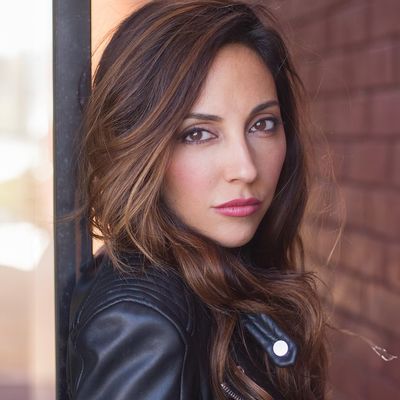
Yvette Gonzalez-Nacer is a Cuban-American actress, author, singer, songwriter, and multi-instrumentalist. She performed as Cha Cha in Fox’s Grease: Live, Vanessa in the 1st Broadway National tour of In the Heights, and currently as one of the Fates in the Tony Award-winning musical Hadestown on Broadway. Yvette has starred in stage productions of West Side Story, Much Ado About Nothing, and 3 Mo’ Divas, and won a Craig Noel Award in the category of Outstanding Female Lead. On television she has appeared as Kiki in the Emmy Award Winning Nickelodeon TV series The Fresh Beat Band, and Soleded Penagos on Madam Secretary. As a singer and songwriter, Yvette won the prestigious John Lennon Songwriting Contest, and her songs have been heard on Sirius XM and in a variety of films and TV shows, including the feature film Life Itself and television’s NCIS: Los Angeles. Yvette has performed at prestigious venues like Madison Square Garden and Carnegie Hall, toured around the globe with a variety of artists, and can now be seen online performing through the Times Square Alliance Broadway Busker’s Concert series.
In our conversation, Yvette lovingly articulates what it is she finds so addicting about performing. There is something to be said about losing yourself in a character, she says, about losing “myself in what I’m doing”. She shares that she finds a liberation and a freedom on stage, which then almost becomes like mediation. Yvette is also a firm believer in continually working on your craft, and always continuing to learn. She puts her money where her mouth is too, taking guitar lessons during quarantine, because in her own words, “competence breeds confidence”. Yvette is missing performing, and was excited to share some of her own original music through the Broadway Busker’s Concert series.
In this episode, we talk about:
- The story behind of the origin of her last name “Nacer”
- The violin her mother made her when she was 1.5 years old
- Being bullied in elementary school, and how drawing became her escape
- What she finds so liberating about performing
- The inspiration behind her music single “Quicksand”, and who she originally wrote it for
- The power of positive thinking
- The importance of not staying silent about the things that matter
Connect with Yvette:
- On the web
- Twitter: @YvetteNacer
- Instagram: @YvetteNacer
Connect with The Theatre Podcast:
- Support us on Patreon: Patreon.com/TheTheatrePodcast
- Twitter & Instagram: @theatre_podcast
- Facebook.com/OfficialTheatrePodcast
- TheTheatrePodcast.com
- Alan's personal Instagram: @alanseales
- Email me at feedback@thetheatrepodcast.com. I want to know what you think.
A very special thanks to our patrons who help make this podcast possible!
Cheryl Hodges-Selden, Paul Seales, David Seales
If you would like to see your name in this show notes or get a shout out on the pod itself, visit ttp.fm/patreon to become a member and show your support!
Transcript
This transcript was automatically generated and might contain errors.
[0:00] Alan Seales: Welcome to The Theatre Podcast, intimate personal conversations with theatre's biggest names.
[0:11] Alan Seales: This episode is with Yvette Gonzalez-Nacer, who is one of the Fates in Hadestown and part of the Broadway Busker series that's being produced this year by the Times Square Alliance, completely virtually in quarantine. Yvette, thank you again, if you're listening, for the conversation that we had. I don't remember if we said this while we were still recording or not, but I feel like we're kindred spirits in a way. We're very, very similar people and we have never met before this conversation. And we were just talking like we've known each other forever. It was such a wonderful feeling for me, and she said for her afterwards as well, just to be able to have like a real conversation in the midst of all of this sort of isolation and loneliness that we're going through in the middle of this quarantine.
When she smiles, her whole face smiles. She's just one of those people that you want to continue to talk to. She's a multifaceted person who always wants to grow, always wants to learn. And we actually talked about this and bonded over it that we need to be happy in the moment, but we still want to continue imagining one step further. She imagines herself as sort of a form of meditation, one step farther in her life and her career so she can be emotionally prepared for that growth when it comes. I think it's very admirable and something that we all should try. And as always, before we get into the episode, find me online at theater underscore podcast on Instagram and the Twitters on Facebook slash official theater podcast.
Please leave a rating. Please send a review. I love reading the reviews. Show your support so I can keep transcriptions going. I want to make sure these episodes are as accessible as possible for everybody. So show your support at ttp.fm slash Patreon. P-A-T-R-E-O-N. And now, everybody, please, please, please enjoy this episode as much as I did with Yvette Gonzalez-Nacer.
[2:03] Alan Seales: Here you go. One, two, three. My guest today is a true multi-hyphenate having found success as a Broadway actress, recording artist, and a TV and film star. You've seen her as Cha-Cha in Grease Live!, Vanessa in the first Broadway national tour of In the Heights, and in the Emmy award-winning TV series The Fresh Beat Band and Madam Secretary. She's also starred in stage productions like West Side Story, Much Ado About Nothing, Three Mo' Divas. Recently, she added voiceover artist to her resume as she voiced the role of Phyllis on Goldie and Bear as well as Kiki on Nick Jr.'s The Fresh Beat Band of Spies. And once Broadway returns, you can catch her on the Broadway stage as one of the Fates in Hadestown. She is now part of the Broadway Busker concert series produced virtually this year by the Times Square Alliance. Yvette Gonzalez-Nacer, welcome to The Theatre Podcast.
[3:01] Yvette Gonzalez-Nacer: Thank you so much. It's so lovely to be here with you.
[3:02] Alan Seales: Did I pronounce your last name correctly, Nacer?
[3:03] Yvette Gonzalez-Nacer: You did. It was so awesome. I was like clapping.
[3:04] Alan Seales: You were telling me before we started recording that it's a Lebanese name that was given a Spanish pronunciation. Is that right?
[3:19] Yvette Gonzalez-Nacer: Well, yeah. So my family were from Cuba, but my ancestors come from Lebanon and Spain. And when the Lebanese side came to Cuba, they changed the spelling of Nassir from N-A-S-S-E-R to N-A-C-E-R, which is a Cuban word. So I guess it was like the Cuban spelling. And it means to be born. So that's kind of fun.
[3:40] Alan Seales: That's so cool.
[3:41] Yvette Gonzalez-Nacer: Yeah.
[3:42] Alan Seales: That is very cool. And I guess probably people mispronounce it as Nassir all the time.
[3:46] Yvette Gonzalez-Nacer: Oh, I get everything. One time, actually, my favorite pronunciation of basically messing up every part of my name was Yevidee Gonzalez-Nacker.
[3:54] Alan Seales: Yevidee?
[3:55] Yvette Gonzalez-Nacer: I always remember that because I was like, there's no way that really happens.
[4:01] Alan Seales: I had another friend who's named Yvette, and he said that people often say Yvette.
[4:08] Yvette Gonzalez-Nacer: Yeah. Yvette. Yvette. That's right. Oh, it's a happy Yvette. Just because it's a Y, it's confusing. I get it.
[4:14] Alan Seales: I get it. Reading's hard. Reading's hard.
[4:16] Yvette Gonzalez-Nacer: Reading's hard.
[4:17] Alan Seales: So you are Cuban-American, right? So are your parents both Cuban? What's the heritage? What's the childhood?
[4:28] Yvette Gonzalez-Nacer: Yeah. Well, my dad came from Havana, Cuba, my mom from Santiago, and then they met in Miami, and I was born in Miami. And I have two sisters and a big Cuban family and lots of cousins and that whole thing. So that's basically that.
[4:43] Alan Seales: Well, what got you into music then? When did you start performing?
[4:47] Yvette Gonzalez-Nacer: I think my formal introduction was younger than I thought. I thought I was at three. I took violin lessons with my sisters when I was three. But it turns out my mom had gone to this Institute of Higher Learning or whatever to try and figure out the best way to raise kids. Oh, it was for Human Potential, I think it was. And she found that it was important to teach kids an instrument or something like that. So she figured the violin was small enough to work with versus like a tuba or something like that. And she made a cardboard little violin out of like grocery bags and a piece of wood. When we were one and a half, she made this little violin so we could figure out how to hold it and how to stand.
And it was really cool. I don't know. And then when I was three, I started taking lessons and it was called the Suzuki Method, which is for young kids to learn music. So we did that and I played in a youth orchestra. And yeah, music was just a part of my life for a very long time. Well, it still is.
[5:49] Alan Seales: That's great. Did you play with your siblings too? Or I mean, are we just always sort of like indie solo sort of thing?
[5:56] Yvette Gonzalez-Nacer: No, we all took lessons. And well, one of my sisters still plays. But the other one kind of dropped off. You know, she kind of stopped doing music. But we all sang and played. And at one point, we were taking a little guitar and piano. And there was always music in the house and we were always pretty active together. And we do concerts and matching outfits. It was like that whole thing.
[6:20] Alan Seales: Well, when you were a kid and someone would say, what do you want to be when you grow up? Did you have an answer to that? Or when did you know you had an answer?
[6:29] Yvette Gonzalez-Nacer: Well, I've always had an answer. I wanted to do so many things. I wanted to be a figure skater.
[6:34] Alan Seales: Really?
[6:35] Yvette Gonzalez-Nacer: Really hard because in Miami, there was one ice rink and it was like an hour away. So it was like a really hard dream to accomplish. Although I tried my best on rollerblades, it just wasn't the same. But I wanted to be a figure skater. I wanted to be an animator. I wanted to be president. And I wanted to be a singer and an actor. I always loved doing that. What was the question? When did I first know I wanted to do it?
[7:00] Alan Seales: Well, I said, when did you know you had an answer to the question, what do you want to be when you grew up? And sort of I was leading to when did you know that you wanted to be a performer? But side note, rollerblades need to make a comeback. I love me some rollerblades.
[7:13] Yvette Gonzalez-Nacer: I'm about to get some rollerblades. Are you kidding me?
[7:16] Alan Seales: I know. Here in New York, I think it's great. But being an animator, that's a new one for me. I love that. And I actually think, we were just talking about the engineering side versus creativity for my fiber optic wall behind me here right before we started recording. And I was like, I think that so many people, artists, so many artists, especially successful on Broadway, their brains are kind of hardwired. You're driven. You keep going and you want to have as much creativity as you can in terms of creating as well. And so being an animator totally falls in line with that, at least in my mind, because you're able to literally put pen to paper in some form or another or mouse click to screen, whatever it is now today's technology and create these new things with music and pictures and all that.
[8:06] Yvette Gonzalez-Nacer: Oh, yeah. That's so true. I mean, for me, animation actually, I think it came up because when I was in elementary school, I was two years younger than everybody. So I got bullied and I got really shy and I was kind of a loner. And so I found when I wasn't doing music, because you're in school, so maybe that's not really an option, I would just find myself drawing all the time. And then I just was like, oh, this is great. And I could do it. And then kids would see that I was drawing and I was like almost showing off and then they'd come and gather around. So it was my way of kind of like still performing and still like expressing myself. And then I just really liked it. And I would draw comics.
And yeah, I just feel like a lot of artists, we find ourselves expressing ourselves in so many different ways, you know, whether it's tech, like you were saying, or just different mediums and art. And I think it's so beautiful that we don't have to be just one thing. And the idea is to create whatever's in your heart to create at that moment, you know?
[9:01] Alan Seales: Right, right. That's very true and very beautiful. Actually, a very eloquent the way you said it is that we don't have to be one thing. And especially right now in COVID times in quarantine, we're all working mostly out of the same rooms, if we're working at all, you know, some of us are fortunate and some of us are less in that respect. And the work doesn't come to you because of technology, right? So you can sit in your apartment wherever you are. Are you in the city now still?
[9:34] Yvette Gonzalez-Nacer: I'm actually, yeah, I'm on the east side, on the east coast still. I'm actually in New Jersey.
[9:39] Alan Seales: Oh, really?
[9:40] Yvette Gonzalez-Nacer: Yeah. And I love it here. I was actually, I moved at the beginning of the year and it's, there's trees everywhere. And it's, you can see the city, it's so close to the city, but you're not in the city. So it's kind of a lovely balance.
[9:53] Alan Seales: Also, at least you didn't move back to in with the parents or anything there.
[9:58] Yvette Gonzalez-Nacer: No.
[9:59] Alan Seales: Tony nominees, Tony winners who are just, you know, back with their parents now just because there's nothing to do, saving some money.
[10:06] Yvette Gonzalez-Nacer: Yeah. No, I mean, I would have loved to actually, just to see them, but I think they're very practical in that regard. You're like, no, stay there, you know? Or maybe they're scared I have it and I'm going to get them sick. No, I'm just kidding.
[10:20] Alan Seales: No, that's my parents.
[10:21] Yvette Gonzalez-Nacer: Really?
[10:22] Alan Seales: Yeah.
[10:23] Yvette Gonzalez-Nacer: I used to go see my parents. My mom's like, no, no, you're not coming. I'm going to take, I actually booked a film and I'm going to be shooting it in October and it shoots in, uh, in Orlando. And so that's pretty close to Miami. So it actually, we wrapped the day before my birthday and be like, you have to see me. It's my birthday and just like force a family hang.
[10:43] Alan Seales: Well, that's actually, that's a really interesting, um, I want to put a pin in that and come back to it, but go back to the original, the original part of our conversation where you're like, at what point in your age did you realize you wanted to perform?
[10:56] Yvette Gonzalez-Nacer: Um, I feel like I've always been performing. I think because we were, um, you know, taking violin and doing violin concerts and little recitals and things like that. And I was, I was writing plays for my sisters to be in and that kind of thing. Um, and I just, I don't know when I, when I realized, I remember when I saw the Phantom of the Opera, that was, uh, my first experience seeing a musical live and I was just like blown away by the costumes and the music and just the whole experience of it. And I remember like leaving the theater floating on air, like, Oh my gosh, I want to do that. Um, so it might've been then. Um, it's very possible, but, um, I don't know. I just, I think every time I had the opportunity to perform in front of anybody, I just remember feeling like really happy and really like at home and just like confident, you know?
And maybe I wasn't confident in the rest of my life, but when I was performing, I was like, I got this, you know? Like, I remember doing a little guitar recital, uh, with my older sister and I don't know if she was nervous or not, but I remember thinking, don't worry, we're going to do a good job. Like I'll, I'll take care of it. Like I just wanted to, I just felt really comfortable doing it. And it was always fun. Um, I don't know, just like sharing music with people. So I'm going to give you a number. I'm going to say I was seven. I don't know.
[12:18] Alan Seales: Wow. You don't need to give me a number. I was 16 when I was deciding between, uh, law school and performing arts, right? No. Um,
[12:27] Yvette Gonzalez-Nacer: Well, that's different though. Cause I feel like, you know, as far as deciding what to do, I just was always doing it. And so even in high school, I was taking voice lessons at a community college and then gaining college credit at the same time. And it's called dual enrollments for any high school kids that are not aware. Um, and yeah, and then I think I just kept doing things in that world. And then people started paying me, I guess at a certain point and they just like, didn't stop. I just found ways to perform even if I had to make it up, you know?
[13:05] Alan Seales: Well, that's, that's fun. And it kind of leads me to, to my next question, I guess, is you mentioned being bullied when you were younger. So you were, you were two years younger in school. Like, did you start school early? Was that, was that part of it?
[13:13] Yvette Gonzalez-Nacer: It was actually the last year they allowed people to do that. So I, I skipped first grade cause I already knew how to read and write. And then I was five when everybody else was seven.
[13:24] Alan Seales: Wow. That's a big difference.
[13:25] Yvette Gonzalez-Nacer: I know, you know, it is, it is a big difference. And I, I don't think I would let my kid do that if I, you know, if I ever had a kid, I would not let them do that. Um, just because I feel like socially, like it's, it's something, it was hard, you know, like kids can be really mean. Like it was like, Oh my God, you're really little. And they just started that way. And it was just saying that, um, yeah, it was just, there's a lot of bullying and it was like a really lonely time like in school. Um, but I actually wrote a book, a little children's book years ago called The Adventures of Little Eva.
[14:01] Yvette Gonzalez-Nacer: The Talent Show. And it was like basically about bullying and the importance of being and accepting who you are and all that kind of thing. But it was definitely inspired by that experience. So the bullying and where, where are you in line of in the order of your siblings? I'm the middle. You're right in the middle, right? Okay. So I'm just trying to get, I always, I'm always curious as to what it is about performing and to what it is about being on stage that attracts people. And sometimes it's the validation. Sometimes it's the, like the need to be seen. And you said, you said something that kind of struck a chord with me that you said, um, being on stage is where you were most comfortable. Like you were, you found a home there.
[14:48] Yvette Gonzalez-Nacer: Yeah. I mean, I think that, I, I think I understand your question. It's like, it's hard to pinpoint what it is that makes you love performing, you know? Because I'm sure part of it was the attention at one point, right? Like, I'm sure, I'm sure that's a part of it. But, um, I think there's something to be said about the experience of losing yourself in a character. And then it's not about you at all. You're just like being free in somebody else's skin and you're being freely them, or you're free in a song. And you're just like, how, how can I like lose myself in the song? How can I be free? And I think as humans, we're always searching for that feeling of freedom in some way. And so even though performing, it's like, look at me, look at me. It's also like, not that at all. Sometimes it's like, how much can I lose myself in what I'm doing and experience freedom by losing the ego? You know?
[15:37] Yvette Gonzalez-Nacer: So it's a weird, I mean, I'm, I've never tried explaining that, I guess. So it's not very articulate. Um, but yeah, there's also, um, I just feel like all, whatever my worries are and whatever I'm stressed out about in life or, or just, you know, thinking about or wanting, like, I, I can't take that with me on stage. And if ever I do, I have to make it part of whatever I'm doing, you know? So there's a sense of like, it's almost like meditation when you're not thinking you're just in the moment and you're so in the moment that it, I think that it's a, it's an addictive feeling in that way. Cause you, because of the liberation of just experiencing being present, I think.
[16:23] Alan Seales: Well, that's, that's what athletes call being in the zone, right?
[16:27] Yvette Gonzalez-Nacer: Yeah, sure. Yeah. You know, you're, you're in the zone, you found your flow. Flow is the new term that everyone's throwing around.
[16:35] Yvette Gonzalez-Nacer: Yeah. So you're on stage and you are this other person. And in addition, you know, the, the singing and the, the performing, the energy, the vibrations, the physical, the physics of performing, the science behind performing. Like I, I just, anybody listening right now, I want someone to just start up this study about how people's brain chemistry is probably out there, how people's brain chemistry changes when they sing or when they're listening to certain types of music. And Tanya Penguins told me once, she said that our brains cannot mimic, like we, we, we, I'm trying to phrase this a little bit more eloquently than I am. Our brains have to practice being empathetic by actually being in the moment. We can't imagine it.
[17:22] Yvette Gonzalez-Nacer: Right. So live theater allows us to experience ups and downs and be empathetic for characters without actually seeing people die or without actually seeing people get shot or hurt or whatnot. Like we're, we're seeing a recreation of a story and our brains are reacting to that authentically, but it's not actually happening. Like people aren't dying and getting hurt.
[17:45] Alan Seales: Right. Right. So that's part of why chemically we are addicted to theater. And then you add on the vibrations of the singing on top of it. And it's just this big package that creates this perfect home for people.
[18:03] Yvette Gonzalez-Nacer: I love that. Yeah. It's like a place to practice safe empathy.
[18:09] Alan Seales: Yes. Yes. I love that. And, and that I was reading on your, on your website too, that your latest, your latest single quicksand, right. Let me read it from your website is a haunting ballad that showcases her talent as both a singer and songwriter. And then you're quoted as saying, I was inspired to write quicksand because at the moment I felt stuck. I was frustrated that I seemed to be in a negative loop. So was that an in quarantine writing? Did, is that a recent recent thing?
[18:33] Yvette Gonzalez-Nacer: I mean, I actually, I put out quicksand last year and then I actually was thinking of putting together a video in quarantine, but I might actually put that out. But no, that was, that was it's interesting, that feeling of being stuck of patterns of repeating something and like finding yourself, like maybe the names changed or the details changed, which are kind of in the same exact situation. And just like the, the frustration that came with that was how that song was born. Like, why is that? You know? And like, the more you try and get out of it, like the lyric, I think it's like quicksand, the more I fight, the deeper I fall in or something like that. And, um, and that's, that was just that, I guess, but it's funny. It could have been quarantine related. It just wasn't.
[19:19] Alan Seales: Well, it's, it was when reading that, I was like, oh, latest. Okay. Like, I don't know how recently the website was updated. So obviously it was last year, but that was actually when you just said that I was surprised to hear it was last year. Cause that's in the middle of, of Hadestown and the height of, well, I didn't actually write it last year. It was a song I had because I was so busy with all things, Hadestown related. I didn't get a chance to write as much as I normally do. And I was wanting to put out music and I wanted to do stuff. So I took a song I had written. I actually had written it for CeeLo. And then, um, and I just was like, I like that song a lot. Maybe I'll just put it out. So that was it. I had written it probably a little bit before that.
[20:06] Alan Seales: So what were you feeling stuck about though? I mean, what in your daily life commuting between Jersey and Manhattan and all this stuff, you know, like I was reading your bio at the beginning, like you're successful, you're good, you're talented.
[20:15] Yvette Gonzalez-Nacer: Thank you so much, Alan. I appreciate that.
[20:20] Alan Seales: I mean, you are, it's like, if you can make it in New York, you can make it anywhere and you're making it, you're doing a good job. And, and, and like, I, I, this is sort of a question. I know the answer to, but I want you to talk about it because like a therapist told me once, wherever you go there, you are right. This is, this is internal and it's, it could be imposter syndrome. It could be ego. It could be so many things. It's different for everybody. So like, talk about your side of this.
[20:43] Yvette Gonzalez-Nacer: About feeling stuck and we're getting deep Alan. Here we go. I don't mind. Well, I think definitely. Um, I think it was in a lot of different ways. I can't remember what inspired that song. It might've been a relationship, right? It might've been dating the same kind of guy. I've been like, why am I dating the same kind of guy? Like, why is this happening again? Um, so I, it could have been that, or that it starts off a certain way, but then it, it turns out to be something else. And I just, I couldn't understand it. So I think there was some soul searching that had to be done there.
[21:19] Yvette Gonzalez-Nacer: Um, but I, I think it also in different ways, um, for example, musically I've always loved when I see like jazz musicians, for example, and they're just like improvising over all these chord changes and all these modes and, you know, like it's so, it seems so effortless and that theory side of it. Like, I mean, I went to music school, like I learned a lot of that stuff, but I didn't formally, I was never formally trained to improvise. So I can just make stuff up as I do. But, um, even just like having that theory or, you know, even on guitar too, like I knew like basically guitar. So then I was, it is a little bit of that imposter syndrome where you're like, well, I can, I can get by, but I want to be really good. And how do I get good?
[22:00] Yvette Gonzalez-Nacer: And so I realized that, um, competence breeds confidence. So if you actually work on whatever it is that you want to do, or even in life, like if there's a quality that you want to, you like in somebody else, you could develop it in yourself so that you feel like the person that you want to be, you know? So as you know, during this quarantine, I ended up taking a guitar class at Berkeley music online and it was fantastic. It was like all the chords and all like the, you know, theory stuff and just like, you know, and it was, it was good to like learn all that on an instrument. And now I've been like kind of working with somebody and taking lessons and just really trying to like get deeper within music and be like, okay, let me, let me get fancier with what I can do. And that makes me feel like I'm growing, you know?
[22:48] Yvette Gonzalez-Nacer: And I think that part of being such as like, you could be working, you could be successful and that can be great. But I think you want to feel like you're making progress is my whole thing. Um, and so yeah, I guess, I guess you want to, yeah, I mean, I don't know if I'm answering the question, but I guess feeling stuck was just from, from finding that I was still at the same level and I wanted to, and in reality, when you look back, you're never at the same level. You're always a little further ahead. So it is definitely a mental thing. Like I'm not, I can recognize that, but, um, but yeah.
[23:23] Yvette Gonzalez-Nacer: And I think that now I don't see it so much as like feeling stuck anymore. I think I used to have that perception of it, like, oh my gosh, it's just like a revolving door. Like it's a, it's a pattern. It's a, you know, it's a cycle, but in reality, every time we do have patterns in our life, I feel like we're just trying to figure out how to break the pattern. So we're going to create a situation that will allow us the opportunity to figure it out. So we, so we treat everything that happens to us, every experience that we're like, ah, this is happening. It's like, well, why is it happening? And if we could just change our outlook on life on, on those moments, and I guess like figuring out like actively internally, like what's the lesson here?
How can I, how can I like pass this test or whatever it is? Then I find that those things end up kind of falling to the wayside and then you get the next challenge. And then we just, so I think we might always feel like we're stuck, but we're not, we're just kind of growing.
[24:20] Alan Seales: Exactly. No, you cut from the same cloth, you and I, I, I get that. And that's like why I get bored in quarantine and build a wall with fiber optics in it. And you know, like I'm looking for home improvement projects and I, you know, but when you look around, look at all the things you've got. And he's like five years ago, five minutes ago, you know, I didn't have all this stuff. I didn't have this knowledge and, and you're obviously growing. You've got the film that, that you mentioned at the beginning of the interview, right? So you've got the film, you've got the Broadway, you've got the art, the indie stuff, and you're always creating, you're always thinking, always having new experiences.
So yes, I agree with you 100%. It's all about your mindset because you get used to, you know, 10 years ago, look at, if you could talk to yourself, you know, present self 10 years ago, would you think like, oh man, I'd be on Broadway and I'd be writing songs for CeeLo and I'd be going to Orlando to film movies. Like this is insane, that won't happen to me, blah, blah, blah, blah, blah. And then, you know, so now you've got this and just my advice, or I guess my ask of you is just to stop for a minute, maybe at the end of this interview or when you listen to it back again and just be like, yeah, you know, I got this.
[25:40] Yvette Gonzalez-Nacer: I love that.
[25:43] Yvette Gonzalez-Nacer: Well, I love what you're saying too, because you know, something I've been learning during this quarantine and I know it's like, it's not a new idea by any means, but it's definitely something that made sense to me for some reason recently, which is the idea or the power really of positive thinking. As cheesy as it sounds, like there's this thing I've been doing where I've been noticing my own thoughts and I've been noticing when I'm a bully to myself and I've been noticing when I'm like encouraging and when I feel like optimistic and like anything's possible. And there's so much more, like it's like such a higher frequency to be positive, you know? And it's like, I don't know. So I've been doing this little exercise, like as of not that long ago, where I basically imagine what it feels like when I'm already where I want to be, whether that's in my personal life or in my professional life or whatever it is, or like my ability to give back to the world or whatever it is like, what does that feel like?
And then kind of live in that space for five minutes. And it's amazing because like when you do that, then like you probably can do some of the things that actually do keep you in the same place, like procrastination, right? Because you're too busy like, oh, like feeling inspired to do the thing. I don't know if that makes sense, but.
[27:07] Alan Seales: Oh, yeah. I think that's the emotional or the mental version of dress for the job you want, not the one you have.
[27:12] Yvette Gonzalez-Nacer: Yes. Oh my God, that's so good.
[27:18] Alan Seales: So that's what somebody told me once. There was a friend of mine from college, my friend Byron. He listens to the podcast all the time too. So hey, Byron, shout out to you. Like in college, right? All of us are walking around in like ratty hats and flip flops and shorts. And he always just had like a nice shirt and some well-pressed pants or whatnot. And where I was like, that guy just looks good. He just, I want to work with him simply because he just presents himself as like this well-put-together guy. And I asked him once, I said, why do you, if it's hot out, why are you wearing pants? He's like, dress for the job you want, not the one you got. And he was preparing himself now and now he's successful and all this stuff. And I love that idea. And what you said is perfect mental version of that. It's just like, sit down,
[28:02] Alan Seales: It's probably a form of meditation for you too, right? So you're, you're, you're focusing on it.
[28:07] Yvette Gonzalez-Nacer: It's funny, my dad just told me that too, about dressing for the job you want. So when he came here from Cuba, like he didn't have any money, he barely spoke English. It was like the whole, he had to start from scratch. And at one point, he had worked his way up to being like an insurance salesman, like a door-to-door insurance salesman. And I remember when we were going to school, he'd always, in fact, I have a picture of him, my dad and me. Is that correct English? My dad and me? Like he's wearing a suit and tie, and he had this like sky blue Cadillac. It was like the car when we were growing up. And I remember just thinking everything was always great. And I asked him about it one time, and he was like, basically telling me that he wasn't even doing very well at the time, but he would always wear a suit and tie and drive like a decent car so that potential clients would like think he had it going on.
And I was like, man, I was so cool. And all this time, I just assumed everything was fine. But we like, didn't necessarily have a lot of money for a long time. You know, it was really inspiring to hear that.
[29:11] Daniel Tarade: I just had this epiphany. That's like the, at the time, that's like modern day social media, where all you're presenting is your positive experiences. Oh, man. Like if you have 100,000 followers, and all you're doing is posting happy beach bikini pictures or whatnot, but you're going through a hardcore depression. People, you know, if you don't want to post about it, then people think you're just wearing a suit and tie and driving a sky blue Cadillac, right? I mean, people still do that, I guess, you know, like I was living in LA before I moved to New York. And you'll see people that are like, not even employed. And they're like, in these really nice cars. And it's all about like, giving people the perception that you're successful in this and that. And there must be something to that, for sure. But it's, it's interesting. I don't know.
[30:01] Daniel Tarade: I guess there's got to be, there's got to be a balance, though. Because if you're putting yourself into more mental English, going into debt, driving a Ferrari. That's taking it too far. Yeah. You know, like, oh, man. Jeez, I wish I got a psych minor, a psychology minor at college. And so I always want to dig into this. And I feel like sometimes I would be a halfway decent shrink. But I don't know if I could listen to people's problems all day.
[30:32] Heather Cooan: So maybe not Alan.
[30:36] Alan Cooan: That's so cool that you have that degree, though, because I think psychology is so fascinating. And you can tell that you did, actually, because you just jumped right into. So tell me about how you felt stuck. Like you just jumped right in. Which I love.
[30:51] Alan Cooan: It's like, I spent, I spent so much of my life pretending I didn't have problems, because that's what I felt I was supposed to do. And felt it and feeling, and felting, and feeling isolated in my, in my problems, or because of it, because I didn't think anybody else, nobody else talked about it either. And so, like, now, especially, I found my home on, on stage and singing. And, and, you know, I was one of the Broadway hopefuls for a while. And that was just where I sort of found my tribe of people where, like, I was bullied too. And because I was the nerd, I was the computer geek, which wasn't cool at that time.
[31:34] Heather Cooan: We weren't good friends, Alan.
[31:35] Alan Cooan: I can tell. I can tell. Yeah. But I, you know, bullied and, and picked on and outcast. And it was weird, because it was like, in the sports crowd, it was cool. But then as soon as I left the soccer field, I was just like this dork that nobody wanted to hang out with again. And it was this weird dichotomy. And then I grew up in the south where religion came into a part of it. And because I didn't go to church, I was outcast, which to me was this whole hypocrisy of like, I thought you're supposed to be accepting of everybody, but yet I don't belong, you know, tons and tons of confusion. And I didn't talk about it and talk about any of it. And then it's like, finally, a couple years ago, I started seeing a therapist regularly.
And it was just like, it wasn't, you know, one of those moments like you see in the movies, because those aren't real. This is like, oh, I'm cured. Like, there's no cure. And that's what it was. It was find the way to express yourself, find the way to feel comfortable in your own skin, and don't try to fix things. There's no fixing. It's dealing with who you are. It's accepting who you are and using it to your advantage rather than letting it bring you down. Hence this podcast. This is a form of my therapy, because I love, love having these personal conversations. Like we've never met, we've never talked before this conversation. And we still haven't met in person. We're doing this virtually over the internet in quarantine.
And I just crave human connection, especially now in quarantine. So that's why I want to just like, I want to be able to stare into your eyes here and where our brains are releasing serotonin. And because, you know, that's the bonding, the bonding chemical that makes us love to hug. And when you're hugging, when you hold hands, like the best time when you're in bed with a partner and skin to skin contact your whole body, like that's just massive, massive serotonin releasing. And you also get small doses of that right now while you and I are looking, like I'm looking at your eyes on screen.
[33:40] Yvette Gonzalez-Nacer: Me too. I'm covering my face so I don't see myself.
[33:43] Alan Cooan: Yeah, I have my notes over my side of the screen. But yeah, like I'm looking at you as if we were face to face. And it's, it makes us feel like we are bonding our brains because we're herd animals. We've evolved from herd mentality and we feel safer in groups and in numbers and that's evolution for you. And we find that on stage. I strongly feel that.
[34:00] Yvette Gonzalez-Nacer: Totally. Because you're going through, rehearsal sometimes can be a form of trauma and you're going through all this high stakes emotional journey with people eight times a week after the real life emotional journey of creating character and putting it on stage and going through tech and all of that that goes into making a Broadway show, let alone anything else, right?
[34:29] Alan Cooan: So anyway, I love this stuff. Sorry. I get very excited about talking about the emotional and the chemical responses to conversations and making new friends.
[34:41] Yvette Gonzalez-Nacer: A hundred percent. And I love what you said about theater though, because that is so true. You know, you have so many hours that you're putting into creating something with these people that are like-minded individuals, right? And you're all creating something that you love. So everybody loves what they're doing there because it's, I mean, who does theater unless you love it? It's not like you do it for the money. You do it. I mean, so you have all this love and like these people with hearts that are like, are wanting to express themselves and to co-create something beautiful. And so there's already intrinsically a beautiful energy to start with. And it's just such a bonding experience. That's what we were saying earlier. It feels like home and that community. It's like, I don't think I've ever had stronger, outside of family or friends, just stuff like that. But in a work environment, theater is for sure the most bonding.
[35:33] Yvette Gonzalez-Nacer: It's your chosen family.
[35:34] Alan Cooan: Yeah, it really is.
[35:35] Yvette Gonzalez-Nacer: It's a good chosen family too, because these people, especially at this level, are committed to the craft. You have to be, to be able to sustain this level, again, eight times a week, with all the press tours in Hadestown specifically, won the Tony last year for Best Musical and got all these other Tony awards and all these other nominations. And the press must have been insane, right? And you're doing that on top of your normal eight-show regime. And some people have kids, and some people have kids with special needs, and some people have relationships or parents that are going through trouble. And you don't see this. That's, again, it's the suit and tie with the sky blue Cadillac, right? You're only seeing the positive stuff, but all of these people are going through so much other regular life issues all the time. And it's very, very impressive to me. And I take my hat off to you and everybody else at that level. It's so hard to maintain it, and you're crushing it. You're doing good.
[36:38] Yvette Gonzalez-Nacer: Thanks, Alan. I feel so supported. I appreciate it.
[36:44] Alan Cooan: So now, with the Broadway Buskers, you're writing, you've written your own music, right? You're performing, you performed your own music. Actually, it just happened a couple days ago as we were recording this episode. So everyone go to timesquarenyc.org slash broadwaybuskers or facebook.com slash timesquarenyc or youtube.com slash timesquare TSQ. And you can see all of Yvette's performances and whatnot. But what brought you to the Buskers? Why? I mean, especially now in quarantine times, is it expression, money, motivation?
[37:20] Yvette Gonzalez-Nacer: Oh, I didn't even know I was going to get paid. I was like, oh, that was a surprise. I was actually just doing it because I miss performing. And this whole quarantine, a lot of people have been asking me to do videos for charities or to raise money for this or that. And so I've just been saying yes to a lot of them. Not all of them, because you have to say no to, but I've definitely been saying yes to a lot of them. And then I started wanting to just perform my original music again. And so I heard of them, and I was like, oh, that might be cool. And then they reached out. So I was just excited. And now I'm actually looking for some other opportunities to perform because I miss it. And I'm actually excited about trying out some different songs and crafting them a little bit.
And I want to record some of them maybe very soon and put them out in a couple of months. Just a little quarantine EP, nothing crazy. Yeah, I think just because I like it. I enjoy it. It's fun to play music. And it's fun to... I was really happy I got to play with a really talented guitar player, Seth Johnson. So we got to play music together. And that was always fun because it's been isolating to not have that live music experience. So I think, yeah, I did it for so many reasons. And I hope to do more. So that was just the first of many. Hopefully.
[38:44] Alan Cooan: Are you isolated here in Jersey right now? Are you by yourself?
[38:44] Yvette Gonzalez-Nacer: Well, I've been quarantining lately with a friend. And then I have been seeing some friends again. But we've been doing these social distancing hangs with the mask and even in outdoors and all that. But yeah, I mean, it's still so weird. And actually where I live, it's really nice. All my neighbors know each other. So they get together and there's a park area and people get together. But it's kind of strange. I don't know. The isolation is still kind of a big challenge. You know, you don't quite get used to it. What about you? Are you isolating? You have your family, right?
[39:23] Alan Cooan: Yeah, I'm with my wife and my two little kids. And I'm like, I got to get out. I got to just get out of here. I love them. I love them, obviously. But it's a lot. And the kids, they don't quite... I mean, they don't know any difference. One just turned four and the other is five and a half. So the five and a half year old remembers what it was like to not wear a mask outside. And the four and a half or four year old, he's just like, all right, cool. Whatever. He's fine. It's normal life. But we just went to the Bronx Zoo for the first time.
[40:00] Yvette Gonzalez-Nacer: How was it?
[40:00] Alan Cooan: It was interesting. All the inside stuff, the gorillas were closed because they didn't want people close together. And you actually had to get an appointment time to go in. You buy your ticket and you're allowed to go in within a certain hour window. And that's when you have to go. So they don't want everybody showing up at once. And I'd like that things are starting to reopen. And in this area, at least, everyone's wearing their mask, right? You've got other states that are just fucking stupid. But everyone, please wear masks. I mean, seriously, guys. It's real. It's not going away yet.
[40:43] Yvette Gonzalez-Nacer: But I want to hug people. I want to hug my friends. And again, the chemical release in your brain when you can hold hands with somebody or hug somebody, you get that tight hug of like, oh, I haven't seen you in so long. And it feels so good just to be in the same room with you again. And I cannot wait. I don't know how theater is going to reopen anytime soon. I cannot wait to sit in an audience and have a shared emotional experience with people again.
[41:13] Yvette Gonzalez-Nacer: Yeah, that's going to be incredible when that happens again. I don't know when that's going to happen again. But it's going to... I mean, I heard actually... Where was it? I think it was like somewhere overseas that they were doing some production of Phantom, actually.
[41:29] Alan Cooan: South Korea.
[41:30] Yvette Gonzalez-Nacer: South Korea.
[41:32] Alan Cooan: Now there's an outbreak in South Korea again.
[41:34] Yvette Gonzalez-Nacer: Now there's an outbreak. It was because of that show. Because of Phantom. Honestly, guys.
[41:38] Alan Cooan: Dammit, Phantom.
[41:39] Yvette Gonzalez-Nacer: Dammit, Phantom.
[41:43] Alan Cooan: Yeah. I've been hearing lately, though, just as far as like the future of theater goes, that they're starting... I don't know if this is public knowledge, but I'll just not say the name. But they're filming another show, just like they did for Hamilton. But they're like doing a version of that for Netflix. And they're trying to film...
[42:33] Alan Seales: And then the like guests, add the environments and the backgrounds. I'm not sure. That sounds super expensive and good luck to everybody, but evidently something like that is also I mean, if you can put out a movie like Cats, I'm sure what you're describing is plenty doable and he just went there.
[42:51] Yvette Gonzalez-Nacer: I didn't see Cats.
[42:55] Alan Seales: And were you high enough?
[42:57] Yvette Gonzalez-Nacer: Well, we actually went to a group of us and we like. We went and we all it was an interesting moment. We were like, should we have a drinking game? Like, how should we get through this moment? It was, it was interesting. Well, it was unfinished.
[43:12] Alan Seales: Oh no.
[43:17] Yvette Gonzalez-Nacer: Well, I don't know. I don't know if, did you see it like a couple of weeks after it was released or original, like around Christmas time?
[43:24] Alan Seales: Oh God, that's a good question. I'm not, I don't remember when we saw it. It was, I mean, it was in the theater, so I would assume.
[43:30] Yvette Gonzalez-Nacer: Right. So Tom Hooper, Tom Hooper delivered the final cut to the screen for the press screening three hours before it was needed, so they were finishing it right up to the wire. And, and there were scenes where like Mistoffelees is conjuring doing his thing and you can see, you can, you can see a unfinished computer generation. And there were scenes like the dancing. They actually had shoes in real life when they were filming, but they had replaced their shoes with feet, but when they lifted up their feet, you could see the soles of their shoes.
[44:06] Yvette Gonzalez-Nacer: I think. Did I see that? Cause I remember being like, how come their paws look separate from their, like, like their hands were like separate.
[44:16] Alan Seales: I don't know if that was on purpose or.
[44:18] Yvette Gonzalez-Nacer: No, it was unfinished. It was an unfinished movie because they had to deliver it. Isn't that crazy? Then he, then they finished it, delivered a new version. So then depending on when you saw it, you just saw the finished finished. I put an air quotes cause it was still a steaming pile of cat poo.
[44:33] Alan Seales: Um, or I wonder then if I saw the unfinished version, cause I definitely noticed things like that. And I was like, that's kind of strange. Cause you think about the budget for the film and I'm like, man. But, um, Hey, listen, I'm no one to judge, you know, you make your art.
[44:51] Yvette Gonzalez-Nacer: Well, you know what? You know what my, my theory on this is, and this is way off the rail, so, but I don't care. It is that it came out the same day as the Star Wars movie, which I also think was a bad choice. And I believe all of the great animators slash animation houses were working on Star Wars. So they got probably like a second rate animation studio or some, not the best people to work on Cats and you get what you get.
[45:20] Alan Seales: Oh, wow. That's a good theory.
[45:23] Yvette Gonzalez-Nacer: It would make sense. I mean, that's very possible. Who knows? Those are the kinds of things I'm like, how did that happen? Like, how did a film get turned in unfinished of that level? And it's already a risky choice to make Cats the movie. You know, like that's a risky choice.
[45:41] Alan Seales: Yeah. I mean, you want to make sure all your ducks are in a row and everything is like perfect when you turn it in. I don't know. These things happen.
[45:49] Yvette Gonzalez-Nacer: Very much so. And I don't know. Anyway, maybe we'll see Hadestown filmed for Netflix.
[45:57] Alan Seales: Is that what you're trying to do now?
[45:58] Yvette Gonzalez-Nacer: Oh my God, I wish. No, trust me. I've actually, I've pitched it several times to a couple of producers. I'm like, like from Hadestown, I was like, guys, I should make a movie and that we should just quarantine everybody. Like, you know, like the whole Tyler Perry and a few other people that are doing films and stuff, they just quarantine everybody for a couple of weeks and then everyone gets together. You don't leave the studio. Maybe there's a hotel situation we could figure out, but like what NBA is doing.
[46:22] Alan Seales: Exactly. And then you just shoot it like a movie and then go back and do it. I think, I'm not sure it would work because they have a tour for Hadestown and so it might reduce ticket sales. I don't know. I mean, look at Hamilton. Hamilton is on demand with like three or four tours ready to go back.
[46:41] Yvette Gonzalez-Nacer: Right. Like, if it's good, it's good.
[46:44] Alan Seales: Yeah. I'm not sure if that's going to happen. I don't think it is, unfortunately.
[46:49] Yvette Gonzalez-Nacer: Well, being an indie artist and in the Broadway scene and in the voiceover scene and everything that you're doing and you're doing, obviously getting cast for TV and film, where do you see, what's your theory on where you see things going when, I'll put in air quotes, life returns to normal because now, you know, I'm helping people. I'm helping people. I'm helping people. I'm helping people. Because now, you know, I'm, I'm helping produce some things that are written and going to be recorded entirely in quarantine. They're written for quarantine. So the, the even press tours now, publicists realize that it's just as effective to do a virtual call like this than it is to have you travel to a city and do a press junket and whatever the case is. So like, where do you see this going?
[47:38] Yvette Gonzalez-Nacer: I mean, I feel like what you just said is so true. Like a lot of, a lot of situations that we used to do in person and, you know, you travel 30 minutes, maybe an hour to get somewhere and then you're like, I could have done this over the phone. Right. That didn't have to be an actual in-person meeting. But I feel like there's a lot of those things that might continue to stay virtual, but there's also obviously like the other things, like the live performances, you know, and maybe select press moments or, you know, whatever that you really can't replace it with Zoom, you know, like I actually saw a concert the other day. It was a live streamed concert and it was great. I mean, she's such a talented artist, but it was just her and like in between songs, like where one might talk and you hear the audience talk back or it, those moments didn't quite happen. So it was like awkward. And then there was just something about it that it didn't like quite move me as much.
[48:32] Alan Seales: Right.
[48:34] Yvette Gonzalez-Nacer: And I just feel like there's certain things like live theater, for example, like live music in general, like you really can't replace, you know, so I do think a lot of those things are going to come back and then we're all going to be so grateful, you know, and if people ever did a mosh pit, like they were like, yes, this is great. You know, like all the things that people might miss. But yeah, but I think a lot of things might stay virtual, you know, a lot of these kinds of things feel like you don't have to go in person.
[49:00] Alan Seales: Yeah. I think, I think press engagements, I think is going to be a lot more virtual. But I agree with you that, you know, even what I was saying earlier about having shared emotional experiences with, with a crowd of strangers, like it kind of sounds creepy when you say it like that, but it's, I think it's a necessary evil, right? Like to sit in an audience and hear everyone around you crying with you or laughing with you or, or gasping with you, whatever, whatever that emotional response is as an audience member too, for, for people who might not be comfortable with, with expression that validates your own feelings because it is, it's like, Oh, Oh, I'm feeling this way. And they are too. Okay, cool. I'll let myself feel more of this.
[49:41] Yvette Gonzalez-Nacer: That's so true. Yeah. Wow. I didn't think about that. Cause I, that's so true. I mean, I'm that person, like I will ugly cry by myself in a theater. Like I have this bad person, but you're right. There's some people that don't feel comfortable showing their emotions and being upset or being sad. And then maybe the person next to them is totally cool, you know, calm and everything, but maybe the person, two people down or whatever is like a hot mess. So it's like, okay, I guess it's okay. Like it wouldn't validate you. That's a good point.
[50:10] Alan Seales: Yeah. Oh man. Live theater. Nothing, nothing beats it. Art heal, art with heal, art can heal. That's why I think so much, there's going to be some great stuff that's starting to come out. I mean, we've been in quarantine, what, six months now. Gosh.
[50:24] Yvette Gonzalez-Nacer: Has it already been six months?
[50:25] Alan Seales: Oh, wow. March 11th, right? That brought us that far?
[50:29] Yvette Gonzalez-Nacer: Yeah, that's right.
[50:30] Alan Seales: Yeah. So that's month three, we're in month eight, so five and a half months or so.
[50:36] Yvette Gonzalez-Nacer: Yeah. So crazy.
[50:37] Alan Seales: Yeah. So it's kind of nuts. But God, I, I cannot wait for, for theater to come back and just to be able to, to really go out and, and connect with people because when you collaborate and when you're in person, again, that energy, the excitement that builds together and body language and like, both of us are leading into the, but there's all the unconscious body language. It's anyway, I'm going off the rails, but it's very important and please just everybody wear your mask. Let's just make this better. Wear your mask and everybody votes. Don't forget to vote this election.
[51:21] Yvette Gonzalez-Nacer: Just throw it in there.
[51:23] Alan Seales: Well, that too, because on your Instagram too, you call yourself, you have activists like in your, in your profile, right? So tell me about like what you're trying to do in that regard.
[51:33] Yvette Gonzalez-Nacer: I'm like, wait, what's on my profile? Let me read my, um, no, there's just a lot of causes that are important to me. And, um, I try and get involved however I can. Um, I started a nonprofit called Creative Minds Care and, but that's actually to raise money for Alzheimer's research, which ironically enough this year during the pandemic, we raised like a whole bunch of money. So now we're donating it to the Fisher, uh, Fisher lab, uh, Rockefeller university, cause they do amazing. They're doing amazing research. Um, but yeah, like whenever I can get involved with different things, whether it's education or, you know, you know, voting or just anything, you know, L E T Q all the letters, you know, like anything that I can get involved with really. Um, but yeah, I guess I just, I should probably look at my bio. What did it say on there?
[52:27] Alan Seales: Oh yeah.
[52:29] Yvette Gonzalez-Nacer: Yeah. It's just equal rights, really. You know, I feel like it's so, it's so crazy that we have some of the issues that we still have, you know? Like it's, it's shocking to me that we have to have Black Lives Matter. Cause like, I mean, we do like, we, we still don't have equality. Like across the board. So it's such an important issue, but it's always, um, I think it's important to at least know what side of the fence you're on, you know, and what side of the fight you're on and like, to not be silent about things because silence is like, you know, you're still taking a side when you're silent, but, um, yeah, I don't know.
[53:06] Alan Seales: Wow. Send me, send me whatever you want to plug. Um, and we'll put it in the episode notes. I'll wrap up this episode here with the three standard closing questions that I ask everybody on the podcast here. The first one very simply is what motivates you?
[53:20] Yvette Gonzalez-Nacer: What motivates me? That's a good question. Um, progress. I think like going deeper and being better, whether it's in my art or as a human, but the desire to, um, experience my potential and my core and the truth is a big motivating factor for me and love, obviously.
[53:43] Alan Seales: I love that. I love that.
[53:44] Yvette Gonzalez-Nacer: Next question is what advice would you give to your younger self and younger people listening now, starting out down a similar path?
[53:50] Yvette Gonzalez-Nacer: Uh, I would always say, keep working on your craft. That's always my go-to, you know, always keep learning. Um, I had a teacher saying there's always a deeper deep and I love that. So I always, I always keep being better and be staying curious about what it is that you love. Um, and also just like I said, just to keep growing as a person, I guess, cause you can only be who you are. So you might as well be the best version of yourself. Like keep growing, keep growing.
[54:17] Alan Seales: I love that. I love that too. Great answers. Okay. Final question. Hardest one. If you could only see one show for the rest of your life, but you can see it as many times as you want, what would you see?
[54:26] Yvette Gonzalez-Nacer: Uh, Hadestown.
[54:31] Alan Seales: Although I'm in it. So that might be hard, but I was going to say with you in it or like a recording or live with a swing or an understudy.
[54:43] Yvette Gonzalez-Nacer: Or I would see it from stage. I would, no, Hadestown is a good show though. I love it. It's beautiful. Absolutely beautiful. That was my shameless plug for our show.
[54:55] Alan Seales: Oh God. Well, yeah, it's, it's one of the best.
[54:58] Yvette Gonzalez-Nacer: Cool. So where can we find you on the social medias?
[55:01] Yvette Gonzalez-Nacer: I am at the social medias. I am Yvette Nacer, Y-V-E-T-T-E-N-A-C-E-R on pretty much everything. And that's my website and I'm Yvette Nacer on Spotify. I have some songs out there and, um, yeah, that's it.
[55:18] Alan Seales: All right. You can get more of me at thetheaterpodcast.com. Show your support at thetheaterpodcast.com slash Patreon. I'm on Instagram and Twitter at theater underscore podcast on Facebook as well. Please leave a rating and send me a review wherever you're listening. Now, this has been edited by Matthew Hendershot. Thank you to our friends Jukebox the Ghost for the intro and outro music. And Yvette, thank you. This has been such a beautiful conversation.
[55:44] Yvette Gonzalez-Nacer: I've loved talking to you, Alan. Thank you so much for having me and for sharing your heart. It's such a pleasure to talk to you.
[55:50] Alan Seales: You too. I think we are kindred spirits in some form.
[55:54] Yvette Gonzalez-Nacer: Indeed.
[56:00] Alan Seales: Deep breath, make the world a little colorful.
© Broadway Podcast Network, All Rights Reserved