

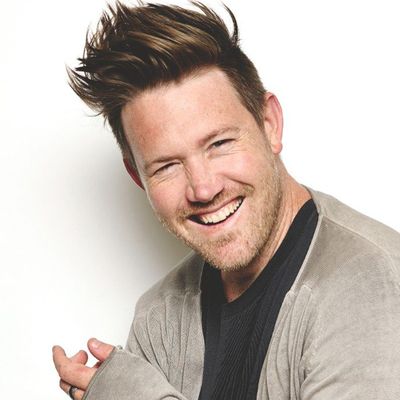
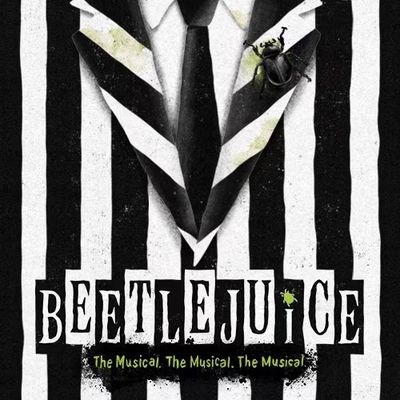
From The Land Down Under to The Big Apple, this singer-songwriter, pianist, writer and comedian just released his new album, Beetlejuice: The Demos! The Demos! The Demos!, and is showing other Australians that it’s possible to make the leap and find yourself working on a Broadway musical (or two)... Read More
From the show: The Theatre Podcast with Alan Seales
Guests
Featured Shows
About
From The Land Down Under to The Big Apple, this singer-songwriter, pianist, writer and comedian just released his new album, Beetlejuice: The Demos! The Demos! The Demos!, and is showing other Australians that it’s possible to make the leap and find yourself working on a Broadway musical (or two).
Eddie Perfect is an Australian singer-songwriter, pianist, comedian, writer and actor. He is now also a Tony Award Nominee after receiving a nomination for best original score for Beetlejuice the musical. During the same season, Eddie also wrote songs and vocal arrangements for King Kong on Broadway. Eddie is a four time nominee and two time Helpmann Award winner for his work in Australia. In 2009, his biographical musical comedy Shane Warne: The Musical won the 2009 Helpmann Award for Best New Australian Work. This production also received a Victorian Premier's Literary Award and a Green Room Award. Eddie has recorded solo albums and written and performed in numerous cabaret shows, including Songs from the Middle with the Brodsky Quartet. Following his songwriting career on Broadway, Eddie returned to Australia where he waits to star as Franklin Hart Jr. in Dolly Parton's musical 9 to 5 once the COVID-19 pandemic subsides. And most recently he released his fifth album, Beetle Juice: The demos! The demos! The demos!, a new album of demos created for his Tony-nominated score to Beetlejuice. The album also contains 17 cut songs that will be new to everyone's ears.
During our conversation, Eddie candidly talks about his process for creating. He describes “kind of a weird trance I go into when I make stuff, where I really think about what it would be like to be in the audience watching it.” He focuses on what he wants an audience to think, feel, or learn in a particular moment. Reflecting on the process for Beetlejuice, Eddie shares that he wrote the opening number for the show over a 5 year period. He also recalls it was during their first previews that Beetlejuice really started building it’s cult like fan base. And it was this fanbase that served as some of the inspiration behind releasing the Beetlejuice demos in the first place. Eddie was blown away by the unique creative responses many fans of the show have had, saying he’s “never experienced anything like that.” His new demo album serves to broaden the universe of Beetlejuice a little bit “for those fans that do really riff off the work.”
In the episode, we talk about:
- The intense Beetlejuice fandom
- The Beetlejuice preview when they knew the show had struck a chord with people
- Reading the reviews of the original 1988 film to cheer them up after their DC reviews
- Australia being an importer of Broadway shows
- Being in a period of his life now where he is confident with his writing and his process
- Working with the cast and creatives of Beetlejuice
- Juggling work on Beetlejuice and King Kong simultaneously
Connect with Eddie:
- Listen to Beetlejuice: The Demos! The Demos! The Demos!
- @TheEddiePerfect on Twitter
- @EdmundPerfect on IG
Connect with The Theatre Podcast:
- Support us on Patreon: Patreon.com/TheTheatrePodcast
- Twitter & Instagram: @theatre_podcast
- Facebook.com/OfficialTheatrePodcast
- TheTheatrePodcast.com
- Alan's personal Instagram: @alanseales
- Email me at feedback@thetheatrepodcast.com. I want to know what you think.
A very special thanks to our patrons who help make this podcast possible!
Cheryl Hodges-Selden, Paul Seales, David Seales
If you would like to see your name in this show notes or get a shout out on the pod itself, visit ttp.fm/patreon to become a member and show your support!
Transcript
This transcript was automatically generated and might contain errors.
[0:00] Alan Seales: Welcome back to the Theatre Podcast. Intimate personal conversations with theatre's biggest names. I'm your host, Alan Seales, and this episode is with Eddie Perfect, who you might know as Tony Award nominee for Best Original Score for Beetlejuice the Musical. He's got a new album out called Beetlejuice, The Demos, The Demos, The Demos. It's an album that is all of his concept demos for the songs that eventually made their way into the show and became what we know on the soundtrack. It's him singing some of the original things. It's 24 tracks total on the whole album, including 14 songs that were cut. They never made it into the final version. Some of them never even got developed. So you're hearing some of these songs that normally would never, ever have been heard.
So I think it's really cool that he's putting this out. It's a time when people need to hear this and they need to feel the art, especially when Broadway's shut down at the moment. So this new album, there's a link in the show notes for you to get it. Please check it out. It's so good. We also get into some pretty honest truths about how the creative team handled some not-so-positive reviews from the D.C. out-of-town tryout for Beetlejuice. And then he tells some stories that he admits he probably never has told before about what it was like to work on both King Kong, which he did vocal arrangements for, King Kong and Beetlejuice, both in the same season. Of course, no one really plans these things timing-wise, but how hard that was and just how much, at the end of the day, he truly, truly just enjoys what he does, even though it's kind of exhausting.
But the whole album, the whole story, his whole thing, he just peels back the curtain on what it's like to be this intense creative and shows us a little bit into the process of how a big Broadway show is made. So, I really enjoyed this. I hope you do, too. Before we get into the episode, as always, find me online at Twitter, at Theatre Underscore Podcast, on Instagram, at Theatre Underscore Podcast, on Facebook, at Official Theatre Podcast, or online at thetheatrepodcast.com. And now, everybody, please enjoy this episode with Eddie Perfect.
[2:26] Alan Seales: My guest today comes to us live from Australia. He's an extremely accomplished actor, singer, songwriter, comedian, and now is able to add Tony Award nominee to his resume after being nominated for Best Original Score for Beetlejuice the Musical. And he has also written songs and vocal arrangements for King Kong. He's also a four-time nominee and two-time Helpman Award winner, which is the Australian equivalent of the Tony Awards. And he's set to star in the Australian premiere of Dolly Parton's musical 9 to 5 once COVID restrictions are lifted. And now here to chat with us today about his fifth album, Beetlejuice, the demos, the demos, the demos. Eddie Perfect, welcome to the Theatre Podcast.
[3:05] Eddie Perfect: Oh, thank you. It's lovely to be on the Theatre Podcast.
[3:10] Alan Seales: Are you in New York?
[3:11] Eddie Perfect: I am. Brooklyn, yeah.
[3:13] Alan Seales: Oh, nice. Yeah, it's nice to have a little window into Brooklyn. The stars are out. Cold and rainy and dark here.
[3:17] Eddie Perfect: Yeah, it's good.
[3:25] Alan Seales: I butchered that Alex Brightman Beetlejuice impression, but the fans won't forgive me.
[3:31] Eddie Perfect: I know. They're brutal. The fandom for Beetlejuice. I actually had no idea to start. I had no plans to start with this. But the fandom for Beetlejuice is insane.
[3:44] Alan Seales: Isn't it? Have you experienced this before with your other stuff down in Australia?
[3:48] Eddie Perfect: No, no, never with anything. And I don't want people to think I'm disingenuous, but we honestly did not know that anyone would ever get into Beetlejuice. We thought we had something like cultish in Washington, D.C. when we started. That show was like an extreme version of what made it to Broadway. It basically just kind of came out and metaphysically punched the audience in the face. And half the audience were like, yeah. And the other half were like, fuck this. And so we kind of started to build during previews this really kind of culty fan base who like come show up to show and they really quickly learnt lyrics and lines from the show. And that kind of thing had never happened. I was like, well, this is exciting.
So we were getting our hopes up. We got the world's worst review in the Washington Post. And then that sort of all went away. And so we thought that it was going to be like, I guess the press critique was that it was like super undergraduate, below the belt, nasty. I think it was called a coke snorting, F-bombing disaster. And, you know, we always knew that, yeah, it had all that stuff in there. But, you know, in our heads, we were like, yeah, but it's anchored to a, you know, a story about, you know, a story that meant a lot to us about what happens when you're not allowed to talk about death and you're not allowed to discuss grief and loss. What happens to relationships and what happens to people and how do you heal those relationships?
But it was so crazy in DC, we were like, I don't think this message is getting through. So when we kind of had that three month period to rewrite for Broadway, it was all about like story. How do we make sure the story is front and center and that all of the craziness is not overpowering it. And so I think, you know, we were really fortunate to have that experience in DC, even though it was like bruising and kind of humiliating because it made us kind of reassess the show and how we were saying it, whether people were hearing what we were saying.
[6:07] Eddie Perfect: So by the time it got to Broadway, I mean, you don't know, you're just doing it in a rehearsal room and, you know, you and the actors are just making each other laugh. And then we went into tech and then before we did our first preview, we had this friends and family show that was just like the worst. We just wanted to take ourselves out onto Broadway and shoot ourselves in front of a food cart. It was like, I don't know what happened, but like, I don't know whether the audience were like on death's door or like everyone's got really terrible friends and family. Nobody laughed at all. It was almost like, oh no, we were like, oh shit, we are in trouble here. And so the first preview was quite the high stakes moment on Broadway.
I was terrified because of how badly the day before had gone. And then when I turned up to the theater after dinner, there was this, you know, like Beetlejuice, the Wintergarden Theater was right next to Alan Stardust Diner. And I was, you know, like, I was always like, well, it's going to be really embarrassing if Alan Stardust Diner has a longer lineup than Beetlejuice does every night. Like, it's probably a very real possibility. And I was like, turned up and I was like, Jesus, a lot of people want to get into Alan Stardust Diner tonight. But it was like super weird. Our audience was lined up outside the box office of Wintergarden, snaking all the way around the block and had kind of joined up and overtaken their line.
And everyone was dressed up in like cosplay. And my wife and I were like losing our minds. I'm like, wow, I've got to get video footage of this line. It's just crazy. And then sort of from the first preview, we knew it was something that had struck a chord with people. I mean, Broadway shows sort of favor those stories about the outsider, you know, the outcast, the person that's sort of misunderstood on the line. That really does resonate with music theater audiences, I think. But, you know, there's something about the balance between, you know, a very dark, you know, and possibly morbid subject matter, but giving people permission to laugh at it and having enough heart in it that just created this incredible response from fans in their own creativity.
That's the thing that's really blown my mind is that when you make something creative and people have a creative response to it. So the inside of the Wintergarden was completely covered in fan art, amazing fan art, imaginative, kooky, like disturbing, brilliant fan art, people making animatics on YouTube to the soundtrack, you know, people doing covers of the songs. You know, it was a whole book of artwork that got made and released for charity and fans made an entire online musical version of the whole show. I've never experienced anything like that. And we were so, you know, we're so kind of grateful for it. It's bizarre. It's like it was, and it very nearly didn't happen because it wasn't a universally critically loved show at all.
It got very mixed reviews on Broadway, a lot of like kind of negative reviews. But, you know, I guess you kind of, you can't set out to be a cult show. You know what I mean? It's sort of like, you sort of have to get the shit kicked out of you in order to be a cult show. And one of the things we did to make ourselves feel better about the Washington DC reviews was to read the reviews of the original Tim Burton 1988 film. And that, they were like, that was a weird thing to do because Anthony King, the book writer, he's like just shared a bunch of reviews from places like the New York Times. That was so similar to the reviews we got, undergraduate, child-age, you know, lacking any substance, all that sort of stuff. And you forget, I mean, fucking critics, Jesus, what do they know?
[10:21] Alan Seales: Well, the interesting thing as I realized, I read the release, the press release about this album that you just put out. It's called The Demo, Beetlejuice, The Demos, The Demos, The Demos. And I was going to ask sort of why, you know, what the impetus was behind this, why you wanted to do it. But it seems now after hearing what you just said, very obvious to me that it's just giving the people more of what they want. And especially in a time right now when Broadway shut down and theater, like Australia theater shut down and West End was supposed to come back and now it's shutting down again. People need this.
[11:06] Eddie Perfect: Yeah, I think so. And I, you know, like there is a reason why people don't release their demos because they're, you know, they're shit ass. They're like, you know, it's me, it's on my laptop here. I don't have much gear. I'm not a studio audio tech guy. I've never tried to be because it takes time away from writing. But, you know, for me, it's like, I really, I really like visual art and I very much enjoy, you know, artist sketches and sketchbooks and, you know, the planning and the plotting on the way to doing things. Sometimes there's really nice observations or it's just like, you know, it's unfinished, but it's got a real beauty about it that you can't hang on a wall, but you really enjoy it as like either as process or as some like kind of, there's less pressure on it.
And there's a kind of a weird trance that I go into when I make stuff where I really, I think about what it's like, what it would be like to be in the audience watching it. Cause I think it's really important to, you know, to start at that place of what I want the audience to think and feel and learn in this moment, you know, about the characters or about what's happening in the story. And then you just kind of forget about the reality that anyone's going to hear it. And then there's this moment where I'm like, okay, I think I'm ready to email this to my collaborators. And that's like the book writers, Scott Brown and Anthony King and the director Alex Timbers. And just when you go to hit send, there's always this moment where you're like, holy shit, I'm a grown ass man, like making weird noises in a little room by myself. And I hadn't really thought about the fact that other adults are going to have to hear this. And it's really like, and I was just really weird. And so, you know, it's dirty.
[13:01] Eddie Perfect: Talking about, you know, what was the original version that was changed from DC into Broadway and stuff like that. I was listening to this, right? And it's, it's so much filthier and it's so dirty. And there, I think if I counted correctly, there's 14 songs, there's 24 songs total on the album, 14 of which are said they were cut from the final show, from the Broadway show.
[13:15] Eddie Perfect: Yeah. I mean, you know, it was always my dream to write on Broadway, but I never thought it would kind of happen. And when I started going to New York and I just sort of get nowhere and I heard that Beetlejuice was going around, they didn't have a composer and lyricist. I asked to pitch on it and they didn't want me to pitch on it because they were like, who's this? Who the fuck is this guy? It's weird Australian guy. But I managed to convince my agent to just ask them if I could do, write two songs for them for free. And they were like, Oh, okay.
[13:47] Eddie Perfect: They sent me the script, which is hilarious, very different to what it became, but hilarious. And I was like, this is it. This is my shot. I actually didn't think I would get it, but I thought at very least it would show my agent that I can write American stuff. And that maybe Alex Timbers would hear something in it, and if I'm not right for this, it might be something down the line. But I really went hard at it. And then when I got the job, that's the thing. They don't give you the mountaintop. They just give you a chance to walk up the mountain, and it's your job to make it good. And I really went hard at these songs. And I was like, well, what is it? Maybe this could happen, and maybe this could happen.
Some were songs written for scenes that ended up getting cut, but some were like, hey guys, what about this moment? We had a swing duet between Beetlejuice and Lydia. And so I was in full pleasing mode. I was like, these guys, guys, constant proving yourself, which is the nature of the industry anyway. But I really wanted it to work, and I really wanted the guys to like my writing, and I really wanted to keep moving things forward. So I was writing like a crazy man. It was unsustainable. I mean, there are even more songs that are in less finished state that didn't make it to the demo album that were cut. I mean, so many weird ideas. But it is dirtier, because you got to go for the big idea. It's easier to tone that back than to put something tame out and then try and make it more edgy.
Absolutely. And The Whole Being Dead thing, I think that's the song that was credited as what Alex Timbers heard that offered you the job. And I was listening to the original version in there. And that and some other songs have these references to other existing shows. There was a whole syncopated section in the middle of The Whole Being Dead thing on your demo that's a complete throw to Hamilton.
[16:21] Eddie Perfect: Yeah, it was amazing. And there was, what was the, I think Death's Not Great. Yeah, Death's Not Great. It was the original opening song that was cut. And I've listened to that thing on repeat since I've heard it, because it's very sort of Les Mis, marchy. It's a military beat sort of thing. It doesn't fit Beetlejuice. I know why it was cut, but it's a great song. It was a sort of comedy that was hard to start a show with too. It's like, we're uber serious and we're doing, as you say, like a big Les Mis opening, just talking about how it's not great. So that was kind of hard to pull off in the room. It's more like something you would do with an orchestra and a choir or something. It's kind of super weird.
But yeah, but it was like, a lot of it is like, what about this? Is this something? And there was so much stuff. And the producers really enjoyed the demos. We've got to remember, we've been sitting on these things for five years. So pulling out demos and listening to them, that was sort of the way I write because of the physical distance, me being in Melbourne. And also, I like to have a sketch of what I think it might sound like. And being a performer too, it's really fun to get inside and act the songs and to try and make them work as much as I can with the limitations that I've got. So they ended up being fun little sketches, I guess, of where my head was at. And I just was really up and down.
Do I want to put this out into the world? Because once they're out there, they're kind of out there forever. And I don't know how to mix anything, the super loud, distorted bits. I mean, we've got Oscar Zambrano, who's an amazing audio master, just to kind of make the volume level of everything the same. But other than that, there was a time where I was like, maybe I should get in and remix them. But I was like, I can't be bothered doing that. I either just be honest and put it out there or I don't. And then when everything shut down for the pandemic, it's like, well, you know, who cares? Do you know what I mean? Who cares? Just put them out there. I mean, I'm not pretending it's this kind of studio album.
It's very much a kind of a great digging curiosity for people who might want to hear what the first version of stuff is. I've heard a few demo things from Broadway composers, but not a lot. And it's one of those things where you're like, you don't know what other people's demos sound like. Like, you know, what are the demos to Hairspray sound like, for example? And I asked our producer that because Mark Goffman, he produced Hairspray. And so he played me one of the original demos. And I was like, holy shit, this is amazing. He even played me other pitch songs for Beetlejuice from composers. And that was amazing because you're like, wow, that is so different. And nobody gets to hear these things.
And I think that's a little bit of a shame because everything's like, oh, you know, you're making an album. You know, where is it on the charts and how much money? I mean, like, this didn't cost anyone any money. You know, we just got some art. We did some artwork. We put it online. We got mastered. That's it. And so, yeah, it's just out there and it can just be what it is, a little kind of companion piece to the show for anyone who's interested.
[20:41] Eddie Perfect: I love it. I feel like it opens up the doors for people to start going beyond what's already out there in terms of making additional staging and choreography. And if you can make a version that adds some of these cut songs back or adds some, you know, people can write fan art, the equivalent of fan art, fan scenes. Is that a thing? People write their stories to fit in these songs that were cut. I can guarantee you this is going to happen knowing the Beetlejuice fandom. Yeah, it's interesting. It sort of already happened. And it sort of broadens the universe of Beetlejuice a little bit for those fans who do really riff off the work and like they want to know, you know, who the characters are and where they've come from.
And they want to know more stuff about it, which is just natural when you really love a world. You know, you want to be inside it and you want to three-dimensionally push at all the corners of it. And that's what fan fiction is. You know, it's like, how do I expand this world and put these characters in new situations? And I mean, that's like a creative response. And I think that's super cool. You know, super cool. That's what I did when I was writing it. But you eventually, as you go along, you start having to put boundaries, you have to put a fence around the craziness. And so all of these, you know, could have been and, you know, should have been, or like might have been, like live out on the fringes.
And it's like, no, let's, you know, let's share it. I mean, so many people, the fans of the show are so courageous in putting some of the stuff they put up. And you can tell in their posts that they're nervous about, like, I've never done anything like this before, but I just wanted to sing home from Beetlejuice or, you know, like really like risk-taking stuff. And I'm like, well, if they can do it, then I can do it. What's going to happen? Well, it's fun to think about now that you kind of put that in perspective. I mean, fans doing is one thing, but as, you know, a professional, right, you want to hopefully get more jobs out of this. And you've got King Kong and you've got Beetlejuice. And then hopefully when Corona is over, we, you know, if this vaccine sticks, fingers crossed, Broadway comes back, you do more shows.
And was it a concern or is it a concern if you're saying, well, if I pull back the curtain, they're going to know how I work. And, you know, speaking personally, a lot of what I do when I do this sort of thing of sort of revealing behind the scenes is saying like, well, are they going to think I'm an imposter now? It's dealing with the imposter syndrome aspect of all of this.
[23:14] Eddie Perfect: Yeah. I mean, you don't know how other people work. You don't, you know, I mean, I think other people are probably a little more, I don't know if calculated is the right word, you know, like guarded and protective of stuff. And I think that's really good. But, you know, here in Australia, we don't have a strong tradition of making our own musical theatre. So we are very good at putting it on. We've got, you know, we've got all the things that you need to make great musicals, except we don't have a system, an ecosystem of training, sort of talent development, creative development, and then presentation, and then a commercial outcome that justifies that massive expense like Broadway does. So in Australia, we're very much an importer of Broadway shows, and our teams and actors and musicians do an extraordinary job of that.
But I find myself, you know, always kind of like, I'm trying to talk to young writers or emerging writers. And, you know, what I've done going to New York and writing in New York is a big deal for anyone in Australia who wants to progress as a music theatre composer, because it's kind of like, it's possible, you know. And I find myself talking about process, you know, how do you write stuff? How do you pitch songs? Who are you pitching songs to? And when you do, what do you give them? And, you know, it's all very esoteric, but it all boils down to people sending you a demo of their stuff and listening to it and giving them feedback. And then, you know, I talk about how I work. So part of me is also like, um, there's this, you know, when you emerge with a new show and everyone goes and sees the show, it looks like it just sort of instantly happened that way.
But it's very much a kind of a building, you know, you, you know, you, you, we wrote the opening number over five years, you know, I wrote a whole other song. And I'm like, what if we just took that hook from that song? That was like a welcome to a show about death. And we just sort of stuck it, it was kind of like gluing things in, we'd look at it and we'd be like, it doesn't really work. And then we'd cut that out and try it. You know, it's, um, you know, that's our job. That's our full-time job that we're doing. And it's like, you know, years and years and hours, how do you learn all those lines? You know, it's like, that's what people do. That's all they do. I mean, you'd hope people learn their lines because they got nothing else to do.
You know what I mean? That's how it happens. And so I think for writers, you know, young writers, especially it's good to go. Things don't come out fully formed. They really don't. And, things can kind of, you know, connections can get made in weird ways. And, um, I think every now and then it's good to share that process. And I think it helps, um, young writers and, you know, when Beetlejuice came along, it just coincided with a very creative time in my life where I just was like, I just had, I mean, I think I still do, I'm writing other stuff. I just think I've hit a period in my life, like I'm 42 now, but I kind of got the gig when I was 39. And they say that about people in their forties, you know, you like, that's when things start cooking.
And I really feel that, you know, I'm not worried really about what people think about me. I've sort of kind of know who I am. I got a family. I don't sort of need too much validation. I've kind of got a process now that I understand. Um, I'm confident enough in it that I don't waste any energy worrying about, oh, will I ever have another idea or, you know, um, I mean, you always have that, am I good enough thing, but you know, you just live with that. But other than that, it's like, I know if I sit down and I write something's going to come out, you know, that's, I've been doing it enough now that I like, I know that's going to happen. And so when I'm afraid about it, I just, I just do it now.
And you know, my, my, I've got, you know, as I said, I've got a family and kids and your world does start to kind of like shrink down and then work becomes very important to me and me and my little, this space, my little shed. I spend a lot of time in here on my own and I've.
[27:34] Eddie Perfect: Learned to really enjoy that time. It's like it's pure creativity. And so, yeah, so I'm really happy to, I'm kind of happy to share that, even though it's got like occasions of terrible musicianship and appalling singing and like, you know, who gives a shit, you know? Do you take it, I mean, is it a personal thing to get something cut or if you send something over and you're like, oh, I hope it's good enough. And then Alex Timbers comes back and it was like, well, that was really not anything like what we were looking for. It is tough when you really believe in it or you're really excited by it. But there is a little bit of like, when it's just you, it's really hard to know, like, is this anything?
And so when you send it off to collaborators, you sort of are looking for, sometimes there's like songs where you're like, I don't know about this one, but I'm going to send it anyway. And Alex Timbers has almost this ability to write like a three sentence email back that nails exactly everything that you instinctively knew was wrong with the song, but you had lied to yourself enough to not see. I was like, damn, yes, you're right, all right, yes, all right, I'll cut it, I'll cut it. So that was a really good relationship and continues to be a really good relationship because he's so insightful. But he also, you know, he's a New York Broadway creative. He does an amazing, there's an amazing kind of like just symphony of very nice language for telling people something shit, you know what I mean?
It's very, there is a lot of, you know, you learn the language, you know, you do, you learn how to, you know, talk about ideas in a way that doesn't hurt people's feelings. And you also get a little bit more, you get a little bit more robust, you know, too much politeness sucks because it's a time waster when someone does really hate something and it's like, I don't think this works, but great. But yeah, other than that, you know, it is a delightful, it is a delightful back and forth. Sometimes when some, you go, oh, this is, I'm absolutely excited about this. And someone's like, I don't, I'm not into it at all. That's kind of complicated because you're like, oh, you know, if people don't share your excitement, then it's really hard to move it forward.
Or if people fall out of love and put something in the process and want to cut it, you know, I had this thing where like, if something's going to die, I wanted to die in public and I want to die in a corner alone in an institution. So I'm like, can we put it into the workshop and can we all look at it and can we all say it? And because, you know, there's a magic that happens when an actor does it in a development. Sometimes, you know, it gets a huge laugh and everyone's like, oh, maybe, maybe we will keep this song around. You know what I mean? And then it's like, Jesus, lucky we didn't cut that in your bloody hotel room last night, you know? So it's complicated. How much of the creative process revolves around the interaction with the cast?
Because the cast typically comes like at the end of the process. So if you're already writing and iterating for years and then the cast comes in, does that just blow things up? Or is it just kind of like putting icing on the foundation of this cake that's already been baking? Well, it's really interesting because you, you know, and I think it's, and while I'm biased, but I think it's most interesting with comedy. Comedy is just the most extraordinary art form because, you know, you're not only are you dealing with the usual storytelling things of, you know, making sense and having characters and having motivations and having wants and needs and obstacles and all those things that exist in drama, but you have this heightened level of storytelling where it's like, how much does this, you know, how does comedy function for this character?
You know, do they know they're funny? And we kind of, it took a really long time to very instinctively, Scott, Anthony, and I shared a similar sense of humor. Like what makes these people funny or what makes them like, you know, redeemable. And it took a little while to find that with Beetlejuice. And we were like, Beetlejuice is most redeemable when he's really needy, you know, like he can be gross and crass. But if he's like super objective is he wants people, he wants connection, he wants, you know, a friend, he wants to be friends, but he doesn't know how to go about doing it. Then, you know, you can kind of forgive his grossness because he's like, you know, you go, okay, I can say what he wants.
He's just going about getting it the wrong way. But with the comedy of the show, it's so much fun because once it got into the actor's mouths, we started to learn a lot about it. Like a lot of the comedy is like the characters are completely unaware of how they're being perceived or how completely unaware of their damage or of their contradictions or their hypocrisies. So like take Delia, for example, and once you give that to someone like comic genius, like Leslie Kritzer, you know, it's just like, it's just out there with this kind of beautiful, you know, unjudged purity. She's never trying to like, you know, sell a line. It's just like, and you're laughing at her and you're loving her because she just cannot see the truth of her life, you know.
So that is a really, once the cast come on board, and I did come on board fairly early. Like we did two sort of like writer workshops where we wrote the first act and then we just sat around the room, just the writers doing it. And then we did the second act and then we did our first 29 hour read where we got a cast involved and that was, you know, stressful but amazing. And once you start kind of having the same actors come back for each development when you're like, yes, this is the right actor for this role. And with Beetlejuice, it was so specific that if someone wasn't available and you had someone else in there, it was really hard to roll with it. But you do start to lean into that person's comedy, you know.
Alex Brightman is so funny in the room and like no matter how gross or weird the stuff you threw at him was, he just didn't flinch. He was just like, you know, and it was such a joyous place to be in that room, you know. Kerry Butler is like, you know, sweet as pie and total Disney as Barbara Maitland, but then, and then found this kind of like real grit that was hilarious. Rob McClure as Adam Maitland is just like the most divine, lovely guy and just plays this incredible sort of clueless button down, you know, earnest idiot. It was just, it was really joyous. It was really, really joyous. So we had an amazing, amazing time once the actors came on board. And yeah, like you can, you know, you really got a feel for like how it was going to feel and sound.
And that was also like a really long process as well. Yeah, I have been on the casting side of things every now and then. And yeah, being on some of the creative stuff now, it's, it just takes forever. And I've always been really impressed with how quickly Frozen came to Broadway because it was two years after the movie came out. And all of a sudden we've got this Broadway show and to have a Broadway show put together in two years, I had of that magnitude I had never heard of before. So yeah. Yeah, yeah, yeah. Yeah, it was insane. But I want to actually ask you about the whole being in Australia, moving to Broadway, doing that, that career move because King Kong and Beetlejuice come out in the same season.
And all of a sudden, this guy Eddie Perfect that had never written for Broadway before is just here with two shows at the same time. So which came first? How did you get that? And then I guess obviously you're working both at the same time, yeah? Yeah. So yeah, people really love that in New York. I was working on Beetlejuice for two years before the idea of King Kong came along. And King Kong had happened in Australia. It happened in Melbourne at the Regent Theatre. And I had nothing to do with that original version, but I did see it. And it was this very kind of like, amazing. It was very, it's kind of like almost alienating, like an arts festival type show. It was really long, had big, bold ideas, quite expressionistic.
And people were very confused by it. It was loud. It was disjointed. It had lots of angular laser lighting, and super stylized choreography, and then weird costuming. It was this weird electro punk kind of ballet slash puppet show. And people were like, what the fuck is this? And I loved it. I loved it. I found it weird and great. I mean, it was like a little, obviously it had its issues, but I really, I was like, shit, I have never seen anything like that before in my life. That is like crazy. And I like risk-taking, and I like people that take risks, and I like the fact to be able, I go and see something, and it really annoys me when people's first reaction is, oh, well, the book was a little weak, or the score was disjointed, or I'm like, it was a fucking giant gorilla running down the middle of the stage.
What is wrong with you? Like, it's crazy. And so I've been writing Beetlejuice for two years, and I knew the company. I knew Global Creatures because I'd been creating songs for Baz Luhrmann's adaptation of his Strictly Ballroom film. He was making a musical of it in Australia, and I ended up writing quite a few songs for that over the life of it. So I already had a relationship with the company, and then they, I remember we were doing a workshop in New York at Beetlejuice, and Carmen Pavlovich, the head of Global Creatures, called me and was like, do you want to come to London after your thing and be in a room with Drew McInerney, who was the director choreographer, and Jack Thorne, the book writer.
I was like, yeah. So basically, we sat in a room for three days, coming up with an outline, and then we pitched it to Roy Furman, who was the lead investor, producer guy, and he liked the concept. And so we had this insane, I think we had like a year to get it ready for workshop, and then after that, another six months of development, and then we were on. And because of the sheer, huge technical challenges of that show, unlike Beetlejuice, where we, yes, it was technical, but we had so many different labs and developments, we could kind of like move the ship, and as you can hear from the demo album, cut whole scenes, cut whole songs, completely rewrite and restructure things. With Kong, it was like you're very much, in the beginning, they were like, we don't want to make a traditional musical.
That was the brief, and that essentially meant, we want you to write some songs, but we're not going to have characters singing to each other, and it's just, there'll be, you know, sometimes it'll be contemporary dance, sometimes it'll be puppetry with like orchestral music, sometimes people will sing, sometimes they'll just be, you know, a scene. And in the end, you know, that kind of, I think if it had more time to be developed, those elements would be more cohesive, and because it wasn't, you know, a traditional musical, a good deal of the audience were like quite confused by it. And so that was like a, that was a giant mechanism to be inside working on that show. And then at the same time, working on Beetlejuice, there was a period where we were both rehearsing both shows, one on level two of New 42, which is that rehearsal space, you know, on 42nd Street, and one on like level five, and I would like, kind of get the elevator between the floors, and just walk into different rooms, and it was like, yeah, it was fun and exciting, but as we got towards the pointy end, where, you know, King Kong was previewing, and Beetlejuice was out of town in DC, and I was like, catching the Amtrak, you know, back and forth like a crazy person, then it got, it became kind of about stamina, and then it became about, look, you know, the real, I never chose to do them both at the same time.
There's no way any sane human being would go, let's put on two shows on Broadway. That's just, you know, I don't make the decisions about when things were scheduled, and so we were just like positive about, let's try and divide up the schedule, but when you're not in the room for one of the shows, and there's a, like, people want to make changes, and you're not there for it, if you're, it's not, it's not a case of like, oh, when you're there, people will just kind of do stuff without asking you.
[41:21] Eddie Perfect: But you're not there to advocate for your own work, or to explain it, or to help find a solution. So, things were fine when I was in the room on Kong, but because there was a lot of work to be done, and a lot of pressure on it, and a lot at stake, when I wasn't there, you know, things would travel in weird directions, and it was very difficult to get anyone's attention to tell you what was going on. So, I did not have a good time in the end. I mean, this is probably the generous way of saying it. And yeah, and then Beetlejuice was completely different. Beetlejuice was a much, you know, calmer, you know, I think we'd kind of gone through the fire with each other, and really trusted each other.
And when, you know, Kong was up and running, and we were bringing Beetlejuice to the Broadway stage, you know, I was determined not to repeat the mistakes that I'd made on Kong. And it all boiled down to me, to be a case of always be in the room. Always be in the room. Bad things happen to creatives when they're not in the room. So, I was like, I will never not be in the room. And it was insane. I was like, I would, I don't know if I've told Alex Timbers this, but, you know, you would start the day around about 10am in the theatre during previews, rehearse during the day, have a dinner break, come back, watch the preview. When the preview came down, we'd all gather in the lobby, everybody, there would be a big kind of group meeting about stuff, all departments meeting, and then the departments would break off and we'd have little discussions.
And I would make sure every night I was the last person to leave that theatre. And I was just like, I know that sounds like paranoid or something, but it wasn't. It was just like, I want to, you know, I want to be available to this show completely. That meant walking out of there at 2am. And then, you know, you go home and then you got to, you know, get up super early and do your rewrites and then repeat. And it was so exhausting. But, you know, I didn't want to, I didn't want to get to the opening night and feel like I could have done more. I was like, I just got to really just dig in. And I fucked up my ankle in the snow. And this is a kind of, this is like, this is not going to make me look good, this story.
I don't really know, I don't think I was medically insured in New York. All right. I don't, there's no kind of, I don't know if there's a composers union, certainly didn't hear from anyone. I had to get like, you know, I can't remember if we got Medicare or Medicaid. I was like, holy shit, you want to make that more confusing guys? So me and my family were like, try not to get hit by a bus. Anyway, you know, I felt really guilty because I hadn't been hanging out with my kids much. I've been in the theater so much. And we get up in the morning one morning and it's the last day of rehearsal of Beetlejuice. We're doing a run through and then we're going to go to the theater and we're going to start taking.
And it's a Saturday morning. I get up early. The kids are super excited because there's snow. They're like, dad, can we go on the sled? And I'm so tired, but I'm like, yes, I'm going to be a dad. I'm going to be a, I'm going to be one of those dads. So I get up and I grabbed the sled and we get in our warm clothes and we get out in the street. And I slipped on the sidewalk and hurt my ankle so badly that it nearly made me throw up. And I was like, I think I've broken my ankle. So I hobbled back upstairs and basically my ankles are ballooning out and it's going all sorts of terrible colors. But I've got this final run of the show and I'm like, what am I going to do? So I just did a couple of aspirin and I got Lucy to buy me some crutches from CVS.
I'm like, I'm going, I'm going to the last rehearsal. So I went to the rehearsal and I'm like, well, okay. Everyone's like, you're all right. And I've got like ice on my elephant tightest ankle. And I was that guy, that super slow guy in Manhattan that everyone's like, you know, trying to get around. And I literally was like going snail's pace to rehearsals. Everyone was very concerned. And then I was like, okay, I'm not going to go to the, I can't go to the, I don't think I can go to the doctors. And look, if it's broken, by the time we get to opening night or whatever, it'll still really hurt. And if it's not, it'll be better. That was my theory. And so I was like, literally like wrapping and elevating and icing on the tech desk at the winter garden theater with my foot up on the desk, you know, with like horrible bruising.
And it was bruised all up my leg and looked just shit out. And, um, I did have this weird appointment to go and see, um, a dermatologist to get the, cause I've got Celtic skin. I got to get my moles checked every now and then so I don't die of melanoma. And, um, so I went to that and, and I hadn't really thought about it. I was exhausted and that because of my ankle, I hadn't really been able to like shower properly. It's been like kind of a weird, like leaning, it was disaster. And I walked in there, I was like, just, just do it. I was like physically dirty. Like it was so gross. And then she looked at my ankle and she's like, Oh my God, like what happened? And I'm like, Oh, I fell over in the snow.
And she's like, you need to like go to a doctor. And I was like, yeah, yeah, yeah. And then she, the poor woman had to like examine my whole disgusting body. And, um, I never did never once got it looked at. And I just limped through Manhattan. And by the time I got to opening night, I was all good, baby. So I took on the American healthcare system and I won. Well, there's your, your political lesson for the day.
[47:52] Alan Seales: Oh God, we are number one at something. Um, standard closing questions. I ask everybody to close out the podcast. The first one is what motivates you?
[48:03] Eddie Perfect: Oh, um, just the, the, the, I think ultimately having an audience, I think having a, knowing you've got an audience, I know what it's like to not have an audience that really sucks. And I think that when I, um, when I write, I mean, obviously creatively, like I said before, I really do think about how an audience is going to be thinking and feeling and experiencing, but also just the, just the, um, very grateful for the gift it is to make work that people turn up and pay money to see. That's, that's pretty motivating.
[48:40] Alan Seales: So then what advice would you give to your younger self and younger people listening now starting out down a similar path?
[48:48] Eddie Perfect: Um, you know, like part of writing is finding your writing process. And while I don't think I'm not, I'm not a big, Oh, I would, if I could go back and try, I'm not a big go back and change person thing, because I think, you know, like mistakes do lead to positive things. And, um, you know, if I'd killed someone, I was in jail, I might want to, you know, think about changing that. But, um, I, uh, that it's always an ongoing, you never stop learning how to, how to write, but also how you write. So I used to, this is a weird example. I, I was like, I experimented for a long time on the size of the piece of paper that I would write lyrics on when I was writing a song. I was like, it used to annoy me that I would have to turn a page because if you're at a piano, you're like, Oh, where was that?
So I go, Oh, I need a bigger book. And then they got bigger and bigger. And they got to like, I don't know, America has this like a two size, like artist sketchbook. It was just a huge, you know, right across the whole thing, but I couldn't take them in a bag anywhere. It was stupid. So now I'm back to just like a normal, you know, uh, moleskin thing, you know, like, it's good to find a nice pen you like, you know, like a pen that writes well.
[50:02] Alan Seales: I love, I love I asked you what your advice is for younger people and you're like, get a nice pen.
[50:07] Eddie Perfect: Oh yeah. Because it's like, it's, you get the, you get a pen out and it's like, it's a bit splotchy and it doesn't feel, doesn't feel good to write the words. These are little things that add up to huge things. When you write, if you write in a book and you write words and you don't like the way it looks on the page, I'm like, yeah, you know, it's not, it's not, it's not good for your soul. So I think, you know, find a good pen, find a good book that you're writing. Um, and my, my process is super weird and it will probably change, but I do some stuff at the piano, but then once I've kind of got the music in my head, I don't like to beat my piano anymore. And I've taken to, um, I write on park benches.
So I just get on my skateboard. I live like on a, on a bike path here. I live in Brunswick and I've got like a favorite picnic table. It's like a wooden picnic table. It's under some trees. There's birds, like nice dogs walk past. I just sit there and I write there with the music in my head and I write more lyrics and ideas and I need that. I come back and I put them in the studio and then I, and I'm like a cat, you know, I do sort of these weird laps of my neighborhood, you know, and that's sort of what works for me now. And I, and like, no one really sort of talks about that. Everyone's like, what's your, what's your process? It's like, well, sometimes you can't look at the thing anymore. You can't look, you know, if you look directly at the target, it starts to mess with your head.
And a lot of the time it's like, do that work and then drift laterally. And then when you're like, you know, walking the dog or, you know, you're pulling out a weed or, you know, you're just looking at a bird and a tree, then things, you know, occur to you. And I think, I think that's, at least for me, that's an important part of writing. So I don't know how you'd synthesize that into advice for young people, but it's like, just, just write the way you write, but don't create a process that's a big excuse for not writing. As long as it works and you get stuff done, then it's good.
[52:10] Alan Seales: All right. So the final question then is if you can only see one show for the rest of your life, but you can see it as many times as you want, what would you see?
[52:19] Eddie Perfect: That's a really, really, really good question. Because, you know, it gets at the heart of existence, isn't it? Like that you, that you would choose the thing that you love and then you would just destroy it for yourself. Just absolutely just grow to resent it to the point where you're just like, I hate this. And then you would die. So that's a tricky question. You know, you presume that, oh, there's going to be a show that's so amazing. You can watch it all the time. And I promise you that show does not, it does not exist. I mean, you'd probably go for like, you know, a three-hour Janacek opera or something, something that's really inscrutable so that, you know, after year four or whatever, you'd be like, I'm in the hits. But, you know, I've seen, you know, I've seen Les Miserables a bunch of times and I reckon that's a pretty, that's a pretty good one. You know, like, you know, it'd be fun to, I've seen that a lot. So I guess that that's there.
[53:26] Alan Seales: As a reminder, there's a link in the show notes to get the album, The Beetlejuice Demos, The Demos, The Demos. So make sure you check that out. You can find Eddie Perfect on Instagram at Edmund Perfect or on Twitter at The Eddie Perfect. You can find me online at thetheaterpodcast.com. Please show your support for the podcast at thetheaterpodcast.com and that's P-A-T-R-E-O-N. On Instagram and Twitter, I am at theater underscore podcast. I'm on Facebook at Official Theater Podcast. You can listen and subscribe and leave a rating, leave a review. Goodness, this podcast, as always, thrives on reviews. Please leave some. This is edited by Matthew Hendershot. Thank you to Jukebox the Ghost for the intro and outro music. Eddie Perfect, thank you so much for this conversation. I had so much fun.
[54:18] Eddie Perfect: Super fun. Thank you. That's good. It's really fun to talk about this crazy stuff. And yeah, it's weird times, so why not?
[54:43] ♪ Musical number: "The Town That Time Forgot" — performed by Eddie Perfect ♪
© Broadway Podcast Network, All Rights Reserved