

From the non-stop nature of a Broadway performer's life, to the slower pace of TV, this Tony Award winner opens up about her struggles as an artist during the pandemic, and the importance of stopping to “look back and realize how far you have come” on your way to your goals... Read More
From the show: The Theatre Podcast with Alan Seales
Guests
Featured Shows
About
From the non-stop nature of a Broadway performer's life, to the slower pace of TV, this Tony Award winner opens up about her struggles as an artist during the pandemic, and the importance of stopping to “look back and realize how far you have come” on your way to your goals.
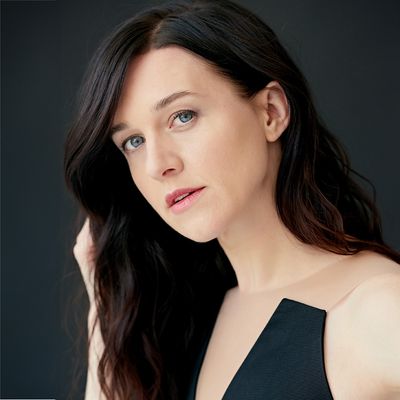
Lena Hall is a Tony Award winner and Grammy nominee known for her phenomenal performance of Yitzhak in the 2014 Broadway production of Hedwig and the Angry Inch. Following her award winning run, she toured North America with Josh Groban on his Stages tour. Lena’s slew of Broadway credits include 42nd Street, Tarzan, and Cats, as well as originating the role of Nicola in the Tony-winning musical Kinky Boots. She is a recording artist, with 2 albums and 12 EP’s to her name, and numerous TV and film credits including Girls, BoJack Horseman, Sex and the City, and All My Children. Lena can now be seen as Miss Audrey in Snowpiercer on TNT.
Currently in Canada quarantining and filming season 3 of Snowpiercer, Lena opens up about how her “light” shooting schedule leads to nostalgia for the workhorse nature of being a Broadway performer. She speaks candidly about the impact the pandemic has had on her creative mind and vision; and shares how she has struggled with the stress, the anxiety, and the not knowing, while taking solace in the knowledge that “we are all in the same boat”. Lena also takes a look back at her career and chronicles how tonsil problems from hell led to a chance to re-start, re-learn, and explore new parts of her voice.
In this episode, we talk about:
- Working on TV versus working on Broadway
- Missing her creative mojo
- The impact social media and sitting in front of screens has on our brains
- Singing for Pope John Paul II when she was 7
- Getting a re-do, and learning how to sing again after tonsil surgery
- Her “Obsessed” series
Connect with Lena:
- IG: @LenaRockerHall
- Twitter: @LenaRockerHall
- https://www.youtube.com/lenahall
- Watch her "Obsessed" series
Connect with The Theatre Podcast:
- Support us on Patreon: Patreon.com/TheTheatrePodcast
- Twitter & Instagram: @theatre_podcast
- Facebook.com/OfficialTheatrePodcast
- TheTheatrePodcast.com
- Alan's personal Instagram: @alanseales
- Email me at feedback@thetheatrepodcast.com. I want to know what you think.
Thank you to our friends Jukebox The Ghost for our intro and outro music. You can find them on Instagram, Twitter, and Facebook @jukeboxtheghost or via the web via jukeboxtheghost.com.
A very special thanks to our patrons who help make this podcast possible!
Cheryl Hodges-Selden, Paul Seales, David Seales
If you would like to see your name in this show notes or get a shout out on the pod itself, visit ttp.fm/patreon to become a member and show your support!
Transcript
This transcript was automatically generated and might contain errors.
[0:00] Alan Seales: Welcome back to The Theatre Podcast. Intimate, personal conversations with the industry's biggest names. I'm Alan Seales, and today's guest is Lena Hall. If you're a fan of her on the TVs, you probably know her from Snowpiercer, opposite Daveed Diggs and a slew of other amazing cast members. She's actually joining us in this episode from Canada, where she's on set filming season three of Snowpiercer. And she'll talk about that. She'll get into that whole story, which is incredible. But I don't know how many people know this. I asked her about, you know, where she got these singing chops from, right? Like, where did this come from? How do you learn to just rock out like this? And she said it wasn't until she was 26 and she had her tonsils removed.
Then she had to relearn how to sing almost completely from scratch because of how bad her tonsils were in the first place, which is why she had them removed eventually. But remember, this is after multiple years of Broadway credits. She made her Broadway debut in '99. So this is when she was 26, had her tonsils removed because they were so bad. And this is years after she's been on Broadway. So she's been on Broadway, singing your standard way, learned that way, was having tonsil problems all the time, finally had them out, and then it just opened up this whole new world that we now know of her as just this amazing rock voice. So before we get into the episode, please find me online on Instagram and Twitter at theatre underscore podcast.
If you're listening on Apple Podcasts, Spotify, Stitcher, anywhere else, please hit that follow button if you haven't already. Side note, there is a new Broadway Podcast Network app at bpn.fm slash app. It brings this podcast along with many, many others all to one place in your pocket. It's amazing. Now, everybody, please enjoy this episode with Lena Hall.
[2:02] Alan Seales: Today's guest is a Tony Award winner, having won the award for her phenomenal performance of Yitzhak in the 2014 production of Hedwig and the Angry Inch, which also garnered her a Grammy nomination for the cast album. She made her Broadway debut in 1999 in Cats before a slew of other roles on Broadway, including 42nd Street, Tarzan, and Kinky Boots. She is a recording artist with two albums and 12 EPs to her name and numerous TV and film credits, including Girls, BoJack Horseman, Sex and the City, All My Children, and can now be seen as the incredible Miss Audrey in Snowpiercer on TNT. Lena Hall, welcome to The Theatre Podcast.
[2:51] Lena Hall: Thank you for having me. I really am phenomenal, aren't I?
[2:55] Alan Seales: I love what you said earlier that we can't shit talk people because you're too self-involved.
[3:02] Lena Hall: Too self-involved.
[3:03] Alan Seales: I support that.
[3:04] Lena Hall: Oh, my God. That's the actor's life. It's just it's it's never it's it's literally never ending.
[3:13] Alan Seales: Well, even when you're working, you're looking for your next job. So you're right. It doesn't stop. And then you throw a global pandemic in all of this. You can't be feeling—I mean, you are working, I guess, because Snowpiercer. Wait, are they filming now? You finished all your season two and then the pandemic hit and it just got renewed for season three now, but you haven't started yet, right?
[3:34] Lena Hall: Oh, no, no, no. I am in Canada filming season three. Currently, I had my first shot. Yeah, had my first day on set yesterday, which would be March 8th. And I am trapped in Canada. I am not allowed to leave. I'm not allowed to see anyone. No one's allowed to come and see me. I am here until the end of July.
[3:58] Alan Seales: Wow. So are they doing everything because of quarantine? Are they doing everything with the whole season all in a bundle or do they—and is that how they normally do it?
[4:11] Lena Hall: Well, I mean, we're no, I mean, we're filming the whole season like we do in one go. But each episode, basically, they break it down. There's 10 episodes, you know, every two episodes is a block. And that block is directed by one person. And the director of photography is different. And so there's these different kind of people that come in. And so each block is directed by a different director so that the director has time to do pre, you know, pre-stuff production, pre-production and post-production while the other blocks are going on.
[4:54] Alan Seales: So, you know, they're not just going to be like, all right, we're going to film all of your stuff now for the entire season. No, I mean, I wish, but no, that's not how it goes. And so it's a big ensemble show. And there's a lot of moving parts and there's a lot of different characters. So I usually end up filming maybe once a week and having a costume fitting, you know, once a week. Costumes are the most key element for my character, apparently. And yeah, so it's a light schedule, very light schedule, which for some they love. But for me, being a masochistic Broadway performer, as we all know, we do eight shows a week, we work our asses off. And then we add to that, you know, we'll do rehearsals for other shit in the day and like, you know, auditions and presentations and concerts.
And we'll just add all that shit on top of it. It's like eight shows is never enough. It's got to be more, you know, more and more and more. If you're busy, you're living. If you're not, you're not living your life, right? That's kind of the mentality of Broadway.
[6:07] Lena Hall: So I've got that insane work mentality where I feel like I am not doing a damn thing.
[6:17] Alan Seales: Well, how is that handled for you? I mean, are you keeping busy with books? Are you writing? I personally too have trouble sitting still. I have trouble just like, I can't sit down and watch Netflix. I have to be doing five other things while I'm watching Netflix. So for me, even at, you know, we're the same age, I still am trying to work on myself and be okay with silence and be okay just with myself. And I haven't had that in a long time. And yeah, I mean, I guess that—what are you doing? What are you doing to kind of cope with all this? Because it sounds like you're going a little stir crazy and it's only day two.
[7:01] Lena Hall: Yeah, right. I've been here for over three weeks now.
[7:05] Alan Seales: Oh, for quarantine.
[7:08] Lena Hall: Talk about two weeks in quarantine and then the minute you're out, it was like a costume fitting and then a week later I got a set and I was like, why did you have me here so early to film my foot? I don't understand. It's not like my feet are particularly beautiful. In fact, my feet are not beautiful. I have dancer feet. If anything, I wouldn't want them to be filmed. But you know, such as so be it. So be it. I'm working. I'm actually really happy that I'm working. But it is tough because I am away from my husband and I'm away from my dog. I'm away from my house and my home and, you know, got really used to that, having been trapped at home for a year. And not trapped, but just because of the pandemic, you know, we were all not doing anything, not working and home. And so I got real, real used to, you know, having my husband around all the time. That was really nice.
[8:13] Lena Hall: That's really, really nice. Yeah, to cope with the time while I'm here, I have many things that I've lined up to do for myself. I'm going to do—I do virtual concerts, which is extraordinarily helpful for my life. So I'm going to be doing a bunch of virtual concerts. I'm going to do some obsessed shows, you know, which like share, like obsessed share and like upset. I'll do some obsessed show and I'll let, I'll kind of let the general audience pick who, who the next artist will be. And as long as I know and love the artist, of course, I'll do it. And so I do shows like that, which is helpful, but you know, you're still at home. It's not in front of an audience. It's like, for me, it's very, it's very insular. It's a bit lonely, you know, but this is how I've been able to deal with the pandemic and deal with the fact that there are no venues is by making my home my venue and doing these shows on Zoom and connecting via video and all that kind of stuff.
[9:26] Lena Hall: So that has actually been helpful. And there's been some money there to be made, which, which has helped float me. And, you know, I love, I love when people have this kind of like, they think, oh, TV, I'm going to be so wealthy and, and oh, you must have so much money. And it's like, no, honey, that's TV. Back, back in the day, in like the 90s, when shit was syndicated and, you know, yeah, but now it's very, very different business. And so it's not that like, oh, you booked a TV show. Now you must have millions of dollars. It's like, you know, it's doing a Broadway show. So it's, it's similar. So it's only less, a lot less work.
[10:16] Lena Hall: It's not as hard as eight shows a week. I mean, you go and you do your scenes and you're good and you're done. And you're not doing those scenes over again, unless of course they need to do a reshoot and there was a problem, but that is a few and far between. And, you know, at the end of the day, then there's more eyes on it and it's great. It's on TV. And, you know, you have proof of your work. Whereas on Broadway, you're lucky if someone does a bootleg of that night that you did a really good job, you know, like, it's very, it's very different. But I love, I love the work, you know, I love the, the workhorse nature of Broadway. I think it's, it's extremely focusing and takes a dedicated human being to do that.
[10:58] Lena Hall: Oh, I'm trying to write, like I have all these projects that I'm writing, but again, like I'm beating myself up a lot because I've not had any kind of creative juice or juju or, you know what I mean? Whereas before I had all this creative feelings going on and I was writing and I was doing all this stuff. And I just, and, you know, I just want everyone to know that it's like, it's okay because the pandemic completely took away my creative vision and any of that, like the anxiety of it, even though I'm like, I'm fine, I'm cool, I'm dealing with it fine. That anxiety of what the pandemic has brought, it's just, you know, it's, it's crippled my, my creative mind, like totally. And my husband's trying to like support me and be like, where's my pages?
You know, when are you gonna write? I love your writing. It's so good. Where is it? And I'm like, baby, I, I don't know what to tell you. It's just like, can't be forced. And it's really like, I'm more hard on myself. And it's really disappointing. Like, I'm so disappointed in myself that I'm not sitting and writing every day because, oh, I could have written an entire novel during this time, which you could have, but, but like, you know, the, the stress and the anxiety and the, and the not knowing and the just being clueless about your life and your livelihood and what's going to happen next. I mean, that, that for some, and for me has totally, um, stopped that. And, uh, and I wish not because I really want to use this time.
[12:54] Lena Hall: That I have, I have all the time in the world. And not complain and not, you know, like, I really want to produce stuff and creativity and that kind of stuff. And it has been quite near impossible to wrap my brain around anything. Also, like, sitting and doing all social media and all this kind of stuff and being on the computer all the time and like looking at screens all the time, that's created this kind of mush brain, where I will be like, all right, I'm going to go do something like I'm going to go, let's say transfer money from one account to another. I will pick up my computer, open it, immediately forget what I'm doing. And then hours later, I'll be like, oh, wait, I've got to go transfer, open the computer, immediately forget what I'm doing.
And that happens over and over again. And it's like, I looked it up, because I was like, what the fuck, what the fuck is going on? Like, I cannot get anything done. I have no focus, no nothing. And, and I looked it up and it has everything to do with screen time and social media.
[14:07] Alan Seales: No kidding.
[14:09] Lena Hall: And, and the social media and screen time it, it's creating our brain, the more time we're spending on our phones and in front of screens, it's creating like, it's rewiring our brains. And that brain we were rewiring, like there's like studies that's showing that it's linked to dementia now and like, that it's definitely highly linked to depression. And that brain fog that you're feeling is linked to the amount of screen time you're having. And I was like, wow, that makes so much sense. Because before the pandemic, I was doing stuff and I was on my phone. Yeah. And it was a lot, sure. But when the pandemic hit, and then everything started happening on our computers, now my brain can't even process anything or remember anything, or just, you know, it's changed how we're living our daily lives as far as on screens.
And, and that has had a massive effect on my mood, my depression, like, it's, it has caused many, many things. And so I'm trying to actively stay away from screen, which is nearly highly impossible because it is like, because, you know, when you look at social media, it's built to be addictive. It's built to keep you on for a long amount of time. It's built to...
[15:35] Alan Seales: Sell, sells you.
[15:38] Lena Hall: Yeah, it's built that way. And, and, and, you know, just taking a day where I was like, all right, I'm just gonna like write in a journal, like, what's that like, you know, like taking that hour to just like sit and write in a journal. It's, it's very helpful. And, and so, you know, I've, I'm trying to take more time away from the screen. But then the problem with that is, I need to write on a screen. And like, I'm like, oh, shit, you know, like, okay, how do I how do I rectify all of this? Like, it seems like just like a disaster of proportions.
[16:26] Alan Seales: There's got to be some sort of healthy balance. And I sort of, I like where Apple was going with the idea of reporting screen time and giving you those daily reports and everything. But if you don't action them, then there's, then they're just kind of useless and background noise. But to what you said earlier, and I mentioned this before in the podcast that I forget now if it's dopamine or serotonin, but every time you get a like, or a mention or notification, or like, I actually turned the vibration off on my Apple Watch, because it triggers your fight or flight response in your body, your nervous system reacts to it every time you get that little buzz. And so, but with that, with the dopamine serotonin, every time you get a like or whatever, that's triggering a release in your brain.
So chemically, we are falling in love with social media, we're falling in love with the need for these notifications. So you're right on target that if you, that we're getting addicted to it. And I think there's going to be this uptick of withdrawal, essentially, when we're able to go back to the office, or get back on stage when, you know, in between scenes in backstage, are you just going to get on Facebook again or get on Instagram or, you know, whatever it is, because that's what you have to do to feel good now.
[17:38] Lena Hall: Yeah. I mean, there's a lot because, you know, the dopamine receptors and when you overfill your dopamine, it starts to back off the amount that it gives you, right? And there's something to, you know, there was this whole article that I mean, I read, I was like, yeah, brain fog, really, really true. And it was like, and depression. I was like, great, depression, no wonder. No wonder I'm agitated and I can't deal with this shit anymore. Like, pandemic fatigue has everything to do with, I think, the amount of time we're spending on screen, on computers, and the mental health for not only our community, but really the entire world right now is we're in peril. It's a bit perilous, just because this is a silent thing that's happening.
It's something that we have to do in order to work now, because a lot of people aren't going back to the office, they're staying on Zoom. And even that, like that's, I don't know if you get Zoom fatigue or if you get fatigue from being in front of a screen for too, you know, like, I do and I feel it. And, you know, everyone is in this, you know, I'm not, I am not alone. We're all in the same boat. I'm not the only person that's going through this. I know this. I'm not the only person who's having the same issues. And, you know, I just want my creative boner back. Like, I want my mojo back. And this social media and it's just stealing it, you know what I mean? And while someone would be like, well, why don't you just stop?
It's like, it's like, dude, it's so much harder than that. And it's, you know, I liken it to having, you know, gone through, like, I've been sober for five years. And, you know, at the beginning, it's so, so difficult to make that right decision because it's calling you, you know, it's not only habitual, but it's something that mentally you rely on. And it's the same thing.
[20:14] Alan Seales: It's the same thing. So I find myself getting trapped.
[20:18] Lena Hall: As you say, if you don't, if you don't check your likes, you don't check your notifications, then you don't feel good enough. You don't, like, right now, you get your self-worth, one gets their self-worth from this sort of thing, especially if they're by themselves. I have friends who live on their own. And now for a year, they've been by themselves, no roommates, no physical office to go into. And they're just like, I just, I got to get out. I got to, you know, do the socially distanced meals with somebody just to have some sort of release. And that's why, you know, when we're recording now, even though it's an audio only podcast, I'd like to look you in the virtual eye, because this is some sort of oxytocin. So like the bonding, so we're, you know, as herd animals, we're supposed to be together.
[21:09] Alan Seales: We're going to take a short break. Stay tuned for more of the episode.
[21:25] Lena Hall: I want to go back to your creative boner, because I want to talk about how you got your creative boner. Because your story, your story as a kid fascinates me. Your story as a kid fascinates me from what I've been gathering, what I know about you. So your mother, mother, let me see if I can, yes, a mother was a prima ballerina, now a yogi master. Father was a ballet dancer, choreographer, and choreographic director for the annual San Francisco Ethnic Dance Festival. Obviously, parents are heavy, heavy into dance. You are now heavy, heavy into singing and acting. So where did, what was your childhood like with these two amazing dance parents?
[22:10] Lena Hall: I was supposed to be a prima ballerina. I mean, that's kind of why I was born. They wanted to just make another ballerina.
[22:20] Alan Seales: Yeah, you know, I mean, it was like, I was born, and I took my first steps on stage, and my first paid performance was when I was three. My dad had his ballet company, and my mom was his prima ballerina. So that's that. And I was born to be a ballerina, and it was my path in life for a while. I had a long dance career, even though I quit ballet when I was 12. But I had a long dance career already. And my parents, they were not interested in me quitting dance at all. So I had to continue doing it until I left home, essentially. And I mean, I'm grateful for that, because it kept that skill going, even though I saw my sister. My sister was in, she performed with this teen theater group in San Francisco, and I went to go see one of her performances, and I was like, yeah, I'd like to join that instead of doing ballet.
[23:39] Lena Hall: So that's kind of how I got in, because I always looked up to my sister, everything that she did, because she's older than me. And so she basically piqued my interest in musical theater. But I had been singing since I was really young. My sister was in the girls' choir, and when I was seven years old, I was like, I was seven years old. Okay, so the Pope, Pope John Paul II was coming to San Francisco to Candlestick Stadium. And my dad choreographed this whole dance to bring the Pope in, to welcome the Pope in, so ballet. And then my sister was in the girls' choir, and they were singing for the Pope as well. And I was at rehearsal, and I was just singing along, and someone heard me. And one of the kids, there was like this little trio of kids that were singing for the Pope, and one of them had to drop out.
So they were like, well, she was singing. And so they asked me to do it. And so that's how I just randomly... My first singing gig was for 70,000 people at Candlestick Stadium for Pope John Paul II. And the funny thing is that my parents, they all called it the Pope Show. And it was interesting because he came to San Francisco, but I guess at the time, San Francisco was much more... I wasn't raised in any religion. So is it Catholicism that this is the Pope? Yes.
[25:27] Alan Seales: Okay, great. So there weren't as many Catholics out waiting for the Pope. So they thought it was going to take the Pope forever to get to Candlestick Stadium, but there was not that many people waiting for him. So he kind of got there really fast.
[25:49] Lena Hall: And I think my dad's ballet, they were in the middle of the ballet, and then they had to suddenly stop because the Pope was there. And they had to move on to whatever the next part of the program was, because he got there so fast. It's funny to think of, because my family, you know, my mom and my dad, they're hippies, very into studying religions and knowing about other religions. But like, you know, they were like the artist's way. And my mom, like I was baptized in the Church of Light, you know what I mean? So it's like, you know, like hippie, hippie dippie, and here we are like singing for the Pope. I was like, what's up, man? Welcome. What's up, man? Welcome to San Francisco. But like the house I grew up in, like my family, my family lineage on my dad's side, it goes seven generations back.
Everybody was performers and magicians or artists of some form. So it was kind of in my blood to be on this path, even though I wanted to do something else. You know, I didn't see dance as something that was for me as far as like something I wanted to do with my life. But I did see being a lawyer or like a doctor or like an accountant as something that was interesting. Those are all financially stable careers. Correct. Yeah. And I was kind of interested in that. But my parents, they were not supporting that in the way that one would need because to be able to go to law school or to go, you know, to go be a doctor. I mean, that takes a dedication and it takes money and it takes a major like academic dedication that my parents were not pushing me towards.
They were pushing me into the arts, thousand percent. I mean, the biggest kind of, I guess the biggest clue of that was when I was accepted into this like little like pre-pre-med summer school thing, you know, because I was good in chemistry. And my teacher was like, you should go to this. I've submitted you and you've been accepted to this like pre-pre-med thing, whatever. I was like, cool. I want to go and do that and check it out. And my parents were just like, no, you'll do musical theater instead for free, instead of us paying, you know, it was like $400 at the time to go to this summer school to see if I was interested in, you know, the medical profession. And that, you know, that's really telltale of how I'm here.
I guess I always had the talent for what I do because I grew up on stage, dancing, dancing is a form of acting, singing, again, singing, another form of act, you know, it's like it all comes together. It's all expression, whether it's with your body, with your voice or every, or, you know, with your face, with a camera that's super close. Um, it's all fairly, it's all expression and creativity and expression that way. I think that someone can have the talent, but if they don't have the parents pushing and helping to push them into that, whatever that may be, then they've got not, they don't have a very good leg up. You know, I had the leg up with my parents. I didn't even know what I wanted to do with my life. This wasn't something that was even on my radar. Broadway was not on my radar.
[29:49] Alan Seales: Well, when did that come into play? Because your voice is, I was telling a friend of mine the other day, I was like, Oh, yeah, I'm gonna talk with Lena Hall. And, and they were like, Oh, yeah, the voice is just insane. Because it's like, pretty, pretty classical, classical train, train, and then just like, it's this rock voice that just comes out of nowhere that if I may say is not typical of a female voice either. So you've got this, this incredible rock voice that only people like you and Tony Vincent and, and Mick Jagger could do, right? I'm not even sorry, not Mick Jagger, Bon Jovi, you know, these great singers of rock and whatnot. And then the fact that it is, I don't know, it's just you're such an unusual combination.
Of characteristics that have produced this like, perfect storm of singing ability. And, and I don't, I don't know how one trains for the type of singing that you can do. Like, does it just all of a sudden, you know, it's like you burp and fart at the same time accidentally, but you like you farted and, you know, screeched out this high note, you're like, oh, I could do that. Um, no. So I had a few vocal lessons. Like I was never really like, I didn't really train, train vocally. If that makes any sense. Like, I had some teachers, but it was never like consistent. Once I kind of learned the basics, that was it. And here's the thing. When I was growing up, and when I was doing theater, and then of course, I got like my first professional break.
I was, I had auditioned for at when I was 17, and I just turned 18. So I really like I was right in it right away, right out of high school. Right out of high school. And I knew how to sing only really one way. I could copy opera singers. Like that was a thing because my dad, he choreographed operas. My mom was in the opera ballet. I was surrounded by opera, classical opera. And so I could copy that. And then on the flip side of that, I was also surrounded because my parents were also hippies, surrounded by Janis Joplin and Jefferson Airplane and all that kind of stuff. So I was hearing that and I was also influenced by this rock side. But all growing up and through my adult, young adult life into my 20s, I had tonsils and really bad tonsil problems.
My tonsils were so big from the time I was eight years old onwards. My tonsils were so big that they touched in the back of my throat. And anytime I got sick, it was so painful and horrible. And I went to ENTs and they would always just be like, well, we don't take tonsils out. And that was it. And yeah, they stopped taking tonsils out when we were kids because they were like, well, we shouldn't just automatically take tonsils out unless they're a problem. And in order for them to be a problem, you had to have strep throat all the time. And I never had strep throat. I always just had infections. And they would just get infected from allergies or whatever. So all through when I was learning how to sing, I had these obstructions in my throat.
And the only time anyone ever took it seriously was when, and thank God I did this. I was in Tarzan. We were in rehearsals. And we were rehearsing while they were building the sets. We were in this big, huge warehouse space. And they were building sets while we were jumping around and doing our thing. And the sawdust or whatever was in the air caused some major problems. And this balloon-filled, blood-filled abscess appeared on hanging off of one of my tonsils. And I was like, that doesn't look right. So I went over to... And I was having problems singing. And it had everything to do with the fact that it was swollen and infected. There were problems. And I went up to Shuler Hensley. And I said, Shuler, does this look weird to you?
And he fucking looked in my throat and he freaked out. He was like, oh my God. And he went to Tom Schumacher. He went to Tom Schumacher, our producer, and was like, you've got to look at this. So they looked in my throat and they were like, oh my God. So they literally called a vocal specialist instead of Justin E&T, which is what I had been going to. I didn't know. They called a vocal specialist and they called Gwen Corvin. And she saw me right away. Literally that day, they were like, you're going. You're not here. You're going. You're going. And so I went. And she looked in my throat. She was like, you're a singer? I was like, yeah. She's like, how? How are you a singer? I was like, well, I don't know.
This is what I know. And so she said, well, we're getting them out. So I had to wait a couple months because they wanted me to wait till after the Tony Awards for me to get my tonsils removed. So I waited. I got them removed in July when I was 26 years old. And this is after, this is my fourth Broadway show. Tarzan was my fourth Broadway show. So I'd been working and singing with tonsils. And after I got them removed, I had to relearn how to sing because I did not have this tension and obstruction anymore. And it created an entire part of my vocal range that I never knew, well, I never had access to before. So at 26, now I have a chance to restart, essentially. And I have my old habits. But there's a part of me that it clicked something in my mind where I was like, oh, wait, I have got this weird feeling buzz in my nose now.
And what is all of this? It's weird. It's different. It's softer. It's pure. It's untrained. And I also then joined a rock band as well at the same time as I was recovering because that would be a good idea.
[37:08] Alan Seales: Because you can't sit still.
[37:10] Lena Hall: Yeah, it gave me the opportunity to not, it was like, okay, well, I have to relearn. So when you have to relearn something, it seems daunting, but it's like a brand new start. And I could explore parts of my voice that I had never explored before. And it was almost like, it was like, here, you're allowed to, you're now allowed to sound like shit. I was telling someone this the other day. The only reason I can do all these different things with my voice is because I was allowed to sound like shit. And that's okay. Because I was relearning how to sing. And no one wants to sound like shit when they're singing, right? And that stops you from exploring all of these amazing parts of your voice that you can use.
But you have to be okay with starting and sounding like caca, and being okay with that, and being okay if you crack, and being okay if it's weak, and being okay if, even in performance, being okay if there's something bad that happens. I think what stops us as singers, as performers, is relying on what we always knew and learned, and the one way to do something when there's many, many, many different ways you can approach your voice and all these different areas. But what stops us from doing that is this thing where we're programmed like, oh, I have to sound pretty. I have to sound good. I have...
[38:44] Lena Hall: I've got to be perfectly on key. It's that stress of perfection, of the desire to be perfect. It's that desire. And it stops us in our tracks from just going for it, being fearless, and finding new parts of our voice that sound like shit at first. But once you find that spot, and you start training it, and you just start working with it, then it becomes good. So it's just like the way when you first started singing. It wasn't strong at first, but then you start singing that way over and over again, then it becomes strong. But unless you start working with other parts of your voice, then you'll always go to the one that you know sounds good. And you'll never get out of your head to really explore the other parts.
Because it's scary. And no one wants to look bad and sound like shit. And for me, I got a total redo. And I got to start from scratch. And it was okay, because I just had my tonsils out. I just had a surgery. So it was okay to sound like caca. And it literally opened up a world of opportunities. Now I have so many parts of my voice that I can call on, because I was like, oh, wait, what's this? This is an interesting sound. Where is this coming from? And it feels different. And I can go higher here. And I can belt way high when I'm up in this area. And it's totally weird. And it doesn't sound good right now. But what is that? I became so curious with all of these different parts of my voice that it worked to my advantage. And now I've got versatility, essentially. I'm fascinated by all of that. And now you're making me want to go have my tonsils removed, because I still have mine.
[40:44] Lena Hall: If they're huge, get them removed. If they're a problem, get them removed. If they're not, then that's not the issue. It's mental. It's that mental blockage of going to the same spot. It's like when you get off, just try exploring weird parts of your voice. Do you ever make weird sounds? Do you ever laugh weird? Do you ever cackle? All the time. All the time. But that's not what we hear on soundtracks. And I can relate this back to modern social media. We're seeing the perfect versions of people's lives when we're listening to soundtracks and watching performances of people who have already gone through the decades sometimes of training or the surgeries to remove swollen tonsils that have opened up new pathways for them, literally air pathways.
We're trying to immediately at a young age be that perfect self, be that perfect version of what we're supposed to sound like. And we can't. There's no way. Because until you just put that in perspective of being okay with sounding like shit, you're right. The first thing I want to do is I want to sing a high C, and it's going to be the best thing ever. But I've never done it before. Here goes nothing. Oh, it didn't work. I'm not going to try that again. And then the next time I do it, yeah, next time I do it. And then it's mental. And then it becomes mental. Yeah. And then it becomes this mental block where you're like, well, I couldn't do it. So I can't do it. And it's like, no, that's not true.
That's not true. You can. It's a matter of figuring out how and being okay with sounding like shit. That should be, you know what, I should write a book. It should be called Being Okay With Sounding Like Shit. And it should be like the vocal book called Being Okay With Sounding Like Shit, my journey. And not only, yeah, my journey through sounding like shit. And, you know, not only that, and of course, I sound like shit all the time. A big issue as well is that what we're listening to is sometimes auto-tuned and so overly perfected that it loses what makes it human. And, you know, I try really hard to get out of my own head because I am a perfectionist and I will want to go back and be like, oh, that was flat. Can we make that better? We're going to take a short break. Stay tuned for more of the episode.
[43:24] Lena Hall: But the whole point of the Obsessed series that I did was to give you raw vocals, had very little production on them, meaning it had like reverb to make it sound, you know, not dry in a room. And to give you full performances from front to back, where you can hear the cracking, you can hear the detuned, you know, like, you can hear the flatness sometimes, you can hear the strain, you can hear me finagling around the song in order to make it happen. And the reason why Obsessed was so great for that was because we only had, so we filmed and recorded all 54 songs in eight days. It gave us one hour per song, one hour per song. I sang it three or four times and we had to move on. Outfit change, move on. Outfit change, move on. That whole series helped me to get out of my own head, say, is it overall a good performance? Yes. Moving on. Done.
[44:57] Alan Seales: You put it on YouTube, which is one of the worst places for trolls and hateful comments.
[45:03] Lena Hall: I mean, of course.
[45:05] Alan Seales: Right. And everything I looked at, I mean, I am obsessed with your Obsessed. I'm glad you brought it up a couple of times. It's just phenomenal. And like, you're covering Muse and Radiohead and these stereotypical male rock songs, and you just, you slay them. And do you change the key at all? Or is it the original key? I didn't compare it enough.
[45:30] Lena Hall: Depends. It just depends on the song. A lot of Muse songs are pretty much really close to female key. But some of them need to be raised just because the low end was a little too low. But Radiohead, another one that's really close to being good for a female key, maybe raised a tad. But honestly, I enjoy doing it. There's not a lot of female performers on there because I enjoy taking this male-dominated. It is a male-dominated genre that is nearly impossible for a woman to get a foothold in. I'm talking about rock and roll. And it's hard for women to get respect. And I like taking those songs. I like not changing the pronouns, not changing anything about them, and just doing them my own way. And infusing them with something a little different that a woman brings to the picture.
And it can change a song totally in what it means. And I think that's interesting. And it's an interesting way to explore artists as well. I do love a ton of female artists. But again, like when I hear a woman and they're kicking ass, I don't feel I need to put my own spin on it. Because to me, it's perfect. I think Pink is perfect. But I had so many people being like, do Pink, do Pink, do Pink. And I was like, fine, I'll do Pink. Because the comparison, there's like the comparison. But I think Pink is perfect. And I didn't think that I needed to instill any kind of Lena Hall into Pink, because she's amazing. And the Cranberries too. I did the Cranberries for my husband, because my husband's a huge Cranberry fan.
And that's our wedding song is "Dreams." And I did it as an ode for him. But all the other artists that I chose, all male, because I felt like giving them this male-dominated area, female spin, taking their songs and giving it a female spin, and breaking them down into their basic parts. It's more interesting. I enjoyed them because they're instrumentally, they're stripped down, as you said. For me, as I agreed with one of the comments, I think it was one of the View songs that they said, they said, this is the first time I've ever been able to understand all the lyrics. Yeah, because you're actually, you're acting it. You're performing this song. And there's not all this extra crap. I'm not saying that the original versions aren't bad, but it's presented in a way, however you Lena Hall-ify it, it's presented in a way that actually sucks.
I found myself, I was just being sucked into watching you discover the words, seemingly for the first time. And I think that's combining the Broadway, making it fresh eight times a week. So you're taking the onstage talent skill and putting it with these classic rock songs, and it just works. Are you doing, you're going to do more of these, you said, in quarantine?
[49:00] Lena Hall: I want, well, I want to do more, I'm doing shows, so live shows. But I want to do an, I want to do like Obsessed season two, you know what I mean? But that, I was lucky enough to have the first season was backed by Warner. And then it was supposed to air when Snowpiercer was first airing, and then it just kind of dropped off. And it was just like, it's not really, it's not really viable for us to do this. I was like, I understand. But now, now that Snowpiercer is, now that I'm having more of a hold, and Snowpiercer actually used one of my covers in, they used two of my covers, actually, in season two. They like took one that was just for YouTube, and then they took one of the Obsessed covers, and they put it in episode five in season two, which was really cool.
Like now that that's happening, I think now it's more of a viable thing. And I could probably get maybe a different company on board, but it does require a bit of money. Like it's not, it was not a cheap endeavor. But it was extremely interesting, for me, at least, exploring these artists. And yeah, seeing the words, sometimes for the first time, because I'm not a lyrics person. I am a melody kind of person. And to be even more specific, I'm a bass person. So when I hear a bass line, that's really what draws me into a song first. And then it's the melody, the vocal melody, followed by the instrumental last thing, lyrics, very last thing. So yeah, I was just, I was like, oh, wow, I had no idea that these were the lyrics.
Like, this is crazy. These are, like, they're great. And I think that by taking away all of the production for the album, the original artists did, and just giving you the basic parts, sometimes even just one instrument and vocals, it puts a spotlight on just how incredibly beautifully written some of these songs are, and how poetic the lyrics are, and how, you know, how gorgeous the key changes are, or the, you know, when you take away, when you take it away, I'm, you know, and when we were, when we were doing the, we literally rehearsed like one day, but when we were doing the rehearsal, I was like, I was like, how would they have written the song?
[51:38] Lena Hall: Was this written on a piano or acoustic or how? Do you think that the lyrics were written first or the melody was written first? I was like, how do you think they wrote the song? And can we get it back to close to that? And so that was kind of like the direction that we went in. And a lot of the songs aren't really changed up that much. It's just feels really different because A, it's a female vocalist and B, the instrumentation is different. And so it was really more about interpretation and kind of bringing it back to its basic part because I did do it because I wanted to celebrate the artists and not just be like, I'm going to do your song. But it was like more about celebrating the artist and also the songwriting and putting that more into focus. I think that we really achieved that well.
[52:39] Alan Seales: I agree. I agree. And I really hope that you do some more originals, like a season two of Obsessed because they're just so good. So yeah, for everybody listening, we'll have the link in the show notes, but it's on your website, of course. There's a whole channel for Obsessed too, but you've got them on your personal one and then the Obsessed one. So there'll be links there. And I want to close us out here with three standard questions I ask everybody to end the podcast. The first one is, what motivates you?
[53:09] Lena Hall: If I knew that, I wouldn't have had the whole forward conversation. What motivates me? I don't even know anymore. Jesus Christ. It's changed for sure. Motivation used to be, I don't know. I don't even ever know why I did any of this just because I like to be on stage. Is that motivation enough? Being on stage performing, being with that Broadway family, what motivated me to be in TV film, I wanted to marry Jonathan Brandes. That was literally my motivation when I was a kid. I was straight and I wanted to be Jonathan Brandes. I am straight. There you go. I'm C because we're the same age. C, there you go. Sequest, Sequest, man.
[54:03] Alan Seales: Shut the **** up. Did you watch Sequest DSV?
[54:11] Lena Hall: Of course I did. I love Sequest. That was my jam. Hello, true friend of mine. Hello. We met before.
[54:19] Alan Seales: Yeah, I love, love, love that show. Obsessed. Yeah, it was Sequest DSV. It's like Snowpiercer underwater and then also Star Trek. It's Snowpiercer in space.
[54:33] Lena Hall: I watched The Next Generation and X-Files. Those were my things.
[54:38] Alan Seales: Yes, next gen baby. Next gen. Next gen all the way. Wil Wheaton. Wesley Crusher. I didn't like him as much though as Jonathan Brandes, but yeah, Jonathan Brandes was like, that was my whole motivation for wanting to be in TV film for a long time until I found out that he had died. Then I was like, oh no, oh no, that's sad. That sucks. There goes my childhood dream. But now what motivates me is to kind of like, I think telling stories really interesting and I like telling story, but I like telling the story of the antihero. I like telling the story of the person who does not have their shit together. The person who is trying to figure out their life and not succeeding well. I like telling those kinds of stories because to me, it reflects my own life, how I feel about it, where on the outside, I do look like I have it all and I am grateful for everything that I do have.
But on the inside, I'm still that person that's so hypercritical that tells myself I'm not doing enough, that I'm not good enough, that I'm not... There's something that is very prevalent in our industry. It's called compare and despair. I don't know how it's ingrained in us, but it is completely.
[56:21] Alan Seales: Why am I not successful like Cynthia Erivo? Why am I not successful like Leslie Odom Jr.? Why am I not successful like Lady Gaga? Why am I not... And it's interesting because I've heard that the people on that level are also doing the same thing. And it's interesting to tell stories of people where how I actually really feel about myself. I feel like most characters that I play are kind of a mirror into how I'm feeling about my life in the current moment. And so, I mean, that's a motivation to do it because I think it's because I find it to be a challenge and find it to be very interesting. All it takes is one thing, right? And like Leslie Odom Jr. was in one of the biggest flops on Broadway ever, Leap of Faith, right?
So that opened and closed just like that. And he's only got three Broadway credits. Hamilton's his third one. Rent was his first, then Leap of Faith. So I completely agree with you. And he is uber successful. And he, again, this is going back to the despair and compare of social media. This was sort of the same thing, I think, because we don't see all the struggle and the hard work and the perseverance and just showing up and being at the right place at the right time that all of these people have had. You look at a Cynthia Erivo or whoever the case is. Well, it's a fight. And it's an ongoing fight. It never ends. And there is no one thing that makes you a star or gets you that thing. It's not one thing.
It's decades of a journey. And I know Leslie would probably say the same thing because he went through hell. Billy Porter went through hell to get where he is and struggled. And it's hard work. And it's constant hard work to get there and stay there. Another hard thing. So I have to constantly remind myself to look back at my journey and be like, wow, I can't believe I'm here. How far I've gotten, how much it's taken, how difficult the road has been. And I cannot take this for granted. And I cannot beat myself up over the fact that I don't have a Grammy or an Oscar or an Emmy. You know, like,
[59:15] Alan Seales: you've got a Tony.
[59:16] Lena Hall: Why would I be missing? I have, yeah. Well, yeah. But again, it's for all of us. And I know maybe there's some people rolling their eyes right now and that's fine. Because I would totally roll my eyes if I heard Charlize Theron complaining about, you know. Do you know what I mean? I'd be like, I'd be like, I bet. I want what you have. Give it to me. I'll appreciate it more. You know, but seriously, like in our situation, there's always a higher rung on the ladder and gotta stop. It's okay to have goals. And really, it's okay to have lofty goals. I always say, have the biggest goals you can possibly have. Because if you miss that, you'll at least, you know, it's like shoot for the stars, you'll hit the moon. Please, everyone, have the most lofty goals you can think of. But while you have those goals, you gotta stop and look back and see how far you've come. Because you've come fucking far.
[1:00:25] Alan Seales: That's probably the answer to question number two, which is what advice would you give to your younger self and younger people listening now starting out down a similar path?
[1:00:30] Lena Hall: Don't pluck your eyebrows.
[1:00:43] Alan Seales: In the 90s, it was cool to have super thin eyebrows. I regret it. I regret it.
[1:00:53] Lena Hall: Okay, last question. This is the hardest one. If you could only see one show for the rest of your life, but you can see it as many times as you want, what would you see?
[1:01:02] Alan Seales: Oh my god, that's the worst question for me because I'm not a return repeat person.
[1:01:10] Lena Hall: This is your hell.
[1:01:14] Alan Seales: Show? TV show? Any show? Movie?
[1:01:17] Lena Hall: Any show. Any show.
[1:01:19] Alan Seales: Interpret as you will.
[1:01:24] Lena Hall: Okay. Sidekicks.
[1:01:28] Alan Seales: With Chuck Norris and Jonathan Brandes.
[1:01:32] Lena Hall: I can watch that literally.
[1:01:35] Alan Seales: That's the only thing I could possibly watch over and over again.
[1:01:38] Lena Hall: I need to go back and watch Sequest. I'm going to finish Snowpiercer and then I'm going to go watch Sequest.
[1:01:43] Alan Seales: Okay, good.
[1:01:44] Lena Hall: Yes. So where can we find you on social media?
[1:01:48] Lena Hall: Lena Rocker Hall. You can also on Twitter, same. Facebook, never on. And I'm really rarely on Twitter. Really, I'm on Instagram mostly. I'm also on Clubhouse, Lena Rocker Hall. I do Saturday mornings. And literally talk about whatever. It's not anything that's supposed to be structured. It's supposed to be, you come and if you have a question, you can ask and that will just turn into talking about tons of stuff with someone. So those are fun.
[1:02:19] Alan Seales: I'm going to follow you. I'm on the Clubhouse too.
[1:02:22] Lena Hall: Oh, nice. And great. Awesome. I'll follow you back. And then I'm on Patreon. And I'm doing a podcast on Patreon. No offense, I might use you eventually down the line for podcasting.
[1:02:38] Alan Seales: You got it.
[1:02:38] Lena Hall: But I've got a podcast on Patreon, but I'm also doing like, which is really actually kind of fun. I'm doing song requests on Patreon.
[1:02:49] Alan Seales: Really?
[1:02:52] Lena Hall: Yeah. If you want me to sing a specific song, I'll do it for a price, of course, because it takes time. But I've been doing song requests. And that's actually a really fun way for me to be introduced to new music. I don't know all the music that's out there. Shock. I actually have a very narrow musical catalog. And by doing song requests for people, I've discovered new music and new artists. And I've really, really enjoyed that.
[1:03:32] Alan Seales: The music for this podcast, hopefully, if you listen back, you'll hear intro and outro music from Jukebox the Ghost. They do Queen covers that they sing very high. Exactly the kind of stuff I think you would like. So I'm going to join your Patreon and give you a little Jukebox the Ghost cover request.
[1:03:49] Lena Hall: Oh, nice. All right. I want to hear that. I think you would crush it.
[1:03:56] Alan Seales: Cool. Thank you. Thank you so much. You can get more of me at thetheaterpodcast.com. I'm on Instagram and Twitter at theater underscore podcast. Please leave a rating and a review wherever you're listening now. This has been edited by Matthew Hendershot, of course, music by Jukebox the Ghost and Lena Hall. Thank you very much. I have really enjoyed this.
[1:04:17] Lena Hall: Good. I'm glad I enjoyed it, too. Good.
© Broadway Podcast Network, All Rights Reserved