

A Disney prince and a family man, this performer opens up about the importance of faith, hard work, and determination, and shares a look behind the curtain of his career both past and present... Read More
From the show: The Theatre Podcast with Alan Seales
Guests
Featured Shows


About
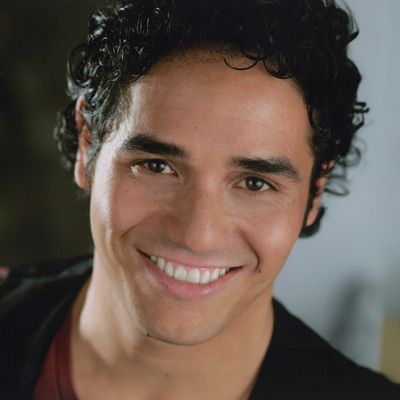
A Disney prince and a family man, this performer opens up about the importance of faith, hard work, and determination, and shares a look behind the curtain of his career both past and present.
Adam Jacobs is an actor and singer maybe best known for originating the title role in Aladdin on Broadway, a performance which garnered him both Grammy and Drama Desk Award nominations. Adam’s other Broadway credits include The Lion King, and Les Miserables, as well as the national tours of Mamma Mia!, Cinderella, Les Miserables, The Lion King, and Aladdin. Offstage, Adam’s talents and credits range from writing, and directing, to producing, and even visual effects. His latest film project, Adam Jacobs Behind The Curtain, features a live recording of his 2019 cabaret at Feinstein's Upstairs at Vitello's in LA, as well as interviews and a behind the scenes look at Adam’s artistic journey.
During our conversation, Adam speaks candidly about his mixed-ethnicity and the confusion it led to as a child trying to figure out where he fit in. He recalls it first feeling like an obstacle he had to overcome, but explains how he later discovered his heritage was an advantage, allowing him to play a variety of roles. Adam also talks about the decision to leave NYC and move to the suburbs of Chicago with his family a few years ago, which has offered him more performance opportunities, and a homebase between LA and NYC. And we delve into the evolution of Adam’s latest project Behind The Curtain, from live cabaret to filmed “docu-concert”.
In this episode, we talk about:
- Overcoming self-doubt and challenging the status quo
- The impact of his high school mentor and teacher
- His experience in NYU’s CAP21 program
- Having other interests outside of performing
- How his family influences career decisions
- The creation of the Behind The Curtain film
Connect with Adam:
- IG: @AdamJacobsNYC
- Twitter: @adamjacobsnyc
- Stream on Spotify
Connect with The Theatre Podcast:
- Support us on Patreon: Patreon.com/TheTheatrePodcast
- Twitter & Instagram: @theatre_podcast
- Facebook.com/OfficialTheatrePodcast
- TheTheatrePodcast.com
- Alan's personal Instagram: @alanseales
- Email me at feedback@thetheatrepodcast.com. I want to know what you think.
Thank you to our friends Jukebox The Ghost for our intro and outro music. You can find them on Instagram, Twitter, and Facebook @jukeboxtheghost or via the web via jukeboxtheghost.com.
A very special thanks to our patrons who help make this podcast possible!
Cheryl Hodges-Selden, Paul Seales, David Seales
If you would like to see your name in this show notes or get a shout out on the pod itself, visit ttp.fm/patreon to become a member and show your support!
Transcript
This transcript was automatically generated and might contain errors.
[0:00] Alan Seales: Welcome back to The Theatre Podcast. I'm your host, Alan Seales, and this is intimate personal conversations with the industry's biggest names. This episode is with Adam Jacobs, who you probably know as originating the role of Aladdin in the show of the same name for Disney. He's baring his soul in the latest project called Adam Jacobs Behind the Curtain, which is a recorded docu-concert, as he's calling it, of his life story intertwined with some photos and some interviews from his family, from his past, and it seems really, really cool and really interesting. He grew up in the Bay Area, left the sports scene after a teacher encouraged him to follow his new passion for performing and singing.
He got into NYU, and of course, the rest is history. So before we get into this, please follow along on Twitter and Instagram at Theatre underscore Podcast. Got some good contests and some good content getting posted there now. Leave a rating and a review wherever you're listening. And now, everybody, please enjoy this episode with Adam Jacobs.
[1:21] Alan Seales: Today's guest may be best known for originating the role of Aladdin on Broadway, which garnered him both Grammy and Drama Desk nominations, in addition to other Broadway credits like Simba in The Lion King and Marius in Les Mis. He's been in the national tours of all three of the same shows and also has credits ranging the gamut from writing and directing to producing and even visual effects. His latest film project, Adam Jacobs Behind the Curtain, is about ready for you to watch. Adam Jacobs, welcome to The Theatre Podcast.
[1:52] Adam Jacobs: Hey, thanks for having me.
[1:55] Alan Seales: No problem. Where are you calling in from? You look like you've got a cozy little living room going on there.
[2:00] Adam Jacobs: Oh, yeah. No, I'm in Chicago. I moved out here a couple years ago from New York City, and it's been amazing.
[2:07] Alan Seales: Oh, really? So you're based out of Chicago now? That's your home base?
[2:11] Adam Jacobs: Yeah, yeah, that's right. I decided once the kids are at school age, it's probably better to bring them out of the craziness of New York City and try to have some semblance of a normal life with a backyard and a garage and a Costco membership and a minivan.
[2:29] Alan Seales: Well, the Chicago lifestyle, though, I mean, I guess I take it you're in a suburb then, because Chicago proper, I would think, is just like New York proper.
[2:39] Adam Jacobs: That's true, yeah. No, we decided to branch out. I'm close by Evanston up in the northern part, and it's just lovely. We're near the lake, and we've got some nature, we've got space. We wanted space, and that's what we got.
[2:53] Alan Seales: Yeah, and Chicago's close enough. So obviously, you're coming back to New York, you're doing shows, you're doing cabarets, you're filming for Adam Jacobs Behind the Curtain. Tell me about that, because it was produced and recorded at 54 Below?
[3:12] Adam Jacobs: Actually, it was Feinstein's Vitellos in Los Angeles is where we did that.
[3:18] Alan Seales: Oh, not New York.
[3:21] Adam Jacobs: Yeah, so that one was filmed in Los Angeles, and that was the other thing about being in Chicago. I could kind of jump between the two cities, which is great. But I was out there filming a film called Last Call in the Doghouse, which coincidentally is going to be coming out around the same time as this concert. We're calling it a docu-concert. My producer loves that phrase, and I'm saying, okay, we'll call it that. It's basically a bunch of interviews. We go kind of in-depth behind the curtain, as you may say, and behind the scenes, and I talk about my life. I talk about my journey. I bring up some interesting stories about how I got to where I am, and sing some Broadway tunes, and throw in some pop and rock stuff there as well.
It's a really fun concert that I kind of put together, and he was like, let's film it. And I was kind of nervous about it, honestly. I was like, I've never done it yet. This is the first time I'm performing it, and you want to film it with five cameras and do a whole thing? And he's like, yeah, let's do it. It ended up being really great. I was really impressed with what he did, and I'm excited to share it. It's going to be coming out really soon, and I'll be posting about it on my social media, all about it.
[4:46] Alan Seales: That's interesting, because I know that, and I watched the trailer. I haven't seen the whole thing, but you talk about being, your parent is, your mom is Filipino, and your dad, let me see if I get this right, is Dutch, Russian, and Polish.
[4:58] Adam Jacobs: And Jewish, yes.
[5:06] Alan Seales: And Jewish, yes. So you've got this wonderful mix of heritage and culture, and growing up, people thought you were Dominican, which is nothing that is in your family, that you know.
[5:13] Adam Jacobs: I would get everything. I would get, yeah, definitely Latino, but different, yeah, Colombian, Dominican, it ran the gamut. Some people are like, are you part Native American? They didn't know what I was, and in a way, that was kind of frustrating, because I wasn't sure where I fit in as a kid, and it was hard to come to terms with that. But as I grew, I kind of discovered how I could use it to my advantage, in a way, and play, you know, be able to play a lot of different things, if I really worked on my acting skills, and that's what I kind of made it a challenge myself to do that.
[6:30] Alan Seales: Well, when, I guess, did you, as a kid, when, well, I'm thinking back to something I talked about recently with George Salazar, because he talked about, too, being sort of the outcast in the theater world, or struggling to find identity as someone who just wasn't a typical, you know, I put in air quotes, typical, right? You're a majority Caucasian individual, and for you, was that sort of a detriment, or a challenge to overcome, when you were thinking about getting into performing?
[6:41] Adam Jacobs: Yeah, it was, in the beginning, it was definitely felt like an obstacle I had to overcome, for sure. And, you know, I think my favorite roles, when I was growing up, were the Disney characters of, like, Aladdin and, you know, Mowgli. And, but when I looked at the theater, and film, and TV, I didn't see as much opportunity there, right, for people of color, and people like me, people who are darker skin. And I, and I, you know, went through waves of doubt, which then became resolve, into wanting to challenge, and say, you know, I'm going to do it. I'm going to just give it all I got, and train hard, and really just keep going, because it's, that's, that's the key there. Because you, you, you come across, you come up against so much obstacle, and kind of, you get a lot of rejection, as it is, and then you kind of throw that in, of not being, knowing where you fit, and not, and casting directors not being able to see where you fit, and having to sort of change their minds, and make them, you know, see the possibilities within you, right.
And, and that's where I had to, kind of, flip that switch, and, and, and really just kind of go after it, and change my mindset, right. And, and, and just, if you can, if you can keep going, is what I'm trying to say, is if you can just keep, keep going, keep your head down, and, and kind of push through all of that, and don't let all that negative stuff affect you, and just have faith, you know, that, and faith, and hard work, really, and determination. That's, that was how I, kind of, was able to push through a lot of that nonsense.
[8:28] Alan Seales: Well, when did, when did you realize that you really wanted to pursue it professionally? Because your sister, Ariel, is a performer too, so the two of you obviously had some sort of influence outside of, you know, just, maybe, maybe it was the same time, I don't know. But, like, where, where in the family does the performing bug come into play?
[8:43] Adam Jacobs: Yeah, so, I mean, when you, you mentioned my sister, and she definitely was more into the performing as, as we were, when we were kids. You know, I, at the time when she started singing, and dancing, and I was still doing soccer, and piano, and I was doing a lot of other things, baseball, but she kind of said, you, you want to join me in this group? I, I loved music, and I loved, I loved singing, but I didn't, I wasn't really keen on actually, like, performing. I think I had a little bit of, sort of, stage fright as a kid. I was a little bit shy in that way, and, and, but I was also, sort of, at that age where, you know, oh, the, the girls are starting to look a little cute, so why don't you come join this group, and, and see if you, you like it?
And I was like, okay, and that's kind of where it started. I started taking voice lessons from her teacher, and we started performing around the city of San Francisco, where we grew up, and, and the rest is kind of history there, but, so she takes credit. I also have to give credit to my mother, because she's very musical. She, she kind of learned to play piano by ear. She's an artist. She loves to draw. She's really into Chinese watercolor right now. I should let people know that, and, yeah, we did the church choir thing as, as kids, and, and that's, that's where we got artistic genes, I suppose. My dad really doesn't have it at all, so it kind of just, I don't know. Although his mom was almost, my grandmother almost sang with the, the Tommy Dorsey band, because he wanted her to join him on the road, and her mom said, no, no way. Anyway, that's another story.
[10:34] Alan Seales: Yeah, yeah. So, she had musical talent as a sort of Las Vegas cabaret singer, so it skipped a generation there. That's so fun. So, at what point, though, I mean, you're doing soccer, and you're doing piano. There's, there's a definite choice to leave the sports, to leave the shooty hoops, and the kicky balls, and, and say, I'm going to go to college for this, because that's an investment. That's a financial investment to go after a career that, if you're not sure you want to do, kind of doesn't seem like a great idea, right?
[11:08] Adam Jacobs: Oh, for sure. You know, you, you, everybody's parents, you know, if you're in the arts, they're like, are you sure you want to do this? You know, because there's not a lot of security, job security, as everyone knows. But I think the, the clincher for me was in high school. I had a really great mentor,
[11:32] Adam Jacobs: He was my director and drama teacher and English teacher, and he cast me in all these musicals. I played Che in Evita, I played Billy Bigelow in Carousel, Marius in Fanny 1961, I should say, and a couple other shows. And he was the one who kind of got me out of my shell in that sense and gave me confidence and told me after one of the shows one night, he's like, you know, I don't know if you're considering a career in this, but this is something you might want to consider because you have talent. And that kind of just planted the seed, and that was it. I was like, yeah, I do. I do want to do this. I feel really good about this, and I'm having fun doing it, and I love it. I love storytelling, and I applied to NYU and got that acceptance letter and was through the roof. So I knew it was right, and that's it. That's kind of how it happens sometimes, just one person.
[12:40] Alan Seales: That's a very common story I'm finding, is that it's one teacher that just said, you know what, you can go places, kid, you know, you got the talent. And all it takes is that one little spark to say, oh yeah, maybe I really can do this.
[13:01] Alan Seales: We're going to take a short break. Stay tuned for more of the episode.
[13:09] Alan Seales: And so, okay, so you audition. You start going to NYU, I guess. So you're coming to New York. That's the obvious place. That's the obvious place to come. There's other places around the area, two other schools, but NYU, of course, being in the heart. When you first got here, then, had you been to New York before that to see shows or anything? Or is this like, you're plopped in, you're green, you show up and you're like, I'm going to be the best ever, and then it's New York, and it tries to chew you up and spit you out.
[13:50] Adam Jacobs: Oh, yeah. No, I think the latter is more accurate. Although I had gone to New York once. I think it was one time. I saw Beauty and the Beast. That was my first Broadway show. And so I had taken a trip out with my parents to see that. But I definitely knew that's where I wanted to be. And I was very enthusiastic, very eager to try and to be the best I can be. And I was lucky to have some really amazing professors. The cool thing about NYU, or AMDA, I suppose, for that matter too, is that your teachers, they're teaching you all this stuff. And then they go in the evenings to do their shows, and you can see them actually doing what they taught you. And I thought that was just so cool. And I was like, oh, now I understand. Now I understand what you're talking about. So I had Alex Corey. She was one of my music teachers. There's some really phenomenal people. And I have to give them a lot of credit for that.
[14:56] Adam Jacobs: So I loved it. It was the CAP21 musical theater program, Tisch School of the Arts. And conservatory-based training, that's the way to go if you can do it. And yeah, it really set me on the path.
[15:10] Alan Seales: Did you ever have a moment, or many moments, where you're saying, I really miss the soccer days, or I could have been a concert pianist, or anything? I figure there are so many people on Broadway that do it because they have no choice. This is just their calling. It's what they have to do. It's who they are on the inside.
[15:33] Adam Jacobs: The saying that I've mentioned several times is, if you can see yourself doing anything else, do that, because it's going to be easier. I've heard that a lot. I've heard that a lot. And I am jealous of the people that have that much passion for it. I don't think that's me, honestly. Don't get me wrong. I love performing, and I love the theater. But there are so many other things that interest me as well. So when I read books about science and astronomy and history, I'm fascinated. And I can totally see myself going any one of these directions and exploring them. I don't know to the point of where it actually would create a career for myself, but I still feel like I have that need to know and that curiosity, I suppose.
So I'm always wanting to fuel that. But like you said, there are a lot of these people out there who live, breathe, sleep, and die theater. And it's amazing. And I love being around those people. They give me so much energy. And that's really what I've missed the most during this whole pandemic and all that, is just getting that energy, being around people like that.
[16:50] Alan Seales: Are you still performing? I mean, as much as you can, of course, as we're recording this. It's COVID-19 and whatnot. But before that, I didn't know you were based out of Chicago. Do you audition and perform locally there, too?
[17:12] Adam Jacobs: I have.
[17:13] Alan Seales: Or is it all New York and LA or bust?
[17:16] Adam Jacobs: No, no. Since moving here, I've done shows up at the Marriott Theater in Lincolnshire, which is actually where I got my equity card many, many years ago. So they were thrilled that I was back in the area. And I did Shakespeare in Something Rotten. And we did Sweet Charity, and I was the Italian lover, Vittorio Vidal. So I had a great time with that. And I want to continue to do work. There's so much great work around Chicago here. And so I'm looking forward to exploring the different theaters. At the same time, if Broadway calls and they say, hey, we got this thing that we're looking at for you, of course, I'm going to consider that. But as I've gotten older, I've had the luxury of being able to be slightly more picky with the things I decide I want to do.
[18:16] Alan Seales: That's nice. You know you've made it when you can start to turn down certain things. I don't want to sound like I'm getting offers all the time. That is definitely not true. And I was disappointed. We were going to do Carousel at Sacramento, actually, Sacramento Music Circus. And I was going to reprise my role as Billy, and I was so excited for that. But hopefully that's still going to happen. We'll see. We'll see. But I'm looking at different gigs. Now with a family, you have to weigh everything and be like, am I going to be able to leave them for six months to go to New York and do a show? It has to be the role. That's just how it is now.
[19:10] Adam Jacobs: I guess it would have to be an established show. Because if you're originating a role, you're doing the workshops, and you're doing the readings, and then you're doing the out of town, and then you're hoping it comes to Broadway. This is sometimes years. That's the gamble of this business, because this could be the feather in your cap. I mean, Aladdin is amazing. That is a feather. And it took seven years. It took a long time to develop that show and do all the out of town tryouts and the presentations and everything. And yeah, it's an investment. So now I've gotten calls for workshops and things. And actually, I don't mind. Those are short term gigs. I'll go to New York. I'll work on a show, help develop a show.
And then if they offer to me or they don't, I'm actually okay at that point. I'm like, I got to do great work with these great people. And I'm cool with that. And actually, I can go home to my family. And then if we want to talk about moving forward, we can. If not, it's fine. So I'm kind of in a good place where I don't feel like I have to be in any one place except to make sure that I have my family with me as much as I can. There's a lot of people who are balancing that family life with the career. And I took my kids on the road that Aladdin tour, the first year that we did that. And that made a huge difference, having my family with me on the road. That's the only time I've taken my family on the road. And I would do that again.
[20:55] Alan Seales: But would your family want to do that again?
[20:58] Adam Jacobs: No, they wouldn't. They wouldn't. My wife would be like, I hate this. Please, let's just go home. I don't want to be out here with all these weird actor people.
[21:08] Alan Seales: Yeah, that's definitely true. But we got that sweet spot where the kids weren't in school yet. And it was the first year of the tour. So we hit five cities in one year. So it wasn't even a tour, really. So we lucked out there.
[21:24] Alan Seales: Yeah, I can imagine. And my kids, oh, God, for them to be cooped up traveling around every couple days, that would be insane. That would be too distracting for me. I would not be able to do that. Love my kids, but they're best in a big yard.
[21:40] Alan Seales: Okay, so talking about the timing of the national tour, this was after the Broadway run. And I want to make sure that I actually have a legitimate question that's a little bit in jest, but your sister became Jasmine on Broadway. Hopefully not at the same time you were Aladdin on Broadway, right?
[22:03] Adam Jacobs: That is correct. Yeah, that would not work. That would not work.
[22:11] Alan Seales: Well, I was talking to a friend of mine about this. And they were like, wait, did they? I'm like, no, they couldn't have done at the same time. I'm sure there are, are there no equity rules that are like siblings can't play romantic interests?
[22:24] Adam Jacobs: I don't think there are. There are no rules with that, you know, but and Disney is very progressive, but they might draw a line there. Yeah, draw a line there.
[22:34] Alan Seales: Yeah, definitely. I can respect that. That's good. Yeah. Okay, so the I want to go back to Behind the Curtain for a little bit, because, because it's, it's, this is a bit of writing, of course, to put on any show to put on any one man show, one person show is, is kind of nerve wracking, and it's vulnerable. And to then have the decision to record it.
[23:33] Adam Jacobs: It's a good question. Anytime you're doing a one-person show, you feel like you're bearing your soul up there. Some people, they do shows, they just sing through. They don't actually bring up personal stories and stuff. But I always find that it's not as interesting as a show. And I wanted to create something where I can have a connection with the audience. You know, we filmed it in this, the show was sort of designed for a smaller cabaret audience, right? It's more of a cabaret style show. And the decision to film it, I did not take that lightly because my original vision, I didn't think, I hadn't planned on that happening, honestly. So I didn't go into writing the show knowing it was going to be broadcast to the world.
So when the opportunity presented itself through my producer, I had to really think, you know, is this something I want to do? This is the first time I'm ever performing the show. So there could be flubs, there could be, you know, who knows? And, you know, we captured it all. You know, it's not to say that when you watch the show, you might see a couple little things that are not correct. Like I may have inverted some lyrics, like per se. And the real theater fans will know that that's not, you know, the actual song, but hopefully they'll still enjoy the performances anyway. But it was an intimate type of show. And then we decided to add to it by doing some documentary style interviews about certain moments within the show.
And we kind of intersplice those and really create, along with like pictures from my past and all kinds of stuff like that to create this documentary feel to it. And, you know, watching it, I'm like, I, when I watch it now, I feel, I feel good about it. I also feel like apprehensive, like, like I'm going to be, I'm about to show this to everybody, you know, and it feels like, you know, I'm about to bear my soul and a little bit. And so I'm excited and nervous at the same time, but I'm glad we did it. And I have to thank, you know, my producer, Bruce Riesman, for helping out and convincing me to tape it and bring it to the world.
[26:06] Alan Seales: Was there anything that you, that you found surprising that you either discovered about yourself or about any, I assume you interviewed some of your family too, to talk about your childhood and your surroundings, but was there anything as you're watching it, you're like, oh, I didn't expect that I would have, that that would have happened in my life or that this, that this would have happened as a result of that?
[26:27] Adam Jacobs: Yeah. You know, when you, when you kind of look back, you can step back and see the whole journey. You know, I go, I start from like my grandfather immigrating to this country. And we talk about that, you know, I go through like the, it's the long, the long haul, the long picture and the long journey. And I, I just, I'm kind of amazed at how things come together in people's lives. Right. I mean, I it's, it's incredible that one, one moment here can, can then set you off on a whole nother path. You know, it's, it's like the whole butterfly effect, you know, it's like this, like, wow. It's amazing that it's an amazing life we're living and, and to have, you know, people who love you and support you, I'm so lucky that I'm able, that they were able to kind of push me in this direction.
And but, you know, I talk about things that were troubling. I talk about things that made me feel vulnerable. I talk about, I talk a lot about showmances in the second half of the show. And I couple those stories with a lot of the pop rock stuff, which I think people will be, I think people will be interested and surprised to see me kind of explore that because they know me for mostly for my Broadway stuff. But you know, sometimes I fancy myself a Bruno Mars or, you know, or whoever, you know, I, I can sometimes hit those notes, not the way he does, but you know, so I had, I had fun with this project. It was daunting, it was scary, but we did it and it's on tape forever. So, you know, people are gonna, you know, look at and either be like, wow, he just kind of threw up at us, or they're gonna be like, wow, this is, this is great. This is really, really amazing.
[28:21] Alan Seales: That sounds like a lot of fun. I am apprehensive, or I guess, what's the word, excitedly cautious, or I would be interested in doing something to explore my past, but I don't want to know what it's going to dig up, you know, because yeah, yeah, I mean, you can still control therapy.
[28:37] Adam Jacobs: Yeah, yes, yes, yes, yes. You know, since it is a pre written show, I think you have a little bit of control over what you want to say. But it's not like you're being in not like what we're doing right now, where you could ask me anything and put me on the spot, right. But, you know, in the show, at least you can kind of manage what you want to reveal, without going too far. And, you know, a puddle, a puddle of front row, front row. I meant more like with my with my family or even past showmances. There's there's danger there.
[29:13] Alan Seales: Oh, yeah. Yeah. No, there's, there's material there. There's always material there, right for putting up on a stage and making a fool of yourself.
[29:24] Adam Jacobs: Oh, I love it. Okay, so I've got a Patreon account. And one of my biggest fans here, my friend Byron has the question that I need to ask you. And this is a very, very serious question that he wants. Okay. Byron wants to know, why are you so damned cute?
[29:41] Adam Jacobs: Well, Byron, you know, I, I really don't know the answer. That's how do you answer something like that? Skin care, skin care, skin care. Yes. Hydration, hydration, very important.
[30:02] Alan Seales: Yes. Hydration, good routine, lots of sleep. Yes. Okay. So my three standard closing questions that I always ask when I wrap up an episode here, the first one very simply is what motivates you?
[30:13] Adam Jacobs: What motivates me now, it's definitely my boys, my seven year old twin boys, they're motivating me. They're inspiring me every day. Just being so in the moment and asking ridiculous questions, and always wanting to play and I'm always wanting to play with them. So they motivate me, my wife motivates me to be a better, you know, father, better husband, more responsible, better with time, managing my time better. And also, of course, the people, the theater fans out there, they definitely motivate me. And my colleagues, my peers, they motivate me to, to be a better actor and a better performer. And I'm so inspired whenever I see one of my friends do great work, and you know, win awards for it if they do. But even if they don't, I just love seeing them do great work. And that really motivates me as well.
[31:07] Alan Seales: I love that. Okay, so the next question is, what advice would you give to your younger self and younger people listening now starting out down a similar path?
[31:18] Adam Jacobs: I always say a couple things here. I say, it's important to have patience. As a young, aspiring performer, you want everything to happen right away. Like as soon as you graduate, you want to be like, all right, I got my book, my audition book, who's gonna hire me? And it doesn't always happen that way, right? So you have to put in your dues, pay your dues, put in the time. You know, if you have to do regional gigs and cruise ships and theme parks to get up your experience, do it, right? Do everything it takes. And then the other thing I also say is it's really important that you treat everybody in the business with decency and respect and kindness, because it's a small community. And it's not just your fellow actors that are up there, it's the stage crew, it's the front of house staff, it's the people cleaning your dressing rooms in the evenings, it's everybody pitching together to create an experience for the audience. So it's important that you treat everybody kindly, and you will then get a great reputation and will get more work because of that. So if you can do that, that will get you really far.
[32:33] Alan Seales: All right, so then last question, if you could only see one show for the rest of your life, but you can see it as many times as you want, what would you see?
[32:42] Adam Jacobs: Aladdin!
[32:45] Alan Seales: I have made it so!
[32:47] Adam Jacobs: Wish granted. Yeah, I don't know. That's tough. I mean, there's so many great shows. One of my favorite shows is West Side Story. I could probably see that over and over. I love that music, I love the drama, and I love the dancing. It's just a beautiful show. I love Sweeney, but I don't think I want to hear that over and over for the rest of my life. That whistle might start to hurt my ears. But any Disney show, hey, Disney knows how to do magic. They know how to do great work up there, and I enjoy that as well. Yeah, there's so many great shows. Maybe if we had a movie of all the Broadway shows, the best of, like the Tony Award winning shows compilation, that would be something I'd watch over and over.
[33:44] Alan Seales: All right, well, we'll put it out there in the universe. So Disney Theatrical, if you're listening, make it happen.
[33:49] Adam Jacobs: That's right.
[33:49] Alan Seales: Where can we find you on social media?
[33:54] Adam Jacobs: My handle is at AdamJacobsNYC. You can find me on Twitter or Instagram, mostly Instagram. That's where I am.
[34:05] Alan Seales: You can get more of me at thetheaterpodcast.com. I'm on Instagram and Twitter at theater underscore podcast. Leave a rating and a review wherever you are listening. This has been edited by Matthew Hendershot. Thank you to Jukebox the Ghost for the intro and the outro music. And Adam Jacobs, thank you most of all. I really enjoyed this.
[34:23] Adam Jacobs: I've enjoyed it too. Thanks so much for having me.
© Broadway Podcast Network, All Rights Reserved