

The voice on the soundtrack of many childhoods, this performer made a name for herself on stages from New York to South Korea, and continues to connect with audiences virtually until theatre is back in full force... Read More
From the show: The Theatre Podcast with Alan Seales
Guests
Featured Shows

About
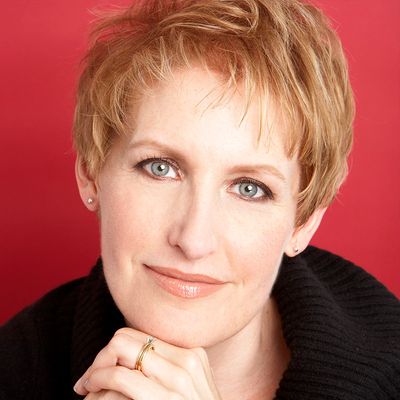
The voice on the soundtrack of many childhoods, this performer made a name for herself on stages from New York to South Korea, and continues to connect with audiences virtually until theatre is back in full force.
Liz Callaway is a Tony nominee and Emmy Award winning actress, singer and recording artist, who may be best known by some as the singing voice of Anastasia in the 1997 animated film. Liz made her Broadway debut in Stephen Sondheim’s Merrily We Roll Along, received a Tony Award nomination for her performance in Baby, and for five years, won acclaim as Grizabella in Cats. She has also starred in the original casts of Miss Saigon, The Three Musketeers, and The Look of Love. Other New York appearances include the legendary Follies in Concert at Lincoln Center, A Stephen Sondheim Evening, Fiorello!(Encores!), and Hair in Concert. Having released six solo albums, Liz has also established a major career as a concert and recording artist, and is now part of a phenomenal lineup of artists performing in the virtual concert Broadway by the Year: The Sir Andrew Lloyd Webber Years on May 24th for The Town Hall’s signature series.
Liz grew up in Chicago, and even though she loved to sing as a child, she would only do so if people left the house. As “kind of a loner”, it wasn’t until high school that she discovered the wonderful feeling of family you get being involved in theatre, and at 18 years old moved to NYC with her sister to pursue performing.
During our conversation Liz opens up about how early sibling rivalry grew into a close, enduring relationship with her sister Ann, also an artist who has made her mark as a singer, pianist, composer, award winning songwriter, and Tony-nominated performer in the hit Broadway musical Swing!. She speaks about her surprise when fans approach to tell her Anastasia was the soundtrack of their childhoods, saying, “I had no idea, because you’re in a studio, so you don’t know the effect”. Liz also chats with us about new skills she’s acquired during the pandemic, emphasizing how important it is to keep learning and challenging ourselves no matter what stage of life we are in.
In this episode, we talk about:
- The Callaway Sisters: Side by Side live Zoom concert
- Plans for her first performance post shutdown
- Her connection to TV sitcom The Nanny
- Moving to NYC with her sister when she was 18
- Craving connection with others during the pandemic
- The power and influence of music on our brains, memory
Connect with Liz:
- Get tickets to Broadway By The Year
- Get tickets to The Callaway Sisters: Side by Side live Zoom concert
- IG: @lizgoeson
- Twitter: @lizgoeson
- YouTube: @LizCallaway
Connect with The Theatre Podcast:
- Support us on Patreon: Patreon.com/TheTheatrePodcast
- Twitter & Instagram: @theatre_podcast
- Facebook.com/OfficialTheatrePodcast
- TheTheatrePodcast.com
- Alan's personal Instagram: @alanseales
- Email me at feedback@thetheatrepodcast.com. I want to know what you think.
Thank you to our friends Jukebox The Ghost for our intro and outro music. You can find them on Instagram, Twitter, and Facebook @jukeboxtheghost or via the web via jukeboxtheghost.com.
A very special thanks to our patrons who help make this podcast possible!
Transcript
This transcript was automatically generated and might contain errors.
[0:00] Alan Seales: Welcome back to the Theatre Podcast. Intimate personal conversations with the industry's biggest names. This episode is with Liz Callaway, who has had multiple decades of credits and is an amazing, amazing performer. You may know her as her critically acclaimed Grizabella from CATS back in the 80s. She received a Tony nomination for her performance in Baby. She made her debut in Sondheim's Merrily We Roll Along in 1981. She's just done so much. She's actually got a YouTube channel now that she's been diving into in the quarantine and the pandemic. She's posting so much original content. And there are just some amazing gems in there. But this conversation we had, we talked about everything. I had such a well-rounded conversation with her and not just about theatre, but just the arts in general and why psychologically we love to watch the arts, why we love to sing and just how we interact with each other.
She's just an amazing person to chat with. Before we get into the episode, find me as always on Instagram and Twitter at Theatre Underscore Podcast on Facebook.com slash Official Theatre Podcast. Hit that like button. Hit that subscribe button. However you're listening, leave a rating, leave a review. Everybody, please now enjoy this episode with Liz Callaway.
[1:33] Alan Seales: Today's guest is a Tony nominee and Emmy Award winning actress, singer and recording artist. One of my favorite credits of hers is that she is the singing voice of Anastasia in the 1997 animated film. She made her Broadway debut in Stephen Sondheim's Merrily We Roll Along in 1981, received a Tony Award nomination for her performance in Baby and for five years won so much acclaim as Grizabella in Cats. She has also starred in the original casts of Miss Saigon, The Three Musketeers and The Look of Love and is now part of a phenomenal lineup of people performing in the Town Hall Signature Series Broadway by the Year as part of the May 24th concert about the Andrew Lloyd Webber years. Liz Callaway, welcome to the Theatre Podcast.
[2:15] Liz Callaway: Thank you. It is so nice to be on your show. Thanks for inviting me.
[2:22] Alan Seales: You're very welcome. I want to ask first of all, though, that this Broadway by the Year thing, it's all about Andrew Lloyd Webber years, but you made your Broadway debut in a Sondheim show. So like, is there, you know, Sondheim and Webber, are they always trying to get you into their different productions and butting heads over that?
[2:37] Liz Callaway: Well, just the fact that I only do music of people who have the same birthday as they do. No, you know, they're so different. But I've been really lucky to get to do, you know, both their shows. I hope they do a Broadway by the Year Sondheim concert. Now, that would be, I think, an excellent idea and they could sign me up for that today. But I'm happy to be doing this particular concert. I've done many Broadway by the Years in person. And of course, I have a history of doing Andrew Lloyd Webber musicals, but I'm not necessarily singing what people would expect in that concert.
[3:10] Alan Seales: Well, what are you, are you able to tell us what you're singing or is that a secret that we have to find out?
[3:28] Liz Callaway: You know, I don't, I don't, I won't go into specifics, but I can tell you what show I'm singing from. I'm going to do a few songs from Song and Dance. Okay. And I'm not singing Memory. I was actually asked to sing Memory for the program. And of course, I love Memory. I love singing it. But I've discovered in this pandemic that singing Memory in a song like that, in my living room, is just, is not something that gives me joy. You know? Give me a stay in a stage, on stage, with a microphone, in the show. That's a whole other thing. Then I love it. In concert, normally, I love to sing Memory. Not so much in my living room, just to my cat. It's just, it's not the same.
[4:28] Alan Seales: So I said, can I please do, can I please do some other songs? So I'm very happy to be singing what I'm singing in the show. Memory is more a go big or go home sort of number and you're already home. So you can't go back.
[4:39] Liz Callaway: Yeah, no, that's something I've learned. I've done so many, so many live streams and, and videos that I've shot in my house and sometimes on my back porch. It's easier to do a quieter song than it is the real big, you know, Journey to the Past from Anastasia. I've sung that in my living room. And again, it feels a little weird. It feels a little weird when you get super big, and you're singing at home. So I kind of like the more introspective songs.
[5:17] Alan Seales: Yeah, yeah, that totally makes sense. I've talked to a lot of people, you know, of course, since Broadway shut down, before and after. I've actually now that I think about it, I've had as much time interviewing for the podcast in the pandemic as I have had pre-pandemic, pretty much 50-50 now. And what I'm hearing is the amount of fatigue, the emotional fatigue of not having a, I was gonna say career, but that's not true, not having an industry, right? And the worry and the anxiety that comes with saying, when am I going to get my, my industry back? But also just the overall ask what you just said of when people get known for one thing, or they get popular for one thing, that's what they're continued to ask.
They are continually asked to talk about that over and over again. And like, there's so much more, even just researching for this and knowing, knowing you from other interviews and whatnot, like there's more to you than just like the voice of Anastasia and, and the five years in Cats and blah, blah, blah. You know, you've got eight albums that you've released, you're a recording artist, you've done all this solo work. And you also have a very talented sister. And I believe you're doing something you just announced yesterday as we're recording this, that you're doing a concert with Anne, right? That's her name?
[6:35] Liz Callaway: Yes, yeah, we're doing. Yeah, I think that's her name. And, and what's her name? Anne Hampton Calloway. You know, I just visited her a little over a week ago. She lives in Tucson now. And she used to live five minutes from me. I live about an hour north of New York City. And we hadn't seen each other in 14 months. And we're super close. And we've talked on the phone almost every day. But it's not the same thing. So we just spent three days together. And we sat down at her piano, and we sang a song. We actually sang Coming From The Rain, the Melissa Manchester, Carole Baer Sager song. We filmed a video of it, and we put it up on social media. And everyone just went crazy, because it's a song that has new meaning now after being apart. And so we put this video up, and it was like, oh my god, it was so amazing to sing together.
[7:34] Liz Callaway: Anne has been doing a live stream concert once a month from her house. She's a wonderful pianist, too, called the Calloway Hideaway. And so we've decided that for her May edition, we're going to do a sister show. So I'm going to fly back to Tucson. And we're calling it Side by Side, the Calloway Sisters Side by Side, because I'll be sitting side by side next to her on her piano bench. And then I've done live stream concerts, which have been wonderful. But to actually be singing with another person and singing with my sister again is just going to blow my mind. It's going to be just a thrill. So I'm really excited. And I think a lot of people are really happy that they're going to get to hear us together. It's been so long.
[8:25] Alan Seales: Is there a website that we can get tickets or watch? Or is this going to be on social media?
[8:29] Liz Callaway: It's actually going to be a live Zoom concert. And if you go to any of my social media, if you go to Instagram, I'm at LizGoesOn, and Twitter as well. And in my bio, I have a link. I have a link, and I can send it to you as well, if you do show notes about how to get tickets. But yeah, and if people can't, it's at Sunday, May 23rd at seven o'clock Eastern Standard Time. And if you can't watch, we'll send you a link the next day that'll be good for a week.
[9:03] Alan Seales: Oh, awesome. Yeah, that's so much fun. I absolutely love the ingenuity that everyone has poured into this last over a year now, however many months it's been. And you hear people talking about this, the renaissance that everyone's expecting, right? Because after a darkness, after a shutdown comes, or during all of that, comes the ingenuity and all of the creativity that's just exploding, waiting to come out. So once we're able to get back on stage, once Broadway returns, once it's safe to be near each other, the amount of stuff exactly like what you're doing, I think is, again, go big or go home. You and your sister are probably going to find that you're like, oh, yeah, we need to do this at Joe's Pub or 54 Below.
[9:49] Liz Callaway: Oh, yeah. Well, we are going to be at 54 Below. If Feinstein's 54 Below, we were supposed to do our show Broadway the Callaway. And of course, like so many of our concerts together and individually, everything has been canceled. And that's rescheduled for January now. That's the next live date we have together. Tomorrow, actually, is going to be my first time singing in front of people a live experience as we're taping this, and it's singing the national anthem for the Mets. But I'm also, you know, when the pandemic hit, the last live performance I did was at the York Theatre, and it was a Sheldon Harnick tribute. And it was Sheldon and myself and Karen Ziemba and the late, great Rebecca Luker.
And two days after that, I was flying to San Francisco to do a show at Feinstein's at the NECO. And halfway through my flight, I never get Wi-Fi on planes, but I thought, oh, I'm going to get Wi-Fi. I had emailed that it was canceled because it was shut down. So I landed at the San Francisco airport. I thought, okay, what do I do now? And then I turned around and took the red eye back.
[11:22] Alan Seales: So you didn't even leave the airport?
[11:22] Liz Callaway: No, I never left the airport. But, and we're announcing this later this week, Feinstein's at the NECO in San Francisco is reopening. And I will be there in July. And they asked me, they said, so do you want to do the same show? It was going to, I have a tribute to my female heroes called A Hymn to Her. And I said, you know, I don't, I feel like I, I feel like there's going to be so much I'm going to want to say and sing. And my husband has suggested I call my show in San Francisco. Now, where was I? I was just about to perform there. And this will, that I think is probably going to be my first like concert situation, real live performance again. You know, it'll be like 15, 16 months later, which is, oh, even longer, crazy, crazy, crazy. I'm going to just ball. I know I'm just going to cry. I hope I don't cry while I'm singing the anthem tomorrow, but I know when I'm singing for, you know, an audience, it's just going to be very overwhelming.
[12:43] Liz Callaway: I want to cry thinking about it. I cannot wait for this moment. I mean, selfishly for myself to be back there, to be in the atmosphere, but also just for everybody in this industry who has just been affected so intensely. And, you know, we hear about Broadway being shut down, like, oh, Broadway performers don't have their jobs, and that's horrible and terrible. It goes so far beyond that, though, because there's the crew, there's the orchestra, there's your house managers, there's the restaurants, all of the tourism. Everyone, the dry cleaners, I mean, everyone. And, you know, so much of New York, the tourism, and it's just, theater is so important, and Broadway and off-Broadway is so important on so many levels.
And we need all of, we need everything to come back. And then, of course, the huge void for the audience, too. I mean, there's been an amazing amount of entertainment has been made and created from everyone's homes, which is pretty special, but it can't, there's nothing like a live performance. There's nothing like it for the audience or for we performers, as well.
[14:03] Alan Seales: I believe you've been doing cabaret shows since high school, I want to say, is that correct? Or was it, when did you start?
[14:10] Liz Callaway: That is a lie, that is a lie. No, I started doing, I didn't start performing until high school. I did a couple of times, I moved to New York when I was 18 with my sister. I had only gone to college for a quarter, that's a long story. But, and I did what we called a club act a handful of times, the duplex, which is still there. But I didn't start doing cabaret until my sister and I did sibling revelry together. And I didn't do solo cabaret work again until much later. I was so busy doing shows, it didn't really occur to me to do something like that again. And I also found that very challenging. It was challenging for me to go from playing a role and being in a theater and having it black, the safety of not seeing the audience, to suddenly the audience being right there.
And, you know, you felt so exposed. And now, after doing it for a long time, now I actually love that part of it. I really love, I want to see the faces. Whereas before, I was like, I don't want to look at anyone. I don't want to see, I don't want to talk. I'll just shut up and sing. And now, I love, that's part of it, the interaction with the audience is what I find so intriguing about doing cabaret.
[15:43] Liz Callaway: Even though I don't love the term cabaret, for some reason, I don't know why. I agree with you. I feel like a cabaret act, I've seen so many bad ones. The good ones get lumped in and you're like, oh, someone's doing another cabaret. Okay, I guess I'll go and support my friend and pay the two drink minimum. Right? Yeah, see, I think of what I, I consider what I do a concert. And I talk a lot. And I tell stories. And I'm a storyteller with my music, I hope. I try, I aim to be. And I'd like to have a really interesting relationship with my audience. But for some reason, if I think of it as cabaret, I don't know, that's just not how I think of myself. Even though technically, that is what I am doing. And done well. Cabaret is an incredible art form. It really, when done well, I think it's as good as any kind of live performance.
[16:55] Alan Seales: Yeah, so take me back then. Obviously, performing seems to run in the family. You and your sister both came to New York at the same time. But as you were a child, you grew up in Chicago. So you were in one big city, moved to another big city. And what point in your childhood did you start to realize that singing was for you, performing was for you? Or did you just sort of haphazardly fall into it? Or was it always sort of a conscious choice?
[17:19] Liz Callaway: My mom was a singer and a voice teacher and a pianist. And Anne, of course, sang. And I was the shy one. So I didn't sing in front of anyone at home. I'd only sing if people left the house. But I loved to sing. My first cast album was the original cast album of Hair. And I knew I had a voice. I have a memory of, I think maybe I was eight years old, thinking, well, if everything else fails in my life, I could fall back on a singing career, which is so ridiculous. But I knew as a little girl, I knew I could sing. But I never wanted to sing in front of anyone. I didn't do anything. I didn't do any chorus. I didn't do anything until I was in high school. And if my family, if there was a party at our house and my mom, people would be like, oh, Liz, sing something.
The only way I'd sing is if everyone turned around and didn't look at me. And even then, I just didn't like that. I was just so shy. And I think I wanted to do something different than what my mom and my sister did. I just wanted to, I don't know, do something in sports journalism or art or, I don't know, animal behavior, just something that wasn't what they did. And then in high school, I started doing, dabbling a little bit in theater. And I was in the chorus of a show. And it was my sophomore year. And my parents got divorced in the middle of my sophomore year. And I was definitely a late bloomer and kind of a loner. I didn't have a lot of friends growing up. And then the most popular girl in the theater department came up to me.
And she was in this show. And she said, so I heard about your parents splitting up. I'm so sorry. Do you want to come and hang out with me and my friends this weekend? Wow. And I was like, okay. And I did. And I just had the most, it's like I had friends for the first time. And I made the connection like, oh, we're all in this show together. So if I do theater, I can have this, you know, that wonderful feeling of that family feeling you get when you're in a show. And so I decided then that that's what I wanted to do. It's like, well, I knew I can sing. So I'm going to do musical theater. And then, of course, I had to somehow get over my terrible fear of singing in front of people. But it was really more for the social reasons that I started doing theater, not because I'm going to be a star and I need to express myself through my art. That wasn't what got me into it.
[20:31] Liz Callaway: And, you know, you mentioned me growing up in Chicago. My dad was a journalist, wonderful journalist, and he was actually transferred to New York for five years. So we lived in Long Island and Huntington, Long Island and Riverdale for a total of five years. And during that time, my first Broadway show I went to see when I was, I think, 10 was Company. Nice. So that was my introduction to Sondheim. And my parents saw it first, brought home the cast album. I was just obsessed with that cast album. And then one of my first Broadway shows was Merrily We Roll Along. It was just so incredible to have that be my first show because of how I felt about Company. And it was Sondheim, Hal Prince, George Firth, Alvin Theodore. So it was crazy. So all these people that you've grown up listening to or knew about, you're with them all of a sudden. That's one of these pinch me moments.
[21:42] Alan Seales: Oh, absolutely. Oh, my goodness. That had to have been incredible. We're going to take a short break. Stay tuned for more of the episode.
[21:57] Alan Seales: I was looking through your IMDB credits, and it's just voice voiceover after voiceover. At some point, obviously, you got a good agent or a manager or something that was like, oh, let's just put her up for every singing voice for all these animated films that are going on. There's Jasmine and all the Aladdin sequels. And my favorite credit is Dancing Napkin in Beauty and the Beast. Thank you very much. And my big solo line in Beauty and the Beast, good day. That was it. In fact, I just found, I have it over here. I just found my original sheet music for Beauty and the Beast for the chorus stuff I did. And I have it. And my part is highlighted. And like, it was a good day. And I was one of the guests on Silly Girls.
So I have that. I was like, I need to take a picture of that and put that on Instagram. Throwback Thursday. You know, I keep everything. I've kept all my music. Every time I've done a demo for something, I just found, I did the original demo of Just Around the Riverbend. And it was very different. And I just found, and I've been, one of my pandemic projects has been, I've been, you see, I have a TV behind me. I've got a VCR. I'm digitalizing videotapes of shows and DVDs and cassette tapes. And I have found some doozies that I've been slowly putting on my YouTube channel. And now I have all these audio demos that I need to do something with and put on my YouTube channel. Because it's there. It's so wonderful to have a record of these things. And I was so fortunate during that time to do so many of those movies.
[24:01] Alan Seales: That's so incredible. And I mean, that's a whole album in and of itself right there. You know, like putting together an album of all the demos you made for all these songs that became...
[24:10] Liz Callaway: Well, it's interesting you should say that. I've been thinking it's like, hmm, I haven't, you know, some of them are, I've cut songs from Anastasia, and I've got other just, just, you know, an early version of this song, and then also demos from young composers and stuff. And I thought I might, I was actually thinking about maybe trying to do something with it. So we'll see. I might, there'd probably be some rights issues. I don't know if I'd be able to. But, but there's some, it's, I look back and I go, wow, I did a lot of stuff.
[24:45] Alan Seales: That's so much fun. I would love to hear those. Those, that's incredible. So if you, if you do anything with those, let me know.
[24:51] Liz Callaway: I will. But, so you come to New York, of course, and you're, how long is your sister with you, by the way? Is she, like, is she trying to do the same track that you are in parallel?
[25:09] Liz Callaway: No, actually, when we moved to New York, Anne was a theater major for two years at the University of Illinois. She says she served two years at U of I. So she actually originally, she...
[25:26] Liz Callaway: She did a lot of shows in high school, and she was a fantastic actress. And I think originally, she thought she was going to do theater. But when she moved to New York, when we moved together, she actually started working in a piano bar, because she could play. And she started making a living doing that, and concerts, and cabaret, and all these recordings. So, she kind of didn't really pursue doing theater, whereas then suddenly that's what I did. And so, when she had the opportunity to do Swing on Broadway, and plus get a Tony nomination, that was incredibly special for her, because I think that was truly her original dream. And then we found, at one point, I think when she was doing Swing, and then suddenly I was doing concerts.
I was like, oh my god, we sort of switched what we've been doing, which was very interesting. But I mean, we're both lucky in that we've been able to do so many different things in this business. Plus, she's a brilliant writer. You know, The Nanny, there's like this resurgence of The Nanny, because it's on HBO Max now? Is that right?
[26:49] Alan Seales: HBO Max. It's Disney Plus and HBO Max.
[26:51] Liz Callaway: Oh, HBO Max, yeah. And so, suddenly there's this whole thing of the theme from The Nanny, which Anne wrote the theme, and she sang lead on, I sang background vocals on it. So, that's like, that's kind of the gift that keeps on giving. I was going to say, getting into residuals for a moment, I have a friend who was one of the trolls, like, I don't even think she had a solo line, but she still gets like, what we call the mailbox money, right? From Frozen, because she was a troll in Frozen. And so, you've got this like, decades now of this plethora of highly watched and still watched animated movies. So, I'll tell you, I'm very, very fortunate for that. And of course, the biggest thing is always trying to get insurance.
You know, trying to make enough to get SAG-AFTRA insurance, which is, I don't make it every year, but there are a lot of years I do. And Beauty and the Beast, that was my first animated movie. There's, I remember we did, we got checks and we thought it was a wrong zero. And it was just, we had no idea there were going to be these kind of residuals. But that, you know, the interesting thing for me about the animated movies that I've done, and especially Anastasia, I had no idea the effect that that they had on people until I started doing concerts, particularly concerts around the country. And I'd have people come up to me and be like, oh my God, Anastasia, that's like, that's the soundtrack of my childhood or the Swan Princess or people.
If I do a masterclass and I sing a little something from it, people, they'll just burst into tears. And I had no idea because you do, you're in a studio. Anastasia was like a two-year process. The movie opened, it closed. And so you don't know the effect, especially with social media now. And I've connected with a whole new audience, which is great because my goal is I just want my music and the things I've recorded and the things I hope to record until I'm doing a show again, which is my first love. But I just want my music to reach as many people as possible. And so the fact that people go, oh my God, you did Anastasia. I didn't know that. Oh, let me listen to Leaving on a Jet Plane or let me, you know what I mean? So that's, that's sort of kind of the hope for my future of just my legacy. You know, it's just, you hope to share as much music as you can.
[30:03] Alan Seales: I feel like it's part of an expression, right? It makes you who you are. And I love that you use the term legacy. I've never used that. I've never said that word in my entire life. I don't know why, but it just kind of came to me.
[30:16] Liz Callaway: Well, it's true. It's true because everyone, of course, everyone wants to be remembered and they want to be remembered positively. At least, you know, I'm generalizing, but I, in the back of my mind too, it's fun for me to think my two small children and one day, hopefully they'll go back and be able to listen to these podcasts, episodes and get an experience or a snapshot of who I am at this time. And because I don't play, I don't play music. I sight read poorly, but I can sing moderately well. Right. So I never, you know, the cards weren't in it to continue to perform. And this is again, sort of my way of, of create, creating and expressing and just being, being real and putting something out there that not only people enjoy listening to you, because I get emails and I get, you know, story posts on Instagram and whatnot, too, of people who are talking about episodes.
So I know that it's affecting people positively. And at least so far, no one's written negatively. So hopefully I'm doing okay. You know, there's the family side of it and the legacy side of it. And it's, it's also allowed me to, I wonder if this is the same for you is that after I put out an episode, I'll get a text sometimes from a friend that I haven't heard from sometimes in years. And they'll say, oh, I just listened to your episode with blah, blah, blah. And the thing you said about whatever that was that was that really resonated with me, like, how are you doing? What's going on? And I rekindled these relationships with people that I didn't even know were still paying attention.
[33:08] Liz Callaway: Oh, that's nice. And let me just say that you are very, you're very thoughtful. You're a very easy person to talk to. It just feels and I'm glad, you know, we're doing this in a way that we can, we're looking at each other, which is nice, which helps. But you, there's something about, I don't know, you have a lovely way about you. And it makes, it almost makes you want to share more, you know, and just the fact that, and your kids, the fact that your kids will be able to listen to what you've done. My dad, he was an amazing television journalist, John Calloway in Chicago, very well known. And I will come across interviews that he's done from years and years ago that I maybe saw when I was little.
But just to have that, that's, I also think for a lot of us, one of the things I've been trying to do during the pandemic is I will just make videos. I sing in my car and I have on my YouTube channel, I post songs of me just rehearsing and singing in my car or at home. And the response I've gotten from people, they're so, just wanting to share music, just connecting with people, because that's what we all need to, we all are, we all need to, what's the word I'm thinking of? I think it's family. We're people who need people.
[33:30] Alan Seales: Yeah, no, but we, I think we're all craving connection, you know, and particularly during the pandemic. And in general, that's something that we're able to do, you know, as what you're doing, what I try to do, whether it's live or from our homes. That's, I think, something that's nice. I can go and talk about all the horrors of social media, various negative, you know, aspects to all this, but it is something that it's going to live on, no matter what it is we're doing. And that's nice. Our story will go on. What is it? In Jurassic Park, Jeff Goldblum, life finds a way.
[34:24] Liz Callaway: Yeah. Oh, Jeffrey, the original intent I had with bringing up your sister a while ago now was to see if there was, I was gonna ask about any sort of sibling rivalry, because if you were doing, trying to pursue the same thing at the same time, I feel like it would have been a little bit hard, especially in the theater community, where it's that much harder just to make yourself, just to be successful. Like my brother, I have a younger brother, he's a doctor, and I had never any inclination to ever go that route. So he gets successful. And I'm like, awesome, dude, good job. And then I do what I do. And I have imposter syndrome every step of the way. I'm doing well. But we're never in competition with each other.
And it's never, we're never trying to pull each other down, or we're genuinely happy for each other. And I've seen actually some friendships, not just relationships sibling wise, but friendships too, that have kind of been a little bit strained when two close people, there are people that are, two people that are close, and one of them starts to see a bunch of success and the other one doesn't.
[35:38] Liz Callaway: Well, I think, well, certainly when we were growing up, we, we were not super close. We were just, you know, we were just, I was like bratty little sister, and Anne was like perfect at everything. And I was just floundering. And I, she, it was not easy for me having her be my big sister. And it wasn't until she left for college. And I remember, I remember the night before she left for college. And, and I was like, and I'm, this is not to say that we, we had some really fun times also growing up. It's not like we hated each other, but we just, you know, we were not super close. And then the night before she left for college, I just was like, bratty and whatever. And then I burst into tears. I said, I'm gonna miss you.
And so she went off to college. I went to visit her and we just like got totally drunk. And it's like, we just bonded that weekend, not because we got drunk, but we just, we were partying and whatever. And we realized that we had so much in common, you know? And I think most of it was on my end. I was just immature and, and just, I didn't know who I, I had no idea who I was. And, but we, we just started being so close. And then we moved to New York together. It was just, it was magical. It was magical. It was like, you know, wonderful town, so many adventures and misadventures. And we were each other's champions and were best friends. But there are times, there have been times when one of us is doing something amazing and maybe the other person isn't doing something amazing.
We, you might, I will have a pang, you know, you might have a pang. I don't think you'd be human if you didn't. But we've been so fortunate that we both have had really wonderful careers and continue, you know, we both are working really hard and, and, you know, hopefully we'll keep working for a long time. But I, I just consider myself so incredibly lucky to have this relationship with her. And it is.
[38:09] Alan Seales: It's been one of the hardest things about the pandemic was not being able to be with her. That was really, really hard. But and I think for so many people. There's a segment of my audience demographics wise that skews younger. So for all of you listening now that are on the younger side, don't take your relationships with your siblings for granted. I know home life can be hard, especially when you're both living with parents, whatever the case is. But when you get older, exactly what you said, Liz, about theater, you find that sense of family and whatnot. I was actually talking with a friend of mine and relating this conversation I was having just two nights ago, I think. And we're both 40 now.
And he was saying he was like, he just moved to a new city. And he's like, it's so hard to meet people. I can't, you know, he's moved by himself. And he said, it's so hard to meet people. You know, I'm working and then I come home and then I don't really know what to do. And I think back to those times in middle school, high school, college. College especially is when you're really on your own for the first time, more or less, for most people. And then if you continue on to, especially in the theater industry, the act of, no pun intended, of putting together a show and standing something up, the more trouble and trauma you overcome together, the closer you are. And you become that kind of family.
So what I'm saying is that you're right. We need connection. I think that's part of why the arts are so important. But it's so easy to make friends in high school and college compared to when you get older. And sometimes you just got to work to live.
[39:59] Alan Seales: Here's a pandemic story. So my son Nicholas is, I have one child and he is in grad school at the moment. And he lives in Brooklyn. And when the pandemic happened, like the majority of kids in college and beyond, they moved home for a while. And so he was with us here for three months. Now, personally, I loved it. I was so happy to have him. He was doing his classes virtually, but I was like, it was a treat to have him home. And it was in May of last year. And he came downstairs a Sunday morning. It was probably like one in the afternoon because of course he has his own hours. And he said, you know, he was 29. He said, you know, it was really my dream when I was 29 years old to be sleeping in my childhood bed.
And he didn't say that. He wasn't being cranky. He was kind of saying that with a sense of humor. And I said to him and my husband, we were all in the kitchen. I said, you know, Nicholas, someday you may look back on this and be so happy for this time we had. Six days later, my husband was in a terrible car accident. And he's okay. But he was in the hospital a week, broke his ankle and 12 ribs. And it was really, really scary. And he's fine now. And, you know, thank God. But I look back at that and I go, oh, my God, we had, you know, we, I will always treasure the three months that I've had with my son. And I think he would say the same thing. All those moments, you just don't know. You just don't know if, I don't want to sound so morbid, but you just don't know.
You don't know. We take so many things for granted. We took Broadway for granted. We took, oh, I'm going to sing. I'm going to see so-and-so. I'm going to go to a meal. I'll go have a meal. I'm going to, you know, and, you know, we really do. We have to savor every moment as best we can. It's not always easy, but it's something to strive for. That's very, very practicing Buddhist. Buddhist practice. Not Buddhist religious, but Buddhist by practice, I think, is just the being in the moment, being happy and being content. It's hard. It's so hard. It's not an easy thing to do. And some days you feel that way. And then other days, you know, life can have its challenges. Just, you know, when your Wi-Fi doesn't work, you know, just like you can get all the little irritating technical things that happen, you know, where you just become enraged because something freezes or you can't, I can't. Oh, for me, it's uploading videos.
You know, in the pandemic, we've had to become, you know, I've learned so much technology and I'm actually really trying to learn. I've been learning video editing. I've learned how to make lyric videos. I'm trying to learn how to do all kinds of stuff because I think knowledge is power. And I think it's just the greatest thing to keep learning and challenging yourself. That's really important to me.
[44:02] Liz Callaway: 100%, I agree with that. And one of my biggest fears is just that I'll stop being able to learn. I want to always try new things, know new things. And there's so much, especially technologically, you think five years ago, oh, no problem. But look at the amount of tech that's changed in five years.
[44:21] Alan Seales: Oh, yeah. Well, I'm way to your my age. It's hard. You know what it is? It's harder. I know like all so many products, like I'll ask my son something and he'll just kind of go and he'll just figure it out without reading anything. He's just like, things are intuitive. And I think as you get older, you go, oh, God, I got to learn how to do this now. All right. This is something brand new to learn every time it's something you just have to sit down and learn it. But it's it's I think and this is why for the people who are listening, who are younger, I know how your parents drive you crazy when they ask you to help. Can you do this? Can you help me with this? Why doesn't this work? I don't know.
My mom used to drive me crazy with certain things. But you too. It's it's it's it's it's it's very hard. And it's like we have to be very kind to each other. And it's easier to teach people how to do things as long as they're not your parents. I'm a friend. My friend Richard sat on the phone with me and talked me through this recording on GarageBand that I was trying to do. And he was like, so calm and this. And I made a few notes. I was like, this is great. Got it. Easier than me, like watching YouTube tutorials or whatever. He said to me, oh, my God, if I was teaching my mom this, I would break down. But the fact that it's someone else. So if you're ever helping your parents pretend they're not your parents.
[46:07] Liz Callaway: That's actually that's actually pretty good. That's a good advice. And I'm going to remember that with my interiors. My parents all the time. Oh, they drive me insane with the tech questions. But yes, yes, that's what. And it's the same thing with my it's the same thing with with my son Nichols. He's does he does things for me sometimes because he can just do it faster. But I want to learn to do it myself. But he may not be the best person to teach me how to do it. I think that's a product, though, of of being on stage and be having to learn scripts and blocking and singing and lyrics and all is, you know, your brain has has formed the pathways to to be able to take in new information. Because when I look at other people of similar age, it's it's like, no, I'm done.
Like I stopped learning it at 38. And that was it. Like everything has to fit. Everything now has to fit into the boxes I've created for myself at that age. And I and I don't think that's I I urge anyone who feels that way to move past your discomfort, move past the pain of sucking at something and know that, you know, it's like we there's a book that just came out that I just got on my Libby library app called Beginners. And it's just it's about someone who's at a later age taking up piano and taking up or singing and, you know, various things and just talk about having it's good to have the beginner's mindset that you're not going to be able to do something right away. But once you do it, I think it is it is so I made a I was like in a crappy mood about a month ago, just kind of going like, oh, I just wasn't feeling inspired about anything.
And and I made a list of everything I've learned how to do since the pandemic started. And it's a long list. It's a lot of tech stuff. But but I was like, wow, I've really, you know, that's what's going to keep me forever young is if I never stop learning stuff. And the RAM is a little full for some of the lyrics. Learning my lyrics takes me a little longer now. But but no, that's something I just think is super important. And because, yeah, otherwise we just stop. And what fun is that?
[48:48] Alan Seales: I love the brain anatomy. I was going to say chemistry, but I don't think it's chemistry. And we're totally off the rails on a tangent now, but I love it. I don't care.
[49:01] Alan Seales: Oh yeah, we're not talking about Broadway. The theater, the brain is it fascinates me because I think it was Anthony Veneziale I was talking to from Freestyle Love Supreme. And he grew up listening to hip hop, rap, R&B. So like this sort of improvising in this style is completely second nature to him because his brain is used to it. And for me, I grew up on my mom listened to to cast albums and I did performing and voice chorus and stuff. So I didn't get into the the rap, the hip hop things until like much later in life. And so even to this day, as many probably the hundred times literally I've listened to the Hamilton soundtrack, I still don't have that memorized lyrically. I can sing you every note, but I don't have the lyrics memorized because it's speaking, not singing. But if it all this all the songs in Hamilton that are sung, no problem could spit those out. All the rap songs, the spoken songs couldn't tell you like I have to associate that with blocking.
[50:06] Liz Callaway: Oh, that makes sense. I read, I read once, I think it was Bette Midler was doing a one-person play on Broadway. Does that ring a bell? Was it about a press agent? I've never heard of her, never heard of her. She hasn't been on your show? Come on. But I, and I may be making this up, but I don't think I am. But I think when she was trying to figure out how to learn her lines, because it was so many lines that they, someone suggested that she musicalized them. And she thought of it as songs. And that's how she learned all her lines, you know, so that makes total sense.
[50:52] Liz Callaway: To add the music to that, the layer of that. But I can't believe you're beating yourself up for not knowing all the lyrics to Hamilton. You know how you can be working on a document and swipe and then you do the word count under tools? I wonder if there's a way to listen to something and do the same thing and find out how many words in a song that would be actually kind of interesting. Seems like something Google should develop or Shazam or something. But yeah, it's really, really cool for me when I read about sometimes people who've had strokes and part of their brains have been damaged or they're swollen or whatnot. And so they can't speak anymore. Sometimes temporarily, sometimes permanently, but have no trouble playing a piano or no trouble singing.
They can sing their responses to everything because it's two different parts of your brain, the speaking part and the singing part. So you should be able to sing your response and just make up a melody or recall. Even people with dementia that forget memories, they can recall songs until the day they die.
[52:09] Alan Seales: Oh, I've seen that with family members who are quite elderly and can't remember a lot of things and yet they remember. They could just start singing the songs and that is another reason why music is so important. It's just so many levels. When we listen to something, we don't know. You don't know if like 20 years from now you're going to suddenly hear a song that'll remind you of your kids when they were little or something. When we dropped our son off to college, he went to Kenyon College in Ohio and we were driving from New York to Ohio and there is a song, Coldplay song. What's the famous? They're famous. Everyone's yelling into their devices. This is a wonderful. You were hoping to hear me sing, weren't you? But that song makes us think of that moment. And it makes us cry. It's just something about music and anyway, Broadway!
[53:39] Liz Callaway: We're going to take a short break. Stay tuned for more of the episode.
[53:51] Liz Callaway: Music and smells are closely tied and it's the extrasensory stuff. I've had this theory and this is a complete guess on my part and probably in another life, I'm an amazing neuroscientist or something. But I've had this theory that we have evolved beyond trusting our instincts because you look at animals and there's instinct, there's gut reaction, there's fight or flight, etc., etc. And it's very much like they know they can feel what's safe and dogs can feel seizures coming on, right? So you have seizure dogs that are trained to tell their owners what they're about that seizure. So like something's happening chemically. It's pheromones, it's something, right? And you've had those moments where you walk into a room and a complete stranger and you're like, I know you, we need to be best friends.
And where does that come from? I personally think there's a scientific explanation for all of this. And I believe we've gone too far down the path of being so self-aware that we have forgotten how to trust our instincts and be in the moment when it comes to pheromones, chemicals, first impressions.
[55:27] Alan Seales: What do you mean we've become so self-aware? What do you mean by that?
[55:40] Liz Callaway: That would keep us from having those moments of instinctual, well, not prevent us from having them, but prevent us from trusting them or listening to them. Because someone who has been told by a partner or a parent or a friend or something that they're just not, maybe they're not good at something or they feel for whatever reason, they're down on themselves and they think like, well, if I try this, it's just not going to matter. I shouldn't even try. But, or even in relationships, when you walk up to that person or you feel that connection with somebody in a room, immediately some people will shut themselves down and walk away because their first response is, I'm not good enough. They're not going to like me.
I'm just going to walk away. Whereas if they were just like, I feel something, it's coming from my chest instead of my brain, then we can go and have this conversation with each other and get past all of the childhood baggage and the emotional overhead or intellectual overhead and trust the emotion. Trust the gut reaction behind the emotion.
[56:43] Alan Seales: I think that's very true. I think that's harder when it comes to meeting someone. You know what I mean? Because we do have fears. I know just intuitively, every home I've ever worked, I've lived in, every apartment, I've had a moment where I've walked in and I'm going, yeah, this is it. This is the place. I just know. And I've had that with a lot of shows I've been cast in. I might know, when I hear about the audition before I audition, I just have a weird sense of that. But you're absolutely right. I mean, something that I've discovered is we tell ourselves, we've told ourselves, this is who we are. Oh, I don't do this. I'm not someone who... This goes back to what we were talking about, learning things and being afraid to fail and be bad at something for a while.
We tell ourselves, well, personally, I've always told myself that I'm, as a performer, I interpret material. I don't write material. And maybe it's because my sister wrote or maybe, I don't know. But I kind of told myself that that wasn't me. And then one day I kind of said, I'm going to sit down at the piano and write five measures of a shitty song. Am I allowed to curse on here or do you have to bleep me?
[58:26] Alan Seales: Okay.
[58:28] Liz Callaway: That was like, I was doing something called The Five Minute Journal, where you're like, what would make today great? I was like, I'm going to write just a little bit of a terrible song. And I sat down at the piano. I'm a really good sight reader, but I don't really play the piano. And I just started and all this music came out of me. And I was like, oh, maybe I am. I think deep down, I am a songwriter. I don't have anything to show anyone, but I'm working on that for me. But I think you can spend your whole life saying, there's so many things that we prevent ourselves from doing. And to your point, you know, we're afraid and so we don't necessarily follow the, you know, if there's a signal, oh, this is someone who could be important in my life.
[59:25] Alan Seales: How that relates back to theater, I suspect, is the more you can be present and the more you can be in the moment and the more you trust your gut on stage and let the script work itself. The script will come out of your mouth, but your body, who you are as a character, I think the less we start thinking about it, like, you know, think about your characters, nowhere comes from all that classical training stuff, right? But when you're on stage in the moment, it's all about listening and listening. Being a good actor is being a good listener, right? So in that same moment, not only listen to what the person across from you or the people across from you are doing and react appropriately, but listen to yourself.
Where do you want to move? What does your body want to do? There's a reason that, like the lizard brain, right, is still active saying like, hello, hello, knock, knock. I want to go hug this person because they're emoting right now. You know, I want to support them or whatever the case is. And I think that can tremendously help so many people because if you're just like thinking about every move, then you just kind of turn into a robot.
[01:00:41] Liz Callaway: Yeah, listening is, of course, for acting. My dad, as an interviewer, he always said the most important thing when you're interviewing someone is to listen. And in personal relationships, the same thing, to actually really listen to what the other person is saying and not just by with your ears, but with everything, you know. And giving, it's a gift to give your attention to someone, your full attention on stage and now I'm talking off stage, since we're getting into all kinds of really interesting non-Broadway things. I agree, there's so much distraction and with everything on demand, everything in your pocket, all the compute power, we're literally carrying around with us at any given moment.
You're right, it is, I never thought about it that way, but you're 100% right. It's a gift to give someone your full attention. And I wonder, I worry, actually, now that you've said that, what kids now, I guess what I was going to say was how kids now are going to be when they grow up, because they don't have the experience of possibly even sitting down at a dinner table with the whole family without someone being on their phone or right now everything's virtual anyway, so who knows who needs to connect where. But I heard the other day that, or not the other day, it was a while ago, that young kids now and I guess maybe even high school kids are losing the ability to have a conversation or it's not comfortable to maintain eye contact because they need to look down at their phone or they need to text, they can only emote through texting or through emojis or whatever the case is.
And that's part of why I prefer this platform, we're using Squadcast to record because we're not recording the video, but we can see each other. And I'm looking in your eyes, I'm getting whatever oxytocin release is happening in our brain by looking somebody in the eye. And my brain is telling me, we're bonding now, be closer, share more, whatever the case is. And it's night and day when you interact with people on your phone or on the internet or whatever the case is. And I sound a little soapboxy now, but really, like I said, I'm 40, so I grew up analog and became digital in college because that was just how the tech was. So I had a modem until I went to college and then got broadband and I haven't looked back, but...
[01:03:32] Liz Callaway: You're lucky that you've experienced both.
[01:03:34] Alan Seales: Yeah, that's what I'm saying. That's what I'm saying. Yeah.
[1:03:34] Liz Callaway: Yeah, but I agree with you, but I think at some point, I hope everyone will have an opportunity. It may just be too much after a while, and people will start to unplug, and I think we'll start to, you know, once, I just would imagine that in the same way that vinyl has come back, in the same way now that, let's just talk for a moment about how albums coming out now are coming out also with cassettes. I think it's fascinating to me, the new Andrew Lloyd Webber. See, I'm going to get Andrew Lloyd Webber back in here. Cinderella, Cinderella. I looked in the, at the, you know, they're doing the album, they're doing vinyl, and they're doing cassette. On Taylor Swift, it's like cassette. So things are coming.
I think there is something that may come back that there is this generation at some point may kind of, for whatever reason, it may become trendy to shut off our devices. It may, I'm hoping that the people give that a try and get comfortable with silence, which is hard, and to turn off the friggin notifications so that we're not, I mean, someone was, I was reading about social media and how it's designed like slot machines. You know, it's like to get, oh, does someone like, oh, how many people like my post? Oh, I'm going to, you know, and there's something about that, that it's, in a way, it's not our fault. It's the, by design, to hook us into, you know, but then what I think we all crave are moments of silence and going off the grid and being with another person.
You know, when I, cell phones, I forget how old my son was when we started using cell phones, but when I would go, he was past the age of when he would like, I'd take him to a park. Now there's a park near my house. I look and I see all the parents, all of them are on their phones. Well, this is pre-pandemic really, but all of them are on their phones while their children play. And it's just sort of what, for me, it's like, if I go to a store and there's a line, I go and I check my phone. It's like, I almost don't know how to be still. It's like a compulsion. Just to like, yeah.
[1:06:20] Alan Seales: It's a serotonin release.
[1:06:21] Liz Callaway: Yeah.
[1:06:22] Alan Seales: And that's a real...
[1:06:23] Liz Callaway: It emails everything. It's all serotonin release.
[1:06:25] Alan Seales: Yeah. And that's like, it's a huge challenge for all of us. And yeah, that's, it's a big, big challenge for everyone.
[1:06:38] Liz Callaway: You know, this is going to be TMI, but the other day I went to go do number two and I left my phone in my office and I was, I had just, you know, I was going and I was like, oh, oh shit. No pun intended. My phone. No, no, no. I'm going to sit here and remember what it was like to poop without a cell phone. And it took me a second. And then, and then I was like, ah, okay. And it's just, it's...
[1:07:15] Alan Seales: And how did it go? I hope it went well for you.
[1:07:19] Liz Callaway: It was nice. Everything came out fine. It was great.
[1:07:22] Alan Seales: It was good. Now that is not something that I, I can tell you I've something I've experienced an activity that I would do during something like that. But it is just, if the, if the idea is, it's just, we do so many things without thinking about it. It's just like automatic. And, um, and it's just, it's, I think it's a big challenge for all of us, which is another reason why it'll be so nice to, when theater comes back to be able to go and turn off your cell phone and just be in the theater and share a collective experience with other people, whether it's in a play or in a concert, but just to turn everything else off and experience this moment. Um, that's what I think we've all been missing for the last 14, 15 months because so much of what we're doing, it just, it involves a screen, you know, and we're lucky to have that.
But, you know, tomorrow night, the idea of actually going to a baseball game, Oh my God, just, you know, and it's not going to be a lot of people there. It's going to be, you know, 8,000 instead of 40,000, um, capacity, but just collectively to be with people who are sharing the same experience is going to be awesome.
[1:09:00] Alan Seales: It's put, yeah, it's pushing your, your energy, right? If you believe in all the chakra stuff or the solar plexus, whatever it is, like all your energy is flowing out into the, into the center and, and the athletes feel it and you feel it with the cheers and the roar of the crowd, or maybe the, like the tiny meow of the crowd. Cause there's 8,000 instead of 40, but you know, the whole, the whole experience you're right of going on a journey with people, strangers or not, is it's who we are as a species. We're herd animals and we need other people to feel complete. We need to feel for the most part, right? We have to be around others and have human contact to, to feel like, to feel normal because that's our brain just needs that.
It needs the chemical release. It needs the touch. It needs all of this. And, and unfortunately, or fortunately technology is great, but unfortunately, like you said, it's substituted for a lot of in-person stuff, a lot of in-person interaction. So we need to, we need to get away from that. Bring back the arts, bring back theater, bring back the Broadway, Broadway. Let's wrap up this wonderful episode with three standard closing questions. I ask everybody, the first one just very simply is what motivates you?
[1:10:18] Liz Callaway: God, see, I, my heart started pounding as soon as I like, Oh my God, three questions. What motivates me? What motivates me? My son, my son, Nicholas motivates me because he's always, he's always teaching himself new things. He taught himself when he was in college, he had never done any, he hadn't done choral singing. He, he joined an a cappella group and taught himself how to do amazing a cappella arrangements. Wow. And then he's taught himself, he's getting his MBA right now. He's at NYU Stern and he's taught himself so many things. He's such a learner and loves to learn from other people. And when he graduated from college, he, I remember thinking, wow, his life now is just beginning. And I thought, why can't my life, who says I have to stop?
Who says I can't do new things? And just because you reach a certain age, it's like, I feel like there's so many things I've yet to do and that I can do. I've produced three albums since that time. And I'm suddenly, I've discovered this whole entrepreneurial side of me and all these different things in me. And, and so my son really is, is, he really inspires me. And, and, uh, does that answer, was that?
[1:11:54] Alan Seales: Oh, yeah. Amazing answer. So the second question is what advice would you give to your younger self and younger people listening now starting out down a similar path?
[1:12:05] Liz Callaway: If a couple of things, if, if something scares you, do it. It means you should do it. I'm not talking about, you know, walking along a cliff. I'm just talking about the things that, that we are afraid we're not good enough to do. And so we don't do it at all. So I would say that. And then I would also say, don't wait for someone else to, don't wait for someone else to give you breaks, go out there and try to create, create your own thing.
[1:12:41] Alan Seales: I love that. Last question. This is the hardest one. All right. If you could only see one show for the rest of your life, but you can see it as many times as you want, what would you see?
[1:12:52] Liz Callaway: Oh man. Oh God. That's really hard. I don't know. That's like really, that is a hard question. How dare you? Well, tell me what, what did Jeremy Jordan say? Rent. Fine. See, I'm trying to stall. What have other people said? Oh, everything. People have said everything. The most common answer given is Sweeney Todd. Oh, I love Sweeney Todd, but I don't think I'd want to see it over and over. You could also, I'm going to make it even harder. You could also pick a TV or movie too. It doesn't have to be a Broadway show, but interpret it as you will.
[1:13:34] Liz Callaway: Oh, I think someone said West Wing once. Well, actually that's, it's, that's an easier thing. That's an easier thing because I, I off the top. Oh no, no, no. What am I thinking? Sunday in the park with George. Yes. Good. I was going to say, I was going to say like Tootsie or best in show or the sound of music or something. No. No, Sunday in the park with George. I would, I would, I'd want to see that.
[1:14:09] Alan Seales: Amazing. So of course you are online on Instagram and Twitter at Liz goes on on both platforms. Your website is lizcalloway.com. Everyone go to the townhall.org and get your tickets for Broadway by the year. Liz's performance is on May 24th. There are also performances before on April 26th and May 10th and.
[1:14:35] Liz Callaway: Can I do a self plug while you're doing, while you're plugging me, am I allowed to plug myself?
[1:14:41] Alan Seales: Please, please.
[1:14:50] Liz Callaway: I would just love it if you're bored to or not bored to go over to my YouTube channel. I, that's been one of my big pandemic projects and I, you're going to find videos from, you know, me singing the story goes on from the Merv Griffin show in 1984, a song with songs with my sister and my mom, my song with my son, my car videos. Just, I'm just trying to put cool stuff out there and I would love you to just stop by and say hi if you like it.
[1:15:22] Alan Seales: I love that. All right, we're going to put that at the, at the beginning of the episode too. I'll make sure to plug it in.
[1:15:26] Liz Callaway: Oh, thanks. In the intro before we get into it. You can get more of me at the theaterpodcast.com. I'm on Instagram and Twitter at theater underscore podcast. Leave a rating, leave a review, please subscribe or like however you are listening now. This has been edited by well-rounded hoodlum productions and thank you to jukebox the ghost for the intro and the outro music you are hearing right now. Liz, thank you. We went so many places in this.
[1:15:49] Liz Callaway: Oh my God, it was so much fun. You are just a delight to talk to and yeah, and you've given me a lot to think about. This is a really, really great conversation. So thank you.
[1:16:02] Alan Seales: You're very welcome. Go Yankees. Go Mets. Yankees.
© Broadway Podcast Network, All Rights Reserved