

From iconic stage roles, to cabaret and rock band performances, this performer is building a successful artistic career while also navigating an autoimmune disorder with grace... Read More
From the show: The Theatre Podcast with Alan Seales
Guests

Featured Shows
About
From iconic stage roles, to cabaret and rock band performances, this performer is building a successful artistic career while also navigating an autoimmune disorder with grace. - “I would so much rather have tried and failed, or tried and not gotten to where I want to be, than to have never have tried.”
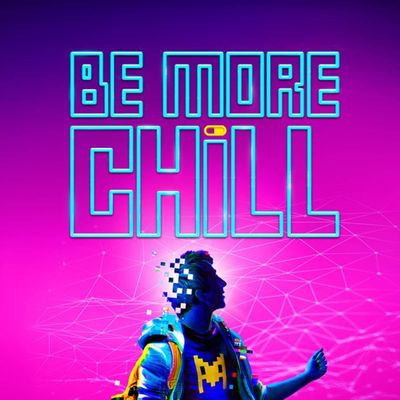
An actress, singer, and songwriter, Lauren Marcus made her Broadway debut as Brooke in Be More Chill after previously originating the role at Two River Theatre in 2015, and again off-Broadway at Signature Theatre in 2018. She also starred as Amy in Company at Barrington Stage Company alongside Aaron Tveit, and as Brigid in The Humans at St. Louis Rep., a performance which earned her a BroadwayWorld Regional Theatre Award nomination for Best Supporting Actress in a Drama. As a retro pop singer/songwriter, Lauren performs regularly with her band around New York City, and in 2016 released her debut EP Never Really Done with You. She is also a veteran at cabaret clubs like 54 Below, Joe's Pub, and Rockwood Music Hall. Up next, Lauren will appear in the movie adaptation of Tick, Tick... Boom, and debut a brand new show on June 18th at 54 Below.
From Chicago, to New York, to Scotland, Lauren shares that she “always wanted to be an actor”. And like every artist, she has had a unique experience navigating life during COVID-19.
She shares with us feeling like she’s “living COVID backwards”, having felt fine at the start, but now like she’s dragging; and how she pushed through to create her newest song (and video) “Big Hat” for the NPR 2021 Tiny Desk Contest. Lauren talks about her desire and drive to create and leave behind things that will outlive her; a legacy - things her future children can listen to. She candidly opens up about her journey with alopecia, both the internal and external struggles she navigates as a performer, and notes that losing her hair “affected every single aspect” of her life in a way that she never, ever would have guessed. We also discuss Lauren’s upcoming show at 54 Below on June 18th!
In this episode, we talk about:
- Lauren’s retro pop singer/songwriter style
- Imposter Syndrome
- How she and husband Joe Iconis support each other’s work
- Writing a one woman show about her Alopecia journey
- The number one thing Alopecia has taught her
- Leading by example, and the importance of visibility
Connect with Lauren:
- IG @laurmarcus
- Twitter: @laurmarcus
- Web: LaurenMarcus.com
Connect with The Theatre Podcast:
- Support us on Patreon: Patreon.com/TheTheatrePodcast
- Twitter & Instagram: @theatre_podcast
- Facebook.com/OfficialTheatrePodcast
- TheTheatrePodcast.com
- Alan's personal Instagram: @alanseales
- Email me at feedback@thetheatrepodcast.com. I want to know what you think.
Thank you to our friends Jukebox The Ghost for our intro and outro music. You can find them on Instagram, Twitter, and Facebook @jukeboxtheghost or via the web via jukeboxtheghost.com.
A very special thanks to our patrons who help make this podcast possible!
Transcript
This transcript was automatically generated and might contain errors.
[0:00] Alan Seales: Welcome to the Theatre Podcast. Intimate, personal conversations with the industry's biggest names. I am your host, Alan Seales, and this episode is with Lauren Marcus, who's got a brand new show at 54 Below coming up a few days after this episode drops on June 18th. So, pause it now, go over to 54 Below, get your tickets, and enjoy the show. I had a lovely, lovely, honest conversation with Lauren. This is the first time we've actually met. We've been circling around each other in social circles and never actually had a chance to connect, and it was just wonderful. We went deep into the purpose of her songwriting and self-expression, and she got very honest, too, about her relationship with alopecia, which she's had that diagnosis for a couple of years now, and just how it relates to the sometimes insurmountable beauty standards in our society, especially on stage and TV and film, and how she's overcoming that.
So, Lauren, thank you. Thank you for such a lovely conversation. Find me on Instagram and Twitter at Theatre Underscore Podcast. Please leave a rating, leave a review, share the podcast with your friends, help this grow. And now, everybody, please enjoy this episode with Lauren Marcus.
[1:23] Alan Seales: My guest today is a retro pop singer-songwriter who made her Broadway debut in Be More Chill. She is a frequent performer at cabaret clubs in New York like 54 Below, Joe's Pub, Rockwood Music Hall, and is in the upcoming movie adaptation of Tick, Tick, Boom. She's got a brand new show to debut at 54 Below, coming right up this June 18th. So get your tickets now. Lauren Marcus, welcome to the Theatre Podcast.
[1:56] Lauren Marcus: Thank you so much. I'm happy to be here.
[1:58] Alan Seales: Oh, my gosh. So we're going to edit out all those flubs in the intro. So the listeners now won't know that I restarted that like three times. This morning was final graduation, or not final graduation. Well, I've got two kids that are graduating into kindergarten and first grade.
[2:15] Lauren Marcus: Oh, my God.
[2:18] Alan Seales: So my mind has been there. And now I'm shifting back over to Broadway land.
[2:22] Lauren Marcus: As it should be. I respect that. I do. I think that's great.
[2:27] Alan Seales: Well, thank you so much. Thank you for joining. I think I want to actually start right off with what you're here to talk about because it's coming up very soon from when this episode is released in your 54 Below show. So it's a brand new... You've performed at 54 Below before, but it's a brand new show with a brand new band.
[2:48] Lauren Marcus: Yeah. Okay. So I've performed at 54 Below a lot of times, and it's always other people's music, right? Which I love doing. And I think I've always been very scared to attempt a show with my own band. So I would never classify it really as cabaret. And I kind of think 54 Below is more like a cabaret setting. And so I kind of tend to play rock clubs downtown. But you know what? It felt like the right time to head uptown with my band. So there are some new songs, but it's not quite like a scripted cabaret show. But I think the... I was going to say the problem with me is I'm inherently theatrical. I can't help it. So it definitely has that in it.
[3:39] Alan Seales: Well, I pulled this out of... I forget where it was. It was either in the 54 Below show description, or maybe it was on your website, but the Retro Pop Singer Songwriter. So Retro Pop is... I know your music. I've been listening to your songs. And I don't know how I would have described it. And I think Retro Pop is the best way, obviously.
[4:01] Lauren Marcus: I struggle with that. So that's good to hear.
[4:04] Alan Seales: Well, where does that influence come from? Because it is poppy, but it's not like tube-opera poppy, right?
[4:15] Lauren Marcus: I guess I think that comes from the fact that I just grew up listening exclusively to the oldies, the oldies station. And it's still like my absolute favorite music. And so when I go to write stuff, I mean, everyone just kind of rips off from other people, feels what they can. But I can't deny that that's a huge influence on my writing and my persona. I just think everything looks cooler for when it isn't from now. And it just makes its way into my music most of the time, whether I'm trying to have that influence or not, which took me a second to kind of land there. I really love country music, too. So sometimes there's like a touch of country vibe in there.
[5:05] Alan Seales: Oh, that's a strange combination. But it works for you. And just, let's see, we're recording this a couple days after I just saw that you posted your Big Hat video.
[5:18] Lauren Marcus: Yeah, exactly.
[5:20] Alan Seales: Which is an NPR Tiny Desk submission.
[5:23] Lauren Marcus: Yes. Yeah. I've been doing the NPR Tiny Desk contest for a bit, as have thousands and thousands of other people. And I think it's a nice way. First of all, it's always great to have a deadline. I wasn't going to do anything this year. And I was like, oh, I have two days. I need to get it together. But I just think it's such a cool way to see so many, to hear so much music by musicians you might not hear otherwise. So it's a good kick to my butt to, I wanted to write a new song and it happened very quickly. I wrote it last week. And yeah.
[5:59] Alan Seales: Wait, what? So you just wrote it, you wrote it, recorded it and published it all within a week?
[6:04] Lauren Marcus: Yeah. Yeah. So I feel like I'm in like sort of a place right now mentally, which I'm sure we can talk about. Like I keep saying that I feel like I'm living COVID like backwards. I was so fine up top and I was so fine for like so long. And I think that now it's like, I don't know like what your journey is on this. I'm curious to hear. But like, I feel like now I'm like feeling it in a way that I think I, I don't know. It seems like maybe a lot of people are feeling it up top. And so I kind of was like in a bit of a place and I was like, I don't want to record any of my songs. I don't know. And then Big Hat happened. Like I just wrote it last Thursday, Friday. And yeah, I recorded it on Saturday. And then, you know, what happens is usually after you write something, you feel better. So I'm feeling a little bit better. But yeah, that's where that song came from.
[7:01] Alan Seales: So today is a Wednesday. So you wrote it Thursday, Friday, recorded it Saturday, then published it on Monday on your YouTube channel.
[7:10] Lauren Marcus: YouTube. Yeah.
[7:11] Alan Seales: Yeah.
[7:12] Lauren Marcus: Yeah.
[7:12] Alan Seales: So that's incredible. I love the need to create and to write the stuff that's coming out of people right now during COVID. And I mean, maybe this is a good chance. Let's just dive into that actually, because there are so many people in this industry that need this to feel whole. They need to perform. They need to sing. They need to be on stage. They need that applause or the validation or they just need, even if it's not from other people, they need to feel that energy being projected on stage. So for you, then, it's interesting you said you're feeling it backwards. You were fine at first.
[7:49] Lauren Marcus: I really was.
[7:56] Alan Seales: Which I'm trying to...
[7:58] Lauren Marcus: Well, how did you live it? How's it rolling out for you?
[8:01] Alan Seales: Well, for me, I mean, this little office I've been in, I've been in this office since January of 2020.
[8:11] Lauren Marcus: Yeah.
[8:12] Alan Seales: And I'm going a little stir crazy being in the same place.
[8:16] Lauren Marcus: Yeah.
[8:16] Alan Seales: But I'm such a tech nerd that what I'm... I always love being on the computer. I love to create digitally. So for me personally, I've been with Broadway Podcast Network, with this podcast, I've been interviewing. I was just saying on a recent interview that this is my therapy.
[8:33] Lauren Marcus: Yeah.
[8:33] Alan Seales: For me, when I start feeling bad, I schedule a bunch of interviews and I...
[8:37] Lauren Marcus: I love that.
[8:38] Alan Seales: Like, it feels good to me to meet you, to connect with you, to see you smile like that. And I know that we're having a conversation that's bringing other people joy.
[8:51] Lauren Marcus: Yeah. Yeah. Yeah, it is. It's so funny. It is like, I really find like I've been dragging, like dragging to write or dragging to whatever. But then once I do it, I feel I always feel better. You know what I mean? Also, I can't imagine having children right now. And like, I think you're a hero, like a national hero. I don't know. I don't know how you've done it.
[9:18] Alan Seales: Well, I don't know how you write songs and I don't know how you orchestrate. And, you know, so it's all... I think you're the hero for giving... I mean, you create the content that I expose my children to.
[9:33] Lauren Marcus: Oh, that's really nice. Yeah. It's so nice. Yeah, to hear.
[9:39] Alan Seales: Well, that's why I think we do all this, right? It's some sort of... Oh, we're getting deep now. It's a legacy.
[9:48] Lauren Marcus: And someone said to me once at the beginning of this podcast, like two years ago-ish. I can't remember. It's been so long since I started this. Someone was like, your kids one day are going to be able to go back and listen to you, to listen to these conversations, to know more about you in a way that they'll never get just being in the same room as parent-child, right?
[10:08] Lauren Marcus: Yeah, I think about that all the time. I mean, I don't have any children, like yet. I'm hoping children will be a part of my future. But I actually think about that all the time. And it is something that kind of keeps me going a little bit in a weird way. And I think about leaving things behind that hopefully my kids can look at and be like, oh my God, mom did a lot. Or like, grandma did a lot of cool shit.
[10:39] Alan Seales: Yeah, that's so funny that you say that. I think about it a lot.
[10:43] Lauren Marcus: I didn't think about it until somebody said it to me. I've always just sort of lived in the moment and in a way that it's like, okay, so I have these things that need to be solved. How am I going to build something to solve it? I'm very stepping stone construction mindset. So it takes something or someone on the outside to come back and say, look at all these things you put together in this trail of breadcrumbs that you've left. Do you ever have to gather a bunch of interviews or something? That's when I really feel it. It's like someone's like, oh, can you make a list of everything you've done? Or can you compile some videos? And then I go through and it's like, oh God, I've done a lot. But for some reason, it always feels like the first time.
I was thinking about concerts recently. I've probably done just in general, like other people's stuff, like 9 million. But it always feels like I've never done one. I'm always nervous. I always like, how do I stand? And it's funny. It's a funny thing what your brain likes to tell you you've accomplished versus what is the truth.
[11:49] Lauren Marcus: It's imposter syndrome for me, at least. I'm like, oh, okay. So I'm making this content and I'm able to pull people. I can connect this person to that person and then put an air quote producer credit. The producer credit is so nebulous, right?
[12:09] Alan Seales: Because it's like you could, yeah. Anyway, I'm not getting into that. It's a very important credit, but it is nebulous. It can be like a million different things. Right, right. But for me, I guess I use this quote a lot. Andre De Shields, when he accepted his Tony Award, he said, the top of one mountain is the bottom of the next. And for me,
[12:34] Alan Seales: Yeah, and it sounds like you're kind of the same way. It's like, all right, so what's the next thing I'm doing? All right, I'm gonna work towards that. Done. In the ground, planted my flag. So now that I've climbed up a little bit of this ladder, now I'm gonna go to the next thing. And at some point, what these conversations specifically help and some of my kids sometimes, too, will help me just stop and turn around and see how far I've been climbing.
[12:59] Lauren Marcus: Yeah, yeah. It's important. It's important, I think, to do that every so often, because, like I said, your brain just plays tricks on you. It doesn't want to let you have that or recognize that so much of the time, which is such a bummer. When you look back at your songs, when you look back at what you've written, and do you see... I mean, aside from the number of songs or how they've been recorded, released, whatever, but the content, the actual purpose behind writing them, has that changed over time? Or do you think about this?
[13:33] Alan Seales: I think about it a lot. It's hard for me. I'd say I've probably been playing gigs in earnest for like 10 years now, which is actually wild when I think about it, but like 10 years. It's hard for me sometimes to go back and hear a lot of the music I played early on. I have a fondness for it, but I'm like, all I can hear is what it used to be versus what it is now. All I can hear are the flaws or what I'm like, oh, God, that's terrible, even though I have fondness for it. I think that like... I think when I like... Well, it was so scary when I started writing because I'd always like secretly done it. And I didn't know if it was any good. I didn't know if it was like worthy of being put out into the public.
And so the first few years were really about becoming comfortable with performing in that kind of a medium. I'd really only done like acting and other people's music up until then. So I remember like my first several gigs, I was so nervous and so profusely sweating that sweat would drip into my eyes and I had to sing with my eyes closed. That's how intense it was. And it's like, I just didn't know what it felt like to express my own personal feelings in public or if that was OK to do. So that was the first few years.
[15:04] Alan Seales: That's really scary. Yeah. To admit to others that you are flawed when you're not used to doing that.
[15:11] Lauren Marcus: Yeah. It's like a big thing to admit that you're flawed to also like it felt like a big thing to be like, I have feelings and I have thoughts and I think they're worthy of saying them like that felt like so hard at the time. Now, I probably just probably say things that like nobody needs to hear and aren't worthy of whatever. But I don't have that. I don't have that like that layer of self-consciousness anymore. Now, it's like more about probably more about like the actual craft or like art of like, as opposed to like the dealing with the feeling of putting out your own feelings. Does that make sense?
[16:02] Alan Seales: Yes. Yes. And I was so I was thinking that if I were a songwriter, I would start to feel good. This is all hypothetical. Yeah. Because I think once in my life, I wrote a chorus and then I was like, yeah, I'm going to write a whole song and then I never do anything with it. Right. But I would feel the need to write. Then I would write. And then I would say, oh, this is this is cool. I got over that hump. And then I would start struggling with feeling like, oh, am I being egotistical by having to put my thoughts out there? I mean, the Big Hat song that I just put out, honestly, that's a departure for me. That song's different than a lot of what I write, which was scary. But it's like I'm everyone.
I'm like, I'm fine. Like I'm doing fine. But I feel like it's kind of from a more like cynical place. And I was like, oh, God, if I put this out, is everyone going to be like she's miserable and she hates everything? It's it's it's really scary. And so then you want to like if you put it out, you want to make sure that it's good enough to warrant expressing whatever you're trying to express. But also it's like I wrote it and this is almost always the case. I wrote it and I was like, I don't know if this is good. I literally don't know. And I don't when I say that, I also don't mean everyone has to think it's good. I pretty much it's like people like things. People don't like things. That's totally cool.
But I guess I mean, like warrants being put out into the world. Like I was like, I don't know. And so I sat on it and then I played it for my husband, who's truly one of the best writers I know in the universe and also something that I always find a little intimidating, even though he is my biggest fan in a way. He wants to put out stuff that I'm like, I hate it. You're insane. But I think he listened to Big Hat was like, I think this is my favorite song you've ever written. And then like within a second, I'm like, it's great. You know what I mean? What is wrong? What is wrong? Writers.
[18:11] Alan Seales: I think of the when you're creating something like that, when it's when it's so personal and it comes from you, then if it works, awesome, you get all the credit. If it fails, then that's all on you. And I feel I feel that fear for others all the time. It's it's also just so hard because I mean, I see so many absolutely beautiful writers and it's like they put they put themselves out there and people don't like it. But it's it's just it's it's one person's opinion or it's just it's such a weird thing. I guess it's like what I try to do now is if I feel like I have written this sentiment or I feel like I've successfully written what I wanted to say, then I just kind of like, OK, like, let me put it out there and see.
I usually need a few days. I think it was helpful to have Joe's input because I was recording it the next day. And usually it takes a few days and then I can look at it with a little bit more like I've taken a step away. Right. Definitely right thing sometimes that it's like, nope, no one's going to see this ever.
[19:24] Alan Seales: Do you and your husband, Joe Iconis, did the two of you bounce ideas off each other or are you more like siloed? Because you have completely different styles.
[19:33] Lauren Marcus: We do. We do have completely different styles and we do we do bounce things off each other. We've written together like we've only written one song together. We do. We do. I'm actually trying to get him. He's working on a song now. I'm trying to get him. He's feeling stuck and I'm trying to get him to just read me the lyrics because I was like, you know how with Big Hat, I didn't know, but then I read it for you and you liked it. And then you're like and then I was like, great. No, I have this this idea. Like, I need him. I think if you shared it with me, that would be helpful. We usually really do love to share it, but we're pretty bad about when it's in development. I think we get nervous. We're like, no, no, I want it to be finished. I want to feel really good about it. But yeah, we definitely bounce ideas off of each other.
[20:22] Alan Seales: I think that that makes sense to me because some people, and I'm not one of them, when they get really close to somebody, they're like, I'm just going to share everything and I'm going to all my raw everything. And I'm and I'm the same way as you. I'm like, I want I want to have. I know that they will accept me. The back of my mind, I'm like, I know my wife will accept me and I know that she's going to be there. But I'm like, I don't want to let her down.
[20:51] Lauren Marcus: Right. Right. It's um, yeah, you know, you know, it's it's it's it's it's it's it's it's it's um, yeah, you know, you know, yeah, you don't want to let them down. And I also I'm like, you won't let me go out. Like, if I write something stupid, I think we have the I made it. Actually, I said this like last night. I was like, we're never going to let each other go out and do something that the other person thinks is bad. Like, that's just like and I trust that. I trust that if he was like, this isn't your best or whatever, that he'd be like, think about it for for a second, like, because we know what that is to go out there. You know what I mean? Right. Means and how people how people perceive things.
But it's also such a funny thing, too, because we do have really different styles. And he's he's much, you know, he's a theater writer. And so sometimes I get nervous because like, he almost always has like it written from a character's point of view. Right. So it's kind of like anything goes subject wise, whatever. You know, some of my songs are really personal and directly from my view. And some of my songs are more are from like a different character. But because mine are more pop, then I get nervous. It's like if I'm writing a song, let's say it's like a love song that he's like, what the hell does this mean? Like, are you singing about someone else? And it's like, no, this is like I took this from the idea from like a relationship like years ago.
But like it's from like someone who's speaking in first person. It's like that whole added element is crazy. And he says that he all the time, like if he comes to my shows, if I start singing a song, he all the time feels people start to turn around and kind of like gauge his reaction to it. And he's he's so good. He knows he knows that like. I can write a song. That sounds like it's from my point of view, but it doesn't isn't necessarily, but I still worry about that sometimes, you know, I'll be like weirded out by this or worried or, you know.
[24:31] Alan Seales: I want to I want to shift gears a little bit and talk about Alopecia, if that's OK. Because what was it, two or three days before you're supposed to debut Be More Chill on Broadway?
[24:40] Lauren Marcus: Actually, so it was actually I was doing the show Company at Barrington Stage, and it was about three days before opening Company.
[24:49] Alan Seales: Well, that's that's why I mean, that's why I think different songs resonate with different people in different ways, because everyone's open to their own version of interpretation. There was something I forget. I forget what it was. It was something Sondheim related. But Sondheim. Oh, Sweeney Todd, I believe Sondheim wrote it. And then Hal Prince came in and was like, no, it's not about this. It's about this. And so the composer, like the director completely changed and made made the show what it is now. So you have to of course, you trust these people to do what they do. But everyone's got their own interpretation. Everyone's got their own reason to love it. And so you could write a song that's told in first person about a friend of yours, or it could be about you or could be a story that somebody else told you at some point. Right. Like nobody actually knows unless it comes out of your mouth and says this is what it's about. And sometimes you don't even know, I'm sure.
[24:56] Alan Seales: Oh, OK. I mean, don't worry. Be More Chill plays into the whole story, too. But it was three days before Company. I found a bald spot on my head, which I never dealt with at all. And then.
[25:40] Lauren Marcus: Well, honestly, sometimes I don't even know either. But it is funny. Like that is a big difference between what we the type of music we make sometimes, because I think people inherently want to put on my stuff that it's super personal and always from my point of view when it isn't necessarily. Whereas with Joe's stuff, because it is more theatrical, it's like it's always like a character or like, you know what I mean? It's so funny. There is that's like a big difference. Actually, I've noticed over the last couple of years. We're going to take a short break. Stay tuned for more of the episode.
[25:09] Lauren Marcus: Seven months later, I had no hair. All my hair fell out. That's the short version of the story. Um, yeah, you can ask anything you want about it. I mean, I could talk about it for hours. And I never know if it's like people like, okay, Lauren, like, well, I want to I want to get into I wanted to get into into how it's changed your view of yourself and the beauty aspect of it because there's so much in our culture, in our society that's placed on just a woman's hair or how her eyebrows are perfect. Or if like, you know, that almost put me over the edge. It's so funny.
[25:44] Alan Seales: I was gonna say too that there are things about me like you think about your hair, you think about like, I don't know, for me, there are little things like eyelashes that you don't think about.
[26:00] Lauren Marcus: Yeah, I not that one. I was so lucky. I lost everything except my eyelashes. And I think, I mean, Oh, God, again, not only it could still happen. I worry about that all the time. Um, but I mean, losing my hair affected every single aspect of my life in a way that I never, never would have guessed every single aspect like, um, I think what has been the hardest part grappling with it is I, I think, and maybe this is just my perception, but I do feel a lot of times people think, well, what's the big deal? Put on a wig. It's just hair. I'm here to tell you, it is so not just hair. It really became a question like an existential question of identity. Um, it's, it's, I mean, like how you look, it's how you think of yourself.
It's how it really just to me became about like who I actually am. I just never would have thought it would have gone as deep as it did. I'm actually right. I, I finished a draft this year. I'm writing a one woman show about it. Um, because it's the story is insane for a lot of reasons, but I mean, yeah, like very, very like fundamentally it's, it's, you know, I've, as a woman spent my whole life, like worrying about how I look like hair is a major, major part of that.
[27:36] And I happened to be a woman who loves, like, like loved her hair, like and played around with it all the time. I change it up. Um, so initially that was, it was just the rudest thing to have happen. Um, my, so like that fell out. That was impossible. We can talk about it more or not. Then my eyebrows fell out after that. And then it was like, I didn't even look like myself. It's like your every feature changes. I looked, in LA, I just looked like a stranger. And that became kind of the hardest thing to, to deal with whenever I looked in the mirror, like, I just didn't know who I was anymore. And it's still, I'm definitely doing better. It's three years later, but it comes and goes, I have moments like I'm wearing a wig right now, but I feel like, um, a couple of years ago, I would have like rather died than show someone like myself in a wig. Like I couldn't deal with that. It was very scary.
[28:36] Alan Seales: That's so why is that though? Because in on stage, you're wearing wigs all the time.
[28:40] Lauren Marcus: It's a funny thing. Right. Cause I'm so used to wearing wigs in shows in person. I mean, like the way I found to describe it, this is how it used to feel. It used to feel like, um, everybody got to wear normal clothes. And I was given a bikini that was two sizes too small. That's like the closest way I'd like, like, and that's how I had to go around. It felt like I didn't look like myself. It looked very fake to me. And it was really hard to have people who knew me, see me and know that it was something I was dealing with and trying to overcome. It just, Oh God, it was just, it was mortifying. It was absolutely mortifying to be seen in, um, to be seen in a wig. And I couldn't find one that felt like me.
There was nothing that looked a hundred percent real to me because it was, um, yeah. I, it's easy enough to, to look at somebody in this situation and say like, Oh, that's hard. I, I don't, I sit, I'm sitting here twirling my hair as I'm thinking about this, that, that you're right. It's, it's some, it's a characteristic that you don't think about that people take for granted. I would take, I've always had really thick full hair and people commented on that. Yeah. And if that were just to disappear, like it's, it's, it's the five o'clock shadow that people have commented on and it is a, is a form of attractiveness. And it was, it, I guess what I'm trying to get at here is how much of it is anything delicately, like truly I've said it to myself already.
[30:29] Lauren Marcus: No, it's not. I'm just trying to think of the words. I'm not trying to be delicate or not. For me, it's like, how, how, how much of this is wrapped up in, um, just looking different versus not feeling attractive. It just all feeds into feeds into each other. So like up top, it was like, I thought I looked like a monster and I didn't look attractive. And also a big thing, especially as a woman, everyone thought I had cancer. Every single person thought I was ill. Um, and they still do a lot of the times, like, right. And my hair goes back once a year and falls out once a year. It's very weird. A lot of people don't have that. Um, but, um, everyone thought I was a monster. I was sick. So that became a huge part of my identity where I, beyond the hair loss and some weird autoimmune stuff, I wasn't sick.
I didn't have cancer. Um, and like, it just, uh, it felt like other people started to view me differently. So then I viewed myself differently. It's like, I, I didn't feel like a woman. I didn't feel like a sexual person. I just felt like this, like ill science, like science experiment, like that. And that is what it felt like I was getting from other people too. Um, yeah, it's, it's just, uh, yeah, it's just like a wild thing. I hope that hopefully not going with the show happens one day. Cause I really think I get to explain it a little bit more. Um, yeah, but really, really also one of the hardest parts was the lack of, um, empathy. Other people. And I keep saying, it's like, I just don't think anyone, one of the things I hear whenever I talk to anybody else dealing with alopecia is that it's like, unless it's really happened to you, there's no way to really explain it.
And there's all these studies, like everyone like gets depressed, like deals with their mental health when this happens. But for whatever reason, it's like, people don't talk about it. People do not talk about it. It's, it's really weird. And that was also something on top. I was like, do I have to quit acting? Like I didn't see any other actors who had alopecia. It's such a weird, God, it's such a weird specific thing. And I wish it was as easy as put on a wig and go, but it's, uh, is not.
[33:08] Alan Seales: Well, did, did you, well, what, I guess, what made you want to continue to perform and continue to act then? Especially going into COVID, which is shutting everything down.
[33:17] Lauren Marcus: Yeah. Yeah. I mean, it's in me. Like, I've just always wanted to be an actor. Um, but like, you know, it's, I shot, um, my first movie during COVID and I was lucky enough. I saw a work screening of it recently. And that was so exciting. It was really hard for me to see myself on screen. I still didn't look like myself to me. I had on a wig that I, that was new. And also like, I see, I had to have my eyebrows tattooed on cause I lost most of them. And at the time they thought that my eyebrows didn't look period. So they changed the shape of them. So when I was looking at myself on screen, I was like, who is that? Like, it's still, it's still, it's very, and like, I can see my wig line. I don't think anyone else could, you know, my husband was there. Like, you're insane. You look very good, but like, oh God, it's just this, uh, just this wild thing. And also like, I'm not sick in, in that sense. So I like, I can perform, you know what I mean?
[34:03] Alan Seales: What, what is, what exactly is it? Is it autoimmune disorder that where your body attacks your hair follicles as foreign objects?
[34:10] Lauren Marcus: Uh huh. It, no, it's like literally the least research thing of all time. Cause it's kind of just considered purely cosmetic. Um, but it's, it's an autoimmune disease. It starts, nobody can tell you why it starts. Nobody can tell you if it'll end. I think I know I'd started, I got sick when I was doing a show in Florida. I lost my voice. I was like scared I was going to get fired and I was like desperate to get it back. So, um, within three weeks I took a round of antibiotics. I'd never taken, I took two rounds of vocal steroids and I'd never taken those before. And I also thought it might, I sound insane. I thought it might be acid reflux. So I like stopped eating and lost 15 pounds. That was all in three weeks.
And then two months later it started falling out. But I've been to a number of doctors and they have all said to me, nope, like we can't confirm that. And we can't, um, they can't tell you anything. There is no current cure. There is one, um, medication that comes with a lot of health risks. And so I can't really right now justify it going on it. Although I might in the future, to be honest with you.
[35:16] Alan Seales: Is it, is it something where, okay, let me take a step back. So I'm, I'm thinking about myself and if this were to happen to me and I, if it were to grow back, sort of my hair would grow back sort of patchy or, or in different places. Right. I think it would, I would rather just be totally, no. Okay. I'm going to, I'm going to stop.
[35:40] Lauren Marcus: Oh no, I'm going to stop. I'm going to stop what I was saying because it's stupid because I'm looking at a, I'm looking at my own lens, which is a CIS white male. And I have a totally different life experience now than, than I, than I can ever imagine having.
[35:54] Lauren Marcus: Yeah. But like, listen, this is also something I feel like that I've learned. Like I actually like, I feel, I get really embarrassed about this. Like I up top, um, felt a lot of, I don't know if disdain is the right word. I do not feel this way now, but I, I really, when it was happening to me, it was like, you know, well guys lose their hair. It's just like a different thing. Like society knows how to accept it. It is like my situation is so much worse. I'm like mortified that I thought that way in the beginning, because the one thing it's taught me is that you can never know how a person is feeling and you can never, it is like never your right to assign how upset they should be about any given situation.
[36:39] Lauren Marcus: That's the number one thing Alopecia has taught me. And it's really embarrassing when I look back and think about how I felt or compared different levels of hair loss or gender, like, like the hair loss, depending on someone's gender, I really used to have strong feelings about it. I don't anymore. Like I, I understand where a guy losing his hair can be absolutely as devastating to that person as me losing all my hair was. That's something that took me a few years to really understand. Um, that, that being said, I think it's just different. It's, it's different because I, I would imagine if you like lost your hair and you shaved your head, people aren't going to come up to you and say, do you have cancer? That's all that happens to me, you know, you know.
[37:26] Lauren Marcus: Um, but also like, I don't know, it's different, but it's also, it's like, then I think of what am I talking about? I think it's different for a guy too, where he's supposed to just make peace with it because it's something that is normally like accepted that happens to guys.
[37:44] Lauren Marcus: It feels really unfair. The guys just have to kind of like, eat it and deal with it. And there is more of a stigma, I think sometimes if a guy got like a toupee than if a woman got a wig. It sucks.
[37:59] Alan Seales: Right, right. Yeah, yeah, men with wigs or men with toupees are looked upon very differently, I think, than women with wigs because it's, I'll put an air quote, it's normal for a woman to wear a full wig. Whereas a guy's just got to eat it. And, you know, I feel really bad because that's not necessarily how a person sees themselves. Like they start to lose their hair and they're like, this isn't me. And like, what are you supposed to, what are they supposed to do? I don't know. This is a messed up country with messed up beauty standards. It really is. And it's also so wild to me. Like it's hard because people have been really lovely to me and like respond to pictures where like I'm bald and I have like a face full of makeup and they're like, why would you care?
You look beautiful. And it's like, well, like I, you, you're not seeing me without the makeup. And also I spent my whole life, like everything we're fed on the internet and film and TV, especially as an actor, it's like, it's about how you look.
[39:01] Do you, do you, I guess there's two levels there. Do you feel comfortable or more uncomfortable with, with or without makeup, with or without a wig? Like, is that two different things or do they go together?
[39:19] Lauren Marcus: It's two different things. I almost always, like if someone's going to be looking at me, I'm almost always going to want to have makeup on. That's just not a time, but like it takes five minutes, but like, give me that five minutes. I need it. But hair, it changes absolutely daily. And, um, I have gotten better about dropping the need to feel like consistent with a look. Like I haven't been wearing my wig for the last four days. And then today I was like, you know what, I'm going to throw it on. And I think I also keep it on so it remains sort of like normal to me when I see it in different mediums. Cause it's hard when I don't see myself one way coming back to it. Um, it just depends. It just depends on how I feel.
I do have some hair right now. So if I like wear a bandana, um, usually in like a forties style, like you, you, most people don't know, they don't know what's happening. They would be shocked if they saw what was happening beneath it. And also like in a couple months it can be back fully and then it's probably going to fall out again.
[40:22] Alan Seales: Yeah. That's so strange. I wish there was more research and more, more, uh, studies done on this because it's, this is just fascinating. The human body in general.
[40:31] Lauren Marcus: The body is so weird. It's so weird. Yeah. Maybe, maybe you are more evolved then. Yeah. That's what's happening I think. I did have, um, you know, a doctor tell me recently, it's like, it's not that you're autoimmune deficient. That's not what's happening is that it's working too hard. It's working way too hard, but I truly just, I don't know what sets it. I tried everything. I don't know what sets it off and I've kind of given up for now.
[41:05] Alan Seales: Maybe that's all, maybe that's all it takes is like the less, the more, uh, lower of one level of hormone and you know, you're more, more relaxed or, you know, like.
[41:17] Lauren Marcus: Obviously who the hell knows. One day I hope they find out. They did put it in the last year I think on like, like the short list of like, let's find a, let's find a cure for this. This is insane. This is maybe worse for mental health than we thought. So.
[41:35] Alan Seales: Yeah. As a country, again, going back to that, we're just now talking about mental health, I think on a wide scale period.
[41:40] Lauren Marcus: Yes. It's, it's not just, you know, it's not hair loss. It could be weight. It could be anything. Your brain just like acting up that day, you know, this is going to be like a 30 minute talk on hair loss.
[41:58] Alan Seales: No, I love, I love the mental health aspect of this because like I said, this is just connecting with people and exposing the fact that everybody feels some level of anxiety and, and stress. And in this business, it's, it's, it's this catch 22 because the, the, I feel like kids, the next generation are looking up to you and looking up to, to other people who are on Broadway and like, I'm going to be like them. They've got it all together. They figured it out. And when I get there, all of my problems are going to go away. And that's not the case.
[42:33] Lauren Marcus: It's not the case and also like, I still sometimes pull myself into thinking that too, when I look at people that I love and respect or like want to be like, and I know that's not reality. I know that Instagram, a great picture and I'm doing this is not reality. If anything, I know that everyone, like no one is ever satisfied with where they are, no matter how, how, how far down the line they are. But I do think that that is, I mean, that's been the best part also of the alopecia is being open about it. Cause I didn't know if I wanted to be open about it or not, but like the, the young people responding or feeling a little less weird about something they're feeling insecure about. That's been nice.
[43:18] It's nice. It's nice to be able to, to I think lead by example in this case too, because you can say like, look at me, I am, this is who I am. Take it or leave it. I'm still working. I'm still successful. I'm still always striving to be better. And even if you have the same thing or something different, this is an example I'm setting for you. Like work through it or use it, use it to your advantage. Maybe, maybe you're going to get cast. You'll be the first person on Broadway to not everywhere. You know, a fully bald woman.
[43:51] Alan Seales: Yeah. I mean, it's crazy. Like that was the first thing when it happened, I was like any other actors, give me any actress with this. Can I still be an actress? The only people I found out who talked about it publicly were Viola Davis.
[44:05] Lauren Marcus: And then recently Rikki Lake.
[44:09] Alan Seales: Rikki Lake, really?
[44:14] Lauren Marcus: Rikki Lake apparently has dealt with this like for a really long time. She just like newly came out with it. But like, so that's kind of why it was important to me to talk about it because I was like, well, here's someone. Hi. Well, I think it's, it's great. And I mean, I just wish everyone would talk more about their authentic self. Right. And, and to a point where it is, it's constructive because there's a lot of people I know that are like, here's who I am, take it or leave it, go, you know, go take a long walk off a short bridge. And they're, and it's like, if you don't, if you don't like who I am, I guess what I'm trying to say is that if they come across as being abrasive or just, or like I, if I don't act like them, I'm in the wrong.
[45:04] Alan Seales: Yeah. Versus the other side where let's accept everybody for their differences.
[45:10] Lauren Marcus: Yeah. Yeah. I think we're probably, hopefully we're getting there. Truly it's like, I keep saying the young people, but like the young people I've met are outstanding. Like I feel like they are so unbelievably accepting of everyone and their differences in a way that feels different than when I was growing up.
[45:27] Alan Seales: Absolutely. Yeah. And I think about that for my kids too. It was a couple of years ago. So the stat and the age has obviously most likely changed, but it was, it was a couple of years ago. I think it was, it was like over half of young, of the young people, like 16, 17 years old around that, like under 18 age range, were, didn't identify with a single sexuality. They were like, they were just like, whatever. And I think that's brilliant. I think it's incredible. I think it's like, I think it's amazing.
[46:01] Lauren Marcus: Yeah. Because now you can just like, sexuality is a scale. It's fluid. You hear these jokes and you see these things that people talk about on TV all the time now, but it's really, it's really true. And it's happening more than, more than we know. And I think now these people who are curious and they have questions and they, and just want to figure out who they are now have the benefit and the detriment of social media and the internet.
[46:30] Alan Seales: Social media, what a double-edged sword.
[46:36] Lauren Marcus: Right. So let's wind down the episode with the three standard closing questions. I ask everybody, the first one simply is what motivates you?
[46:44] Lauren Marcus: You know, I think there's something to what we were talking about earlier about the need to leave some sort of legacy. I just, it's that, and also the fear of like being on my deathbed. And I would rather think, well, I tried than I never tried. You know what I mean? No regrets.
[47:15] Alan Seales: No regrets.
[47:21] Lauren Marcus: I would so much rather have tried and failed or tried and not gotten to where I want to be than to have never have tried. That sounds like the worst thing in the world to me.
[47:26] Alan Seales: What's the, what's the quote? It's better to have loved and lost than have never have lost at all, never have loved at all.
[47:31] Lauren Marcus: Agreed. Yeah. All right. So the next question is what advice would you give to your younger self and younger people listening now starting out down a similar path?
[47:40] Lauren Marcus: I would say, do not try to model yourself off of anybody. You can for sure have influences. That's amazing. But like, don't like at one point I was like, I'm going to be the next Kristen Chenoweth. Like, what does that even mean? And also nobody wants another Kristen Chenoweth. She's amazing. She did it herself. She is her. Your best bet is to try to figure out how you're different. And also I think a really good way to start with that, that I always say is to be very passionate about your likes and your dislikes and not worry about what people think about that. Cause I worried about that all the time, but that's like a good place to start. Like I like this. I don't like that. And to not be ashamed about it. I'm talking everything from like your favorite movie, your favorite flavor ice cream. It's a good place to start to figure out who you are.
[48:31] Alan Seales: All right. All right. I like that. Okay. So the last question, this is really hard. If you can only see one show for the rest of your life, but you can see it as many times as you want, what would you see? Is it the same production of the show or is it a different production?
[48:44] Lauren Marcus: Well, how would that change your answer? Well, okay. My like favorite show of all time is just Little Shop. It just is. It just is. It just is. And I'm like, but I might get bored if I'm seeing the same exact production of it. You know what I mean? But if it was the same production, maybe I'd want to pick something like more like a Sondheim-y type. I'm really excited about the upcoming revival with Christian Borle.
[49:08] Alan Seales: Oh yeah. Yeah. Of Little Shop?
[49:18] Lauren Marcus: Yeah. Yeah. Yeah. We have tickets for it. I'm very excited. I'm going to say Little Shop. It's just my favorite show of all time. I just never get sick of it. I love it.
[49:23] Alan Seales: Okay. And we can find you on Twitter and Instagram at laurmarcus. Of course, your website, laurenmarcus.com. Go to 54below online and get your tickets for her show that is coming out on or she's going to be performing on June 18th. You can get more of me at thetheaterpodcast.com. I'm on Instagram and Twitter at theater underscore podcast. Please leave a rating, leave a review, spread the word. This has been edited by Well-Rounded Hoodlum Productions. Thank you to Jukebox the Ghost for the intro and outro music. And Lauren, thank you so much. I have had such a great conversation.
[50:02] Lauren Marcus: Me too. And thank you for being so honest.
[50:06] Alan Seales: Always. To a fault.
© Broadway Podcast Network, All Rights Reserved