

A Broadway veteran, who finished a Tony and Grammy nominated run in Ain’t Too Proud just before COVID-19 shut the industry down, reflects on the inner work and reflection last summer's protests and pandemic prompted in both himself and the country, and shares hopes for audiences to watch Ain’t Too Proud and similar shows with new eyes... Read More
From the show: The Theatre Podcast with Alan Seales
Guests
Featured Shows
About
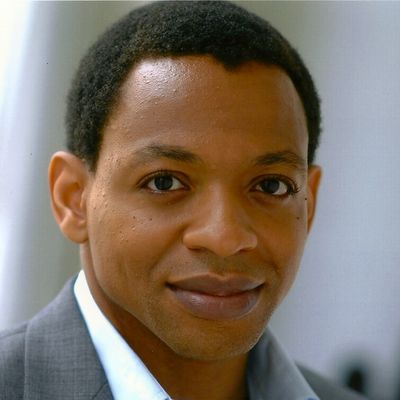
A Broadway veteran, who finished a Tony and Grammy nominated run in Ain’t Too Proud just before COVID-19 shut the industry down, reflects on the inner work and reflection last summer's protests and pandemic prompted in both himself and the country, and shares hopes for audiences to watch Ain’t Too Proud and similar shows with new eyes.
No stranger to originating Broadway roles, actor and singer Derrick Baskin recently earned Tony and Grammy nominations for playing Otis Williams in Broadway’s Ain’t Too Proud. Other Broadway roles he originated include Gator in Memphis (a role he reprised in the filmed version), Jetsam in The Little Mermaid, and Mitch Mahoney in The 25th Annual Putnam County Spelling Bee. Derrick has numerous TV and Film credits including Marshall with the late Chadwick Boseman, Nate on three seasons of Hulu’s critically acclaimed sitcom Difficult People, starring alongside Ethan Hawke in the miniseries The Good Lord Bird, and a recurring role on Law & Order: SVU. Derrick’s concert experience includes performances with Wynton Marsalis, Michael Buble, Wiz Khalifa, and Mariah Carey, and now he has a brand new show coming up at 54 Below, playing June 29th to July 3rd.
Born in North Carolina, the oldest of six kids, Derrick Baskin’s first true love was music and singing; however, he was also a science geek. After graduating college with a biology degree (pre-med) and taking the MCAT, a self-reflective moment prompted Derrick to buy a one way ticket to NYC and never look back.
During our conversation, Derrick shares his early experiences in New York working as a waiter alongside other aspiring artists. He recalls “following them around”, and how he ended up at his first open call audition for Rent. Derrick opens up about his close relationship with Otis Williams (or “Uncle O”, as he calls him), who he portrayed in Ain’t Too Proud, sharing what it was like creating the show alongside him, as well as watching Otis experience the show as an audience member. Derrick talks about his time on set for the film Marshall, reverently remembering Chadwick Boseman’s infectious energy, and incredible work ethic. Derrick also fills us in on his upcoming show at 54 Below, and shares why this is the first time he is headlining at the venue.
In this episode, we talk about:
- The impacts of the BLM movement
- How Dominique Morisseau honored the lives of The Temptations in her writing
- The support system his parents have provided
- How his dream found him while watching Rent for the first time
- His relationship with best friend and fellow Broadway star James Iglehart
- Performing at the Tony Awards while his kidneys malfunctioned
Connect with Derrick:
- IG: @derrick.baskin
- Twitter: @derrickbaskin
- Web: derrickbaskin.com
Connect with The Theatre Podcast:
- Support us on Patreon: Patreon.com/TheTheatrePodcast
- Twitter & Instagram: @theatre_podcast
- Facebook.com/OfficialTheatrePodcast
- TheTheatrePodcast.com
- Alan's personal Instagram: @alanseales
- Email me at feedback@thetheatrepodcast.com. I want to know what you think.
Thank you to our friends Jukebox The Ghost for our intro and outro music. You can find them on Instagram, Twitter, and Facebook @jukeboxtheghost or via the web via jukeboxtheghost.com.
A very special thanks to our patrons who help make this podcast possible!
Transcript
This transcript was automatically generated and might contain errors.
[0:00] Alan Seales: Welcome back to The Theatre Podcast. Intimate personal conversations with the industry's biggest names. I am your host, Alan Seales, and this episode is with Tony and Grammy nominee Derrick Baskin. I love talking with Derrick. He has so much gratitude for this life and this profession that he has, I'm going to say, fallen into. He didn't originally set out to be an actor or even a Broadway performer. He got a biology degree, was full on pre-med, and then all of a sudden, he just decided to try giving singing, not acting, mind you, trying to give singing a try, and the rest is history. There are two times that I remember in the interview where his face lit up so much with the enjoyment and the love for what the subject he was talking about, and these two times were when he spoke of the support and the love from his parents, and the other time was of the friendship and the lessons he's learned, the friendship he's formed with Otis Williams and everything he's learned from that relationship.
Just incredible. He's got a new show where he is headlining for the very first time at 54 Below, June 29th to July 3rd. So, go to 54below.com, get your tickets for that, and of course, we cover that in this interview. It's just an incredible, incredible chat. Find me online at theater underscore podcast. Before we kick off the episode, leave a rating, leave a review, tell your friends. And now, everybody, please enjoy this episode with Derrick Baskin. Today's guest is a Tony and Grammy-nominated actor for his role in Ain't Too Proud. He originated the roles of Mitch Mahoney in the 25th annual Putnam County Spelling Bee, Gator in Memphis, and even has had the fortune of starring in The Little Mermaid.
TV film credits include The Good Lord Bird, starring alongside Ethan Hawke, Marshall with the late Chadwick Boseman, and three seasons on Hulu's critically acclaimed sitcom Difficult People. He has a brand new show coming up at 54 Below, June 29th to July 3rd. Derrick Baskin, welcome to The Theatre Podcast.
[2:19] Derrick Baskin: Hey, man. Thanks for having me. The funny thing about that intro is you forget what you've done. And so, the way you said Mitch Mahoney, there's this intro song that introduces me in the show. And I used to have to say, Mitch Mahoney. And then the cast would say Mitch Mahoney. And so, the way you said it was exactly how the cast used to say Mitch Mahoney, which made me, it literally took me back. Like, Mitch Mahoney. I was like, wow, how did he know? Oh, man. I remember that show, man. It was so good. And that was your Broadway debut, right?
[3:04] Derrick Baskin: Yeah, man, it was. I had no clue what I was doing, man. I was just, you know, happy to be on Broadway.
[3:12] Alan Seales: Right. Oh, my gosh. That was, I think, that was 2005, I believe, if memory serves.
[3:16] Derrick Baskin: Yeah, it was.
[3:18] Alan Seales: God. So, you've obviously come a long way since then. Speaking about your latest show, you were Otis Williams in Ain't Too Proud, which got you, of course, your Tony and your Grammy nomination. Congratulations. It is a story of a group of Black men rising above so much adversity to actually become the icons that they are today. So, if you were to go back into the show now, given everything that's happened with George Floyd's murder and the racial injustices being at the forefront of people's minds, more so than what we'll call normal, would you approach the role any differently? And you actually got to get closure, I think, because your contract ended, what, like a week before Broadway shut down, right?
[3:56] Derrick Baskin: Literally, literally a week before. Like myself and Ephraim Sykes, we had our last show the week before. We went to Miami the next day. And then a week later, Broadway shut down. So, I'm actually grateful to have had like a complete chapter with that show. I'm grateful that I was able to originate it, to shape it, to form what it is now. I'm very honored to have portrayed Otis Williams in that show and in that particular way. I have handed the reins, I've given the reins to Nick Walker, who is my replacement. And I think he might have did two shows, two or maybe three before Broadway shut down. So, I'm sure he's like itching to get back and get into Otis's skin. I will say, I will answer your question this way.
For me, the realities of George Floyd, the racial injustices that you mentioned, a lot of that, which the Temptations kind of endured back in the 50s and the 60s when they were forming, that has always been my reality. So, the only difference is now it's more of a national concern. And I'm grateful for this pandemic because it caused us to sit and be still and to actually look at each other. And I feel that the racial injustices, the plights, if you will, of Black people in this country has become such a focal point only because we were forced to sit still. We were forced to kind of like, everything shut down. So, the things that were kind of screaming at us, that were fighting for attention, those things kind of registered louder with us.
And so, I'm grateful. I'm very grateful for the pandemic because it brought some things to light where all of us, not just Black people, can take notice and say, what do we need to do to kind of fix this situation? And it's going to take a lot of fixing. But when people go back to see Ain't Too Proud, I think they start shows in October. And so, when that show comes back, the eyes who are going to see this show are going to just see it with different eyes. I'm hoping eyes with a little bit more compassion, a little bit more empathy. But I think what's actually really going to hit you is that, yes, we have come far from the 50s and 60s, but yet we haven't. And so, I'm hoping that it will inspire people who go to see Ain't Too Proud once they open again to say, you know what, there's still some work that needs to be done.
What can I do on my part? What can I do between me and my friends even? Because change starts with yourself. It doesn't have to be a huge thing. Everyone doing their own part. Small changes, when you add them up, equal a big change. And so, I think shows like Ain't Too Proud and like Tina the Musical, which is coming back, which just talk about race relations. I think that people would just look at it with different eyes, and I think eyes of compassion. But also, I think it'll just inspire people to, at the very least, make sure the energy they're bringing into the world is that of a positive change.
[7:43] Alan Seales: Yeah. Do you still talk to Otis? I mean, I know that the two of you worked. Being the only surviving member of the original cast today, as the show is opening, I know that he had a lot of input into the creation. And I mean, I guess, I feel like I heard that you formed a friendship with Otis, right?
[8:02] Derrick Baskin: Yeah, man. Listen, he's still my uncle. I call him Uncle O. That's it. All of us call him Uncle O. It's not just me. And I called him, I want to say it might have been two weeks ago, because he posted something. Well, he didn't do it. I'm sure his social media skills are hopefully less than mine. But there was a post of him in the gym, working out, and he looked really good. And so I just called him, man. I was like, look at you, man. I was like, you give me a run for my money. I'm going to have to do some push-ups myself, because he's getting ready to, you know, since the world is opening back up, the Temptations are going back on the road. And he told me, this year, I want to say it's their 60th anniversary.
And this year that shut the world down, this pandemic, he said this is the first time that he stopped in about 60 years. And so he's trying to, you know, just get back in shape and to build his stamina up. And so, yeah, I literally talked to him about two weeks ago. And I will never, that's a friendship that I will forever cherish. Like, that one goes beyond the show. It just does. And he has welcomed me into his heart and into his family. And, you know, when I was portraying him, he gave me his blessing. And there's not a time where I can't call him, you know. And throughout the pandemic, we would just check in on each other. Last summer, I traveled to LA, and I went to go visit him, you know.
And it was like, you know, I, you know, of course, with COVID regulations and all that stuff, everyone has their masks on, and everyone's, you know, doing things from a distance. But I had to see him. And, you know, he was like, yeah, I would love to see you. And that friendship is one that, you know, that's cemented period, like after, you know, I've left the show, but that friendship is going to continue.
[10:07] Derrick Baskin: So another 20 years from now, when you have your 10 Tonys, and someone's making the Derrick Baskin show, and you got some young, young hotshot kid who's coming up playing a young Derrick Baskin. Like, I'm trying to think about this from the reverse situation, right? Like, if someone was making a musical or a movie or a show or something about me, or something's making something about you, I don't, I would be so critical, I think, of, oh, that's not how that happened. But Stephanie J. Block has a relationship with Cher now, and you had a relationship with Otis. And I think that's, I guess, did you, do you think about this? Do you think about what it must be like for him to see his life just thrown out there like this?
[10:53] Derrick Baskin: Yeah, I mean, well, we talked about it. You know, there was a, there was a TV movie, I want to say maybe in the early 90s, about The Temptations, and I saw that when I was a kid, man. And he still hasn't seen that. He hasn't watched it. I think it hits a little bit too close. It hit too close to home, and he hasn't watched that. Dominique Morisseau, the writer of Ain't Too Proud, she just sat with him, and she talked with him, and she really got a really good picture and a really good shape of, kind of, you know, The Tempts as a whole. And so we presented it to him for the first time, 2017, we showed him the first act. We were like, we're just going to, like, ease you into this, because there's a lot, you know?
Like, someone said, this is your life. You don't want to show them all of it, because it can be overwhelming. And so, like, we sat him down, we showed him the first act, and something happened with the guy who played Eddie Kendricks. And he said something, which is in the script, and Otis, like, from, like, the side, he was like, yep. He's like, yep, that was Eddie. And like, once he did that, like, it eased the tension of everyone. And I think he is just very, I think he's kind of humbled at the way we are honoring him. He's a very humble person, you know? He's a very flashy, very flashy person, but the core of him, you know, he comes from very humble beginnings, and that has never left him.
And so, I think it's a bit humbling for him to kind of see us honor his life and the life of his brothers every day. And he's come to the show, and at every, you know, we did a little tour before we hit Broadway, and every city, every theater we were at, he was there. And every time he watched it, it was like the first time. And I could usually see him in the audience, and I could just, I can see the pride, and then I can see him remembering again.
[13:21] Derrick Baskin: He remembers that, you know, when we were, there was a part where we were, it's like on a bus tour, he remembers the struggles of playing, kind of, in the Jim Crow South when the audiences were segregated. He remembers that, and so like, you can see his eyes light up, you can see him holding back tears when there's a loss of one of his brothers. You can really see him go through that. So, you know, when I first started, I was a bit nerve-wracking because you're like, I don't, you know, it's you, you know, that I'm playing. But, you know, the difference is, you know, we're both artists, but he doesn't do what I do, you know what I mean? He's not an actor, you know. He's like, he'll get up there, he'll sing for you, put on a show, but what I do is just a little bit different.
And because of that, I was like, oh, well, you don't do this. So because of that, you know, it kind of eased the pressure. There was no pressure. All I had to do was just honor him as a man, as an artist, because had he not existed, my place here, where I'm at as an artist, would be quite, quite different. And so I was just, every night I was able to say, man, thanks. And we're very similar kind of, it's interesting because we're both Scorpios and our temperaments, they're just very similar. And you wouldn't know that, like when I got cast, they didn't know, you know what I mean? It kind of just happened that we have these similarities in the way that he leads and the way that I lead, you know, when I carried the show, I had to do it from, you know, I'm not the flashy person here.
I'm the person that needs to hold things together. And that's how Otis was, you know, he, and he was kind of the point person with Barry Gordy and Barry Gordy had a really good relationship. And so a lot of things that came from Barry went through Otis. And so, you know, I began to find the similarities between kind of our personas and kind of how we operate through life. And once I did that, it was actually kind of cool. Cause I'm, I'm not a person that like impersonates people. Like that's not my wheelhouse. Like if I can, I can give you the truth of a person, like I can do that, but like characteristics and like, you know, Jamie Foxx, what he did with Ray Charles, like it was so brilliant.
And that, that ain't me. I'm not going to impersonate someone like that. I just not, I probably could, I just haven't. And, and so, but when I found, when I found the similarities between the two of us, I remember one time, like this in the show, in the middle of a show, I kind of just like found him, like it was interesting and it just kind of clicked. And I was just like, ooh, ooh, you're Otis now. Like, it was really interesting. And, and he's just been, I don't know, he's been such a great friend, but he's, you know, he tells us that we're telling the story right. And so that's all you need. And once you get that kind of blessing, once you get that stamp of approval from him, you're good to go.
[16:35] Derrick Baskin: Now that's a level of comfortability and a level, a level of trust and love, I think, love for you and love for the cast to say, like, here, here's my story. I'm trusting you and Dominique and, and all of these amazing individuals to tell it in a way that it, you know, it's not going to paint everybody in the best light. It's going to tell the truth. But see the thing about it and what I'm, what I love about theater, it's okay. So my best friend, his name is James Iglehart. He got a Tony for, he played the genie in Aladdin.
[17:07] Alan Seales: You say that like people don't know who James Iglehart is on this podcast.
[17:12] Derrick Baskin: Okay. That's, that's, that's my bestie, man. And we've been best friends since 2004. We're very, very, very different in our tastes of theater. He's very flashy. You know, he loves musical theater. I'm like a tortured soul. You know what I mean? So like the thing about what I love about Ain't Too Proud is it showed the human side of things because that's what we are. We just have flaws, you know? And I mean, I have so many flaws and, and I relate to theater that shows me, you know, shows me that, you know, these men are icons, you know, the temptations, they were icons and yet they were just men with problems, you know? And I said, ah, I'm a man with problems. I can relate to that. You know what I mean?
And so I, I love that, you know, Dominique, she didn't shy away from, you know, David Ruffin's drug abuse, you know, she didn't shy away from Paul Williams and his alcoholism and, and, and it's also his health problems, you know? There were just a lot of issues that she said, this is, this is what it means just to be a human. And I think if you do that, you actually honor them more, you know, sometimes we're scared to tell kind of the dark sides of things. But I think, you know, when you do that, I think you kind of just honor the people you're playing. And it actually helped me honor myself, you know, like with this pandemic, I was able to kind of just sit down with myself and just say, you know, let's look at the relationships that you're in and let's look at, you know, relationship with your family, relationship with your friends, relationships romantically.
Let's look at how you look at yourself in your career. And I started to see some things that I wanted to adjust that were not always pretty. And I think that what the reason why I could do that is because I did that with Otis, you know, I said, ah, okay, well, he made these decisions. Some of these decisions were like, for the betterment of the group, but also very hard ones. And I've had to also do that with my life. And so that kind of theater is the kind I relate to because it is me and it's all of us, honestly. I get that. I understand the need to tell a human story, make people human. And that's partially why this podcast exists for me, because I want to humanize. I mean, I don't know if you put yourself in the same bucket, but a lot of people do.
The Derrick Baskins, the Ephraim Sykes, the Stephanie J. Blocks, the James Monroe Igleharts, right? All of you have people that look up to you, like you're looking up to Otis, like you're looking up to these other people, and to humanize you and say, you're just a guy with problems. I'm just a guy with problems. They're just people with problems, whoever they are. And I love, I love, I love, I love to talk to somebody that appears so successful business-wise, career-wise, and just be like, man, what bothers you? What makes you like everybody else? And then the feedback from everybody else, it's just like, wow, I needed that. I needed to feel not othered. I needed to feel like I belong. And everybody wants that. Everybody needs that.
[20:34] Derrick Baskin: I think so. It's so funny because he is my best friend and he's so major at the same time, but I don't care what he's achieved, right? He has my heart as my best friend, so we've taken care of each other. And so it's like, I lost my train of thought. When you can say, he and I and Stephanie, Stephanie is a wonderful woman. That's also my little brother. I've known him since 2008. I put him in his first Broadway show. We know where the bodies are buried with each other. It's that situation. But we've just had wonderful opportunities. I've had some wonderful opportunities in my career and they have really been a blessing, but it doesn't take away from me just being still a person with struggles, right?
I have fallen in love. I have fallen out of love. There's a lot of rejection in this business that I have to make sure that I don't allow to deter me from my dreams. I have to make sure that I validate myself as opposed to someone else validating me. These are things that everyone goes through, except for, I don't know about regular people, people who are not actors. Muggles, if you will. I don't know if they deal with as much of rejection as we do because it's just part of it, but everyone deals with their version of, how do I make myself a better person? We can all relate on a human level, no matter what you actually do as your vocation, if you're following your dreams or not.
[22:18] Derrick Baskin: I always believe in finding that commonality between all of us because there's so many common points between all of us.
[22:29] Alan Seales: Well, tell me about Little Derek. What got you into performing? What made you want to start heading down this path in the first place?
[22:38] Derrick Baskin: That's a loaded question, and we'll be here for two weeks if I answer it all the way. For two weeks to answer it, I will try to give you cliff notes.
[22:49] Derrick Baskin: Give me the drunk history version.
[22:51] Derrick Baskin: I'll give you the drunk history. I was born in North Carolina. My mom, I'm the oldest of six kids, and my mom, I don't know how she knew it, but my mom knew that I would be a singer. She always knew that. When I was born, she sang. When I was born, she would take me with her to choir rehearsal. I would just sit there and take in that music, and as soon as I could probably stand, I was in some kind of choir. My dad was in the Air Force, and so we lived in Germany. I was there first, second, and third grade, but I was singing in the adult choir. I was a kid, so I was like a soprano. I just grew up singing. That's always been my first love, and music in general, it just turns my brain on. Then I went to college, and I'm also a science geek, so I wanted to be like-
[23:53] Alan Seales: You got a biology degree.
[23:56] Derrick Baskin: Yeah, I was pre-med, man. I took my MCATs and all that stuff, man. I did. I wanted to be a doctor, but music was always right there. After I graduated college, I was applying to medical schools and graduate schools, and I just didn't want to have any regrets. I was in St. Louis at the time, staying with my grandfather. He's retired now, but he used to be a security guard at the post office, and he worked at midnight shifts. I was working at TGI Fridays downtown across from Bush Stadium in St. Louis. One night, I was just sitting like- It's like you leave your body, and you sit across from yourself, and you're like, okay, what do you really want to do? I said, I want to try this singing thing, because once you get into medical school, that's it, man.
That's all she wrote. I was like, okay, well, you're not going to do- I want to sing jingles in commercials or make an album, something like that. I was like, well, you cannot do that here. I knew St. Louis wasn't the end. I knew that. I was like, this is not where I land. I knew that. I was like, well, what do you need to do? I was like, well, they sing in New York. I think people make records in New York. We're going to take a short break. Stay tuned for more of the episode.
[26:41] Derrick Baskin: I was like, you know, toward the end, I want to say of the run, and my audition was on the news that night, and it was crazy. They had a camera in there recording, and then they kept calling me back, and I was like, I don't even know what I'm auditioning for. I did not know what I was auditioning for. They was like, can you come back later? And they gave me some music to learn. I came back, and they just kept calling me back. So finally, I was like, well, let's just go see. Let's actually go see what you're auditioning for. So I won the lottery, and so I'm sitting in the front row, and the show starts, and as it progresses, I was like, oh, oh, that I can do. Like, it just kind of clicked. It was interesting.
I was like, I can do that. I can do that. That I can do, and that's when it was like my dream. That dream found me. I didn't have that dream, and so that dream actually came to me. It was like, here's why you are here. Here's why you're here in New York. Here's one of the reasons, I should say, and so I was like, all right, let's do it, and so I kept getting callbacks, and I was like, well, you can't just jump up there. Other things are happening. You're not just singing, so I started taking an improv acting class at this place in Midtown. It doesn't even exist. It used to be this black box theater. Now, it's Diamond Haircuts now. You can get your hair cut there, but it used to be a black box theater, and it was on, what was it, the 39th and 8th, yeah, and so I started taking acting classes.
I started going to Barnes and Noble and reading books on acting, and I would just sit on the floor and just try to learn the acting thing, and I never got Rent. I never booked it, but it started the journey of till where I am now with Broadway because I was like, all right, this is what you want to do? All right, then we're going to have to do it. Let's just buckle down, and here we are, man, some years later, and I'm Tony and Grammy nominated.
[29:01] Derrick Baskin: And now, speaking of music, all of these things that you've done so many concerts. I was looking through your resume. You've sung with Michael Buble at Radio City and with Mariah Carey at the Beacon Theater and Wynton Marsalis at Lincoln Center and the Broadway Pops, and my God, looking back at that little kid, is your mom around now to see where you are, what you've become? Yeah, my parents are both around, and they're married. They've been married for 45 years now, and yeah, they're still kicking, still together. They live down in Virginia, and they are my biggest supporters, and my dad, I feel like I have to pay him. He's like my press agent sometimes, and sometimes, it's like sometimes he knows things before I know them, and I'm just like, how do you know?
He said, oh yes, I heard y'all going to D.C. and L.A., like he was talking about. I was like, how do you know this? And they have been just, they've been so proud, and it's interesting because my dad, he is in the Air Force, and so he's very blue collar. They both got their college degrees while they raised us, and so we don't come from much, and so to go to college, it wasn't easy, and I had some scholarships, but they really had to really work hard to put me through college, and then when I decide not to go, you know what I mean, not to be a doctor, for them to turn around and say, son, if this is what you want to do, we support you, and they have been nothing but the best support system. I am blessed.
I am so blessed to have them in my life, and they're so proud. Like my mom, I could tell my mom I sang for three people in a corner, and she started crying. She's just the sweetest thing, and my dad is the same. He's equally as sweet and equally as supportive, and they have just always been in my corner, man. They really have.
[31:06] Derrick Baskin: As a parent, I've got two little kids. As a parent, I'm trying to think of who the equivalent for me would be, but if one of my children was like, dad, I'm hanging out with Otis Williams now when I go to L.A. That's the friendship I've developed in my career. I would flip my lid. I would be so unbelievably proud of my child, my children. My god, and it's funny, too, because I see the love goes both ways. In this time we've been chatting, there have been two times when your face has just lit up beyond belief. It's when you're talking about Otis Williams, and now when you're talking about your parents. They're the best, man. It was so funny when I booked them. I'm trying to cry. They made me cry.
I love them so much, but when I told them I booked the show, when I told them I booked Ain't Too Proud, they went into this long, oh, the Temptations, and they just started going back to when my dad and his sister went to see The Temptations in Indiana. I was just like, what? They have all of these stories about their childhood that I never knew until I booked the show. I grew up listening to the Temptations Christmas. Every Christmas, that Christmas album was the one I knew. For me, my dad is a huge jazz buff, and my mom is a huge gospel fan, and she likes opera. Those are the three genres in my house. We didn't listen to a lot of Temptations. It was just that Christmas album, but when they were growing up, the Temptations, they just ran all through their lives. My family, my parents were so excited. I couldn't tell. They were like, yeah, because, oh, that's great. They just went in, man. They went in. It was crazy. It really was crazy.
[33:00] Derrick Baskin: That is so unbelievably cool. Yeah, that's great. I love to hear the stories of the parents who are like, well, you're not doing what I hoped you would do, but we still love you. We support you. We're going to be in your corner no matter what you decide to do. I think that goes so far. I think, again, I keep saying I really have good parents, but the thing about life is I just think that sometimes there are just direction changes, and you have plans for your life. At this point, I'm single now, but when I was 14, I just knew by 20, I'd be married with kids. I'm going to graduate college. You get married, you have kids, and that's that. Then I changed course and said, oh, I'm not going to be a doctor.
I'm actually going to be an artist. If you are a parent, you live longer than your children, obviously, but you know that life just comes with twists and turns. Their parenting skills allowed me to just follow where my journey is taking me. The only thing that I needed from them is I love you and go.
[34:19] Derrick Baskin: That's exactly what I got from them. When I changed my mind from being a doctor to I want to now be an artist, they were like, we support you. We're not going to give you any money. They're like, the buck stops here, but if this is your dream, we will support you on that. I never got an objection. I remember being scared to tell them. I remember being scared to tell my parents. I told my mom first. She was like, you're going to talk to your father. I was like, I know. I think I waited a week or two. Then I had a conversation with him. He was like, son, if this is what you want to do, man, go and do it. Go and do it. We support you. I've never looked back. Life is just filled with so many plot twists.
It just is. If you just allow yourself to just live life, the thing that you think is a plot twist is probably something that was going to happen anyway because you've allowed your life to take the direction and take the shape it wants to take. I've had so many damn plot twists. I'm just like, oh my God. Okay, here's where we are and let's go. I have a circle of support and a circle of love that each plot twist, there's someone there to deal with that with me. It's been great.
[35:37] Derrick Baskin: I love that. Does this relate to the 54 Below show? We got to talk about 54 Below show a little bit. That's what we're here to promote. Tell me about what's going to be in this show. Is this your first time performing there or first time headlining? This is my first time headlining there. I have been running away from doing a solo show. I want to say when 54 Below first opened, they asked me. I think I might have been in Memphis at the time. Every so often they would ask and I would come up with an excuse. It was a valid excuse in my mind. Ultimately, I just had fear. I had a lot of fear of just getting up there and burying my soul and sharing of myself. I think because of the heart and soul searching that I've been doing this last year and also the work I did with Ain't Too Proud, it gave me the courage to just step into myself, to step into my gifts, to step into my truth.
[36:55] Derrick Baskin: When they asked again, because I can't believe they kept asking, I would have stopped after three. I can't tell you. Those people, I'm telling you, 54 Below people, they're persistent. I'm actually grateful. I'm very, very grateful that they're persistent because I'm in a place now where I can just get up there and just share. Sometimes with cabarets, they can be so masturbatory. I want people to come and hear me sing. I'm going to sing these high notes and come and hear how beautiful my voice is. I've never been that person to want to see a show like that. I never have been a person to want to perform like that. That's just never been me. When I see a performance, no matter what it is, no matter what genre it is, if it's watching someone paint or if I'm watching a dancer at Alvin Ailey, I as an artist, I know when that person is being just truthful as opposed to performative.
I'm in a place now where I just want to share my art. That's all I want to do. This show is very special to me because we talked about the journey and plot twists and all that stuff. My show is pretty much moments in my life. My life has a soundtrack to it. I think all of our lives have a soundtrack to it. There are big moments in your life where you remember like, ooh, that song was playing. With Ain't Too Proud, of course, that's Temptations music. What was I going through when I first started that show? What was I going through when I ended that show? Because that was a journey within itself. That was a moment. I talk about moments and moments because you can have a long moment. You can have moments within a moment.
So I'm going to talk about just some moments in my life. I'm going to go through those and hopefully the people who come to see it, I hope to connect with them and say, oh, you know what? I actually have moments in my life. That song you listened to when you fell in love, that song you listened to when you feel a crime, when you feel out of love. Music is such a reflection. It's such a reflection of the times and artists reflect the times. Again, what's happening in this country? What's the music that you're listening to? What was the music that my parents or my grandparents listened to? What did they sing during the 50s and the 60s when there was a lot of racial upheaval? We're going to look at just all those types of moments.
Since it's me giving the show, you want to start with my moments. Hopefully, it will cause you to look at the moments in your life and make you grateful for all the moments because every moment isn't.
[40:03] Derrick Baskin: Every moment isn't light. Sometimes they're very, very heavy moments. They're very painful moments. But if you're able to look and see how these moments shape you, each moment will be beautiful. I look at a very bad breakup that I had. And then I look at where I am today and I said, if I didn't break up in this moment, I wouldn't be the man I am today, you know, and so that moment, although it hurt, you know, it's actually now it's beautiful. And I'm grateful to say that was actually a beautiful moment. And so 54 Below, you know, when you come and hear some singing, because I will be singing instead of talking. What if I just got up there and talked the whole time? You're like, you expect me to sing?
Hell no, I do that all the time. I'm going to tell you some jokes. No, no, seriously, right, right. Well, check across the road. And, you know, so when you come in here to singing, hopefully the songs, I hope they just kind of touch you in a different way. Even if you love them, I'll be like, it hopefully touches your heart and pulls on your heartstrings a little bit. So we're going to, you know, talk about life a little bit. Oh, I love that. I love that. And I mean, the moments, there's so many moments that I did. Yeah, you're right, that I look back on and I'm like, yeah, that was really, really crappy in the moment. And then like, I wouldn't be who I am. I wouldn't be where I am. I wouldn't be having this conversation if all those bad moments didn't happen.
It's true. And, you know, and it's like, you know, again, because there's so many plot twists, every moment, they're not going to be good moments. But those bad ones, like, they're important to have. You know, they really do shape you. They shape you. I am shaped by some painful moments. I just am, you know. Even this pandemic, you know, and the solitude that forced me to kind of be still, you know, this year was it was rough. You know, it's rough for me, but I am so grateful for it. Like, I am such a different person than I was a year ago because of this pandemic and because it caused it, you know, it caused me to sit with myself and just take in everything and to adjust everything that I need to adjust.
And it's been great. It really has been. And I truly, I thank God. I thank God for every moment in my life. I'm grateful. I'm grateful for the pain, the pain. It kind of like, you know, you have the Grand Canyon, right? And it looks so beautiful. But like water shaped that water, water eroded that rock, you know. And so it's just like with us, you know, sometimes the sharp edges of who you are, the pain kind of just it kind of just softens you a little bit and it kind of just shapes you, you know, and I have been shaped. I have been shaped by life. And it's but it's a beautiful thing if you because where I am now and the wholeness that I have and the healing that I have now, it's because of the moments in my life that have shaped it, you know, and I'm grateful for you're not grateful when you're going through it.
You know, it hurts. Oh, no, you know, it sucks. I hate every second of it. And you're like, when is it over? Because this needs to be over. I'm going to give you two days in the door. And you're like, oh, you know, we're now we're into two weeks. And it still hurts. Got it. Got it. Got it. Got it. Cuckoo, cuckoo, cuckoo. But, you know, it just it just shapes you, man. It does. And if you allow it, it will shape you into having a beautiful life. And you'll be grateful for all for everything that has happened, not just, you know, the Tony nominations, but like the pain that went into getting that Tony nomination. Like I was very sick at the Tony Awards. At the Tony Awards, my kidneys were malfunctioning.
No kidding. Literally sitting in the awards. My kidneys were malfunctioning. I was in the hospital two days later. And you know that at the time or you just felt kind of at the time. At the time, I thought it was food poisoning. Oh, isn't that crazy? And I it was a terrible like I was in pain the entire night. My first time being nominated for a Tony and I'm in pain, pain. And I'm thinking that it's my stomach. Oh no, it's my kidneys. You know what I mean? And so it's just like that was so much pain that surrounded within this beautiful moment of having my first, you know, Tony nomination sitting next to my parents. You know, it's like this. It's like it's so many layers. It's so many layers to like where we are in our lives.
And each moment is so layered in this beauty and such pain and all of it. Oh, so that's like tragically funny. But it's crazy. I didn't do the show that day because I was bowled over in pain. They were like, but can you? They were like, but can you actually perform at the Tonys? I was like, no, I'll be at the Tonys. I just can't do this show. They're like, fine. And so, like, you know, I took whatever medicines I thought I needed to take, which actually none of it I needed to take because I was treating food poisoning and I didn't have food poisoning. But like I made it through and then, you know, we were in the opening number and then the next performance was us because, you know, every show gets to present themselves.
And so we were right after the opening number and then I was done. And so my adrenaline, my adrenaline was so high that I didn't feel a thing until after everything came down. And that's when the pain came back.
[45:41] Alan Seales: We're going to take a short break. Stay tuned for more of the episode.
[45:56] Derrick Baskin: Oh, oh, man, little things, you know, there are so many people that I mean, I say this over and over again on this podcast that you and your peers are the Olympians of theater. You are the top of your craft, the best of your game, eight times a week to make it fresh and new every single time. Yeah, man, it's just not through everything. And it's like it haven't. I will have several entities, but my auntie at the time, she was I will go on there and, you know, for a checkup and she's like, I don't even understand how you're performing at what I'm looking at. You know, she was like, you know, she would scope my sinuses and I probably have an infection in there. She was like, did you do the show yesterday?
I was like, yep, and I'm going to do a show today. She was like, I don't understand how you're doing that. And then that's just the insides of me. Like, let's not even talk about physically, like, like the amount of strain and stress, like my knees happen because I'm in these dance boots for Ain't Too Proud. I'm in a show where I'm in every single scene of the show, so I don't get to sit down and so I'm standing and my legs are on fire and my back is on fire. And at the same time, I have to make sure that I'm talking correctly so I don't lose my voice because I'm talking 90, 95% of the book was me talking. Do you know what I mean? And then I got to turn around and sing and then I have to dance in over 25 numbers.
Like, you're not supposed to do that. That's you're not supposed to do that. Did you prep Nick, Nick Walker? Do you be like, dude, listen, listen, start working out now, bro. We sat down. He called me because I think he was coming off of the Hamilton tour. Yeah. And he called me. He was like, I want to sit down with you. I was like, I want to sit down with you. And I was like, I need to let you know what's about to happen. And because I mean, no one could tell me that because I originated and I was, you know, I was doing it in real time and learn as I go. But I was like, here's what's going to happen for you. Here's what you need to do. And we just sat down. We went to a sushi restaurant right in midtown and I sat him down.
And I said, here's what's going to happen and get ready for A, B, C and D. And I was happy to do it, man. I was because that's the one thing I wish I had. But no one can tell you something that hasn't been created. You're creating it. That's what I was going to say. The flip side of this is that now, you know, like your name, your who you are, Derrick, is part of the show and it will be forever. It won't be what it is without your contribution. That's my show. Listen, that's my show. The tone of the show is based off of my energy since I was a lead. And since I was carrying it, I was number one on the call sheet. And so that dominant energy is what determines what the show will be. And so I would start doing things and Jeremy Pope and Ephraim Sykes were like, okay, that's what we're doing, boom.
And so then everyone just kind of piled in and everyone kind of just lined up. And I said, this is the tone I want, this is the tone I'm going for. And that was the tone of the show and it will probably continue to be the tone of the show based off of my energy. But really, also based off of Otis's energy because this is Otis's energy. And I was like, the one thing I wanted to do is make sure that I, because I look nothing like him. I look nothing like him. And he's about five or six inches taller, he's several shades darker. And it's like there's no physical similarities, but his spirit I get. And I wanted to make sure that his spirit kind of lives on well after I'm done with the show and well after there's tours going out.
And hopefully he'll go to London and Australia and Tokyo, and each one of those tours, hopefully, his spirit will live in each of those. But I have to determine that and I was like, all right, this is what it is, y'all. And let's go.
[50:07] Alan Seales: I love that. I love that. But the phone line. Man, I love how that comes together because when everyone is not in it for their ego and they're in it for their characters and the creation and the pure art of it, and it sounds like that was just what it was. It's like, all right, we are telling the story. We are working together to pull this into existence. And to take this, I mean, out of the mind of Otis, out of the mind of Dominique, and off the page. That's, I mean, I have never had the opportunity to originate a Broadway role. Many people will never have that opportunity. That's, again, one of those moments where you're like, it is painful in it and you look back in it. And I think from an evolutionary standpoint, right, we're only, we're kind of conditioned to only, sorry, we're only preconditioned to remember really the good stuff.
Because we want to continue to go back to that. And herd immunity, you've got your tribe, you've got your chosen family, you've got your cast. Casts are family. I say that over and over again, too. And you're making these connections and building a legacy with a group of guys you may or may not have ever had an opportunity to know beforehand, but now you'll know forever.
[51:15] Derrick Baskin: Absolutely, it's very true, man. And I've been fortunate to, I mean, that's the fourth show I originated. I don't know, that's my only experience on Broadway's originating shows. That's a blessing. Yeah. That's a blessing in itself, you know? And I've been very fortunate to be part of some really good casts. And to have some really good connections. Like, again, me and James met in 2004 with Memphis. We even made it to Broadway in 2009. And so we've remained friends. And Sherri Renee Scott, we're very, very close. And Sierra Boggess, who played Ursula and Ariel in Little Mermaid. The three of us, we're very, very good friends. With Spelling Bee, we still keep in touch. We just talked for Pride at the top of June.
Jose Lana just sends us a text, happy Pride, y'all. And so it's like, then the whole group just gets together. And we just kind of just reminisce and joke. And it's a beautiful thing when you can kind of, over through the years, the connections that you make, you can continue to kind of feed them. And you're not always going to have them because, again, theater is a job. So I don't necessarily, I'm not going to be in close contact with everyone that I've ever worked with. But there are key connections that I will always hold on to.
[52:44] Alan Seales: Yeah, it's a beautiful thing.
[52:46] Derrick Baskin: Absolutely. That, for me, was actually very strange when I first got into the business because I didn't study what I'm doing. And I kind of just threw myself into theater. And I was like, y'all get so familiar with each other so fast. I was like, what is going on here? Yo, fast friends. Everyone's like, fast friends. And everyone was hugging on each other and all this hugging and touching. And I just met you. It was such a, it was, that was, for me, an adjustment. That was an adjustment. I was like, I don't know you. You hugging on me and touching me.
[53:24] Derrick Baskin: I love you, my friends! It's really cool, man. It's the theater community. It's a beautiful community to be part of. Broadway community, it's a wonderful community to be part of. I think there's a subset of the TV film too, that side of things that the people who, you know what I mean, you're obviously going to make, let's call it what it is, you're going to make a lot more money doing TV and film for the most part, but then you come back and you find the joy and the love in theater. I think of somebody, I'm going to bring up Chadwick Boseman, right? Now this guy, I feel like he was one of those guys, I never had the pleasure of meeting him, and I feel like he's one of those guys, though, that, again, you're going to be fast friends with, and I just get the impression from the interviews, from what I see from him, from what I hear from people who know him, that he influences everyone he touched.
You know, he was a producer and the lead character on the movie that I shot with him called Marshall, sort of Thurgood Marshall. The other headliner in that movie, Josh Gad, we were in a Broadway show together, so I came in knowing the other lead, and so it was really cool, but Chadwick had this energy that was just, oh, it was just very infectious, and it was very, I remember him being just very calm. It was a very calm and positive energy, and I think he kind of knew the role he carried in that movie, but there was no pretense to him, and he felt very, and I'm going to say this, I'll say, I'll give him this term, he was a very kind of like a blue-collar actor, right? So, he's like, let's get dirty, let's get down into this scene, and let's work this scene, you know?
He's not fancy, he's not a fancy, sometimes he's a very fancy actor, you know? He's not that guy, he's like, I'm here to work, you know? And I just remember him just, his work ethic was just wonderful, and he was just very, very kind, and that's my experience of him, you know? We were not friends, you know? But we worked together really well, and he welcomes me into that movie, and you know, the scenes that I got to share with him was wonderful, but even, but outside of that, when we were just between takes, he was really cool to talk to, and I would, we filmed that in Buffalo, and so I would fly back and forth, because my scenes were kind of spread throughout the movie, and so I didn't have to be there the whole time.
So, the second time I came up, they were doing, they were in the courthouse or whatever, and he saw me, he's like, hey man, what's up? He's like, did you get to see, like, what's going on right now in this, in this scene that they're shooting? I was like, no, he's like, no, go check it out. He's like, go sit with the director, and like, look, and I was like, all right. Like, he was, he was, he was that guy, you know, just really excited about working, and I'm grateful. I really feel like I learned from him. I did, you know, and kind of how to, again, because God willing, I want to be an A-list actor myself, and I want to carry, I want to carry a movie. I know how to carry that now, because I watched him carry it, you know, and I'll take my experience from carrying my show on, in Broadway, in addition to what I've learned, how he carried his movie, and how he carries his movie, how he carried his movies. It was just a great, great experience, man. He's a, he was a wonderful man, he really was.
[57:12] Alan Seales: Yeah, yeah, I can tell, I can tell, I mean, I, the idea that I get from him, at least from what I'm reading and everything, it's just, it feels like, again, that's just who he is. He was, he was always, always wearing, yeah, just always wearing his personality on his sleeve and carrying it into his characters, right? Like, this is, this is who I am. And just not a bit of pretense, like, that's what you want, like, it can sometimes be, when someone has really achieved something, like, so, like, the Viola Davises, the Denzel Washingtons, the Tom Hanks, the Steven Spielbergs, like, these guys are juggernauts in our business, right? And so, it can be intimidating working for someone that has achieved so much, but when then, when they turn around and say, I actually don't care about what I've achieved, we're here working together, that's the kind of actor you want to work with.
I, I hope that's the kind of actor that I, I remain, like, I don't care, like, it's, I'm grateful for the achievements, I really am, but when I'm in something, that's all that matters, that scene and that project. I don't, I don't care that I have a Grammy nomination, I don't care that I have a Tony, I don't care, I don't care what I have achieved, because what I need to achieve is making sure that we tell the truth in this particular piece, and what I need to show up fully here. I can't show up fully if I'm, like, look at, look at my achievements, I can't show up, you know what I mean?
[58:29] Derrick Baskin: Yeah, yeah, I mean, yeah, yeah, I'm, you know, I'm playing a doctor here or a spy here, but did I ever tell you when I got a Tony nomination, like, no one cares about that, like, in the heat of the moment, you know? Let's just show up, let's show up, let's do this piece, and, like, I feel like Chadwick was like that, and I feel like I'm, I haven't met a lot of these people, but, like, I haven't met any of those people that I mentioned, Viola, Denzel, I'd love to meet you guys, you know, I've never met, no, I did meet Spielberg, I have met him, he's, like, a nice guy, I met him at church. What? I met Spielberg at church, and so, like, yeah, which is weird, a whole nother story, but, like, you know, they just, it, it, I hope that, you know, that level of success says, you know, yes, I've achieved it, but what's more important is what we, together, are going to achieve in this piece. Chadwick was that guy, for sure.
[59:22] Derrick Baskin: All right, so let's wrap up here with three questions I ask everybody to end out the episodes here. The first one, very simply, is what motivates you?
[59:27] Derrick Baskin: Gratitude. And that is very new for me. I am in a place in my life where I have adjusted my perspective in what I do, right? A lot of times, especially with Broadway, you get so tired, because eight shows a week, you should not be doing eight shows a week, ever, and doing this show, doing Ain't Too Proud, that, that, it just took it out of me, man, it truly did. Physically and emotionally, like, spiritually, it just did, and I kind of lost the gratitude of what I did, and where I'm at now is just making sure that I remember, like, I get to do this, and, like, what a blessing that is to get to do something. So, like, right now, you know, I'm in between projects, but that work will come, and when that project presents itself, I get to do that, you know, and so I'm excited, and it kind of keeps the energy for me moving forward.
It's just like, ah, what's next? Like, all right, and then once I get that, yes, thank you, God, for this, you know, this blessing, this project. I think staying thankful for what you are doing in the moment kind of creates the next moment, and it kind of, it allows the abundance that I think all of us are looking for to kind of continue to move and flow through our lives, so gratitude motivates me.
[1:01:04] Alan Seales: All right, what advice would you give to your younger self and younger people listening now starting out down a similar path?
[1:01:12] Derrick Baskin: Oh, so many things I want to say, so many things, but the first thing I will say is find your truth. Find out who you are as a person, as a woman, as a man, however you identify. Find that truth. Learn to accept that truth. Sometimes that truth is hard to accept, but learn to live in that truth. Learn to live in your body. Learn to live, listen, I have big lips. I got a big wide nose. I have big eyes, big ears. My widow's peak is off-centered. Like, I know this about myself. It's all true, man, but I know this about myself because I have accepted it, right? Like, I know that I'm not going to have the Eurocentric nose. I know that. I know these are my features. My body, you know, I'd love to be two percent body fat, but that's not who I am, you know, and I am still learning to kind of accept that, you know, and so I would say just live in your truth.
Whatever that is for you, your sexuality, you know, gay, straight, bi, fluid, whatever that is, learn to like just live in that and accept that because once you start accepting yourself for who you are, your art is just, it's just elevated. It's completely elevated because you are truthful with yourself, so you can be truthful in your art because if you're not, and again, listen, there's probably a lot of actors that we know that are like A-list actors who are probably not living in their truth and who are living double lives or they're very depressed or whatever because a lot of times you think this is happening in this actor's life because they're making so much money, but actually the opposite is actually happening, you know what I mean?
And so once you are able to live in your truth and know that your journey is your journey and no one else's, don't look to the right and don't look to the left. Be happy where you are, be content in where you are, and learn to live in your truth. I would say that first.
[1:03:29] Alan Seales: All right, last question then. If you could only see one show for the rest of your life, but you can see it as many times as you want, what would you see?
[1:03:34] Derrick Baskin: Oh, that's not fair, man. That's not fair. Can I give you two?
[1:03:43] Alan Seales: Sure, sure, you give me two.
[1:03:45] Derrick Baskin: I'll give you two, I'll give you two. So the first one would be The Wiz.
[1:03:50] Alan Seales: Nice.
[1:03:51] Derrick Baskin: For sure. The second one would be Light in the Piazza.
[1:03:55] Alan Seales: Oh, that's an interesting choice.
[1:03:58] Derrick Baskin: Oh man, that thing. I'm a hopeless romantic, so there's that. And that show, I was in Spelling Bee when that show was on Broadway and we were up against each other in all the categories for the Tonys. And that Tony Awards was really cool because we got these two Tonys, they got those two Tonys. It was really evenly split. And I think Spamalot was there that year too. But when I sat and I saw that show, I don't know how I was able to see it. I guess we were on different schedules for like a week or two and I was able to go see it. And Victoria Clark, who won the Tony that year for Best Lead Actress in a Musical, I met her at Spelling Bee's off-Broadway opening and I didn't know who she was. I had no clue who she was until I saw her on stage on Broadway.
And there was this moment where she entered and she walked straight down, um, she walked straight down the center of the stage. It was at Lincoln Center, so it was like in, you know, it's in the round, essentially almost a round. And so she walks straight down and she sees me. And then she looked right through me. She was like, I'm here to work. And I was like, oh my god, this is amazing. So I just learned so much. But also the music, it's just beautiful, romantic music, which I'm really into. I love, you know, kind of a period piece. And so those two musicals are my favorite.
[1:05:35] Alan Seales: Oh, I love that. All right. So where can we find you online?
[1:05:38] Derrick Baskin: Uh, social media, uh, Instagram is Derek.Baskin, D-E-R-R-I-C-K dot B-A-S-K-I-N. Twitter is just at Derek Baskin. Uh, those are the two that I am usually on. Um, probably won't see you on Facebook. Instagram is, you know, Facebook is for like, you know, my family, my aunties, my cousins, but like, you know, follow me on Instagram, follow me on Twitter. And, you know, I'd love to interact with everyone.
[1:06:13] Alan Seales: Oh, I love that. I love that. All right. You can get more of me at the theater podcast dot com. I'm on Instagram and Twitter on theater underscore podcast. I am on Facebook slash official theater podcast. Leave a rating review wherever you're listening now. This has been edited by Well-Rounded Hoodlum Productions, music by Jukebox the Ghost and Derek, conversation by you. Thank you. This is so much fun. Thanks for having me, man.
© Broadway Podcast Network, All Rights Reserved