

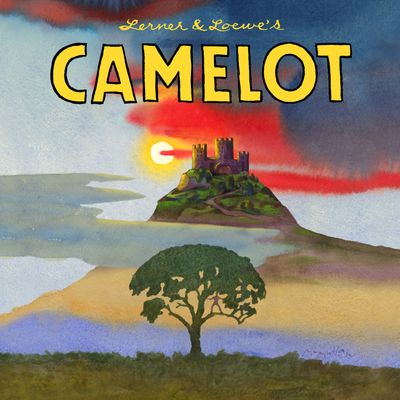
Actor, dancer, musician and producer Aaron Dalla Villa was most recently seen as the slimy Mordred in the Bay Street Theater production of Camelot. His Off-Broadway credits include Seeing You, and Sleep F$@cking: Revision, while regional theater roles include Mr... Read More
From the show: The Theatre Podcast with Alan Seales
Featured Shows
About
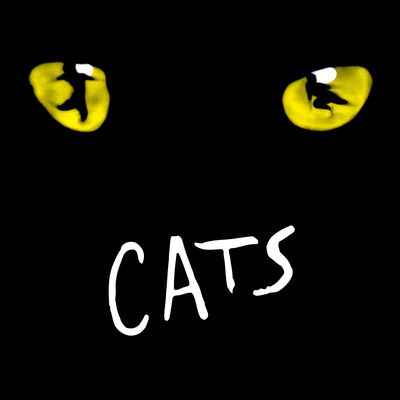
Actor, dancer, musician and producer Aaron Dalla Villa was most recently seen as the slimy Mordred in the Bay Street Theater production of Camelot. His Off-Broadway credits include Seeing You, and Sleep F$@cking: Revision, while regional theater roles include Mr. Mistoffelees in CATS, Treat in Orphans, and Peter Pan in Peter Pan Workshop (Broadway Asia). His slew of TV credits include Gossip Girl, Girls5Eva, Madam Secretary, Duels, Gotham, On The Verge, and Late Night with Seth Meyers. He can also be seen in numerous films including Alpha Rift, All Those Small Things, Pledge, Trick, and Immortal. Aaron is both a classically trained ballet dancer, and a rapper.
Growing up in Suffolk, Virginia, Aaron’s affinity for rap and hip hop put him on the path to becoming a trained ballet dancer, and eventually, an actor. He opens up about a creative endeavor which he has only recently begun sharing publicly - writing and producing his own music. He speaks candidly about his journey with therapy, sobriety, and self-reflection, which have all allowed him to stay grounded and focused on his artistic choices and career. Aaron also shares his hopes for inspiring “that little kid in the audience” (who was at one time him), and the beauty of capturing moments, albeit differently, on stage and on screen.
In this episode, we talk about:
- A missed opportunity to audition for Billy Elliot on Broadway
- Why “dance” is under special skills on his resume
- His drive to be a movie star
- How he unwinds, recharges, and takes care of himself
- The importance of consistently showing up
- Tracing his Italian roots
Connect with Aaron:
- IG: @aarondallavilla
- Twitter: @aarondallavilla
Connect with The Theatre Podcast:
- Support us on Patreon: Patreon.com/TheTheatrePodcast
- Twitter & Instagram: @theatre_podcast
- Facebook.com/OfficialTheatrePodcast
- TheTheatrePodcast.com
- Alan's personal Instagram: @alanseales
- Email me at feedback@thetheatrepodcast.com. I want to know what you think.
Thank you to our friends Jukebox The Ghost for our intro and outro music. You can find them on Instagram, Twitter, and Facebook @jukeboxtheghost or via the web via jukeboxtheghost.com.
Transcript
This transcript was automatically generated and might contain errors.
[0:00] Alan Seales: Welcome back to The Theatre Podcast. Intimate personal conversations with the industry's biggest names. I am your host, Alan Seales, and today we have an up-and-coming actor who I am incredibly excited to share with you, Aaron Dalla Villa. Oftentimes I interview people that are already on Broadway or who already have decades of what I will call theatrical success. Aaron is only a couple of years into his performing career, and he is one to watch. He is up-and-coming and has so much talent. He is a classically trained ballet dancer and a rapper, something that he has found and discovered as a method of a bit of self-expression, even most recently into COVID. But he's got a huge TV and film career already, and he's coming to the theatrical world to bring that into his resume as well.
This guy just seems to be able to do everything and has an incredible story and is very, very honest and raw about who he is and how he got here. So, Aaron, thank you for sharing this story. As always, before we get into the episode, find me online, Instagram and Twitter at Theatre Underscore Podcast on Facebook, slash Official Theatre Podcast. If it's not down for whatever reason, please leave a rating and a review wherever you are listening now. And everybody, please enjoy this episode with Aaron Dalla Villa.
[1:36] Alan Seales: My guest today was most recently seen as the slimy character Mordred in the Bay Street Theatre production of Camelot. He has numerous theatre and film credits in addition to TV credits, including Gossip Girl, Girls 5, Eva, Madam Secretary, Gotham, On the Verge, and Late Night with Seth Meyers. He's both a classically trained ballet dancer and a rapper. Aaron Dalla Villa, welcome to The Theatre Podcast.
[2:03] Aaron Dalla Villa: What's up, man? A hell of an intro, man. I like that. I want to start with the ballet dancer and the rapper, because those are two bits of culture that I would not have expected to have a wonderful crossover. So let's start with that. Tell me how you got, I guess, you know, little Aaron, right? How did you get to be this classically trained ballet dancer? And where did rap come in?
[2:22] Aaron Dalla Villa: Man, ever since I was a kid, I was always a big fan. I guess the rap came first. I was always a fan of hip hop music. You know, I listened to Kanye West and Jay Z growing up, and then the crossover with Linkin Park as well. So that was my thing. And I got into music first, and then my mom was basically like, I could do a little hip hop and stuff, because I liked hip hop music. I liked to dance that style. And my mom was like, they need a guy on the dance team. My sisters were on the dance team, a local competition dance team. And I said, okay, I'll do it. So I started doing hip hop, and the teacher saw me and was like, I really want to put him in ballet. And I was resistant at first, but then I started doing ballet, and I fell in love with it, and I got good at it. And then I was like, oh, okay, I guess I'm going to be a ballet dancer. So actually, the rap led to hip hop.
[3:18] Alan Seales: No kidding.
[3:19] Aaron Dalla Villa: Yeah. I mean, the rap led to ballet and not the other way around.
[3:23] Alan Seales: Right, right, right. So wait, how old were you then at the time when you started first rapping, and then when you got into ballet?
[3:28] Aaron Dalla Villa: Started rapping when I was probably around 12. 12 was when, you know, it wasn't like rapping, rapping. I just had an affinity for the music. 13 when I got into ballet, and then I started writing lyrics when I moved out, like 18, 19. Yeah, and I just stored them on my computer, and I never did anything with them. And it was actually the pandemic that actually said, hey, it's time to put this out into the world.
[3:56] Alan Seales: Oh, wow. So this is sort of a newish thing, I guess, to put yourself out there in terms of receiving criticism, because when you start writing songs, it's vulnerable.
[4:11] Aaron Dalla Villa: Oh, very much so. And that's why I'm happy that I put it out there, because I've come to a point where I've realized everyone's kind of busy with their own thing. No one really cares. People want to have an opinion about something fine, but I do this for me. I do this for me, just so I can put it out there and say, hey, I did that. It's out there in the world. Let it be what it is. And if it catches fire and if people love it, great. If people don't like it, then they don't have to listen to it.
[4:40] Alan Seales: Right. Well, that's a good attitude to have. There's so much, especially in the performance aspects, the performance space, that people lend itself to doing this type of work because they're seeking some sort of validation. They're seeking that attention to get the affirmation from others for one reason or another. So to be able to say, you know what? I'm putting this out there for me. And if you don't like it, just don't listen to it. That's a really, really good start.
[5:17] Aaron Dalla Villa: If I were to look back and give advice, this is my advice, is that I think you're doing a good job. And just remember this. Remember that you said this, because I think there's going to be a time when you're like, oh my God, that critic, that critic doesn't like me.
[5:31] Aaron Dalla Villa: Bro, it's already happened. Sometimes I can't watch the reviews. I got a new movie coming out. Literally, I've had reviews that didn't like my character or they complained about the film or whatever and stuff. And I can take things so critically and harsh. And yeah, that validation, I first started doing this industry, I wanted to make it so I could get my mom a house. I wanted to get her out of the living situation she was in and I wanted to provide for her and stuff. And now I do this for me. I don't do this to get their approval. I know they're proud of me, but at the same time, I don't need them to be proud of me because I'm proud of me.
[6:13] Aaron Dalla Villa: Snoop Dogg talked about it. He was like, I want to thank me. I want to be proud of me. And that's how I feel. I thank me. I want to be proud of me for going through what I went through and coming out on the other side. And yeah, so the validation comes from me being proud of what I do. But yeah, 100%, man, you got to stay grounded because that one critic could say something, then all of a sudden your mind starts spinning and the self-doubt creeps in, all that. Yeah, absolutely. Absolutely. Can I ask what, you said you're proud of you for going through what you went through and coming out the other side. What does that mean?
[6:49] Aaron Dalla Villa: Man, coming from Suffolk, Virginia, man, and seeing people getting married at 20-something. Not that I say wrong, but I just had bigger aspirations in life. You know what I mean? And just coming from that environment and not being in the entertainment industry and family has a past dealing with addiction and illness and coming from that environment and getting out of that and becoming independently, financially stable on my own. And yeah, that's come. Basically, I didn't say I came from nothing, but I did come from middle class, blue collar. And there were situations where I felt like I was held back. Personally, growing up, when I was dancing, my dad, Billy Elliot, they were like, yo, he's got to audition for Billy Elliot on Broadway.
He's got to audition for Billy Elliot on Broadway. My dad wouldn't let me audition for Billy Elliot on Broadway because his best friend in the movie is a homosexual. And I come from a very conservative upbringing and very anti-homophobic and all that stuff. And now I work in the arts. But listen, they're from a different time. He was born and raised, he was born in the 50s. They're from a different time, not 50s. He was born and raised in the, what is he now, 50s? 70s. But anyway, they're from a different time. But that's where I came from. And I said, when I was 18, I was like, I got to get the hell out of here. So I did. So I did, man. So yeah, it's made me a part of who I am today. It's made me fight harder. It's made me more ambitious. And I really know the value of a dollar. I really know the value of a dollar.
[9:01] Alan Seales: I can relate to growing up in the South. I grew up in a tiny little town in North Carolina.
[9:06] Aaron Dalla Villa: Oh, man, which one? My family's from North Carolina. My mom's family's from North Carolina and South Carolina. I tell people I'm from Raleigh because that's all the thing. That's what people know. But yeah, but I'm actually from a town called North Wilkesboro, which is where NASCAR was created.
[9:10] Alan Seales: Oh, man. If y'all was a NASCAR fan, the speedway around there, man. I don't give a shit about NASCAR.
[9:24] Aaron Dalla Villa: I could hear it on race day from 10 miles away, but that's about as close as I ever got to it.
[9:29] Alan Seales: Oh, my God. Also, the Tyson chicken processing plant, the capital of the East Coast, I think. Most of your Tyson chicken comes from this processing plant in my hometown.
[9:35] Aaron Dalla Villa: Amazing. It's not even real chicken.
[9:50] Alan Seales: Amazing. Oh, God. This is way off topic. I love it though. I remember driving around the highways when I was going to and from high school and whatnot, and you get stuck behind a chicken truck, just one of these giant 52-foot flatbeds with stacks of chickens and the stench that comes off when you're driving behind it. I'd rather sit behind a garbage truck.
[10:02] Aaron Dalla Villa: I'm good, man. Nothing on Tyson chicken. I don't buy frozen chicken, man. I'm good.
[10:21] Alan Seales: Well, that's my hometown, so I'm with you. I'm with you. Listen, I relate. My mom is... Jesus, man. Super conservative. The rapture's happening in a year or two years, whatever it is. The new world order. Listen, I got stuff to do. Y'all can watch YouTube videos all day. I got stuff to do, okay? All right? I got an interview with a theater podcast, okay? All right? Y'all stay over there, and I'm going to go over here.
[10:56] Alan Seales: I recently saw you in Camelot. I saw the production of Camelot.
[11:01] Aaron Dalla Villa: Oh, you did?
[11:01] Alan Seales: Yeah, yeah, yeah.
[11:02] Aaron Dalla Villa: Oh, my man.
[11:03] Alan Seales: I did. I loved it. I loved it.
[11:04] Aaron Dalla Villa: Thank you, man. Thank you, man.
[11:06] Alan Seales: That was the first thing I saw. Yeah, no, I'm trying to think. That's the first theater production I saw post-pandemic. Well, sorry, post-pandemic.
[11:17] Aaron Dalla Villa: Wow. You went a year and a half without seeing live theater, basically?
[11:21] Alan Seales: Pretty much.
[11:21] Aaron Dalla Villa: Damn.
[11:22] Alan Seales: Yeah, there was not a lot happening, and it was so nice to get out there.
[11:37] Aaron Dalla Villa: I love James Harker. I'm actually going to his invited dress for Ain't Too Proud on the 15th.
[11:43] Alan Seales: Oh, I cannot wait. I cannot wait to see that crowd back on Broadway, but him and Jeremy Kushner. And of course, it was fun because the night I was there, Julie Andrews was in the audience.
[11:51] Aaron Dalla Villa: Oh, you were there opening night or closing night?
[11:55] Alan Seales: Closing night.
[11:55] Aaron Dalla Villa: Oh, yeah. Julie Andrews. No, it was lit, man. It was lit. We had a great time. It was so cool. Yeah, because her daughter, she and her daughter started the theater, the Bay Street Theater. So that's that connection there. But anyway, I bring that up because like you've got rap, you've got ballet. I love how they threw some ballet for you into the show.
[12:10] Aaron Dalla Villa: That was pretty cool. I was like, damn, that dude can dance. And that's funny is that Marco Santana. So people used to see me as a dancer. And then I had an acting coach basically say, take the dance credits off the resume, because if people see you as a ballet dancer, they don't see you as anything else. It's weird. I don't know.
[12:34] Alan Seales: Oh, good. It's weird.
[12:34] Aaron Dalla Villa: So put the dance in your special skills so that people see you as an actor. Now people see me as an actor. And the ballet is kind of a secret weapon that I use. So I show up to rehearsal and Marcos is like starts doing the choreography. And I'm like, really catch on. And he looks at me and he's like, you're a dancer, like, like, like, like, what's going on here? I was like, yeah, I can do whatever. He's like, all right, so just some footage here. I was like, OK, cool. So it's cool. It's better to have as a secret weapon if you're trying to stay diversified.
[13:06] Aaron Dalla Villa: And if anything, I've learned with investing in stocks and Bitcoin or whatever stuff is also the diversification of your portfolio. If you want to work, be diversified, be focused, but be diversified in your skills and your talents.
[13:24] Alan Seales: Well, so of everything I've been reading, we've got everything we've talked about. But then, of course, talking about Camelot and the other theater credits you've done, you're a singer and you're an actor.
[13:28] Aaron Dalla Villa: Yeah.
[13:33] Alan Seales: And man, you got the slimy. Oh, Mordred, I wanted to hop up on stage. You hate him or what?
[13:39] Aaron Dalla Villa: Oh, my God. I was just like, oh, what a jerk. And he does it in such a way where he's not like, ha ha, I'm evil. He does it in a way of like, hey, how are you doing, Dad? You good? Like, I'm here to be your friend. You know what I mean? And he's just sly as shit.
[14:01] Alan Seales: So what did what path do you want to go down, though? Because now you're moving ballet to your special skills. You're moving dance to your special skills. And then you've got these movies that are coming out. You've done lots of TV credits and now you're singing. Right. You can sing. You're on you're doing this theater. Would you go do you want to go to Broadway? Do you want to keep doing film? What do you want to go?
[14:21] Aaron Dalla Villa: Movie star, movie star. That's that's the focus. Movie star.
[14:27] Alan Seales: Yeah.
[14:27] Aaron Dalla Villa: So Broadway, Broadway movie adaptation.
[14:32] Alan Seales: That would be sick.
[14:32] Aaron Dalla Villa: Listen, listen, if I have an offer to do an off-Broadway show next year, I'm waiting on the contract. That would be a year and a half contract. We'll see how that goes. If I got offered the opportunity for Broadway, you know, I want it to be the right role, something that I could consistently do eight shows a week and keep bringing my one hundred and ten percent of myself to it every time and never because I don't ever like to get into a situation where I'm just kind of like, all right, let's get this over with. Let's churn it out, because the reality is and, you know, people talk about this. There's that little kid in the audience. That's me when I was a kid who's seeing up for their Broadway show for the first time. You know what I mean? So I want to be that spark of inspiration that kind of bites that bites them. You know what I mean?
[15:21] Aaron Dalla Villa: But I feel like you have so much more accessibility with film to reach a wider audience. The beauty of theater is that it's that moment that is captured in that time and it's never seen again until the next day. And it's a completely new moment. But then the beauty of TV and film is that it's captured forever and someone can see it can be seen by so many more people.
[15:44] Aaron Dalla Villa: So my biggest path right now is focusing on the movie star angle, but being open to the universe's opportunities when it comes to TV, film and those are the main focus. It's acting for sure. The rapping, the music, I put that out because I love it, because it's a hobby. I'm not trying to tour or anything. I'm very lucky because they've actually been able to blend. One of the movies I have coming out, I actually play a hip hop mogul and I wrote two songs for the character and they're actually in the film. So that has happened. That's what I wanted to happen. I wanted the things to kind of marry on that scale and they have. And that's only happened because I've put the work out and the universe has been like, okay, let's meet, let's come together.
[16:32] Aaron Dalla Villa: So that's my focus right now. And the dance I like to have as a special skill thing on the back burner and stuff, because you never know. They can make a remake, another remake of Footloose or they can make something and it's like, oh, we need a dancer or whatever and stuff. Okay. Aaron's ready to go. You know what I mean?
[16:50] Alan Seales: Listen, so you got Lin-Manuel who's merging hip hop with Broadway.
[16:56] Aaron Dalla Villa: I think you got a path to merge hip hop with ballet.
[16:59] Yeah. That's a great thing you say. If I were to come up with a show like Hamilton, but my own version of something, a Broadway show, I mean, that man is, he is really connected to the source. He is connected to some sort of artistic energy and I know he's a workhorse. The man just works nonstop and is just so dedicated to his craft and just so absolutely brilliant. So yeah, that would be definitely something down the road that I would be interested when I've satisfied these other things that I want to do first.
[17:39] Aaron Dalla Villa: And then maybe I can step back and say, okay, I want to create this thing for the stage or for the film, that kind of thing. Because right now my focus is besides auditioning and what I'm shooting, developing this one feature film script for me that I'm really excited about. And then maybe other projects will come in down the line. I don't like to be working on too many things at once and I can do that because then my energy just gets spread out and thin and I'm not able to focus as much and stay as grounded as I want to be.
[18:14] Alan Seales: Oh, I totally get that. And it feels like, and I don't know, I guess, I was gonna say I don't know if it's good or bad. I think it is leaning more towards bad. But with the use of the internet, the use of social media, that the majority of, it's not as easy just to show up in New York and be on Broadway anymore, to have that talent and come out. Because now all things equal, you're gonna probably as a producer pick the person with the bigger social media following. And that's gonna come from if they've been in TV and film.
[18:47] Aaron Dalla Villa: You know, that does have to, yeah.
[18:56] Aaron Dalla Villa: Well, I will always think that merit and talent will overtake social media, always. Now, I think social media is a great avenue where you can, if you have a talent, if you dance, if you act, if you sing, I think putting that on social media is a great avenue. I've booked jobs off of social media. And yes, the social media angle is a very real thing that we have to take into consideration now. But I've been told by directors that it's first, are they a professional? Can they do the job? Are they gonna be, are they gonna be crazy? Are they gonna be good? And then what's their social media following? You know, maybe commercials where it's more about, you know, you're selling the product. All right, cool.
We want to get someone who can promote it and blah, blah, blah. But when it comes to the craft and the talent, I will always think they will take someone, casting directors, they will always take someone with talent and merit before social media. And them having the numbers just so happens to be a great thing too.
[19:59] Aaron Dalla Villa: You know, that's why I personally, I have someone who manages my social media because I personally can't stand it. Because I will find myself scrolling and then all of a sudden I'd be like, whoa, wait a minute, I've wasted an hour of my time. I'd much rather be someone who's well-respected for what they do. Not to say that people on social media aren't well-respected for what they do. But as someone who pops up in movies and shows and literally people are like, oh man, I love that Aaron Dalla Villa guy. He's great at everything he does, everything he does. So I'd much rather focus on honing my craft and working on those projects than being on Instagram all the time.
[20:43] Alan Seales: I know this pros and cons to both, but I'm wondering what your thoughts are on the people who use social media to show truly the authentic side of everything, right? The good and the bad of like, I'm having a bad day. I called out, I'm having a panic attack. The good and the bad versus others who, and I'm guilty of this too, of just only posting the good stuff sometimes because I'm like, I don't need people to know that I'm unhappy right now.
[21:01] Aaron Dalla Villa: Yeah. I have to say for those who do post the reality of life, bravo to you showing the goods and bads because your honesty is what social media needs because we have to realize that social media is not real. This is an image that we put forward for people to believe. You know what I mean? I'm verified now. Some people they're like, oh, it's blue check, whatever and stuff. People don't know that literally this past weekend, I worked a catering job for some extra money at One World Trade Center. You know what I mean? People who see my profile on Instagram would never know that because they're like, oh, they only see what I want them to see. And for the most part, I'm posting editorial shots or I'm doing good or review and blah, blah, blah.
I will post like, yo, social media is not real as well. And I'll talk about that in my live Instagrams as well. I always think it's beneficial for us as a society to show both sides of true and false. I think that's better for us and our mental health so that we stop comparing ourselves to each other, which is something that I can get into because I'm comparing it to their highlights on Instagram.
[22:42] Aaron Dalla Villa: And I actually worked with a guy. He works with Tony Robbins. He tours with him. Nick Santanatosso. And the dude made a song and I was in his music video and he talks about how Instagram is our highlight reel. So I would say that anyone who's posting content, you're doing better for society to post the goods and the bads, but you might not get as much followers because...
[23:15] Aaron Dalla Villa: It's just what it is because Instagram, it's about the flex. It's about the flex. And you hear it in our culture. You hear it in our music. And I actually think that's what prevents us from being truly vulnerable. And that's why I think it's so important to have art, which allows us to be vulnerable and to look at society. Because if we didn't have art, everything else is just ego. Think about it. It's just ego. Whoa. Hold on. I got to process this. Yeah, man. I saw the quotes on your Instagram that you had different guesses. We're going to post a polo quote. Yeah, it literally is. If it wasn't for art, everything else would be ego.
[24:11] Alan Seales: We're going to take a short break. Stay tuned for more of the episode.
[24:26] Aaron Dalla Villa: Well, so let's get back to what you said a second ago about maintaining mental health, because you say you don't want to post. And the highlight reel is more of the good stuff. So what do you do when you've got so much going on? And the times are good, but you're still doing catering jobs for extra money. And the stress of maintaining this life while still maintaining the appearance of being successful in this life, those come hand in hand, right? I mean, what do you mean? What do you mean?
[25:00] Alan Seales: Maintaining the life that I do and the social media keep up?
[25:05] Aaron Dalla Villa: No, like literally you, Aaron, mental health, like closed doors. The end of the day, you're tired. What are you doing? What are you doing to unwind, to recharge, to make you feel better?
[25:18] Aaron Dalla Villa: Meditation. Meditation. I got a candle lit. I got up at 8 a.m. today. I like to get up early and have my cup of coffee. I have an espresso machine and sit back, put on my robe. I got a few robes that I like to wear around the house. I put on my robe and just take in the day. I always make a to-do list every day for what I want to accomplish. And I try to spend less than an hour on social media. The biggest thing for me is time management. So less than an hour on social media, posts on IG, posts on TikTok, let everyone else who I have working, who's managing, whatever and stuff, take care of that aspect. My biggest thing in Instagram and social media platforms was I wanted to get verified because that was the biggest thing.
Then once I got verified, I was like, okay, cool, I can chill. Because when there's more movies come out, more people see you in these productions, they're going to follow you because they want to follow you. And that's why I think we think of it such as a backwards way like, oh, we have to get the following to get the job. No, just get really good at what you do. Get the job, you'll get the following. Trust me, you will. People see your work, they want to follow that. Look at Squid Game, all those actors, social media accounts blew up and stuff. But what do I do, Aaron? It could be a bath. It could be Epsom salt. It could be this lavender bubble bath. I love bubble baths. Candle. I swear, man, I got incense.
I got Palo Santo. I burned that. I got the crystals. I wear a Moldavite ring. I'm into that life. I'm about to get into Reiku. Reiki, whatever the hell is Reiku, Reiki. Reiki. Some girls like, oh, do this. I was like, oh, I'll try it. Yeah. So, yeah. And also, it's realizing where your energy is sucked. I can't do too much catering anymore or work in the restaurant energy anymore because I don't like how, for the most part, it makes me feel about myself and my self-worth. And we really have to... Because money is energy. It's not just... Most of the time, we trade our time for our money and we time our energy. But if you're going to work a job that's going to devalue your self-worth, it's going to affect you much longer than after that shift ends.
So where are you spending your time? Is your energy being fed? If not, I could work 18 hours on a song or a script or whatever and stuff, but I'm being fed as opposed to working six hours on a catering job, waiting tables where I'm exhausted by the end of those six hours. You know what I mean? So how do I refill the well? It's real spiritual stuff. It's prayer. It's meditation. It's staying grounded so that I'm not all over the place and that I can effectively manage my time. That's such a high level of self-awareness that I wish more people had.
[28:30] Aaron Dalla Villa: Bro, it's taken years. It's taken therapy. It's taken sobriety. I think that's the biggest thing is that now that I've been sober for a while, you get really clear. And then you realize when you walk out into the world, how many people are operating from a place that they're not fully aware they're operating from. Does that make sense? Literally, it's like, I think to myself, I'd be like, why is this person so crazy? I was talking to myself, talking to a friend the other day, and I was trying to communicate with them in a grounded manner, and they're just going all over the place. And I'm looking at them as an observer and I'm like, oh, okay, you're operating from this place. Okay, this argument is not worth my time.
Let's end it. You know what I mean? And I'm just in a really grounded place right now. Listen, I can have my moments where, especially if I'm working on a show or a character where I can get emotional and I just have to remind myself to be grounded and self-aware. I think self-awareness is one of the most important things that we can have as human beings.
[29:55] Alan Seales: Well, thank you for talking about sobriety. I think it's really important. Not having met you before this, it puts some things into perspective about what you were saying about how you're recharging and valuing your self-worth. And there's a lot that I think when you go through AA and when you make the choice to stay sober and whatnot, you have to do so much self-reflection, and then you're relying. That was filling a void. So first it's identifying what void that was filling, and then you've got to figure out how to fill that void with something else. And so that's why I think it's really cool that all the stuff you're trying, looking for these alternatives, these safe and healthy alternatives, like it is as hokey as it sounds to some people who may have never tried it.
Reiki, if it works for you, awesome. If Epsom salts work for you, bubble baths, putting on your favorite robe. I have a friend who her whole thing is like kimonos. She just wants to wear kimonos around her house that makes her feel happy all day long. So find what works for you and figure out what it is that's going to keep you happy and grounded. Because like you said, I love how you put it where if you're working something around energy that makes you feel less about yourself, then you're not going to want to put forth, I forget how you said it, that your energy is going to suffer, your work is going to suffer, your creativity is going to suffer.
[31:18] Aaron Dalla Villa: Yeah. If you're working on something that makes you feel, that limits your sense of self-worth, the lasting effects is going to happen further after you've ended that shift. So if it's not going to help you, then we all understand that we all have to make a living and I have a certain amount of money that I like to make a week. So regardless of what I'm doing, so I'll structure out and be like, okay, I can handle these 12 hours, whatever, of doing this job that unnecessarily life for the benefit of having that money to do what I like. So I have to just prep for that. And I think all this self-reflection and AA stuff that really helped him because you do have to make amends and look into yourself and stuff.
And it made me realize that the hole I was filling was the hole that of a child. Growing up, didn't feel like I got the love and attention that I wanted. I was always seeking this validation through attention, which is probably why I'm a performer. It's that love and attention and being the middle child or whatever, but now going through all that, I do it for me now. I do it, I look at the inner child and I talk to them and I'm like, I'm proud of that inner child and I do this for me. And now that takes the pressure off because you don't have to impress people or because what I've realized is that you'll never change people. You can try to, they have to choose to change themselves. You can impact people, you can potentially persuade them, but ultimately it's their decision to change.
So lead by example, just continue to put the work out, let your actions speak. That's the biggest thing, man. I was catering with this guy and it's really sad when you see someone you lived with. When I first moved to New York, I was living in a house with 10 dudes and one of them was my ex-manager. And so it was nine guys and he all represented them. I don't think any of them are acting anymore. And this one guy, he kind of had mental problems and stuff, talented guy. It just energetically, he's not in the right place. And to look at how both of us, not to compare, but the paths that we had taken since living with him five years ago are drastically different. And I'm glad that I committed to the work.
And he's in my ear telling me about all the things that he does is going to do and all that stuff. And I wish him well, but talk is one thing. The ability to go out and do something and to be consistent with it, which, oh my gosh, showing up is the most important thing. Showing up consistently will put you on another level because the reality is that most artists, actors are downright lazy. I'm telling you, man, most people are lazy.
[34:44] Alan Seales: I wouldn't confine that to actors. I think it's just in general. Most people are lazy. And I just, I can't...
[35:23] Aaron Dalla Villa: I think it’s really interesting to look at the journey of how I got here. I mean, I started dancing when I was really young, and it was a way for me to express myself. I was a shy kid, and ballet gave me this outlet. But then, as I grew older, I found hip hop and rap, and that became another form of expression for me. It’s like I was living in two worlds, and I loved both of them.
[35:53] Aaron Dalla Villa: The transition from ballet to rap was not easy, but it was necessary. I had to learn how to merge these two passions. I remember being in ballet class and thinking about how I could incorporate the rhythm and flow of rap into my dance. It was all about finding that balance and creating something unique.
[36:23] Aaron Dalla Villa: I also think that my background in ballet has really helped me in my acting career. The discipline and focus that I learned from ballet translate into everything I do. It’s about showing up, being present, and putting in the work. I’ve always believed that if you want to succeed, you have to be willing to put in the time and effort.
[36:43] Aaron Dalla Villa: There were definitely moments of doubt along the way. I remember auditioning for roles and feeling like I didn’t belong. But I kept pushing through those feelings. I had to remind myself that everyone has their own journey, and it’s okay to be different.
[37:03] Aaron Dalla Villa: I think that’s what makes art so beautiful. It’s about capturing those moments and sharing them with others. Whether it’s on stage or screen, I want to inspire that little kid in the audience who feels like they don’t fit in. I want them to see that they can be anything they want to be.
[37:23] Aaron Dalla Villa: Recently, I’ve started writing and producing my own music, which has been a huge step for me. It’s something I’ve always wanted to do, but I was scared to share it with the world. Now, I feel like I’m finally ready to take that leap. It’s a vulnerable process, but it’s also incredibly rewarding.
[37:43] Aaron Dalla Villa: Therapy has played a big role in my journey as well. It’s helped me to stay grounded and focused on my artistic choices. I’ve learned to embrace my emotions and use them to fuel my creativity. Sobriety has also been a huge part of my life, and it’s allowed me to really connect with myself and my work.
[38:03] Aaron Dalla Villa: I think it’s important to take care of yourself, especially in this industry. There’s so much pressure to succeed, and it can be overwhelming. I’ve found that taking time to unwind and recharge is essential. Whether it’s going for a walk, meditating, or just spending time with friends, it’s all about finding that balance.
[38:23] Aaron Dalla Villa: I also love tracing my Italian roots. It’s fascinating to learn about my family history and how it has shaped who I am today. I think it’s important to know where you come from, and it gives me a sense of pride in my work.
[38:43] Aaron Dalla Villa: Overall, I’m just really excited about the future. I feel like I’m finally in a place where I can fully embrace my creativity and share it with the world. I want to continue to grow as an artist and inspire others along the way.
[39:03] Aaron Dalla Villa: I think that’s what it’s all about, right? Connecting with people and sharing our stories. That’s the beauty of art, and I’m grateful to be a part of it.
[39:23] Aaron Dalla Villa: I’ve had some incredible experiences in my career so far, but I know there’s so much more to come. I’m ready to take on new challenges and push myself even further.
[39:43] Aaron Dalla Villa: I think the key is to keep showing up and being open to new opportunities. You never know what might come your way if you’re willing to take that leap of faith.
[40:03] Aaron Dalla Villa: And I’m excited to see where this journey takes me. I hope to continue to inspire others and create meaningful work that resonates with people.
[40:33] Aaron Dalla Villa: It’s all about capturing those moments and making them count. Whether it’s through dance, music, or acting, I want to leave a lasting impact on the audience.
[40:53] Aaron Dalla Villa: I think that’s what drives me as an artist. The desire to connect and share my story with the world.
[41:13] Aaron Dalla Villa: So, I’m looking forward to what’s next. I’m ready to embrace the challenges and celebrate the victories along the way.
[41:41] Aaron Dalla Villa: Thank you for having me on the podcast. It’s been a pleasure to share my journey with you.
[42:01] Aaron Dalla Villa: I hope that my story can inspire others to follow their passions and never give up on their dreams.
[42:21] Aaron Dalla Villa: Remember, it’s all about showing up and being true to yourself. That’s the most important thing.
[42:51] Aaron Dalla Villa: So, let’s keep creating and sharing our stories. The world needs more art and connection.
[43:19] Aaron Dalla Villa: Thank you again for this opportunity. I’m excited to see what the future holds.
[43:45] Aaron Dalla Villa: Let’s keep the conversation going and continue to inspire each other.
[44:15] Aaron Dalla Villa: I’m grateful for the chance to share my journey, and I hope it resonates with others.
[44:45] Aaron Dalla Villa: Here’s to the next chapter and all the adventures that await.
[45:11] Aaron Dalla Villa: Thank you for listening, and I can’t wait to see where this journey takes us.
[45:41] Aaron Dalla Villa: Let’s keep pushing boundaries and creating art that inspires.
[46:09] Aaron Dalla Villa: I appreciate your support and can’t wait to share more of my journey with you all.
© Broadway Podcast Network, All Rights Reserved