

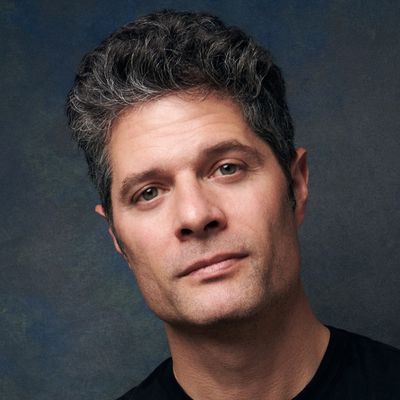
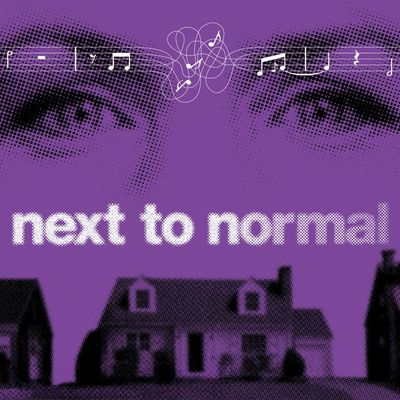
Tony, Emmy, and Pulitzer Prize winner Tom Kitt has been writing and arranging music for over three decades. He talks about his long career on and off Broadway and how his art grows with him. Tom is best known for Next To Normal, Bring It On, American Idiot, and many others... Read More
From the show: The Theatre Podcast with Alan Seales
Guests
Featured Shows
About
Tony, Emmy, and Pulitzer Prize winner Tom Kitt has been writing and arranging music for over three decades. He talks about his long career on and off Broadway and how his art grows with him. Tom is best known for Next To Normal, Bring It On, American Idiot, and many others. His newest musical is called Superhero and is playing at 2nd Stage in New York (as of March 2019).
In this interview he discusses his early days growing up outside of New York City, which lead him to fall in love with Broadway. Tom discusses the difference between being a composer, arranger, orchestrator, music director, and how they all play an important part in making musicals come to life. He’s found over time that his process changes depending on the project and as he’s grown and changed, his writing style has too.
Connect with Tom on Instagram: @tomkittmusic
Connect with The Theatre Podcast:
- Support us on Patreon: Patreon.com/TheTheatrePodcast
- TikTok: @thetheatrepodcast
- Twitter & Instagram: @theatre_podcast
- Facebook.com/OfficialTheatrePodcast
- TheTheatrePodcast.com
- Alan's personal Instagram: @alanseales
- Jillian's personal Instagram: @jillianhochman
- Email me at feedback@thetheatrepodcast.com. I want to know what you think.
Thank you to our friends Jukebox The Ghost for our intro and outro music. You can find them on Instagram, Twitter, and Facebook @jukeboxtheghost or via the web via jukeboxtheghost.com.
A very special thanks to our patrons who help make this podcast possible!
If you would like to see your name in this show notes or get a shout out on the pod itself, visit ttp.fm/patreon to become a member and show your support!
Transcript
This transcript was automatically generated and might contain errors.
[0:00] Alan Seales: Welcome to The Theatre Podcast. Intimate personal conversations with theatre's biggest names. I'm your host, Alan Seales. And I'm your producer, Jillian Hocklin. And I'm losing my voice. It's okay. You sound great. You sound great. Well, I don't really need it. And it's only, you know, a podcast thing that I'm doing here. You can be the first silent podcast host.
[0:24] Jillian Hocklin: All right, here we go. Here's my silent podcasting.
[0:26] Alan Seales: All the awards.
[0:30] Jillian Hocklin: Yes, I love it. We invented something new. Okay, so this episode is with Tom Kitt. Jillian, what did you think about this one?
[0:38] Jillian Hocklin: I really, really love Tom's authenticity. He is a great composer and a great all-around music guy. But I've loved Next to Normal. I love so many of his shows. And I love how real they always feel. They come from the human experience. And he is just such a great writer. And you get all the feels when you listen to his music.
[1:05] Alan Seales: Yeah, he was literally just a kid. Well, kid to me. He was in his mid-20s when he wrote Next to Normal. And that is similar to Superhero, which just opened at Second Stage. But we actually get into this in the podcast. And he's now 45. Having written Superhero, he looks at things from the other side of parenthood. Was that apparent to you, I guess, listening to Next to Normal and then listening to the interview? Like, what did you feel about that?
[1:35] Jillian Hocklin: Yeah, but he also, you can tell where he's coming from. But you also can see that he understands the various perspectives and the way that different people feel. And he can empathize and put himself in situations that make it so anyone can love his art, even if you are not the 45-year-old man or the 25-year-old kid who wrote the show. It doesn't matter.
[2:00] Alan Seales: Right. It was actually surprising to me as a true reflection here, that he doesn't have a set way of approaching a project. He said that sometimes he writes the music first. Sometimes he writes the lyrics first. Sometimes he's handed something where stuff is partially written and he just goes with it. Sometimes he writes the music and then has to fit the script into that. However, inspiration strikes. Just get it out.
[2:26] Jillian Hocklin: I guess it works. I mean, the dude's got a Pulitzer for this stuff.
[2:29] Alan Seales: And a couple of Tonys.
[2:30] Jillian Hocklin: And a couple of Tonys and lots of...
[2:33] Alan Seales: Very nice shelf.
[2:34] Jillian Hocklin: Very nice shelf of things in his house, I'm sure.
[2:38] Alan Seales: Yeah. So, everybody, please enjoy this episode here with the one and only Tom Kitt.
[2:42] Jillian Hocklin: Here you go. One, two, three.
[2:50] Alan Seales: So, this bio here, actually, I have to admit, was mostly stolen from MTIShows.com because it was the best write-up that I could find. And for length, I shortened it. And this is, even as long as it still is, it's still the highlights. So, I cannot wait to get into this stuff with you. But he has received the 2010 Pulitzer Prize for Drama, as well as two Tony Awards for Best Score and Best Orchestration for Next to Normal. He's also the composer of If Then, which also got a Tony nomination and Outer Critics nomination. High Fidelity, Bring It On, and Bring It On the musical with Lin-Manuel, co-composer with Lin-Manuel Miranda, among many others. He's a composer, arranger, orchestrator, whose credits include SpongeBob SquarePants The Musical, which was also a Tony nomination for him and Outer Critics nomination, and Drama Desk nomination, Head Over Heels, Jagged Little Pill, Grease Live, American Idiot.
And then his work with Green Day also includes additional arrangements for their Grammy Award-winning album, 21st Century Breakdown. He's received an Emmy Award as a co-writer, again with Lin-Manuel Miranda, for the 2013 Tony Award opening number, Bigger. He has TV songwriting credits, including Royal Pains, Penny Dreadful, and Sesame Street, one of my kids' personal favorites, of course, as a musical director, conductor, arranger, and orchestrator. Credits include Pitch Perfect Films, Two Cellos, featuring Lang Lang, The Kennedy Center Honors, 13, so much more. And upcoming projects include musical adaptations of the films Almost Famous, Magic Mike, and The Visitor. And his work is currently, well, currently at the time this will air, but at the time of recording, about to open tomorrow at Second Stage, a musical called Superhero. Tom Kitt, oh my gosh, thank you for being here with me and thank you for sitting through that wonderful monologue.
[4:38] Tom Kitt: Thank you for reading that and for having me today.
[4:44] Alan Seales: So on this podcast, we like to start at the very beginning of your life and your interest and everything. So where did you grow up?
[4:50] Tom Kitt: I grew up on Long Island in Port Washington. I lived there until I was 13, and then my parents moved us to the Banksville area of Westchester, which is right between Bedford and Greenwich, Connecticut. And I went to school in Armonk, so the Armonk, New York area is where I spent high school. And I started playing the piano when I was four years old. My brother and sister were both playing, and I just started to sit down and play things that I was hearing in the house. And what I found out later is that I have perfect pitch, which basically means that I can hear a note and just tell you immediately what it is, and it helps me figure things out pretty quickly on the piano by ear. So I was four years old.
My mother took me to the teacher that was instructing my brother and sister, and she said, I think he's too young. I don't normally work with kids that age. But I sat down and played for her, and she took me on as a student, and I started training classically. I was pretty much strictly classical until about 12, 13. I was writing music, writing classical pieces, and then I went to a camp called Camp Alton, which sadly is no longer around. But it was on Lake Winnipesaukee in New Hampshire. A number of camps are up there, and it was run by a man named Peter Gorelnik, who is a very famous and well-renowned journalist, rock journalist, and wrote books on Elvis Presley and Sam Cooke and soul music.
And it was a sports camp. You would go up there and compete two teams over the course of the entire summer. But there was a wonderful musical aspect, and there was a band that was based on the Blues Brothers called the Almond Brothers. And they were musicians who, during the year, played around and were quite talented. So they pulled me in as a 13-year-old kid who had never soloed before, and suddenly I was playing Sam and Dave and Ray Charles and having the time of my life. And then another camper introduced me to Billy Joel, and I started listening to the early Billy Joel albums, Piano Man, Turnstile, Streetlife Serenade. So I suddenly became obsessed with Billy Joel, and subsequently Elton John and Simon and Garfunkel and James Taylor.
And that's what I wanted to do. I wanted to be a singer-songwriter. So through my years in high school, I was writing songs now and writing lyrics for the first time. And then I went to Columbia, which is where I say I met my two wives, or my two spouses, Rita Pietropinto, who I'm still married to, happily. And we just celebrated, or we're going to celebrate 19 years this year, which is wonderful. We have three children. And Rita introduced me to Brian Yorkey, and that changed my life because that's where I realized I wanted to write musicals. And Brian and I forged a collaboration and a friendship, and all of that led to Next to Normal.
[8:13] Alan Seales: Wow. That's sort of a brief history. So if my math is right, you got married at 26?
[8:13] Tom Kitt: Yes. You're 2000, so it's easy for me to calculate. Because tomorrow is your birthday.
[8:23] Tom Kitt: Tomorrow is my 45th birthday.
[8:30] Alan Seales: Happy birthday.
[8:30] Tom Kitt: Thank you. And what a special birthday celebration that Superhero is opening.
[8:37] Alan Seales: Yeah. Tell me about that. What is Superhero?
[8:37] Tom Kitt: So Superhero is a musical that I came up with this idea, I think around 2009 or 2010. I've always been obsessed with comics and superhero stories and origin stories. At the age of four, I remember my parents taking me to the original Superman film. And I'll never forget the opening credits, the music, the names flying through space. I always thought, God, you'd be the coolest person if your name was flying through space to the music of John Williams. But I just remember the story and how gradual the telling of it was. Superman doesn't even come into the film until an hour in. There's so much beautiful story of Clark Kent and how he's adopted by a couple who could never have kids. The sad destruction of his planet and his parents sending him to safety.
It just had a hope and a beauty and a stillness that I just thought, I think there's a musical there in the superhero genre. But maybe it goes against a little bit what we expect. There's not a villain. There's not big action. It really speaks to what I think superheroes represent in the world right now, which is the need to believe in something, that there are forces out there that are looking out for us. For me as a father of three, I often shudder at the world and the things that I see and feel. It's a hard world. It's a wonderful world. And you have to grab onto the hope and the beauty. But we're shown images every day that shake us. And I just felt like I wanted to put something out there for my kids that would speak to them, speak to the fact that I know as a parent, I can't protect them from everything.
But I'm going to do my best to be there for them always and also that I trust that they're going to go out into the world and find their own way. And certainly as you become a parent, your mortality becomes pretty clear. You start to sense things in new ways as a parent. And I think all of those ideas were at the center of this. So I just was walking around with this small story of a family and a mysterious person who moves into their building and perhaps or perhaps not as a superhero. And I pitched that idea to John Logan. John, the brilliant writer of the play Red and numerous wonderful screenplays. John was looking to write a musical and I was brought into his office to have a general meeting and I just pitched him this idea.
And thankfully he jokes that he did the thing your agents tell you never to do, which is he said, yes, right away. Yeah. And we started working on it and beating the story out. And then John, which is a great gift for me, especially or I should say was a great gift for me, especially since I was writing. I wanted to take on the lyrics for the first time. John went and wrote a draft of the book and had song ideas. And within those song ideas, he had dialogue, he had conversations, monologues. There was so much for me to draw from. And the writing of the show just was always so easy and nothing is easy, but I was just always so inspired about the subject matter and what John was creating. And it's really been a privilege and a pleasure from day one.
[12:06] Alan Seales: How does the process work for those of us who don't know, including myself for a lot of this? I come from the acting side of this, where, you know, you get a casting call or, you know, later on in the business, like your agent or your manager or whatever, they send you out and you go there and you audition and like the song is already there and the script is mostly there and everything. But when you're starting from nothing, you know, you go into a room and you pitch this. All right. So then what? Okay. He said, yes, you want to work on it. How long did it take before you started composing?
[12:33] Tom Kitt: It took a few years. And John lived on the West Coast. So there was a period after we had said we were going to do this that we got caught up in other things, but we reconnected. And I just remember John and I sitting together for a week and really talking through the story, talking through the characters. I can't say enough about what the book writer brings to the process. It's really, in my opinion, the unsung hero, not in terms of us in the community. We know how important it is. But it's just that it's the lifeblood of the musical. The musical does not work without the book, without a sound book. And so we knew that we didn't want to really start writing anything until we had the story. And of course, it was going to change.
It did. We threw out characters, created new ones. But the trio, the main trio at the center of the story existed from day one. And John took that and ran with it. And as I said, he created a whole book for me to work from. And I think musicals happen in all different ways. Next to Normal, we just started writing songs. We had a basic story. And then we wrote a bunch of songs and had to go back and outline and figure out how we were going to put them into the story. And Brian and I would always laugh about that and say, well, this is the way not to do it. But it worked out. But it took a number of years for us to cobble that together. And in this case, just for me, having been through the process, it just...
[14:07] Tom Kitt: I was very organic and methodical. And as I said, I had so much to work with when I started writing the first song.
[14:14] Alan Seales: That's interesting. I was actually going to bring that up a little bit later, but you brought up Next to Normal. You've had so much success. The show had so much success. And I guess Superhero, when I was reading the synopsis of Superhero, I couldn't help but think that it harkened back a little bit to kind of the general, dysfunctional family sort of family personality issues that Next to Normal highlights. Was that on purpose? Or is that coming from a place inside you that you may not want to talk about?
[14:42] Tom Kitt: I think that's something I'm drawn to as a writer. I think human connection, human themes, our frailty, our inability sometimes to connect in the way that we need to, and then how satisfying and beautiful it is when we finally do. Those are things that I just love to write about. I love to write about the human experience. And I definitely think Superhero is a companion piece with Next to Normal. Next to Normal was something I started writing when I was 24 years old. And I think that I was closer, obviously, to my younger years at that point. I was writing, having just been a teenager and was drawing on a lot of that experience. I wasn't yet a father. I was getting married two years later. Superhero now is really about the father, the parent side of it for me.
And it's still my desire to bring human themes to a show and put myself on stage in terms of the things I'm passionate about, the things I'm thinking. There's so many personal aspects of my life in Superhero. And I just feel like as a writer, that's been something I've always wanted to draw from, the personal experience. And with Next to Normal, we would get people to come up and ask if the show was autobiographical in any way because of how people were affected by it. And what's so gratifying is that I've gotten a lot of the same questions about Superhero and it's the same answer. There are parts of it that are drawn from my life. So, yes, it's autobiographical in some sense, but the major thing at the center of it isn't. And I'm gratified that the show is speaking in such a way that people have that question.
[16:39] Alan Seales: Wow. I can see that a lot. And I wonder, too, because I speak to a lot of writers, I wonder where some of this comes from. And I think a lot of it is if you're a good writer, you have to be a very observational person. And then it's just a little bit or maybe a lot bit of imagination to take what could be like this small amount of an idea of a story that you observe to somebody else or that even may have happened to you and make it into this big thing.
[17:05] Tom Kitt: Yeah. So it's really impressive to me how you can do that sort of thing. And then even more impressive, though, that you said Next to Normal was written with the songs first, because then you got to go back.
[17:19] Alan Seales: Yes. And write the script. Would you do that again?
[17:25] Tom Kitt: I'm open to anything, anything that gets really hard, anything that gets you rolling. Brian and I just love to write songs together. And that the other thing about Next to Normal was that I don't think either of us were convinced in any way that that was going to be our show. It was the first show we were working on. It actually came out of a 10-minute musical assignment at the BMI Musical Theater workshop. And I think we just we both thought it was going to be one and done. We would do this. And but we started working on something else. And then Brian or I would say, hey, let's write another song for Feeling Electric, which is what it was called at that time. Let's just write another Feeling Electric song.
And we just kept writing them. And finally, we looked each other and said, look, if we want to write these many songs for it, we should probably see if we can actually make a musical out of it. So I think that that sort of first album quality to Next to Normal, it was going to be unwieldy. It was going to be kind of all over the place. We were figuring it out. We were young. We were trying to support ourselves, which I still try to do as a writer. But we just didn't know the way it was going to go. And looking back, there's so many angels who came to our aid to help us get through that and to believe in us. The Larson Foundation, who gave us a grant to do a workshop at a point when I thought the show might have been over.
Of course, Second Stage, David Stone, you know, on and on. They're just people who always believed in that show. And so I think to say, well, it should have been this methodical process, it's just where we were in our lives and how we came to Next to Normal. It was just never going to be that way.
[19:01] Alan Seales: Huh. The show you mentioned that you got a grant. I was going to ask next. When you're creating a musical based on music first, is that harder? Was it harder in your experience to get financing to get a production team behind you? Or do you like you go to the with the script and they say, I'm gonna give you money for that script versus I'll give you money for those songs?
[19:28] Tom Kitt: You mean something like Next to Normal?
[19:29] Alan Seales: Yeah.
[19:30] Tom Kitt: I think the thing that we did and I'm sure other young writers do is just try to get some buzz out there, get your songs performed, get people to talk about it. Kurt Deutsch was someone who was instrumental. He committed to a concert reading through his label, Shikaboom. And this was in 2002 and helped us get Cherry Renee Scott and Norbert Leo Butz to perform and Greg Norton to perform a concert version. And there were a lot of people there that night. And even though the show wasn't ready by any stretch, people remembered it. People were talking about it. And so when the Larson grant came and we did a workshop at the Village Theater and we had applied, I believe, to the O'Neill, people were just just aware of the show.
And even though we didn't get into the O'Neill at that point, people were talking about it and recommending it and somehow it found its way to Nymph. And suddenly we were at the New York Musical Theatre Festival. And that was a huge, a huge step for us. We had Anthony Rapp and Amy Spanger in the show and Joe Cassidy. And the show was three hours, although David Stone likes to say it was six. But you could tell there was something happening with the people were having an emotional response to it. So that was really the point where finally people were coming forward and saying, we see a production in the show's future. But we just did everything we could to keep the ball in the air. And you do that on your own, but also you need people that say, I believe in this piece. I'm going to give you this opportunity and I know it's going to pay off sometime down the road.
[21:22] Alan Seales: Well, obviously it did. You get the Pulitzer for drama for that. Did you see that coming?
[21:27] Tom Kitt: No, no, you can't see that coming. How can anyone see that coming? It was unbelievable. And I still can't believe it. It's just an extraordinary feeling to have that moment.
[21:37] Alan Seales: And do you remember where you were when you first were told?
[21:44] Tom Kitt: Yes, I do remember because the way it works or the way it worked for us is we were told the I think either Friday or Saturday before it was announced that we were in consideration and that we just needed to let our press people know where we were going to be on Monday at three, which is they announced it. I think it goes online and it's instantaneous. So I was in the middle of tech for American Idiot. This was April of 2010. So I was sitting with Tom Hulse in the theater and we're just talking. I said, yeah, you know, I told him the story. And so maybe at three p.m. I got a phone call. We'll see. And at three p.m. I got a phone call from David Stone. And I just started shouting expletives up and down the aisle. I just couldn't believe it. And it was a wonderful place to get that news because I was around my theater family.
[22:43] Alan Seales: Right.
[22:43] Tom Kitt: And Michael Mayer announced it from the microphone on stage. And actually, they were filming a documentary that eventually became Broadway Idiot. And so there's footage, I guess, of me doing this and yelling and the cast coming up and everyone hugging me. And it was beautiful. And then Brian and I came to Michael Hartman's office and we just we didn't know where we were. And it was quite an honor. It still is. And I just, yeah, I still can't believe it.
[23:16] Alan Seales: That's incredible. Did it change your career trajectory at that point or like because Next to Normal had already, I think, probably catapulted you to a new level. But did that affect anything in a different way?
[23:30] Tom Kitt: It definitely does, because it is now the thing that defines me. And you even when you read the bio, that's the first thing. And I'm usually referred to as a Pulitzer Prize winning author. And that gives you goosebumps. And I've had an interesting road. My first show on Broadway ran for 10 days. So I've really experienced the highs and the lows. I had an 18-month-old child at that point. I had just quit jobs that I was doing to support myself. I had to go back to those jobs with the uncertainty of whether anything was going to work out for me in the way that I was hoping I'd be able to have a career in this. I had the show Feeling Electric that was in development, but who knew how that was going to go.
And then suddenly that show in the middle of a financial crisis, you open the small musical on Broadway that finds its way. Who would have saw that coming? And everything that came after it just was unbelievable to me and just beyond expectations. So yes, it definitely defines you in terms of an award and putting you on a certain level. But it also was what made me feel like, OK, I'm I think I'm going to be able to have a career. I think I'm going to be able to work in this art form. And I can hopefully push some things that are passionate to me that because Next to Normal is that there are a lot of people that hearing that subject matter would probably say, you can't do a musical about that.
There were plenty of people who did say that. But now if you open up a conversation with something that might seem a little unorthodox, though, they might say now, OK, tell me more from away. Come from away. Perfect example. Right. Yeah. A musical about 9-11. I wouldn't have guessed that would have been one of my favorite musicals of all time.
[25:31] Tom Kitt: Right. We were instructed at BMI. We're always people always mentioned breaking the mold, breaking new ground, trying to find a way to move the needle forward. And we looked at the musicals that did that. And of course, you can never know as a writer if you're ever going to be able to achieve that. And I would never say it. I'm too respectful of this art form to ever assume anything about what I bring to it. But I do feel like Next to Normal came out of the challenge that was laid to us to find shows that were unexpected and created an exhilarating experience in the theater that said to people, oh, wow, you can do that because that's those kinds of shows for me. Company, Into the Woods, Cabaret. Those are the things that made me want to be a writer.
[26:13] Alan Seales: Where did you back that up, back up that conversation, I guess, a little bit to the very beginning? You were saying at a young age, like you do piano, you did classical. But I don't think I don't recall you saying why you got into theater and musical theater.
[26:28] Tom Kitt: Well, when I was a kid, my grandparents would take me to the matinees on Broadway. So we saw Peter Pan and I saw Cats and I saw A Chorus Line. And it was something that I just associated with family gatherings. And because I was so into the classical and then into the singer-songwriter, I wasn't seeing that trajectory for myself. And it was really when I got to Columbia and Rita introduced me to Brian and we wrote what's called The Varsity Show. It's a book musical written by students about Columbia life. And it's got a rich history. Rodgers and Hart, Rodgers and Hammerstein, Jeanine Tesori, Terrence McNally, just some of the people who worked on The Varsity Show when they were at Columbia. That was the thing where I got the bug because it was a process unlike anything I'd ever been through, writing songs for other voices, multiple voices, writing comedy songs, telling a story through song and watching an audience respond to it, hoping they'll laugh, hoping they'll cry.
I remember when I was a senior, Brian and I wrote our second Varsity Show and the premise was about three students at Columbia and God and the devil have a bet about whether their four years at Columbia will make them sell their soul or not. And it was a personal story for me because I was considering some job opportunities that were going to take me outside of my dreams.
[28:02] Tom Kitt: I was an economics major and these are wonderful jobs, but I knew they weren't the jobs for me.
[28:10] Alan Seales: You were at school for economics.
[28:14] Tom Kitt: More stability and money at that point at the expense of something that I had grown up dreaming I would do. So I got a job offer, I turned it down and went into the uncertain world of piano bar and teaching piano lessons and anything else I could do to find my way and writing. And that was a scary decision, but it was the decision that I had built up to. And so writing that show was very cathartic for me. And I remember hearing a student beg someone for a ticket because it was sold out and they heard so much about it. And they said to someone, come on, you've seen it. This is my one chance to see it. And I just thought, oh my God, I've made something that someone feels that passionate about. What a great feeling that my personal story matters. So that was really the point where I thought, this is what I want to do. I want to tell these stories and write songs.
[29:13] Alan Seales: That's interesting that you said that. The person who was begging, again, I suspect that the people who really want to hear it, the people that are passionate about that, they relate to it. They have to, because it's an emotional response to want to get into something that much. Yes. And do you find that in your career or have you found that in, I guess, maybe stage door experiences or fan experiences where you have people come up and thank you for allowing them to express themselves through your work because they're too afraid or they have some other reason why they can't talk about it in the same way?
[29:57] Tom Kitt: It means the world to me. And I've been fortunate that I've had people come up to me and share their experiences and their feelings about the work and what it's meant to them. I'll never forget when Brian and I were in previews for Next to Normal on Broadway, there was a teenage boy who came up to us and said he had been diagnosed bipolar a few months earlier. And he wanted to thank me because he felt like he had something that he could point to and tell his friends about. That's what he was going through. And then recently on Superhero, because at the center of Superhero is loss, the loss of a father, husband. And we've had people who have experienced that in their lives. And again, someone came up and said that they felt like the show gave them something to talk about.
And it was cathartic. And they could reference it in talking to their son. And that's just why I do it. You can never predict what people are going to take away from your piece. And as I said, I've been through every version of that. And even on the things that take, something like Next to Normal, you know, there are people who will go to Next to Normal and not have that experience. But what you can feel collectively, what I felt in Next to Normal and what I'm feeling at Superhero is people breathing with the piece and experiencing something that feels personal and cathartic. And when people come up to me and share that it's made them feel that way. There was a young girl last night who came up to me and said that she related to Simon, the teenage boy at the center of Superhero, and that she was going to come back. I mean, someone who related to it so personally and didn't feel like it had pushed her away from the piece, but it pulled her to it. That's the greatest compliment I can receive.
[32:02] Alan Seales: It sounds like free therapy now that they're paying for tickets. But in a lot of cases, I think, especially in this country, and I've said this before on this podcast too, that people are afraid to talk about mental health. And the way that you just described how people come up to you and share their stories, it sounds to me like they can point to that and say, oh, that's how I'm feeling. I don't know how to talk about it. I've never been trained how to talk about my feelings properly, but that's it.
[32:30] Tom Kitt: Yep.
[32:30] Alan Seales: And it's a beautiful thing to me to hear about this. And I understand, you know, from an outsider's perspective, someone who can't play piano and always wished that he could, why just, but I love music, so I wish that I could just, you know, I feel music. I close my eyes and like, you know, even at raves, at clubs, like they turn up the bass because you want to feel that. You want to feel, you want to be connected. Music, it's vibration. It connects you with other people. And then if you can add the emotional story behind it, just beautiful. I think art is the ultimate teacher. I think that there's nothing that gives us a sense of empathy and understanding and connection than an experience in art. And to get inside someone's mind, if you're an actor, to play another role, to literally step inside someone's shoes, it's why it's maddening to me anytime I hear of people trying to cut arts programs or arts education.
[33:31] Tom Kitt: Yeah. The statistics are just so telling of what it gives our kids. And to have my kids grow up in this world, to see this community up close, it's the greatest education I could give them. So I think anytime we can experience that, and if something does speak to you personally, it's going to affect you. It's going to change your way of thinking. That's just what's going to happen. You're going to ruminate on something. And if you see, if you're a young kid and you see a movie that depicts the dangers of bullying and shows someone who is being bullied rise above that, I would hope that you're going to come out of that saying, I'm going to speak up when I see that. I'm not going to be someone who does that. So telling these stories, it's just so important, and especially I think for the young people in the world right now.
[34:21] Alan Seales: Yeah. Yeah. That's just beautiful. As a father myself too, I think about my kids, and I always want the best for them. I hope that they will do well. You know, like you said earlier, that they're going to find their own way in the world, and you hope that you can teach them as best as you can because you can't always be there for them. And then even some of the stuff I teach them, I'm sure, is probably not best for them because we're all imperfect. But your kids growing up in this field, in this area, in theater, I mean, this is New York City. This is the heart of it. This is like where some of the best of the best always come and always perform. And you are a case in point. You live here, right? One of the best.
[35:01] Tom Kitt: It's amazing. And I mean, if I look at the shows that my kids have now grown up in, they were a little young for Next to Normal and American Idiot, but Bring It On and If Then and Head Over Heels and Jagged Little Pill and Dave and now Superhero, Spongebob, you know, it's just every one of these shows teaches them something, brings them into a world of imagination, of diversity and acceptance and love. And that's just the shows that I've worked on. And they're all the shows I've brought them to. So I can see it's affected them in this beautiful way. My son is now playing Joseph. He's going to be—
[35:35] Alan Seales: I was going to ask if they're getting into it too.
[35:37] Tom Kitt: Freaky Friday, another one that they just loved. And actually, my son played a role in that musical last summer. And my daughter did The Lion King at school. And they just love it. It really opens up their hearts in this beautiful way. And I feel fortunate I get to share it with them.
[35:56] Alan Seales: So they sound a little older, you said, in high school and stuff. Have they realized yet that daddy's a big deal?
[36:03] Tom Kitt: Well, they're not. So the ages are 13, 9, and 6. It's funny because in the theater community, or if I'm around theater people, sometimes they'll come up to me and someone will bring a Next to Normal Playbill or CD for me to sign. And it's funny because my kids, their eyes will widen. Who was that? What is that? What does that mean? Me and Rita have gone to great lengths to normalize everything. There are certain things that are hard. It's very public. I'm opening a show tomorrow. They're going to celebrate this with me. But for me, there's a lot of pressure. There's a lot of tension. There's a lot that's unknown. And I'm going to go through a very human experience tomorrow. But it'll be nice to have them with me to just look at them and say, that's what matters.
[37:01] Alan Seales: It's interesting to think about, I guess, being the child of someone that is idolized by others. Because the people who would idolize a celebrity, they don't see the everyday side. They don't see the human side, the emotional side. And then your kids, of course, they're with you. They're everyday. They see you in a completely different way that nobody else most likely ever will. And so it makes total sense to me why they would not see daddy or mommy or whoever it is. If you're Julia Roberts' kids, then at what point are you like, wow, she's one of the most respected, best actresses in the industry. And she brings me to parties. And I have access to all these celebrities that nobody else knows about. It's so commonplace to them.
[37:50] Tom Kitt: Improbably. You bring your kids now, right? And how many people that nobody else will ever get to meet will be at your opening night tomorrow that you've worked with? Lin-Manuel, for example. I don't know if he'll be there tomorrow. But you've worked with him multiple times. But what's great is that everyone in this community has treated my family with such love. And Lin-Manuel and my oldest son, really all my kids, but Michael and Lin forged a bond early on. Lin was at his birthday parties. I have a great picture of Michael and Lin when I finally took Michael to Hamilton. And Lin was at his bar mitzvah. And I think we all realize that family relationships, loyalty, kindness, these are the things that matter and sustain us.
Because the topsy-turvy world of what we do, you just never know what it's going to be. But the things you can rely on, people who love you, people who care about you. When High Fidelity didn't take and I had so many people reach out to me and congratulate me and say that they were there for me, I'll never forget that. And that's what kept me going. So it's been normal for the kids because Cameron Crowe, who I'm working with on Almost Famous, who's become such an important and wonderful friend to me, he's been hanging out with my kids. And I sometimes look at that and I think, do you know who this is? Do you know this person is meant to the lives of your mother and me? I mean, we were first dating when Singles was out and my wife had a poster in her dorm room.
I mean, this is unbelievable to suddenly be side by side. But then you're just people and you have things in common and you have similar passions. And I think the more normal it feels, the better. Because I certainly wouldn't want to drop by and have people treating me in a strange way. I just want to be Tom and come by and be down to earth with everybody.
[40:01] Alan Seales: Yeah, yeah. Gosh, that's incredible to think about. You show up and you are the person that other people have idolized, but don't feel that way. It's just this weird dichotomy.
[40:10] Tom Kitt: Look, I pinch myself continuously.
[40:13] Alan Seales: Right. Pulitzer Prize winning, two-time Tony award.
[40:16] Tom Kitt: But not just that, just the people I'm around. We were doing a photo shoot for Jagged Little Pill maybe a month ago. And me and Alanis Morissette were taking a picture together. And I said, if you told my college self that I would be posing with you for pictures, I would never believe it. And here we are and we're friends and collaborators. Green Day, The Go-Go's, all those artists, those brilliant artists on SpongeBob.
[40:42] Alan Seales: Head Over Heels, I love that music. Such good music.
[40:44] Tom Kitt: Thank you. So it's just, I'm doing what I dreamed of doing, which is not just creating art, but working with the people that I've grown up idolizing and suddenly find myself in the room with.
[41:02] Alan Seales: Actually, I wanted to get to this at the very beginning and we just glossed right over it. But I want to get you to explain for the listeners, and for me, the difference between music supervisor, orchestrator, arranger, and composer.
[41:07] Tom Kitt: Okay. So composer means composing the music. Or if you're a composer, lyricist, music and lyrics. So composer is without words. Composer is just writing. Yep, you're a writer. Orchestrator means that you get compositions handed to you in some form, and then it is your job to write the orchestral parts, whatever that orchestra is going to be.
[41:43] Alan Seales: Do you know, or do you get to pick what instruments are in it?
[41:46] Tom Kitt: You pick at the beginning of the process, and there are a lot of factors that determine that.
[41:49] Alan Seales: Give me a triangle over here.
[41:51] Tom Kitt: Yeah. Well, if you're going to have a big percussion rig, you're going to have strings, you're going to have horns. So the orchestrator really, that's the job of the orchestrator. The arranger, and an arranger can be any kind of arrangement. I mean, there are vocal arrangements where you're writing the vocal parts. For the arrangements, it's really if you take a composition and then you continue to work on it in rehearsal, to add sections to it.
[42:22] Tom Kitt: To maybe add a different feel to it, but basically to continue to hone the composition in a way that you augment what was originally given to you to serve the show. There were a lot of arrangements I did on SpongeBob, for example, if you look at the song No Control, which came from David Bowie and Brian Eno, and is a brilliant, very moody, evocative song, but I was going to have to figure out vocal arrangements, and then it was going into a dialogue section. So there was underscoring, and then this little section would suddenly have to drop down. So I would have to deviate from the original feel in the song. So, so you're, you're rearranging the song, you're a little bit, and if you're the arranger orchestrator, which I've been on things like Head Over Heels, American Idiot, you can hear there are, there are, there are times where the form of the song is a little different than the original, the, the, the colors within the tone, you know, taking something like 21 Guns, starting it just on strings and making it smaller, or What's Her Name even at the end. So those are all where I think of arrangement, and then when I get the arrangement to a place where it's ready to undergo orchestration, does that make sense?
[43:42] Alan Seales: Yes, yes.
[43:43] Tom Kitt: And then music supervisor basically means that you oversee the entire musical element. So a music director who you'll work with, but get to sit back and hear the way the music is starting to sing and feel and then give notes and work with that, work on the sound, work with, work with sound design, you know, really, and then if there are, if there are obligations like appearing on, on, on programs, you know, talk shows or doing performances, all of that, basically just making sure that you're always speaking for the music, whatever, whatever the demands are.
[44:22] Alan Seales: Do you have a favorite?
[44:24] Tom Kitt: A favorite what?
[44:25] Alan Seales: A favorite role?
[44:27] Tom Kitt: Um, I think I like, I like composer. I've always wanted to be a writer and all of it is a form of writing. Um, but, but to create a song from scratch and, um, and have it be your thing is, is I think still the thing that I...
[44:41] Alan Seales: Watch it travel through its many forms.
[44:43] Tom Kitt: Yeah, yeah. SpongeBob really impressed me because it, it did feel like a cohesive, you know, it was a cohesive musical and all the, all the songs were basically written by completely different people. So when you were handed all this music, did you work with the artist to make everything? Or were you just like, we have a scene here, here's an outline, give me something and then I'll arrange it later?
[45:07] Tom Kitt: It was really a very trusting process. Uh, the, the authors would, would work with, um, Kyle Jarreau and Tina Landau. Um, Tina would, would, would get a demo in some form and then, um, have a back and forth with notes. And when it was ready to come to me, then I would do the arrangement, have it, have it ready for rehearsal. So it would just be a piano vocal. We usually had, um, just piano and drums in rehearsal. Um, and then we would rehearse the song and, and, um, and then I would orchestrate it for the production. Um, I think that's the best compliment that, that I've been given, which you just said. And, and which thankfully, um, I think another people, a number of people said was that the score did feel cohesive.
And I think, I think the big reason is that those, all of those writers wrote fantastic theater songs. They spoke so honestly for the characters and they nailed the, the, the moment they were asked to write for. So nothing felt out of place. So the cohesiveness comes from the synergy that was created by all of those writers bringing their, their skills and their passion to the project.
[46:14] Alan Seales: Yeah.
[46:14] Tom Kitt: Yeah. It did seem like a completely like uniform, linear thing to me. And I, I actually forgot, I knew about it going in, but I forgot afterwards that it was all the, the original authors, the writers were all completely different groups or bands or whatnot. So, yeah, you know, I guess that speaks to, to a little bit of you or a lot bit of your talent to bring it all together.
[46:35] Tom Kitt: I used to love Family Ties, I should say, I still love Family Ties. And there was an episode that I, that I loved where Michael J. Fox's character, Alex, Alex P. Keaton ends up, I think on two prom dates or two dates to a dance. And at the end of the episode or towards the end, he has to share a first, he's managing to, to, to do it. And then, and then there are, then they asked for like the dance. He has to do the, the spotlight dance and two, two girls come onto the floor and he just sort of, you see the camera thing from his back and then he just kind of faints. And I had this image in my head of, of a similar thing where I would, I would suddenly walk into the room of all the SpongeBob writers.
There would just be like one day that they would all show up in a room and seeing all of them in front of me and having to answer. But they, I can't say enough about how supportive they were. And, um, you know, they showed up in Chicago at opening night, they were at the Tony Awards. Um, it was really, and again, people that I have, uh, admired and, and, and have been great inspiration to me. So it was a real privilege to work on their material.
[47:40] Tom Kitt: That's what I would have loved to have met Bowie. He seemed, seems like he was a nice, nice guy. That would have been, yeah, he, he's meant a lot to me. And, um, uh, I felt honored that we had a composition of his in our show.
[47:51] Alan Seales: Yeah.
[47:51] Tom Kitt: Yeah. So you've got, um, not an EGOT. You're missing the Oscar, but you've got an EGOT.
[47:58] Alan Seales: I'm the Grammy.
[47:59] Tom Kitt: So I've got a, I've got a, I don't know, what would you call it?
[48:02] Alan Seales: Are you credited?
[48:02] Tom Kitt: You're credited with the Grammy because your work for, um, with, uh, uh, Green Day, right?
[48:07] Tom Kitt: No, no, just, um, I was just music supervisor.
[48:11] Alan Seales: Oh, so, okay.
[48:12] Tom Kitt: So, but we, yes, the album did win a Grammy, which, um, which was a great thrill.
[48:16] Alan Seales: Well, so you've received a bazillion awards anyway. Um, looking, I guess looking ahead, is there, is there something you want to do that you haven't gotten to do yet?
[48:24] Tom Kitt: Um, I, I would love to, I think, um, work more in film. I just have, I've been, as I mentioned, you know, watching the, the Superman film, um, films just meant, always meant a great deal to me and, and, uh, to get to write a, a movie musical to, um, to show up and, and, and see, um, on the big screen, something you've created. I think that would be, um, that would be a great thrill for me.
[48:52] Alan Seales: Oh, we didn't even touch on that.
[48:53] Tom Kitt: Yeah.
[48:53] Alan Seales: The, you, you writing for, you've written for TV too. Like, how did that come into your career?
[48:59] Tom Kitt: Really through theater. Um, as, as we've all seen, there've been, uh, there's been so much, uh, of, of theater people going out into film and, and, um, television and, and, and pop music and, and then people from those worlds coming into theater. Um, so, uh, really just, I've, I've gotten pulled into projects. John Logan, um, who, uh, I'm, again, I'm writing superhero with, um, pulled me into Penny Dreadful, uh, to write a song and, um, the writers of, of, of Royal Pains were looking to make a musical episode and I got, um, I went in and met with them and thankfully got hired and had a blast doing that. So, um, so it's really just been, uh, when an opportunity comes and, and, um, especially if people are looking to do a musical, they want people who have been through that process. So, um, it's, it's been great when I've gotten that chance.
[49:54] Tom Kitt: And, um, the, the other thing that I'm really excited about and it's still, it's still being, being worked on, but it looks like, um, after 23 years of, of, um, of trying to get a record deal, it looks like I'm actually going to be making a record.
[50:07] Alan Seales: Oh, congrats.
[50:08] Tom Kitt: It's not, not official, but, um, but there is, there, there are talks and that, that I'm going to get to do this. And that would be a great thrill for me because as I said, it's something I've, I've always dreamed of doing. And, um, I just have this idea in my head that I'm, I'm, I'm going to attempt to do this born to run kind of thing where I just want to create a soundscape. I want, I want to have orchestral stuff. I want to, um, I want to do a sort of throwback record. And if I could maybe even try to record it in the way that it was recorded, um, analog in the, in, back in the, in the seventies, um, and eighties and probably 92, would you do any, any vocals?
[50:44] Alan Seales: Would it be all the songs I've no songs I've written songs, um, maybe, maybe songs from shows. Maybe I get friends to come in and do, uh, do duets or trios, whatever I can. But, um, it'd just be great to make, make a, make that kind of a statement because I've, I've, I used to take my vinyl and arrange them on my floor. I would take all the Billy Joel albums and arrange them chronologically. And, and I still to this day read the liner notes. And, um, so I, I just, that would be a, that would be a tremendous moment for me to, to actually make a record.
[51:15] Alan Seales: It sounds like you need to partner up with Ben Folds.
[51:18] Tom Kitt: I would love to partner up with Ben Folds any, any time he's, uh, um, I met him. He, um, back in 2004, I believe I was part of this wonderful concert, um, which, uh, was, uh, a concert version of Goodbye Yellow Brick Road. And, uh, Ben Folds performed Gray Seal, which was, which was thrilling to watch. So, um, he's, uh, I was actually talking with Brian Yorkey. We were talking about cassette players. And I said, I still remember when you gave me mixtapes of all the Ben Folds music to introduce me to. So, um, yeah, I think he's a brilliant writer and, uh, just a killer pianist. And so, yeah, anytime I could be in a room with him, that'd be great.
[51:55] Alan Seales: He's the, what is it? The artistic consultant for the Lincoln Center?
[51:59] Tom Kitt: Oh, really?
[52:00] Alan Seales: Or, uh, sorry, the Kennedy Center in DC.
[52:02] Tom Kitt: Oh, I didn't know that.
[52:02] Alan Seales: Yeah, he's the first ever. So he's like bringing, you know, bringing modern, I guess, uh, younger, the younger crowd to the older style of music. And he's done like with Sara Bareilles and Regina Spector and, uh, a couple other pop artists that he's, he's brought them in and done duets with them with a full orchestration behind them.
[52:23] Tom Kitt: That's so cool. There's an album that he recorded. I don't know if it was on a college campus, but it's just Ben Folds Live and it's him just at the piano and I listen to it all the time. It's just so fantastic to hear him on the piano.
[52:36] Alan Seales: He rips it up and, and, um, yeah, the songs are so great.
[52:40] Tom Kitt: Well, you are, uh, you're, you're pretty good yourself. So don't, don't sell yourself short.
[52:45] Alan Seales: Um, so we've got three closing questions here that I ask everybody on the podcast. Very simply. Number one, what motivates you?
[52:50] Tom Kitt: Um, achievement to, um, to every day do something that I haven't done and to keep challenging myself to, to make stuff that matters, um, and my family to, to, to not just be able to provide for them, but to put things into the world that make them proud and that affect them.
[53:16] Alan Seales: What advice would you give to your younger self and younger people listening now, starting out down a similar path?
[53:22] Tom Kitt: I would say, um, find the things that matter to you. Make sure to always educate yourself, be looking for inspiration everywhere. Don't get caught up in anything that feels easy or lazy. Um, this wasn't a problem for me growing up as much, but you can always be checking a phone. You can always be looking at a screen, um, stare into space, let your mind wander. Um, because there are so many times where I thought to myself, I'm tired. I don't want to get on the piano today. All right, I'll get on the piano. And then suddenly I wrote, I'm at the mountains. So just see every day as an opportunity to have something in the world that was not there.
[54:04] Alan Seales: Last question. If you could only see one show for the rest of your life, but you can see it as many times as you want, what would you say?
[54:11] Tom Kitt: Um, and this is one, this is one Broadway, I mean, one, one musical, one interpreted as you will.
[54:18] Alan Seales: Oh, so like show, show and show show anything you want.
[54:22] Tom Kitt: Wow. I made it super easy. Um, you know, I think if I could see one show the rest of my life, it would be into the woods. I just, um, I get lost in that story and that score. And I always hear new things in it and what it says, what it just speaks to me in terms of its themes, its beauty. Um, yeah, I just, um, I just adore that show and it meant so much to me. I was, uh, I played the wolf and the prince in high school and, uh, I tell, uh, I tell James Lapine all the time. I say this, this show really changed my life. I'm so grateful to you for writing it. And of course to Stephen Sondheim.
[55:05] Alan Seales: Yeah. I think it's funny how Bonnie Milligan is always like, I want to be the baker's wife. You know, she's on Twitter all the time saying that she would be a great baker's wife.
[55:12] Tom Kitt: Yeah. She's a great baker's wife. I think that I think it needs to happen.
[55:16] Alan Seales: You heard it here.
[55:17] Tom Kitt: Not first.
[55:20] Alan Seales: We are just here for support.
[55:22] Tom Kitt: Yes.
[55:23] Alan Seales: So you are on social media at Tom Kitt music on Instagram. I can find you on Twitter. Are you on Twitter?
[55:29] Tom Kitt: Not Twitter.
[55:29] Alan Seales: Not Facebook.
[55:30] Tom Kitt: No, just, just the Instagram.
[55:32] Alan Seales: Just the instance.
[55:32] Tom Kitt: Okay. And then everybody listening, of course, get your tickets to see superhero at second stage. It's a two st.com is their website. And it's a limited run opens, uh, opens tomorrow, which, uh, this is going to air and we'll air this episode next week. So it will have just opened and it's running through March 31st at this point. Hopefully it will, uh, continue beyond that. I don't know if that's possible. You can get more of me at theater underscore podcast on Instagram and Twitter, Facebook.com slash official theater podcast. Listen and subscribe and share and rate this podcast to get more of these amazing interviews. And we are produced by Jillian Hockman and thank you to jukebox the ghost for the intro and outro music. And once again, Tom Kitt, thank you so much for taking the time. This has been a wonderful conversation.
[56:20] Tom Kitt: Thank you.
[56:20] Alan Seales: My pleasure.
© Broadway Podcast Network, All Rights Reserved