

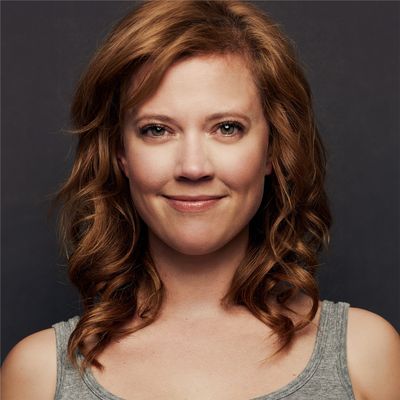
Patti Murin made her Broadway debut in 2007 in Xanadu. She went on to originate the title character of Lysistrata Jones in 2011. Following that, she played Glinda in the first national tour of Wicked in 2012... Read More
From the show: The Theatre Podcast with Alan Seales
Guests
Miniseries Inclusions

Featured Shows

About
Patti Murin made her Broadway debut in 2007 in Xanadu. She went on to originate the title character of Lysistrata Jones in 2011. Following that, she played Glinda in the first national tour of Wicked in 2012. Patti is pathologist Nina Shore on the NBC medical drama television series Chicago Med. She can currently be seen as Princess Anna in Frozen the Musical on Broadway.
In this episode, we discussPatti’s first show, Cinderella, included the Shoop Shoop songIntentional parentingUploading our consciousness into The CloudWhy The Bachelor’s Colton and Cassie made their first, public date a trip to see Patti in Frozen on BroadwayBeing a Disney princess now for a second timeDealing with severe anxiety and depressionWhy she still cries every time she calls out of a showThe best parts of bringing Anna to lifeTo read the Refinery29 article referenced in the podcast, click here.
Connected and support Patti online:
- IG/Twitter: @pattimurin
- Muddypawsrescue.org
- Drink her wine!
Connect with The Theatre Podcast:
- Support us on Patreon: Patreon.com/TheTheatrePodcast
- Twitter & Instagram: @theatre_podcast
- Facebook.com/OfficialTheatrePodcast
- TheTheatrePodcast.com
- Alan's personal Instagram: @alanseales
- Jillian’s personal Instagram: @jillianhochman
- Email me at feedback@thetheatrepodcast.com. I want to know what you think.
Thank you to our friends Jukebox The Ghost for our intro and outro music. You can find them on Instagram, Twitter, and Facebook @jukeboxtheghost or via the web via jukeboxtheghost.com.
Transcript
This transcript was automatically generated and might contain errors.
[0:00] Alan Seales: Welcome to another episode of The Theatre Podcast. I'm your host, Alan Seales.
[0:10] Jillian Hockman: And I'm your producer, Jillian Hockman.
[0:11] Alan Seales: How are you doing?
[0:12] Jillian Hockman: I'm so great. How are you?
[0:13] Alan Seales: Oh, I'm very happy, very elated. I just got out of the interview with Patti Murin.
[0:19] Jillian Hockman: I love her so much.
[0:21] Alan Seales: And I, gosh, we got on some really weird topics like uploading your consciousness to artificial intelligence and becoming, you know...
[0:29] Jillian Hockman: That sounds like something you would talk about.
[0:31] Alan Seales: Yep. Becoming an eternal being in the cloud. And it was funny because we were talking about that kind of in relation to mental health, which she's very known for, because it was kind of fun for me to say, like, would you patch yourself? Would you fix vulnerabilities? Would you take away some of these things that make you kind of, you know, more human? And she's like, absolutely not. I would not. You know, she wants to still be a computer that deals with anxiety and depression, but also is peppy and upbeat and happy and fun. But my gosh, it was an incredible conversation. And it actually got me for the first time, you'll hear about in talking about my own mental health diagnosis, which I've never talked about before.
[1:13] Jillian Hockman: The first time for everything.
[1:14] Alan Seales: On this podcast. Yeah. And it's like, it's like a weight, like a secret I've had is out in the open. A weight's been lifted off of me. And it's not even a big deal.
[1:25] Jillian Hockman: Well, that's the whole point. That's the point that Patti's making, that you can be you and you can be open and there's nothing wrong with that. And that is okay. And it's something that you can talk about. And 2019, damn it. You do you.
[1:40] Alan Seales: Well, even, I mean, we've talked about this with others on the podcast that in this country specifically, there's a lot of stigma around mental health, whereas in other countries, it's just kind of not there. But, you know, from what Patti's doing, and then, you know, you've got Kristen Bell and Mark Ruffalo and so many other big celebrities who are opening up about their own struggles with mental health. And I think it's important to talk about. But, you know, Frozen. So Frozen on Broadway just celebrated their year.
[2:09] Jillian Hockman: Congratulations, Frozen.
[2:10] Alan Seales: Congratulations, Frozen. You are now officially a year old on Broadway. And unfortunately, sad face, this is the last episode we will release as part of the Frozen takeover. But if you want to go back and get more episodes with Frozen cast members, of course, we did Joe Carroll and then Ryan Redman and Noah J. Ricketts. And so now, please enjoy this episode with Patti Murin.
[2:33] Jillian Hockman: Here you go. One, two, three.
[2:41] Alan Seales: She made her Broadway debut in 2007 in Xanadu and then originated the title character of Lysistrata Jones in 2011. She's been Glinda in the first national tour of Wicked in 2012 and is pathologist Nina Shore on the NBC medical drama television series Chicago Med, now playing Anna in Frozen the musical on Broadway. Patti Murin, welcome to the podcast.
[3:04] Patti Murin: Thank you so much for having me.
[3:05] Alan Seales: No problem. You're very chipper.
[3:07] Patti Murin: I am. That's just a general, general Patti-ness.
[3:11] Alan Seales: Public, public Patti?
[3:12] Patti Murin: Yeah. No, all the time.
[3:14] Alan Seales: Really?
[3:14] Patti Murin: Oh, yeah. Yep.
[3:15] Alan Seales: Well, I want to get back into like the very beginnings of kind of where it all started. Where did you grow up?
[3:21] Patti Murin: I grew up just north of New York City in a small town called Hopewell Junction, just south of Poughkeepsie.
[3:28] Alan Seales: I know, Hopewell Junction.
[3:30] Patti Murin: I'm trying to place it. I'm just like silence is me going through my bad geography of this area. It's just like directly up the Hudson, basically.
[3:37] Alan Seales: Okay.
[3:37] Patti Murin: It's like an hour and 15 minutes.
[3:38] Alan Seales: So, so then where did the, did you come to the city a lot? How did you get into musical theater?
[3:43] Patti Murin: Yes. My parents are massive musical theater fans, massive Broadway fans. They don't perform at all. They're just pure fans. And so they, we grew up with them taking me and my three siblings all the time. My grandma would take us to shows. My first show was Cats when I was six.
[3:58] Alan Seales: Yeah. I'm a cliché. I know.
[4:01] Patti Murin: Mine was Phantom.
[4:02] Alan Seales: Oh, see, there you go. It's kind of nice. You're like, yeah, it was like something kind of iconic as opposed to like, you know, I went to see this thing that like closed and five minutes later that no one's ever heard of. So yeah, so that was Cats Starlet Express. I saw that. It's, I grew up loving theater and my dad had, you know, all the cast recordings and stuff. And so we would listen to them and listen to the cassette tapes in the car and...
[4:28] Jillian Hockman: Cassette tapes.
[4:28] Patti Murin: Cassette tapes. Yeah.
[4:29] Alan Seales: Oh, yeah. Because I think you are three weeks older than me. I did read that.
[4:32] Patti Murin: Oh, really?
[4:33] Alan Seales: Yes.
[4:36] Patti Murin: Yeah. So cassette tapes, indeed. I listened to my parents' cassette tapes in the same way.
[4:42] Alan Seales: And I believe, yeah, my mother was really into Cats too.
[4:44] Patti Murin: Yeah.
[4:45] Alan Seales: Because she was a dance major.
[4:46] Patti Murin: Oh.
[4:46] Alan Seales: So she did the whole dancing and musical theater thing.
[4:48] Patti Murin: Oh, wow. And that's, yep, that's definitely a, that's a dance. There's dancing cats in that one.
[4:53] Alan Seales: Yes.
[4:53] Patti Murin: Those cats do dance.
[4:54] Alan Seales: And she likes cats. So it was kind of the perfect musical.
[4:58] Patti Murin: Perfect.
[4:59] Alan Seales: Yeah.
[4:59] Patti Murin: Purrfect.
[5:00] Alan Seales: Oh my God. I could go for days.
[5:04] Patti Murin: So what do your parents actually do, though, besides from being fans of theater?
[5:08] Patti Murin: My dad was an eighth grade biology teacher for 35 years. He retired as soon as he could. He was like, done. That's it. My mom, she was a stay-at-home mom. And she stayed home and raised us and fed us and clothed us and drove us around and basically made us the adults that we are today.
[5:25] Alan Seales: How many of us are there?
[5:27] Patti Murin: There's four of us. So there's, my sister is three years older than me. My brother is a year older than me. Then there's me. And then 10 years later, there's my little brother.
[5:36] Alan Seales: 10 years later?
[5:37] Patti Murin: Yeah.
[5:38] Alan Seales: Wow. I guess I've got two little ones. And I'm like, I need to get the diapers out of the house. And I don't think I want them again.
[5:44] Patti Murin: My mom just has always loved babies. That's what also makes her a really good grandma as well. Because she just she loves her grandkids so much, you know, but then she can give them back now.
[5:56] Alan Seales: Yeah, that's always a nice thing is like, I like giving my kids away.
[6:00] Patti Murin: Yeah.
[6:00] Alan Seales: But being a parent now, I like to get them back.
[6:02] Patti Murin: Yeah. Oh, that's nice to hear.
[6:03] Alan Seales: But man, I love to give them away.
[6:06] Patti Murin: Yeah. The giving away makes it what's great to get them back.
[6:08] Alan Seales: Yeah. I would assume.
[6:10] Patti Murin: I guess, you know, the grass is always greener, right?
[6:11] Alan Seales: Yeah.
[6:11] Patti Murin: So, you know, you give away the kids. My two and a half year old is such a little jerk right now.
[6:15] Alan Seales: Yeah.
[6:17] Patti Murin: But he is so sweet.
[6:18] Alan Seales: Yeah.
[6:18] Patti Murin: I love him. And he looks at you and he's like, how can I just, I'm scheming, I'm breaking. It's like they're figuring out how, where their lines are, like what lines they can cross and how to like manipulate. It's so weird.
[6:30] Patti Murin: But I'm trying to be an intentional parent.
[6:32] Alan Seales: Right.
[6:33] Patti Murin: And I want to, like, right now, they're one day going to be, they're going to grow up and they'll be like, oh, daddy interviews Broadway people or daddy's involved with theater or whatever the case may be when they finally realize this, right? And I struggle with like, do I, I guess, do I encourage them to follow this unknown, stressful.
[6:54] Alan Seales: Right.
[6:54] Patti Murin: Not a lot of money in most cases, kind of career path or go down something.
[6:57] Alan Seales: Sometimes dental school.
[7:00] Patti Murin: That's what I tell everyone. Go to dental school.
[7:02] Alan Seales: I listen to my mom. I got a computer science degree.
[7:05] Patti Murin: Well, that's useful.
[7:07] Alan Seales: It is.
[7:07] Patti Murin: Yeah.
[7:08] Alan Seales: Yes. I science those computers.
[7:09] Patti Murin: There you go.
[7:10] Alan Seales: But okay, back to you because we're not here to talk about me. When did you first figure out you could sing?
[7:16] Patti Murin: I kind of decided I could sing. It was probably like, I don't know, sixth grade. They did a massive sixth grade production of Rodgers and Hammerstein's Cinderella. Can you imagine that with literally 150 11 year olds?
[7:29] Alan Seales: 150?
[7:31] Patti Murin: Yes. My sixth, it was a weird setup with the elementary schools all feeding into the same sixth grade. So there was so many students. I was a mouse. There were 18 mice in the musical.
[7:44] Alan Seales: My name was Tina.
[7:48] Patti Murin: Tina the mouse. And I was, I remember like, because when they gave us our parts, everyone auditioned, everyone got a part, obviously. When they gave us our parts, they handed us like, we had envelopes, you know, like at the end of the day, all the teachers would have the envelopes. We all like opened them. And one of my best, my two best friends in my class were both stepsisters. There were also, we had three stepsisters. Imagine the teachers sitting there like, how can we not cut anybody? And then 150 kids later, we have like...
[8:16] Alan Seales: There were a lot of future dancers. A lot of townspeople. Yeah. A lot of mice, three stepsisters. I'm trying to think what... We also had, I don't know why this was necessary, but they added a song called We Love to Cook, but it was set to Under the Sea.
[8:34] Alan Seales: What?
[8:34] Patti Murin: So we also had two chefs. You know when you say something that you know is a part of your history, but as you say it out loud, you're like, that is bonkers. How have I never talked about this before? And we sang mostly to pre-recorded music, but sometimes we had a piano and we had one flute player and one violin because they were also sixth graders, so they used them very sparingly.
[9:06] Alan Seales: Oh my God, this is hilarious.
[9:08] Patti Murin: Do you happen to have a VHS recording of this?
[9:11] Alan Seales: Oh, my dad converted it to DVD.
[9:11] Patti Murin: Oh boy.
[9:11] Alan Seales: So I have, and there are some people in the city that I could torment. Oh yes, one of my good friends growing up is now an agent at Innovative.
[9:19] Patti Murin: No kidding.
[9:20] Alan Seales: And yeah, oh yeah, he's got a dancing part that I could show the world. I keep threatening to do it.
[9:28] Patti Murin: Oh man, I think that would be super fun to just kind of leak that out on the internet.
[9:33] Alan Seales: Just a little bit, yep. And it was before puberty, you know, so he's just like, his one line is in the stratosphere.
[9:40] Patti Murin: Yeah, totally.
[9:41] Alan Seales: Well then.
[9:41] Patti Murin: That was that. Yeah, it was that audition that I was like, my mom was like, what are you, can you sing? And I was like, yeah, I don't know.
[9:47] Alan Seales: Of course I can.
[9:48] Patti Murin: And so I sang, but I think I sang My Favorite Things. That's what, it was like, My Favorite Things, Happy Birthday, or like Doe a Deer. And I picked My Favorite Things, probably because it had like the most range or whatever. And I sang it for her in the car and she was like, no, okay. I guess I could carry a tune. She wasn't, seemed to be too afraid of it. I also started playing the clarinet when I was in fifth grade. So I think that really sort of added to like musicality in general for me.
[10:12] Alan Seales: Oh yeah, so you could read music then.
[10:14] Patti Murin: Yes, yeah. And I played it all the way through 12th grade. And so that has been very helpful in my career with the sight singing. It's kind of like indispensable, I think, for myself.
[10:26] Alan Seales: So that probably helped, you know, I knew generally like, and we always, we were always like belting around the house and singing and it was all encouraged as well, you know? So, so that, yeah, that was that.
[10:36] Patti Murin: And I had my stellar theater debut as Tina the Mouse. Oh, we also, they also, they also added the Shoop Shoop song.
[10:51] Alan Seales: This keeps getting better. I have to see this.
[10:54] Patti Murin: But here's the thing, all the mice sang it.
[11:06] Alan Seales: Does he love you? I want to know. I don't know.
[11:09] Patti Murin: But yeah, I think they cut like two of the Rodgers and Hammerstein songs.
[11:14] Alan Seales: Yeah.
[11:16] Patti Murin: I would have loved to have been in the creative room, the creative room when they were going through all this stuff. I mean, I know it was all to like give, you know, kids more stuff to do and bigger parts and everything. But like, oh, that's going deep.
[11:29] Alan Seales: Wow. Well, 150 kids later.
[11:32] Patti Murin: Yeah. Six hours later.
[11:34] Alan Seales: You know what this show needs? It needs the Shoop Shoop song. We got 75 kids over here who haven't sung in three minutes. What can we do for them?
[11:42] Patti Murin: I know Rodgers and Hammerstein were pretty good, but like, I feel like they're really missing something here.
[11:49] Alan Seales: Oh, my God.
[11:51] Patti Murin: Oh, no, I have to go home and watch this immediately.
[11:57] Alan Seales: So were you the only one in your family that was interested in this?
[12:00] Patti Murin: One thousand percent.
[12:01] Alan Seales: One thousand percent.
[12:02] Patti Murin: Yes.
[12:03] Alan Seales: How did you, how did you come out ahead like that?
[12:06] Patti Murin: I have no idea. My cousin on my mom's side, she also sang and she also had a gorgeous voice. And so we would do all the high school shows together. But other than the two of us, that's the only link.
[12:17] Alan Seales: That's the only.
[12:19] Patti Murin: Yeah, I know. It's very odd. It's very strange. My little brother liked to do theater, but like, and he loves theater. He like, he would like to work in theater, but not on stage.
[12:28] Alan Seales: Like to be behind the scenes.
[12:29] Patti Murin: Yeah, like, you know, or like, like general management and stuff like that. Like he just loves the business of theater.
[12:34] Alan Seales: Right.
[12:35] Patti Murin: Oh, it's a great business.
[12:36] Alan Seales: Yeah, it is show business.
[12:38] Patti Murin: And your career in, I guess you began your career in regional theater.
[12:43] Alan Seales: Yes.
[12:43] Patti Murin: Playing Polly in Crazy for You down in Fort Lauderdale.
[12:46] Alan Seales: Which I just found out the Broward Stage Door Theater, literally just today, they closed.
[12:52] Patti Murin: Oh.
[12:52] Alan Seales: Forever.
[12:54] Patti Murin: I know I shouldn't laugh, but I feel like, what are the chances?
[13:00] Alan Seales: Today.
[13:01] Patti Murin: Today.
[13:02] Alan Seales: Today is the one year anniversary of Frozen too.
[13:04] Patti Murin: I know.
[13:04] Alan Seales: Which we'll get into.
[13:05] Patti Murin: I know, yeah. I loved that theater. I loved it so much. Wow. And I, it was just like, you know, the theaters are, they're expensive to run and they are not massive moneymakers most of the time.
[13:17] Patti Murin: No. So that's like, I'll pour one out for Broward.
[13:19] Alan Seales: Welcome back to another episode of The Broadway Podcast.
[13:26] Patti Murin: I'm your host, Patti Murin, and welcome back to another episode of The Broadway Podcast.
[13:36] Patti Murin: Oh, was that what it was? God, I feel like I can't remember what company I worked for.
[13:41] Alan Seales: What town was it?
[13:42] Patti Murin: It was Paradise. I was in Paradise.
[13:46] Alan Seales: But was it? Was it Paradise?
[13:48] Patti Murin: No, not a bit.
[13:50] Patti Murin: I loved it.
[13:51] Patti Murin: Not a bit. I got my first motorcycle there.
[13:53] Alan Seales: Well, that makes sense.
[13:54] Patti Murin: I had nothing else to do. I had to tear up and down A1A.
[13:57] Alan Seales: Exactly. Beachfront Avenue.
[14:00] Patti Murin: Vanilla ice up in here.
[14:02] Patti Murin: I can say the next line. I don't know if that's appropriate.
[14:05] Alan Seales: Where were we? You got me jumping all over the place.
[14:09] Alan Seales: What year was this?
[14:10] Patti Murin: That would have been 2002.
[14:13] Alan Seales: 2002.
[14:14] Patti Murin: And I worked there for just about a year.
[14:16] Alan Seales: 21.
[14:17] Patti Murin: Year and a half. Yeah.
[14:19] Patti Murin: 21, 22.
[14:22] Patti Murin: Yeah, and I was down there for a big stretch of time, about nine months.
[14:27] Patti Murin: And then I went back the following fall to do another show.
[14:31] Patti Murin: And then came back to the city and I got my equity card in 2004 at the Goodspeed Opera House doing a show called Princesses.
[14:39] Patti Murin: David Zippel and Matthew Wilder and Sherry and Bill Stein Kellner of Cheers fame.
[14:44] Patti Murin: And it was ridiculous.
[14:50] Patti Murin: It was so much fun.
[14:52] Patti Murin: It was so much fun.
[14:53] Patti Murin: It was me and Sierra Boggess and Lindsay Mendez and Jenny Fellner, Mary Faber.
[14:57] Patti Murin: It's unreal.
[14:59] Patti Murin: The talent that they rounded up before anyone really knew that we were talented.
[15:05] Alan Seales: I love that, though.
[15:07] Alan Seales: I love these interviews with people who have now made it.
[15:11] Patti Murin: We'll put that out there, right?
[15:12] Patti Murin: The made it in air quotes.
[15:14] Alan Seales: And everybody started at the same place.
[15:16] Patti Murin: All of us are the same age.
[15:18] Patti Murin: You started with those high schools and you're talking about your friends who's now an agent who's got prepubescent dancing all over the internet somewhere.
[15:28] Patti Murin: Or at least should be all over the internet somewhere.
[15:31] Patti Murin: Soon.
[15:32] Patti Murin: You heard it here first.
[15:33] Alan Seales: Yep.
[15:34] Patti Murin: You sent it to me.
[15:35] Patti Murin: I'll put it in the show notes for this episode.
[15:36] Alan Seales: Great.
[15:37] Patti Murin: But yeah, I am so impressed with the community that develops from performing and going through.
[15:47] Patti Murin: I won't say a struggle, but it's a project.
[15:51] Patti Murin: You guys are building something beautiful.
[15:54] Patti Murin: And you're connected.
[15:55] Patti Murin: Music connects people.
[15:56] Alan Seales: Yep.
[15:57] Patti Murin: And it's one of the most grueling things to be part of a show's creation, no matter how big or small it is.
[16:05] Patti Murin: And yeah, it's instant family.
[16:08] Patti Murin: And it works really well if you really like the members of your family.
[16:12] Patti Murin: And in that case, we really truly did.
[16:15] Patti Murin: A lot of us bonded very much over that.
[16:17] Patti Murin: And we took it to the Fifth Avenue Theater a year later in Seattle.
[16:21] Patti Murin: And even more so, especially the four of us got very, very close.
[16:28] Patti Murin: And that was also when we learned our first lesson of when they tell you it's an out-of-town tryout and you're going to Broadway, that does not mean you're going to Broadway.
[16:38] Alan Seales: It never does.
[16:40] Patti Murin: Because at that point, I didn't have an agent.
[16:42] Patti Murin: So I got the call with the offer for myself of out-of-town and then for Broadway.
[16:47] Patti Murin: They packaged it up.
[16:48] Patti Murin: So just because you get an offer for Broadway doesn't mean it's going to come through or happen.
[16:54] Patti Murin: So it was a massive lesson learned for me and also for my family, how this business really does work.
[17:01] Patti Murin: Because we did another reading after we got home, and it just didn't take off.
[17:07] Patti Murin: But for probably months way too long, I probably hoped and was like, no, it's totally going to happen.
[17:12] Patti Murin: But it didn't, and that's okay.
[17:15] Patti Murin: That's totally fine.
[17:16] Alan Seales: Do you have any insight into the creative process?
[17:19] Patti Murin: They keep trying to rework it.
[17:21] Patti Murin: Are there shows that ever do multiple out-of-town tryouts and they just can't get it right?
[17:26] Patti Murin: And at what point do they say, you know what, we just got to cut our losses?
[17:29] Alan Seales: I don't know, actually.
[17:30] Alan Seales: I think it's different with every show.
[17:31] Patti Murin: It's different with every show.
[17:33] Patti Murin: It just sort of depends on how hard – I don't want to say how much they believe in it.
[17:40] Patti Murin: I also think it's a business thing.
[17:42] Patti Murin: At the end of the day, it comes down to money.
[17:44] Patti Murin: And if there's no money, then there unfortunately can't be a show.
[17:48] Patti Murin: What's great nowadays is that a lot of shows that are only doing out-of-town runs or off-Broadway runs or whatever, they're at least raising the money to do cast recordings, which is awesome.
[17:57] Alan Seales: Oh, yeah, yeah.
[17:58] Patti Murin: Which is really great because that helps to spread for licensing and for other regional companies to do it or high schools and whatnot.
[18:07] Patti Murin: So that's a really great trend that I feel like has really picked up in the last, I don't know, five to seven years.
[18:12] Patti Murin: Because I've done a lot of cast recordings for shows that I've never once set foot on stage.
[18:18] Patti Murin: And that's just a really fun thing.
[18:22] Alan Seales: Well, that's kind of a big driving force behind why Be More Chill is now just opened on Broadway, right?
[18:35] Patti Murin: Yeah, exactly.
[18:36] Patti Murin: You record that music and with any cast recording, with Frozen, it's the kid who's sitting in his living room in Oklahoma who can't come to New York.
[18:48] Patti Murin: And he can just open up Spotify and put on Frozen.
[18:52] Patti Murin: It's genius.
[18:54] Patti Murin: I mean, this is my favorite part about technology.
[18:56] Patti Murin: It's just having it just kind of beamed right into your living room.
[18:59] Alan Seales: Oh, yeah.
[19:00] Alan Seales: Well, you and I are of the same, I don't know if this is a legitimate classification.
[19:06] Patti Murin: Xenials is the between.
[19:09] Patti Murin: It's like two years where we don't have a generation.
[19:11] Alan Seales: Yeah, well, five.
[19:12] Alan Seales: I think it's 78 to 83 or 77 to 82 or something.
[19:15] Patti Murin: I think it's, yeah, 82.
[19:16] Patti Murin: They just came out with, they were like, you're millennials.
[19:18] Alan Seales: My husband, I was like, you're a millennial and I'm not.
[19:21] Patti Murin: You like to make fun of me for being two years older, but guess what, buddy?
[19:24] Patti Murin: I remember analog.
[19:26] Alan Seales: Haha.
[19:27] Alan Seales: Yeah, well, yeah, like grew up analog and then had digital.
[19:30] Patti Murin: I didn't have broadband until I went to college in 98.
[19:32] Alan Seales: Yeah.
[19:33] Patti Murin: So I had my 56K modem.
[19:34] Alan Seales: Oh, my gosh.
[19:35] Patti Murin: I remember going to the computer lab in college, signing through like 18 different screens to get to your email.
[19:41] Alan Seales: Like, it blows my mind.
[19:43] Patti Murin: I'm like, black screen with like orange writing.
[19:46] Patti Murin: I read an article the other day that was the most popular chat app with teens right now is Google Docs.
[19:54] Alan Seales: No joke.
[19:56] Patti Murin: Why?
[19:57] Patti Murin: Because it's not, you don't need your cell phone.
[20:00] Patti Murin: You can be on your laptop in class learning.
[20:03] Patti Murin: I put in air quotes.
[20:04] Patti Murin: Take a note and you can sit there and you're chatting with the people.
[20:07] Patti Murin: Yeah, you can share it.
[20:08] Patti Murin: You can tag people.
[20:09] Patti Murin: You can do whatever you want and everyone can just like type all at the same time.
[20:13] Patti Murin: But you're like, oh, no, I'm on Google Docs.
[20:15] Patti Murin: I'm totally learning right now.
[20:16] Alan Seales: Oh, my God.
[20:17] Patti Murin: Kids are so smart.
[20:18] Alan Seales: Kids, that worries me.
[20:19] Patti Murin: They'll find their way.
[20:20] Alan Seales: It worries me, man.
[20:21] Patti Murin: I know.
[20:22] Patti Murin: What's going to happen?
[20:23] Alan Seales: I mean, when your kids get, like, what is it going to be?
[20:24] Patti Murin: VR.
[20:25] Patti Murin: What's it going to be?
[20:26] Patti Murin: Implants.
[20:27] Alan Seales: Oh, my goodness.
[20:28] Patti Murin: I'm reading a book right now called Sapiens.
[20:30] Alan Seales: It came out a couple years ago.
[20:31] Patti Murin: Yeah.
[20:32] Alan Seales: Yeah.
[20:33] Patti Murin: Yeah.
[20:34] Patti Murin: I started reading it.
[20:36] Patti Murin: I literally cannot put it down.
[20:37] Patti Murin: I'm the nerdiest nerd on the nerd planet.
[20:38] Patti Murin: And it's like, I can't wait to get to the, oh, I literally have it with me.
[20:43] Patti Murin: I'm a nerd.
[20:44] Patti Murin: A brief history of humankind.
[20:46] Patti Murin: But the last chapter is like, what's next?
[20:48] Patti Murin: And it's basically like, we're going to be superpowered, and then we're going to be robots.
[20:52] Alan Seales: Yeah.
[20:53] Patti Murin: Like the superhuman.
[20:54] Patti Murin: And I'm like, I don't think I want to be alive for that.
[20:58] Patti Murin: I'm kind of okay with the idea of uploading my consciousness into a cloud.
[21:04] Patti Murin: But then the ethical part of me, because I'm going to make a copy, and there will be a me that exists in computer land.
[21:10] Patti Murin: But then the physical essence of me is dead.
[21:13] Patti Murin: And so there will be a copy of me that just dies.
[21:20] Alan Seales: Right.
[21:21] Patti Murin: And, you know, of course.
[21:22] Patti Murin: And a copy of you that lives forever.
[21:23] Alan Seales: Right.
[21:24] Patti Murin: But the copy of me that dies, is the copy of me that lives forever going to feel guilt about that?
[21:27] Alan Seales: I don't know.
[21:29] Patti Murin: Are they going to have emotions?
[21:30] Alan Seales: I guess it depends.
[21:31] Patti Murin: Totally.
[21:32] Patti Murin: Well, they should.
[21:33] Patti Murin: We should.
[21:34] Patti Murin: I should.
[21:36] Alan Seales: We?
[21:37] Patti Murin: I should.
[21:38] Patti Murin: One thing I got from this book, I was like, oh, humans really did ruin this planet.
[21:40] Patti Murin: So I'm like, maybe it's our turn to go.
[21:41] Alan Seales: This conversation is going in a weird place.
[21:44] Patti Murin: I know, right?
[21:45] Patti Murin: God, I love it.
[21:47] Patti Murin: Philosophizing about the future of AI.
[21:48] Alan Seales: I love AI.
[21:49] Patti Murin: I love robots.
[21:49] Patti Murin: What I originally wanted to do with my computer science degree was move to Japan and write AI, because artificial intelligence was just becoming the thing.
[21:58] Alan Seales: Right.
[21:59] Patti Murin: Or that or be on Broadway.
[22:00] Alan Seales: Right.
[22:01] Patti Murin: So I didn't do either.
[22:02] Alan Seales: Yeah.
[22:03] Patti Murin: So here I am.
[22:04] Alan Seales: It's a hybrid of both, you know?
[22:05] Patti Murin: Right.
[22:06] Patti Murin: Technology and theater.
[22:07] Alan Seales: Would you upload your consciousness?
[22:08] Patti Murin: Yeah.
[22:09] Alan Seales: What would you do right now?
[22:10] Patti Murin: Being like, Patty, you can live forever.
[22:11] Patti Murin: I don't know.
[22:12] Patti Murin: I would probably be like, what's everyone else doing?
[22:13] Patti Murin: In case he did it?
[22:15] Alan Seales: Probably.
[22:16] Patti Murin: In case he comes in.
[22:17] Patti Murin: Hello, Patty.
[22:18] Patti Murin: I know.
[22:19] Patti Murin: How are you?
[22:20] Patti Murin: But she can still.
[22:21] Patti Murin: Yeah.
[22:22] Patti Murin: You guys can still sing, though.
[22:23] Patti Murin: Yeah.
[22:24] Patti Murin: But, oh, God, that would take out.
[22:25] Patti Murin: If you were in a computer and you could just have a synthesized voice that was always perfect and never got tired.
[22:26] Alan Seales: Well, that's the worst.
[22:28] Patti Murin: Yeah.
[22:29] Patti Murin: Yeah.
[22:30] Patti Murin: Yeah.
[22:32] Patti Murin: Well, that's the one great thing about it is like, oh, I wouldn't have to like navigate colds anymore.
[22:42] Patti Murin: Or like, you know what I mean?
[22:44] Patti Murin: Like I would have to like, be worried if I like got sick or whatever, you know, or like my cords are tired or that that would be a definite plus.
[22:52] Patti Murin: You know, part of this, I'm gonna take this somewhere that's actually applicable to what we should be talking about.
[22:56] Patti Murin: Do you watch Futureman on Hulu?
[22:58] Alan Seales: No.
[22:59] Patti Murin: I'll see if I can get a synopsis.
[23:02] Patti Murin: But anyway, there's this character that played by Haley Joel Osment in season two that uploads his consciousness.
[23:07] Patti Murin: And so like his whole character is a hologram.
[23:09] Patti Murin: So it's like 200 years in the future or something and we're interacting with him as an AI.
[23:14] Patti Murin: And he keeps debating with himself as to whether or not he should upgrade himself and patch his insecurities.
[23:20] Alan Seales: This is like very Black Mirror.
[23:23] Patti Murin: Yes.
[23:24] Patti Murin: It's very much like literal like personality insecurities as a metaphor for like a security vulnerability in a computer, right?
[23:31] Patti Murin: He's like, should I patch my insecurities?
[23:33] Patti Murin: Should I patch my issues with my personality that caused me to be human?
[23:40] Patti Murin: And he eventually does it because he keeps like falling in love with or he's falling in love with one of the characters and it's causing him like people make bad choices when they're in love.
[23:48] Patti Murin: And he's like, fine, screw it.
[23:50] Patti Murin: I'm just gonna, I'm gonna patch it and not be in love anymore.
[23:52] Alan Seales: Ooh.
[23:53] Patti Murin: Right.
[23:54] Alan Seales: This is above my pay grade.
[24:00] Patti Murin: So then my question then is, and we'll get into this a little bit, but like the mental health aspect of people's personalities, would you take all that with you?
[24:11] Patti Murin: Yeah.
[24:12] Patti Murin: Oh yeah.
[24:13] Patti Murin: I feel like that's made me who I am.
[24:16] Patti Murin: Right.
[24:17] Patti Murin: Dealing with that and like coming to terms with it and figuring it out and still day to day.
[24:21] Patti Murin: You know, it's like, I'd be so boring, I think.
[24:24] Patti Murin: Be like the Alan Rickman robot in Hitchhiker's Guide to the Galaxy, a depressed robot.
[24:30] Alan Seales: Yeah.
[24:31] Patti Murin: I love that character.
[24:32] Alan Seales: Oh, I love me some Alan Rickman.
[24:33] Patti Murin: Yeah.
[24:34] Patti Murin: I don't know that I would patch anything except maybe like, I don't know, something like my food allergies.
[24:37] Patti Murin: Get rid of those.
[24:38] Alan Seales: You wouldn't have to eat.
[24:40] Patti Murin: Oh, that's true.
[24:41] Patti Murin: It'd be irrelevant.
[24:42] Alan Seales: See?
[24:43] Patti Murin: I'm terrible at this.
[24:44] Patti Murin: I'm terrible at this.
[24:45] Alan Seales: The listeners are like, God, just get on with it.
[24:47] Alan Seales: Enough computer crap.
[24:48] Patti Murin: Talk about Broadway.
[24:49] Alan Seales: Talk about Broadway.
[24:50] Patti Murin: Okay.
[24:51] Patti Murin: Let's talk about Broadway.
[24:52] Patti Murin: You played Glinda in the first national tour of Wicked.
[24:54] Patti Murin: I did.
[24:55] Patti Murin: Yes.
[24:56] Patti Murin: That's a fun soprano role, but you had only belted up until then.
[25:00] Patti Murin: I had to learn how to sing soprano for it.
[25:02] Patti Murin: It was terrifying.
[25:03] Alan Seales: Did you go into the audition and like, I can do this?
[25:07] Patti Murin: I had auditioned a bunch of times and they did not offer me the role, you know, after like when I went into audition at all.
[25:12] Patti Murin: I had had work sessions, you know, and at one point they said they did not offer me the role because my soprano was too weak because it was like, it was weak.
[25:24] Patti Murin: But then after the Strata Jones closed about six months later, I got a call and they were like, do you want to, it was an offer and I was like, well, yes.
[25:32] Patti Murin: And they were like, it's in like two weeks and I was like, I guess I should learn how to sing soprano.
[25:36] Patti Murin: So I went to, I had one lesson with Liz Kaplan, the Broadway's absolute, oh my goodness, secret weapon, mastermind, vocal coach, powerhouse.
[25:49] Patti Murin: And so she gave me, you know, like some exercises, you know, like strengthening exercises and blah, blah, blah.
[25:54] Patti Murin: I'm like, I really kind of faked my way through that.
[25:56] Patti Murin: I'm going to be totally honest.
[25:57] Patti Murin: There were some notes that like, I was like, that was really good, but like that whole opening.
[26:02] Patti Murin: But the thing is, is that I feel like now I've been studying with Liz for two years.
[26:05] Patti Murin: If I were to do it now, I would be so much better at it because like, I learned to sing that soprano.
[26:13] Patti Murin: I didn't learn to sing soprano.
[26:14] Patti Murin: I've learned to sing those specific notes, you know what I mean?
[26:17] Patti Murin: Those specific songs.
[26:18] Patti Murin: I didn't learn to sing like, you know, like when someone's like belt this, I'm like, okay, because I know how to belt.
[26:23] Patti Murin: I didn't know how to sing soprano.
[26:25] Patti Murin: But now, just because of all the work with Liz, and I feel like, you know, I've got that now.
[26:40] Alan Seales: Did they transpose the music to a different key at all to fit your voice? Because Kristen Bell, I don't think, I don't picture her as a belter.
[26:44] Patti Murin: No, they kept it in the original keys, which are insane. I think a couple, no, all my songs are all the same key as the movie, which is nuts, because if you've ever tried to mix belt the word "door" on an E while you're dancing, it's not easy. I do that like once a day. Yeah. It's still the part that I'm just like, I'm gonna open my mouth and let it fly. And whatever comes out, comes out. It's like I had to get very comfortable with cracking on a Broadway stage because I either like, you know, I just crack and you're like, whatever, whatever. There's real problems out there. It's fine. What you get. Not the end of the world. But like it's it is the first two songs of the show are my hardest for sure, because it's all there in the D's and E's and the belting and the like high mix belt and but then once that's over, all the new stuff is is written in a bit of a lower place.
But yeah, not too much lower. It's just for some reason, I think. I think maybe I'm more comfortable with it because it was not built around me, but like I was the only one developing it as a song, you know, as I could care as the because I've been I've been the only person to play Anna since the beginning of this. Right. Since the very first reading. When was that? That was three years ago in like April, May.
[28:03] Alan Seales: That's fast.
[28:09] Patti Murin: Yeah. Three years to now. Yeah, yeah. They were to get it. And it's already been open for a year.
[28:13] Alan Seales: Yes, it has.
[28:13] Patti Murin: Yeah. That is some fast work shopping.
[28:18] Alan Seales: Yep. So we did a reading and then we did two labs, two four week labs, both on their feet to like stage it and whatnot. And out of town to Denver and came back and opened it on Broadway. And it's a year later. So it's like, yeah, it's everyone keeps being like, it's been a year and I'm like, it's been three. Yeah, you know, yeah, it's been longer than that. Did you know what you were getting into? Like when you first received a call and you're like, hey, we got this project over here. Why don't you come in and read for this?
[28:37] Patti Murin: You know, I knew that it was going to be huge and stuff. I also knew like when I went into that audition, sometimes you just it just fits and it just feels right. And you never like it's always the ones that you're like, I have to play that part. I've got I'm going to be devastated. You don't ever get those. You just don't. It's the ones that you are just like, it's like a quiet sort of like this, like you don't want to talk about it out loud. But you're like, this is literally this is made for me. So I left the audition, you know, for that first reading and I was like, I think I might have gotten that. And I got a call and I was like, I definitely just got that. And then I went through some upheavals, you know, some some creative changes and whatnot.
And so our futures were very unclear for a while in terms of, you know, but Michael Grandage came in and we did the first workshop together. And I, you know, was like, we hit it off right away and it was so much fun. It was even more obvious that I was like, this is like, this is my part. But after that, because he had been brought on and he was I was sort of grandfathered in for him, you know, he wanted to do his due diligence and have auditions and whatnot and kind of see everything else just to make sure he wasn't missing anything. Literally, there's you just can't blame him for that. You know, it's like people are like, are you so and it's like, no, I wasn't. I did everything I could in that workshop to show him, you know, and to show everyone that I was this role. And and then they ended up, you know, they ended up going with me, thank goodness.
[30:07] Patti Murin: And this is not your first Disney princess.
[30:14] Alan Seales: No. Because yeah, you were it was in 06 on the national tour of Beauty and the Beast.
[30:19] Patti Murin: Yes. A mini tour of that from Atlanta Theater of the Stars. You were Belle in Beauty and the Beast. How long was that mini tour? How long was that tour? Like three months.
[30:23] Alan Seales: Well, yeah, that's not bad.
[30:28] Patti Murin: Yeah. Do you like touring versus like sticking around? Are you are you more of a homebody?
[30:33] Patti Murin: No, no, no, not anymore. I think then it was super fun because I was like, young and single and I didn't really have you know, it was like living the dream and going to, you know, like some different cities and stuff. But the Wicked Tour was very hard for me. It was very hard. And we had like seven week sit downs. It wasn't like we were moving every week, you know, but it's just the climate changes. They just they do a number on your on your cords and on your health and whatnot. And I just I like where I live.
[30:59] Alan Seales: Literal like weather climate.
[31:01] Patti Murin: Literal climate. Yeah. Like we went with Wicked, we went from Las Vegas to Seattle. So we went from crazy dry to crazy wet. And then we went from Seattle to Hawaii. Yeah. I went to Hawaii with Wicked for like two months.
[31:19] Alan Seales: Yeah. Life's hard sometimes.
[31:22] Patti Murin: It's so hard. I know. Well, I was like, oh, they're offering me the Hawaii leg. Yes, please. Thank you.
[31:27] Alan Seales: Do you have the option to turn it down?
[31:27] Patti Murin: Yeah. Really? Was there anybody who was like, no, I don't like Hawaii?
[31:33] Alan Seales: No, I wouldn't think. I mean, I hope not. Right. I don't know. I've never been.
[31:38] Patti Murin: Um, it's amazing. It's one of my favorite places in the entire world.
[31:43] Alan Seales: Yeah, I need to go. I need to go. I go more being in New York. I go east. I go to Europe all the time. Of course. But yeah. Yeah. Hawaii, not so much. It's quite a trek from here.
[31:52] Patti Murin: Wow. Yeah. So you said that you like touring, but you're now you're not a homebody now.
[31:57] Alan Seales: Yeah. I like being home. You know, I've done in recent years, I've done a couple of like out of town productions. Like I went up to Goodspeed for four months to do Holiday Inn. And that was well, I mean, that's basically like being home, though, because you have two days off a week, and it's like two hours away. So you're coming back and forth. But like, I just I like being here. And my husband shoots a TV show. He's Chicago Med in Chicago. So I already have two homes. So I don't feel the need to like, add more to the list. So yeah, yeah, I do like the affair.
[32:29] Patti Murin: Yes. Yes. Yeah. I'm a fan of your husband's character on the affair.
[32:34] Alan Seales: I know. I know. He's multi talented that one.
[32:36] Patti Murin: He is. So are you.
[32:38] Alan Seales: Thanks.
[32:39] Patti Murin: So Frozen. Yeah. So second Disney princess. Is this something that like the princess type of character? Is this something that you're drawn to for a particular reason? Because I feel like I really like how Disney, especially lately is really make their women are very strong.
[32:53] Patti Murin: Yeah, they're like heroines now, as opposed to like, you know, the old school princesses, you know, like they have a goal and they, you know, even from the, you know, when Little Mermaid came out and stuff and Beauty and the Beast and whatnot, like it's, they just keep getting stronger and stronger as they go along. I think I grew up as a massive Broadway fan. But I was also raised a massive Disney fan. My dad is a huge, huge, huge Disney nerd.
[33:22] Alan Seales: I think we have the same parents.
[33:23] Patti Murin: Yeah, maybe. That's weird. Are you my brother?
[33:27] Alan Seales: Mm, yes. Surprise. That's why I'm here. This is actually to introduce myself.
[33:32] Patti Murin: Are we twins?
[33:34] Alan Seales: Yes, my. Yes. If I say yes, does that make it true?
[33:39] Patti Murin: No. That's like, you know, we would go to Disney and Disney World and stuff. And I mean, I grew up with all of the old school cartoons, like Silly Symphonies and stuff and all of the everything Disney we would see and or would be brought home as soon as the Disney Channel came into existence. Of course, we had it. Yeah. And we weren't like rolling in money at all. That was like that was a legitimate luxury. But there was just no option. We had to get it.
[34:07] Alan Seales: All right. We didn't get it for a while.
[34:09] Patti Murin: I always would pay attention to when they started giving it away for free.
[34:12] Alan Seales: Yeah.
[34:12] Patti Murin: Remember when Cable used to do it?
[34:13] Alan Seales: Yeah.
[34:14] Patti Murin: Like, oh, you can get Disney Channel for free for a couple of months. And then I'm like, I gotta keep watching it.
[34:16] Alan Seales: Sometimes they forget to turn it off. So yeah.
[34:19] Patti Murin: Yeah.
[34:20] Patti Murin: But yeah, that was that it was so like, I think that the Disney because I was so closely, you know, I feel like already entrenched in Disney and theater that that's like, you know, multiple dreams coming true and just multiple things that I love all in one place. So like, yeah, so I always I did always want to be a like a Disney, a Disney princess. But I now I'm glad that I get to be the Disney heroine. You know what I mean?
[34:48] Alan Seales: Yes.
[34:48] Patti Murin: Yeah. I like to say she's a heroine who just happens to be a princess.
[34:52] Alan Seales: Yes.
[34:52] Patti Murin: Yeah.
[34:54] Alan Seales: Yes. I like that.
[34:54] Patti Murin: Yeah.
[34:59] Alan Seales: And on stage, you and Casey have, of course, amazing chemistry.
[35:04] Patti Murin: Yes.
[35:05] Alan Seales: Is that I mean, is that acting or like how close are you and Casey like in real life?
[35:09] Patti Murin: I'm very close.
[35:10] Alan Seales: Are you?
[35:11] Patti Murin: Yeah. Oh, yeah. We found out. Yeah. We found out when we started the first workshop that we live half a block away from each other.
[35:12] Alan Seales: No kidding.
[35:13] Patti Murin: Literally. Yeah. Half a block. I see her on the street sometimes with her son. And it's lovely. Or I'll see her son with his nanny and I'll like get to say hi to him. He's three, you know, and it's like the best thing is when he sees me. Hi, Patty. I'm like, oh, God, you're like my little nephew, my little buddy. Yeah, we are. We're very close. Our husbands knew each other before we knew our husbands. So they go way back too.
[35:36] Alan Seales: I love this industry.
[35:37] Patti Murin: I know. Right. It's so it's so crazy. Yep. And so we and we've always known each other, but we've never been friends like, you know, super. But we have a lot of mutual friends and they're the I always say they're the kind of friends that I'm like, oh, if you like Casey, then I'm going to like Casey. Yeah. You know, yeah, it's not it's not acting. It's total like we clicked from from the start. And it's also like really amazing to have someone to go through all of this with. Like both of us have one other person who knows exactly the hard times, you know, the times you get overwhelmed or when you're tired or when you have to call out for the first time and you're sobbing because you don't want to like, you know, we we take care of each other.
She literally takes care of me like, you know, my first panic attack in Denver that I had calling out wasn't really an option at that point. And she she snapped into like mother mode and like, you know, got me soup and like let me like sleep in her bed and just like, yep. And throughout the whole show, she was just like. And so that's something I'll never, ever, ever forget.
[36:43] Alan Seales: Wow. Yeah. That sounds like you guys are like really friends and you will be friends forever.
[36:48] Patti Murin: Oh, yeah. And I want to I want to come back to the panic attack in a second. But continuing on the family, the family bit, I saw that it was I think it was Ryan Redmond who posted something the other day. Zoe Glick, your little Anna.
[36:53] Patti Murin: My little peanut. Yeah. She had a birthday and it was like a video of the whole cast saying happy birthday and everything. And is it I mean, you've mentioned this before that it becomes a family, but do you really feel like attached to these kids, especially like Zoe, who's little you?
[37:09] Patti Murin: Oh my gosh. Yeah. Well, every time a new set of kids come in, I'm like, I'm done. I'm not getting attached to these ones. It's too sad when they leave. And two seconds later, I'm like, I love them so much. It's like it's like the nature of the business. You know, we've we've had some real tough goodbyes, really tough goodbyes. And the thing is with the little girls, it's like I tell them all the same thing. I'm like, you are leaving for the best reason ever. You're leaving so that you can grow up into a young woman. You know, it's that's amazing. This is has nothing to do with your talent. That's the great thing. It's only because you're actually growing and you have to go out and like take over the world because the world needs you.
[37:36] Alan Seales: Yeah.
[37:36] Patti Murin: Yeah. That's beautiful. I know. I have a special relationship with those little the little girls. So they're the best. The girls, the girls who were in the workshop, they're not the ones they there's always in the other ones. They weren't part of the workshop. Nope. Denver, of course, the kids didn't go to Denver. There's a different set of kids in Denver. Uh huh. Yeah. So right now we don't have any of the original kids anymore. Our last original kid, Matea Conforti, left in November. And she actually was one of the four of us that was in that very first reading. So it was me, young Anna, who I don't know how her parents made her not grow for three years, but she did not grow. And then all of a sudden it was like, whoop! Kevin DeLagula, who plays Oaken, and Greg Hildreth, who is Olaf. He was with us until last month. Yeah. So there's four. It's like Survivor Frozen Edition.
[38:35] Alan Seales: But you and Casey are still, you're still going.
[38:39] Patti Murin: Oh, we're still, oh, yeah.
[38:39] Alan Seales: And you feel, you're telling me, before we started recording it, it's a very, like, you feel a lot of ownership.
[38:43] Patti Murin: Yeah.
[38:45] Alan Seales: Over this.
[38:45] Patti Murin: We worked so, so hard, you know, and it's like we had the movie is such an amazing template, like, such a great, you know, but it's a different medium. So, you know, we took what they, what they did there, and then we all worked together to expand on it and to actually literally bring it to life. And it's, my show is incredibly physical. It's, and I'm never off stage. And if I am off stage, it's because I'm changing into a costume in like 20 seconds.
[39:15] Alan Seales: Well, you change costumes on stage.
[39:17] Patti Murin: I know. Yeah.
[39:18] Alan Seales: Isn't that crazy?
[39:19] Patti Murin: You were singing while changing while on stage. And it was like, oh, okay.
[39:22] Patti Murin: I know. That's special.
[39:23] Alan Seales: Yep. Yep. So, and you know, it's like, I'm running around and there's one of my favorite moments. Oh my gosh. It's like, it's actually backstage that it happens is after I leave, you know, the, the act two number opening act of the opening of act two, who you get, I don't know. I still cannot pronounce that correctly. I leave. And I, you know, I say after I come out my on address and I exit stage right. And then I immediately sprint around the back to go to the upstage stage left wing. And this is when the curtain is coming in and there's a kick line in front.
[41:00] Patti Murin: Xanadu was all roller skating.
[41:02] Alan Seales: Yeah. That was short, though. That was like 90 minutes.
[41:07] Patti Murin: So it was just like, boom. This one is like, once you start, it's over. It goes so fast, and I have a minute during "Let It Go" into intermission, and then it's like right back on. I mean, it's honestly, I think one of the things, I know this now, it's one of the things I'm gonna look back on and be the most proud of anything in my life.
[41:28] Alan Seales: Yeah, well, you're gonna be remembered for it. This is one of those iconic roles that when you think of original cast, you will be. I'm telling you, you will be. When you think of original cast of some of the greatest shows that have ever graced the stage, like you and Anna in Frozen, it's going to go hand in hand forever.
[41:44] Patti Murin: That's good, because I'm still going to be there in 50 years. Get me the hip replacement surgery, get me the Botox. Do you want to be a snowman?
[41:56] Alan Seales: So there's not even a role I could age into in this show.
[42:01] Patti Murin: That's right. You could be Weaselton eventually.
[42:04] Alan Seales: You know what I say? You know what I say? When you need stunt casting in 10 years, I'm gonna come back, and I'm gonna be Oaken.
[42:11] Patti Murin: There you go. I mean, that's the best job on Broadway, because he has one song, and it's amazing, and then he goes back and sits in his dressing room again. I'm like, an Oaken, I mean, if Olaf can be a lady, why can't Oaken be a lady?
[42:23] Alan Seales: Yeah, there you go.
[42:24] Patti Murin: Yeah, she's a businesswoman. So that's where I'm aiming towards. Just always go back to Oaken. Okay. So if you don't mind, can we get back into the first time you called out?
[42:33] Alan Seales: Yes.
[42:36] Patti Murin: Yeah, yeah. Okay. Yeah. The first time I called out on Broadway, I still cry when I call out. I don't like calling out.
[42:43] Alan Seales: Really?
[42:44] Patti Murin: Yeah, I do. I just called out on Saturday night. I had done the matinee, and I was like, I hadn't called out for a month, and I also hadn't missed a show that wasn't for other work in like three months. So I had been working for like, you know, and my voice was just like, I was like, this is not gonna be a show that people on Saturday night want to go and see. And I still cried. But the first, yeah, the first time I called out, I don't think this was the first time. It was one of the, it was in the beginning. It was like April. So it was close to after we opened. I had a panic attack. It was a Tuesday, I believe. And I was like, I just like, could not be me at all. And I couldn't see people and I couldn't like, you know, I was just incapacitated.
And I always say that like, it doesn't matter what job I did, I would not have been fit for work. You know, whether I sat like alone in an office cubicle all day, I wouldn't have been, I would have been useless there as well. So I decided to call out and it was a good decision. I took a couple of shows off, you know, it's like, it really does a number on your body. I don't think people realize that, that it's not just like your brain or like you're crying. Like, it's really like, it's getting back to like a very, getting your equilibrium back takes a little while. And so, and I posted about it the next day, not really thinking, you know, on Instagram, I just was like, well, this is why I called out.
And this is, you know, something that I deal with on a daily basis. And I did, I didn't realize that it was going to be such a popular topic. And, and it was, and it turned into, it got picked up by, you know, many, many news outlets. And I got the opportunity to do so much great work for so many different organizations, because May is National Mental Health Awareness Month. So I got to like, it was like right, it was April that I did it. So it was like, I got to just go and speak out to so many different, you know, areas of, of, you know, people and stuff. And I still, I have like a, these binders, I like scrapbooks basically. And I save every single piece of fan mail that I get that is, that is someone telling me their story or saying, thank you for speaking out.
And I have like three binders full of it now. Cause it's good for me to be like, look at this many people that like, I'm not alone either. You know, they like to know that they're not alone, but like, I also need that. So, um, so it's been, and I was like, oh, it was that moment where I was like, I found my platform. There it is. This is my life's work. You know, I thought it was just rescuing puppies, but like, I'll figure out a way to meld those two together.
[45:18] Alan Seales: Puppies make you happy.
[45:23] Patti Murin: Yeah. I mean, puppies, pets in general, you know, it's scientifically proven.
[45:28] Alan Seales: Yes, it is. But yeah, I want to call out, I mean, what people see on social media more often than not is not who that person is as a real person. Right. So, so like you've got, like Laura Benanti is very good. I respect her. She talks about her, her, um, autoimmune disorder as a lot. And she, you know, hates when she calls out, she feels guilty about it. And I was talking with Bonnie, Bonnie Milligan on this podcast. Um, and she, she was telling me she feels like an obligation to use her, her, her time in the spotlight. Right. You know, for lack of a better term to promote LGBTQ rights, because that's all about what she was being, if people are focusing on that because of head over heels and whatnot. Like, do you, do you feel that same sort of obligation? Is it an obligation or like desire?
[46:06] Patti Murin: Uh, desire. It's sort of like this has happened and I've been put on, on this stage, you know, and this is, you know, it's, it's a, it's a massive worldwide, you know, it's Disney, it's a Disney Broadway show. And, um, and the great thing is Disney has been so supportive of everything. So it's not even like, you know, they want, they want me to be me and they want me to, you know, to, to do this and to talk about it and stuff. And so, yeah, it's sort of like, I don't want, I mean, of course it's like about like, what am I going to do next in my career and all that stuff. But it's also like, well, while I'm here, let's talk about real things because there's a lot more people listening than, you know, if I wasn't in, uh, in a Broadway show just in general.
[46:52] Alan Seales: Yeah. What, what brought on the panic attack though? Like a month after opening, everything's going great.
[46:59] Patti Murin: Well, that's the thing. It's like, it's, it's not a, it's not a circumstantial thing. It's just, it's a, it's a disease, you know what I mean? It's a, it's a chronic disorder. And so nothing, it doesn't have to, there are certain things that will trigger panic attacks and anxiety attacks, but it doesn't always, it can just come out of nowhere and it's just something, you know, just not, not just glitching in the brain and it just doesn't, connections aren't being made. And then it's, you know, all, all heck breaks loose.
[47:25] Alan Seales: I'm, I'm really getting into this a lot. Like personally, myself, I, this is actually the first time I will ever mention this on this podcast was, um, about eight months ago, I believe six or eight months ago, I was diagnosed with OCPD.
[47:37] Patti Murin: Oh, what's that?
[47:38] Alan Seales: Obsessive compulsive personality disorder.
[47:41] Patti Murin: Huh?
[47:42] Alan Seales: So it's different from OCD.
[47:43] Patti Murin: Okay.
[47:43] Alan Seales: It's not like, you know, typical OCD stuff. Personality disorders are much different. So the, the high level view of this is that you can't, I can't see the forest through the trees.
[47:52] Patti Murin: Okay.
[47:52] Alan Seales: So sometimes I get so hyper focused on little details that I can't step back and just like, enjoy, enjoy where I am or let go of some small detail that's causing me stress and anxiety.
[48:03] Patti Murin: I feel like people listening to you right now are probably like, wow, I should really look into that. Cause that sounds like something I have.
[48:09] Alan Seales: All right.
[48:09] Patti Murin: You know what I mean? Like, that's like, just you talking about it is like going to spark people to be like, maybe that's what it is. It's not like, you know, cause I'm sure you're probably hard on yourself about it. Right?
[48:18] Alan Seales: Oh, well I was, I am and I'm not, I am in that I'm very conscious and very intentional about like what I want to focus on now. And I actually am taking a little bit of medication for it, which is immediately just like, whoa, this, I can't believe I was living like this for so long.
[48:35] Patti Murin: Same, same. And I know medication is not for everyone. You know what I mean? We're not doctors, disclaimer, blah, blah, blah. But like, it changed my life. You know, it did.
[48:43] Alan Seales: I totally agree.
[48:44] Patti Murin: And therapy also. Talk therapy. It's just, yep.
[48:47] Alan Seales: Yeah. Yeah. If, if I ever win big awards, I'm like, I'm first and foremost gonna thank my wife and my kids and then my therapist.
[48:52] Patti Murin: Seriously. Yeah. Yep. Basically.
[48:55] Alan Seales: But, but it's, it's listening to researching for this particular day. I was actually a little bit nervous if I'm being honest, because I mean, we we've never met before this, but knowing how much and how spoken you are about mental health, I knew this was going to come up. And I was debating, I was talking to my wife and I was like, do I want to go into this about myself? Don't want to share this. And I, and then I made the decision. I said, yes, I think I just need to be authentic. And that's what I respect. I respect that so much about you and, and Laura and Bonnie and everybody else. And, you know, Kristen Bell and Mark Ruffalo and everybody else on a platform. I put myself in with all these other people. Sorry about that. Everybody else that people, I think people are afraid to talk about this.
[49:41] Patti Murin: Oh yeah. There's, it's a massive, it's a massive stigma because everyone thinks it's something that's wrong with them, with them as, as how they grew their personality, you know? And it's not, it's just, it's like, you just got that roll of the dice when your brain was made.
[49:57] Alan Seales: When, when I got the diagnosis, I was relieved.
[50:01] Patti Murin: Yeah. Yeah.
[50:02] Alan Seales: Did you feel the same way? Because I was finally, I finally had an explanation.
[50:05] Patti Murin: Yep. Yep. From the very first moment in college when I was like, oh my goodness, thank God. I'm not just crying over this boy because I like love him. No, it was because there was, you know, it was just like a rut that I couldn't pull myself out of. And when my, one of my professors was like, have you ever thought about maybe you're clinically depressed? And I was like, no. And so that was sort of the beginning. And what's great now is that so many of the letters that I get are from like 11 to 14 year olds.
[50:34] Alan Seales: Really?
[50:34] Patti Murin: So what's amazing is that they have a name for it now. And that's like half the battle, you know what I mean? And it's not a thing where you can be like, oh, I blame it on my anxiety. It's not that, it's like, they have that, that name is an automatic tool to like do research, reach out to other people, you know, have something in common with someone else instead of like, and because when I was, you know, 10, it was like, I was being dramatic.
[51:01] Alan Seales: And I'm sure some of it was probably me being dramatic, but like, you know, but like it all, it all makes sense now. It all clicks. It's like, that's why my mom had to pick me up at school because I was crying and couldn't stop and didn't know why, you know? So that is, I think that's a massive step is that people are saying, you know, my child, you know, has anxiety. Instead of being like getting frustrated with your child and like not knowing and yelling and you know what I mean? It's like, we have a specific way that, that we're able to, you know, we have a specific way that we can go about this now.
[51:26] Alan Seales: Yeah. Yeah, exactly. As a parent too, I look at my two kids and they're both, they're totally different. But my older one is very, very sensitive.
[51:34] Patti Murin: Yeah.
[51:34] Alan Seales: And it was seeing how he needs to, like when my wife and I, when one of us like scolds him or yells at him for something, which thankfully doesn't happen too much. He immediately needs to be held and reassured by the person who just yelled at him.
[51:50] Patti Murin: Okay.
[51:51] Alan Seales: And as an adult, I'm the exact same way. And I didn't realize until parenting and knowing that about him, I was like, can we try that? Like, can I just have a big hug? And it works wonders.
[52:04] Patti Murin: Yeah.
[52:05] Alan Seales: And I love, I love being able to talk about it. I love going to therapy. Jesus, just people listening. Therapy is not bad.
[52:13] Patti Murin: Yeah. It's like I equate it to like, if you have diabetes, you're not going to be like, you know what? Just going to handle this myself. It's cool. You're like, no, you're going to go to the doctor and you're going to get some meds and, you know, or change your diet. You're going to change, you know what I mean? You're going to change something.
[52:26] Alan Seales: Right.
[52:26] Patti Murin: So, that's what I, you know, that's how I sort of spell it out to people.
[52:30] Alan Seales: Right. So, I actually want to quote you from a Refinery29.com article and I'll put the link to the article in the show notes for this. And you've said, all I can do is sit on my couch and feel absolutely nothing because to feel anything would mean that my soul was victorious. And I'm not convinced that I have a soul at this moment.
[52:47] Patti Murin: I wrote that?
[52:48] Alan Seales: You wrote that.
[52:49] Patti Murin: Holy crap. I should be a writer.
[52:51] Alan Seales: Oh, it was beautiful. The whole article.
[52:54] Patti Murin: Wow.
[52:55] Alan Seales: Absolutely beautiful.
[52:56] Patti Murin: You know, I haven't read it in a while. And every so often someone will bring it up and I'll retweet it again and stuff. But like, wow. Excuse me while I be impressed with myself.
[53:08] Alan Seales: Is that a struggle, like a daily thing or like every, like with the medication, it's a monthly thing or a quarterly thing that you come in and you're like, oh God, I just don't feel like a person right now.
[53:18] Patti Murin: There was a, you know.
[53:20] Patti Murin: It's gonna come back eventually anyway, and it'll probably be worse. So, it's like, I have to ask myself, is this the kind that I can quiet down, you know what I mean? Or is this the kind that I need to let happen, because something needs to come out? What does that feel like to you, when you feel it coming on? There's like a black seed of like, it's like a pit. And it's right in, I call it my heart gut, it's like right there, right between your heart and your stomach.
[54:30] Alan Seales: The solar plexus.
[54:31] Patti Murin: Yes, and it's right there and you're like, oh crap. And it just kind of like, grows or just like, you know, sits there and festers. And then it's a lot of crying. Yeah, because it feels like my body actually wants to get something out, you know. Because I'll want to throw up, but I don't have to throw up, you know, which is why I think the sobbing is so big. And then when that's over, then I sit and I'm catatonic. And I usually put on like, superhero movies.
[54:59] Patti Murin: Yeah, inspirational stuff. It's like, you know, it's like, they're colorful and they're, you know, they're high stakes, but you know, it's going to be okay. And also like, that's actually why I became such a huge fan of all the Marvel movies. Because that's what my go-to was. And so, they just, they're fast paced. You don't have to think too hard, but they still, they're not mindless, you know. There's something about that for me. So that's my, that's like my thing of choice.
[55:26] Alan Seales: I think I want to give a big, I guess, shout out to Colin too, your husband.
[55:30] Patti Murin: Oh yeah.
[55:31] Alan Seales: Because, and you too, to have two people, I guess, in a relationship who are, when I first got my diagnosis, part of it was relieved, like I said. But the other part was like, oh crap, is my wife going to think I'm less of a person? Will I, am I being perceived as weak? And that's a big thing for males as well. Because it's very, it's a very small percentage of people with diagnosed mental illnesses that are male.
[55:57] Patti Murin: It's mostly female.
[55:58] Alan Seales: Because the men refuse to stop and ask for directions.
[56:01] Patti Murin: That's exactly it. Stereotypically, yeah.
[56:02] Alan Seales: You're correct.
[56:03] Patti Murin: Yeah, but because, you know, society is, gender norms has made men feel like they have to be, you know, the strong one and the, you know, so that's like, that's, that's huge.
[56:13] Alan Seales: Yeah.
[56:14] Patti Murin: So, Colin, if you're listening, and I hope you are.
[56:16] Alan Seales: Yeah.
[56:17] Patti Murin: Thank you for supporting Paddy.
[56:18] Alan Seales: He's the best.
[56:19] Patti Murin: He's the best.
[56:20] Alan Seales: Yeah.
[56:21] Patti Murin: He does seem like a good guy.
[56:22] Patti Murin: He's, yeah, he's my number one. The other day, Colton and Cassie from The Bachelor came in to see you in the show.
[56:28] Alan Seales: Yay!
[56:29] Patti Murin: Yes! Because you're friends with Colton, right?
[56:31] Patti Murin: Yes. So Colton came with Jason, who is also a contestant on last season's Bachelorette. They came in August to come see the show. And we had just sort of connected over Twitter. Jason has a brother who works in theater. And so, you know, he's just a big theater fan as well. And he had already followed me on Twitter when he became a Bachelorette contestant.
[56:49] Patti Murin: So they were tweeting, and I was tweeting with them. And then they set it up. And then afterwards, Colin was in town. So we all went out for drinks afterwards. And we just like really hit it off. And we hit it off with Jason's brother and his husband and, you know, with Colton. And it was just sort of friendships were born. And then Colton was named The Bachelor. And I was like, okay, this is crazy. Such a lifelong, like, you know, like dedication to this show.
[57:13] Patti Murin: And all of a sudden, I'm accidentally friends with The Bachelor. So you're like, cool. But it was really interesting, too. Because, I mean, he went completely incommunicado for a month while he filmed. There was no communication. He came back. And, you know, he didn't say a single word to me. I spoiled it for myself, though, before I watched the show. Because I do live tweet.
[57:31] Patti Murin: And I didn't want to be like, I don't know, like rooting for the wrong person. Or like, I don't know. I just wanted to know. And it was also interesting. I got like a whole lesson in editing. Because I was like, huh, interesting how they edit that. You know what I mean? And so when he finally made his pick, they were, you know, coming here to. And he had talked about wanting to come see the show again and bring her.
[57:54] Patti Murin: And he was like, we have a free night. It's going to be Thursday. We're going to come see the show. And so it was their first official public date. That my husband and I crashed. So they came to the show sitting next to my husband. And then we all went out for drinks afterwards. Their first date was a double date with me.
[58:13] Alan Seales: That's fun, though.
[58:14] Patti Murin: Yeah. They're great. She's like, oh, my gosh. She's just the best.
[58:17] Alan Seales: She's the best.
[58:20] Patti Murin: So how did that work? I saw photos, press photos of him up on stage with a mic. So what was he doing on stage?
[58:28] Patti Murin: We did a big sensible rose ceremony-ish welcome for them. You know, after the show, we got them up on stage and just sort of, you know, asked them a couple of questions. And it was actually really funny. They told a story that I don't know that it made it out there. But during, there's one line, you know, like, do you know his last name? You know, that Kristoff asks Anna, and like, what's his last name?
[58:50] Patti Murin: And she says, of the Southern Isles. And they laughed. They were like, it was funny, because when he came to my hometown for hometown dates, he thought my last name was Rudolph. Her last name's Randolph. We literally were like, ah. So they told that story. Yeah, it was just, it was lovely.
[59:06] Alan Seales: That's fun.
[59:07] Patti Murin: Yeah. And she really, she's like, oh, she's so energetic. And she's so funny. And she's so charming. And she's like, I know everyone's making this, like, she's 23 years old. She's so much more mature than that.
[59:17] Alan Seales: Can I ask you a personal question?
[59:19] Patti Murin: Yes.
[59:20] Alan Seales: Not that I haven't already. It's personal at this point.
[59:22] Patti Murin: Yeah.
[59:23] Alan Seales: Like, at the level, like, you know, a lead on Broadway, originating roles, you're on TV, blah, blah, blah, blah, blah. I'm sure there are people that want to be next to you in physical proximity and emotional proximity all the time to, like, have some of the fame, have some of the success rub off on them. Right? How do you make new friends and figure out who's genuine?
[59:46] Patti Murin: I feel like I have a pretty good BS meter when it comes to that. I'm also, like, I'm pretty transparent. You know what I mean? Like, I wear my heart on my sleeve. I'm very open. I'm very friendly. I'm very friendly to everyone. So, like, I mean, sometimes I'm sure that probably gets me in trouble. But, like, I don't know. It's also a pretty insular life right now.
[1:00:10] Patti Murin: You know, I go to the theater where my friends are. I do the show. And I go home to my husband and my dogs. And so there's not really an opportunity to sort of, like, you know, make new friends unless it's, like, some crazy thing like that. But, yeah, I mean, that's kind of it. I still have the same best friends that I've had since I was four years old.
[1:00:35] Patti Murin: And just, you know, two best friends from Lysistrata Jones and the same six best friends from college. So, like, you know, it's nice to, like, even when you were, like, talking, listing my resume, I was like, wow, I do a lot of things. I just don't think about it like that, you know? It's like, because I know what it's like to do the daily grind of it all.
[1:00:56] Patti Murin: And so it's not always super glamorous. It's not always super, like, you know, it's not easy. But I just, I don't know. I like to make sure that I keep my real family and friends as close as possible.
[1:01:11] Alan Seales: Yeah.
[1:01:12] Alan Seales: All right. Well, we are running out of time here. Gosh, Muddy Paws, you're into Animal Rescue.
[1:01:18] Patti Murin: Muddy Paws Rescue.
[1:01:19] Alan Seales: Yeah, Muddy Paws Rescue. If you want a puppy, adopt, don't shop. I just made that up. Give me a quick plug for that.
[1:01:24] Patti Murin: Muddy Paws Rescue is amazing. It is an organization based in New York City. It's foster-based, so they don't have an actual shelter. It's run by a woman named Rachel Ziering, who is just, oh, my goodness. I think she established it two years ago. And they've, I don't even know, over 2,000 dogs or something have been adopted.
[1:01:40] Patti Murin: And so they bring dogs from the south. They pull dogs from shelters, kill shelters, and bring them here. And they adopt them. And you should follow them on Instagram. Their Instagram content is golden. It's the best. So Muddy Paws Rescue. I don't know their website.
[1:01:57] Patti Murin: It's either MuddyPawsNYC.org, or just go to their, look at Muddy Paws on Instagram, and you'll find all the information and whatnot. MuddyPawsRescue.org, yeah. There it is. Hey, hey.
[1:02:07] Alan Seales: Yeah, I got it here. MuddyPawsRescue.org. But that's if you are considering adopting a furry friend. Puppy, older dogs, adult dogs, small, large, they literally have it all.
[1:02:19] Alan Seales: Okay, so on this podcast, there are three standard questions that I ask everybody.
[1:02:23] Patti Murin: Okay.
[1:02:24] Alan Seales: Number one, very simply, what motivates you?
[1:02:26] Patti Murin: Ooh, the promise of coffee.
[1:02:30] Alan Seales: Should I get out of bed?
[1:02:33] Patti Murin: Yes, coffee. It's on a very small scale. What motivates me? I would say my family and my husband. That's at the end of the day who I want to be happy and be proud of me and whatnot.
[1:02:51] Alan Seales: Nice.
[1:02:52] Alan Seales: Okay, so number two, what advice would you give to your younger self and younger people listening now starting out down a similar path?
[1:02:55] Patti Murin: I always like to say that so much about, especially in that middle school, high school area, college even, everyone's trying to, you're always trying to fit in. You're trying to fit in with the crowd and not be weird or be different. But the thing is that that's what makes actors, that's what makes successful actors successful is because they're different.
[1:03:20] Patti Murin: Even if you walk into an audition room and you see seven different versions of me there, I'm the only me. So I feel like embrace what makes you different and embrace what makes you unique. And the sooner you do that, I feel like it'll open up a whole world of possibilities in terms of acting and auditioning and stuff. And always make sure it's fun. Always make sure it's still fun.
[1:03:46] Alan Seales: Good. I like that one.
[1:03:49] Alan Seales: Okay, so last question. If you could only see one show for the rest of your life, but you can see it as many times as you want, what show would you see?
[1:03:55] Patti Murin: It doesn't have to be running now, right?
[1:03:59] Alan Seales: No, any show.
[1:04:00] Patti Murin: Oh my God, that's so hard. I'll say the first thing that popped into my head. Probably the original Broadway company of The Secret Garden.
[1:04:10] Alan Seales: Really?
[1:04:11] Patti Murin: Yes.
[1:04:12] Alan Seales: Wow.
[1:04:13] Patti Murin: That was the show that I'd seen Cats and the Starlet Express and stuff, but that was one that really made me fall in love with theater. And I saw it twice. It was my senior year of high school show. I played Mary Lennox. And now we're in the St. James, which is where The Secret Garden was. So yeah, that feels right.
[1:04:32] Alan Seales: I know we're short on time. I did The Secret Garden once and I won't say the name of the production company or where it was because it was not so good. Our Secret Garden, the company had rented trees and shrubberies and stuff without checking the size of the cargo elevator and basically nothing fit.
[1:04:52] Patti Murin: So we had a couple shrubs on stage for the big reveal and it was not great.
[1:04:59] Alan Seales: Okay, anyway.
[1:05:02] Alan Seales: So we can get more of you on Instagram and Twitter at Patty Murin and of course MuddyPawsRescue.org. And then, oh yeah, on Saturday, May 11th at 10 a.m., you are co-hosting with Alex from Dear Evan Hansen.
[1:05:16] Patti Murin: Yes.
[1:05:17] Alan Seales: The NAMI Walks. Is that how you say that?
[1:05:20] Patti Murin: Yes. It's the largest mental health fundraising walk that exists. It's basically an organization that really focuses on taking the stigma out of mental health and making everyone comfortable and educating people on it and whatnot.
[1:05:33] Patti Murin: So we are very excited. Alex and I are Twitter friends. We have not officially met in person yet. So this is sort of like our first blind date.
[1:05:42] Alan Seales: So it's sort of like The Bachelor.
[1:05:43] Patti Murin: Exactly. So we're very, very excited for that. Again, the amount of support and love that's already been thrown our way and people donating money and stuff. It's just incredible.
[1:05:57] Alan Seales: That's wonderful.
[1:05:58] Alan Seales: So NAMI, N-A-M-I-N-Y-C.org.
[1:06:01] Patti Murin: Yes. Come walk with us.
[1:06:03] Alan Seales: Anything else you want to add?
[1:06:04] Patti Murin: You can run, but why run when you can walk?
[1:06:08] Patti Murin: How about some Shake Shack? That's what I'm going to eat for lunch.
[1:06:12] Alan Seales: Get more of me at Theatre Underscore Podcast on Instagram and Twitter. Facebook.com slash Official Theatre Podcast. Listen and subscribe, rate and review wherever you're listening now. This is produced by Jillian Hockman. And thank you to Jukebox the Ghost for our intro and outro music. Patti, my gosh, this has been so much fun.
[1:06:28] Patti Murin: It's been so much fun. Thank you for chatting.
[1:06:30] Alan Seales: Oh, of course. Thanks for having me.
© Broadway Podcast Network, All Rights Reserved