

Ryan Vasquez looks back on his career journey, including living with French acrobats in a seven-bedroom house while doing a show, and eventually booking Hamilton. Playing as many characters as he has in Hamilton was to him just “paid therapy”... Read More
From the show: The Theatre Podcast with Alan Seales
Guests
Featured Shows
About
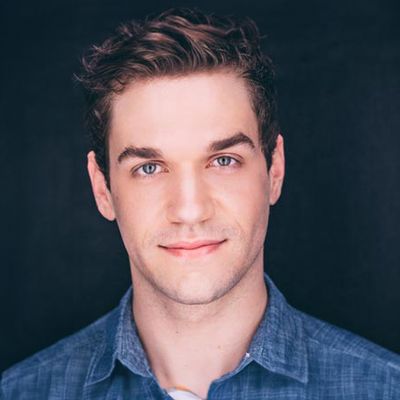
Ryan Vasquez looks back on his career journey, including living with French acrobats in a seven-bedroom house while doing a show, and eventually booking Hamilton. Playing as many characters as he has in Hamilton was to him just “paid therapy”. Having passed up competing offers to star in Water for Elephants and The Outsiders, he is now starring as Middle Noah in "The Notebook", Ryan opens up about why he chose to be part of the show–believing in its impact and just how it personally hits him hard. He reflects on the various aspects of the show, from having diverse couples portray the different stages of Noah and Allie's relationship to witnessing the audience cry and experience deep emotions during performances. He also discusses the misconception that the show is purely about sadness, noting that it touches on a range of emotions like joy and self-actualization. Ryan also talks about her chemistry with his co-star Joy Woods and how much real life fun they have performing together. Aware that he's stepping into an iconic role, he reveals that he doesn't feel pressured but instead focuses more on the importance of bringing his own authenticity to the character. After all, it’s what motivates him: bringing his “authentic-isms” and self to the world.
Ryan Vasquez can probably reenact all of Hamilton on his own having played multiple roles in the ensemble, including Philip Schuyler, Reynolds, Hercules Mulligan, James Madison, George Washington, Marquis de Lafayette, Thomas Jefferson, Aaron Burr, and ultimately, the title role of Hamilton himself. He has been in “Wicked” as Fiyero and other roles, and in Broadway's production of “Waitress”. He can be seen on both the big and little screens in “The Good Fight”, “Curb Your Enthusiasm”, “Tick, Tick... Boom!”, and “In the Heights”. He can now be seen as Middle Noah in the Broadway cast of “The Notebook”.
Connect with Ryan:
- Website: www.ryanvasqueznyc.com
- Instagram: @itsryanvasquez
Connect with The Theatre Podcast:
- Support the podcast on Patreon: Patreon.com/TheTheatrePodcast
- YouTube: YouTube.com/TheTheatrePodcast
- Threads, Twitter & Instagram: @theatre_podcast
- TikTok: @thetheatrepodcast
- Facebook.com/OfficialTheatrePodcast
- TheTheatrePodcast.com
- My personal Instagram: @alanseales
Transcript
This transcript was automatically generated and might contain errors.
[0:01] Ryan Vasquez: Hey, y'all. I'm Ryan Vasquez. Welcome to The Theatre Podcast with Alan Seales.
[0:11] Alan Seales: Hey, theatre lovers. This is The Theatre Podcast with Alan Seales. That's me. I'm your host, Alan Seales. And our guest today is Ryan Vasquez, who, in case you missed it, just did four world premieres back to back to back to back. This guy did Walk on Through off-Broadway in July. That's Gavin Creel's new musical. He did The Outsiders at La Jolla in California. He did Water for Elephants in Atlanta, Georgia. And he did The Notebook 2022 pre-Broadway run in Chicago. And, of course, he got offers to be in all three. All three of them came to Broadway in the same season. So he can't do all of them, much to his chagrin. He chose The Notebook, and now we are glad he did. And in case you missed it, he's played basically every character in Hamilton, which, as he puts it, just becomes, quote, paid therapy.
Because it's just easy to go through all this range of emotion every night and come out feeling so much better. It's cathartic to cry on stage. So, of course, find me on all the socials. Follow Ryan on all the socials. And now, everybody, please enjoy this episode with Ryan Vasquez. Here you go. One, two, three.
[1:15] Alan Seales: Our guest today can probably reenact all of Hamilton on his own, having played multiple roles in the ensemble: Philip Schuyler, Reynolds, Hercules Mulligan, James Madison, George Washington, Lafayette, Thomas Jefferson, Aaron Burr, and ultimately the title role of Hamilton himself. He has been in Wicked as Fiyero and other roles, and Broadway's production of Waitress. He can be seen in both the big and little screens, in The Good Fight, Curb Your Enthusiasm, Tick, Tick, Boom, and In the Heights. And he can now be seen as Middle Noah in the Broadway cast of The Notebook. Ryan Vasquez, welcome to The Theatre Podcast.
[1:59] Ryan Vasquez: Hey, thanks for having me. That was the intro of my dreams.
[2:03] Alan Seales: Have you counted how many roles you've played in Hamilton?
[2:09] Ryan Vasquez: It is many, especially like, I mean, when you're in the ensemble in that show, you're doing like a million things, changing, you know, you put on a different hat and all of a sudden you're like doing a proverbial different hat. So yes, it is definitely many, but yeah, the playing like all five of those principles was insane. And had weeks where I did like, you know, two or three or many in like the same week and stuff like that. I mean, it's a ride there for sure.
[2:34] Alan Seales: Was that easy or nerve wracking to like to switch gears like that?
[2:38] Ryan Vasquez: Honestly, it was easier than I thought, only because like I had covered roles before. And I mean, I'm a proponent of the fact that like if the material is good, it's easier to learn. And so it's not like I mean, people come up to me all the time. They're like, my kid knows every word to Hamilton. I'm like, there's a reason for that. Right. Like it's it's it's so like it's it's makes sense, you know. So the yeah, playing all those roles was a it's cool, man. Like it's like it's a cool part of like history. And now Hamilton is such a thing. I mean, it's cool. You meet people who aren't connected to theater at all. And you're able to have like some sort of line of connection, which is like rare in our industry sometimes. So it's very cool.
[3:18] Alan Seales: That is that's really neat. Do you have a favorite role?
[3:23] Ryan Vasquez: A favorite role slash easiest, which I mean, I was I was I was joke that Hamilton playing Hamilton is like paid therapy. Like you go through like every conceivable human emotion in the span of like two and a half hours and you're getting paid for it. So it's nice. But I mean, George Washington is awesome. I think it's just like it's a bang for your buck situation for sure. Just in terms of like you the only times you're on stage, you're like letting it rip and otherwise you're kind of like kicking it. So but yeah, each one has this like these like obviously like standout moments that everybody knows. And so you can get up for any of them. It's awesome.
[3:58] Alan Seales: OK, so let's rewind a little bit and talk about how you started. When did you first get, you know, bit by the acting bug?
[4:04] Ryan Vasquez: Yeah, I am. So I grew up in San Jose, California, which happens to be the home of the largest children's theater in the country: Children's Musical Theater of San Jose. They cast everybody who auditions. So it's a really nice amalgam of people who are doing it to find community and just sort of working toward like a hobby or getting their arts fix like in this cool community organization. And then from that, you have people who are growing up thinking like, oh, wait, maybe I'm actually pretty good at this. And they start sort of honing like a skill. But I think what's what's sad, frankly, about like arts workers in general, is that it's often pitched as sort of a hobby that ends when you graduate high school or when you sort of go to seek a regular job, you know, quote unquote.
And so I had a lot of people telling me, you know, yeah, you're great at this, but it's not really a feasible career. Like you won't you won't have a life or a home or a family or anything if you pursue this. And so I was really conditioned to think that.
[5:06] Alan Seales: You don't have a home or a family. That's pretty harsh.
[5:08] Ryan Vasquez: I mean, it is harsh, but it's this like starving artist narrative that you hear all the time. I mean, like truly it's like, oh, make sure you have a plan B. Right. That's like the whole thing. It was my mom, actually, who when I was applying to colleges, I went to like an all boys prep school for college. And they had no idea how to sort of like facilitate admissions to an art school or anything like that. And so it was my mom who said, you know, if I'm going to help you with these applications, you need to apply to one school for theater for sure. Just to just to see if it's something you could do. And I applied to I did my research. I applied to Michigan. That seemed like a nice or a university atmosphere with like a small program within it and ended up getting in and just like took it as a sign.
I never went back. And it's funny, I actually applied to Yale prior, like for this thing called like I think it's like early decision or early action or something. Basically, if you get in early, you have to go. Yeah. And so I remember thinking, like, if I get in, I'm going to be there and I won't look back. And I got waitlisted and I ended up auditioning at Michigan, went to Michigan and my first week at Michigan, I got an email from Yale admissions. It's like, hey, you're off the waitlist because people, you know, they show up and they drop out immediately. It's too much for them or whatever. They're like, come to Yale, like you'll do it. And it was just so funny, like looking back, the sliding doors of it all.
I was like, I was already so happy that Michigan, like in the community there and stuff. And so it makes me laugh, like to, you know, things things can always go different. Like it's the tiniest little things.
[6:26] Alan Seales: But yeah. What do you think you would have done if you had gone to Yale? Like in that multiverse, what are you doing now?
[6:31] Ryan Vasquez: I think journalism probably like another sort of imperiled career path now with the rise of AI and everything like that. But yeah, I mean, I've always been, I think, like a creative and like thoughtful writer. I both my parents were educators growing up. And so that was really drilled into me. And I but it's funny, like thinking back, I remember when I applied to Brown, my college or my high school professors who were super adept at getting, you know, students into these schools. They're like, if you if you when you apply to Brown, like, make sure you apply undecided because they like a little like, you know, a worldly sort of like, I'm not sure what I'm going to do yet, man. I'm going to Brown, like in all these schools have these different like personalities. So I remember thinking, like, regardless of where I go, like, maybe I'll find myself back into the arts, but just got to apply like for a certain thing to sort of increase your chances.
[7:26] Alan Seales: You gotta be like, like, really cool and open minded. If you go to Brown, you just been like walking around like this the whole time. I totally get it.
[7:34] Ryan Vasquez: Throwing the frisbee, man.
[7:36] Alan Seales: Hacky sack of frisbee. Yeah, you want to go out for a game of...
[7:40] Ryan Vasquez: Which is very me already.
[7:43] Alan Seales: Well, then cut to now in the what the in the last how many years you've originated four world premieres.
[7:52] Ryan Vasquez: Okay, okay. Let me get this. See if I get the timeline right. So for four world premieres back to back to back to back. Is that four? Yeah, back to back to back back.
[8:02] Alan Seales: So what came first? You were in you did The Notebook out of town. You did Water for Elephants out of town. You did The Outsiders out of town and you did Walk on Through, which is, of course, Gavin Creel's musical off Broadway. So what came first and how did you do all this?
[8:23] Ryan Vasquez: Yeah, it's nutty, man. So like I, I mean, as happens with these opportunities in these shows, right? Like they're incubating for a long, long time. So actually, at the end of 2019, I think was my first reading I did of The Outsiders. And then the very start, the top of 2020, I did the first reading of The Notebook. Then was sort of when it started to heap up because I remember doing the reading of The Notebook, but there was a workshop like a movement workshop of The Outsiders that was occurring the same week. So I was like running back and forth physically like to do both. One was rehearsing in the basement of that church in midtown that like sometimes does these big stuff. And then the, you know, The Notebook reading was happening downtown, too.
So I remember just sort of like hour here, hour there, running back for lunch, playing Hamilton at the same time. So that was when I was like clicking on like a different level of productivity and just like devotion to the work and probably like, you know, hectic and too much sort of way. But then, of course, the pandemic, right? And so like we thought these shows that The Notebook and The Outsiders were supposed to happen back to back in Chicago that same year in 2020, of course, didn't happen. And so throughout the pandemic, we were working on Zoom, sort of like honing in on the script. And I mean, one thing that's amazing about Michael Greif and Shelley Williams, who directed The Notebook, like we were on Zoom and they were envisioning these transitions and the way the staging was going to work, like all in their minds, like virtually telling us as we would do these readings.
You could start to really picture the thing. And so I was getting like a really good idea of what it was all going to look like. And then, of course, you know, the variants and the different stuff and teams changing and shifting. I mean, directors leaving, coming and going. I mean, the pandemic just shifted so much. And so as we sort of began to thaw from that experience, The Notebook secured a slot at Chicago Shakespeare. That was the end of 2022. I went out and did that, which was awesome, like to finally see that stage. It was just surreal, truly. And while I was there, you know, it became clear that The Outsiders was going to do their thing, too. And of course, you know, again, like none of this is guaranteed to move forward or anything we've seen, especially at that time.
I mean, I know we don't want to relive it, but you think back to Broadway shows that had like a few too many COVID cases and closed. I mean, like things were openings were kind of stalled and then the whole process just kind of went down the drain. And so it was it was scary. And also, I mean, my adrenaline was pumping, of course, thinking like we're finally back and doing this. But in the back of my mind, there was this itch of like this. The impossibility of it was still really weighing. And so before I left for Chicago for The Notebook back in the summer of 2022, I got a call to do this workshop of Water for Elephants at the Daryl Roth by Union Square. And it was just the first like 15 minutes of the show, but it incorporated a lot of the circus.
It was kind of like proof of concept thing. And I went and did it and loved it. I was like I was I thought it was such a creative idea. Like the implementation of the circus was so neat and made some friends like with acrobats there and stuff that I never thought I would meet. It was very cool, but then kind of just left it on the back burner. I didn't know if they were going to do the show or what the process was. It looked like this grand thing that was going to take forever to put together and expensive and all this stuff. So and I'd been working on these other things for years. And while I was in Chicago doing The Notebook, I got the call being like, hey, I think they're going to move Water for Elephants.
They're going to go to the Alliance and they're going to move it pretty quick. And I was like, well, if they want me to do it, like, I mean, I don't know. Like now it's like all these things up in the air. And again, like nothing guaranteed. The shows are closing in New York left and right. So I ended up going to Atlanta and doing that. I lived with the acrobats there in like a seven bedroom house. I don't speak a lick of French. They were like buzzing around speaking French to each other and like having I mean, it was such a culture shock and like the best way some of my like dearest friends now were in that house with me. And I went to Europe and visited them. And so I mean, like it was incredible all the while going way back.
Actually, when I booked Hamilton, it was because I was waiting outside to rehearse some music for Gavin Creel just that he was kind of noodling on and he was going to show to a couple of friends of his in the library of the public. Like it was it was not like a presentation really or anything. And waiting outside there is when the casting folks from Hamilton came out and saw me and kind of had this light bulb moment of like, oh, we should call him in for this. I ended up getting it. So I always kind of trace my Hamilton thing back to Gavin in that funny way. And then years, years later, you know, he had been commissioned by the Met to write this piece about the art in the Met and how he responded to it. And it became this really cool spiritual autobiographical thing about how the art moved him and got him through this.
[13:06] Ryan Vasquez: It's what is the most difficult time in his life? And he called me up and was like there's no way you're gonna be available for this. And he had done other iterations of it that I could do or couldn't do or whatever. And he was like, we're gonna do this run it's gonna slot in right at this time in the fall. And I knew that any of these shows, regardless, like one of them was gonna come but probably in January, like at the earliest, right. So I was like, I think I could, man. Like, I think it would work out and it was just a dream. Like I think the world of Gavin, his music is gorgeous. He's such like an amazing leader and facilitator in terms of just like keeping things light and fun and also like impactful at the workplace.
And yeah, I was just, I was blown away that that all just logistically worked out. It's just like beyond an embarrassment of riches. And of course, the downside is like, you can't do it all when it ultimately comes to pass, right. So like, you do have to choose. And, but to be able to be like serendipitously on the same corner as the Outsiders and Water for Elephants, I feel like is like the ultimate gift just to be able to still be like in that little community, even if I can't be physically there in the building. So it's just unreal, man. It's also, and the last thing I'll say just to douse it with some humility at the end is like the, it's emblematic, of course, also of the fact that, you know, people always say this never happens.
And I'm like, oh, no, I know it never happens. But the reason it's happening now is because Broadway really is like in a resurgence. Like we sold this story for the last couple of years, Broadway's back. Like, please, I mean, please come to see these shows. And of course, I'm happy that people did, but it was also difficult for some. I mean, like that 2021 year was brutal. Even in the past couple of years, like it was hard for shows to stay open. And now the show of confidence that we are like thawing and coming back to a normalcy where people are not only craving live art and live storytelling, but also feel comfortable enough to be there and experience things in community like that. Like that's why it's all coming at once. Very cool. Just a cool moment to be a part of for sure.
[15:11] Alan Seales: Yeah, absolutely. I mean, this is a crowded season and it makes sense though because of the years it takes to get any major production like this from, you know, from page to stage. Then yeah, this is the timeframe when, you know, Broadway comes back. Everything pre-Broadway was put on hold. You got to resume, but you can't, you don't have those real experiences to polish it until you're in the room with people where you can have your chemistry, see the chemistry between you and the rest of the cast to see if it works and whatnot. So yeah, it makes total sense that everything is coming back all at this time. It's tough because there's so much to choose from and tough for you because you were in all of them, which is awesome. Was that hard though to all of a sudden realize you have to make some choices and leave some of these original roles behind?
[16:05] Ryan Vasquez: Oh, for sure. And I think again, it's kind of like the peeking behind the curtain a little bit, but it's really difficult to get a show from, like you said, page to stage, right? Any professional actor has done hundreds of readings that they just never see again and maybe years and years down the line, they're like, oh wow, that's being done at some theater that I used to work at and that's such a funny little Easter egg of my career. But you weren't involved after that first reading, they cut your role or they decided that person needed to be older or younger or you aged out of it or you took a different direction in your career or you took a job that conflicted and the person who replaced you they loved and the rest is history, right?
It's really rare that you can stick with the project for four or five years, sometimes longer and get to bow on Broadway, like in a show that you've been working on for years. And so to have to leave it behind because of circumstance is always difficult and because of something out of your control is always difficult. But there's an extra interesting sting, frankly, when it's your own decision where you have to sort of, I can't believe I'm having to do this after working for 10 plus years in this industry developing all of this stuff, so much stuff just fell away or went to other people or whatever, all the no's that you hear as an actor, all this stuff that you hear about and then to have to make a choice like that and sort of cut opportunities out for yourself is hard, of course.
On your ego, on my paranoia after a couple years of not working at all, it was tough. But I know that the roles in the shows are in good hands. I also just really believe in the impact of The Notebook in a way that just for me personally hits me just extremely hard. There's something about being in an audience full of a thousand people, like stifling sobs they're moved either by this portrayal of people in their later years falling in love, which is something you don't always get to see that type of representation on stage of older folks flirting and having this young love energy, whether it's just the story of loss and the passage of time and how you're going to spend your time and coming out of the pandemic.
That's what we're all thinking about when we're alone at our most peaceful is like, wow, this that was a chunk of my life that I lived like, you know, it's not wasted time. This whole thing of, oh, you know, all we just delete those years. It's like, no, you don't like it's part of you. It's part of who you are now, you know? And so there was something just profound about that, that I continue to witness, like impacting people in this really special way. And I yeah, I can't imagine not being a part of it.
[19:00] Alan Seales: Time for a quick commercial break. Hang on a second. Welcome back to the episode where you at a point where you were like, OK, all three, the Outsiders, Water for Elephants, The Notebook, they're all definitely coming. I've got offers from all three. I got to choose one.
[19:16] Ryan Vasquez: Yeah, yeah, I was. And yeah, I mean, I sat down with like the people that I trusted most. Of course, I like had all these conversations about career and all this stuff. But what I will say is that the sort of deciding factor, I think, beyond like just really believing in the show, it was is Marianne Plunkett, who plays Older Allie in the show. She is so brilliant in the show. Offstage is like such a leader. And really, I just remember thinking like The Notebook just has the potential because of how it exists in the zeitgeist, not actually because of the book or the movie or what you can actually go see as the source material, but because what it's mutated into through just frankly, like meme culture, like throughout like the last 20 years.
What do you want? Yeah, yeah, exactly. Like it's become like The Kiss in the Rain and a love story that you're supposed to cry at. Right. And I just had this feeling like there was going to be some sort of jade around it and potentially this like eye roll attitude of like, oh, The Notebook, like it's this sappy musical. It's going to be corny and sort of colorful in this way that doesn't feel real or rooted in humanity. And from the first reading in 2020, when I sat down and Marianne started to read the lines, I was like, oh, this is doing this popular thing, but creating a totally separate entity alongside of it. It's not a regurgitation of a book or a movie. It's its own piece. And it's grounded so deeply with the help of Marianne and Dorian in this humanness that is just like observable and moving on its face.
There are sections of Marianne and Dorian sitting upstage in their bedroom, watching, observing what is going on on stage, where if you are watching them, if you can peel your eyes away from what's happening in the foreground and look at them back there, it's like you're watching the greatest performance you've ever seen. And they're literally just still like watching something. I mean, and that like grounds me in such a way of, wow, like what we're doing is just the one of the most deeply human, simple, just like gorgeous things I've ever been a part of, honestly.
[21:40] Ryan Vasquez: You mentioned the sobs. And when I went to see the show the other day, I haven't heard anybody cry that hard in a theater in don't know how long. I can't remember. It's just like everybody. Yeah. Everybody at Ben Platt, Evan Hansen crying level. You know, when he goes full snot, that was the audience. Yes. No, yes. And I've never been in a space like that either. And like as it is, and it's funny and it's like there is something to that on the hundredth time where you're like, oh, wow, like we're really getting them. And it's like it can feel almost sort of over the top. But but for us, like it's impactful beyond like what I can even comprehend sometimes. I have to say like some of the the criticism of the show was like, you know, it's making people cry and that's about it.
And I have to say like making somebody cry is not making somebody like breathe hard out their nose when they see something funny on their phone. Like making somebody cry is like a deeply emotional, impactful thing. And you have a thousand people a night who are being impacted in this way. It's unbelievable. And I'm trying to like, you know, as I think about it too, it's not crying isn't always sad. And I actually think that the majority of the emotion that we feel in the audience and even on stage is not sad. It's this like wistful sort of gorgeous exploration of life. There's a moment where Marianne at the end of Act One stands up and says, you know, she's invigorated by the story. She's like, I want to dance like and she's kind of like dances around.
She's like, do you remember when people used to dance like they used to get up and dance right next to their salads? It's this like silly little line and it gets this big laugh. But in rehearsal, I like I begin to well up because I'm like the joy of like watching somebody like re-experience that in their life. Like that's what's emotional to me. It's not this like, you know, relentlessly sad sort of Days of Wine and Roses version of crying where you're like, wow, this is heavy and just like and and just a weight which is gorgeous and having an impact in its own way. But I think there's something unique about the notebook and, you know, this sort of like, again, memification of like, you're going to cry that people think, oh, because it's this sad love story.
It's like, no, because it's joyful. It's like people finding their way back to each other in their older age in this like really just gorgeously told way. It's yeah, it's it's impactful. It's a happy love story.
[26:42] Ryan Vasquez: Be very intentional about making the races different per couple, the young couple, middle couple, and older couple. The races are different in every couple. And I was talking with Shelley about this specifically, and the idea behind that was that these emotions, these feelings, this need to belong, this need to feel included and find the love of your life transcends everything. It transcends race, it transcends gender even, and you want to fall in love. And you need to belong. And people just want that. And I think it's one of the most beautiful things. And there's no question here. I'm just making an observation. I'll say something about that too, just briefly, because I think there are like two sort of angles to that is that one, they wanted to create a show where people could see themselves in this universality of the story, which I think they've done.
But also, of course, and I'm really sensitive to this, I can understand that you want to, on the other end of an ideological spectrum, when you're casting something that may not be like period appropriate or literal in a way of, of course, like, you know, Joy Woods is not literally growing up to be Marianne Plunkett, but Allie Nelson is growing up to be the older version of Allie Nelson. And there's this kind of head scratching of, wait, if it doesn't quite make sense, I mean, and first of all, the suspension of disbelief we do in theatre is already enough. I think we can manage it. But also the, which like I could go on, but the, I think what's also unique about our show is that, like you said, it's an intentional way and a dignified way of telling these people's stories as their full authentic self and fitting into a framework.
And I think what our show does uniquely is that all the couples are Allie and Noah, of course, and there are things across the Allies and across the Noahs that we're doing physically or even just like tonally that are making this person one. But also in each of the unique couples, just like in our unique stages of life, we are unique, different people. We are, we're encouraged to bring like our authentic selves to those roles so that the couples do feel different. It does feel like, oh, wow, of course, I understand cognitively that this is the same person. But like, I'm also feeling out a whole new dynamic because it's been 10 years without each other, and these people have changed. And so I think that allowed us to approach it and have, I was able to, I mean, I can only speak for myself, but like bring my authentic isms and self to the role and not worry about like, oh, well, fitting into this sort of framework, like only the authenticity and the dignifying of the actor and the character were encouraged.
And I think that's just like a unique thing about the show, too. It's not just sort of cast for some sort of click baity, look what we did thing. It's encouraging the authenticity to come out in every single person, which is unique.
[29:47] Ryan Vasquez: It's also representative, I think, and this is what I took away from it. I feel it's representative of the fact that we are all unique and individual and different. But at the end of the day, when you zoom out, we're all exactly the same. We're all trying to live the same story. Even no matter what we look like or what gender we are, we're all the same. And that's what this is showing. Exactly.
[30:07] Ryan Vasquez: In a very beautiful way while you get wet in the middle of a stage.
[30:12] Ryan Vasquez: Exactly. That rain effect, you're nice, warm and heated water, which wasn't heated in Chicago.
[30:21] Alan Seales: You've talked to Joy, I see.
[30:22] Ryan Vasquez: I have talked to Joy, yeah. Wasn't heated in Chicago, now heated in Broadway, in the New Yorks. I love how it gets its own applause because that's like the moment. It's funny though, because when I was there, it definitely got its own applause. And I forgot, I was so engrossed in the story and watching it and the songs too, Ingrid Michaelson too, the songs written are just amazing. But I forgot that I was expecting the rain. That's the iconic thing from the memes and from everything you were talking about from the movie and whatnot earlier. That's what everybody, when I think of The Notebook, I think of them standing in the rain, having the argument, whatever, blah, blah, blah. And I forgot I was waiting on that because I was so present and in the moment and drawn in by these performances.
And then all of a sudden the rain comes and you're like, oh wait, it's raining inside. This is amazing. The audience, I don't know. And the use of the creek in the front where you're splashing each other, the whole thing. To bring that authenticity inside, you don't have to suspend disbelief. You don't have to pretend it's raining because it literally is raining.
[31:30] Ryan Vasquez: Oh, exactly. That's such a cool part of being an actor. So much of it is suspending disbelief. You're imagining so much to get yourself to an emotional height or something. So when something is literal like that and you can ride the adrenaline of real rain pelting you, getting soaked. As much as the scene in the rain is so fun, after that we cross down on the passerelle and just run to run across and we have all of our stuff and we're running. And there's this guttural laughter that Joy and I are sharing that's completely authentic and real because it's so like, I'm freezing and it was cold in there and now we're running and you got to grab all your stuff. I mean, there's nothing pretend about that. So it's very cool to be able to interact with the elements like that. It's so cool.
[32:21] Alan Seales: It really is. I agree. And speaking of Joy too, having to fall in love with her every night, eight times a week, right? It doesn't seem like it's all that hard. She seems like an amazing person as like you said, the rest of the cast does too. So when starting the workshop, starting the readings and developing this bond with Joy Woods, the person, and then therefore Ali, the character. I mean, it seems like to me that this was just kind of natural chemistry that you can't get over Zoom. You can't get over the virtual readings. You have to have it in person and then you're together and it just works, right?
[32:58] Ryan Vasquez: Yeah, yeah. And it's interesting too because over the years, of course, the cast always shifts. People are available for different things. And so again, just like the sort of legacy of us and our prior selves, right? The younger couple lives in the middle, which lives in the older couple. So too do everybody who's ever done these roles and played these parts and crafted the scripts and everything. And so there was something to the beauty of that, creating this composite thing. And then of course, when we got to Chicago, it was like, okay, but this is the real person though. This is who it's really going to be. We've done all this work in theory with all these people and who knows who's going to end up doing it.
And then all of a sudden it's like, oh wait, okay, so this is really where we have to lay the foundation. And there was, I mean, it was so seamless. Joy is so beyond her years. I am so grateful for, I mean, the biggest thing is that Joy on stage is like her name manifests, right? She is having a good time. She is always enjoying herself. And I'm the same way. Even when I was in Hamilton, in these scenes where you're at the absolute rock bottom and you're sobbing and you're like, there's something fun about what we do that if I ever lose that, I'm never losing it because the show is too sad. I'm often losing it because there's just some conflict or something that's not quite working that's making it difficult.
And Joy at every step of the way, we have more than the loving and more than this deep emotional thing that we're going through. It's like, it is just the most fun I've ever had working with someone. And she always has a joke. She doesn't let anything slide, any tiny little hiccup or thing that happens on stage or off or anything. She's so in touch humanly with people around her and stuff. And yeah, it's just been, which is funny to say about a show where we occupy this space of basically fighting or this deep connection or whatever. It's a very charged time in the story. It's just so fun, which is, I think, maybe a surprise to people, but that's what's really made it easy and smooth.
[35:12] Alan Seales: It does seem fun. It seems like every couple genuinely cares about each other. You can tell. You can tell. And God, I go back to the different points of life. And I don't know, probably a combination of perfect casting and storytelling and a million trillion different other things. But the way that each couple is, the energy, I guess, the energy that falls off of all of the couples, like the young couple, they're invincible. They feel like they can do anything they want and there's no repercussions. And then the middle couple is figuring themselves out. And am I doing the right thing? And am I making the right choices in my life, in my career, in the right person? And then the older couple is like, yeah, I know what's important to me now.
And it's you. And you are the through line through all the ups and downs I've had in my life. And just the wisdom and the experience that even older Ali, not remembering older Noah, she still has the character and still has this wisdom and this, I guess, this wherewithal about herself that, I don't know how to describe this. You understand what I'm saying? It's just every-
[36:34] Ryan Vasquez: Completely. Yeah, completely. It's that amalgam of the fact that we were able to be ourselves and create this one person. Because the invincibility and the joy of Jordan and John live in Marianne. Marianne's joy and reckless abandon to stand up and say, you know what? I want to dance. That comes from that same invincibility and free will that you feel like you experience when the world is your oyster. And also this micromanagerial, fragile, pained dealing with one another that the middles deal with also lives in Marianne and Dorian in terms of Carson's character, who I love, who plays the comic relief PT guy. And he comes in and there are these moments of like, oh, you're ruining this tiny little fragile moment of sunlight that's coming through that Dorian's finally achieving with older Ali. And it's like, it all lives in each other and you're able to just do your own version of the thing. And if that isn't universality, then I can't help you.
[37:59] Alan Seales: Fair. Time for a quick commercial break. Hang on a second.
[38:03] Alan Seales: Welcome back to the episode. So now you're stepping into this role that is very famously known to people associated with Ryan Gosling and this great movie. And when you were in Wicked, Fiero, of course, is a well-known role and even every role you've played in Hamilton, very famous, very well-known. When you're stepping into these roles, do you have any moment of like, holy crap, people really expect a lot out of me here? Or are you just like, all right, another day on the job?
[38:45] Ryan Vasquez: Yeah. I mean, I think I do. I know that people are definitely expecting a certain thing. I think what's cool about that is subverting that entirely when we can. Those are the moments that feel the best. We even had an interesting conversation about after they come in from the rain, they're like, okay, now they're going to kiss for the first time. And what leads up to that and what does that? And initially, I think we all kind of leaned on what we knew, again, of this kind of meme-ified version of Ryan Gosling. He's so conventionally attractive.
[39:48] Ryan Vasquez: I'm probably going to give her some space. She doesn't also fully undress because she would never do that because she's not just making herself available to him because there's still trust to build in that way. It's interesting, again, grounding it in the humanity of it rather than... I think when we think about big shoes to fill or things like that, we're often reducing the big shoes person to one or two traits about them that we think, okay, that person needs to fulfill these shoes, which is that they're so charming and so this or whatever. But really, if you examine Ryan Gosling's performance in the movie, it's got all sorts of deep human stuff going on that you could never fully fill because you're not that same person.
So much of the mentorship I've received in the last many years is this concept of only you are you, right? You'll never be Sutton Foster because you're just not Sutton Foster. It's not about a skill thing. You can learn to tap and learn to sing and learn to do... You can reach a sort of level, but you will never be that person. You'll only start to really thrive and work when your individuality is a tool for you and not something you're trying to hide and bury to match some sort of standard that you think is being eaten up in the industry. Sometimes that's unfair. Sometimes that leaves years of time where they're not really into that vibe. We've seen, of course, with everything on earth during the pandemic, sometimes it's like, oh no, there's something about you.
Well, it turns out it's that they were really just envisioning a white person and they actually need to broaden the scope of what they were thinking about for the role and really look at the individual beyond the way that they look or the way that they come off. And so I think I, even Hamilton, these roles that are so iconic, and now The Notebook, of course, so iconic, right? I find solace in the fact that my version of this, though, it's best when I'm able to lean into the parts that are me. And I know myself enough to know that the tools I have are that I'm a funny guy. I'm not your typical dewy-eyed leading man with a six pack and doing that. I have tattoos and I'm proud of them. And I think it makes me an individual.
And the pain that I feel like I bring to a lot of the roles that I play, that's this kind of underneath layer of a deep, thoughtful person. And so as much as, yes, I do get nervous of thinking like, okay, how's this going to be perceived? But I kind of relish in the fact, to cite another piece of interesting criticism about the show, there was an opinionated person who wrote a review saying he's never going to be the sexiest man alive, people's sexiest man alive. And I was kind of like, well, damn right, man. I'm doing my own thing. I'm not trying to fit a cookie cutter sort of idea of what you think this needs to be, which is this steamy, sexy part of a love story. It's actually littered with deep humanity and pain and these things that we want you to lean in and experience, not just watch The Notebook on ice. That's kind of a crappy thing to say anyway.
[43:22] Alan Seales: Oh, I mean, it's brutal, man. It's beyond. I could go on, but it's interesting to hear from folks who are paid to evaluate theater, how they evaluate it, for sure.
[43:37] Ryan Vasquez: Oh, dude, dude. Yeah. I mean, to say something is not going to be good unless you look like what that particular person feels is conventionally attractive, that's just completely unfair. You can't control that. It's beyond reductive. And at the same time, I'm encouraged by the embrace of things like The Notebook that are a creative swing at something that may already be popular, but is an interesting and creative and thoughtful telling. And audiences are experiencing that. I saw Lempicka last night. They were experiencing that there as well. I've seen Water for Elephants and been a part of it and The Outsiders and been a part of it. And I know those are artistic swings as well. And I'm thankful for these shows that are, whether you are doing source material that people are familiar with or not, it's an entity alongside the franchise, not necessarily just giving people a live version of a film or a book.
[44:43] Alan Seales: And then I just read, too, I thought it was ironic and funny that you mentioned your dream role is also in The Who's Tommy, which just happens to be also opening this season as well.
[44:55] Ryan Vasquez: Well, yes, I did. I played Tommy at the Children's Theater I grew up doing shows at. I just think the show and the fact that you can really take it any direction you want is so appealing and cool. I mean, talk about a creative adaptation. So I haven't seen it yet, but it was in Chicago at the same time as us, maybe right off the back of it. And so, yeah, I'm really looking forward to seeing that, too, because I mean, obviously the music and stuff, but I know anytime you sit down for Tommy, you're in for something you are not expecting.
[45:24] Alan Seales: So I'm pumped to see that.
[45:28] Ryan Vasquez: Yeah, I haven't seen it yet either. I was talking to people at the Press Junket a few weeks ago, and they were just like, there's lots of tires. There's tires everywhere. There's choreography and tires all over the place. I'm about it.
[45:41] Alan Seales: Let's see. Let's see. Let's see. Okay. So I want to transition over to a little game segment that I've just started doing on the podcast. I'm going to... Whoops, I got to... Where did this go? I got to pull up a little 60 second countdown. 60 second countdown timer. Okay. So you're going to give me a number, one through eight, and it's going to correspond. I've got a little list of shows, popular musicals, and you're going to give me the plot to that musical in 60 seconds.
[46:10] Ryan Vasquez: Oh, cool. Okay. Let's go with three. Give me a number, one through eight.
[46:13] Alan Seales: Yeah, let's go three. Three? Okay. So in 60 seconds, give me the plot to Les Mis. Go.
[46:19] Ryan Vasquez: 60 seconds remaining. Oh, nice. Okay. So there's a gentleman who's down on his luck. He steals some bread. He is sort of under fire for this crime as, you know, like was the case in the day in 1800s France. Maybe I'm citing the year wrong. 45 seconds remaining. He... Oh boy, this has already been 15 seconds. It's only like the first line. I've been in this show multiple times too. Oh, no way. Okay. There are a bunch of characters who also are down on their luck as well. It's rough times and they're all sort of trying to figure out how it is they're going to participate in the famous revolution that is coming, the hashtag French revolution. And one of them is a cop and one of them is fleeing the police. And boy, oh boy, are they at conflict. And there's a beautiful song called On My Own that a young person sings named Eponine. And at the end, we cry because most of them are dead. Five, four, three, two, one.
[47:20] Alan Seales: Wow. Wow. To think the confident, the irrational confidence I had when you said the words Les Mis, I was like, wow, the pithy, just beautiful synopsis I'm going to give in 60 seconds. And I mean, not a mention of Marius, Cosette, Andras, nothing.
[47:37] Ryan Vasquez: Nope. Nope. Nothing.
[47:38] Alan Seales: Nope.
[47:39] Ryan Vasquez: Not even a mention of Valjean. I didn't name a single character.
[47:41] Alan Seales: No, you didn't. You didn't.
[47:42] Ryan Vasquez: No.
[47:43] Alan Seales: Unbelievable.
[47:44] Ryan Vasquez: Well, it's interesting. Most of these so far, they devolve into descriptions of the set.
[47:52] Alan Seales: Interesting.
[47:54] Ryan Vasquez: I know. I did think, I was like, is it necessary for me to cite the little step forward, step back choreography that everybody knows? I was like, is that going to be a part that people are going to see?
[48:02] Alan Seales: They're going forward and back and wave a flag and shit, that's 10 seconds gone.
[48:05] Ryan Vasquez: All right.
[48:06] Alan Seales: And that's like, oh, wow. Yeah.
[48:08] Ryan Vasquez: Okay. So three standard closing questions. I ask everyone now. Here are my normal closing. First question, just very simply, is what motivates you?
[48:17] Ryan Vasquez: I think impact on people. I've worked a lot on shows that I know have an impact and to see that, even if the show is half full or if the show is like an off-Broadway thing that fewer people will see or something like Hamilton that millions of people are familiar with now. I see the impact that these things have and that's what draws me to it. It goes even into my personal life. I love games. I love things that bring people together, any community organizations, organizing, things like that. It's nice to see impact beyond where your life will only go so long, frankly. So anything that can linger.
[49:01] Alan Seales: All right. What advice would you give to your younger self and younger people listening now starting out in a similar path?
[49:07] Ryan Vasquez: Oh, boy. So much. I would say for sure, get off your phone. My big thing right now, as if it's like my idea, there's literally so much discourse about our phone addiction and how it's just destroying so much. But the parts about connectivity that our phones and these devices and media platforms allow us to are beautiful and it's cool to be able to access information and to be able to share around. But touch grass every once in a while. The world goes beyond what this virtual curated world is. I mean, that's why I'm thankful for platforms like these where we just talk. It's not getting clipped out of context or any bizarre thing like that. It's nice to connect and so use it to connect. But consider looking at your screen time, look at the apps, the amount of time you spend on these apps and how you feel when you're on them and scrolling through pictures of things that may not be helping your mental health. I promise getting together and being vulnerable with a friend will be more rewarding than shooting off a hundred DMs and a hundred memes.
[50:15] Alan Seales: I mean, as long as a hundred memes are all about the notebook, then I mean, that's the aspect.
[50:19] Ryan Vasquez: Yeah, yeah. Then do your thing, of course. Anything for promotion.
[50:24] Alan Seales: Okay. All right. Last question. Hardest one. If you could only see one show for the rest of your life, but you can see it as many times as you want, what would you see?
[50:34] Ryan Vasquez: I would see the play from 2012, maybe Peter and the Starcatcher.
[50:39] Alan Seales: Yes.
[50:40] Ryan Vasquez: It was.
[50:41] Alan Seales: Oh, nice. I'm happy for the love. It was the most creatively staged thing, one of that I've ever seen. It made me laugh so hard that my stomach hurt and I went back. I was in college. I was visiting New York. I saw it in an evening and went back like your classic college situation, like seven thirty a.m. outside the box office on Wednesday, the next day to go see the Wednesday matinee. I sat in the front row like it. Christian's performance in that was like life altering for me just in terms of like, oh, you can really do all of that. Like the story, it was moving, creative, funny, all the things that I want something to be. So for sure.
[51:17] Alan Seales: Oh, oh, that's such a good answer. Christian Borel. Every time I went back multiple times to see it, I loved it. And every time he would slam the chest on his hand, he just milked it longer and longer and longer. I was like, that's how you do comedy. Yeah, that had me cackling. Brilliant. Brilliant. All right. Great answer. That's that's my new favorite answer. Where can we find you on on social media? Where do you play that game?
[51:42] Ryan Vasquez: Yes, I play on Instagram pretty much only. It's Ryan Vasquez on Instagram. And yeah, a lot of dog pictures, a lot of basketball, a lot of board game pictures. And every once in a while, you know, some some treats from the theater world. Well, I am on Threads, Instagram, TikTok, Facebook. I have presence there. I'm kind of on it, I guess. Yeah. Leave a rating and a review wherever you're listening. Tell your friends. Spread the word. Go see The Notebook. Thanks to Jukebox the Ghost for the intro and outro music. And Ryan, thank you so much. I really enjoyed this chat.
[52:14] Ryan Vasquez: Thank you. Me too, man. Thank you. Appreciate it.
© Broadway Podcast Network, All Rights Reserved