

David Harris is an Australian actor who somehow found himself moving from architecture school to the bright lights of Broadway. He shares his early passion for architecture and how he pivoted to a career in performing arts just three days into his studies... Read More
From the show: The Theatre Podcast with Alan Seales
Guests
Featured Shows
About
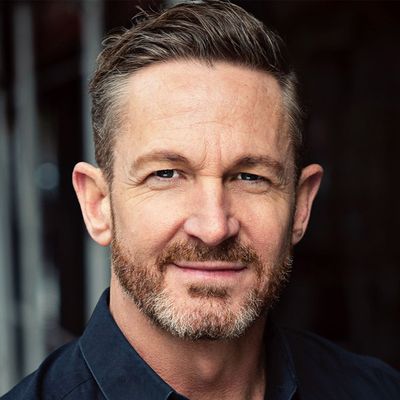
David Harris is an Australian actor who somehow found himself moving from architecture school to the bright lights of Broadway. He shares his early passion for architecture and how he pivoted to a career in performing arts just three days into his studies. He looks back on his journey, including participating in talent quests at RSL clubs in Australia and having friendly competitions with Broadway performer Ricky Rojas. Being in the workshop and eventually being cast in "The Boy From Oz" marked a significant turning point in his career and what he considers his claim to fame. He reminisces about his experience working with Hugh Jackman in the show, and a memorable commercial shoot with him just before New York shut down for COVID (click here to watch). David reflects on the differences in how musical theatre is perceived in Australia, the UK, and the US, his personal experiences with it, and his frustrations with the lack of recognition for musical theatre actors in Australia compared to Broadway performers in the US. He emphasizes the critical importance of swings and understudies in theatre, and his gratitude for them in keeping the show running smoothly. While he’s already managed to prove naysayers wrong, David has no plans on stopping when it comes to the pursuit of growth and constant learning.
David Harris is a native of Australia, where he's one of the most acclaimed leading men of his generation. In the US, he has received critical praise for his performance of Dan in TheatreWorks’ “Next to Normal”. He starred as Jean Valjean in the Connecticut Repertory Theatre production of “Les Misérables”, which was co-starred and directed by Tony Award winner Terrence Mann. He starred as Billy Crocker in Goodspeed's production of “Anything Goes” and as Father in Barrington Stage Company's “Ragtime” in 2017. He originated the role of Max Bronfman in Stephen Schwartz's new production of “Rags” at Goodspeed Opera House. After playing the role of the Duke on the first national tour of “Moulin Rouge” in 2022, he can now be seen playing the same role in “Moulin Rouge” on Broadway.
Connect with Brian:
- Website: www.davidharrisofficial.com
- Instagram: @davidharrisoz
- Watch David with Hugh Jackman
Connect with The Theatre Podcast:
- Support the podcast on Patreon: Patreon.com/TheTheatrePodcast
- YouTube: YouTube.com/TheTheatrePodcast
- Threads, Twitter & Instagram: @theatre_podcast
- TikTok: @thetheatrepodcast
- Facebook.com/OfficialTheatrePodcast
- TheTheatrePodcast.com
- My personal Instagram: @alanseales
Transcript
This transcript was automatically generated and might contain errors.
[0:00] David Harris: Hi, I'm David Harris, and welcome to The Theatre Podcast with Alan Seales.
[0:10] Alan Seales: Welcome to The Theatre Podcast, everyone. I'm your host, Alan Seales. And this episode's guest, David Harris, has been playing the evil Duke in Moulin Rouge for several years now, between the tour and the Broadway run. But coming from Australia, he has a unique perspective on how folks that make it into actual Broadway contracts are viewed outside of the U.S., something that was a little surprising to me. And also, of course, why he's enjoying being here in New York City, smack in the heat of a career he fell into unexpectedly. Side note, his first big production was the original production of The Boy From Oz with Hugh Jackman. Very cool. So now it's time to do your thing and find me online on social media. Leave a rating and a review wherever you're listening. Head on over to Patreon to see the video version of this interview. And everyone, now please enjoy this episode with David Harris.
[1:11] Alan Seales: Today's guest hails from Down Under, a native of Australia, where he's one of the most acclaimed leading men of his generation. In the U.S. here, he has received critical praise for his performance of Dan in TheatreWorks' Next to Normal, if I can say it right. He starred as Jean Valjean in the Connecticut Repertory Theatre production of Les Mis, which was co-starred and directed by Tony Award winner Terrence Mann. He starred as Billy Crocker in Goodspeed's production of Anything Goes and as Father in Barrington Stage Company's Ragtime. In 2017, he originated the role of Max Bronfman in Stephen Schwartz's new production of Rags at Goodspeed Opera House. And after playing the role of the Duke on the first national tour of Moulin Rouge in 2022, he can now be seen playing the same role in Moulin Rouge on Broadway. You love to hate him. David Harris, welcome to the theatre podcast.
[2:00] David Harris: G'day, mate. Thank you for having me. Cheers.
[2:04] Alan Seales: Oh, I love to hate the Duke. What an evilly delicious guy.
[2:09] David Harris: I love him. It's actually the first time I've played a villain.
[2:12] Alan Seales: Really?
[2:12] David Harris: Although Max Bronfman, you mentioned the Max Bronfman in the new production of Rags. He was my first taste of being the antagonist, and I've got a taste for it now. I can't go back to Romantic Leads. I've done it. I've ticked it off. I've had my fun with them. Now it's just villains all the way. There's so much more to be found with them, I'm finding.
[2:33] Alan Seales: Well, what do you dive into about the Duke? What's so juicy about him?
[2:36] David Harris: Well, I keep diving into him because there's more layers that I keep on. You know, even just the other week, I was like, what if he as a teenager or as a young kid was a bedwetter? How does it impact that adult life? I've got this whole backstory of why he's… No, it is random. But I've been able to just continually go, what if this? What if he was that? And what was his relationship with his mum? No villain is a villain for villain's sake. No one wants to be nasty for just nasty sake. I don't think so. Everyone has a trauma. There is some hurt there and damage there, and he's certainly damaged goods. He needs a few hours of therapy to get through some issues, I think. But what are those issues?
Where does it all stem from? And it's been really interesting to delve into that for me. There are no right or wrongs, obviously. There's nothing in the script. There's nothing to warrant any of these choices that I've made. But they're great as an actor to layer in and continue to find new things. As Henri Ward, who plays Lautrec, sings in the show, the greatest thing is to love and be loved in return. And I latched onto that very early on into rehearsals when we were doing it two and a half years ago, when we were rehearsing for the First National. And I was like, you know, that is true. Everyone wants to feel love and to love. And the Duke is no different. What are his versions of love? What love hasn't he found in his life?
And that's been my sole quote that I use from the show to render everything else for his character. He just wants to be loved as well. He just does not know how to achieve that, how to display that. He thinks it's all with wealth and material things. And, you know, Satine sings about material girl and wanting diamonds and all that. So it's like, oh, yeah, this could be a good match. It's certainly something different than what he's had before or experienced before. And there's something special about her and he actually falls for her. And I've loved in the rehearsal process and now during the show, trying to find his vulnerability, find the human nature of the human seeking love and affection. And there's only fleeting moments that he can do that in the show, but that's been fun to explore. So he's just not a two-dimensional.
[4:48] Alan Seales: Yeah, I feel—
[4:49] David Harris: So the audience could find some empathy.
[4:51] Alan Seales: Yeah, I feel like he's this kind of guy who, like deep down inside, like you said, he just wants to be loved, but he doesn't know how to ask for it. And he doesn't know how to show or be okay with vulnerability. So my interpretation of this is probably came from royalty. Parents never hugged him, was raised by the help, never had anybody hug him and say, I love you. And he just wants to belong. And he's just kind of turned into a giant jerk about it. But deep down, he's just a sad guy.
[5:22] David Harris: Yeah. Yeah. I mean, his introduction song is Sympathy for the Devil.
[5:26] Alan Seales: There you go.
[5:27] David Harris: And there's Sympathy for the Jerk. It's like trying to—and as an actor, it's to try and understand all those things about him without judgment, but layering why he is the way he is, why he says, why he acts the way he is, why does he get so controlled, why he's controlling all that place of privilege and royalty, as you said. And there's a complete backstory there about his mom and dad that I've created. He had to shoot his own pet dog because he ran through his dad's rose bushes. And he gave one warning and the dog did it again. And I had to shoot my own dog and things like that that you just go, these are traumatic things for a kid to go through. And why was his mom absent? Was she nasty or did she have her own mental health issues and did she just vanish one day? You know, this abandonment. Yeah, it's fun to layer it.
[6:18] Alan Seales: And I think for those, when we come back to the interesting things about playing a villain, you can then go on this real fantasy land about laying all these things in, which I really didn't do in any of the romantic lead stuff, because they're just, here I am, my heart is here, I'm falling in love. Why does the Duke struggle to do that?
[6:40] David Harris: Yeah, that's a really good question. And, you know, unable to relate to this troop of people who he feels are totally beneath him, right? Like, he comes in and wants to control.
[6:54] Alan Seales: Well, they are in society. They are in society completely, completely contrasting.
[7:00] David Harris: Lautrec even says to Christian when they meet him, we are whores and beggars, criminals all. It's complete extreme of what the Duke is or where he belongs in society. So, he does not relate at all. But at the same time, when they speak about, and another thing I latched on with that everyone wants to love and be loved in return, they all talk about, you know, truth, beauty, freedom, love, and belonging. All these things that the Duke scoffs about, that's ridiculous dogma. But deep down, he would love that. That's how I play it. Deep down, which he probably doesn't even know, he would love that sense of community, belonging, and artistic expression, and a truth and a freedom, but he doesn't have any of that.
[7:45] Alan Seales: Well, he's only had experience buying affection and buying love in literally and metaphorically, right? So, he's coming in buying the theater to try to be with Satine to him. Oh, God, like, there's so many layers here that you don't think about. That's really interesting.
[8:01] David Harris: I could go into a whole thesis on all this. And it's, you know, two and a half years in, I've been playing him. And still, even on Sunday in the Sunday show, Alex Timbers, our director, gave me a note that I'd never thought of before to layer in. And I was like, huh. And I tried it, played a very different undertone and a reaction. The audience may not have seen it, but it was great to do. And so, after two and a half years, I'm still finding things. And that, for me, is the joy of doing a long run. This is coming up to the longest run I've done with a show, two and a half years with my Maximum and the original company of Mamma Mia in Australia. So, we're going beyond that now with The Duke.
And to still be finding things and the aim to still find things and to layer in things is the joy for me. It's the work that I think should happen all the time. So, it's continually fresh. And your other players on stage doing that with you, no show is the same and no audience is the same. No show is the same. And there's a lovely quote I read months and months ago, which I hold on to, too. That's fantastic. It's going out on stage striving for perfection, knowing that it will never be a perfect show. And so, it's that of going, like, I'm going to nail this. And you go with that intent of finding more, reacting, being instantaneous, being in the moment, doing that, layering all these different things that you may have thought about, like bedwetting.
And knowing that you come off stage going, that was a great show. I could have done that. Knowing that it's not going to be perfect, but you're okay with that because tomorrow you get to do it again and strive again for perfection.
[9:39] Alan Seales: Do you ever go on autopilot after two and a half years?
[9:42] David Harris: No. No, that's dangerous for me because that's when I just won't remember. I mean, I've done it in my career, and I felt awful afterwards. And so, it's not why I do it. It's not joy for me to go on autopilot. There are some shows where I go, I just have to say the line as I have been saying it because if I say any different inflection or whatever like that, I'm going to go off kilter and lose track. Most shows, I'll say it however I want, however it comes out, and we're in it. But there are some shows that just go, just stick to what you know today because it's a little precarious whether I'm distracted or whatever it is. And there's some shows where you still go, it's only happened a couple of weeks ago as well. It's like, for some reason, I went through the lyrics of Only Girl side stage just before I went on. I was like, what is it? It's the lyric. What's the lyric? What's the next line? I've got to go on. It'll happen. It'll come. It didn't come.
[10:46] Alan Seales: Oh, no.
[10:46] David Harris: It didn't come at all. No, I just jumbled up some kind of lyric.
[10:51] Alan Seales: It's like everybody on stage is like, quiet eyebrow raise.
[10:55] David Harris: Yeah. I mean, when you go to the white room, it's always interesting when it's not you going to the white room. When it's some other actor, you're like, I can't help you out here. Or I could. No, I can't help you. It's not my line. You're holding fort. You're just going to deal with it. But when it's you going to the white room, and particularly with the Duke because he holds court whenever he speaks or whenever it's his moment, everyone shuts up. So, there's no one really helping when I go to the white room.
[11:23] Alan Seales: Well, you've been doing it two and a half years now since the national tour. So, you've been through a lot of sateens, a lot of Christians, a lot of cast changes, I'm sure. Do you get to watch – I guess, do you have a favorite moment? The Duke watches a lot, like from the booth, actually, one of the booths, right? So, the Duke is watching a lot of the show. Do you have a favorite moment with a favorite kind of person, the way they're doing something specifically that you get to look forward to?
[11:46] David Harris: I get to watch Bad Romance, the top of Act Two from the box every night. So, I always try to pinpoint one person and watch their track, watch their dance. And then I'll pick another one the next show and we'll see what's happening before I interrupt in the first one.
[12:03] David Harris: Rehearsal. One of the background players doing just kind of just observing which is what the do would do, is just like a shark, that just… he's not silly. He just can observe everybody and see who the pecking order of everybody. So, I like watching different players at different times, but particularly beginning about two where I can.
[12:22] Alan Seales: That's cool. And I like the opening number too, like even just as an audience member. But I think Christian comes out and kind of sets that up and there's different points where different people are watching. And it's such a fun show where you get to really interact with each other visually. Do you have a dance background too? Would you be able to like swing in any of the other tracks like that?
[12:44] David Harris: No, I've been a good mover my whole career. My first show I did before Mamma Mia, that was the second show. So, I had to dance in Mamma Mia. I was in the ensemble that had a couple of covers. So, I had to dance and do flipper dance and do all that kind of thing. But the first show was Boy From Oz, the original company in Australia. And I was a rocket. I was in all the dance numbers up the back. But I was forced in my first show for two years to dance. And then I was like, Mamma Mia was next. And then it was like, from then on, it was like, I'm out. That's it.
[13:18] David Harris: Then going back to Australia, I've always wondered like, in the US, I know that a lot of our pop culture, a lot of – and I'm making assumptions here – but a lot of the US culture, a lot of US entertainment makes it to other parts of the world. So, like when you're growing up little, it's like little David, were you watching American TV, American theatre? Because I knew there's so much theatre, like Broadway theatre that takes permanent residency in Sydney and other parts of Australia, yeah?
[13:40] David Harris: Yeah, absolutely. Yeah, most of the shows, when I was a teenager and going to see shows, was predominantly American content. You know, the Anything Goes and the 42nd Streets and all those kind of things, the Phantoms, which is not American, but we had all that, the West End and the Broadway stuff coming to Australia. So, and on TV, it's American culture displayed from the get-go. So, that's why a lot of people say that or ask me, can you do an American accent? I was like, most 90% of my career has been in an American accent because we've just been used to it, that we have the ear for it because we've heard it our whole lives. And some Americans think that we have the same difficulty doing an American accent as an Australian – sorry, an American doing an Australian accent, which I believe that you can do your Australian accent. I would love to hear some.
[14:44] Alan Seales: Oh, boy. Oh, now you put me on the spot. All right. It has to come out a little – oh, now I go British. I go British. What I'm trying to do – let's see. Today's guest, Tales from Down Under. All right. So, David, let me hear you talk about a little bit of your – see, child. It's the I. It's the I that messes me up. All right. So, give me a little coaching. All right. So, I know in Australia, there's a lot of law and order. You like to switch your R's, right? So, I have to talk really slowly.
[15:19] David Harris: That's okay. That's okay. Well done. Well done.
[15:22] Alan Seales: Not so well done. Not so well done. Okay. Don't go anywhere. We'll be right back after this break.
[15:29] Alan Seales: Welcome back to the episode. When did you first get into performing and being a professional mover, then, when you were a little David?
[15:35] David Harris: Yeah. I grew up in the country, country, country of Australia. It was very rural. So, theater of any kind or even singing or anything like that was just not on the radar. It wasn't cool. We didn't have Australian Idol, American Idol, or all these singing competitions that ended up coming out. That was before that time. So, it was just not cool. But our high school drama teacher wanted to put on a musical, and no one put up their hand for it because it was such a sport-oriented country town and country school. And I was not that great at athletics. I was good at short distance, but not good at team sports. I was like, no, I'm going to let everybody down. So, I was like, well, I don't know what a musical is, but I'll – yeah, whatever.
And so, I did the school musicals for the last couple of years there and got ribbed something horrid, like just ridiculed from everybody except for my core group of friends. Everybody else just ribbed me. It was embarrassing. But from then, I went to do a degree in architecture at the university nearby. And I lasted three days because I've got a singing gig in Sydney that's going to take some time out. So, I decided to move to Sydney and just try this theatre acting, singing thing and see how it went.
[16:59] David Harris: And then I got into the original production of The Boy From Oz. So, I kind of fell in it. I auditioned for theatre courses and the music theatre course, the main one in Australia, and didn't get in from the audition. So, that's my kind of claim to fame that, suckers, see, now I'm on Broadway. I did it. I've had nearly a 30-year career.
[17:19] Alan Seales: Jeez.
[17:20] David Harris: And I didn't get in.
[17:22] Alan Seales: So, you were actively in school for architecture, and then three days in, we're like, screw it. I'm just going to go try to sing in Sydney?
[17:29] David Harris: Yeah, yeah.
[17:31] Alan Seales: That's insane.
[17:33] David Harris: I enjoyed maths. I was very good at drawing and art. And I like the technical drawing of architecture and designing rooms and buildings and things. I enjoyed that. And that would probably be my alternate career if I had to keep this up, but I don't want to.
[17:49] Alan Seales: Well, now you don't have to.
[17:51] David Harris: No, I don't. It's not going to happen.
[17:53] Alan Seales: And speaking of Boy From Oz, you've seen Hugh Jackman's balls of his feet.
[18:00] David Harris: Yes, I have seen his balls of his feet.
[18:02] Alan Seales: Yes.
[18:03] David Harris: Yes. Yeah, that was a very fun campaign. That campaign, it was an RM Williams commercial. We did that the day before New York closed down and shut down for COVID.
[18:15] Alan Seales: Oh, wow.
[18:16] David Harris: Just before, yeah. Everyone was wearing a mask. Everyone didn't really know what was happening. We were out in this studio in Brooklyn that they'd set the set up. And we got it done in a couple of hours. And then suddenly everything shut down.
[18:31] Alan Seales: So was he actually naked or did he have like a little strip on? Because he's spread eagle in front of your face.
[18:36] David Harris: He's spread eagle. Yeah, we do that in Australia. We don't. I mean, nothing against it. All right, cool. So you've really seen his balls of his feet. Okay. No, there was some modesty stuff there. No, I didn't. Screw it. Screw it. No, there wasn't. We're going to edit that part out. It's no modesty for Hugh Jackman.
[18:57] Alan Seales: This is Alan cutting in from the editing room. If you want to watch the video that we're talking about, head to the show notes and check the links there.
[19:04] Alan Seales: Right. So then you're getting into the performing, you're getting into Boy From Oz. And I mean, at some point, there's got to be a switch where you're like, I'm not going back to architecture school. I want to continue doing this. So what was that moment where you're like, I guess I'll keep going?
[19:20] David Harris: Yeah, I got into the workshop of Boy From Oz, where they were building this new show about Peter Allen. And I had done some – I don't know whether you have it here. They're RSL clubs. They're like slot machines and things throughout Australia. They're clubs where you can go and play slot machines and have a dinner and whatever. And there's always live entertainment on stage. So they would have these talent quests. And so I was always entering into these talent quests to earn a bit of money and sing. And actually, Ricky Rojas, who plays Santiago in our show, we sang together – well, not together, but opposite each other. We were in competition with each other in talent quests in Australia.
[19:57] Alan Seales: Is he Australian?
[19:58] David Harris: Many, many – yeah.
[20:01] Alan Seales: I did not know that.
[20:02] David Harris: Yeah.
[20:02] Alan Seales: Oh, very cool.
[20:02] David Harris: So it's great being with him. We're neighbours. We're dressing room neighbours and we've known each other for decades and decades and decades from these singing competitions in Australia. But yeah, so I'd gotten into the Boy From Oz workshop and then got into the actual show a year later and spent two years. And I'm like, well, I guess I'm doing this now.
[20:23] Alan Seales: I'm going to send you guys a thank you gift to split with Ricky a can of Vegemite.
[20:30] David Harris: I love it.
[20:31] David Harris: You have to see my cupboard. I've got tons of it.
[20:33] David Harris: I love Vegemite. I like salty things. I'm an anchovy guy, too.
[20:38] Alan Seales: I can't do anchovies.
[20:39] David Harris: Really? You can do Vegemite, but you can't do anchovies?
[20:42] Alan Seales: Absolutely.
[20:44] David Harris: Weird.
[20:45] Alan Seales: I know. But you're about 10% of Americans that actually like it.
[20:49] David Harris: I did. I did like it. I liked it a lot. I haven't had it in 15 years, probably, since last time I was in Sydney, which it's been a while. But yeah, I like super salty things for whatever reason. I'm not a – I don't know. I've got that weird gene that makes berries – most berries taste bitter. But I think that also allows me to do salt.
[21:10] Alan Seales: Oh, that's a shame.
[21:10] David Harris: I know. I know. Because everyone's like, oh, blueberries, raspberries. And I'm like, are they ripe? They said, of course, they're ripe. They taste great. I'm like, no, it's bitter. It's bitter, man.
[21:18] Alan Seales: Are you the same with coriander? What is it here? Coriander.
[21:25] David Harris: Coriander?
[21:27] Alan Seales: No, what's coriander? Now I can't think of the American term.
[21:30] David Harris: Cilantro?
[21:31] Alan Seales: Cilantro. There we go.
[21:32] David Harris: Yeah, I like cilantro.
[21:34] Alan Seales: Because there's a gene in people that when they have cilantro, it's like they're having soap.
[21:39] David Harris: No, I like cilantro.
[21:41] Alan Seales: Well, there you go.
[21:41] David Harris: No, really, it's just like the bitter berry gene. That's what I got. I don't know what it is. Anyway.
[21:47] David Harris: That's a shame. Every time someone comes and visits from Australia, it's like, can you bring some more Vegemite, please?
[21:52] Alan Seales: Yep.
[21:53] David Harris: Yep.
[21:53] David Harris: Yep, yep. Yeah, there's certain candies and other things that I love. I love all that stuff. I like, actually, when I go to other countries, I get Coca-Cola because they use the soft drinks. I'm not a soft drinker. I don't drink soda. But when I go to other countries, most other countries use real sugar, not artificial shit. And it tastes so much better. And I'm like, ooh, I'm just going to treat myself. This is my cheat day.
[22:18] Alan Seales: Treat yourself and don't get addicted to that one.
[22:20] David Harris: Yeah, absolutely. Absolutely. All right. So how much time do you spend then traveling between the US and the UK and Australia? Because if you've been here, you still have a career down there. Yeah?
[22:33] David Harris: Yeah, I've always tried to – I spent so many years watering that paddock, and it's been so good to me. And it's such a great launching pad with the roles that I've had and the opportunities there to be able to get the green card to come here. And I've been here 10 years now in the States. So I like to keep going back. I go back for different concerts, or I went back in 2018, all of the year to do production of Priscilla. It's something I always want to keep my feet in the water there and go back for roles and jobs that inspire me and keep my nose in the business there and also see my family. And if I can tie seeing my family with some work, right.
[23:12] Alan Seales: How are the industries kind of different in the three locations? Because when I think of where big theater is, Sydney, London, New York. Those are the three that I picture in my mind, right? And when I talk to people in the UK, they're like, I don't get the obsession. UK Londoners don't get the obsession with – they don't elevate actors to celebrity status like you get elevated here in the States. Is Sydney different, or do you prefer the UK?
[23:44] David Harris: Sydney is kind of like the UK. And it's an unfortunate thing. One of the reasons I left Australia. Here, Broadway actors and shows are celebrated, they're respected, not so much to the same degree at all in Australia. Yeah, and the crossover to do TV. I've had people in Australia, casting directors in Australia, before I do anything for a TV gig,
[24:37] David Harris: The crossover for Broadway actors to go and do TV, it's celebrated. They want to see that, and it's fostered, so I love that. That's probably the main difference that I see is the industry of Broadway is celebrated and respected. It's a major industry. Whereas in Australia, it's seen as the lesser art form, yet it's the most demanding, which doesn't make sense, but that's what you're kind of up against a little bit.
[25:07] Alan Seales: Lesser. Oh, that's interesting. So, when I was talking about the UK, the impression that I got was that they respect actors. They know it's a highly demanding craft, but just don't kind of go nuts in a celebrity way. I don't know if I am completely generalizing. Maybe their celebrities are the royals and they don't care about actors. I don't know, right? So, it's totally different categories. But in Sydney, you're saying that – or in Australia, you're saying that Broadway is actually kind of frowned upon. Not Broadway, the place here, American Broadway, but musical – the same Broadway shows, like Wicked and all that, that go there. Those actors are not as celebrated as the hardworking actors and performers that they are. But it's the same show.
[25:58] David Harris: Yeah. And also, if you've done a Broadway contract, or you've been on Broadway, oh, well, we celebrate that. But you could do the same thing in Australia, but we don't celebrate that because it's not Broadway. I kind of find that here as well. When we were doing Next to Normal up in Connecticut, Hartford, and it was an amazing theatre there. It was a 110-seat theatre. Christiane Nolan was playing – John Cardoza played my son, who's now on Broadway in Notebook. It was an amazing cast, amazing production. It was so intimate and small that the audience, you could hear this. They were part of the living room of the family. It was a really – we got extended numerous times. We did a number of talkbacks afterwards, which I love doing because I love hearing how the audience react to different characters and what they take from it.
But one person, they met it as a compliment, but at the same time, it just showed. Then they said, you know, I know this is just regional, but you guys were really professional. So, you think regional theatre in America is not as – just because it's not a Broadway thing. It's like these amazing performers who, whether they got the chance to do Broadway or whether they are so ready for it and got the skill set and the talent just hasn't had the right – you know, this industry is so much about chance and the right people and who you meet and the timing. Just because they haven't done their Broadway contract does not limit and reduce their talent. It's that kind of thing that you're always faced against, I think, unless you've done Broadway, you know, which is part of also the reason why I came here.
[27:39] Alan Seales: Was that person politely corrected?
[27:43] David Harris: Yes, they were. I rattled off the credits of my fellow cast members. Yes, we're professional actors. That's what we – this is a professional production, what you saw. This is how we make our living. And I'm used to professional audiences, but you're almost as good. Thanks. Thanks.
[28:03] Alan Seales: That's funny. You should have said, like, you're almost a decent audience member.
[28:10] David Harris: Do you have –
[28:10] Alan Seales: That's the other thing.
[28:11] David Harris: Go ahead.
[28:12] Alan Seales: Oh, sorry. There was some of the other things, too. People say, oh, have you done Broadway shows? Yeah, I've done Wicked and Miss Saigon and blah, blah, blah. Oh, right, on Broadway. No, no, no, in Australia. Ah, but not on Broadway. No, that's correct, but it's the same show with the same demands for the same – you have to hit those notes. You have to do all those scenes. It's not in a certain location. And I think talking with some UK cast members as well, they sense the same thing from the West End as well. When you've done your Broadway gig, there's just more cred. But I just think it's unfair.
[28:50] David Harris: I agree. I agree. It's also a stigma, an unfair stigma around swings and understudies, too, which arguably are harder, as hard or harder, because not only do you have to know the main role, you have to know three or four or five or sometimes 11 others.
[29:07] Alan Seales: Exactly. Yeah, and be thrown on with no notice whatsoever, or mid-show. Yeah.
[29:13] David Harris: Yeah, no notice. And I've never been a swing, but my first two shows, Boy From Oz and Mamma Mia, I covered. And so, full respect to my understudies, or anybody's understudy, and I have no time – and there's been a few that I've worked with that treat their understudies poorly and without the same respect, and I just have no time for that. And I am grateful for my covers, who are able to step up when I can't do it. And people need to respect the swings and covers like that as well, because they save the show. They really do keep the curtain up.
[29:48] Alan Seales: Well, I think some of that stigma was kind of removed, or at least mended, coming back out of COVID, when COVID got under control, right, and Broadway came back. And we've got people like Desi Oakley being flown the morning of an evening performance from the US to the UK to keep that show from closing that day, because she's the only one not sick, right? And funny girl Julie Banco famously was covering for Beanie Feldstein and just blew up because she's an incredible – she was an understudy that blew that role out of the water. And you've got Stephanie J Block, who was this original standby for Idina Menzel in Wicked, and look what Stephanie turned into, right? So, just because somebody doesn't have – I mean, okay, this business, I'll back up a second, is a third drive, a third talent, a third luck. So, we'll say just because somebody doesn't have the luck to have a certain credit on their resume doesn't mean they're not as good as everybody else.
[30:44] David Harris: Correct. Absolutely. I would agree with that. I absolutely agree with that.
[30:50] Alan Seales: Don't go anywhere. We'll be right back after this break.
[30:54] Alan Seales: Welcome back to the episode. So, we're going to play a fun little game now called Plot in 60 Seconds. And you're going to give me a number between 1 and 13, which corresponds to a list of shows, popular musicals that I have. And you have to give me the plot.
[31:12] David Harris: I'm terrible at this. I will be terrible at this.
[31:14] Alan Seales: That'll make it even better. I will be terrible at this.
[31:19] Alan Seales: All right. So, Moulin Rouge is on the list. You could get your own show.
[31:24] David Harris: Oh, my goodness. This is going to be terrible. Okay. Give me a number 1 through 13. 60 seconds up on the screen.
[31:29] David Harris: 10.
[31:32] Alan Seales: That is The Lion King. Go. 60 seconds remaining.
[31:35] David Harris: All right. A little cub lion gets born on a big rock. But there's an evil uncle who doesn't want him to be in power because his dad is the king and the king dies. So, the little cub becomes the king. 45 seconds remaining.
[31:51] David Harris: And he falls in love with Nala. But he has to fight off hyenas because the evil uncle, is it uncle? Wants the power. And what else happened in that show? Oh, my goodness. There's a lot of puppetry done, but that's not a plot. Anyway, he doesn't die. And he survives. And unfortunately, the evil uncle doesn't survive. I think. No, he gets thrown off, doesn't he?
[32:25] Alan Seales: Yeah.
[32:26] David Harris: Oh, and we have seven seconds to go, which is a lovely uncle that happens. And everyone bows. Including the cub.
[32:35] Alan Seales: Oh, my goodness. That's terrible, see? And that's the musical I've seen.
[32:39] David Harris: No Timon or Pumbaa. No.
[32:42] Alan Seales: Oh, yeah, that's right.
[32:43] David Harris: No Hakuna Matata. The sidekicks.
[32:45] Alan Seales: No, yeah. Okay. That was good. That was good. That was good. I might not go see that show based on that pitch, but somebody would. Somebody would. Okay.
[32:54] David Harris: Never get out of pressure either. Did you see how red I've gone?
[32:58] Alan Seales: It's okay. Some of these plot summaries are incredible. Okay. So, three standard closing questions we'll wrap up with. The first one just simply is what motivates you?
[33:10] David Harris: In life or in the show? Or in general?
[33:13] Alan Seales: What motivates David Harris?
[33:16] David Harris: What motivates David Harris is the pursuit of growth. As in, there is always something to learn. Always something to unpack and discover and therefore get better at with your own personal being. So, it's the pursuit of continually growing and expansion.
[33:37] Alan Seales: All right. So, what advice would you give to your younger self and younger people listening now starting out down a similar path?
[33:43] David Harris: Oh, mate, it all just gets better. Don't worry. Don't worry about the teenage stuff. I often think that it was like, if I could tell my younger self that it's all going to be okay, I'm going to be living in New York in an apartment that I own with a beautiful spouse and doing wonderful work on Broadway with wonderful people. All this stuff you're going through right now, don't worry about it. Just breathe and get on through. You'll have fun. You'll have a good life.
[34:11] Alan Seales: Okay. Hardest question. Last one. If you could only see one show for the rest of your life, you can see it as many times as you want, what would you say?
[34:18] David Harris: Oh, my goodness.
[34:20] David Harris: Oh, man. One show, that's difficult. On repeat.
[34:27] Alan Seales: Yeah, that's all you got.
[34:29] David Harris: Maybe it hasn't been created yet. I've always wanted to do big business. I love big business, the movie. So, can I do big business, the musical? I think that'll be fun. Someone must have the rights for that. I don't know how they're going to double up Lily Tomlin and Bette Midler, but surely we've got technology. I'd see that on loop because I saw the movie so many times. Look, I'd have to say after my 10 questions, one minute, 60 second things, I'd have to see The Lion King again numerous times to learn the plot.
[34:59] Alan Seales: There you go.
[35:00] David Harris: There you go.
[35:01] Alan Seales: All right. We'll go with that. All right. Where do you play the social media game? Where are you online?
[35:04] David Harris: Instagram. You mean that?
[35:09] Alan Seales: Yeah. Instagram, Facebook.
[35:11] David Harris: Instagram. I haven't been on Facebook for ages. I might have. I am on there, but I just don't really use it much. I go through phases of social media. Sometimes I'm just off it for a long while. Other times I'll have a go at it, but Instagram mainly.
[35:27] Alan Seales: Yeah, same.
[35:28] David Harris: I don't know. With Twitter, I had nothing to say that was any kind of interest. I don't think I have anything of interest to say to people to go put in some characters and write something. All Twitter for now is, I think, talking about Cybertrucks. That's my takeaway. I don't know, Elon and the Cybertruck. Anyway, you can get me on threads, Instagram, and TikTok. If you care about Cybertrucks, tweet at me, I guess. I don't know. Leave a rating and a review wherever you're listening now. Jukebox the Ghost gave us our music and David Harris gave us our convo. Thank you, man. This has been so much fun.
[36:02] David Harris: Thanks, mate. Cheers.
[36:03] Alan Seales: Cheers.
[36:04] David Harris: Thank you very much.
© Broadway Podcast Network, All Rights Reserved