

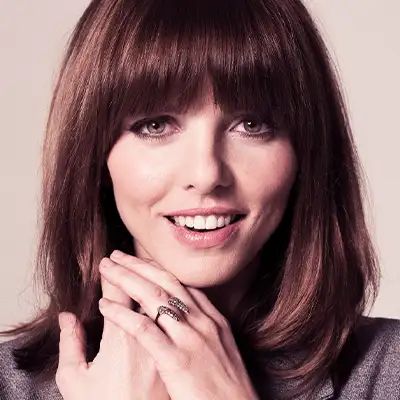
Ophelia Lovibond. Known for her diverse and memorable roles in film and television, Ophelia shares candid insights about her journey in the entertainment industry. This episode is filled with rich discussions that range from her early career breakthroughs to the creative processes that help her bring complex characters to life... Read More
From the show: The Theatre Podcast with Alan Seales
Guests
Featured Shows
About
Ophelia Lovibond. Known for her diverse and memorable roles in film and television, Ophelia shares candid insights about her journey in the entertainment industry. This episode is filled with rich discussions that range from her early career breakthroughs to the creative processes that help her bring complex characters to life.
Ophelia opens up about the defining moments that have shaped her career, the invaluable lessons she’s learned from working alongside esteemed peers, and her approach to embodying authenticity in every performance. She delves into how the industry has evolved, the shifting landscape of storytelling, and why maintaining a balance between her professional and personal life is essential to sustaining her passion for acting. Listeners will appreciate her thoughts on what keeps her motivated, her commitment to storytelling, and the advice she has for aspiring performers.
A must-listen for fans and future actors alike, this episode is brimming with relatable stories, career reflections, and practical advice from an artist dedicated to her craft.
Ophelia Lovibond is a British actress renowned for her versatile performances across film, television, and stage. Born and raised in London, she began acting at a young age and gained early recognition with roles in popular TV series and films such as Guardians of the Galaxy and Nowhere Boy. Lovibond's career includes a standout portrayal in the comedy-drama series W1A, where she showcased her impeccable comedic timing as the enthusiastic junior executive Izzy Gould. More recently, she captivated audiences as Carrie Symonds in the political drama This England and earned acclaim for her starring role in Minx, where she embodied the determined feminist Joyce Prigger.
Connect with Ophelia:
- Instagram: @opheliabits
Connect with The Theatre Podcast:
- Support the podcast on Patreon: Patreon.com/TheTheatrePodcast
- YouTube: YouTube.com/TheTheatrePodcast
- Threads, Twitter & Instagram: @theatre_podcast
- TikTok: @thetheatrepodcast
- Facebook.com/OfficialTheatrePodcast
- TheTheatrePodcast.com
- My personal Instagram: @alanseales
Transcript
This transcript was automatically generated and might contain errors.
[0:00] Ophelia Lovibond: Hello, my name is Ophelia Lovibond. Welcome to the Theatre Podcast with Alan Seales.
[0:11] Alan Seales: Hey, everyone, and welcome back to the Theatre Podcast with Alan Seales. I'm Alan Seales, your guide through all things theatre, storytelling, and everything in between. Welcome to an all-new episode, as we are joined by the brilliant and versatile Ophelia Lovibond. And you might know her from standout performances in film and television, but today we're peeling back the curtain on her journey through the acting world. And what makes this episode truly special is Ophelia's thoughtful insights and the genuine moments she shares, as well as exploring the stories behind her successes and, of course, challenges. Ophelia takes us on a deep dive into her experiences, from navigating her early days in the industry to embodying some of her most beloved and complex characters.
We discuss what it means to fully commit to a role, and that's different for everyone, of course, the lessons she's learned from working alongside some of the most respectable names in the business, and the creative decisions that have defined her career. But beyond the stage and screen, Ophelia opens up about her personal philosophies, what keeps her inspired, and how she strikes a balance between her professional life and her passions outside of acting. A lot of vulnerability, a lot of authenticity. So, Ophelia, thank you so much. So stick around. Don't forget to follow the podcast on all the socials, and you can find some additional video clips there. Visit my Patreon page for more exclusive content.
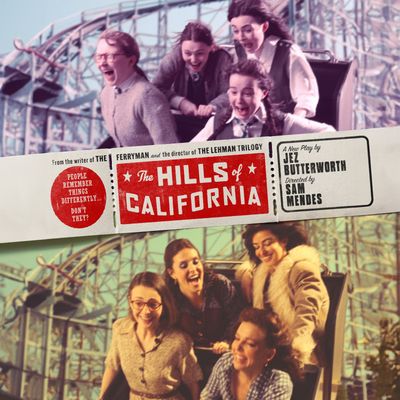
So now, let's get into it. Our guest today has built a dynamic career across television, film, and stage, and has captivated audiences with standout roles like Izzy Gould in the satirical comedy W1A, Joyce Prigger in Minx, and the feisty Kitty Winter in Elementary. On the big screen, her credits include Guardians of the Galaxy, Rocketman, and Mr. Popper's Penguins, among so many others. She currently shines on Broadway portraying Ruby in The Hills of California, a new production that just opened back in September 2024, and marks her Broadway debut after originating the same role both here and on the West End. Ophelia Lovibond, welcome to the Theatre Podcast. That is quite a summary. Thank you very much.
[2:18] Ophelia Lovibond: Well, it doesn't even do you justice. I've seen you all over the screens everywhere. I just want to get into the content, because you've got such a long career for being what I still consider very young.
[2:32] Ophelia Lovibond: Oh, thank you. I love you.
[2:38] Alan Seales: And you started, what, like right when you were 18, I think, if I did the math right, like 17, 18, you were starting working?
[2:42] Ophelia Lovibond: No, I started my first job. I was 12.
[2:48] Alan Seales: What?
[2:49] Ophelia Lovibond: Yeah.
[2:49] Alan Seales: What was that?
[2:54] Ophelia Lovibond: Yeah. Oh, Lord. Okay. It was a show called The Wilsons. Very close to my heart, but not to many other people's. So it didn't do particularly well. But I loved it. It was brilliant. It was a live studio audience sitcom. It was really fun. And it was just about this quite kind of dysfunctional family. And I did lie and say that I was 14, so I could work the hours and avoid signing the contract as long as possible before I had to reveal, I'm actually 12.
[3:22] Alan Seales: Oh, no.
[3:22] Ophelia Lovibond: But you know, so I was a hustler, you know, always a hustler.
[3:26] Alan Seales: Well, how did that even get started, though? Because one does not just show up to a TV studio and say, here I am, put me in front of a live audience.
[3:33] Ophelia Lovibond: It was through a theater group, a children's theater group that was run by someone called Andrew Braidford. It was at the Riverside Studios in Hammersmith in West London. And it was for, you know, it wasn't a drama school. So very, very, very low fees. I'm talking a few quid for a whole term. And it was a Saturday afternoons, improvisation based. And he heard about this audition and I went along and that was that. I started at the group when I was 10.
[4:01] Alan Seales: What's the group? Remember, I'm an ignorant American, so you might have to explain a couple of things to me.
[4:05] Ophelia Lovibond: It was called the Youngblood Theater Company. And it was on, I lived on like a housing estate, like a similar to like a project type thing. When I say housing estate, I'm aware that in America, they might think that means like, you know, like a shooting estate where the Queen lives. They mean different things in the UK. And it was a little local theater club for the kids in the surrounding area. I've never looked back.
[4:31] Alan Seales: Well, what got you into theater in general, though? And you started doing theater? Or did you start wanting to do TV and film? Or was theater always the first love?
[4:41] Ophelia Lovibond: I actually wanted to be a dancer.
[4:44] Alan Seales: Really?
[4:44] Ophelia Lovibond: But there was one thing that got in the way of that, which was that I wasn't very good. I had to rethink my ambitions.
[4:49] Alan Seales: Yeah, that'll sometimes happen.
[4:54] Ophelia Lovibond: Yeah. I mean, I had a lot of enthusiasm, but that will only get you so far. And kind of precocious confidence. And my brother, actually, my brother Rupert, he went along to the theater group, because my mom thought it'd be a fun thing for him to do. And he came back and he said to me, you will love this. You have to go. And I went along and instantly realized, oh, this is where I put all of that energy. And I was better at it than dance. So it was an easy switch.
[5:24] Alan Seales: But then, sorry, what age were you when you first started doing theater?
[5:27] Ophelia Lovibond: 10.
[5:28] Alan Seales: So, oh, wow. So you were real. I mean, I won't say like, the typical three or four or five-year-old who was like, I saw that show and I want to do that.
[5:36] Ophelia Lovibond: My mom said, you know, I was always copying accents off the television, kind of perfectly, like a real mimic. And I clearly had an ear for it and an enthusiasm. And I loved, we watched lots of old films. All my favorite films were old movies, like Singing in the Rain and Some Like It Hot. So it wasn't kind of totally, it wasn't a total surprise that, oh, she's into theater. But the way it happened, yeah, it was very organic. It was going along to a theater group with maybe 10 other kids and just improvising and just realizing that it was so creative. And it was such an immediate, it made sense to me. It wasn't difficult. And it was, I mean, I remember with dance, I was always a little bit intimidated because there were set steps to learn.
I did ballet and it took me a long time to get the hang of them. Once I got the hang of them, I was fine. But with this, I could be the author of that. I could decide how to express myself. And I enjoyed it. There was a real release from it, even as, I mean, not that I had like a huge amount on my mind as a 10-year-old who didn't have like a mortgage and three kids, but still, there was an expressive relief.
[6:43] Alan Seales: Just the mortgage.
[6:43] Ophelia Lovibond: Oh, that's funny. Yeah. I have two boys and my kids are finally, they're almost 10, my older one, and then like eight and a half. And I'm thinking back on my own experience at that age too. And yeah, it's like, this is the age where you really start figuring out what makes you happy and having a real opinion on what you don't want to do. You aren't quite sure exactly, a lot of people I think aren't sure exactly what they want to do, but they know more of what they don't want to do, which I think is really important to weed out.
[7:12] Ophelia Lovibond: You forget that. I think back to that. I kind of state the fact that I started when I was 10 and then my niece, she's 10 and she's getting into drama. And I think, God, you're a tiny little human. I was like you. And yeah, I was absolutely steadfast. And I consider myself extremely lucky because I knew this is what I'm going to do. There was just this unwavering affinity with it. And I do appreciate that some people, some of the most interesting people I know still don't know what they want to do. And they try all sorts of different things. But I consider myself lucky that I did. But I do think back and understand my mom's slight look of skepticism that this 10-year-old was telling her, I'm going to be an actress.
[7:59] Alan Seales: I think though, at any point, now as a parent, even from my perspective, if my kids were to come to me and say, this is what I want to do and you can't talk me out of it, I would want them to do it. Even if it was like being something that I didn't agree with or I didn't think was successful. Maybe not like a knife juggler or anything like that.
[8:19] Ophelia Lovibond: Right. I mean, we encourage axe throwing, but not knife juggling in this house.
[8:25] Alan Seales: Right. You've got limitations.
[8:28] Ophelia Lovibond: Yeah, of course. But the passion that a kid shows, like if somebody, if a kid that age can commit to something, I think it's really worth encouraging it because there's no commitment for most kids at that age.
[8:42] Alan Seales: Yes, I agree.
[8:43] Ophelia Lovibond: Well, what's your favorite accent to do? Did you have a favorite?
[8:47] Ophelia Lovibond: I mean, I do love doing an American accent. I mean, I've realized that I do it without, oh God, this sounds like such an actuary thing to say. But I do it without realizing I'm doing it. If someone says something that's quite peculiar, I repeat it. Or if something's irritating me, or if I want to be particularly expressive, it comes out in an American accent. And I've realized being in New York while we're doing the play, I've had to give a sort of caveat to my dresser and to various people going, I'm not taking a piss. I'm not mimicking you. I'm not saying something they're saying. I might go, where have I put my hairbrush? It's just silly stuff. But I realize, oh, they might think I'm mocking them, and I'm not. And Helena Wilson, who plays Gillian, we both do it. And I said, okay, it's not unique to me. It's just actresses that clearly enjoy doing other accents.
[9:44] Alan Seales: But I also do, I love the Liverpudlian accent. Leanne Best is from Liverpool, and I love listening to her speak. She has the best accent. It just never gets old.
[9:55] Alan Seales: Is there, are there accents that are hard? Like, what's something you've really had to work on for a role?
[10:02] Ophelia Lovibond: I find the Birmingham accent really hard.
[10:05] Alan Seales: What did, I don't know the difference.
[10:07] Ophelia Lovibond: Oh, gosh. I mean, I can't do it. I can't illustrate it. The Birmingham accent, it's just, oh, God, I'm not even going to attempt it. Because if ever I'm offered a part that's set in Birmingham, I'm going to lie and say I can do it.
[10:17] Alan Seales: Of course.
[10:17] Ophelia Lovibond: And learn it as quickly as possible.
[10:18] Alan Seales: Tell people you're step 14.
[10:20] Ophelia Lovibond: Yeah. I'm quite sure I can get away with that. But I can tell people what podcast I am.
[10:27] Alan Seales: There you go.
[10:29] Ophelia Lovibond: Yeah, the Birmingham accent is just, it's very specific. The accent that we do in the play is, it's set in Blackpool. And again, that's very specific. When you might go for an audition and it says, you know, a northern accent, a northern part of England. You think, well, what part of northern England? There's this, that's again, what's fascinating that did fascinate me as a child and still as an adult. It's, the UK is tiny. And the variation in accent just from one tiny little town next to the other is huge. They sound completely different. And so that's, it just helps with part of the kind of creative process. I remember you mentioned Izzy Gould when I did W1A. It was one of the first roles I'd done where I did my own accent, because I was always being asked to do various accents, because I could do them.
[11:17] Alan Seales: Really?
[11:17] Ophelia Lovibond: And I remember thinking, oh, this is, this feels really alien. Despite the fact that it was my own voice, accent for me is often a way into a character.
[11:28] Alan Seales: That's exactly what I was about to ask. Yeah.
[11:30] Ophelia Lovibond: So if they ask you, do you have an accent? It's, you sort of don't have that shortcut to otherness. So it just makes you have to figure out the character in a different way. It's just accent for me is a helpful way into character. I mean, with Ruby Webb, reading that role, I find you cannot read it on the page in my own accent. I'm reading it in a Blackpool accent, because it's so integral to her sense of place and how she's grown up and her socioeconomic background. You can't just transpose that to Australia. I mean, the themes you can, but in terms of the character, I just had, it was very, she was very clearly from that part of England.
[12:12] Alan Seales: All right. So, so the time of, the time that it is set, that Heels of California is set and the location and the times in history, right? It's, it's very specific. So you have to, you have to play that. I think to find the character as well as you did. And my God, the amount of talent on the stage, by the way, like you and, and all the other women, all of you came over from the West End, right? All the, the principal cast, I believe.
[12:40] Ophelia Lovibond: Yeah. Yeah. All eight of you. Yeah. And it's just phenomenal to see you all together and, and to see it playing to an American audience as well, because like, it's, it's California, right? It's, it's got an American connotation and, and, you know, we're trying to make it in World War II-ish time and the American dream, right? I guess they're right. World War II-ish time. Yeah. And, and, but were the audiences, have the audiences been different between West End and Broadway? Being your Broadway debut now, is this like just another show that you're doing or is this like a completely new experience?
[13:23] Ophelia Lovibond: No, it's not just another show. Absolutely not. It feels incredibly special. I've never been on a stage where there are three other women and there's the, you know, four sisters sort of hashing it out and then to have four younger counterparts, that's, that feels unique. And it's, it's Jez Butterworth. He's, I mean, it feels like an instant classic. I can imagine this play being done and done and done. The themes, the layers that he's folded into the script are, you get, they're so gratifying to explore. And I think why we've had such positive responses from our audience.
[13:55] Ophelia Lovibond: Because it gives you a lot to get your teeth into. I mean, you see people walking out looking slightly stunned because they're trying to think through it all. And if anyone comes backstage to say hello, they sort of sit there on the sofa just shaking their head and looking at you. They think they're articulating something, but they're not. They're just shaking their head. And I say that because you vicariously feel what we feel when we're performing it. But the audiences have felt different. Yes. Mainly because I do think the accent takes a minute to adjust your frequency to tune into it. Like when I first watched The Wire, it took me a couple of episodes to adjust my ear, and then I was flying, and then it was fine, and I could understand everything.
But that's all it takes. You can just sense that there's a slight adjustment. We have slowed down a teeny bit, and our diction is clearer here. Some of the kind of abbreviations that were in the original, we've since said a thing on the seafront or say on the seafront just to make it slightly clearer. Those are tiny changes that have been helpful. But the audiences we've noticed laugh in slightly different places, which, you know, was completely, when we were doing the previews, you're in a certain pattern, a certain rhythm, and then we would blow right through a laugh because there had never been one in that place in London. And then we would realize, oh, we need to anticipate a laugh coming there.
Similarly, where we would get huge laughs that would bring the house down, total silence. And we would think, what's, we're not doing anything different. What's different there? And we'd realize, oh, it's a very specific phrase that we're using that doesn't quite translate here, which is fine because everything is still understood. It's just kind of playing whack-a-mole, just understanding where things are going to pop up and where they don't, and just adjusting to that and leaning into it and enjoying how different it can be from audience to audience. You're not trying to replicate it.
[16:00] Alan Seales: So then what is more emotionally fatiguing for you, to do a three-act play of this magnitude twice a day, or to be on set all day waiting around for lights and props to finish their work so you can start filming?
[16:09] Ophelia Lovibond: Hands down the play. I have never known. I feel, I'm quite aware. I am not, you know, I'm aware that it's a play and people think, why are you doing it? And you have to work a few hours in the evening. What are you talking about? I'm, I actually said, because I was, you know, shooting Minx in LA and I was playing the lead, and you know, you had a lot of responsibility. I was never tired. You'd be shooting kind of, you do what, maybe 14-hour days, 15-hour days sometimes, you know, including getting ready and all the rest of it, and traveling there, and you'd be on set all day and scene after scene after scene, getting through all of these pages of dialogue. But because I realized you are essentially resting a lot of the time, you're sitting there and you're talking to your friends, your fellow castmates, and you're just kind of goofing around a bit.
And then it's a comedy, so you're shooting scenes to try and make people laugh compared to this, where every single day you have to dredge up this intense emotion, and you have to deliver because you have paying customers out there. You cannot phone it in, and nor would you want to. And every day you have to go there. It's so much more exhausting. It's like, you know, if you watch a scene in a movie where there's, you know, something terrible happens, a parent finds out their child is missing or something, they have to shoot this scene. It's incredibly emotional. But this is doing that every day, sometimes twice a day. So that's, it's just, and you know, you've got to get there by act three.
And you know, it's all lying in wait for you, like a kind of crouched lion about to tear out your jugular. So you have to, it's much more tiring. And you think, I thought I'm going to learn Italian. I'm going to become fluent. I'm going to go to every single gallery. I'm going to see every single Alvin Ailey piece going. No, I call the bed, have a coffee, and do the warmup. And you just realize how tired you are.
[18:03] Alan Seales: Yeah, I can't imagine doing something like that, eight shows a week. I watched like, you know, the TV and film, and people are like crying and being emotional and they're going to places that are not comfortable to go to. And to be able to bring that talent and bring that, I guess that realness to it eight times a week, and then even like twice on two days is insane. I say this all the time on this podcast that theater, Broadway is the Olympics of theater, right?
[18:36] Ophelia Lovibond: I agree.
[18:41] Alan Seales: You're the best of the best, and you bring it, you have to bring it perfect, as perfect as it can be every single time.
[18:45] Ophelia Lovibond: It's also an honor. I mean, I'm saying that, but I am, I'm tired, but I wouldn't have it any other way. I'm very aware of how, you know, we all worked really hard to get these parts. It wasn't that they weren't just kind of gifted to us. However, I do consider myself lucky to be part of this. And as you say, you do feel like, I suppose, like an athlete who's in training. You feel stronger for it. You do feel the better for it. And it's when you're able to deliver that and you think, I don't know where this is going to come from. I really feel wiped out by that one. And then you have to do it a second time that day. And then you do because you look at your fellow actors, the script is so extraordinary that you just, you feed off each other, and there it is. And it's every single time you do it. So it's not for the faint-hearted, definitely. But there's nothing quite like being on a Broadway stage. It feels incredible.
[19:39] Alan Seales: Don't go anywhere. We'll be right back after this break.
[19:44] Ophelia Lovibond: Welcome back to the episode. Well, a lot of people can't even process that need, let alone be able to fulfill it. Like what is it? Have you done the internal work, the internal evaluation? Is that what I'm looking at? Like, have you figured out what it is about being on stage, saying these lines, embodying other people and other emotions, like makes you have to do it? When you were 10 and you knew this was what I had to do as a kid, you just know that's what I have to do. You're drawn to it, like kids are drawn to sugar. It's just something you have to go to. But as an adult looking inward, do you, have you figured out like what it is about this that really fulfills you, that keeps your, you know, your emotional buckets filled up?
[20:30] Ophelia Lovibond: I think I've always been someone that acts on instinct. So in terms of interrogating why I do it, it hasn't struck me as something that I, it's not an important question I need an answer to because I feel like the answer plays out in my work. I'm drawn to it, and therefore I do it. I enjoy it. It's as simple as that. It makes me happy. The purpose of life is to be happy, and it makes me incredibly happy. So in terms of interrogating, oh, why? I think just be happy, just enjoy the happiness. But I do know what you mean. It's when it's particularly a material like The Hills of California, which is very emotionally intense. You, again, when I read the script, I understood who Ruby was. I just understood why she behaved the way she did, her motivations.
I agreed with how she behaved, and you realize as you're rehearsing it, there's a reason why you're given this part, why Sam Renders goes, okay, yes, Ophelia is the right person to play Ruby, because whatever it is that I'm responding to and understanding plays out in my choices. And then you realize, oh, it's because there are parts of Ruby that I have. I mean, not, you know, it's not, I'm not a method actor. I don't, it's not my bag, but I feel like it's just in the work. It's like Elena Ferrante, incredible Italian writer. She wrote the series My Brilliant Friend among many other brilliant novels. That's an alias, and people really want to know who she is, and they want to know about her background and her upbringing.
She said, everything you need to know about me is in my novels. Read my work, and all the answers you need to know, it's all in there. You don't need to know what my star sign is, what my favorite color is. It's all in the books. And I do sometimes think that with, I'm very aware that I'm doing a podcast or interviewing these, but my point being that I have wondered, I wonder why it is as a 10-year-old I instantly knew that why I wanted to do that. But I just thought that I don't, I'm not particularly interested in the answer. I just like doing it. It just is.
[22:31] Alan Seales: No, and that's what I appreciate about people who just kind of dive in headfirst without looking because you don't have a parachute. You don't have a parachute. And that's, and in a good way that I think that helps people of your caliber, of your level, of your talent to continue to do it. Because if you sit there and think about all the things that you could be doing, all the things that could go wrong, you're going to go and do those other things and focus on what could go wrong instead of like this diving in and being who you need to be to get the job.
[23:00] Ophelia Lovibond: Yes. And I do. I have said similar things when I was growing up, you know, people were saying, oh, don't, don't, you need something, don't you need a kind of a plan B, a backup plan, something to fall back on? And I said, I know, because then you'll use it. I just feel like if you know that there is a safety net, you will not walk that tightrope with as much focus. So just don't have one. And what I mean by that is I'm aware that, you know, I've had to work jobs as well to support this when I was younger, but in terms of focus and kind of determination, it's definitely something I've not interrogated why I'm doing it too much. Because frankly, it is quite mad. Sometimes you'll be looking at each other thinking this is a mad way to earn money. It's just, there's got to be an easier way, like taming lions to make your rent.
[24:47] Alan Seales: Yeah, definitely. Adults playing dress up is a great way to make money. And you do think, and it's, and you take the work seriously, but not yourself. I mean, it's, if it wasn't as much fun as it is, no one would still do it because it, you know, when you're not working, you do, I do, you do feel like you're going a little bit mad because you've got, it's not like, I don't know, being an accountant, and then you're out of work, but there's something quite primal about, as you were saying, like you do pour a lot of yourself into things. And there's this sort of quite primal desire to get something out of it. So when you're not working, it can be really difficult because you've got nowhere to put all of this energy and this creative outlet. It's just all bubbling away inside you. So if it wasn't as much fun as it is, you would just stop. You would just do something else. So it's, yeah, there's got to be a real drive to want to do it.
[25:41] Alan Seales: Well, that I was going to ask next, what you do for self-care, right, to keep your mental health in, I guess, focused and under control and energized so you can do the difficult work. But then also what you just said also wants me to ask what else you do outside of performing? Like, maybe this is all one in the same, right? Hobbies. Now that you're in New York, you said you don't get out much because you have to save, you know, save your energy, but...
[25:59] Ophelia Lovibond: I was using a small amount of hyperbole.
[26:02] Alan Seales: Yeah, so dramatic steps.
[26:04] Ophelia Lovibond: I mean, I'm a big reader. I love reading and just kind of gorge on novels particularly. I love, I mean, that's difficult in New York, but I love swimming. I love wild swimming. Don't go, don't go in the Hudson River. That's nasty.
[26:31] Alan Seales: No, yeah. I'm not remotely tempted. I've had all my jabs, but still resist that edge.
[26:34] Ophelia Lovibond: And I love, I mean, I love traveling. I have an obsession with Italy. So whenever I'm not working, I will go traveling, go somewhere.
[26:47] Alan Seales: Do you have, I mean, do you have an Italian tourist character that you can flip into, a little nice Italian accent?
[26:51] Ophelia Lovibond: I don't have that, but I do have, and Helena Wilson can vouch for this. He will be so overjoyed that he's getting a mention here. I have a builder in Italy, and his name is Franco. And I do sometimes just do to him. And he speaks in a really, really low, he just speaks in the lowest voice you could possibly imagine. How is that not hurting you? But you become quite emphatic when you speak in Italian, I suppose. And yeah, in terms of hobbies, I'm trying to learn Italian. I still sound so bad when I speak it. I'm so aware of how bad I sound, but I get there. And then, yeah, I think, yeah, it's lots and lots of traveling. And in terms of a creative outlet, I think during lockdown, I got really into gardening because it was so, again, it was something you could put something in the ground, and then over the months and months and months that we were all locked up, you see something change and become beautiful. And it was, that was a nice place to put my creative energies. And that's something that survived.
[27:01] Alan Seales: That's lovely. You plant your feelings, watch them grow, and then you eat them. You're literally eating your feelings.
[27:05] Ophelia Lovibond: Similarly, you hack things away that are dead.
[27:11] Alan Seales: Which did also happen.
[27:13] Ophelia Lovibond: That's fair. That's fair. Back to Hills for a second. The subject matter is, like we were talking about, it's billed as a comedy, but it's dark. It's a dark comedy. There's lots of nuances to it. But when you were first, like West End, you hadn't mounted any production yet. Like what went into the creative process of working together and, like, do you address the elephant in the room of like what the subject matter is, head on, and then talk about that?
[28:21] Ophelia Lovibond: All of you are reading the script. You just read it through. And the second time you read, and you stop. Anyone can stop at any point to ask a question or to discuss something. And you do that quite a few times. And then you start- I mean, the discussions that we would have around the table were really illuminating. Someone might say, well, that reminds me of- and you talk about something personal that happened in your life, and then it sparks a debate. And all of this, you're all in the room when all of this is being talked about and discussed so that you're all kind of feathered with- your nests are feathered with the same information. It's really helpful. And then as you go on, when you're rehearsing on your feet, you might try a scene and then you might- Sam will give you direction, you'll try it that way, you'll try lots of different ways, and you're realizing that you are, layer by layer, creating the internal life of this character in response to what the fellow actors are doing.
And it's just very organic. And you have this rich internal world. It's like magic. It feels like magic. You feel like these people- I think about those characters. Yeah, because they feel so real. And I- yeah, I mean, people at a stage door often say, what's going to happen next? What happens to them afterwards? And I say, well, that's up to you to decide. I can't tell you that. But it's- the creative process of it is really, really gratifying. And it's one of my- being on stage is, you know, that feels very special. But I love the process of rehearsing and doing it with Sam in particular. It was- I loved all of those discussions and where it ended up taking you. And you'd realize- it made me think, actually, of being in seminars when I was at university.
I read English literature and you'd be asked your opinion of something and you'd say, well, I'm not quite sure yet. And then someone would say theirs. You go, oh, well, no, I don't think that. And you'd realize by hearing what other people had to say, you realize, oh, I do know what I think about that. And I do know how I feel. And then you find yourself articulating it and it's sort of taken by surprise that, where did that come from? It just takes a while to bubble to the surface. And then there it is. And you can see it really clearly. I think that's a practice. And it is a practice for a lot of people of acknowledging- being honest with yourself, acknowledging how you actually feel, not what you think people want to hear from you.
Because that is a huge difference. Oh, yeah. That- I can't even- yeah, it wouldn't even occur to me to do that, which is important because it's one of the reasons why in this cast in particular, we really trust each other because we did lay out exactly how we felt about that. You're talking about the elephant in the room. We all- there were kind of very intense discussions about it. And you lay out how you feel and think about any kind of big theme and you're trusting each other with how you truly feel about something and then displaying it every night for, you know, a thousand odd people. So you need to have that trust within- between the cast in order to be able to do that without feeling exposed.
Like being vulnerable is not the same as being exposed. And if you're able- if you're feeling supported because you've had all those discussions, you feel able to do it. And you don't feel like- I don't know, you don't feel flayed. You just- you're able to- a casting director came to see it yesterday. She said, how are you? How are you doing afterwards? And I said, well, no, I'm fine because I leave it all on the stage. It's all left. I don't bring it home. It's not- I'm not kind of walking around and doing a northern accent drinking gin all day. I don't know how that sounds.
[32:12] Alan Seales: All you're doing is drinking the gin. You leave the accent on stage.
[32:15] Ophelia Lovibond: Yeah.
[32:16] Alan Seales: No, I think that there has to be a lot of trust and respect, mutual respect, because out of a cast of eight like this, dealing with this, there's- like I'm sure all of you are not going to feel the exact same way about the exact same thing all the time. So even if people do disagree or feel slightly different about it, there's got to be a respect and- and yeah, just a respect about being like, OK, well, that's how they feel. And here's why I understand them now. I still feel my way and I'm not going to like be angry at them for not feeling the way I do, which I think has a, you know, a big ripple effect into the American political system as we're currently recording this.
[33:01] Ophelia Lovibond: Yes. Very well. Very aware of where we are. When we found out we were getting the chance for- I did think, oh, wow, we're going to be there to the tits. Yeah, it's going to be- it's going to be something. We're recording mid-October right now. And then, yeah, well, you're going- you've extended at least through December now, which is great. And hopefully you keep getting extended.
[33:14] Alan Seales: Yeah, the show's been doing really, really well. It's been doing really well. People really- it's- I mean, this sounds quite cruel, but there's real satisfaction when you can hear the sobs coming from the auditorium.
[33:26] Ophelia Lovibond: Good. Brilliant. They're listening. Good.
[33:32] Alan Seales: Rather hear the sobs than see the cell phones. You hear that, people? Put away your damn cell phones.
[33:36] Ophelia Lovibond: Yeah. And that's very true. It's been- they've been pretty good. Actually, that's a question. Which is better? Is it the London audience or the American audience? Who's better with cell phones?
[33:47] Ophelia Lovibond: I would say it is about the same.
[33:55] Alan Seales: Okay. Okay. I mean, I was going to lie and say Americans are better, but then I didn't.
[34:02] Ophelia Lovibond: You can't lie. I tell you what, though. I tell you that- no, there is a difference. And this- yeah, this is true. American- those fellow patrons are much more comfortable telling other people, put your phone away. Like there's a- we hear that a lot. We hear, shh, stop it. And we- whereas in London, people- the same amount of people would have their phones up, but fewer people would feel comfortable saying, excuse me, would you mind terribly putting that in your handbag? So there's- the Americans are- and that's great. And we appreciate that because we think, thank you. You're doing my work for me.
[34:33] Alan Seales: This is actually New York. It's like, hey, I'm watching a show here. Can you put away your freaking phone? Hey, come on here. You know?
[34:39] Ophelia Lovibond: It's good. No, it's great. It's- you know, you feel- because you feel like people are invested in it. But it's been pretty good. People love filming the bows, though. That's something I think- are you really going to watch that? Who are you showing that to?
[34:51] Alan Seales: Social media. You've got to prove you were there. That's our society now.
[34:56] Ophelia Lovibond: I'd rather they clapped and had their hands clutched around a phone. I'm just like- I'm getting from that that you enjoyed it because you're recording.
[35:07] Alan Seales: You want to share it.
[35:09] Ophelia Lovibond: Yeah.
[35:09] Alan Seales: But I'd rather you clapped or at least just maybe held it with one hand and clapped your other hand on your head. Something. Just show me that you liked it.
[35:19] Ophelia Lovibond: Patting my head. This is what I'm going to do next time you see me.
[35:22] Alan Seales: I'd be impressed by the effort.
[35:24] Ophelia Lovibond: It's just dead silent during a standing ovation and all you hear is just people smashing their heads.
[35:28] Alan Seales: Exactly. They're standing up, but you've got total silence. That's what happens.
[35:36] Alan Seales: Don't go anywhere. We'll be right back after this break.
[35:41] Alan Seales: Welcome back to the episode. All right. So as we wind down, I like to play a little game here now called Clot in 60 Seconds. And so what I am going to do, it's fun, no pressure, and you can make it up if you don't know it, but I have 16 popular musicals listed in front of me. You're going to give me a number.
[36:00] Ophelia Lovibond: Oh, I already know. I'm going to be terrible at this.
[36:03] Alan Seales: You're going to give me a number that will correspond to a show and then you give me that plot in 60 seconds or less. So give me a number 1 through 16.
[36:11] Ophelia Lovibond: I'll give you a number now, 1 through 16. 12.
[36:14] Alan Seales: All right. That corresponds to- Oh, this is apropos. All right. That corresponds to the musical Cats. Go. 60 seconds remaining.
[36:26] Ophelia Lovibond: I mean, I have absolutely not the foggiest. I'm going to say it's about a bunch of cats who decide to start up their own business selling ice cream.
[36:37] Alan Seales: 45 seconds remaining.
[36:39] Ophelia Lovibond: Because they keep finding ice cream in the trash cans of America and they're all half eaten, so they decide to sell them to each other. But then they find out that they're lactose intolerant.
[36:46] Alan Seales: So then what do they do with all of this ice cream?
[36:48] Ophelia Lovibond: Then they start giving it to the dogs who will eat anything. And it makes the dogs sick that they just eat it anyway because dogs are dogs. I say that as a dog owner. And then the cats, I don't know, reign supreme and take over the city because they're, I don't know, ruthless and high on gelato. I don't know. I have absolutely no idea.
[37:08] Alan Seales: 15 seconds remaining.
[37:11] Ophelia Lovibond: Well, that- Okay. We'll stop the counter there at 10 seconds. That was actually better than the actual plot of Cats.
[37:15] Alan Seales: I would watch your version. Okay, great.
[37:16] Ophelia Lovibond: So there you go. I'm actually not- I'm terrible. People talk about all the musicals. I haven't seen half of them.
[37:22] Alan Seales: Well, what would you be able to quote verbatim, almost verbatim? Do you do Shakespeare? Do you do Dickens? Where do you go?
[37:31] Ophelia Lovibond: I mean, Goodfellas. Home Alone.
[37:33] Alan Seales: Nice. Home Alone?
[37:35] Ophelia Lovibond: Yeah. Love it.
[37:35] Alan Seales: Yeah. I mean, just Arrested Development.
[37:41] Ophelia Lovibond: Oh, God. I love Arrested Development. The money is in the banana stand.
[37:47] Alan Seales: How many times do I have to tell you? There's always money.
[37:49] Ophelia Lovibond: There was $250,000 lining that thing.
[37:55] Alan Seales: Hey, that's a really good Jeffrey Tambor.
[37:57] Ophelia Lovibond: I went with him years ago.
[37:59] Alan Seales: On Mr. Booker's.
[38:04] Ophelia Lovibond: Oh, yeah. Oh, yeah.
[38:06] Alan Seales: Oh, I haven't talked to you about that. Okay. So, closing standards, there's three questions I ask everyone to wrap up the episodes. The first one, just very simply, is what motivates you?
[38:09] Ophelia Lovibond: I was going to say money because I thought that would be funny, but that's not true. What motivates me? The feeling. The feeling that it gives me.
[38:21] Alan Seales: Yeah. I mean, what motivates me to act? Just to get out of bed in the morning. It's a very open-ended question because everyone has different answers. What motivates me? There's just so much to do and see. I want to see it and do it all.
[38:36] Alan Seales: Awesome. All right. What advice would you give to your younger self and younger people listening now starting out down a similar path?
[38:41] Ophelia Lovibond: I would say that you can do it. You can. Determination and focus. It sounds cheesy, but dreams do come true. They do.
[38:53] Alan Seales: I like it. All right. I was going to say there's a difference between you can be firm and polite. You don't have to be nice all the time. Girls don't need to be nice, but I don't think I really struggle with that anyway, to be honest.
[39:03] Ophelia Lovibond: I don't think you would. You're very much what you see on the surface. I like it. I respect that about you.
[39:11] Alan Seales: All right. Last question. Hardest one. If you could only see one show for the rest of your life, but you could see it as many times as you want, what would you see?
[39:16] Ophelia Lovibond: A show, not a film. Well, again, interpret as you will.
[39:24] Alan Seales: Oh, God. That's really hard. One show for the rest of my life?
[39:30] Ophelia Lovibond: Oh, God. I don't know. What would yours be?
[39:33] Alan Seales: I go with Rent because that was the show that made me realize I love musical theater. But I also love all the Back to the Future movies, all the Teenage Mutant Ninja Turtle movies, Arrested Development. There are things that as I go through my life that were like developmental milestones. Touchstones is part of my childhood. So yeah, I don't know if I'd be able to even answer that. This definitely is the hardest question. I mean, the first movie that popped into my head is Goodfellas, but I do also remember seeing Monty Python and the Holy Grail when I was really young and thinking, this is brilliant. I want to do that. That and Spaceballs.
[40:23] Ophelia Lovibond: Of course, naturally. I'm surrounded by assholes. Yo.
[40:26] Alan Seales: Oh, no. I love Mel Brooks and Monty Python.
[40:34] Ophelia Lovibond: Yeah. I mean, I think that kind of sums up my... I know I technically haven't answered your question properly, but that probably sums up my tastes, Goodfellas and Monty Python.
[40:44] Alan Seales: All right. Well, we're the same. I get it. All right. Where can we connect with you on social media? How can we find you online?
[40:48] Ophelia Lovibond: I'm only on Instagram and it's OpheliaBits.
[40:54] Alan Seales: OpheliaBits? What do your friends call you? Do they call you Lovey or Ophelia?
[41:03] Ophelia Lovibond: They call me Fee.
[41:04] Alan Seales: Fee?
[41:05] Ophelia Lovibond: Oh, I love that. Fee. I'd call you Lovey, I think. I like Lovey.
[41:08] Ophelia Lovibond: I should have said that at the beginning. Yeah, there's a couple of friends I have that call me O, which sounds... I don't know. It's just quite medieval, but yeah, Fee.
[41:18] Alan Seales: All right. You and Oprah. You just go by O. I get it. All right. You can get more of me at thetheaterpodcast.com. Theater underscore podcast on threads, Instagram, TikTok. I'm on Facebook. Leave a rating, leave a review, leave a comment wherever you are listening. Now our music is by Jukebox the Ghost and our conversation is by Fee, Fee Lovey. Ophelia Lovibond, you're the best. I've had a great time chatting.
[41:40] Ophelia Lovibond: Oh, you too. Thank you.
© Broadway Podcast Network, All Rights Reserved