

Joanna Gleason’s career has been nothing short of legendary. Best known for her Tony Award-winning performance as the Baker’s Wife in Into the Woods, she’s graced Broadway in I Love My Wife, The Real Thing, Social Security, Nick & Nora, Dirty Rotten Scoundrels, and Sons of the Prophet... Read More
From the show: The Theatre Podcast with Alan Seales
Guests
Featured Shows
About
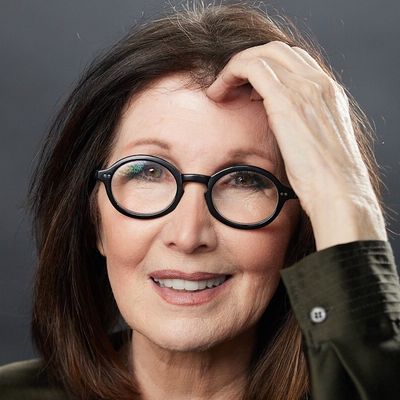
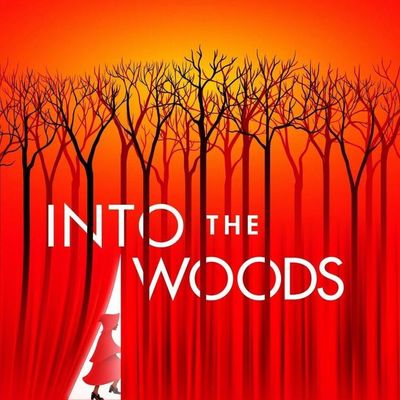
Joanna Gleason’s career has been nothing short of legendary. Best known for her Tony Award-winning performance as the Baker’s Wife in Into the Woods, she’s graced Broadway in I Love My Wife, The Real Thing, Social Security, Nick & Nora, Dirty Rotten Scoundrels, and Sons of the Prophet. Beyond the stage, her work spans film and television, with memorable roles in Boogie Nights, The Wedding Planner, Friends, The West Wing, and The Good Wife. But Joanna’s artistry doesn’t stop at performing—she’s also a writer and director, drawn to storytelling in all its forms.
In this episode, Joanna shares what brought her back to the stage in We Had a World, a deeply personal new play. She reflects on how her career has evolved, from shifting between stage and screen to stepping behind the camera as a director. We discuss the challenges of the industry, the changing role of social media, and why she believes in letting go of expectations. With humor and honesty, Joanna offers invaluable advice for artists at every stage of their journey, and we even play a fun round of "Plot in 60 Seconds" to wrap it all up.
Joanna Gleason is a Tony Award-winning actress known for her iconic portrayal of the Baker’s Wife in Into the Woods, which also earned her Drama Desk and Outer Critics Circle Awards. She has received multiple Drama Desk and Outer Critics Circle nominations throughout her career, with Broadway credits including I Love My Wife, The Real Thing, Social Security, Nick & Nora, Dirty Rotten Scoundrels, and Sons of the Prophet. Her film and television work includes Boogie Nights, The Wedding Planner, The West Wing, Friends, and The Good Wife. In addition to acting, Joanna has expanded her creative career into writing and directing, with her feature film The Grotto winning awards on the festival circuit. She now returns to the stage in We Had a World, an intimate new play at Manhattan Theatre Club.
Connect with Joanna:
- Instagram: @therealjoannagleason
Connect with The Theatre Podcast:
- Support us on Patreon: Patreon.com/TheTheatrePodcast
- Twitter & Instagram: @theatre_podcast
- Facebook.com/OfficialTheatrePodcast
- TheTheatrePodcast.com
- Alan's personal Instagram: @alanseales
- Email me at feedback@thetheatrepodcast.com. I want to know what you think.
Transcript
This transcript was automatically generated and might contain errors.
[0:00] Joanna Gleason: Hi, I'm Joanna Gleason. Welcome to the Theatre Podcast with Alan Seales.
[0:11] Alan Seales: Hey, everyone. Welcome back to the Theatre Podcast with Alan Seales. That's me. I'm your host, Alan Seales. And today we're sitting down with the one and only Joanna Gleason. You may know her as the Tony Award-winning baker's wife from Into the Woods or from her incredible performances in I Love My Wife, The Real Thing, Dirty Rotten Scoundrels, and, of course, so many more. But beyond her legendary stage presence, Joanna has had a fascinating journey, one that's taken her through Broadway, film, TV, and now back to the stage in her latest project, We Had a World. In this episode, we dive into her evolution as an artist from acting to directing and now even writing and the deeply personal connections she finds in storytelling.
And we talk about the challenging landscape of theatre, the impact of social media, and what it really takes to sustain a long and fulfilling career in the arts like the one that she has obviously had. Plus, she shares some wisdom on navigating expectations, the power of connection, and why she believes, listen up, that failure is essential for growth. I agree. Stick around at the end, of course, for Plot in 60 Seconds and all the other fun questions that I ask. Don't forget to follow me on social media and support the podcast on Patreon to watch video versions of the conversation. And now, everybody, please enjoy this episode with Joanna Gleason.
[1:32] Alan Seales: Today's guest is a Tony Award-winning actress, maybe best known for her iconic performance as the baker's wife in Into the Woods, which earned her the Tony Drama Desk and Outer Critics Circle Awards. Her career on the stage has also led to several more Drama Desk and Outer Critics Circle nominations and wins with Broadway credits that include I Love My Wife, The Real Thing, Social Security, Nick and Nora, Dirty Rotten Scoundrels, and Sons of the Prophet. On screen, she's appeared in films like Boogie Nights, The Wedding Planner, as well as TV favorites like The West Wing, Friends, and The Good Wife. And now she returns to the stage with We Had a World, which is a deeply personal new production. Joanna Gleason, welcome to the Theatre Podcast.
[2:13] Joanna Gleason: Thank you. Thank you so much. Nice to be here.
[2:21] Alan Seales: And you just opened the show a couple recently.
[2:21] Joanna Gleason: Yeah, we opened for previews. The official opening is in March. But yeah, we've had a full week of previews. And it's taught us a lot. And it just keeps affecting people really strongly.
[2:33] Alan Seales: Well, we're going to get into the show more specifically soon. Because I mean, I love Andrew Barthelmon, too, just like one of the greatest humans in general. And I love shows that are personal and make you think and make you walk away and think about life in ways that you didn't normally do it beforehand. But your life in general has kind of been this, is it more like a pendulum where you've been swinging back and forth between TV and film and then stage and whatnot?
[2:57] Joanna Gleason: It's not a pendulum. It's kind of where I feel I can do the best work when given the opportunity. It's also opened up in ways, because I finally got a lot of support and trusted myself to start directing, writing and directing. There's been a great deal of that in television and now in motion pictures. And so, you know, somebody said, Oh, my God, we haven't seen you in the theatre. What are you? Did you take a break? No, I did not. I did not take a break. I've been incredibly busy. But I just waited now in my life for the right part to come along. And this was it.
[3:36] Alan Seales: Well, what were you doing that made you want to shift to the writing and directing the more behind the scenes stuff, which I want to say, arguably, is a lot harder than just, you know, showing up and reading somebody else's script that they've already put into production.
[3:45] Joanna Gleason: Yeah, I mean, doing a show eight times a week is, you know, in and of itself is pretty tough. But yes, writing and directing a feature film is the hardest work that I've done. I think I kind of went to it because I reached a certain point in my age and my career where the kinds of roles that were being that came my way, were not exciting. And I have a very kind of low threshold for, you know, boredom and irritation. If I don't get to sort of, I wanted to guide the narrative. It's why I wrote two solo shows that we did at 54 Below. I wanted to just be the one guiding the narrative. This is the story. It goes like this, and I'm the one to tell it. And so I had a good time doing that. And then writing and directing a motion picture. This is the story I want to tell. These are the people gathered around me, brilliant talents all around me to help make it come true. And then along came this play. And I said, ah, this is a story I want to be part of.
[4:46] Alan Seales: So the diving into the writing and whatnot, it's something because years and years ago, I had the fortunate experience of interviewing Matthew McConaughey for his book, Greenlights. And I asked him, I was like, you know, why do you want to, why did you want to write? Why not just stick to movies and things that in general you're known for, right? And one of the things he said to me that sticks with me that I feel maybe is applicable now is like that when you're writing, when you're creating, as you just said, you get to tell your own story. It's not, you're not giving your performance and then letting it be reinterpreted through an editor, through a director, whatever. So now as you're writing and you're creating your own thing, is that something that, one of the things that really appeals to you about writing and directing is that like now you tell your story. You can tell your story.
[5:32] Joanna Gleason: Yes. And I agree with what he said. You can tell your story, but you can also tell other people's stories. And what I did in the motion picture was tell a story of somebody who, though elements were, of course, pulled from my life. There are disparate characters who I have observed in my life and I wanted to just get into the humanity of what are other people's stories that don't get told. Also, you know, you said, you just went by quickly and saying, doing what you're known for doing. And I'm sure actors like Matthew and many, many others, and I feel like I don't want to always do what I'm known for doing just because it's lazy and easy for you to know what you're going to get. You know, audiences have gotten systematically lazier because they want everything right there and they want you where they left you last time.
And they don't want to learn you or any character that isn't something they already know from you. And it's a shame. Theater, people who come to the theater are open to that happening by and large. They want to see stories that aren't theirs. But of course, the takeaway is, of course, there's something they can always take away about their own life. I think that audiences have changed. The attention spans have certainly been re-quantified. Like I think you get seven seconds to get an idea across and then you're lost and you just say, well, that's the tragedy of this time is that nobody's listening to each other.
[7:02] Alan Seales: I like the professional analytics, you know, and if you have a business page on Instagram, it gives you the statistics for how many people listen past the first three seconds. Like that's the important mark is three seconds.
[7:12] Joanna Gleason: Yeah. And you know, I don't want to swear, but-
[7:17] Alan Seales: You can swear. It's okay.
[7:25] Joanna Gleason: So when you're creating your own work and bringing it to creative teams, often you need a studio and you need financing and you need marketing teams and everything. And in just the, in what you were saying about audiences themselves wanting to pick up where they left you, is it the same with sort of the creative side too? Like the studio heads, you're like, well, Joanna doesn't do that. She does this. I'm not going to fund her for this.
[7:43] Joanna Gleason: Yeah. I mean, I was blessed in that I had a producer make my feature film and write a very hefty check and it was one woman, Laura Sudrow and her production company. And I thought this will never happen again and it doesn't happen, you know, like this. I was just blessed and we all got to tell this story. And actually we do have a distribution deal and it will be out sometime this year. The Grotto is the name of the movie. And we won at festivals. We won prizes. Okay. I plugged it. Put that aside. Yeah. Everything's an algorithm now. Our country is being run on what makes money for me and not taking care of the citizens of this country. And that's where we are. What makes money for the people who already have money and who just want more money?
And that's business. It's just businesses and everybody overlooking the fact that businesses are made up of people. So that's where we are. It's tragic. We took our eye off the ball. Again, it goes to attention span. It goes to the fact that if you need to know everything in three seconds, you're missing the real information. You're not going to go looking for the real information. You don't have the patience to learn the real information and that's where we are.
[8:53] Alan Seales: And there's so much information though. That's part of the problem is how do you stand out among a sea of content that's mediocre at best, right? So your whole trajectory in life though, and I want you to tell your story of being a child and I know you grew up in an entertainment household, right?
[9:11] Joanna Gleason: But I didn't. But I didn't. I grew up with my famous dad, Monty Hall, God bless him, being famous for Let's Make a Deal publicly. He created Let's Make a Deal, yeah.
[9:22] Joanna Gleason: He created it and it's still on to this day. But he never brought it home. We didn't have a showbiz house. He had a lot of friends, writers, mostly TV writers and a couple of politicians and mostly people in the humanitarian sector. Dad raised a fortune for charities. That was what he really wanted to do. He raised money.
[9:48] Alan Seales: Yeah, but there was nothing at home that was show busy. Do you know? He and mom just sort of said, that's where we go and that's what we do. And you go to school and you clean up your room and you get good grades and you do this and that.
[10:01] Joanna Gleason: Well, seeing that, I guess, outside of the home then, if they didn't bring it home, which I think is really respectable of them, like they tried to, it sounds like give you a completely normal childhood as much as you can when you're successful in the business. How did you latch on to that and decide to move yourself into theater and start performing? Did you first want to do TV film or was it stage in the beginning?
[10:28] Joanna Gleason: Stage. From when I was 10 years old, we had moved a great deal. We moved from Toronto to Mount Vernon to New Rochelle. Later, we moved to Studio City, California and then finally the house that my sister was born into and they lived in for 55 years before they died. It was about moving around a lot that I discovered it's hard to make new friends and leave, but there's something about being in the theater where you all come together in an intense way, even at 10, to put on a play, to become somebody else. They don't have to get to know you because you're just going to be this character and we get to play together. And for me, it just sang to me. I mean, my grandmother was in the Yiddish theater in Canada and dad had sung on the radio and mom had been a child actress and a model.
It was kind of there, but basically, it's a family of storytellers and that's what was passed down. Sitting around my grandparents, listening to them tell stories from their life and then listening to dad tell the stories from his life, you think nothing binds a group more than sitting, listening to a story and that's what theater is.
[11:38] Alan Seales: Oh, I 100% agree. I've said this so many times on this podcast is during the pandemic, one of the things I missed the most was the shared journey of sitting in a room full of strangers, literally sometimes thousands and thousands of strangers and all feeling pretty much the same thing at the same time and feeling that validation that like, oh, I'm sad. I don't want to cry. Oh, wait, I hear somebody else crying. Now, it's cool for me to cry and now I feel good because I'm letting all my emotions out.
[12:02] Joanna Gleason: No, no, it's true. It is a kind of undercover of darkness in a theater, the permission to be more connected to what you feel and people are so strange about showing their emotions, but the theater is a place where even if you don't react, we're in a very small house at the city center for stage two for Manhattan Theater Club, beautiful little theater. I was there, I don't know, in 1989, I did a play there. It's the first show that's opened since the pandemic in that space. It's tiny. I mean, you know, there are people right here and there are people right here and we hear the ones who cannot help but reveal what they're feeling and the ones trying not to. It becomes this kind of organism of it's respectful. That's what it is. They kind of respect each other's need to express.
[13:02] Alan Seales: I'm letting that sit for a moment. Respect each other's need to express.
[13:09] Joanna Gleason: Yes, yes. I mean, this is why I'm so worried about funding for the arts being cut and everything. When you're walled up in a corporate environment where everything's litigious and you're afraid to say or express yourself, the arts, the theater, even watching a movie, just sitting at home with a group of friends and experiencing this stuff together, it brings you together. It gives you a sense of humanity and understanding for people who are different from you. And, you know, we could go off on that.
[13:39] Alan Seales: Welcome back to The Theatre Podcast. I’m your host, Alan Seales, and today I’m thrilled to have Joanna Gleason with me. Joanna is a Tony Award-winning actress best known for her iconic role as the Baker’s Wife in "Into the Woods." She has an incredible career on Broadway, with credits including "I Love My Wife," "The Real Thing," "Social Security," "Nick & Nora," "Dirty Rotten Scoundrels," and "Sons of the Prophet." Beyond the stage, she has appeared in films like "Boogie Nights" and "The Wedding Planner," as well as television shows such as "Friends," "The West Wing," and "The Good Wife." Joanna is also a writer and director, and she’s back on stage in a deeply personal new play called "We Had a World." Joanna, welcome to the show!
[14:09] Joanna Gleason: Thank you so much, Alan. It’s great to be here.
[14:39] Alan Seales: So, let’s dive right in. What brought you back to the stage with "We Had a World"?
[15:09] Joanna Gleason: Well, it’s a really interesting story. I had been doing a lot of work in film and television, and I found myself missing the immediacy of live theatre. When I read the script for "We Had a World," it resonated with me on so many levels. It’s a deeply personal piece that explores themes of love, loss, and the human experience. I felt compelled to be a part of it, to share this story with an audience.
[15:40] Alan Seales: That’s wonderful. It sounds like a project that really speaks to you. How has your career evolved over the years, especially with the shift between stage and screen?
[16:01] Joanna Gleason: It’s been quite a journey! I’ve always loved both mediums, but they each have their own unique challenges and rewards. Theatre is so immediate; you get to connect with the audience in real-time, which is exhilarating. Film and television, on the other hand, allow for a different kind of storytelling, often with more nuanced performances. I’ve learned to embrace both, and I think that versatility has helped me grow as an artist.
[16:39] Alan Seales: Absolutely. And speaking of challenges, what do you think are some of the biggest challenges facing artists today?
[17:00] Joanna Gleason: There are many, but I think one of the biggest is the pressure of social media. It can be a double-edged sword. On one hand, it allows artists to connect with their audience and promote their work. On the other hand, it can create unrealistic expectations and comparisons. I believe it’s important to focus on your own journey and let go of those external pressures.
[17:40] Alan Seales: That’s such a valuable perspective. Letting go of expectations can be tough, especially in an industry that often thrives on validation.
[18:01] Joanna Gleason: Exactly. I think it’s crucial for artists to find their own voice and stay true to themselves. The more we can do that, the more authentic our work will be.
[18:30] Alan Seales: Great advice. Now, I’d love to hear more about your writing and directing. How did you get into that side of storytelling?
[19:00] Joanna Gleason: I’ve always had a passion for storytelling, and directing felt like a natural extension of that. I wanted to explore narratives from a different angle and bring my own vision to life. My feature film "The Grotto" was a significant project for me, and it received some wonderful recognition on the festival circuit. It was a learning experience that I truly cherished.
[19:40] Alan Seales: That’s fantastic! It sounds like you’ve really embraced the creative process in all its forms.
[20:00] Joanna Gleason: I have! And I think it’s important for artists to keep pushing their boundaries and exploring new avenues. Whether it’s acting, writing, or directing, each experience enriches the others.
[20:30] Alan Seales: Absolutely. Now, before we wrap up, I’d love to play a quick game with you called "Plot in 60 Seconds." Are you ready?
[20:52] Joanna Gleason: I’m ready! Let’s do it!
[28:18] Joanna Gleason: You know, you don't need, yes people. You need real people around you.
[29:48] Alan Seales: So after your Tony win, though, in 1988, did… I've heard it go both ways that immediately some people are like, oh, this opened up doors and I had all these different opportunities. And some people are like, as soon as it's over, it's back to exactly how we were. And you know that you check that off your box, but you're still who you were and you keep going, and it's still just as hard. So looking back, was it a career? I mean, it was a career-defining moment, but was it a career-changing moment?
[30:17] Joanna Gleason: Not really. It maybe made it easier to be cast in Nick and Nora, maybe, for which I'm grateful. And it's an asterisk after your name, you know, Tony winner. And that's great. It meant a lot. It means a lot. And what can I tell you? If it changes everything, I suppose that's happened to people, where it just suddenly put them very visibly on the map and then off they go. It's a way of shining a light. But for me, it's just been like, what's next?
[30:50] Alan Seales: Well, do you look for roles? I guess, what kind of roles do you look for? Because your portrayal of the baker's wife was just so layered and heartfelt. And I mean, you're making choices in that character that set your performance apart from so many other people that have done it. So what are you looking for in something that wants to demand the eight show energy from you?
[31:15] Joanna Gleason: It's also about who's looking for that thing in me. Who's going to cast me? Who is looking for somebody who can illuminate those pockets of, you know, variety, things that are funny, things that are moving, things that are intense. If they are looking for it, and I come in front of them, and I'm the one they want, and it's a good fit, then I want to do it. If it's a utility part, where you just have, you know, some plot to carry, but you make nothing happen and nothing happens to you, you have to say, okay, is this a money job? Is this for the insurance? And I'm lucky I've been able lately to pick and choose. What did I say the other day to somebody? I'm used to being offered the roles that are like the broccoli or the parsley on the plate, and I want to be the protein. You know what I mean? Yeah. Finally, with We Had a World, there are three proteins on the stage. They're equally important to making the whole meal. I like it. Yeah.
[32:21] Alan Seales: Oh, that's amazing. But looking back, is there like a role that you turned down that you still think about or one you almost didn't take that turned out to be meaningful?
[32:27] Joanna Gleason: None. And I look at roles that I didn't get that I auditioned for, and I think nobody could have done it better than the person they went with.
[32:37] Alan Seales: That's a great attitude.
[32:39] Joanna Gleason: But it's true. Yeah. I think I can't do what she did. I don't know what she's... It's brilliant. It's perfect casting. Yeah. There's advice that I've been given that I think about all the time. It's like when you go into the audition, when you're going into an audition, you have that role for those minutes. It is yours. You are there to bring yourself to that role. And if they cast you or not, it's about whether or not you're right for the role. A good casting director or a good creative team is going to want you to succeed as much as you want to succeed. And you might have 10 people that are all phenomenal, but it comes down to height, hair color, jawline. Yeah, whatever. You have a 50-50 chance of getting it. You will or you won't. It doesn't matter how prepared, how brilliant, how wonderful you are in the room. It's either going to be the thing they're looking for or not.
[33:29] Alan Seales: Right. Have you done casting? Have you been on the other side of the table?
[33:33] Joanna Gleason: I had to. Yeah, sure. I had to cast my movie. Yeah.
[33:35] Alan Seales: So you're involved in it that way. Yeah. So how do you tell people? What do you want to see when people come into audition?
[33:40] Joanna Gleason: Oh, well, I want to see that they get what they're reading, that they get what the story is and they get what they're part of telling the story is. Do you know what I mean? And then it is about, is it genuine? Is there a brain process going on there or is it a sound you're giving me? Is it rhythms that you've heard before from other people? Is it expectations or is it a real person who understands what it is to be part of this story? Not your story. I'm not that interested in your story. Go do a one person show. If you need to bring the role to you to make it fit you, then you're not being part of the story I wrote. If you bring yourself and all your talent to the role as written and you do it well, you'll probably get the part.
I don't want an agenda. I don't want to have to serve your agenda for all the things you think are your wheelhouse and all the things you think are, this is my bag of tricks. It's what I'm known for. It's what I want to do. And I go, yeah, but it's not going to work.
[34:40] Alan Seales: Okay. So let me challenge this. And I agree with you, by the way, but for the sake of conversation, let me challenge this because you said that your part in We Had a World, you couldn't have done until now. Now is the time in your life when you could do it. So if you're not bringing your agenda to the role...
[35:00] Joanna Gleason: I have no agenda. I have no agenda. I have the powers of my observation of watching my mother get older and watching my parents die and what it is my relationship with my mother. I'm not playing those things, but I understand what those are. And it's as Josh wrote it, he understands what that dynamic was and I understand what he understood and that's why it works. And I needed to be 74 and play this because I couldn't have played it at 64 and it wouldn't have been right anyway.
[35:28] Alan Seales: 74. Shut up, Joanna. Come on.
[35:33] Joanna Gleason: Come on. No way.
[35:37] Alan Seales: Well, I didn't Google your age to be fair.
[35:39] Joanna Gleason: Everybody, it's out there. No, it's just...
[35:41] Alan Seales: I know, but I wouldn't have guessed it. I would have been like, oh, you're low 60s.
[35:43] Joanna Gleason: No, okay. Thank you.
[35:45] Alan Seales: Compliment, compliment, compliment.
[35:47] Joanna Gleason: Yeah, yeah, yeah, yeah, yeah.
[35:48] Alan Seales: Don't go anywhere. We'll be right back after this break.
[35:52] Joanna Gleason: Welcome back to the episode. Going into the character in their 90s though, is that tough to connect with that? My parents, my dad's health is failing. I'm dealing with my own mortality in relation to that right now on a personal level in my world, right? So going through what you've gone through in your personal life and now playing somebody who is aging 30 years, from 60 to 90, that's a huge difference in somebody's lifespan.
[36:22] Joanna Gleason: Yeah. And I've seen it. I've seen it firsthand. I've seen it.
[36:26] Alan Seales: Is that tough for you personally?
[36:28] Joanna Gleason: It's tender. It's tender. It makes me miss my mom. It also makes me wonder, how will I be at God willing if I get there in 94? What kind of 94 would I be? It's all those things, but those are offstage thoughts. On stage, there are only the thoughts of the character.
[36:46] Alan Seales: Fair. Yeah. It's just like going home, especially if you've got the commute back to Connecticut, you're going home after the show. And me personally, I replay that night in my head. I'm like, oh man, how would I be like that? Or should I do it? I look back like this sometimes to my own detriment. Can't do it. You can't do last night's show tonight. You can only learn from it and you get notes. We get brilliant notes from our director, Trip Coleman, who is fantastic and notes from Josh. And if we had a problem with each other in a scene, we go over it, we do that kind of stuff. And then I get in the car and I have a snack with me and I put on classical music or jazz or some blissful station and I just drive home and I leave it at the theater.
[37:30] Joanna Gleason: That's some confidence. That's some experience talking right there. I like it.
[37:37] Alan Seales: All right. So we're going to wrap up a little bit here with the episode and well, wind down with Plot in 60 Seconds, which is a little game I like to play. All right. And if you don't know any popular musical theater, you can just make it up.
[37:52] Joanna Gleason: I don't. I don't. I know nothing.
[37:56] Alan Seales: No, truly. I know nothing.
[37:58] Joanna Gleason: What is your favorite? What is your favorite musical? Well, we'll let you cheat a little bit. What's your favorite musical that you would be able to tell the plot to moderately well?
[38:07] Joanna Gleason: Well, my favorite musical. Okay. I love A Little Night Music.
[38:11] Alan Seales: Okay.
[38:12] Joanna Gleason: I love Sunday in the Park with George.
[38:13] Alan Seales: All right. So which one of those two do you want to give me the plot to in 60 seconds?
[38:17] Joanna Gleason: Sunday in the Park with George.
[38:18] Alan Seales: All right. So you're ready to go? Sunday in the plot in the plot with George.
[38:23] Joanna Gleason: Sunday in the Park with George in 60 seconds. And go.
[38:29] Joanna Gleason: A musical about the great artist George Surah, who was famous for pointillism, which is all the dots and a main character, female character played by Bernadette Peters, brilliantly, and Mandy Patinkin also was named Dot because she's just part of his story. Everything he did was just part of his story, but then he wanted you to see the whole. If you focus on only what's little, you'll miss the whole and that's part of the story of his life. He was maybe undersung in his lifetime or later afterwards, but he was brilliant. It taught us to see things in a different way. It did teach us to zero in on what makes something beautiful because blue and red together are blue and red, but if you pull back, it's purple and the world is purple.
[39:07] Alan Seales: All right. In 40 seconds.
[39:09] Joanna Gleason: Time left over.
[39:09] Alan Seales: I'll take it. I will take it. All right. I love that so much. Okay. So the three standard closing questions I asked to wrap up all the episodes, the first one just simply is what motivates you.
[39:19] Joanna Gleason: Connection. Connection between and among human beings.
[39:24] Alan Seales: What advice would you give to your younger self and younger people listening now starting out down a similar path, which we've talked about a little bit, but.
[39:27] Joanna Gleason: Be kind. Be kind. To myself, I would say, I would give no advice or I would have changed the path and I wouldn't be sitting here talking to you right now, but to young people, I say, just be kind and listen. Pay attention.
[39:42] Alan Seales: Put down your phones. Just remember.
[39:43] Joanna Gleason: Put down your phones. Get off the screens. You're losing the world.
[39:46] Alan Seales: And get off my lawn. All right. Last question, then, if you can only see one show for the rest of your life, but you can see it as many times as you want, what would you see?
[39:50] Joanna Gleason: The Band's Visit.
[39:55] Alan Seales: Oh, did not expect that. Why? What about that show?
[39:59] Joanna Gleason: Small, intimate, beautifully crafted, beautifully written, beautifully acted.
[40:05] Alan Seales: I love that. All right. So are you on social media? Do you play that game anywhere?
[40:09] Joanna Gleason: I am. I am. I'm on Facebook. I'm on Instagram and I'm on Blue Sky. I don't really post all that much. It's mostly me sitting there going, yep, I agree. Yep. Repost. Yep. I agree.
[40:22] Alan Seales: Yeah, that's about the same. I get it. Yeah. It's a stress. It's a stress I don't want to have to put out content all the time, but we do anyway. All right. I am on threads and Instagram and TikTok and Facebook myself. Leave a rating and a review wherever you are listening to this podcast now. Thanks to Jukebox The Ghost for the intro and outro music. Joanna Gleason, it has been an honor to talk to you. I am so happy you joined us.
[40:49] Joanna Gleason: Thank you. It's been a good, good time. You're good at this.
© Broadway Podcast Network, All Rights Reserved