

Stella Cole joins the podcast to discuss her unique journey from a musical-theatre-obsessed child in Springfield, Illinois, to a global jazz sensation... Read More
From the show: The Theatre Podcast with Alan Seales
Guests
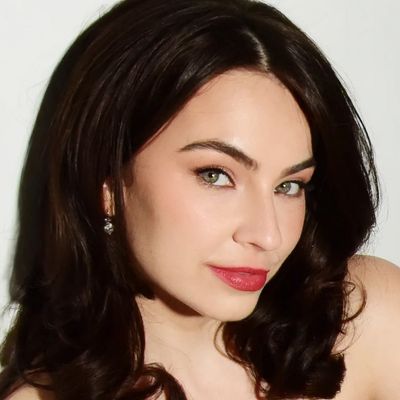
About
Stella Cole joins the podcast to discuss her unique journey from a musical-theatre-obsessed child in Springfield, Illinois, to a global jazz sensation. She opens up about the "old soul" label she has carried since infancy and how she navigated a high-pressure academic environment at Northwestern University while privately yearning for the music of Judy Garland and Doris Day. Stella shares the vulnerable story of nearly quitting singing altogether before finding her voice again during the 2020 lockdown, leading to a meteoric rise on TikTok that felt more like a "fake little thing" on her phone than a career-changing event.
The conversation dives deep into the realities of being a touring artist in the modern age, from the scrappy days of singing for dinner in Brooklyn to signing with a major label and recording with a full string orchestra at Power Station. Stella discusses the profound emotional power of the Great American Songbook, her transition from viral creator to live performer, and her future aspirations to return to her theater roots. She offers insightful reflections on mental health, the dangers of social media overstimulation, and why she still keeps the idea of law school in the back of her mind just in case.
Stella Cole is a vocalist and recording artist who first gained international attention through her viral performances of jazz standards on social media. A graduate of Northwestern University, she has toured extensively as a featured performer with Postmodern Jukebox and has sold out prestigious venues in New York, London, and beyond. Her discography includes her self-titled debut project and the 2024 album It's Magic, featuring arrangements by Grammy winner Alan Broadbent.
Connect with Stella:
- Website: stellacole.net
- Instagram: @stellakcole
- TikTok: @stellakcole
- Listen to My Funny Valentine" EP out via Decca Records US
- Make sure to catch Stella's second residency at NYC's Café Carlyle, running May 12–16, 2026!
Connect with The Theatre Podcast:
- Support the podcast on Patreon and watch video versions of the episodes: Patreon.com/TheTheatrePodcast
- Instagram: @theatre_podcast
- Facebook.com/OfficialTheatrePodcast
- TheTheatrePodcast.com
- Alan's personal Instagram: @alanseales
- Email me at feedback@thetheatrepodcast.com. I want to know what you think.
Transcript
This transcript was automatically generated and might contain errors.
[0:00] Stella Cole: Hi, I'm Stella Cole, and welcome to The Theatre Podcast with Alan Seales.
[0:31] Alan Seales: Hey, everyone. Welcome back to an all-new episode of The Theatre Podcast with Alan Seales. That is me. I'm your host, Alan Seales, and today we are sitting down with someone who's truly a breath of fresh air. Although she might tell you she belongs in a completely different decade, Stella Cole. She is a viral sensation, but not in the way you might expect. While most of her peers were trying to sound like the latest pop star, Stella was busy memorizing Mary Poppins and channel surfing looking for Judy Garland. And we have a fantastic conversation today that covers everything from her old soul status, which apparently dates back to when she was like only a week old, to the scrappy days of singing for dinner at an Italian restaurant in Brooklyn.
We talk about the transition from being a top-tier student at Northwestern to realizing that her heart didn't belong to high-belting contemporary musicals, but to the lush orchestral sounds of the great American songbook. One of my favorite parts of this chat is hearing her talk about the physical sensation of singing with a live string section and why she thinks this, I'll put in air quotes, old music is actually just the perfect medicine for our overstimulated digital world. I tend to agree with her. She is smart, she is incredibly self-aware, and she has some of the best advice on moving the goalposts that I've heard in a very long time. So, make sure to follow me online, listen to her new single, My Funny Valentine, that is dropping right as this episode drops in time for Valentine's Day, and find the video version of this on Patreon and Spotify. Follow me and Stella on all the socials, you know what to do. Leave a rating, leave a review, share with your friends, and now everybody please enjoy this episode with Stella Cole.
[2:15] ♪ Musical number: "My Funny Valentine" — performed by Stella Cole ♪
[2:51] Alan Seales: Oh, my guest today has bridged the gap between Gen Z and the golden age of Broadway like nobody else that I have seen. After graduating from Northwestern and exploding onto the scene via TikTok, she quickly proved her staying power, touring the world with Postmodern Jukebox and selling out rooms from New York to London, and she is now celebrating the release of her debut solo studio album featuring stunning arrangements of the standards we all know and love. She is a vocalist with a timeless sound and massive future ahead of her. Stella Cole, welcome to The Theatre Podcast.
[3:26] Stella Cole: Thank you so much. Thanks for having me. Very nice to meet you.
[3:29] Alan Seales: And you, I'm sure you've heard this before, you're an old soul.
[3:32] Stella Cole: Yes, you get that all the time.
[3:35] Alan Seales: Yeah, I've been getting that since I was two years old, actually.
[3:38] Stella Cole: Really?
[3:39] Alan Seales: A newborn, actually. My granny, my great grandmother, who I only knew for a couple of years, I don't remember her, but apparently when I was like a week old, she looked at me and she was like, this is an old soul. So, yeah, I've been getting it for a long time now.
[3:52] Alan Seales: As an infant, how does she know? Is it like, are you just judging her with your eyes?
[3:54] Stella Cole: I guess so. I guess there's like a lot of mystery shrouded behind my eyes. I have no idea.
[4:03] Alan Seales: That's interesting.
[4:05] Stella Cole: No, I know. I mean, because the stuff that you perform, the type of songs that you gravitate towards are these timeless classics. And I guess, like, talk us through, you know, when you were two years old or whatever, when did you start singing? And like, did you have to start at one point, like, discerning or not discerning, but deciding between like, I'm going to sing pop music and I'm going to sing classics. Like, it's a different path.
[4:34] Stella Cole: It is a very different path. Yeah, I think it all definitely started in childhood. I was a very weird kid.
[4:41] Alan Seales: You're in good company then.
[4:43] Stella Cole: Yeah, I love that. Many of us in the theater realm were weird kids. And I love that for all of us. Yeah, I think, you know, an old soul from week one of my life, apparently. I, you know, when I was two years old, I was already, like, memorizing songs from Mary Poppins. I would, like, perform songs that my parents showed me, like, sitting on top of their desk and, like, singing into a little plastic microphone. Like, I've always just been, and it was always standard. It was always singing, like, Judy Garland. Like, all I wanted to do when I was a kid was watch The Wizard of Oz, watch The Sound of Music, watch Mary Poppins, play with my, like, Wizard of Oz Tin Man Barbies and, like, make everybody play, like, do the movie, wear my little Dorothy costume.
I was just very obsessed from a young age with these movies. And that was my first introduction to this music. And it was also my first introduction to the concept of performance and theater and acting. And I think I always took all of those things together. And my vision as I grew up and wasn't two years old anymore, I was always like, oh, I want to be an actor. I want to be on Broadway. I want to be in movies like that. But they're not making a lot of movies like The Wizard of Oz anymore. That's not totally what movies are anymore. And so I guess I have this career now where I just go around singing the standards in different cities all around the world. And I feel in a way like I'm putting on my own little one-woman Broadway show.
Like, it does feel like a combination of all the things I love, of, like, singing and acting. And I think I would have dreamed of this. I would have dreamt of this if I would have known that this was a job a person could have, if that makes sense.
[6:23] Alan Seales: Well, it does. It does. And you're right. They don't make movies like that. When I was younger, too, it wasn't Wizard of Oz. For me, it was West Side Story, Singing in the Rain, and, yeah, Mary Poppins. It was like those three. Like, they made movies for adults that were musicals.
[6:42] Stella Cole: Unreal. Singing in the Rain is a huge one for me. And I wasn't a fan of West Side Story until I was a bit older in, like, grade school. But, yeah, those are all – we have similar tastes. I love that for us.
[6:53] Alan Seales: Yeah, I think I realized, you know, a little later on, that, like, the music they were writing for Broadway, even, didn't sound like the music that I associated with Broadway. I listened to a lot of Golden Age stuff always and was raised on that. And so when I got to – skipping ahead a lot – when I got to musical theater college at Northwestern University outside of Chicago, I was like, oh, everyone's, like, trying to sound like Adele. And, like, belting high E flats. And, like, what is going on? This is not what I do or what I like to do. Like, I never dreamt of being in Wicked. I don't want to do that. I don't want to sing like Adele. That's not – I love Wicked. Love it all. But, like, I was like, no, I like the Judy Garland version.
You know what I mean? So, yeah, I think I've found this niche that people remarkably like to – more people are passionate about this stuff than I thought. There are a lot more people who love this music than I ever realized, and it's been a wonderful discovery for sure.
[8:00] Alan Seales: Well, okay. I think you said you're finding people who love it – or more people than you thought love it. But I think, like, given your age and your presence on TikTok, you know, the Gen Z of it all, I think, plays a big part of it because, like, because the musical of the, you know, in the last several decades has been geared more towards – it's either big Broadway, Broadway, Broadway for adults, super expensive, or it's an animated movie. So there's been, like, nothing in between, like, the West Side Stories and the Singing in the Rains and The Wizard of Oz and even The Wiz, right, where you have all these movies geared toward adults with dark themes where they just happen to sing and dance. That used to be cool.
[8:40] Stella Cole: Yeah, it did used to be cool. What happened?
[8:44] Alan Seales: Yeah. No, I think you're right. I don't know. It's an interesting, like, gap in the market, I guess. No, the Gen Z thing does have a lot to do with it, I think. I started my career on TikTok. Like, many – it seems like many musicians and many people of all careers, it starts on social media for them. When COVID started happening and shut down – started shutting down the U.S., I guess, I was a junior in college, and I moved home and left my college dorm, went to live with my parents again, and I took some time off of theater school because Zoom acting classes seemed like just a crazy thing to invest my money in. My parents' money, our money. Yeah, I took some time off, and I sort of just started posting myself singing these little videos on TikTok, never thinking anything would come of it, and now here we are.
But, yeah, I think I realized through TikTok how many people of all ages on TikTok, and specifically young people who had never really heard this music before, like, there is an audience for it, which is something I never thought was true. I thought this music was just my weird little obsession, and that there wasn't a place for it in the Broadway world, or the world of movies, or the world of music. I just – I knew there was Michael Buble, and I knew that they revived Anything Goes with Sutton Foster, but I was like – Josh Groban.
[10:14] Stella Cole: Yeah, Josh Groban, exactly. There are lots of people doing that kind of thing, but I – just in terms of being a young woman, like, sort of 10 years after Buble had done the Heidi the Buble thing, you know what I mean? I just was like – I just never imagined there was this kind of place.
[10:33] Alan Seales: Okay, so you skipped ahead from, like, two years old to Northwestern, but at what point – you know, when you're a kid, you're performing, you're doing your things, standing up on boxes and singing for your family. Like, did you know – like, how young of an age did you really know that this is what you wanted to do, and then there had to have been some turning point, or maybe not, that you said to yourself, all right, this is what I want to go to school for, because that's a whole different decision, too.
[11:00] Stella Cole: It is. That's a great – it's a great point. Yeah. The two-year-old thing definitely led to – I grew up in a town called Springfield, Illinois, a pretty small city, lots of cornfields, also lots of great community theater, funnily enough.
[11:15] Alan Seales: Where The Simpsons happens, right?
[11:16] Stella Cole: Yeah. Well, there are, like, 100 Springfields. It's a debate. I've never seen The Simpsons, but apparently it's a big debate.
[11:22] Alan Seales: Oh, my God. You are –
[11:24] Stella Cole: I can't speak to it.
[11:25] Alan Seales: You've never seen The Simpsons?
[11:26] Stella Cole: No.
[11:27] Alan Seales: Oh.
[11:28] Stella Cole: No, I haven't.
[11:29] Alan Seales: Oh, insert meme of me going to the – Matt Damon turning into the old man right now. Oh, God, I feel so old.
[11:34] Stella Cole: Yeah, you're like, no, no.
[11:35] Alan Seales: Oh, shit.
[11:36] Stella Cole: No, it's not an age thing. It's like a me only watching media that's very specific.
[11:41] Alan Seales: Okay. Go on, and now I will massage my aches and pains.
[11:45] Stella Cole: Okay. That's funny. Yeah, I grew up in Springfield, and my parents, you know, I wouldn't shut up about these movies and wouldn't stop singing and performing for everyone. So they were like, all right, we'll put her in dance classes. We'll have her audition for community theater. So I did just tons of plays and musicals and summer theater. Like, growing up, I was just constantly at a rehearsal after school and was always just, like, being an Oompa Loompa in Willy Wonka and the Chocolate Factory or, like, a broom in Beauty and the Beast as a kid. Like, that was my whole life. And so I became really obsessed with musical theater, and as I got into high school, I loved it. I wanted to do it so badly.
I remember these times where I would just be, like, driving around and listening to, like, the soundtrack of Meet Me in St. Louis or, like, listening to a Jason Robert Brown thing or listening to Barbra Streisand, and I would just, like, be moved to tears because I'm a very sensitive and emotional girly, but I'd be moved to tears just being like, oh, my God, I love this so much. Like, I want to do this so bad. But I was super nervous and very insecure. I never believed that this was something I could do. Growing up in, like, a small town in the Midwest, I didn't know anybody who had ever been, like, a professional actor. Like, I knew that it could happen, but that wasn't, like, a real thing.
Even Broadway wasn't, like, a real thing. I was like, I've watched so many YouTube videos of these people backstage, like, but they weren't people to me, you know? I think, like, friends who grew up in New York or grew up in L.A. that I later went to college with, like, this world was around them, but I just, it felt like it was, it was hundreds of thousands of miles away. So I always wanted to go to school for it, but I was scared to, and I think I had the opposite experience of almost everyone where I was, I had really done well in school and I was the top of my class, so I was like, okay, I want to do theater, but, like, what I should do is go be a doctor or go be a lawyer or something and, like, do something that's, like, a sure thing. And my parents were like, no, you love this. Like, you need to go to theater school.
[13:49] Alan Seales: Your parents encouraged you.
[13:51] Stella Cole: Yeah. Isn't that crazy? That, yeah, it's unusual, yes. Yeah, just the opposite story than you always hear, and so I was like, okay, we'll make a compromise. I looked at schools, you know, all over the United States and I found Northwestern, which had this, like, top theater program in the country, but also, like, top academics in the country. So I was like, okay, here I can do both. Like, I'm still putting off this decision. So I ended up double majoring in theater and international relations, minored in German.
[14:20] Alan Seales: Of course you did.
[14:21] Stella Cole: Of course you did. Yeah, random. I just was, like, doing everything, almost got an English minor. I don't even know what I was doing. I was very interested. I still am. Like, I loved reading and I loved learning about things. I didn't just want to be, like, in tap classes and voice lessons all day long. Like, that was never what I wanted. But being in Northwestern taught me, like, oh, these are professional people. Like, understanding the Chicago theater scene, I was like, oh, this is a possible thing that could happen, but I never totally felt like I fit in at Northwestern. I think I lost touch during that time of my, like, love for standards. I was trying to really fit in with, like, the musical theater thing that everybody else was doing. Like I said, like, the high belting and the pop styling, and I was really trying to be someone different when I was at Northwestern.
[15:13] Alan Seales: I feel like I've been rambling for 10 minutes.
[15:15] Stella Cole: No, I'm fascinated. I'm fascinated with this stuff because, again, going back to, like, the old soul of all of it, you have an awareness about you that even most adults, like, 40s, 50s, 60s adults, you're an adult now, but, like, older adults don't have. And it's, like, you knew what you were good at. You knew what you loved. And your parents had to talk you out of the stable career, right? Like, it's that sort of thing, right? You're like, oh, I need to do something stable. And then you were top of your class, and you're like, oh, baby, I'll do it. Obviously, you think about the big picture all the time. You wouldn't have said what you said without that.
[16:03] Stella Cole: Yeah. And then going, like, again, I think we're cut from the same cloth. I cannot stop learning. I love to learn and learn new things. So I, like, got a major in computer science, minor in psychology, and then went and acted with that degree and that minor.
[16:14] Alan Seales: My people.
[16:15] Stella Cole: I love that. Yeah. So it's one of those things where, oh, gosh, like, you said you lost yourself. That's what touched me a second ago when you said that, because that's what a lot of people, again, don't have, even older in life. You had, like, where did you know to step back and say, like, what is this that I'm doing differently? I won't say wrong, because there's no wrong at this point. What am I doing differently that's not bringing me that joy I used to have?
[16:44] Stella Cole: That's a great question. Yeah, I think the stepping back point, weirdly enough, happened because of the global shutdown that happened. I think it took going home and, like, being out of the college environment. And I was still, like, calling and FaceTiming my friends from college. But at a certain point, a lot of them, like, went back to campus, and I stayed living with my parents for a while. And I think I had to be away from the tastes of everyone else and away from that very, like, college, oh, I'm discovering myself, so let me try to be like everyone else and just do what everyone else is doing. So it was that. It was like, this separation and, like, the isolation of it that, like, since we were lucky enough to be healthy during COVID and have, you know, a place to stay and be safe, I was able to have the isolation.
And then the second half of it is that these movies, which had been such a big part of my identity growing up. I had the same friends my whole life from, like, the first grade until I graduated high school. They're still some of my best friends today. And they knew me. Like, they knew, like, Stella has weird taste in music. When you get in the car with Stella, she's going to want to play Matt King Cole and Ellicott Gerald in, like, some weird niche musical from 1940. Like, she doesn't want to listen to Justin Bieber or Katy Perry or whatever everybody else is listening to. And I think I lost the confidence to, like, truly be that person in college. And what brought me back to it was that, you know, that was such a scary time in 2020 and 2021.
And I was, like everyone else, looking for comfort. And I was going back to all these old comfort movies and watching Meet Me in St. Louis and crying and just, like, remembering, like, oh, my God, nothing, like, makes my whole soul feel like it's lighting up like this stuff does. And there were a couple, like, key moments during that time. I remember listening. I was driving around one day listening to this Terry Gross interview with Doris Day that she did toward the end of her life, which is funny because Doris Day has now, like, in the last year or so, become a huge inspiration of mine. She wasn't at the time, but she was there playing some Doris Day song. And I just, like, had to pull over because I started crying.
And I was like, oh, my gosh, I miss this stuff so much. I was, like, again, I'm the most sensitive little being. But I just, I had totally abandoned that part of myself and, like, been convinced at this program I was at and, like, kind of convinced myself, I'm sure, like, this is weird. This is not relevant. This is not marketable. This will not get me anywhere. I have to be a pop singer if I want to be successful. Like, all of these things that I had been told or gathered from the environment around me at school. And I was just like, I don't care. I miss actually singing like this and actually singing the stuff I wanted to sing. I had sort of quit. I was very nearly completely quit singing before COVID at school. I had become so discouraged, actually.
[19:44] Alan Seales: Wow.
[19:45] Stella Cole: Yeah, that's important to mention, I guess. I had become so discouraged by trying to, like, sound like Adele or something. I was good at it. I could do a great Adele impression. But I was like, this sucks. I don't sound like Adele. Like, this is me pretending to have somebody else's voice. So I think those moments of, like, going back to that stuff for comfort made me remember, like, oh, this is what I love. Like, this is who I am.
[20:10] Alan Seales: That's beautiful. Don't go anywhere. We're going to take a quick commercial break.
[20:13] Stella Cole: All right, everyone. Now we're back. And some of the advice I hear on this podcast over and over again is, like, embrace what makes you different. Embrace what makes you uniquely you. And yeah, if you're trying to be the next Adele, you're not being the best Stella. You've got to be Stella.
[20:30] Stella Cole: Yeah. That's the whole point. And OK, so you're, like, in 2020, back hanging out with The Simpsons, start recording yourself on TikTok. Like, that was just, like, this meteoric rise, like, explosion of popularity there, right?
[20:46] Stella Cole: Yes. Yes, I guess so. Everyone always talks about it like that. And I mean, that's because it's true. It did happen very quickly. I basically was on a walk with my dad one day and I was like, oh, I really miss singing. Like, I shouldn't have stopped doing that. And he was like, yeah, you're so good at it and you're so funny. You're so good at impressions and all this stuff. Like, you should post videos on Instagram. And I was like, no way. That would be humiliating. Like, what if my friends saw? And so I started posting on TikTok, which was at the time, like, this pretty new app. None of my friends had it. I was like, perfect. No one will ever see this. Like, it will just be this little thing that I'm doing.
And then, yeah, a lot of people did end up seeing it. I think the caption of my first video I posted was like, LOL, I hope none of my friends ever see this. This is humiliating. Like, I was really just coming out and saying, like, this is embarrassing and hard for me. But it started being fun just posting, like, every day. It just, you know, there was nothing to do during that time for me. So I was just, like, singing a little song and recording from my parents' kitchen in my parents' bathroom. And, yeah, at first it seemed very exciting when something would get, like, 600 views. I was like, that's crazy. 600 strangers just saw this video of me singing Somewhere Over the Rainbow. Like, what?
And then pretty soon, after a month or so, it was like I had my first video that, like, 200,000 people saw. It was this video of me singing Everybody Says Don't, the Sondheim song, and I, from Anyone Can Whistle. And I was like, this is, wait, what is happening? And as I kept growing and, you know, these, like, celebrities were seeing my videos. Like, James Taylor was reposting me and I don't even remember who it was, Meghan Trainor. Like, all these crazy celebrities. But it was, like, it was a meteoric rise on the internet. But in my life, like, I was just living pretty much, like, in the middle of the woods with my parents and my brother and my dog. And, like, my life wasn't changing at all.
It just felt like this fake little thing on my phone that I was like, oh, isn't that funny? I got a million views today. Like, okay, like, I guess I'll go make breakfast and then take a walk with my brother. Like, I wasn't seeing anyone. Does that make sense?
[22:51] Alan Seales: Yes.
[22:52] Stella Cole: Like, it felt fake. It felt completely fake. Still does a little bit.
[22:55] Alan Seales: Well, yeah, imposter syndrome. I mean, the internet kind of allows you to affect people like that in a way that previously we couldn't, you know, before the advent of all that. So then, at what point, like, did it feel real? When did Postmodern Jukebox come into the picture? Like, when did you get a call of, like, hey, I saw you on this app that you didn't know that people are looking at?
[23:17] Stella Cole: Yeah, it's a good question. I think through most of my career, you know, at some point the world opened back up and the vaccine and I moved to New York after I graduated college. And it's funny because I did have the success on the internet, but it didn't feel like that was translating to real life automatically. Like, for whatever reason, I think a lot of people had a song go super viral and get millions of views and then they, like, were signed by a major label, like, right then. But I think because it was standards and something, like, I do assume record labels were seeing it, but they were like, eh, I don't know. What can we do with someone who's singing, like, you know, swonderful? Like, I think people still don't know as much what to do with that.
And back then, before artists like Leve or Samara Joy or, like, Ray, who's so jazz influenced, like, none of that was happening yet, like, three or four years ago. So it felt very, it felt still very, like, postmodern jukebox. I reached out to Scott Bradley and I was like, hey, I have this TikTok. I like your stuff. What's up? How about it? And then he invited me to go on the tour and suddenly I was sleeping on a tour bus with them and on this, like, seven week tour. And it still felt fake. Even when I was sleeping on the tour bus and doing these shows, I was like, what is, this is fake. And I think every step of the way, though, seemed like I was, like, sending a lot of cold emails and doing a lot of outreach. It never felt like, oh, this social media thing has happened. So, like, here you go. Here's your music career on a beautiful tray. You know what I mean?
[24:50] Alan Seales: Yeah. So, like, did you have an agent? When did you get the agent? When did that, like, the corporate stuff kick in? And when did, because you keep, you've called it several times, my career. So at some point you flip the switch. You're like, all right, this is real now.
[25:05] Stella Cole: At some point I had a career in this whole team of people. That's true. Well, the postmodern jukebox thing happened and around the same time as all that stuff was going on, I was living in New York. And I was trying to get, like, get a gig in any way I could. And the social media following was helping with that. But basically I would, like, walk past a brunch restaurant and see, oh, they have Sunday jazz brunch. Like, let me go in and ask them. Like, walk past the hotel with a piano. Like, let me go ask them, hey, do you ever need a singer? Like, it was very, this very, like, scrappy thing of just trying to, anyone who would let me sing. I was like, please, just, can I sing? Like, you don't even have to pay me. Just give me dinner. So I was doing that, like, five or six nights a week in New York, like, making 60 bucks a night or something. But I was like, I've made it. Like, this is awesome. I got paid gigs in New York.
[25:57] Alan Seales: Yeah, like, I got paid gigs in New York. I was, like, dressing for Carnegie Hall, even though I was singing at, like, some Italian restaurant in Brooklyn. I was like, this is awesome. And so during that time, I think I just had this, like, delusional, I guess maybe not totally delusional. It was just this self-belief that was, like, at this point driving me. Because I was like, this has worked on the internet. I know I can make it work in real life. So at some point, you know, I was, at this point, I was staying out until, like, three or four in the morning all the time at all these jazz clubs, meeting all these musicians in New York. And I had heard this guy, Matt Pearson, who's now my manager and has produced my, the two albums I've made.
And I, he had been working at the time with Samara Joy, who was, like, just starting. Her career was growing, and she's now won, like, five Grammys or something crazy. But she was just starting out and playing in little jazz clubs in New York. And so I emailed him one day. I thought he would never answer me because he was this big, you know, Grammy-winning producer guy. But I was like, hey, I want to make an album. Like, how about it? And he was like, yeah, sure, let's have a Zoom. So it was all these, like, cold emails that felt like they were starting. But, yeah, I mean, for the first couple years of it, it was really not until 2023, mid-2023, maybe, that I actually had an agent. A lot of it was just me, I mean, sending hundreds of emails, being like, please, somebody let me sing.
And, yeah, now it's, now it definitely feels real. I have, you know, this team of, like, the publicist and the lawyer and the business manager and the whole thing. And it feels very much like this, like, machine. And I'm touring, like, seven months of the year. And it definitely feels real now. I don't know at what point the switch was flipped, but, yeah.
[27:36] Alan Seales: Well, at what point did you give up and not, I don't, like, give up, not in a bad way, but at what point did you let go of the need to be best in class and the maybe fall back on the lawyer-doctor thing? Like, because if you're 60 bucks in New York, great, not a lot. But it's still fulfilling and happy, right? But at what point did you let go of that, like, hey, me, you know, that fear and be like, I'm going to try this. I'm really going to go for it.
[28:06] Stella Cole: I think, I think as soon as I got to New York, I was like, I can do this. Like, as soon as I had 100,000 followers on TikTok or whatever it was, I was like, okay, I can do this. Like, that was enough proof for me that I thought I could make it happen. And, yeah, it's so funny. I was making no money at the time. I remember my friends always being like, God, you are so good at, like, managing your money. Like, you never go out to eat. I was like, I don't have any money.
[28:30] Alan Seales: Because I'm broke.
[28:31] Stella Cole: Yeah, I'm actually making 50 bucks a night. But, yes, thank you. I guess I am, in a way, good at managing my money. But, I mean, I was not doing well. I was not particularly successful. But, like, to me, I was successful then. And I still had this vision in my head of, like, I know I can do this. At the same time, though, I do think I have this, I don't know if it's me just being Midwestern or me being, like, imposter syndrome. But I do sort of always feel like, oh, yeah, this is going really well. But, like, at any time, I might still have to become a lawyer.
[29:03] Alan Seales: Which I've never told anyone on a podcast or anything. But I think that is at the back of my head. Like, well, I could still go to law school if I really needed to.
[29:10] Stella Cole: That's true. Oh, yeah. Yeah. I think I've never totally let go of that. I think I got really into, like, at some point into, like, manifesting and this idea of, like, neuroscience. And you have to believe that things can happen. Like, our thoughts are creating the world around us. And it's true. You have to stop saying all these, like, things about how you're going to fail and you're not a good singer and you'll never make it. Because then, yeah, you won't.
[29:37] Alan Seales: Oh, my gosh. We are so at the same person. It's great.
[29:39] Stella Cole: I love that. I'm also mid-20s. Early 20s.
[29:41] Alan Seales: The Broadway side of things, right? Like, you listen to these standards. You love these standards. It's your identity that is defining your sound. But there's not a lot of that on Broadway.
[30:00] Stella Cole: Right now. So like, do you have plans later for that kind of thing? Have you talked about that with producers or casting agents and whatnot? Because you know, touring, touring will stop and then you have a break and you could do some shows.
[30:17] Stella Cole: Yeah, it's interesting you say that because for the very first time in all of this, it's been really madness for the last like three years. I mean, I have been telling my team for years, like, get me every gig. I want to be working all the time. I don't care if it's not paying me well. Like, I want to work. I want to, this is the time. I don't have like a family I'm tied down to in New York. Like, I'm 25. I'm 26 now, actually. Like, let's do this. And I think right now, the last like six months or something, I've been like, okay, this is going at a rate, it's going well. I need to, I feel like I've like, I'm a touring artist. I'm a working touring artist. Like, I'm building audiences everywhere.
It's great. Like, now I want to be able to pivot a little bit and not completely stop all this. Obviously, I just like signed my first record deal with a major label. I'm not like, well, time to only do Broadway. But Broadway and acting and all that, like, that's still dream for me. So I think my, my plan right now, my tentative plans for the second half of this year, to slow things down with the touring a bit and to, I've already started those conversations with some different directors and casting and agents and all that thing and trying to get back into it. And it's something I've been talking to people about for the last two years. But basically, everyone's like, well, you're in town about 10 days every two months.
So like, you if you audition for something, and you got it, like, you wouldn't be able to take it. So I think, yeah, it's that balance. But Broadway is still the dream. I mean, I think jazz is in Broadway in some way, maybe not jazz, like the standards, like, you know, maybe happy ending Desderon is killing it with like, the Frank Sinatra thing and the jazz that's integrated into that show.
[32:02] Stella Cole: Just In Time would be perfect.
[32:04] Alan Seales: Yeah, yeah, exactly. The Bobby Darin thing. I'm like, yeah, I've seen that a couple times. I he's so great in that. And yeah, I think, I think I'm like, I think there's a place for me here. I just need to prioritize it. So yeah, I'm just starting to do that now. And it's been very exciting to be like back in acting coaching and doing my singing lessons. My voice teacher is a Broadway girl. So yeah, it's gonna happen. Yeah, it will happen. So your debut self-titled album, it features like a mix of all these beloved standards. And tell us a little bit about that. And basically, like kind of how you picked what you put on it, because I figure you have this infinite kind of reservoir of knowledge of all of these songs that you love that make you happy.
[32:50] Stella Cole: Yeah, I absolutely do. I mean, so from the debut self-titled album, we made that in, I think it was 2023. Is that true? I, the years don't make sense. I don't know. I don't the time doesn't make sense. I don't know. But we made that a couple of years ago was my first project. And choosing the songs was surprisingly easy. It was like all of these songs that I had either grown up on songs like the boy next door and over the rainbow or songs that in the last like year of my life had had meant so much to me like blame it on my youth or like detour ahead. Those were standards that I had listened to like over and over again. I was like obsessed with them at some point couldn't stop listening to them.
So that album we did with Alan Broadbent made these beautiful charts for a like little mini orchestra, some woodwind section and string section. And that was amazing. And it had a lot of similarities, honestly, to this project I just put out on Decca Records last August, which is my most recent project. It's magic, which is where the Doris Day connection all comes in. It was we we ran it back with Alan Broadbent, but he did string charts this time for a slightly bigger string section. And I got to sing all these standards live with an orchestra in this beautiful studio power station in New York. And yeah, I mean, just a total dream come true. I think I think we chose these weren't as much songs that I grew up on as the first album was.
These were songs that like in the last few years when I've been in New York and when I've been touring, like have meant a lot to me. I'm very obsessive about music. I I'm constantly like listening to the same song on the same album over and over again for like weeks at a time. And when I'm doing that, I'm like, OK, I'm probably going to record this one, if that makes sense. What is what is the soundtrack you put that plays in your head when you walk into a room? Everybody's got their own entrance music. That's I like that. I like that. I think mine changes a lot. I think I'm very into I'm very into classical music right now. So maybe something like that, like I think the drama of that could be fun. But I think interest music, that's a good I think maybe it's like a Broadway overture, honestly. That's what I mean.
[35:11] Alan Seales: Downbeat of Phantom.
[35:11] Stella Cole: Exactly. I'm very scared, very mysterious. That's right. I love Broadway overture. I have a whole playlist of Broadway overtures that I run to whenever I'm on a run. That's what I'm listening to. Don't go anywhere. We're going to take a quick commercial break.
[35:27] Alan Seales: All right, everyone, now we're back. Is there a moment like you're saying when you when you song with the orchestra, I figured there's got to be the point like when I'm looking back to performing like this, it's probably for me is one of the absolute best times when you know, because you're going weeks and weeks, sometimes more months, depending on where you're rehearsing, just with a piano plunking things out. And then you get the full band in there. And it's like, it's a completely different world. So you're rehearsing these songs, you're planning these songs, you get into the studio with this gigantic orchestra, and being the super sensitive girly that you are like, what happened?
[36:00] Stella Cole: Well, you'll never guess I was crying. You'll never guess a theme for me. No, I think we use we ended up using for the most recent record, it's magic, we we ended up using almost all takes from the live. Like when I was singing with orchestra, because you know, the orchestra does like one take, and it's perfect, because they're insane. Yeah. So we did like two live takes the orchestra, and then I stayed back in the studio did some vocal comps, but like, nothing that I did, even if it was like more pitch perfect, or more like technically better, like, it can't match that energy that I have, like, having the, I'm calling it an orchestra that might not even be the right word. It's this big string section and having them there.
And like playing these charts that just sound like, to me, they sound like singing in the rain, or they they feel like, I'm like, recording some kind of MGM movie, like, it there's, I think if you've never done that before, like this, it's probably describing, I don't think you can explain that feeling totally, like to just be singing in the middle of that kind of, yeah, back, accompaniment, accompaniment, it's energy, it's, it's energy, it's vibration. It's, I mean, I get the woowoo of all of it, and this is woowoo as I get it, is like, I feel like in some way we are connected, and that's my form of spirituality. And like, but music vibration, especially brings people together, like storytelling.
And that's why I think just in general, the Broadway musical, the performance musical has survived thousands of years in one form or another, because it's the ultimate form of like full body, you're singing, you're dancing, you're acting. And then even when you're watching, it's just like, it brings you together in a way that you cannot get any other way.
[38:06] Alan Seales: Mm hmm. Completely agree. I hear that so much from, from my audiences after, after show, you know, people have shed tears, and they've laughed, they've cried, that sounds ridiculous, but they have like, they go through this whole stream of emotions. And I think in this, in our world today, you know, people are just so used to like, stimuli here, this, this, this, and the news and the and the Instagram and the tick tock. And it's like, that's obviously not what our brains have been evolved to do. And I think it feels so good for our like, nervous systems, or like our souls, if you want to be woo about it, like, it's, it's so good for us to like, sit in a room all together, no matter what everybody's like, opinions and differences and all of these things that that divide us now, like, for everybody to be locked into one performance and one, like musician, musician and the dancers.
And I think yeah, I think I feel very lucky in these last couple of years to have this job, which feels like it is helping people in some way in a time such as these. So yeah, I couldn't agree with you more. I think it's a very magical thing. And then, as we are recording this, let's see, we're this is going to release before Valentine's Day. And you got a little surprise for Valentine's Day.
[39:08] Stella Cole: I do. Yeah, we're putting out a single. My Funny Valentine, which we recorded with that, that same beautiful string orchestra I was just talking about. I mean, there's not much to say about it. Because, I mean, it's pretty obvious. My Funny Valentine, it's for Valentine's Day. It's an iconic song. And it's one that people ask me to sing every year, like clockwork around Valentine's Day. So I was like, you know what, it's time we put this out people wanted and wonderful song. It's a, it's a beautiful and very dramatic and dark string chart. It's like, it doesn't sound like it doesn't sound like anything I've ever sung before on the on the internet of My Funny Valentine. It's, it's more sophisticated, I would say. But yeah, I'm excited for people to hear it.
[39:56] Alan Seales: That's good. That's cool. That's very cool. And so I'll put the link to it in the show notes and everyone, everyone can grab it. And then before we start to wind down, though, I want to say like, now, now that you have found your success, feel like it is real. You're not, you know, you're not sitting at home being like, Oh, it's just a thing on my phone. Like, what are you doing, as Stella to keep yourself focused and grounded? And what made me ask about that was you were talking about My Funny Valentine, you're like, this is what I love. And I always like to say and blah, blah, blah, like, you're still doing what you want to do. While everybody around you now the team, I'm sure has tons of opinions. So what are you doing? What are you doing to stay grounded and focused?
[40:36] Stella Cole: It's a great, that's a great, a great question. And something I'm still very much figuring out. I think there are like two sides of it. One is like the things I'm doing a Stella while I'm doing this crazy life of like being on tour, which we can get to in a second. But I think first off, I'll speak to just like musically and career wise, like the direction I'm going in. I think I've been very lucky. I just signed to Deca Records, which is like Universal Music Group, you know, this big record company. I was talking to one of the other musicians on DecaVerve just a couple days ago, actually about how like, it doesn't feel like a major label like it does in all the good ways. But it's you hear of so many artists being like, I got locked into this contract.
And suddenly they're asking me to like, do this EDM song, and I hate EDM. And like, I think I've been so lucky to not have that experience. So like, I came to Deca with It's Magic. And they were like, love it. Let's do it. And I, you know, had dinner with a lot of the team members of the record label a couple months ago. And I was like, I want to start writing some original songs. How do we feel about that? They're like, hell, yeah, let's do it. Like, it's an amazing, my team really is amazing in terms of listening to what feels authentic to me, I think. And that is a rare thing in music industry. So I'm very lucky with that, first of all. And then I think I'm staying authentic. For me, it has a lot to do with like, if my mental health is even good enough to like, be able to sit still for a second and look inside and be like, what do I want?
And what other goals do I have? And what does feel right musically right now, which is not the easiest thing when I'm on like, four planes every week and playing six shows in three days in Japan, and like all these amazing and exhausting things that I'm doing all the time. And so I think I've, I've become more skilled, and still trying to instead of like sitting around all day and like refreshing my Instagram being like, how many likes do I have? Does everyone hate me? Whatever, like, instead, like, not having those apps on my phone, which I don't anymore. And wow, letting my team Yeah, well, I'm doing my best my letting my team take over and like creating systems there and so that so that my job can actually be to be like a musician and also a person who like does yoga and meditates and reads books and like does these things that make me feel like a human person instead of a cog in the social media machine, if that makes sense.
Yeah, which is a very lucky position. I mean, I, because I'm able to have a social media team at this point, like that's, I know that's not that hasn't been a possibility for me at every stage of this so far. And I feel very lucky to be there right now. The social media thing kind of sucks for everyone, even though it also gives us so much, you know?
[43:27] Alan Seales: Yeah. Oh, yeah. No, like, you're the age you are now. I think I forget what it is. What is it the forgotten generation or whatever? There's something it was like, the high school or college kids who went through COVID that like lost that ability to really connect and and form bonds in person because of that, like went and turned to social media for a lot of this and it's not healthy because that's not real. It's just not real. And then you're and then the era you're drawn to anyway is, is pre internet pre everything technological like that. So I mean, yeah, it makes it makes total sense.
[44:10] Stella Cole: Yeah, yeah, it's, um, I'm an old soul in that way, too. I'm like, tick tock has given me my career. But I'm also like, Oh, kids these days have got to get off their phones like these days being me. Yeah, there was there was a group of friends was that we went out to dinner. And everyone except me was on their phone checking messages and shit. And I was like, Listen, all right, everybody put your phone in the middle of the table face down first one to reach your phone pays for everyone's dinner.
[44:37] Alan Seales: Yes, that is. That is a version of the phone pile. I haven't heard yet. I'm always the phone pile person at dinner. I'm like, guys, middle of the table, but the payment the money threat is good. Yeah, yeah, you got to use that. I like this. Use that use that. All right. So as we wind down now, I am going to put 60 seconds up on the screen and we're gonna play a little game. So I have 17 popular musicals in front of me one through 17. You will pick one through 17 I will tell you what you picked and then you give me the plot to that in 60 seconds or less.
[45:13] Stella Cole: Oh my goodness. Okay, I'm ready. I'm scared that I'm gonna you're gonna pick one. I don't know.
[45:18] Alan Seales: Okay. All right, give me one through 17. If you don't know it, make it up. Perfect. Okay, six.
[45:22] Stella Cole: Six is Oh, this is kind of on bread lame is go 60 seconds. Oh my gosh, this is so hard. Okay, they're in France. It's the guy has stolen bread and he's in. He's now he's in jail, but he escapes jail. And then there's because that she sings really high. And he's like, I'm in love with this guy. And then Ebony is like, No, I too am in love. But I'm brunette and I sing a little bit lower. And I'm all alone. And then and then Oh my god. Then the guy goes to war and everybody's fighting in the revolution in the pile is so high. And there's the kid. What's the kid's name? Oh my god. There's the policeman. He's so angry. And no, no, not a very merriest merriest. They're fighting for their freedom. And everybody's in love with each other. But nobody's in love with any of the right people. And I can't believe I only have 12 seconds left. Um, France, France, politics in France. That was one of the better ones.
[46:34] Alan Seales: I mean, literally, like panic, like that was panic.
[46:39] Stella Cole: I was like, the sound of music ones are like, curtains and Nazis. The end.
[46:43] Alan Seales: Yeah, exactly. Yep. All right. So three, better. Three standard closing questions. These are hopefully a little bit easier. First one simply is just what motivates you.
[46:54] Stella Cole: What motivates me? I think I think what motivates me is is I think right now I'm trying to do something nice for this very dark world. It seems we're living in at the moment like trying to add some light and add a deep breath to people's day in this age of like extreme stress and overstimulation. I think that's what's keeping me motivated right now.
[47:28] Alan Seales: All right. Next question. Then what advice would you give to yourself and younger people listening now starting out down a similar path?
[47:35] Stella Cole: Calm down. I think like I, I'm a very anxious person. I think I I love to move the goalpost on myself and just like enjoy the moment. I would say don't move the goalpost. If you're always looking ahead, then you're going to find yourself someday being like having an EGOT and being still like, wait, but what's the next thing? Like you have to enjoy the success that's happening then or if there's no success, like just enjoy your morning coffee. Enjoy taking your walk. Like it really is the little things that matter. Unfortunately, no matter what happens, like it's still those little things that that are really important. So yeah.
[48:15] Alan Seales: Beautiful. All right. Last question. Hardest one. If you can only see one show for the rest of your life, but you can see it as many times as you want, what would you say?
[48:23] Stella Cole: Oh, no. It's just like live show. I'm thinking sound of music would be my what I have like sound of music, the movie. That is my ultimate comfort movie scene in the rain, too, though. I think sound of music like when I'm at the dentist, I have to listen to the sound of music. I have to when I'm getting a shot, I'm scared of needles. So when I'm getting a vaccine, I have to be like, hey, sorry to the nurse, like, let me pull something up real quick. And I like, pull up Maria singing like I have confidence like I think I really need that movie emotionally. So yeah, I would say the sound of music or currently on Broadway. Now I think I could watch I think I could watch maybe happy ending a lot of times and never get tired.
[49:04] Alan Seales: Oh, I'm with you with you on all that. All right. Very cool. All right. So where can we connect with you? Listen to your music, listen to the single everything that everyone needs to know?
[49:13] Stella Cole: Yes. I mean, you can connect me in person. I'm probably going to be in a city near you at some point. If you're listening to this, I'm on tour all the time. My website for all that is Stella Cole on that. That's also where you can find my music and my social media. My social media is just Stella K Cole everywhere or just Google Stella Cole the old fashioned way. But yeah, that's where you can find me.
[49:44] Alan Seales: All right. I am on Instagram and TikTok and Facebook and all the places. Yeah. Leave a rating review. Tell other people tell them you'd heard Stella here. Stella, thank you so much. This has been such a fun time getting to know you.
[49:54] Stella Cole: Yes, this was so fun. I feel I feel we have a soul connection based on the movies we loved as four year old.
[50:00] Alan Seales: Yes. And I and 40 year olds. I love them still. Absolutely. Me too. Thank you so much for having.
[50:07] ♪ Musical number: "Over the Rainbow" — performed by Stella Cole ♪
© Broadway Podcast Network, All Rights Reserved