

Matt Rodin joins the podcast for an invigorating conversation about stepping out of traditional boxes and forging an authentic, sustainable path in the entertainment industry... Read More
From the show: The Theatre Podcast with Alan Seales
Guests
Featured Shows
About
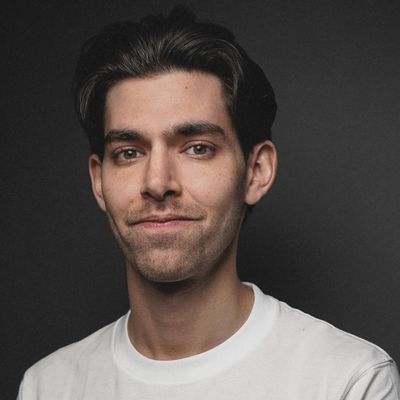
Matt Rodin joins the podcast for an invigorating conversation about stepping out of traditional boxes and forging an authentic, sustainable path in the entertainment industry. He shares the remarkable story of his wedding day, which pulling double duty included marrying his husband in Central Park just hours before delivering his high-stakes final callback for the national tour of Company. Matt opens up about the perspective this gave him, detailing how a 360-degree view of the business—shaped by his time as a digital producer at Broadway.com and his husband's work as a talent agent—allows him to navigate the highs and lows of the theater world without taking the rejection personally.
The discussion also dives deep into Matt’s passion for technological innovation and community building. He pulls back the curtain on his latest venture, theater.games, explaining how his curiosity with AI code tools allowed him to develop daily theater puzzles like Spike and Curtain that have rapidly captured tens of thousands of players globally. From his early days creating the "Red Carpet Challenge" with a selfie stick to preparing for a whirlwind 12-hour recording session for the Beau cast album, Matt emphasizes the power of self-reliance, creativity, and the joy of creating work with friends rather than waiting for gatekeepers to open doors.
Matt Rodin is a Drama Desk and Outer Critics Circle Award-nominated actor, creator, and creative consultant. His extensive stage credits include starring as Jamie in the national tour of the Tony-winning revival of Company, Roger in Rent at Paper Mill Playhouse, and the title role in Hedwig and the Angry Inch at Milwaukee Rep, alongside leading the off-Broadway premiere of Adam Gwon’s All The World’s A Stage with Keen Company. A prominent digital pioneer within the Broadway community, he is the mastermind behind the viral "Red Carpet Challenge," writer of the industry newsletter The Fourth Wall, and the founder of the digital puzzle platform theater.games.
This episode is powered by WelcomeToTimesSquare.com, the billboard where you can be a star for a day.
Connect with Matt:
- Instagram: @whoismattrodin
- TikTok: @whoismattrodin
- Platform: theater.games
Connect with The Theatre Podcast:
- Support the podcast on Patreon and watch video versions of the episodes: Patreon.com/TheTheatrePodcast
- Instagram: @theatre_podcast
- Facebook.com/OfficialTheatrePodcast
- TheTheatrePodcast.com
- Alan's personal Instagram: @alanseales
- Email me at feedback@thetheatrepodcast.com. I want to know what you think.
Transcript
This transcript was automatically generated and might contain errors.
[0:01] Matt Rodin: Hey, this is Matt Rodin. Welcome to The Theatre Podcast with Alan Seales.
[0:11] Alan Seales: Hey, everyone. Welcome back to The Theatre Podcast with Alan Seales. Guess what? That's me. Haha. Today's guest is someone who has completely just embodied the spirit of a modern creative, and he just refuses to wait for permission to build his own lane in this industry.
[0:28] Alan Seales: He's an actor, a producer, and a digital consultant who understands the entertainment ecosystem from just about every angle imaginable because he actually started out on the outside of the red carpet, and now he gets to walk on it.
[0:45] Alan Seales: We are talking about the incredibly talented Matt Rodin, who you might know from the touring production of the recent revival of Company, rocking out in Rent, or Hedwig and the Angry Inch, or from his spectacular award-nominated performance in the off-Broadway musical Bow.
[1:03] Alan Seales: But what makes this conversation so cool is that we're catching him at this really cool intersection of his talents, because not only is he heading into the recording studio to finally immortalize the Bow cast album, but he has also spent his recent free time using AI code tools to build Theatre.games, a daily digital puzzle platform that has completely exploded across the theatre community.
[1:28] Alan Seales: But also in this episode, one of the funny stories he told was literally he got married in Central Park at 11 a.m. and then walked into his final Company callback at 2 p.m. on the same day, guess what, to sing Not Getting Married Today.
[1:45] Alan Seales: We also talk about his early days running around with a selfie stick, making videos for Playbill and Broadway.com, even why he decided to pack it up all together and move to LA at one point, and then the hilarious reality of picking cats for our Plot in 60 Seconds challenge, where he then openly hopes he'll never have to sit through it again.
[2:03] Alan Seales: Woo! It's an honest, fast, and remarkably… this is a fun conversation and an insightful look at how making your own path in this industry can completely unlock your career, so be sure to watch the video version on Spotify and Patreon, leave a rating, leave a review, tell your friends, and everybody please enjoy this episode with Matt Rodin.
[2:33] Alan Seales: Our guest today is an actor, creator, and creative consultant whose work spans from the stage to the digital front lines of the industry.
[2:45] Alan Seales: His performances include the Tony-winning revival of Company on Broadway, Rent at the Paper Mill Playhouse, and The Hedwig and The Angry Inch at the Milwaukee Rep.
[2:57] Alan Seales: He recently received Drama Desk and Outer Critics Circle Award nominations for his performance in the original off-Broadway cast of Boo! Loved it!
[3:05] Alan Seales: Beyond his work on the stage, he is the creator of the Red Carpet Challenge, the author of the industry newsletter The Fourth Wall, and the founder of the digital platform Theatre.Games.
[3:17] Alan Seales: Dun dun dun dun! Matt Rodin, welcome to the Theatre Podcast! That is a lot of stuff!
[3:22] Matt Rodin: Such an honor, I'm so excited.
[3:24] Alan Seales: Is that a parachute ripcord on your arm?
[3:28] Matt Rodin: I think so. I feel like it just is a cool vibe. It makes me feel a little crunchier than I actually am. Do you know what I mean? I feel like it makes people think that I'm woodsy, and I'm not.
[3:40] Alan Seales: I have one of those. It's still in the box of my doom pile of stuff that I haven't gotten to from like 20 years ago.
[3:49] Matt Rodin: I like a doom pile.
[3:50] Alan Seales: Yeah, I'm a fan of that.
[3:52] Matt Rodin: I'm gonna sort this one day.
[3:54] Alan Seales: I forget what the name of it was, but it's literally a bracelet that's made out of parachute ripcord material, so that you just wear it as a bracelet, so that if you ever need it, you've got super strong string.
[4:09] Matt Rodin: You can unravel that.
[4:10] Alan Seales: I don't even know how I would unravel it. I don't even know where it even comes unraveled.
[4:15] Matt Rodin: Do you just break the plastic with rocks?
[4:18] Alan Seales: I don't know.
[4:19] Matt Rodin: I guess. It's cool, and it's not as heavy as a metal bracelet, so I feel like it's a good vibe.
[4:24] Alan Seales: Well, okay, so I want to start, not at the very beginning of you, the very beginning of us.
[4:31] Alan Seales: I'm co-founder of Broadway Podcast Network, and you had one of our OG podcasts.
[4:35] Matt Rodin: I was wondering, was I a part of that first cohort? I think I was.
[4:38] Alan Seales: Yeah, back in 2019 when we launched, right before the pandemic. Super great timing.
[4:45] Matt Rodin: Yeah, so The Come Up, you did for quite a while.
[4:49] Alan Seales: And it was one of our most popular podcasts. Side note, we want to bring it back.
[4:53] Matt Rodin: Side note. I like that. I mean, listen, it's one of those things that I have just always been, I'm such an ADHD creative. You get it. I'm always working on something, and I'm always working on two things that are going to come after that thing, and The Come Up was an extension of, I feel like, another podcast I was doing before that. The real reason I did it was because I was doing the Red Carpet Challenges, which were these 30-second interactions with people on red carpets, these fun games that I love doing, but it wasn't a chance to actually get deep with people.
[5:27] Matt Rodin: And that is the thing I love more than anything, which is kind of, I don't know, I guess it's not antithetical to the games, but I just felt like I needed a space to do that, and podcasting was easy. And obviously, I was such a fan of you guys and what you were doing. Listen, I like anyone who's trying to break things and forge their own lanes, and you guys definitely did that.
[5:48] Alan Seales: Yes. Break things is a good way of putting it, but I want to break things in a polite way.
[5:53] Matt Rodin: Absolutely.
[5:53] Alan Seales: If that's the right way to put it. I don't want to upset people. I just want to point out to people that there could be a better way of doing things.
[6:00] Matt Rodin: Yeah. I'm thinking about it like there's a wall, and I'm putting a door in the wall.
[6:04] Alan Seales: Yes.
[6:05] Matt Rodin: You know what I mean? I'm doing construction, and I'm like, I need to add a window or a door there.
[6:08] Alan Seales: You do do construction, don't you? Did I see that, or am I making that up?
[6:12] Matt Rodin: I mean, we do DIY stuff, but my family's construction, my brother and my dad, that's primarily what they do.
[6:19] Alan Seales: I supported my, I just want us to be the same person, because I supported my starving artist life in the mid-naughts being a GM's assistant.
[6:28] Matt Rodin: Oh my God, really?
[6:29] Alan Seales: So I've done full on roofing, and walls, and tiles, and windows, and doors.
[6:32] Matt Rodin: Yeah, no, that's not me. No, no, no. I'm like, I want to remodel my bathroom now at home, and I'm like, I can do all this stuff. I like manual labor, but I don't love manual labor, you know?
[6:41] Matt Rodin: We like making things, but I'm not a big builder guy.
[6:45] Alan Seales: I think I would be, by the way. I think if I had the space, like I had a garage, and I could make stuff, I 100% would. Because I feel like it fulfills the same desire and need that I have, which is that I have an idea in my head, and I want to see it manifested. And so it's like, how do I get from A to B, right?
[7:01] Matt Rodin: That's ultimately, by the way, everything you name, that's all it is. It's all about the idea, and then solving the problem, and figuring out how to execute it.
[7:11] Alan Seales: That's why I like video editing so much. And that's really where I started was because I was like, oh, I have this idea of what I want it to look like in my brain. How do I make that happen with Photoshop or any sort of video editing software? And it all sort of stemmed from there.
[7:24] Matt Rodin: I need the training, slash, medication, slash, body doubling to sit down and learn that. Because that's now, and I was going to get to this later, but we can get to it now. Where AI and cloud code and everything has been a godsend for me, and you too, I know. And we'll talk about this with theater.games, right?
[7:45] Matt Rodin: In that now, you don't have to be a deep level expert. You should understand what you're doing, especially when it comes to the internet, if you're collecting personal information and security vulnerabilities, blah, blah, blah. You need to know enough to know how to be good at it, but you don't need to know the nitty gritty of how to write syntax anymore.
[8:02] Alan Seales: That's right. I mean, there's never been a better time to be an ADHD creative like us because, like you said, you can go from idea to manifested thing in a matter of minutes, really. And yeah, it's so, so, so gratifying to just see something come to life that didn't exist. You know what I mean? You're making a hat where there never was a hat, which is, yeah, it's like the best feeling in the world, especially for theater people.
[8:28] Matt Rodin: What's kind of fun is for my kids, too, is they have states quizzes. My older son has to be quizzed on all of the countries and capitals of Africa in fifth grade, and my younger son has to—
[8:44] Matt Rodin: And there are games out there that do that. I just made it because—
[8:46] Alan Seales: Because you can.
[8:47] Matt Rodin: Because it comes in sections. So it's like, this is section one, this is unit one, unit two, unit three.
[8:52] Alan Seales: Yo, that's crazy.
[8:54] Matt Rodin: And so it's just fun. It's so much fun to make this stuff.
[8:57] Alan Seales: Yeah, I agree. And I'm trying to lead by example with the kids, and the kids are like, eh. Anyway, so for you, I mean, I know you from podcast land. I know you from theater land.
[9:05] Matt Rodin: Yeah.
[9:06] Alan Seales: You have a press background, you were saying, which I don't know you from.
[9:10] Matt Rodin: Well, because I was doing the red carpets.
[9:12] Alan Seales: Right.
[9:13] Matt Rodin: So because I was in that world, and I worked at Broadway.com for five years on and off, and I was there full time for a year and a half, by the way, desk job, nine to five, 100% was not auditioning, was only working at Broadway.com, because Paul was like, I kind of want you to be here as a producer. And being in that world, and watching how the outlets interact with the press offices, and the agents, and the talent, all of that, that ecosystem is, for me, I think has been so informative in the way that I understand the business.
[9:41] Matt Rodin: My husband is also an agent, is a talent agent. So I have this really, I like to think, a pretty 360 view of the business in a way that has made navigating a career in this industry way more sustainable, and fun, and not as personal.
[10:03] Alan Seales: Yeah, I'm just so thankful for those experiences. Because again, I just think it informs everything that I'm doing.
[10:08] Matt Rodin: Not as personal. I think that's a good way to put it. Because there's a lot of people who put their whole identity into how many auditions they get.
[10:14] Alan Seales: Which makes sense.
[10:16] Matt Rodin: It makes sense, because it is your body, and it is your voice, and it is your instrument. And so it's easy to take things personally. And by the way, 100% still do. But it doesn't weigh as much anymore.
[10:30] Matt Rodin: There's just more. I mean, the story goes that I had my final callback for the company tour on my wedding day. I got married.
[10:39] Alan Seales: You got married at 11 a.m. singing about getting married.
[10:42] Matt Rodin: No, literally. I got married at 11 a.m. in Central Park with our two families, and four of our best friends. And at 2 p.m., I walked into a room, and I sang, Not Getting Married Today. And people are like, you're absolutely insane. How could you do that? But the truth is, both my husband and I were like, yeah, of course. What do you mean? First of all, I didn't have to change my outfit. So that was really nice.
[11:06] Alan Seales: Did you tell them you had just gotten married?
[11:07] Matt Rodin: Oh my God, of course. They knew. Because yeah, they knew. And I showed up, and they had a box of chocolates for me. And they were like, congratulations. We're so excited for you. We're so sorry. And I was like, no, no, no. I was like, I want this. But I say that because that perspective, I just think, is so helpful in this business. Because that day, this thing that would have been truly like...
[11:30] Matt Rodin: I don't even know how I would have been able to handle this callback. It would have been inundating for me for weeks. The fact that I had this life thing happening, it put things in perspective in a way that I couldn't have manufactured. And it made it more special too. Both those things are true.
[11:46] Alan Seales: Yeah, all of it. And even with the awards, like in the Drama Desk nominations, I mean, I've been... I'm so blown away and so moved and all of that. And I also recognize the futility of it all. That it is all subjective. And it is all, for lack of a better word, like nonsense. It's beautiful and joyful and fun nonsense. But it isn't... Yeah, it just isn't like... It isn't everything. And I think I wouldn't have had the ability to understand that at 24 years old. And now that I'm 34, I'm like, oh, the timing is perfect because I'm able to be like, right, I get to just enjoy this and have fun and take it all on and not feel overwhelmed by it. I mean, I'm overwhelmed by it emotionally, but I'm not overwhelmed by it in the way that I'm panicked, if that makes sense.
[12:39] Alan Seales: Yeah.
[12:40] Alan Seales: Yeah, you're not full on Jamie mode panicked about it.
[12:42] Matt Rodin: No, no, no, not anymore. Not anymore.
[12:44] Alan Seales: But when did you start getting into the press side? And I guess, did you move to New York to do press, to do the marketing or whatever?
[12:53] Matt Rodin: So I went to school for musical theater.
[12:55] Matt Rodin: I went to Boston Conservatory, got a BFA, was going to move, frankly, was going to move home to Chicago. I'm from Chicago. So I was going to move home to be a singer-songwriter. I was going to be Jason Mraz.
[13:04] Alan Seales: Not a bad idea.
[13:06] Matt Rodin: No. And what happened was, because I had fully detached from the idea of moving to New York, and I'm not kidding, I rented a U-Haul. I was moving out of Boston and going to load up a truck and move to Chicago. But because that was my mentality, when Senior Showcase came along, I was like, oh, well, I'm like, who cares? I'm like, I'm just going to do my thing and see what happens. Well, I got more responses than anyone else in my class, but it's because I was like detached, you know?
[13:33] Alan Seales: Yes, yes.
[13:33] Matt Rodin: I wasn't trying to get anything. And so I got an agent and they were like, when can you be here? And I was like, I guess June 1st. And so I moved to New York. But the thing that happened was I knew that if I got here, and the only thing I was doing was auditioning, I would jump out of a window. So I decided to get an internship at 54 Below, because I was like, I want to be in the business. I want to be around it.
[13:56] Alan Seales: How did you get it? Did you just walk in?
[13:57] Matt Rodin: I emailed, and I think I probably Facebook messaged Jen Tepper, who was the programming director there at the time. I'm not sure if she still is.
[14:06] Alan Seales: Still is, I think.
[14:06] Matt Rodin: Yeah, yeah. And she had kind of just started. She was like only like, I think like a year or two in. And there was also a listing on Playbill for an internship. So I applied there, but I also messaged Jen. And I ended up working there the whole summer. And I was working in the office during the days. And then at night, I was the assistant to whoever was performing. And so that summer, I mean, it's three months, I met everybody. I mean, every newsie, Patti LuPone. I met Leslie Margarito like in my first week in New York, who now is like a dear friend of mine. But that experience, and it's so funny, my parents and I talk about it all the time, that like everything that I've ever done in the city, it all comes back to that internship.
[14:45] Matt Rodin: Because what happened was Bonnie Milligan was performing a show at 54 Below. Her friend, Michael Gioia, was in that show with her. He was like a, he was literally handing out cookies. Like I don't really remember the context, but he was in that show with her. And I met Michael that night. And months and months and months and months and months and months later, I had been making content for myself. And I, story is so long. But basically, I was working on content for Broadway World. I had asked Broadway World if I could go to the red carpet of Something Rotten to promote the other thing that I was doing for them. And they were like, sorry, we can't help you. So I went down the street from the opening of Something Rotten.
I stood under the marquee at the, which is now the Second Street Theater. Because Something Rotten was at the St. James, it was pouring rain. My friend Christian came with me, brought, we brought a camera. I bought a microphone at Guitar Center, which I returned that night because I didn't have the money. And we filmed this video. And it got like, you know, it got like a thousand. I posted on my tab, it got like a thousand views. And I was like, oh my God, this is the greatest thing that's ever happened to me. A thousand views, like nothing in my life had ever been like that.
[15:57] Matt Rodin: And two months later, I got a message from Michael Gioia, who I'd met at this Bonnie Milligan show. And you gotta understand, this is like so far from when I initially met him. He was like, I showed your video to our editor-in-chief at Playbill because Michael was at Playbill. And we want you to come do this for us. Would you come do the opening night of Hamilton? And I was like, ha ha ha, I would love to. I am doing Saturday Night Fever at North Shore Music Theater, so I can't come to the Hamilton opening. But as soon as I'm back, I'll do it. And so, and by the way, that like worked out great because the first opening I did was Dames at Sea for Playbill. And I did it with a selfie stick. Wasn't Leslie in that?
[16:34] Alan Seales: She was.
[16:34] Matt Rodin: Yeah. And so like all of it's connected. And I did it with a selfie stick because I didn't have anybody come with me. And so again, like thank God my first opening wasn't Hamilton. And I worked at Playbill for, I was doing those videos for Playbill for like, I think like almost a full season. Like I think I finished the first season, whatever Broadway season was with them. And then Paul took me out to lunch and was like, I don't steal people, but I want you. And I want you to come do this for us. Because I, again, I had made a door in a wall, right? Like I saw this gap in the market where I was just like, I don't think also Playbill wasn't doing even, Playbill wasn't even doing video at that time. So that was the other thing too, was it was Felicia and I, Felicia was running social. She had just started. Felicia Fitzpatrick.
[17:16] Alan Seales: That's right.
[17:17] Matt Rodin: And her and I were like, I was like, this doesn't make any sense. Like why would Playbill not have video? It's like crazy, you know, they had like videos that the shows would give them. But they didn't have their own video content. All that to say, Paul was like, come do this for us. And so I started doing OnAndOffAndBroadway.com. And then, yeah, I was there for about five years until basically, yeah, basically the pandemic. The last opening that I did, the last red carpet that I did was the, I think it was the opening of Jagged Little Pill, maybe? Or something like that.
[17:46] Alan Seales: 19?
[17:50] Matt Rodin: Yeah, it's 19 or 19. Yeah. It was the end of that season because I ended up going to, I booked this show in Milwaukee. I booked Hedwig in Milwaukee. And then I went and did that. And then I was, I came back on March 9th. We closed March 9th. It came back on March 10th. Six was supposed to open on like Thursday, March 13th. That was my first opening back at Broadway.com. Obviously that opening got canceled. I knew it would. I knew that week I was like, there's no way it's happening. And I remember that afternoon being like, is this still happening? And they're like, we think so. We think so. And then sure enough, they were like, no, it's not happening. And that was it. And I never went back to the carpets, which by the way, like it all worked out in the end.
Like I am so thankful for that experience. And I, and I would, and I would do it again. I don't think I would do it the same way. And the funny part is now everyone's playing games. Like that is the thing that people do on the carpets. So much so that the press reps are like, no more games. Everybody stopped playing games. But at the time when I started, everyone's like, who the fuck is this kid playing games on the carpet? And the thing you also have to understand, and I'm sorry, I'll stop in a second. But like in the midst of doing all these games, I was working on Bo. Like Bo had been there from like 18, 19 that long ago. I was, I've been with the show for like eight or nine years. No kidding.
So that's the other piece that's interesting is that like I was performing and auditioning a little bit here and there. And Bo was this thing that I, we were working on and I was doing readings and workshops and whatever. And it was so crazy to be interviewing people on the carpet. And then what we say, like on the other side of the rope and knowing that I had this thing that I was like, I think this thing is good or not even the piece that I was like, I think I'm good. Like I'm carrying this show. Like I think there, I think I have the skill and ability, but nobody knows and nobody cares. And I've only done like regional shows. So kind of it's like, whatever. Yeah, you're a quote unquote actor.
And so I always wanted to feel like a part of that other thing. And now to be, you know, post tour and last year with all the worlds of stage and both runs of Bo, like I'm, I finally feel like, oh, it's all sort of synced in a really, really, really beautiful way.
[19:54] Alan Seales: Don't go anywhere. We'll be right back after this break.
[19:59] Alan Seales: Welcome back to the episode. And through all of this, you're doing the technical side of it.
[20:05] Matt Rodin: I was doing the podcast.
[20:06] Alan Seales: Doing the podcast, you're doing your own, your own recording, editing, etc. But then like theater.games and what's the—
[20:13] Matt Rodin: Oh, you're talking about like right now?
[20:14] Alan Seales: Yeah, literally right now.
[20:16] Matt Rodin: And then I was writing fourth wall, too. Yeah, I started fourth wall. As soon as I got back from tour, I started the fourth wall, which is that weekly newsletter.
[20:21] Alan Seales: That newsletter.
[20:22] Matt Rodin: Yeah. And then theater.games, which then Spike is your Broadway wordle. Are we allowed to say that?
[20:31] Matt Rodin: No, I think so. I mean, yeah, I the story basically goes that like I got we finished we closed Bo in January and we did we did we did two runs of the show last year. This beautiful show by Douglas Lyons, which we can talk about in a little bit. But like I have, like I said, like you said, I've always been technologically inspired or curious. And I've been playing with like everyone else. I've been playing with GPT and Claude was a lot last year. And frankly, it was a it was a huge part of how I was able to get the newsletter to a sustainable place. And we can talk about how I use that as a tool in that space too, because it doesn't write it for me. But there's an interesting way that I sort of have set up that system.
And I started experimenting, experimenting with Claude Code because I felt like I was like there are just ideas that I have and things I want to try. And I'm wondering if there's a piece of technology like you were saying, like the game for your son. I was like, I'm wondering if there's a piece of technology that only I could make right like that, like how about like, you know, those cast grids, right? Like those pictures on social media. Like, could I make a tool that would enable a regional theater or a high school theater the ability to make those cast grid pictures without someone like having to go into Canva or Photoshop? Like could I make—
[21:49] Matt Rodin: The answer is yes. And so I started working on little things like that. I was working on these like little like sort of SaaS products, which is like what a software as a service service. And yeah, and I had this and I was working on one of those and I had this idea for a Clippy. I don't know if you remember Clippy from Microsoft Word paperclip.
[22:08] Alan Seales: That's right.
[22:09] Matt Rodin: So I had this idea that I was like, oh, that would be so fun if I had like a little Clippy that would like help you like learn how to use this technology that would like walk you through it. And I was like, oh, like what would be his like little name? And I was like, oh my God, Spike, like a little piece of spike tape. Like how cute is that? And I spent about like two hours working on building that, getting him up and running, and it was not going well. And again, this is one of the things that you learn, like as you play with these tools if something isn't working or isn't building the right way, it's like I have found that I need to like pause and kind of like take a second and figure out like, is this the right approach?
And what questions am I asking? Like all that stuff. And so I sat there. I mean, I literally sat there and was like, wow, Spike is like such a good name. Like it's such a good word. Like it's a five letter word. It sounds good. And I had always had this idea for some kind of Broadway daily game, whatever, but I didn't know what that even was. And so then I was like, oh, Spike's actually like a cool name for like a daily game. It sounds like word. It's like quick and it's one syllable.
[23:10] Alan Seales: Easy to remember, easy to spell.
[23:11] Matt Rodin: Correct. So I yeah, I was like, what do what is this? What does that game look like? And I started developing and the idea sort of started as like, like you said, it's like sort of like theater history trivia. It's like show trivia. But the part that's hard. So basically, the way Spike works is that there are five clues about a specific show or a person or a theater or really anything that's related to theater. But right now it's mostly shows and actors. And those five clues reveal themselves over five rounds. And you get, you know, if you get it in the first one, then you get in the first one. And how many clues do you need? That's basically, that's basically the test. The problem was, was when I started building this, you know, something like a Claude is going to give me clues like this show stars a green witch, which is funny because it's like for us, it's so duh, right?
But like, if you go play any other like theater trivia game on the internet, that's what you're going to find. So there wasn't. And so I was like, well, how do we get this? And that's what took the most time was refining the clues and figuring out what kinds of clues are interesting, what kinds of clues give enough away, but not too much away. And building out that back end system, the research agents that go and do the research that give me, I get 25 clues. That's what happens. I get 25 clues fed to me. And then I pick the five and refine them and put them in order. And I have to build those puzzles from those 25 clues. I can also write my own if I want to. But that 25 typically gives me a pretty good baseline of things to use and pull from. And then, and yeah, so we launched that like April 10th and we crossed, I think yesterday we crossed like 85 or 90,000 plays.
[24:52] Alan Seales: Wow.
[24:53] Matt Rodin: And then two weeks after that, we launched a curtain CRTN, which is like a, is a, like a wheel of fortune type game, which is basically that like, there's a phrase or a word or a show or a lyric or a song that is sort of set up like a wheel of fortune puzzle. Like you see the words, but you can't see the letters. And then over time, like you hit go and then the letters start to reveal themselves one at a time. You have a clue in a category and then you guess it, but you know, it's like, I mean, it's my husband's favorite game and the results that we, he sends every day, which is, so again, part of this thing that I love is that like, oh, I could go on and on and on. But you basically see how many letters that you needed to get the answer.
And like today, my husband, or yesterday, my husband like used zero out of 23 letters for like the final one, which is great. Like, that's the hope is that like, if you, you know, it tests your knowledge. But the, but the coolest part of all, and then we launched Tony pools. That's the other thing that we just did. We launched, we ended up launching, um, we launched Tony pools last week, which is like, you know, again, it was something that I was like, why isn't anybody doing this? We have a perfect place to do this. People love watching the Tonys together and filling out ballots. Why don't we just calculate them ourselves? Like we'll tabulate them and give you a leaderboard and show you a thing.
And the other thing that we gave people the ability to do is write their own questions or bets. So like, how long will pink fly? How many people will thank their teachers? How many people will get played off by the orchestra? Like you can write any question you want, you can come up with anything. So anyway, the part of this that I think has been the most fun and the most gratifying and the most surprising is that I'm 80, 85,000 is a nice fancy number, but I'm the thing that, that is crazy is I'm hearing from Broadway casts. I'm hearing from teenagers in the middle of nowhere. I'm hearing from Broadway producers. I'm hearing from teachers. So many teachers that these things are helping like educate.
They're using them as education tools. Every theater kid in Oregon is playing spike every day. There's like a giant community of theater kids. I mean, the truth is there's a giant community of theater kids everywhere. And I think we also forget and underestimate that. And this has been so gratifying because I'm getting to like hear from everybody everywhere being like, thank you for this. Yeah, this education piece, I just didn't realize how massive it would be. And I'm finding that that has become at the forefront of my mind, not in everything, but in terms of like where we're starting to move and the way I want this thing to expand is like, I do want to give teachers more tools. Like, because that's all I really want is like, I just want to spread the gospel of theater, right?
Like that's, that's what it comes down to at the end of the day, all the things I'm doing, the shows, the red carpets, the theater games. It's all about the fact that like, I'm a theater kid and I just want to like invite people into the cold. You know what I'm saying?
[27:37] Alan Seales: Yeah, yeah.
[27:38] Matt Rodin: And, uh, and if spike and curtain and the nine other games that we have coming, like are going to help do that, then like, that's, it's great. I'm, I'm, I'm so excited. Like, and I, like I told you, like before we got on the air, I love waking up in the morning. I'm so excited to get up and work and I don't want to go to bed. I just like, all I want to do is work on this stuff. It's so much fun to me. And one of my, one of my favorite memes I saw the other day is the old woman from Titanic saying it's been 84 years. And it's, it's, uh, um, somebody saying my husband went up to just check on his Claude code. Oh, and then I'm gone. And then I'm gone forever. It's been 84 years. That's literally me.
That's literally me. My husband will be like, how's your best friend? How's your buddy Claude? But I love it. And again, like, I, I, I understand that there's so much nuance when it comes to this, this technology and, and it's a, it's dangerous territory and people are really sort of touch and go with it, especially in our industry. And I, and I totally value that and hear that. Um, I think of it mostly like a tool. I think of it like, I think of it like Photoshop or, or any other video editing software.
[28:39] Alan Seales: Canva, Photoshop.
[28:40] Matt Rodin: That's right. Yeah. I agree. When people, people are like, oh, it's, it's destroying the environment. I'm like, well then use it and make a better tool. Like use it to help itself. Yeah. Like, uh, and by the way, if you've, if, if, if your information about AI destroying the environment is coming from an Instagram post that you saw, I would encourage you to go do some research and just like give, give yourself a little bit more grace and like, um, and a little more credit. Cause I think people are smarter than they give themselves credit for. It's recycling water. It's not using water. So listen, I, I, yeah, I'm, I'm excited. I think, um, I think we're at a really interesting time. I mean, the, the craziest part of all this is that we are at the precipice. This is the beginning.
[29:17] Alan Seales: The precipi?
[29:18] Matt Rodin: I mean, literally it's the beginning. I know. I know. And in the terms, in terms of AI, I mean, we just have a whole technical episode. I love this. In terms of intelligence and skill level and autonomy of, of automation, it is both in exciting and scary as hell that AI right now is in its toddler phase, just learning to speak.
[29:36] Alan Seales: Yes.
[29:36] Matt Rodin: If we're equating this to emotional maturity. And so it's exponentially going to grow. And the fact that we have, I call it, what is it? Mythos? I call it Ultron. I know it's some, yeah.
[29:46] Alan Seales: Mythos, right?
[29:47] Matt Rodin: Oh yeah, yeah, right, right, right. Anthropic was like, this is so good. Right, right. Like there's going to be some government that already has this. That's right. And anyway, like the fact that once this stuff gets out and it will, it's not a matter of when it's if that we have to have the infrastructure in place to protect against it first.
[30:03] Alan Seales: Yeah.
[30:04] Matt Rodin: And I'm, and I'm, I'm of the mind that like, I'm going to use it for good, you know, I'm going to, and I'm going to keep spreading the gospel of theater in the way that I can. And by the way, I've always been a game developer. If you think about it, because the red carpets, that's what I was doing.
[30:14] Alan Seales: Right.
[30:15] Matt Rodin: I would go to a, I would go to a show. And I would come up with a game for that show. So that's always been in me. When I was in high school, I was an, I was a comedy sports referee at the all boys. I did comedy sports in college. I was a referee. I would not, I did not play. I was a ref. And then when I went to an all boys overnight camp, I launched the improv program at that camp. Like I've always been a game developer. And so this feels like a natural extension in a way that, by the way, that wasn't even on my mind, but in retrospect, I'm like, oh yeah, of course this is what I'm doing. Like, this is exactly the thing I'm supposed to be doing right now.
[30:52] Alan Seales: That's so cool. Well, what I was going to say a second ago is that when people are like, I'm so, I don't want to use it. Like, I don't want to touch it. It's, it's going to go away or it's a bubble or whatever. I'm like, no, no, no type computers. Didn't they replace typewriters, but they made it better. Cars replaced horse and buggy. Yes. There's downsides to cars. There's a lot of upsides. It created everything. It created and allowed us to do what we do. Like this is a tool. And if you just go to Claude or whatever your GPT of choice is, and just say, like, make a recipe that's like buying a TI-82 calculator and only doing basic math on it.
[31:22] Matt Rodin: Yeah. I don't even use the LLMs anymore. I'm not using Claude and I don't use chat GPT. I'm only using Claude code and Claude co-work. That's all I use.
[31:29] Alan Seales: Dude, same.
[31:30] Matt Rodin: I literally have something going behind the scenes right now.
[31:32] Alan Seales: Yeah, of course.
[31:32] Matt Rodin: Cause you can, you know.
[31:33] Alan Seales: I've been so busy the last two weeks that I haven't been on. And I'm like, I was texting my co-founder and I was like, I like miss. Like I'm missing.
[31:42] Matt Rodin: I go through withdrawals.
[31:43] Alan Seales: Yeah.
[31:44] Matt Rodin: When I hit my weekly limit, five hour limit, I can be okay with it. But the weekly limits—
[31:48] Alan Seales: The weekly limit, I'm like, I'm going through withdrawal.
[31:51] Matt Rodin: I know. I know. So I'm, I'm, I'm excited. And I, and I'm so happy that also this is happening. Like we're building this in the midst of all the other stuff that's going on for me. Like the fact that this drama desk thing happened. By the way, the show's closed, been closed since January, you know, like.
[32:08] Matt Rodin: For the outer critics and, and, and the drama desks to like recognize us as a show and to recognize me as an actor, again, happening in tandem with all this technology stuff and theater games launching. And like, you know, we're probably going to cross a hundred thousand players like next week.
[32:23] Alan Seales: That's crazy.
[32:24] Matt Rodin: You know, and by the way, we've been live for five, four, five weeks. Like that's crazy. I mean, and the crazy thing to think about too, is like, we're going to hit 500 and they're like, we're going to hit a million. Like it will happen. It's just really exciting. And again, like so gratifying for me as a multi-hype and like ADHD creative, because it, it, it is like, yes, I can do all this stuff and I am doing all this stuff and I do get to go to the awards on Sunday with my mom and walk the carpet and I'm going to be interviewed instead of being the one being instead of the one interviewing. And by the way, like this might be the last time that ever happens. Like this could be the last time I ever get to do that.
[32:57] Alan Seales: But I was going to say your, your, your theater career seems like the hobby right now.
[33:01] Matt Rodin: Isn't that interesting?
[33:02] Alan Seales: Yeah.
[33:02] Matt Rodin: But again, that's what we were talking about before is that like, I don't, I, I don't put my entire livelihood into my theater career, but that's because I've seen the belly of the beast. I know how the sausage gets made and I know how unsustainable and unreliable and incredible, but also like deeply devastating this business can be. And so I'm not putting all my eggs in that basket. And by the way, I never was, I never was, but now the fact that the career has sort of like opened up in this way at the same time is again, like the timing is just right. Cause if I had been in my twenties when all this was happening, like, I don't know what I would have done.
[33:39] Alan Seales: There's gotta be something we can do together to use flawed code to build a musical.
[33:45] Matt Rodin: Careful. I'm like, people go crazy about that, but yeah, I'm sure I'm, I, and by the way, people have been using automated technologies in theater for 50 years.
[34:03] Alan Seales: Oh sure.
[34:04] Matt Rodin: Like every lighting board, every sound design, like all that stuff is, is automated. And so I, I, I think it's literally called automation. So that's the thing is I'm just like, I understand the, uh, the pushback, but I really think there is, um, yeah, there's just only opportunity. If a designer who normally would draw by hand instead uses something, uh, you know, a tablet to sketch, is that, is that bad? I mean, I don't know, this is a gray area and I know that a lot of people don't agree with what we're saying and I'm, I'm like, let's have a conversation about it because there's, there's always nuances, there's always gray areas and there's right and wrong ways to use every, every new tool.
[34:34] Alan Seales: Yeah. I mean, you look at the extreme nuclear technology, powering everything in a wonderful way. Also mass destruction. Listen, I also think there's something to be said that like, I think that the, the, um, the speed at which technology is advancing to me actually makes theater more valuable. Like this human connection thing that we get to experience in a theater, in a room, I could literally cry, um, is just so, uh, irreplicable. Like you, you, you simply cannot recreate that from a piece of technology. And I, and I love the fact that like, I get to go to the theater and sit in a room with people in the dark and have that experience. And I find I'm, I'm, I'm valuing it even more than I was before.
Um, because it's special and because it's that, and I don't think that, uh, technology takes away from that. If anything, like I said, I think it actually makes it even more valuable. And I, and, and, and they, they do feel like two opposite ends of the spectrum, but in like a really beautiful and like wholesome way, if that makes sense.
[35:36] Alan Seales: How about here's our pitch. We once years from now, Angelica ball has run its course successfully. We revive cats.
[35:44] Matt Rodin: I never want to revive cats ever again.
[35:46] Alan Seales: And by the way, well, hold on. You haven't heard my pitch yet.
[35:49] Matt Rodin: That's right.
[35:49] Alan Seales: And we have audience interaction with AI that helps us determine who other than Grizabella is more worthy to die. And it changes.
[35:57] Matt Rodin: You're out of your mind. You're absolutely out of your mind, but, but, but I love that. I love that. I listen, I'm all about experimentation and I, and I'm anything that—
[36:07] Matt Rodin: I mean, that's why I'm like, that's why I was such a fan of what you guys were doing with BPN right in the beginning is like, I'm just, I'm such a fan of anybody who looks at something and sees blank spaces and is like, Oh, what could we create? And that's what theater games was. Cause I was like, there's just no one else doing this thing, by the way, someone else will like, there's going to be, there's going to be other people doing it. I, what I would encourage is they should give me a call. Um, because we now have the user base and, um, and we're going to build, we're talking about building games. Well, we are, I can't, I guess I can say that, like we are building games with shows already.
We're working with shows to build games specifically for their shows. And instead of it going on their shows website, which we can totally do, and it can embed on their site. It also gets to live on theater dot games, which is now going to be the platform for theater games, which by the way, I love. I have some proof of concepts that I'm going to show you off air. I can't wait.
[37:01] Alan Seales: Can't wait.
[37:02] Matt Rodin: Um, let's rewind then even farther. Little rodent, little Matt. Yeah. We're in Chicago. What got you into theater?
[37:09] Matt Rodin: My mom, um, I, you know, when I was really, really, really, really young, probably like two, three, I was, I was just obsessed with the, um, the Mary Martin, Peter Pan that was on VHS. And I watched that just incessantly and over. I mean, really like everyone's like work. And, and by the way, the cat's VHS too, that one too is in there. Joseph and the Amazing Technicolor Dreamcoat, that VHS. But yeah, there was something about those that like tapped into something in me as a performer that I just like that lit me up and I listen, I liked attention, you know, I did. And, and again, I was the kid that like, I never did my homework, but I always went 500% in on extra credit projects. Like I was making the trifold posters that were, but that were like three dimensional.
Like I was doing crazy. I was doing, I was building websites. I was making videos. Like I was always the person that like never did like the grunt work, like the, like daily, like whatever homework, but I wanted to do something creative.
[38:00] Alan Seales: Oh my God.
[38:09] Matt Rodin: And so that to me is the root of everything.
[38:12] Alan Seales: Don't go anywhere. We'll be right back after this break.
[38:17] Alan Seales: Welcome back to the episode. We, if I, we are the same person. If I had had the internet tools that you had, I'm 10 years older than you. So like, I didn't have broadband until I went to college.
[38:27] Matt Rodin: Yeah.
[38:28] Alan Seales: But I remember, I remember very specifically in seventh grade, I was supposed to do a report, a book report on, um, on the Hobbit. And I didn't want to write purely because I didn't want to write. I made a video. That's right. I'm, I went out and filmed myself reporting, like doing all the scenes, recreating all this stuff and edit it together.
[38:48] Matt Rodin: Some of us are like that, you know, that's the thing.
[38:50] Alan Seales: That was what I did instead of writing.
[38:52] Matt Rodin: And that's exactly it. Like, it's just always been, I have, we, we have that creativity piece. Like I just, I am bursting at the seams. I am oozing with creativity. My veins are pulsing with creativity. Um, nothing gets me high like that. And, uh, yeah. And so that, that was sort of always there and performing was always a part of that.
[39:14] Matt Rodin: Right. Uh, and I was thankful that like I had those opportunities, you know, my parents were incredibly supportive, but also really, really, really encouraging and, um, specific in the way that they said, you will not only do this. You will not go to theater camp in the summers. You will go to an all boys overnight camp that has sailing and sports and horseback riding and archery and rock climbing and riflery and squatter skiing and guitar and pottery and basketball. Like literally you name it. Um, they were like you, the word that they used to use was well-rounded. They're like, you're going to be a well-rounded kid no matter what we do.
[39:49] Alan Seales: Also a good hyphenated word.
[39:53] Matt Rodin: Yes. And, and by the way, like it worked. Like it is all that stuff is I'm so thankful because it, again, like theater was never my whole existence, by the way, I loved it more than anything in the world. Like it was, this is all, this is all I've ever wanted to do was to be a part of this. This is it. And I was on my friend's couch sobbing last night because I saw lost boys and Ali Borski, who is nominated for Tony, who's playing David. He's incredible. We were husbands on tour together and to witness him. And I, and that's the other thing. It's like to witness him. I have so many other friends in the show to Sean and Brian, who are both in the lost boys band and delaying using the ensemble and Pierre.
Like there's so many people in all these shows that are not just in the cast and working on the teams of these shows that now I, the fact that I feel like I'm a part of this community, I've never been in a Broadway show. I don't have a Broadway credit. I was on tour in a Broadway show, but not in a company. I haven't, not on Broadway. Like you, yes. You were an IBDB for Broadway on company on the tour.
[40:53] Matt Rodin: No, I was not in the Raleigh company.
[40:55] Alan Seales: Oh yeah.
[40:57] Matt Rodin: So you're like, I know you're like, get out. Um, no, no, I was, yeah, but I ha I don't have a Broadway. No, I just, I just assumed.
[41:02] Alan Seales: I love that.
[41:04] Matt Rodin: So no, yeah, I don't know if you're damn good. I appreciate that, but I don't have a Broadway credit yet. And so I think it would be very easy for me, or I always felt as when I first moved to the city, like if I didn't have that, that I wasn't a part of the community, even when I was doing carpets. But now for whatever reason, you know, I really do feel like I am a part of this thing that I just always wanted to be a part of as a kid. And again, I was well-rounded and all that is true, but the only thing I wanted to do was be here and be a part of this community and feel and be seen as a part of the community. And I finally feel that way. And it is like, it's very overwhelming.
[41:39] Alan Seales: That's very cool. And very congratulations.
[41:41] Matt Rodin: Much. Wow. So congratulations.
[41:42] Alan Seales: Thanks. Um, I, I get that. I feel that. And yeah, I just, I don't know why I assumed because I do see you everywhere and everyone knows you and everyone knows of you that I'm like, yeah, of course he's been on like a bajillion Broadway thing, but that just shows you, I think, you know, you're making windows where there weren't any or making doors in walls where there weren't any before. I think because, and I totally understand how and why you're just constantly looking for the next thing to satisfy yourself.
[42:09] Matt Rodin: That's right.
[42:10] Alan Seales: Own creativity. That's right. And it's, it stays relevant with, with others. And like, I think the generator, the 10 year gap between us is that speaks to you being putting your face out there on Tik TOK, which I'm like, I can't do that. I'm so scared. What am I going to talk about? I get that though. I get that though. So hard. It's, it's rough.
[42:27] Matt Rodin: And that's what everybody says. They're just like, you just need to like turn on the camera and record. And I'm like, what am I going to talk about? Well, I guess over myself. I know. I know. That's what it is. It's just like getting past the, like the inner critic of being like, I don't belong here. You know, like I don't, who the hell am I? Like, I don't deserve to be here. I mean, I was watching some, again, you were just, you literally turn on the camera and you're like, here's how I use cloud code and made, and made Stripe here in, or is yes. Spike spike. And I was like, oh yeah, I guess I could talk about that. I'm cloud coding all the time and doing things creative, creatively. And that's the thing I've been encouraging people to do, especially with it, with like platforms like Tik TOK, um, is to just be honest, just start from that space, you know?
Cause I'm the person who, like we've talked about, like I will create a giant expansive thing and the brand and a da, da, da, da, da. And I get really caught up in that. And Tik TOK specifically is a really cool tool for me is actually a good way to push against that instinct for myself, which by the way, I see so much value in that, right? Like again, talk about lost boys. Like, so it takes, it requires so much time and effort and thought and specificity. And I think there's so much value in that. And Tik TOK specifically, again, is like a good opportunity for me to do the opposite where it's like, can I strip away all of it and just sit there and be honest? Um, and both, and again, like, I think they inform and help each other.
[43:46] Alan Seales: I love it all. I do. It gets me. So I, I, I know I'm not like shaking at the moment. It's because the coffee hasn't kicked in yet, but I am like, this stuff makes me so excited and so happy. And I'm so, I feel so thankful that like the tools exist now the way that they do and that I am in a position now where I can be sitting here talking to you about it, you know, and we can have a conversation and that people are paying attention. The fact that anyone knows who I am is absolutely crazy. I mean, last night I said it was at Lost Boys and people in the ensemble were like, such a fan. And I was like, I'm going to, that's the craziest. I can't process that.
[44:13] Matt Rodin: People on Broadway stage are fans of you.
[44:17] Alan Seales: Yes. You know, and again, like, because I don't have a credit, I think it would be really easy for me. And I, again, I, I felt this way for a long time to be like, well, I'm not X, Y, or Z. But it's right place, right time.
[44:28] Matt Rodin: Totally.
[44:28] Alan Seales: And I, and I'm just not in a rush anymore. I'm just like, the thing will come when it's meant to. And, um, I don't, and I'm, and by the way, I'm busy. I'm like, I got stuff going on. Looking blessed, baby. I mean, yeah. I'm like, I have stuff. I'm, I'm not taking every opportunity. I mean, I'm not taking every opportunity that comes my way anymore in the way that I was when I was younger, because I don't need to like, and, and by the way, I don't know if you know this, like I moved to LA a month ago.
[44:51] Alan Seales: No.
[44:52] Matt Rodin: Yeah.
[44:52] Alan Seales: So I knew that we scheduled this because you're like, I'm back in town.
[44:55] Matt Rodin: I was like, where, where was he?
[44:57] Matt Rodin: Yeah. Yeah. So my husband and I, um, in like, I guess it was March, like we moved to Los Angeles. He's a talent agent, like I said, and he wanted to be there for work. And I was like, great, let's do it. I've been in New York for 12 years. And I thought I was, and by the way, initially I was like, hell no. And then over time, um, I came around to the idea and, and everything, every audition is tapes. My family's in Arizona. So that's the other thing too, is they're so much closer and like so much easier. And I have a one-year-old nephew and like, um, but yeah, we're in Los Angeles now. Um, and the fact, and it's so funny that I'm being back here for these past two weeks and people are like, how are you feeling?
Like, is it crazy that you're in Los Angeles? Are you missing it? And I was like, I'm good. I was like, I'll, I'll be here when I need to be here. Like I am now. Like I've been here for two weeks cause I was in a reading and the drama desks, like there's stuff going on when I need to be here. I'll be here. But in the meantime, like I'll go sit in the sun and walk the dog and go to the car drive. I love driving. Um, yeah, I, I, and I don't feel separate. I don't feel like I'm not a part of it, which is really nice.
[46:02] Alan Seales: Nice. And the Bocast album came out today or come the Bocast album is being recorded tomorrow.
[46:03] Matt Rodin: Oh, tomorrow. Okay.
[46:04] Alan Seales: So, so yeah, I saw an announcement about it.
[46:07] Matt Rodin: Yeah. So I, again, I've been here for two weeks. I was in a reading, um, at out of the box who also produced Bo and, uh, and the drama desks are on Sunday and they were like, Oh my God, you're in town. You know what? We should record a cast album. We've been talking about it. We, we, they, they were raising money and they got the money and now, yeah, we go into a studio tomorrow. We're there for like 12 hours and we're doing the cast album, which I'm, I'm out of my head, excited about. And now this will be my second cast album in one year because we did all the worlds of stage, which is the off Broadway show. I did a keen company in the beginning of last year of 2025. Um, and that album came out, um, in, uh, April or something like, or maybe in March or I don't even know what month, February, something like that.
And, uh, and yeah, I, I'm just so excited that people are going to get to hear this music because the music is insane and people want it. And the fact that now we're going to have this like preserved recording of this incredible band, uh, playing these incredible songs. It just makes me so happy because it means more people.
[47:06] Alan Seales: Yeah. When did you learn to play guitar?
[47:08] Matt Rodin: I camp.
[47:09] Alan Seales: Yeah.
[47:10] Matt Rodin: At Owlboys overnight camp. When I was about 12 years old, um, I picked up guitar for the first time and, uh, and I didn't really get fully into it until I was like 16. And I went to a Jason Mraz concert at the Aragon ballroom on November 11th of 2008.
[47:27] Alan Seales: Not to be specific.
[47:27] Matt Rodin: Well, it's because that 1122 number is, or I'm sorry, November 22nd of 2008, because that 1122 number is like, really has become a huge, huge, huge thing in my life. Um, and, uh, that's why I know that. But yeah, I saw Jason at the Aragon and I was like, I think that's what I want to do. Or like, I would like that to be a part of what I do is like the thing that I felt at that concert, which now I've learned is collective effervescence. That's the thing I want to give to people. You know, that's the thing that if I can, I want to sort of spark and, uh, and I'm lucky that a lot of the stuff that I've gotten to do in my career at wig bow, um, they, they sort of are catalysts for that feeling.
[48:08] Matt Rodin: And yeah, I learned. And so I started playing guitar like pretty consistently after that and played through college. And I'm, by the way, I'm like the worst musician in that band at bow. Those, they are so incredibly talented. I am not a great guitarist, but I make it look like I am, which is acting. And, uh, yeah, I'm, I'm just so happy that we're going to have these songs out in the world. The music is so good. And people, I want more people to do the show. I want people to hear the show. And it's so different than anything else that's out there. Um, and it's such a great showcase of what I do and like the way that my voice sort of sits and fits and the way I love to sing. Um, and it's so different than all the worlds of stage because that is so contemporary musical theater. And this is so not, um, yeah, I just feel so lucky. I can't believe, um, how the last couple of years have unfolded. It's crazy. Cause you're just kind of going with it.
[49:00] Matt Rodin: Whatever, whatever flow hits your, hits your inbox and it's selective too. Cause you see, you don't take all the projects anymore.
[49:04] Alan Seales: No, no, no. I mean, especially because now I'm 34 and I'm married and I have a dog and I went on tour for a year, you know, after being on tour for a year, it changed. It, it, it changed our, my priorities that it's just like, I don't know that I need to go do a regional production of Greece somewhere. By the way, did it did that? Like did we did a production of Greece in North Carolina with F Michael Haney and Ryan Nixon? And like, I, I, and Hunter Foster directed it, like did that in my twenties. I'm not at that place anymore, which I'm really thankful for. And by the way, I love that for people. If that's where you're at, that's just not where I'm at anymore. Um, but it's also because I'm working on other projects, right?
Cause I'm doing something like theater dot games where I'm like, this is filling up my cup creatively in a different way. Um, and by, and by the way, like I'm gonna, I'm sure in six months I'm gonna be like, I gotta, I gotta have a theater job and I'm still auditioning, but we're just more specific about what those things are now. Um, which is fun. It's nice to be like more selective. I like that a lot.
[50:00] Alan Seales: It, it, it allows you, I think to, again, it's not taking it personally because you're, you're personally choosing your path, but the rejections for lack of a better word, right? Because there was auditions that you don't get all the time. That's just part of the business, right? You know, they're not the end all be all.
[50:14] Matt Rodin: No. And, and like, listen, I mean, I was in finals for lost boys, you know? Yeah. And yeah. And, um, and obviously you don't get the job and it's a bummer and you're like, huh, I'm gonna go eat some banana pudding. And you do that. And then what happens, at least for me, is that other doors open, you know, that like that I wouldn't have been able to do bow, which means I wouldn't have been nominated for a drama desk, which means I wouldn't, we wouldn't, I wouldn't be doing this album. You know, I wouldn't have had the time to build theater games. Like I, and then also I go and see the show and I see my friends in these shows and I'm like, I mean, literally I was sobbing last night at the show because I'm so happy for my friends.
[51:09] Matt Rodin: Um, yeah, it's not, it's again, it's not the end all be all anymore, you know? And obviously it's a bummer when you don't get something that you really want or you work really hard for, but at the end of the day, I know, I know that in retrospect, it will all make sense. I just know because it keeps doing that and I keep being surprised. That's the other piece. I continue to be shocked by the way that these things are unfolding. And so as long as I can just stay in that space of like openness and seeing what's coming my way, I'll take the surprises all day.
[51:25] Alan Seales: That's wonderful. All right. Well, let us start to wind down. I know I, that's, I, that was a lot. I feel like we covered a lot.
[51:32] Matt Rodin: We did.
[51:33] Alan Seales: And this is my favorite type of episode.
[51:35] Matt Rodin: Okay, good.
[51:36] Alan Seales: Cause I don't want to talk theater all day. I want to talk about it.
[51:38] Matt Rodin: We did.
[51:39] Alan Seales: I feel like we did talk about theater a little, like some, a little bit.
[51:41] Matt Rodin: Okay.
[51:42] Alan Seales: Yeah. This is the theater podcast with theater people that talks about, I don't know. I just like talking about things other than theater because it's what makes you happy.
[51:50] Matt Rodin: Yeah.
[51:50] Alan Seales: And that's anyway, anyway, 60 seconds on the clock. We're going to play plot in 60 seconds.
[51:54] Matt Rodin: This sounds like a theater game.
[51:59] Alan Seales: Yes, it is. I have a list of 17 popular musicals on my screen. You're going to give me a number one through 17. I'll tell you what you chose and you give me the plot to what you chose in 60 seconds or less. You don't know it. Make it up.
[52:10] Matt Rodin: 13.
[52:12] Alan Seales: 13 is, Oh, here we go. Cats go.
[52:16] Matt Rodin: 60 seconds remaining of every show you could have named. This is the one that I got. That is the universe laughing in my freaking face.
[52:24] Matt Rodin: Cats is a show about cats. That is what cats is about. It is about who is going to the heavy side layer. And, uh, it's a competition and now apparently it's a ballroom competition. I saw it the other night. Um, and my God, they are just eating down, eating down boots. As they say, um, but it's still cats. It is definitely still cats and never saw the movie. Don't plan on ever doing that.
[52:48] Matt Rodin: That's the butthole cut.
[52:51] Alan Seales: That's the butthole cut. And yeah, I, I, um, uh, I think this is the best cats will ever be. And I hope that I never, ever, ever have to sit through cats ever again.
[53:02] Alan Seales: 15 seconds. How does, how's that? I can't believe that cats is the show that I booked. That is so funny because I look, see, you picked it. That is so crazy.
[53:10] Matt Rodin: Do you want to do another one?
[53:13] Alan Seales: No.
[53:14] Matt Rodin: No.
[53:14] Alan Seales: Okay. Then we'll do our three standard closing questions. First one, simply just what motivates you?
[53:23] Matt Rodin: What motivates me? What motivates me? Oh man, love for every. Yeah. I think love, I think love is the thing that is, is sparking is, is the, is the pilot light inside me. Um, that everything sort of comes from, uh, all the, the games, the shows, the way I treat my friends, the way I treat my family, like it, that's all, that's the motivation from every, I really try to act from a space of love. Always.
[53:45] Alan Seales: What advice would you give to your younger self and younger people listening now starting out down a similar path?
[53:54] Matt Rodin: The two things I would say are be patient, be patient, be patient, be patient, be patient. And what that means is just keep going, keep making stuff. Um, do not wait for permission. There are no gatekeepers anymore. Every opportunity that I've had in New York has come from something that I have made. Every single opportunity that I have had in my career has all come from something that I made. I met my agent because I was doing red carpets. I booked Hedwig because they saw those red carpet videos and were like, Oh, he can improv. I wouldn't. So it just all comes back to things that I made. And so that's the piece that I tell people is I'm like, even if it's not your thing, which is totally fine, I still think there's value in just the effort of making something with your friends, um, just to see, and you just don't know where things are going to lead.
[54:42] Alan Seales: All right. And then last question, if you could only see one show for the rest of your life, but you can see it as many times as you want, what would you see?
[54:47] Matt Rodin: It's probably rent. That's, that's,
© Broadway Podcast Network, All Rights Reserved