

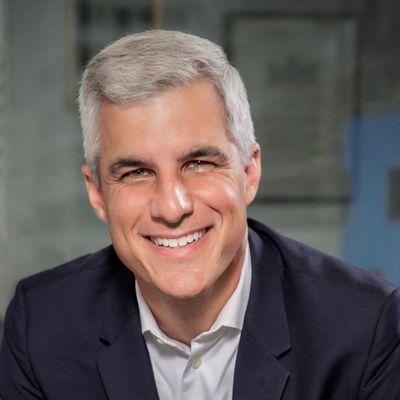
This 2-time Tony winning producer has a 26 year career directly involved with Broadway. As one of the most entrepreneurial people in the creative space, he continues to reinvent himself and how he is involved in Broadway... Read More
From the show: The Theatre Podcast with Alan Seales
Guests
Featured Shows
About
This 2-time Tony winning producer has a 26 year career directly involved with Broadway. As one of the most entrepreneurial people in the creative space, he continues to reinvent himself and how he is involved in Broadway. In 2004, he founded Davenport Theatrical Enterprises (DTE) which allows him to create, produce, and manage. His first ventures as a producer were the three Off-Broadway shows: The Awesome 80s Prom, Altar Boyz, and My First Time, which he also wrote! Davenport's first Broadway credit as a producer was 13, and since then he has produced over a dozen other Broadway shows, including the first Broadway revival of Godspell, the Tony Award-winning Best Musical Kinky Boots, and Deaf West Theatre's Spring Awakening.
Connect with Ken online:
- Twitter: @kendavenport
- Instagram: kendavenportbway
- Rave Theater Festival: http://ravetheaterfestival.com/
Connect with The Theatre Podcast:
- Support us on Patreon: Patreon.com/TheTheatrePodcast
- TikTok: @thetheatrepodcast
- Twitter & Instagram: @theatre_podcast
- Facebook.com/OfficialTheatrePodcast
- TheTheatrePodcast.com
- Alan's personal Instagram: @alanseales
- Jillian's personal Instagram: @jillianhochman
- Email me at feedback@thetheatrepodcast.com. I want to know what you think.
Thank you to our friends Jukebox The Ghost for our intro and outro music. You can find them on Instagram, Twitter, and Facebook @jukeboxtheghost or via the web via jukeboxtheghost.com.
A very special thanks to our patrons who help make this podcast possible!
If you would like to see your name in this show notes or get a shout out on the pod itself, visit ttp.fm/patreon to become a member and show your support!
Transcript
This transcript was automatically generated and might contain errors.
[0:00] Alan Seales: Welcome to another episode of The Theatre Podcast. Intimate, personal conversations with theatre's biggest names. I'm Alan Seales. And I'm Jillian Hockman. I was trying to think of something witty to say and it just didn't come out. I mean, we could have made so many references based on this guest that... I have like 40 filtering through my head right now just based on projects he's done. I'm an altar boy. No, I'm an altar boy. Okay, you're an altar boy. I'm an awesome 80s prom. I'm Ti Moune from Once on this Island. I want to be the goat. Oh, no, you took mine. I was going to be the goat. Okay. Anyway, this is with Ken Davenport this episode, if you haven't already guessed. Producer extraordinaire Ken Davenport, who has done so much in his career.
He's been around, scrolling through my notes here, 26 years. 26 years, he has been... That's how old I am. Goodness. So he's been producing as long as you have been in existence on this planet and has changed the face of everything. He's crowdfunded the production budget and had to set this new conversation with the SEC to get anyone to be able to invest in a Broadway show. What was phenomenal? He had a... What was it? It wasn't... I was going to say a mind reader, not a mind reader. I was talking about... For my first time. Yeah. Oh, what's the name for it? He had in somebody who could basically tell if you were lying and virgins got in free and... Who does that? Who does that? He does that.
That's, as you can tell, I'm really excited about this conversation. We had such a good chat. He started out on stage, which led him to get to start doing work behind the stage or behind the scenes, and started out as a production assistant and just worked his way up doing general management and into producing. And God, this guy's had a huge career. But he thinks outside the box all the time and doesn't take no for an answer. It's like if it's never been done, that's more of a challenge to him.
[2:06] Jillian Hockman: Yeah, that's really cool. I just like that so many things that I loved growing up in these different theater experiences that were really important to me. That was him. I loved Alter Boys when it first came out. Something else I really loved is he produced a documentary for a band I'm friends with, Red Wanting Blue, which blew my mind. I was like, wait, you know them too? All these different things, he just does it. And that is really cool.
[2:33] Alan Seales: Yeah, he's really cool. So obviously, we'll try to keep this short. Before we get into this episode, please take a moment and give us a rating on whatever application you are using to listen to the podcast right now. Please just share with one friend, just one friend. That's all we ask. And then that's two if you got them. You can visit us online at ttp.fm. And you can go to ttp.fm slash Patreon to show your support various levels get you various rewards. And a couple people have shown their support at a tier that gets them a shout out in this reflection, namely now still my brother, Paul, and now my dad. Thanks, David. Thanks, Seals Boys. My family is helping us get these episodes transcribed here.
So everybody, please enjoy this episode with producer extraordinaire Ken Davenport. This two-time Tony winning producer has a 26 year career directly involved with Broadway. As one of the most entrepreneurial people in the creative space, he continues to reinvent himself and how he is involved in the Broadway space itself. In 2004, he founded Davenport Theatrical Enterprises, otherwise known as DTE, which allows him to create, produce and manage his first venture as a producer. We're in three off Broadway shows, The Awesome 80s Prom, Alter Boys, and My First Time, which he also wrote Davenport's first Broadway credit as a producer was 13. And since then, he has produced over a dozen other Broadway shows, including the first Broadway revival of Godspell, the Tony Award winning best musical Kinky Boots and Deaf West Theater's Spring Awakening. Ken Davenport, welcome to the theater podcast.
[3:32] Ken Davenport: Thank you very much. It's great to be here. Now that I finally got through that, that intro. I appreciate that. I was like, what? Man, I'm old. You have done 26 years. You have done so much. But I want to start, I want to start at the beginning because I was reading that you originally wanted to do law. Is that right?
[4:30] Ken Davenport: Well, I'm a child of the 80s. So if you grew up at a small private prep school like I did in central New England, Sturbridge, Massachusetts, you watched a lot of LA law. So all that you wanted to do was be one of those nasty people like Arnie Becker and like defend really bad people. So I grew up and you know, you also wanted to be Alex P. Keaton a little bit on Family Ties. So yeah, I grew up wanting to be a lawyer. I had gotten into the theater when I was five, got too cool for it when I was about 12. Thought I was going to play for the Boston Red Sox and the Boston Celtics simultaneously, like I was going to be that kid. Then I thought I was going to go and be a lawyer like all my other friends at my high school.
And then I quit my basketball team in like a scene right out of high school musical. Like literally I was like on the court, I got hit in a place where guys don't like to get hit with the ball and I kind of doubled over. My coach called me a wimp and I was like, you know what? That's it. I quit. Really? And I'm going to do the musical. And I marched off the court and I auditioned for Anything Goes. The next day I got the lead and that's it. My life was forever changed.
[5:44] Alan Seales: That's incredible. I wish that at that time people had cell phones. That would have been like this viral sensation.
[5:48] Ken Davenport: I'm so glad they did not because I think back and what a dramatic teenager I was, although I'm glad I did it.
[5:53] Alan Seales: That's fun. Okay. So you were in high school. That's when you auditioned for Anything Goes, got bitten by the bug then, or I guess previously you got too cool for it. But what made you interested as a child? Did you have parents that were sort of into that too?
[6:07] Ken Davenport: Yeah. So my parents are the ones that dragged me to my first audition when I was five years old. And now that I'm in the business and I study a lot of research about what gets people into the theater, that's the number one thing that gets people in is parents. So it's a lot of the work that I do is encouraging parents to come to the theater, get involved in the theater and then for bring their kids to the theater. In fact, we're in the middle of this big Broadway boom right now. I think most people know it's like a golden age again. And I could go on and on about all the reasons why, but one of the number one reasons or one of the top reasons why Broadway is booming right now is because of Disney.
And it's because of 26 years ago or so, a group of young kids, eight, nine, 10 years old were brought to their first Broadway musical, Beauty and the Beast by their parents. And now those nine, 10 year old kids are now, they have kids of their own five, six, seven, eight. And since they were, I just had five, six, seven, eight, by the way. And since they were raised on, since they were raised on a tradition in the theater, they're exposing their kids to the theater. So Disney planted a seed 26 years ago that is really now bearing a lot of fruit for all of us.
[7:24] Alan Seales: Was Beauty and the Beast the first Disney theatrical production?
[7:27] Ken Davenport: Yeah, it was.
[7:28] Alan Seales: Wow. Well, yeah, I guess, yeah, that's come full circle now and they're crushing it. I mean, Lion King's now going on what, 15 years, 20 years?
[7:34] Ken Davenport: No, longer than that. It's like 1997 it started actually, because I was the associate company manager of Ragtime across the street and we were like in major competition about who would have the bigger gross. We lost. We lost.
[7:38] Alan Seales: Yeah. I know Frozen doesn't look like it's going anywhere.
[7:57] Ken Davenport: Actually, I'll tell you a very little dirty secret about Lion King and Ragtime at the time, because for you listeners who don't know the story, it was produced, Ragtime was produced by Livent, very famously a company that went bankrupt after and the CEO, Garth Drabinsky, who was a real mentor of mine, actually, I learned a lot of what to do and what not to do, but he went to jail. And we used to wait until we knew what Lion, we had a little mole in the box office at Lion King. We used to know what, find out what they would do on Sunday afternoons at the box office, the final tally for the week. And we would massage our numbers a little bit to make them a little bit better. Yes. Dirty little secret. Revealed here first. I better get off the subject. I'm probably going to get sued. That probably is partially why he went to jail.
[8:53] Alan Seales: Could be. Sounds like it. But then, so you were, you said you were your company manager for Ragtime?
[9:00] Ken Davenport: I was the associate company manager for Ragtime. Yeah, it was one of the three shows I did for them. And we jumped a bit, of course, I did end up going to Johns Hopkins University where I was going to be a lawyer, but did more theater down there than anything else. So I transferred to the Tisch School of the Arts at NYU to pursue a career in the theater as an actor, like most of us do. And it was there that I was introduced to the other side of the business. I did a production assistant position on the 1993 revival of My Fair Lady with Richard Chamberlain, and did everything that, every cliche you could ever imagine, got Richard fresh roasted turkey sandwiches, like off the bone, had all that stuff, walked dogs in a blizzard, and loved every minute of it. That's when I knew that I could do something besides perform, that I'd be very happy just working on the staffs at Broadway shows.
[9:50] Alan Seales: Well, was there a point when you were, when you had a choice, I guess, like a career sort of had a choice to fork, and you're like, I have to either put all my eggs in the acting basket, or I'm just going to be like, okay, I can go do this production side.
[10:02] Ken Davenport: It's a great question, because I think a lot of young people feel that that's the way it is. I must make a choice, like good side of the force or bad side of the force, and like, that's it. And I started to investigate, like I just, you know, there was a cliche in the 80s, just say no. I believe that when it comes to your career, it's about just saying yes. So I said yes to a tremendous number of opportunities, including the production assistant position. I didn't know what it meant. I had to take a semester off from school, which I finagled some credit for, but I just said yes, because I knew it was working around Broadway. So I did that, and then I went back and performed for a little bit, and then I did another PA gig, and then I worked in an office for a while, then I performed, and then I worked for an agent, and I hated that, and I kind of went back and forth.
There is no like, you must go down this path, and that's it, you're done. I really flirted with both sides until eventually I was like, okay, this performing thing, I actually really am bored out of my skull, and the thing I just did, working in a general manager's office, I like that. So when I got my next opportunity, which was to company manage a non-union national tour, not knowing how to company manage a non-union national tour, but a friend of mine said, you'll be fine. I just said yes, and that led me on to a 10-year career as a company manager and general manager for big Broadway shows. Everything again, Ragtime, Showboat, Candide, Jekyll and Hyde, Chicago, Thoroughly Modern Millie, Gypsy with Bernadette, which is where I really learned the business and started to develop my own producing style, which is towards the end of that company management career, I was like, if I was the producer, this is what I would do here, and that's when I knew it was time to step out on my own.
[11:43] Alan Seales: What does a company manager do?
[11:50] Ken Davenport: So I sometimes say that if a running of a Broadway show on a day-to-day basis was like a relay race, the company manager starts the race off in the morning and then hands the baton over at 7:30 to the stage manager. So we take care of the administrative side, everything from payroll to negotiations with actors, agents to contract, like all the administrative side. And then we would go to the theater, literally, that's a company manager's job, go to the theater, check in with the actors, how's everybody doing? Stage manager, you good? Great, you take it from here, I'm going to settle up with the box office, collect all the money and count it, make sure it's still there and that no one's massaging it like we did at Ragtime, and then go home. So it's kind of, again, the business side of it. You're a producer's foot soldier, if you will.
[12:36] Alan Seales: Interesting. So what time would your day start? Are you working like 9 a.m. normal hours and then you're there at the theater till 11 p.m.? Do you go home? Do you sleep? What happens?
[12:46] Ken Davenport: Actually, company management hours are like the best hours on the planet. I sometimes am like, well, if this producing thing doesn't work out, I'd be happy to go back to company management, because you showed up to work at like 12 or 12:30 and you were done at like 9. Now, it's a long day and you also have to work six days a week, Saturdays and Sundays. So it's a lot of hours, but there's nothing like getting up in double digits. Like when you can wake up at 10 and still make it to work on time and do some errands beforehand, you've got a pretty good gig.
[13:15] Alan Seales: So it sounds like either company management or tech, that's where you can just come to work at noon and nobody cares. That's really cool. And so you were doing all this, you said you did 10 years of company management and then decided to start. Is that when you started the Davenport production company?
[13:31] Ken Davenport: Well, I quickly realized that I wanted to create and produce my own shows. So while I was company managing, I would go home at nine o'clock and get home and then I would like sit in front of my computer and try to figure out like, what am I going to do? What rights can I get? What can I create with my friends? And that was happening while I was company managing. And then one of the shows and one of the ideas that I had started, two of them actually at the same time, started to simmer to a boil on the stove. And when Gypsy closed, I decided to step out on my own for a little bit and give those shows a shot.
[14:12] Alan Seales: And is that when DTE was formally created? And was Alterboys your first?
[14:19] Ken Davenport: It was Alterboys and The Awesome 80s Prom. We're like two horses right out of the gate jockeying for first position about which one was going to take off. And I had just flipped the switch to turn The Awesome 80s Prom officially off-Broadway while Alterboys was in the New York Musical Theatre Festival.
[14:35] Ken Davenport: It's the very first season, which I just wrote about on the blog this morning. So yeah, they were both happening at once, and I didn't know what I was doing. I was just like running from Webster Hall downtown up to the Puerto Rican Traveling Theatre uptown trying to figure it all out. And happily, after a period of time, both of those shows took off. Yeah. Oh man, Mike Maloney and Michael Berra, two old friends of mine. Yeah, I used to go to Webster Hall and watch them all the time. Yeah, I love Awesome 80s Prom. I was there, one of your loyal patrons. That was good.
[15:08] Alan Seales: So you've got a lot of innovative ideas, and your projects are different. The ideas that you do in the industry are different. Why are you not pigeonholing yourself? For lack of a better term, I mean, why decide to have a board game and doing the TV and film and everything? You're branching so far beyond just producing Broadway shows, and then we'll get into this in a second, but you're also starting your own festival. Why do all of this stuff? Again, do you sleep?
[15:39] Ken Davenport: I wish, sometimes I wish I could turn these things away from me. When I have an idea, I have to do it. If I think it's a good idea. I have a bit of entrepreneurial ADD, which is not necessarily the best thing. I get an idea, and I'm like, oh, that's really good. I want to see that executed. I want to see what happens. So I just do them. I mean, the board game is the best example of that. So my now-wife, then-girlfriend, comes home from a party, and I said, oh, you guys have fun? And she said, yeah. I said, what did you do? She said, we played Apples to Apples. And she was with a bunch of 20-something theater kids. And I was like, what is a bunch of 20-something musical theater fans doing playing Apples to Apples and not playing a theater game?
And then I went, oh, wait, there are no theater games. There should be a theater game. And I remember the moment. It was literally one of those shower moments where I was like, there should be a Broadway board game. Duh. And I scratched on my, not scratched, but wrote in the fog of my glass shower door, be a Broadway star. And I was like, we got to figure this out. So we built a board game. And I had never done that before. Literally, the first people were like, how did you do that? And I'll say, you know how? I googled, how do you build a board game and figured it out. I mean, that's the thing I think that I've learned of all the ideas that I've had and the things that I've done from crowdfunding Godspell to the board game, yes, to building an app.
We had an app for TKTS that was in Entertainment Weekly's must list that we just say, okay, it's not brain surgery. No one's going to live or die by this idea. Let's just figure it out and do it. And we do it. So yeah, I've done a lot of different things. I learned from every single one of them. I've done a lot of things that haven't worked as well. I think people don't know about a lot of those. But I'm trying to focus a little bit more. We're trying to do a little bit less and make sure we concentrate as much time and energy on the things that we really do want to do.
[17:34] Alan Seales: Who's we?
[17:35] Ken Davenport: We is my staff. I mean, I can't do this all by myself as much as I sometimes think I can. I'm very lucky to be surrounded by an incredible group of people that, actually, I said before that you should just say yes. I have a thing. My employees are all just say yes people. In other words, they're not yes men and women. But when I come out of my office and say, I've got an idea, and I've got that crazy look in my eye. Y'all go running for the bathrooms. Well, so a lot of people would. And this is how I separate people that work for me and people that don't. But sometimes they look at me and their eyes kind of roll back or glaze over. And actually, the festival, the theater festival that we have coming up is one of those.
They all were like, I could see in their eyes, like, he's lost it. Is he crazy? But they take a moment. And then they go, OK. All right. Let's figure it out. Again, no one's going to live or die, but what we do. And actually, in the case of the festival, which is a monster undertaking, huge financial undertaking, we don't even know. We're making this stuff up as we go. But we said, we're going to do it because it's going to give 20 productions, 20 plus writers a chance to be seen in this city. And that's what I'm all about. So we're doing it.
[18:55] Alan Seales: Well, tell me about the festival.
[18:57] Ken Davenport: It's called the Rave Theater Festival. And this is the first year of it, yeah? This is the inaugural season. Yes. And hopefully, there will be another one. I won't be able to tell you that until after this one is over. August 9th through 25th. What's the website for that real quick? Give that a plug.
[19:12] Ken Davenport: It is ravetheaterfestivaler.com. OK, cool. So tell me about that. Did you take submissions? Who's the target, I guess? Who's in it?
[19:23] Ken Davenport: So it's an entirely eclectic group of writers who wanted a very diverse group and a very diverse group of shows. We have a teenager who's written a musical. We have a theater company from Ireland coming over. We have a group from Australia. There's a dance musical. There's an immersive musical. There's all sorts of stuff. So it's not just New York-based people?
[19:45] Ken Davenport: No. Wow. That's why we called it Rave. We wanted it to feel a little bit more experiential. So there will not be illegal drugs served. It's not that kind of rave. But it's going to be a little different, a little unique, and something in it for everyone. Well, you could hold it next year in Colorado where psilocybin is now legal. So, you know, whatever. Just putting that out there. Did you take submissions? How did you collect all these people? Did you reach out to them?
[20:10] Ken Davenport: Yeah. We just said, hey, we're going to do this and submit. So tons of people submitted from the blog and the podcast and some of the other things that I do, some of the workshops and things that I do. I certainly have known that there's a lot of people out there that have shows that have scripts. And often for these people, they just need a place to do that. The interesting thing is the thought, for those of you out there who have a script or an idea or something you've always wanted to produce, I'm sure this has gone through your mind. Like, I don't know how to do that. It's on a piece of paper or it's in my head. I don't know how to do that. And often what they just need is a little like, we've got a space for you.
Fill it. And all of a sudden, it's that much easier. So really, that's what we're about. We're saying, we've got a theater. We've rented this theater. We're going to take that risk. We're going to market it for you. Come and do your show and let's see what happens. Because nothing can happen to a show when it's just in a script form. Plays and musicals were not meant to be read. They were meant to be seen and heard. So festivals are the best ways to give people a shot and new writers a shot. And actually, Alterboys would not be the success that it was in one of my first shows and that it is if it wasn't for the French Festival. Because it's where I found Kevin DeLaguila, who ended up writing the book for that and making it work. Because a lot of us had tried to make it work and we couldn't. And I saw Kevin's show at the festival and I said, this is the guy to do it.
[21:47] Alan Seales: It sounds like you've made your success around building a team of successful people. And correct me if I'm wrong, but you're the ideas guy and you're saying, okay, we need to do this. Here are steps A, B, and C, but how to get between the steps, you don't know yet. And you're not afraid of that, but you can't do it alone.
[22:01] Ken Davenport: Yeah. So I have a podcast as well. And the most commonly uttered phrase on my podcast from all of the A-listers that I have on and all the Tony winners and Pulitzer Prize winners has been, I didn't know what I was doing. I didn't know how to do it, but they did it anyway. And I really do believe this is what separates truly successful people from people that are not, is that ability to go like, I don't know what the F to do next, but I'm going to do something. And that ends up moving you forward. And even if it doesn't get you to exactly where you want to be at that point, eventually it will if you just keep doing it and keep doing it long enough. Is there something that stands out in your mind as, like, what was your biggest undertaking? What was your biggest, holy shit, I don't know what I'm doing, but I'm going to do it anyway?
[22:49] Ken Davenport: First of all, I'm glad to know I can swear now because I was saying F and all this stuff, because now I'm going to fucking swear. So you beep that out or you get the explicit on iTunes or whatever. Anyway, so I've had a number of them. I mean, every show I do has a, oh my God, I can't believe I'm going to do this. And that's what makes my job exciting and scary and feels like I'm on a rollercoaster. But that's also what helps, I think, make some of my shows certainly stand out. So the first, you know, launching the Awesome 80s Prom, like I did, I was doing it at a nightclub. Certainly crowdfunding Godspell was a massive undertaking that I didn't have any idea what I was doing, which was raising $5 million from over 700 investors for as little as $1,000 per person.
That was an amazing legal undertaking, just a logistical undertaking. It had never been done before. One of those things that was scary. I got calls from the SEC threatening to shut me down at one point. I mean, oh yeah, there were some scary moments. Why? We got a lot of press and the SEC was not ready for that kind of attention. So they said, wait a minute, we didn't know that this was going to be this big. We need to talk about this. Even though they had seen and approved everything, we had to go through another set of regulation after the fact, after we had launched.
[24:17] Alan Seales: Wait, wait, wait, wait, wait. Okay. So is the SEC normally involved when you're putting together a show in the first place?
[24:23] Ken Davenport: No, not. This was very different and unique because it was Godspell, because we were crowdfunding it. So this is, again, something that had never been done before. And to do it in the way that I did it with small investments and from what we call accredited or unaccredited investors in several states around the country, I needed specific approvals that required a little bit more oversight.
[24:44] Alan Seales: How did you know you needed those approvals? I would have just been like, I'm going to put some show on and give me a bunch of money, a bunch of people. How did you know this?
[24:51] Ken Davenport: Well, when you're raising money for a commercial enterprise, you always have some sort of regulation and legal documentation and attorneys, et cetera. I knew I needed more. But the interesting thing is what I said to my lawyers, what I wanted to do, they told me, must be 17 times. You can't do it. You can't do it. You can't do it. I've heard that many, many times in my career. And it was some late night Googling. I remember exactly where I was when I was like, wait a minute, what about this regulation? I brought it in the next day. We talked about it. We figured it out. I mean, I've done a lot of these types of things. I brought a goat to the Tony Awards last year. Deaf West Spring Awakening, we moved in 83 days from Los Angeles to Broadway. My very first promotion, for my first time, I let virgins get in free to the very first show, which went crazy on the press. And one thing that all these—
[25:44] Alan Seales: How did you prove that?
[25:44] Ken Davenport: I'm so glad you asked because that actually was what got the promotion so much attention. I hired a PhD in nonverbal communication, a mentalist, a human mind reader to stand at the front of the line, ask a bunch of questions that analyze handwriting and determine if people are lying or not.
[26:02] Alan Seales: No shit.
[26:02] Ken Davenport: Yes. Wait, wait, wait. You can tell if I'm a virgin by how I sign my name?
[26:08] Ken Davenport: We could tell if you were lying or not when asked a series of questions, just like a lie detector test. But this is a, it's like a, someone that was, worked with the FBI, with Sesame Street, they could really understand body language and all these things.
[26:22] Alan Seales: Wow.
[26:22] Ken Davenport: Yeah. That promotion actually got a mention on the Tonight Show with Jay Leno, was on the homepage of CNN. And I was actually featured in one of the first iPhone commercials talking about my first time. And I'm convinced that one of the reasons Steve Jobs said, yeah, that guy was because I think deep somewhere in his mind, he had heard about this promotion somewhere.
[26:42] Alan Seales: That's crazy. Well, okay. So what were we talking about? Oh, what were we talking about?
[26:48] Ken Davenport: Yeah. See, now you know what it's like to be me, this entrepreneurial ADD, I'm like all over the place. We just, you've done so many interesting things in interesting ways. God, I remember the goat, did not know about the virgin thing. You were saying that you do things differently when you're told you can't do them. That's what you're talking about.
[27:08] Ken Davenport: Yeah. Every single one of those things, a whole group of people, multiple people told me you can't do it. You can't do it. You can't do it. And it would have been very easy for me to say, okay, I can't do it. But when I want to see something executed, this is the stubborn part of me. Maybe it's the only child in me. I just want to see it done. So you do it. And again, it's this feeling of no one is going to live or die by what I'm doing. My father's a doctor. I chose not to go into his profession for a reason. I wanted to make people happy and entertain people. And I always say, if we're not having fun creating some of these crazy ideas, the goat, all that stuff, then how do we expect an audience to have a good time as well?
[27:49] Alan Seales: Yeah. That's a damn good point. Okay. Okay. For all of the projects that you are doing though, so we've talked about the board game. You mentioned your podcast, but it's called The Producer's Perspective, but it started out as a blog much earlier, right? Or did they launch at the same time?
[28:09] Ken Davenport: No. The blog is actually 11 years old now. In 2008, right?
[28:12] Ken Davenport: Yeah. It's been a long time, right after actually the iPhone commercial came out or right before I started it. It was just the beginning of blogging, really. I was one of the first theater bloggers out there.
[28:23] Alan Seales: And podcasts. In 2005, Apple had the iPod, hence where the name podcast came from. They coined that term, little known fact for those who didn't know. Yeah. So why start Producer's Perspective? What was the point of sharing that?
[28:38] Ken Davenport: Well, I have a lot of ideas and I like to get them out and purge them. And the other thing was, I remember what it was like in 2000, when I was just starting out. And I felt very, one, as an entrepreneur, I call them.
[29:10] Ken Davenport: So I said to myself, one day, when I make it, not if, when I make it, I will make a vow to get this information out there in any way, shape or fashion that I can. And that's what I do. So I started this blog to talk about what I do every day. And I can't tell you how many people told me to stop. Some pretty big heavyweights in this industry said, stop blogging, don't share your secrets. We're a very insular industry. We don't want to invite people in. And I had a feeling that the era of transparency and lifting the curtain on businesses and in the corporate world was coming. And I said, I'm going to lift the veil on Broadway because I have this belief that there are thousands upon thousands upon thousands of people that would love to get more involved in Broadway, whether that's invest, whether that's see more theatre, produce, act, whatever it is, but they just need to know how.
And if I can write a blog that gets a few more people interested in the theatre, then that's better for the theatre. Because I believe, I firmly believe the world is a better place if there's more theatre in it. So if I can encourage people to get more involved in the theatre, maybe they'll make more theatre, support more theatre, and that's just good for all of us. Very, very much.
[30:26] Alan Seales: And then so where did the idea come then to turn it into a podcast? Because you're blogging, you don't have guests on the blog, but then the podcast, where did that come from?
[30:30] Ken Davenport: Well, I got a couple emails from people saying, Ken, we love hearing your perspective. We wouldn't mind hearing someone else's for a while. So that combined with me wanting to learn from all these amazing people. I mean, the interesting thing about the industry is we rarely talk about how people got where they are. We see each other for lunch. We see each other to ask for money. We see, you know, it's that typical thing. But we don't sit down and go like, how did you get here? And what do you believe in terms of what the theatre should do? And how do you make a show? And like, I wanted to learn more from these people. So I did that. And again, I had a sense that just like with blogging, I'm a pretty good trendspotter.
And I knew that this was coming. And the podcast revolution, which you're a part of, was coming in that there would be a whole new way to get a whole new generation and a group of people that don't read blogs interested in the theatre. So now we have like 200 episodes.
[31:30] Alan Seales: Yeah, you've got a lot. A lot of episodes, a lot of great names. And I agree. Yeah, the podcast revolution here is upon us. There's another tech boom in the podcast world here.
[31:36] Ken Davenport: So I think though some companies, I don't know, Luminary, of course, Gimlet was bought by Spotify. There are so many companies out there. And I'm really anxious to see where this goes.
[31:50] Alan Seales: I'm sure you are.
[31:59] Ken Davenport: And then we talked about the board game. You've produced TV and film, yeah?
[32:04] Ken Davenport: I've explored some TV and film in terms of independent projects. So here's my thing. If I get an idea, I do it regardless of where it should go. So I've gotten a few ideas, like a board game, right? I've never created a board game before. I was talking to a band once, and I was like, your story is amazing. I want to tell it. How do I tell it? It doesn't feel like it's right for a musical or play. I'll do a documentary about you. So I shot this documentary about this band called Red Wanting Blue, one of the top unsigned bands in Ohio. And then the other one was I had this idea for a pilot. And I was like, I don't know, it just felt like television more than anything. It felt like Reno 9-1-1. And this show called the Bunny, sorry, Cat House. Cat House meets Reno 9-1-1. I developed this little concept.
[33:00] Alan Seales: Cat House about the gentleman's club in Vegas?
[33:00] Ken Davenport: Yes, exactly. And I wanted to do a mockumentary in the style of Reno 9-1-1 about that. So I got a group of actors together, many of the actors I'd worked with over many different projects, including The Awesome 80s Prom and getting the band back together. And we created this thing. And it went on to win a bunch of film festival awards and all sorts of stuff. So that's the thing. I don't try to say, oh, I'm just a person that does only this. I'm only in this lane. When I get an idea that I feel is better for another lane or another medium, I do that.
[33:35] Alan Seales: So, okay. So then the documentary, talk to me about documentaries for a second, because as a producer, as someone who at the end of the day still has bills to pay, are you doing documentaries? Are you doing these things? I mean, the idea hopefully is to make a little bit of money off of them so you can pay your bills. But documentaries, why do Red Wanting Blue, why do that documentary when you win festivals, then what happens? Like, is the idea to get more attention on other projects? Do you ever do things, I guess, is my question, that you know will not have a big return on your investment?
[34:11] Ken Davenport: I actually do things primarily that I love. That's such a generic answer. I will say that I do things that I want to see. And I do believe that my tastes are aligned with what a Broadway audience wants to see a lot of the times. You're never going to get them all right. And timing is a big factor in it. But that's what I do. I do shows that I want to see. You can never do a show or a project of any kind because you think this is going to make a lot of money. Every time you do that, you won't make any money. And I know that because I've done that a couple of times. I've been like, oh, I will do this thing because this thing will make money. And it literally is the opposite because you don't come at it from the right perspective.
[35:02] Ken Davenport: And the CEO of Twitter, when Twitter was founded, came out and they asked him what his business plan was. He said, I can tell you right now that I have a staff of 19 and not one of them are figuring out how to make money on Twitter. We're just trying to provide the best experience possible. I have a quote on my Instagram right now. I put that right now from this guy that's invented this flying board. And he said, and he's like all the rage right now because he's literally flying on this contraption. And he said, you can't chase things for fame or for money. You have to just have a great idea and want to go at it 101 percent regardless. And ironically, I should say coincidentally or not coincidentally, he's getting fame and money right now.
He's getting the exact thing that he said he wasn't chasing because it was just a pure objective. So that's what I do. And then you hope it comes. You just hope it comes because you're doing something that you love. And that's the principle that I follow.
[36:01] Alan Seales: That's good. And I want to talk about getting the band back together for a second. Speaking of things that didn't quite do so well.
[36:07] Ken Davenport: I don't know what you mean. So that was based on sort of your own personal past, right? Like you had a band and right. I remember I went to a show and you were on stage and you gave the introduction about why you brought the show to the Broadway stage. And so that was obviously a bit of a passion project, something that you loved. Do you take it personally? Is it something that is internalized when something like that just kind of doesn't take off like you hoped it would?
[36:35] Ken Davenport: Well, look, and that show specifically was actually created with a whole group of people in a room. We improvised it to life. And yeah, it wasn't as inspired by my true story as that introduction may have made it sound. That was a bit scripted in order to pick out an audience member that came back at the end of the show. If you remember, that was the whole point of that introduction was just to find get a little audience interaction. I try to incorporate a little of reality or breaking the fourth wall in every single show I do. So getting the band back together at the end of the show, that guy that was referenced at the beginning comes back and is living out his best life and his dreams on a Broadway stage.
Once on this island, we have a goat, we have fire, water, wind that the audience feels. The awesome 80s prom was reality and interactive all around you. My first time you filled out a survey about your own first sexual experiences that we interpolated into the show and projected data onto the screens above. So every show I do has this blending of the audience and the company on stage. So that and getting the band back together was an example of that. So look, I'm human. So when things don't work, of course, you're like, that hurts. I mean, I'm an artist. It hurts when you're a business person too. Like, yeah, no one wants things to not work. But I will tell you this, I can always find good or something positive out of every single thing that doesn't work.
Amazing things have happened because of getting the band back together. And I've met amazing people and all these things. We learned a lot. And so much of things not working on Broadway, especially, is beyond your control, right? This is the most cluttered and competitive market there is for live entertainment. And getting the band back together, a totally original musical not based on any brand or IP in an era where Pretty Woman is down the block and Spongebob is up the block. How do you compete with that?
[39:13] Ken Davenport: Actually, there are books been written about how it's almost impossible to compete with that. And certainly, when I started working on getting the band back together, Broadway was a different place. It wasn't so dependent on brands. It just took a long time for us to get here. But yeah, it hurts. But I also know, you know what? Someday I'm going to produce a show and I'm going to be like, oh, that one didn't come out like I thought. Huh, I wish it were better. And it'll probably make a zillion dollars. Like, you just can't ever tell how things are going to work sometimes with timing and critics and all of it. So you just keep doing stuff. Like that's my mission. I'm just not trying to try to put those blinders on, keep doing the stuff I love, be really passionate about it, stay true to my beliefs, and the rest will take care of itself.
[39:36] Alan Seales: What do you feel about the current Broadway situation? Like right now, this August, every other show is closing right now. What's happening right now this summer?
[39:41] Ken Davenport: So I just wrote a blog about this, actually, because I am predicting what I'm calling a market correction coming in the next 12 months. And this is based on a blog I wrote a year ago, no, sorry, about four or five years ago, doing the same thing, where I studied. You know, I do a lot of research. And this is the thing about me is that I go with my gut most of the time, but my gut also is based on some data and research that I tend to do. And we determined that there's a pullback in Broadway business every 3.67 years. And that pullback is usually tied to three things, three very specific things. Presidential election, everyone knows that. Here's one you may not know, but makes sense, the Summer Olympics.
[40:28] Alan Seales: What?
[40:29] Ken Davenport: And the Summer Olympics are coming up in 2020. But think about it, it makes perfect sense. Summer Olympics are the main events, the big ones are all at night, regardless of where they are in the world, they show them in prime time every single night at eight o'clock.
[40:43] Alan Seales: Right.
[40:44] Ken Davenport: So no matter where you are, you're going to want to watch some of that, the gymnastics, swimming, all this stuff, right? So that sucks a lot of air. And everyone's talking about the Summer Olympics, and it has an effect on business, I believe. And the third one is just crazy. It also happens to coincide these corrections with a leap year. 2020 happens to be a leap year. So I'm predicting it again. And literally, I sent this blog out, I had noticed the beginning of the crumbling in the environment here a bit, when I saw a couple of Broadway shows announced closing. But for me, it was three off-Broadway shows that announced that got me very concerned. Musical, Puffs, and Avenue Q. These are three very, very long-running off-Broadway shows. And when a long-running show closes, and you go, wow, they made it through a lot of dips over the past 10 years, something must be really different if they think they can't get out of this one.
[41:41] Ken Davenport: So when those three shows, because the smaller shows always go quickly, and then, as the analogy I use, the flood kind of rises, the water rises and starts to hit the shows higher up on the hill, and all of a sudden, Broadway shows start to announce. And then we had two more, like, in the last seven days. So I wrote an update on that blog. So we're going to see a little pullback here. But listen, it's okay. We kind of have to see it. We've had a massive rise, and every business needs a little pullback and correction to stabilize itself.
[42:05] Alan Seales: What's going to correct, though, from a business perspective? Are you thinking, like, right now there's just too much being produced, and it needs to reset?
[42:19] Ken Davenport: There's a lot of product on the street right now, a lot of product. And the good news is we have been spiking attendance. For a while, there was a lot of product, and attendance was not going up, which means audiences were just diffusing over the same number of shows. That's not good for profitability, right? Because here's the interesting thing that not a lot of people talk about. Broadway every year, booming, grosses, up, record year, record year, record year. The number of shows recouping their investment has not changed in decades. We are still about that 20% to 25%. So, oh, my God, look at all the money coming in. But it's not being returned in greater amounts. More shows aren't profitable.
[43:05] Alan Seales: Because they're spending more, or the theater rents are higher?
[43:09] Ken Davenport: All expenses are up. All expenses are up. We're a very labor-intensive industry, and we have to be. So, expenses rise. So, yeah, this money is not all of a sudden going into more shows' pockets, which I think is unfortunate. I wish we could get that 20% to 25% up to 30%, 35%. We're never going to be a low-risk industry. We actually never should. The moment we're a safe industry, you'll see nothing but boring, boring, cookie-cutter shows. So, I like the risk because that's how you get riskier ventures. But I'd like to see the profitability.
[43:45] Alan Seales: Welcome back to The Theatre Podcast. I'm your host, Alan Seales, and today we have a very special guest, Ken Davenport, a Tony-winning producer, writer, and theatre entrepreneur.
[44:15] Ken Davenport: Thanks for having me, Alan. It's great to be here.
[44:35] Alan Seales: You have such an impressive career in theatre. Can you tell us a bit about how you got started?
[44:55] Ken Davenport: Absolutely! I started off in the theatre world at a young age, and I was always drawn to the creative side of things. I began writing and producing shows, and eventually, I founded Davenport Theatrical Enterprises in 2004.
[45:15] Alan Seales: That's incredible! What was your first big project as a producer?
[45:35] Ken Davenport: My first major project was actually three Off-Broadway shows: The Awesome 80s Prom, Altar Boyz, and My First Time, which I also wrote. Those experiences really shaped my understanding of the industry.
[45:55] Alan Seales: And then you made the leap to Broadway. What was that transition like?
[46:15] Ken Davenport: It was a big step, but I was ready for the challenge. My first Broadway credit as a producer was the musical 13, and from there, I just kept pushing forward.
[46:35] Alan Seales: You've produced some amazing shows since then, including Kinky Boots and the revival of Godspell. What do you look for in a project?
[46:55] Ken Davenport: I look for stories that resonate with people and have the potential to connect emotionally. It's all about finding that unique voice and perspective that can be shared with an audience.
[47:15] Alan Seales: Speaking of connection, how do you manage the stress and anxiety that comes with producing?
[47:45] Ken Davenport: It's definitely a challenge. I try to stay grounded by focusing on the creative process and surrounding myself with a supportive team. It's important to remember why we do this in the first place.
[48:05] Alan Seales: That's a great perspective. Can you share a moment in your career that really stands out to you?
[48:25] Ken Davenport: One moment that stands out was when Kinky Boots won the Tony Award for Best Musical. It was a culmination of so much hard work and passion from everyone involved.
[48:45] Alan Seales: What do you think makes Kinky Boots resonate with audiences?
[49:05] Ken Davenport: I think it's the message of acceptance and the celebration of individuality. Those themes are universal and really speak to people.
[49:25] Alan Seales: You've also been involved with Deaf West Theatre's Spring Awakening. What was that experience like?
[49:45] Ken Davenport: It was an incredible experience. The way they incorporated sign language into the production added a whole new layer of depth to the story. It was a beautiful collaboration.
[50:05] Alan Seales: As someone who's been in the industry for over two decades, how do you see the future of Broadway evolving?
[50:25] Ken Davenport: I think we're going to see more diverse stories and voices being represented. The industry is changing, and it's exciting to see new talent emerging.
[50:45] Alan Seales: What advice would you give to aspiring producers and writers?
[51:05] Ken Davenport: My advice would be to stay true to your vision and never stop learning. The more you know about the industry, the better equipped you'll be to navigate it.
[51:35] Alan Seales: That's fantastic advice. Thank you so much for sharing your insights with us today, Ken.
[52:05] Ken Davenport: Thank you for having me, Alan. It's been a pleasure.
[52:35] Alan Seales: And to our listeners, be sure to check out Ken's work and follow him on social media. We'll see you next time on The Theatre Podcast!
© Broadway Podcast Network, All Rights Reserved