

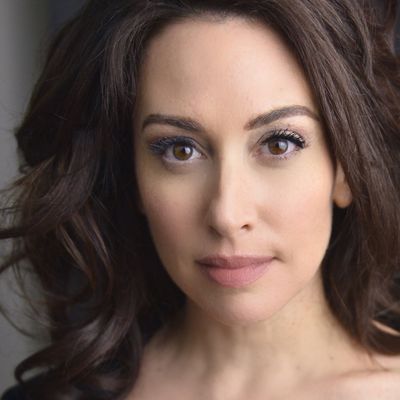
Lesli Margherita is an Olivier Award winning actress who made her Broadway debut in Matilda in 2013 after a successful run on the West End in Zorro, which earned her the award. She was recently in Dames at Sea here on Broadway, but made her first big splash in the entertainment scene in 1997 in the TV show Fame LA... Read More
From the show: The Theatre Podcast with Alan Seales
Guests
Featured Shows
About
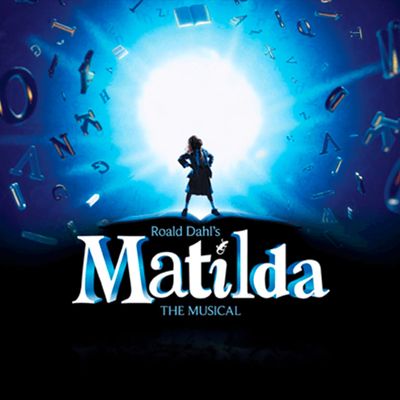
Lesli Margherita is an Olivier Award winning actress who made her Broadway debut in Matilda in 2013 after a successful run on the West End in Zorro, which earned her the award. She was recently in Dames at Sea here on Broadway, but made her first big splash in the entertainment scene in 1997 in the TV show Fame LA. and is about to open Emojiland off-broadway as The Princess.
From the immediate career high to the emotional lows that came from being cast on Fame LA, this episode covers a range of topics and feelings. Did you know Lesli almost became an ice dancer? Did you know she loves all things Disney and Star Wars? We discuss body shaming, therapy, how it's hard for comedic women to be seen for anything but comedic, why it's harder for women in general on the Broadway stage, and much more.
And in case you're wondering, yes, Lesli Margherita is her real name... not a stage name, nor a porn name!
The "really weird looking dog" tweet can be found here.
Interview content begins at 2:24.
Closing standards begin at 54:00.
Connect with Lesli:
- IG: @queenlesli
- Twitter: @queenlesli
Connect with The Theatre Podcast:
- Support us on Patreon: Patreon.com/TheTheatrePodcast
- Twitter & Instagram: @theatre_podcast
- Facebook.com/OfficialTheatre
- PodcastTheTheatrePodcast.com
- Alan's personal Instagram: @alanseales
- Email me at feedback@thetheatrepodcast.com. I want to know what you think.
Thank you to our friends Jukebox The Ghost for our intro and outro music. You can find them on Instagram, Twitter, and Facebook @jukeboxtheghost or via the web via jukeboxtheghost.com.
A very special thanks to our patrons who help make this podcast possible!
Cheryl Hodges-Selden, Paul Seales, David Seales
If you would like to see your name in this show notes or get a shout out on the pod itself, visit ttp.fm/patreon to become a member and show your support!
Transcript
This transcript was automatically generated and might contain errors.
[0:00] Alan Seales: Welcome to The Theatre Podcast, intimate personal conversations with theatre's biggest names.
[0:10] Alan Seales: I'm your host, Alan Seales, and this interview today is with Lesli Margherita, who is a great example of someone constantly working who doesn't necessarily need to spend all their time in New York City, especially on Broadway. She's from the West Coast, kind of prefers the West Coast, skipped over New York to make a West End debut, which earned her an Olivier Award, and then came to Broadway. So, just kind of all over the place and always working. We get into this a little bit in the interview, but she has this love for ice dancing. She has this little hidden talent of building on her young life as almost a professional ice skater, I guess, and now is doing ice dancing. She needs something as a hobby, as like this mental respite that has nothing to do with her industry, and gosh, her eyes light up when she talks about it.
And of course, we talk about performing and theatre, but this episode, it gets into mental health a lot. She had a really hard time after her big break at the age of 18 or 19, I think she said, where she got on Fame LA. She was literally a teenager thrust into the spotlight, national TV, and then after that, it was just kind of like, oh, my career isn't laid out for me, and I'm not being treated like I thought I would be now. And she kind of went to a dark place, and we get into that especially. It was a really, really great conversation. So, Lesli, if you're listening, thank you for your honesty. I really enjoyed it. Before we get into it, though, as always, please visit me at ttp.fm to see everything online, listen to past episodes.
You can also show your support for the podcast via ttp.fm slash Patreon. P-A-T-R-E-O-N. Patrons of a certain level get to get their questions in ahead of time and get them as part of the interview. So, you can actually help shape the conversation a little bit among many, many other tiers of amazing things. So, everybody now, please enjoy this episode with Lesli Margherita. Here you go. One, two, three.
[2:27] Alan Seales: This Olivier Award-winning actress made her Broadway debut in Matilda in 2013 after a successful run on the West End in Zorro, which earned her the aforementioned award. She was recently in Dames at Sea here on Broadway, but made a big splash in the entertainment scene back in 1997 in the TV show Fame LA. Oh, Baby Lesli. About to open Emojiland off Broadway as The Princess. Lesli Margherita, welcome to The Theatre Podcast.
[2:59] Lesli Margherita: Thanks. Oh my gosh, '97. Yeah, that was a long time ago. I was a teen on TV. That was 22 years ago. Yeah, I was like a baby, teenager, crazy.
[3:13] Alan Seales: Were you a teenager at the time?
[3:15] Lesli Margherita: Yeah.
[3:16] Alan Seales: That's crazy. Okay, well, talk to me about Baby Lesli. You grew up in California.
[3:21] Lesli Margherita: I grew up in California. Yeah, Northern California. And I grew up on a cattle ranch. Crazy, I know, right? Grew up on a cattle ranch.
[3:25] Alan Seales: Uh-huh. And like, can you do a lasso?
[3:33] Lesli Margherita: I did. No, I did not. I just did shows with the cows. Yeah.
[3:40] Alan Seales: That sounds like an only child thing to do. Are you an only child?
[3:45] Lesli Margherita: No, I'm the youngest of four, and my three older sisters are much older, so I was clearly a mistake. And so I was kind of an only child, and so I just would like put on shows, because I was always already dancing and stuff at that age. And I started doing musicals at like eight. The touring company of Annie was coming through, and I was like, I'm just gonna go and audition. Then my dad went and got me like the sign-up sheet, and my parents were like, just, you know, there's going to be 500 little girls there. And there were with like ringlets, and I was just in my jeans from the ranch, and I ended up getting one of the orphans. And the rest is history.
[4:25] Alan Seales: Okay. Well, what made you decide to want to audition in the first place?
[4:30] Lesli Margherita: My dance teacher, my ballet teacher, ran like the community theater. So you're already taking dance at that point?
[4:36] Lesli Margherita: And so I was taking dance since I was four, because they thought, now I think it's like ADD, but they didn't know what. I was just hyper. And my mom danced, and so they put me in classes, and I loved it. And then I just hadn't like sung, and I just decided to show up and sang Happy Birthday, and still have the same voice that I did then. Just loud, belting, yeah. Annie voice.
[5:02] Alan Seales: Okay. In the ensemble then, so that was eight, then what was after that? And you continued to dance? Or did you like start to pull in acting as well?
[5:09] Lesli Margherita: But I did community theater. Like, you know, that was kind of like a short gig of local stuff. And then I kept doing community theater. And I played Annie everywhere. I did the big three, Annie, and Dorothy, and Peter Pan, before my boobs.
[5:27] Alan Seales: Oh, you were Peter Pan?
[5:32] Lesli Margherita: I was Peter Pan. Oh, yeah. I was always the lead. I mean, let's be clear. I was always the lead. So sad. And I just kept doing it, and danced. And in high school, was like on my dance team, and still doing theater, and doing like a semi-professional theater. But I really wanted to stay in high school. Like there was a chance, I remember I maybe could have done the Mickey Mouse Club. And so like things would come up, and my mom would be like, you know what, let's just stay in high school, have regular high school. And then I ended up working at theme parks. I sang and danced at Great America, all during high school, which was awesome. And like the best training.
[6:17] Alan Seales: Well, you did Disneyland too, right?
[6:23] Lesli Margherita: Yeah. So my huge goal, one of the reasons why I stayed in California, is I'm a Disney freak. I wanted to do the shows at Disneyland. That was the goal. So before I even went down to LA, I started auditioning for them when I was like 16. And they said when you had a great program, then where they were kind of like keep an eye on you, and kind of like a grooming program. I don't think they do it anymore. And I only wanted to do the shows down there. So I chose UCLA, and I was not a theater major. I did musicals at UCLA, but I wanted to work at Disneyland, so I started doing the shows at Disneyland. And then very soon after I got to school, I booked Fame LA, and then left school, and then I went back later.
[7:08] Alan Seales: You went back and finished?
[7:09] Lesli Margherita: Much later, yeah.
[7:10] Alan Seales: Well, okay. So Fame, you were then 19, 18?
[7:15] Lesli Margherita: Yeah. No, I don't want people to do it. No, don't do the math. But yes, around there.
[7:23] Alan Seales: Well, you said you were in college.
[7:25] Lesli Margherita: Yeah, yeah. I had a manager. It's so funny, I'm rambling, but I had also been cast in the Los Angeles Company of Rent as the Maureen Cover. And I booked Fame LA. I had done a television pilot for Kenny Ortega, who directs High School Musical and does now all the Descendants movies. And I had done a TV pilot for him, and he was the one who was directing the new Fame. And so that's kind of how I got into it. It was a total fluke that I had just never done television, really, that I got this series. And I was like, oh my God, I just booked Rent. And now it was the best choice as a young person that you could have. And then after that, things aren't always that easy.
[8:17] Alan Seales: Well, did you think when you booked it, this is it? Totally. My career is here now.
[8:22] Lesli Margherita: 100%. 100%. We did 22 episodes, and then it was canceled. And nobody watched it, and it was terrible. And I learned a ton on that set. But then right after that, I went back to working at Universal and Disneyland.
[8:38] Alan Seales: Really? Yep. Went right back to it. Did people come and recognize you from the show?
[8:44] Lesli Margherita: No. No? No. No. No. I've talked with some people who are like, well, once you get to like, okay, I've been a principal, and then my show gets canceled, and then you can't go wait tables again, because there's the image you have to maintain.
[8:59] Alan Seales: Sure. That's in your head, though. I mean, and it's difficult. And I always like to talk about this stuff. But there was a big thing last year about the guy that was on The Cosby Show, and someone saw him working at Trader Joe's, and they kind of shamed him. And he was like-
[9:10] Lesli Margherita: Malcolm Jamal Warner? No. No.
[9:15] Alan Seales: Is that? No. Someone else.
[9:18] Lesli Margherita: Bill Cosby?
[9:21] Alan Seales: Working at Trader Joe's. I think because it happened to me at such a young age, I didn't really know. To me, I've always thought work is work is work is work is work. And I loved performing at theme parks. I loved it. It was my best friends, you know what I mean, are still my friends. And I was there with Idina Menzel, and Stephanie Block, and Wayne Brady, and just people that are still my friends that are killing it now. And that was the best job you could have in Los Angeles. You did not have to wait tables. You could go and do a show every day if you were a full-time member, and you had health benefits.
[10:02] Lesli Margherita: Or six shows a day.
[10:03] Alan Seales: Or six shows a day, or 12.
[10:06] Lesli Margherita: I worked at Busch Gardens. I did 10 shows a day in the summer, and it was hell, but I loved it.
[10:11] Alan Seales: Yeah, I loved it. And it really instilled in me a work ethic that is not- I think it's hard to find now. I don't call out of shows. You can always tell it's very old school, but those shows really taught me how to pace myself and get through. And I don't know, it just really- and gave me this sense of community. So I think that's why now I'm like, work is work, wherever you get it. And just because I was on a TV show doesn't mean- and it certainly did not mean I was getting another one anytime soon. I continued to work in TV, but it was sporadic for a while.
[10:50] Alan Seales: You have a lot of credits, though.
[10:51] Lesli Margherita: Yeah. I mean, now, but right after Fame, it was- I expected it to just be like, boom, boom, boom. Now I'm going to be a TV star, and that did not happen at all.
[11:03] Alan Seales: What was part of that reality check? Was it that you were being seen for parts different than what that you felt you were right for? Or was it you weren't being seen at all? Or what was that process?
[11:16] Lesli Margherita: You know, and I talk about this with young performers a lot, and I don't want to get too deep, but that television show, I had such high self-esteem as a teenager. That television show really kind of knocked me for a loop, and I think I had to go through it. I was cast as pretty much the Doris Vinsecker role, the not pretty, not skinny. I was the comedian, the actor who sang and danced, but was not the pretty one on the show. And it really did a number on me, my self-esteem. And I think at that age, you don't really know what you are. And there was no YouTube, there was no- it's a totally different world now. But the years after that was kind of like a finding out who I was by doing regional theater and by doing theme parks and things, because I didn't really know what roles I would play.
I had just been told by this one company that I was not the pretty one and not the one that was going to get all the leads on television. And that's not the case. But I think when you're that young and things happen to you that easily, you're impressionable anyway. So yeah, it was a weird time, but I really found myself through LA theater then, because that's what I did. Besides those theme parks, I did tons of regional theater in Los Angeles and wanted to come to New York. Oh, Broadway was always the dream, just didn't end up happening until so much later.
[12:46] Alan Seales: Right. Yeah. I remember when I was younger, teenager, I mean, I still have bad skin, but I had really bad skin back then. And everyone's like, oh, it's not bad, whatever. But the way that you see yourself is always- I mean, I can say this now as a 29-year-old, as a 39-year-old, as a 19-year-old, whatever, I don't know how old I am. As a 39-year-old, I can look back and say, how you see yourself is way worse than-
[13:03] Lesli Margherita: Totally.
[13:04] Alan Seales: How everybody else sees you.
[13:05] Lesli Margherita: Yeah, yeah.
[13:06] Alan Seales: Now in this business too, you may have been cast- I mean, I can make myself look ugly, I can do an ugly face. I don't think I'm the most attractive person in the world. I am who I am.
[13:12] Lesli Margherita: Right.
[13:13] Alan Seales: That's all you can be.
[13:14] Lesli Margherita: Certain people get opportunities because of how they look. Some people get opportunities because of their talent and their intelligence. And it's all- this whole business is a freaking crapshoot.
[13:22] Lesli Margherita: Oh, it's a total crapshoot. It's all luck. And it just is- you have to have a really thick skin. And I think I luckily came out of it on the other side. I worry about these kids at 17, 18 that have all this stuff happening to them, even the kids on Broadway. I feel very protective of them that they- because I think it's difficult. And Matilda was so great about how they treated the kids, and the kids didn't stage door, and we weren't allowed to talk to them about the show. They couldn't do the stage door.
[14:30] Lesli Margherita: No, because it was such a great thing, because you come out of a show and you're signing autographs, and when that ends, you're just back at school and no one's asking for your autograph. It's a really hard thing to navigate as a kid. And so I loved that. I loved that they did their show. We did not talk to them about show business or our show.
[14:51] Alan Seales: Were you specifically instructed not to?
[14:53] Lesli Margherita: Yes. Talk to them about their day. Just being a normal kid. Because if you tell an eight-year-old, great show tonight. They're going to go, well, what was wrong with my show last night? An eight-year-old, pretty much a lot of people. They will. Most people will. I do, but I'm totally insecure. But as an eight-year-old, I think they were just awesome about that. And I loved that kind of approach to it. And it was very much how I grew up. My parents were like, great, go cheerleading, go ice skating, do other stuff. And that was really important. And I think it has helped, we'll see, in the long run.
[15:33] Alan Seales: Well, I really want to get on the insecurity therapy side of this, because I love that shit. I've been in therapy now for a year and a half, and it didn't come soon enough, obviously. But to make your publicist happy, let's talk about Emojiland for a second. I mean, on Twitter, I always say, theater kids, your auntie Leslie wants you to know, because I feel like there's so much I wish that someone had told me about the poop side of the business. That it's not all...
[15:54] Lesli Margherita: Yeah. Oh, totally. Totally. Emojiland now is opening off-Broadway. So that was... There was a workshop. Nymph, is that called a workshop?
[16:27] Lesli Margherita: No. So it's a nymph report.
[16:29] Alan Seales: It depends. Nymph, which is awesome, New York Musical Theater Festival?
[16:36] Lesli Margherita: No, New York. Yeah, New York Musical Theater Festival. Festival.
[16:39] Lesli Margherita: It's Nymphed.
[16:41] Lesli Margherita: It's Nymphed, is this rad, rad festival every summer. And they're brand new writers and new creators. And sometimes there are workshops, but the past three summers, I guess, I've done a full production and Emojiland was one of them. And sometimes you do shows and you're like, oh, good first effort. Go back and work on it wherever you're from. But Emojiland, we did it and I was like, oh, this is awesome. And the thing that I loved about it most was Tom Caruso, who is the director, brought it to me and he goes, okay, no, I'm going to tell you what the title is and just withhold judgment. And he said, Emojiland. And I was like, okay.
[17:33] Alan Seales: Actively withholding judgment, yes.
[17:35] Lesli Margherita: And then you read it and it's just genius and brilliant. And so what I love about it is that people, I think, will have this preconceived notion of like, oh, cute and fluffy, whatever. And I cannot wait for them to see it. I can't wait. When you're in it with Josh Lamon, who is just a comedic genius. If you see Emojiland, people listening to this, you will see us crack up because I did not get through a single performance without cracking up.
[18:07] Alan Seales: Really?
[18:07] Lesli Margherita: Oh, yeah. He makes me laugh so hard. He improvises so much. They let us play on stage and I just laugh. And that's why when this came up, I was like, oh, no-brainer, no-brainer, Josh has to do it with me. And the cast that they've gotten is incredible and the designers. And I'm really, really excited for Keith and Laura, who wrote it for people to see their work. Because it was really special at Nymph, but now they've got a chance to really do it.
[18:41] Alan Seales: So I brought up the show because we should, but also as a segue into talking about the poop side of the business. No pun intended with the poop emoji. You're not the age at which you did Fame LA.
[18:55] Lesli Margherita: Correct.
[18:57] Alan Seales: Yeah. Okay. So with two Broadway credits, but you're still a very successful working actress.
[19:02] Lesli Margherita: Yes.
[19:03] Alan Seales: So my point is that it's not just you get a Broadway show and then all of a sudden the sky opens up and it rains sunshine and rainbows. You still have to work your ass off.
[19:18] Lesli Margherita: Oh, you're always, always having to prove yourself. Because in Los Angeles, I played every kind of role and a lot of TV stuff I do is dramatic work. And then you come and do Matilda and then I followed that up with Dames at Sea. And then people just think, oh, well, she's just the big kind of broad, funny stuff. So you're constantly having to prove yourself doing smaller things or regional theater. Yeah. You don't automatically get Broadway shows. And I think kids, when they walk around Pearl Studios and they see all of us waiting to audition, they realize that, yeah, it's not that at all. You have to continually work and you're only as good as your last gig. But yeah, I'm totally lucky in that I've gotten to do television stuff as well in between.
Totally, totally lucky. But I love regional theater too. I love going out of town and doing new shows. I've gotten to do two awesome brand new shows this year and hopefully one of them will come in next season and we'll see. But that's just what you do is you continually work on stuff and you do workshops and labs and it's never ending.
[20:46] Alan Seales: Do you feel it's harder for comedic women to find roles right now on Broadway? Because I feel like there's a lot of ingenue. It's easier put in air quotes.
[20:50] Lesli Margherita: You know, it's a weird time now for every actor, I think. I genuinely, generally do the supporting roles and those are usually, like in a musical, they're usually like the funnier roles. But it's a difficult time because I think they're trying to make sure that everything is equal and diverse and I think it's a weird time for everyone kind of navigating who can do what roles. It's always been harder for women anyway. There are just less roles. So that's always going to be difficult. I don't think it's harder for comedic women. I think it's harder for comedic women to be seen as anything but comedic women. And the comedic women are usually the best dramatic actors. It's just how it is. Comedy is so much harder. Well, comedy is harder. Comedy requires more intelligence and being a bit stereotypical. The very funny, funny people that I know are often some of the saddest inside because they want to be the first to put themselves down so no one else can.
[22:11] Alan Seales: Yeah, yeah. When I was young, I went through this phase of dating comedians and I was like, never again. They're like the most depressed people.
[22:22] Lesli Margherita: Oh, totally. I mean, yeah. Robin Williams is one of the greatest examples of that.
[22:27] Alan Seales: Absolutely, absolutely. So yeah, I don't think it's harder. I think it's difficult in general just to get a job. It's so difficult and that's what they don't tell you. And some people, it just falls in their lap. And it did for me. It did for me, absolutely, at 17, 18 to be like, here, here's everything. And I see that happen to a lot of young people on Broadway. You win the Jimmy Award and you get to be a lead in a Broadway show. I want to make sure that when they're not in their Broadway show, they go back to do a high school show or you know what I mean? I feel like it's really important to go to college and do the college shows because it's just not always going to be like that.
[23:08] Lesli Margherita: Yeah. I've heard tons of stories too from people now, actors now in their early 30s who for the last decade, they came out of college and they were one of the lucky few who got a Broadway show straight out of college. And there's an even smaller percentage that got another Broadway show directly, but then they didn't work for years.
[23:30] Lesli Margherita: Yeah. I mean, I didn't do a Broadway show until my thirties because, and it's not that I guess I wasn't living on this coast, but even after I won the Olivier, I was up for some very high profile Broadway shows that I didn't get. I'm very specific. And I knew that, and I knew that it was going to take getting older to kind of grow into what I would end up becoming. And it was really frustrating. And I would fly out here for so much stuff and get so close and I don't fit in everything. It's just nobody does. So the right thing came along, but yeah, I had to go to London first to get a chance to do a Broadway show.
[24:11] Alan Seales: Go from LA to London.
[24:15] Lesli Margherita: To London. Skip over New York completely.
[24:20] Alan Seales: Yeah, totally. And then finally, yeah. But then I took British people to get me a Broadway show. And because they had seen Zorro is how they knew about me at all.
[24:26] Alan Seales: Right. I'm looking for a tweet.
[24:31] Lesli Margherita: Oh, you tweeted last night. The picture of that really weird looking dog.
[24:35] Lesli Margherita: I have a thing with crap taxidermy, really awful taxidermy.
[24:39] Alan Seales: Is that what that was?
[24:40] Lesli Margherita: Makes me scream laugh. I cry laugh at bad taxidermy. And so I'll always find for my reaction memes or whatever, bad taxidermy, and that's a terrible taxidermy fox.
[24:55] Alan Seales: It was a fox?
[24:56] Lesli Margherita: It was a fox.
[24:57] Alan Seales: Looks like it's just a weird dog.
[24:59] Lesli Margherita: Exactly. But the caption was, when you're trying to go to bed early, but your anxiety and raging insecurities are all, hey, bitch. And it was so true.
[25:11] Alan Seales: Okay, so we'll do the therapy part now. Where do your anxiety and insecurities come from? Do you have a moment or is just general?
[25:20] Lesli Margherita: I mean, it is a general waterfall of anxiety. I think, and I don't think actors or performers or anybody talks about this enough. I feel like it's why I love telling people about bad auditions or bad, you know what I mean? Like it's just, you've got to be human. And as an actor, you're always worried about work. You're always worried about, am I good enough? Am I good enough? And you can, people that have like this bravado and project that, I'm envious of them, but I guarantee you they're probably just as insecure. And I meet people all the time at stage doors or whatever being like, I don't know if I'm good enough to do this. I'm like, I don't think I'm good enough to do this. Nobody thinks they're good enough to do it. You just have to get through it.
[26:06] Lesli Margherita: And so it is just raging insecurity all the time. And anxiety, I think if you choose a career in the arts, I think anybody has this, but it's anxiety of, well, you know, what am I going to do next? What am I, you know, what's going to happen to me in 20 years? It's all of that. And I try to live in the moment. It's very hard for me. My brain is always going, always going.
[26:35] Alan Seales: Yeah. I just assumed you were nervous about this interview. So.
[26:37] Lesli Margherita: Yes, absolutely. Yeah. I was like, that's why you couldn't go to sleep last night. But like, I went to bed because I ice skate at 6am every morning.
[26:41] Alan Seales: Right. Yes. I wanted to ask you about being an ice dancer. That was my dream.
[26:49] Lesli Margherita: Ice dancer, not ice skater. Ice dancer.
[26:51] Alan Seales: So an ice dancer, I have no idea what that is. So I need you to tell me, but I pictured like you have cleats on and you're just dancing on the ice.
[27:02] Lesli Margherita: No, it's amazing. I'm going to send you so many YouTubes of ice dancers. It's amazing. It's like, growing up, I was an ice skater and I either had to choose between being a professional, like going for the Olympics, ice dancer or theater. And this was at like age 12 and I chose theater. It worked out okay. But then just recently I went back to skating just for me and because I suck at it and I wanted something that had nothing to do with my business to work at and to get better. And it's awesome. And I love it. And so I do this class five days a week. 6am? Yeah.
[27:45] Alan Seales: Where do you go?
[27:48] Lesli Margherita: Central Park.
[27:50] Alan Seales: There's an ice rink in Central Park? There's an ice rink in Central Park.
[27:52] Lesli Margherita: Should I know that? I should know that.
[27:54] Lesli Margherita: Woolman rink. And then I take private lessons at the Chelsea Sky rink.
[27:57] Alan Seales: I am training for Beijing.
[28:00] Lesli Margherita: Beijing 2050.
[28:02] Lesli Margherita: No, I always say that no Olympics or Olympics 20 never.
[28:07] Alan Seales: I love it. I love it so much.
[28:10] Lesli Margherita: I mean, but what is the difference between ice dancing and ice skating?
[28:12] Lesli Margherita: So ice dancing, there really is no difference except that ice dancing does not have jumps, like axles, or it doesn't have lifts like pairs would, like where they throw the girl.
[28:27] Alan Seales: Do you have a partner?
[28:28] Lesli Margherita: Normally in ice dance you do, but there is solo ice dance, which is kind of what I do because I don't really have a partner.
[28:34] Alan Seales: But why has ice dancing not made it to mainstream like ice skating?
[28:38] Lesli Margherita: Oh, it still has.
[28:39] Alan Seales: Has it?
[28:40] Lesli Margherita: Oh my God.
[28:41] Lesli Margherita: Like, I want to see ice dancing with the stars soon.
[28:43] Alan Seales: Well, they have it in Britain.
[28:45] Lesli Margherita: Shut up.
[28:45] Lesli Margherita: Yeah, it's dancing with the stars, but it's on ice. I think it's called dancing on ice. Yeah, they have it over there. It's just, it's a huge thing.
[28:54] Lesli Margherita: It's awesome. It's my favorite.
[28:57] Alan Seales: It's mainstream and I've completely missed it my whole life. Did you hear?
[29:00] Lesli Margherita: I mean, the most mainstream I feel like here, there was this Canadian, my favorite ice dancers are Canadian, they retired, but this turned into an ice dance podcast. But they did like a Moulin Rouge routine at the Olympics, and it was awesome. And that kind of like brought it back into the mainstream, like, they were kind of viral for a moment.
[29:20] Alan Seales: Wait, ice dancing is at the Olympics?
[29:25] Lesli Margherita: Yeah. Do I not watch enough of it? I watch curling and luge and figure skating.
[29:32] Alan Seales: You probably watch ice dance, you just didn't realize you're watching ice dance.
[29:36] Lesli Margherita: Maybe. You maybe thought it was pairs or something. Who's a famous ice dancer that I would have heard of?
[29:44] Alan Seales: You wouldn't have. That's the thing. It's like, like the single skaters are, you know, more famous.
[29:52] Lesli Margherita: But yeah, so I skate every day. But that's why I have to go to bed early, especially if I don't have a show.
[29:57] Alan Seales: Right.
[29:57] Lesli Margherita: So last night, I was like 9:30. Okay, I'm going to bed and just sat for two and a half hours just freaking out about everything. Even if my life is fantastic, everything's going great. I still will have anxiety. I feel like I live in a in a in my own in a bubble. Not in denial. I was gonna say in denial, but I don't think in denial. Where am I going with this? I feel like if my life is bad, then it doesn't get to me. I just shut down. Like, that's my defense.
[30:28] Alan Seales: Coping mechanism.
[30:28] Lesli Margherita: Right. That's okay. So things are really bad that I'm just like, I guess I'll just go to bed and try again. And so I don't think that's a great, great way to do things.
[30:40] Alan Seales: What else can you do? You have to get up and we all do like everybody falls down and you just have to try again. There is no alternative.
[30:46] Lesli Margherita: Yeah. Yeah. I mean, there is but but you know, no, it's just it's just it's weird to me because given of course, this goes back to your relationship with your parents that I wasn't I didn't have emotional vulnerability modeled for me. And so now with my time and therapy and figuring out that like, it's okay to be sad.
[31:13] Lesli Margherita: Oh, yeah. I mean, well, also, I'm Italian. I'm full Italian. So we're just open screaming people with everything like, I'll tell you how I feel at all times to anybody. And I think that's just part of that culture, I feel like and also like the family that you grow up with. But yeah, I mean, got to get things out.
[31:41] Alan Seales: Well, okay. So my question then, like if it's something in general, like did you did growing up at the cattle ranch, you're like, oh, man, there's all this anxiety of all these cows out here.
[31:49] Lesli Margherita: No, I didn't. I had no anxiety until I was older.
[31:56] Alan Seales: Really?
[31:56] Lesli Margherita: Yeah. Until I was older.
[31:56] Alan Seales: And do you remember? Do you remember when you first started realizing like, oh, this isn't this is causing me problems or I need to talk about this?
[32:07] Lesli Margherita: You know, it was it was all during those days at Fame LA that really like a doubt started to creep in.
[32:12] Alan Seales: Yeah. Late teens.
[32:12] Lesli Margherita: Yeah. Yeah. Doubt started to creep in. And the first time I ever thought, well, maybe I maybe I'm not going to be a big old star. Maybe, you know, maybe because somebody this executive told me I was ugly.
[32:22] Alan Seales: Like those things. Someone actually said that?
[32:22] Lesli Margherita: Oh, to my face.
[32:29] Alan Seales: But you're not.
[32:29] Lesli Margherita: But somebody somewhere is going to think something about you and they're going to say it. And as an actor, it's like those message boards that I hate at least say it to my face. People are always going to tear other people down, sadly. And it's how you deal with it. That is the most important thing. But I didn't have those tools that young. So when somebody said, well, she's the fat one. She can't be in this number to have the other three girls do this sexy number. When you're that age and somebody says that to you, I didn't have the tools because I was always brought up to believe that I could do anything. And so instead of and it took me a long time to be like, well, screw you. Now I would. But then it really made me start to doubt myself. And so that's kind of where like insecurities came in. And I'm good at fighting them, but sometimes they just creep in and you're staring like the taxidermy fox.
[33:31] Alan Seales: Sometimes. That's such a creepy.
[33:33] Lesli Margherita: I think it's so important for people to talk about it.
[33:36] Alan Seales: Absolutely.
[33:37] Lesli Margherita: There's no shame. Everybody goes through. Everybody's got something. Everybody's got something. Even when people look up to these, oh, you're on Broadway. Everything must be perfect. I'm like, no, no, no, no.
[33:48] Alan Seales: Most people on Broadway are wondering, how am I here?
[33:55] Lesli Margherita: How am I here? What's my next job? It's never ending. And that's okay.
[34:01] Alan Seales: That's what, yeah, that's what I would be. I would be doing a curtain call as the lead after winning a Tony and be like, did they make a mistake?
[34:11] Lesli Margherita: There are people who win Tonys that are never heard of from again. It doesn't matter. It just nothing. You have to stay on your own path. And that's very important to me. And things that I struggle with, looking at other people, what they're doing and how far along they are, it has nothing to do with me. I have to remember that. And that kind of keeps the anxiety a little bit at bay.
[34:33] Alan Seales: Do you go back? I mean, are you working enough now? So you don't have to have, you know, put air quotes, survival jobs. Like you're not going to go back and wait tables.
[34:39] Lesli Margherita: You know what? I'm so lucky. I've never waited tables. I've only ever had performing jobs. And that is incredibly rare.
[34:49] Alan Seales: Yeah.
[34:50] Lesli Margherita: Again, though, LA, all those theme parks. So I've been incredibly, incredibly lucky. And I totally realize that. No, I have not had a survival job in a long time. But I, you know, again, I spent a lot of time going out of town doing regional theater, because that's what you do as an actor. It's not all about Broadway. And I think for me, having been an LA theater person for so long, it was really like, it made me angry when people would be like, oh, you do theater in Los Angeles. I'm like, those people are the best people I've ever performed with, because they're choosing to be in Los Angeles.
[35:27] Alan Seales: Some of the best shows come out of La Jolla.
[35:30] Lesli Margherita: Completely.
[35:31] Alan Seales: Which is in San Diego.
[35:33] Lesli Margherita: And so when I got here, and people were like, where have you been? I'm like, I've been working my whole life in not just TV, but in theater on the other coast.
[35:45] Alan Seales: So Broadway's just a street.
[35:45] Lesli Margherita: And Tom Hewitt actually said that to me. Do you know Tom Hewitt? The great Tom Hewitt. I did Kiss Me Kate with him in Los Angeles. And I had done London, but I had not done a Broadway show. And he said that to me. He goes, Broadway's just a street. And that stayed with me. And I was like, he's so right. Because when I finally did get my Broadway debut, I was so happy. And I wept. But then I remember the next week, I was like, it's no different than doing a show in Orange County. It's the same thing. It's just people put more importance on it. Work is work is work is work is work.
[36:27] Alan Seales: They don't have the Tony Awards of Orange County.
[36:31] Lesli Margherita: Well, they kind of do.
[36:33] Alan Seales: What about Tel Aviv? Do you know Japan? They get a telecast of the Tonys.
[36:39] Lesli Margherita: Do they really?
[36:40] Alan Seales: Yeah, Japan loves the Tony Awards. They love Broadway.
[36:44] Lesli Margherita: Actually, you know, I make a joke. It's like, I'm huge in Japan.
[36:48] Alan Seales: This podcast is actually, I get a lot of screen.
[36:51] Lesli Margherita: Nice. Hi, Japan.
[36:52] Alan Seales: Hello, Konnichiwa.
[36:53] Lesli Margherita: Hello, Japan. Konnichiwa.
[36:56] Alan Seales: I guess we should talk about Emojiland.
[37:00] Lesli Margherita: Let's go back to Emojiland.
[37:03] Alan Seales: How did you get connected with it?
[37:06] Lesli Margherita: Well, so Tom Caruso, the director, was the associate on Matilda. And I just love him. And I had done another nymph show for him called Matthew McConaughey vs. The Devil, which was amazing and so freaking funny. And so he brought Emojiland to me. He said, I'm doing this show, and you're the only person that can do this. And he goes, it's the princess. And I was like, oh, done, done. And so I did, because I will always do nymph. I think it's so important to do up and coming people's work. If you have the time, and I just think it's so important.
[37:47] Lesli Margherita: And so I loved the music. I loved this show. And I love this character. It's, I mean, and my, you know, like my kind of like, I call myself queen, like, it's a joke. But to be able to be like, oh, my God, I'm playing the freaking princess emoji. It was a no brainer for me. So I did it at Nymph and loved it. And just people were like, oh, my God, this is really great. And kind of kept tabs on Keith and Laura, because they're from LA, and we have so many mutual friends. And I knew that they were kind of working on stuff. And then a few months ago, I was talking to Tom, and he said, guess what's coming back around? And he told me Emojiland, he said that they want to do an off-Broadway production.
I was like, oh, my God, that's amazing. Well, if that happens, I'm totally in. And like, amazingly, it is like perfect in schedule wise for me to do it. And I just, I'm so excited about it, because it's so funny. It's touching. It's so smart. And the music is so kick ass. It's really great.
[38:53] Alan Seales: I'm looking forward to it. I didn't see the Nymph production.
[38:57] Lesli Margherita: Oh, my God. I'm so excited for it. I haven't been this excited for a show in a really long time.
[39:02] Alan Seales: So are you West Coast based?
[39:05] Lesli Margherita: My husband lives in LA, and I go back and forth.
[39:07] Alan Seales: Oh, really?
[39:07] Lesli Margherita: So yeah, I moved down here from Matilda six years ago.
[39:11] Alan Seales: Right.
[39:11] Lesli Margherita: And I was like, I'll just be here a year. And now I just go back and forth. So I go back to LA and luckily get to go back and do television stuff in Los Angeles. And but I've been here. Yeah. So back and forth.
[39:25] Alan Seales: Is that hard on your husband to be apart? Or you two?
[39:27] Lesli Margherita: No. We've always done that. I was in London. I didn't see him for three months before we got married. My mom had to finish the wedding planning. It was this giant Italian wedding. And I found out I was going to London, because they didn't, equity wouldn't exchange me because I was a nobody. And so they didn't, I was the only American that went over there. So finally, I found out last minute I was going, three months, I would have been touring, because we toured Zorro before we did the West End to kind of work out the kinks. So toured, came home, got married, left, I don't know, a week later to go back to London and open it on the West End. And that was the first two years of our marriage was me in London and him in LA. So we're really used to it. And when we met, I was on tour, like, it just has always been that way. So we're really great at it. And it makes the time together that much more special.
[40:21] Lesli Margherita: Because you don't even like me. You miss the person. We've been married now almost 12 years.
[40:25] Alan Seales: Yeah.
[40:25] Lesli Margherita: So it's like, it just really, yes, you miss him. But thankfully, there's FaceTime and I can see his face.
[40:35] Alan Seales: Yes.
[40:35] Lesli Margherita: Sometimes I'll just call and he'll be at work. I'll just look at his face. Keep working.
[40:41] Alan Seales: I used to, my best friend from high school and college, like before, I guess before internet, well, it was right when internet, broadband and everything. But when we were, first time we lived apart, we would just call each other and he and I would just like sit on the phone for hours. And we'd both be doing our own thing, like playing on the computer or doing whatever. And like, we'd be like, oh, yes, awesome, blah, blah, blah, blah, blah. And then we'd come back and be like, oh, yeah, we're still like.
[41:09] Lesli Margherita: Totally. Yeah. The same.
[41:09] Alan Seales: Yeah. When I was in London, it was Skype. FaceTime wasn't there yet. Skype with like the little camera on your computer. But no, it works out. It works out really well. And he is very supportive and knows that this was my dream to be in New York.
[41:27] Lesli Margherita: Is he a muggle?
[41:28] Alan Seales: He's a muggle.
[41:29] Lesli Margherita: Yeah.
[41:30] Alan Seales: But he gets it. He did theater in high school and college. And so he gets it. But it's really nice to go see a show with somebody who'd probably rather be watching the football game. There's something very freeing in that. And when he sees shows of mine, it's never, he's never like, oh my God, you are just, it's never overflowing. It's like, good job. It's very sports. You know what I mean?
[41:49] Lesli Margherita: Good game. Good game.
[41:56] Alan Seales: It is very much like that. And any injuries that I've had has been very sports talk. And there's something I really like about that. It took me a while because I was like, why are you not like my gay fans that are like, you're the most amazing thing. And he was like, it's just not what he is. I mean, it's, I don't know. It's really kind of, it's really cool.
[42:20] Alan Seales: Where do you get that? Where do you get your validation from?
[42:23] Lesli Margherita: It has to be from me. And that took a really, really long time.
[42:26] Alan Seales: Really?
[42:27] Lesli Margherita: It has to be. Because there's so much noise on the internet now of people telling you what you are, what they think you are. You have to shut it down. Because, and I said this before, somebody somewhere will think you suck. It's just how it is.
[42:45] Alan Seales: Always.
[42:46] Lesli Margherita: So once you realize that, it kind of takes the pressure off. And it takes the pressure off of, everyone has to like me in this role. Everyone has to like me as a person. And it's just really, if I like what I'm doing. I don't read reviews anymore. The last three or four years, I've been really, really adamant about not reading reviews. And people, I can always tell if they're good or bad just by people's reactions. But after Dames at Sea, because I loved that show and people loved that show. And the critics just tore it apart because they didn't get it. They didn't understand how in a year of Hamilton, this little six person musical could exist.
[44:30] Lesli Margherita: And I have been in theatre now, and that's their job. That's fine. But everybody's a critic now. Everybody's an armchair critic. In my cabaret show, I find, well, my director finds and then she finds the funny ones, people, what they write about me on the internet, on message boards, and I read them. And they're awful, but so awful that they're funny. But she finds them and reads them. But I read them because I'm like, A, this is not your job. B, you're probably 13. I don't know. It's that stuff that, and I talk about stuff like that and shutting out the noise. But that's anybody's job. Again, somebody's going to think you suck. Somebody does. But it's very hard. Some people can read reviews and not care. Genuinely not care. Although I'm not sure it's genuine. They say it doesn't get to them, but I just can't do it personally.
[45:30] Lesli Margherita: Yeah. It's not the fact that one person said something bad. I think for me, it's that now my mind starts just escalating down this path of, well, if 10 people believe this and then they tell 10 more people, then it's just going to go downhill. I don't care specifically that that one person didn't like me. It's the societal amplification that drives me up. It drives me up the wall. So yeah. Anxiety. Ain't it fun?
[46:05] Lesli Margherita: Anxiety. That's a good podcast. Ain't it fun? Anxiety. Ain't it fun? But I think dealing with stuff like that is you got to find what works for you. For me, I got to stay away from that stuff. But that's been like years of spiraling and crying over stuff. And finally, you're like, you know what? I'm just going to not.
[46:27] Lesli Margherita: Yeah. I stopped. There's videos of me on YouTube all over the place. And I'm just like, I just got to stop. I got to stop reading this. I got to stop caring. And now I'm at the point, it's funny, Desi Oakley and I got into this pretty hardcore, that both of us, we don't care what people think. I don't care what people think about me, but I want everyone to like me.
[46:51] Lesli Margherita: Totally. And that's our society now. You literally get likes on a picture that you post or something that you write. And that is literally what's happening. And you can gauge, I think people gauge their lives off of, oh God, nobody liked this tweet. Oh, I'm a terrible person. And you have to divorce yourself from that. You have to.
[47:14] Lesli Margherita: It's funny on social media. I love it. I love it. And I think people connect with it because I'm open and honest. I mean, there are times my husband's like, will you please not tweet about your bikini wax? You know what I mean? It's just like, but I love it because I like showing the other part of it. I like showing the things that happen to me that aren't so great. I think it brings people together. I love that stuff. So people's perfect social media presences, I couldn't do that.
[47:54] Alan Seales: You reply to people a lot. So you're actively engaged and you have to read it. How do you ignore the bad stuff?
[48:00] Lesli Margherita: I'm really so funny. It's so funny is since people know that I read the bad comments on like message boards and things, it's been like my best friend directs my camera show and we've noticed we were like, people aren't writing things anymore because they know that we're going to take it and read it. So luckily, hasn't been that bad. Twitter, you know what? I will retweet people who say horrible things to me and call them out on it because that is very important. People are not accountable on social media. And so I will hold you accountable and most often they'll just delete their tweet or people will go after them. And you need to learn. And I've come under fire a couple times for going after like a teenager, but you need to learn.
You cannot say horrible things to people in this world, in this time. You need to be accountable. So if people say something terrible to me, and I'm very lucky I mean, I don't have like giant followings, but I'm very lucky with the people that don't say horrible things to me, but I'll call you out a hundred percent.
[49:16] Lesli Margherita: Yeah, I think you should. It's not for a vengeful thing, just for like shining a spotlight and be like, yeah, you shouldn't do that. And what's interesting to me is I've got two small kids and part of the educational curriculum now is learning how to become a good online citizen. That's so important.
[49:36] Alan Seales: Which a lot of it is how to interact.
[49:38] Lesli Margherita: Yeah. People are angry now. People are so angry and now they have a platform to be angry on. They have multiple platforms to be angry on and everybody's offended by everything. As a comedian, comic person, it's really difficult to be funny these days because somebody's going to be offended by it. I grew up on Mel Brooks movies. You couldn't do that now? You can't. And it's sad because we've lost the ability to laugh at ourselves. That's why I love the South Park guys because they just don't care. And I really do feel that we've lost that ability to laugh at ourselves and just not everything has to be offensive. Just let it roll off your back. But if something is truly bothering you, call those people out or talk about it, but maybe let's not rush to anger right away because that's the other part of social media is just people just ranting and ranting. So I think that's really important for young people to learn to just A, be good people, but then also be a good online person as well.
[50:47] Lesli Margherita: Someone told me that it's assuming good intent. So there's obviously two sides to every story, or more than two. And if you are offended by something somebody did or said, look at it again, but assume good intent and talk to them about it.
[51:04] Alan Seales: Absolutely. Because you may have interpreted it in a way that they didn't even mean it. Maybe you interpreted exactly how they meant it, which case they're kind of a dick. But otherwise, it saved me from a lot of conflicts. I'm like, oh, okay, well, maybe they didn't mean this. I'm just going to ask. And then they're like, oh, no, no, no. Okay. So it was like there was one word missing that added all the context.
[51:31] Lesli Margherita: Well, Tim Minchin has a genius song called Context that is literally that. And I just think art in general, and I'm not an arty person by any means. So the fact that I just said art in general makes me want to throw up. But I think it's really hard in what we do in this time. I think it's really difficult to make everybody happy. Classic musicals now have to be redone. I don't really know how I feel about all of that. I think things are just you can't go back and change what's already happened. You can only move forward. So then don't do those shows. You know what I mean? You don't have to go back and rip them apart. Just maybe write something new like Lin did. And I just think it's difficult, but especially comedy these days is really hard.
[52:27] Alan Seales: Yeah. Well, you can't make fun of things. I mean, Seth Meyers gets away with just, it's all dad humor now, which I think is awesome. You know, everybody can commiserate. Most people can commiserate.
[52:44] Lesli Margherita: Yeah. I agree with you. It's hard. And I think you want to talk about reading bad things. Comedians, they take it left and right. They got to take it, you got to ignore it. And oh God, it's...
[52:55] Lesli Margherita: But what's, going back to Emojiland, what's so great about, I can't wait for you to see, because what is so great about this show is it is 100% dealing with all of these issues under the guise of cute emojis, 100%. I don't want to give too much away, but there's a firewall that's built to keep out different emojis, different color emojis, same sex emojis. And it is really dealing with all of these issues. And so I think it's really, really important and valid. And I love that it's under this umbrella of, oh, cute Emojiland, because you'll leave and you'll be like, oh, I just got schooled. It's really special. So I'm looking forward to, I'm sure people are going to be talking about stuff after. Yeah, I don't want to give it away.
[54:00] Alan Seales: All right. Well, let's use that to transition into our three standard closing questions that I ask everyone to wrap up the podcast. The first one is, what motivates you?
[54:21] Lesli Margherita: What motivates me? I think it is kind of what we were just talking about. What motivates me is trying to make wherever I am a little better than when I left it. Just being a good person and making a mark, whether that is professionally, but more importantly, personally, it motivates me that I would like to make a positive mark wherever I am.
[54:55] Alan Seales: What advice would you give to your younger self and younger people listening now starting out down a similar path?
[54:58] Lesli Margherita: Oh, your path is not going to be the path that you thought it was. And it's going to be sometimes better, sometimes way worse, but it is your path and it is exactly the path you're supposed to be on. Just go with the detours. Go with the detours, wear comfortable shoes, and don't look at the map. You're going to have to throw it out.
[55:32] Alan Seales: I had a map. I think everyone has a map when you're starting out.
[55:38] Lesli Margherita: Yeah. Yeah. Okay. I agree with that. And then the final question is, if you could only see one show for the rest of your life, but you can see it as many times as you want, what would you see?
[55:42] Lesli Margherita: Fantasmic and Disney World or Disneyland. Oh yeah. You're such a Disney nut. Totally. Disney Star Wars nut. Oh. Yeah. If it's a live show. Yeah. There's something about those live shows at Disney that make me so happy. I just, my, yeah. So I would see that. I know that that's not arty, whatever. Musicals, there isn't one that I'd want to see over and over and over again. Oh, you had your answer. That's fine. No, that was my, I'm going with my gut. Fantasmic.
[56:22] Alan Seales: All right. So everyone, get tickets to Emojiland. Emojiland. We open January 9th. January 9th through March 8th. Yes. At the Duke on 42nd Street. So dukeon42.org is where you can go online and get tickets. And you are on Instagram and Twitter at QueenLesli, L-E-S-L-I. No E. That's wrong. Oh man. You messed up. That, that's anxiety right there. That's anxiety. Are people going to spell my name right? I mean, my name is Leslie Margarita. Like that's a poor name if I've ever heard one. I mean, I get that all the time. Is that your station? I'm like, why would I name myself Leslie Margarita? With an I. It's like Bambi. It's like Leslie. Candy. You can get more of me at the theaterpodcast.com. Support this podcast at theaterpodcast.com slash Patreon.
I am on Instagram and Twitter at theater underscore podcast. This is edited by Matthew Hendershot. Thank you to Jukebox the Ghost for the intro and outro music you are hearing right now. And Leslie Margarita, my co-porn star. Thank you for being here.
[57:39] Lesli Margherita: Thank you. You are such a beautiful, beautiful person all around. That's all I want. You are. And I hope everyone sees that. And whoever that executive was, screw that guy. Yeah. And I don't think he's working anyway. All right. Thank you.
© Broadway Podcast Network, All Rights Reserved