

UPDATE 2021, March 19: Congrats to Chloé who just opened Hamilton in Australia as Eliza Hamilton!! To watch the video version of this episode, click here. Listen to the SIX studio cast recording, or grab the sing-a-long edition!.. Read More
From the show: The Theatre Podcast with Alan Seales
Guests
Miniseries Inclusions
Featured Shows

About
UPDATE 2021, March 19: Congrats to Chloé who just opened Hamilton in Australia as Eliza Hamilton!! To watch the video version of this episode, click here. Listen to the SIX studio cast recording, or grab the sing-a-long edition!
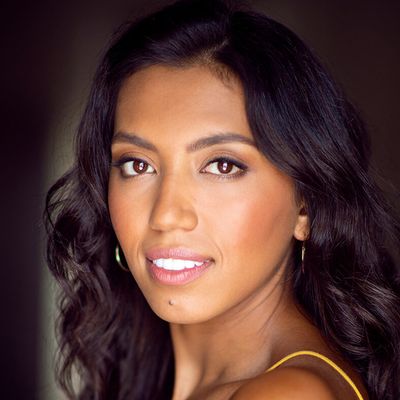
Chloé Zuel is a singer and performer who has worked as a lead singer across Australia and Internationally including two years at Universal Studios Japan and three months at The Venetian, Macao. She was most recently seen as Anita in West Side Story, and as Sarah in Ragtime. Chloé’s other various credits include the Australian premier production of Beautiful; The Carole King Musical, Hairspray, Legally Blonde the Musical, The Mikado, Les Misérables, Rent, the Australian tour of Little Shop of Horrors and Porgy and Bess. She is currently part of the original Australian cast of SIX the Musical as Catherine of Aragon.
Born and raised in Sydney, Australia, Chloé’s mother had her when she was young, and up until she was 8 years old it was just the two of them. Chloé speaks of her mother with awe and appreciation, as she single handedly supported her early performing arts dreams. She started taking dance classes at age 5, competed regularly in dance competitions, and began singing when she was 12 years old. Chloé calls herself that kid who put all her eggs into one basket - it was always clear in her mind that performing was all she wanted to do. She shares that she used to put on a CD every night and would fall asleep to music. Chloé went on to study and graduate from ED5 International, Australia’s premiere Performing Arts Training Facility, and has been lucky enough to be working steadily ever since.
Chloé opens up to us about living with terrible anxiety as a performer. For a little while she wasn’t sure she wanted to continue performing - she forgot why she loved it and why she did it. She says, “When you have anxiety, performing everyday, performing every moment” can be hell. She recalls having panic attacks in the wings during performances of Beautiful: The Carole King Musical. As someone who struggles with anxiety, she tells us that she found the audition process for SIX really difficult, as a lot of it required singing, dancing and performing in front of everyone else who was also auditioning. But also shares that from the get go - from auditions - the environment created was always one which was about supporting each other, cheering each other on; about being unique, and appreciating everyone else’s unique qualities. She recalls getting butterflies at their initial launch for SIX, realizing what a special project she was now a part of. And now they are a family. Chloé shares, “There’s a really deep love and respect that we have for each other, and an understanding”.
In this episode, we talk about:
- Her whirlwind journey from West Side Story, into Ragtime, into getting married, back to West Side Story to close it out, and starting SIX rehearsals the next morning
- Why she and her husband decided to spend this time in Tasmania
- Why she loves performing, and what she feels she gets from it’s magic
- Her experience with the other queens on launch day for SIX in Australia
- How her anxiety has affected her performing
- Her admiration for the writers of SIX, and why she finds it so clever
- Her peanut butter addiction
Connect with Chloé:
- IG: @chloezuel
- Twitter: @chloezuel
Connect with The Theatre Podcast:
- Support us on Patreon: Patreon.com/TheTheatrePodcast
- Twitter & Instagram: @theatre_podcast
- Facebook.com/OfficialTheatrePodcast
- TheTheatrePodcast.com
- Alan's personal Instagram: @alanseales
- Email me at feedback@thetheatrepodcast.com. I want to know what you think.
A very special thanks to our patrons who help make this podcast possible!
Cheryl Hodges-Selden, Paul Seales, David Seales
If you would like to see your name in this show notes or get a shout out on the pod itself, visit ttp.fm/patreon to become a member and show your support!
Transcript
This transcript was automatically generated and might contain errors.
[0:00] Alan Seales: Welcome to the Theatre Podcast, intimate personal conversations with theatre's biggest names.
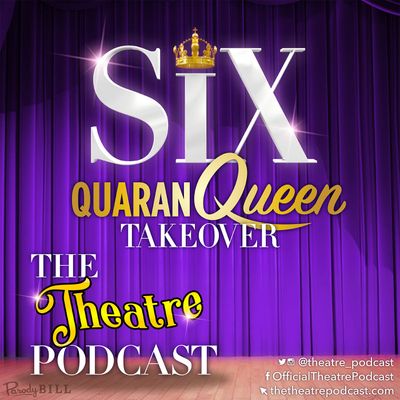
[0:19] Alan Seales: We continue our May Corn Queen takeover with this episode with Chloé Zuel, who is playing Catherine of Aragon in the Australian production of SIX.
[0:30] Alan Seales: Chloé's was an interesting conversation and I really, really loved just how real and how honest and I guess talking about the struggle of keeping the business exciting and keeping the business fresh.
[0:44] Alan Seales: Chloé was very honest and at the end of the episode after we had stopped recording we continued to talk and she said that she had wished that she had talked some more a little bit about the mental health aspect of her anxiety and whatnot and so we started recording again and as you hear this episode we're going to edit in the final bit that we recorded into the middle of the episode where it makes sense so when you're listening to it, it should all be totally streamless.
[1:09] Alan Seales: But Chloé, thank you for wanting to say more and going back and giving us that opportunity to hear more of your story.
[1:15] Alan Seales: But as she was going from job to job, she actually used the break, she's using this break in COVID-19 and the isolation to reflect on what she loves most about performing because in my opinion, she didn't say this, but in my opinion I think she just got burnt out because she was trying hard.
[1:30] Alan Seales: She literally closed one show and started SIX the next morning so just didn't have any time to relax and recuperate and I don't envy the struggle that successful actors have to continue to do day after day.
[1:45] Alan Seales: Even as you're working, even if you're in a successful show, you're always thinking about where your next job is going to come from.
[1:51] Alan Seales: So just keep that in mind when you're supporting the arts, when you're supporting your actors that this profession is hard and these people that we're seeing on stage on the Broadway world, on the main stage in Australia and on the West End stages, I mean, they have worked their butts off to get where they are.
[2:11] Alan Seales: They are the Olympians of theater and they deserve all the accolades they can get.
[2:17] Alan Seales: Before we get into this, let me just remind you to please open up your app, wherever you're listening, leave a rating, please leave a review, follow me online at Theatre Underscore Podcast on Instagram and Twitter and remember you can find the video version of this interview at ttp.fm slash Patreon, P-A-T-R-E-O-N.
[2:35] Alan Seales: And now everybody, please enjoy this episode with Chloé Zuel.
[2:39] Alan Seales: Listen up, let me tell you a story, a story that you think you've heard before.
[2:45] Alan Seales: We know you know our names and our fame and our faces. You know all about the glories and the disgraces.
[2:53] Alan Seales: Today's guest was most recently seen as Anita in West Side Story in Australia, New Zealand and Germany. She has additional stage credits such as Ragtime, Hairspray, Legally Blonde, Les Mis, Rent, Little Shop and even the Australian premiere of Beautiful, the Carole King musical, coming to us all the way from Tasmania, currently cast as Catherine of Aragon in the Australian production of SIX.
[3:18] Alan Seales: Chloé Zuel, welcome to the Theatre Podcast.
[3:22] Chloé Zuel: Thank you so much. Thanks for having me.
[3:24] Alan Seales: No problem. So you were telling me before we started recording here that Tasmania, where Tasmania is a little, it's, I equate it to the Florida of Australia. It's right there down at the tip, little island.
[3:37] Chloé Zuel: Yeah, that tiny little bit at the bottom of Australia that's not connected, but is connected.
[3:43] Alan Seales: So for us ignorant Americans, like Tasmanian devils, most of us have never seen one in real life. Are they as like cartoony and destructive as Bugs Bunny and those cartoons make them out to be? Pretty ignorant question, but I have to ask.
[3:59] Chloé Zuel: No, not at all. No, look, I don't know. I'm actually not from Tasmania. My husband is a born and bred Tasmanian, Taswegian, whatever you'd like to call him. And he's, he loves, absolutely loves it here. And when we, when all of this coronavirus happened and our jobs and our industry ceased to exist, we had to make a quick decision to, about what to do. And I mean, that's the short version, but that's why we're here in Tasmania. So my knowledge of Tasmania and its native animals and other such things is, it's, look, it's limited. And my husband would be really disappointed by that, but it is.
[4:49] Alan Seales: Oh, totally, totally fine. Well, so that's actually a good segue, I guess, into like the business itself, because you, your cast had just finished doing SIX at the Sydney Opera House. So you were, you were in Sydney and then next was slated for, from Melbourne, I think was the next stop. Yeah?
[5:13] Chloé Zuel: Yeah, that's correct.
[5:14] Alan Seales: And then, so you were already on a break, and then all of a sudden you get this news that like the world is shutting down, more or less. Did, from your vantage point, I mean, did you, did you see more of what was coming? I find, I find when I travel internationally, quick interjection, that I get more global news when I'm not in the U.S. The U.S. is very much like U.S.-centric, and then the rest of the world cares about the rest of the world. So, you know what I mean? And so I, did you see all of like the writing on the wall of like the world shutting down and the tour and your production stopping and everything, like, or did you expect to be sort of in quarantine for this long?
[6:00] Chloé Zuel: I mean, I don't think anyone could have predicted it. It started with that freaking toilet paper situation where all of a sudden everyone was just buying up all the toilet paper, and I just was, you know, rolling my eyes thinking this is ridiculous. But I'm sure it was the same for you guys, where every, things changed almost by the hour within those, those few weeks where the world was absolutely turned upside down. It was like new information was coming and things were changing constantly.
[6:29] Chloé Zuel: We were, we had just gone on to our break for SIX. And to be honest, I was really desperate for a break because I had gone straight from West Side Story into Ragtime, then I'd flown to Tasmania, gotten married, had a week off and flown back to Adelaide to finish West Side Story. And then I finished West Side Story that night and the following morning started SIX. And so I just had been going, going, going, going, going. And we, my husband and I had actually planned our honeymoon for this break. So in, and this wasn't like us at all, but we were actually waiting on a few auditions and things. And so we planned this honeymoon for this break, this five week break, because we're both performers and we know that when we have a break at the same time, we make the most of it. And it was the first chance that we would get to go on a honeymoon.
[7:41] Chloé Zuel: So we planned it, but then, so we planned to start in Italy and then we were working out the rest. And my husband's sister lives in Italy with her husband. So we're quite across what's happening over there. And so as we came into this time off, we decided to push it back a week because of a really big audition that we wanted to do. And that was that thing where you don't really want to, well, I don't really want to base my entire life around the industry because I think then there's no balance. So I was kind of begrudging it a little bit thinking, you know, Oh God, here we go again, you know, moving our holiday and everything around auditions and work, but it actually turned out to be the best thing because we didn't book our flights for the trip that we planned because we were just waiting on this final audition thing to come through.
[8:42] Chloé Zuel: And so because we hadn't booked our flights, then coronavirus happened and we started looking at the Europe flights and they were super cheap and we're like, Oh, this is easy. This is great, actually, because we'll still be able to go, but we'll just be really careful and we might reduce the places that we go. We'll just go to Italy and somewhere else. Anyway, obviously Italy shut down, we were like, cool, cool, cool, we'll go to Spain. And this was like by the hour, things were changing. And this happened over a few days and we got to around the fourth day of looking, I mean, a return flight to Europe was just ridiculously cheap and that should have been the writing on the wall for us. But I think we were so desperate for this holiday that we just kept trying to be positive and we're like, doesn't matter now, we'll book our flight last minute, blah, blah, blah.
Anyway, it got to around the fourth day and my husband's family were like, just don't, you cannot go, you can't go to Europe, you'll get stuck there. And I didn't want to go over and get stuck in quarantine over here. So we decided not to go and within that week, everything just flipped and Broadway closed. And we just, I mean, I laughed because obviously it's all really serious and we were very much across the news. But the moment that Broadway closed, that's when I really sat down and realized that this is a real thing, which is just hilarious.
[10:09] Chloé Zuel: This is so unprecedented here and people are losing their shit. They don't know what to do and performer friends here that have their livelihood, I mean, it's interesting to me because a lot of people are now starting to do more voiceover auditions. People are still casting for things, but there's nothing, but it's not, we don't know when it's going to come back. And there's already some, it's really been sad because there's been some shows that didn't open that announced that they just said that we're just not going to open. And then some seasonal houses are like, our whole summer stock, we're canceling it. Everything's done. People whose livelihood depend on all of this are just like, what do we do now?
So you have tons of fundraisers and people who can donating to support the Actors Fund and the COVID Emergency Relief Fund for Broadway Cares, Equity Fights AIDS. It's really, really just crazy in a, for me, I look out the window and I live in Brooklyn in New York and I look out the window and it's just like, I don't see pollution, I don't see screaming and death and dying and you imagine horrible things from movies and you look out the window and it's like, oh, it's just normal, you can't see it.
[11:33] Chloé Zuel: For me personally, it's really weird and we've been quarantined here in the house here for like coming up on two months now, I guess. And I think this weekend, the Sunday night now I'm interviewing you, your Monday morning. And this weekend, I really just started to feel a little bit of just a little bit of like uneasiness of loss of control, I guess, if that makes sense.
[12:00] Chloé Zuel: Oh yeah, it's very unsettling. I mean, even in the war, music and theatre wasn't taken away like it is now.
[12:06] Alan Seales: Yeah.
[12:07] Chloé Zuel: This is just, no one could have ever predicted this. And it really, it's not something that you prepare for, you know, like people had put in place bushfire, what's the word I'm looking for?
[12:24] Chloé Zuel: I know a lot of people are doing online teaching, and some people have degrees that have nothing to do with performing at all. I mean, are you able to still earn an income right now, or are you just kind of waiting for things to come back? You know, a few years ago I studied Pilates teaching, and I teach reform of Pilates, just to have a backup, and so that if I decided to get pregnant, I could work teaching Pilates and support myself. Also because my husband's a performer, and that's tricky, you know. Obviously, I can't teach Pilates right now. And I was that kid that just put all my eggs in this basket and only wanted to perform, only thought about performing. That was just always what I was going to do.
And I have been lucky enough to do that for years, years and years. This is all I've done other than teaching Pilates or working in a cafe. But this is that time where I can't work in a cafe, I can't teach Pilates. And I have been, over the last week especially, sitting here thinking, what do I love? What am I passionate about? What else can I do? What do I care enough about to have the discipline to study? What am I even good at? It's been a real identity crisis, and there's a lot of guilt around that, because there are some people that are like, they've signed up for their course, and they're doing this and that, and they've got their lists every day. And I am usually that person that I wake up and I do yoga and I meditate, and then I go and run this errand, and then I come back and do that.
And I'm busy, busy, busy all the time. And it's been quite confronting for me to do the complete opposite. And to answer your question, sorry, no, I'm not earning money at the moment. And the reason we're in Tasmania is that my husband's family have apple orchards here in Tasmania. They grow beautiful produce in Tasmania.
[15:07] Alan Seales: Oh, wow.
[15:07] Chloé Zuel: Yeah. And we realized, as we were on our way to, we were packing up the car ready to drive to Melbourne, to bunker down there.
[15:14] Alan Seales: Is that where you're from?
[15:18] Chloé Zuel: We, my husband, no, I'm from Sydney, but we're total gypsies. So we were in Sydney, and we were planning to go to Melbourne, because at that point, we still thought that the tour would go ahead, maybe just a little bit later. And we thought, we'll go to Melbourne. Two of my closest friends are there. We both have really close friends there. We had somewhere to stay, and we'll just chill out in Melbourne and wait it out and see what happens. We had this moment where we realized that we would be a part of hundreds, thousands of people applying for a supermarket job or a cafe job. And we needed to have some sort of income coming in. And my husband had the opportunity to work here in Tasmania. So we came here, and he's picking apples. He's literally picking apples on an orchard. And I'm here trying to figure out what to do with my life. Because there's no end in sight.
[16:20] Alan Seales: No, well, you could start a podcast.
[16:25] Chloé Zuel: Me and every other Joe Blow.
[16:28] Alan Seales: Well, tell me about then when your childhood, you said as a kid, all you ever wanted to do was perform. So are you originally from Sydney? Is that where you grew up?
[16:39] Chloé Zuel: I'm from Sydney. My mom had me pretty young, and it was just her and I until I was eight. And so I just think it's amazing now as a woman looking back on what my mom did for me. I mean, eight years is a long time to be a single mom, and she was studying herself. She's a principal at a school. And she put me into dancing and bought all the costumes and paid for all the competitions every weekend. And it was such a big deal. She gave up her weekends and her evenings to come to dancing and watch me. And I just think it's amazing that she did that. But yeah, I started dancing when I was five. And I just loved it. I started singing when I was 12. And it's always been clear in my mind, I've never ever, I mean, I think there was a point where maybe I thought I wanted to be a journalist, but it was really short lived.
I really have always said that I wanted to be an entertainer, which kind of makes me sound like I wanted to be a pole dancer or something like that. But I just genuinely, I desperately wanted to perform.
[18:01] Alan Seales: Well, what is it about performing that drew you to it? Is it, I mean, you get a form of validation when you're on stage and you can control people's emotions and make them feel things. And it's a comfortable way to not be yourself. I mean, I've heard so many answers to this question, but for you, what draws you to want to be on stage and sing every night?
[18:26] Chloé Zuel: Again, this is something I've been thinking about a lot because, you know, any other job, once you've been on stage, once you've had this job as a job, it's, I think every other job will seem mundane and not special. And I actually don't know because I haven't done that. But I think that's what makes it tricky for performers to find something else because this is what we do is magic and the feeling that we get that instant gratification and the adrenaline and the, I don't think many other jobs have that, have that instant feedback and that instant feeling of achievement. And so I've been trying to think about like, what is it? Like how, what can I find within this? Why do I love it? Why do I do this?
I think part of it is that we like doing things that we're reasonably good at. You know, like if I'm, it's unlikely that I'm going to go outside and play soccer because, and really persist with it because I'm not that great at it. It's hard to stick at things that you're not good at, but when you are doing something and you're achieving and you're getting praise, it's exciting and exhilarating and you want to get better at it. And I think that's part of it. Part of it is that it's something that I'm good at mostly sometimes. It's one of the only things that I'm good at because I put all my time and energy into it. I think another thing that I love about it, which is a strange thing, is that it's different.
You know, I like that our day off is Monday. And so when I want to go to the supermarket, no one's there. I like that everyone's coming home from work and we're going to work. I like that we are forced to be open-minded about people and things and ideas. I like that we have to study people's emotions. It's our job to understand and study people's emotions and way of being so that we can then use that for ourselves as characters. I love that part of the job is living in music. I used to go to sleep with music on and wake up. I would just put a CD on to go to sleep. And I did that all the way until I met my husband when he was like, okay, we don't go to sleep with music on. It's not a thing. You mustn't do that.
It's so not me. But I love that because music brings people to life. Music is life. And I love that we get to do that. And I love that we get to move our bodies. We get those endorphins and we get to move and live in the music. That is really special. I think I've just been rambling this whole time.
[21:40] Alan Seales: I haven't interrupted you because watching your face light up about this has been just phenomenal. I can tell you love this. It's all you want to do. I can see that in your face when you're talking about it.
[21:54] Chloé Zuel: That's interesting because I'm glad that you said that because for a little while, I actually wasn't sure. I wasn't sure that I loved this. I wasn't sure that that's why I was doing it. I think I forgot why I started and I forgot that I loved it because I had really terrible anxiety. And when you have anxiety, every day performing, every moment performing is hell. And maybe I needed this time and this break to really reignite that passion and to prove to myself that I do love it. And that's why I've been doing it for this amount of time. So thank you for saying that because it's actually interesting to me hearing myself say these things. And it's good. It's good for me.
[22:43] Alan Seales: Yes. I guess with anxiety, what I feel is when you're going through it, when you're in the moment, it feels like nobody understands, like you're completely alone. And when you're out of it, you realize that so many people feel that exact same way. And it's not as lonely as you think. And it's such an overwhelming feeling when you're in the moment. But I think the trick is to sort of see yourself from above and realize that you can talk to people about it and that you're not the anxiety. It's happening to you, but it's not you. And there are so many other people that feel like that too. And you can find a way out of it with those people.
[23:33] Chloé Zuel: And actually, sorry, please go on.
[23:39] Alan Seales: What do you do when you're in that moment, though? How do you pull yourself out of it?
[23:43] Chloé Zuel: I often don't. During SIX, it doesn't happen very often to me anymore, but there were a few shows where I had a panic attack on stage. And Carla, she's just a beautiful human. Carla, who plays Anne Boleyn, sits next to me in the room because we sit in order. And she could see it in my eyes. I think my eyes must have glazed over or something. I mean, there was literally one show where I started choking on one of my lines because I felt like I couldn't breathe. And I could see myself going through the anxiety attack from above. I could see it. And I was in my head saying, Chloe, breathe. It's not real. This isn't real. Just keep breathing. You're having a panic attack. Just keep breathing. But I still choked. And Carla, when I came off, just gave me the biggest hug and covered me in her arms and her body. And Kiana came and did the same. And they gave me so much love. And I felt so supported.
[24:49] Chloé Zuel: Look at one of us, just lock eyes with us and we've got you, we've always got you. And that was a really big moment for me because you do feel alone in that moment. And I did say to myself, you know what, next time it happens, I will look at them and they will carry me and I won't feel alone and I'll be okay. It's hard to let yourself rely on somebody else. You know, speaking for myself, I always want to be the person holding myself up and I can get through it and I can do it. And it's been a challenge in the last few years of my life. And as I've been regularly going to therapy now, like you said, actually, so I regret asking the question how I did a second ago, like, how do you pull yourself out of it?
Because I don't feel you should pull yourself out. It's more acknowledging that you're in it. How do you get to the other side? Yes, yes. Yeah, yeah, yeah. So, yeah, that's what I was taught for so many years, especially as a young kid, was just pretend it isn't there, get over it, move on. And that doesn't deal with the issue. That ignores the problem. Yeah. And I think something that helps is acknowledging that you did get through it, you know, because I got off stage that day and I bawled my eyes out and the girls said, but you did it. So maybe you choked a little bit, maybe you felt like you were doing a terrible show, but you did the entire show. You did it. You got from the start to the end and you threw it and you're okay.
And giving yourself that recognition and acknowledging that you did it, you went on stage, which is scary to start off with, but you did that and you had anxiety or you got through something and you did it regardless. You did it in spite of that. That is something to be proud of. And that is something that you need to acknowledge to then the next time it happens, if it happens, say, I've done this before and I can get to the other side and it's okay. It's not real. It doesn't last forever. These two shall pass and I'm okay. I'm safe. I'm okay. That's something I'm learning. And I hope, I hope, hope, hope that other people can learn that and get through that because I wouldn't wish it upon anyone.
It can really be debilitating. And like I said before, it made me feel like I didn't love what I love and that I couldn't do what I love to do and what I'm good at. It made me really question whether I was able to even perform if I was good at it because the anxiety made me sing strangely and do just strange things because I was, my body was going through something.
[27:46] Alan Seales: Well, thank you. Thank you for sharing. I think that a lot of people probably going through similar situations in life, especially right now, given the mental anguish everybody is under in this, you know, self-quarantine and the pandemic that's going on. I mean, like we talked about it earlier that now I'm just starting to feel a little bit like loss of control. And, and, and I think what I didn't want to say earlier that is more accurate is a little bit of hopelessness. It's just like, what am I going to do? What am I going to do now? I guess take it one day at a time. And I'm, and now I have to, I have to sit in this today, tonight and, or this weekend, I've been acknowledging it like, okay, I feel this way and I need to, I need to see how it's making me feel and understand why I'm feeling this way. And, and I start to get very like analytical, which helps me to get to the other side as you very well put it. So it's easy.
[28:50] Chloé Zuel: Yeah, go ahead.
[28:58] Alan Seales: Well, we've lost all, we've lost all our sense of control, haven't we? Yeah. Lost. And I mean, we are actually, as actors, performers, people in this industry equipped to deal with this more so than a lot of other people, because we are constantly having jobs taken away or being dealt constructive criticism, but criticism nonetheless. And we are being told that we can't have what we want because someone else decides that for us. You know, we, this happens to us a lot. So in a way we are really equipped to deal with it and we're ready for something like this, but because we live with constant uncertainty already, it's like, this is just bringing us right to the edge. We're about to teeter over.
Well, I am anyway, because there is no end in sight and no one's around the corner being like, don't worry, it's fine. Or, you know, insecure, like there's no one to reassure us, so we just complete the beast and let go and give in to the fact that we can't control anything. It's out of our hands. I don't know if I answered your question.
[30:05] Chloé Zuel: Oh, you did. You did. In a roundabout way, you did. I mean, it's performing, you know, they say like, to perform, to be good at it professionally, you have to have whatever it is, right? So I think it's as hard to describe as it is to explain, but if you're good at it and you love it and you feel it, then it's just what you have to do. You're drawn to it. And there are people who are drawn to two forms of expression that are writing and some love to direct. They love that funneling of creative power into creating a bigger picture. And like me personally, I have merged a left brain and a right brain conflict with needing validation and loving to sing and be on stage with needing to, I have OCPD, which is obsessive compulsive personality disorder.
And OCPD is basically, you can't see the forest through the trees, so you get hyper focused on details. And so that's why I could never be good at performing because I could never get past myself and get out of my own head. I was always criticizing myself for every little detail. But I've been able to bring this back into, A, the podcast, and then being part of and starting the Broadway Podcast Network, bringing all this business side together to, you know, a rising tide lifts all ships, to bring everybody up into a family and bring everyone together. It's such a personally validating and exciting thing for me to be able to take a step back and look and say, oh, look, you know, we're creating this.
And for you, I totally understand what you're saying. And especially as, you know, with someone who has anxiety, it's, yeah, you are constantly kind of in fear of something, you know, you're putting that on yourself and getting that validation from the applause and knowing that, I mean, the show, you keep getting work and you keep getting hired because you're good. And it's a way to validate yourself. And it's a way to feel good about yourself. And in doing something, feeling good and getting validated, doing something that also chemically releases all the love hormones and the endorphins, the good bits that your brain needs. Right. Yeah. So totally, totally, I totally get it. And I've been rambling too, but suffice it to say, I understand what you were saying.
[32:39] Chloé Zuel: No, no, no. I mean, you're probably trying to translate what I was saying so that people aren't asleep. So it's, thank you. Well, Six, the show itself, I mean, it's just exploded. And yeah, I hope now that you've got this break for the, you know, for quarantine. And I didn't realize that you had gone straight from closing West Side Story to opening Six, right? So you didn't get a break. And did you have any sort of time until recently to kind of step back and reflect on just how like globally massive the show has become and that you are one of a select few people who can call themselves an original Six queen. And that's incredibly special.
[33:35] Chloé Zuel: It really is. And I didn't have that opportunity or I didn't give myself that opportunity until we were in the Opera House, I think. When we were auditioning for Six, I was doing West Side Story at the Opera House as well, actually. And, you know, you finish late at night and then you get up at six in the morning to go and do these auditions every day for that week. And that was just work also because West Side was physically and mentally really demanding. So I was very much in the space of I need to preserve my energy. I need to be on stage tonight. So I need to do well in this audition. I think I'm right for this show, but I also have a job. So I was just managing my days to get to the end of that week, to get to the end of that Sydney season of West Side.
And so all of that was, that all kind of passed me by. I didn't have time to buy into the hype of it because I just couldn't afford to. And so even when I started first day, do you know what, actually, when we did our launch for Six and I met the other Queens, well, I met Six, I met the five Queens and I hadn't met the Swings yet. But when we all came together and we sang together and we did this photo shoot and we had this instant bond and camaraderie, I felt the butterflies and I started to have a moment to realize what I was a part of. And then when we met the creatives and when we were in Sydney doing the show, it really hit home that this is a really special thing that I'm a part of. And you're right.
Doing that, I don't know if you saw, we did that worldwide Six thing where all the Queens sang. I loved it. It was so good. Yeah. I just cried. I just sobbed because I've never been a part of something like that. And this is a legacy that I'm so excited to be a part of. And Toby and Lucy wrote this. They're like children. They're so young and they're so brilliant. And yeah, I feel really privileged to be a part of it. And I feel so glad that I got to meet those girls and that we have this bond that we do, probably because we are a part of something so special.
[36:12] Alan Seales: Well, you have to have fun for the show to work. All the six of you on stage have to genuinely, I think, really like each other because there's a lot of moments when you're interacting, you know, upstage and somebody else has got their nice solo in the spotlight downstage. But I saw the final preview of Broadway the night before Broadway shut down. And I was watching the girls when they weren't singing. I was enjoying that as much as watching whoever was singing at the time because whoever sang back or whatever. Because it seems like everybody was genuinely just having fun and loved being up there and were playing just game, you know, eye games with each other to make sure that you were still in the moment and whatnot. It was such a fun show to watch all around, aside from just learning history too, right?
[37:13] Chloé Zuel: The show really promotes that all the way from the audition. It's all about supporting each other, cheering each other on, but also about being unique and appreciating everyone's unique qualities. I never ever want to think anything bad about any of the girls. I mean, not that you would about anyone, but there's a really deep love and respect that we have for each other and an understanding. And I think the show as well, because we each get our moment, there's no need to try and upstage anyone or try to be the star because that's not what the show is about. The show is about all of us as a group and about females supporting each other and about not playing each other off each other. And I think that is why we have that vibe as well, because we have to, you're right.
And when we're in the dressing room, we are all so loving and supportive of each other. We talk, we still talk every day. I literally just got a text from, we have a WhatsApp group. They're just going off. It's so cool. And you know, I think the other thing is that this is such a specific show that requires a specific set of skills. And I love looking around at the other girls and being genuinely in awe of them, genuinely impressed. And I really respect their talent and the people that they are. And maybe that's casting as well. They just did a great job of picking great chicks.
[39:44] Alan Seales: Was the audition for this different than, I mean, obviously, I think what they would ask you to sing for this is a little bit different than what they would ask you to sing for West Side Story.
[39:58] Chloé Zuel: Yeah. Yes, it was a really, really different audition process. And if I'm being really honest, I found it really, really difficult for someone that has battled with anxiety over the last few years. And I mean, really, really battled with it. When I was doing Beautiful, I sang the locomotion. I was little Eva. And I would have proper panic attacks side stage often. I would go on stage for my song and come off and not remember going on like the whole thing was just a blur. I lost like a part of me in that show, which should have been the best ever because it was the most amazing cast and such an incredible show. But something happened along the way there and I had a really tough time. And so for someone with anxiety that kind of I got it together for West Side and I really found a way to manage that.
A lot of the audition was to sing and perform in front of the other audition people. And I really struggled with audition people. I really struggled with that. I found it really confronting and overwhelming. And while I was supportive of other people, I had all these voices in my head just saying, you can't do it. They think you're a fraud. Get off. Get out. And so that was a really interesting time for me. And I found it really hard. But the cool thing was that I got to do what I love to do, which is sing pop songs. So that was fun. And I got to audition a few of the queens. So I got to learn some of their songs, which I just love the music and the show. So that was actually a really cool part of it.
[41:49] Alan Seales: How is it structured cast wise? There's two, three swings or two swings?
[41:56] Chloé Zuel: For us, we have three swings.
[41:58] Alan Seales: Three, okay. And so you are Catherine and then that's it. You don't need to cover anybody else or the three swings know, they each know two roles.
[42:03] Chloé Zuel: They know everyone's roles.
[42:08] Alan Seales: All three know all six?
[42:12] Chloé Zuel: They have, yes.
[42:14] Alan Seales: Wow.
[42:15] Chloé Zuel: Isn't that incredible?
[42:16] Alan Seales: Swings.
[42:18] Chloé Zuel: Yeah. Being a swing is one of the hardest jobs in theater. I will just flat out say that. Yeah. And this particular show where we're all leading ladies, it's not just stand on the side and just do a little, like my plot in Les Mis, which was, I went in one of the songs, literally pick up a barrel and move it from one side to the other. Like, no, no, it's not that. Everything is like a Rubik's cube and the dialogue is so quick and it needs to keep the pace. And if you forget a line, then the next person can't really make it up. And it is so tricky. I genuinely don't understand how they're doing it. I mean, they have people that they will go on for first as they're kind of first rehearsed. So they have three, three main ones each that they focus on, but they all know every single track.
[43:14] Alan Seales: That's very, very impressive. But yeah, it's just kind of nuts. It's nuts. Yeah. I'm impressed with the show completely. I mean, it just came out of left field. And I think it was like two years ago is when it basically got to Broadway in two years from beginning to Broadway. And that's almost like, I don't know any other show, especially something that didn't come from a major studio. Like Frozen, as soon as the movie came out, okay, sure. Like the next day they're like, this is going to be a musical, start working on it. But that's, you know, multimillion dollar sort of team. And this is a show.
[44:05] Chloé Zuel: Oh yeah. I mean, I don't know the specifics behind Frozen, but the show I think started, oh gosh, someone's going to fact check me on this. It was, yeah, it was like literally just over two years, I think from when the movie came out to when the performances started on Broadway, I think. So of course they were, they took the songs for the show or for the movie and made it into something else. So they already had something that worked that had already been in development for years. But Six just came out of nowhere. And I think there've been small tweaks as they go on. And I was talking to some of the Broadway cast and they were saying that for Broadway, they updated a little bit of the costumes and changed some lighting and Broadway-ified it, but the story's all the same.
Like it was script locked a long time ago. So it just blows my mind. Like Toby and Lucy, I hope they listen to these interviews. They just, I don't know how they did it or if they're going to try to do it again, you know, maybe they'll make Seven the sequel, who knows. Honestly, I would go and see anything that they created because they are so cool. They're so clever. And I, the writing for me is like some of my favorite TV shows, you know, like the humor is like Friends and the quick wit is like Gilmore Girls. I mean, I'm not comparing it to those things. I just love both of those shows. And it reminds me of that kind of vibe. But the way that they work together as well, and we weren't lucky enough to meet Toby, but we had Lucy with us and the show is her.
And when you look at her, she looks, she's so young and she's so down to earth and so cool, but she knows exactly what it needs to be. And she's so clear with what she wants. And it's so inspiring to be in her presence. I so look forward to what they will do next because you're right, this is incredible.
[46:13] Alan Seales: Yeah. Did she help you at all? I mean, I'm sure she was there for the casting and the audition process, I assume, but did she help you with getting over any anxiety and things? Like, was there ever a point when they said, or when you said, I don't know if I can do this. And they said, yeah, like we want you because you're good. And you had to have this talk.
[46:40] Chloé Zuel: Yeah, absolutely. Lucy wasn't there for the casting. I mean, she watched all our videos, but she wasn't there. And it was so, I'm so relieved to have her because this show is a strange show in that you're a character, but you're yourself, but you're a character. I'm not putting on my Anita hat and with my accent and my, you know, full character breakdown and years of people doing it to be able to research and to understand, you know, like it's not a show like that. So I found it very hard to understand what the tone of the show was and how to give myself as Chloe to the character, but not bring Chloe onto the stage because Catherine of Aragon doesn't have anxiety. She's not self-deprecating or unsure.
She knows exactly what she wants and what she's doing and why she's saying what she's saying. So I found that balance really difficult and Lucy really helped me understand what it was and unlock that. But the day before opening in Sydney, the associate director said, are you okay? And I just broke down in tears and sat on the floor and just said, I don't want to be the shit one. I don't know if I can swear, but I don't want to be the one that people come and don't understand why I'm here with everyone else. I don't want to be the one that's not funny. I don't, I don't think I can do this. I don't know what I'm doing. I just don't know what I'm doing. And they gave me a really lovely pep talk and I shouldn't have needed it, but I needed it. And that was a really special thing to have the writer of the show encourage me and ensure that I was there for a reason.
[48:45] Alan Seales: Well, make me feel like I was there for a reason. You are. I mean, you wouldn't have been cast. You would not have been cast. I mean, from everything I've seen, it is a well-deserved role for you. So I agree. I agree and support that. I always, I mentioned this a couple of times on the podcast. I get back to it a lot, but my conversation with Patty Murin, which was God, it was a year ago at this point. She used to have, after she was opened as Anna in Frozen and had been doing this great role for months and months, she started to get these panic attacks because it was the maintenance of the pressure or the pressure of the maintenance to be this Disney princess. And so she would, she would call out before shows, sometimes mid show, she would have to stop because of anxiety. So...
[49:38] Chloé Zuel: Like you're not alone. Some of the most talented people in the industry, through all their success, still deal with all of this, and it's part of it. It's part of what makes us good, I think, is being able to self-analyze and understand what we did right, understand what we did wrong, and work out what we need to improve. You know, every person that I know that's a performer, that's a good performer, is constantly working out what they can do to be better and how they can improve their performance and what they're doing. So I think that is part of why anxiety comes easily to us because you are sitting there picking apart what's right and wrong about what you're doing. And we do it as well when we're watching shows.
Okay, I don't like that, I didn't like that, oh, I think that was flat, oh, that was sharp, or whatever it is. And so then it's almost impossible to not put that on to yourself. And I think being Australian and just with the personality that I have, my humor is self-deprecating. Like, it's been a real challenge for me to not use myself as the butt of a joke or to put myself down to, I don't know, maybe so someone else doesn't. I'm not sure, but that's something that I have to work on, and that's something that plays into my anxiety for sure.
[51:12] Alan Seales: Yeah, I mean, it's easier. I can sit here and tell you you're fine, but you know, only you can believe that. And some people, that's the work, right?
[51:22] Chloé Zuel: Yeah, I mean, some people, their entire life, they go hearing that. I mean, you look at people like Robin Williams, right? I mean, you would look at them and say his career is great, his life's great, he's one of the funniest men alive, but he was so closeted depressed. It was very sad. So my husband read somewhere that, like, oh, he says it to me often. I don't know where he got it from, but he says, "Don't compare your insides to someone's outsides."
[51:52] Alan Seales: Yes, especially with social media.
[51:54] Chloé Zuel: Mm-hmm. Because all social media is, is just like, "Hey, I'm going to the beach, and I'm doing this, and I'm happy here." And, you know, it's kind of hypocritical though because I always post good things and happy things as well. But then I get down on people when someone's like, "I've had a bad day, and I can't tell you what's going on, but just send me your thoughts." Like, "Oh, they just need attention. Someone just give that person attention. They just need sympathy or something." And so, like, obviously there's a reason they're saying that that needs to be validated, and I acknowledge that. And, God, there's no right answer, and this is just so hard in general to just be a nice person these days because you don't know.
I mean, you know what I'm trying to say? Like, especially with social media, maybe be a nice person, not the right way. What I'm trying to say, but with social media, people can follow you. The barrier between, like, the non-performer and the performer, the muggle and the performer, right? Like, that barrier is broken down because you can go home with people digitally, and they take your Instagram with them in their pockets, and they follow you on Facebook, and they can send you messages. And it's super easy to get in contact with anybody. So I feel a level of heightened sort of self-awareness just by everything I post because especially now as we continue down this cancel culture, because you say one wrong thing, and then all of a sudden, you know, the internet will never let you forget it.
Whether or not you've learned from it or grown and realized it was wrong at the time, ten years later it comes back, and all of a sudden, you know, you're not the host of the Oscars anymore or whatever Kevin Hart was supposed to. I mean, it's...
[53:51] Chloé Zuel: Yeah, because your Instagram is your brand. And so while it is to be representing your real life, it's representing what you want people to see as your real life and what you're comfortable with people seeing as your real life. And for us as performers, and, well, I mean, for loads of people, what is on our Instagram is how we're represented to casting and fans, you know? So it's a lot. That's a lot of pressure on one platform.
[54:25] Alan Seales: Yeah, well, your Instagram is beautiful. I was looking through it to try to find some talking points for this interview. Just very, very well put together person.
[54:34] Chloé Zuel: Yeah, okay. There was one thing though on your Instagram profile I needed to ask about: the self-proclaimed peanut butter addict. Tell me about that.
[54:52] Chloé Zuel: Oh yeah, that's real. That's really real. And like, honestly, one time I ate so much peanut butter I thought I was gonna die because I couldn't swallow. Like, it got all clogged in my throat, and I couldn't swallow because I'd just been spooning it from the jar. Yeah, I don't know when it really became a true addiction. I've had peanut butter my whole life, but I have it often. I have a spoon of it just straight from the jar often. I would have it during Beautiful, actually, always in my dressing room: a spoon or a piece of dark chocolate. A piece, you scoop out the peanut butter, put the chocolate together in your mouth. Delicious. I sort of do this thing. This is my dessert most days, which is a date filled with peanut butter, some salt dipped in chocolate.
[56:00] Alan Seales: That sounds delicious.
[56:01] Chloé Zuel: Yeah, yeah, I just love it. So that's a daily thing for me, and I'm not ashamed of it.
[56:08] Alan Seales: She said reluctantly.
[56:21] Chloé Zuel: All right, well, there are much worse things to be addicted to.
[56:25] Alan Seales: Oh yeah, I mean, you could... yes, we won't go there. There are many, many things that are much worse. But so we'll wrap up the episode here with the three standard closing questions I ask everybody on the episodes here. And the first one, very simply, is what motivates you?
[56:34] Chloé Zuel: What motivates me? Oh, is this a hard question for people sometimes?
[56:38] Alan Seales: Yeah.
[56:48] Chloé Zuel: Okay. What motivates me? I genuinely don't know how to answer that. I think a lot of things. I think the people that I have decided to keep in my life, my dear friends. One of my dear friends is a mom and just has her life together, and I constantly am motivated to be more like her. My partner, who is just the hardest worker and really, really good at what he does. And, yeah, and another dear friend of mine who is constantly kind. Kindness always comes first. And so all three of them motivate me to be a better version of myself and also to work hard. Does that answer your question? Because it seems like today I don't know how to answer questions.
[57:49] Alan Seales: You're fine. You don't need to have any anxiety over this interview. Don't worry. The next question is, what advice would you give to your younger self and younger people listening now starting out down a similar path?
[58:01] Chloé Zuel: Hmm, maybe this is a controversial one, but I would say as much as it's so amazing to put all your eggs in one basket—and I maybe that's why I'm here—I would spend a little bit of time finding other things that I love so that when this isn't, when this industry, when shows and work isn't going to plan, that I have something else that I'm passionate about, that I love. I would take a moment to figure that out and give that some time over the years so that in a situation like this, I had a little bit more power. Just, I think there's this power in knowledge of everything. So that would be the other piece of advice: just constantly learn. And actually, Americans are so amazing at that. That's something I really respect about all of you. I feel like people are constantly going to class and taking workshops and putting themselves out there, and I am very much inspired by that.
[59:19] Alan Seales: Yes, we do like to overwork, I will agree with that.
[59:22] Chloé Zuel: Yes.
[59:26] Alan Seales: Okay, so the final question then: if you could only see one show for the rest of your life, but you can see it as many times as you want, what would you see?
[59:29] Chloé Zuel: What's in Hamilton?
[59:30] Alan Seales: Oh yeah, that's a no-brainer.
[59:32] Chloé Zuel: Oh, you're like, that is the best. However, is it the history or the music or what? What is it about it?
[59:48] Chloé Zuel: I think it's the music, but it's the genius in his lyrics as well. The way that he ties two sentences together with one word, the way that he uses the rhythm to convey the characters' feelings, the way that it's blended rap and pop and musical all into one. Like, when I want to run and I can't run—I'm a terrible runner, I've got knees that hit each other. I look, I mean, if you want something to laugh at, you should film me on a treadmill. But if I ever want to run, I run to Yorktown because it's an absolute banger. It's so good. And I'm not that sort of person that listens to musical theater songs at the gym. I mean, there are people like that; I'm just not one of them. I love that he blended two things that I love: music theater and R&B rap, and smooshed them together into one spot. I love it.
[1:00:48] Alan Seales: I love it too. I agree. So where can we find you online?
[1:00:58] Chloé Zuel: You can find me on Instagram, always. Oh, you can look—I have a blog that I started a while ago that's half-finished, so that'll be—I mean, this is the perfect time to do it, so that'll be somewhere at some point. There might be a YouTube video of me here or there, but I don't want to send you to them because God knows what you'll find.
[1:01:17] Alan Seales: Oh goodness. All right, you can get more of me at thetheaterpodcast.com. Show your support at thetheaterpodcast.com/patreon. I'm on Instagram and Twitter at theater underscore podcast, on Facebook slash official theater podcast. Please leave a rating and a review; they all help. This is edited by Matthew Hendershott. And Chloé, thank you so much for this interview. This has been a lot of fun.
[1:01:49] Chloé Zuel: Thank you for having me.
[1:01:58] Chloé Zuel: Deep breath. Make the world a little colorful.
© Broadway Podcast Network, All Rights Reserved