

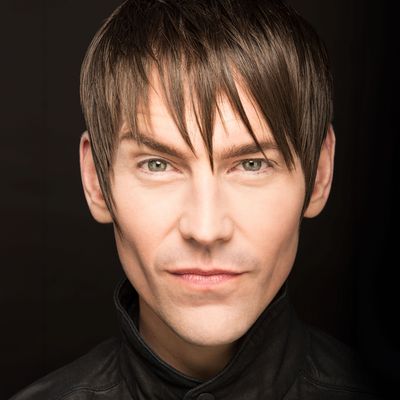
Tony Vincent is a recording artist, actor and producer, widely known for his appearance as a finalist on the second season of NBC’s The Voice. While in college, he started his own record company, Adobe Flats, writing and producing the EP Love Falling Down... Read More
From the show: The Theatre Podcast with Alan Seales
Guests
Miniseries Inclusions
Featured Shows
About
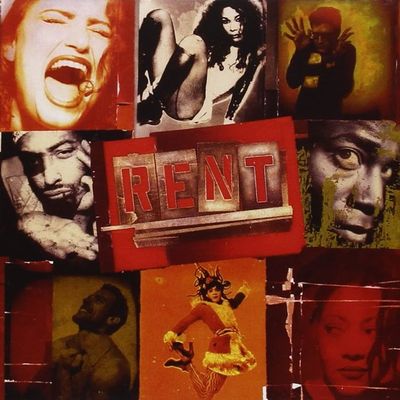
Tony Vincent is a recording artist, actor and producer, widely known for his appearance as a finalist on the second season of NBC’s The Voice. While in college, he started his own record company, Adobe Flats, writing and producing the EP Love Falling Down. And made his Broadway debut in 1998 playing Roger in Rent, after playing the same role on the first national tour. Tony originated the role of St. Jimmy in the Green Day Rock Opera American Idiot, appeared as Judas Iscariot in Jesus Christ Superstar, and was most recently seen on Broadway in Rocktopia. He originated the role of Galileo Figaro in the rock band Queen’s We Will Rock You on London’s West End and has also fronted the band multiple times, including a performance of “Bohemian Rhapsody” for Queen Elizabeth II’s Golden Jubilee. He has independently released two albums, A Better Way, produced by Adam Anders (Glee, Rock of Ages), and the self-produced In My Head, following his appearance on The Voice. Tony can currently be heard as Puppy in Bleeding Love, a brand new original musical podcast radio play on The Broadway Podcast Network.
In this episode, we talk about:
- His enthusiasm for becoming a drummer
- What he thought about Van Halen as a kid
- Why he’s always been a solo artist
- The impact David Bowie has had on his life
- The thrill of originating roles onstage
- His enthusiasm for recording records
- His experience on NBC’s The Voice
Connect with Tony:
- IG: @theofficialtonyvincent
- Listen to Bleeding Love
- www.tonyvincent.com
Connect with The Theatre Podcast:
- Support us on Patreon: Patreon.com/TheTheatrePodcast
- Twitter & Instagram: @theatre_podcast
- Facebook.com/OfficialTheatrePodcast
- TheTheatrePodcast.com
- Alan's personal Instagram: @alanseales
- Email me at feedback@thetheatrepodcast.com. I want to know what you think.
A very special thanks to our patrons who help make this podcast possible!
Cheryl Hodges-Selden, Paul Seales, David Seales
This episode is released in a time of crisis and mass awakening. Black Lives Matter. Please consider donating to any of the following:
Transcript
This transcript was automatically generated and might contain errors.
[0:00] Alan Seales: Welcome to The Theatre Podcast. Intimate personal conversations with theatre's biggest names. I'm your host, Alan Seales, and this is June and part of the continuation of the Bleeding Love Takeover. Bleeding Love is a new podcast, radio play, musical, and you can find it at bpn.fm slash Bleeding Love or everywhere you find podcasts. Basically, wherever you're listening to me right now, just search for Bleeding Love and you'll find it. It's incredible, it's amazing, and it stars some incredible people, of course, Tony Vincent included, who is the guest of this podcast. His love for drumming and music led him down a very strange and unknown path to be an amazing singer coming out of Albuquerque, New Mexico.
The only other thing I knew came out of Albuquerque was Breaking Bad. You know, not really, but it was set there. His love for drumming led him to where he is now as an incredible singer, gave him his Broadway career, and his passion for good music and for working with other passionate people just, it speaks for itself. I mean, we get into it and we go off on so many tangents. You've heard me say it before on this podcast, like, I let the conversation go wherever it wants to go and we went somewhere. It's been, it was such a fun conversation to talk about. He was doing theater for a while, Broadway specifically, and then he's got this wonderful story about how The Voice came along, you know, the show on TV, the reality show, and he decided, okay, I'm just gonna go do The Voice, and it gave him kind of this leeway back into creating his own art and becoming great friends with CeeLo Green that helped him out later on in life.
Oh, man, the story, he is just truly passionate, as I said. One other thing I want to mention is, strangely, maybe this isn't strange for people in his shoes, but his love for The Beatles brought him into a love for heavy metal. So, I will let him explain that because he explains it a lot better than I do, but before we get into it, as always, please visit me online at thetheaterpodcast.com. Please show your support for the podcast. Help me keep going in this weird time at thetheaterpodcast.com slash Patreon, P-A-T-R-E-O-N. Find me on Instagram and Twitter at theater underscore podcast, and now, everybody, please enjoy this episode with Tony Vincent.
[2:41] Alan Seales: My guest today is widely known for his appearance on the second season of NBC's The Voice, but he is a nationally renowned recording artist. Well before that, he made his Broadway debut in 1998 as Roger in Rent before going on to roles such as Judas in Jesus Christ Superstar and performed on London's West End in Queen's musical We Will Rock You. He has also actually performed Bohemian Rhapsody with Queen for the band's 2002 appearance at Queen Elizabeth's 50th anniversary celebration as monarch. He originated the role of Saint Jimmy in the Tony Award-winning American Idiot and most recently was seen on Broadway in 2018 for Rocktopia and now stars as the rebel punk puppy in the podcast Bleeding Love. Tony Vincent, welcome to The Theatre Podcast.
[3:31] Tony Vincent: Great to be here. How are you?
[3:34] Alan Seales: I'm good. That was a mouthful of a bio.
[3:38] Tony Vincent: Great. It was awesome.
[3:40] Alan Seales: I've been binging all of your old YouTube clips.
[3:45] Tony Vincent: Oh, no.
[3:46] Alan Seales: Yeah, I mean like...
[3:47] Tony Vincent: I'm sorry.
[3:49] Alan Seales: No, I am so enthralled. As someone who can at best call himself a crooning baritone, I've always been extremely envious of people with that rock tenor voice, and you are just no exception. I mean, the shows are the most energetic. At karaoke, you get the most attention. You sing all the cool stuff, right? And so take me back to the beginning, I guess, of Albuquerque, New Mexico. That's where you grew up, yeah?
[4:29] Tony Vincent: That's where I grew up, yeah. The thriving theater hotbed of Albuquerque.
[4:34] Alan Seales: And Breaking Bad.
[4:36] Tony Vincent: Well, isn't that ridiculous TV? So good.
[4:40] Alan Seales: I love it.
[4:41] Tony Vincent: Oh, my gosh. So riveting. So infectious. I grew up there and both of my grandmothers actually were singers. My grandmother on my mother's side was very country-influenced, very old school, pre-Johnny Cash old school. And my father's mom was a big band singer. And so the musical talent kind of came through both sides in a way, although it sort of skipped my mother. My father sort of had a little bit, but what he did have was a pretty cool taste of music. And he had a pretty great record collection when I was growing up. And I fell upon the Beatles catalog at four years old, and it was so gripping. I mean, as gripping as music could be at four years old, but I knew whatever I was hearing coming out of that really cheap RadioShack realistic stereo, that this is what I want to be a part of.
Now, I didn't know what that meant, obviously, at the time, but I knew that drums were very impactful. I knew that I wanted to be a drummer off of listening to Ringo. It just felt right. Now, I was singing to the radio and that sort of thing ever since I was, that I can remember, but I wanted to be a drummer. And so when I was seven, I started studying drums. I saved up some money doing chores and bought a really inexpensive drum kit. But that just sort of sent me on this journey of wherever I could perform, I would. And so that meant that battle of the bands, choir, school choir, church choir, civic light opera, it didn't matter what it was. It was just anything that I could do to be a better communicator or have an opportunity to perform, I utilized it.
Because to me, I was so young, I didn't have any preconceived notions about what was cool and what wasn't. I mean, because my music tastes at that time, yeah, obviously, it was influenced, at least the domino tipped when I was listening to Beatles and that sort of thing. But I really got into heavy metal, actually, when I was really, really young.
[6:53] Alan Seales: Really? From a drumming aspect?
[6:56] Tony Vincent: From a lot of things. I mean, I thought Van Halen was it. I really did. I mean, I thought Alex Van Halen was a really unique drummer. I mean, don't get me wrong. I mean, Eddie was and still is a ridiculous guitar player, but I just really gravitated towards heavy metal music. I mean, you think heavy metal, now you think like Tool and that sort of thing. But that was pretty aggressive back then with David Lee Roth. But then a friend came over when I was 12 years old and brought a synthesizer over to my house and I was blown away. I could not wrap my head around knobs and buttons and sounds that were sort of out of the spectrum of reality. And it sort of sent me on this journey of moving from playing drums and singing to programming synthesizers and singing. So this was obviously the 80s, if it was all about synthesizers.
[7:55] Tony Vincent: This was the 80s, yeah. Yeah, yeah. Then I took a huge turn into English pop. So like Duran Duran and The Cure and Alphaville, even though it's a German band, but really even obscure stuff too that most Americans don't know. But that's what moved me. I thought that like whatever was coming over from England, and again, it always goes back to The Beatles, something happened when people would do music that resonated with me, that tended to be melancholy and dark and ominous. To me, that was like tangible music that I could feel and relate to and that sort of thing. It's interesting that I'm sort of focused on characters that are this dark, melancholy, brooding sort of man unto himself. Because these guys like a Judas or a St. Jimmy, they're their own guy.
They're not dependent on another relationship or anything else. They do kind of what they do. And it's ironic that as much as I've always wanted to be in a band, I've never had patience with a band. Because either the drummer or guitar player show up 35 minutes late, and somebody isn't practicing. It's like lifting a huge bag of stones up a real steep hill, and I'm just like, this is it. This is just no fun. And so I've always been a solo artist, as a recording artist with EMI or with Sony. It has just been easier that way.
[9:28] Alan Seales: Is that an okay sort of setup for what we're doing?
[9:30] Tony Vincent: Oh, absolutely. There's so much that you talked about that I want to touch on. It's interesting to me how you... I know you as a voiceover artist and as this rock tenor, and I had no clue about the drumming, and the synth is all new to me. And I was saying before we started recording, or maybe it was in the recording, I can't even remember now, that I was going down the rabbit hole of Tony Vincent videos on YouTube. And it's all singing stuff. You put yourself out there now as a singer. And so at what point, I guess, how old were you when you really realized you're like, oh man, the singing thing is my ticket right now. Because people try to emulate the Bon Jovies and the Van Halens and these voices that you hear all over karaoke, right? Sure. And they blow their voice out in one song. Absolutely. And so how did you go there? How did you figure out you're like, oh, I can sing like this, and it doesn't hurt me?
[10:57] Tony Vincent: Well, that's a great question. To sort of start off at the top of that question is, when did I know that I wanted to sing? It was while I was drumming at six, seven years old. I knew that I wanted to be a singer. I mean, I wanted to be the front man, but I also, I wanted to be a musician too. I felt that it connected me with the material. And then when I started playing with synthesizers, my sister was a classical pianist. And so we had a grand piano in our house. And so at some point during seven to 11, 12 years old, I sort of started playing along with records just by ear, because I wanted to start writing music. And it's hard to write melody on a drum kit. It doesn't work so well.
[11:40] Tony Vincent: But I always knew that I would probably be the front man. It just felt comfortable. Not because I wanted to necessarily dominate the stage or the landscape, but it just felt like I'm one with the song and I am a singer. And I don't know how to answer that question of how did you not blow your voice out? But I knew...
[12:13] Tony Vincent: That's a hard question to answer, because I don't try to sing like anybody else. I think that's probably the smart way about approaching a song, is that I don't try to sound like David Lee Roth or Bon Jovi or anybody else. I've been obviously influenced by rock vocalists, but I would never try to emulate what somebody else does. I find that so uninspiring and inauthentic. And I don't know. I don't know how to answer that question exactly, but I know that I only know how to sing like... I'll tell you something. I've been doing, over the last almost three years, I've been doing this symphonic tour of David Bowie music. The company's based out of Virginia Beach. It's called Winborn Music, and they have a catalog of 10 different shows that they do.
But I take control of their Bowie show and their Tom Petty show. And a lot of the time I get asked if I emulate what Bowie does. But I'll tell you one thing that has been so freeing, is that as enjoyable as it is to sing some of the most iconic rock and pop songs that have ever been written. And I don't know if there's a single artist that has influenced me more than David Bowie. But I never try to emulate what he does. But because I've listened to so much English music in my lifetime, I have English-isms that naturally happen because I hear things like an English person, I guess. It's just music that still moves me. I mean, I'm still referencing English bands all the time. Even if I'm sitting in a production seat working with another artist, or I'm writing music, I hear Britpop.
It's just what I hear. Guitar-driven, whether it's Oasis, or a band called Manson, or Still the Cure, or Still Depeche Mode, or Duran Duran. I mean, those really hooky, melancholy, rhythmically driven songs still move the core of me. And for some reason, I can still do that while doing rock theater. I don't know how to balance.
[14:28] Tony Vincent: I mean, doing Roger in Rent. There's just one, and there should only be just one. So, I mean, I kind of wave the flag. This is something that I'm pretty impassioned about because I just think people need to stop replicating and start doing what they do originally. And this is also a problem that I think most musical theater singers fall into. If they're not creators in their own right, whether they're, and I mean, whether they're a musician and they play an instrument, or they actually are a poet, or however they create content on their own, whether it's musical or not, they're always playing a role that somebody else has designed. So they never can figure out what their own thing is because they're just trying to do what someone else is telling them to do. Does that make sense?
[15:51] Alan Seales: Yes, absolutely.
[15:53] Tony Vincent: And I have talked with so many introverts about this exact same thing because they have social anxiety, they have issues just being in their own skin. And the time when they are most comfortable is when they are being somebody else. Listen, I get it. I have been through years of therapy and eating disorders and substance abuse. I get the therapy and wanting to be in someone else's shell because that's safe. And it's not the true thing that resonates inside because that, I mean, when you're really giving of your individual self, that is a scary, vulnerable place that is intimidating at best and everything that's dark and scary, the trajectory continues to go on and get deeper. But I understand.
However, all that being said, it's still not real. There are very few actors, unless they're directors or they're writers simultaneously with being actors. There's something that I think everybody can see that's different about those people. And I think one of the things that made American Idiot so special was that so many of us in that original cast were musicians and it connected us with the music in a deeper way than just, oh, he's a great singer. Boy, she's a great actor, isn't she? Well, okay, but does it move somebody? I'd rather have somebody that was an average actor that was so real because those are the things, those are the individuals that are going to move an audience member.
[18:44] Tony Vincent: You look at, let's just take James Taylor as an artist, for example. Funny enough, I haven't seen another artist more than James Taylor. And as I'm talking about heavy metal and Britpop, right? That being said, I saw him one time and I was so taken aback by, well, first of all, he's a much deeper guitar player than I had ever anticipated seeing. But he's such an amazing communicator on stage. And you'd never think, James, what an amazing, brilliant vocalist, but his storytelling is so stinking compelling. As an audience member, you were taken to a different place because he is so real. That term real is thrown around in theater circles so often and it makes me kind of want to vomit a little bit in my throat.
But there's something that pulls us in as an audience member when someone is utterly believable. And I think that the majority of us, even if we can't put our finger on what makes that performance special, you know when it's legit and you know when someone is trying to act it. Does that make sense?
[19:57] Alan Seales: Oh yeah, yeah, yeah, yeah. I mean, it's in acting, it's acting versus being. You either are happy or sad or you're acting like you're happy or sad. So yeah, totally. I totally get that. I totally understand that. And I agree with you. I would much rather watch someone who is presenting it with, you know, if zero to 100%—100% is the most perfect voice in the world—I'd much rather watch a 60 to 70% perfect voice person who is just kicking ass at the presentation and believes it.
[20:31] Tony Vincent: Yeah, oh yeah, totally. Because you're going to go away, I guarantee it. If you watch somebody who does that kind of performance, it's like, well, vocally they're good, but their performance is riveting, you will leave the theater talking about the performance and that individual. If you leave the theater seeing somebody that just nails it vocally, but doesn't move you emotionally, you will just go, she was a good singer, wasn't she? And that is it. And then you're off to drinks with your friends. Oh, she was good. He was so good. Oh, that relationship was really, really sweet, wasn't it? Do you remember what song it was? No. Do you remember what their name was? No. Let's go have a beverage. I mean, that's just, do you know what I'm saying?
[21:12] Alan Seales: Oh, yeah.
[21:14] Tony Vincent: And then it becomes pithy. It becomes pithy entertainment. Yeah, I walk away from things and I look at the chemistry between people on stage. I can tell if you really enjoy the person you're with, it shows on stage. And if you don't, then it's not believable and it affects everything downstream.
[21:32] Alan Seales: Absolutely.
[21:35] Tony Vincent: Oh, yeah, yeah, yeah, totally. Getting back to you.
[21:36] Alan Seales: Sure.
[21:39] Tony Vincent: You went to Belmont University.
[21:41] Alan Seales: I did.
[21:42] Tony Vincent: Which is where you recorded your first single, Love Falling Down, and it was number one on the hometown station.
[21:47] Alan Seales: Yes, it was.
[21:48] Tony Vincent: And then released nationally, May 1993. And it appeared, gosh, appeared for the week of the National CCM Radio Charts. And during college, you had six number one songs on Billboard's Radio Charts.
[22:05] Alan Seales: Yeah.
[22:08] Tony Vincent: Was college for you, like, were you doing it because you had to, or did you actually get, like, did you learn from college or were you doing it going there because, you know, you were like, I got to go to college. This is what I'm supposed to do.
[22:23] Tony Vincent: The latter. I went to college because this is what I'm supposed to do, but they had a recording studio and this is where I'm going to spend my time.
[22:33] Alan Seales: Fair.
[22:35] Tony Vincent: Yes, you were recording your own stuff.
[22:38] Alan Seales: I was recording my own stuff. I never anticipated going to the South. I was headed to either NYU or Pepperdine. Those were kind of my schools. It was either close to LA or New York. And this is still where New York was still like a thriving music city. And literally the semester of my senior year, right before graduating, I heard about this school called Belmont and they had a music business program. So, I mean, the curriculum was copyright law and music publishing and finance and accounting and management and everything that goes on behind the artist. And I couldn't find another criteria or curriculum in any other university in the States that did that exact thing.
[23:20] Tony Vincent: So I was like, I never wanted to go to Nashville. It was too country influenced. It was too Southern. It did not tick the box off because I couldn't get to London. I didn't know how to do that at that point in my young career, or at least my educational career. And New York was closer to London. So that's why New York was an option. It wasn't because of theater. It was because of rock and roll. And I figured that even though I wanna be the front guy or the artist, I wanna be a person who can minimize the amount of times I get screwed over in this industry by studying all of the things that go on behind an artist. Because most artists don't get it. They don't know that. So I want, you know what I'm saying? Most actors, most actors don't get that.
[24:10] Tony Vincent: The parallel that I've drawn so many times talking to people is that I've performed with these people over my past that have amazing, beautiful voices. And actually what you were talking about earlier, they have great voices, 100%, 90% perfect voice. They can't act their way out of a paper bag, but they also don't realize that they are their own product. They are their own manager and marketer and everything. I will tell you this though. I mean, you'd hit it on the head. For some reason, that thing has not translated into the world of theater for some reason, and I don't understand it. But I sort of had a little bit of an advantage because my father owned an ad agency when I was growing up. So around the dinner table, we're talking about like ad campaigns and whether it was print in newspapers or magazines or TV or radio, it was all, I mean, that was just my world because that was my father's world and that's the stuff I heard. So branding, I got before it became this sort of catchphrase.
[25:22] Tony Vincent: Because I knew that when I put that EP out in college, that that record cover had to ask a question of, or it had to bring the attention of an audience member of what is this? So it had to be ambiguous to a certain extent. And so I made it really dark and sort of shadowy, and it looked like nothing else in the record stores. And I mean, I don't think that that's necessarily why it moved, but it didn't hurt the problem. I mean, the situation, you know what I'm saying?
[26:00] Alan Seales: Well, yeah, you have to get people to pick it up and tell their friends about it. I mean, this is what, mid 90s, right?
[26:02] Tony Vincent: So you're long before social media.
[26:06] Alan Seales: Long before social media, long before—
[26:08] Tony Vincent: Before the internet, really?
[26:09] Alan Seales: Yeah, yeah, before the internet, before anything, right? Like this was still modem days.
[26:12] Tony Vincent: Oh yeah, it was Earthling Dial-Up, baby. Columbia House, get the 10 cassette tapes—
[26:24] Alan Seales: For a dollar?
[26:25] Tony Vincent: Yeah. You got it. For a dollar, whatever it was. Then you sold, then you owned your first child?
[26:30] Alan Seales: Yeah, oh, I kept on signing up and canceling under different names, so I would just—
[26:33] Tony Vincent: I think many people did that.
[26:36] Alan Seales: Yeah, that's how they went out of business.
[26:38] Tony Vincent: Well, they also, you know, the way that the record deals were structured back then, they had so much product that they weren't responsible, that was not, that was recoupable by the artist, but that it didn't cost them anything to put out there. The way old record deals were structured, although the money was like massive and brilliant, were just horrible for the artist on so many levels.
[27:01] Alan Seales: Wow.
[27:02] Tony Vincent: From product breakage that the artist was responsible for, when it never happened, you'd still have a record deal and you'd pay like, you'd be responsible for like 15% packaging failure, or whatever the technical term was. I don't remember exactly contractually because it's been so many years, but, and there was like a study done where it was like less than 2% was ever damaged in shipping, but yet you'd still owe a ton of money back to the record company. And it was, you know, they were just siphoning money off of every angle that they could. Like if a semi-truck full of your music was traveling, got into an accident and all just burned to flames, you had to pay for that?
[27:42] Tony Vincent: Oh, well, it was built into everybody's contract. So even if that never happened, I still would have had to pay 12% or whatever of the packaging failure, you know, CD cracked covers and cassettes that went awry. Oh yeah, I was, it was, it was really bad. But you, but Nancy, this is why I went to school for it, because I could read a contract and know exactly how it was getting screwed over and going, is it worth it? Is it worth it to do this now? Yes, it is. Because back then, you, I mean, you had to have a major record label in order to break the market. And I'm still slightly convinced that you still have to now anyway. Or major distribution, this is a different topic that is not appropriate probably for this parameter, you know, because we're not even talking about theater yet, are we? We're sort of talking about theater.
[28:39] Alan Seales: No, but I'm actually fascinated by all of this because now it's translating into Apple Music and Spotify and all these other streaming services.
[28:57] Tony Vincent: A bunch of old white guys sitting around a table and just laughing as they just cash their checks. And that's the image of the record industry that I've got in my head, and who knows how accurate that is. But then in terms of how cable companies like Spectrum, Time Warner, all these companies have just fallen so far behind. As soon as Netflix came out, you've got these young, upstart, agile, super fast-moving, spread-all-over-the-globe-in-an-instant kind of internet stuff, whereas anyone relying on physical infrastructure is just left so far behind now.
[29:34] Alan Seales: Mm-hmm. Absolutely. So I would be, I totally would love to chat about this for a second, is how things have changed. I mean, you're sitting for this interview, we're over the internet, you're using your microphone that you use and your wife uses for your voiceovers and your own performances and whatnot. So you're literally able to work and make who knows how much money just sitting in your house in quarantine.
[29:57] Tony Vincent: The answer to that is not much. But technically speaking, I can still, I could make a record in my home. I did it when I was in New York. I had a really fortunate situation where one of our rooms in my apartment was the studio. And I made my last EP with a guy in Sweden, and we just flipped files back and forth, and it was great. He only spent, I think, two weeks in New York, staying with me in my flat, and the rest of the time we were pitching stuff back and forth. Well, even something that just came out a month or two ago, it was the 10-year anniversary of Green Day's American Idiot opening on Broadway, right?
[30:40] Alan Seales: Correct.
[30:40] Tony Vincent: And you and the original cast did 21 Guns.
[30:43] Alan Seales: Yeah.
[30:44] Tony Vincent: That was all recorded entirely in quarantine, like individual tracks.
[30:51] Alan Seales: Yes, correct. And so this is, it's an amazing video. I'll put it in the show notes for this episode. And it's not unusual, though, because you look at, did you see the Six Queens video, the fan-themed video?
[31:04] Tony Vincent: I did not.
[31:04] Alan Seales: Fan-themed video? They had all the queens from all the casts, including an ensemble of fans that submitted their own videos. And just, it's literally hundreds of people that are all singing together on this one video now that's put together over the internet. And there's power in that. There's branding power in that. There's promotional power in that. And then you've got people who literally make a living off of Instagram and YouTube.
[31:33] Tony Vincent: Sure, yeah, yeah, yeah.
[31:34] Alan Seales: They get paid thousands of dollars to make one story post, or tens of thousands, or whatever it is, depending on how many they've got. And, God, you want to talk about branding and whatnot. We're so far off topic, I don't care. But no, this is just fascinating to me, the business side of all of this. And I don't know why, going back to what you said a second ago, that why theater has not caught up. Theater seems to be the last, the last industry in terms of performing to ever catch up with the rest of movies, and TV, and film, and music.
[32:08] Tony Vincent: Yes, it is. I think there are a few exceptions to the rule. Let's just take Rent. I keep going back to this because I believe that that show single-handedly was the domino that brought young people back into the theater. I think that that Rent logo is so ridiculously iconic, I think they got it on so many different levels. The producers got it. I also think that it was a real fortunate story to happen when it happened. But it was a story that was real. It was touching on social issues for the first time in a long time. I mean, I think it was kind of our generation, my generation's West Side Story to a certain extent, because they were finally addressing social differences, racial disconnect, sexual issues that were never that honest on stage. I mean, there were innuendos or whatever in the past, but nothing really that showed an authentic love relationship between two men, or two women, or destructive relationships between two women and two men.
[33:34] Alan Seales: And so I think that, as we talk about branding, the Rent logo itself, I mean, there are very few shows that spend that much time, and maybe they just got lucky. I don't know, because I wasn't there when it started. I saw the original company, and I was like, I've got to be a part of this show at some point in my career, because I was involved, I was touring on a record when I first saw it. But I just, I think they grasped the brand of what Rent was as a franchise. And if you look at, I'm probably going to get a lot of flack for this, but you look at 95% of shows that are on Broadway, and the image of what that show is, I mean, like, I'll tell you also, Weber is king of it. I mean, you look at Cats, the Cats logo is fricking iconic. I mean, that's kind of shit. That's what you want to represent. You want the thing to talk about the show before you have to articulate it. Those kinds of visuals are-
[34:37] Tony Vincent: But it's your album cover.
[34:39] Alan Seales: It is, it's your album. It needs to be that deep, and it needs to be that thought of, as a weighty issue. And I think some people just, they use it, they don't treat it as weighty enough. They also don't treat the soundtrack as weighty. I've been a part of great records, like American Idiot. I swear, it was such a blessing to be a part of that record, because we actually made an album, as opposed to going into a studio for 48 hours and try to replicate some version of the show, because producers don't put enough money aside to actually make a record. It's a necessary thing that they don't spend time on. They don't spend the finances on. I mean, I bet we spent seven or eight weeks doing American Idiot.
[35:30] Alan Seales: Really?
[35:31] Tony Vincent: Oh, yeah. We made a fucking record. We didn't make-
[35:35] Alan Seales: Wow.
[35:36] Tony Vincent: Oh, yeah. I mean, granted, we were blessed because we had the Green Day infrastructure, and we used Chris Dugan as the engineer, and we were tracking through ridiculous, fabulous mic pres, and singing through $30,000 microphones, and it was a fucking ridiculous, amazing time. I mean, it was really great record making. It wasn't just, let's make a show recording of our damn thing. It wasn't like that. It was great. It was what should happen at every fucking show. Think I'm passionate about it? Make a damn record, please. I mean, come on, or just record the live show and get on with your thing, but don't do it halfway, and that's what 95% of Broadway shows do.
[36:24] Alan Seales: That's what you were talking about earlier, about making it real versus just acting like you're doing it.
[36:30] Tony Vincent: Yes. You're not making a record. You're hitting record in the studio for just to get somebody to sing on it with your band sort of showing up before the show. You know what I'm saying? It's like you're making this record while you're performing eight times a week. How real can you really do that in a matter of 48 hours? That means everybody in that cast has to be on point for that very short span of time. It does not work. Anyway.
[37:02] Alan Seales: I know. I totally get that.
[37:05] Tony Vincent: Which brings me back to why I like Bleeding Love so much, because we made a record. We spent time. How does that snare drum sound? I don't like that mix. Let's fix it, not let's get it out just to get it out.
[37:21] Alan Seales: Yeah. Oh, yeah. Okay. Let's talk about Bleeding Love.
[37:24] Tony Vincent: Yeah.
[37:24] Alan Seales: Great segue.
[37:26] Tony Vincent: Thank you very much.
[37:30] Tony Vincent: A radio play released by Broadway Podcast Network now that we recorded the dialogue completely in quarantine. The music and the album, though, you were part of the demo that was recorded four years ago.
[37:44] Alan Seales: Right, right.
[37:46] Tony Vincent: And I guess talk to me about the creative process there, because I didn't know that...
[37:53] Tony Vincent: It sounds like you were involved more with the music creation than maybe some of the other actors were.
[37:58] Alan Seales: Yeah. I mean, to me, when Harris invited me to be a part of the project, I mean, we were just... The goal was to just get some great songs recorded, whatever that meant. It wasn't... I mean, this was a very infant thought. I mean, granted, the show had already had a run overseas. But in my perspective, we were going in to just make a really great sounding record. That's it. And that's, to me, I mean, I'm on board with anybody who has conviction to make something sound great in a studio. I live for great records. I live for it. I live for being a part of it. And I think that's what makes this show also very, very special to me and very unique in general is because it started with that. It started with really, really killer sounding material, great, great content and songs and sounds and how does that guitar sound and whether or not your audience can articulate it or not.
That's not what it's about. It's about how it moves the creative person. I mean, and we had musicians who cared about how it sounded sonically. And you can tell, I mean, this thing just sounds really, really good. And so I'm always attracted to people that are that passionate about how does it sound? How does this reach our person? It's very important to me. And I always am thrilled to work with people that have that perspective. Arthur went back and the composer went back and reworked the songs again before we even released it. That's right. Yeah. So it's been remastered for that. And the soundtrack. Yeah. We won't call it a cast album because it is a soundtrack. What are we calling it? Anyway, songs from the podcast.
[40:06] Alan Seales: What are we able to call it?
[40:09] Tony Vincent: Yeah, I don't know. We're calling it right now. It's not a cast recording. Maybe it is. Songs on the podcast are coming out soon. So we'll be able to have that to point to. But yeah, the amount of work and the amount of care that has gone into the creation of this and Harris Duran, the director and the lyricist and is also the audio editor. I listened to it. You know, I love I'm an audiophile, too. And I love, you know, my big cans on and I'll like turn the lights down low and just lay in bed and I'll listen to these things. And I because I love to hear all of the little nuances that you can put into to something that you can only that you can hear so intimately with with headphones.
[40:51] Alan Seales: Yeah.
[40:51] Tony Vincent: And there's something to be said about recording for that medium versus playing for a concert hall.
[40:57] Alan Seales: Oh, absolutely. They're two separate. They're two separate things. And that's what I think so much of the time the theater community misses the production team on shows they miss. They think it's one in the same. And I guess if you want to record like I'm repeating myself a bit, but if you want to record a show live, that's great. If you want that feel that you keep the audience in there, keep the applause in there, keep the feel of the the air present so that it feels like you're not close mic'd but that there's there's actors are actually on a stage, make it feel like that or go into a studio and take the time to make it sound great. That's money. That's money, though.
[41:40] Tony Vincent: Yeah. To sit in a studio for sometimes weeks and weeks. Well, you know what? Yes and no. The way that the way that equipment has come down in price, nobody says that you have to go rent Electric Lady for three weeks to do a Broadway cast recording. Nobody is nobody needs to do that. You do that for I'd say you should do it for at least five days to get basic tracks. And then you have somebody you have your vocalists, solo artists, go to somebody's house with a voice with an ISO booth and run Pro Tools off of your laptop and then have somebody properly mix it.
[42:19] Alan Seales: Yeah. I mean, it doesn't have to be a game. I mean, also, because theater people usually aren't thinking about the recording mechanism as in like how to actually get it done. They throw a lot of money unnecessarily at renting big studio spaces when they don't need to do that. I think the best parallel for this is when I travel, I see all of these people with these gigantic like Canon 5D Mark two Mark threes with this huge telephoto lens and they have a set to automatic. And oh, they're so far. Well, I'm a Nikon shooter, but so I mean, it comes back. I like just I said, you get the point. It's like it's like why spend three thousand dollars or four thousand dollars on a camera and lens when you're when you're not going to learn how to use it? It's overkill. Absolutely. Learn how to adjust the settings and you'll get a much better picture on a point and shoot. Sure.
[43:24] Tony Vincent: Totally. Absolutely. And it's, you know, it's all perspective too. I mean, it's just, it's like, please just, I'll talk you through it. Broadway producer X, I'll talk you through the recording process so that you can get a killer record. I promise. I'm just, I love it too much. And I love, frankly, I love theatre too much for it to be minimized by average work. Does that make sense?
[43:51] Alan Seales: Yes. And that actually, that brings me to another question that, like you're currently in Nashville now, right? So you're in Nashville, this is where you've stayed and because you're pursuing the recording artist side of life, but you're still so passionate. I was going to ask if you were still passionate about theatre, but it's obvious to me that you are.
[44:16] Tony Vincent: I'm passionate about good theatre. That's what I'm passionate about. I'm passionate about not theatre for the sake of just being theatre. And that's where I, that's where I have a problem with that in general, though, like people that are into sports, just to be into sports as like, you know, be passionate about great sports, passionate about great movie making, passionate about great records. That's what I'm thrilled about. That's why I'm so humbled to be on this podcast, because I just, I want to encourage people to just not settle. And if you don't know how to not settle, I mean, because you don't, maybe you don't know the difference, what you think is great is really subpar, just surround yourself with as much art as you can, and you'll start to see what is really, really good.
That isn't an opinion all the time. You know, you look at a Pink Floyd record. Sorry, folks, Dark Side of the Moon kicks ass. It just does. And it ain't just an opinion. It's because, I mean, Thriller is a fricking great record. It's because the songs are great. It's because Quincy got some of the greatest instrumentation down and Michael delivered, you know, ridiculous vocals. I mean, all of those things. It takes time. Don't do it half-assed.
[45:46] Alan Seales: So how do you draw the line? What is your threshold before you decide to give a project a try or latch onto it? I mean, start with Bleeding Love, because you were part of it originally, and then now it comes back in 2020, years later, and we're like, all right, now it's podcast, radio play, been rewritten. Why come back to this?
[46:11] Tony Vincent: That's actually an easy question to answer. Because I so believe in Harris as a director, as a creative, I believe in the material. I think the story is fantastic. I don't think anyone has settled along the way. That's an easy answer. It's an easy project to be involved with because the people involved are so fricking committed. And it's not just like, I'm really endorsing this story right now. It's not that. It's like, the shit's so good. The actors are so good. The writing is so believable and honest. It would be foolish to not be a part of because of the team that's around it. Do you know what I'm saying?
[46:56] Alan Seales: Yeah.
[46:57] Tony Vincent: It has to do with what I get involved with and not. Especially if I've worked with the individual or individuals before, or the reputation that they have might encourage me to explore an opportunity.
[47:11] Alan Seales: Right.
[47:12] Tony Vincent: But I'm also willing to take a risk too. I'm not saying that you have to lay it all out, and otherwise I'm a no-go. Do you know what I'm saying?
[47:20] Alan Seales: Right.
[47:21] Tony Vincent: I mean, if a song that I hear is just really ridiculously dope, there's a great chance that I'm going to jump at the opportunity because I love to sing so damn much.
[47:31] Alan Seales: So The Voice season two happened in 2012, and so you'd already done a couple of Broadway shows at that point. And I guess that...
[47:43] Tony Vincent: Why did I do The Voice?
[47:44] Alan Seales: Yeah. What was about that? Because I feel like you're... Correct me if I'm wrong. If you already have a contract with somebody, you're not allowed to be on it because if you win, they give you the contract, right?
[47:56] Tony Vincent: Technically, you're correct. Yeah. You have to be an unsigned artist to a certain degree. If you're on an indie label or something like that, I think there's a little bit of flexibility, but you can't be on a major.
[48:06] Alan Seales: Right. So you weren't on a major then.
[48:09] Tony Vincent: At that point, right.
[48:11] Alan Seales: Yeah. So then what was that experience like? Obviously, that was at the beginning of when internet videos started really taking off. Was it the right thing at the right time?
[48:23] Tony Vincent: It made sense to me because after doing several years of eight shows a week and not generating content, I had to go back to doing my own music. And I felt that I was willing to step up to the plate and play the game of TV, as reality as that can be. And I put reality in quotes because although the chair turning and that sort of thing is very legit, it really is. The interviews and the angling and the posturing and how they move contestants around and everything is very articulated. It's just like anything. Reality TV really isn't reality TV.
[49:12] Alan Seales: Right.
[49:14] Tony Vincent: But I was willing to play ball and go, I need to get... Because at that point, I had been involved with musical theater professionally for a decade, and I wanted to return to doing music full time. And I felt that that was the option that made the best sense to me. Because it was my voice that moved, or it was people's voices. So there had to be some sort of authenticity of why these people would turn their chairs around. But anyway, it's ironic that they chose to tell my theater story on there, when I thought that they were going to talk about making records, which is what I was really impassioned about to return to.
[50:09] Alan Seales: It makes sense to me. I would rather see somebody who was a struggling theater artist succeed versus somebody who was... I don't know. It seems to me like if they plugged the other angle of being a recording artist, then it just would have been a little too cliché of like, I'm just here to continue my recording artist career.
[50:31] Tony Vincent: Yeah, I just wanted to return to it. And I don't know. I would do it again. I think people ask me that again, how was the experience? Well, the problem that I personally had, if I can be real vocal about it, was that my guy was CeeLo Green. CeeLo turned his chair around. And we actually became very fast friends because I'd had two major label record deals at that point before I went on the show. And we had both worked with so many of the same people in our careers that it was like, we both knew that I'm not going to learn anything from him. He isn't going to teach me anything. Let's just hang out and have a glass of wine. That's kind of what the relationship turned into. And that doesn't make for good TV.
And the producers on the show, they had to pull us both aside. And they had to pull CeeLo and like, you can't talk to Tony Vincent that way, man. So me and CeeLo and Babyface are just kind of shooting the shit. And that's not what you... They want to see singers or contestants or whatever that thing you want to call them, to be starry-eyed and very impressionable and that they're living their dream and that everything is roses and cherries and smells so good. And when I was just like, dude, I've been through this. I've been through some really bad contracts and had great experiences and yada, yada, yada, whatever. And that's not the story that The Voice wanted to tell.
[52:11] Alan Seales: No, no. It's been fun. I've noticed... I've known a couple other reality show contestants and so many people too have come out of So You Think You Can Dance who have made it into the Broadway scene and then...
[52:25] Tony Vincent: Yeah. Then they realized that, wow, this is hard eight times a week.
[52:29] Alan Seales: Yeah. Yeah. Well, Lauren Lott from Once On This Island, she did American Idol and there has been one or two others that I've interviewed from Idol. But Lauren was very, very, very honest and she was like the stress of that show made her lose her hair. She started wearing wigs after that show because it was just so much pressure.
[52:50] Tony Vincent: That's why I went on The Voice and shaved my head.
[52:53] Alan Seales: Oh, really?
[52:54] Tony Vincent: So I wouldn't lose my hair.
[52:55] Alan Seales: No.
[52:56] Tony Vincent: No, I'm just kidding.
[52:57] Alan Seales: No, no, no. You had hair when we recorded Bleeding Love.
[53:01] Tony Vincent: I did, but during The Voice, I actually did. I was bald. I shaved my head, yeah.
[53:06] Alan Seales: I remember. I remember from the videos, yeah. I probably watched you, actually. I watched a lot of those early seasons off and on, but that was my busy college time. So I was...
[53:17] Tony Vincent: Wait, was it?
[53:18] Alan Seales: I don't know.
[53:20] Tony Vincent: No. No, no, no. That was my move to New York time.
[53:24] Alan Seales: Where from?
[53:25] Tony Vincent: North Carolina.
[53:26] Alan Seales: Where?
[53:27] Tony Vincent: Raleigh.
[53:28] Alan Seales: Great city. Great city.
[53:30] Tony Vincent: Not at the moment, but yes. In general.
[53:35] Alan Seales: Yes. Yeah. In general.
[53:39] Tony Vincent: In general. Yeah, okay.
[53:40] Alan Seales: Edit. Edit.
[53:41] Tony Vincent: All right. So we'll wrap up here with three standard closing questions I ask everybody. The first one is very simply, what motivates you?
[53:52] Tony Vincent: Two things. I love music to a deep, deep level, and I cannot not do it. And my kids. I have a son, too, that's two years old, and I adore both of my kids, but there's something about my son that... I've had eight years with my daughter, but he's still quite new. He's two years old, and it's just... He has my soul in his hand, and it just... It moves me every single day, you know? That there's nothing like it.
[54:39] Alan Seales: Now, I've got... You saw the front end before we started recording. My five-and-a-half-year-old and my almost four-year-old, they're both happy wrapped around their finger.
[54:48] Tony Vincent: Yeah, I know.
[54:49] Alan Seales: That's crazy.
[54:50] Tony Vincent: It is crazy.
[54:51] Alan Seales: All right. So what advice would you give to your younger self and younger people listening now starting out down a similar path?
[54:58] Tony Vincent: Oh, goodness. Soak up everything around you. Learn from what's happening around you before you make a judgment. Understand what you're saying yes or no to. Vet whatever opportunities come with a real sort of sober head instead of picking and choosing what you will and won't do. Does that make sense?
[55:27] Alan Seales: Yes. I think it does. Okay. And then the final question, hardest one. If you could only see one show for the rest of your life, but you can see it as many times as you want, what would you see?
[55:39] Tony Vincent: American Idiot. Probably so.
[55:43] Alan Seales: With you in it?
[55:44] Tony Vincent: Maybe. I don't know. The fact that that... I mean, it's also only 90 minutes and one act. I could see 90 minutes, one act, habitually. I don't know if I could sit through two acts of anything.
[55:57] Alan Seales: Les Mis...
[55:58] Tony Vincent: Frankly.
[55:59] Alan Seales: ...night after night would probably...
[56:01] Tony Vincent: That would drive me to the bridge. Yeah, that'd take me to the bridge. I think so. Just because, I mean, I just, I love rock and roll. I love aggressive drums. I love aggressive guitars. And there has never been a show that replicates it better. Zero. None. I'm sorry. Everything has been too safe.
[56:24] Alan Seales: You should bring it back. Do a revival.
[56:28] Tony Vincent: I'll talk to Billy Joe.
[56:30] Alan Seales: Yeah, talk to the guys. All right, so where can we find you on social media?
[56:36] Tony Vincent: My name, Tony Vincent, at my website, TonyVincent.com. I don't know what my Instagram handle is or my Twitter handle or Facebook, but yeah, I mean, just Google me.
[56:49] Alan Seales: You just spoke to it, you don't know what it is?
[56:53] Tony Vincent: No, I really don't know. I really don't know what it is. I think my Instagram is the official Tony Vincent, I think.
[57:00] Alan Seales: All right, well, we'll put it in the show notes.
[57:03] Tony Vincent: Okay, brilliant. Awesome.
[57:04] Alan Seales: We'll figure it out. Okay. You can get more of me at thetheaterpodcast.com. Show your support at thetheaterpodcast.com slash Patreon. Find me online on Instagram and Twitter at theater underscore podcast. Please leave a rating, leave a review. Everywhere you're listening, this is edited by Matthew Hendershot. Thank you to Jukebox the Ghost for the intro and outro music. And Tony Vincent, thank you most of all. This has been such a different conversation. I really like this.
[57:27] Tony Vincent: Alan, I'm really glad to be here. Really. Thanks. I'm sorry if we took too much of a left turn.
[57:32] Alan Seales: No, no, no, no, not at all. I told you it can go wherever it needs to go and it went exactly where it needed to go. I really enjoyed this.
[57:41] Tony Vincent: Excellent. Excellent. So did I. I'm glad for you. Thank you.
© Broadway Podcast Network, All Rights Reserved