

🎭 Step into the world of theatre production with Rodney Rigby and Louise Withers in this important discussion to the world of theatre. Join host Justin Clarke as he explores the careers, achievements, and future aspirations of these acclaimed producers... Read More
From the show: The Theatre Thoughts Podcast
Featured Shows

About
🎭 Step into the world of theatre production with Rodney Rigby and Louise Withers in this important discussion to the world of theatre. Join host Justin Clarke as he explores the careers, achievements, and future aspirations of these acclaimed producers. From blockbuster musicals to creating new works for the Australian stage, this episode offers invaluable insights into the dynamic landscape of theatre production.
Discussion Highlights:
- The remarkable careers of Louise and Rodney in theatre production.
- Creating and shaping new works for Australian audiences.
- Exploring the evolving landscape of the Australian theatre industry.
🔗 Unlock exclusive content and full videos through our Patreon membership for just $3/month.
Youtube: https://www.youtube.com/channel/UCR93_M-PPoNEGtRSc23sq4g
📱 Connect with us on Instagram @theatrethoughtsaus and @ttpod_official, and follow us on TikTok at Theatre Thoughts Australia.
Transcript
This transcript was automatically generated and might contain errors.
[0:00] Justin Clarke: In the spirit of reconciliation, the Theatre Thoughts Podcast acknowledges the traditional custodians of country throughout Australia and their connections to land, sea, and community.
[0:09] Justin Clarke: We pay our respects to their elders, past and present, and extend that respect to all traditional custodians of the land on which our episodes are recorded.
[0:21] Rodney Rigby: These are all issues that are creating pressures on people's disposable income that are impacting on their capacity to attend live events.
[0:32] Rodney Rigby: So this is the new environment that we're working in.
[0:36] Rodney Rigby: And this is not an Australian issue, this is a global issue.
[0:40] Rodney Rigby: Uh you know, that the that you know the United States is facing, uh, large chunks of you know I'd say Great Britain is facing, and we're facing here.
[0:51] Rodney Rigby: So we're in this reconstruction period, but we're not admitting to it.
[0:57] Rodney Rigby: So we're sort of you know posting along as business as normal, and we say we're not thinking about what do we need to do for the future.
[1:11] Justin Clarke: You're listening to the Theatre Thoughts Podcast, where we dive deep into the world of theatre and celebrate the magic of the stage.
[1:18] Justin Clarke: I'm your host, Justin Clarke, and I'm here to guide you through insightful conversations, behind-the-scenes stories, and thought-provoking discussions about everything theatre related.
[1:26] Justin Clarke: Before we dive into today's episode, I want to remind you to connect with us on social media.
[1:30] Justin Clarke: You can follow us on Instagram at Theatre Thoughts AUS and TT Pod underscore official for updates, behind the scenes content and exclusive interviews.
[1:39] Justin Clarke: You can also find us on TikTok at Theatre Thoughts Australia for even more theatre goodness.
[1:44] Justin Clarke: And if you'd like to support the podcast and gain access to exclusive content, consider subscribing to our Patreon.
[1:51] Justin Clarke: So whether you're a seasoned theatregoer or just starting your journey, please sit back, relax, and enjoy this brand new episode of the Theatre Thoughts Podcast.
[2:07] Justin Clarke: Welcome everyone to a very special episode of the Theatre Thoughts Podcast.
[2:12] Justin Clarke: I have two amazing producers on today to talk about uh the theatre industry and give me their background and their views on what would I could only describe as a wealth of experience under both of their belts.
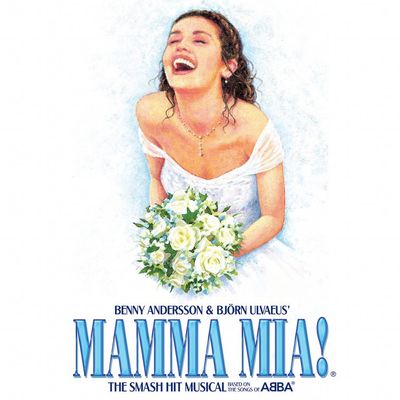
[2:25] Justin Clarke: So we first of all have a producer and executive producer who's worked on Australian productions of Mamma Mia, the original Australian Tour.
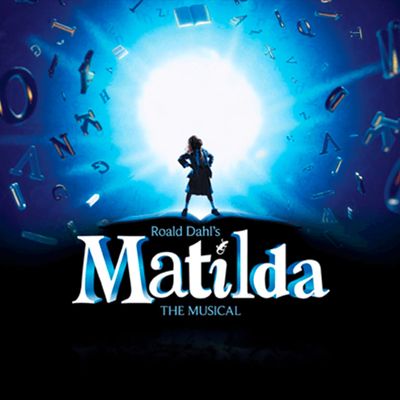
[2:34] Justin Clarke: We were Rocky, Miss Saigon, Spamalot, Billy Elliott, Mamma Mia again, Agatha Christie's The Mousetrap, and was also the international executive producer for the non-English language productions of Billy Elliott and Matilda the Musical.
[2:50] Justin Clarke: Please welcome Louise Withers.
[2:51] Louise Withers: Welcome so much.
[2:52] Louise Withers: Thank you for jumping on.
[2:54] Louise Withers: Absolute pleasure.
[2:55] Justin Clarke: And we also have another producer who has explored producing globally.
[2:59] Justin Clarke: He founded New Theatricals, which is a producing group operating across Australia and on Broadway.
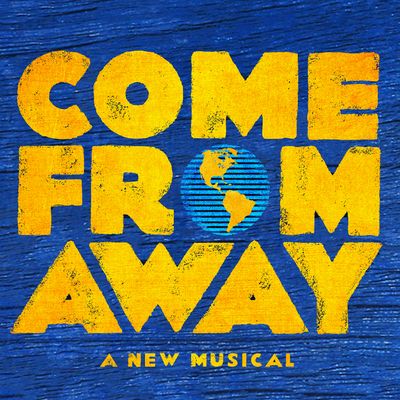
[3:05] Justin Clarke: Shows underneath theatricals include Come From Away, which is a personal favorite, Children of a Lesser God, Rocky, Catch Me If You Can, and Lend Me a Tenor.
[3:13] Justin Clarke: Rodney Rigby, welcome.
[3:15] Rodney Rigby: Thank you, I should say, for joining us.
[3:17] Rodney Rigby: It's great to be here.
[3:19] Justin Clarke: Excellent. Well, I'm very, very excited to have you both on.
[3:22] Justin Clarke: Um, thank you for giving me your time and um and coming on to have a chat.
[3:26] Justin Clarke: Uh I guess um the first thing I'd like to ask is uh just to get a little bit more info about the two of you.
[3:34] Justin Clarke: Um, what are like the top things we should know, you know, about Louise and Rodney?
[3:38] Louise Withers: Well, besides being crazy to be in the business.
[3:41] Louise Withers: Well, aren't we all?
[3:43] Louise Withers: Uh we're still here, I think that's one of the best things.
[3:46] Louise Withers: Rodney and I have both been around for a long time, and someone actually asked me when I was in a presentation recently, and they said, um, what are you most proud of your in your career?
[3:56] Louise Withers: And I just said surviving.
[3:59] Louise Withers: You know, the industry can be very tough, it can be very uh difficult, it can be unexpected, it can also be fabulous.
[4:08] Louise Withers: So it's all of those things, and to ride the wave of popularity or quieter market times, um, both either creatively or from an audience spending perspective, it takes some uh guts to hang in there, and that's what I'm most proud of.
[4:25] Justin Clarke: I love that. Uh Rodney, would you echo that?
[4:27] Rodney Rigby: Yeah, I I said to a I said to uh an actor once who just landed her first leading role.
[4:35] Rodney Rigby: I said to her, it's not, you know, this is fantastic, got this uh leading role, but it's it's not about this one show, it's about a career.
[4:47] Rodney Rigby: And I think that applies to us all.
[4:50] Rodney Rigby: Um, you know, it's a business about having highs and lows, it's about rejections, about having to have room for failure, hopefully some success along the way, uh, getting a thicker skin, um and and and pick being able to pick yourself up and being resilient.
[5:11] Rodney Rigby: Um and and being optimistic but realistic at the same time, uh, and and never letting the obstacles, as daunting as they may be, get in getting in the way of that pursuit of finding a great story to share with others.
[5:30] Justin Clarke: Yeah. I like that. I like um yeah, the final thing you said about sharing the story.
[5:35] Justin Clarke: Because I guess at the end of the day, that's what it all comes back to, you know, that we're in this to share stories and put on these massive big shows that hopefully will change people's lives.
[5:47] Louise Withers: And give them a good time.
[5:48] Louise Withers: And give them a good time.
[5:49] Louise Withers: Yes.
[5:50] Louise Withers: Well, isn't that isn't that isn't that the joy of what we do?
[5:54] Louise Withers: I mean, for me, for me, the greatest pleasure of producing is walking into a theater that is full, standing in the back of the house, knowing that the work on stage is as equal or better than anywhere else in the world, and the theater is full of paying audience members.
[6:14] Louise Withers: That's the best.
[6:16] Louise Withers: And when that alchemy happens, it doesn't get any it doesn't get any better.
[6:21] Louise Withers: And our job is to you know facilitate that.
[6:26] Louise Withers: And when you when we achieve it, we can for two and a half hours or hundred minutes as the case may be, we can we we can change people's lives, we can give them new ideas, we can get take them out of their we can take them out of their existence and give them a new platform, a new you know, something new to think about.
[6:53] Louise Withers: And for me, that that that that's terribly exciting and worthwhile.
[6:58] Louise Withers: And and the human condition demands and requires that we we we we come to a place to share that sense of community and share storytelling.
[7:09] Louise Withers: And we've been doing it for hundreds of thousands of years, and it's something that we'll continue.
[7:16] Justin Clarke: Yeah yeah exactly I think I I I find it fascinating and and was part of the reason I'd love uh I wanted to get both of you on is because you have had such you know amazing careers and done so much work with so many people and I've always wondered like um from a producer's perspective exactly what you just said like where do you like what is it feel like where you stand and you watch because on stage obviously they're performing they are the characters and um what's it like from the other side so it it is something I have always wondered.
[7:51] Louise Withers: I think the thing I enjoy I mean I was trained as a teacher many people in the theater are but I was trained as a teacher many years ago and taught I taught high school music there for a couple of years before I managed to escape to the circus and um and I think you know ultimately I do enjoy that I enjoy uh teaching I enjoy mentoring and I enjoy helping other people achieve their goals um yeah that's important to me especially because I won't go into it but yes I my my performing career was had an unfortunate ending at one point um where I literally lost my voice and um I uh so I couldn't be on stage anymore and so I was oh right my joy comes from facilitating other people to reach their dreams I guess.
[8:42] Justin Clarke: Yeah I like that I think it's very it's a noble uh especially in this industry, everyone needs that champion, and I think it's a very noble thing.
[8:51] Louise Withers: That it feeds the soul.
[8:52] Louise Withers: Yeah, yeah, exactly.
[8:54] Louise Withers: And I like that.
[8:55] Louise Withers: Feeds the soul.
[8:56] Louise Withers: I'm gonna that's a little like sound clip.
[8:57] Louise Withers: I'm gonna grab that that.
[8:59] Louise Withers: That's a good one.
[9:00] Justin Clarke: Um I would uh before I I go too much further into um yourselves.
[9:04] Justin Clarke: I'd love to ask you our one-minute theatre thoughts questions and start picking your brains a little bit in terms of um uh you know your well, your thoughts on theatre, literally.
[9:16] Justin Clarke: Um, so it's essentially just a bunch of different questions.
[9:19] Justin Clarke: It'll be like whatever comes off the top of your head first, and we'll see how many we can get through, and then if there's any interesting ones um I'd like to delve into or jump back afterwards.
[9:29] Justin Clarke: All right, the first question is um what has been your favorite production you've seen recently?
[9:36] Rodney Rigby: Uh probably uh the Lehman trilogy stands out in the last couple of years as being something quite brilliant.
[9:44] Justin Clarke: Okay, lovely. Uh Louise?
[9:46] Louise Withers: Um I'm not saying this called Rodney's on the line.
[9:48] Louise Withers: Um, I actually am a huge fan of Come From Away.
[9:51] Louise Withers: I think it's a beautiful, heartfelt piece full of love and community and friendship and family and all those things that I love.
[10:01] Justin Clarke: Yeah, I totally resonate.
[10:03] Justin Clarke: That is I I saw it twice in the the year in Sydney where it it came and then it had to pause and it came back again, and I saw it both times, and I was just like, can't get enough of it.
[10:14] Louise Withers: You really can't.
[10:15] Louise Withers: It's really great.
[10:17] Justin Clarke: Um sorry, who is someone who has inspired you?
[10:22] Rodney Rigby: Uh Susan Stroman and Des McAnuff, two two wonderful Broadway directors, and in the case of Stro, a choreographer.
[10:30] Justin Clarke: Okay, lovely. Uh Louise?
[10:32] Louise Withers: Wendy McCarthy uh as a great philanthropist and also a great supporter of um helping women achieve careers over a very very long period of time.
[10:43] Louise Withers: She sat on many boards and as directors and things.
[10:46] Louise Withers: Um I I only had the joy of meeting her twice a very long time in my a long time ago um when I was being headhunted for a job, but uh I admired her immensely and I have always remembered her.
[11:00] Justin Clarke: I love that. Um is there uh a dream show you'd love to tackle?
[11:06] Rodney Rigby: Then that's the next show that I don't know I'm producing.
[11:09] Louise Withers: Yeah, a bit of a tough one, isn't it? Because obviously as producers, you want to, uh, you well, I guess you're funding the show, yeah.
[11:17] Louise Withers: Um, I would love to do a production of Lakasha Fall.
[11:23] Rodney Rigby: Oh, lovely.
[11:24] Louise Withers: That it was done in 1985.
[11:28] Louise Withers: Um, total class and beauty.
[11:33] Louise Withers: Um, and, uh, I guess the last one, well, I did have two more, but I guess the last one's a bit of a hard one to answer.
[11:40] Rodney Rigby: Um but uh the second one I wanted to ask was what's your or do you have a all-time favorite musical or production?
[11:47] Louise Withers: I don't. I the the the the I have a number of shows that change in in the course of time. So you know it depends what uh you know where I am in my life, where I am, what decade, and how I'm feeling.
[12:02] Rodney Rigby: I think it's spot on.
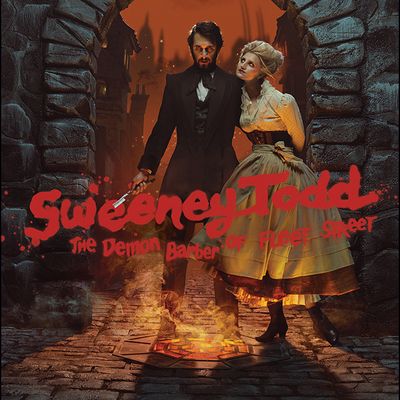
[12:05] Louise Withers: Um mine is a clear favorite. I'm afraid I am a huge fan of Sweeney Todd.
[12:10] Rodney Rigby: Oh, lovely. That's a good one. Did you um uh did you uh managed to see or listen to the the Josh Groban production that was that's on Broadway?
[12:20] Louise Withers: I haven't there it is. I haven't seen it yet. Um and uh goodness would that would be interesting, but I have seen many others. I'm a huge fan of George Hearn and of Len Cariou. Um I was an ASM on the 1987 State Theatre Company of South Australia production. I was in charge of Blood I thought that was pretty cool. Um yes I I adore that musical and I would love to produce it one day it's been done a lot though so I think it might end up in my head only.
[12:52] Rodney Rigby: Well hopefully go make sure you get to see make sure you get to see it Louise it's a st the Broadway production is just absolutely stunning. It's just stunning.
[13:04] Louise Withers: Yeah I'd love to see it. And it's and it's almost as exciting standing on the street waiting to get into the theater as actually watching the show because the audience the audience are like so charged up and it's like who the hell are these people these people don't know who Stephen Sondheim is.
[13:26] Rodney Rigby: Do you think they go in because they're Josh Groban fans and they don't know what they're going to see yet I mean they don't know about maybe people being put into prize or what it's it's it i it's the alchemy of Josh it's the alchemy of the casting I mean you know they've got you know the you know they've cast the show so extraordinarily well with that young man from Stranger Things and Ashley.
[13:53] Louise Withers: So it's this incredibly alchemy of casting that two hours into the show the audience is still laughing at these incredible lyrics and these you know really funny lyrics that I've sat through many productions of Sweeney Todd you know there's no response it's such a thrilling production it's just obviously so well crafted and well directed that that they've got every bit of love out of it.
[14:25] Rodney Rigby: Absolutely, it's stunning. I mean, I I thought you know, I thought Annalie Ashford was really I mean it was you know her comic performance is just breathtaking.
[14:35] Louise Withers: It's just just okay, yeah. Go see it.
[14:40] Rodney Rigby: Thank you. There you go. High praise. That's amazing.
[14:44] Louise Withers: Um the last question I did want to ask, I don't know if it's a bit of a tough one, because uh I guess if you answered it, you you might give some spoilers away. Um but I uh the question was which production would you most want to see come to Australia? And um I I don't know if you're working on any at the moment, but I mean I know there's obviously um a lot of productions people want to come. Um, but is there any that you uh uh particularly have?
[15:09] Rodney Rigby: Yes, I want I want I want Water for Elephants to come to Australia, which is my my my new show.
[15:16] Louise Withers: There you go.
[15:19] Rodney Rigby: I want that to be a great success and come to Australia. That'd be thrilling.
[15:25] Louise Withers: That's that's why I was like, I'm not sure if it's a tough question because you're probably working on shows. That'd be great. Um Louise, did you have one?
[15:34] Louise Withers: No, it's in my vault of silence.
[15:36] Rodney Rigby: Yeah, that's what I thought. Excellent. Oh goodness. Well, thank you so much for that. Um, I I'd love to jump back to some of those answers that you gave. Um, I'd love to jump back, Rodney, to the the answer you gave for who is someone who's inspired you, and you were talking about the Broadway directors.
[15:55] Rodney Rigby: Um, so what was it about them that particularly um resonated for you oh I think I think Des Des is one of the most influential directors on Broadway. I mean he you know he he he he you know he he brought rock music to Broadway you know first with he brought firstly he brought country music with Big River to Broadway and made it acceptable then with his production of Tommy which is currently being just finished it's in revival at the moment just had a huge success at the Goodman in Chicago you know he he he he legitimized rock music on Broadway in the in the in the 90s with Tommy and so you know it enabled that to happen and then of course Jersey Boys that that that you know he he he legitimized jukebox musicals because whilst Mamma Mia opened on Broadway before before Jersey Boys right it was Jersey Boys that sort of legitimized for the Americans the jukebox musical form the other the other genius of of Des was transitions in the musical form he really was masked he's a master of transitions from one scene to another so he's very cinemographic very his direction his technique of very cinema approach from just one scene to another strowe of course is you know nominated been nominated for more tone I think he's up she's up for just as many Tony awards as Bob Fosse.
[17:31] Louise Withers: But you know, as a you know, when you look at her volume of work choreographically in terms of a director, you know, although New York, New York unfortunately didn't work last season.
[17:43] Rodney Rigby: Oh wow. You know, some of her uh her staging and choreographic work was just unbelievably breathtaking.
[17:50] Louise Withers: So as a choreographer and as a director, I mean her stuff is just extraordinary. And you think about her work in Contact, just beautiful ballet work that legit you know that really helped as an art form.
[18:07] Rodney Rigby: Uh, and then her comedic work, you know, as a director and the producers. So, you know, she's a you know, her her her wealth of work from directing plays and comedy to her work with Mel Brooks and the producers and uh and Young Frankenstein to her choreographic. I mean, that sort of influence is just extraordinary.
[18:28] Louise Withers: And of course, she's a woman, and and and and you know being being a woman working on Broadway is hard enough.
[18:28] Rodney Rigby: Being a woman working as a director and a choreographer, just multiply that by any multiple you like. It's very challenging and very hard.
[18:48] Louise Withers: But also, Rodney, at the time that she really came to the fore, that's a long time ago. So she was cutting ground, you know.
[18:55] Rodney Rigby: I mean, it's not like today, starting to forge that position now. She was doing it years ago.
[19:01] Louise Withers: Absolutely. I mean, she had you know, at one point she had three shows on Broadway running at one time. I mean, you know, a trailblazer, um uh right through, you know, for you know, for you know, right through from the night from the 1990s.
[19:18] Rodney Rigby: So it's an extraordinary contribution she's made to to the American mus uh to the American theater that that that has that has really influenced theat yeah, musical theatre worldwide.
[19:33] Louise Withers: Yeah. That's amazing.
[19:34] Rodney Rigby: Wow. I'd like this is another thing I just love about the podcast is you just uh I didn't know that, I'm gonna be honest, did not know that.
[19:42] Louise Withers: So that's another thing to add into my bank of knowledge.
[19:45] Rodney Rigby: That's incredible. Excellent. Thank you for sharing that.
[19:47] Louise Withers: Um Louise, I same question for you.
[19:50] Rodney Rigby: So the uh person you said for who's someone that inspired you.
[19:53] Louise Withers: Um do you want to elaborate on that a little bit more?
[19:56] I think Wendy, but also I mean, she as a if I'm going to do theatre discussion as a um direct theatre discussion. I mean, I've I've had many people teach me a lot of things in the theatre.
[20:08] So I would uh the people that stand out for me personally, there was a gentleman called Ian Fraser who taught me an awful lot about the industrial landscape and uh and learned uh taught me to have a thick skin.
[20:23] Rodney Rigby: Um a gentleman by the name of Mort Clark, who was a technical director of the old days uh in nineteen nineties and before, who just never settled for anything less than perfect.
[20:35] Louise Withers: And uh, and then a gentleman called Rob Bailey, who I worked with for three years directly, but many years prior to that when I was with Cameron Mackintosh in the area of marketing and uh and design, and and he taught me a lot about look for the mismatch, which in design and marketing is one thing, but it's such a good thing to look for all every day in every area of the theater, you look for the mismatch.
[21:01] Look, never assume anything is correct and look look look to make sure it's correct. Assume it's wrong. So, you know, I I guess I've forged my career by covering a lot of ground in a lot of areas.
[21:13] I've done industrial, I've done marketing, I've done on stage, I've done off stage, and and really it's that broad experience that that has benefited me because you can actually talk the talk with anybody.
[21:25] Rodney Rigby: You may not be a specialist in it all, far from it. But you can talk the talk, and you can't have any one point your wall over your eyes.
[21:32] Louise Withers: So my inspirations come from variety of places, and I do get inspired every day that I look at a mate like Rodney and you know, we're still here.
[21:40] Rodney Rigby: And that inspires me.
[21:42] Louise Withers: It inspires me that I keep going until we all stop at the same time.
[21:50] Rodney Rigby: That's lovely. Thank you so much.
[21:51] Louise Withers: Thank you so much for answering those. That was really um enlightening to hear.
[21:57] Rodney Rigby: So um I guess uh let's turn it back now to talking a little bit more about the the main reason I was uh fascinated to get you on.
[22:07] Louise Withers: Like I said, I saw you guys talk at the business um uh night in Sydney, and um you gave such depth of conversation and um passion as well about what you think the Australian theatre scene needs, and also the steps that we need to take as an industry, um both to um you know from a theatrical level but also at the government stage as well.
[22:33] Rodney Rigby: So I'd love to know um your thoughts on what what is it that you see for the future of the Australian theatre scene.
[22:41] Louise Withers: Do you want to go first, Rodney?
[22:42] Rodney Rigby: Sure, I'll try. I I think we're at a very challenging point in time right now. Uh we're obviously we're obviously in this post-COVID reconstruction, uh, although we're no one's at a time when no one's admitting we're in a reconstruction period.
[23:01] Louise Withers: We're quite we none of us know what sort of period we're actually in, but we know our audiences that have not returned in full, audiences are down, some have not come back.
[23:13] Rodney Rigby: Um has radically changed in terms of buying patterns, and there is competition afoot.
[23:23] Rodney Rigby: Streaming services are a major competition at the moment. We're facing, uh, also the economy is our competition, high high, uh, interest rates, mortgage payments, cost of living pressures, these are all issues that are creating pressures on people's disposable income that are impacting on their capacity to attend live events.
[23:48] Rodney Rigby: So this is the new environment that we're working in, and this is not an Australian issue, this is a global issue. Uh, you know, that the, that you know, the United States is facing, uh, large chunks of, you know, I'd say Great Britain is facing, and we're facing here. So we're in this reconstruction period, but we're not admitting to it. So we're sort of, you know, coasting along as business as normal, and we say we're not thinking about what do we need to do for the future.
[24:22] Rodney Rigby: Right. So the first thing that we need to do in Australia is that, you know, from a commercial, and I'll speak from a commercial sector, is we need, we need to, we need the federal government needs to have investment incentive. It is absolutely ridiculous and unacceptable. The commercial theater industry, uh, there is no investment incentives whatsoever. The film industry has had it for decades. The, uh, America there is investive and set, um, incentives across the United States, there's investment incentives uh, in Great Britain. We live in a globalized, uh, economy. Most of our shows in Australia are financed in part, majority, uh, a large part from foreign investment. We are not an attractive investment market. We have no investment culture in this country to encourage Australians to invest in shows here.
[25:30] Rodney Rigby: Louise and I are not corporate producers, we are individual producers, we are not backed by hedge funds or owned by multinational companies. So for us when we raise money, you know, raising money from anything from, you know, five hundred thousand dollars up to 15 or 18 million dollars or whatever the number happens to be to produce the show, we have to go knocking on doors and raising that capital. So, how do we do that when we're competing against the odds when there's no investment incentives to encourage people to invest? So we're at a disadvantage. Put that into the context of our economy and trying to reconstruct our industry, not just for the next two or three years, but for the next 40 years or 50 years, or a planning stage for a major musical play that takes between the next two and five years of planning, it makes it very difficult. I think so that's, that's my first point.
[26:44] Rodney Rigby: My second point is that we, you know, in the not-for-profit sector, I think it's alarming of what's happening in the United States with the, with the impact of the obviously of the economic, um, that's the economic situation, the impact that's happening in not-for-profit sector, subscription audiences are fallen. Almost every not-for-profit company in the United States have reduced its staffing levels, they've reduced their seasons or had to modify their seasons. Many have had to, you know, a number of closed in part this year. That's affecting, that's affecting number of playwrights, actors, um, the food chain to Broadway and beyond for product and development.
[27:40] Rodney Rigby: So, what how does that impact Australia? We know, we know that subscription audiences in Australia are have fallen since COVID. We know consumer behavior has radically changed. Yet looking at most looking at looking at a large number of not-for-profit subscription, um, um programs for 2024, they are still programming like pre-COVID. If I look, you know, you just pick a major company, there are so many plays that in their season, and you know, I, I have to ask the question do audiences want to see that many plays in that particular subscription season? And I think, uh, my second follow-on question is are those companies producing to subsidy or start as opposed to staying to produce for success and commercial success.
[28:46] Rodney Rigby: Right. If you know, you know, with, you know, our not-for-profit companies are very good at creating a number of very commercially successful plays and properties, but they have no life of bringing in new audiences because they got, they got a five-week season and then they're closed. So if your audience is declining and you're trying to build up audiences, what you need is you need to have some success. So I think the model, I think, I think the profit, I think the not-for-profit model needs to be rethought because I think, I think, I think unless the model starts changing, all they're gonna be asking for is more money for continual losses.
[29:41] Justin Clarke: And, uh, the question I wanted to kind of jump in on that was, um, uh, do you find that when it comes to a lot of those things you were saying about the scheduling of the shows, um, brand new musicals versus established products? Um, do you feel like there's a, um, an inequality in the two, or do they impact on each other at all?
[30:06] Rodney Rigby: Well, I was to, I was making a clear distinction between the not-for-profit and the, and, and the commercial sector, not not genre types.
[30:15] Justin Clarke: Oh, gotcha, yeah.
[30:17] Rodney Rigby: And I think, I think, you know, I don't care about genre. I think if you're looking at the Australian landscape, yeah, you know, I think that, you know, I want to avoid a crisis in the Australian landscape of companies collapsing or going under. And I think unless there's a change in thinking of a number of not-for-profit companies quickly, we may see some disappear because can they keep, can they keep producing the volume of plays in a declining subscription market?
[31:00] Justin Clarke: Right, that makes sense.
[31:02] Louise Withers: Yeah, it's a, it's a fair question. It's also though about what is it that's going to continue to get new audiences in the door, and that is obviously part of what Rodney's saying, is that you know, uh, in general, yeah. You know, it's, it might be a general statement, and I'm sure lots of people want to contest it, but certainly in the commercial landscape, it's very difficult to get an audience to come in if it's not an existing brand. And you have to, you have to be prepared to really go out on a limb, as Rodney did with Come From Away that wasn't known in Australia, as we did with Six. Um, you know, there's lots of shows that lots of people do that are not, are not known brands and Australian audiences.
I mean, you know, people often ask you know me, us the industry why are we not producing more brand new Australian works, um, commercially and my answer is if the Australian public would come in their droves and buy tickets to see it then we'd be producing. It's really difficult to, to have people take the risk and more, more, and I mean a risk as in, yeah, risking their ticket money, you know, at the moment especially since COVID they want a known brand they want to be entertained they want to have a good time, uh, things that have been presented which are more challenging have not necessarily enjoyed the same rewards post COVID because people just want to go and have a good time, you know, so, you know, we, we are really slaves of the market in many ways as well.
[31:44] Louise Withers: And I guess the hard thing for a subsidized company is they have mandates from the government to do X. They've got a part of their audience wants to see cutting edge part of their audience wants to see more commercial they're using more commercial works to fund their cutting edge works more commercial work starts cutting across the commercial market, um, or is, or has already for some years now. So, you know, it's a really, um, I think as Rodney said, I, I have certainly started talking to people about saying, I think we need to do a deep dive into our industry and where it's going for the next five years, because I'm not convinced that it's going to be able to sustain in the current way. And some people just poo poo that and say, you know, oh, that'd be DAFT always goes through waves, this is just another wave. Yeah, maybe they're right, but I'm not necessarily convinced in the same way that Rodney isn't.
[33:39] Rodney Rigby: Well, you know, I, you know, I think there's enough evidence coming out of the United States to say this is not just a wave. I mean, the evidence coming out of the United States is pretty, pretty clear. This is the greatest, you know, this is the greatest crisis since the Great Depression.
[33:57] Louise Withers: In the arts.
[33:58] Rodney Rigby: In the arts, yeah. And I think, and I think, you know, and I think we've got to be very vigilant to make sure that we can avoid something similar happening here.
[34:14] Louise Withers: Right.
[34:16] Rodney Rigby: Now, whilst our subside, sorry, whilst our subsidy and our funding mechanisms are so different to the United States, when the Sydney Theatre Company posts a surplus of $40,000 after having some sizable hits last year with additional grants from the New South Wales government, that's a pretty, you know, devastating result. They think they fear, Rodney, that if they make too much of a profit, they're gonna lose their funding.
[34:51] Rodney Rigby: This is where this well, this is you know, this is where I think you know, this is where this is where I think you got, you know, are they you know, this is I'm I'm not citing the Sydney Theatre Company because I think that's where I think you know, are people producing people producing to subsidy or are they producing to create you know in that balanced world trying to produce they need to you know that you know there's some very commercial shows the Sydney you know companies create but they don't have a life there's nowhere for them to transfer anymore yeah because I think that's a good thing as well like the the whole transfer where do they exist and it I think comes back to what you said you know they do it for five weeks and then it's done and I think as well like what you said it if you understand how the West End if you go to the West End and you go to Broadway and you see how these places run literally go see two shows in a day ten shows in a week if you have the money um and if they're struggling then that's like a big warning um in what if from from what I'm hearing anyway for for us as Australia because obviously we don't have any that level um established we don't have that level of population and we certainly don't know have that level of theaters to populate yeah but the amount of stuff is much less it it's a very interesting time as Rodney said it's a very a very interesting time and yes you can just carry on and pretend everything's fine and and uh keep doing what we do but um you know it is such a small ecosystem the uh entertainment and arts market and and group of companies that we all get affected in a great way and because we are based on discretionary income, anything that starts squeezing the pocket starts squeezing our business, and um you know that that eventually has to have an outcome attached to it in terms of the scale of production or the quality of production or the you know the um frequency of productions, etc.
[37:07] Louise Withers: And that in turn then can bring the market down a bit, you know. So I mean it it's um it's an interesting time, and and someone would say, Oh, look at all the shows. I mean, I have this argument all the time. I say that's crazy. Look at all the shows that are being produced, there's tons of them. It must be a burgeoning market, and you'll go the reason why there are so many shows being produced for two reasons. One, we we don't have many shows that can run like a year anymore, and they used to, so you know, you might have two shows in the country running for a year at a time. That sucks up a year of a theatre. Whereas if all the time you're only running for 10 weeks or 12 weeks or something like that, then you can fit several of those in a year.
That means they're also going to be selling tickets one on top of the other, they're going to be advertising one on top of the other, and that's just one venue. You know, there's not a lot of big commercial product that we can all see out there for Australia at the moment. I mean, when you say, you know, what would you like to bring? I mean, there's a lot of shows that exist but aren't necessarily right for the Australian marketplace, and there's a lot of shows that that exist and don't make money. Well, that's not a good place. Uh, when you live in a country that aren't bought up on the arts and entertainment and culture in quite the same way that the UK and even the US are um, you know, there's much more um arts and entertainment happens in schools and trips to theaters in schools from a very young age, and that starts to form the habit.
Um, and that happens overseas much more than it does here. So I think um, you know, there's there's lots of repeat shows going on, there's lots of shorter seasons going on, and that's all reflective of this kind of interesting time we're in. It's not because the industry is blooming.
[39:04] Rodney Rigby: But what we do have is you know, we're at a incredibly fortune, you know, we're in a right now we're in a good point in time where you have a group of practitioners and theater makers that uh want to expand the business. That probably is the highest level of practitioners in the country's history. Which and also who've been around the longest, Rodney. Yeah, the bit yeah, so that's good, and you have a lot of new, you know, you have such a breadth of new Australian work happening from our first nations work to new musicals being done right across the not-for-profit sector, which is great. So this is you know, this, you know, so this is all very exciting stuff, but what we've got to do is work out how we develop new audiences.
[40:10] Louise Withers: That's right, and how you develop new audiences is creating hits and letting and having spaces for people to see those hits. So that's either more infrastructure, which is not going to happen overnight or 14 years. So you have so it's more infrastructure, or you start having to change the model for doing 10 shows in a year to allow some space to do seven shows in a year, hoping that one of your successful shows will run the extra three weeks. That word of mouth in the first five weeks may actually bring people in for the five last three weeks and turn to a hit. And if it doesn't work, do some maintenance on the theater that you've been wanting to do for five years. But that's where I argue are we in the not-for-profit sector, are we producing for subsidy? Or do we need to redefine we need a balance for for we need a greater balance?
[41:28] Justin Clarke: Well, I'm just very conscious of time that I need to wrap up here soon. So I'd love to get your final um, I guess your final um sorry, how do I word this? Your final thoughts on if you could summarize what we talked about today. What's one like um important thing that you'd love the listeners to leave with?
[41:47] Louise Withers: Well, I think I think as Rodney said, you know, and Romney and I are on the same page, from a government perspective, the first most critical thing is finding a way to get to get investors interested in the Australian market again. So that's part of it, and that comes down to product, but also more importantly, incentives is what me said. I think as uh for listeners, I would have thought that a lot of your listeners are arts-oriented and entertainment-oriented listeners. So uh for that I would like to thank them for being so and stay with us because there's lots of good things to come, it's just a challenging time. Um, and I think that I think that the most important thing I always want people to know is for every 30 people they see on stage in a cast, or whether it's six or ten or twelve, there's like five times that many out the back.
You know, it takes about 150 people in a building on a day to put on a performance and uh you know, of a of a musical, uh major musical, and uh and people have no concept of that. You know, so they'll often say, Bleny, why are the tickets so expensive? And I go, well, you know, we employ 150 people, we have to play to 16,000 people a week if you're in a 2,000-seat theatre, and by the way, we only start paying the bills at the very final top-up of those theaters. Um, there's a lot of labor, and you can't you can't cut costs on labor. So, you know, it's a high-risk um industry that needs audiences to keep coming for it to continue to exist.
[43:23] Justin Clarke: Love it. Excellent. Thank you. And Rodney.
[43:25] Rodney Rigby: I I I'm just gonna reiterate what what Louisa said. I I think this is an you know, I'm just gonna add this is a time of great opportunity, but it's a time where we need to we need to embrace a sense of reconstruction. You know, you've had the Australia Council reconstruct itself under the federal government. I think the not-for-profit sector should look how it operates, and and and I think uh I think the commercial sector needs to look how it operates. I think the Sydney, I think the Sydney commercial operators, those who operate commercially, should you know, should form a peer group to lobby for Sydney. Because I think that would be a more much more effective means of getting policy up with government.
I don't think it can be done nationally. I don't think it's worked successfully to date. I think the challenges in Sydney are very different to those in Melbourne. I think we need to recognize that. I think Sydney has a number of challenges that are unique to the city. And I think we have a government, you know, at both levels that are prepared to listen. But I think it needs to be fed. And I think that's, you know, it's, you know, how do we do that is the is really the the answer we need to find.
[45:07] Justin Clarke: Excellent. Well, thank you so much for both jumping on, giving us your time today. That was a rich discussion that I'm sure is going to leave a lot of people with um a lot to think about, and hopefully we can see more positives moving forward. So Louise Rodney, thank you so much again for your time.
[45:23] Louise Withers: Absolute pleasure.
[45:31] Justin Clarke: A massive thank you once again to Rodney Rigby and Louise Withers for being our special guests on this week's episode. If you found this conversation insightful or raises more questions for you, please don't hesitate to get in touch with us here at Theatre Thoughts, Theatre Thoughts AUS, or our podcast channel at TT Pod underscore official or by following the links in this episode's description. This episode was produced by Echidna Audio. Follow them on Instagram at Echidna Audio for all their audio services. Once again, if you enjoyed our podcast, leave us a review wherever you get your podcasts and head to the link in this episode's description for our Instagram account, TikTok, YouTube, and Patreon. My name's Justin Clarke, and I'll see you next time here on the Theatre Thoughts Podcast.
© Broadway Podcast Network, All Rights Reserved