

Throughout the summer, we are working with the Perelman Performing Arts Center reimagined production of CATS called CATS: "The Jellicle Ball" to bring you a series of episodes with the cast and creative team. "A theater is a temple... Read More
From the show: The Wrong Cat Died
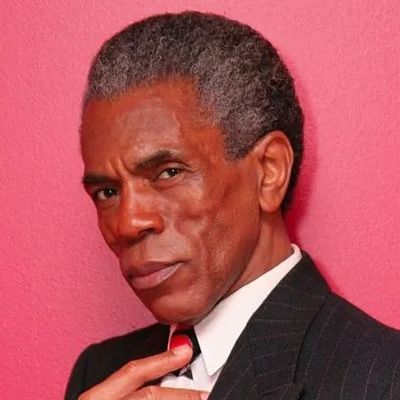
Guests
Miniseries Inclusions
Featured Shows
About
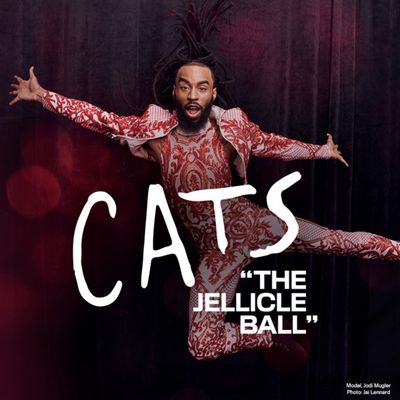
Throughout the summer, we are working with the Perelman Performing Arts Center reimagined production of CATS called CATS: "The Jellicle Ball" to bring you a series of episodes with the cast and creative team.
"A theater is a temple. This is the fourth institution where the five necessary questions are answered. You have to answer a question. You have to resolve a crisis. You have to lift a burden. You have to break a yoke. Take that albatross off the neck of the people who have come for redemption. That's why we come and sit in a dark place with strangers. It's a kind of atonement, right?" This episode features André De Shields who plays Old Deuteronomy in this production. Hear André share his thoughts on the production, how he created his character, and how he views the story of CATS. Plus, André gives a passionate defense for why Grizabella has to be the Jellicle choice in this production.
- Check out André on Instagram: @andre_deshields
- Check out André on YouTube: @andre_deshields
- Check out CATS: "The Jellicle Ball": pacnyc.org/whats-on/cats-the-jellicle-ball
Produced by:
Alan Seales & Broadway Podcast Network
Social Media: @TheWrongCatDied
Transcript
This transcript was automatically generated and might contain errors.
[0:01] Mike Abrams: There's a cat over here. There's a cat over there. And the wrong one died. And the wrong one died.
[0:10] Mike Abrams: Welcome to The Wrong Cat Died, the podcast breakdown of the Catastrophe. I'm your host, Mike Abrams, and today we have an incredible episode.
[0:17] Mike Abrams: We are working with the Perelman Performing Arts Center Reimagined Production of CATS, called CATS: The Jellicle Ball, to bring you a series of episodes during the run.
[0:25] Mike Abrams: I had the privilege of heading to the PAC to film live after the show with Old Deuteronomy himself, the legendary André De Shields.
[0:37] Mike Abrams: What you're going to hear is our conversation after the Sunday matinee, where we discuss everything about his time in the role and his incredible experience as Old Deuteronomy.
[0:49] Mike Abrams: So, sit back and enjoy our conversation with André De Shields.
[0:54] Mike Abrams: Welcome to The Wrong Cat Died. My name is Mike Abrams, your host, and I am here with André De Shields. Thank you so much for being here. It is amazing to have you here.
[1:02] Mike Abrams: I want to start at the beginning because you're a legend in Broadway and you've had a long career.
[1:09] Mike Abrams: You've been around to the point where I want to know how many times have you seen CATS before this production?
[1:15] Mike Abrams: What was your CATS history? Did you see Ken and see the original production?
[1:20] André De Shields: Of course I did. 1981, I think the date is. And Ken Page and I had worked together twice before, so we were used to supporting one another.
[1:34] André De Shields: The Wiz, definitely.
[1:35] André De Shields: The Wiz, Ain't Misbehavin'. In '81, he created the role of Old Deuteronomy.
[1:45] André De Shields: The role you're playing now.
[1:47] André De Shields: And I certainly was impressed with the spectacle of CATS.
[1:57] André De Shields: I realized then that there really wasn't any significant storytelling that was being had outside of the personalities that were created for the CATS by T.S. Eliot.
[2:16] André De Shields: Yes.
[2:17] André De Shields: But still, it was diverting and it was entertaining and it made $3 billion for Andrew Lloyd Webber.
[2:27] André De Shields: So in the industry, we called that a success.
[2:32] Mike Abrams: Yeah.
[2:33] André De Shields: And I saw it several times after that because a few of my colleagues followed Ken into the role.
[2:42] André De Shields: Also, a very good friend of mine, Marlena Danielle, has the singular distinction of the one CAT that did all 18 years of its run on Broadway.
[3:01] Mike Abrams: As Demeter, I believe, right?
[3:03] André De Shields: As Demeter, yes.
[3:05] Mike Abrams: Okay. So you were obviously familiar.
[3:09] André De Shields: Absolutely.
[3:10] Mike Abrams: You knew everything. What was your thought when you first heard of this version's concept, of the ballroom interpretation, of that we're going to merge these two worlds of CATS, which has a long history, and ballroom, which also has a long history?
[3:25] André De Shields: This version of CATS is co-directed by Jaylon Levingston and Bill Rauch.
[3:34] André De Shields: They approached me in the winter of '23 when I was doing Death of a Salesman.
[3:43] Mike Abrams: Okay.
[3:44] André De Shields: And they said, we need you to do Old Deuteronomy Redux.
[3:53] André De Shields: When they explained to me the idea that they were superimposing on the score and the text that I was familiar with, I said yes immediately, although I was already doing eight shows a week.
[4:07] André De Shields: I said yes to doing the experimental contract in January, February of '23 because I knew immediately it had a pedigree, their concept had a pedigree of being revolutionary.
[4:23] Mike Abrams: Yeah.
[4:24] André De Shields: And I said then and I say now, I want to be on the front edge of the revolution in entertainment.
[4:34] André De Shields: I don't want to be bringing up the rear.
[4:36] André De Shields: I don't want to be half-stepping or back-stepping.
[4:39] André De Shields: So I committed to the experimental contract of two weeks, and I understood that there was a representative of the Really Useful Group in the rehearsal hall, and that this representative would be taking information back to Andrew Lloyd Webber, and we had to wait for the thumbs up or the thumbs down.
[5:03] André De Shields: But we got the thumbs up on that first experimental contract.
[5:07] André De Shields: Now, that was the winter of January, February '23.
[5:12] Mike Abrams: Okay.
[5:13] André De Shields: So it's a full year.
[5:15] Mike Abrams: Yeah.
[5:16] André De Shields: Before, yeah.
[5:17] André De Shields: In the fall of that same year, October, November, we did the developmental contract.
[5:26] André De Shields: Same process, same thumbs up.
[5:28] André De Shields: So then in May of this year, we're doing – and this is our third extension.
[5:35] Mike Abrams: Yes.
[5:36] André De Shields: The first equity union contract.
[5:39] André De Shields: Big jump.
[5:40] Mike Abrams: Yeah.
[5:41] André De Shields: Of CATS: The Jellicle Ball.
[5:43] André De Shields: I think I've answered your question.
[5:45] Mike Abrams: Yes.
[5:46] Mike Abrams: Okay. It's been amazing to watch this as someone who has spent so much time talking about CATS, but to experience a different interpretation of it.
[5:55] Mike Abrams: And I think one thing – and I've heard you talk a little bit about this in interviews already, but I'd love to hear you expand on it – is the storytelling that you mentioned.
[6:04] Mike Abrams: By taking away the cat costumes and by having it being a different interpretation but still the same source material, still the same material, how has it been for you being able to do this production and being able to kind of bring this kind of new revival to a 45-year-old piece of art but is one of the most popular things happening right now that's a new vision of it?
[6:30] André De Shields: That's a question with a lot of gravitas. And I'm going to now begin to answer it, but you may have to tell me, okay, that's enough.
[6:40] Mike Abrams: Keep going.
[6:41] André De Shields: People want to hear from you.
[6:43] André De Shields: Well, I'm glad to hear that, but to answer your question, I have to step out of the world of things that are literal and move into the world of abstract metaphor and the intersection of history and evolution.
[7:02] André De Shields: That's why this CATS is happening.
[7:07] André De Shields: It would have been impossible to have this point of view, this perspective in 1981.
[7:15] Mike Abrams: Okay.
[7:16] André De Shields: We had to wait for what is very rare that an intergenerational group of individuals would be experiencing the same phenomenon, which I've already named as an intersection of history and evolution.
[7:34] André De Shields: What I'm saying is the community, the multitude of voices that are represented in the Jellicle Ball had not formed as a community in 1981.
[7:49] André De Shields: The ball culture existed in 1981.
[7:53] Mike Abrams: Yeah.
[7:55] André De Shields: But there had been no invitation to collaborate the ball culture with legacy theater.
[8:04] André De Shields: I was about to say legitimate, but I'm not trying to call anything illegitimate, with legacy theater, knowing that that was the vectors of everything that was happening in the society.
[8:18] André De Shields: I know we are not supposed to get political, but I just want to say one thing so those individuals who are listening to us understand what I'm saying.
[8:29] André De Shields: Kamala Harris.
[8:32] André De Shields: This CATS is possible because history and evolution have now said we're through with the patriarchy.
[8:43] André De Shields: We are now moving on.
[8:44] André De Shields: We are progressing to the matriarchy, which means necessarily womanhood and womanism and feminism.
[8:54] André De Shields: That frightens a lot of people.
[8:57] André De Shields: Even in the industry that's known for its creativity and its innovation, we still have had that polar separation between that which is masculine and that which is feminine.
[9:12] André De Shields: You can only do this version of CATS if you recognize the dichotomy in yourself.
[9:21] André De Shields: I'm going to reference T.S. Eliot now.
[9:24] André De Shields: I hope I'm quoting him correctly, but T.S. Eliot, who was born in America, but when you listen to his art, you think he is as British as Andrew Lloyd Webber.
[9:39] André De Shields: T.S. Eliot says, it is only those who risk going too far who know how far to go.
[9:49] André De Shields: That is the credential of this concept, this performance, this show.
[9:56] André De Shields: Lots of entertainment.
[9:58] André De Shields: Lots of entertainment, but a great deal of enlightenment.
[10:04] André De Shields: People have told me, but I'm also aware of it because I have the best perspective on this show.
[10:13] André De Shields: And let me say this as objectively as I can because it's reported to me.
[10:18] André De Shields: André, when Old Deuteronomy finally makes his appearance, I broke down crying, and I cried through the rest of the show.
[10:27] André De Shields: Still whacking the fans and screaming and yelling, right?
[10:31] André De Shields: But in addition to the entertainment is enlightenment.
[10:36] André De Shields: And I take my hat off to Dudney, who plays MonkaStrap, who is the storyteller.
[10:46] André De Shields: Now, what he is doing is a fine service to the audience because he is what we call a griot, G-R-I-O-T.
[10:56] Mike Abrams: Do you know that term?
[10:58] André De Shields: I do not.
[10:59] André De Shields: This is why I said your question was going to bring out the gravitas in you.
[11:03] André De Shields: This is great.
[11:04] André De Shields: Griot is a word borrowed from Francophone Africa.
[11:09] André De Shields: Okay.
[11:10] André De Shields: Right? The African countries that speak French.
[11:14] André De Shields: Why do Africans speak French? Because of colonialism.
[11:18] André De Shields: Right? But out of that cross-section of cultures comes this term griot, which means gatekeeper, which means keeper of the faith, keeper of the history, keeper of the culture.
[11:35] André De Shields: A griot is a walking library, an individual who knows everything that there is to know about the culture, the nation, the globe, the universe, the cosmos, all relationships.
[11:52] André De Shields: And the griot also has a protégé to whom is passed all of that information because griots, like all humanity, pass on but leave someone to continue the service of whatever question you have, I can answer it.
[12:13] André De Shields: Dudney, telling the story in a fine manner.
[12:19] André De Shields: Entertainment, enlightenment.
[12:21] André De Shields: Now, the third E that I want to talk about is ecstasy.
[12:27] André De Shields: And that's why people cry during this performance because they never suspect it.
[12:34] André De Shields: I mean, they know from the promotion and from the word of mouth, this is not your mother and father's CATS.
[12:42] André De Shields: This is something else, which is why I call it a multitude of voices.
[12:48] André De Shields: This is the pluralism we talk about when we say democratic, multiculturalism, and that sort of thing.
[12:56] André De Shields: Now, the ecstasy comes when Deuteronomy is introduced.
[13:03] André De Shields: MonkaStrap is telling the story.
[13:07] André De Shields: Deuteronomy brings the myth onto the stage.
[13:13] André De Shields: This is why the Greeks, from whom we in the Western world say we borrowed our culture.
[13:22] André De Shields: But this is why the Greeks built amphitheaters that would seat an entire nation state, 20,000 people, 40,000 people.
[13:33] André De Shields: Because they believed, because no one had scaled Mount Olympus at the time, they believed that in that mist that brings the mountaintop live the gods.
[13:45] André De Shields: But they, with the proper ritual, would come down from the mountaintop, walk among us, and do the thing that we still come to the theater for.
[13:59] André De Shields: The amphitheater is a temple, just like a Jewish temple, just like an Islamic mosque, just like a Christian church.
[14:10] André De Shields: This is the fourth institution where the five necessary questions are answered.
[14:20] André De Shields: You have to answer a question.
[14:22] André De Shields: You have to resolve a crisis.
[14:25] André De Shields: You have to lift a burden.
[14:27] André De Shields: You have to break a yoke, take that albatross off the neck of the people who have come for redemption.
[14:36] André De Shields: That's why we come and sit in a dark place with strangers.
[14:41] André De Shields: It's a kind of atonement, right?
[14:44] André De Shields: So that's what's happening on this runway, which leaves people screaming at the top of their voices, gagging, as we say.
[14:54] André De Shields: I came out the other day, and in the ball culture, one of the grandest compliments one can receive is, you ate that bitch, which means that you brought it, right?
[15:12] André De Shields: Someone screamed that out to me when I entered the other night.
[15:17] Mike Abrams: Wow.
[15:18] André De Shields: Yeah, wow.
[15:20] André De Shields: There's no other forum that you can do that in.
[15:25] Mike Abrams: It's almost encouraged in this production.
[15:27] André De Shields: Yes.
[15:28] André De Shields: There's the announcement in the beginning.
[15:29] André De Shields: Let me put it this way. It's invited.
[15:31] Mike Abrams: Yes.
[15:32] André De Shields: Yeah, it's invited.
[15:34] Mike Abrams: It's so interesting to hear you talk about that from that perspective, because there's always been a conversation about the Jellicles being a religion or a group together.
[15:44] André De Shields: Well, okay, so you've answered the question for yourself.
[15:47] Mike Abrams: We're going to take a quick break, and then we'll be back for more of The Wrong Cat Died.
[16:17] André De Shields: Old Deuteronomy, who is the DNA of every cat, sings three songs in the entire show.
[16:27] André De Shields: Now, that's the 1981 version.
[16:31] André De Shields: In the 2024 version, he sings the three songs, but he walks the runway also, which is a song unto itself.
[16:42] André De Shields: It reveals a lot about Old Deuteronomy that doesn't have to be sung or spoken.
[16:47] Mike Abrams: Yeah.
[16:48] André De Shields: MonkaStrap is delivering the storytelling.
[16:51] André De Shields: Old Deuteronomy is bringing the myth.
[16:54] André De Shields: The three songs that Deuteronomy sings provide the philosophy of the Jellicle Ball, the metaphysics of the Jellicle Ball, and the aesthetics of the Jellicle Ball.
[17:13] André De Shields: Now, you put that all together, you could have a religion, but we're not preaching religion here.
[17:19] André De Shields: But we do have a set of tenets.
[17:22] André De Shields: You see MonkaStrap bring the tablets to Old Deuteronomy.
[17:27] André De Shields: And we do that deliberately so people think, oh, Moses!
[17:32] Mike Abrams: Right?
[17:33] André De Shields: The Ten Commandments.
[17:34] André De Shields: Well, yeah, that's a great reference, but these are not the Ten Commandments.
[17:39] André De Shields: They are the ten tenets of addressing a cat.
[17:45] Mike Abrams: Right?
[17:46] André De Shields: It's the moon, too, right?
[17:48] Mike Abrams: Yeah, the Jellicle Moon.
[17:49] André De Shields: Right, the phases of the moon.
[17:51] André De Shields: Everything that we all know about and experience but has never been brought together in this crucible so that it can be an ecumenical experience for 500 people.
[18:05] Mike Abrams: So it's so interesting to hear you talk about this because it is – for everyone who's seen it, they've gotten to experience that.
[18:13] Mike Abrams: And you're right. You sing your two songs, Moments of Happiness, Addressing the Cats, but you have your moment.
[18:18] Mike Abrams: And it is a moment where you come out and – I mean, the show stops. Everyone around here has that moment.
[18:26] Mike Abrams: And there's the André De Shields, so there's you coming out. But there's also Old Deuteronomy as the character that is here to start that process.
[18:36] Mike Abrams: And I think a part that I'm interested to hear you talk a little bit about is we're sitting here on – for anyone watching. But for everyone listening, we're sitting on your throne, which is the judging table as well for the ballroom moment.
[18:51] Mike Abrams: And that's where we start when you come out, the categories and the competition. And so I'd love to hear – I know you have spoken a little bit about how you have been to balls in the past. But what your ballroom experience was – because your theater experience is well-documented. But this is, again, merging those cultures.
[19:10] André De Shields: What I've loved as I've talked to more of the cast is your cast has a mix of representation of theater, of ballroom. You've got Junior LaBeija. I mean, you have incredible people. But I'd love to hear about your ballroom experience and how you were able to bring that to this production.
[19:26] André De Shields: To tell the truth, I don't have ballroom experience per se. I'm a septuagenarian. I've lived for 78 Earth years. Prior to ballroom, I was experiencing a phenomenon that – well, let me say three phenomenons – that if you actually allow them to coalesce, you have the seed of ballroom.
[19:48] André De Shields: Phenomenon number one.
[19:58] André De Shields: The Jewel Box Review, which started here in New York, as the ballroom culture did, as hip-hop did, started here in New York.
[20:16] André De Shields: The Jewel Box Review was an entertainment that traveled on the Chitlin Circle. It wasn't quite considered legitimate. But if you knew about the Jewel Box Review and you had enough scratch, you could go to a theater in a mainly Latina, Latino, or African-American neighborhood and experience thrill to the art of transvestism.
[20:49] André De Shields: Men who could fool your imagination into thinking that you were watching a show of all women.
[20:59] André De Shields: I experienced that at the Royal Theater in Baltimore as a child, actually. But there I was, studying for this interview. You know what I mean?
[21:13] André De Shields: So that's phenomenon number one.
[21:16] André De Shields: Phenomenon number two, again, from the culture of people of color. Rent parties.
[21:22] André De Shields: Now, if you know anything about jazz, you know about rent parties. And you know about the Harlem Renaissance. Because when you could not afford to pay the rent, you would throw a party.
[21:38] André De Shields: And the host of the party would provide dinner, right? Fried chicken, mashed potatoes, potato salad, catfish, greens, chitlins. So that's called the Chitlin Circle, right?
[21:51] André De Shields: And then invite the neighborhood or the hood to come and have a good time. But you know I have to pay my rent. So when you arrive at the door, we measure your waist. And however big your waist is, that's what you pay to get into the rent party.
[22:15] André De Shields: Wow.
[22:17] André De Shields: Now, it wasn't done in dollars. It was done in pennies, nickels, quarters, chains, that kind of thing. But it got the question answered. It got the problem solved. It got the crisis resolved. It took the albatross off the neck. The person wasn't evicted. And you had a great time. And some of the things that happened at these rent parties would blow your mind.
[22:42] André De Shields: There was always a back room at these rent parties where there was a specialist. Not a chiropractor. Not a physical therapist. But a specialist. And the concept is you could either shower or get so drunk or have someone pour some kind of liquid on you, go into this back room, lie on the table, and be licked dry.
[23:14] Mike Abrams: Wow.
[23:15] André De Shields: Wow.
[23:16] André De Shields: Wow. That's a challenge in the ball culture. We're not going to do that at the Perelman Performing Arts Center.
[23:24] Mike Abrams: No back room.
[23:25] André De Shields: But you take all of those ingredients. And that's your ball culture.
[23:30] Mike Abrams: You got a ball culture.
[23:31] André De Shields: Yeah.
[23:32] André De Shields: And so you have that history. And you're pairing it with people who are legends and icons in the ball scene. What was the process when those worlds merged? When you had your first readings or the experiences that you were talking about?
[23:52] André De Shields: There has been a merging of the cultures, or at the very least a collaboration. It's been possible because on day one, and we continue this process, this ritual. On day one, we did an intimacy circle. And we went around the circle and each person introduced themselves and their pronouns and gave their perspective on what they hoped to bring to the collaboration and derive from the collaboration.
[24:25] André De Shields: It's a very intimate process because what you are doing metaphorically is getting naked in front of a group of strangers. But that's what you have to do if you're going to tell the truth of the ball culture, which is happening on this stage at the Perelman Performing Arts Center, but could not have been possible without the intersection of history and the culture that has been traditionally marginalized to the edges of society, who are the ones who can live, display, and tell this story.
[25:07] André De Shields: This is authenticity on the stage. This isn't pretense. And you can only do this if you have struggled all of your existence to discover your best self.
[25:26] André De Shields: And your best self is always a spiritual journey. The audience that comes in here knows that's what they're going to get, which is why we have repeat audiences now.
[25:43] Mike Abrams: A lot.
[25:44] André De Shields: Yeah.
[25:45] André De Shields: Very much. We met somebody we heard that has been here 18 times, and you get a different experience each night.
[25:53] Mike Abrams: That's incredible.
[25:54] André De Shields: So, actually, it's credible. That word is overused so much, incredible. That's almost obsolete. I know what people mean when they say, oh, that's incredible. But incredible means it's not to be believed. That's what incredible means.
[26:11] Mike Abrams: Very true.
[26:12] André De Shields: Right?
[26:13] Mike Abrams: Amazing.
[26:14] André De Shields: Well, that's a tight word.
[26:15] André De Shields: Exciting. That's a tight word, too.
[26:17] André De Shields: Yeah. And we're now making awesome a tight word.
[26:21] Mike Abrams: You offer somebody a piece of gum, they say, awesome, totally.
[26:25] André De Shields: What would be your word for this?
[26:28] André De Shields: It's a sentence. These are cosmic indicators to remind us that in our differences we are all the same.
[26:39] André De Shields: When a meteor comes into Earth's atmosphere and burns up and leaves evidence in the Earth's soil, there's ammonia, there's gold, there's titanium, presence of water. We are made of gold, arsenic, ammonia, titanium. So, what's the big deal?
[27:00] André De Shields: There's a big fire up there and it's dynamic and it's exploding all the time. We're the little version of the big fire. We are dynamic. We are changing. We are exploding all the time. Everything is changing. It's coalescing now, so you can actually witness the change happening intergenerationally, which is what I was talking about in the very beginning.
[27:29] Mike Abrams: Is that your biggest takeaway? What's the one thing, if somebody's walking into this show for the first time, what's the one thing you hope they take out of this production?
[27:38] André De Shields: All right. This is going to be circumspect, but I'll get to my point.
[27:44] André De Shields: Okay. I have to go back to how I approached creating this character. And everything that I've already shared with you said to me, I mean, when I reached the amalgam, it said, you have to do what is done in the world of religion. When you read scripture, they call it exegesis.
[28:04] André De Shields: When you deconstruct the scripture of any religion, you are performing an exegesis. You are discovering the knowledge within the thought exegesis.
[28:25] André De Shields: So I said, oh, I have to turn this on its head and now create a scripture that the audience has to exegete. Now, ball culture is indigenous to the United States of America, but now it has a global existence.
[28:45] André De Shields: But in terms of exegeting this score and this T.S. Eliot book, what you have to concentrate on are the three major religions of the United Plantations of America.
[29:02] Mike Abrams: Okay.
[29:03] André De Shields: Those three religions are Christianity, Judaism, and Islam. I'm not saying there aren't any other important religions, but I'm saying the three crowd pleasers of Christianity, Judaism, and Islam.
[29:21] André De Shields: So when MonkaStrap comes out with the other kittens and talks about what the Jellicles do once a year, that's the first ritual he mentions. But it's the entire culture from around the world that meets once a year under the Jellicle moon, on the Jellicle night, to have a Jellicle ball, to choose the one chosen Jellicle cat who will go to the heavyside layer.
[29:54] André De Shields: So I had to ask myself, what is that? What is it? What's the Jellicle choice? I'm not trying to test you, but I'm saying to myself, what I just described to myself, what is that? It's a Hajj.
[30:09] André De Shields: That's what Muslims do once a year from all over the world. They go to Mecca. So I had my first tenant. This is a Hajj, the Jellicle ball.
[30:21] André De Shields: Jellicle cats from all over the world come this one day of the year for atonement purposes. So I say, okay, I got my Islam. Now, the story continues.
[30:32] André De Shields: I'm trying to understand Deuteronomy's relationship to all the other cats. Now, part of the storytelling that we have superimposed on the original CATS is this idea that Macavity is a kind of Robin Hood, because the people in the ball culture don't have the money to afford, as Demeter says, Louis Vuitton, Prada.
[31:06] André De Shields: The ball culture doesn't have that kind of money. But when you see them on the runway, you think, okay, bitch, where'd you get that? Now, wait a minute. It happens in the legitimate world, too. People who do concerts, for instance, they go to the designers or to their retail outlets, and they say, oh, I love that gown. Right? And they get the gown, leave the label in it. They wear it for their concert, return it, and say, oh, you know, it really doesn't fit. Well, you can't return it. There's the label.
[31:44] Mike Abrams: Right.
[31:45] André De Shields: We're going to take a quick break, and then we'll be back for more of The Wrong Cat Died.
[32:05] André De Shields: So Macavity is the kind of Robin Hood. He's doing exactly that, bringing all the haute couture fashion to the ball culture.
[32:16] Mike Abrams: Yeah.
[32:17] André De Shields: And they are happy to receive it. But here's the rule. You cannot get caught doing it. Right?
[32:22] Mike Abrams: Yeah.
[32:25] André De Shields: Because then you have to answer to the secular law, which says, you are a criminal, and we're going to take you to jail. And since you're queer, we're going to beat you on the way to jail and not have to explain anything.
[32:42] André De Shields: So Macavity becomes Deuteronomy's, you want to take a guess?
[32:47] Mike Abrams: I'm trying to think now.
[32:48] André De Shields: Macavity becomes Deuteronomy's Judas.
[32:51] Mike Abrams: Okay.
[32:52] André De Shields: And in the scene where Deuteronomy is arrested, and there's no dialogue. Right? But the story is, Macavity, you've been caught.
[33:02] André De Shields: Yeah.
[33:03] André De Shields: You are rebellious. You've gone against our law, and I know you, and I know this is what would happen eventually. And now I have to do the right thing and banish you.
[33:18] Mike Abrams: Right?
[33:19] André De Shields: Mm-hmm.
[33:20] André De Shields: That's Christianity. Now, you don't have to go and hang yourself from an olive tree as Judas was reported to have done, but you can't stay here any longer.
[33:30] Mike Abrams: Okay.
[33:31] André De Shields: So that covers two.
[33:33] Mike Abrams: Thank you.
[33:35] André De Shields: Now, I'm thinking about how Christianity has attached itself to Judaism by writing a New Testament. Judaism doesn't have an Old Testament. Judaism has the Holy Scriptures, and Judaism has an intellectual lean that the other two disciplines, I won't say they lack it, but it's not being on the menu.
[34:05] André De Shields: Okay.
[34:06] André De Shields: With Judaism, you are invited to be skeptical, question law, and by questioning the law, you make it even more true.
[34:18] André De Shields: When I had those three revelations, I said to myself, and having been listening to Ken Page, I said, I know how to recreate Deuteronomy.
[34:30] Mike Abrams: It's incredible to hear the thought process behind that. I've spent so much of my show in talking to people from all the different casts, thinking through plot and story.
[34:39] Mike Abrams: Right.
[34:40] Mike Abrams: And this is different. And so it's been so fun to see how this is a reinterpretation. And I've loved – I've kind of told a lot of the CATS haters, the ones that have –
[34:50] André De Shields: Are there CATS haters?
[34:52] Mike Abrams: Not of this show, but of the '80s version.
[34:55] André De Shields: Oh, right, right, right. The shame of that.
[34:58] Mike Abrams: And everyone that's come to this production has loved it. And it's the storytelling. It's the clear storytelling that you've added and cleared up in some cases.
[35:09] Mike Abrams: And I think by not being in a cat costume and the amazing –
[35:13] André De Shields: Right, no whiskers, no fur, no tails.
[35:17] Mike Abrams: But it's also Greek in the sense that we are the gods. And we have come down this one night to demonstrate for you what the journey is, what the purpose of this life of gravity on the earth plane is about.
[35:35] Mike Abrams: So now I've got to ask you the most important question. In my opinion. What my show has been centered around is I'd argued, and not from this production, but just in general, that I didn't think Grizabella was the correct Jellicle choice.
[35:50] Mike Abrams: And so I want to ask you to start –
[35:52] André De Shields: No, wait a minute. You have to give me the reason you don't think that.
[35:54] Mike Abrams: Well, it depends on how you interpret. So I want to ask you a question first, and then I'm happy to give you my reason. But as Old Deuteronomy, I want to know what is the criteria to be the Jellicle choice?
[36:05] André De Shields: No, no, no, no, no, no, no, no. I'm not a fool. I'm not a fool. You don't think Grizabella is the correct choice. Why do you think that?
[36:15] Mike Abrams: I'm happy to give my –
[36:16] André De Shields: So come on with it.
[36:18] Mike Abrams: So I believe – depends on what your interpretation of the heavyside layer is. And my interpretation was that it was being sacrificed. It was death. And to have a Grizabella come back and have this family redemption and be accepted in that moment, and then to immediately banish her.
[36:37] Mike Abrams: Now, in the sense of that she's not ready, that she doesn't have a life to live. I want her to stay one year. I want her to be next year's Jellicle choice. I want her to have one year with her family. And I want Gus to go, who's lived a very thoughtful life, has done their time, and they can go this year.
[36:55] André De Shields: Well, if this were Jeopardy, the buzzer would go – Wrong answer.
[37:00] Mike Abrams: Okay.
[37:02] André De Shields: Let's go to the end of the play first. When Grizabella ascends to the heavyside layer, what is the infrastructure she uses?
[37:15] Mike Abrams: In this show?
[37:16] André De Shields: Yeah.
[37:17] Mike Abrams: The stairs.
[37:18] André De Shields: We've got the stairs.
[37:19] Mike Abrams: We've got a staircase, right?
[37:20] André De Shields: A ladder.
[37:21] Mike Abrams: A ladder.
[37:22] André De Shields: Come on, help.
[37:23] Mike Abrams: You better talk to your producer.
[37:25] André De Shields: A ladder, stairs. Where does it take place?
[37:29] Mike Abrams: It takes place at the –
[37:30] André De Shields: In New York.
[37:31] Mike Abrams: In New York.
[37:32] André De Shields: So what is that? That is a fire escape.
[37:34] Mike Abrams: Fire escape.
[37:35] André De Shields: Fire escape. Okay. I mean, that's not a puny idea, that it is a fire escape.
[37:44] André De Shields: Okay. And that it is on the outside of a building, an old building. And that when she walks through the door of the fire escape, what do you hear?
[37:56] Mike Abrams: You hear New York noise.
[37:58] André De Shields: The sounds of New York.
[38:00] Mike Abrams: Yeah.
[38:01] André De Shields: Right. So the heavyside layer is not death.
[38:04] Mike Abrams: This production, I think, has ruined my argument.
[38:07] André De Shields: Okay.
[38:08] André De Shields: Well, I'm going to ruin it even more. The heavyside layer is not death. You know how we say cats have nine lives? The heavyside layer is a tenth life.
[38:18] Mike Abrams: Okay.
[38:19] André De Shields: So does she not come back to this ball, to this family?
[38:22] André De Shields: Oh, yeah. She has been received again by the family. She is atoned. She is redeemed. She is loved. She is beautiful again. But she never lost her beauty.
[38:36] André De Shields: She never lost her beauty. What did she lose? She lost her family.
[38:42] Mike Abrams: No, she didn't lose the family.
[38:44] André De Shields: She almost was exiled, it seemed like.
[38:46] André De Shields: No, she wasn't exiled. No?
[38:48] André De Shields: No, no, no. She wasn't exiled, and she didn't lose the family. There's a little bit of loss of confidence.
[38:54] Mike Abrams: Ha!
[38:55] André De Shields: Thank you.
[38:56] André De Shields: Yeah, I mean, that's what it is. This is André De Shields, not T.S. Eliot. You cannot give your heart or your love to someone else if you haven't first given your heart and your love to yourself.
[39:12] Mike Abrams: I agree completely.
[39:13] André De Shields: Right. Now, the theater cat, Gus, agrees with you. He thinks he deserves to go to the heavyside layer.
[39:19] André De Shields: And why not? Each of the people, individuals who walk the runway, is vying for the opportunity to go to the heavyside layer.
[39:29] André De Shields: But remember the five questions that we have to answer? Who, what, where, when, why?
[39:39] Mike Abrams: Yeah.
[39:40] André De Shields: What is the lesson that's going to be learned if Gus goes to the heavyside layer or any of the other kittens go to the heavyside layer?
[39:48] Mike Abrams: What is the lesson that's going to be learned?
[39:50] André De Shields: There's less of one than the redemption of. So, the most cogent and comprehensive lesson and the greatest amount of exegesis you can receive from this experience is if Grizabella goes to the heavyside layer because Grizabella is a woman.
[40:14] Mike Abrams: What do I mean?
[40:15] André De Shields: I've got a follow-up question for you after, but go ahead.
[40:18] André De Shields: What do I mean when I say Grizabella is a woman? By the masculine perspective that has ruled the modern world for as long as anyone can remember, and in a similar category as people of color, women are the scourge of the earth, essentially because they're not men.
[40:39] André De Shields: But they are excoriated. They're punished, having committed no crime. They are not allowed to be liberated individuals. So, what we are doing here is reminding everyone who comes into this forum that the paradigm that is staring at us from the horizon is represented in this play by felinity, which is the surrogate for femininity.
[41:15] André De Shields: That's why we have to choose Grizabella and why the sacrifice is Deuteronomy.
[41:23] Mike Abrams: So, I'm going to go back to my first question I asked you about this. Do you understand what I'm saying?
[41:27] André De Shields: I do, I do.
[41:28] Mike Abrams: The sacrifice is Deuteronomy? Meaning, so...
[41:31] André De Shields: He's the one who's arrested. He's the one who's taken to jail.
[41:34] Mike Abrams: Right.
[41:35] André De Shields: So, yeah, from the, okay, from the vocabulary part. But I'm going to go back to the first question of the criteria. So, you said the idea is it's a lesson. It's the ability to teach the audience and the Jellicles and everybody at the ball this lesson.
[41:50] André De Shields: Yeah, that the audience learns through the Jellicles.
[41:56] Mike Abrams: Right.
[41:57] André De Shields: Yeah. Next year's ball. Is there another lesson that has to be learned? Is this an annual thing?
[42:01] André De Shields: Well, the ball is annual. We got through that. But lessons are endless. That's what life is about. So, Grizabella goes this year. Who goes next year? We don't know. We have to wait until we have the ball.
[42:15] Mike Abrams: We got to have everyone.
[42:16] André De Shields: Yeah. Because that's where I go back to criteria. Is it different every year? Is it the same every year? Is it a lesson this year? And it could be who had the best dance move next year?
[42:26] André De Shields: Yeah, but you never win the journey to, let's say, Hades. But there's a similar lesson here. You don't get chosen for the journey to the heavyside layer because you have danced the best or looked the best. It's because you deserve the lesson. You need the lesson.
[42:51] André De Shields: Now, since I stumbled onto Hadestown, let me use it as a comparison. The lesson in Hadestown is don't look back. Now, that isn't absolutely physical. You have to look back. Because if you don't look over your shoulder, if you don't know where you've been, you can't know where you're headed. But don't look back is don't let doubt deceive you. Know that you are enough. Know that you are worthy. Know that you deserve life, liberty, and the pursuit of happiness.
[43:32] André De Shields: So perhaps next year's lesson is don't mistake a bruised ego for a broken heart, which we do all the time. Canceling people, ghosting people, divorcing people, dropping your love. What?
[43:53] Mike Abrams: Yeah.
[43:54] André De Shields: This is the most passionate defense of Grizabella I've had so far. I've had 180 plus episodes of trying to convince the world.
[44:04] Mike Abrams: Now, I do think, again, your production is so different, and it doesn't feel like the 10th life of a cat. It feels like a continuation of going back into the world to be brought back to society.
[44:19] Mike Abrams: It feels much more of the story that's being told there, which I've kind of joked has been harder for me to argue, versus the tire that everyone goes up on at the Winter Garden Theater.
[44:30] André De Shields: But it's fun to hear the different perspectives.
[44:32] Mike Abrams: Are you asking me a question?
[44:34] André De Shields: No, no. I've found it's so interesting to hear how you're talking through it.
[44:40] André De Shields: Well, at the risk of sounding dismissive, and that is not what I'm trying to do here, but think of the metaphorical image of the tire.
[44:51] Mike Abrams: What about it?
[44:52] André De Shields: What does it say to you?
[44:53] André De Shields: All cats are feral?
[44:55] Mike Abrams: It's the junkyard.
[44:56] André De Shields: Yeah. It's just junk.
[44:58] Mike Abrams: Yeah, that's what I'm saying, feral. And it's getting raised up to the, past the hotel, past the Russell Hotel, to where?
[45:06] André De Shields: I can't defend 1981's CATS. That's most of where my show's come from, though, before this production.
[45:13] André De Shields: Yeah, but what I'm saying is, I cannot defend it. Not because I wouldn't want to, but there's nothing there to exegete. That's what I'm saying. I had to create the ethos so that I can make sense of what I'm being asked to do. That's why I can talk to you like this. Otherwise, it would be, I don't know. You have to ask Andrew Lloyd Webber?
[45:36] Mike Abrams: No, ask me. I created this Deuteronomy.
[45:41] André De Shields: Yeah, and it's amazing, and it's an incredible thing to watch. But what I'm saying is, what else is there to do when the paradigm looking at us, inviting us to come to the future, lays down those laws?
[45:59] André De Shields: Drop your biases. Drop your proclivities. Drop your predispositions. Don't hate. The lesson is, give your heart and your love to yourself first. Then you're ready for the multitude of voices. Then you're ready for pluralism. Then you're ready for the people who don't look anything like you. But you know, you don't, ah, who am I quoting now? Do not curse the darkness. Light a candle.
[46:34] Mike Abrams: I know that's somebody's, I didn't, that's not true. I'm quoting somebody, but I can't think of who.
[46:42] André De Shields: Don't know who that is.
[46:44] Mike Abrams: This has been so fun to talk to you and hear how you created this, and the vision that you've put together with an incredible group of people.
[46:54] André De Shields: Stop using that term, incredible. You're going to, I'm going to have to stop.
[46:56] Mike Abrams: With a phenomenal group of people.
[47:00] André De Shields: Phenomenal group of people. I'm going to have to break that habit.
[47:02] Mike Abrams: Yeah, please do. It's very much a habit.
[47:04] André De Shields: Don't you hear it all the time?
[47:05] Mike Abrams: I do.
[47:06] André De Shields: Yeah, it's all the time. Oh, you're incredible. That's incredible. No, stop. What you mean is you're credulous, incredulous. I can't believe I'm in the same realm with this phenomenon.
[47:21] Mike Abrams: Yeah.
[47:22] André De Shields: I know what you mean. But increase your active vocabulary.
[47:26] Mike Abrams: Yeah.
[47:27] André De Shields: Learn cursive handwriting again. People are shocked when I autographed their playbills. They actually say, I can read your handwriting. Of course you can read my handwriting. I wouldn't sign it otherwise. It's not taught anymore, but it's been so fun to have you on and hear from you.
[47:45] Mike Abrams: Oh, I see you trying to get to the end of the interview.
[47:48] André De Shields: You got more?
[47:49] Mike Abrams: What else do you want to share?
[47:50] André De Shields: That's what I said. You have to tell them to stop.
[47:52] Mike Abrams: No, it's been so fun to hear your perspective on this.
[47:56] André De Shields: Right. We're almost at the end of this journey. There's another word that if we don't increase our active vocabulary, it's going to quickly become cliché, perspective.
[48:10] André De Shields: I still use it myself. But what we all need to invent for ourselves, create for ourselves, nourish for ourselves is purpose.
[48:21] André De Shields: You have to have a reason to get up every morning because we all get up with, if not the same, a similar default consciousness, which is why most of the world when they get up reaches for coffee. That's the first way we change our default consciousness.
[48:37] André De Shields: Now I'm going to go to somewhere you may not want on your podcast, but I'm not going to belabor it. I'm just going to make the statement. Your default consciousness, if you apply the correct stimulation often enough, and it may not be coffee, will ultimately result in being.
[49:08] André De Shields: Are you all listening? Woke. I'm done.
[49:14] Mike Abrams: This is so fun. Thank you so much.
[49:18] André De Shields: Thank you.
[49:24] Mike Abrams: Thank you for listening to this episode of The Wrong Cat Died, the podcast breakdown of the catastrophe. To follow along, you can subscribe on Apple Podcasts, Spotify, or any of us listed podcasts. Follow us on Twitter, Instagram, TikTok, and threads at The Wrong Cat Died, or check out our website, thewrongcatdied.com.
© Broadway Podcast Network, All Rights Reserved