

"Because they’re going to meet me there. They’re all going to eventually meet me there. I’m just first." This episode features Liz Callaway who performed as Grizabella in the original Broadway production of CATS and is one of the longest running Grizabellas from the run... Read More
From the show: The Wrong Cat Died
Guests
Featured Shows
About
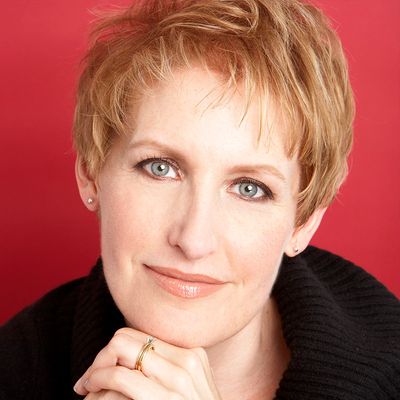
"Because they’re going to meet me there. They’re all going to eventually meet me there. I’m just first." This episode features Liz Callaway who performed as Grizabella in the original Broadway production of CATS and is one of the longest running Grizabellas from the run. Hear Liz discuss her introduction to CATS, her Grizabella backstory, what it's like to sing Memory all over the world in concerts, and why she thinks Grizabella deserves to be the Jellicle choice. Plus, Liz shares her opening number character name - Mahuvna.
- Check out Liz on Instagram: @lizgoeson
- Subscribe to Liz's Substack: lizcallaway.substack.com
Produced by:
Alan Seales & Broadway Podcast Network
Social Media: @TheWrongCatDied
Transcript
This transcript was automatically generated and might contain errors.
[0:15] Mike Abrams: Welcome to The Wrong Cat Died, the podcast breakdown of Catastrophe. I'm your host, Mike Abrams, and today we have a very special guest to celebrate our 200th episode. She's a Tony-nominated actress, has won an Emmy Award, and is very well known for many, many things, including voice acting roles over the years. But we're here today to talk about her time as one of the Grizabellas in the original Broadway production of Cats. So welcome, Liz Callaway, and thank you for joining me.
[0:40] Liz Callaway: I'm very happy to be talking to you at long last. We've been trying to make this work for a while.
[0:45] Mike Abrams: I know. We've talked about this for a while.
[0:46] Liz Callaway: I've been playing hard to get.
[0:49] Mike Abrams: Grizabella, you went off, and now I'm welcoming you back here at the very end.
[0:54] Liz Callaway: Thank you.
[0:55] Mike Abrams: I'm thrilled to have you, because you were a Grizabella for many years, and I love talking to Grizabellas, even though my thesis is fairly anti-Grizabella. But I just love hearing about your experience doing it, especially at the Winter Garden Broadway production. So let's start at the very beginning, because you debuted this in 1992, but it was not your Broadway debut. So when you were on Broadway, you were in Merrily, I think, right?
[1:24] Liz Callaway: That was my first Broadway show, yeah.
[1:26] Mike Abrams: First Broadway debut. And then you joined Cats in 1992. What was your thought about Cats? Before you got the role, before you were cast into it, did you know a lot about it? What was the buzz and the word on the street at that point in time?
[1:42] Liz Callaway: Well, I moved to New York in 1979, and I got a survival job as a singing waitress. And so back then, I was always, oh, what's the next show coming in, and are there any good songs? And so Cats had opened in London, and of course, Memory became a big hit. So I actually sang Memory as a singing waitress. And then I, you know, after Merrily, I did the show most people know me from the most was Baby. And I also did Miss Saigon on Broadway, which I did before I started doing Cats. But I got a call to audition for the original Broadway production. And I auditioned on the stage of the Winter Garden for Trevor Nunn. And I was, forget how old I was. I mean, you now, with 200 episodes under your belt, you probably know everything about Cats. Do you know what year it opened on Broadway?
[2:52] Mike Abrams: Oh, this is bad. I should know. It was, oh God, it was 80 something. Oh, you can look this up.
[2:58] Liz Callaway: Yeah. So imagine this was before it opened. So it was, I got called back, and I was, I think I had done Baby, but I was way too young for Grizabella. I mean, I was like, you really want me to come in and audition? And I remember Trevor Nunn saying, so what is, I don't know, something like, what is the most important moment of your life, or the most, he asked me some question, and I was just frozen. I was so young. I didn't have a whole lot of life experience by that point. And so I didn't really think anything of it. And then I went to see the show, like everyone did. And I will be honest, I loved the Jellicle Ball. I love the dancing. I always, always have loved dancing. And I thought the Jellicle Ball was thrilling.
And then I loved Memory. At the end, I thought that was, I thought Betty Buckley was great, and that was so wonderful. But I was like, eh, about the show. I thought it was okay. But it didn't grab me, and I kind of didn't get it. And I saw the show a handful, I think this is back when you could second act shows. A friend of mine was doing it on the road. I think I second acted it in Boston. I think I maybe I went to an Actress Fund performance. So I saw it a couple of times, but I never really thought anything of it. And then I found that Laurie Beachman was going to take three months off to get married, and they were looking for a three-month replacement. And my agent said, would you like to go in for it?
And I was like, well. And then he told me like what people got paid to do for Isabella. And I was like, I'll go in and audition. I'm in, absolutely. And so, I went, and I think I had one callback. I think I sang Memory, and then they told me to come back to do a dance audition. And I was so nervous about that. And I got there, and I didn't really have to dance, but I sang Memory again, and then they offered it to me. Wow.
[5:17] Liz Callaway: And I had never replaced anyone before in a show, so that was a really different experience. And I didn't know what to expect, but I absolutely ended up loving doing the show. And to me, I think there are some shows that are more fun to be in than they are to watch, and vice versa. I've done shows that are more fun to watch, but not so fun to be in. But Cats ended up being, you know, they gave us a, you know, it's been so long, but they gave us, the stage manager gave me like a backstory, a little bit of a backstory to Grizabella, that she was like a has-been cabaret singer.
[6:13] Mike Abrams: Okay.
[6:14] Liz Callaway: But what I discovered is there was a lot that we all knew, all the characters, all the cats knew that the audience didn't have any idea of the backstory. And I think that was on purpose, so everyone could interpret the show, you know, however they wanted to.
[6:34] Mike Abrams: Something I think was interesting when we were talking before we started recording, and you said that you saw, the first production of Cats you saw was the revival. And I actually auditioned for that after doing Cats on and off for like, I did for like five years, and they would give me time off to like film Anastasia, or do, you know, they were, it was an amazing job that, and they were very, because it had been running so long, they gave me the opportunity to do a lot of other things. So, it wasn't like I did it for five years, you know, six days a week, you know, eight days a week, straight through, no, that probably would have been hard for anyone in any part. But so, I auditioned, and I actually, they were thinking about bringing me back for it, and I didn't know if I wanted to do it again, but I, it was intriguing to go in and audition for it again.
And then I saw the show, and one thing that I realized in the revival, Grizabella didn't dance at the top, at the opening number, she didn't do Green Eyes, and she didn't dance. And because I always loved dancing, that was something that was such a thrill, and so scary for me when I did the show, because I had a different costume, I named my character Mahuvna. Mahuvna. Mahuvna. And my goal, I worked so hard on the dancing, and even though I'm not a dancer dancer for sure, that when I had friends come to see the show, if they couldn't pick me out in the opening number, that was, oh, success, you know. My friend, my solo line in the opening number was, when you're walking alone. And you know, Joanne Hunter, who has now become a fabulous choreographer, director, we did Miss Saigon together, and she, we didn't do Cats together, but every time I see her, she says, when you're walking alone.
She performed as Grizabella, right? She did a, or did she? No, I don't think, no, I think she might've been Victoria. She was in the show though, yeah. Yeah, I think she might've been Victoria, but I'm not certain. She was in one of the tours too, I think she did the third tour as well for a little bit. Yeah, yeah, but so she mocks me, she mocks my dancing, but it was, it was, that was really cool. And even though I was surrounded by all these incredible dancers, just the fact that I got to do that, dance on Broadway with these amazing dancers was, that was really cool.
[9:28] Mike Abrams: Yeah, it's interesting that you say that part, because as I've learned more about it, some Grizabellas don't do anything in the opening number, and essentially it's like 15 minutes on stage. Like when you start breaking it down, it's, you kind of-
[9:40] Liz Callaway: It's bad.
[9:41] Mike Abrams: Do that, yeah. And then, but you hit the apex at the end, but the tours and a lot of the other productions will have Grizabella. It's been named in the most recent one, they called it Baby Griz, is just all they called it, to have, to do the dancing in the beginning in a, again, a variation. So I like Mahoovna, I'm not, Mahoovna's great.
[10:01] Liz Callaway: I don't know why I named myself Mahoovna, but that was definitely my character in the opening number.
[10:12] Mike Abrams: Did you create a backstory for Mahoovna?
[10:15] Liz Callaway: No, not so much.
[10:16] Mike Abrams: Okay, just go out there, sing your line.
[10:18] Liz Callaway: A wannabe dancer.
[10:19] Mike Abrams: Yeah, just, okay. I want to go back to, you said you sing it in like a, I'm just imagining Ellen's Stardust type of singing waitress job. Was that before you were on Broadway? Because I'm just trying to figure out the timelines of singing Memory, because it opened in 82. I looked it up, it opened in 82 on Broadway.
[10:39] Liz Callaway: In New York. Okay, on Broadway. So in London, I sang it, I got the sheet music when it opened in London. And I think Barbara Streisand recorded it.
[10:53] Mike Abrams: Yeah, she recorded a version of it for sure.
[10:55] Liz Callaway: Right. So I think that might be the sheet music I got. This is back when there was this, you may not remember this, but there was a fabulous record store, sheet music store called Colony Records, which is sadly no longer. I don't know if it's a CVS now or something depressing, but it was on Broadway and like 50th Street. Oh, you could get everything there. And so yeah, so it had to have been, I probably sang it like, I want to say like 1980. So when I moved to New York, that was my survival job. And then I got Merrily We Roll Along, which of course did not run very long. So after that, I went back and I waited tables more. This was a restaurant called Applause on 40th and Lexington. But yes, it's funny thinking about doing this conversation today.
And there's a lot that I haven't thought about cats in a while, even though I've stayed really close with some of my cast mates. A thing that was interesting for me during the show, you mentioned the 15 minutes. I think it might've been 14.
[12:18] Liz Callaway: 14, even less. Wow. Okay. But when I did the show, it was first for three months. And then maybe a year later, I went back and took over the role permanently, but I practically raised my son Nicholas backstage. So in my dressing room, there was a bathtub. It was half of Barbra Streisand's dressing room during Funny Girl at the Winter Garden. And so I was very lucky. My agent got it so I could bring my son to work and I would play with him. And sometimes I would give him a bath during the show. And I did a lot of things. I'm a big Mets fan. So I mean, I was very busy when I was off stage. It's just, it reminds me that Nicholas, my son, got so obsessed with the show that he wanted to be in the show. And so on my day off, he, mommy, let's play cats. And they gave him his own leg warmers and wig. And he made up his character name was Tam Candle.
[13:27] Mike Abrams: Tam Candle.
[13:30] Liz Callaway: Partly, I hope, because my performance, but also because of the song. Everyone knew that song, and it was such an important song to so many people. But, oh, I was like, oh, it is so not fair. They have been killing themselves. They are so brilliant. The people I worked with are so good. And that used to bother me. I used to feel bad about that. I've always wondered in that moment, as again, I've talked to, there's been some productions where they've done some interesting things, like have held a Grizabella out during rehearsals, so that almost to try to create a little bit of that animosity that you need to have early in the show, like that hatred towards Grizabella. And so I kind of always wonder, is that intentional?
Was that part of the thought process when they were building the show? Or is that kind of just happened by chance? Because when you think about exactly what you're saying is that you have this guilt that you're away, you're backstage, you're watching the Mets, and they're all doing insane choreography with zero breaks, nonstop, just workout. That's a little bit of the story. Grizabella leaves them and kind of lets them do and keep running their show and do their thing. And then you come back at the end and you get rewarded. You get the crowd and the applause and everything. It's so parallel of what's happening as a performer to what the story arc of Grizabella is that I've always wondered, was that intentional or by just kind of an interesting overlap?
You know, that's a good question. And I don't really know what the, I don't know what the answer is. I don't know that everyone who played Grizabella felt guilty like I did. I think it's very possible.
[15:48] Yeah, that's true.
[15:50] Liz Callaway: I think it's very possible that I was unusual in that.
[15:54] Fair, very fair.
[15:56] Liz Callaway: I remember the feeling of something, Gillian Lynn came every so often, and she would work with everyone. And we would do exercises and work on the dancing, but just, and I felt always a certain amount of shame. And I felt very much like everyone was so amazing at being cats. They were so, you know, I have a cat now. Now I've lived with a cat for many, many years. But at the time, I felt like, oh, my God, to try to physicalize Grizabella, and I didn't fit in. And I felt so pathetic, compared to everyone else. And it was those work sessions with Gillian that I actually think really helped me in how I felt and how, and perhaps how some of them felt about me. But yeah, it's, you know, there's such a mystery about cats.
And I think one of the things that was really nice about playing Grizabella and singing Memory is I was encouraged to make it my own. And it was different every time. It could be different. There were so many different things to find out about it or to try. And that was really interesting. And also, because I didn't have any, I was never really with another person. So, it was me.
[17:48] Yeah, you and the audience.
[17:49] Liz Callaway: Yeah, and the cats.
[17:51] And the cats behind you.
[17:52] Liz Callaway: Yeah. So, in some ways, I would have much preferred to be on stage for two hours.
[18:00] Yeah.
[18:00] Liz Callaway: Than 15 minutes.
[18:02] Yeah, it's a very different show. Like, it's a different experience to have that. And also, you know, just like from a physical standpoint, like you do dance in the opening number, and then you get a pretty big break. And then you have to get re-warmed up to go and do everything.
[18:16] Oh, yeah. And you have to really, even though, yes, I would be doing things. Oh, my God, one time I was having a dinner party. And I brought a knife, a cutting board, and some vegetables. And I cut some garlic and onion and celery. And that was such a mistake, because I didn't realize that it was like I was Grizabella, the salad cat. When I came out, I reeked of onion. I reeked of garlic. I was like, okay, I can never do that again. But it was, and I don't know if you're going to ask me any things that come to mind of funny things that happened. But I remember once I sang Memory. And I went up, or I thought I did, and went up to the Heaviside Lair. And I went downstairs. I came downstairs to do my curtain call. And as I'm waiting, I realized, oh, wait a minute, I hadn't sung Memory yet.
[19:22] Just, you did Little Memory and thought you were done?
[19:27] Uh-huh. And I was like, oh, my God, oh, my God, oh, my God, oh, my God. And it actually ended up being, I remember, I was just, it was so, it was a very unusual performance that night. But it was, you know, when you do something for a long time, every day, things are bound to happen.
[19:49] Yeah. And it's, you know, with a show like that, that ran for so long and had a lot of like repeat visitors, like there's, you know, there's people have seen it many, many, many times. You, they might notice it, but the most people aren't going to notice those kind of like nuances. And it's just you all kind of catching it. And I think that's part of what makes, one, is what makes live theater amazing is that you get, you never know what you're going to get. You might get those kind of weird nuances. And I'm glad that people are starting to lean in and embrace those as a good thing versus the like, oh, this crazy thing happened or someone was reading. And it's like, no, those are, that's what makes it cool to see a show like that. But a show like Cats, it's, you're all in cat, like you're all in a unitard. Like, it's already, you have to already have a little bit of disbelief in the reality to start, let alone some of those small things that might happen.
[20:39] That's what I always found fascinating of that it was such a big hit, you know? And I mean, I think I really admire so much about the show after having done it. And, but if you think about it, it's, it's that it was this sensation for so many years. It was also language proof, too, which I think was helpful. And when I came in, the show had been running a long time. And I, someone said that I might have been the longest running Grizabella on Broadway. I'm not certain that's true. But, but we had a lot of big international crowd. And, you know, I have people come up to me and say, Hey, you, you were my first Broadway show. Or some people were just like, they're kids who were just traumatized by that show when the cats came in. The green eyes and yeah, you don't know. They're like, Oh my God. Oh my God. You need to talk to my friend David Hibbard sometime. He needs to be on your show. He played Rum Tum Tugger. And he'll have some good stories.
[21:54] Tuggers have some wild stories. They were like the one that got some freedom too. So they got some really interesting experiences in the crowd.
[22:03] Absolutely.
[22:05] Liz Callaway: I think you're right, though. I've thought a lot about this of why the show has lasted so long, because it is so weird. And I can't, I always joke, thinking back to how they created it, what exterior influences were helping in that thought process to turn those poems into what it became. But you're right. I think when I saw the first time I saw it, I had mostly an international crowd around me. And I kept thinking, Oh, this is, what are we seeing? But it doesn't matter. And it's been performed. I've listened to it in other languages, because it's performed in Japan, in German, in Germany, in Australia, but in Korea, and they've done it in different languages. I've heard it in Spanish.
[22:46] Oh, that's interesting. Yeah. I should learn memory in another language.
[22:50] Liz Callaway: Yeah. So they did it for sure in German. I think it's been in, it's definitely been in Spanish. I'm trying to think of which albums I have, because I have a few, I know it's been in Japanese, because that one's really fun to listen to, because it's, it just is kind of like, it's still the same essence of the show, just a different language. But I think that that helps. And then if you really think about it, you don't need to know the story, because the story is confusing for most people. But you get introduced to a character that probably embodies somebody, either you know, or you, or your version of you. And I think that kind of like family feel ties to most people, and then add in that you can bring kids, which I disagree with. I think it's a little scary for most kids, but it's a little scary for little kids.
[23:28] Yeah, but if you think of every Disney movie, if you really think about it, every Disney movie is scary.
[23:34] Liz Callaway: And I think that's why it's lasted so long. And then, you know, now it's the lore of it, like everyone knows what it is. And, but I think it sustained so long in the beginning because of that. And then you have an iconic song like Memory, and then you've got a bunch of other catchy songs. Well, the first time I saw it, I only knew Memory. I didn't even know Memory was in the show. I walked up and, oh, I knew that song. The only song I sang for the next two weeks was Mungojerrie and Rumpleteazer. And so like, I could not get that song out of my head for two full weeks. And I could not have told you those cats names before the show started. And I think that's kind of where there's that sustained thing where somebody probably walks out with a different one. Like there's been people who only sing Macavity when they walk out or...
[24:14] I like Macavity, yeah.
[24:15] Liz Callaway: Yeah. And so I do love that it's been able to have this long life because of that. And then when you really dig into the craziness of the story, like I have over 200 episodes, it's pretty detailed. Like there's a lot of stuff and there's a lot of open-ended questions. We're going to take a quick break and then we'll be back for more of The Wrong Cat Died.
[24:35] So I'm going to ask you one of them because there's not an answer to where did Grizabella go. Like Grizabella leaves the tribe, right? Like we know that, but where she goes before she comes back is unknown in a sense. There's a lot of like loose theories of that. So you said that you were kind of told a little bit about the story. What were you told about her leaving? And did you add stuff to that to make it for all the many years you did it?
[25:03] Liz Callaway: Well, all I remember them telling me, because they didn't say much. And when you're put into a show, you're not, I would have loved to have been there at the beginning with Trevor Nunn and when they were, or in London, when they were first putting the show together, I, oh my God, to be a little bird and to have been a part of that process would have been so extraordinary. So many years later, we had a wonderful production stage manager who was in charge, and then we had a choreographer who was in charge of putting us in. And all I remember him saying is, think of her as a has been cabaret singer. And that was sort of all I got. And so the rest was up to me. So there was never a discussion so that everyone was on the same page.
Or if, or I wasn't privy to any of that, because I wasn't there. Because I had so little to do with all the other cats. In a way, I came from it as just alone. And I just, I just lived, I just lived near garbage cans. I just, you know, sewers. I was, you know, cats can live, I mean, and people can survive. It was so long ago, it's hard for me to remember. I'm sure there were times where I had very specific, this week, I'm going to do this.
[27:00] Mike Abrams: To try, you know what I mean? What do you think happened? I'm curious, because this whole podcast, it's fascinating to me that you had this thought that became this, you know, 200 episodes of talking about Cats.
[27:21] Mike Abrams: It's why I think that this is... I remember when I started this, I had a discussion, we're like, we'll do 10. And again, I knew so little. I was like, I'll figure it out, and I'll explain it, and I'll give you my theories as an outsider, as someone who does not know the show well, who doesn't know theater that well. I knew what came to Indiana, like we were talking about before. I saw a few things, but I wasn't a knowledgeable theater person. I wasn't a theater person growing up. I grew up playing hockey. And so I kind of like explored it from that angle. And what kept me going and what kind of drew me to it is as I started interviewing cast members, I realized that there is no answer to most of it, and everyone has a slightly different opinion. And it's kind of open-ended intentionally, and there's some universal truths, but I love the, like, you can fill in some blanks.
[28:10] Mike Abrams: Yeah. You can kind of add to it. And you can one night play that she was the best cabaret singer, and tomorrow you can play that she went to be Britney Spears. You know, like, you can kind of take whatever version you want, as long as you hold some of the core personality to it. And there's so many versions of it, because I've met different productions, and having, again, I get to ask these questions, and like, I have my theories, but I like hearing more of like, oh, I played it this way this night because that was my friend. And then I played it this way the next night because the swing that was on, we played it more like lovers instead of like friends. And so, you can kind of have those nuances as long as you stay true, and I think that's what creates the fandom. And there's not a universal answer.
[28:56] Mike Abrams: Like, the one example I always, I threw it up on social media. I'll never forget the day I made a very silly meme about Demeter and Bombay Arena basically being together, like, hooking up, like some type of sexual joke. And a bunch of people got really mad. They're like, they're sisters. This joke doesn't make sense. They're sisters. And I'm like, are they though? And so, I put a poll up, and I had an exact 50-50 split between sisters and friends. And I was like, even across performers, people who had performed in the role, I had a split. And so, with something like that, where it's like, you could be sisters, they could be best friends, they could be lovers, they could be whatever, as long as they sing that McAvity number together and kind of like play their tweaks of personalities, like the confident versus skittish, the other part's unspoken. And so, it's fun.
[29:54] Mike Abrams: Well, I also think what I liked about the show when I realized what it was, it's secret. Yeah. And that's why I'm trying to uncover it for everybody. That's why I keep asking these questions. I am fascinated by that, because I assumed most of it wasn't really spoken about in detail, because they're almost irrelevant to put on the production. But as a fan and the fan fictions, everyone there, there is an immense amount to work with. It's like, it feels kind of like, I've compared it to the Harry Potter universe, where it's like, this world was built of the Jellicles. And there's a lot of ways to interpret it and write it and go and tweak it and change it just by taking the different characters or adding other characters.
Like we can put, I wrote it down, Nicholas's Tam Candle can come in and we can have Tam Candle join in. And there's just so many ways you can add to these things. And there's a whole group that does fictional writing and writes their own characters in this kind of Jellicle world, because the world's just open.
[30:57] Liz Callaway: You know, that makes sense. I mean, I've never thought about if that happened, but of course, it makes sense. And what a fabulous world to create, you know, to, you know, it's unlimited, what you can come up with for that.
[31:12] Liz Callaway: I did not see the recent Off-Broadway production, and I really wanted to. Oh, we had my cast mates and I from Cats. We had a thing going on Facebook and the general consensus is people loved it. And it was, I really, I hope they bring it back because I really want to see it.
[31:38] Liz Callaway: So I saw it a couple of times. I did a ton of episodes with them, just had them at BroadwayCon. What that production did so well is it took another world and brought it into the Jellicle world, stayed very true to the show, but almost gave a little bit of that story that maybe was missing. Like the secret that's unknown, they added by telling it through the ballroom lens. And it kind of, it put together the really hard part. The most cast haters I've ever met, and there are plenty out there. The hate was just, I didn't get it. Not anything else. There wasn't anything about the music or anything about the dancing. It's just like, you couldn't follow the story. And that's kind of how I felt when I walked.
I'm like, what did I just watch? Like, what's the story? And as a former writer and someone who likes to write sitcom type of things, like very true arc and finishing, it was the opposite of that. It was like very open-ended and I tried to fill in blanks. That version told more of a story in a way, but stayed so true to everything else. And that's why it's so great.
[32:44] Mike Abrams: Yeah. I really, really regret that I didn't see that. And I so hope they bring it back because that sounds so, that sounds so interesting.
[32:51] Liz Callaway: You know, I do a lot of concerts. I travel. I've sung Memory in China and Korea and Paris and all over the place. And everyone knows the song, even if they don't understand English. And it is, and the song makes people cry. And there's something about Memory. I almost never sing it in New York, because I think, oh, God, no one's going to want to hear Memory. And yet there's something about it that even now singing it out of context and, you know, years later and as I get older, you go, you know, this is a, you know, one of those songs that you can't really explain why it makes people feel the way they feel.
[33:50] Liz Callaway: Although I remember once doing it in, I sang it in some event in Texas. And this woman, she was like a famous film critic who was there as part of this event. And she said afterwards, well, if I had to hear Memory, I'm glad it was you.
[34:11] Mike Abrams: Wow. It's a very backhanded compliment.
[34:13] Liz Callaway: Very backhanded. But now it's like, that's just, it feels like a real gift to have gotten to play Grizabella and to have been able to sing that song, you know, on Broadway, but also to still sing that song. You know, it's, I'm really very lucky to have had that experience and to, you know, and people like to see the person who did it on Broadway. That adds to it.
[34:51] Mike Abrams: But what about the movie? You saw the movie?
[34:55] Liz Callaway: That's a whole different conversation. The 2019 movie was...
[34:59] Mike Abrams: Was it 2019? Oh my God.
[35:01] Liz Callaway: It was cause it came out in December. It was Christmas, around Christmas time. And it was, I only know this cause it was what started the show. It was the trailer for the movie was when I made my first joke about the show that sparked the idea for the podcast. But I want to actually ask you about the other movie because you were, at least during the time, I mean, I have all the dates here doing it, but the other movie that came out, the like film stage version came out in 1998 and you were, it was, you were Grizabella on kind of both ends of that. And so do you remember any buzz from that? Cause everybody I talked to that's a younger dancer, like they grew up on that VHS.
[35:37] Liz Callaway: I, it's so weird. I don't remember. I don't remember that being filmed. Isn't that weird?
[35:48] Mike Abrams: Yeah. Okay.
[35:49] Liz Callaway: I don't, I don't really, unless it was during one of my gaps when I was gone.
[35:55] Liz Callaway: It probably was cause it was, it was filmed in 1998, I believe, or at least it came out in 1998. And I know that you did it in 97, 98, and then back in 98, 99, in some capacity of like, during this period. So it's like, it probably filmed maybe when you were during one of the breaks that you were on in between it. But I just didn't know if there's like, cause it's one of those things I haven't heard a ton about. Was there buzz right away or was it the legend of the VHS after? Did Laurie, did, did Laurie Beachman play, who played Grizabella in that?
[36:26] Liz Callaway: Um, it was Elaine Page.
[36:30] Mike Abrams: Oh.
[36:30] Liz Callaway: It was Elaine Page.
[36:32] Mike Abrams: So if it was Elaine Page, they must've filmed it in London, which is why I don't remember.
[36:38] Liz Callaway: Okay. But I know they filmed it separately. Like it wasn't done on, at the Winter Garden. It wasn't like a one night only like recording, like they've done other shows. It was a full movie. Like they made a movie doing it on the stage though.
[36:54] Liz Callaway: Yeah. I don't, you know what? I don't remember. I really don't remember that. Um, while I, cause it must've been happening while I was doing the show, but that's makes sense if Elaine Page did it. Um, I know I've had people come up to me and say how much they love me in the Cats movie.
[37:18] Mike Abrams: Well, you're all, you're all dressed up. Yeah.
[37:21] Liz Callaway: You know, you can't tell who's who.
[37:23] Mike Abrams: Yeah.
[37:23] Liz Callaway: And, uh, but I forgot, you know, I completely forgot about that movie, but how wonderful that that movie exists and that people could watch it over and over. And, um, you know, there's more shows now that are being filmed, which is great from, you know, directly from Broadway. To me, it doesn't have the same, I don't love watching that. So personally, um, as much as I of course like to be in the room or in the theater. Um, but the fact that so many people grew up with that is amazing.
[38:01] Mike Abrams: Yeah. It's such a great accessibility thing too. Of like, again, it has someone who grew up not in New York away from this. Like we have five shows that come through a year and we've got a bunch of little regional and all kinds of other stuff. But there's plenty of things that happened here that now that I live in New York, I'm like, oh, this is great. I wish my family member could see this. Can't. And so having some of those film things gives that ability for them. But, um, I, I'm curious a little bit about, you know, you mentioned a little bit about being like in the room doing the stuff and having all the other things that you're working on with such an iconic role. How much of like Grizabella comes into your other roles?
How much of Grizabella when you took a break to do Anastasia came into Anastasia or into these other things? Cause like it's, you know, it is an iconic role as a professional and a performer. Like you can obviously do so much more, but did you ever think about that character and other things you did?
[39:40] Liz Callaway: I didn't really until I did Sunset Boulevard.
[39:45] Liz Callaway: Okay.
[39:46] Liz Callaway: And then absolutely.
[39:48] Liz Callaway: Then it was, it was, then I definitely thought of Grizabella and I thought at that time, I do, but Grizabella was just so, it was just such, it was not, it was unlike anything else, unlike any other part. Um, I do remember one of the first things I did outside of Cats when I was doing the show was I did the very first Encores show, which was Fiorello. And I remember I was putting on my makeup and, you know, when you, with Cats, I'm sure you've talked about this with other guests, you know, we had our makeup lessons and all that. But the makeup for Grizabella had the black lip liner that kind of went up and it was just, there was a certain way of, of lining the lips. Well, for Fiorello, I was putting on my regular lip liner and I still put it on in that totally bizarre way, sticking up, up my face. And I was like, oh man, oh man, I have to.
[40:25] Liz Callaway: It's just baked in, it's just muscle memory.
[40:27] Liz Callaway: It totally is. And I was like, oh, okay.
[40:31] Liz Callaway: So, Grizabella was there, but that... There are a lot of crossovers I've seen that people who have done Grizabella, then there's like a few roles where it's like, oh, it's just, you know, it's a lot of it's vocal, like it's the same style to be able to do it. But Norma Desmond's one where I'm like, yeah, there's a lot of Grizabellas as Sunset, Norma Desmond. Absolutely. Absolutely. That's the only one I can think of, really. Yeah, off the top of my head.
[41:02] Mike Abrams: Do you sing any other Cat songs besides Memory in your concerts, or just Memory?
[41:08] Liz Callaway: Just Memory. Although talking to you makes me think, is there anything... What can you add?
[41:14] Mike Abrams: Yeah, what could I add?
[41:16] Liz Callaway: I always thought Gus, the theater cat, I always thought that was... I always liked that. I should sing Remark, because that was... I mean, Remark the Cat. That, I remember, they had me sing at my audition. Now that I look back, I was like, oh, I had to sing Remark the Cat and Memory.
[41:41] Mike Abrams: I think next time you sing Memory, you should sing your first line before you sing Memory. Do your one opening number first line.
[41:47] Liz Callaway: When you're walking alone. And then sing Memory. Just start with that, and then go into Memory.
[41:56] Mike Abrams: You know, you're laughing, you're making that as a joke. That is totally the kind of thing that I would do.
[42:01] Liz Callaway: No, I'm not joking. That's a deep cut. That'll be a deep cut for anybody there that knows Cats.
[42:06] Mike Abrams: Yeah, because a lot of people didn't... They had no idea that that was me.
[42:13] Liz Callaway: But yeah, for people who love Cats...
[42:16] Mike Abrams: They're gonna know.
[42:17] Liz Callaway: Yeah. And the opening number, that was a great song, too.
[42:20] Mike Abrams: Yeah, the opening number is great. And now they're gonna know, because I'm gonna... It's definitely going out there, but Mahoovna is going in. Mahoovna sang that one part before Grizabella. Then Mahoovna went to watch the Mets play, and then Grizabella came back out.
[42:39] Mike Abrams: That's right. I love that. We're gonna take a quick break, and then we'll be back for more of The Wrong Cat Died.
[42:45] Mike Abrams: Okay, let's do some rapid fire to close this out before the most important question, obviously.
[42:49] Liz Callaway: Oh, God, help me.
[42:51] Mike Abrams: If you could play any Cat for one night, forget if it's male, female, vocal range, not, just if you could go on, who would you want to go on as?
[43:00] Liz Callaway: Mr. Mistoffelees.
[43:02] Mike Abrams: Mistoffelees. Do those turns. Have some fun. I love it.
[43:06] Liz Callaway: To be able to do that.
[43:08] Mike Abrams: A skill, an incredible skill. Who are your favorite and least favorite cats? And I'm gonna ask it from the standpoint of, which cat would be personality-wise your best friend that you love to hang out with, and which would be the kind of annoying family member you wouldn't get along with?
[43:21] Liz Callaway: Uh, I like, MonkaStrap would be my pal.
[43:28] Mike Abrams: Okay.
[43:29] Liz Callaway: And I'm fond of Demeter. I, uh, Rumpelteaser.
[43:38] Mike Abrams: Nah.
[43:38] Liz Callaway: Not so much.
[43:40] Mike Abrams: Okay. Favorite song from the show?
[43:44] Liz Callaway: Memory.
[43:45] Mike Abrams: Yeah. I mean, you sing it all the time. You sing it a ton in concerts.
[43:48] Liz Callaway: I know. I know, but I, did you notice that I, did you notice that I actually had to think for a minute? Because, well, I love the Jellicle Ball. I think that's just like, I think that's a thrilling piece of music. There's so many. If I, I've done this so long now, my answer changes. Like, depending on my mood and day, I'm like, oh yeah, this is my favorite this week. And, um, I think that's a part of the brilliance of the show, is that there's just like so much good music in it.
[44:14] Mike Abrams: You know what was not my favorites?
[44:16] Liz Callaway: Okay. Let's hear the, let's hear the reverse question.
[44:19] Mike Abrams: Which is your least favorite song.
[44:21] Liz Callaway: Not that you asked it, but also because just remember the, unless I was on stage for it, so much, you know, I would watch in the wings a lot. So, you know, or the handful of times I saw the show, I never loved, not even though it was very well done, the whole pirate, the whole.
[44:42] Mike Abrams: Yeah. It wasn't in my production. It wasn't in the revival I saw.
[44:46] Liz Callaway: So it's not even in it. And so it is, I've learned a little bit and seen some versions on YouTube and kind of know, but yeah, it is. I mean, the people I worked with were they, um, oh my God, Jeff Klons was just fabulous. He was a fabulous Gus. And, um, but that, that was just not my favorite.
[45:09] Mike Abrams: Yeah.
[45:09] Liz Callaway: That was not my favorite. My controversial take, I gotta be careful with this, but I don't, I don't love the last song.
[45:14] Mike Abrams: I don't like the, the very end. I wish it just ended with memory and...
[45:18] Liz Callaway: Oh, yeah. The naming of cat. Oh, the, uh, the addressing of cats.
[45:26] Mike Abrams: Yeah.
[45:27] Liz Callaway: I get it. It kind of closes it. It's, it's interesting. It's an interesting song with some interesting lyrics, but.
[45:35] Mike Abrams: No, you, I can, I can see why you might feel that way.
[45:38] Liz Callaway: Okay. Um, I always ask one fun question. I did, I asked my Marilee question, but if you could do a crossover duet with one cat, one of your voice acting roles, who would you pair together? And what are you singing?
[45:54] Liz Callaway: All right. Let me, this is a very confusing question. So a cross, like a duet from cats or a duet from any.
[46:02] Mike Abrams: You can sing any song you want, but I want you to pick one cat and one of your voice acting characters to sing the duet together.
[46:10] Liz Callaway: Okay. Well, let's, let's just say Anastasia. Let's just, let's say Anya and Anya. Let's say Anya and Sillabub.
[46:26] Mike Abrams: Ooh. Okay.
[46:28] Liz Callaway: And, and we could sing for good together.
[46:33] Mike Abrams: For good. I love that's topical and good. I love that. That's fun.
[46:38] Liz Callaway: That's fun. I always like to ask something a little bit different, you know, like.
[46:42] Mike Abrams: I love that. I can honestly tell you no one has ever asked me a question like that.
[46:47] Liz Callaway: I, I assume there's a lot of things in this, in this 200 episodes that I'm the only one that's ever asked these questions.
[46:53] Mike Abrams: Oh yeah. It's awesome.
[46:55] Liz Callaway: Well, let's ask the one question. I know that I feel like I'm the only one that was asking this at the beginning, but I, my thesis has been, I don't think Grizabella should go to the Heaviside Lair this year as a Jellicle choice. I want to know as Liz, not as Grizabella, as Liz, who's your Jellicle choice and why?
[47:13] Liz Callaway: Mike, I'm sorry. It's Grizabella.
[47:16] Mike Abrams: Okay.
[47:17] Liz Callaway: You're wrong.
[47:18] Mike Abrams: Defend.
[47:18] Liz Callaway: Let me give you my, my question I want you to defend for and tell me the thought on it. But as Grizabella, the Heaviside Lair, I think the first question is like, what is the Heaviside Lair? And then the second question is, is why don't you want to spend that year with your family? Like they accepted you back. Why can't you have one more year to hang with them?
[47:33] Liz Callaway: Because they're going to meet me there. They're all going to eventually meet me there. I'm just first.
[47:45] Mike Abrams: Interesting. So your whole thing is, is that they're all, all coming to the Heaviside Lair eventually.
[47:52] Liz Callaway: Yeah. Especially now, especially now because they were kind.
[47:58] Mike Abrams: Interesting. I've not heard that answer yet. I've heard a lot of defense.
[48:02] Liz Callaway: I just made it up as I, I just made it up right now. It came to me. I may go, I may wake up in the middle of the night and go, hmm, I don't know. But that to me makes as much sense. I mean, that's an interesting thing. Why wouldn't you be with your family?
[48:22] Mike Abrams: Yeah, you spend the whole show trying to get them to accept you back. And they do. And then it's like, all right, bye. Like, we're going to have, we're going to sacrifice you now to the Heaviside Lair. I think the argument would be is you don't have any more time, like you're on your deathbed, but I would assume so is Gus. And so.
[48:40] Liz Callaway: Well, I did think about the question that Gus might be the one who should go.
[48:49] Mike Abrams: Gus is the number two vote.
[48:50] Liz Callaway: Or they should go together. They should go together.
[48:52] Mike Abrams: For sure. My original thought was send Tugger and Mustafi together. Just let the two of them have some fun and go up there and be a totally different show. No redemption.
[49:03] Liz Callaway: But don't you like the idea, though, that eventually everyone will find their way up?
[49:09] Mike Abrams: I do. I like that a lot. I hadn't thought about that.
[49:11] Liz Callaway: And will be reunited.
[49:12] Mike Abrams: I have not thought about that version. The part that bugs me, and this is very nuanced to seeing the tour and Grizabellas who are in their 20s, you know, like, they're much younger that I'm like, they don't look like they're ready to die. Like, let's spend a year with your family.
[49:29] Liz Callaway: Well, honestly, it would be really interesting to play Grizabella now, 30 years later.
[49:36] Mike Abrams: Yeah.
[49:36] Liz Callaway: Because when I did Grizabella, I know now there's like, many people are super young when they do it. But back then I was one of the youngest on Broadway. And even though I do get the experience of singing it now at my age, that's why it was interesting that they were considering me for the revival, because that would have been someone definitely older. And it should. And I think, you know, that is a role that could be done by someone really old.
[50:10] Mike Abrams: Totally.
[50:11] Liz Callaway: Yeah. It's the beauty of that show is that you can perform it, like, through your whole career. Like, you could do a different, you could start at Victoria and then do Bombay Arena and then work your way to Grizabella. And you have, you know, many, many years of being able to be in the show in different capacities.
[50:30] Mike Abrams: Yeah, absolutely. Hey, you never know what's gonna happen, you know?
[50:35] Liz Callaway: I hope there's more Grizabella in your future.
[50:38] Mike Abrams: Yes. And maybe I'll do Grizabella again. And then we'll speak when you are having your 2000th episode of your podcast.
[50:47] Liz Callaway: My whole goal, my only goal right now is to convince a regional theater to send Gus up one night, just one night. That's all I'm trying to get. And because I want Grizabella to just have her moment, sing memory, and then be embraced by the family. And then it's like, okay, we're all happy again. Now this old guy's time, it's time to go. He's had enough.
[51:06] Liz Callaway: But you know, I do see your point. I absolutely see your point.
[51:12] Mike Abrams: Okay. I'm slowly convincing the world one podcast episode at a time. That's my goal.
[51:18] Liz Callaway: You know, I've always understood the arc and, you know, you can't, it's hard too to argue against memory, like to do this. And the one that was at the Perlman Center though, the Ballroom Cats, their heavyside layer wasn't death. It didn't feel like death. It didn't feel like that. It felt like being reentering the ballroom scene of the world. And so it felt like it did feel right that that Grizabella got to go because it was, it didn't, it felt like they were going to continue their journey very much. So then when I saw it, I'm like, all right, this is the end. Like, this is the end of Grizabella until she comes back as Mahoovna the next night and she's in.
[51:56] Mike Abrams: Well, this has been amazing. So much fun to hear your experience. Thank you for sharing everything. How can people stay in touch with you?
[52:07] Liz Callaway: First of all, Mike, it's been a hoot talking to you about this. It's really, I think it's so great that you have this podcast. If people want to stay in touch with me, I'm on social media at LizGoesOn or I have a Substack newsletter at LizCalloway at Substack.com that I send out emails with songs and behind the scenes photos and my schedule. And I'm thinking I need to do a cats issue of my newsletter.
[52:34] Mike Abrams: Yeah, I am signed up. I highly recommend it. It's really fun. You share videos and where you're going and different things you're doing. It's really cool to read some of your thoughts, but also then see the YouTube clips and all the other things that you're working on. So, it's really, really cool. So, we'll link all of that too as well. Great.
[52:57] Liz Callaway: Well, thank you again so much. This was an incredible celebration of 200th.
[53:01] Mike Abrams: Yes, congratulations.
[53:03] Liz Callaway: Thank you. And I loved having you on today.
[53:06] Mike Abrams: Thank you. And you know, next time you're on the street, I hope you think of me when you're walking alone.
[53:13] Liz Callaway: That's Mahoovna to end us. I love that. I almost want to put your graphic instead of saying Grizabella. I want to put Mahoovna as the name. It's like, that's who you played. Maybe when you do your Substack, can we write Mahoovna's backstory? I want to know what Mahoovna was thinking about.
[53:35] Liz Callaway: So does Mahoovna.
[53:39] Mike Abrams: All right. Thanks, Mike.
[53:40] Liz Callaway: Well, thank you. And thanks everyone else for listening to this episode of The Wrong Cat Died, a podcast breakdown to catch your feet. To follow along, you can subscribe on Apple Podcasts, Spotify, or any of us on podcasts. Follow us on social media at TheWrongCatDied or check out our website, thewrongcatdied.com.
© Broadway Podcast Network, All Rights Reserved