

"Anyone who works on CATS, within a few weeks of working on it you become indoctrinated in it." This episode features Dori Berinstein & Sammi Cannold who produced the documentary The Show Must Go On which chronicles the 2020 South Korea production of Cats and Phantom of the Opera... Read More
From the show: The Wrong Cat Died
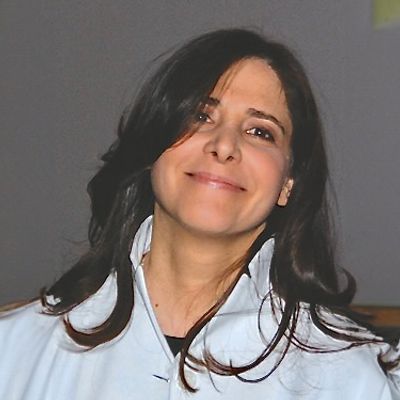
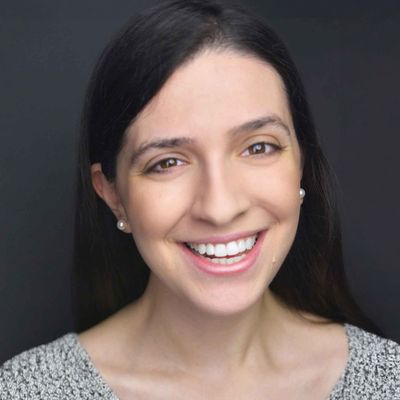
Guests
Featured Shows
About
"Anyone who works on CATS, within a few weeks of working on it you become indoctrinated in it." This episode features Dori Berinstein & Sammi Cannold who produced the documentary The Show Must Go On which chronicles the 2020 South Korea production of Cats and Phantom of the Opera. Dori and Sammi share how the idea for the documentary came about, how Sammi's love for the show grew during filming, Dori's defense of Grizabella, and Sammi's unique defense for Baby Grizz. Plus, Sammi promised to share her experience (and picture) from when she got to dress up as Bombalurina.
- Watch The Show Must Go On on iTunes: itunes.apple.com/us/movie/the-show-must-go-on/id1622240337
- Check out Dori's website: www.dramaticforces.com
- Check out Sammi's website: www.sammicannold.com
Produced by:
Alan Seales & Broadway Podcast Network
Instagram & Twitter: @TheWrongCatDied
Transcript
This transcript was automatically generated and might contain errors.
[0:00] Mike Abrams: There's a cat over here. There's a cat over there. And the wrong one died.
[0:04] Mike Abrams: Welcome to The Wrong Cat Died, the podcast breakdown of the Cat Astrophy. I'm your host, Mike Abrams, and today we have two amazing guests. They are the directors and producers of an amazing documentary called The Show Must Go On, which chronicles the 2020 South Korea production of Cats and Phantom of the Opera, which pushed ahead through safety in a challenging time during the pandemic. So welcome Dori Berinstein and Sammi Cannold, and thank you for joining me.
[0:41] Dori Berinstein: Great to be with you.
[0:42] Sammi Cannold: Thank you.
[0:43] Mike Abrams: I am excited. I thought this documentary was fascinating. I knew it was happening. I've talked to some people in the production already for this podcast, and it's just such a wild experience to get to see the whole thing chronicled, and the creative way you did it was awesome. So I will just start right up front by saying anybody, I think it's on Apple TV, you can get it in a lot of places now. Go, go, go watch this documentary. But before we'll talk about that a lot, but I want to hear because I always love to know first everyone's history with Cats. So before this documentary, what is your experience with the show? How many times have you seen it? What's your kind of theory on it in general?
[1:22] Dori Berinstein: Well, I'm allergic to cats. So, you know, I have a very challenging history. Yeah, very allergic to cats. But I have seen every different iteration of it, and I'm a fan of the show. I saw it on Broadway when it first came and have seen it many times since and love it, even though I have to take a lot of antihistamines before I enter the theater because it's just...
[1:35] Mike Abrams: When was your first one? Was it the original Broadway? Like when was the old Broadway?
[2:02] Dori Berinstein: Absolutely, yeah. It was very exciting.
[2:07] Mike Abrams: Wow. Sammi, what about you?
[2:10] Sammi Cannold: So my dance teacher, hopefully I'm getting this right. You can correct me if I'm not. My dance teacher when I was a little kid was in the original Broadway company of Cats, so it was something that I was very aware of as like a legendary thing. And then I think I saw—I don't think it was a Broadway—I don't think it could have been a Broadway production as a kid, but I saw like a tour somewhere, and then I saw the most recent revival. But I wasn't really like a Cats head until, you know, 2020, and then I dove deep and now I'm obsessed.
[2:51] Mike Abrams: Okay, so you—who was the dance instructor, if you don't mind sharing?
[2:55] Sammi Cannold: Joe Cavis.
[2:56] Mike Abrams: Okay. And so how—what age was this? Like when was this? Like early?
[3:01] Sammi Cannold: Oh, I was like four. I just remember thinking he was like a legend. I mean, which it was, you know, but I was just like this guy was a cat. And that was a really big deal to me. And I actually don't even know which cat—I should find out which cat.
[3:16] Mike Abrams: Oh, we can—I mean, we can look that up pretty quickly. So, well, how old were you when you saw the first tour?
[3:21] Sammi Cannold: Probably around that age, right? Like five, six, seven?
[3:27] Sammi Cannold: Yeah, I think it was seven. And I think you were with Joe for a number of years.
[3:32] Mike Abrams: So, yeah. Dori, I have problems with this. I don't think children should see this show.
[3:38] Dori Berinstein: Oh, really?
[3:40] Mike Abrams: The show is very dark.
[3:41] Dori Berinstein: It's very dark, it's selectively dark.
[3:44] Mike Abrams: So when you look at the plot, it is very dark. And I remember I did not see it as a kid. I saw it as an adult. I saw it in 2016. So you can do the math on how old I was. I was an adult. And I remember seeing it going, hmm, that's some aggressive dancing at points. And that's pretty strange. And then I really dug into this with this podcast, and now I know a lot of stuff. And it is a very, very, very dark and mysterious and sexual show. And so the more I learn about it, the more I'm like, ah, why are there so many kids seeing this? There's like—it's teenagers is where you could start getting like, okay, they're gonna understand some of the concepts. It's okay at this point. But there's so many children that go see it, and I always wonder now, like it just goes over their heads.
[4:25] Dori Berinstein: So I like—I understand.
[4:27] Sammi Cannold: That's the point.
[4:28] Mike Abrams: That's the point. I think that way about like a lot of shows. Like I went to my—mine, I took my nephews to see Lion King, you know, as their first like Broadway show, and I was sitting there being like, I don't remember Lion King having this much, you know, stuff about like death and existentialism and, you know, all sorts of things. So I think it's like when you see things as an adult, you think about them differently. You're also seeing it when you're taking a child, you're seeing it through a different lens, you know, and I don't think I was with you when you saw the first production of Cats.
[5:02] Dori Berinstein: Um, I don't know. I'm trying to remember because I don't recall being traumatized by the fact that you were seeing it.
[5:14] Mike Abrams: Um, and I probably would have been. I will say I think I'm in the minority of that camp because there are a lot of children that go to Cats. My mom brought my sister. Like it is filled. Like the two times I saw it on Broadway, there were a lot of children around, but I also know that like one standard truth of this show is that Demeter was sexually abused by Macavity. And it's like that's not really a plot line for children that you expect. And so it is just like a very kind of bizarre thing for me to learn more about the plot. And again, that's like all I focus on. I know you wrote an entire documentary on that, did this entire thing on a lot more than that. And I'm sitting here going like, let's talk about old Deuteronomy here. But that's kind of an angle that I've always found fascinating. And you know, you've got Victoria's dance, you've got the ball being...
[6:06] Dori Berinstein: Exactly.
[6:07] Mike Abrams: I mean, there's a lot, a lot, a lot there. I mean, Tugger's dance is extremely sexual. So I—it always fascinates me when I learn that kids go, and it's common. I mean, it's been around for 41 years, so it makes sense. I would love to kind of go to the documentary because I think that's really where I'm just—I'd love to hear how you kind of like, you know, how did you tackle this project? How did it come up? And then what did you kind of learn as you went through it?
[6:36] Sammi Cannold: Yeah, so it came about because during the pandemic, much like, you know, all fellow freelancers, I had everything canceled. I was sitting in my apartment FaceTiming with friends, you know, trying to figure out what to do with life. And my friend Kristen Blodgett, who is the music supervisor on a lot of Angelo Weber shows and tours, was talking about how she was about to get on a plane to go to South Korea to mount the South Korean Tour of Cats. And this was June of 2020, and at that point, you know, nobody was like leaving their apartment, let alone going to South Korea, and let alone making a musical. And I was just sort of dumbfounded about how that was possible, and you know, had heard about the success of Phantom being the only large-scale English language production running in the world over there.
Realized, oh, there's something about these both being Angela Weber shows. Angelo Weber sort of starting to champion theater coming back on the West End. Wrote to him and said, "Hey, you know, is somebody documenting this, you know, sort of historical resurgence with your shows?" And he said, "No, you know, be my guest." And I called my mom because she's an Emmy-winning documentarian, and I've never made a documentary. And I said, you know, "Hey, do you want to work on this together?" And we dove in really, really quickly, got some incredible partners on board, and then started making the film.
[8:16] Mike Abrams: I love it. Can you tell me a little bit about—like, I mean, you highlighted it right there that you started this process in the middle of like peak COVID of where no one was doing anything? I mean, I was stuck in Indiana at that time. I mean, we weren't going anywhere, like you were trying to avoid people at all costs, and just, you know, at that point, I don't even think we were like wanting to be outside with people. It was just like you were just trying to avoid people, and you were going into this production that's about to go into theaters and like, again, singing and a lot of like vocal and dancing, and I mean in the show, they're on top of each other half the time. So there was a lot of like a lot of uncertainty.
When you, like again, kind of started, what was it like on your side of that of like the production of having to film and kind of take all those precautions yourself? Like, what was it on at that moment of like—I love the idea that we're gonna document, but you had to—I mean, you had to take hurdles that you probably hadn't even thought about to even just start this production.
[9:19] Sammi Cannold: Yeah, perhaps it was naive, but I was just so desperate to get out of the house and make something that my brain really was not focused on like my personal health journey because I was like, "Oh, I'll be fine." Because part of it was that at the time Korea was doing better than almost any country in the world. So it was—the journey to get there was daunting in the sense that I had to, you know, go get on a plane. But once I got there and got through quarantine, I was actually way safer than, you know, in New York. So I think, you know, and on the day that I got to Korea, there were 76 cases in the entire country. So it was like, you know, so minimal. And you know, as we sort of show in the film, there were spikes during the process, but at the time it was just sort of like, "Oh, I'd much rather be there."
[10:18] Mike Abrams: Yeah, but spikes like 350.
[10:21] Sammi Cannold: Right, yeah.
[10:24] Mike Abrams: Very, very scary. They had the one guy that like went to church, I think, and then a club or something. There was like one nationally international story from that. I remember at the time.
[10:33] Sammi Cannold: I think it—you—it was covered in the documentary too.
[10:37] Mike Abrams: Yeah.
[10:37] Sammi Cannold: Because it went from there wasn't a lot at all to, you know, they did a great job really there in the scheme of things to be able to do that. I think that's—I mean, again, fascinating. I would love to—I’d love to hear a little bit, Dori, from you. Like when you heard the idea, what went through your mind?
[10:56] Dori Berinstein: Well, yeah, I think we were all—the whole community—and certainly Sammi and I talked a lot about it. Theater was decimated, you know. We were wiped out. And there were so many people who were unemployed, so many people who just—their lives came to a complete halt. And the idea of helping to fight to keep theater alive and to keep theater moving forward and to support the employment of actors and all the people behind the curtain and also with what Korea was able to do to keep—to make theater safe. We felt it was very important to capture that, document that, and share it with the world so that other countries could learn from it and then bring theater back in a safe way so that the world could get back to theater because theater is so vital in every possible way, you know, just for humanity for heaven's sake.
So it was really a mission for us to do that. And wearing the mom hat, I, you know, was completely off the charts panicked. I was sending my daughter off to Korea in the middle of a global pandemic, but, you know, I had to deal with that. But other than that, I think we were both really driven to tell the story and to help bring theater back and celebrate all the artists that were coming from around the world, you know, and taking great risks to do this.
[12:41] Mike Abrams: Yeah, I mean, and having talked to a couple of them, it's like they almost didn't believe it was true when they got the call at first. It was like a, you know, like, "Wait, this is actually happening?" And then the excitement and a little bit of the fear, but also just like being able to kind of go back to your point, do what they love and be employed again when a lot of them were on tours and doing stuff and it abruptly stopped. So I'd love to change gears a little bit though because I think what I loved about the documentary as someone who spent, again, an immense amount of time thinking about the show is that I got to see and hear a few of the kind of behind-the-scenes stuff that like I'm still waiting to get the Cats Bible told to me by some of these brilliant people, and you got to document some of that.
And so I would love to hear a little bit—and yeah, you can talk about Phantom too, but this group cares about Cats—but a little bit about like what did you learn from about those shows? Like because these clearly weren't—I think for you, Sammi, these weren't things that you weren't like, again, the super passionate like I know every inch of Cats and then you get to kind of go and experience this whole thing from start to finish to putting on the show.
[13:47] Sammi Cannold: So like what was that like and what what kind of surprised you of being able to to kind of get that behind the scenes piece.
[13:54] Sammi Cannold: Yeah well you know um uh Kristen who I mentioned before before we went to Korea she said to me you know anybody who works on Cats within like a few weeks of working on it you just become indoctrinated like you just you just are become like a member of the cult like you're like really obsessed with with with Cats and and I was like I I love Cats I respect Cats Kristen she was like no you don't understand like it's gonna go deeper and I was like oh okay and she was completely right like you just you you get into this culture where like everything is about I mean first of all it's such an ensemble piece and so the the culture of everybody sort of working together to tell a story and everybody having their own strength and their own feature I think is really beautiful um and it sort of works on stage and off stage um but also like it's nuts like it knows that it's nuts and and like in the most beautiful way and I think that that's part of like the spirit of of making it and the spirit of of creating it.
[14:57] Sammi Cannold: So I mean that in the most complimentary sense of the word like I am I am the biggest Andrew Lloyd Webber fangirl you know on the on the planet um I I and my my Cats fandom is now is sort of newer than my other ALW fandoms but um yeah I love it.
[14:57] Sammi Cannold: I love it. I mean I do I do think like one thing that I've always thought about the show is the reason that so many people do like it is because there's probably some character you relate to and it's because this world was built and there's such a group and there's so many of them to the point where I mean there's what 30ish Cats that end up kind of in this production and you're gonna probably find a piece of one or two of them that are you um which is somebody's party trick who was in the 2016 revival is that they go around and tell people who which Cat they are um but I I'm again I'm kind of curious too to hear about like as you got to experience that and watch that as almost a spectator what was what was that like did you did you kind of sit there and go wow I didn't realize the depths of that story or is that something as someone who's in theater I mean as a non-theater person that's my kind of fascination with the show is I did not realize the depths of that story I thought I was like someone's gonna sing Memory to me and I don't know what else I'm gonna watch but you know how productions are put together and what it takes to build a show and all the intricacies of it so like how much of that was a surprise to you or was something that was new to you and what was that like again being in that moment there with them experience like I think that I um gained uh such a deep understanding of uh or a deeper understanding of the story day by day and and like you said that sort of appreciation um grew over time because I think you can meet it on the level of coming to it and saying oh wow the dance is beautiful and um uh the costumes are really cool and um I love Memory but but you can also sort of meet it on a on a sort of deeper dramaturgical um you know poetic level because it it it comes from poetry you know after all um and and I think that for me it was a little bit of like what's the right word uh like living vicariously through the folks who became my friends in the company because when you watch people rehearse this dance day in and day out it is like so intoxicating that I I just wanted to do it like I was just like I'm not a dancer like I have no skill set I but I would just sit in the corner of the room with my camera being like, I just I just want to start dancing.
[17:32] Sammi Cannold: Like you can't like help yourself because it's so athletic, it's so like exciting. And um, and then once they get in costume, you're like, I want to be a Cat. And then um I was very lucky. My friend Caitlin, who is one of the swings, she agreed to uh paint my face. Um and so I uh I became Bombi uh for uh an evening and uh the lovely wig folks in Seoul, they um put a wig on me, and it was like the most exciting night of my life.
[18:06] Mike Abrams: But you know, so you did yeah, so you got to did you just go like to the crowd and watch that day, or were you still packed?
[18:12] Sammi Cannold: No, I wasn't allowed to do anything because um they have really strict rules, which I understand about um how like the makeup can be seen.
[18:24] Sammi Cannold: Um you probably know this better than I do. I like how the makeup can be seen in photos, like it it because it has to be um approved to make sure that it is what the traditional look is supposed to be.
[18:36] Sammi Cannold: Um, and so uh I was told I couldn't even post the photos of of myself as Bombi. I've later I've now been told I can post them, but I was just like it would be a little bit weird to be like, oh by the way, here I am as a Cat two years ago.
[18:52] Mike Abrams: There's time Halloween forum, there's plenty of times you can do it. When this episode comes out, I'll I'll um yeah, you can post that picture. We can share, share it with you. It's it's a really it's a really great job. Caitlin killed it. I love that you've been sitting on this photo for two years now.
[19:07] Sammi Cannold: It's ready to come to life here, which is which is great. Um I I would love to hear a little bit about again, kind of a little bit of the fascination was was pairing the two shows um and how you weave that back and forth.
[19:21] Mike Abrams: Because that was such an interesting piece, and I will still admit that I have not seen Phantom, which I think surprises a lot of people. I've never seen it anywhere, anywhere in the world, any production.
[19:30] Mike Abrams: It's just one of those things that I know, right? And it's I I should because I'm in New York and it's still here and easy to go see. But that was kind of interesting for me because I just didn't know, like I know the basics of the story, but I didn't know nearly as much as I was expecting.
[19:44] Mike Abrams: So watching, and I know way too much about Cats. So watching the two kind of together was really fun for me to see. But how was weaving that story together?
[19:54] Sammi Cannold: Well, there are probably two answers to that question. It's it's the you know, uh two different stories, um, just given what was going on in the in the world and with COVID and the two different experiences that the companies were having during COVID.
[20:09] Sammi Cannold: There's there's that side of things, and then there's also, you know, two completely different shows with that require different kinds of performers and performances and the stories behind them.
[20:21] Sammi Cannold: But I but I think uh because they were at um with Cats, they were putting the show together, you know, and Phantom was already up and running.
[20:38] Sammi Cannold: So um it was uh uh an opportunity to to kind of capture two different, you know, where where two different shows were in this process uh at that time and what what the companies were consequently going through, and also they were in different locations, um and in um going to the city that had the most terrific outbreak in all of Korea, and kind of be the event that re rebirthed that city after COVID.
[21:11] Sammi Cannold: That was a big deal, and so obviously that was an exciting opportunity to be with them and to see what it meant to the citizens of the town to, you know, be out and about again and to be together in a community setting and experiencing theater.
[21:29] Sammi Cannold: So it gave us it gave us more storytelling. Um and two different worlds also, you know, behind the curtain that were fascinating to capture.
[21:40] Mike Abrams: Yeah, it was it was cool to watch, just again having for me, like as a spectator, I'm sure there's people that are much more well-versed in the entire Andrew Lloyd Webber world.
[21:50] Mike Abrams: Um, but to get to see two again, vastly different things weave in and out, but with this kind of same storytelling, which was beautifully done.
[21:58] Mike Abrams: So it's kind of very cool. And you know, again, as someone who was watching one side of it a lot more, but like, what else what else are you gonna teach me that I don't know about Cats at this point?
[22:06] Mike Abrams: Because you're getting all this behind the scenes, like you're literally filming what I've been dying to see for three plus years, uh probably more than that now, like five or six years, where I'm like, I want to just see the the explanation of the story for those couple days.
[22:20] Sammi Cannold: You were there in that moment.
[22:21] Sammi Cannold: Well, could come over sometime because we have 90 hours of footage to go.
[22:26] Sammi Cannold: Um there's there's a lot of behind the scenes uh that didn't didn't make it in, you know, because we were so focused on the the COVID narrative.
[22:35] Mike Abrams: But um I'm gonna take you up on that. If you have the recording of the what's called the Cat's Bible, then I would love to watch it.
[22:42] Sammi Cannold: What does that mean?
[22:43] Sammi Cannold: Like the the So the explanation I was given by a couple of different people, and again it's different every cast to cast, so it's like every version gets told a story, but there's generally here's the story.
[22:57] Sammi Cannold: Like here's the background, here's this, and then there's a each character, their three words and kind of what their backstory is, and then there's a lot of missing pieces, and that's what my podcast has kind of dove into more than anything is looking at like is Victoria Grizabella's daughter or not, which is like not answered.
[23:17] Sammi Cannold: There's not a definitive answer, but you could say maybe you could say maybe not, and it just depends on how the cast plays it.
[23:23] Sammi Cannold: But there is a version that's given by a couple different people depending on the production.
[23:29] Sammi Cannold: I'll say you sit in a circle, uh, it's always been explained to me. It feels like camp. It's like you sit in a circle and everyone gets told the story, and then it's like you here's Tugger, you here's Gumbie Shanks, and it's like each person and their three words and their whole thing.
[23:44] Sammi Cannold: And so I've been I've been dying to know because I have all the the theories in between, and I'm like, somebody can answer these questions to us.
[23:51] Sammi Cannold: And there's like an entire website of fandom for Wikipedia page for Cats that digs into all those things.
[23:58] Sammi Cannold: Um, some are answered, some are not, but there's a group of people that could definitively answer some of this or say there isn't an answer to that.
[24:07] Sammi Cannold: Well, I mean, Chrissy Cartwright would definitely definitely the main one who's done this most.
[24:15] Sammi Cannold: Um there's a couple other, you know, just on the tours and other productions where someone has come in and kind of filled in the blanks, and then you get the like uh regional dinner theaters and stuff where they get a abbreviated version, but there is a version for most of this.
[24:30] Mike Abrams: Amazing.
[24:31] Mike Abrams: I I I yes, they did do that. I didn't know that's what it was called, but yeah, that's a good idea.
[24:35] Sammi Cannold: Okay.
[24:35] Sammi Cannold: So you've got it.
[24:36] Sammi Cannold: I don't know that we filmed the whole thing though, because we weren't.
[24:42] Sammi Cannold: I can I'll I'd say I can check this.
[24:44] Sammi Cannold: I would love to know.
[24:45] Sammi Cannold: I I mean it doesn't it wasn't gonna fit your narrative the whole way through, so I wouldn't be surprised if you didn't film the whole thing.
[24:51] Sammi Cannold: We're like and on page 72.
[24:53] Mike Abrams: I know it's supposed to be like a couple days, so that's why I'm like, yeah, it could be it's probably a lot, but yeah, no, Andrew Lloyd Webber doesn't respond to me.
[25:02] Mike Abrams: Um, and I haven't been able to get in touch with Chrissy either.
[25:05] Mike Abrams: So one day.
[25:06] Sammi Cannold: Um this is this is what we're gonna talk about after we stop recording.
[25:10] Sammi Cannold: Yeah, I'm I'm here for it.
[25:12] Sammi Cannold: I have uh a lot of a lot of contacts on that Cat story, so I love it.
[25:17] Mike Abrams: We're gonna take a quick break and then we'll be back for more of The Wrong Cat Died.
[25:21] Mike Abrams: I want to change gears. I want to talk a little bit about um the 2019 movie.
[25:29] Mike Abrams: Because your like that is uh what like there was a little bit of a peak of like Cats was everywhere pre-pandemic in Christmas of 2019.
[25:40] Mike Abrams: Right. And then all of a sudden now you're kind of doing this documentary after, and there's still kind of some legs there.
[25:46] Mike Abrams: Did you see the 2019 movie and oh yeah? What was your experience with it?
[25:51] Sammi Cannold: I mean, I think like everybody we were just like, you know, I I I don't feel bad saying it because I feel like most people involved would say it.
[26:00] Sammi Cannold: Uh that you know it was crazy. Uh but but I like enjoyed the experience of going to see it nonetheless.
[26:08] Mike Abrams: Yeah.
[26:08] Sammi Cannold: Andrew Lloyd Webber has distanced themselves from it closely.
[26:12] Sammi Cannold: So it's it's there's a lot of group that does not want to talk about it anymore.
[26:16] Sammi Cannold: So it is kind of a fascinating thing to see because it's like I didn't think it was I didn't think it was great, but I didn't think it was that bad.
[26:21] Sammi Cannold: I thought it was a lot of interesting decisions, but more on the editing side than the actual movie side.
[26:27] Sammi Cannold: But it was a polarizing experience seeing it.
[26:30] Sammi Cannold: And I did see it with with Alan, uh our wonderful Alan Seales.
[26:35] Sammi Cannold: Um we saw it together in a very unique viewing, and it was an experience.
[26:40] Sammi Cannold: So I it's just one of those things that it kind of sparked a lot with this show, and then it continued, and then you kind of like, you know, it abruptly stops.
[26:49] Dori Berinstein: It was on tour in the US, and then your the the South Korea tour kind of picked back up, and it was one again one of the only things running at the time. So it did have this kind of like natural progression, and then it went back on tour, uh you know, as when the US tour started picking back up. Um, I think a lot of what we uh, you know, the relationship between the sh the the film and our doc was actually something that we thought about in the sense that like there was a lot of hype, whatever you want to make of it, right before the pandemic, as you said, about about the property. And for us, the the stage uh show was something that we wanted to like remind everybody of, uh, remind everybody of its smashing success all around the world for decades, um, and celebrate that in this moment where it was one of the two shows that was sort of leading the way in this in this specific, you know, comeback. So um that that was part of our our thinking, you know, as we just doing it doing it a service to bring it back to to its its actual glory.
[27:57] Sammi Cannold: Yeah, well, I you know, it's it was a giant missed opportunity as far as I was concerned. I I I was it wasn't really the cats that I had loved beforehand, and so I I think it was uh it was really we felt good about bringing everyone back to focusing on the the show.
[28:19] Dori Berinstein: Yeah, it was a little bit of a different story. I mean they told it through Victoria's eyes and they rearranged some stuff and added some stuff, and so um it is it was nice to see the true stage production version, like the one that you know, I guess that especially now, or or more of the people I've seen it more recently, it's it's got to see that version. Like it was still the revival's version, right? I mean, it was it was that that production, um, which which again was the one I was used to.
[28:48] Sammi Cannold: But I will say, I thought Robbie Fairchild slayed that movie. Like I thought his performance was extraordinary. There are so totally there were definitely some people that were that were amazing. There were some people that I like I still to this day think there were some dancers in there that did incredible dancing that you just didn't get to see because of the way it was cut, and it bothered me because I'm like, this is like these are some of the most talented dancers in the world that they had in this movie, and it's like you get to see them, and then all of a sudden they're like in the top right corner of your screen and in the bottom left corner of your screen, and they're over here, and I like couldn't follow what they were doing versus you know, there is some beauty into a pro shot of a stage production where it is a lot more of you know, focus your attention on the stage.
[29:35] Dori Berinstein: Um, and that's that's something that that was the biggest miss for me in that movie, or one of the bigger misses for me. Um I do want to Sammy, I want to hear from you a little bit because you know you got to experience this, you got to be Bombay Arena, you got to dive in, like what was the part of the show, like what is your favorite part of the show? What like what related to you as you got to really ingrain yourself into cats a lot more?
[29:53] Sammi Cannold: Um I loved the Jellicle Ball because um the athleticism of it the like marathon of it is just incredible to watch and they let me watch the show from backstage quite a lot and um to see the dancers like run on and off in the different parts of it and then at the very end of it everybody just comes and like collapses on the floor um and and is just like panting at for five minutes it's it's quite amazing to watch people like do something that's like truly an athletic feat every night. So that that would be my favorite.
[30:38] Dori Berinstein: Yeah I was I think you you don't fully it's like truly appreciate it when you watch it from the crowd I think because there's so much going on and then now that I've talked to so many cast members it's like it's 13 minutes. It's nonstop dancing.
[30:53] Sammi Cannold: Yeah and it is I mean there some of people some of them are tumbling and they're doing lifts and they're doing all this stuff and it's like it's one of the most injured shows I think um you would know this more than me but it seems like it's one of the shows that has the most injuries because of the like how physical it is to do those dances every night or eight times a week you know is a wild one.
[31:14] Dori Berinstein: So I I do think it's fun I think that's such an interesting piece to it. It also is a piece that's kind of strange though because it's an orgy at its core. And so it's like it is another one where it's like oh now that you learn about that it's like oh all right very interesting okay not what I was expecting for a cat show but um yeah, I think that that's it. Uh that's that's always one that kind of gets there.
[31:34] Sammi Cannold: I think that, and then there's just a couple other like solo pieces that usually get the you know, the the spot like the some of the tap dancing and some of the other stuff. And and Victoria's solo and and um you know it was also very interesting for me because on on perhaps you've heard this from other cast members on this tour, but um see I just said other cast members as if I am a cast member, I'm like so indoctrinated. Um uh but uh on that tour, our uh Victoria and our Tugger um started dating pretty early on um in in this process. And they're like it's like two and a half years later or something like that, or two years later. Um they're still together. She just moved to London, they're like living together in London.
[32:19] Dori Berinstein: Um uh and then I was like remarking on that to Kristen and she was like, Oh no, it's always the Victoria and the Tugger when I said the GMs um from the show met on cats.
[32:33] Sammi Cannold: That's true.
[32:34] Dori Berinstein: Yeah. Who did Gareth and Gareth and Paul who were the the GMs, they met when they were doing cats like uh ten fifteen years ago. Um Gareth was a tiger, I think.
[32:51] Sammi Cannold: No, no, no.
[32:52] Dori Berinstein: Um Paul was Paul was that's right. Um Gareth.
[32:57] Sammi Cannold: Gareth.
[32:58] Dori Berinstein: Oh no, Gareth was um uh uh uh Mongo Jerry. Um and w we have some great photos of him as as MongoTerry.
[33:07] Sammi Cannold: Uh so what's so what's so interesting about that is yes, there's a lot of like the the show kind of would bring that together, like the Victorian Tugger, and there's you know, some other ones. But a lot of the rumor mills, when you like really dig into them and have have I've answered a lot of them with cast members, are because of like off stage relationships, not necessarily just dating, but friendships and other stuff where they have great chemistry but their cats probably shouldn't or like they're not supposed to and so a lot of these rumor mills start because and you know one of them that early on we were able to solve is there's a big rumor between Tyler Haynes and Jeremy Davis I think and and it's like it was skimble and Tugger and they're not necessarily supposed to be these like great friends they're supposed like Tugger's supposed to bother bother skimble and all this stuff and it was early on that they kind of had this thing that they played off of each other and the crowds especially the super fans like the you know the the junkyard and there's like these fans that go and watch like one cat at a time started to notice these things and it's like yeah these two guys are messing with you and it's like a lot of these rumors come from that and you find out it's like oh it's just because they were roommates or they were like really good friends in another show.
[34:18] Dori Berinstein: And their cats aren't supposed to be so I love hearing that there is like that that you had that that experience and it was one that's probably Victoria and Tugger probably don't interact all that much on stage I don't think nearly as much there's a um but it's I it does feel like a common one that you would see but what's fun is when it's an uncommon one and you start seeing those relationships because they definitely happen.
[34:40] Sammi Cannold: That's so interesting um I wouldn't have thought of that and yeah I mean it's it's also it was really fascinating being with the cats company going back and forth from the cats company and the phantom company because the phantom company is like the the median age is like you know 15 years older than than the cats company so um uh it just is like a totally different you know vibe and world.
[35:05] Dori Berinstein: Yeah, the cats cats definitely felt like camp.
[35:08] Sammi Cannold: Like the whole thing felt like camp like stuck together yeah, they were enjoying their lives together.
[35:12] Dori Berinstein: I mean, I love the I think there's some very scenes of like they're yelling out the windows to each other and they were in isolation and it was like it they had a blast. It's not I mean, all things considering it it seemed like they really enjoyed themselves.
[35:24] Sammi Cannold: And that's what seems like I mean the the amount of cast members I've interviewed, it's so fun to hear like they almost kind of like they they they still are all in touch, like so many of them are still friends and hang out and do all this stuff. So it's like it is it's such a think a show that you're you're almost forced to be really close with your castmates just because of the nature of the show, you're like literally climbing on top of each other in unit arts, and so it's like they become like it's just be they become like lifelong friends, and I it's cool to hear that you got to experience that, even not in the cast, but just being in the aura of it, you kind of almost got brought right into it and got to you know get like you said, I think you said indoctored into it.
[36:02] Dori Berinstein: It was you were you're part of the family.
[36:04] Sammi Cannold: They they were they were very generous to me, so I'm I'm I'm grateful for that.
[36:09] Dori Berinstein: Let's do a little rapid fire about the show and then we'll get into the million dollar question.
[36:14] Sammi Cannold: So you both have to answer.
[36:16] Dori Berinstein: I would love to hear a couple of things. So one is is uh if you were in the show, who would you want to play?
[36:25] Sammi Cannold: Does that do we have to answer that?
[36:27] Dori Berinstein: Uh understanding our our athletic limitations.
[36:31] Sammi Cannold: No, because I can't sing or dance or any of these, and I like to think about this all the time.
[36:34] Dori Berinstein: So you can suspend any belief of if it's in your vocal range or anything, it doesn't, you know, there's can be male, female. Just which track if you could go on and do one day and you were blessed with the skills to do it. Which one would you want to do?
[36:52] Sammi Cannold: I I would go ahead.
[36:53] Dori Berinstein: Go ahead.
[36:54] Sammi Cannold: No, you go ahead.
[36:55] Dori Berinstein: I just say Demeter because I like I like the costume.
[37:00] Sammi Cannold: You already get to be bombed, so might as well be your sister.
[37:02] Dori Berinstein: Exactly.
[37:03] Sammi Cannold: Yeah.
[37:05] Dori Berinstein: I would uh really go for it, and I'm gonna go for something that is not in any way true to my own personal character. Just because I think it would be a hoot. I go for Rum Tum Tiger.
[37:18] Sammi Cannold: I Rum Tum Tiger.
[37:20] Dori Berinstein: Excuse me. It's so interesting that you say that because it's it's fun to hear from the cast members because I ask this question almost everybody, and it's like some of them like to do exactly that. It's like who is not my personality? And I get to go out and like truly act, like be in a moment that's not my aura. And others are like, no, this is me. I want to go own it. Here's who I am. Like let me be me and go l do the best version of it. So it is interesting to see like how people choose that question.
[37:46] Sammi Cannold: Well, it's it's the rock star cat, you know, and um and a great song, and uh just I I think it would be a blast to do if I had the talent to do it.
[37:57] Dori Berinstein: Yeah, it's probably the only one too where you get a little bit of liberty, like you get a little bit of freedom to add lib a little, not ad lib like lyrics, but you can kind of go a little off script on your dance. So it's it's probably one of the only ones that you can kind of do that.
[38:10] Sammi Cannold: Yeah.
[38:11] Dori Berinstein: Um, who are your favorite and least favorite characters?
[38:14] Sammi Cannold: Uh-huh.
[38:18] Dori Berinstein: Uh favorite.
[38:25] Sammi Cannold: Um, I like Monk a lot. Uh I just like how he controls things.
[38:31] Dori Berinstein: You're a storyteller.
[38:32] Sammi Cannold: You got you got the other storytelling.
[38:35] Dori Berinstein: Yeah.
[38:36] Sammi Cannold: And then I'm really not a Gus fan.
[38:36] Dori Berinstein: Not a Gus fan.
[38:40] Sammi Cannold: Oh, that's not gonna lend well for the last question.
[38:43] Dori Berinstein: I'm sorry.
[38:44] Sammi Cannold: Yeah.
[38:45] Dori Berinstein: I just also in R in the again, here it is with the R.
[38:51] Sammi Cannold: Um, in the tour that I was observing, um, uh, they kept the what is the number?
[38:58] Dori Berinstein: Um was it Bill Bailey?
[39:02] Sammi Cannold: No, it's the uh uh tiger.
[39:06] Dori Berinstein: Yep, Growl Tiger.
[39:08] Sammi Cannold: And and that makes him a bit unlikable.
[39:11] Dori Berinstein: It's uh definitely more of a showman when you do that.
[39:15] Sammi Cannold: Because do they do the opera piece kind of with that?
[39:17] Dori Berinstein: Well, it's also like a bit offensive.
[39:20] Sammi Cannold: Um like I mean he like he he's a bit um uh I mean not a bit it's very offensive. Like like his character is is is is behind the times.
[39:30] Dori Berinstein: Um and and I think that was the the writer's point was that he he's behind the times, but uh that you know I'm a little bit like dude catch up.
[39:39] Sammi Cannold: Yeah, there's a couple, I mean it's gonna be going for 40 years, so there's a couple that have been renamed and there's been a few cats canceled, so uh that is one.
[39:48] Dori Berinstein: There was there's a couple, a couple other that we don't need to get into that have been correctly updated for modern modern times.
[39:55] Sammi Cannold: Um Dory, about what about you?
[39:59] Dori Berinstein: Uh I well, I can tell you I'm not a McCavity fan.
[40:03] Sammi Cannold: I just get very villain. I not I get very emotional, you know, like very upset about the cavity. Um my favorite, that's really difficult. Um you know, it just would be fun to be Buster Jones. Just eat whatever you wanted all the time. Just hangs out. The only challenge with that is that that well, this isn't the who would you want to play? Because Bust for Jones also is usually us. So it's like you can't just do Bust for Jones. Um but favorite cat, yeah. I mean, again, he also has a backstory because his whole thing is he just eats a lot and goes to gentlemen's clubs. It's basically a whole story. Take that back then. But I will say I do I do think that the term gentleman's clubs could be used in very different ways.
So it could just be like going to have a cigar and a drink. Yeah, I think that's what he means, right? I I don't know. I used to think that that was originally the intent. I was like, oh, it's all whole so wholesome. He just you know goes to hang out with his buddies, and then it's like, no, then you learn about all the other stuff. I'm like, yeah, maybe not. Maybe this is a lot more R rated and X-rated than I thought here, but it's more fun if you uh to me it's funnier if you think about Buzz for Jones in the other sense. Just given his personality of like the way he lives. I also think he funds McCavity's crime. That's my other theory. Yeah, okay. Well, I was just going for something really simple and sliced to eat.
I like him. No, he's great. Um, what is your favorite song in the show? Ah I like listen to the jellical ball when I'm like on the treadmill. It's like the most invigorating thing ever. I think it's just like a masterpiece. I love that too. I really do. It is I again, it's great. I do think like that. My answer to this has changed so many times, which I think is what's cool about it, because it's like there's moments where I'm like, this is my favorite one, and I'm like, no, it's McCavity right now. Um, but the ball is yeah, classic. Um, okay. My last one before we get to the million dollar question. Which cat do you think would be the best director of a documentary? Who do you think would put together the best show?
That's so funny. Oh my gosh. Well, uh, maybe skimple shanks. Oh, that's a good answer. Uh because you know, very organized and keeps everything on schedule, right? That's an excellent theory. Uh yeah. I had a different one. I would say, I I would I would say Mongo Jerry and Rumpelteaser together because they're very sneaky and crafty, and you have to be very resourceful when you're making things like this because you have to think creatively. I like this. I so think we've answered different parts of this process because mine's gonna be monkus trap, which is a storyteller. Right. So I think that maybe we need all four out of this. We need we need the twins to kind of like, or not the twins, they're brother, sister, but there's actual twins in the show.
But you need Mongo Jerry and Rumple Teaser to like film and capture the moment and get everything behind the scenes. You need scimple shanks to keep you on time and on production and and on budget and everything else that's gonna go involved with it, it's gonna be very organized, and then you need someone to put tell the story and narrate, and that's gonna be monkish trap. So I think we gotta we got them all. You just gotta keep a team. It's a team. Then Mistopheles is doing your special effects, but that's the movie, not not for documentary. That's really good. That's good. I like that. Okay. Um, final question is this whole podcast centers around the theory that I don't think Grizzabella is the right jellical choice.
So I'd love to hear are you gonna defend Grizabella? Uh and why? And if not, who are you sending and why? Okay, I'm taking it away. I'm ready. I prepped because I was like, I want to have an answer that's maybe original. Like I'm I'm perhaps this answer has come in before, but I was like, I just don't want to like have a have a an answer that everybody says. So my answer is actually baby grizz, which some people don't know who baby grizz is, but it was one of the things I learned in my time on cats, which is that most actors playing Grizzabella, if they're not like super super celebs, they will dance in the opening number. And um they are they wear a costume that is like referred to as baby grizz, but there aren't really set rules about who that cat is, uh whether it's like a younger version of Grizzabella or like a like an entirely different cat. So my theory is that like that version of the cat is everything that the jellic choice should should be. Uh and she should have uh she should have gone up to the heavy side there.
[45:09] Mike Abrams: Okay, so I got some qu I got some follow-up questions. I love it. I love it. Okay, yeah, yeah. It's also I don't think it's the best answer. I just wanted it to be original. Well, the most the most common is Gus. And if it's not your favorite character, then that helps. That helps with making that argument for for him. Um so I'd love to hear your thought on what is the criteria to go to the heavy side layer. Because you said that like that they that baby grizz heavens embodies that, but what is that answer for you or gets for old dude? Um I well, the only way we know really is by his choice of of grizz in the musical, right? So I guess by that standard it would be someone who is worthy of redemption.
Uh and is worthy of a second chance. And Baby Grizz disappears. So we never know what her potential is. So therefore we should give her that second chance. I like it. I do like it. It's not Grizz, so it's anything anything that's not regular Grizzella is is a positive in my book. I do think that there's a lot of people don't know about Bazy baby Grizz to your point. It's um I I don't think I actually saw a baby Grizz in the two productions I've seen. Um but I do know about it. It's also if I'm ever writing I've tried to write cats too many times but I think that there could be a like ghost of Catsmith's past type of story and it centers around baby grizz coming back down to see what she's caused by her choice. Uh for anybody that's wants to write that that story.
[46:53] Sammi Cannold: Is that like have they lived enough life to be the choice? And that's one of the things that like a lot of people always skew towards the older cats is for that reason. That makes sense. But I'm here for anybody that's not Grisbella so I do you have I'm I have have you come to a conclusion having spent a lot of time thinking about this?
[47:12] Mike Abrams: I have I have a couple different thoughts on it. I have what started this podcast, which was just the humorous thought, which was it's uh a bizarre X factor because I did see Leona Lewis the first time. And so I saw who's gonna be that choice, which to me is they you know they put together a lot of groups in that show, and they don't actually win, but they're the ones that become the most famous, like One Direction and Fifth Harmony. So I wanted Tugger and Mistopheles together. That would that was what started this whole thing. That was my answer. I think if you argue old Deuteronomy's case of like if I'm making a choice next year or multiple years, because Sammy, to your point, we get one year and one view is who's most worthy or deserving or most need, and I think that that choice is usually Gus.
Um, I think there's an argument you can make that it could be old Deuteronomy's time, but is he eligible? You never know. Like, is he killing himself? So I don't think there's an answer. I do think that that's some of the beauty of it. I've heard some other really great examples. Most of them again skew to the older cats. Um, but I think the biggest thing you have to to decide first is what is the criteria, and this is things that I don't think most people think about because when you stage the show, or if you're Chrissy, you're thinking about just the one night that has an answer for you. So no one's thinking about next year or two years ago, or what was last year, you know. Like I had uh cast member recently who thinks that Victoria was last year's, and that's why they're being coming back.
And so if that's the case, then what was old Victoria's criteria to go last year? So that's the part that I think's unanswered. I think what becomes really interesting if you think about this from like a like if you suspend the storytelling of this being a musical and go into like this is a world and almost a cult that was set up. How do they decide their their sacrifice every year as a cult leader? Um, and that becomes hard. Uh so that's kind of where I'm at with it. This was a joke that started purely because I made a joke when the trailer came out, and now I've spent 80 plus episodes trying to actually think through this in a more thoughtful manner. Um, because my original answer was tugger Maxopheles. But Dori, you're not getting off the hook though. I want to hear your
[49:34] Dori Berinstein: Oh, I have a I have a point of view. I am gonna argue that Grizabella was the right cat to die. And you know, she has been just maligned because of her looks, because she's haggard and she's older, and they she's just ridden off, you know. And uh, and I think that it's uh really important for her to be the chosen one for people to look at her through a different lens and to not to realize that they've shunned somebody because of their appearance, and I think it makes uh it's a very powerful statement for the world we're living in and people who are who are you know disenfranchised and and pushed aside because of the way they look, and so I think that that was an excellent choice, and I applaud old Deuteronomy.
[50:26] Mike Abrams: I am not gonna argue against you today because I don't I don't disagree with that piece of it of like I do think that there's more to it though, uh, which is where my arguments stem from. Is that not that she's being the redemption story that's clearly there and that she's being reaccepted into the family? I firmly believe she's next year's choice. That's I think my biggest take with Grizabella is I want her to have her time with her family, give her her acceptance back, give her a year, send her next year. So that's where I'm that's where I'm really at with this show. But I don't get too stage it. And I also think for 41 years, this has been a wildly successful selling show. So uh I don't think it needs to be rewritten, but it's not gonna stop me from arguing with everybody about why it should be rewritten.
[51:18] Sammi Cannold: Um all right. The most important question how can people stay in touch with you? How can they see the documentary? Like, let's plug away here.
[51:27] Dori Berinstein: The film is on Apple TV, they can see it there. Uh and we uh both have uh it's also on broadband demand, they can see it there. It's also on is it dramaticforces.com.
[51:41] Sammi Cannold: Dramaticforces.com, yes. Which tells you how to stay in touch with story, and then uh I have a website, uh sammycannel.com, and it has my contact info on there as well.
[51:54] Mike Abrams: Awesome. Well, thank you so much for being amazing guests, and I'm excited that this will if nothing else spark the world to see your Bombali Arena. Um we'll get to enjoy your amazing film, which I thoroughly enjoyed.
[52:10] Sammi Cannold: Well, you know, I've been looking for an excuse to get to share the photo, so I'm really thrilled and grateful.
[52:17] Dori Berinstein: Thank you.
[52:18] Sammi Cannold: Thank you so much for being grateful to be here.
[52:21] Dori Berinstein: Thank you for this fabulous podcast because it's it's so good and it's so much fun, and it gives us a lot to think about.
[52:28] Mike Abrams: I that's what I'm here for. The hard-hitting facts, you know, all the Broadway Podcast Network's very thoughtful and cerebral shows, and here I am arguing with people about Grizabella. So that's what I'm bringing to the table.
[52:40] Sammi Cannold: I love it.
[52:40] Mike Abrams: I love it.
[52:41] Sammi Cannold: It's essential, essential listening.
[52:44] Mike Abrams: Well, thank you both for being here, and thanks everyone else for listening to this episode of The Wrong Cat Died, the podcast breakdown of the cast astrophe. To follow along, you can subscribe on Apple Podcasts, Spotify, Stitcher, or anywhere else who listen to podcasts. Follow our uh follow us on Twitter and Instagram and now TikTok at The Wrong Cat Died or check out our website, TheWrongCatDied.com, and the WhatsApp, and the next one.
© Broadway Podcast Network, All Rights Reserved